


Home Blog Page 93

IMF Warns Nigeria, Emerging Economies Against Rising Illicit Financial Flows

0

The International Monetary Fund (IMF) has issued a stern warning to Nigeria and other emerging economies to step up efforts in curbing illicit financial flows (IFFs), stressing that unchecked movement of dirty money poses serious threats to financial stability, governance, and international credibility.

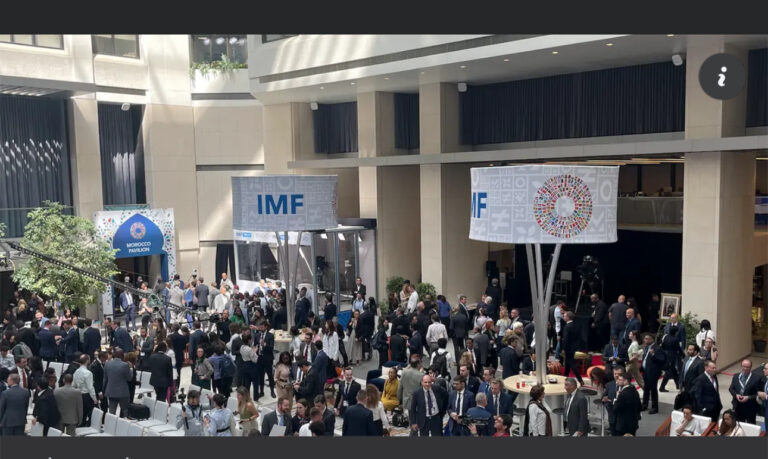
IMF Managing Director Kristalina Georgieva delivered the caution during a Civil Society Town Hall meeting held on the sidelines of the IMF–World Bank Annual Meetings in Washington, D.C., on Monday.

Georgieva emphasized that illicit financial flows — often linked to corruption, tax evasion, terrorism financing, and money laundering — drain critical resources from developing nations, exacerbate inequality, and undermine confidence in public institutions.

“Illicit financial flows weaken economies, corrode trust in governance, and divert resources away from essential priorities such as health, education, and infrastructure,” Georgieva said. “Countries must strengthen anti–money-laundering systems and enhance transparency to protect financial stability and attract sustainable investment.”

She noted that emerging markets like Nigeria, which are battling high debt levels and weak institutional frameworks, face heightened risks from cross-border financial crimes if regulatory systems are not reinforced.

The IMF chief highlighted that building robust governance structures, enforcing transparency in fiscal management, and improving coordination between financial intelligence units and global partners are crucial to tackling the challenge.

According to IMF data, developing nations lose an estimated $200 billion to $600 billion annually through illicit outflows, undermining their capacity to meet development targets and service public debt.

Georgieva also called for stronger international collaboration, urging developed economies and global financial institutions to assist emerging markets with capacity building, digital monitoring systems, and technical expertise to trace and recover stolen assets.

“Addressing illicit flows is not just a national priority — it’s a shared global responsibility,” she added. “Transparency and accountability are the foundations of economic resilience.”

Analysts say the IMF’s warning is particularly significant for Nigeria, which continues to grapple with issues of capital flight, weak anti-corruption enforcement, and opaque financial reporting systems. The country has in recent years faced scrutiny over money-laundering concerns within its political and banking sectors.

The IMF reiterated its commitment to working with member nations to strengthen governance reforms, support anti-corruption measures, and enhance institutional accountability — key pillars for restoring investor confidence and driving inclusive growth across emerging economies.
Dangote Refutes Monopoly Claims, Urges Nigerians to Support Local Investment

0

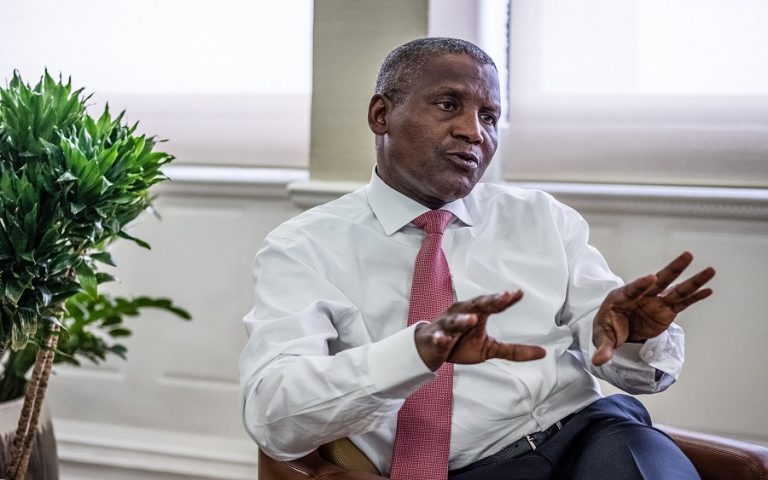
Africa’s richest man and Chairman of Dangote Group, Alhaji Aliko Dangote, has dismissed widespread claims that the Dangote Refinery represents a monopoly in Nigeria’s oil and gas industry, insisting that the project is a testament to what private enterprise can achieve with vision, courage, and commitment to national development.

Speaking during a session at the Downstream Petroleum Week in Lagos, Dangote emphasized that the refinery — which is the largest single-train refinery in the world — was built out of determination to solve Nigeria’s decades-long dependence on imported petroleum products, not to dominate the market or stifle competition.

“There’s nothing like monopoly here. No one is stopping anyone from building a refinery,” Dangote stated firmly. “We chose to invest billions of dollars to build locally, employ Nigerians, and produce locally. Others are equally free to do the same. That’s how industries grow.”

He argued that rather than viewing the refinery’s operations through the lens of monopoly, Nigerians should see it as a symbol of national capacity, capable of transforming the country into a net exporter of refined products, stabilizing fuel supply, and reducing foreign exchange pressure.

Dangote maintained that claims of market dominance are unfounded and could discourage both local and foreign investors from pursuing similar large-scale projects.

“When people use the word ‘monopoly’ loosely, they risk sending the wrong message to investors,” he cautioned. “Industrial growth thrives on productivity, innovation, and competition — not on fear or misinformation.”

Industry experts have noted that the $20 billion Dangote Refinery, located in Lekki, Lagos, has the capacity to refine 650,000 barrels of crude oil per day, producing petrol, diesel, aviation fuel, and other petrochemical products for both domestic and export markets.

The facility, they say, could save Nigeria up to $25 billion annually in foreign exchange used for importing refined petroleum products while creating over 100,000 direct and indirect jobs.

Dangote further encouraged policymakers to support indigenous investors who take bold steps to solve Nigeria’s structural economic challenges, stressing that “building industries, not just trading commodities,” is the path to sustainable national prosperity.

He also reiterated that the Dangote Group welcomes competition, partnerships, and collaboration in the downstream petroleum space, provided all players operate under transparent and fair market conditions.

The refinery, which began operations in early 2024, is widely expected to reshape the energy landscape across West Africa, enhance regional self-sufficiency, and position Nigeria as a key player in the global energy supply chain.

CBN Raises ₦10.4 Trillion Through Treasury Bills in 2025 Despite Slight Decline from Previous Year

0

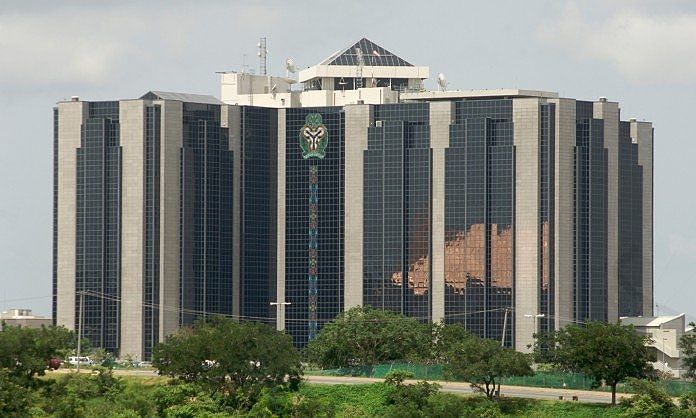
The Central Bank of Nigeria (CBN) has raised ₦10.4 trillion through Nigerian Treasury Bills (NTBs) in 2025, marking a marginal 1.09 percent decrease from the ₦10.52 trillion recorded in 2024. The development was disclosed in the apex bank’s Primary Market Auction (PMA) data, reflecting sustained investor appetite for government securities amid a volatile economic environment.

According to the report, the CBN offered a total of ₦8.7 trillion worth of NTBs during the period — a significant 51.1 percent increase from ₦5.73 trillion offered in 2024. The increase in supply indicates the bank’s continued reliance on short-term instruments to manage liquidity, inflationary pressure, and fiscal financing needs.

However, total subscriptions fell to ₦28.37 trillion in 2025 from ₦32.71 trillion in the preceding year, suggesting a moderation in investor participation despite the higher volume of offers. Analysts attribute this to tighter liquidity conditions in the financial system and cautious positioning by institutional investors amid rising yields in other asset classes.

The report also shows that spot rates on 91-day Treasury Bills declined to 15 percent in September 2025, compared to 17 percent in September 2024, reflecting a gradual easing in short-term borrowing costs and an attempt by the CBN to balance yield expectations with fiscal sustainability.

Market analysts believe that the robust NTB issuance underscores investors’ renewed preference for risk-free assets, especially as Nigeria continues to grapple with double-digit inflation, exchange rate volatility, and weak private sector credit growth.

“Investors are shifting to government securities for safety and liquidity. Despite a marginal drop in total raised funds, the consistent demand shows strong confidence in sovereign instruments,” said a Lagos-based fixed-income analyst.

The CBN’s NTB auctions have also played a crucial role in mopping up excess liquidity from the banking system to curb inflationary pressures and stabilize the naira.

In addition, the consistent increase in the volume of offers indicates the apex bank’s active monetary policy stance and its commitment to maintaining financial stability while providing the government with short-term financing support.

With inflation remaining above 20 percent and the CBN sustaining a tight monetary regime, financial experts anticipate that Treasury Bill yields will remain relatively attractive through the end of 2025, keeping investor participation strong despite the marginal year-on-year decline in total raised funds.

Shell, Sunlink Approve HI Gas Project to Deliver 350 Million scf/day in Nigeria

0

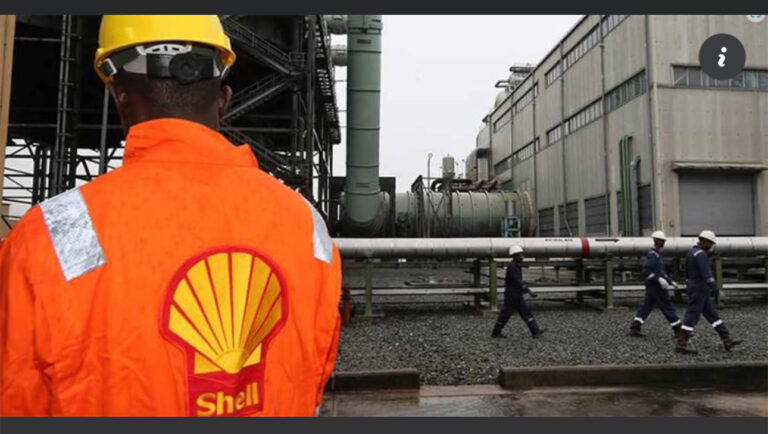
Global energy major Shell Petroleum Development Company (SPDC), in partnership with Sunlink Petroleum Limited, has approved the development of the HI Gas Project, a large-scale natural gas initiative expected to deliver 350 million standard cubic feet (scf) of gas per day upon completion.

The approval marks a major milestone in Nigeria’s efforts to expand domestic gas production, enhance energy security, and strengthen its transition toward cleaner energy sources.

According to industry sources, the HI Gas Project will be implemented under a Joint Venture framework between Shell and Sunlink, combining Shell’s technical expertise with Sunlink’s strategic investments in Nigeria’s gas infrastructure network. The project is designed to support both industrial gas supply and power generation, aligning with the Federal Government’s Decade of Gas Initiative aimed at positioning gas as the nation’s primary energy source.

Once operational, the facility is projected to significantly boost Nigeria’s gas output, contributing to the reduction of gas flaring and supporting downstream users such as fertilizer plants, power stations, and manufacturing companies.

Shell’s Managing Director for Nigeria, Osagie Okunbor, described the HI Gas Project as a “transformative development for Nigeria’s energy landscape,” emphasizing that the project will provide sustainable gas supply, create local jobs, and foster community development.

“This project underscores Shell’s long-term commitment to Nigeria and our support for the country’s energy transition goals. By unlocking more domestic gas resources, we can power industries, reduce emissions, and create shared prosperity,” Okunbor stated.

Sunlink Petroleum Limited’s CEO, Dr. Sunny Ogbuoji, also hailed the project as a “landmark collaboration” between local and international partners that will accelerate Nigeria’s industrial growth and contribute to its economic diversification.

“The HI Gas Project is a testament to what is possible when innovation meets collaboration. We are proud to be part of an initiative that directly supports national development and sustainable energy delivery,” Ogbuoji said.

The HI Gas facility will include processing, compression, and transmission infrastructure, ensuring efficient delivery to end-users through the national gas pipeline system managed by the Nigerian Gas Infrastructure Company (NGIC).

Energy analysts have described the approval as a strategic move to meet rising domestic gas demand while positioning Nigeria as a competitive player in the regional gas market. The 350 million scf/day output, they note, could power several gigawatts of electricity and serve multiple industrial clusters across the Niger Delta and beyond.

The project’s final investment decision (FID) follows months of technical assessments and regulatory consultations with the Nigerian Upstream Petroleum Regulatory Commission (NUPRC) and the Ministry of Petroleum Resources.

Construction is expected to commence in early 2026, with first gas delivery targeted for 2028, subject to final regulatory approvals.

With global energy companies increasingly focusing on natural gas as a transition fuel, the HI Gas Project represents a major step toward reducing Nigeria’s carbon footprint, improving energy access, and driving long-term economic growth through cleaner, reliable, and affordable gas supply.

National Assembly Proposes Shift of 2027 Elections to November 2026, Introduces Key Electoral Reforms

0

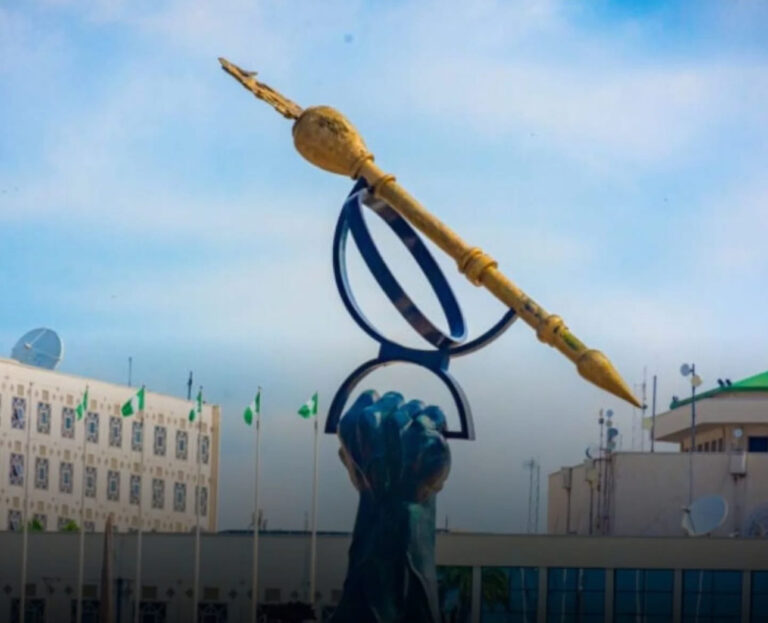
In a major move to strengthen Nigeria’s electoral process ahead of the 2027 general elections, the National Assembly has proposed an amendment to the Electoral Act 2022 that would shift the conduct of presidential and governorship elections to November 2026.

The proposed amendment seeks to ensure that all election petitions are fully resolved before the official inauguration of elected leaders, thereby reducing post-election tensions and ensuring a smoother democratic transition.

According to the draft bill presented during a public hearing on Monday, the early conduct of elections would provide sufficient time for the courts to adjudicate on electoral disputes before the May 29 handover date. The measure is part of a broader legislative reform to enhance electoral credibility, transparency, and administrative efficiency.

Among the notable provisions in the proposed amendment are the introduction of early voting, mandatory electronic transmission of results, and stiffer penalties for non-compliance by electoral officials. The reforms aim to deepen voter confidence, curb electoral malpractice, and promote the use of technology to ensure the integrity of election outcomes.

During the public hearing, which drew participants from civil society organizations, political parties, and legal experts, representatives of the Independent National Electoral Commission (INEC) expressed support for the proposed reforms. INEC officials noted that the shift would provide the commission with adequate time to collate, verify, and announce credible results, while also allowing legal processes to conclude before the swearing-in of winners.

Several lawmakers also emphasized that the amendment would address long-standing concerns about overlapping timelines between elections, litigation, and inauguration. They argued that moving the polls forward would align Nigeria’s electoral calendar with best practices observed in other democracies.

Civil society groups, however, urged the National Assembly to complement the reforms with broader measures to improve logistics, voter education, and the transparency of campaign financing.

If passed, the amendment could represent one of the most significant overhauls of Nigeria’s electoral timetable in recent history, potentially setting a new standard for accountability and judicial efficiency in the country’s democratic process.

Transcorp Power Leads Market Rally as NGX Capitalization Hits Record ₦93.7 Trillion

0

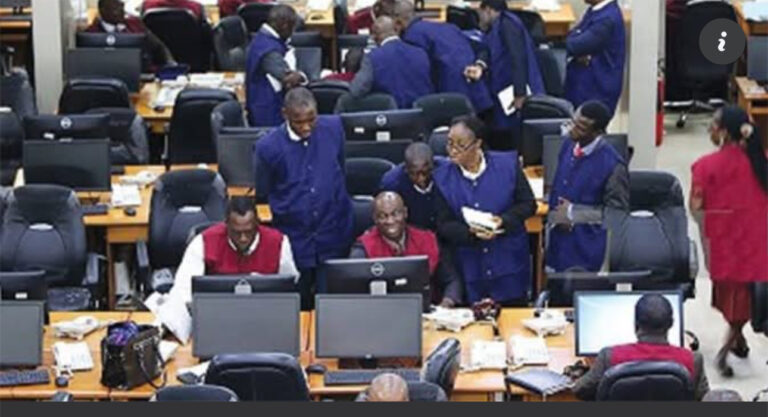
Nigeria’s equities market surged to a new milestone on Monday, with the Nigerian Exchange Group (NGX) closing at a record market capitalization of ₦93.7 trillion, driven by strong performances from heavyweight stocks led by Transcorp Power Plc.

Data from the NGX showed that Transcorp Power emerged as the day’s top performer, extending its recent bullish momentum amid rising investor confidence in the company’s earnings potential and energy sector growth prospects. The power firm’s impressive rally helped lift overall market sentiment, even as some sectors recorded mild profit-taking.

Market analysts attributed the surge to a combination of renewed institutional interest, improved liquidity, and positive macroeconomic indicators, particularly the steady appreciation of the naira and improved foreign exchange market stability. These factors have encouraged both domestic and foreign investors to increase their exposure to equities, particularly in the energy and industrial sectors.

The All-Share Index (ASI) advanced further, reflecting a broad-based uptick across major sectors including power, banking, and consumer goods. Transcorp Power’s performance was followed by gains in other notable stocks such as Dangote Cement, MTN Nigeria, and BUA Foods, which collectively contributed to the record valuation.

Analysts at Meristem Securities noted that investor optimism around Transcorp Power stemmed from its strong third-quarter financial results, which showed significant growth in profit and revenue. The company’s strategic investments in power generation efficiency and diversification across energy assets have positioned it as a key driver of the market’s current rally.

Meanwhile, trading volume remained robust, with investors showing sustained interest in blue-chip stocks and dividend-paying companies. The positive trend reinforces expectations that the NGX may sustain its upward trajectory in the final quarter of 2025, barring external shocks or monetary tightening.

Commenting on the development, market expert Ayodeji Ebo, noted that “the consistent performance of Transcorp Power and other leading firms underscores the resilience of Nigerian equities despite global economic uncertainties.”

The NGX’s surge to ₦93.7 trillion marks a historic moment for Nigeria’s capital market, reflecting both investor confidence and the growing appeal of listed firms amid gradual economic recovery.

With Transcorp Power continuing to outperform peers, market watchers believe the company’s dominance could set the tone for further sectoral growth and sustained investor participation in the weeks ahead.

Lagos to Demolish Illegal Reclamation Structures, Prosecute Offenders from October 15

0

The Lagos State Government has announced plans to commence the removal of all illegal reclamation structures and prosecution of violators beginning Tuesday, October 15, 2025, as part of renewed efforts to safeguard the state’s coastal and drainage systems from environmental abuse.

The directive, issued by the Commissioner for Waterfront Infrastructure Development, Ekundayo Alebiosu, followed several warnings and enforcement notices served to developers, individuals, and organizations engaged in unauthorized land reclamation and encroachment along Lagos waterways.

Alebiosu stated that the government would take decisive action against those who have continued to flout environmental and urban planning regulations, emphasizing that illegal reclamation poses a serious threat to the state’s ecosystem, flood management, and public safety.

“We have observed with concern the rising cases of illegal reclamation and waterfront encroachment in several parts of the state despite repeated warnings,” Alebiosu said. “From October 15, we will begin removal of such illegal structures and prosecute those involved under relevant state laws.”

According to the commissioner, the enforcement exercise will cover key areas including Lekki, Ikoyi, Victoria Island, Ajah, Badore, and parts of Amuwo-Odofin, where unapproved land reclamation activities have reportedly intensified.

He noted that many of these developments have altered natural water channels, obstructed drainage flow, and increased the risk of severe flooding during heavy rainfall, undermining the state’s extensive flood control investments.

The state government, he added, remains committed to maintaining the integrity of its coastal zones and will not hesitate to reclaim illegally occupied lands for public good.

Officials from the Ministry of Physical Planning and Urban Development, Lagos State Environmental Protection Agency (LASEPA), and the Lagos State Building Control Agency (LASBCA) will join forces with waterfront enforcement teams to ensure strict compliance with the new directive.

Alebiosu also appealed to residents and developers to verify all reclamation and construction approvals through the appropriate ministries before commencing any waterfront project.

“This is not a witch-hunt but a necessary measure to protect lives, properties, and the environment,” he said. “Anyone found culpable will face full legal consequences, including demolition of illegal structures and forfeiture of the land to the government.”

Environmental experts and civic groups have commended the move, describing it as a timely step to curb the unchecked urban encroachment that has worsened flooding and environmental degradation in Lagos in recent years.

With the enforcement date set for October 15, the Lagos State Government reiterated its stance that the era of impunity in land reclamation and waterfront development is over, urging all stakeholders to comply with existing laws to avoid sanctions.

Egypt Builds $58 Billion New Capital City to Ease Cairo Congestion and Drive Economic Growth

0


Egypt Builds $58 Billion New Capital City to Ease Cairo Congestion and Drive Economic Growth

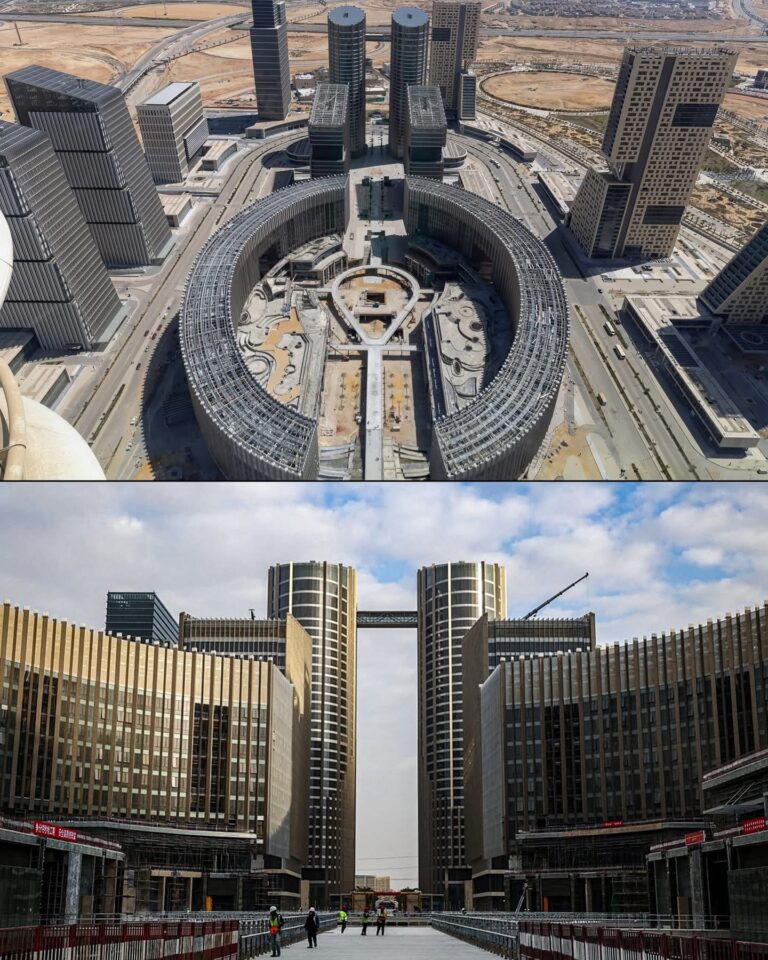
CAIRO — Egypt is pushing ahead with the construction of its $58 billion New Administrative Capital, a massive urban development project located about 45 kilometers east of Cairo, aimed at decongesting the overpopulated capital and ushering in a new phase of national transformation.

Conceived in 2015 under President Abdel Fattah el-Sisi, the new city is being developed as a modern, smart, and sustainable metropolis that will serve as the administrative and financial heart of Egypt. When completed, it is expected to accommodate more than six million residents and significantly reduce pressure on Cairo, one of the most crowded cities in the world with over 20 million inhabitants.

The sprawling city — often referred to as the “New Administrative Capital” (NAC) — will host all government ministries, foreign embassies, and major corporate headquarters. It will also feature luxury residential zones, business districts, green spaces, cultural landmarks, and cutting-edge infrastructure powered by renewable energy.

One of the project’s most iconic landmarks is Africa’s tallest skyscraper, known as the Iconic Tower, which stands over 385 meters tall and dominates the skyline of the Central Business District (CBD). The skyscraper symbolizes Egypt’s growing ambitions to position itself as a hub of innovation, investment, and modernity on the African continent.

Officials say the project represents more than just a relocation of government offices — it is a bold attempt to redefine Egypt’s urban identity, boost employment, and attract foreign investment through large-scale infrastructure development. The city is being built in multiple phases, with the first phase — covering approximately 168 square kilometers — already hosting key government facilities and residential areas nearing completion.

According to Egypt’s Ministry of Housing, Utilities, and Urban Communities, the project is being funded through a mix of public-private partnerships and foreign investments, primarily from Chinese construction firms and Gulf investors.

“This new capital reflects our vision for a modern, connected Egypt — one that embraces technology, sustainability, and opportunity,” said Mostafa Madbouly, Egypt’s Prime Minister, during a recent site visit.

The New Administrative Capital is designed with advanced digital infrastructure, mass transit systems, and smart city technologies, including integrated surveillance, automated utilities, and an extensive network of electric transport options.

While the project has drawn praise for its ambition, it has also attracted criticism from some economists who question its high cost amid ongoing economic challenges and debt pressures. However, supporters argue that the new capital will generate long-term economic dividends, stimulate job creation, and help redistribute Egypt’s population density away from Cairo’s urban sprawl.

Once completed, the city is expected to become a symbol of Egypt’s modernization drive, offering a blueprint for other African nations seeking to build new, future-ready capitals.

The project, with its combination of technology, architecture, and national vision, positions Egypt as a leader in Africa’s next wave of urban transformation.

South African Dancer Linani Luncumo Potwana Shines at IPA All-Star Contest in China

0

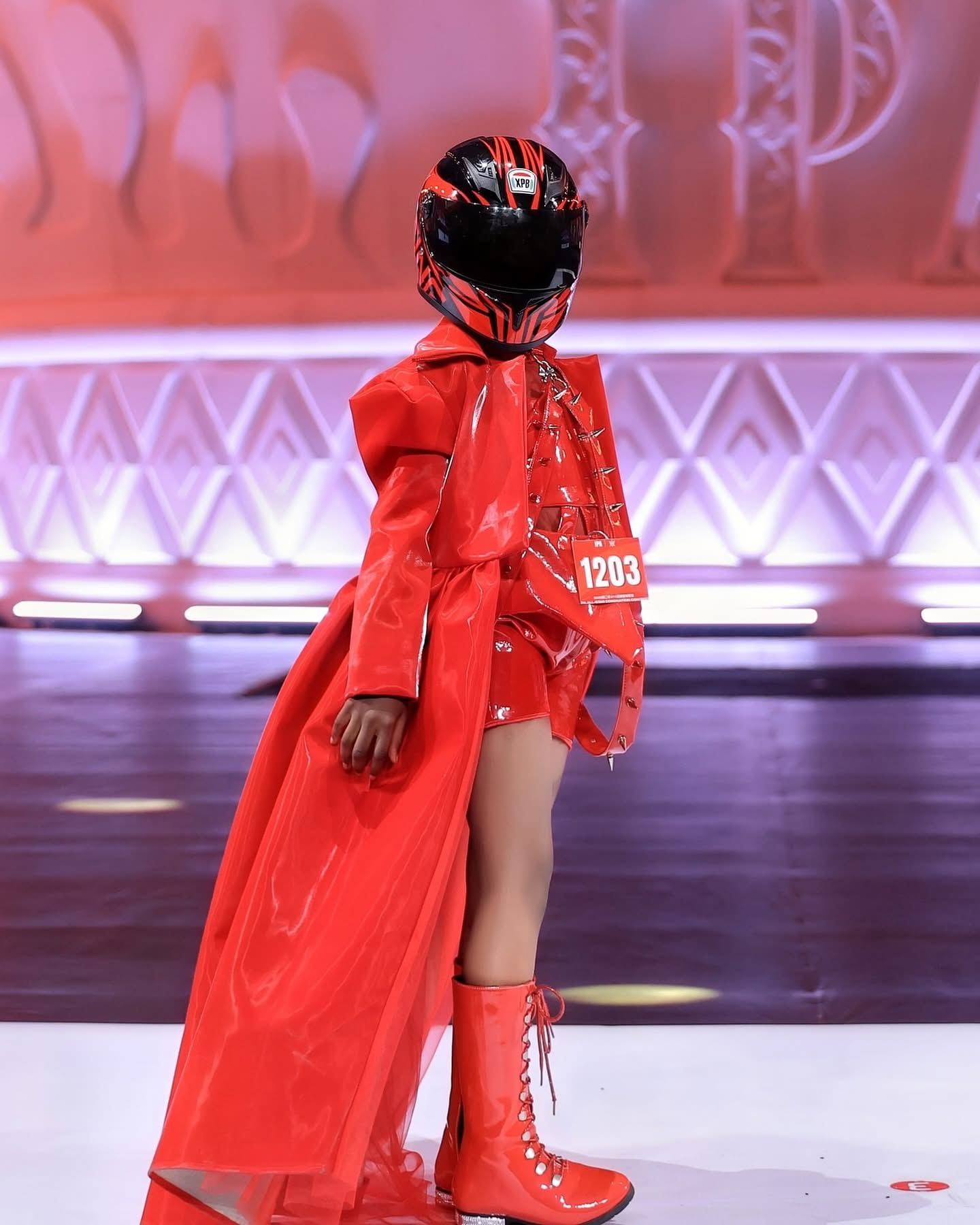
South African dancer Linani Luncumo Potwana has captured international attention after delivering a stunning performance at the IPA All-Star Contest held in Wuhan, China — one of the world’s premier global dance competitions celebrating artistic diversity and cultural exchange.

Representing South Africa with confidence and charisma, Potwana’s performance was a vibrant fusion of African rhythm, contemporary choreography, and emotional storytelling, leaving both judges and spectators spellbound. Her commanding stage presence, coupled with her seamless transitions and expressive movement, earned her standing ovations and widespread praise from international audiences.

The IPA All-Star Contest, an annual global event that draws elite performers from across continents, provides a platform for emerging and professional artists to showcase their creativity across multiple dance genres. This year’s edition featured dancers from over 40 countries, competing for top honors in performance, innovation, and cultural representation.

Potwana’s routine — described by many as a “celebration of African identity and resilience” — incorporated traditional beats and contemporary interpretations, reflecting the richness of South Africa’s artistic heritage. Her performance was particularly noted for its technical precision, emotional depth, and authentic African flair, elements that set her apart in a field dominated by Western and Asian dance styles.

Speaking after her performance, Potwana expressed gratitude for the opportunity to represent her country on such a prestigious stage.

“This experience has been life-changing. Dancing here in Wuhan allowed me to share a piece of Africa with the world,” she said. “I wanted to show that African dance is not just movement — it’s culture, emotion, and power.”

Cultural commentators have hailed her achievement as another milestone for African creatives breaking barriers on the global scene. By blending traditional storytelling with modern performance art, Potwana has helped reinforce Africa’s growing influence in global entertainment and performance arts.

South African arts authorities and fans have also taken to social media to celebrate her success, describing her as an inspiration to young African dancers aspiring to make their mark internationally.

The IPA All-Star Contest continues to serve as a major cultural bridge between nations, and Potwana’s performance is being viewed as a powerful example of how African talent continues to resonate and inspire on the world stage.

Her journey, from local dance studios in South Africa to one of the world’s most prestigious stages in China, stands as a testament to the continent’s boundless creativity and global potential.

Idris Elba Brings His House Music Label ‘Sound International’ to Nairobi for Electrifying Launch Party

0

British actor, DJ, and producer Idris Elba is set to bring his dynamic house music imprint, Sound International, to Kenya this weekend, with a spectacular launch event at MUZE Club, Nairobi, on Saturday night.

The highly anticipated event marks the African debut of Elba’s label, which has rapidly gained global attention for promoting diverse and culturally rooted house sounds from around the world. The Nairobi edition promises to be a fusion of African rhythm, electronic innovation, and international artistry, showcasing Kenya’s growing prominence in the global house music scene.

According to organizers, the night will feature a line-up of top-tier DJs and performers, both local and international, headlined by the celebrated Afro-house duo Afrokillerz, known for their electrifying performances and deep African-inspired soundscapes.

The highlight of the evening will be the live debut of “Maithori,” a collaborative track featuring Idris Elba, Zimbabwean producer NITEFREAK, South African electronic duo Frigid Armadillo, and Kenyan vocalist Nes Mburu. The song, which blends soulful vocals with pulsating Afro-tech rhythms, embodies the label’s vision of cultural collaboration and sonic unity.

Speaking ahead of the Nairobi event, Idris Elba expressed his excitement about bringing Sound International to East Africa, emphasizing the continent’s vital role in shaping the evolution of global dance music.

“Africa has always been at the heartbeat of rhythm. Bringing Sound International to Nairobi is more than just a party — it’s a celebration of creativity, diversity, and the global influence of African sound,” Elba said.

Launched in 2024, Sound International draws inspiration from the sound system culture of the 1980s, particularly influenced by Elba’s late uncle, who ran a London-based reggae and soul sound system. The label merges this nostalgic foundation with a modern electronic aesthetic, seeking to bridge cultures through music and connect artists from every corner of the world.

Nairobi has been strategically chosen as one of the label’s major global stops, reflecting the city’s growing reputation as a hub for electronic and Afro-house music. Over the past decade, Kenya’s capital has cultivated a vibrant underground scene, blending traditional African beats with global dance sounds — a fusion that resonates perfectly with Sound International’s mission.

Music enthusiasts, producers, and cultural influencers from across Africa are expected to attend the event, which promises to deliver immersive performances, cutting-edge visuals, and cross-cultural collaborations.

Industry analysts have hailed Elba’s expansion into Africa as a significant boost for the continent’s creative economy, positioning Nairobi alongside other global electronic capitals such as Ibiza, Berlin, and Johannesburg.

As Sound International continues its global rollout, the Nairobi launch underscores the label’s commitment to celebrating music as a universal language — one that connects people, communities, and cultures through rhythm and sound.

The Sound International Nairobi Launch Party kicks off this Saturday at MUZE Club, Westlands, and promises to be a defining moment in Africa’s growing influence on the international house music landscape.