


Home Blog Page 96

Libya Arrests Two Suspects Over Attempted Rocket Attack on UN Mission in Tripoli

0

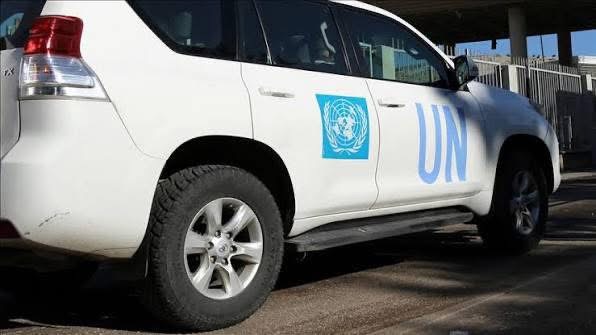
Libyan authorities have announced the arrest of two suspects allegedly involved in an attempted rocket attack targeting the United Nations Support Mission in Libya (UNSMIL) headquarters in Tripoli last August.

The announcement was made by Libya’s Attorney General’s Office, which confirmed that investigators had gathered sufficient evidence linking the individuals to the foiled assault. The suspects are currently in custody and are expected to face prosecution under national security and counterterrorism laws.

According to the Attorney General, preliminary investigations revealed that the suspects were part of a group that attempted to launch multiple projectiles toward the UN compound in the capital. The attack failed to cause any casualties or property damage, but it raised serious concerns about the safety of international personnel operating in the country.

The UN Support Mission in Libya (UNSMIL), in a statement following the arrests, reaffirmed that no staff members were harmed during the incident and expressed appreciation to the Libyan authorities for their swift response and continued efforts to ensure accountability.

“The United Nations commends the Libyan justice system for taking decisive action to bring those responsible to justice,” the statement read, adding that the Mission remains committed to supporting Libya’s path toward stability, peace, and democratic governance.

The attempted attack occurred amid heightened political tensions in Tripoli, as rival factions continue to vie for control and influence within the country’s fragile power-sharing arrangement.

Security analysts say the arrests represent a significant step toward reinforcing the rule of law and deterring future attacks against diplomatic and international missions in Libya.

The Attorney General emphasized that the investigation remains ongoing, with authorities pursuing additional suspects who may have aided or financed the operation.

Libya has struggled with instability and armed conflict since the 2011 uprising that toppled longtime ruler Muammar Gaddafi, but recent cooperation between security agencies and international partners has led to a series of counterterrorism breakthroughs, including the dismantling of militant cells operating in and around Tripoli.
Senegal Advances $1.2 Billion Ndayane Deepwater Port to Transform West Africa’s Maritime Trade

0

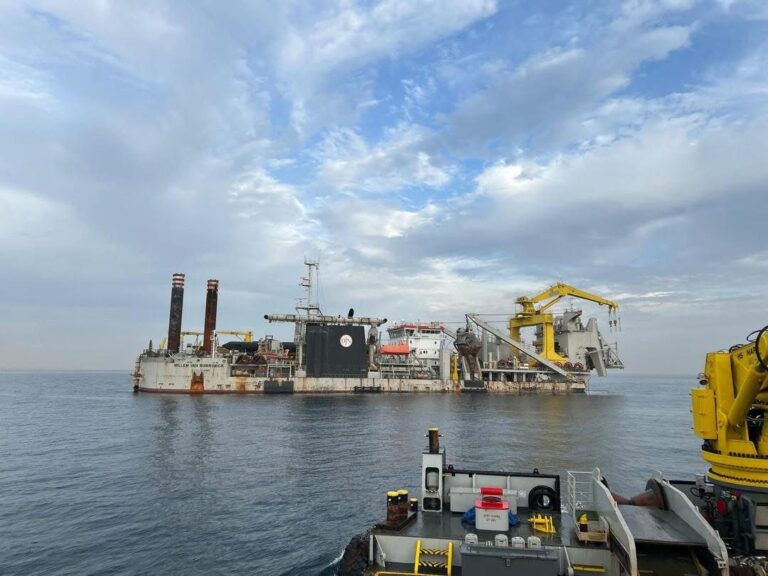
Senegal is moving forward with the construction of the $1.2 billion Ndayane Deepwater Port, a landmark infrastructure project designed to position the country as a leading logistics and maritime hub in West Africa.

Developed through a public-private partnership between the Government of Senegal, DP World, and British International Investment (BII), the project marks the largest port investment in Senegal’s history and one of the most ambitious on the continent.

Located about 50 kilometers south of Dakar, the Ndayane Port will feature a state-of-the-art deep-water terminal capable of accommodating mega container ships that currently bypass many West African ports due to depth limitations. The port will also include a 600-hectare integrated economic and logistics zone, aimed at promoting trade, manufacturing, and industrial development.

According to the Ministry of Infrastructure, construction began in December 2024 and is expected to be completed by 2028. Once operational, the port is expected to significantly decongest the Port of Dakar, improve turnaround times, and strengthen Senegal’s position as a regional trade gateway.

DP World, the Dubai-based global ports operator, has committed to building modern port infrastructure that meets international standards, while BII’s involvement underscores growing investor confidence in Senegal’s long-term economic prospects.

Senegal’s President, Bassirou Diomaye Faye, described the project as a “transformative investment for national and regional growth,” emphasizing that the Ndayane Port will create thousands of jobs, enhance logistics efficiency, and stimulate exports across sectors such as agriculture, mining, and manufacturing.

The project is part of Senegal’s broader Plan Sénégal Émergent (PSE) — a national strategy to diversify the economy, attract foreign investment, and expand infrastructure to support sustainable development.

Analysts say the Ndayane Deepwater Port will not only boost Senegal’s competitiveness in global trade but also reinforce West Africa’s integration into international supply chains.

Once completed, the Ndayane Port is expected to handle up to 1.5 million twenty-foot equivalent units (TEUs) annually, positioning Senegal as a strategic maritime hub connecting Africa to Europe, the Americas, and Asia.

Egypt and Rwanda Sign Landmark Visa-Free Agreement to Boost Bilateral Relations

0

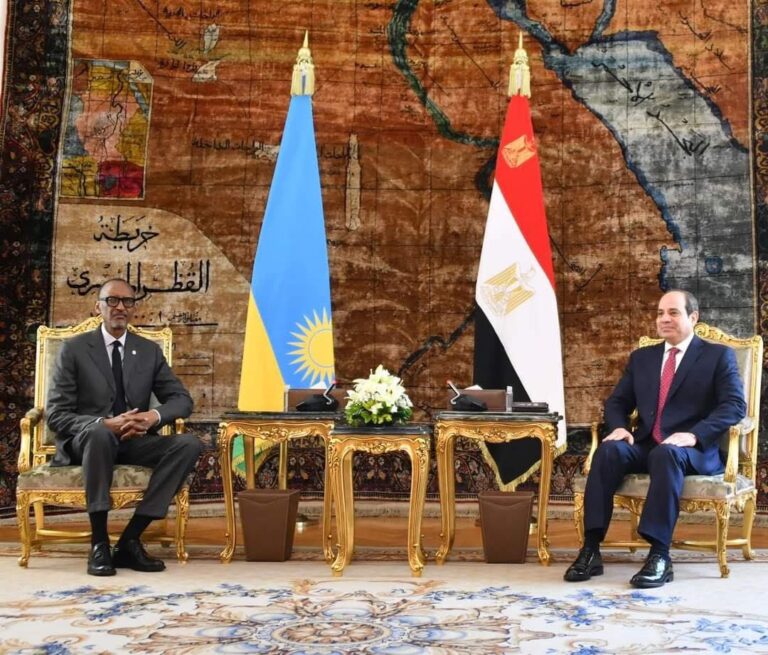
In a significant step toward strengthening regional integration and economic cooperation, Egypt and Rwanda have officially signed a visa-free agreement that allows citizens of both countries to travel freely without visa restrictions.

The historic deal, which was finalized during a high-level bilateral meeting, is expected to enhance diplomatic ties, promote tourism, and expand trade and investment opportunities between the two African nations.

Officials from both sides described the agreement as a milestone in fostering closer people-to-people and business-to-business connections across the continent. The move also underscores a shared commitment to the African Union’s vision of free movement and continental integration under the Africa Continental Free Trade Area (AfCFTA).

According to diplomatic sources, the policy will encourage cultural exchange, make cross-border business more seamless, and create a stronger foundation for collaboration in sectors such as agriculture, manufacturing, education, and technology.

Commenting on the development, representatives from the two governments emphasized that the visa-free policy reflects “mutual respect, trust, and a forward-looking partnership” between Cairo and Kigali — two nations with growing influence in African diplomacy and development cooperation.

Observers note that the agreement comes at a time when African countries are increasingly embracing open-border policies to boost intra-African travel, tourism, and economic diversification.

With this deal, Egypt and Rwanda join a growing list of African countries adopting visa-free regimes, signaling a decisive move toward a more connected and economically integrated Africa.

Egypt Inaugurates First Siemens Mobility High-Speed Train, Launches 2,000km National Rail Network

0

Egypt has officially inaugurated its first Siemens Mobility high-speed train, marking a historic milestone in the nation’s transportation sector and the beginning of a 2,000-kilometer electrified rail network — set to become the sixth-largest in the world once completed.

The new high-speed line represents a transformative leap for Egypt’s infrastructure, designed to link major cities and border regions across the country while dramatically reducing travel times and promoting sustainable, modern mobility.

According to Egypt’s Ministry of Transport, the first operational line — part of the “Vision 2030 Integrated Transport Strategy” — will cut travel time between Cairo and southern Egypt from over 10 hours to just a few hours, connecting key urban and industrial centers along the route.

“This project is not just about transportation — it’s about connecting Egyptians, accelerating trade, and driving regional development,” said Minister of Transport Kamel El-Wazir during the inauguration ceremony in Cairo.

Developed in partnership with Siemens Mobility, alongside Egyptian contractors Orascom Construction and The Arab Contractors, the high-speed rail network will feature state-of-the-art trains, modern stations, and fully electrified lines designed to reduce carbon emissions and dependence on fossil fuels.

The network, dubbed the “Green Line,” will connect the Red Sea to the Mediterranean, linking strategic hubs including Ain Sokhna, Alexandria, Marsa Matrouh, Aswan, and several new urban developments.

Siemens Mobility CEO Michael Peter described the project as “one of the most ambitious rail infrastructure programs globally,” emphasizing that the system will bring safe, efficient, and sustainable transportation to millions of Egyptians.

Once fully operational, the 2,000 km network is expected to serve around 30 million passengers annually, while significantly enhancing logistics and freight movement across Egypt’s industrial corridors.

The project aligns with Egypt’s broader efforts to modernize its transport infrastructure, promote green energy adoption, and strengthen its position as a regional hub for trade and mobility innovation.

Dangote Urges Nigerian Leaders to Reinvest Stolen Funds Locally to Spur Economic Growth

0

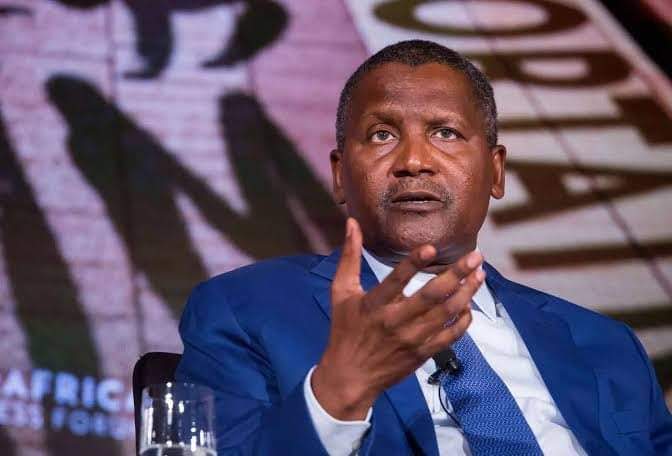
Africa’s richest man, Aliko Dangote, has called for a fundamental rethink in how stolen public funds are handled, urging corrupt leaders to reinvest such funds within Nigeria rather than siphoning them abroad.

Speaking during an exclusive interview with Channels Television, Dangote emphasized that while corruption remains a serious challenge, the greater economic tragedy lies in the capital flight that deprives the country of badly needed investment.

“If corrupt leaders could invest the stolen funds in Nigeria, the economy will grow,” Dangote said. “The real issue is not just embezzlement, but the fact that those funds are taken out of the country instead of being reinvested to make it grow.”

The industrialist, who chairs the Dangote Group, noted that keeping wealth circulating within Nigeria’s borders would have a transformative effect on the economy, helping to stimulate development, reduce poverty, and create employment opportunities for millions.

He added that domestic reinvestment of funds — even those obtained through questionable means — could still have a multiplier effect by building infrastructure, supporting local businesses, and strengthening key sectors such as manufacturing, agriculture, and energy.

“When money leaves the economy, it takes jobs, growth, and opportunity with it,” Dangote explained. “But if those same funds stay here — in industries, schools, hospitals, or roads — they can change lives and strengthen the nation.”

Dangote’s comments come at a time when Nigeria continues to grapple with economic headwinds, including high inflation, unemployment, and currency volatility. Analysts have often cited the massive outflow of illicit financial assets as one of the biggest obstacles to sustainable growth on the continent.

According to Transparency International and other watchdogs, Africa loses billions of dollars annually through corruption-related capital flight — funds that could otherwise finance infrastructure and social welfare programs.

Dangote, whose investments span cement, oil refining, agriculture, and infrastructure, said Nigeria’s private sector remains resilient and full of potential, but needs stronger fiscal discipline, better governance, and local reinvestment to unlock long-term prosperity.

CBN Adopts Artificial Intelligence in Monetary Policy, Says Governor Yemi Cardoso

0

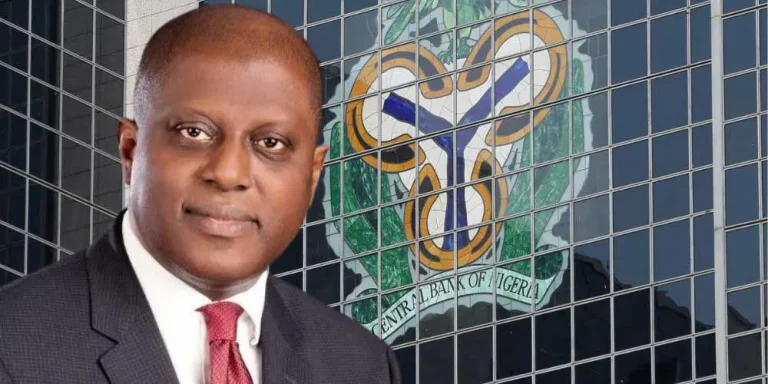
The Governor of the Central Bank of Nigeria (CBN), Dr. Yemi Cardoso, has announced that the apex bank has begun adopting Artificial Intelligence (AI) in its monetary policy framework, particularly in economic forecasting and decision-making processes.

Cardoso disclosed this during a fireside chat at the London Business School, moderated by Professor Hélène Rey, the Lord Bagri Professor of Economics. He highlighted that integrating AI tools into policy formulation marks a significant step toward enhancing the CBN’s data-driven approach to monetary management in an increasingly digital world.

“AI has been adopted in monetary policy, particularly with forecasting,” Cardoso stated, emphasizing the bank’s commitment to leveraging advanced technologies to strengthen economic modeling, inflation targeting, and risk assessment mechanisms.

Speaking further, the CBN Governor addressed questions surrounding cryptocurrency regulation in Nigeria, acknowledging the growing interest of young Nigerians in digital assets. He assured that the CBN recognizes its importance and will soon issue a formal statement clarifying the bank’s updated position on the sector.

On interest rates, Cardoso admitted that current rates remain high but explained that as the economy stabilizes, market forces will lead to gradual adjustments. He noted that the disappearance of arbitrage opportunities in the foreign exchange market would refocus banks’ attention on real sector activities and business generation rather than speculative trading.

Discussing the ongoing bank recapitalization exercise, the CBN Governor reiterated that financial institutions unable to meet the new capital requirements have options — including downgrading their licenses or merging with other banks. He emphasized that the CBN had provided sufficient time for compliance and dismissed any speculation of an extension.

“There is no reason for panic. The process is clear, and the timeline remains as communicated,” Cardoso affirmed.

The session at the London Business School drew global economists, finance students, and investors who discussed the intersection of technology, monetary policy, and financial system resilience.

Cardoso’s remarks underscore Nigeria’s ongoing effort to modernize its monetary operations through innovation and digital intelligence, signaling a new era for the Central Bank’s policy framework amid rapid technological transformation in global finance.


Trump Announces 100% Tariff on Chinese Goods Amid Escalating U.S.–China Trade Tensions

0

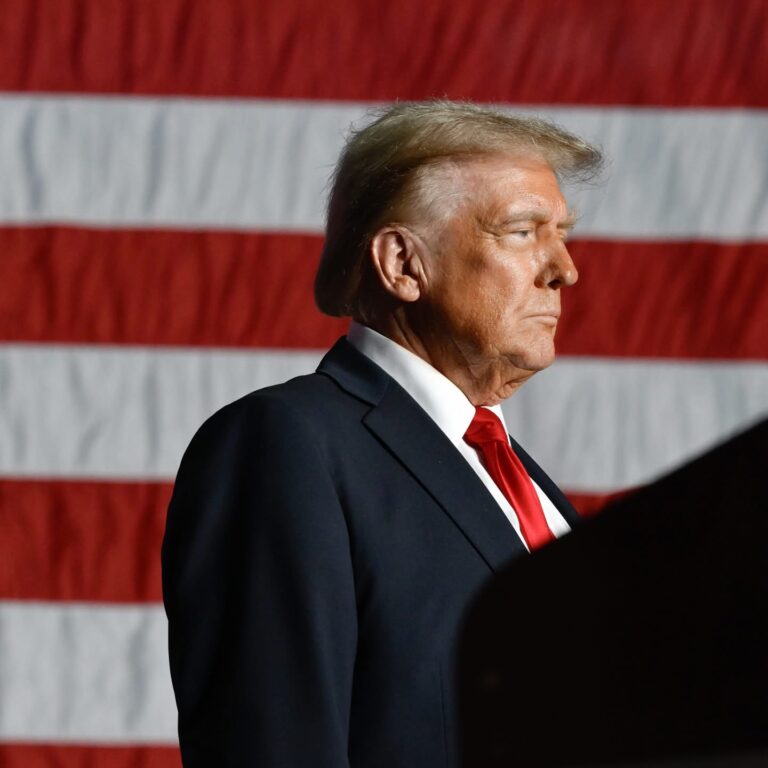
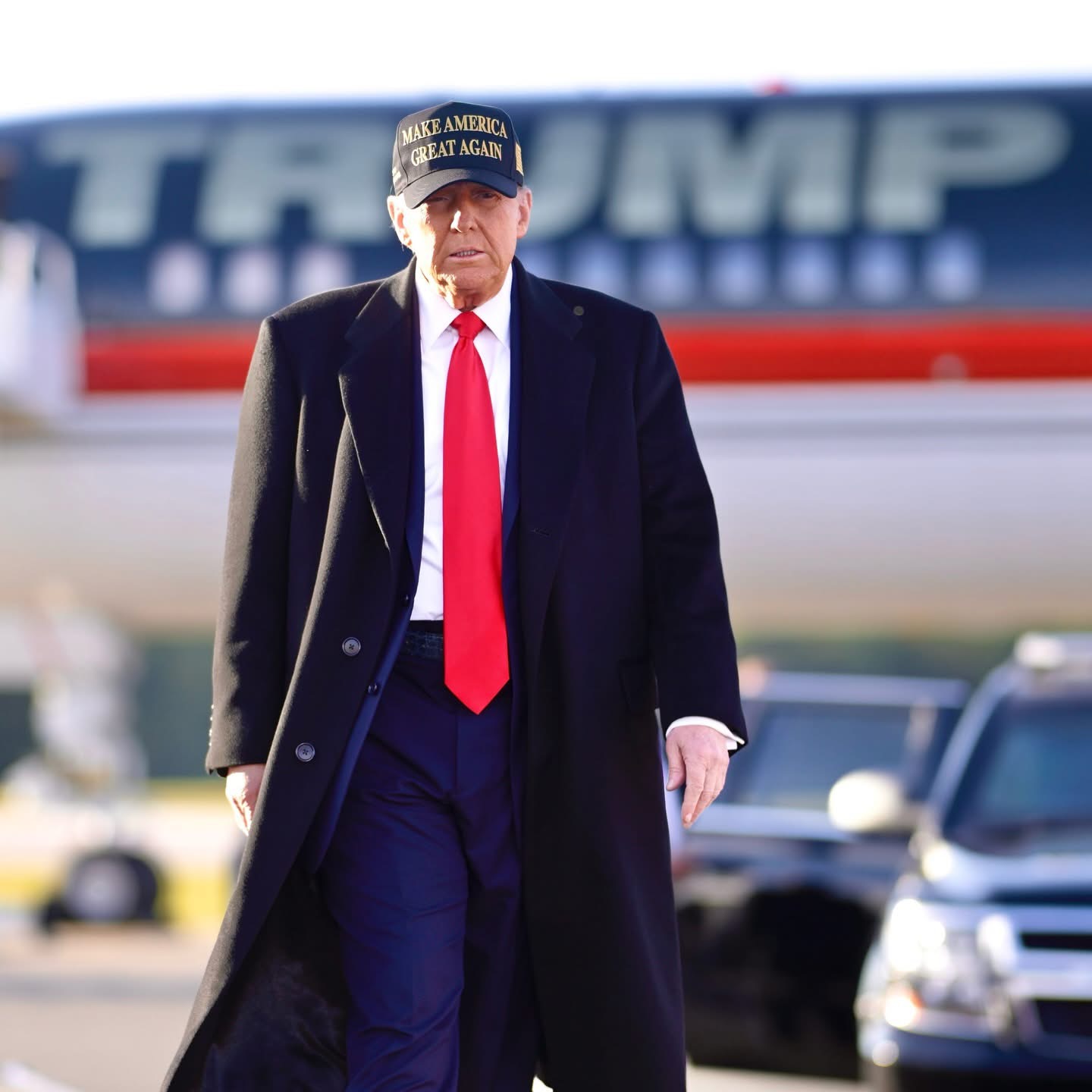
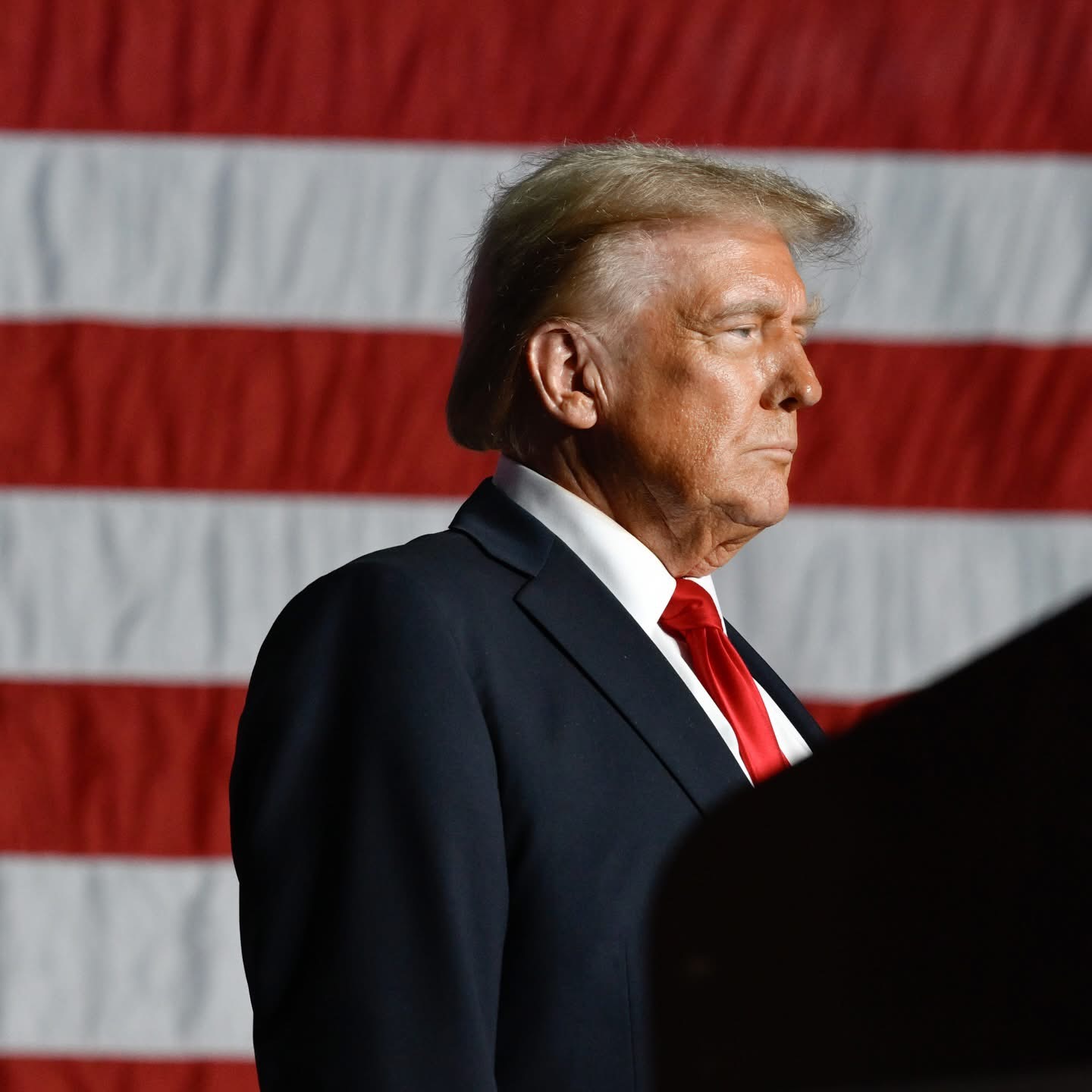
U.S. President Donald Trump has announced plans to impose a sweeping 100% tariff and expanded export controls on a wide range of Chinese goods, intensifying trade hostilities between Washington and Beijing.

The new measures, set to take effect by November 1 or earlier, mark one of the most aggressive U.S. trade actions against China in recent years. President Trump accused Beijing of adopting what he described as an “aggressive position on trade,” warning that the United States would no longer tolerate what he called unfair economic practices and strategic manipulation.

“China has continued to take an aggressive position on trade, using state power to disadvantage American industries,” Trump said during a White House press briefing. “We’re responding strongly and decisively to protect American jobs, innovation, and national interests.”

The announcement comes in direct response to China’s recent export restrictions on rare earth minerals, critical materials used in manufacturing semiconductors, electric vehicles, and advanced defense technologies. Analysts say the move by Beijing — viewed as a countermeasure to U.S. sanctions on Chinese tech firms — has reignited fears of a renewed trade war between the world’s two largest economies.

The proposed U.S. tariffs are expected to target key sectors, including electronics, machinery, steel, and consumer goods, potentially impacting global supply chains and increasing costs for American importers and consumers. In addition to tariffs, Washington plans to implement stricter export controls to limit the transfer of advanced technologies and sensitive components to Chinese companies.

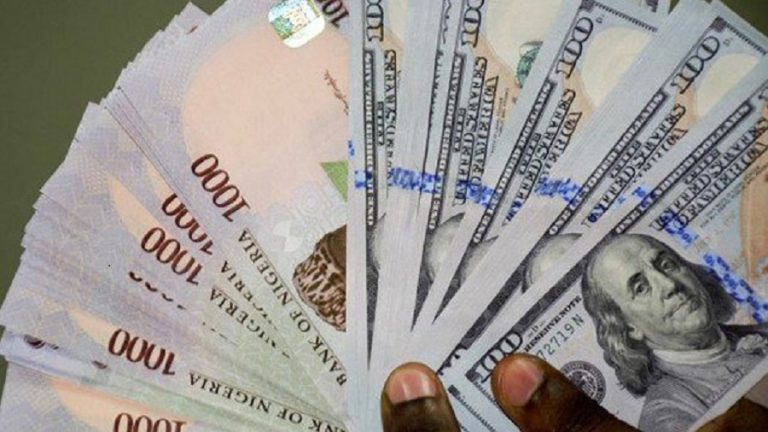
Economists warn that the escalating tensions could further strain global markets, disrupt trade flows, and undermine fragile economic recovery efforts.

In Beijing, Chinese officials have yet to issue an official response, though state media outlets have condemned what they called “U.S. economic coercion” and vowed that China would “take necessary countermeasures” to defend its national interests.

The development adds new uncertainty to an already volatile U.S.–China relationship, which has been marked by disputes over technology access, intellectual property, national security, and currency policy.

If implemented, the 100% tariff could signal the start of a new phase of economic confrontation, with wide-ranging consequences for global trade, investment flows, and international diplomacy.

Botswana Introduces 24% Local Ownership Requirement for All New Mining Deals

0

The Government of Botswana has announced a new policy mandating that at least 24% of ownership in all future mining projects be held by local citizens or companies, in a move aimed at deepening domestic participation in the nation’s lucrative mineral sector.

The announcement was made this week by the Minister of Minerals and Energy, who said the new rule is part of government efforts to ensure greater economic inclusion, value retention, and sustainable development from Botswana’s natural resources.

Under the new framework, all new mining licenses — including those for diamonds, copper, coal, and emerging critical minerals such as lithium and rare earths — will require that a minimum of 24% equity be held by Botswana nationals or locally owned entities before final approval.

“This policy ensures that Batswana have a tangible stake in the wealth generated from our natural resources,” the minister stated. “It is a key step toward transforming Botswana from a resource-dependent economy to one that is inclusive, diversified, and citizen-driven.”

Botswana, one of Africa’s most stable democracies and a leading diamond producer, has long partnered with global mining giants such as De Beers through its joint venture Debswana. However, officials say the new rule is designed to expand opportunities for local investors, communities, and entrepreneurs, particularly in upcoming exploration and mid-tier mining ventures.

Analysts view the move as part of a broader strategy to align the mining sector with Botswana’s Vision 2036 — a national plan to achieve high-income status through inclusive growth and sustainable resource management.

The policy also signals Botswana’s intent to retain more value locally, encouraging mining firms to invest in beneficiation, processing, and downstream industries within the country.

Industry stakeholders have welcomed the government’s clarity on the new rule, though some international investors are expected to seek further details on implementation timelines, equity valuation, and compliance mechanisms.

With this development, Botswana joins a growing list of African countries — including Tanzania, Namibia, and Zimbabwe — pursuing local ownership and resource nationalism policies to strengthen domestic control over mineral wealth.

Nigeria Spends ₦1.7 Trillion on Domestic Debt Servicing in Q2 2025 — DMO Report

0

Nigeria’s total domestic debt servicing rose to ₦1.707 trillion in the second quarter of 2025 (April–June), according to the latest data released by the Debt Management Office (DMO).

The official figures, published on the DMO’s website, reveal that the Federal Government spent ₦1.686 trillion on interest payments across several debt instruments and ₦20.14 billion on principal repayments, bringing the total domestic debt service to ₦1,707,087,151,475.90 for the three-month period.

A closer look at the breakdown shows that the Federal Government of Nigeria (FGN) Bonds and Nigerian Treasury Bills (NTBs) accounted for the largest share of the debt servicing costs. This underscores the government’s heavy dependence on domestic borrowing to bridge budget deficits amid fiscal pressures and declining oil revenues.

The DMO report highlights that the steady rise in domestic debt servicing reflects both higher interest rate environments and the government’s increased issuance of bonds and treasury instruments to fund public expenditure and infrastructure projects.

Economists note that the ₦1.7 trillion figure represents a significant fiscal burden, consuming a large share of federal revenue and limiting fiscal flexibility for developmental spending.

Nigeria’s total public debt, which includes both domestic and external obligations, has continued to expand as the government seeks to balance short-term financing needs with long-term fiscal sustainability. The DMO has consistently maintained that while borrowing remains necessary, it must be matched with robust revenue generation and prudent expenditure management to ensure debt sustainability.

The Q2 2025 figures come at a time when the Nigerian government is exploring tax reforms, subsidy rationalization, and public-private partnerships (PPPs) to diversify its income base and reduce its reliance on debt.

As of June 2025, Nigeria’s total public debt stock — comprising federal and subnational borrowings — is expected to rise further when external debt data for the same period are released.

Naira Hits Strongest Level Since 2024, Closes Week at ₦1,458/$1 as CBN Tightens FX Reforms

0

The Naira recorded its strongest performance since 2024, closing the week at ₦1,458 per US dollar on Friday, as the Central Bank of Nigeria (CBN) intensified measures to stabilize the foreign exchange (FX) market and consolidate recent monetary policy gains.

According to official data published on the CBN’s website, the domestic currency opened the week at ₦1,464/$1 on Monday, before slipping slightly to ₦1,472/$1 on Tuesday. The Naira, however, regained momentum midweek, appreciating to ₦1,469/$1 on Wednesday and ₦1,464/$1 on Thursday, before strengthening further to ₦1,458/$1 on Friday — marking its best level in nearly a year.

At the parallel market, the Naira traded within the range of ₦1,495 to ₦1,505 per dollar, reflecting a narrow premium over the official rate. The minimal spread between both markets signals a significant reduction in arbitrage opportunities, a key objective of the CBN’s ongoing FX market reforms.

Currency analysts attribute the Naira’s rally to the CBN’s tightening monetary stance, improved FX liquidity, and enhanced confidence among investors and market participants. The apex bank’s recent policies — including increased dollar inflows through official channels, greater transparency in FX reporting, and a clampdown on speculative trading — have all contributed to restoring relative market stability.

A senior currency dealer in Lagos noted that the sustained appreciation reflects “renewed discipline and consistent intervention” by the CBN, alongside improved supply from exporters and remittance channels.

The stronger Naira also comes as inflationary pressures show early signs of moderation, with investors expressing cautious optimism that the CBN’s policy reforms are beginning to yield tangible results.

The CBN has reiterated its commitment to maintaining a unified, transparent FX regime while supporting measures that enhance dollar inflows, encourage local production, and rebuild market confidence.

With the Naira’s latest performance, financial analysts say the currency could be entering a new phase of relative stability, provided that fiscal and monetary authorities sustain reform momentum and guard against renewed speculative pressure.

: