



Owo Blow, Arowolo, Aníkúlápó… The Films, Quotes and Slangs That Defined Ogogo
Taiwo Hassan, popularly known as Ogogo, leaves behind more than four decades of acting, filmmaking and an unmistakable cultural imprint on Yoruba cinema. From Owo Blow and Elewon to Omo Ghetto and Aníkúlápó, here are the films, roles, expressions and moments that helped define the career of one of Nollywood’s most recognisable veterans.
 Veteran Nigerian actor and filmmaker Taiwo Hassan, popularly known as Ogogo, has died at the age of 66.
Hassan died on Sunday, August 23, 2026, after a battle with stage-four cancer. His daughter, Kira Hassan, confirmed his death during an emotional Instagram Live session. His death was subsequently confirmed by a family friend and veteran actor Jide Kosoko. (Channels Television)
His passing brings to an end the life of an actor whose career stretched across more than four decades and whose work helped establish the distinctive language, characterisation and commercial appeal of Yoruba-language cinema.
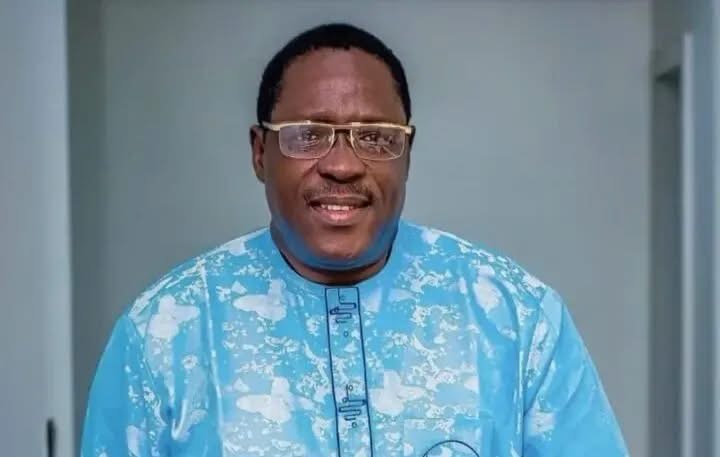 Ogogo was more than a familiar face in Yoruba films. He became a screen personality with a recognisable voice, physical presence and style of delivery. For generations of viewers, he represented authority, toughness, discipline and, at times, the intimidating figure who could dominate a scene simply by speaking.
From automobile mechanic to screen icon
Taiwo Hassan was born on October 31, 1959, in Ilaro, Ogun State.
Before becoming a full-time actor, he trained as an automobile technician and worked as a mechanic at the Lagos State Water Corporation. He began acting in 1981 while still working and eventually resigned from his job in 1994 to pursue acting professionally. (Wikipedia)
His first stage appearance was reportedly as an ewi chanter playing the character Akiigbe in a production at the National Museum in Onikan, Lagos. That early theatre experience helped lay the foundation for a career that would eventually move from stage performances into the rapidly expanding home-video industry. (The Guardian Nigeria)
His transition was significant because the 1990s represented a defining period for Nigerian home-video production. Yoruba-language filmmakers were building an audience beyond the traditional theatre circuit, and actors such as Ogogo became central to that movement.
Why he was called Ogogo
“Ogogo” was not originally a film name invented for him.
 Hassan explained that the name came from his paternal family oríkì. He described his family praise name as “Ogogo Omo Akulodo Aringini” and connected Ogogo with erin, the Yoruba word for elephant. (City People Magazine)
The name eventually became so closely associated with him that many Nigerians knew him primarily as Ogogo rather than Taiwo Hassan.
His stage identity became particularly powerful because it matched the commanding screen persona he developed. He frequently played characters who possessed authority, physical strength or social influence, making “Ogogo” almost synonymous with the archetype of the tough Yoruba film protagonist.
The Owo Blow breakthrough
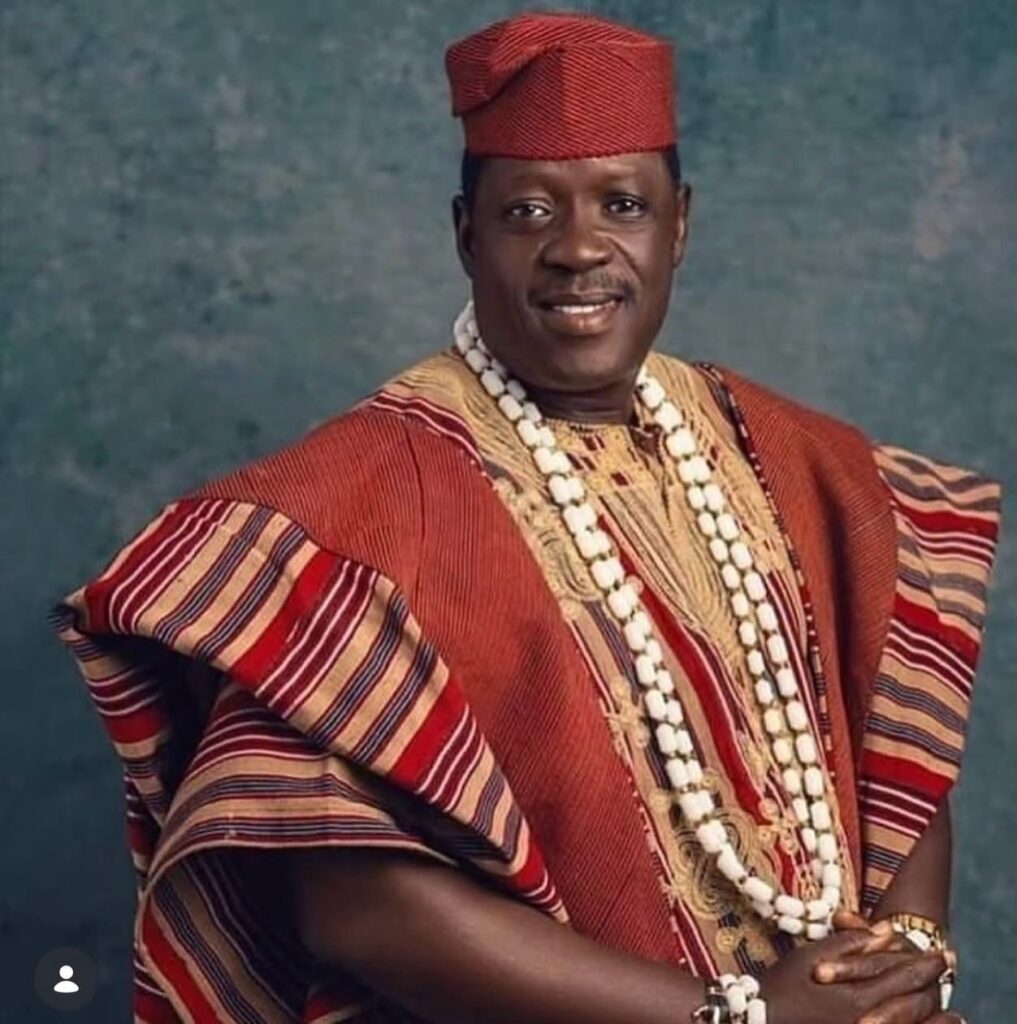 Ogogo’s major breakthrough came with Owo Blow, the 1996 home-video trilogy directed by Tade Ogidan.
The film became one of the defining productions of the period and helped push Ogogo into wider recognition. He played Wole Owolabi, a role that became closely associated with his rise in the industry. The production also earned him the Best Actor award at THEMA 1997.
Owo Blow was important because it demonstrated that Ogogo could operate beyond the confines of traditional Yoruba film production. His presence in the film introduced him to a broader audience while establishing the versatility that would later allow him to move between Yoruba-language productions and mainstream Nollywood.
The films that built the Ogogo legacy
Ogogo’s filmography is extensive. Available filmography records credit him with more than 100 productions, while reports following his death described his career as extending across hundreds of films. The precise number is difficult to establish because of the enormous volume of Nigerian home-video productions during his active years.
Among the films most associated with his career are:
- Owo Blow
The film that helped establish Ogogo as a major name. His performance as Wole Owolabi remains one of the defining moments of his early career.
- Abule Sowo
Another notable Yoruba production from the period when Ogogo was firmly establishing himself as one of the genre’s major actors. The film remains part of the body of work frequently cited when discussing his classic screen years. (TheCable Lifestyle)
- Aso Idoti
A title associated with Ogogo’s extensive work in Yoruba-language cinema and the period when his distinctive action-oriented roles were becoming increasingly popular.
- Oruka Ojosi
Another memorable production from his classic filmography, representing the kind of Yoruba drama through which Ogogo became a household name.
- Elewon
Released in 2009, Elewon became another important entry in Ogogo’s filmography. He played Yomi in the production.
- Omo Ghetto
In 2010, Ogogo appeared as the DPO in Funke Akindele’s Omo Ghetto. The film placed him in a different setting from the traditional historical and family dramas for which many Yoruba film audiences knew him.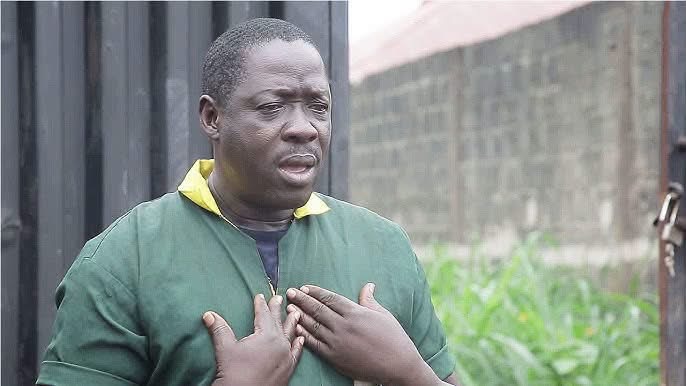
- Aye O
Ogogo continued his presence in Yoruba cinema with Aye O, in which he played Faniyi. The film was released in 2016.
- Tenant of the House
His career also extended into politically themed productions. In Tenant of the House, he played Hon. Kasali, demonstrating his ability to carry characters outside the traditional action and family-drama mould.
- Amerah
Released in 2021, Amerah was another production in his later filmography, with Ogogo playing Alhaji.
- Aníkúlápó
One of the most significant late-career appearances of Ogogo came in Kunle Afolayan’s 2022 epic fantasy film Aníkúlápó.
He played Alaafin Ademuyiwa in the Netflix-distributed Yoruba-language production. The film featured Kunle Remi, Bimbo Ademoye, Sola Sobowale and Hakeem Kae-Kazim alongside Hassan.
The role introduced Ogogo’s work to another generation and to a global streaming audience. His performance also earned him an Africa Magic Viewers’ Choice Awards nomination for Best Supporting Actor.
- Aníkúlápó: Rise of the Spectre
Ogogo reprised his role as Alaafin Ademuyiwa in the 2024 continuation, Aníkúlápó: Rise of the Spectre.
- Bank Alert
His later credits also included Bank Alert, in which he played Grandpa. (Wikipedia)
- IGE: The Unlikely Oil Merchant
In IGE, Ogogo played Olalere. The film formed part of the actor’s later body of work and demonstrated that he remained active on screen deep into his career. (Wikipedia)
- Olokiki Oru: The Midnight Sensation
Ogogo was also credited in Olokiki Oru: The Midnight Sensation, another production associated with his later career. (IMDb)
- Okan Soso
Okan Soso remains among the titles associated with Ogogo’s earlier filmography. The film is also listed among his credits by IMDb. (IMDb)
Other titles associated with his career include Agbelebu, Agbo-Odaju, Danfo Driver, Dr Brown, Eni Bi Okan, Gogongo, Irawo Ayo, Ede (Loro Oluwa), Ekun-Ayo, Iyawo Olele, Adopted Child (Omo Agbato), Baba No Go Die, Ore Ojiji, Omin, Omo Olomo, Mofe Tokan Tokan, Ayesoro, Arowolo, Apala and several other Yoruba and English-language productions. (Wikipedia)
The Ogogo character
 One of the reasons Ogogo remained memorable was the consistency of his screen identity.
He could play an authority figure, traditional ruler, policeman, wealthy man, father, politician, antagonist or action-oriented character, yet audiences could often identify him within seconds of appearing on screen.
His delivery was particularly distinctive.
He spoke with measured authority. His characters often appeared controlled even when confronting conflict. His physical stature, deep voice and deliberate manner of speaking gave his performances a particular weight.
This was especially effective in Yoruba-language dramas, where dialogue, oríkì, proverbs and tonal delivery often carry as much dramatic force as the action itself.
“Gbogbo wa la ma je breakfast”
Perhaps no modern expression associated with Ogogo travelled further beyond the cinema than:
“Gbogbo wa la ma je breakfast. Asiko t’onikaluku ma je ti e, ototo ni.”
The expression roughly means:
“Everyone will eat breakfast. The time each person eats theirs is different.”
In popular Nigerian usage, “breakfast” became a metaphor for heartbreak, disappointment or emotional pain. The phrase suggested that nobody is permanently exempt from life’s difficult experiences. (Fij)
The expression escaped the boundaries of Yoruba cinema and became part of Nigerian internet culture.
It was also linked to Burna Boy’s 2022 hit Last Last, which helped take the “breakfast” metaphor even further into mainstream popular culture. TheCable specifically noted the connection in its tribute to Ogogo. (TheCable Lifestyle)
 Few lines from a Nigerian film have travelled quite so far into everyday conversation.
“Once a boxer, always a boxer”
Another memorable Ogogo line came from an incident in his hometown of Ilaro in 2022.
After a confrontation with an unruly fan who, according to Ogogo, demanded money from him and dragged his agbada, the actor explained his side of the incident.
He reminded fans that he had a boxing background and ended his warning with the line:
“Remember, once a boxer, always a boxer.” (Punch Newspapers)
The statement quickly became associated with the actor because it echoed the tough, physical persona he had portrayed in many films.
“Do your worst”
The same account produced another line that captured the incident’s confrontational character.
Ogogo said that after he asked the man to leave him alone, the man responded, “Do your worst.”
Ogogo’s account then concluded with his now-famous reference to his boxing past. (Punch Newspapers)
The incident became one of those moments where Ogogo’s real-life personality appeared to overlap with the action-hero image audiences had known for years.
“If you’re into anything and nobody is appreciating you…”
Ogogo also spoke openly about the importance of recognition for creative people.
He said:
“If you’re into anything and nobody is appreciating you it’s like you’re not doing anything.”
He added that appreciation from people around an artist could provide the encouragement needed to continue. (Wikiquote)
The comment offered a different view of the man behind the tough screen persona. Away from the action scenes, Ogogo understood the emotional importance of being recognised by an audience.
“Footballers and musicians make more money than actors”
Ogogo was also candid about the economics of Nigerian entertainment.
He once observed:
“Footballers and musicians make more money than actors. Actors are the least paid.” (Wikiquote)
The statement reflected one of the longstanding problems within the Nigerian film industry, particularly for actors whose performances may become immensely popular while the financial rewards remain comparatively modest.
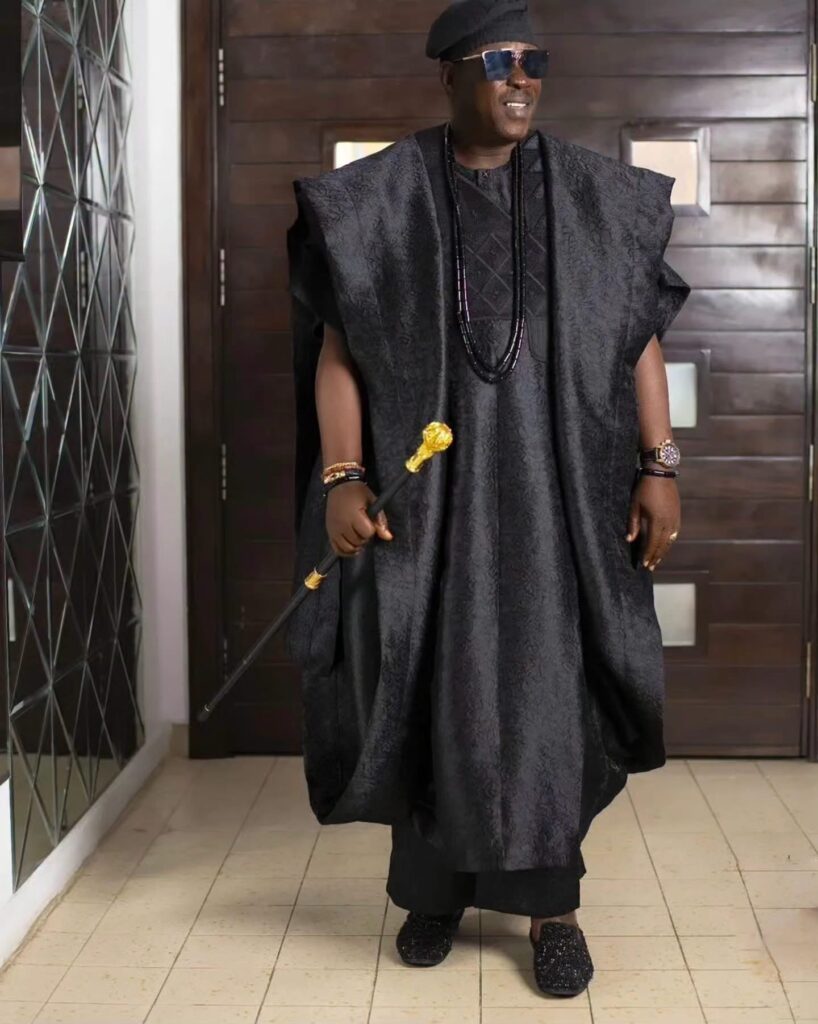 A man deeply connected to Yoruba culture
Ogogo’s importance was not limited to his acting credits.
He was deeply attached to the Yoruba language and cultural tradition. In discussing his name, he described Yoruba as central to his identity and emphasized the importance of understanding the correct pronunciation of his family oríkì. (City People Magazine)
That cultural grounding became part of his artistic identity.
He belonged to a generation of actors who helped make Yoruba-language cinema commercially viable during the home-video era and later carried that tradition into a changing Nollywood landscape.
His career therefore spans several phases of Nigerian cinema: theatre, the early home-video boom, the expansion of Yoruba film production, mainstream Nollywood and the age of global streaming platforms.
A career that crossed generations
Ogogo’s longevity was one of his greatest achievements.
He started acting in 1981. By the time of his death in 2026, he had spent approximately 45 years connected to the profession.
During that period, the Nigerian film industry changed dramatically.
Theatre performances gave way to VHS productions. VHS gave way to VCD and DVD. The industry expanded into cinema releases, television, digital platforms and global streaming.
Ogogo remained relevant through these changes.
He worked alongside veterans such as Jide Kosoko and Yinka Quadri and appeared with younger generations of Nigerian performers. His participation in Aníkúlápó demonstrated that his appeal had survived the transition from the old home-video era into the Netflix era.
His influence on younger actors
Ogogo was also associated with the development of younger performers through the Yoruba film community.
Actor Yomi Fabiyi, for example, was later associated with the Odunfa Caucus, a movement connected to prominent Yoruba film practitioners including Yinka Quadri and Taiwo Hassan. (Wikipedia)
This is part of the less visible side of Ogogo’s legacy. The influence of an actor is not measured only by the number of films in which he appears. It is also measured by the people who learn from him, work beside him and continue the traditions he helped strengthen.
The final chapter
Ogogo’s death came after his family disclosed that he was battling stage-four cancer.
His daughters, Kira and Lima Taiwo, publicly appealed for assistance as the family sought further medical intervention. Reports said the advanced stage of the illness had affected the available treatment options.
He died on August 23, 2026, aged 66.
The news prompted an immediate wave of tributes from colleagues, fans and members of the Nigerian entertainment industry.
For many Nigerians, however, the first memories will not necessarily be about awards or industry statistics.
They will be about scenes.
A commanding voice.
A stern face.
A Yoruba proverb.
A confrontation.
A traditional ruler.
A police officer.
A father.
A wealthy businessman.
A man entering a scene and instantly changing its temperature.
And, perhaps above all, that now-famous line:
“Gbogbo wa la ma je breakfast. Asiko t’onikaluku ma je ti e, ototo ni.”
Everyone will eat breakfast. The time each person eats theirs is different.
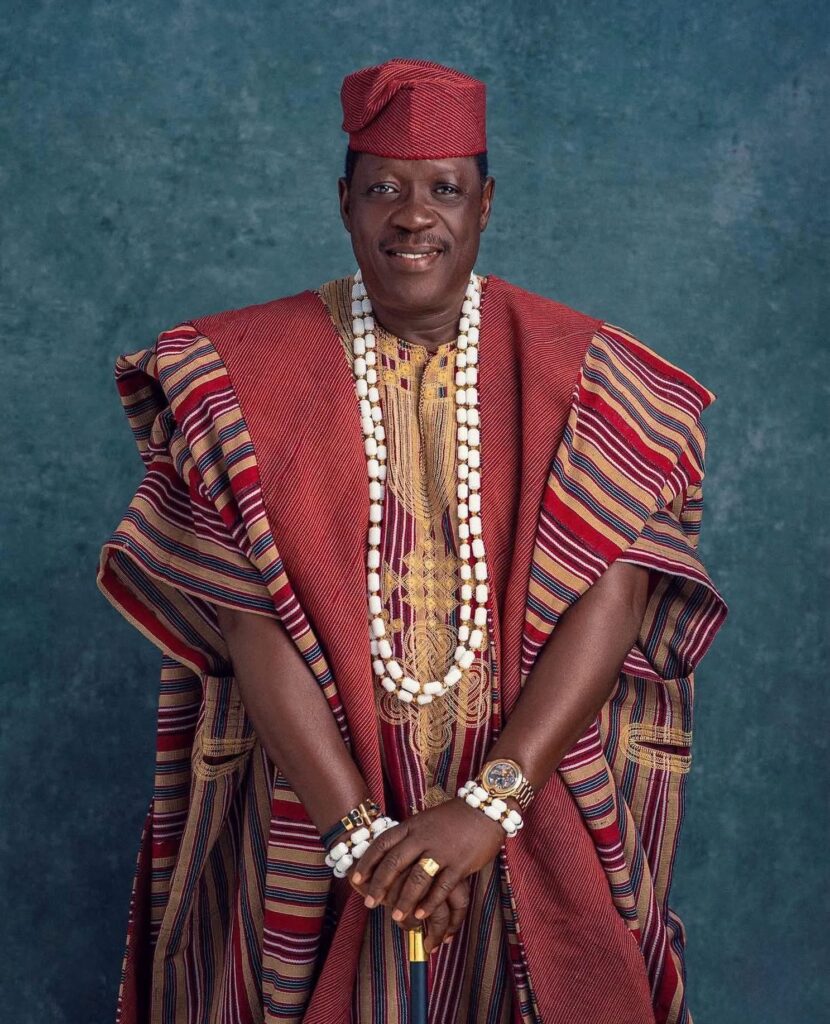 Ogogo at a glance
Full name: Taiwo Hassan
Popular name: Ogogo
Born: October 31, 1959
Hometown: Ilaro, Ogun State
Profession: Actor, filmmaker, producer, director and screenwriter
Acting career: Began in 1981
Former occupation: Automobile mechanic and Lagos State Water Corporation worker
Full-time acting: 1994
Major breakthrough: Owo Blow
Major early award: THEMA Best Actor, 1997
Notable later role: Alaafin Ademuyiwa in Aníkúlápó
AMVCA: Best Supporting Actor nomination for Aníkúlápó
Date of death: August 23, 2026
Age at death: 66
Legacy: More than four decades of contribution to Nigerian and Yoruba-language cinema.
The legacy remains
Taiwo Hassan’s career cannot be reduced to a list of films.
His significance lies in the period he represented and the culture he carried.
He belonged to a generation that transformed Yoruba theatre traditions into commercially successful screen entertainment. He became one of the recognisable faces of the home-video era, survived the industry’s technological changes and remained relevant enough to appear in a major Netflix-backed production more than two decades after his initial breakthrough.
His filmography is extensive, his characters are remembered, and some of his expressions became part of Nigerian popular language.
Ogogo leaves behind a body of work that will continue to introduce him to audiences who were not yet born when Owo Blow was released.
For those who grew up watching him, however, the connection is more personal.
Ogogo was part of their childhood television screens, their family viewing sessions, their Yoruba film culture and their understanding of what a commanding Nigerian screen actor looked and sounded like.
The films remain.
The voice remains.
The expressions remain.
And the name, Ogogo Omo Akulodo Aringini, remains firmly written into the history of Nigerian cinema.
Rest in peace, Taiwo Hassan “Ogogo.”