



The production designer behind Nollywood sets builds a hub with purpose, character and Nigerian craftsmanship in every corner.
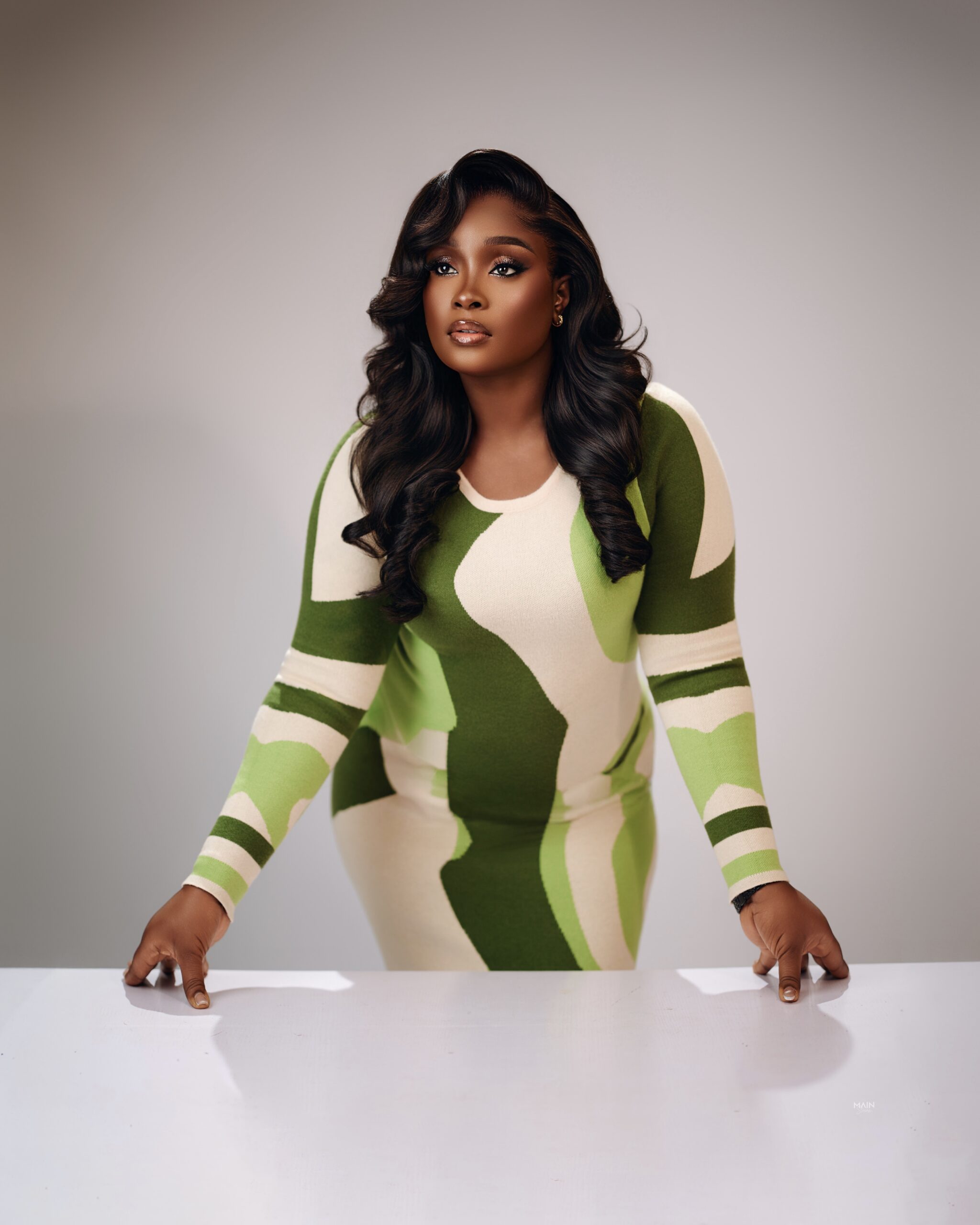 Abisola Omolade works in a field where the best results go unnoticed. When a film set feels lived in, when a studio makes people want to create, when a room seems to have a character of its own, someone has made hundreds of careful decisions to get it there. For more than a decade, she has been that person.
She is a Creative Director, Production Designer and Head of Content. Her work covers film, television, reality programming, commercials, live events and construction. She is widely regarded as one of Nollywood’s leading female professionals in Art and Design, a distinction she holds in a trade where the people who build sets and spaces have long been mostly men.
From the Screen to the Street
Her love of designing and constructing for film did not stay on the set. It grew into Meraki Pro Solutions Company, known as Meraki Projects, a creative design studio that plans, designs and builds distinctive spaces, studios and experience centres. Omolade serves as its chief executive.
The studio’s portfolio includes Martell Tower, Jameson House, Style Magnate Studios and the Euphoria 360 Hub. She has also led creative teams on projects that reached audiences through Netflix, Amazon Prime, Showmax, MultiChoice and Africa Magic, among other platforms.
Training and Reach
Abisola trained at MetFilm School in London, and she pairs that international schooling with a close understanding of the cultures she designs for. The result is visual work that travels well. Her credits run from Netflix productions to live events that set Guinness World Records, and to global campaigns involving personalities such as David Beckham.
Building Euphoria 360 Hub
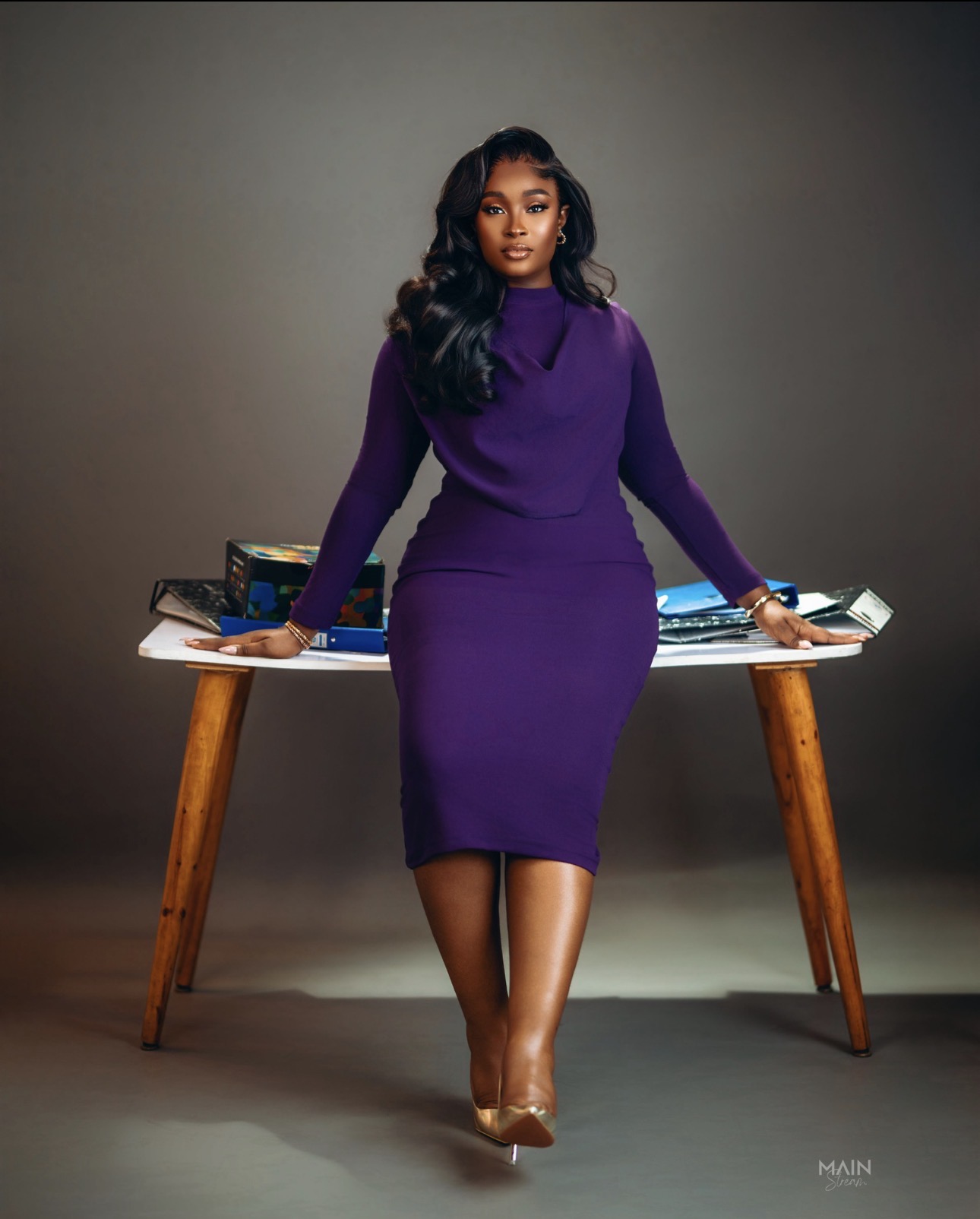
Of all her recent projects, the Euphoria 360 Hub is the one she speaks about most warmly. She describes it as a journey from an empty canvas to a place with purpose, creativity and character. She worked through every part of it, from the murals and artworks to the furniture, doors, allocation of space, sourcing and craftsmanship. Each detail was chosen with care so that the hub would feel alive.
“There is something incredibly beautiful about turning an idea into a living, functional space,” she says.
Credit Where It Is Due
Abisola thanks every collaborator, artisan, mural artist, furniture maker and craftsman who took part, and the Nigerian creatives who believed in the vision and gave it their talent. She does not leave herself out of the thanks, either. “And yes, I’m proud of myself too,” she says.
Her work also carries a commitment to others. She tutors emerging filmmakers and creatives, and carving a niche in a male dominated field of visual storytelling and spatial design.
Of what comes next, she says only this: “This is the beginning of something bigger.”