


Fatima Yusuf, A photojournalist from Nasarawa State turns her camera on the animals of her own country, and asks Nigerians to look twice.
For most of its history, the photography of African wildlife has been made by people passing through: visiting photographers on assignment, safari guests with a good lens, documentary crews working to a deadline. Fatima Yusuf breaks that pattern simply by staying home. Every photograph she has published of Nigeria’s wildlife was taken inside the country’s own borders, by a Nigerian who grew up here and returned, camera in hand, to look closely at what her country already holds.
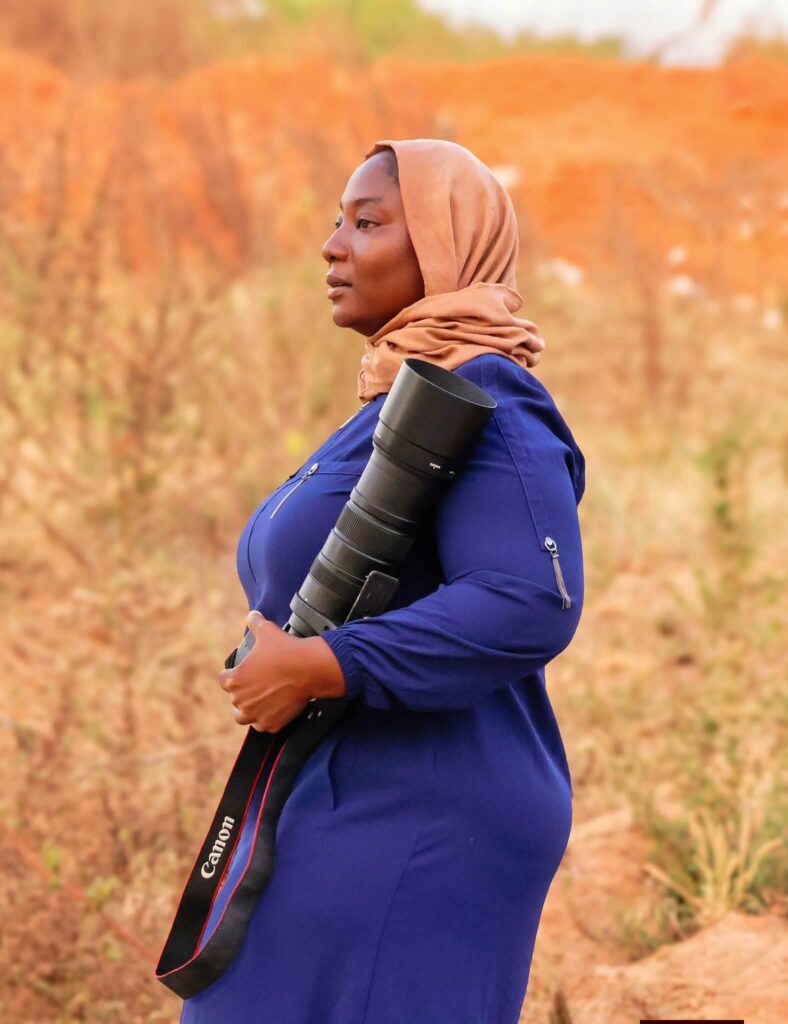
Fatima Yusuf works as a freelance photojournalist, documentary photographer, and wildlife and nature photographer based in Lafia, Nasarawa State. Her path to the camera was unusual. She trained in microbiology, a discipline built on close observation and patience, and traces of that training show in the way she studies an animal or a scene before she raises her lens. A private curiosity, encouraged early by her family, grew over time into a full vocation. She now works across three related fields: photojournalism that records the events and people of her region, documentary work that follows longer human stories, and wildlife photography that turns the same patient eye toward Nigeria’s animals and landscapes.
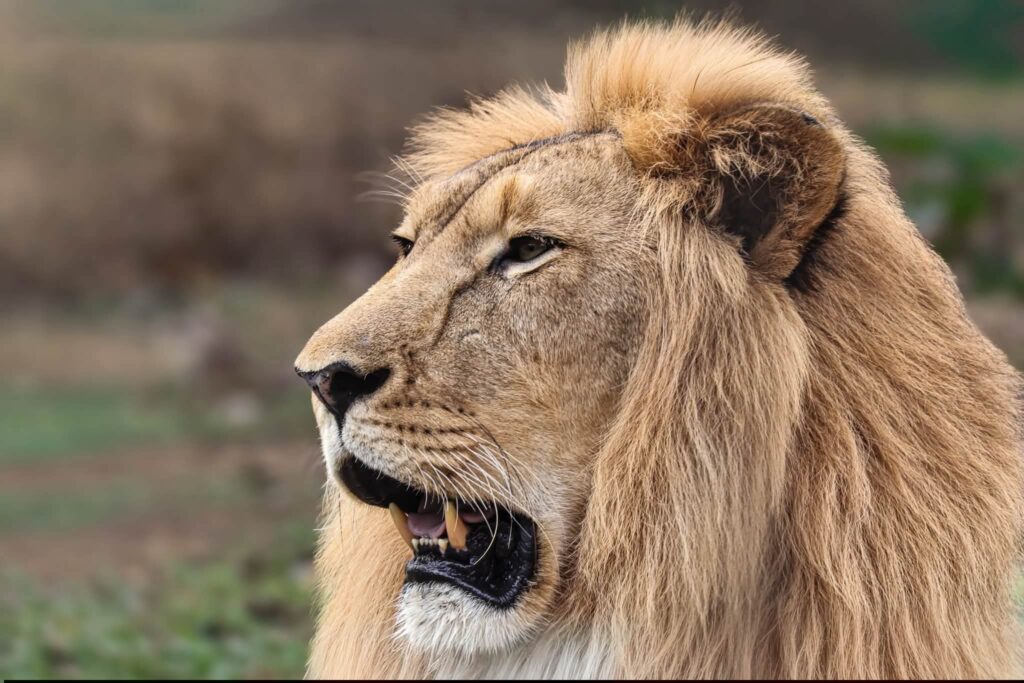
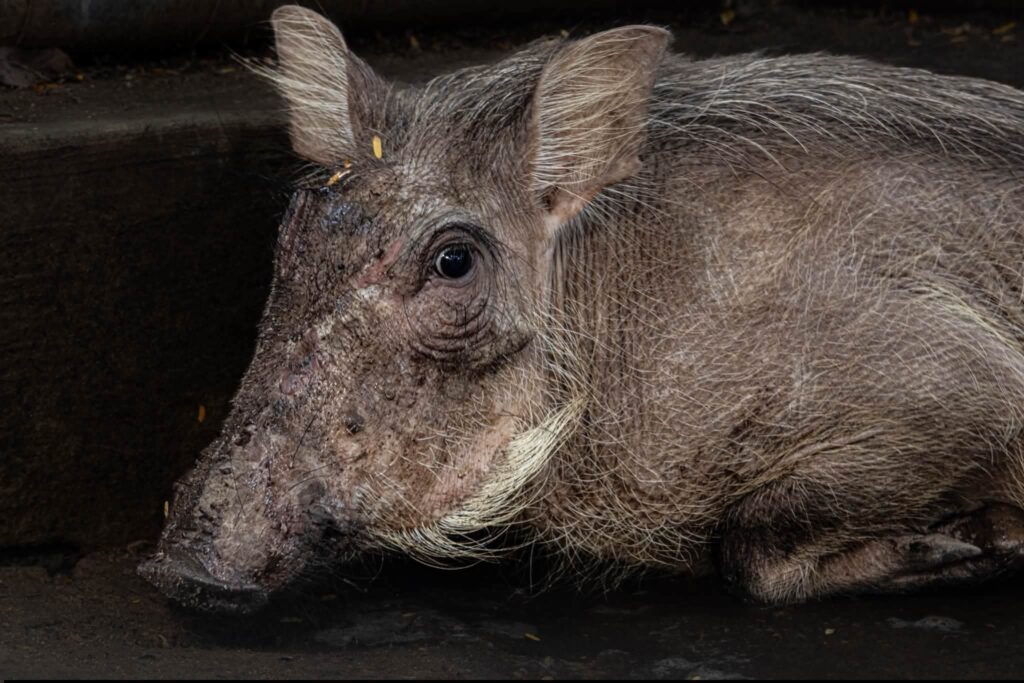
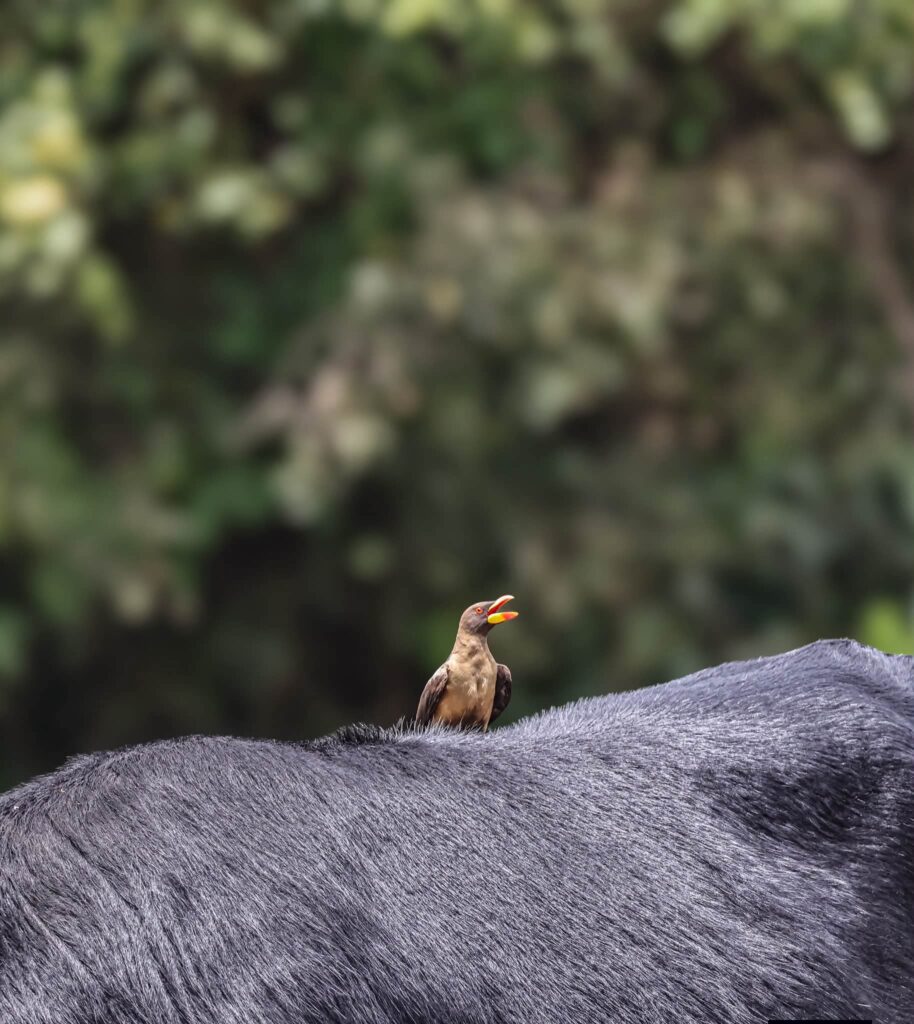
That last body of work carries particular weight. Nigeria is rarely spoken of as a wildlife destination in the way Kenya or South Africa are, and its own citizens are often the least familiar with what lives inside its borders. Elephants, antelope, primates, and hundreds of bird species move through the country’s forests, savannas, and river systems, largely outside the frame of a wildlife photography industry that has, for decades, pointed its cameras toward East and Southern Africa instead. Yusuf’s photographs correct that omission from the inside. Every image was captured in Nigeria, of Nigeria’s own wildlife, by someone who claims this landscape as home rather than as a place visited and left.
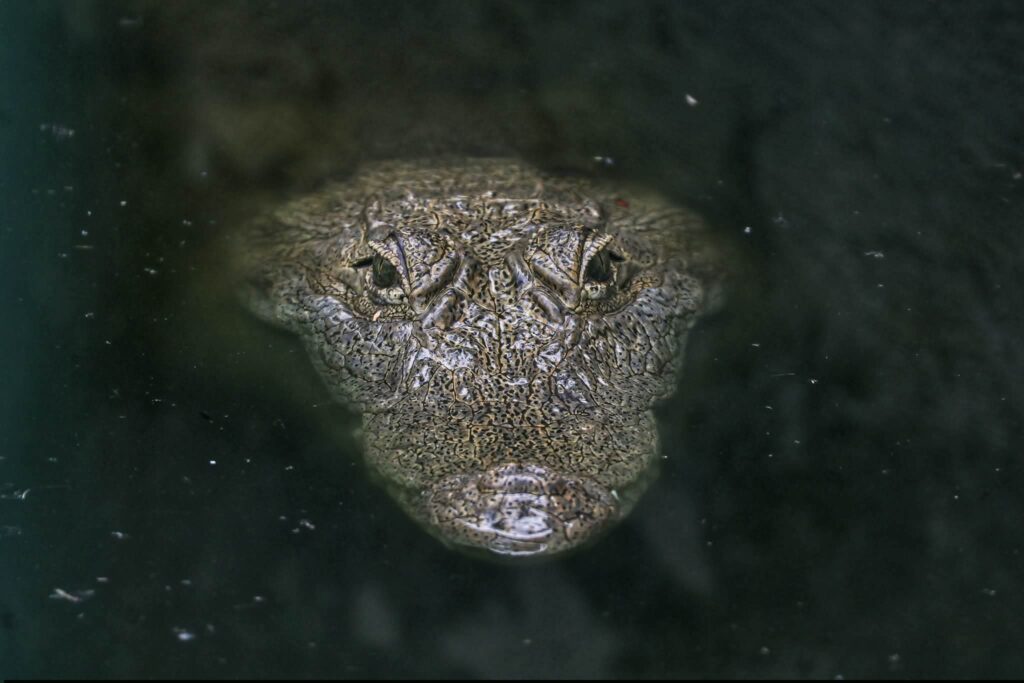
Her wider portfolio has drawn attention beyond her home state. She has been named among a small group of African photographers reframing how the continent’s wildlife gets seen, part of a broader shift from images made by outsiders toward images made by people who understand the terrain, the conservation politics, and the communities living alongside the animals they photograph. That shift has fewer names attached to it in Nigeria than it does in Kenya or Zambia, which makes Yusuf’s contribution harder to overlook.
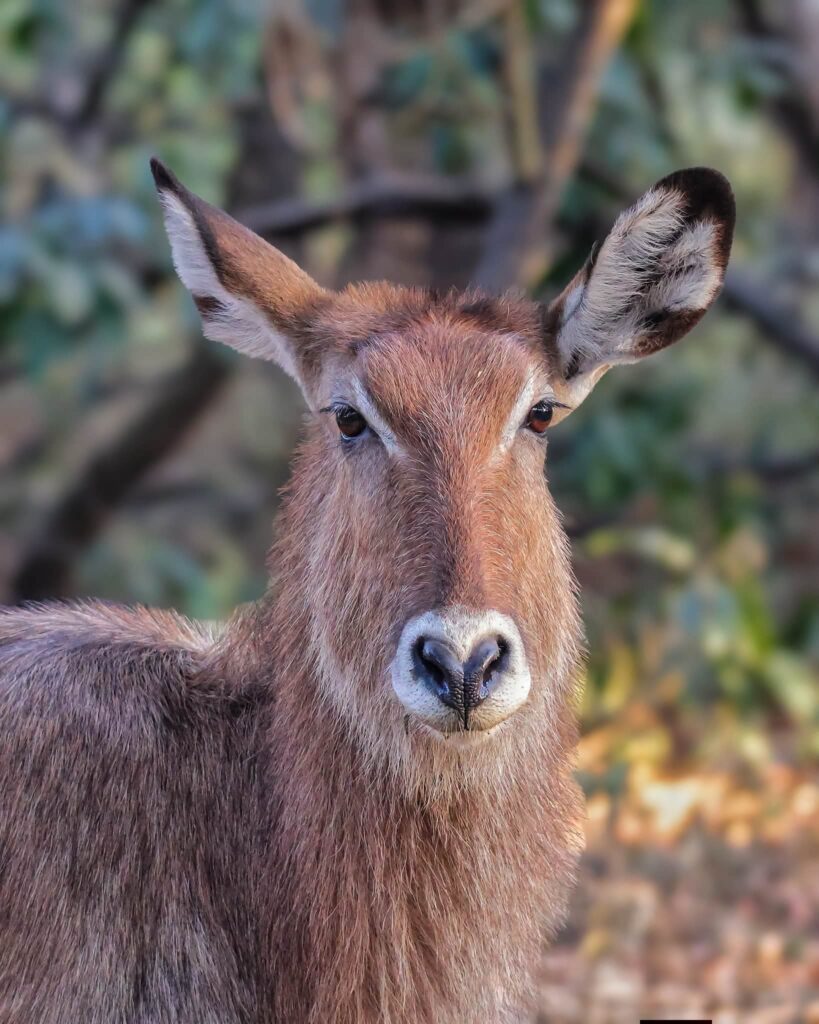
Recognition has also come from within her own community. Yusuf was conferred with the title Garkuwan Matan Arewa, the Shield of Northern Women, an honor that points to the wider significance of her career. Photography, and photojournalism in particular, has remained a difficult field for women to enter across much of northern Nigeria, where conservative expectations about suitable work for women persist. Yusuf built her practice against that current, without formal training in the craft, relying instead on curiosity and the discipline carried over from her scientific education. Her career now serves as a reference point for younger women in the region weighing photography as a serious pursuit rather than a hobby.
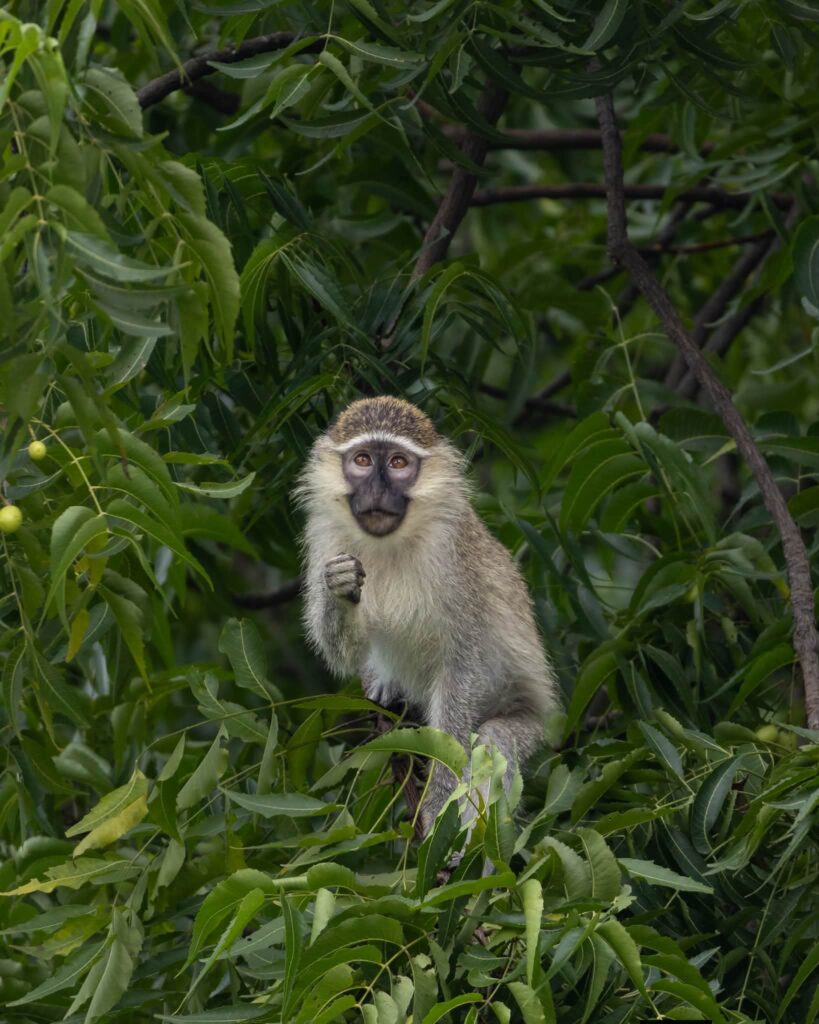 Fatima Yusuf’s wildlife images circulate alongside the work of Nigeria’s conservation institutions, among them the Nigerian National Park Service and the Wildlife Conservation Society’s Nigeria programme, both engaged in protecting the same species she photographs. Her captions carry the tone of someone who treats photography as advocacy, not decoration. In her own words:
“I hope these images inspire you to appreciate Nigerian wildlife, learn more about the animals we share our country with, and, most importantly, protect them for generations to come. Nigeria’s wildlife is worth seeing. Nigeria’s wildlife is worth protecting.”
That closing line reads almost as a mission statement, addressed first to Nigerians. It asks a citizen to recognize the elephant, the hornbill, or the antelope in a national park a few hours from home as part of the same natural heritage that belongs to every Nigerian, not a foreign curiosity glimpsed only in documentaries about someone else’s country.
Conservation in Nigeria faces the familiar pressures of habitat loss, poaching, and limited public funding, but it faces a quieter problem too: unfamiliarity.
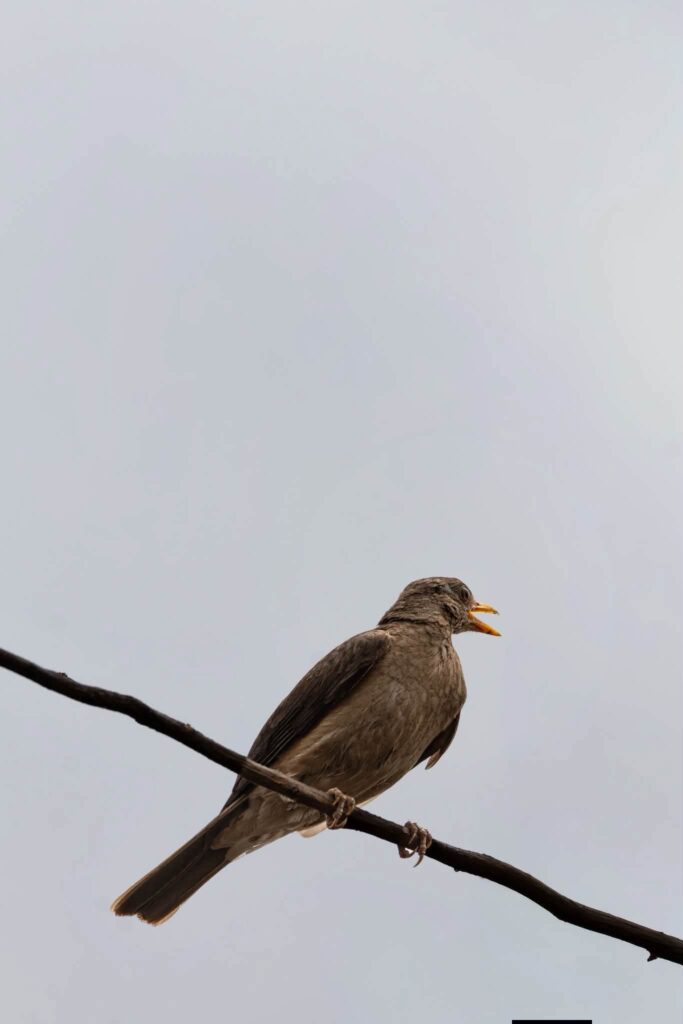
Wildlife is difficult to protect when the public has rarely been shown that it exists, or has assumed, without evidence, that Nigeria’s forests and savannas hold little worth saving next to the game parks of East Africa. Yusuf’s photographs answer that assumption directly, one frame at a time, with animals shown exactly where they live, inside Nigeria, by a Nigerian who has made it her work to look.