


Home Blog Page 101

NESG Warns Nigeria Must Create 27 Million Jobs by 2030 to Prevent Employment Crisis

0

The Nigerian Economic Summit Group (NESG) has warned that Nigeria must generate at least 27 million new formal jobs between 2025 and 2030 to forestall a spike in unemployment and underemployment. It said doing so would help maintain today’s unemployment rate of around 4.3 percent and absorb a rapidly growing labour force.

The warning was made public in a report titled “From Hustle to Decent Work: Unlocking Jobs and Productivity for Economic Transformation in Nigeria”, released at the 31st Nigerian Economic Summit (#NES31) in Abuja. 

Key Findings

  • Nigeria’s working-age population is projected to reach 168 million by 2030.  
  • To keep unemployment from rising, the NESG estimates the country must create about 4.5 million new formal jobs yearly, bringing the five-year total to 27-27.3 million.  
  • Without these jobs, the economy faces the risk of many entering the workforce ending up in informal, low-productivity employment.  

Sectors Poised to Drive Jobs

NESG identified four sectors with strong potential to generate large numbers of quality jobs:

  1. Manufacturing, particularly agro-processing
  2. Construction
  3. Information and Communications Technology (ICT)
  4. Professional services  

In total, these sectors are expected to provide about 35% (around 9.7 million) of the needed new formal jobs; manufacturing alone is expected to account for approximately 21% of job creation. 

Challenges Identified

The report outlines several obstacles that threaten achieving the target:

  • Low productivity levels across many sectors  
  • Mismatch between workforce skills and industry needs; weak outcomes in education  
  • A predominance of informal employment, which provides minimal social protection or security and contributes little to productivity and tax revenues  
  • Bottlenecks such as infrastructure deficits (in power, logistics), regulatory issues, and weak private sector depth.  

Proposed Solutions: Nigeria Works Framework

To address the looming challenge, NESG proposed a national blueprint called the Nigeria Works Framework, built around six strategic pillars:

  • Skills for productivity
  • Sectoral engines of growth
  • Enterprise development (especially for small and medium businesses)
  • Upgrading and formalising the informal economy
  • Strengthening institutions and improving data systems
  • Making productivity a central metric for national competitiveness  

Implications & Call to Action

NESG stressed that failing to act could have serious social, economic, and political consequences: rising poverty, declining living standards, and increasing social unrest. 

The group urged the Federal Government, state governments, and private sector stakeholders to treat job creation and productivity improvement as urgent priorities. It says that strong political will, coordinated policy reform, effective investment in human capital, and better infrastructure will be essential. 

Bottom Line

To prevent a worsening employment crisis as Nigeria’s working-age population expands, at least 27 to 27.3 million new formal jobs must be created by 2030. Priority sectors like manufacturing, ICT, construction, and professional services offer the greatest potential. But success depends on decisive reforms, support for the informal economy, enhanced skills development, and infrastructure improvements.
Nigeria Seeks $2 Billion Loan from China to Develop New Super Grid

0

The Federal Government of Nigeria has opened discussions with China to secure a $2 billion loan aimed at developing a national super grid that will enhance electricity transmission and stabilize power supply across the country.

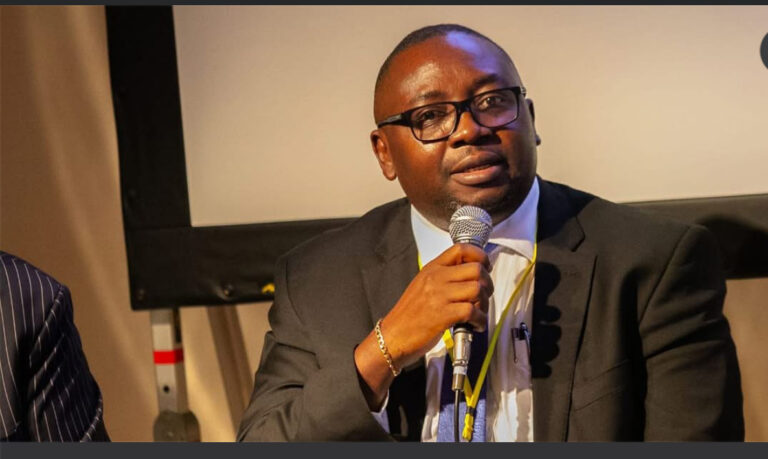
Minister of Power, Chief Adebayo Adelabu, disclosed this during a recent media briefing in Abuja, where he outlined the government’s long-term strategy to overhaul the nation’s transmission infrastructure. He said the proposed facility, part of the country’s energy transition plan, would enable the Transmission Company of Nigeria (TCN) to build a high-capacity super grid capable of supporting increased power generation and distribution.

According to the minister, the new grid is designed to accommodate up to 30,000 megawatts of power, compared to the current system’s limited capacity of about 5,000 megawatts. He explained that the existing grid, which is decades old, lacks the efficiency to handle Nigeria’s growing energy demand.

“We are in discussions with the Chinese government for a $2 billion loan that will help us establish a modern super grid. This project will strengthen our transmission backbone and ensure that power generated from plants can reach homes and industries reliably,” Adelabu said.

He added that the government was also working with international partners and development agencies to diversify the country’s energy mix through renewable and gas-powered sources.

If finalized, the super grid project would mark one of Nigeria’s largest investments in power infrastructure in recent years, with the goal of improving access, reducing outages, and supporting industrial growth nationwide.

Lagos Teachers Earn Minimum of N150,000 Monthly — LASUED Vice Chancellor

0

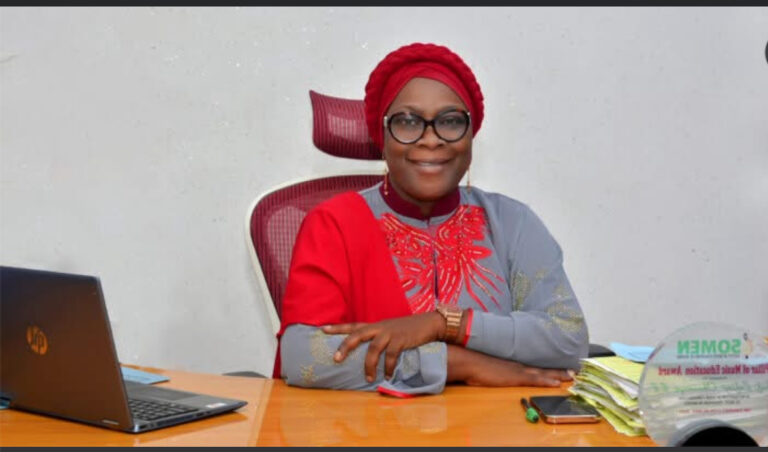
The Vice Chancellor of Lagos State University of Education (LASUED), Prof. Bidemi Bilau, has disclosed that teachers employed by the Lagos State Government earn a minimum salary of N150,000 per month.

Prof. Bilau made the revelation during a media briefing at the university’s main campus in Ijanikin, Lagos, while addressing concerns about the declining interest of young Nigerians in the teaching profession.

According to him, the Lagos State Government has continued to prioritize the welfare of teachers through improved remuneration and regular capacity-building programmes. He noted that the government’s investment in education was aimed at attracting qualified individuals into the teaching sector and raising professional standards across schools.

“The least paid teacher in Lagos State earns about N150,000 monthly. This is part of the government’s deliberate effort to make the teaching profession more attractive and competitive,” he stated.

Prof. Bilau further emphasized that LASUED was working closely with the state government to ensure that future educators are well-trained, motivated, and equipped with modern teaching methodologies.

He added that with continuous reforms in the education sector, Lagos State remains a model for other states in promoting teacher development, welfare, and educational excellence.

Governor Sanwo-Olu Hosts Wyclef Jean, Miss Earth Delegates at Lagos House

0

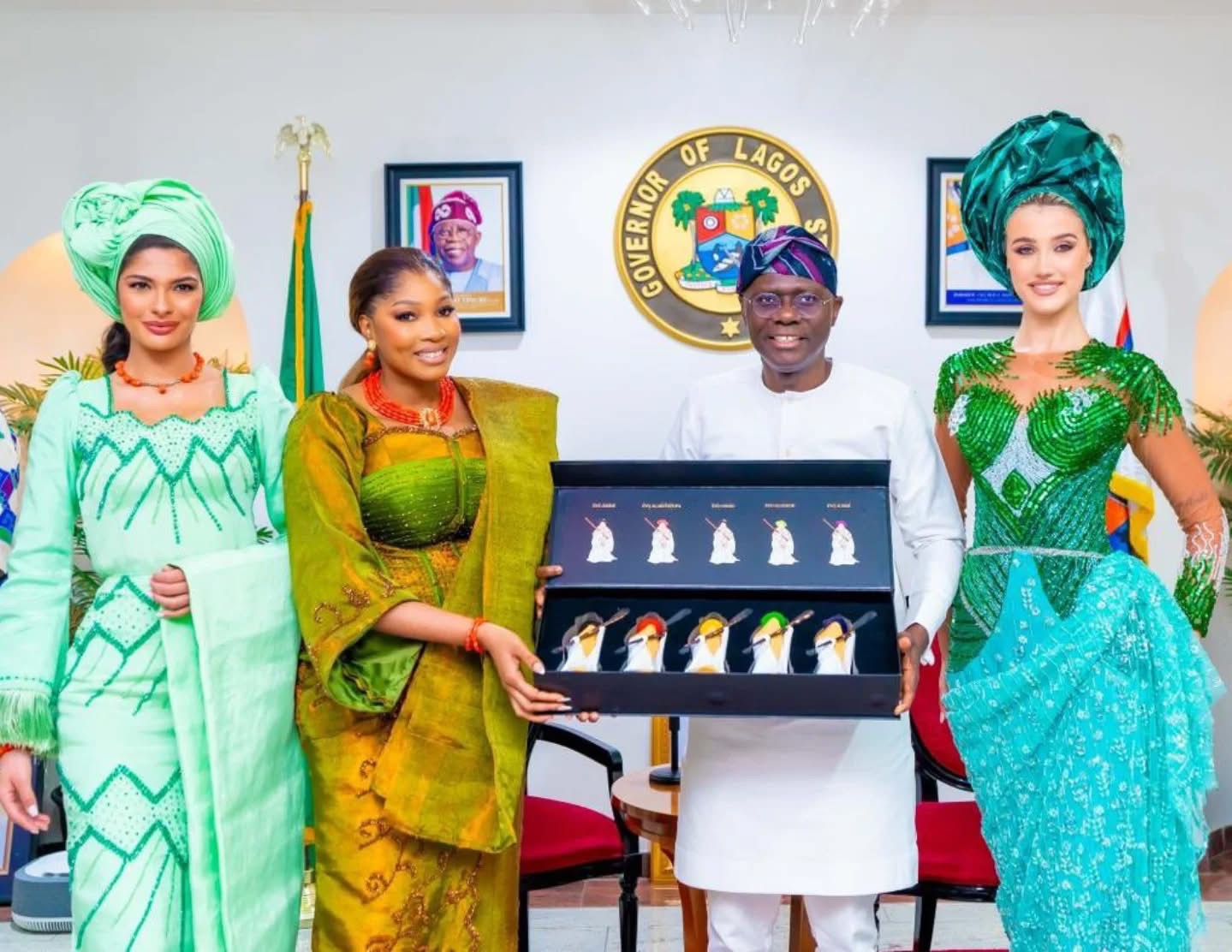
Lagos State Governor, Babajide Sanwo-Olu, on Friday received international music icon, Wyclef Jean, alongside Miss Earth and Miss Earth-Water titleholders, during a courtesy visit at the Lagos House, Marina.

The visit centered on discussions around strategic partnerships to promote Lagos as a global destination for culture, creativity, and environmental sustainability. Governor Sanwo-Olu expressed the state’s commitment to strengthening collaborations that will empower young talents, drive creative enterprise, and support climate-conscious initiatives.

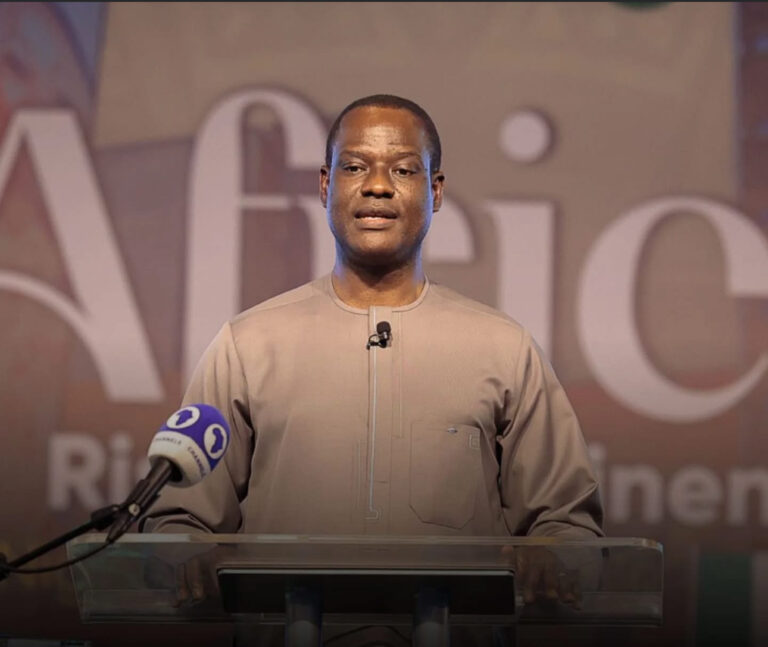
In his remarks, Wyclef Jean commended Lagos for its vibrant cultural identity and growing influence across Africa’s creative landscape. He pledged his support for initiatives that combine entertainment and environmental advocacy, emphasizing the role of music and art in advancing global sustainability goals.

The Miss Earth representatives also applauded the Lagos State Government’s environmental projects and reaffirmed their willingness to work with the state on awareness campaigns promoting clean energy, tree planting, and waste reduction.

Governor Sanwo-Olu reiterated that the partnership aligns with the “Greener Lagos” vision, which prioritizes innovation, youth engagement, and eco-friendly development across all sectors.

Nigeria’s Capital Market Uneasy Over Planned 25% Capital Gains Tax on Share Disposals

0

Nigeria’s capital market has been gripped by uncertainty following renewed concerns over the proposed 25% Capital Gains Tax (CGT) on share disposals, which is expected to take effect in January 2026.

The development follows recent clarifications by Taiwo Oyedele, Chairman of the Presidential Fiscal Policy and Tax Reforms Committee, during a stakeholder engagement session organized by the Nigerian Exchange Group (NGX) in Lagos.

According to Oyedele, the new tax regime will apply to investors who sell shares and reinvest the proceeds in fixed-income securities or other non-equity assets. Under the proposed structure, such transactions will attract a 25% CGT on realized capital gains.

He, however, emphasized that retail investors will be largely exempt, noting that the ₦150 million annual exemption threshold effectively protects 99.9% of individual investors from the new charge.

“Only very few big investors cross that threshold, mostly institutional players or high-net-worth individuals,” Oyedele stated.

The announcement has triggered widespread debate among capital market stakeholders, who fear that the implementation could dampen trading activity, reduce market liquidity, and discourage portfolio diversification.

Analysts have urged the government to provide further guidance and transitional provisions to minimize disruptions, warning that the measure, if poorly executed, may undermine investor confidence and slow the recovery momentum in Nigeria’s equities market.

Trillion-Naira Club: Top Nigerian Stocks With Market Values Above ₦1 Trillion

0

LAGOS — Nigeria’s equities market has entered a new phase of concentration and strength. As of mid-2025, a growing number of companies listed on the Nigerian Exchange (NGX) have pushed past the threshold of ₦1 trillion in market capitalization, marking them as industry heavyweights—or SWOOTs (Stocks Worth Over One Trillion Naira).

Here are some of the most valuable firms currently in this ‘Trillion-Naira Club’, and what is driving their dominance:

Key Members of the Trillion-Naira Club

Company Approximate Market Cap* Sector Drivers of the Growth

Airtel Africa ~ ₦8.11 trillion Telecommunications Strong subscriber base across multiple African countries; recovered profitability in early 2025 after losses; robust revenue streams.  

BUA Foods ~ ₦7.5–7.52 trillion Consumer Goods / Food Expansion of processed food segment; demand resilience; cost management.  

Dangote Cement ~ ₦6.7–6.8 trillion Building Materials / Cement Large scale operations; export and local demand; recognized brand equity.  

MTN Nigeria ~ ₦5.09–? trillion Telecom / Digital Services Increasing data use; mobile money services; resilience in regulatory environment.  

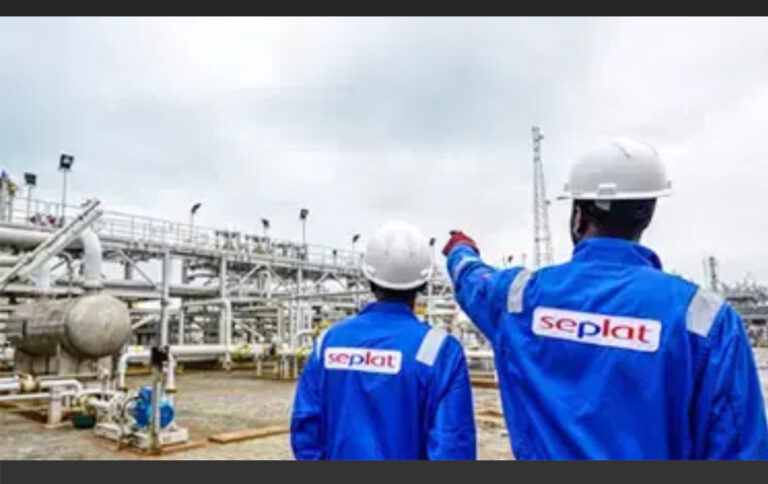
Seplat Energy ~ ₦3.35 trillion Oil & Gas / Energy Strong upstream operations; strategic asset management; favorable energy prices.  

Geregu Power ~ ₦2.85–2.9 trillion Power / Utilities Scale in energy generation; improving income from power sales.  

BUA Cement ~ ₦2.83 trillion Cement / Building Materials Benefiting from construction demand; possible efficiencies in production.  

GTCO (Guaranty Trust Holding Company Plc) ~ ₦2.2-2.3 trillion Banking & Financial Services Strong earnings; investor confidence; solid dividend history.  

Zenith Bank ~ ₦1.9-2.0 trillion Banking Corporate finance strength; growth in non-interest income; reputation among investors.  

Transcorp Power ~ ₦1.9-2.0 trillion Energy / Power Strategic power generation assets; scale; investor attention.  

Aradel Holdings ~ ₦1.94-1.95 trillion (Typically industrial / holdings) Emerging industrial / holdings entity; benefitting from market momentum.  

*Values approximate as reported in various sources; fluctuate with share price, trading volume, and broader macro conditions.  

What the Trillion-Naira Club Signifies

•Investor Confidence: These valuations point to sustained investor faith in certain sectors—telecom, cement, power, oil & gas, banking—despite macro challenges such as inflation, currency volatility, and rising input costs.  

•Concentration Risks & Opportunities: With relatively few firms commanding outsized market share and capitalization, there is both the potential for stability (these firms often serve as anchors) and risk (market sensitivity to their performance).

•Sector Performance & Resilience: These companies often feature diversified revenue sources, strong export or foreign income (in some cases), and better insulation from domestic economic shocks.

•Valuation Benchmarks: For investors, the trillion-naira threshold is increasingly becoming a benchmark for “blue-chip” or “safe large cap” equities in Nigeria.

Challenges & Headwinds

•Exchange Rate and Forex Pressures: Many of these firms are vulnerable to fluctuations in foreign currency, either through inputs, debt servicing, or revenue mix.

•Regulatory and Policy Risk: Changes in policy (taxes, tariffs, licensing) can affect profitability or cost structures.

•Cost Inflation: Rising costs—fuel, materials, energy—are squeezing margins for many companies, particularly in cement, manufacturing, and power.

•Market Liquidity: Though these stocks are highly traded, broader liquidity in the market still depends substantially on macroeconomic stability and investor sentiment.

Outlook

Analysts generally expect that the number of members in this Trillion-Naira Club will continue to grow, especially if macroeconomic policy becomes more predictable and supportive of business. Companies that can maintain sound governance, strong earnings, and manage foreign exchange exposure are poised to join or increase their stake in this elite group.

For investors, the strategy may tilt toward these resilient stocks, though with caution on overconcentration and sensitivity to external shocks.

If you like, I can pull together a full list of the top 10 (or 20) by market cap as of the end of Q3 2025, with comparisons to previous quarters.

Imo State Begins Payment of ₦104,000 Minimum Wage to Workers

0

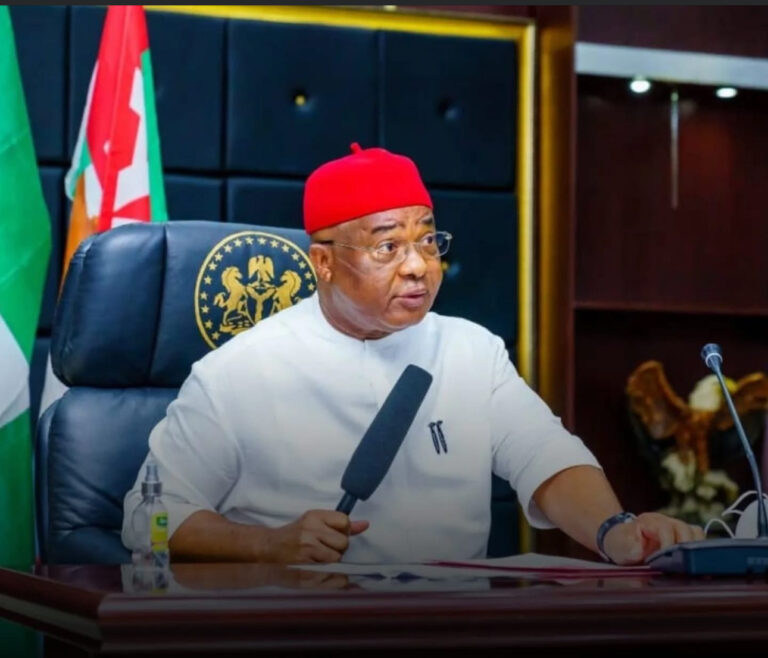
The Imo State Government has commenced payment of the newly approved ₦104,000 minimum wage to its civil servants, fulfilling Governor Hope Uzodimma’s pledge to implement an upward review of workers’ salaries.

The revised wage structure, which also extends to medical doctors, lecturers, and other public sector employees, positions Imo among the highest-paying states in Nigeria’s public service.

Announcing the development in a statement issued on Friday, the Special Adviser to the Governor on Public Enlightenment, Prince Eze Ugochukwu, said the implementation reflects Governor Uzodimma’s commitment to workers’ welfare and economic stability.

“Governor Hope Uzodimma’s administration is spearheading this considerable policy change, which is poised to have a substantial impact on the state’s economic and social well-being,” the statement read.

Ugochukwu explained that the wage increase is designed to enhance the financial capacity of Imo workers, allowing them to meet personal needs and contribute meaningfully to the local economy.

“The goal of this wage hike is to bolster the financial capacity of workers, empowering them to better address their requirements and invest in goods and services. This, in turn, would give a shot in the arm to local businesses,” he added.

The new salary scale, according to government officials, is part of broader reforms aimed at improving productivity, promoting social equity, and boosting economic growth within the state.

The development has been widely welcomed by labour unions and public sector employees, who described it as a landmark achievement and a testament to the government’s dedication to improving living standards for Imo’s workforce.

BBNaija Week 10 Social Chart Is Here! 📊

0

It’s the Grand Finale Week, and the buzz has never been louder!

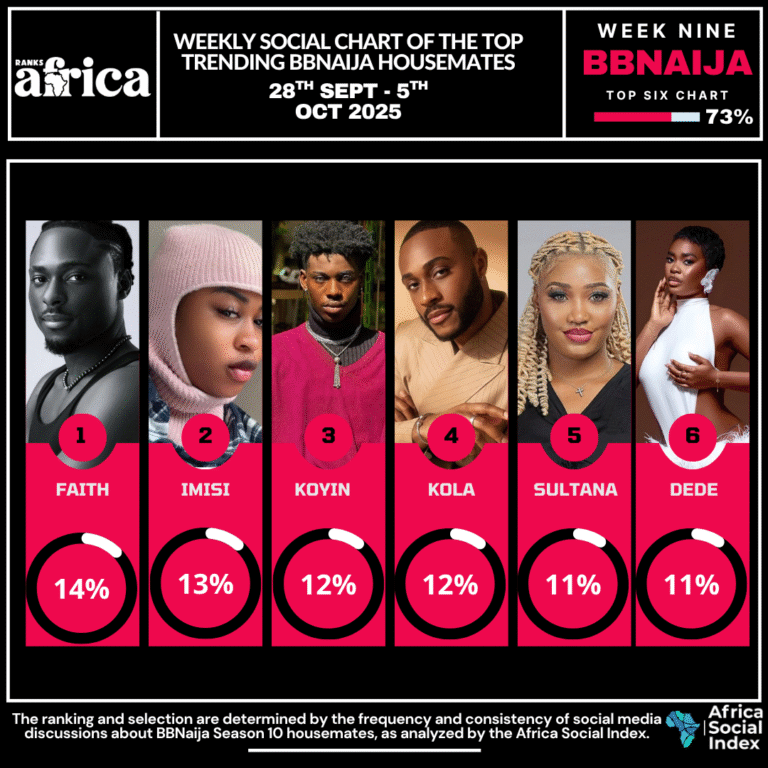
Even though Faith was disqualified, he tops the chart as the No. 1 trending housemate this week — followed closely by Imisi, Koyin, Kola, Sultana, and Dede, all keeping conversations alive and dominating social media across Africa.

The game might be ending, but the fanbases are louder than ever, and the post-show era is already looking explosive! 🚀

👉 Who’s your favorite to win the crown tonight?

Traffic Index 2025: Nigeria Ranked World’s Most Congested Country

0

Nigeria has been ranked as the world’s most congested country in the newly released 2025 Global Traffic Index, a comprehensive annual report that assesses traffic conditions, travel times, and urban mobility efficiency across over 80 countries.

The report, published by TomTom International, placed Nigeria ahead of major traffic-heavy nations such as India, Indonesia, and the Philippines. Lagos, Abuja, and Port Harcourt were identified as the top three Nigerian cities contributing most significantly to the nation’s congestion ranking.

According to the index, the average Nigerian commuter spends nearly 1,100 hours — equivalent to 46 days — in traffic annually, with Lagos alone accounting for over 60% of the total. Peak congestion hours in Lagos and Abuja were found to stretch between 6:30 a.m. to 10:00 a.m. and 4:00 p.m. to 9:00 p.m., making travel during those times almost twice as long as off-peak periods.

Experts attribute the worsening congestion to rapid urbanization, insufficient public transport infrastructure, poor road maintenance, and an overreliance on private vehicles. The report also cited a lack of synchronized traffic lights, unregulated street trading, and frequent road closures as key contributing factors.

Transportation analysts warn that the economic implications are severe. Nigeria’s road congestion is estimated to cost the economy over ₦7 trillion annually in lost productivity, wasted fuel, and delayed goods movement.

Reacting to the ranking, Dr. Kayode Opeifa, former Executive Secretary of the National Transport Commission, described the development as “a wake-up call for urgent transport reforms.” He emphasized the need for modern mass transit systems, expansion of rail networks, and stricter urban traffic management policies.

In response, the Federal Ministry of Transportation has pledged to collaborate with state governments to implement integrated transport systems and smart traffic solutions, particularly in Lagos, Abuja, and Port Harcourt.

While the 2025 index highlights Nigeria’s transportation challenges, analysts believe it also presents an opportunity for policymakers to embrace technology-driven traffic management and sustainable mobility models to ease the gridlock and boost economic productivity.