


Home Blog Page 100

ICC Convicts Sudanese Militia Leader of War Crimes During Darfur Conflict

0

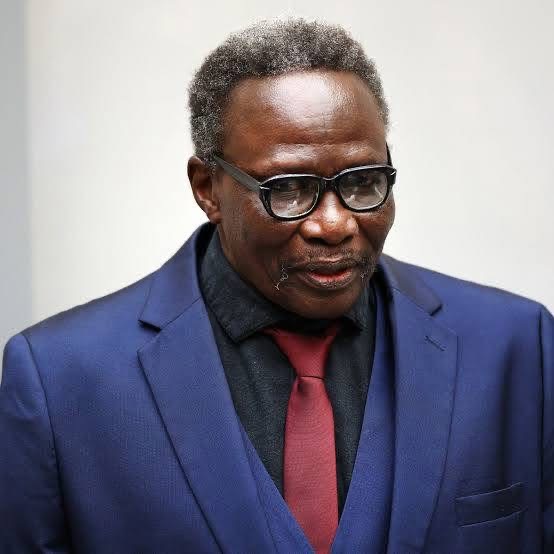
The Hague — The International Criminal Court (ICC) has convicted Sudanese militia commander Ali Muhammad Ali Abd-Al-Rahman, widely known as Ali Kushayb, of war crimes and crimes against humanity committed during the Darfur conflict between 2003 and 2004.

Kushayb, a suspected senior leader of the pro-government Janjaweed militia, was found guilty on 27 of the 31 counts brought against him, including murder, rape, torture, persecution, and attacks against civilians. The verdict marks a historic milestone as he becomes the first individual to be tried and convicted by the ICC for atrocities committed in Darfur.

According to the ICC’s judgment, the crimes were carried out between August 2003 and April 2004 in several villages across West Darfur, where government-backed Janjaweed forces launched brutal assaults on non-Arab communities suspected of supporting rebel groups.

Prosecutors detailed how Kushayb commanded fighters who burned villages, executed civilians, and committed widespread sexual violence during the campaign, which left hundreds of thousands dead and millions displaced. The judges ruled that his leadership role and direct participation in the atrocities were proven beyond reasonable doubt.

The Darfur conflict began in 2003 after non-Arab rebel movements took up arms against the Sudanese government, accusing it of discrimination and marginalization. In response, the government mobilized local Arab militias, collectively known as the Janjaweed, to suppress the rebellion. The ensuing violence resulted in what the United Nations later described as one of the worst humanitarian crises of the early 21st century.

During the trial, Kushayb denied all charges, claiming mistaken identity and arguing that he had no control over the fighters accused of the crimes. The ICC, however, dismissed his defense, citing extensive witness testimonies and documentary evidence linking him to coordinated attacks on civilian populations.

Human rights organizations have hailed the verdict as a landmark victory for justice, nearly two decades after the atrocities took place. Amnesty International described the ruling as “a long-awaited step toward accountability for the victims of Darfur.”

The ICC’s decision is expected to increase pressure on Sudan’s transitional authorities to cooperate further with international investigations, including the case of former President Omar al-Bashir, who remains wanted by the Court on charges of genocide and crimes against humanity.

The sentencing phase for Kushayb will follow in the coming weeks, as victims’ representatives continue to call for broader reparations and recognition of the suffering endured by Darfur’s affected communities.

📸 International Criminal Court – ICC
Aliko Dangote Begins Construction of $2.5 Billion Fertilizer Plant in Ethiopia

0

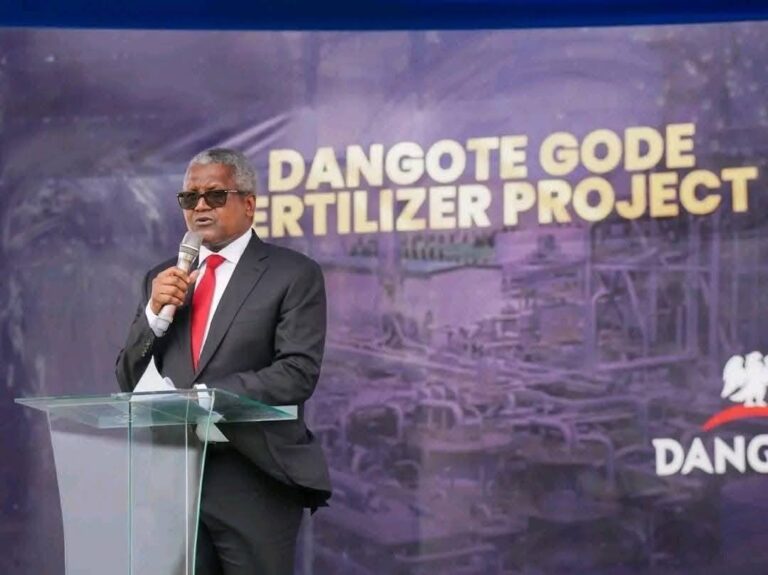
Addis Ababa — Africa’s richest man, Aliko Dangote, has officially commenced construction of a $2.5 billion fertilizer plant in Ethiopia, marking another major step in his company’s pan-African expansion strategy. The new facility, with a projected capacity of three million tons per year, is set to become one of the largest fertilizer production plants on the continent.

The project, valued at approximately 1,396 billion CFA francs, was launched in partnership with the Ethiopian government and aims to boost agricultural productivity, reduce fertilizer imports, and position Ethiopia as a regional hub for agro-industrial development.

Speaking at the groundbreaking ceremony in Addis Ababa, Dangote said the investment reflects his confidence in Ethiopia’s economic vision, political stability, and commitment to industrial growth. “Ethiopia has shown strong leadership in creating an enabling environment for investors. This project is not only about fertilizer production but also about empowering farmers, supporting food security, and driving sustainable development,” he stated.

The plant will utilize locally available natural gas and raw materials, reducing reliance on imports and saving the country millions of dollars annually in foreign exchange. Once operational, it is expected to create thousands of direct and indirect jobs while providing affordable fertilizer to millions of smallholder farmers across Ethiopia and neighboring countries.

Ethiopian Prime Minister Abiy Ahmed, who attended the ceremony, praised Dangote’s investment as a sign of growing international confidence in Ethiopia’s economy. “This project demonstrates that Ethiopia remains an attractive destination for large-scale investment. It supports our vision of transforming the agricultural sector into a driver of industrial growth,” he said.

The fertilizer plant will be operated by the Dangote Industries Limited Group, which already runs one of Africa’s largest cement plants in Ethiopia. The new facility aligns with the country’s broader strategy to modernize its agriculture, reduce dependence on imports, and enhance value addition across key sectors.

Analysts have described the investment as a strategic win for both Ethiopia and the Dangote Group, underscoring the increasing trend of intra-African investments aimed at fostering regional self-sufficiency.

Construction is expected to be completed within the next three years, with production scheduled to begin shortly thereafter.

📸 Dangote Group / Government of Ethiopia

FRESHEST BREAD HEADLINES SYNERGY AWARDS 2025, AS SOUTH KITCHEN TAKES THE WHEEL — WITH DND TRAVELS AND TOURS ON BOARD

0

Three industry leaders, one prestigious stage — powering excellence, innovation, and celebration at the Synergy Awards.

The prestigious Synergy Awards 2025 is set to illuminate the Southwest on Saturday, October 12, 2025, at the iconic The Marquee, Olusegun Obasanjo Presidential Library, Abeokuta — a venue befitting an evening of distinction, innovation, and purpose.

Taking center stage this year is Freshest Bread, the proud Headline Sponsor, whose partnership exemplifies a steadfast commitment to excellence, innovation, and community development. A trusted name across homes and markets, Freshest Bread’s involvement underscores the Awards’ mission to celebrate outstanding individuals, brands, and organizations driving growth across the region.

Adding an elevated touch of class and creativity, South Kitchen joins as a Silver Partner, “taking the wheel” to redefine hospitality at the 2025 edition. Known for its exquisite dining and sophisticated ambience, South Kitchen brings its signature flair to the celebration — ensuring that every guest experiences taste, comfort, and elegance at their finest.

Also joining this year’s lineup of distinguished partners is DND Travels and Tours, the dynamic Corporate Partner adding a global dimension to the event. Renowned for delivering world-class travel experiences, DND Travels and Tours embodies the spirit of adventure, ambition, and excellence that the Synergy Awards represents.

The night promises to be unforgettable, with stellar live performances by Barry Jhay and Femi Levite, setting the perfect rhythm for a celebration that bridges creativity, leadership, and inspiration.

More than just an awards ceremony, the Synergy Awards 2025 stands as a movement — a gathering of visionaries, innovators, and industry trailblazers shaping the narrative of excellence across the Southwest and beyond.

Together, Freshest Bread, South Kitchen, and DND Travels and Tours embody the essence of true synergy — proving that when purpose-driven brands unite, they don’t just support a platform; they elevate an entire legacy.

@officialSynergyAwards

Omotomilade, a dazzling host, embodies the signature elegance of TemmyTeemade.

0

At the heart of the Synergy Awards 2025, elegance takes center stage — embodied flawlessly by Omotomilade, one of the most captivating hosts of her generation. Poised, radiant, and effortlessly charismatic, Omotomilade continues to redefine what it means to command attention with grace and confidence. As she graces the stage at The Marquee, Olusegun Obasanjo Presidential Library, Abeokuta, on Saturday, October 12, 2025, all eyes will be drawn to a woman who embodies the perfect blend of style and substance.

Behind her show-stopping look stands TemmyTeemade, the fashion powerhouse and creative force whose artistry has become synonymous with refined sophistication. Known for transforming elegance into wearable storytelling, TemmyTeemade’s designs capture the spirit of power, femininity, and modern allure — a perfect match for Omotomilade’s dynamic on-stage energy.

Together, the duo creates fashion magic that transcends the moment — TemmyTeemade styling, Omotomilade shining. Each detail, from the silhouette to the stitching, speaks to confidence and intention, making the host not just a presenter but a living muse of contemporary fashion.

Beyond the runway and red carpet, Omotomilade has become a viral sensation, captivating audiences across platforms as a celebrated TikToker and digital creative. Her ability to connect with viewers through humor, authenticity, and elegance has cemented her place as one of the most relatable and admired voices in the new media space.

As she takes the spotlight alongside the equally vibrant Essie Talker, co-hosting one of the most anticipated events of the year, Omotomilade is set to bring sparkle, charisma, and authenticity to the Synergy Awards 2025 stage. Together, the duo represents a new generation of media personalities — confident, creative, and unapologetically powerful.

With TemmyTeemade defining the look and Omotomilade embodying the vision, the Synergy Awards 2025 promises a showcase of poise, fashion, and brilliance — proof that when art meets attitude, elegance becomes unforgettable.


Lagos Teachers Earn Minimum of N150,000 Monthly — LASUED Vice Chancellor

0

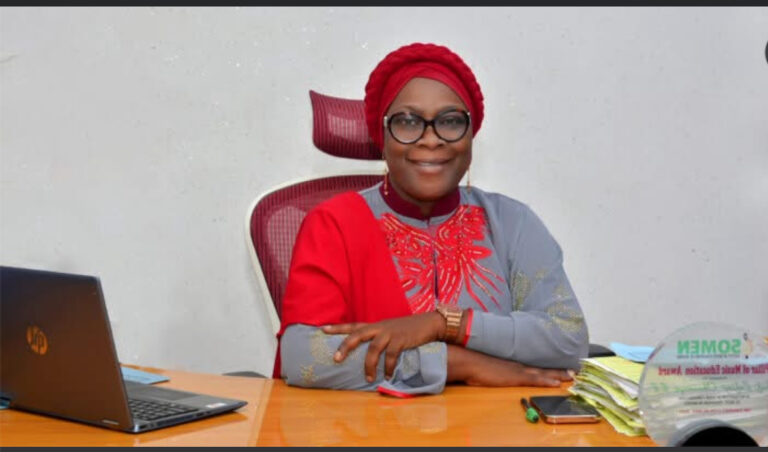
The Vice Chancellor of Lagos State University of Education (LASUED), Prof. Bidemi Bilau, has disclosed that teachers employed by the Lagos State Government earn a minimum salary of N150,000 per month.

Prof. Bilau made the revelation during a media briefing at the university’s main campus in Ijanikin, Lagos, while addressing concerns about the declining interest of young Nigerians in the teaching profession.

According to him, the Lagos State Government has continued to prioritize the welfare of teachers through improved remuneration and regular capacity-building programmes. He noted that the government’s investment in education was aimed at attracting qualified individuals into the teaching sector and raising professional standards across schools.

“The least paid teacher in Lagos State earns about N150,000 monthly. This is part of the government’s deliberate effort to make the teaching profession more attractive and competitive,” he stated.

Prof. Bilau further emphasized that LASUED was working closely with the state government to ensure that future educators are well-trained, motivated, and equipped with modern teaching methodologies.

He added that with continuous reforms in the education sector, Lagos State remains a model for other states in promoting teacher development, welfare, and educational excellence.

Nigeria Seeks $2 Billion Loan from China to Develop New Super Grid

0

The Federal Government of Nigeria has opened discussions with China to secure a $2 billion loan aimed at developing a national super grid that will enhance electricity transmission and stabilize power supply across the country.

Minister of Power, Chief Adebayo Adelabu, disclosed this during a recent media briefing in Abuja, where he outlined the government’s long-term strategy to overhaul the nation’s transmission infrastructure. He said the proposed facility, part of the country’s energy transition plan, would enable the Transmission Company of Nigeria (TCN) to build a high-capacity super grid capable of supporting increased power generation and distribution.

According to the minister, the new grid is designed to accommodate up to 30,000 megawatts of power, compared to the current system’s limited capacity of about 5,000 megawatts. He explained that the existing grid, which is decades old, lacks the efficiency to handle Nigeria’s growing energy demand.

“We are in discussions with the Chinese government for a $2 billion loan that will help us establish a modern super grid. This project will strengthen our transmission backbone and ensure that power generated from plants can reach homes and industries reliably,” Adelabu said.

He added that the government was also working with international partners and development agencies to diversify the country’s energy mix through renewable and gas-powered sources.

If finalized, the super grid project would mark one of Nigeria’s largest investments in power infrastructure in recent years, with the goal of improving access, reducing outages, and supporting industrial growth nationwide.

Dangote Refinery Reduces Cooking Gas Price to ₦760 per Kilogram, Undercuts Market Average

0

The Dangote Petroleum Refinery has announced a reduction in the ex-depot price of Liquefied Petroleum Gas (LPG), commonly known as cooking gas, from ₦810 to ₦760 per kilogram — currently the lowest rate in the country.

This price adjustment places the refinery’s LPG significantly below the prevailing market rates, as competing depots are reportedly selling between ₦910 and ₦950 per kilogram. The new pricing creates a margin of up to ₦190 per kilogram, offering potential relief to marketers and consumers grappling with rising energy costs.

Industry analysts view the move as a strategic intervention by the Dangote Refinery to stabilize Nigeria’s volatile LPG market and discourage arbitrary price hikes by middlemen. They noted that the refinery’s growing capacity and market influence could help improve supply consistency, enhance affordability, and reduce Nigeria’s dependence on imported LPG.

The price cut comes amid widespread public concern over escalating cooking gas prices, which have placed pressure on household incomes and small businesses.

Market observers believe that if sustained, Dangote’s pricing strategy could trigger broader market competition, compel other depots to review their rates downward, and ultimately make clean cooking energy more accessible to millions of Nigerians.

CBN Orders Banks to Submit Monthly POS Transaction Reports

0

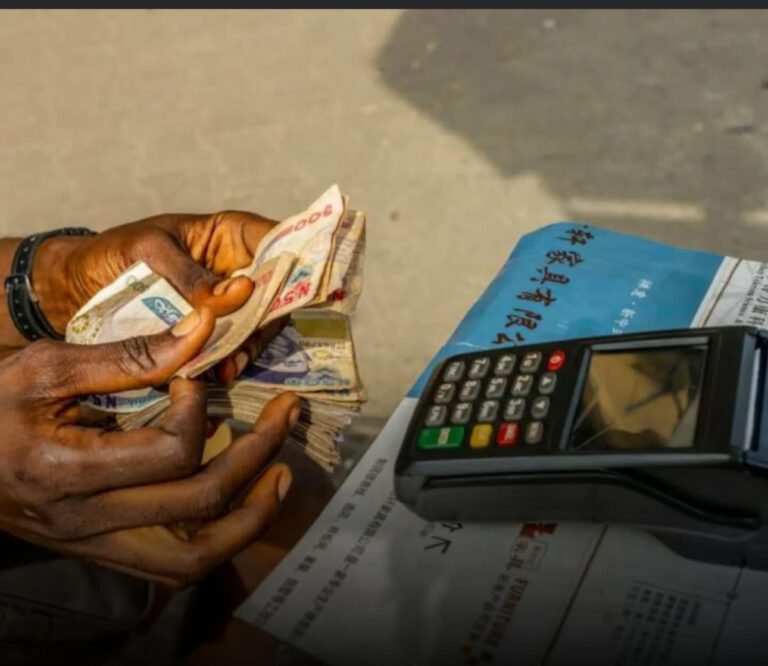
The Central Bank of Nigeria (CBN) has directed all financial institutions to begin submitting detailed monthly reports on the activities of their Point-of-Sale (POS) agents as part of measures to strengthen oversight and ensure greater transparency within the country’s expanding agent banking network.

The directive was contained in a circular signed by Musa Jimoh, Director of the CBN’s Payments System Policy Department, and circulated to all banks and licensed financial institutions.

According to the circular, institutions must provide comprehensive data on the nature, value, and volume of transactions conducted by their POS agents every month. The apex bank emphasized that each submission must be duly signed by the Managing Director/Chief Executive Officer (MD/CEO) and the Chief Compliance Officer of the reporting institution.

The CBN warned that any report submitted later than ten working days after the end of the reporting period would be deemed a breach of its regulatory guidelines and attract appropriate sanctions.

The circular further reaffirmed the daily transaction limits introduced in December 2024 to curb misuse and strengthen consumer protection within the agent banking framework. Under the current policy, POS agents are restricted to a maximum of ₦1.2 million in daily transactions, while individual customers are limited to ₦100,000 per day.

The CBN stated that these measures are designed to curb fraudulent practices, promote financial integrity, and ensure that the agent banking system continues to support financial inclusion without compromising regulatory standards.

Industry observers say the new directive underscores the CBN’s growing emphasis on transparency and compliance amid the rapid expansion of Nigeria’s digital payment and agent banking landscape.

AI Investment Crucial to Safeguard Africa’s Digital Sovereignty — Idaretsit

0

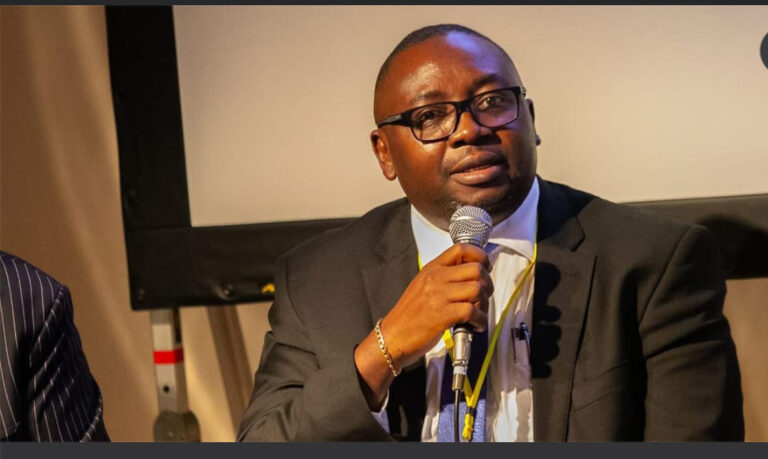
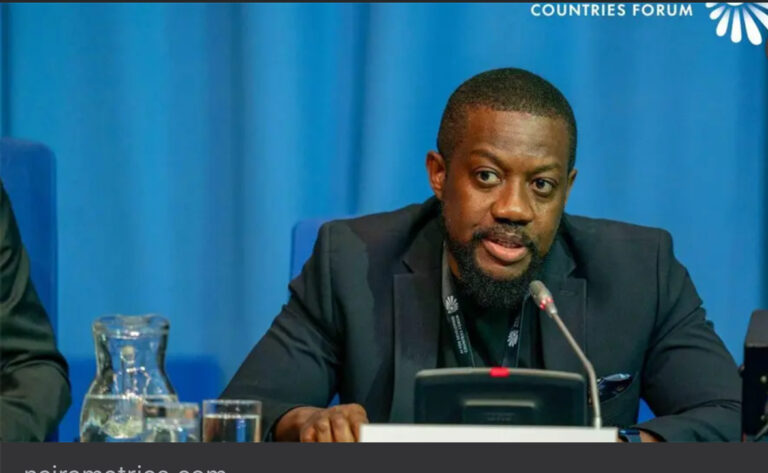
Technology expert and digital policy advocate, Mr. Idaretsit Akpan, has called for increased investment in Artificial Intelligence (AI) across Africa, warning that the continent risks losing control of its digital future without strategic action.

Speaking at a recent technology and innovation forum in Lagos, Akpan stressed that Africa’s dependence on imported digital infrastructure and AI systems developed outside the continent poses long-term threats to data security, privacy, and economic independence.

He argued that sustained local investment in AI research, innovation hubs, and indigenous data centers is essential to preserve Africa’s digital sovereignty — the right and capacity of nations to govern their digital resources, technologies, and data without undue external influence.

“Artificial Intelligence is shaping global governance, trade, and communication. If Africa continues to consume technology rather than create it, we will remain vulnerable to digital colonialism,” he said.

Akpan urged African governments to adopt clear AI strategies that prioritize homegrown innovation, policy alignment, and ethical governance frameworks. He also emphasized the need for partnerships between academia, private sector players, and startups to build local expertise and foster AI-driven economic growth.

According to him, strategic investment in AI would not only strengthen Africa’s cybersecurity and data control but also unlock new opportunities in education, healthcare, agriculture, and governance.

He concluded that the future of Africa’s development depends on its ability to build, own, and regulate the technologies shaping the next industrial revolution.

OpenAI Integrates Apps like Coursera, Spotify into ChatGPT — Unveils In-Chat Platform

0

In a major shift in AI utility, OpenAI today launched a new framework that allows users to access fully functional third-party apps inside the ChatGPT environment. The move is set to blur the lines between conversational AI and application ecosystems. 

What’s Changed — ChatGPT as an App Host

Under the new model, ChatGPT will no longer just respond. It will become a hub through which users can invoke and interact with partner services like Spotify, Coursera, Canva, Zillow, Booking.com, Figma, and Expedia, all without leaving the chat interface. 

For example:

  • A user might type, “Spotify, make me a playlist for tonight,” and the Spotify mini-app will appear in the chat to fulfill the request.  
  • If discussing real estate, ChatGPT might suggest Zillow as a tool and render interactive map results right in the conversation.  
  • Users can also summon Coursera: for example asking, “Coursera, teach me about convolutional neural networks,” then follow up with clarifying questions in real time.  

These apps respond dynamically in chat, adapt to the context, and may offer custom interfaces (cards, menus, media, etc.) within the ChatGPT experience. 

Developer Access & the Apps SDK

To make this integration possible, OpenAI introduced a new Apps SDK (software development kit), currently in preview. Developers can use the SDK to build apps that link to their backends, render interfaces inside ChatGPT, and respond based on conversational context. 

Some of the key technical features include:

  • Support for contextual queries, so the AI “knows” the state of the conversation and can adapt.  
  • Ability to trigger actions (e.g. search a database, fetch content) and render elements (maps, images, slides) in chat.  
  • Use of an open standard, the Model Context Protocol (MCP), to allow interoperability and future growth.  

OpenAI says that later in the year it will begin reviewing new apps from external developers and open monetization options for app creators. 

Availability & Phases

At launch, these integrated apps are available to ChatGPT users outside the European Union on Free, Go, Plus, and Pro plans. 

Access for Business, Enterprise, and Education users is slated for later in the rollout. 

Implications & Observations

  • Productivity boost: Users can stay in the flow of conversation rather than switching apps or tabs, potentially speeding workflows.
  • Competition for app ecosystems: By hosting apps within ChatGPT, OpenAI is staking a claim in the space long dominated by mobile OSs and web platforms.
  • Privacy & data risk: As third-party apps gain access in a conversational setting, questions arise about how user data is handled, what permissions are granted, and how boundaries are enforced.
  • Monetization and control: The new model could shift how software makers monetize — via usage inside AI interfaces — and how OpenAI directs traffic among partner apps.
  • Platform lock-in: For users, the more integrated ChatGPT becomes, the harder it may be to leave.

In sum, OpenAI’s latest strategy signals a vision of ChatGPT not simply as a conversational agent, but as a next-generation platform that merges knowledge, action, and application under one roof. The depth of transformation will depend on developer uptake, governance of privacy, and how well these embedded apps perform in real user contexts.