


Home Blog Page 99

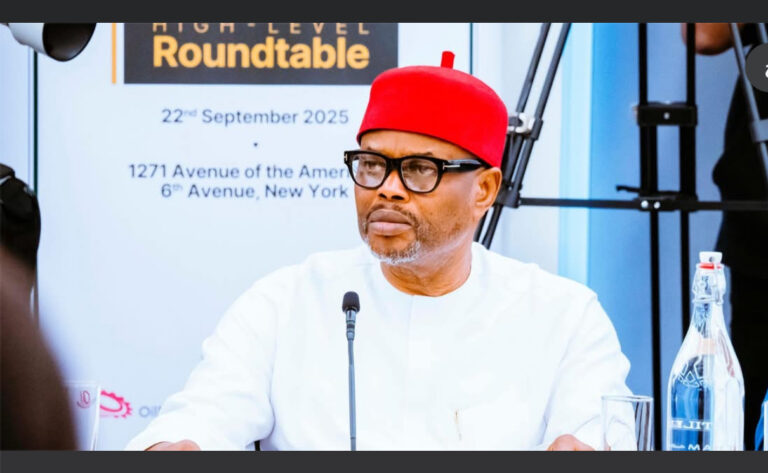
Nnaji Sues UNN, NUC Over Certificate Forgery Allegations

0

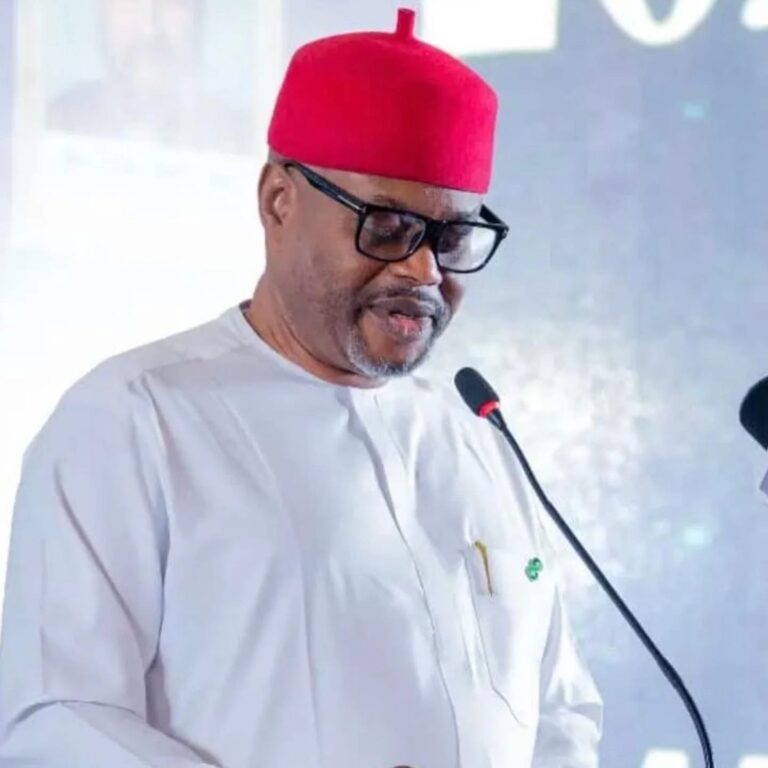
Enugu — A former lecturer and businessman, Dr. Uchenna Nnaji, has taken legal action against the University of Nigeria, Nsukka (UNN) and the National Universities Commission (NUC) following allegations of certificate forgery levelled against him.

The suit, filed at the Federal High Court in Enugu, seeks judicial intervention to compel the university and the commission to produce official records verifying the authenticity of Nnaji’s academic qualifications.

Court documents obtained on Tuesday show that Nnaji is demanding a public clarification from both institutions, alleging that the controversy surrounding his academic credentials has caused “irreparable damage” to his reputation and professional standing.

Nnaji, who once served as a visiting lecturer at the university, claimed that his name had been wrongly associated with a forged certificate purportedly issued by UNN. He accused the institution of negligence and the NUC of failing to properly verify or authenticate the disputed documents before making public statements that, according to him, implied wrongdoing.

In his statement of claim, Nnaji argued that the scandal was politically motivated and aimed at tarnishing his image. He further alleged that several attempts to obtain an official verification letter from the university had been frustrated by internal bureaucracy and what he described as “institutional silence.”

The plaintiff is seeking a court declaration affirming the validity of his certificates, a public apology from the defendants, and monetary damages for defamation and emotional distress.

Officials of both the UNN and NUC have declined to comment on the matter, citing the pendency of the case before the court. However, sources within the university confirmed that internal investigations were ongoing to ascertain the origin and authenticity of the disputed documents.

The case is expected to come up for hearing later this month before Justice C. O. Ajah of the Federal High Court, Enugu.

The development has stirred debate within academic circles, with stakeholders calling for greater transparency in record verification processes across Nigerian universities to curb the growing incidence of certificate fraud.
DisCos Install 225,631 Meters in Second Quarter of 2025 — NERC

0

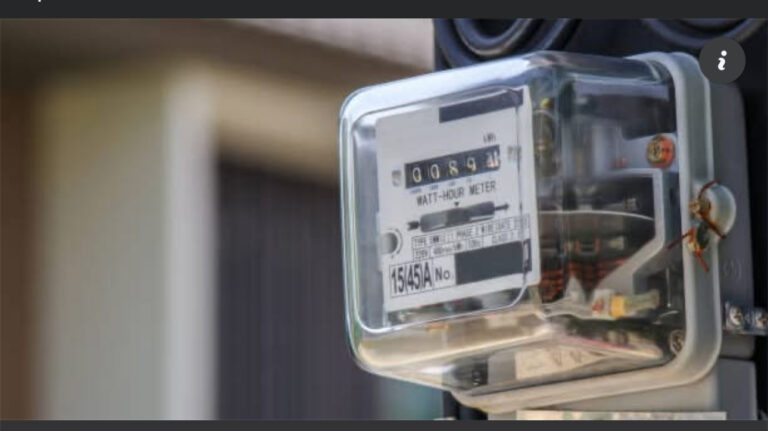
Abuja — Nigeria’s electricity distribution companies (DisCos) installed 225,631 new meters in the second quarter of 2025, marking a 20.6 percent increase compared to the previous quarter, according to the latest report released by the Nigerian Electricity Regulatory Commission (NERC).

The data, contained in NERC’s Second Quarter 2025 Report, shows that the figure rose from 187,614 meters installed in the first quarter, reflecting renewed efforts by DisCos to address widespread customer complaints about estimated billing and improve transparency in electricity consumption measurement.

According to the report, metering coverage across the country now stands at 46.3 percent, indicating that less than half of registered electricity customers are metered. NERC noted, however, that ongoing initiatives under the Meter Asset Provider (MAP) and National Mass Metering Programme (NMMP) continue to drive gradual progress.

The regulatory body attributed the increase in installations to improved coordination between DisCos and approved meter vendors, as well as a more efficient approval process for meter deployment.

“The Commission continues to emphasize the importance of metering in achieving fair billing and revenue assurance. The steady rise in installation figures demonstrates industry-wide commitment to closing the metering gap,” the report stated.

NERC also revealed that Ikeja Electric, Abuja Electricity Distribution Company, and Eko DisCo led the metering drive during the quarter, accounting for the highest number of new installations.

Despite the improvement, the Commission reiterated that Nigeria’s metering gap remains significant, with over seven million customers still relying on estimated billing. It urged DisCos to intensify efforts toward achieving universal metering in line with national electricity reform goals.

The Commission added that enforcement actions would continue against any distribution company found guilty of non-compliance or unfair billing practices.

DisCos’ Revenue Rises to N564.7 Billion in Second Quarter of 2025 — NERC

0

Abuja — Nigeria’s electricity distribution companies (DisCos) recorded a notable increase in revenue in the second quarter of 2025, collecting a total of N564.71 billion, according to the Nigerian Electricity Regulatory Commission (NERC).

The figure, contained in NERC’s Second Quarter 2025 Report, represents an improvement in the sector’s overall collection efficiency, rising to 76.07 percent from 74.39 percent recorded in the first quarter.

During the period under review, DisCos billed customers a total of N742.34 billion, out of which N564.71 billion was successfully collected — a modest yet steady gain compared to the N553.63 billion collected from N744.26 billion billed in the previous quarter.

The regulatory agency attributed the rise in revenue collection to “enhanced payment discipline among customers, stricter enforcement of collection mechanisms, and gradual expansion of metering coverage across the country.”

NERC observed that improved operational strategies by major DisCos, including better customer engagement and digital payment platforms, contributed to the stronger performance.

“The increase in revenue collection reflects a gradual strengthening of the electricity market’s commercial viability. Sustained improvement in billing efficiency, metering, and customer service is essential to maintaining this momentum,” the report noted.

The Commission, however, cautioned that revenue recovery remains uneven across distribution companies, with some operators still struggling with high losses due to power theft, poor metering, and network inefficiencies.

NERC reaffirmed its commitment to enforcing financial discipline within the power sector, stating that improved liquidity is crucial for ensuring reliable supply, infrastructure expansion, and investment in Nigeria’s electricity value chain.

FTSE Russell Places Nigeria on Watch List for Possible Reclassification as Frontier Market

0

London — Global index provider FTSE Russell has announced that Nigeria has been added to its watch list for potential reclassification as a frontier market, signaling cautious optimism about the country’s progress in addressing foreign exchange challenges that previously hindered investor confidence.

In a statement released on Monday, FTSE Russell said the decision followed a review of Nigeria’s market accessibility, which had been downgraded from “frontier” to “unclassified” in September 2023 due to difficulties in currency repatriation and foreign exchange liquidity constraints.

The firm noted that recent reforms implemented by the Central Bank of Nigeria (CBN) — including the liberalization of the foreign exchange market and the unification of multiple exchange rates — have begun to restore confidence among international investors.

“Following engagement with market participants and consideration of recent policy actions by Nigerian authorities to improve FX liquidity, FTSE Russell has added Nigeria to the watch list for a potential reclassification to frontier market status,” the statement read.

If reinstated, Nigeria’s equities would once again be eligible for inclusion in the FTSE Frontier Market Index Series, potentially attracting renewed foreign portfolio inflows into Africa’s largest economy.

Analysts say the move represents a significant step toward rebuilding Nigeria’s credibility in global capital markets. However, they caution that sustained progress will depend on the CBN’s ability to stabilize the naira and ensure consistent access to foreign exchange for investors.

Nigeria’s exclusion from the FTSE index last year followed months of capital flight and market illiquidity, which deterred foreign investors from participating in the country’s stock and bond markets.

Market observers expect FTSE Russell to make a final determination in its next review cycle, depending on further improvements in FX transparency, repatriation processes, and policy consistency.

If successful, Nigeria would join other African frontier markets such as Kenya, Ghana, and Morocco, reaffirming its role as one of the continent’s key investment destinations.

World Bank Warns Nigeria and Other African Nations Will Bear Half of Continent’s Jobs Challenge by 2050

0

Abuja — The World Bank has projected that Nigeria and a few other African nations will account for nearly half of Africa’s total employment challenge by 2050, citing rapid population growth, slow economic diversification, and limited job creation in productive sectors as key concerns.

In its latest report titled “Africa’s Jobs Puzzle: Mobilizing Private Sector Solutions”, the global lender warned that unless urgent reforms are implemented, the continent could face an unprecedented labour market crisis, with more than 600 million working-age Africans struggling to find stable and productive employment.

The report identifies Nigeria, Ethiopia, Egypt, and the Democratic Republic of Congo as the countries that will contribute the most to Africa’s expanding labour force, collectively representing half of the working-age population by mid-century.

According to the World Bank, the scale of job creation required to absorb new entrants into the workforce far exceeds current trends, with many economies still dependent on low-productivity agriculture and informal trade.

“By 2050, Africa’s working-age population will double. Nigeria and a handful of other countries will drive this growth, shaping both the scale and nature of the continent’s jobs challenge,” the report stated.

It emphasized that without deliberate efforts to boost industrialization, expand education and skills development, and attract private investment, millions of young Africans risk being trapped in poverty and informal employment.

The World Bank urged African governments to prioritize reforms that stimulate private sector-led job creation, particularly in manufacturing, digital services, and agribusiness. It also called for greater investment in infrastructure and human capital to prepare young people for the evolving global economy.

Nigeria, with an estimated population exceeding 220 million, remains Africa’s most populous country and one of the fastest-growing. Yet, the nation continues to grapple with high youth unemployment, underemployment, and sluggish economic growth across key sectors.

Experts say that unless Nigeria accelerates policy implementation to enhance competitiveness and ease of doing business, the jobs crisis could worsen, deepening inequality and social instability across the region.

The report concludes with a call for regional cooperation, emphasizing that Africa’s economic future depends on how effectively its largest economies — including Nigeria — can transform demographic growth into an engine for inclusive and sustainable prosperity.

Minister of Science and Technology, Uche Nnaji, Resigns Over Certificate Forgery Scandal

0

Abuja — Nigeria’s Minister of Innovation, Science and Technology, Uche Nnaji, has tendered his resignation following mounting controversy surrounding allegations of forged academic and National Youth Service Corps (NYSC) certificates.

The resignation, confirmed by senior government sources on Tuesday, marks a major development in the ongoing scandal that has cast a shadow over the Ministry of Science and Technology and raised fresh questions about integrity within the federal cabinet.

According to reports, Nnaji’s decision followed the conclusion of a two-year investigation which allegedly uncovered discrepancies in his academic records from the University of Nigeria, Nsukka (UNN) and inconsistencies in documents purportedly issued by the NYSC.

Sources close to the Presidency disclosed that the minister submitted his resignation letter late Monday night, citing “personal reasons” — though officials say the move was prompted by growing pressure from both the public and within the administration.

A statement from the Ministry is expected later today, while the Presidency has yet to issue an official comment on whether Nnaji’s resignation has been formally accepted.

The investigation, reportedly initiated by security and regulatory agencies in 2023, examined the authenticity of Nnaji’s university transcripts and NYSC discharge certificate after whistleblower petitions questioned their legitimacy.

Nnaji, who was appointed in August 2023, had previously denied any wrongdoing, describing the allegations as politically motivated. However, recent findings appear to have intensified scrutiny, culminating in his decision to step down.

Political observers say the resignation underscores the government’s growing struggle with credibility issues among top officials, particularly as the administration faces increased public demand for transparency and ethical governance.

Further details regarding the investigation’s findings and possible legal actions are expected to emerge in the coming days.

May Agbamuche-Mbu: From Corporate Lawyer to Acting INEC Chairman

0

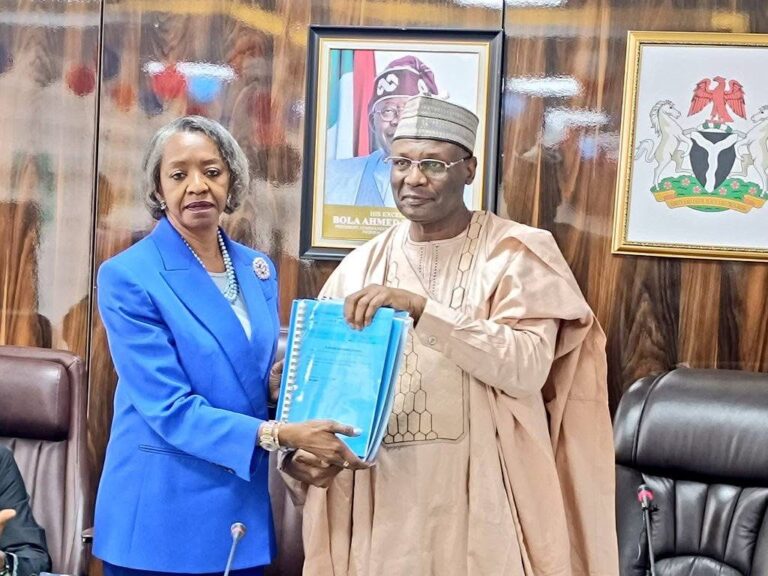
Abuja — President Bola Ahmed Tinubu has appointed Mrs. May Agbamuche-Mbu as the Acting Chairman of the Independent National Electoral Commission (INEC), following the conclusion of Prof. Mahmood Yakubu’s tenure.

Mrs. Agbamuche-Mbu, who represents the South-South geopolitical zone on the INEC board, brings a distinguished career spanning law, corporate governance, and public administration to her new role. Her appointment marks a significant milestone in her professional journey, transitioning from the private legal sector to the leadership of Nigeria’s foremost electoral institution.

Before joining INEC, Mrs. Agbamuche-Mbu built an impressive reputation as a corporate lawyer and publisher. She served as the Managing Partner of her law firm, May Agbamuche-Mbu & Co., where she handled diverse corporate and commercial legal matters for local and international clients. Known for her keen attention to detail and commitment to ethical practice, she earned recognition as one of the few female lawyers in Nigeria to have successfully bridged the gap between law, media, and governance.

Since her appointment as INEC National Commissioner in 2016, Mrs. Agbamuche-Mbu has played a pivotal role in the Commission’s reforms, policy formulation, and capacity-building programs. She has been a strong advocate for electoral transparency, inclusivity, and the adoption of technology to strengthen Nigeria’s democratic process.

Her elevation to Acting Chairman is expected to ensure a smooth transition and continuity in the Commission’s operations, particularly as INEC prepares for upcoming off-cycle elections and ongoing electoral reforms.

Observers have commended President Tinubu’s choice, describing Mrs. Agbamuche-Mbu as a seasoned professional with a deep understanding of Nigeria’s electoral framework and a track record of integrity.

Her appointment reflects growing recognition of women’s leadership in Nigeria’s governance space and underscores the government’s commitment to gender inclusion in key national institutions.

Mrs. Agbamuche-Mbu’s tenure as Acting INEC Chairman will continue until a substantive chairman is appointed, subject to confirmation by the Senate.

Aliko Dangote Expresses Readiness to Deepen Economic Partnerships with Senegal

0

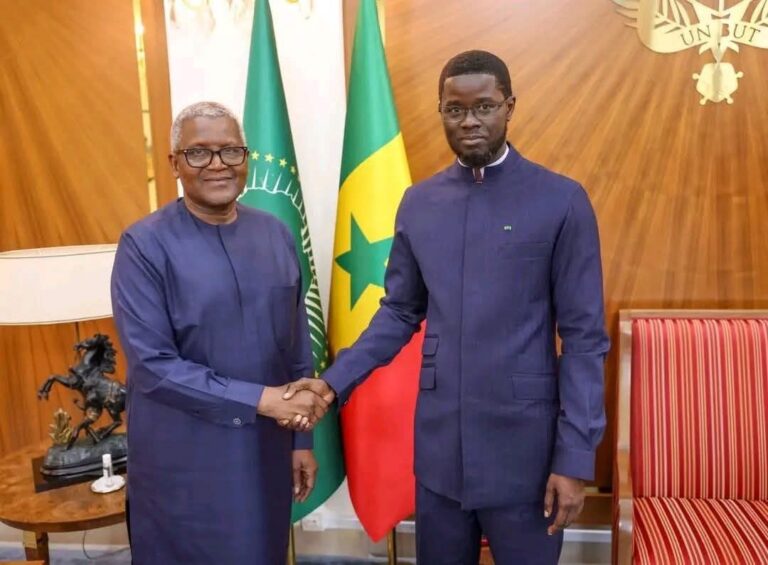
Dakar — Nigerian industrialist and Africa’s richest man, Aliko Dangote, has expressed his commitment to strengthening economic partnerships with Senegal, describing the West African nation as one of the continent’s most stable and investor-friendly environments.

Dangote made the remarks during a business visit to Dakar on Monday, where he met with senior government officials and private sector leaders to discuss new areas of collaboration in manufacturing, infrastructure, and energy.

The billionaire businessman praised Senegal’s stable political climate and consistent economic reforms, noting that such conditions have continued to attract both regional and international investors. “Senegal remains one of Africa’s most stable and forward-looking economies. We are ready to explore more opportunities that can drive mutual growth between our businesses and the Senegalese people,” he said.

He emphasized that the Dangote Group is exploring partnerships that would support industrial growth, enhance food security, and create employment opportunities, particularly through the expansion of cement production, fertilizer distribution, and renewable energy projects.

Government sources confirmed that discussions focused on expanding existing investments and identifying new areas of cooperation, in line with President Bassirou Diomaye Faye’s economic agenda aimed at promoting self-sufficiency and sustainable development.

Senegal, known for its steady economic growth and transparent investment framework, has emerged as a preferred destination for investors across Africa. With an average growth rate above 6 percent in recent years, the country continues to attract major players in agriculture, energy, and manufacturing.

Observers note that Dangote’s renewed interest in Senegal signals confidence in the country’s economic outlook and could further strengthen regional trade and industrial integration within West Africa.

Peter Mutharika Appoints Second Vice President in Malawi, Stirring Constitutional Debate

0

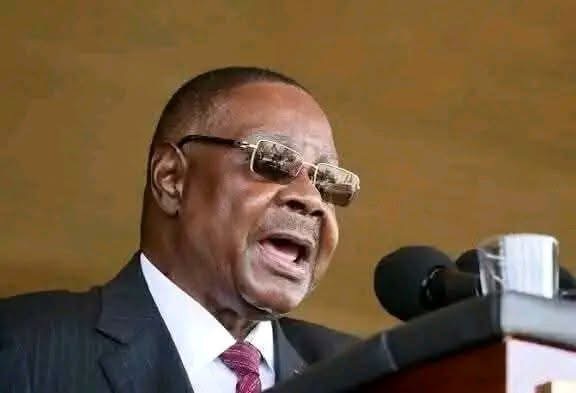
Lilongwe — Former Malawian President and Democratic Progressive Party (DPP) leader, Professor Peter Mutharika, has appointed an additional vice president to serve alongside his constitutionally elected running mate, a move that has sparked widespread debate over its legality and political implications.

The announcement, made during a party executive meeting in Blantyre on Monday, revealed that Mutharika had named a second vice president to “strengthen leadership coordination” within the opposition party ahead of the 2025 general elections.

Political observers, however, note that the appointment raises constitutional questions, as Malawi’s 1994 Constitution provides for only one vice president—either elected on a joint ticket with the president or appointed when a vacancy arises.

Party insiders say the decision was intended to create a balanced leadership structure that reflects the country’s regional and political diversity. Mutharika, 84, reportedly emphasized the need for unity and effective preparation within the DPP as it positions itself to reclaim power in the upcoming polls.

“We must present a united front and build a leadership team capable of delivering stability and progress for Malawians,” Mutharika said, adding that the appointment was part of internal party restructuring, not a government directive.

The move has drawn mixed reactions. Supporters within the DPP view it as a strategic step to consolidate influence across regions and manage internal divisions that have weakened the party since it lost power in 2020. Critics, however, argue that it sets a troubling precedent and could undermine constitutional norms if replicated within state governance.

Legal analysts have cautioned that while political parties have the right to create internal leadership positions, extending such titles in a manner that mirrors constitutional offices could lead to confusion and institutional conflict.

The Malawi Electoral Commission has not issued a statement on the development, while Mutharika’s aides insist that the decision remains strictly within party affairs.

As the 2025 elections draw nearer, Mutharika’s latest move underscores the DPP’s ongoing efforts to rebuild its national appeal and assert his continued influence in Malawian politics.

Malema Makes Strong Submissions Before Ad Hoc Committee Probing Lt. Gen. Mkhwanazi Allegations

0

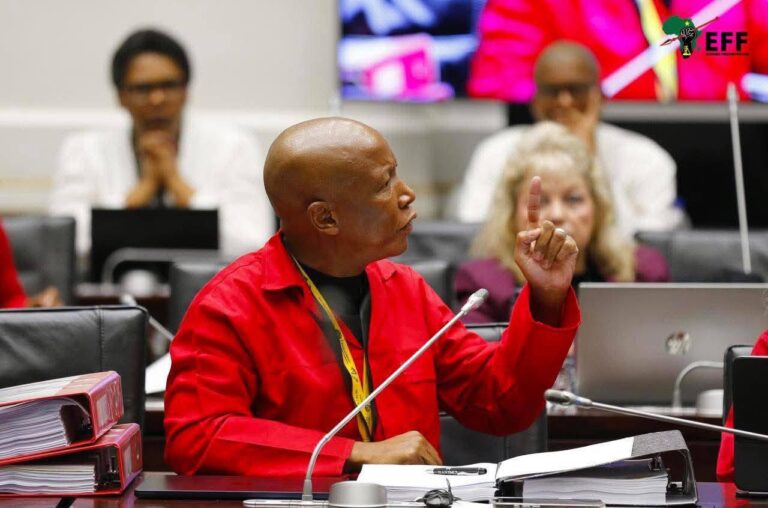
Cape Town — President and Commander-in-Chief of the Economic Freedom Fighters (EFF), Julius Sello Malema, has made what party officials described as “meaningful and substantive contributions” during the sitting of the Ad Hoc Committee investigating allegations made by Lieutenant General Nhlanhla Mkhwanazi.

The committee, convened in Parliament on Tuesday, is examining serious claims involving senior figures within South Africa’s security and policing structures. Malema, known for his assertive and analytical approach to governance matters, used the platform to raise critical questions on accountability, institutional transparency, and the integrity of oversight processes.

In his submission, Malema emphasized the importance of maintaining public trust in national institutions, urging the committee to ensure that the investigation proceeds without bias or political interference. He also called for the protection of whistleblowers and insisted that findings from the inquiry must be handled with transparency and fairness.

“The people of South Africa deserve to know the truth. Our responsibility as public representatives is to make sure that justice is not only done but seen to be done,” Malema stated during the session.

Members of the committee noted the EFF leader’s active engagement and detailed interventions, which focused on strengthening institutional accountability and ensuring due process in the investigation.

Photographs released by the Economic Freedom Fighters captured Malema seated attentively during the proceedings, underscoring the party’s ongoing participation in parliamentary oversight functions.

The Ad Hoc Committee is expected to continue its hearings over the coming weeks, with recommendations to be presented to Parliament upon conclusion of the inquiry.

#