


Home Blog Page 11

FG Approves ₦185 Billion Payment to Clear Gas Suppliers’ Debts

0

ABUJA—The Federal Government has approved the payment of ₦185 billion in outstanding legacy debts owed to natural gas suppliers, a decisive measure aimed at injecting critical liquidity into the energy sector and stabilizing Nigeria’s fragile electricity generation capabilities.

The massive financial clearance addresses a long-standing crisis that has plagued the power value chain, hindering investment and exacerbating the nation’s persistent electricity shortages.

Easing Liquidity Constraints and Boosting Supply

For years, the accumulation of unpaid invoices from the national bulk purchaser, the Nigerian Bulk Electricity Trading PLC (NBET), had severely weakened the financial health of gas producers. These liquidity constraints had a cascading negative effect:

  1. Slowed Investment: Gas suppliers lacked the necessary capital for upstream investment, maintenance, and expansion needed to meet growing demand.

  2. Limited Deliveries: Producers frequently curtailed gas deliveries to power generation companies (GenCos), citing non-payment and crippling cash flow issues.

  3. Worsened Shortages: Since gas-fired turbines account for a majority of Nigeria’s power generation capacity, limited gas supply directly translated into frequent blackouts and reduced electricity output nationwide.

The approval of the ₦185 billion payment is expected to immediately ease the cash flow squeeze on gas companies, allowing them to optimize their operations and prioritize gas supply to thermal power plants.

A Step Toward Sector Stabilization

The payment is seen by industry analysts as a critical step in restoring investor confidence and signaling the Federal Government’s commitment to addressing the systemic debt issues plaguing the power sector.

While the payment addresses the legacy debt, experts emphasize that the government must still implement a sustainable mechanism to guarantee the timely payment of future gas deliveries. Without resolving the underlying issues of cost-reflective tariffs and systemic metering gaps, the debt cycle risks restarting.

Ultimately, the goal of this financial intervention is to ensure that Nigeria’s gas-to-power framework operates efficiently, translating the new liquidity into improved gas-fired electricity generation and greater reliability for homes and businesses.
US Home Care CEO Arrested at SFO for Alleged $7 Million VA Fraud

0

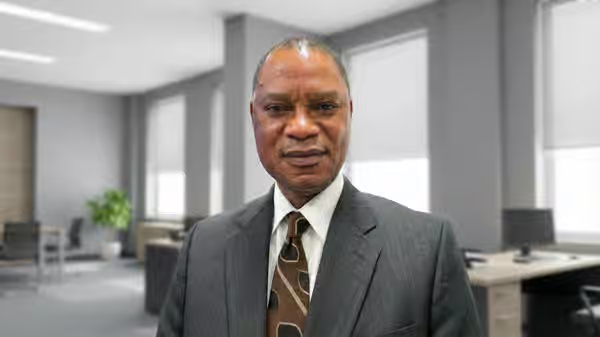
SAN FRANCISCO, CA—A United States-based Nigerian CEO, Cashmir Chinedu Luke, was arrested at San Francisco International Airport (SFO) on Wednesday while allegedly attempting to board a flight to Nigeria, according to a statement from the Department of Justice.

Luke, who is the CEO and sole owner of a Fresno-based home health care company, is charged in a criminal complaint alleging that he fraudulently obtained more than $7 million in payments from the Department of Veterans Affairs (VA) over a five-year period.

The Charges: Billing for the Deceased

U.S. Attorney Eric Grant announced the charges, which allege that Mr. Luke, believed to be 66, orchestrated an extensive scheme through his company, Four Corners Health LLC. The firm provided unskilled in-home nursing and daily care for elderly VA beneficiaries under the Veterans Community Care Program across several California counties.

According to court documents, the scheme lasted from December 2019 to July 2024 and involved submitting approximately 10,000 individual false claims. The fraudulent charges included:

  • Billing for the Deceased: Claims for care purportedly rendered to veterans weeks after they had died.

  • Unrendered Services: Claims for care that was never actually provided, including hours that caretakers did not work or days when they were not present with the veterans.

  • Duplicate Claims: Submitting duplicate claims for services that had already been reimbursed.

The Arrest

Luke, an Antioch resident, was taken into custody at SFO as he prepared to leave the country. Prosecutors allege that as the sole owner and billing representative, Luke actively deceived the VA’s third-party benefits administrator and repeatedly misled them as they tried to recover improper payments, allowing the scheme to continue.

Prosecutors further allege that Luke personally profited from the scheme, spending the reimbursement payments on “lavish personal expenses” or promptly transferring the funds across a network of bank accounts located in Asia and Africa.

The case is the product of an investigation by the U.S. Veterans Affairs Office of Inspector General. If convicted on the charges, Luke faces a maximum statutory penalty of 10 years in federal prison and a $250,000 fine.

Netflix to Buy Warner Bros. Studios and HBO Max in $72 Billion Deal

0

BLOCKBUSTER ACQUISITION:

HOLLYWOOD, CA—In a seismic shift that will fundamentally reshape the global media and entertainment landscape, Netflix has emerged victorious in a month-long bidding war, announcing a definitive agreement to acquire Warner Bros. Discovery’s (WBD) film and television studios, HBO, and the HBO Max streaming division.

The massive cash-and-stock transaction is valued at approximately $72 billion in equity (and an enterprise value of $82.7 billion including debt), marking Netflix’s largest acquisition ever and cementing its position as the undisputed titan of the streaming world.

The Deal Details

The acquisition will see the Warner Bros. studios and HBO Max absorbed into Netflix’s massive global operation. WBD will first split into two companies before the deal closes, expected by the third quarter of 2026:

  • Acquired by Netflix: Warner Bros. film and TV studios, HBO, HBO Max, and its extensive content library.

  • Spun Off: WBD’s Global Networks division, including cable channels like CNN, TBS, and TNT, will be spun off into a new, publicly-traded company called Discovery Global.

Netflix prevailed over rival bidders, which included Paramount Skydance and Comcast, by offering a higher, predominantly cash bid valued at $27.75 per WBD share.

Why This Is a Game Changer

This acquisition provides Netflix with the one element its competitors—like Disney—already commanded: a deep, century-old library of iconic intellectual property (IP):

Acquired Intellectual Property (IP) Impact
HBO Library Game of Thrones, The Sopranos, Succession, The White Lotus, The Last of Us.
DC Comics Universe Batman, Superman, Wonder Woman, directly challenging Disney’s Marvel dominance.
Warner Bros. Franchises Harry Potter, Lord of the Rings, classics like Casablanca and The Wizard of Oz.
TV Classics Friends, The Big Bang Theory.

Netflix co-CEO Ted Sarandos stated that the deal combines Netflix’s “global reach and best-in-class streaming service with Warner Bros.’ century-long legacy of world-class storytelling.”

Anticipated Challenges and Consumer Impact

While the deal is a victory for Netflix, it is immediately expected to face intense antitrust scrutiny from regulators in the U.S. and Europe, given the massive market consolidation.

  • Antitrust Concerns: Critics, including rival bidder Paramount, argue that the combination of the two largest streaming services could reduce competition, lead to higher prices, and decrease content diversity.

  • Theatrical Release: Netflix has provided assurances that it will maintain Warner Bros.’ current operations and continue to release its studio films in cinemas, directly addressing concerns that the deal would dismantle theatrical exhibition.

  • Consumer Value: To preempt regulatory concerns, Netflix has argued that the combined entity will allow them to offer consumers “more choice and greater value,” potentially through lower-cost bundled subscriptions that include both Netflix and HBO content.

The combination is also expected to generate between $2 billion and $3 billion in annual cost savings for Netflix by the third year after closing, a key driver for the deal’s immense valuation.

Strive Masiyiwa’s Cassava Technologies and NVIDIA Partner to Build Africa’s First AI Factory

0

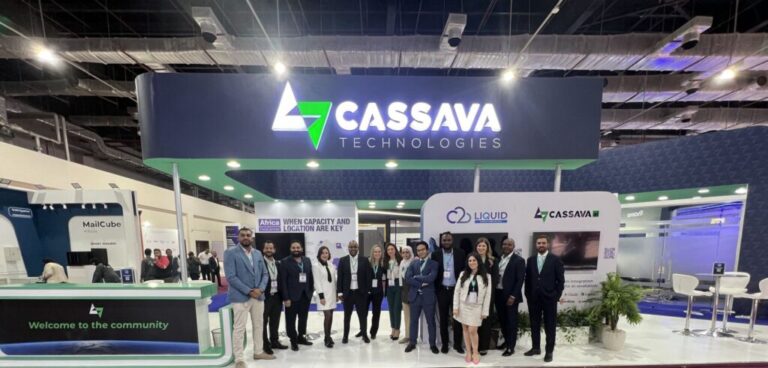
JOHANNESBURG—African technology mogul Strive Masiyiwa, founder of Cassava Technologies, has announced a groundbreaking partnership with U.S. tech giant NVIDIA to establish Africa’s first Artificial Intelligence (AI) Factory. This multi-million-dollar initiative, named “Project Mufungi,” is designed to provide the continent with the high-performance computing infrastructure necessary to compete globally in the age of AI.

The collaboration directly addresses the significant gap in computing power that has historically hindered African startups and researchers, positioning the continent for a dramatic technological leap.

Strategic Investment and Deployment

Cassava Technologies is investing up to $720 million in the AI expansion, with NVIDIA supplying its cutting-edge hardware and software architecture. The project will roll out in phases across five key African nations:

  1. Phase One: The first AI factory, housing 3,000 NVIDIA Graphics Processing Units (GPUs), is set to be operational in South Africa by June 2025.

  2. Expansion: Over the next three to four years, an additional 9,000 GPUs will be deployed across Cassava’s data centers in Egypt, Kenya, Morocco, and Nigeria, bringing the total GPU count to 12,000.

This high-performance computing (HPC) infrastructure is crucial, as it provides the supercomputers and software needed to train complex AI models—a capability previously scarce on the continent.

Empowering African Innovation and Data Sovereignty

The core objective of the AI Factory is to democratize access to advanced computing power across various critical sectors:

  • Sectoral Impact: It will empower industries such as healthcare (diagnostics), agriculture (precision farming), finance (FinTech solutions), and education (personalized learning models) to develop homegrown AI solutions.

  • Accessibility: By delivering AI-as-a-Service (AIaaS), the facility will remove the prohibitive cost barriers for African businesses, startups, and researchers, allowing them to focus on innovation.

  • Digital Sovereignty: A key benefit is the guarantee that AI training and data processing occur locally, keeping sensitive African data within Africa’s borders and ensuring compliance with local regulations.

Masiyiwa explained that the project was inspired by a challenge from Aliko Dangote and Olusegun Obasanjo to pursue ambitious, transformative projects. “If Aliko can raise $19 billion [for his refinery], surely I should be able to raise a few billion dollars to get AI Compute started in Africa,” Masiyiwa recalled thinking.

This collaboration positions Africa not merely as a consumer of global AI, but as a developer and exporter of indigenous AI solutions, thereby accelerating its role in the Fourth Industrial Revolution.

AFROBEATS TITANS COLLIDE: Wizkid and Asake Spotted at Apple Music Studios Fueling Collaboration Rumors

0

LOS ANGELES—The Afrobeats world is buzzing with anticipation following confirmation of a joint project between two of Nigeria’s most streamed and globally influential artists: Wizkid and Asake.

The two superstars were recently spotted together at the prestigious Apple Music Studios in London

Shutterstock

, giving fans the first visual confirmation of their highly anticipated collaboration.

Unveiling the Studio Session

Images and short clips from the studio session quickly circulated across social media platforms late last night, showing the two artists interacting closely with engineers and producers.

  • Wizkid, known for his global fusion sound and melodic depth, was seen in the vocal booth.

  • Asake, whose unique blend of street-hop, Fuji, and Amapiano has dominated charts since 2022, was seen listening intently at the mixing console.

The brief glimpses provided to fans instantly ignited speculation about the project’s genre and potential release date, with early reactions focusing heavily on the explosive fusion of their distinct musical styles.

Setting the Stage for a Blockbuster

The pairing of these two artists is particularly significant:

  • Wizkid (Starboy): An established global icon who pioneered the Afrobeats sound on the international stage, consistently holding positions on global charts and selling out major arenas.

  • Asake (Mr. Money): The industry’s current powerhouse, whose back-to-back albums have set new streaming records and whose street-hop style has revitalized the Nigerian soundscape.

Their joint session suggests a major sonic shift for both. The energy captured in the room has already led listeners to anticipate a blockbuster single that could potentially challenge for the title of “African Song of the Year.”

While neither artist nor their respective labels (Starboy Entertainment and YBNL/Empire) have officially confirmed the title or release date, the use of Apple Music Studios suggests the collaboration is being prepared for a high-profile global launch.

Boeing Partners with Nigeria to Build World-Class Aircraft Maintenance Hub

0

Nigeria’s ambition to become the aviation hub of West and Central Africa has received a massive boost with the announcement of a landmark partnership between the Federal Government, global aircraft manufacturer Boeing, and the UK-based Cranfield University to establish a world-class Maintenance, Repair, and Overhaul (MRO) facility in the country.

The agreement, announced by President Bola Tinubu’s administration, is viewed as a “defining step” for Nigeria’s aviation journey, designed to halt the enormous capital flight currently lost to overseas aircraft servicing.

Halting the $200 Million Annual Capital Flight

The primary economic driver for the project is cost savings. Nigerian airlines are currently compelled to ferry their aircraft abroad for essential maintenance checks (like C-Checks and D-Checks), resulting in huge operational costs and a significant outflow of foreign exchange.

  • Estimated Savings: When fully completed and operational, the Boeing-backed MRO facility is expected to cut the airline industry’s maintenance costs by over $200 million annually.

  • Operational Hubs: The new state-of-the-art MRO facilities are planned for development in two major cities: Lagos and Abuja, with local carriers Aero Contractors and XEJet reportedly leading the transformation efforts.

The establishment of local MROs will drastically improve efficiency and reduce ground time for aircraft, allowing Nigerian carriers to compete more effectively with international airlines.

Strengthening Nigeria’s Technical Capacity

The partnership with Boeing and Cranfield University goes beyond just infrastructure; it is a strategic move to build local capacity and position Nigeria on the global aviation map alongside major airshows in Farnborough, Paris, and Dubai.

  • Job Creation and Training: The facility is expected to create thousands of direct and indirect jobs, while the collaboration with Cranfield University—renowned for its aerospace programs—will ensure the development of a highly skilled local workforce through specialized training and technical support.

  • Regional Hub: The long-term plan is to leverage Nigeria’s strategic position and growing passenger traffic (projected to hit 25.7 million by 2029) to transform the country into the primary aviation maintenance hub for the entire West and Central African sub-regions.

This development aligns with massive infrastructure upgrades currently underway, including a ₦712 billion overhaul of Lagos Murtala Muhammed Airport, all aimed at modernizing Nigeria’s aviation ecosystem and driving its contribution to the national GDP

Ghana Accelerates Nuclear Ambition: Targeting 2027 Start Date for First Power Plant

0

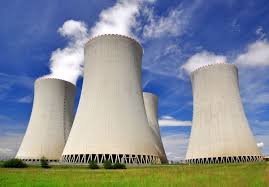
ACCRA, Ghana—Ghana is aggressively moving forward with plans to establish its first nuclear power facility, marking a major strategic decision to diversify its national energy mix and secure long-term power stability. The nation is targeting a construction start date of 2027 for the project, positioning nuclear energy as a key pillar alongside renewables in its future power generation strategy.

The initiative is being spearheaded by the Ministry of Energy and Green Transition, which is currently focused on the critical stage of land acquisition and engaging technical partners globally.

Dual-Site Development Strategy

Ghana’s nuclear ambition is structured around a two-pronged development plan, ensuring that the technology addresses both grid stability and industrial demand:

  • Large-Scale Plant: The government is securing land for a large-scale nuclear power plant, designed to be integrated directly into the national grid. This facility will significantly boost Ghana’s overall energy security and help reduce the country’s heavy reliance on volatile hydropower and natural gas sources.

  • Smaller Industrial Unit: A separate location is being acquired for a smaller nuclear industrial unit. This unit is intended to provide dedicated, stable power supply to large industrial consumers, ensuring consistent energy for major economic activities.

Progress and Global Engagement

Current progress on the project is focused on foundational and preparatory work:

  • Land Acquisition: The Ministry of Energy and Green Transition is actively working on finalizing the acquisition of the two selected sites, a crucial step that precedes regulatory approval for construction.

  • Technical Preparation: Preparatory work and technical training are already underway, emphasizing the country’s commitment to building local capacity for operating and maintaining the complex facilities.

  • Global Partnerships: Ghana is actively engaging with global partners, including leading nuclear energy nations and technology providers, as part of its growing participation in the broader African trend toward nuclear power development.

By targeting a 2027 construction start, Ghana aims to significantly boost its energy generation capacity, enhance its energy security profile, and ensure a more stable power supply necessary for rapid industrialization. This strategy places Ghana at the forefront of African nations adopting nuclear technology to meet rapidly rising energy demands.

Foreign Affairs Ministry Partners NTDA to Showcase Nigeria to the World

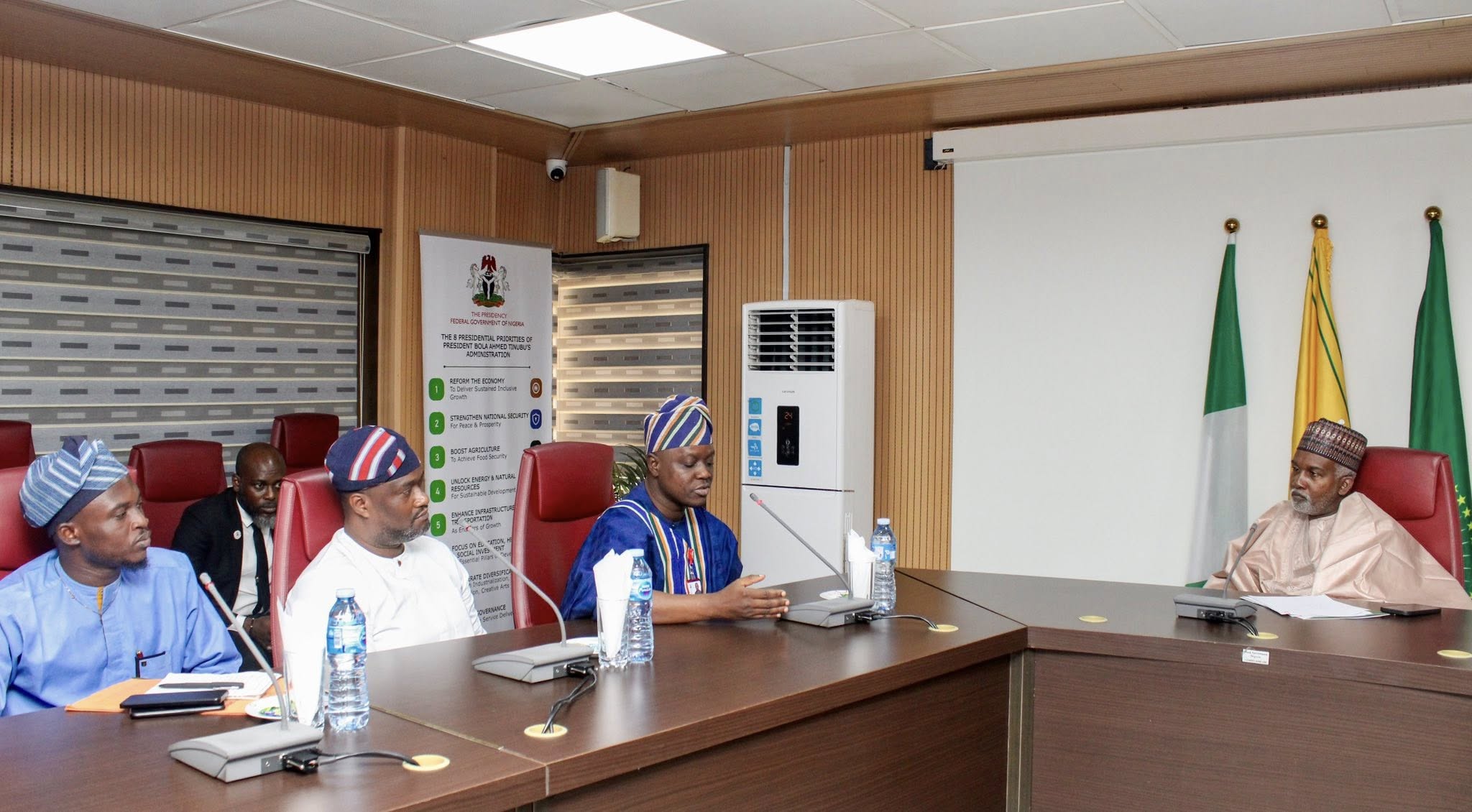
ABUJA—The Ministry of Foreign Affairs is moving to leverage its global diplomatic network to boost Nigeria’s tourism sector, following a high-level strategic engagement between the Foreign Affairs Minister and the Nigerian Tourism Development Authority (NTDA).

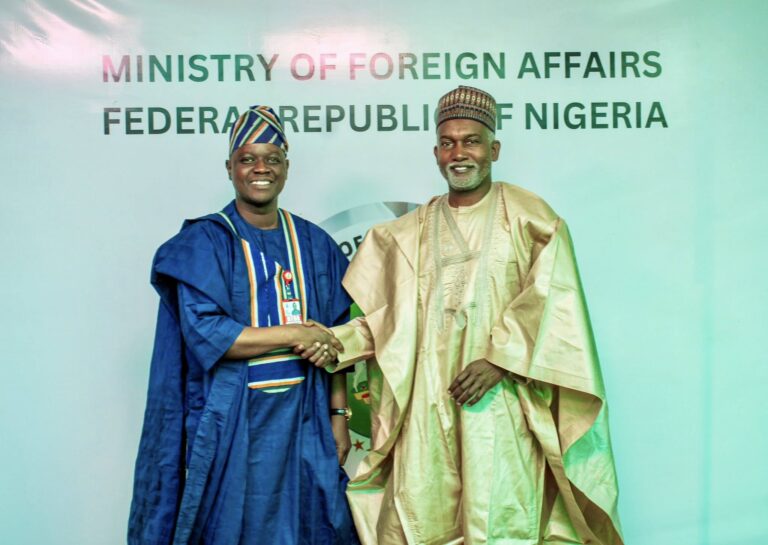
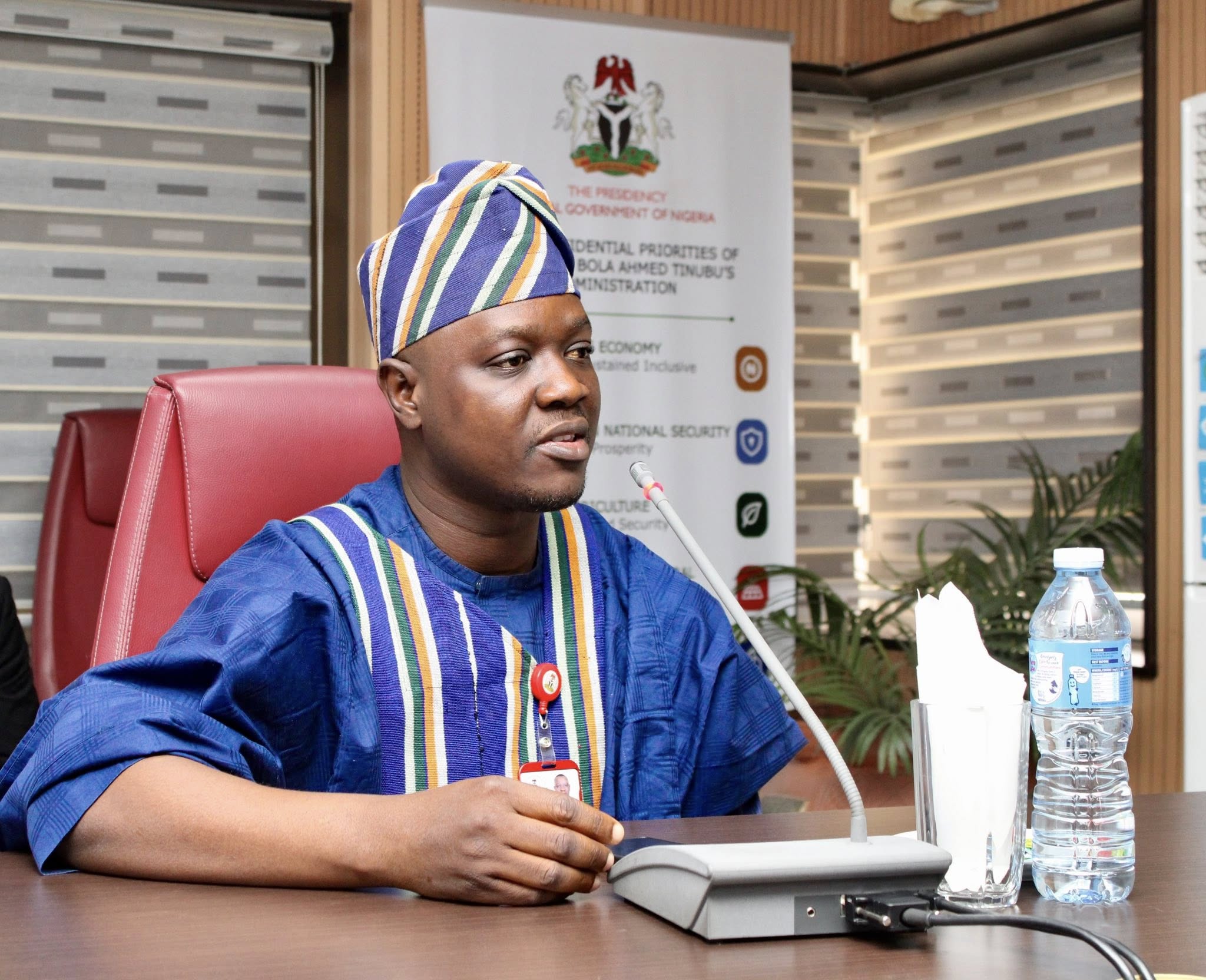
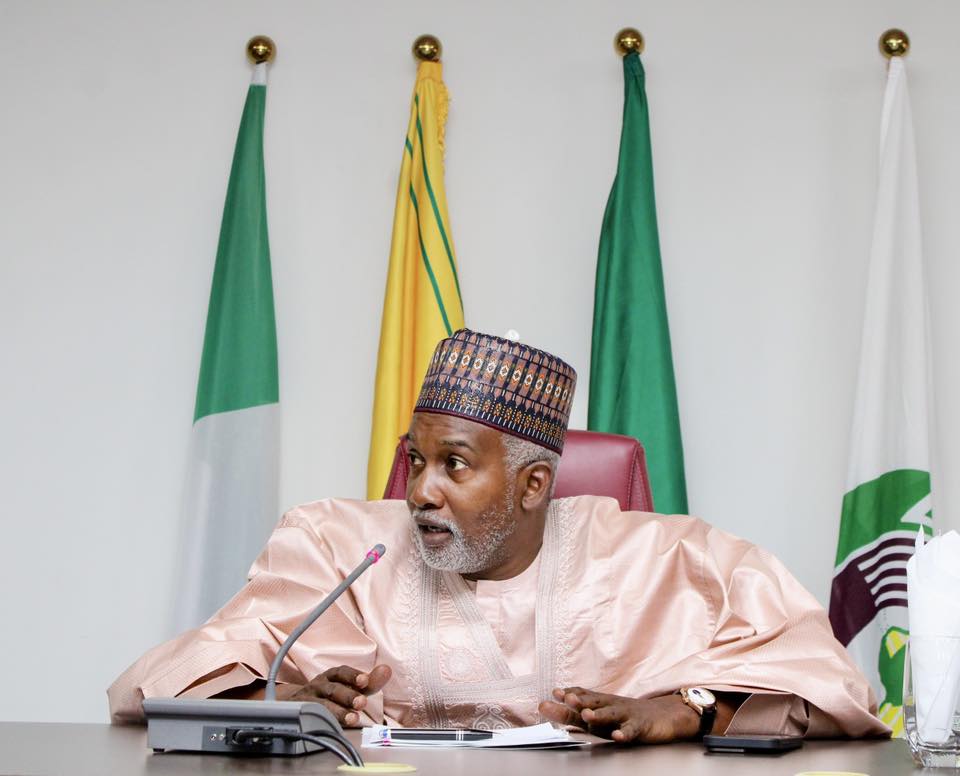
On Thursday, December 4, 2025, the Honourable Minister of Foreign Affairs, Ambassador Yusuf Maitama Tuggar, hosted the Director General of the NTDA, Dr. Olayiwola Awakan GrPr, and his team for a familiarisation visit centered on strategic collaboration.

Leveraging 109 Missions for Tourism

The core of the discussion focused on how Nigeria can significantly strengthen its tourism visibility across the world by activating the Ministry’s network of 109 foreign missions (embassies and consulates).

Both teams reached an alignment on the urgent need for stronger, clearer storytelling about Nigeria. The collaboration will focus on promoting Nigeria’s diverse array of attractions and heritage sites, including:

  • Iconic natural landscapes like the Yankari Reserve and the Obudu Plateau.

  • Historical sites such as the Great Walls of Kano and the ancient sand dunes of the North.

  • Crucial national narratives, including contemporary stories of innovation and the deeply significant slave-route heritage.

NTDA’s Digital and Diplomatic Strategy

Dr. Awakan outlined the NTDA’s strategic approach for leveraging the Ministry’s global reach. Key initiatives shared by the DG include:

  • New Promotional Videos: Deployment of fresh, high-quality promotional videos showcasing Nigeria’s culture, landscapes, and historical depth across all foreign missions.

  • Mission Reception Points: Developing improved tourism reception and information points within embassies and high commissions to serve as primary outreach centers.

  • Cultural Ambassadors: Initiatives to nurture and utilize Nigerian cultural ambassadors and diaspora figures in host countries to drive engagement.

  • Digital Tools: Expanding the use of digital platforms to showcase Nigeria to a global audience 24/7.

Firmly Back on the Global Stage

Minister Tuggar expressed the Ministry’s full readiness to deepen collaboration, emphasizing the commitment to ensuring Nigeria’s presence at major global tourism platforms, such as the ITB Berlin (Internationale Tourismus-Börse).

The Minister stressed that this unified approach sends a clear message to the world: “Nigeria is firmly back on the global tourism stage.” The collaboration aims to strengthen cultural diplomacy, boost global visibility, and drive essential investment into Nigeria’s rich tourism assets.

AU Hails “Historic” Rwanda-DRC Peace Deal Signed in Washington, Urges Full Implementatio

0

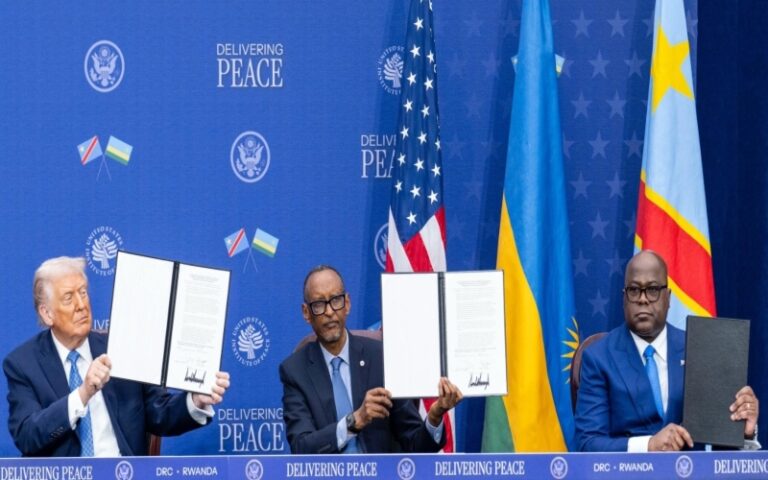
ADDIS ABABA—The Chairperson of the African Union (AU) Commission, Mahmoud Ali Youssouf, has warmly welcomed the “historic peace agreement” signed by Rwandan President Paul Kagame and Democratic Republic of Congo (DRC) President Félix Tshisekedi in Washington, D.C.

Youssouf described the pact as a “major step toward lasting peace and stability” in the turbulent Great Lakes region, a vital area of focus for the AU.

Praise for Regional and International Support

The AU Commission Chair specifically praised the roles played by both international and African stakeholders in facilitating the crucial breakthrough:

  • International Facilitators: He acknowledged the pivotal support provided by the United States and the State of Qatar, which hosted crucial preliminary negotiations.

  • African Leadership: Youssouf singled out the commitment of African leaders, including President Faure Gnassingbé of Togo and President João Lourenço of Angola, whose sustained mediation efforts were critical to bridging the deep-seated tensions between the two nations.

The agreement aims to normalize diplomatic relations, demobilize and repatriate armed groups operating across the shared border, and foster economic cooperation—key steps required to end decades of conflict fueled by proxy wars and control over mineral wealth.

AU’s Commitment to Implementation

While celebrating the signing, Youssouf emphasized that the true success of the agreement rests on its full and unconditional implementation by both Kigali and Kinshasa.

He affirmed the African Union’s readiness to dedicate resources and diplomatic support to the subsequent phases of the process, including:

  • Reconciliation: Fostering community-level reconciliation efforts in affected border regions.

  • Regional Cooperation: Supporting joint economic and security projects to build mutual trust.

  • Sustainable Peace: Monitoring adherence to the security clauses, particularly those concerning armed groups.

The AU’s statement sets a tone of cautious optimism, recognizing the monumental challenge of translating a diplomatic agreement into tangible peace and stability on the ground in the eastern DRC.

Nigeria’s Production Forecast to Rise to 1.73 Million B/D in 2026

0

LAGOS—Nigeria’s crucial oil sector is poised for a modest recovery in 2026, with total liquid hydrocarbons production expected to record an uptick, according to a forecast by BMI, a Fitch Solutions company.

The projection signals that infrastructure improvements and incremental output from existing fields are beginning to stabilize the sector, moving production levels back toward Nigeria’s full capacity.

Exceeding OPEC Quota

BMI forecasts that Nigeria’s total liquid hydrocarbons production will average 1.73 million barrels per day (b/d) next year. This figure represents a 1.9% rise from the estimated 1.70 million b/d recorded in 2025.

Crucially, this projected 2026 average significantly surpasses the country’s official OPEC production quota of 1.50 million b/d. This difference is largely due to the fact that the BMI forecast includes condensate—a light crude not covered by OPEC quotas—whereas the OPEC quota applies only to crude oil.

Drivers of the Expected Uptick

The forecasted increase is attributed to two primary factors:

  1. Infrastructure Improvements: Sustained efforts by the Nigerian government and national oil companies to enhance security in the Niger Delta and repair key crude oil pipelines are expected to minimize production disruptions, which have been a major drag on output in recent years.

  2. Incremental Field Output: Existing fields are anticipated to contribute slightly more output as marginal field developments come online and routine maintenance is completed, providing a small but consistent boost to the national total.

The increase to 1.73 million b/d will be critical for Nigeria’s foreign exchange earnings and budget financing, though the country will continue to balance its national production imperatives against its commitment to OPEC’s stability goals.