



Home Blog Page 110

Julius Berger Exits Agro-Processing, Leases Cashew Facilities to Eko Organic

0

LAGOS, September 25, 2025 — Julius Berger Nigeria Plc has officially withdrawn from its agro-processing venture, approving the lease of its cashew nut processing plants to Eko Organic Food Industries Limited. The move underscores the engineering company’s decision to return full focus to its traditional stronghold in construction and infrastructure development.

The decision was ratified at the board meeting of September 24, 2025, and brings to a close the group’s five-year attempt to diversify into agriculture. Julius Berger first announced its agro-processing ambitions in 2020, citing the need to expand revenue streams and reduce dependence on large-scale engineering contracts. The venture culminated in the establishment of cashew processing facilities, which the company had positioned as a key driver of growth outside the construction sector.

Industry analysts say the lease agreement reflects a strategic realignment by Julius Berger, which in recent months has prioritized core projects amid rising costs and tighter margins in Nigeria’s construction industry. With the new arrangement, Eko Organic Food Industries Limited is expected to take over operations of the cashew plants, while Julius Berger consolidates resources to strengthen its engineering and infrastructure portfolio.

Although financial details of the lease were not disclosed, the company stated that the decision was made in the best interest of shareholders and aligns with its long-term business objectives.

Market observers noted that Julius Berger’s exit from agriculture highlights the challenges faced by non-traditional players seeking to break into Nigeria’s agro-processing sector, where infrastructure deficits, high operating costs, and policy inconsistencies have stalled growth.

The company reaffirmed its commitment to delivering landmark civil engineering and construction projects across Nigeria, emphasizing that the renewed focus will enable it to enhance efficiency and deepen client trust in its core business areas.
 

Jonathan Says He Has Forgiven, Urges Reconciliation for National Unity

0

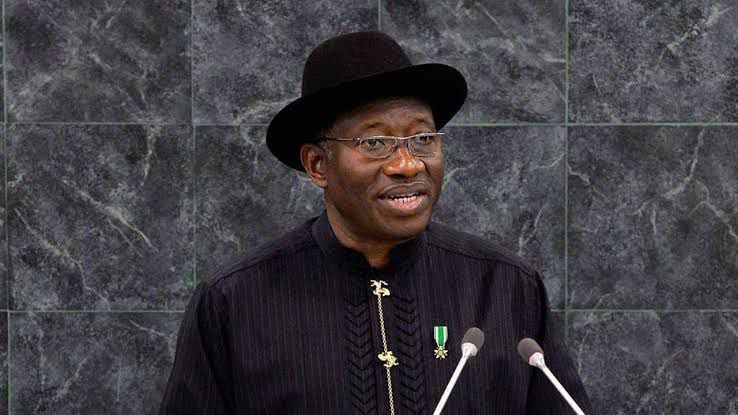
Former President Goodluck Jonathan has declared that he holds no bitterness over past events that shaped his time in office and political journey, emphasizing that forgiveness and reconciliation remain vital for Nigeria’s stability and progress.

Speaking on Wednesday at a public forum, Jonathan noted that the past “is gone” and stressed the need for leaders and citizens alike to put aside grievances in the interest of national unity. He added that his personal decision to forgive was guided by the belief that resentment and division weaken the foundations of democratic governance.

“I bear no grudge against anyone over what happened in the past,” Jonathan said. “For us to build a peaceful and prosperous nation, forgiveness and reconciliation must be our guiding principles.”

The former president explained that political stability cannot thrive in an environment where conflicts and personal rivalries dominate the public space. He urged Nigerians, particularly those in leadership, to embrace tolerance and dialogue as tools for resolving differences.

Jonathan, who served as Nigeria’s president from 2010 to 2015, has in recent years positioned himself as a statesman and peace advocate across Africa, frequently engaging in mediation and electoral observation missions. His latest remarks reaffirm his reputation as a proponent of non-violence and political maturity.

Observers say his call comes at a time of growing political tension and social division in the country, underscoring the need for collective efforts toward healing and nation-building.


UNGA 80: Namibian President Demands Lifting of Sanctions, Backs Palestine and Western Sahara’s Self-Determination

0

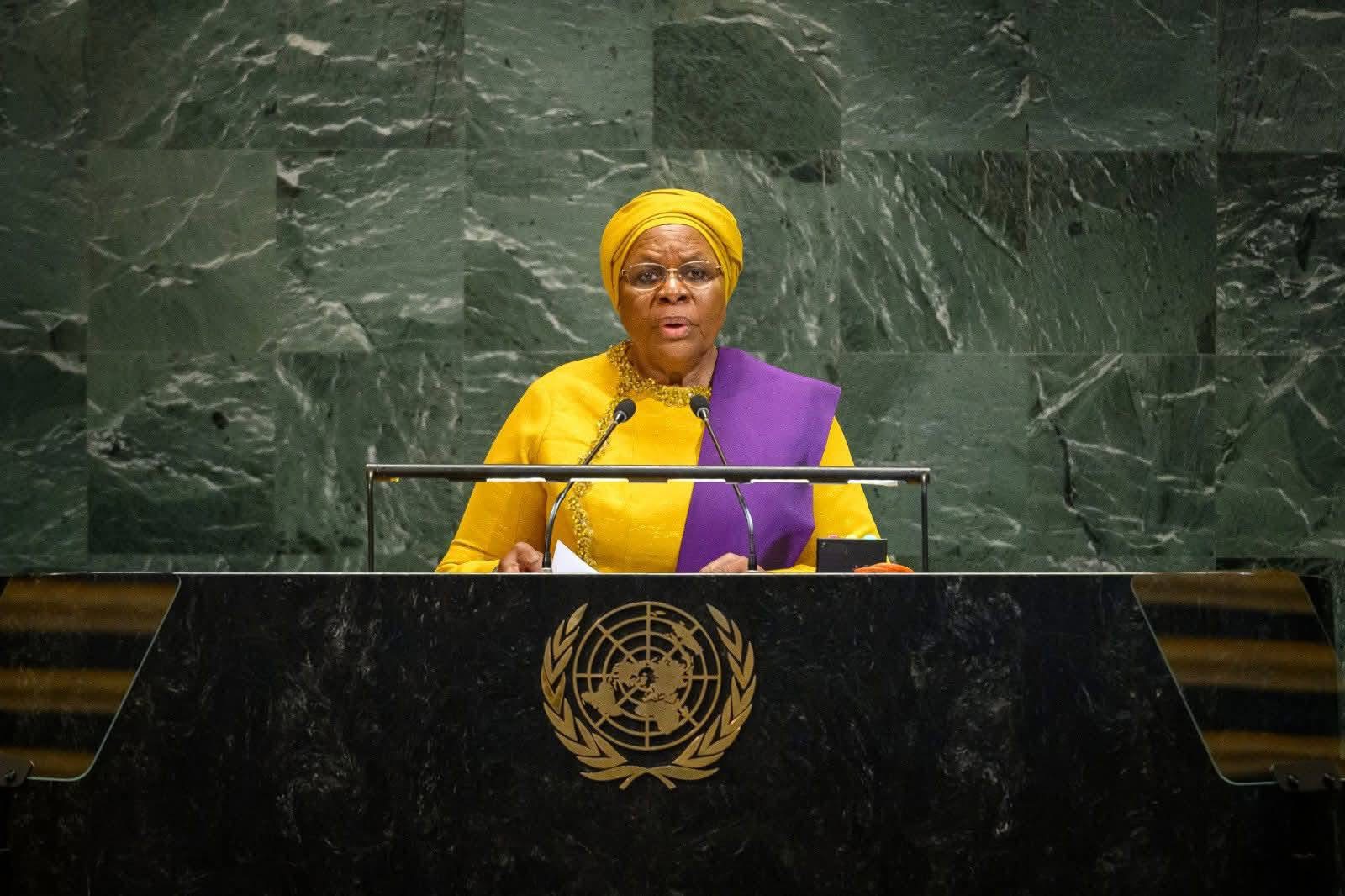
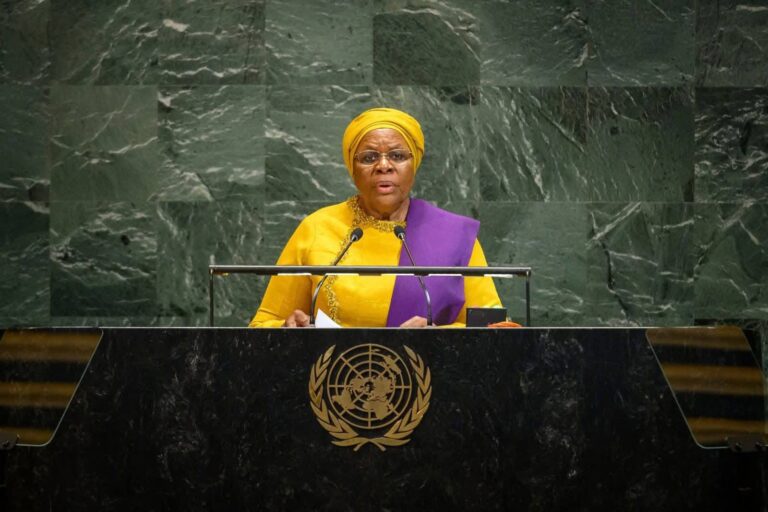
Namibian President Netumbo Nandi-Ndaitwah has urged the United Nations to intensify efforts at resolving protracted global conflicts, calling for the lifting of sanctions on Zimbabwe, Cuba, and Venezuela while demanding justice for the people of Palestine and Western Sahara.

President Netumbo Nandi-Ndaitwah Of Namibia

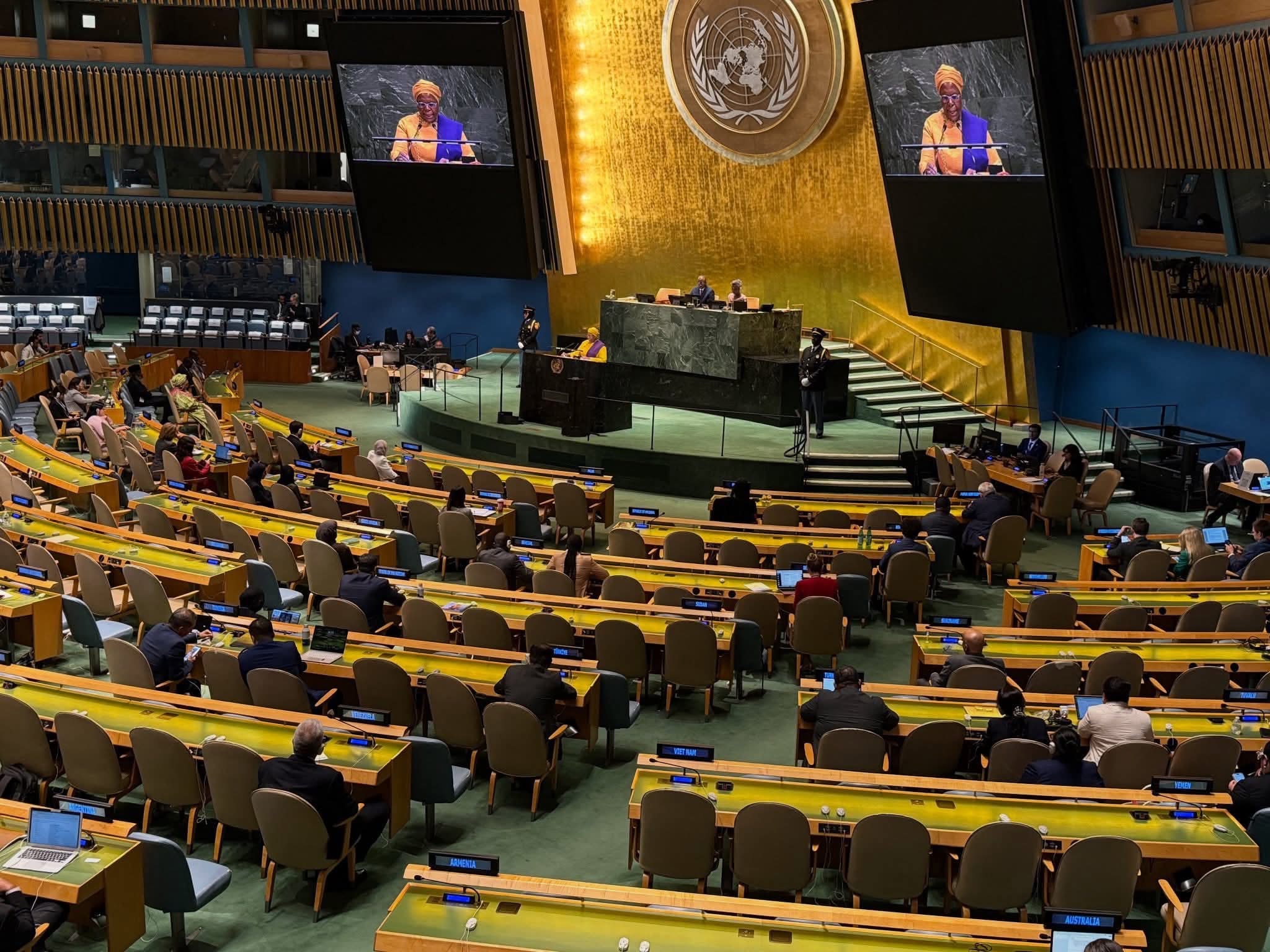
Speaking at the 80th United Nations General Assembly in New York, President Nandi-Ndaitwah framed Namibia’s position through the lens of its own history of apartheid, colonialism, and genocide, stressing that the country’s painful past compels it to stand in solidarity with oppressed peoples.

“Namibia’s history is one of untold suffering marked by apartheid, colonialism and genocide. It is our painful history that compels us to speak out, not out of bitterness, but conviction of the power of international solidarity,” she said.

On Palestine, the Namibian leader cited a recent UN Commission of Inquiry report that concluded a genocide is being committed in the Occupied Palestinian Territories, including East Jerusalem. She decried worsening humanitarian conditions in Gaza, where aid remains restricted, and warned that global inaction could amount to “the moral failure that defines this era.”

“What we need is constructive dialogue to prevail. The people of Palestine must also benefit from the noble promises of the United Nations Charter,” she stated, calling on the UN Security Council to overcome divisions and work towards a durable two-state solution.

Turning to Western Sahara, President Nandi-Ndaitwah criticized the decades-long delay in implementing Resolution 690 of 1991, which provided for a referendum on self-determination for the Saharawi people. “The time for the holding of the UN referendum on the right to self-determination for the people of Saharawi is now,” she declared.

On sanctions, she argued that unilateral coercive measures undermine the principles of the UN Charter and unjustly punish sovereign states. She demanded the lifting of sanctions on Zimbabwe and the removal of Cuba from the U.S. list of state sponsors of terrorism, alongside an end to the economic embargo on Havana. She also expressed concern over growing threats against Venezuela, urging an end to restrictions on the South American nation.

The Namibian leader further pushed for reforms of the UN Security Council in line with the Ezulwini Consensus and Sirte Declaration, which represent Africa’s common position on equitable representation in global governance. She emphasized that Africa’s demand for permanent seats on the Council is overdue and must no longer be sidelined in ongoing reform debates.

“The Charter of the United Nations has laid the foundation for conditions necessary for peaceful coexistence and harmony among nations. Therefore, unilateral coercive measures should not be used as tools to undermine sovereign states,” she stressed.

President Nandi-Ndaitwah’s address highlighted Namibia’s consistent advocacy for international justice, decolonization, and solidarity with nations facing external pressure. Her call resonated with broader demands from African and developing countries pressing for a fairer multilateral system that reflects contemporary global realities.


UNGA 80: Nigeria Reaffirms Commitment to Two-State Solution, Calls for Justice for Palestinians

0

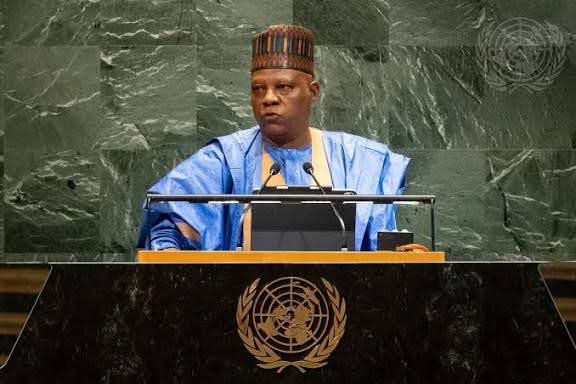
Nigeria has reiterated its support for a two-state solution as the most viable path to lasting peace in the Middle East, with Vice President Kashim Shettima urging the global community to uphold the dignity and rights of the Palestinian people.

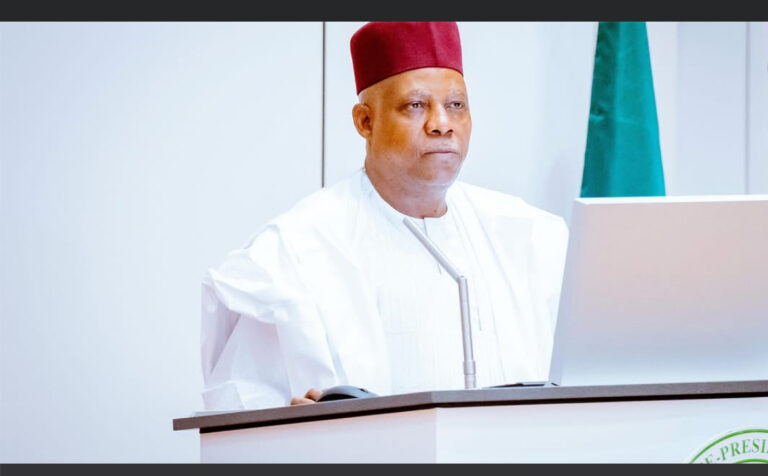
h Vice President Kashim Shettima

Delivering Nigeria’s national statement at the 80th United Nations General Assembly in New York, Shettima declared that human life must not be subjected to “the corridors of endless debate,” stressing that the Israeli-Palestinian conflict continues to weigh heavily on the conscience of humanity.

“We do not believe that the sanctity of human life should be trapped in the corridors of endless debate. That is why we say, without stuttering and without doubt, that a two-state solution remains the most dignified path to lasting peace for the people of Palestine,” Shettima told world leaders.

The Vice President lamented that for decades, Palestinians have borne the brunt of a conflict defined by cycles of violence and political stalemate. He described the community as “human beings, equal in worth, entitled to the same freedoms and dignities that the rest of us take for granted,” while rejecting any notion of reducing their suffering to collateral damage in geopolitical struggles.

Shettima emphasized that Nigeria’s stance was rooted in principle rather than partisanship, casting the country as a mediator committed to peace and justice. “We come not as partisans, but as peacemakers. We come as brothers and sisters of a shared world, a world that must never reduce the right to live into the currency of devious politics,” he said.

The statement aligns Nigeria with a broad coalition of nations advocating for renewed international engagement toward a two-state solution, which envisions Israel and Palestine co-existing as independent states. It also reinforces Abuja’s long-standing foreign policy position of supporting decolonization, human rights, and peaceful coexistence.

The Vice President’s remarks come at a time of heightened tension in the Middle East, with ongoing clashes, humanitarian crises, and renewed diplomatic efforts to revive peace talks. Nigeria’s intervention adds to the growing voices at the UNGA urging practical steps to end hostilities and secure a just settlement.

Analysts say the statement reflects Nigeria’s broader push to reassert itself as a moral voice in global diplomacy, drawing from its historical role in anti-apartheid advocacy and peacekeeping across Africa.


NUC Announces Job Vacancies Across Multiple Cadres

0

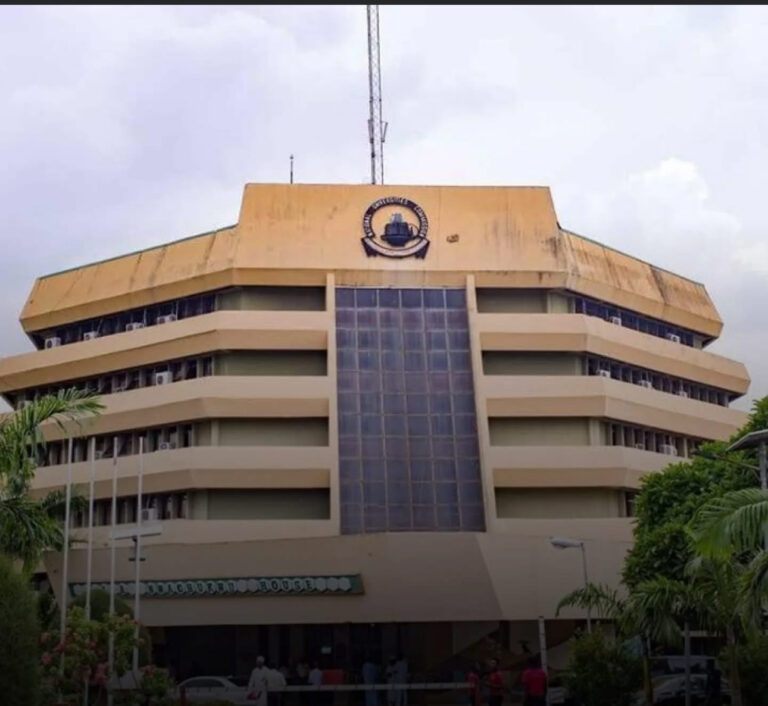
The National Universities Commission (NUC), Nigeria’s regulatory body for university education, has declared several job openings at its headquarters in Abuja.

In a public notice issued on Tuesday, the Commission invited applications from suitably qualified Nigerians into officer, confidential secretary, and clerical/auxiliary staff cadres.

The announcement forms part of ongoing efforts to strengthen the agency’s capacity in overseeing quality assurance and development within the country’s university system.

According to the notice, interested candidates are required to submit applications exclusively through the Commission’s official online portals: careers.nuc.edu.ng or nuc.edu.ng, by following the Careers Portal link for detailed instructions.

The Commission advised applicants to carefully review eligibility requirements and adhere strictly to the online submission process, warning that no hard copy or offline applications will be entertained.

The NUC plays a pivotal role in shaping university education in Nigeria through regulation, accreditation, and policy guidance, making the current recruitment drive a significant opportunity for professionals seeking careers in public service.

Applications are expected to undergo rigorous screening in line with federal civil service procedures, with successful candidates deployed to support various departments at the Commission’s headquarters.


Nigerian REITs: Skye Shelter Outperforms UHomes and UPDC in 2025

0

Skye Shelter Fund has emerged as the top-performing listed Real Estate Investment Trust (REIT) in Nigeria for 2025, outpacing competitors Union Homes (UHomes) and UPDC REIT in both returns and market resilience.

Market data tracked by analysts show that Skye Shelter delivered stronger yields and demonstrated better price stability despite a challenging macroeconomic environment marked by high interest rates, inflationary pressures, and reduced purchasing power. Investors attribute its performance to prudent asset management, higher occupancy rates across its real estate portfolio, and timely dividend distributions.

In contrast, Union Homes and UPDC REITs faced weaker performance, with analysts citing sluggish rental income growth, valuation pressures, and operational inefficiencies. UPDC, in particular, has struggled with underperforming assets and restructuring costs that continue to weigh on its returns.

Sector observers note that 2025 has been a mixed year for Nigeria’s REIT market, which remains relatively underdeveloped compared to global standards. While REITs are designed to provide steady income streams and diversification opportunities for investors, challenges such as limited liquidity, low investor awareness, and regulatory bottlenecks have constrained their full potential in the Nigerian capital market.

Despite these hurdles, Skye Shelter’s showing is seen as a sign of the sector’s resilience and potential. Analysts argue that with the right policy support—including tax incentives, investor education, and stronger corporate governance—Nigeria’s REIT market could play a greater role in deepening real estate financing and providing alternative investment options.

Looking ahead, fund managers expect continued investor interest in Skye Shelter, particularly if the fund sustains its dividend record and maintains operational efficiency. However, the broader REIT sector will likely depend on macroeconomic stability and regulatory reforms to unlock significant growth.

UNGA 80: Nigeria Calls for Sovereign Debt Relief to Strengthen Emerging Economies

0

Nigeria has urged the international community to adopt comprehensive sovereign debt relief measures to support emerging economies grappling with high debt burdens and limited fiscal space.

Speaking at the 80th session of the United Nations General Assembly in New York, Nigeria’s delegation stressed that unsustainable debt levels are undermining development goals, particularly in Africa, where many nations devote large portions of their budgets to debt servicing at the expense of critical investments in infrastructure, health, and education.

The call comes amid growing global debate on the need to reform international financial systems to reflect current economic realities. Nigeria argued that debt relief would not only provide immediate fiscal breathing room but also empower developing nations to pursue sustainable growth and contribute meaningfully to global economic stability.

“Without decisive action on sovereign debt, many emerging economies risk being trapped in cycles of austerity and underdevelopment,” the delegation noted. “A fair and transparent debt relief framework is essential for achieving the Sustainable Development Goals.”

The Nigerian government has consistently advocated for financial reforms at multilateral forums, including restructuring the international debt architecture, increasing access to concessional financing, and ensuring that credit rating practices reflect the true potential of African economies.

Analysts say Nigeria’s intervention at UNGA aligns with wider calls from the African Union, which has repeatedly pressed for a global mechanism to manage debt distress and prevent defaults. Several African countries, including Zambia, Ghana, and Ethiopia, are currently in negotiations with creditors under the G20 Common Framework.

Observers at the assembly noted that while creditor nations remain cautious, there is a growing recognition that addressing sovereign debt challenges is critical to global stability, especially in the wake of rising geopolitical tensions and economic shocks.

Nigeria’s demand underscores its positioning as a leading voice for Africa in global economic governance, with expectations that further negotiations could shape the international community’s approach to debt relief in the years ahead.


11PLC CEO Warns Higher Capital Gains Tax Could Discourage Investment in Nigeria

0

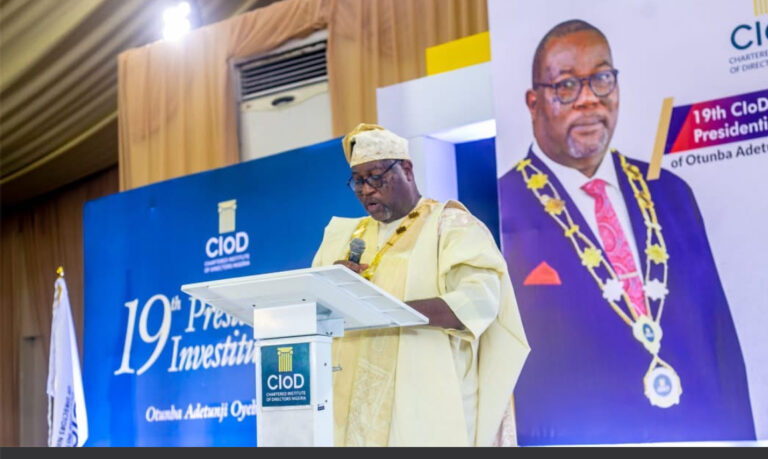
The Chief Executive Officer of 11PLC, Otunba Adetunji Oyebanji, has expressed concern that Nigeria’s recent tax reforms, particularly the steep rise in capital gains tax (CGT), may discourage major investments in the country.

Speaking in Lagos ahead of the 2025 Annual Directors’ Conference, Oyebanji warned that the new tax regime introduced under the Nigeria Tax Act (NTA) could undermine investor confidence in high-capital projects.

According to him, the increase in CGT from 10 percent to 30 percent marks a significant shift in fiscal policy that alters the investment climate. He noted that while governments around the world use tax reforms to raise revenue, they typically balance such measures with incentives to maintain competitiveness.

“One of the areas we focused on was the capital gains tax which has increased significantly. We are concerned that the economy is now more sensitive to high capital investments because some of the reliefs for the lower level of capital gains tax that existed before are going to be removed,” Oyebanji said.

He cautioned that the sharp increase could force potential investors to look elsewhere, especially in sectors requiring substantial upfront commitments such as energy, infrastructure, and technology. “Foreign direct investment is highly responsive to tax regimes. A sudden escalation like this may put Nigeria at a disadvantage compared to other emerging markets,” he added.

The federal government has defended the NTA as a critical tool to boost non-oil revenue and plug fiscal deficits, arguing that the reforms are designed to improve fairness in the tax system. However, business leaders and industry analysts have raised concerns about the timing and scale of the changes, particularly at a period when the economy is still recovering from sluggish growth, high inflation, and foreign exchange volatility.

The issue of tax competitiveness is expected to feature prominently at the Annual Directors’ Conference, where corporate leaders, policymakers, and regulators will deliberate on strategies to align Nigeria’s fiscal framework with long-term investment and growth objectives.

Oluremi Tinubu Raises ₦20.7 Billion to Revive Nigeria’s National Library Project

0

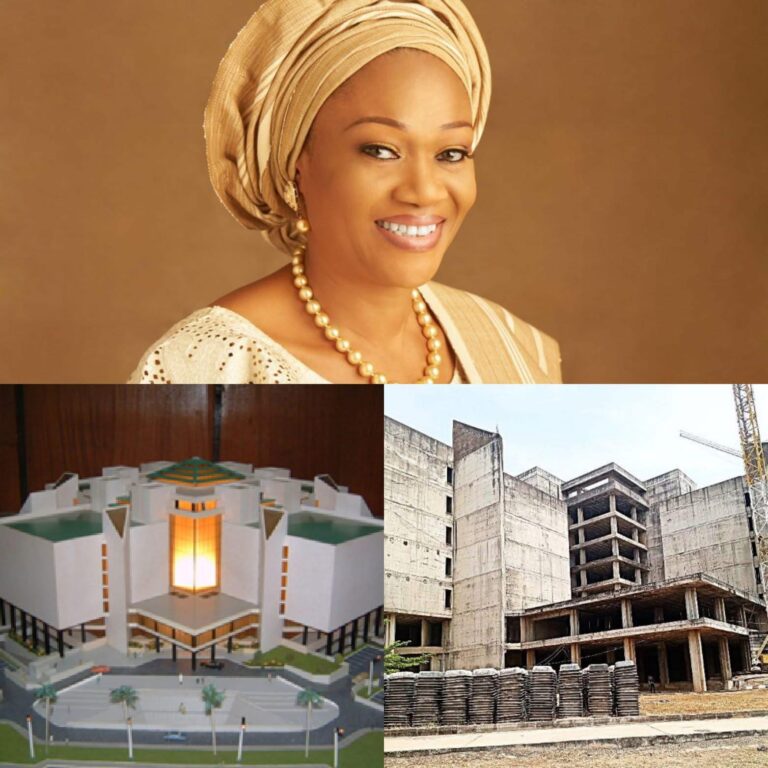
The long-abandoned National Library Headquarters project in Abuja has received a fresh lifeline, thanks to an intervention led by Nigeria’s First Lady, Senator Oluremi Tinubu.

At her 65th birthday celebration, Tinubu launched the Oluremi @65 Education Fund, which raised ₦20.7 billion toward completing the stalled national monument. The National Library project, initiated in 2006, has languished for nearly two decades due to funding shortfalls, contract disputes, and shifting government priorities.

According to project estimates, full completion requires ₦32 billion. With the new contributions, the government can now complete the main reading halls, digital infrastructure, children’s literacy wing, and public access areas, leaving a funding gap of ₦11.3 billion for finishing touches and specialized facilities.

President Bola Tinubu has already directed the Tertiary Education Trust Fund (TETFund) to support the final phases of construction, signaling strong federal backing for the effort.

In his remarks, former Anambra State Governor and Labour Party presidential candidate Peter Obi welcomed the renewed momentum but questioned why such a critical national institution should rely on donations tied to birthdays or private initiatives. Observers, however, note that Obi’s critique underscores a long-standing challenge of institutional neglect rather than diminishing the significance of the First Lady’s drive.

Comparisons have been drawn to global examples where leaders’ spouses spearheaded literacy and library projects. Barbara Bush in the United States and Queen Rania of Jordan are cited as counterparts who turned advocacy into lasting infrastructure for education and literacy.

Analysts argue that Nigeria’s private sector and philanthropic community should now match Tinubu’s efforts, either by sponsoring sections of the project or contributing books and resources. Historically, major public libraries such as the New York Public Library and the British Library were completed with a mix of government support and citizen philanthropy.

For many education advocates, Oluremi Tinubu’s intervention is more than symbolic. It represents a chance to finally deliver on a promise to Nigeria’s 130 million citizens, providing a modern hub for research, literacy, and digital learning.

“The First Lady has not only marked her birthday but also marked a turning point,” said Olabode Opeseitan, Editorial Architect and commentator on legacy projects. “She is shaping the legacy of a generation by reviving the heart of a national institution.”

The project’s renewed momentum has reignited hope that the National Library will soon move from an abandoned site into a functioning center of knowledge and culture, anchoring Nigeria’s intellectual future.


Nigeria’s N-ATLAS Platform Highlights Africa’s Growing Role in Global AI — Minister Bosun Tijani

0

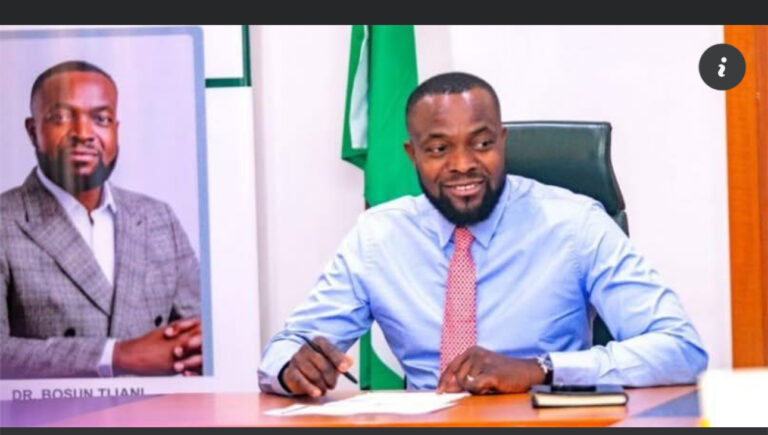
Nigeria’s Minister of Communications, Innovation and Digital Economy, Dr. Bosun Tijani, has said that the country’s National Artificial Intelligence Strategy (N-ATLAS) demonstrates how Africa is beginning to shape the global artificial intelligence (AI) landscape.

Speaking at a recent technology forum in Abuja, Tijani described N-ATLAS as a landmark initiative designed to position Nigeria as a hub for responsible AI development while amplifying Africa’s voice in setting global standards.

“N-ATLAS is not just a national strategy, it is proof that Africa is actively contributing to the global AI conversation,” Tijani stated. “For too long, our continent has been seen only as a consumer of technology. With initiatives like this, we are showing the world that Africa can lead in innovation, governance, and application of AI.”

The minister explained that the platform will guide the integration of AI into critical sectors such as healthcare, education, agriculture, and security, while also promoting ethical standards to ensure technology serves humanity responsibly. He added that collaboration with African partners and the diaspora will be central to driving the vision.

According to Tijani, Africa’s youthful population, growing tech ecosystem, and expanding digital infrastructure give it a unique advantage in building AI solutions tailored to local and global challenges. He noted that the success of N-ATLAS could inspire similar frameworks across the continent.

Industry analysts have welcomed the strategy, describing it as timely given the rapid pace of AI adoption worldwide. They argue that Africa’s participation in shaping rules and frameworks will prevent marginalisation in future technological governance.

Nigeria is among the first African countries to publish a comprehensive AI framework, a move that aligns with the government’s broader digital economy agenda and ambition to build a knowledge-driven economy.