



Home Blog Page 111

Federal Government to Begin Nationwide Academic Credential Verification for Staff and Recruits from October 6

0

The Federal Government has announced plans to commence nationwide verification of academic certificates for all public sector employees and new recruits, beginning October 6, 2025.

According to a statement released in Abuja, the exercise will cover ministries, departments, and agencies (MDAs), with the aim of curbing the rising incidence of certificate forgery and ensuring that only qualified personnel remain in service.

Officials explained that the verification process will involve collaboration with universities, polytechnics, and examination bodies both within and outside Nigeria. Digital platforms will also be deployed to track, authenticate, and archive records of employees’ academic qualifications.

Government sources disclosed that the initiative forms part of ongoing reforms to improve efficiency and integrity in the civil service. “This verification will not only help eliminate fake certificates but also restore confidence in the recruitment and promotion processes across the public service,” the statement noted.

The exercise is expected to be phased, starting with federal workers before extending to parastatals and agencies. Newly recruited staff will also be required to undergo screening before confirmation of their appointments.

Analysts have described the policy as a decisive step in addressing a long-standing problem in Nigeria’s workforce, where cases of falsified credentials have repeatedly undermined standards and productivity. However, they stress that implementation must be transparent and free of bias to achieve its objectives.

The verification programme, once fully operational, is anticipated to serve as a reference framework for both public and private sector employers, setting a new standard for accountability in Nigeria’s labour system.

 

Experts Welcome, SMEs Raise Concerns as CBN Cuts Monetary Policy Rate to 27%

0

The Central Bank of Nigeria (CBN) has reduced the Monetary Policy Rate (MPR) to 27 percent, drawing mixed reactions from economists, financial analysts, and small business operators.

The decision, announced after the September meeting of the Monetary Policy Committee (MPC), represents the first downward adjustment in months, as the apex bank continues efforts to balance inflation control with economic growth.

Financial experts have largely applauded the move, noting that a cut in the benchmark interest rate could ease borrowing costs for commercial banks and encourage increased lending to productive sectors. They argue that lower rates will support investment, stimulate consumer spending, and signal a gradual shift towards monetary easing.

Dr. Oladipo Adeyemi, a Lagos-based economist, said the cut was “a necessary step in cushioning the impact of tight monetary conditions,” adding that it may boost liquidity and support recovery in sectors slowed by high credit costs.

However, reactions from small and medium-scale enterprises (SMEs) have been less enthusiastic. Many operators say that despite changes in the MPR, commercial lending rates remain prohibitively high, often compounded by hidden charges and stringent collateral requirements.

“Reducing the MPR is good on paper, but most SMEs will not feel the impact unless banks actually lower their lending rates,” said Mrs. Funmi Adebayo, a textile manufacturer in Aba. “For us, the cost of credit is still too expensive to expand our businesses.”

Some SME associations also expressed concern that inflationary pressures and foreign exchange instability may offset any short-term gains from the CBN’s policy shift.

Analysts believe the apex bank will need to complement the rate cut with broader financial reforms to ensure credit reaches businesses that drive job creation and growth. They also stress the importance of monitoring inflation, which has remained stubbornly high despite previous tightening measures.

The MPR — the rate at which the CBN lends to commercial banks — remains one of the bank’s primary tools for managing liquidity and controlling inflation. The latest decision marks a cautious attempt to stimulate growth while keeping inflationary risks in check.


President Tinubu Orders Fresh Engagement on Ogoni Oil Production, Honours Fallen Heroes

0

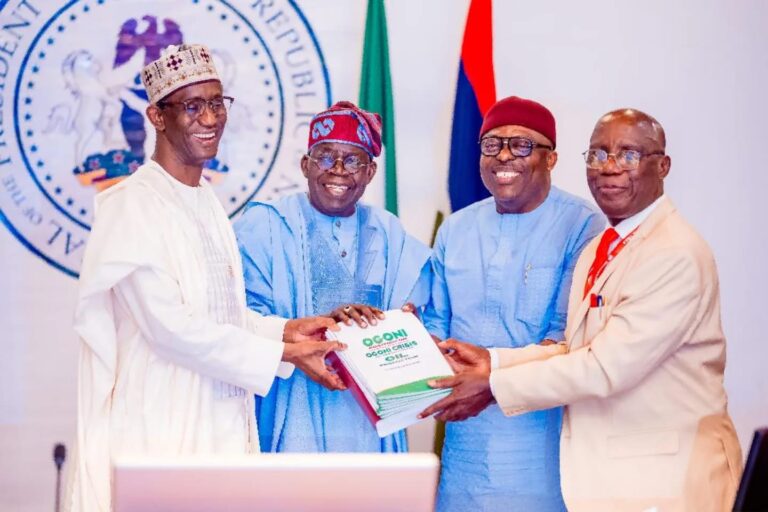
President Bola Ahmed Tinubu has ordered a renewed round of consultations aimed at reopening oil production in Ogoniland, nearly three decades after the suspension of activities in the area following years of conflict and environmental agitation.

Speaking at a state ceremony in Abuja on Tuesday, the President directed the National Security Adviser, Mallam Nuhu Ribadu, to coordinate fresh talks between the Nigerian National Petroleum Company Limited (NNPCL), Ogoni leaders, and other stakeholders. The discussions are expected to address long-standing grievances around environmental degradation, compensation, and equitable participation in oil-related benefits.

President Tinubu said the new engagement was designed to “secure reconciliation, promote justice, and ensure that the people of Ogoniland benefit directly from the resources of their land.” He described the Ogoni struggle as a symbol of Nigeria’s broader challenge of balancing resource exploitation with social and environmental responsibility.

As part of the occasion, the President also conferred posthumous national honours on four prominent Ogoni leaders—Ken Saro-Wiwa, Barinem Kiobel, Saturday Dobee, and John Kpuinen—who were executed in 1995 under the military regime of late General Sani Abacha. Their deaths, widely condemned across the world, remain a defining chapter in Nigeria’s history of environmental rights activism.

Tinubu praised their sacrifice as “a reminder of the enduring cost of justice denied,” while pledging that his administration would uphold the principles for which they stood. He said the federal government was committed to completing ongoing environmental remediation in Ogoniland, expanding development projects, and strengthening partnerships that bring both peace and prosperity to the Niger Delta.

Oil exploration in Ogoniland, a key part of the Niger Delta, has remained suspended since the mid-1990s following community protests against environmental destruction and poor living conditions despite decades of crude extraction. Efforts by successive governments to restore production have repeatedly stalled due to mistrust, security concerns, and unresolved legal disputes.

Analysts view Tinubu’s directive as a significant policy move that could unlock billions of dollars in oil reserves, but they caution that success will depend on transparent negotiations, community trust, and a strong framework to manage revenue distribution.

The renewed talks and symbolic honouring of the “Ogoni Four” may signal a fresh chapter in the relationship between the federal government and the Ogoni people, with hopes that dialogue will finally yield lasting peace and sustainable development in the oil-rich but troubled region.


Lagos Government Blames Flash Floods on Illegal Construction and Waste Dumping

0

The Lagos State Government has attributed the recent flash floods that disrupted movement across parts of the state to uncontrolled building practices and indiscriminate waste disposal by residents.

In a statement issued on Tuesday, the Commissioner for Environment and Water Resources, Tokunbo Wahab, said several neighborhoods were submerged following heavy rainfall, not only because of natural factors but also due to human activities that block drainage systems.

Wahab explained that investigations by the ministry revealed that some property owners had erected structures on drainage channels, while others converted flood plains into residential sites. “When you build on natural waterways or dump refuse into the drains, the system collapses. The flooding we are experiencing is largely a consequence of lawlessness and disregard for urban planning rules,” he said.

He added that the government had already identified dozens of illegal structures obstructing free water flow in flood-prone areas and warned that demolition exercises would soon commence. According to him, such enforcement measures are necessary to protect lives, property, and the city’s infrastructure.

The commissioner also decried the widespread dumping of plastic waste and non-biodegradable materials into canals, noting that they choke water channels and intensify flooding during heavy rainfall. He urged residents to embrace responsible waste disposal, warning that the state will strengthen its environmental monitoring task force to punish violators.

While reassuring Lagosians that ongoing dredging and expansion of major drainage networks would help ease the problem, Wahab cautioned that no amount of government investment would succeed unless residents supported the effort by changing their behavior.

The flash floods, which occurred after a downpour lasting several hours, left roads impassable in parts of Victoria Island, Lekki, Ajah, and the mainland, causing gridlock and damaging several vehicles.

Environmental experts argue that with Lagos’ rapid urbanization and its coastal location, sustainable drainage systems and strict enforcement of planning regulations remain critical to mitigating future floods.


NDLEA Proposes Mandatory Drug Integrity Tests for Driver’s Licence Applicants

0

The National Drug Law Enforcement Agency (NDLEA) has proposed the introduction of compulsory drug integrity tests for all Nigerians applying for driver’s licences.

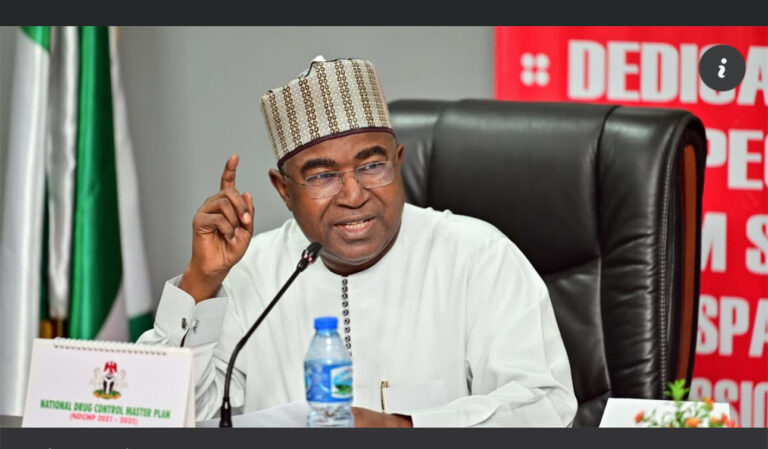
Chairman and Chief Executive of the NDLEA, Brigadier General Buba Marwa (Retd), disclosed this during a policy dialogue in Abuja on Tuesday. He explained that the measure was aimed at curbing road accidents and promoting public safety by ensuring that drivers are free from the influence of illicit substances.

Marwa noted that drug use among motorists has contributed significantly to reckless driving, road rage, and accidents across the country. According to him, integrating drug testing into the licensing process would help identify and rehabilitate individuals struggling with substance abuse before they are allowed behind the wheel.

“Driving under the influence is a silent killer on our roads. If we must reduce accidents and safeguard lives, drug integrity tests should become part of the mandatory requirements for obtaining a driver’s licence,” he said.

The NDLEA boss stressed that the agency is already in talks with the Federal Road Safety Corps (FRSC), the Vehicle Inspection Office (VIO), and other stakeholders to develop an implementation framework. He also urged state governments to support the proposal and align their road safety regulations with national objectives.

Marwa emphasized that the initiative was not punitive but corrective, adding that individuals who fail the tests would be referred for counseling and rehabilitation rather than criminal prosecution.

The proposal has generated mixed reactions among transport unions and civil society groups. While road safety advocates welcomed it as a step toward safer highways, some stakeholders expressed concern about possible abuse, privacy violations, and the cost implications for applicants.

Nigeria records thousands of road accidents annually, with human error and impaired driving often cited as major causes. The NDLEA maintains that mandatory testing could help reduce fatalities and promote a culture of responsibility on the roads.

Strength in Style: Bukola Olowoniyi, The Woman Behind Ewa Lagos Fabrics

0

In the vibrant world of African fashion, where colour, culture, and community converge, Bukola Olowoniyi has carved a name that resonates beyond Lagos. As Chief Executive Officer of Ewa Lagos Fabrics, she has grown from a local fabric merchant into one of the continent’s foremost Aso-Ebi vendors, redefining how Nigerians and Africans celebrate tradition through style.

Her business is built on the heartbeat of the Aso-Ebi culture — fabrics that carry stories of unity, joy, and belonging at weddings, birthdays, and ceremonies across the continent. From sourcing exquisite textiles to curating bespoke collections, Olowoniyi has elevated Aso-Ebi into a symbol of modern African pride while remaining deeply rooted in heritage.

What sets her apart is not only the scale of her operations but the strength she embodies as a woman entrepreneur. In a competitive industry, she has turned creativity and resilience into business strategy, serving clients across Nigeria and the diaspora. For many, Ewa Lagos Fabrics is more than a vendor — it is a trusted partner in life’s most memorable celebrations.

Celebrating Bukola Olowoniyi is celebrating the strength of Nigerian womanhood: visionary, enterprising, and proud of its cultural legacy. In her story lies a reminder that tradition can be modern, that fabrics can be more than cloth, and that women continue to shape Africa’s industries with grace and power.

20 African Countries Enforce Six-Month Passport Validity Rule for Travellers

0

Nigerian and other African travellers have been advised to check the validity of their international passports before embarking on trips, as at least 20 African countries require a minimum of six months’ validity for entry.

According to updated travel guidelines, many nations on the continent now enforce the six-month rule in line with international best practices. The requirement means that visitors must hold passports valid for at least six months beyond their date of entry, regardless of the length of stay permitted.

Immigration experts warn that failure to meet this condition often results in denial of boarding by airlines or refusal of entry at border posts. The rule is aimed at ensuring travellers have sufficient documentation throughout their stay and to avoid complications in cases of emergency extensions.

The 20 African countries currently enforcing the rule include:

  1. South Africa
  2. Kenya
  3. Ghana
  4. Egypt
  5. Morocco
  6. Ethiopia
  7. Rwanda
  8. Tanzania
  9. Uganda
  10. Botswana
  11. Namibia
  12. Zambia
  13. Zimbabwe
  14. Senegal
  15. Gambia
  16. Sierra Leone
  17. Liberia
  18. Malawi
  19. Mozambique
  20. Cape Verde

Travel agents and immigration officials have urged passport holders to renew their documents well in advance of expiration. They also stressed that compliance with validity rules will prevent avoidable disruptions to travel plans, especially for students, business travellers, and tourists.

With rising international travel from Nigeria and other parts of West Africa, authorities continue to emphasize passport renewal campaigns to reduce the risk of last-minute cancellations and stranded passengers.


Nigeria’s September Revenue Rises to N3.65 Trillion, Marks 411% Growth — FIRS

0

Nigeria recorded a sharp increase in federally collected revenue in September 2025, with receipts reaching N3.65 trillion, according to figures released by the Federal Inland Revenue Service (FIRS). The figure represents a 411 percent rise compared to the same period last year.

The FIRS attributed the surge to improved compliance in tax administration, expanded digital collection systems, and stronger oversight in the oil and non-oil sectors. The service said recent reforms have significantly widened the tax net and curtailed leakages that previously undermined revenue performance.

“This unprecedented growth is a testament to the resilience of our economic reforms and the dedication of taxpayers,” the FIRS noted in a statement. “We are seeing the results of increased efficiency in our systems, enhanced monitoring, and a broader base of contributors to national revenue.”

The N3.65 trillion collected in September is expected to boost allocations to the three tiers of government, easing fiscal pressures as the country faces rising inflation, high debt service obligations, and demands for infrastructure funding.

Analysts say the surge underscores the potential of Nigeria’s domestic revenue base if leakages are reduced and compliance is sustained. However, they caution that translating the gains into tangible public benefits will depend on prudent fiscal management and accountability in government spending.

The September report continues a trend of stronger revenue inflows in 2025, positioning the country to better finance its budget and reduce reliance on external borrowing.

Air Tanzania Commences Lagos–Dar es Salaam Flights, Government Promises Visa Reforms for Nigerians

0

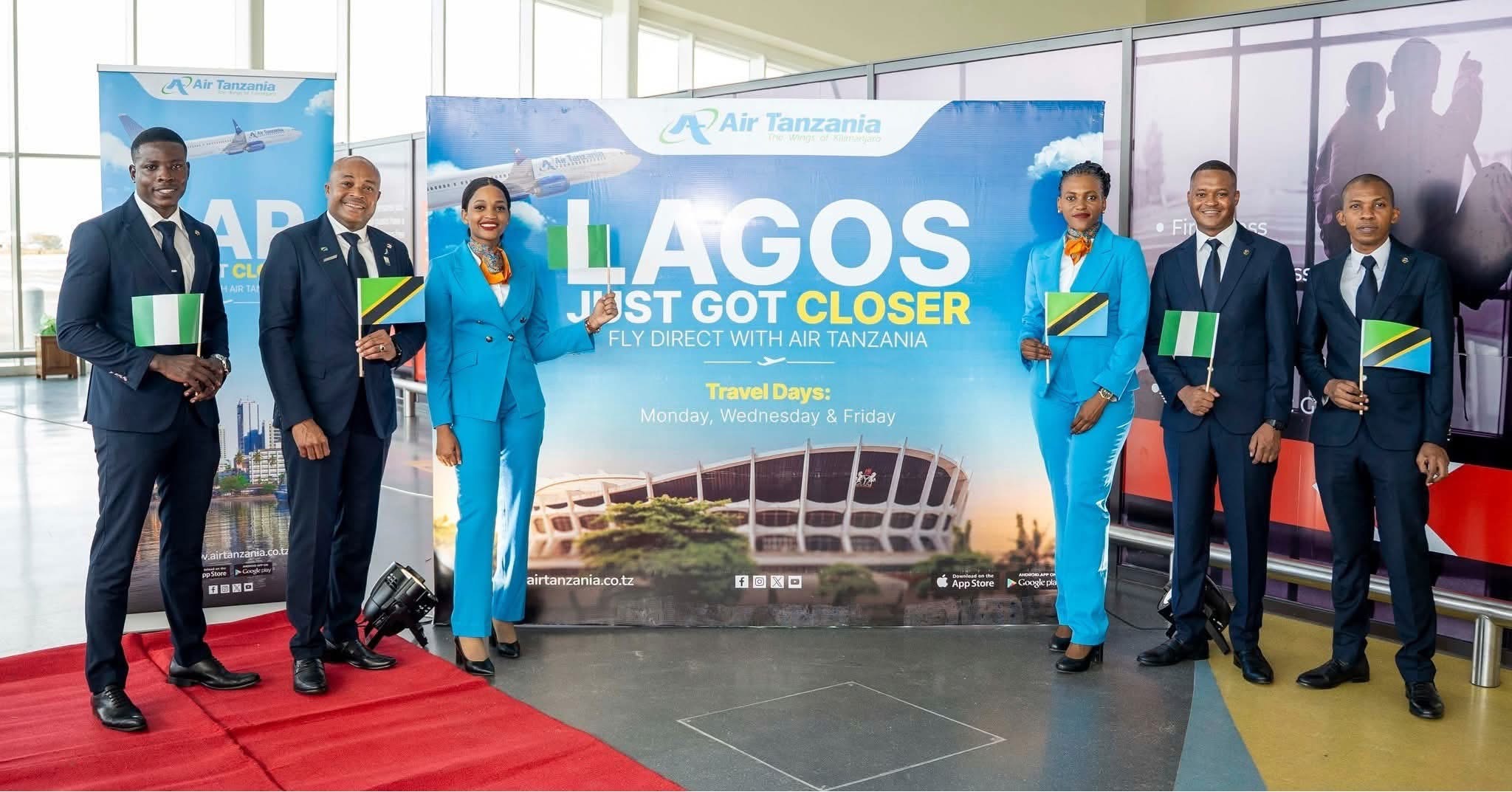
Air Tanzania has officially launched direct flights between Lagos and Dar es Salaam, a development expected to deepen economic, tourism, and cultural ties between Nigeria and Tanzania. The inaugural flight was celebrated in Lagos with top government officials, diplomats, and business leaders in attendance.

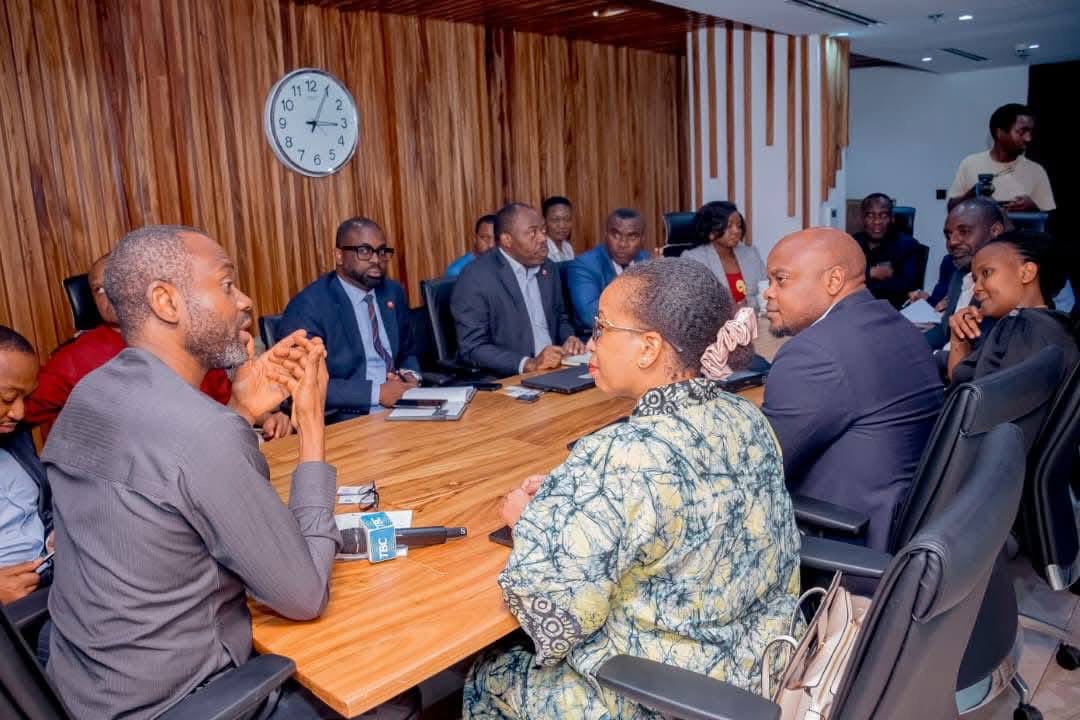
At the ceremony, Tanzania’s Permanent Secretary in the Ministry of Transport, Professor Godius Kahyararara, announced that the government is set to review its visa system to make travel easier for Nigerians. He assured that significant reforms will be introduced within a week to remove barriers that have long discouraged smooth travel between the two countries.

“What I can promise is that within a week, there will be major changes in the visa system,” Kahyararara said. “We have already discussed this with our colleagues in Nigeria and Tanzania, and it is one of the issues that must be resolved to ensure the direct flight benefits both countries. Our research showed that Nigerians travelling to Zanzibar, our top tourist destination, often take longer routes through Addis Ababa or Nairobi. With this new service, they can reach Tanzania in less than five hours.”

Tanzania’s Ambassador to Nigeria, Mr. Selestine Kakele, also underscored the importance of the new air connection, describing Nigeria as Africa’s second-largest economy and a crucial partner for Tanzania.

“For us, this represents a great opportunity to open up Tanzania by establishing direct air transport services that connect our two nations,” he said. “This connection will strengthen trade, investment, and people-to-people ties between Tanzania and Nigeria.”

Industry observers say the new route is poised to boost tourism, as Tanzania seeks to attract more Nigerian visitors to destinations such as Zanzibar, Serengeti National Park, and Mount Kilimanjaro. The service is also expected to facilitate greater movement of business executives and investors exploring opportunities in both countries.

Air Tanzania, the country’s national carrier, has in recent years been expanding its regional and international operations as part of efforts to reposition itself as a major player in African aviation. The Lagos–Dar es Salaam route marks another milestone in its growth strategy and a significant step in building stronger aviation links within Africa.

📸 Air Tanzania Company Limited

L