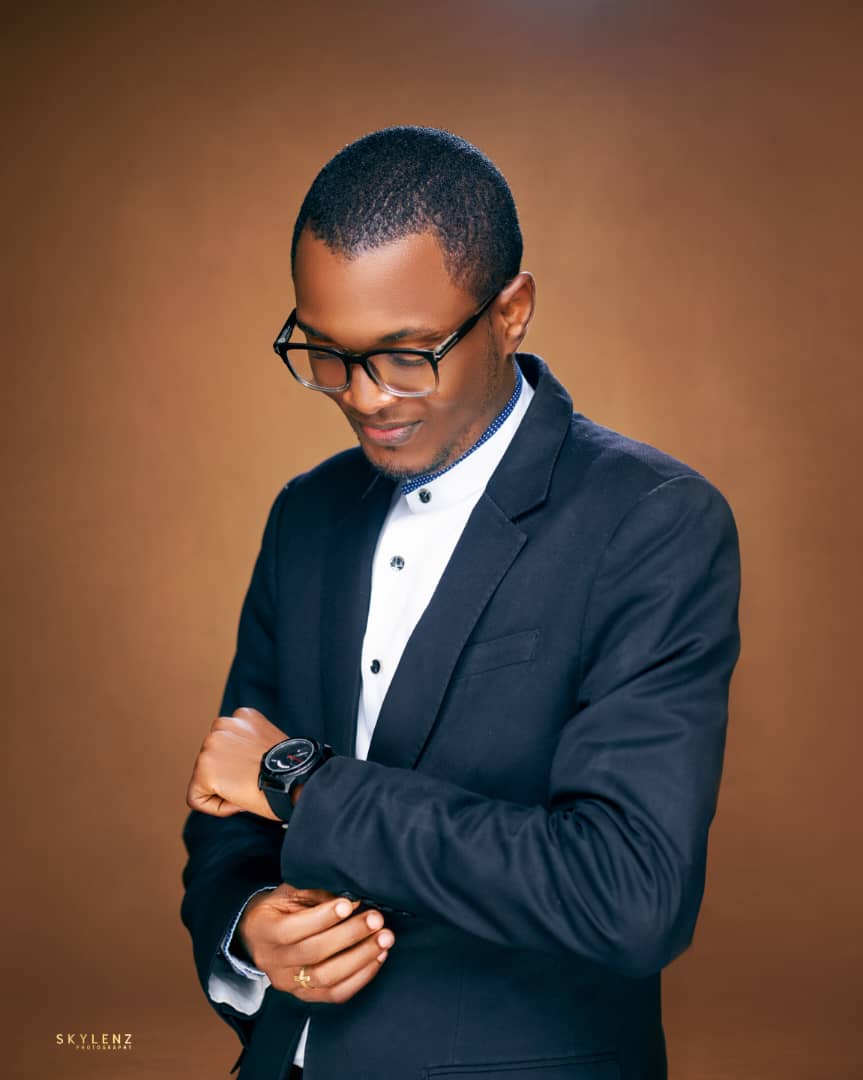
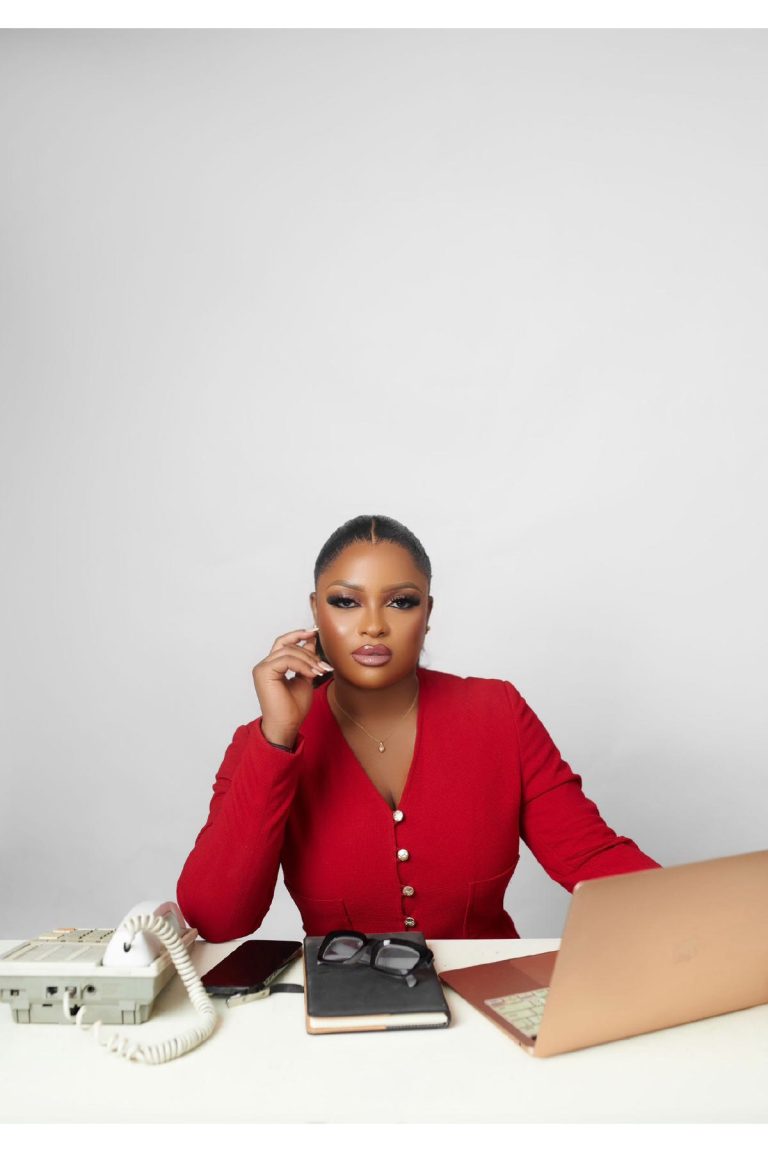
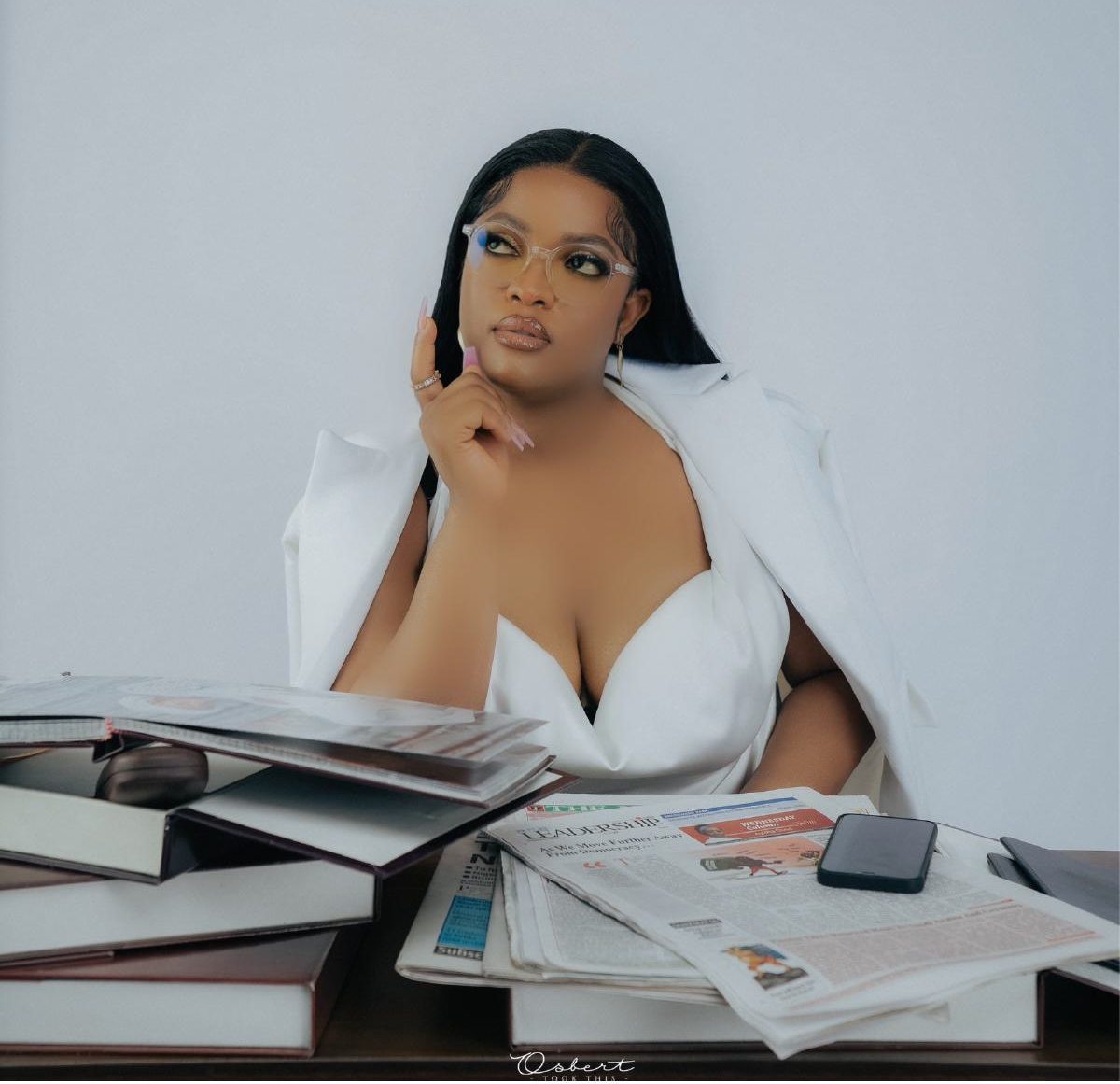
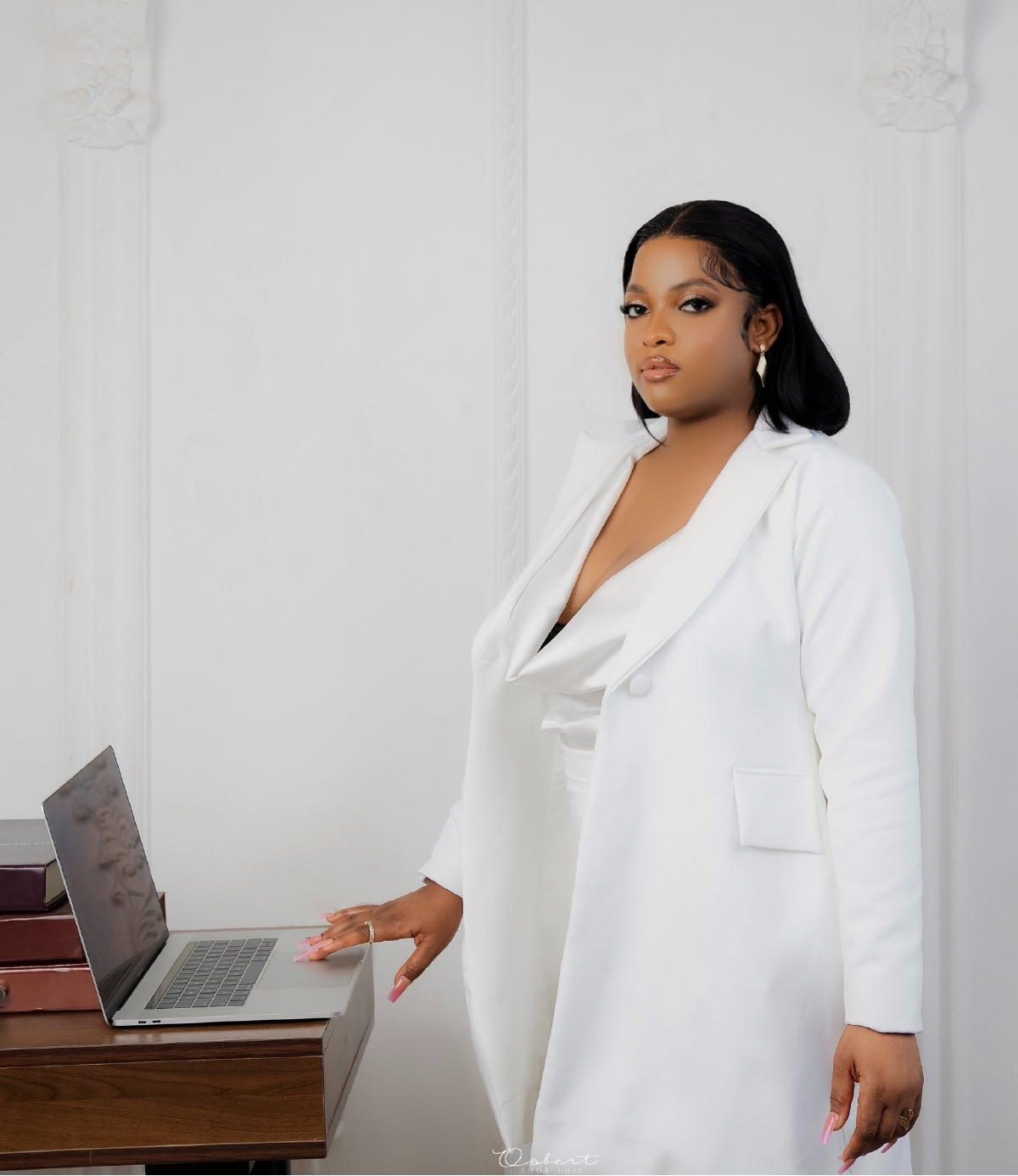
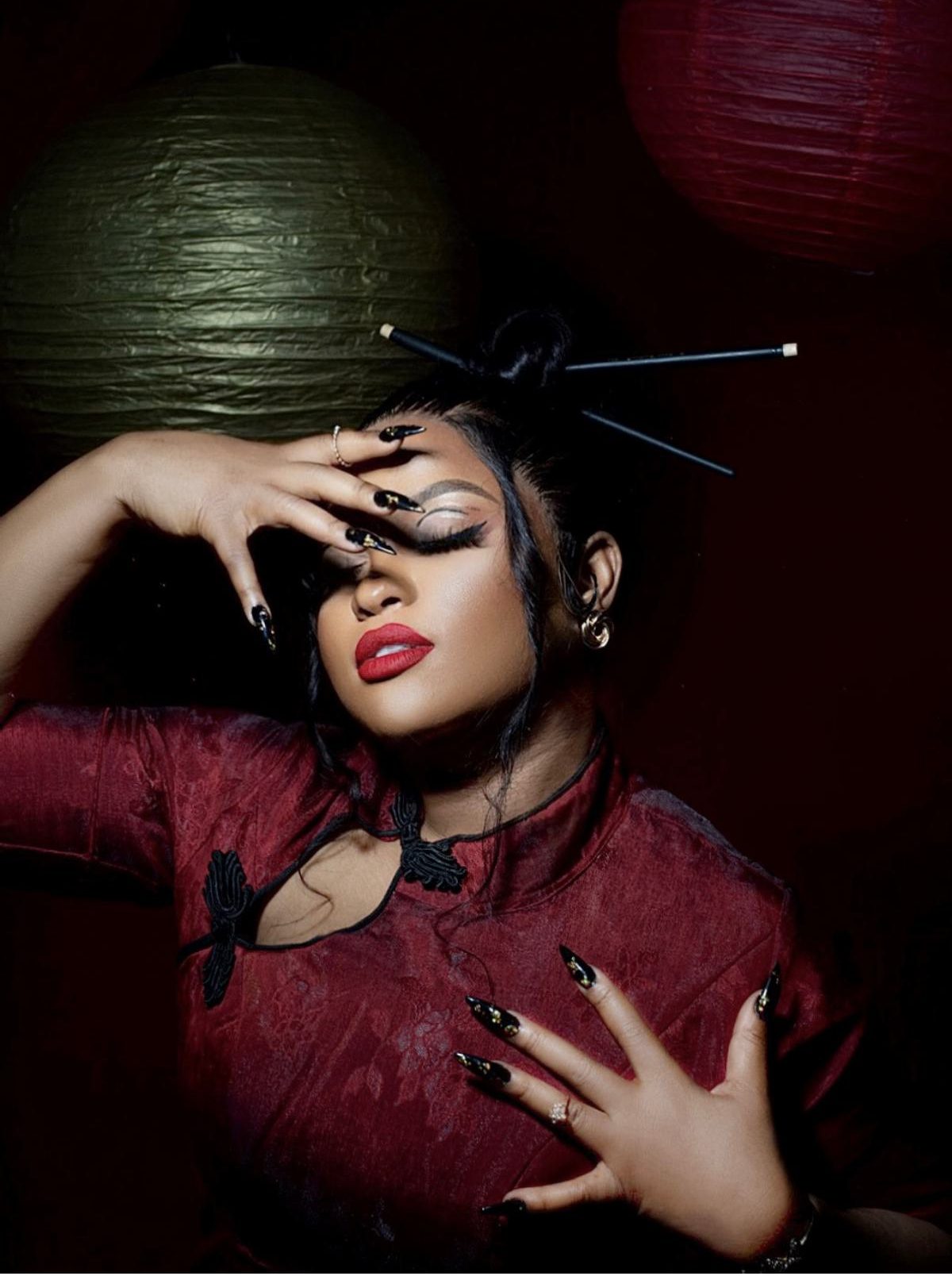
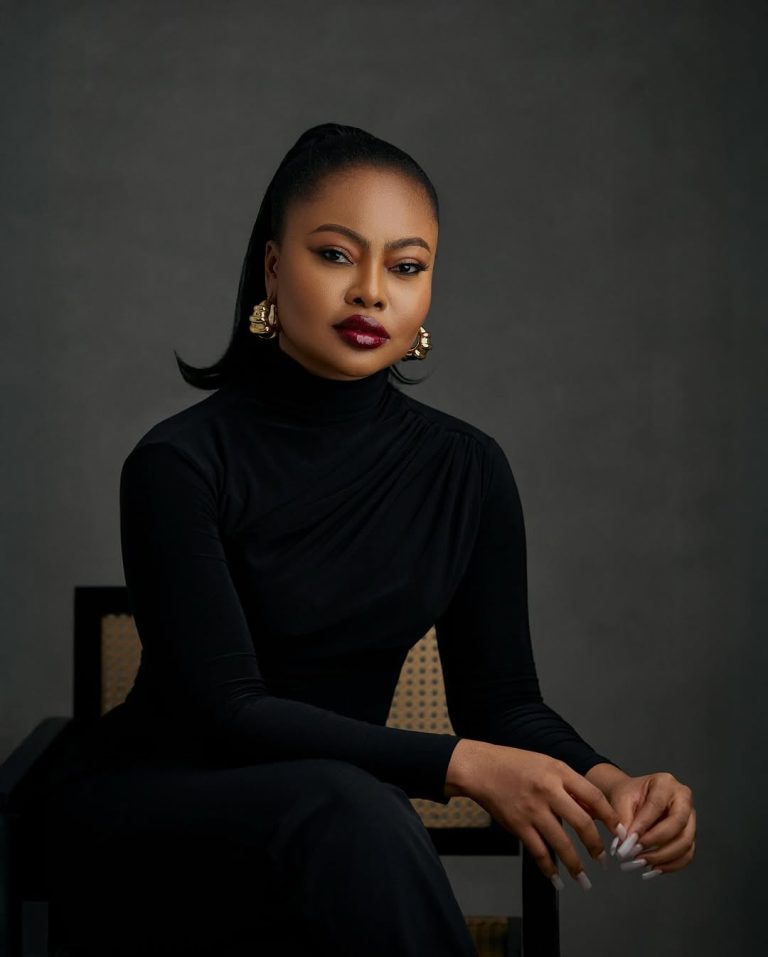
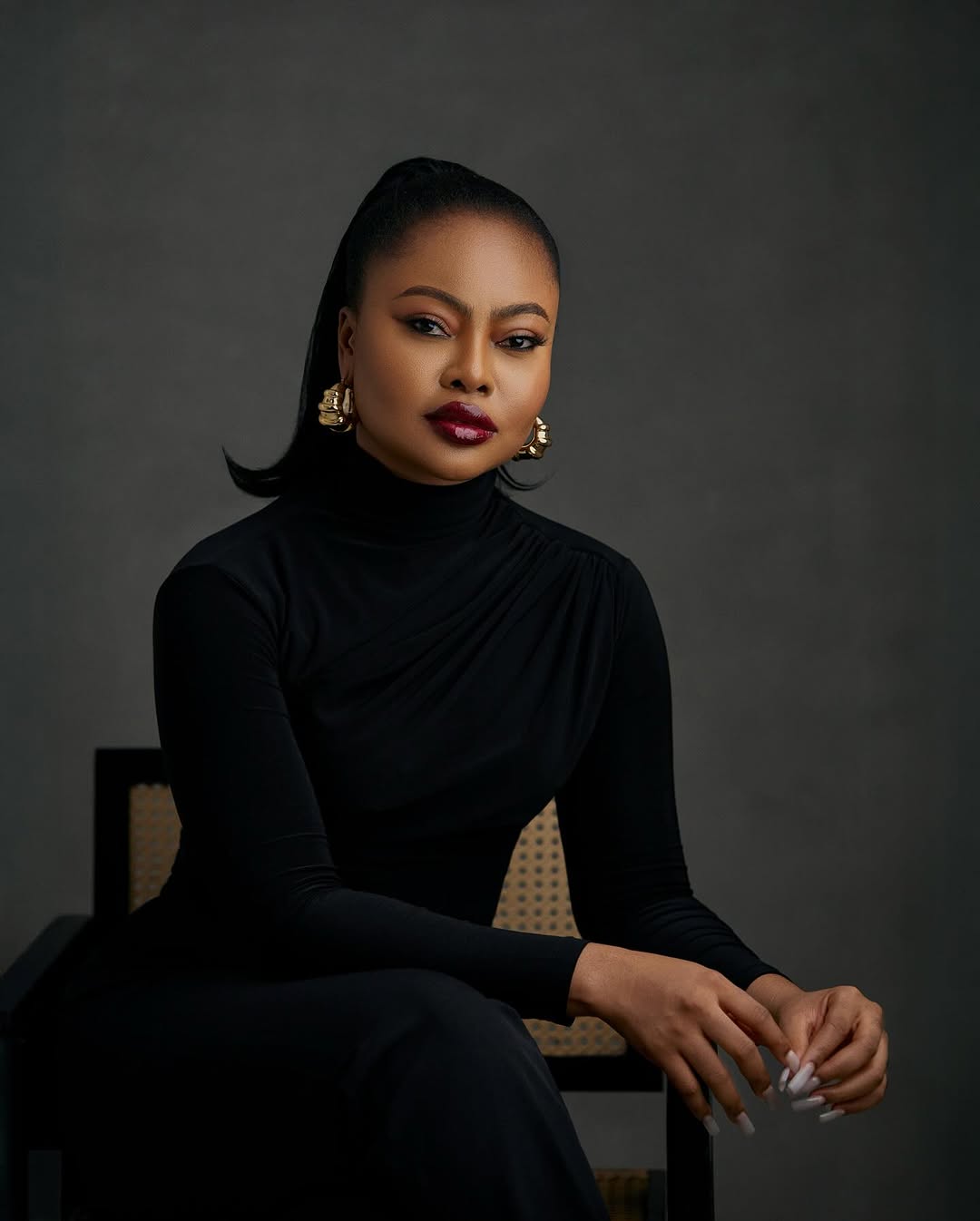
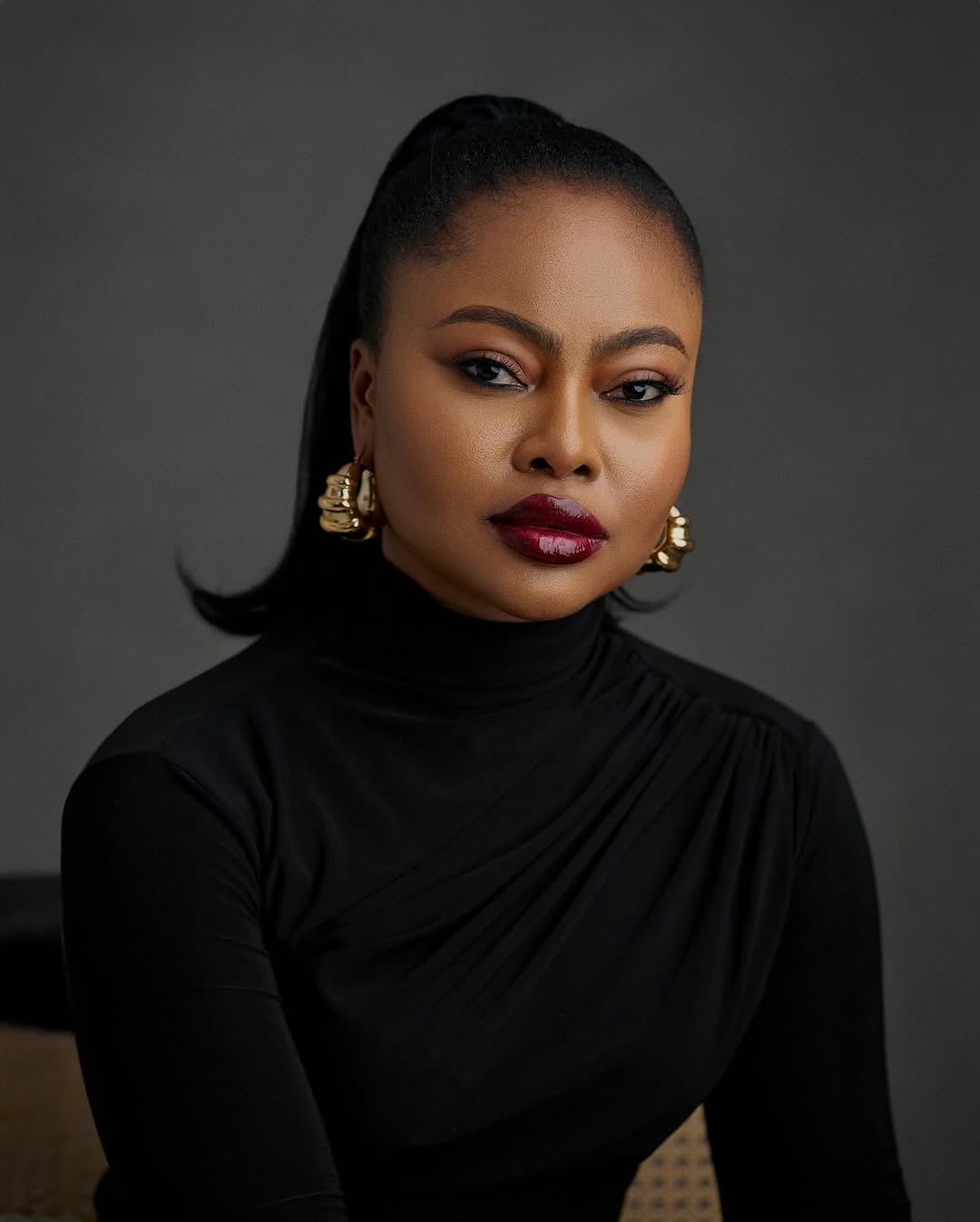
Beauty Queen “Beauty Tukura” indeed looks good in just about anything. But when it comes to posing for a photoshoot, the reality star proves time and again that you can be comfortable, fun, or even tell a beautiful story without uttering words.
The Trump administration has deported five foreign nationals—from Vietnam, Jamaica, Laos, Cuba, and Yemen—to Eswatini after their home countries refused to take them back due to their serious criminal convictions. These individuals were convicted of crimes including murder, child rape, and gang-related offence.
According to the U.S. Department of Homeland Security, the five men were considered “uniquely barbaric” and dangerous to American communities. The deportation was carried out under a U.S. Supreme Court ruling that allows deportations to third countries even when the individuals’ countries of origin refuse to accept them. This policy change permits removals without detailed case-by-case reviews, sometimes with less than six hours’ notice.
Eswatini, a small southern African monarchy ruled by King Mswati III, has accepted the individuals temporarily. According to government spokesperson Thabile Mdluli, the deportees are being held in isolation and do not pose a threat to the public. Plans are in place to eventually repatriate them to their countries of origin through assistance from the International Organization for Migration (IOM).
The move has sparked serious concern among human rights groups, who point to Eswatini’s poor human rights record, including reports of police brutality, lack of due process, and overcrowded prisons. Critics argue that sending vulnerable individuals to a country with such conditions may violate international human rights laws and standards.
This deportation is part of a broader strategy by President Donald Trump to remove foreign criminals whose countries decline repatriation, with other similar deportations being considered for South Sudan, El Salvador, Costa Rica, and possibly Rwanda.
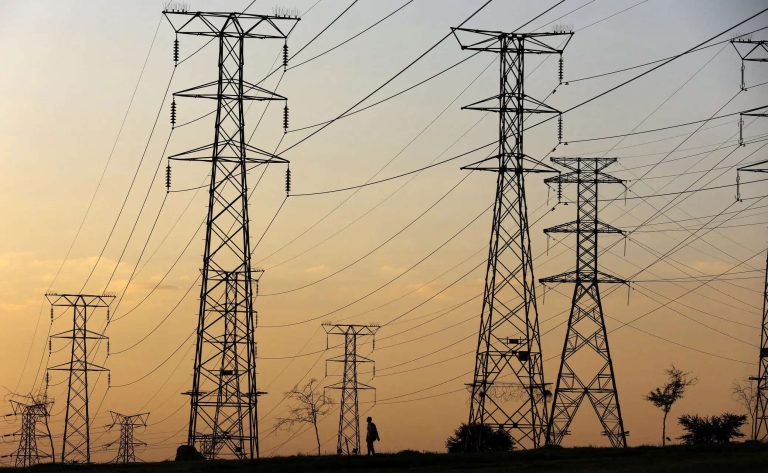
Eskom, South Africa’s state-owned power utility, has announced plans to transition its electricity generation to rely primarily on clean energy sources by the year 2040. The move is part of a broader strategy to combat climate change, improve energy security, and modernize South Africa’s power sector.
Currently, Eskom generates most of its electricity from coal. Under its new plan, it intends to cut its coal-fired capacity from 39 GW to 18 GW while increasing renewable energy capacity from less than 1 GW today to 32 GW by 2040. This transformation includes converting some of its aging coal plants into facilities powered by renewables or natural gas.
To drive this transformation, Eskom will establish a dedicated renewable energy unit. This unit will coordinate investments, lead development efforts, and partner with the private sector to bring new green projects online.
By 2030, Eskom aims to deliver 5.9 GW of clean energy, supported by a project pipeline of at least 2 GW already in progress. However, major financial and infrastructure challenges remain. Eskom is currently burdened with R400 billion (about $22 billion) in debt, struggles with unpaid municipal bills, and faces issues related to underpriced tariffs that hinder investment capacity.
In addition to funding, South Africa needs to invest around R440 billion in transmission infrastructure over the next 10 years to accommodate the growing number of renewable projects and expand regional power trading.
Eskom’s clean energy roadmap is part of a broader “just transition” strategy that emphasizes the creation of up to 300,000 green jobs and social support for communities affected by the shift away from coal. One example is the Komati power station, which is being repurposed into a solar and battery storage facility—a pilot for future community-based renewable projects.
Despite obstacles, this plan signals a bold shift in South Africa’s energy direction. Eskom’s strategy supports national climate goals and represents a significant step toward modernizing Africa’s most industrialized electricity system.
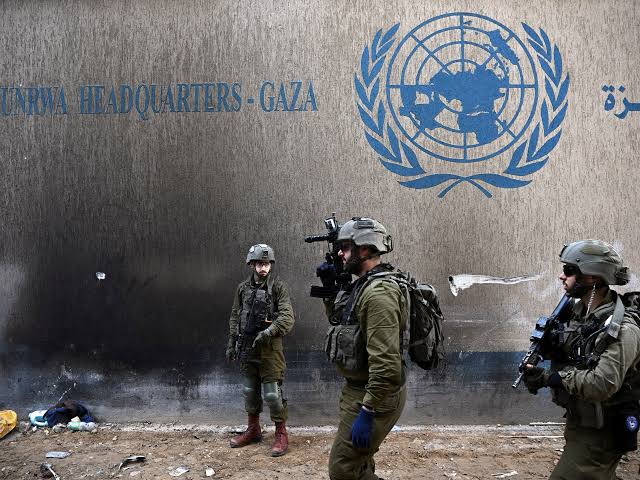
A coalition of 12 countries has taken strong diplomatic steps to pressure Israel into halting its military operations in Gaza and lifting the ongoing blockade that has led to severe humanitarian consequences.
Seven European countries—Iceland, Ireland, Luxembourg, Malta, Slovenia, Spain, and Norway—issued a joint declaration urging Israel to “immediately reverse its current policy,” end military offensives, and lift restrictions preventing humanitarian aid from reaching Gaza’s civilians.
In a parallel move on 19 May, the UK, France, and Canada condemned Israel’s renewed military campaign. The UK’s Foreign Secretary David Lammy called the offensive “morally unjustifiable.” These countries responded by suspending trade talks with Israel and imposing sanctions on certain Israeli settlers in the West Bank.
Jordan, represented at the UN Security Council by Mahmoud Daifallah Hmoud, demanded that aid crossings be opened immediately and called for Israel to stop mass displacements and comply with international humanitarian law.
On 13 June, the UN General Assembly passed a resolution with a vote of 149–12, demanding an “immediate, unconditional and permanent ceasefire” in Gaza. Although earlier efforts were blocked by a U.S. veto in the Security Council, this General Assembly vote carried strong symbolic weight and urged all member states to use lawful means to pressure Israel into compliance.
Meanwhile, UN Special Rapporteur Francesca Albanese urged countries to sever diplomatic and economic ties with Israel and to support the International Criminal Court’s arrest warrants for Israeli Prime Minister Benjamin Netanyahu, citing possible violations of international law.
Palestinian voices and global advocates echoed these demands at international forums—including one held in Bogotá—pushing for further accountability and an end to the Gaza blockade.
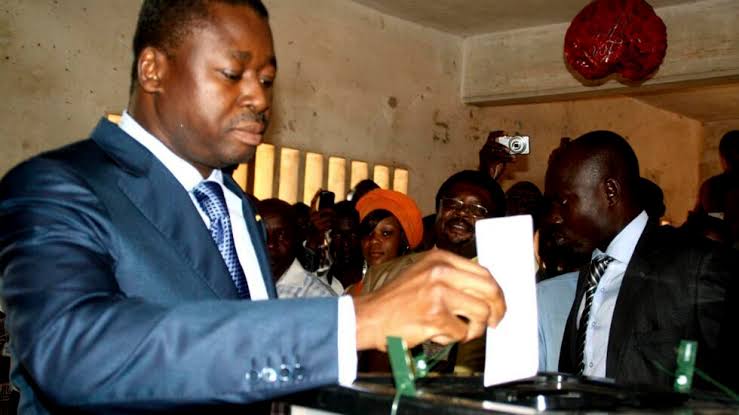
On July 17, 2025, Togo held its first municipal elections since President Faure Gnassingbé oversaw a controversial constitutional change in March 2024. The new constitution removed direct presidential elections and created a new executive position—President of the Council of Ministers—which Gnassingbé now occupies. The presidency became a ceremonial role and was filled by Jean‑Lucien Savi de Tové, chosen by the National Assembly.
Critics and opposition figures described the change as a “constitutional coup,” enabling Gnassingbé to maintain power indefinitely and sidestep term limits. His family has ruled Togo for over 58 years. In the lead-up to the elections, the country witnessed mass youth-led protests—sparked by the arrest of rapper Aamron (Tchala Essowè Narcisse)—with accusations of government repression and at least two youth deaths under unclear circumstances. Authorities blamed the deaths on drowning and promised investigations.
The elections were originally scheduled for July 10 but were postponed to July 17 following opposition demands for better preparation. Early voting for security forces took place on July 14, and elections covered 117 municipal councils. While some opposition parties boycotted the vote in protest, others—such as the National Alliance for Change (ANC)—chose to participate to maintain political relevance at the local level.
The elections were held under tight security, and borders were closed temporarily due to concerns about unrest. The situation remains tense, with concerns over democratic backsliding and the consolidation of power under Gnassingbé.
The Star Who Took Over Netflix, YouTube, and Cinemas in One Day
If movie stars are born and icons are made, then Teniola Aladese is living proof of both happening at once.
In an industry where most actors pray for one major release a year, Teniola took over three platforms in one single day.
In the ever-evolving world of African cinema, some stars shine quietly — until they explode across every screen, every platform, and every conversation. Right now, that star is Teniola Aladese.
On July 18, 2025, three major movie releases dropped across Netflix, YouTube, and cinemas — and Teniola was a main cast in all of them. Let that sink in. Not cameo appearances. Not side roles. But front-and-center performances in:
To Kill a Monkey (Netflix), directed by Kemi Adetiba
A Forever With Numbered Days (YouTube), by Bolaji Ogunmola
Freedom Way (Cinemas), by Blessing Uzzi
It’s the kind of triple-threat dominance that only few in Hollywood even pull off — think Zendaya, Florence Pugh, Anya Taylor-Joy. And here’s Teniola, proving that Nollywood isn’t just catching up, it’s leading in talent, diversity, and depth.
Teniola Aladese
What truly makes this moment special isn’t just that Teniola Aladese starred in three major films released on the same day — it’s that social media has been buzzing nonstop with praise for her standout performances in all of them. Casting her was a power move, and the producers and casting directors who saw her potential clearly saw the future. In every review, across platforms, Teniola’s name keeps coming up — not just as a cast member, but as the heartbeat of the stories. No bad ratings. No mixed feelings. Just high praise and proof that she’s that good.
What makes Teniola different? It’s not just her undeniable beauty or screen presence — it’s the work ethic, the range, the emotional intelligence she brings to every character. Whether it’s a gritty thriller, a romantic drama, or a social commentary, she doesn’t just act — she embodies. And that’s what great actors do.
Teniola Aladese
Teniola is not “emerging” — she has arrived. Her face, voice, and performances are everywhere. And unlike passing trends, she’s showing staying power. In an industry that often puts women in a box, she’s breaking every mold with grace, grit, and talent that resonates beyond borders.
As conversations continue to place her name alongside global icons, one thing is clear: Teniola Aladese isn’t just Nigeria’s breakout actress — she’s a global force rising from Nollywood, ready for any stage.
Watch her. Celebrate her. Because this is just the beginning.
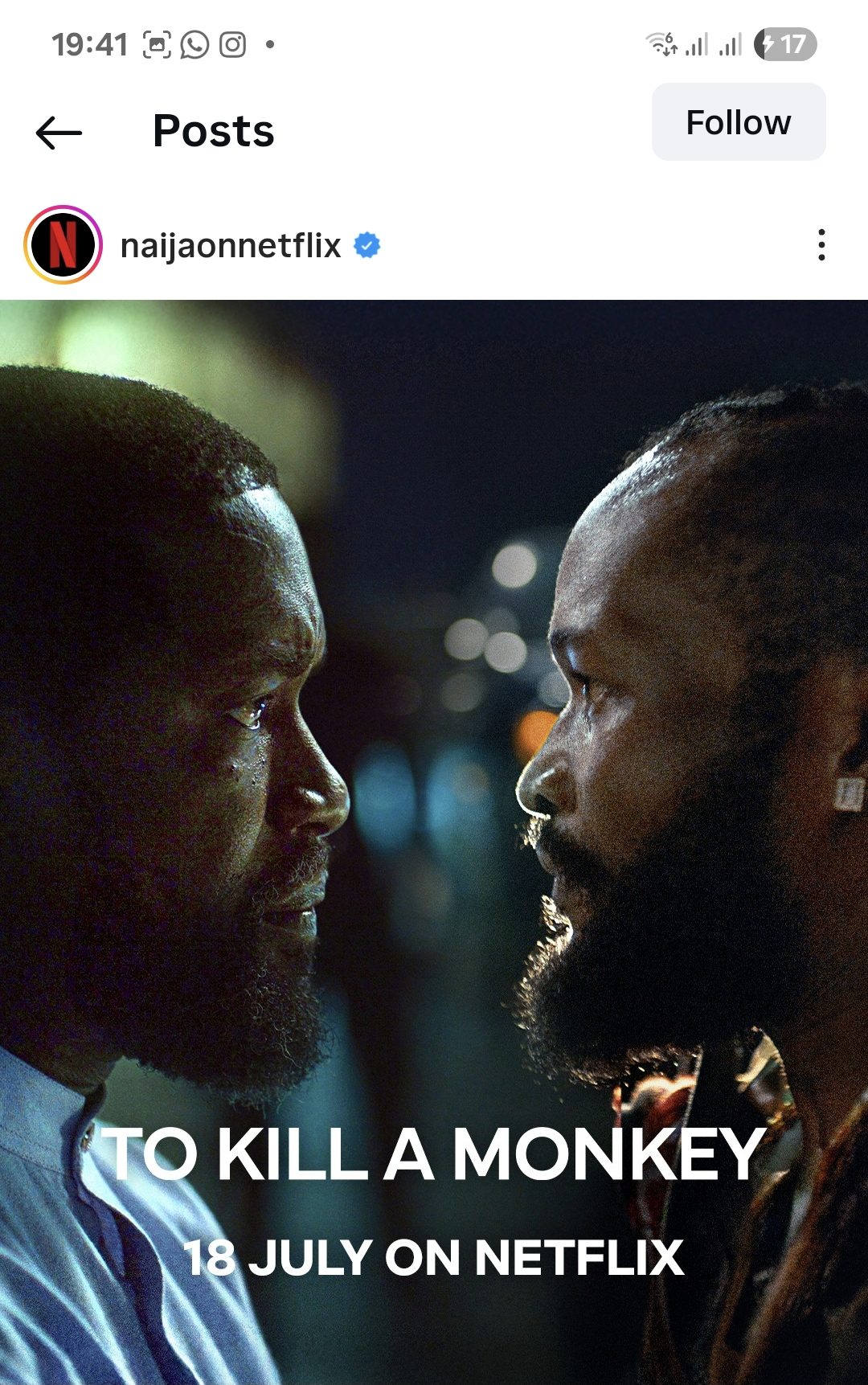
Nigeria’s star Bucci Franklin is capturing major attention in the newly released Netflix crime series To Kill a Monkey. As the show gains momentum, viewers and critics alike are calling his performance a defining moment for Nigerian screen acting in 2025.
A Role That Commands Attention
In this gritty, layered cybercrime thriller directed by Kemi Adetiba, Bucci steps into the role of a complex, high-stakes character who serves as a catalyst for the protagonist’s descent into the digital underworld. His delivery is sharp, intense, and magnetic. Every scene he appears in feels heightened, with an emotional weight that demands attention. It’s a performance that goes beyond lines — Bucci inhabits his character with such conviction, it’s impossible to look away.
5-Star Reactions from Social Media
Social media has erupted in admiration for Bucci’s work. Twitter is filled with glowing reviews:
“Bucci Franklin is everything in To Kill a Monkey. Five-star performance!”
“That twist? That intensity? Bucci is in a league of his own!”
These comments are more than just hype. They reflect a growing consensus — this was not just a role, it was a moment.
Critics and Viewers Alike Applaud
Industry insiders and entertainment commentators are equally impressed. The series itself has been praised as one of the boldest African originals to hit Netflix in recent years, and Bucci’s performance is being singled out as one of its strongest assets. Surrounded by a stellar cast including Stella Damasus and Bimbo Akintola, Bucci doesn’t just hold his own — he shines.
Bucci Franklin is redefining what it means to be a leading man in Nollywood’s new wave. His portrayal in To Kill a Monkey is not only a breakout moment but a benchmark. He proves that Nigerian talent can deliver nuanced, world-class performances that resonate beyond borders. He isn’t just acting — he’s elevating the game.
To Kill a Monkey dropped on Netflix July 18, and Bucci Franklin’s performance is already being talked about as one of the standout performances of the year. If you haven’t watched it yet, now’s the time.
This is Bucci Franklin’s moment — and it’s only just beginning.
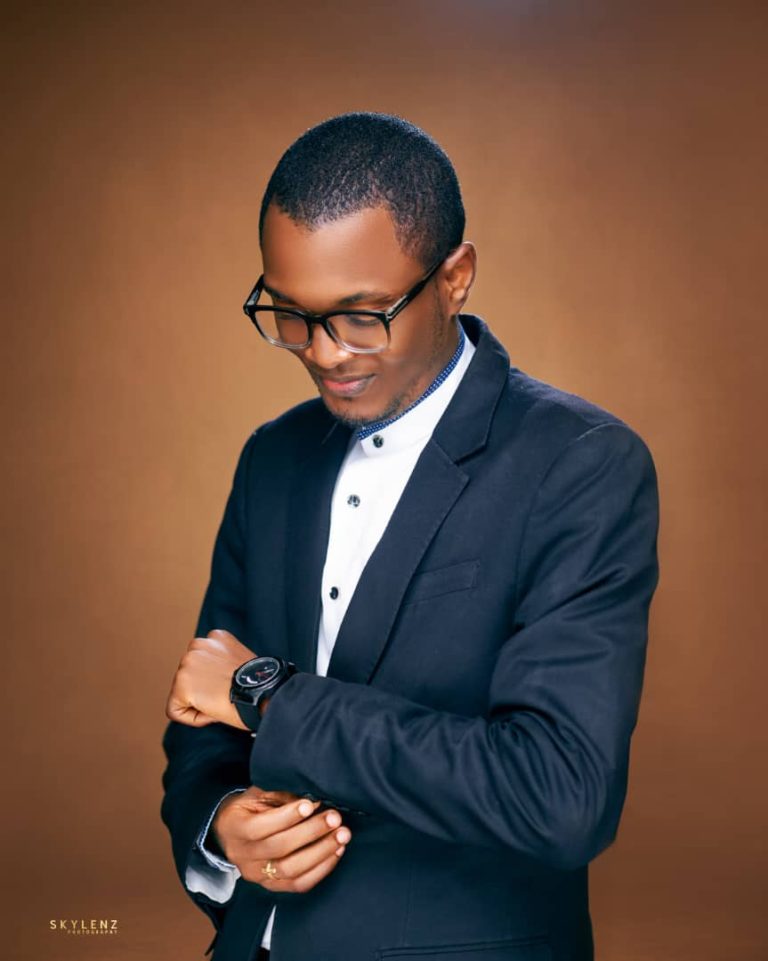
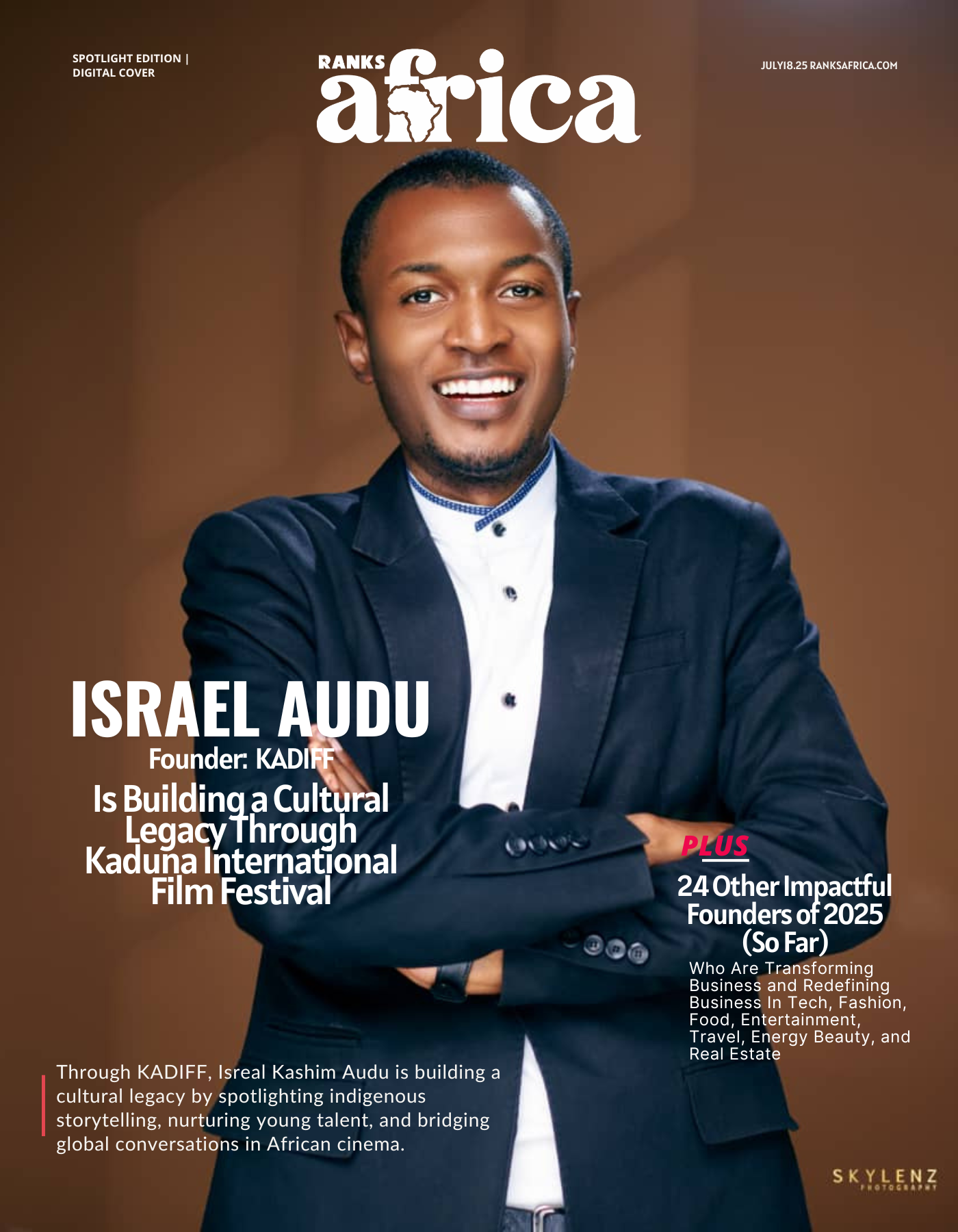
In a rapidly expanding African film industry dominated by the glitz of Nollywood and the vibrancy of the South, a quiet revolution has been steadily building in Northern Nigeria. And at the heart of this cultural awakening is Israel Kashim Audu, the visionary founder and convener of the Kaduna International Film Festival (KADIFF) — a festival that has not only redefined Northern creative expression but also positioned Kaduna on the global cinematic map.
Since its inception, KADIFF has grown into a celebration of stories, talent, and heritage. From spotlighting underrepresented voices to creating a platform where young African filmmakers can shine, the festival has become a bridge between tradition and innovation, grassroots and global recognition.
In this exclusive Ranks Africa Spotlight, we sat down with Mr. Israel Kashim Audu to explore the movement he’s built, how he transitioned from an aspiring actor to one of Northern Nigeria’s most important cultural figures. He opens up about the challenges and triumphs of launching a major film festival in a region often overlooked in entertainment narratives, and why it’s crucial to tell our own stories, in our own way.
Israel Audu
📍 Read the full interview below as he shares the origin of KADIFF, what keeps him going, and his vision for the future of African cinema.
Q: Let’s start from the beginning. What inspired you to step into the world of film and storytelling?
Israel Audu: Growing up, I always dreamed of becoming an actor, but somewhere along the way, I realized that my true strength was behind the scenes building platforms, organizing, and pushing others into the spotlight. That administrative calling led me to embrace the role of a critical stakeholder in the creative space.
The big push came in 2017 when the Kaduna State Government approached me to coordinate a film festival for the centenary celebration. Although the event didn’t hold, it sparked something in me. In 2018, I took the bold step to independently launch what became the first edition of KADIFF with almost no money, no sponsors, just pure passion.
“We Started With Nothing But We Had a Dream.”
Q: KADIFF has grown significantly in just a few years. What do you believe is the secret behind that success?
Isreal Audu: Honestly, it’s been determination and grace. When I held the first edition in 2018, I had no funds. No program booklet, no media banners, nothing. I even lodged some guests without knowing how I’d pay the hotel bill. But I was committed. I knew that if I stayed consistent, people would see the vision.
Now, filmmakers from Europe, East Africa, and across Nigeria submit entries even before we launch calls. We’ve earned trust. We’ve earned respect. And more importantly, we’ve kept the doors open for others to shine.
“KADIFF is a Bridge for Creatives in the North.”
Q: In what ways has KADIFF impacted young creatives, filmmakers, and the northern film community?
Isreal Audu: We’ve created a learning and networking ecosystem. Every year, we bring veteran actors, directors, and industry professionals to Kaduna to mentor young talents for free. We’ve hosted masterclasses with the likes of Francis Duru, Theophilus Sunday, and Tonia Pocha.
Beyond that, KADIFF has been a springboard for marketing and collaboration. Some filmmakers didn’t win awards, but they secured distribution deals through our platform. More young people from the North are now submitting films and attending festivals the culture is catching on.
“We’re Closing the Visibility Gap for Northern Cinema.”
Q: Nollywood is booming, but the northern film industry still fights for visibility. How does KADIFF bridge that gap?
Isreal Audu: That’s been one of our core goals. KADIFF is not just a festival it’s a statement that Northern stories matter. We now see festivals springing up in places like Kano, Jos, and Kwara inspired by our lead. We’ve even sent out over 20 invitations to Ugandan filmmakers this year.
We bring everyone to the table regardless of language or region. Hausa, Igala, Yoruba, English all are welcome. We’re building a space where culture meets creativity and where no one is left behind.
“We Must Preserve Indigenous Languages in Film.”
Q: Do you think enough is being done to preserve indigenous languages and cultural narratives in Nigerian cinema?
Isreal Audu: Honestly, not enough but the tide is changing. At KADIFF, we’ve created a dedicated category for indigenous language films. We’ve also partnered with embassies to screen such films globally.
We need more platforms like Africa Magic Hausa and Yoruba, and more indigenous films shown in cinemas nationwide. Right now, it’s hard to watch a Hausa film in Lagos, and we don’t have enough cinemas in the North either. These are systemic issues, but we’re pushing for change.
“Partnerships Have Powered Our Growth.”
Q: What partnerships or collaborations have strengthened the festival’s mission?
Isreal Audu: The diplomatic community has been vital. Embassies from Rwanda, Trinidad & Tobago, and Uganda have not only attended but supported us directly. Organizations like My Culture Foundation and emerging creative banks are also coming on board. These partnerships bring both visibility and resources, and we’re grateful.
“Expect the Unexpected at KADIFF 2025.”
Q: What should we expect from the 2025 edition of KADIFF? Any surprises?
Isreal Audu: Absolutely. For the first time, we’re introducing skill acquisition workshops and a new voting category sponsored by MTN — five categories in total. There’ll be gift packs, industry link-ups, and several surprise guests. This year is designed to be bigger and bolder.“Believe in Yourself. Put Your Work Out There.”
Q: What advice would you give to young filmmakers and cultural entrepreneurs across Africa?
Isreal Audu: First — believe in your vision. Secondly, always submit your work to festivals. You don’t have to know anyone; if your film is good, it will speak for itself. Use social media to showcase your craft, tag industry leaders, and stay ready because you never know who’s watching.
Be open to correction, attend workshops, volunteer, and never stop learning. Film festivals are more than screenings they are marketplaces of ideas. That one opportunity can change your life. Just stay consistent. Never give up.
Closing Thoughts:
Isreal Audu is not just building a festival he’s shaping a cultural legacy. In a country as complex and diverse as Nigeria, his work reminds us that every region, every voice, and every language deserves a stage. As KADIFF prepares for its 2025 edition, one thing is clear: the North is not just rising it has arrived.
Follow KADIFF on Instagram @kadunafilmfestival | www.kadunafilmfestival.com
In an industry often driven by noise and virality, Hermena Akoso Founder of GOLDLOOP LIMITED stands as a quiet force — powerful, deliberate, and remarkably effective. A seasoned media and brand strategist, she is redefining what it means to operate behind the scenes in Africa’s luxury and lifestyle ecosystem.
Hermena Akoso
With a refined focus on high-end hospitality and premium lifestyle spaces, Hermena has carved out a niche where excellence isn’t just an aspiration — it’s the baseline. She is not the face of the brands she works with, but she’s the reason they show up with precision, elegance, and intention.
One of her most recognized roles was as the exclusive media lead for Tokyo Nightlife Abuja, a flagship experience in Nigeria’s hospitality scene. While most saw the lights and luxury, Hermena was at the helm of strategy — guiding how the brand appeared, communicated, and sustained its prestige.
Hermena Akoso
But her portfolio goes far deeper than nightlife. From curating influencer marketing for Davido’s Timeless Concert, to directing media strategy for Ivory Kids and Mayfair Hotel. Hermena’s work cuts across generations and verticals. Each campaign she touches is marked by premium storytelling, strategic execution, and an unwavering attention to brand alignment.
Her journey is grounded in credibility and structure:
Bachelor’s Degree in Mass Communication
NYSC at Naval Headquarters Abuja (Information Department)
Media, PR & influencer roles across hospitality and lifestyle sectors
Founder of GOLDLOOP LIMITED — the media agency powering her vision
Hermena Akoso
Now embarking on a strategic rebrand, Hermena is choosing elevation over exposure. She partners only with brands that respect the power of thoughtful positioning, clarity of purpose, and long-term impact. Her new narrative is not one of reinvention — but of revelation: showing the full depth of what she’s always been capable of.
At Ranks Africa, we recognize Hermena Akoso as one of the Top Founders of the Year 2025 — a woman whose excellence isn’t loud, but impossible to ignore.
Hermena Akoso
🔗 Read our exclusive interview below to discover how she’s shaping Africa’s high-end brand landscape.
You’ve been called the architect behind some of the most resonant media campaigns in recent years. How do you begin building a brand from scratch that doesn’t just exist, but echoes in culture?
For me, it always starts with intention. I’m not interested in helping brands just “show up.” I’m focused on helping them show up with meaning. Whether it’s a startup or a legacy brand, the first thing I look for is their essence, what they stand for beyond their products or services.
From there, it’s about translating that essence into strategy: How do we tell your story? Who do we want it to reach? What should it feel like when someone interacts with your brand?
When all those elements are aligned, story, identity, purpose. A brand doesn’t just enter the conversation, it shapes it. That’s where cultural relevance begins.
In a continent overflowing with stories, visuals, and viral moments, what’s your secret to helping a brand cut through the noise and stay unforgettable?
There’s so much beauty and brilliance on this continent but yes, it also means the digital space is loud. The brands that stay unforgettable are the ones that stop trying to be everything and focus on being authentically themselves.
I always say: clarity over chaos. We focus on what makes the brand different, not just what makes it “popular.” We create moments that feel intentional, visuals that are striking but aligned, and messaging that truly connects.
People don’t remember noise, they remember how something made them feel. That’s the magic. That’s the work.
You wear multiple hats, media strategist, brand whisperer, marketing consultant. Which role challenges you the most, and which one feels closest to your authentic self?
The strategist role challenges me the most. It demands vision, precision, and the ability to connect the dots before they even appear. It’s where the pressure lives, but also where the magic starts.
But the role that feels most me? The brand whisperer. That’s where my instinct shines. Listening beyond the brief, sensing what a brand truly needs, and translating that into identity and influence. It’s intuitive, deeply personal, and where I feel the most at home.
Africa’s media and branding landscape is shifting fast, more digital, more daring. What trends excite you the most, and which ones do you believe are just hype?
I love the boldness we’re seeing now especially in storytelling and aesthetics. African brands are no longer diluting their identity to fit into global standards. They’re leading with authenticity and showing that luxury, innovation, and cultural richness can all coexist. That excites me.
As for the trends I see as hype? The obsession with going viral without depth. I believe in visibility but what’s the point if people don’t remember why you showed up in the first place? I’m here for intentional presence, not momentary noise.
You’ve helped shape how others are seen. But who is Hermena Akoso when the spotlight turns inward? What drives your creative engine, and what legacy do you hope to leave behind?
At my core, I’m a builder. I see potential whether in people or brands and my instinct is to nurture it, shape it, and amplify it with intention.
What drives me is purpose. Not just the thrill of media or branding, but the power they hold when used right to shift perception, elevate voices, and create legacy.
I want my work to outlive trends. I don’t chase moments. I help create movements. For me, luxury is clarity, not confusion. And in a noisy world, intentionality is the loudest flex.
Beyond brand consulting, I’m deeply passionate about mentoring the next generation of women in media, helping them lead from a place of strategy, not struggle.
That’s the legacy I’m building: clarity, excellence, and culture… done with heart.
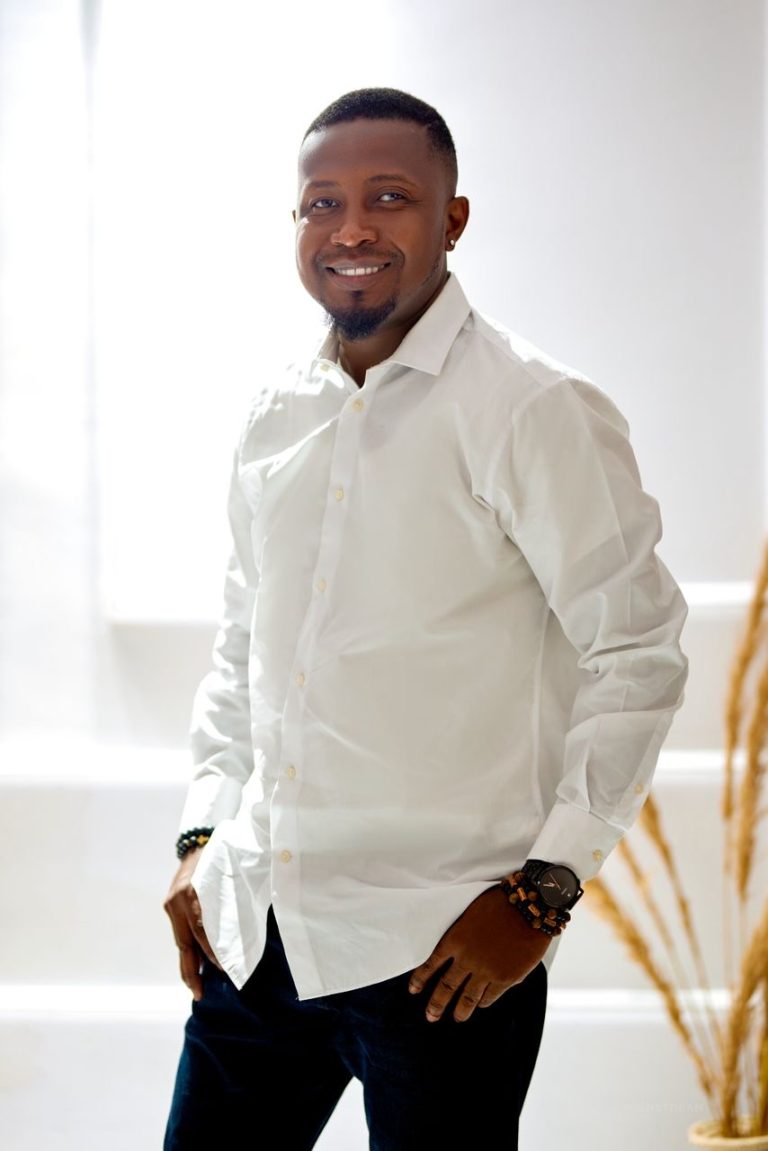
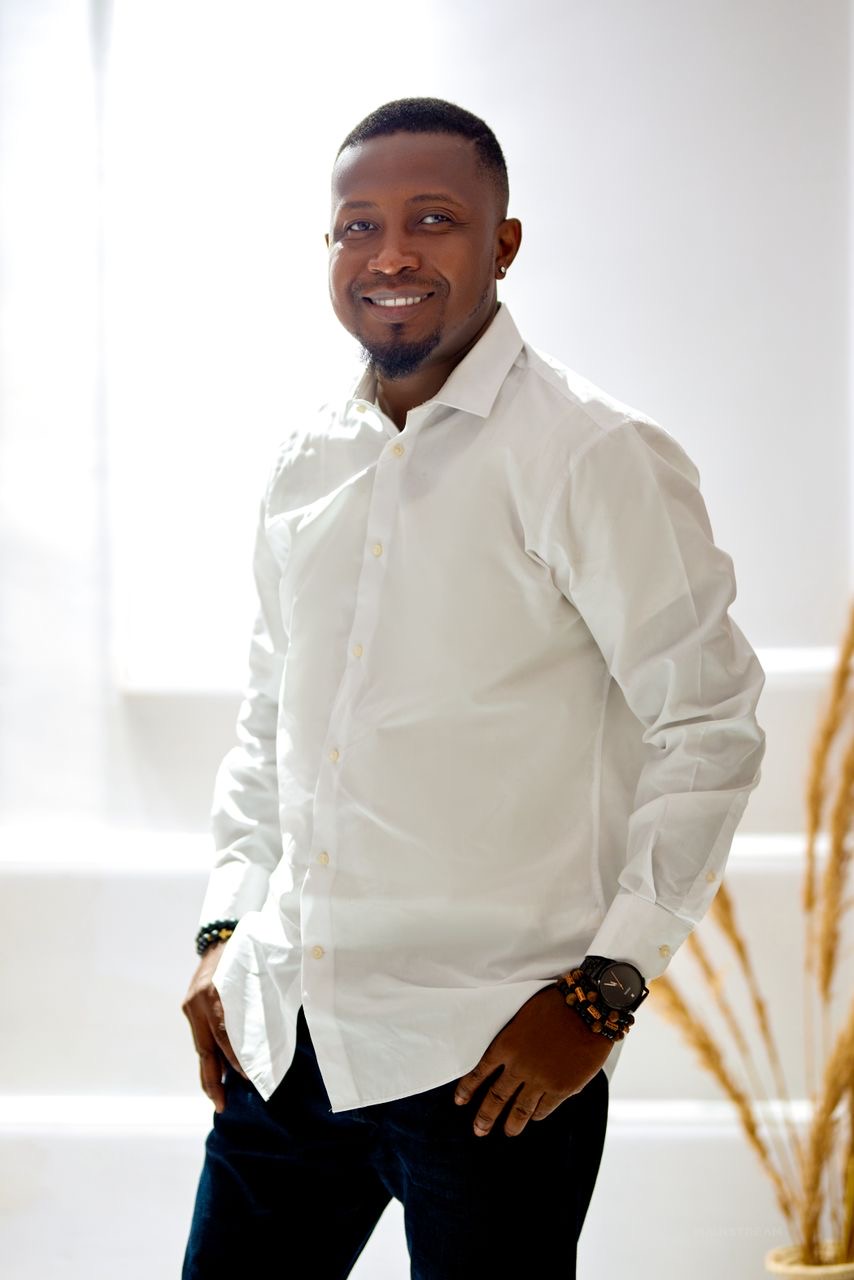
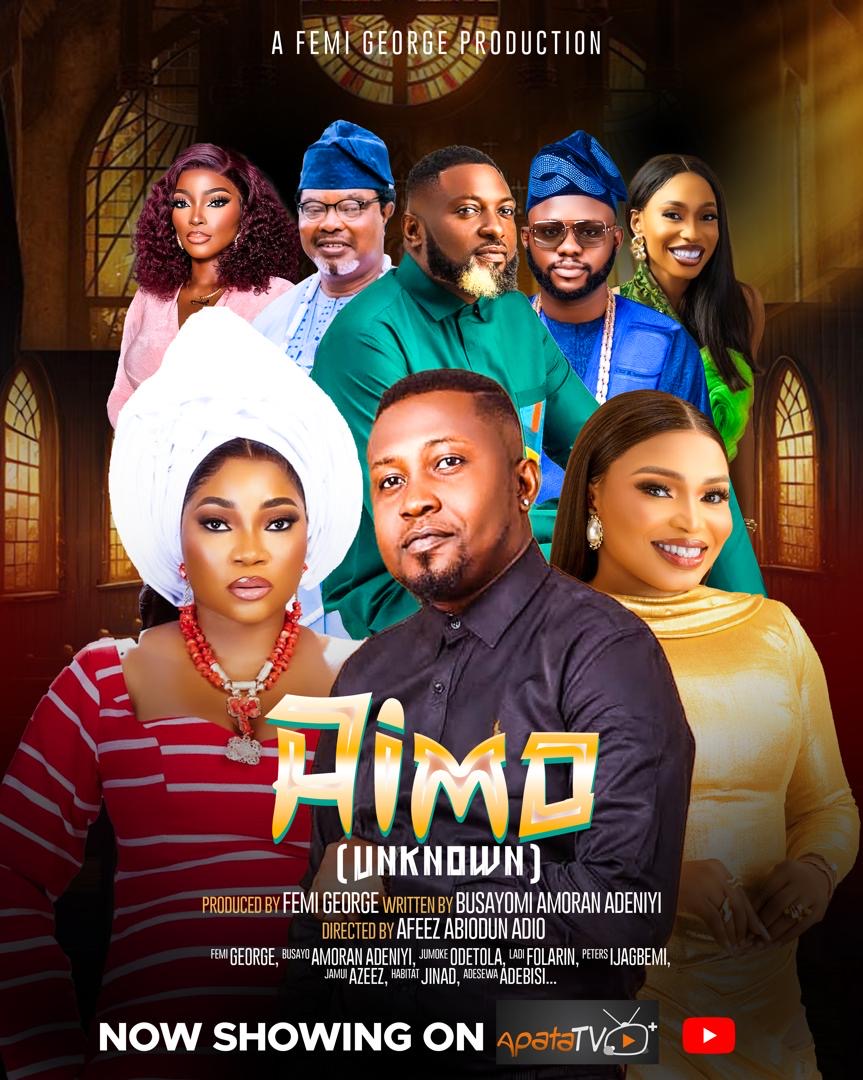
One of Nollywood’s fast rising actor and producer, Femi George, has officially launched his latest cinematic project titled ‘AIMO’, now streaming on Apata TV’s YouTube channel.
Actor Femi George
Known for his intense screen presence and emotionally charged performances, Femi George steps into a deeper creative space with ‘AIMO’, a suspense-filled drama that explores the unseen battles we face in silence. The film delivers a powerful story that questions fate, faith, and the thin line between truth and illusion.
AIMO — which translates to “Unknown” in Yoruba — is more than just a title; it’s a metaphor. The movie takes viewers on a journey through mystery, betrayal, and the human struggle to find clarity in chaos. With stunning visuals, tight storytelling, and a rich cultural backdrop, the film is already generating buzz across social platforms.
“This is not just a movie for me. It’s a message,” Femi George said during a pre-release interview. “AIMO reflects the reality of so many people — especially the youth — who are walking through life blindly, unsure of what tomorrow holds.”
AIMO Movie Poster
Apata TV, known for spotlighting emerging talent and telling authentic African stories, is proud to host the premiere of AIMO. The collaboration signals a renewed focus on nurturing the next generation of Nollywood stars who are committed to depth, originality, and purpose-driven storytelling.
Fans and critics alike are calling AIMO a breakthrough for Femi George, placing him on the radar as one to watch in Nigeria’s fast-evolving film industry.
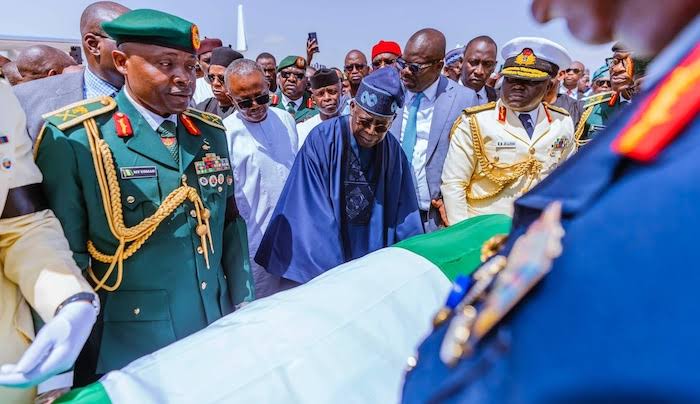
Former Nigerian President Muhammadu Buhari passed away in London on July 13, 2025, at the age of 82 after a prolonged illness . A state funeral was organized with his body flown back to Nigeria aboard a Nigerian Air Force aircraft, arriving in Katsina where it was received by President Bola Ahmed Tinubu, Vice President Kashim Shettima, and other dignitaries .
Following military honours — including a ceremonial guard of honour and a 21-gun salute — Buhari’s remains were transferred to his hometown of Daura, Katsina State, for Islamic funeral rites and burial in his courtyard on July 15 . The event was attended by a high-profile gathering: President Tinubu, Vice President Shettima, former leaders (Atiku Abubakar, Yemi Osinbajo), governors, foreign dignitaries (such as President Umaro Sissoco Embaló, Prime Minister Ali Lamine Zeine, ex‑President Issoufou Mahamadou), the Emir of Daura, and business leaders like Aliko Dangote .
Security was significantly heightened along key routes into Daura, maintaining calm as residents paid their respects . The funeral prayers were led by religious and military officials, and Buhari’s casket was draped in the Nigerian flag before interment beside his parents in line with Islamic customs .
President Tinubu declared a seven-day national mourning period, lowered flags to half-mast, and designated a public holiday to honour Buhari .
Buhari had served as Nigeria’s military ruler (1983–85), and later as democratically elected President (2015–2023). He was remembered for his austere lifestyle, anti-corruption stance, and influence, particularly in the Muslim north, though his presidency faced criticism over economic recession, insecurity, frequent health-related absences, and human rights concerns .





 Since its inception, KADIFF has grown into a celebration of stories, talent, and heritage. From spotlighting underrepresented voices to creating a platform where young African filmmakers can shine, the festival has become a bridge between tradition and innovation, grassroots and global recognition.