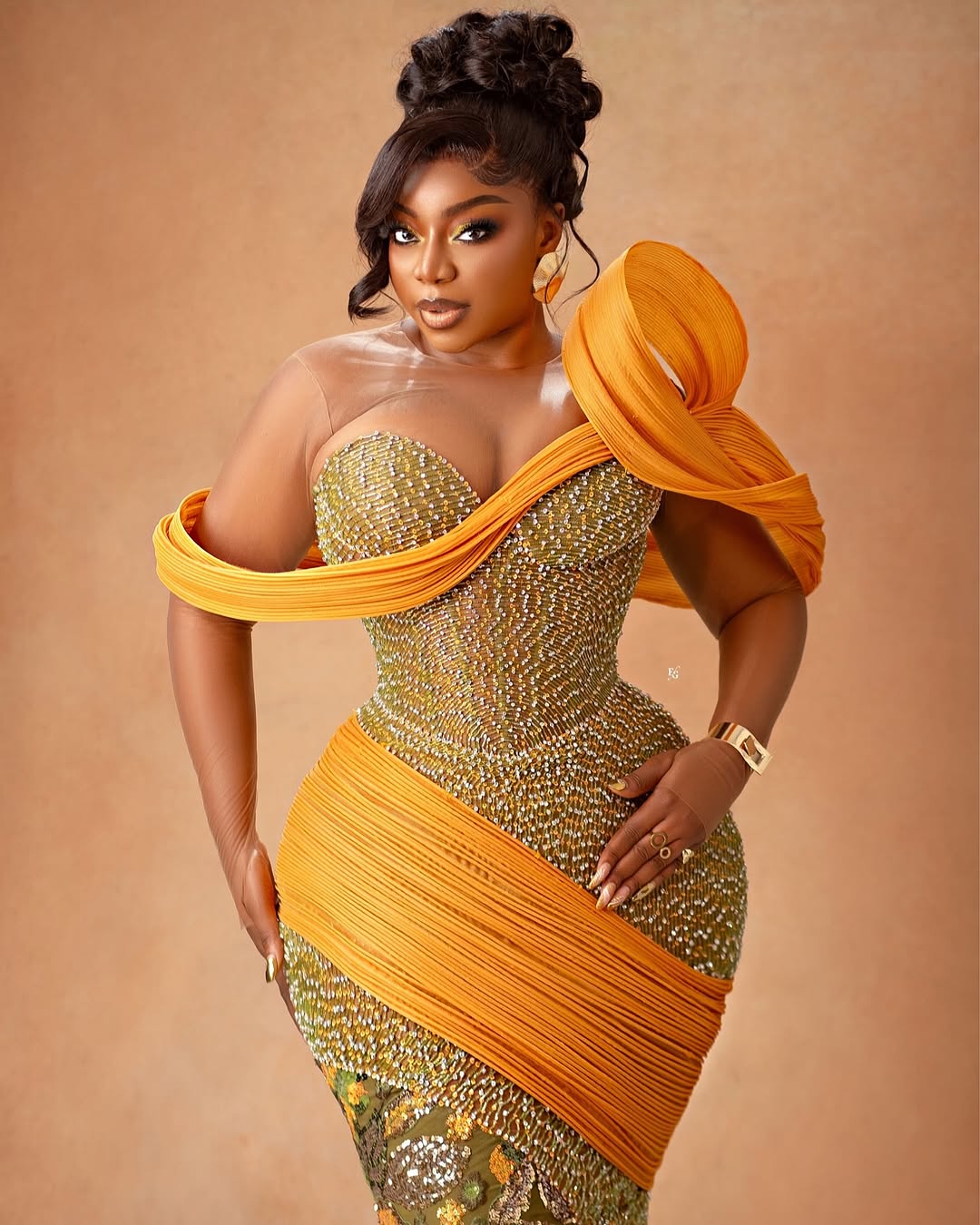
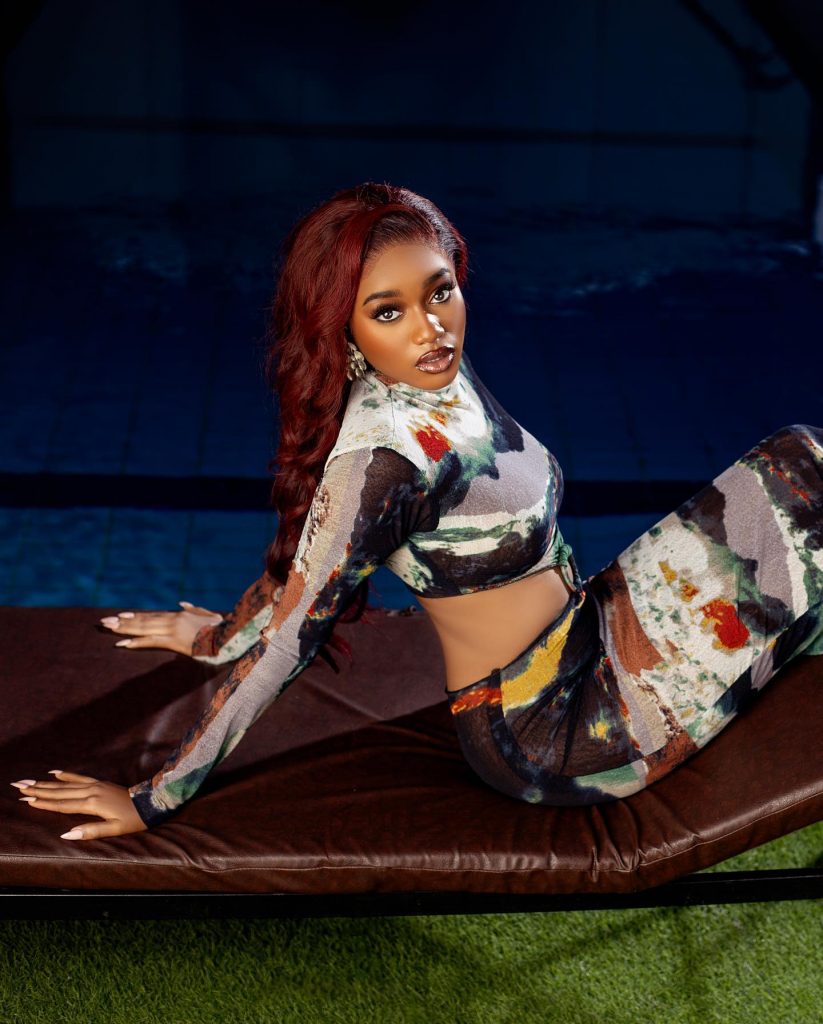
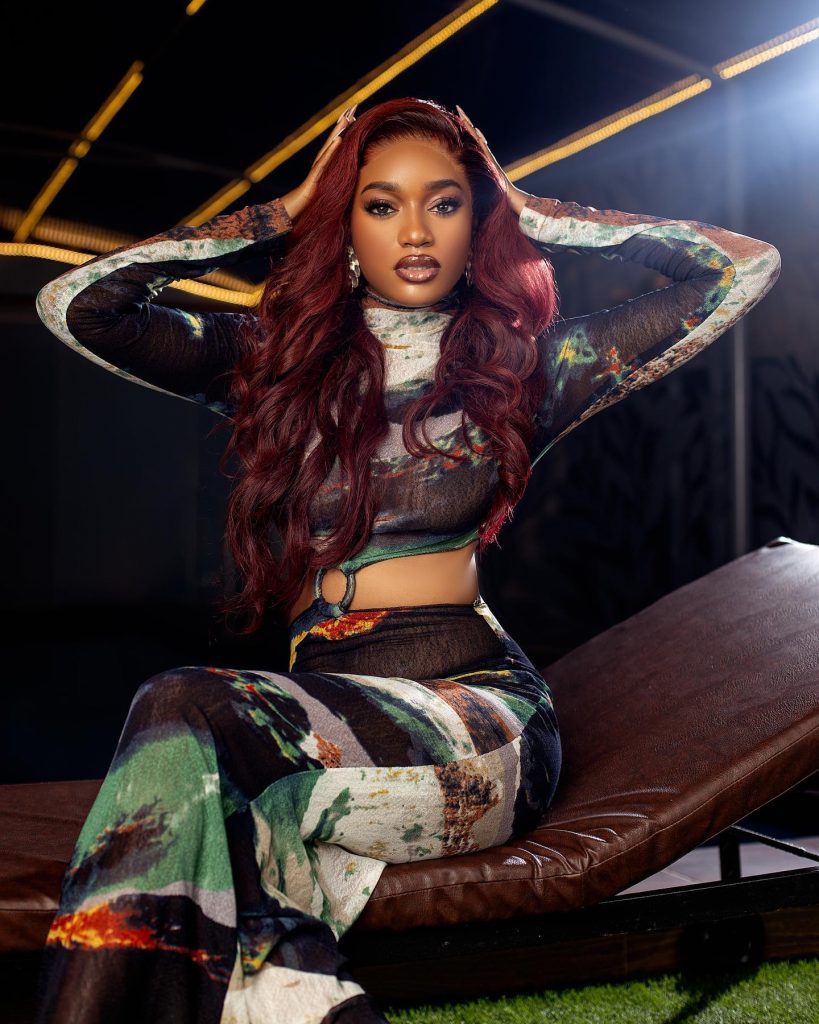
Beauty Queen “Beauty Tukura” indeed looks good in just about anything. But when it comes to posing for a photoshoot, the reality star proves time and again that you can be comfortable, fun, or even tell a beautiful story without uttering words.
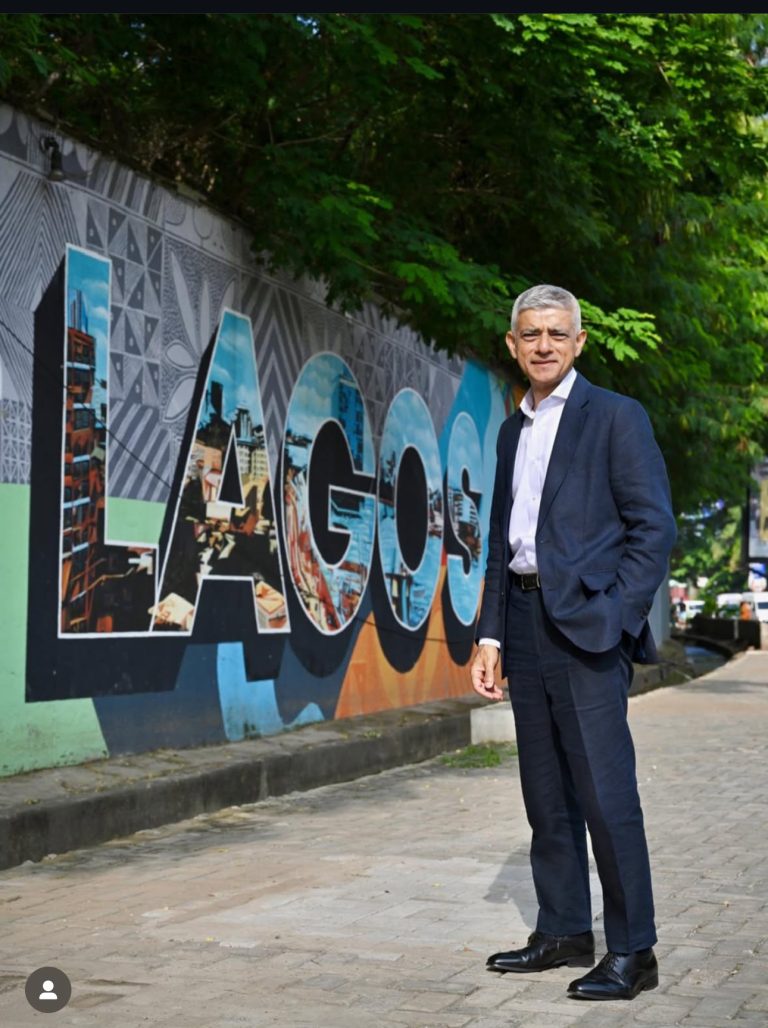
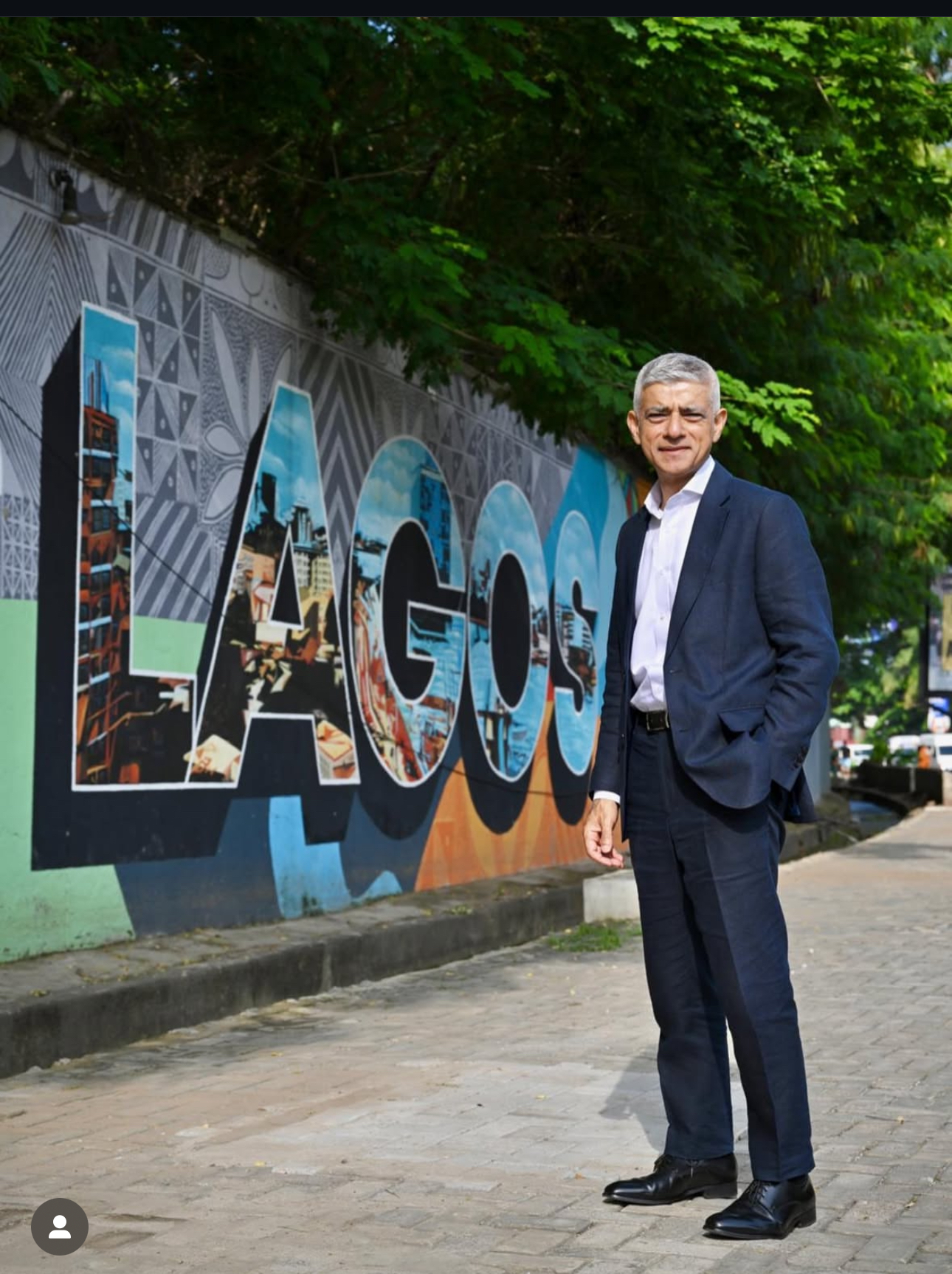
Mayor of London Sadiq Khan visited Lagos, Nigeria, as part of his first-ever African trade mission aimed at boosting ties between the UK and Africa. His visit focused on building collaboration between London and Lagos in the areas of technology, business, and the creative industries.
Mayor of London in Lagos
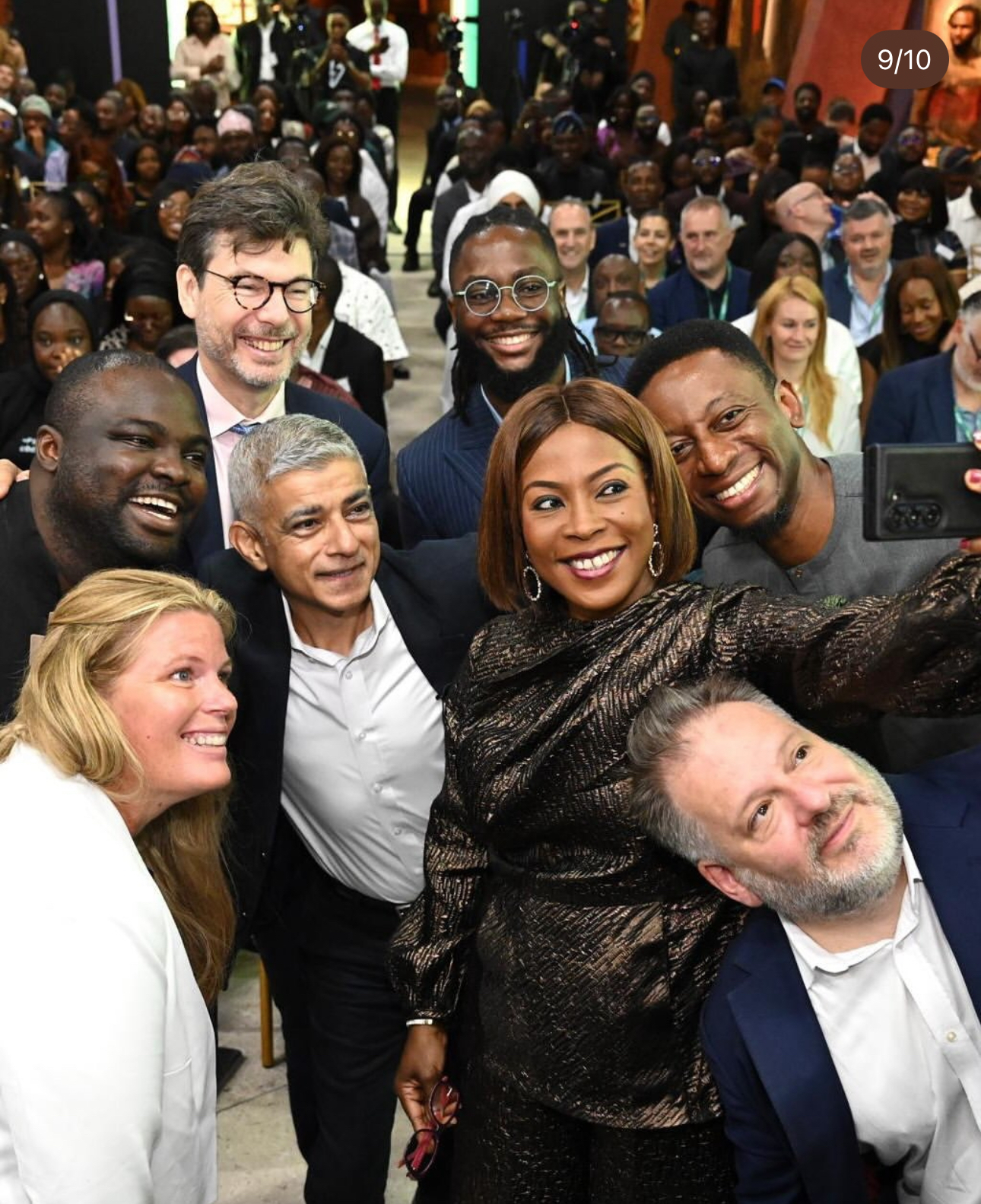
During his visit, Sadiq Khan participated in a tech summit where he met with Nigerian startups and tech leaders to explore investment and business opportunities. Lagos was highlighted as the fastest-growing tech ecosystem in the world, and the discussions centered on how Nigerian startups could expand into the London market.
Khan also attended the Lagos Canvas cultural showcase co-hosted by Mo Abudu, which featured performances by artists like Konstance and exhibits by Nollywood creatives such as Jade Osiberu and Kayode Kasum. A London edition of this cultural event is expected to take place later this year.
He emphasized that Nigeria’s creative sector contributes $5.6 billion to its GDP and is the second-largest employer in the country. His delegation included representatives from 26 UK companies, many of which are leaders in fintech, sustainability, and enterprise.
Khan met with Nigerian business leaders from organizations such as Dangote Group, Unilever, Reckitt, and IHS Towers, and was accompanied by the British Deputy High Commissioner Jonny Baxter and London & Partners’ Howard Dawber.
This visit was aimed at fostering deeper cooperation between London and Lagos, unlocking mutual growth opportunities in technology and the creative economy, and building bridges between the two cities’ business communities.
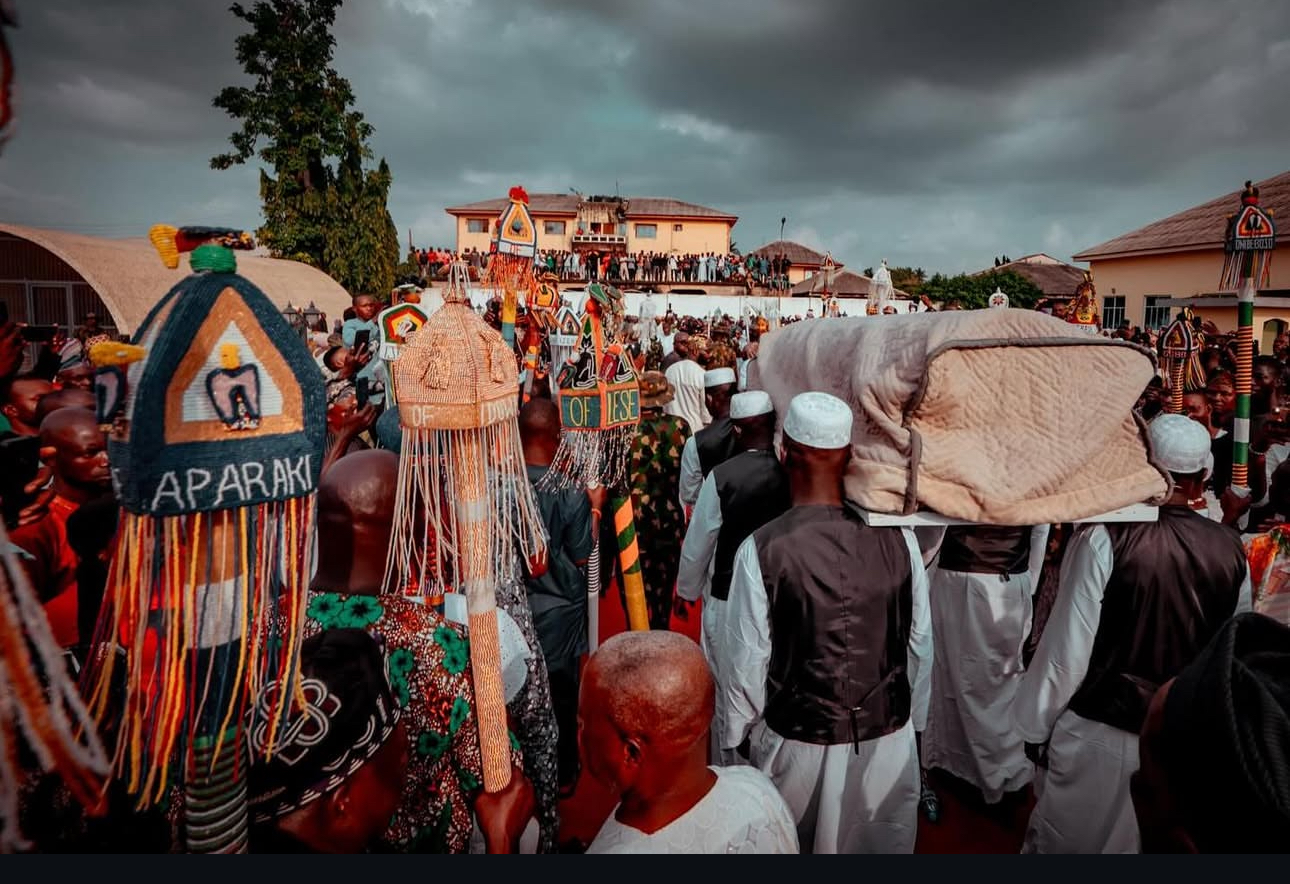
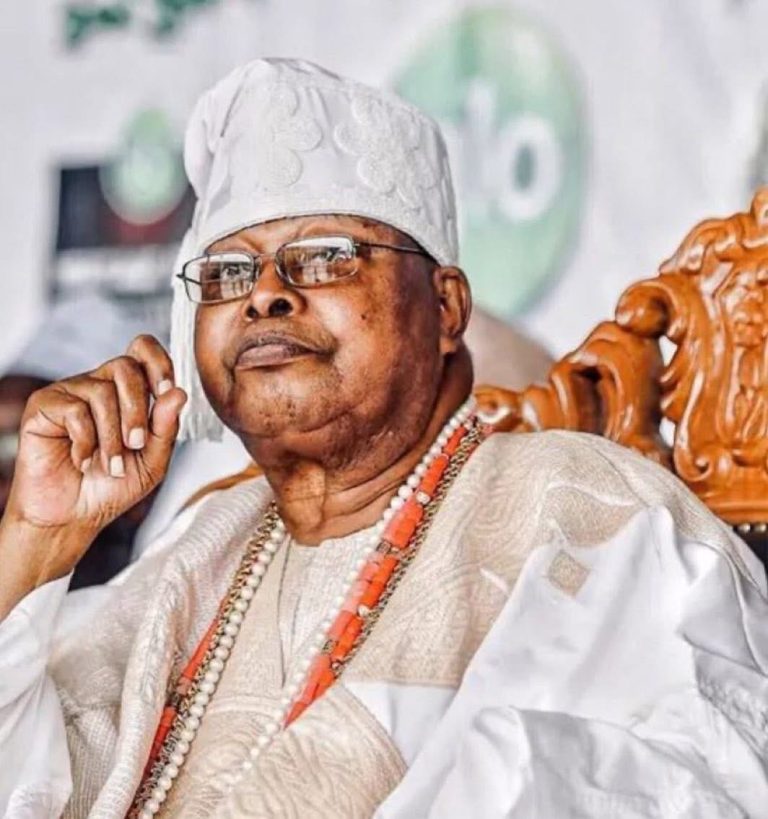
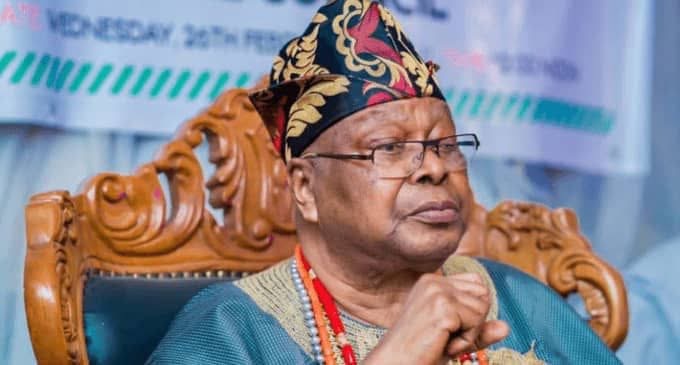
ON THE NON-TRADITIONAL BURIAL OF HIS ROYAL MAJESTY, OBA (DR.) SIKIRU ADETONA, GCON, OGBAGBA II, THE AWUJALE AND PARAMOUNT RULER OF IJEBULAND
Date:13/07/2025
Issued by: Concerned Sons and Daughters of Ijebuland
It is with a heavy heart and a deeply troubled spirit that we condemn in the strongest cultural and spiritual terms the decision to bury our revered monarch, the Awujale of Ijebuland, outside the sacred grounds of Igbo Odu, the traditional resting place of our fathers.
This act is not merely a deviation it is an abomination.
> “Eku may no longer cry as eku, eja may no longer cry as eja, and Omo eniyan may no longer speak with the dignity of mankind…”
These are not empty words; they echo the depth of our spiritual fears and ancestral warnings. To bury the custodian of our culture, our history, and our soul within the confines of his personal residence, rather than within the sacred earth prepared by our forebearers, is to shake the foundations of Ijebuland’s spiritual covenant.
Let it be known that:
This act violates centuries of ancestral protocols.
It threatens the spiritual continuity of our kingship.
It invites ancestral vengeance, disrupts communal harmony, and may plague generations yet unborn with confusion and misfortune.
Muslim Burial Rites
The Awujale was not a mere mortal in our eyes; he was Orisa, a symbol of divine authority and as such, he deserved not just our respect in life, but the sacred transition owed to every true monarch in death.
We therefore call on the Council of Chiefs, royal lineage, custodians of Ijebu traditions, and all well-meaning sons and daughters of the land to:
1. Review and correct this abomination, if at all still spiritually possible.
2. Ensure this unholy precedent is not repeated or normalized.
3. Convene a reconciliation with the ancestors to appease the offended spirits.
The abomination in Yoruba land, especially Ijebu which is home of traditions and cultural heritage
The place where Obas (traditional kings) are buried is traditionally known in Yoruba culture as “Ile Odù” or “Igbo Orò” or “Ìgbó Olófin or Igbo Oloja” depending on the town or kingdom.
It is often a sacred forest or ancestral shrine set aside specifically for the burial of kings and sometimes high-ranking traditional chiefs. The exact name may vary from one Yoruba kingdom to another, but the concept is the same,a spiritually significant place reserved solely for royal burials.
*_WHY ARE OBAS BURIED DIFFERENTLY_*?
Obas are not buried like ordinary people because:
1. Spiritual Continuity: Obas are believed to be semi-divine or representatives of the gods on earth (e.g. some are seen as descendants of Oduduwa or Oranmiyan). Their burial is considered a transition to the ancestral realm.
2. Preservation of Sacred Knowledge: Some believe certain rituals must be performed to transfer spiritual authority and protect the kingdom from chaos.
3. Cultural Tradition: The process is tied to long-standing customs, often involving traditional rites, secret societies (like the Ogboni’s,Osogbo’s or Oro cult), and kingmakers.
4. Protection of Royal Secrets: The location and method of burial often remain secret to protect the sanctity of the royal stool and kingdom.
What Happens If a King Is Not Buried in the Designated Place?
Disregarding these traditions is believed to have serious consequences:
1. Spiritual Disruption: It is feared that the spirit of the king may not rest or may become vengeful, causing unrest in the kingdom.
2. Cultural Desecration: It is seen as an abomination, which could invite curses, misfortune, or disunity within the community.
3. Loss of Legitimacy: Future kings may be seen as illegitimate if the predecessor was not properly buried, affecting traditional authority and rites.
4. Ancestral Disconnect: It disrupts the line of spiritual succession and communion with the ancestors, which is vital in Yoruba cosmology.
It’s Abomination to Yoruba land when all the spiritual rites are not thoroughly put in place for any king in our society
May the land forgive us.
May the ancestors find a voice again And may Ijebuland not become a shadow of herself.
One institution I respect, revere, fear, honour, and adore with every fibre of my being is the ancient and spiritually grounded institution of traditional rulership. Having grown up in the palace of the Timi of Ede, nurtured under the cultural tutelage of the late Oba Adetoyese Laoye — a monarch who adopted me as a son — I developed a deep, personal understanding of what it truly means to be a traditional ruler.
Thus, I fully grasp the weight of the saying: “Uneasy lies the head that wears the crown.”
To be traditionally enthroned is neither a joke nor a ceremonial wish. It is not a social upgrade. It is a spiritual initiation into a sacred order. Tradition is weighty, solemn, and awe-inspiring. That is why the blue blood that courses through royal veins is not injected into just any Ojo, Dada, Aina, or Ilori. It is a divine calling, not a casual status.
This is why I have never stood akimbo before a king. Idobale ni, Sir. And it is also why I have, on principle, declined several offers of chieftaincy titles — whether honorary Otunba or otherwise — because I do not take tradition lightly.
Anyone who is made and crowned a king — having passed through all the traditional processes, rites, and spiritual fortifications — has, from the beginning, willingly agreed to live in complete alignment with tradition. By accepting the throne, he has also accepted the customs surrounding his departure — including being buried according to the rites of the ancestors.
A throne anchored in tradition cannot be divorced from the rites that established it. The institution of traditional rulership is built on ancestral customs that predate colonialism, Christianity, and Islam. It is, therefore, a contradiction — even a cultural betrayal — for any monarch who ascended the throne through traditional means to reject the same tradition in death.
No one is forced to become a traditional ruler. In fact, the competition for royal stools in many Nigerian communities is intense — sometimes vicious. Aspiring monarchs undergo rigorous screening, lineage verification, spiritual rituals, and secret initiations. Some spend fortunes lobbying kingmakers, others file lawsuits, and some even compromise moral lines — all to wear the crown. Why? Because the stool represents not just authority, but spiritual and cultural custodianship.
To accept the crown is to swear — in word, in deed, and often in blood — to uphold the traditions of the land. These traditions include the rites of enthronement and the rites of passage into the ancestral realm. These are not symbolic gestures. They are the sacred pillars upon which the legitimacy of the throne rests.
It is, therefore, morally and culturally indefensible for a traditional ruler — after benefiting from the prestige and sacredness of the throne — to suddenly reject traditional burial on account of modern preferences or religious conviction. That is like changing the rules of a game in the last minute. It is disruptive, dishonourable, and dangerously revisionist.
Take the case of the late Alaafin of Oyo, Oba Lamidi Adeyemi III. Despite being a devout Muslim and a modern intellectual, he submitted himself to the full traditional rites — both in life and in death. He understood that personal beliefs must never override the ancestral obligations of the crown. Similarly, the late Ooni of Ife, Oba Okunade Sijuwade, though a Christian, was also buried according to tradition. These were men who recognized that once you choose the path of tradition, you must follow it to the very end.
Contrast this with growing attempts by some monarchs to be buried in modern cemeteries, abroad, or according to religious doctrines alien to the throne. These acts not only generate confusion and spiritual anxiety within the community, but they also desecrate the throne and threaten the legitimacy of succession. In some places, failure to complete traditional burial rites can stall the appointment of a new king, as the ancestors remain unappeased.
Let it be clear: a traditional ruler is not merely a political figure. He is the living embodiment of the people’s heritage, the intermediary between the living and the dead, the voice of the ancestors. His life — and his death — must reflect the customs he swore to uphold. He cannot pick and choose which parts of the culture to honour and which to discard.
Allowing monarchs to opt for “modern” or “religious” burials opens the floodgates for cultural erosion. What happens when the next Oba insists on a digital coronation via Zoom? Or chooses a corporate suit over royal regalia? Will he preside over traditional festivals with a laptop? This is the absurdity that awaits when we start diluting sacred institutions for personal convenience.
Let me be clear: this is not an attack on religion. Nigeria is a pluralistic society, and every citizen is free to practise their faith. But once you accept the traditional stool, you inherit a spiritual contract that transcends personal belief. You cannot rewrite the script midway, nor change the costume in the final act of the ancestral play.
Consistency is the soul of tradition. The sanctity of the stool lies not just in beads, crowns, and palace architecture, but in the rituals that validate it — especially the rites of transition. Our traditional rulers must remember that their authority is drawn from the very customs they pledged to honour. They cannot take the oath of Ogun and desire to die like a tourist.
On July 13, 2025, the sun set on an extraordinary era as Oba Sikiru Kayode Adetona, the 91-year-old Awujale of Ijebuland, drew his final breath. His reign, stretching over 65 years, was not merely long in duration, it was profound in impact, emblematic of a singular fusion of ancient Yoruba customs and modern vision.
In the measured hush that has now settled over Ijebu Ode, one truth resounds: his departure is not only the end of a reign, but the beginning of a pivotal chapter in Ijebuland’s cultural rebirth.
A Reign Defined by Transformation
Oba Adetona ascended the Awujale throne on April 2, 1960, at the remarkably young age of 26. Few could have predicted that this scion of the Anikinaiya dynasty would emerge as one of Nigeria’s most respected traditional rulers. Over the decades, he became the architect of modern Ijebuland, an elder statesman whose counsel shaped policy, whose integrity commanded respect, and whose commitment to cultural preservation inspired generations.
His reign transformed the once modest Ojude Oba Festival into a world-renowned celebration of Ijebu heritage, attracting over a million participants annually. He fortified the Agemo Festival, protecting it from the erosion of time and external influence. He advanced education, economic empowerment, and community cohesion with deliberate vision.
The Final Rites: Tradition Meets Modernity
In life, Oba Adetona was known for his clarity of purpose. In death, he ensured that clarity would continue guiding Ijebuland.
Unlike some Yoruba monarchs whose burials are governed by powerful traditional societies, Oba Adetona had long made his wishes unmistakable: no secret cult rites would preside over his passage.
In 2016, he publicly declared that his burial would honor both tradition and his personal faith. This conviction was later reinforced by a 2022 Ogun State law granting families authority over burial rites an unprecedented assertion of agency over the sacred protocols of kingship.
As mourning deepens, the royal household, kingmakers, and Ogun State authorities are coordinating funeral rites blending ancestral homage and spiritual reflection. Seclusion, ritual preparations, and solemn observances are unfolding as a testament to his stature.
The Question of Succession
In Yoruba monarchies, transitions are not mere formalities they are crucibles where culture, politics, and destiny converge. The Awujale stool rotates among four ruling houses: Gbelegbuwa, Anikinaiya, Fusengbuwa, and Fidipote. With Anikinaiya’s turn complete, the next Awujale will emerge from another house through a process both spiritual and legal.
Oba Adetona was emphatic about what must guide that selection. During the Ojude Oba Festival in 2019, he delivered an unequivocal charge:
“Reject any candidate that will put Ijebuland into retrogression. Do not select a moneybag. Call on God for direction.”
As kingmakers convene, these words will echo in their deliberations. The next Awujale must embody the same balance: reverence for tradition and capacity to lead in an increasingly modern world.
A Cultural Renaissance Poised to Continue
While the loss of Oba Adetona leaves a vast vacuum of leadership, it also serves as a clarion call to sustain the cultural renaissance he championed.
Over the past 30 years, Ijebuland has experienced an extraordinary revival:
• Ojude Oba’s Transformation: From a modest gathering to an international tourism engine, driving over ₦2 billion in annual spending.
• Agemo Festival’s Preservation: Protected and elevated, reinforcing ancestral faith as a cornerstone of identity.
• Ijebu Language and Storytelling: Revitalized through school programs, documentaries, and diaspora collaborations.
• Economic Empowerment: Initiatives like the Ijebu Development Initiative on Poverty Reduction (IDIPR) improved livelihoods and dignified communities.
In many ways, Oba Adetona’s passing accelerates these efforts rather than halts them. The coming months will see cultural committees and government agencies proposing new initiatives, such as:
• A permanent Ojude Oba Museum in Ijebu Ode.
• Digital archives preserving his speeches and royal history.
• Expanded heritage tourism linking Ijebu Ode to Sagamu, Epe, and beyond.
A Moment to Reaffirm Identity
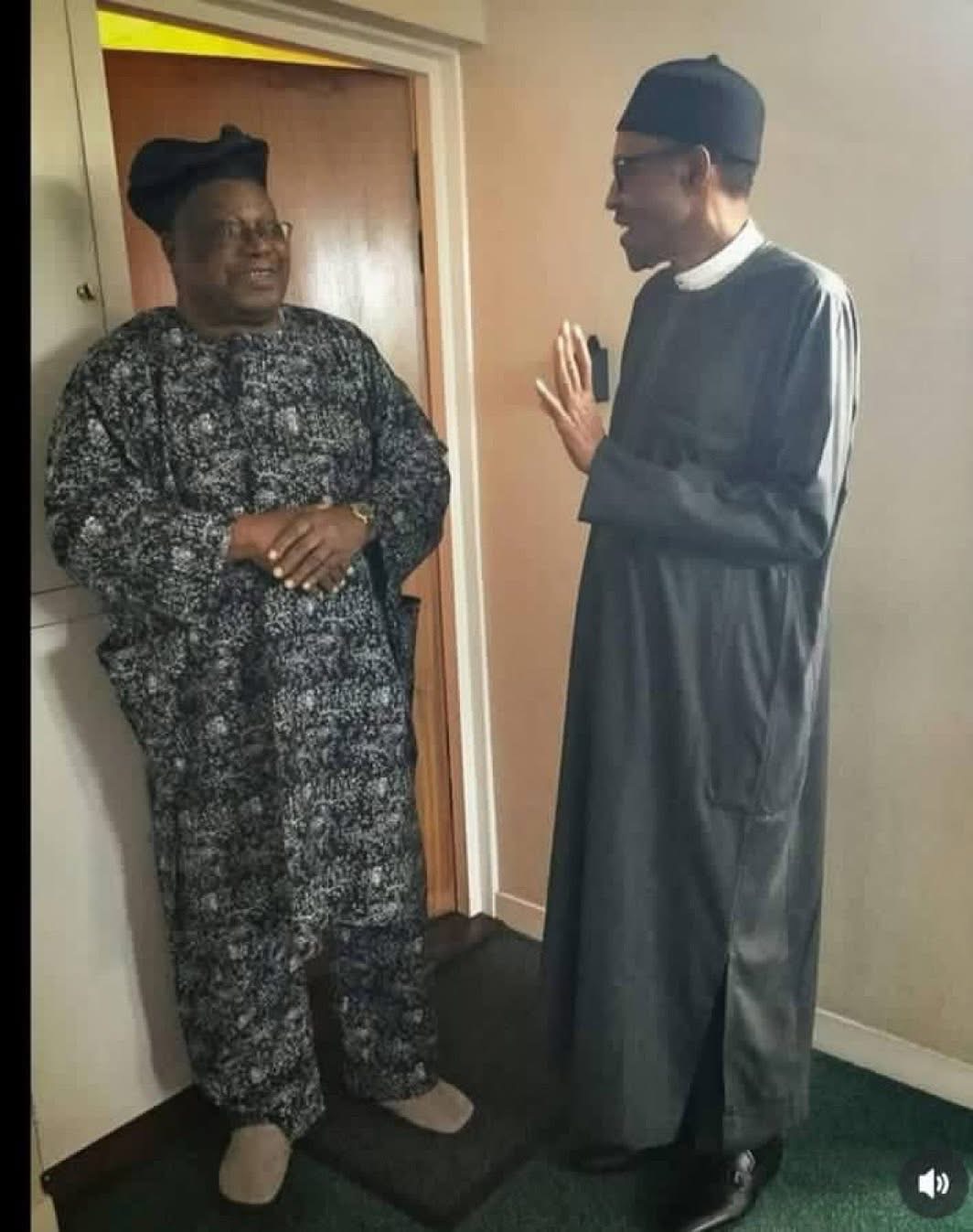
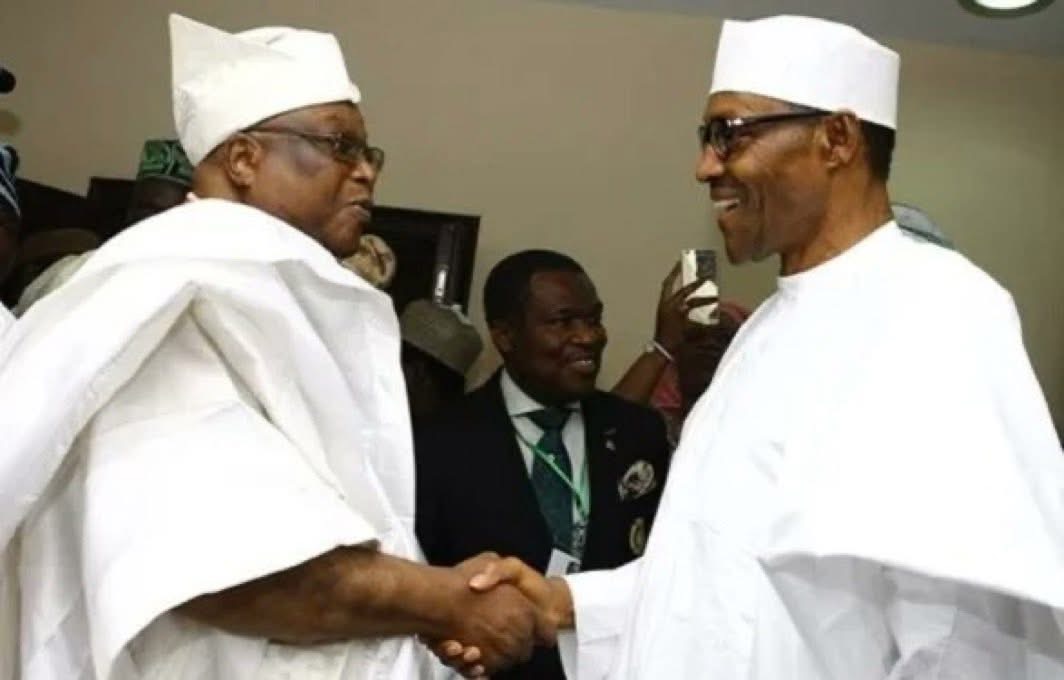
Late Awujale and Late Buhari
Transitions of this magnitude are not simply about succession. They are an opportunity for a people to pause, reflect, and reaffirm who they are. For Ijebuland, this is that moment: to honor a king who married ancestral wisdom to modern governance, and to recommit to an identity that is both rooted and forward-looking.
Community elders and cultural custodians have been unequivocal in their reflections:
“We are burying a king, but not the values. The values will now sprout in every Ijebu son and daughter.”
This is the heartbeat of Ijebu revival—a resilient identity that will outlast any individual reign.
Final Reflections
As Oba Sikiru Adetona journeys to the ancestral realm, he leaves behind an indelible legacy, a life that was at once ancient and modern, regal and humble, traditional and progressive.
He was, in many respects, the Awujale who defined an era.
And as the dust settles on this moment of mourning, Ijebuland stands at a crossroad of memory and destiny poised to carry forward his values, confident that the roots he tended so carefully will continue to flourish.
Baami, Ogbagba Agbotewole II—may your spirit rest in serene light. Your people will not forget. Your legacy remains unextinguished.
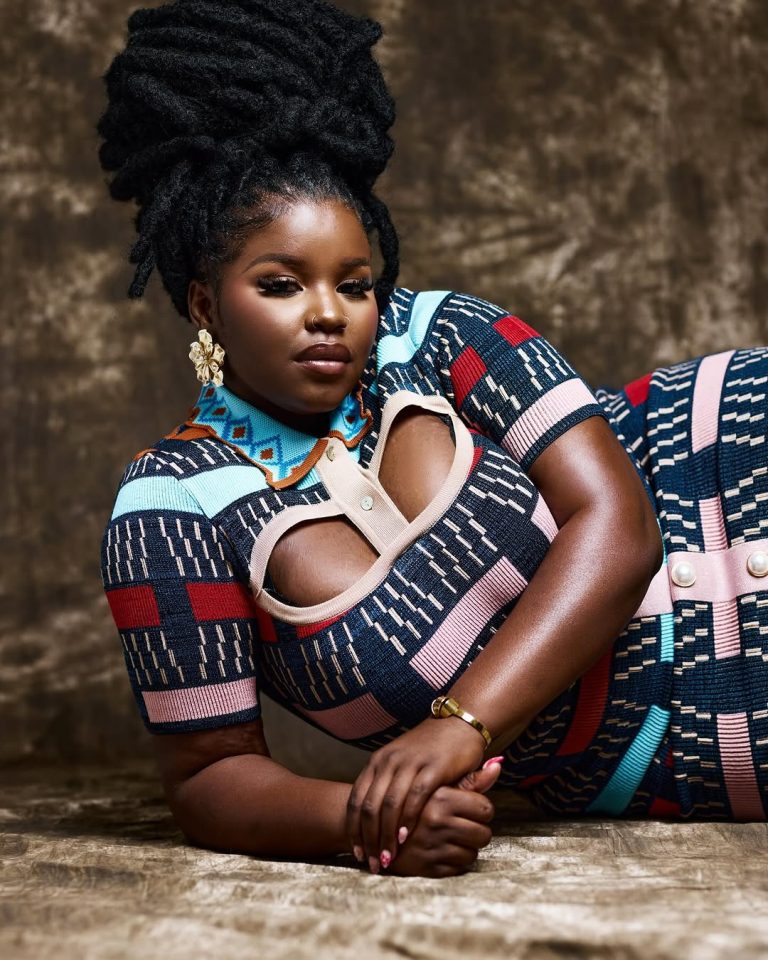
If excellence had a soundtrack, it would sound like Nkosazana Daughter. Soulful, powerful, original.
She’s not just another singer in the crowd — she’s the crowd and the moment. From her stunning vocals to her emotional range, Nkosazana is currently one of Africa’s most defining musical voices, and her 2025 run is the ultimate proof of her greatness.
Nkosazana isn’t just singing. She’s feeling, healing, and leading. Her voice? Instantly recognizable. Her sound? Unmistakably African. Her delivery? Undeniably elite.
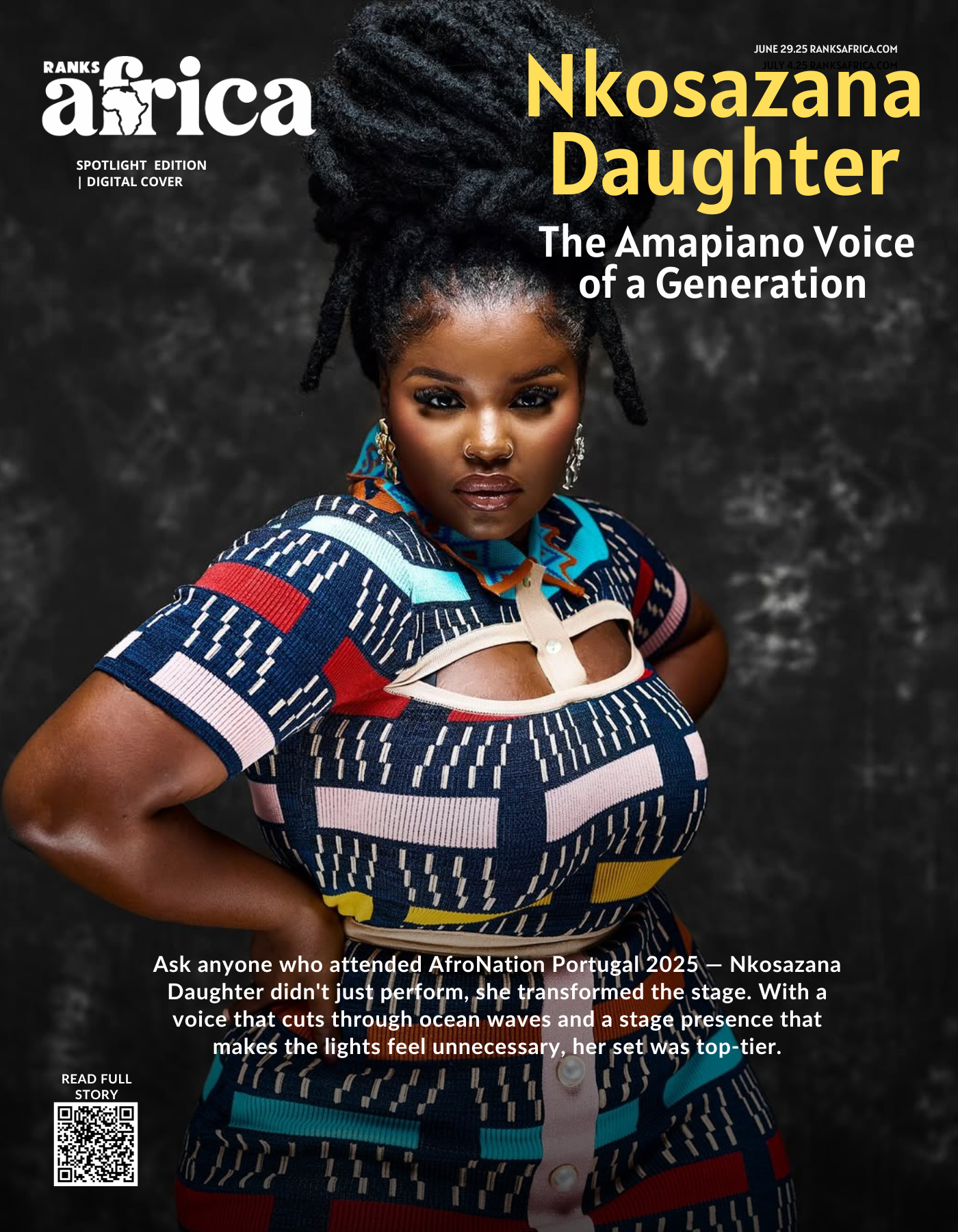
Nkosazana Daughter: The Amapiano Voice of a Generation
While others drop singles, she drops timeless records. Her collaborations with the likes of Kabza De Small, Master KG, Wanitwa Mos, Oskido, and more are not just features — they’re cultural resets.
Her debut album Uthingo Le Nkosazana set the tone in 2023, but 2025 is the year she stepped beyond just charts. She became a movement.
AfroNation Portugal 2025: The Showstopper
Ask anyone who attended AfroNation Portugal 2025 — Nkosazana Daughter didn’t just perform, she transformed the stage. With a voice that cuts through ocean waves and a stage presence that makes the lights feel unnecessary, her set was top-tier. She delivered a performance that cemented her place in global conversations about African music excellence.
She brought the Amapiano heat to the Atlantic, leaving the crowd dancing, shouting, and stunned. It wasn’t just energy. It was alchemy — tradition, pain, joy, and soul all pouring out in every lyric.
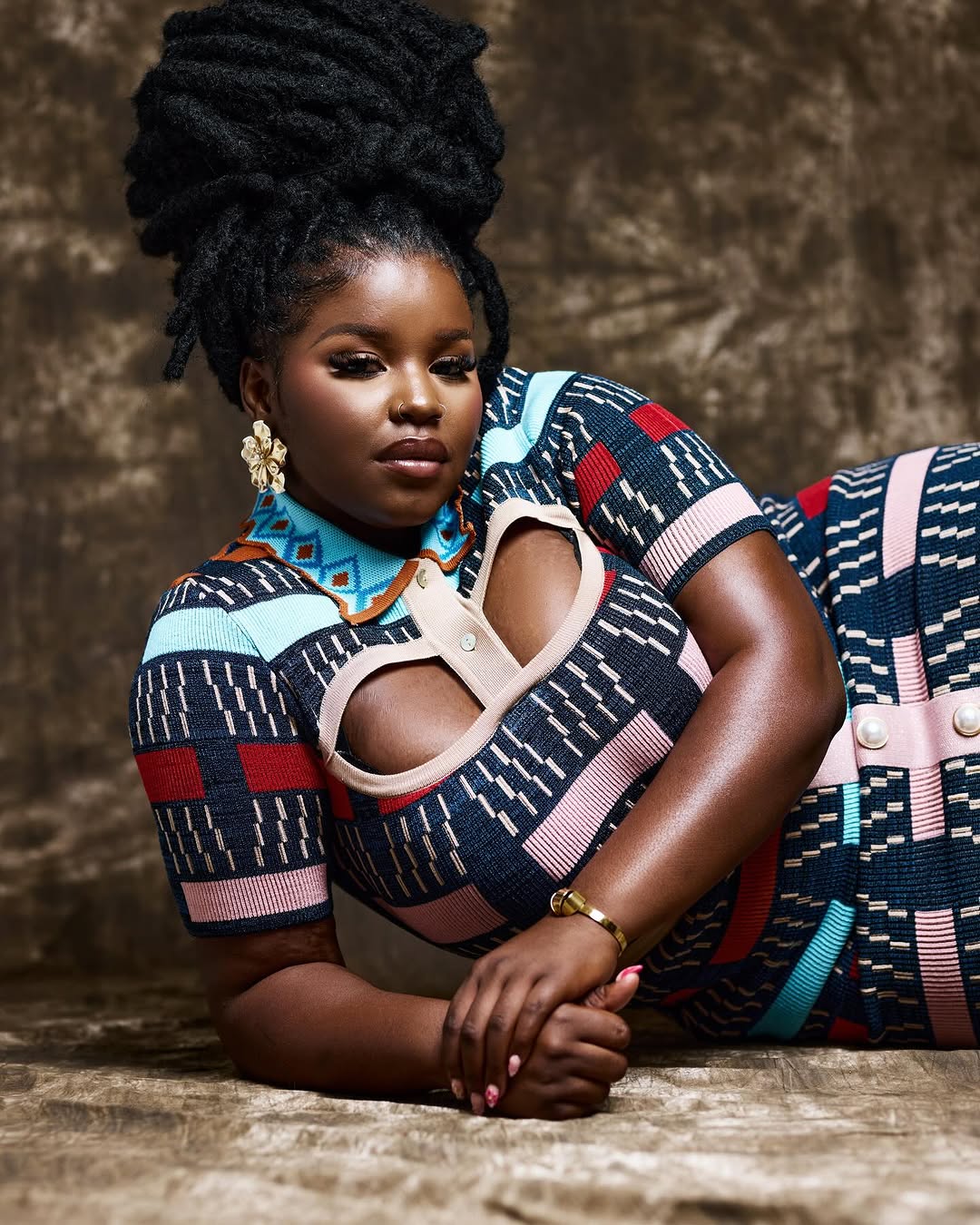
Nkosazana Daughter
Top of the Charts, Top of the Game
Her recent work with Master KG on the Makhelwane project continues to blaze across Africa’s digital charts. With millions of streams and back-to-back bangers, she’s not just surviving in a male-dominated genre — she’s leading it.
With recent recognition from Apple Music Africa Rising, sold-out shows across South Africa, and a fast-growing fanbase in Europe, it’s safe to say: Nkosazana Daughter is not just the now — she’s the future.
A Complete Musician. A Cultural Force. A Vocal Queen.
From her distinct style to her lyrical depth, she is what happens when artistry meets ancestry. No gimmicks. No shortcuts. Just raw, refined, and revolutionary talent.
In an era where many chase the sound of the moment, Nkosazana Daughter IS the moment — and she’s not slowing down.
🖤 Watch her performances. Listen to her records. Feel her power. Nkosazana is not on the rise — she’s already at the top.
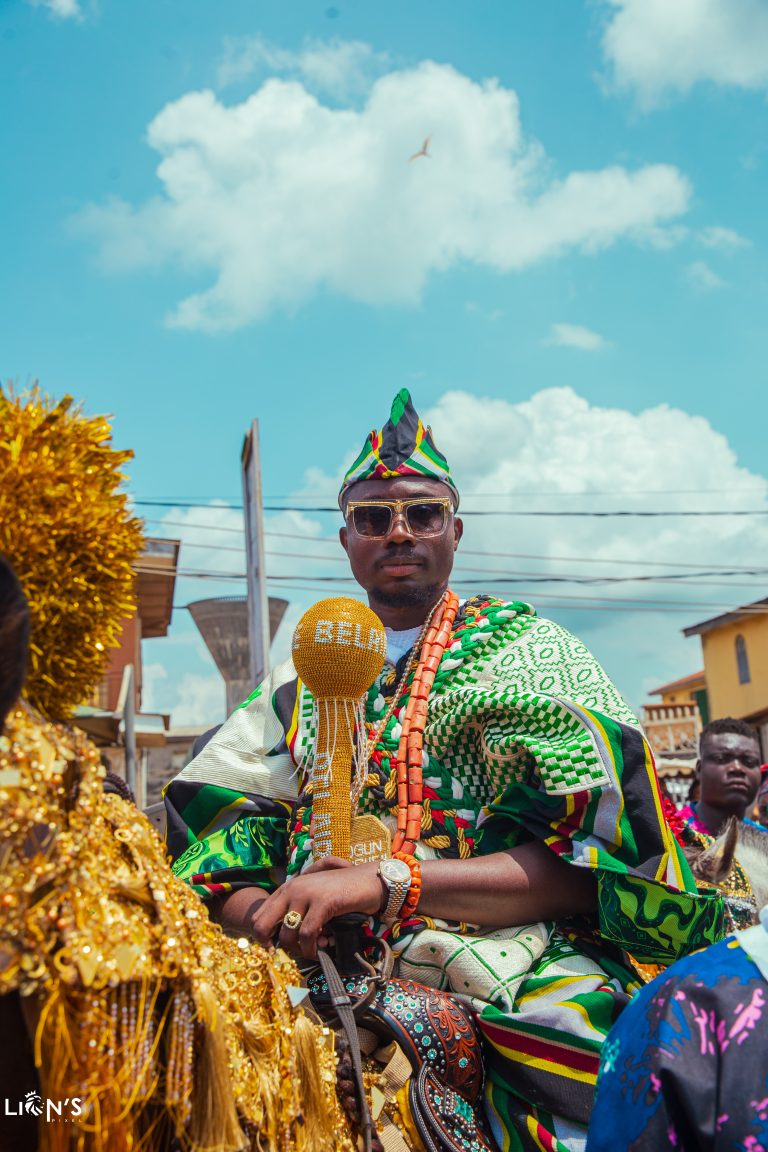
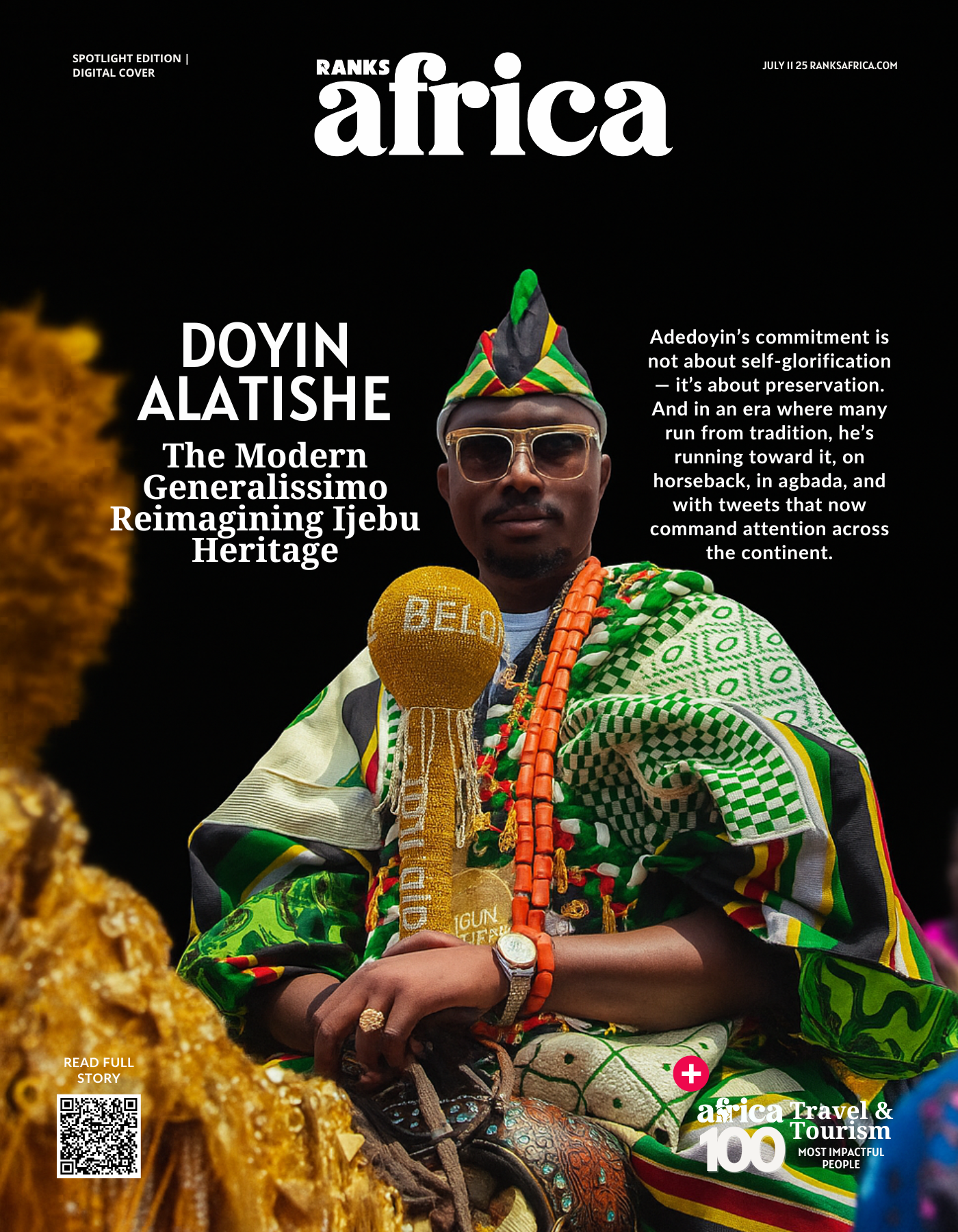
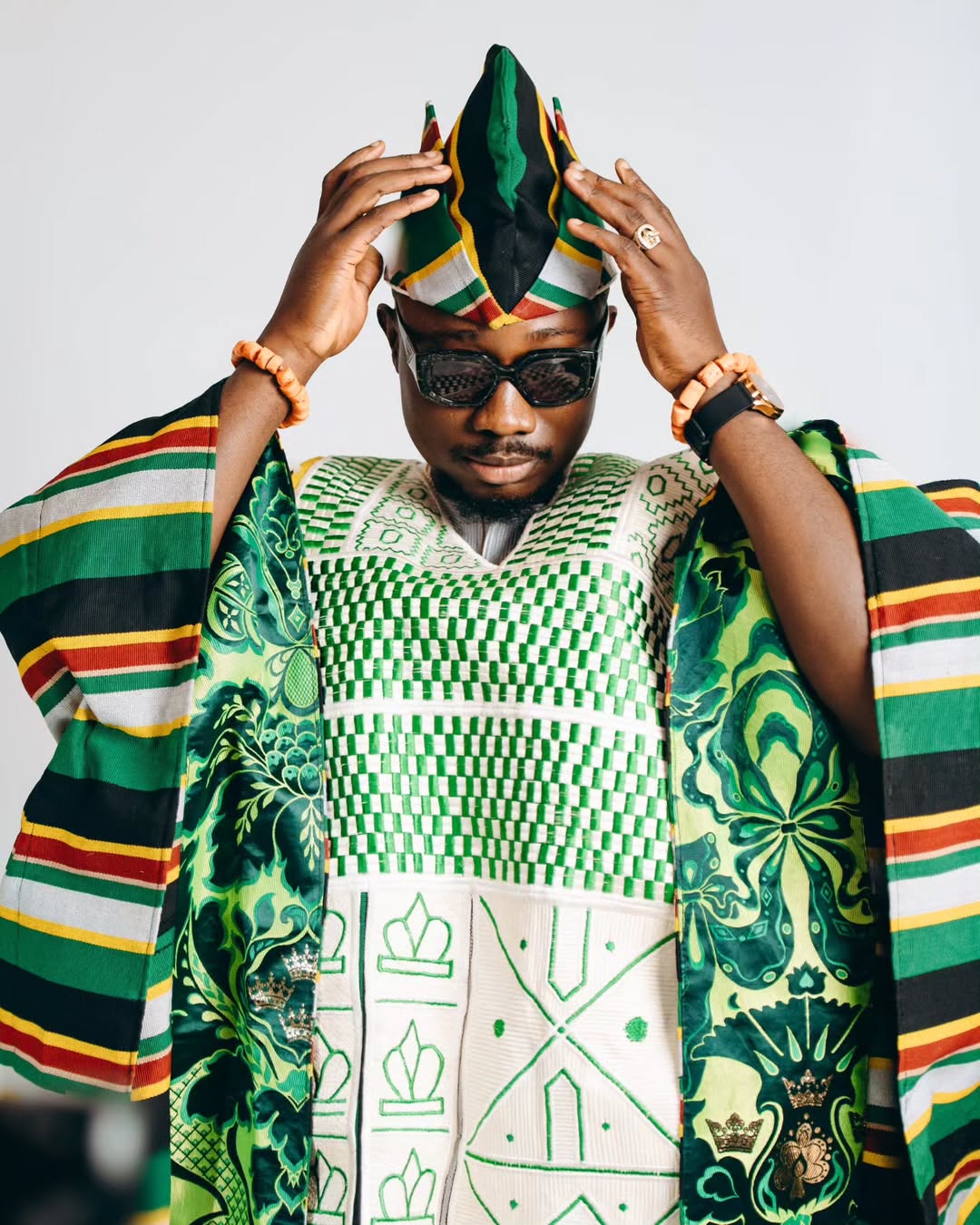
In an age where trends come and go at the speed of a retweet, Adedoyin Alatishe has made a tradition go viral — and stay relevant. You might know him as “Mr. Ojude Oba” or @kingbelaire on social media, but to those who’ve been paying attention for years, he’s much more: a digital custodian of culture, a connector of brands, and a proud ambassador of one of Nigeria’s richest cultural showcases.
To understand Doyin’s mission, you must first understand where he comes from.
The Balogun Alatishe lineage is not a mere surname; it is an inheritance of purpose. For generations, the Alatishe clan has stood among Ijebu’s military aristocracy the Generalissimos whose horsemanship and bravery shaped the community’s history. In the language of the people, “Balogun” is not a title handed out lightly: it signifies leadership in times of both conflict and celebration.
Doyin Alatishe: The Modern Generalissimo Reimagining Ijebu Heritage
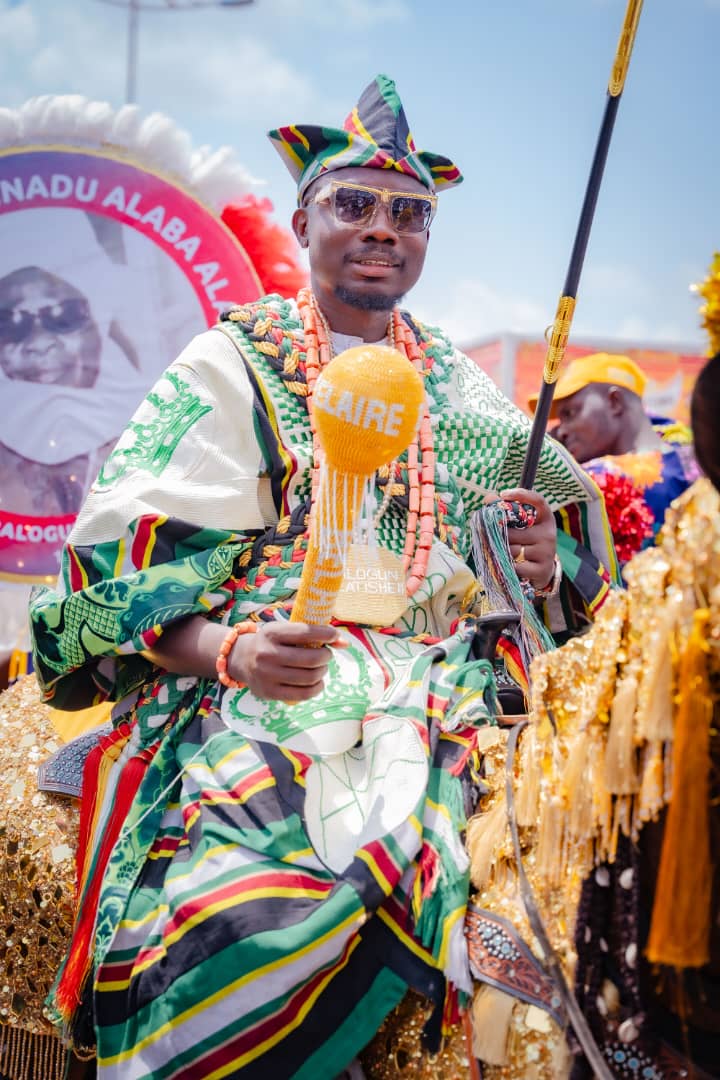
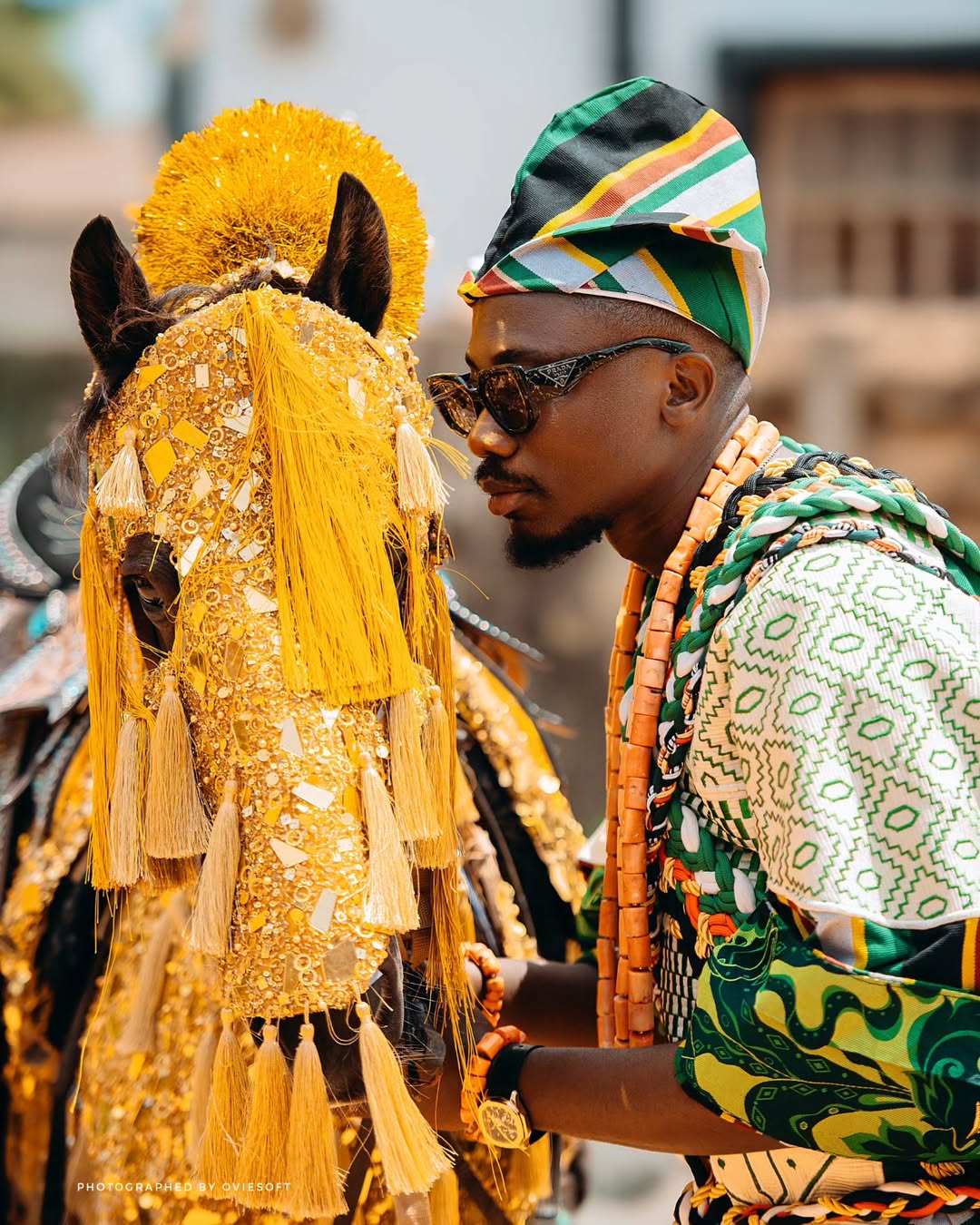
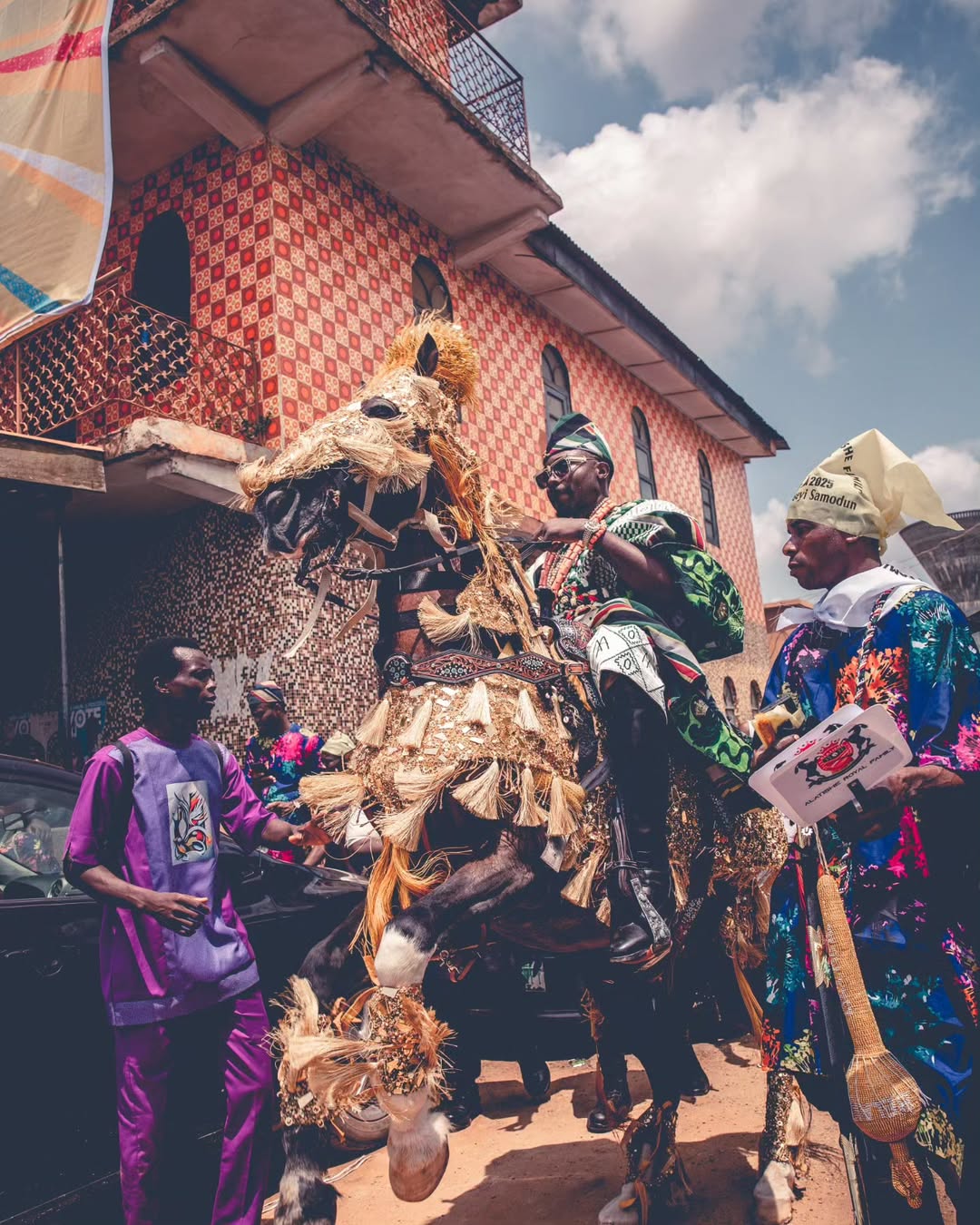
When the annual Ojude Oba Festival unfolds, a cultural phenomenon that has evolved over 100 years into Nigeria’s most spectacular display of identity, the Balogun families are always at the forefront. They ride in honor of the Awujale, the revered king of Ijebuland, in a pageant that is equal parts homage, artistry, and communal pride.
But for Doyin, Ojude Oba is more than ceremonial tradition. As he puts it:
“Ojude Oba is a moment where history walks beside me.”
Before Ojude Oba became the social media phenomenon it is today, Adedoyin was already deep in the trenches, posting year after year about the festival’s beauty, heritage, and meaning. While Twitter (now X) was a battlefield of bants and tribal digs, he stood firm — a lone cultural evangelist, preaching the elegance of tradition with hashtags and horse-riding photos.
Doyin Alatishe Ojude Oba 2023
He didn’t wait for virality to validate his passion. Long before the 2024 moment when Ojude Oba exploded online, Adedoyin was tagging celebrities like Davido, Wizkid, and other cultural influencers, calling them to not just attend — but connect with their roots.
But it was in 2025 that Mr. Ojude Oba took things to a whole new level.
He turned his tweets into partnerships, and his posts into powerful storytelling. Weeks before the festival, he was already posting photos of himself practicing on horseback — an iconic symbol of the regality the festival celebrates. It wasn’t just content, it was curation — a blend of culture, fashion, and community-building.
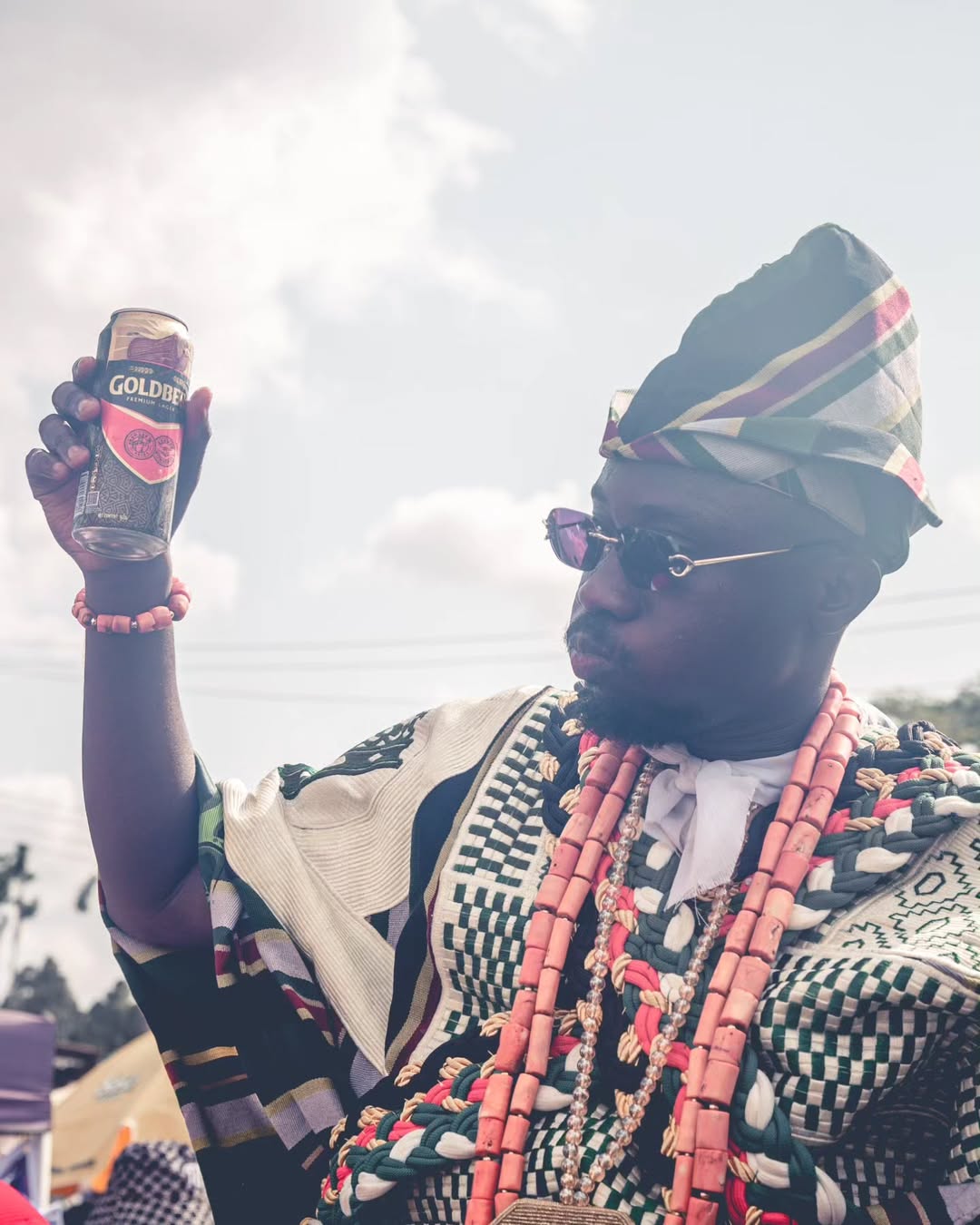
When Ojude Oba 2025 arrived, Adedoyin came through in full regalia and full vision. Not only did he show up, but he brought brands with him — and not just any brands.
Doyin Alatishe Ojude Oba 2024
From Lunette Eyewear, who partnered with one of the traditional families, to lifestyle giants like Polo Avenue, Nala Money, and Goldberg, his effort in brokering visibility and collaboration was evident. He facilitated partnerships that blended modern consumer culture with ancestral heritage — and did so with style, grace, and authenticity.
Adedoyin’s commitment is not about self-glorification — it’s about preservation. And in an era where many run from tradition, he’s running toward it, on horseback, in agbada, and with tweets that now command attention across the continent.
To celebrate his consistency, cultural pride, and growing impact, we sat down with Adedoyin Alatishe for an exclusive interview — where he opened up about the movement, the brands, the families, and the real story behind the man known as Mr. Ojude Oba.
Doyin Alatishe Ojude Oba 2025
Read the interview below and discover what drives him to keep the culture alive.
From the Balogun Alatishe lineage to becoming a cultural influencer known as Kingbelaire, how do you navigate the intersection of ancestral heritage and contemporary self-expression in your personal brand?
Wow I like this question. Navigating that intersection you speak of is a very intentional process for me. Being part of the Balogun Alatishe lineage comes with some cultural responsibility. Ojude Oba is more than a festival to me, it’s a moment where history walks beside me. As for Kingbelaire the brand, I believe my personal brand stands at the crossroads of tradition and innovation. I see myself as a cultural bridge, because my heritage grounds me, but my self-expression gives my heritage new life. For me It’s about carrying my grandfather Balogun Alatishe legacy forward, while allowing it to evolve and speak in today’s language, to inspire a new generation. That’s the essence of my brand, I guess you can call it legacy redefined.
Doyin Alatishe Ojude Oba 2025
2. The Ojude Oba festival has become a vibrant tapestry where culture, identity, and community pride converge. What core values do you believe the festival instills in the next generation of Ijebu sons and daughters?
Ojude Oba fosters pride in our heritage, through fashion, music, dance, and family displays, young people see culture not as something old or distant, but as something beautiful, and worth celebrating. It instills a sense of identity, togetherness, continuity, and responsibility. It teaches honor and loyalty. It reinforces a sense of community . Lineages like the my family, the Balogun Alatishe family come together and it reminds us that we are part of something bigger than ourselves. The entire festival is rooted in paying homage to the Awujale, not just as a monarch, but as a symbol of unity and tradition
Ojude Oba teaches the next generation to be proud of their history, grounded in their tradition, connected in family and bold enough to carry the culture forward. It shows the next generation that greatness is not just individual, it’s collective. It’s inherited, but also earned.
Ultimately Ojude Oba reminds us that knowing where you come from is just as important as where you’re going
Doyin Alatishe Ojude Oba 2025
You’ve consistently leveraged digital platforms to amplify the visibility of Yoruba traditions globally. What innovative strategies or storytelling techniques have you found most effective in bridging cultural narratives with global audiences?
For me, the most effective strategy has been cultural translation without dilution, Festivals like Ojude Oba, for instance, are incredibly rich in colour, music, fashion, and emotion. Capturing that through high-quality videos, reels, and short documentaries creates immediate resonance, even for audiences unfamiliar with the culture.
Another key strategy is contextual narration its way beyond just showing the event, it’s about telling the story of why it matters. Sharing the backstory of the family’s lineage, explaining the significance of our outfit. I find that global audiences connect more deeply when they understand the meaning behind what they’re seeing.
Essentially showcasing Yoruba traditions in their authentic form in ways that are both accessible and visually compelling.
Doyin Alatishe Ojude Oba 2025
4. As a custodian of tradition and a modern tastemaker, how do you respond to critics who feel cultural festivals are becoming too commercialized or diluted for social media consumption?
To be honest I understand where the critics are coming from, there’s a genuine concern about sacred traditions being reduced to spectacles or social media trends. But I believe that evolution and preservation can coexist. Culture isn’t static, it’s a living, breathing entity that adapts over time.
Social media and commercial platforms have actually opened new doors for cultural festivals like Ojude Oba to reach younger generations and global audiences who might otherwise have remained disconnected. The challenge and responsibility for us is to engage these tools with intention and respect, ensuring that the core values and meanings aren’t lost in the process.
Curation and context plays a key role in my content. When I share elements of Ojude Oba online, I do so by grounding them in storytelling that honours their origins and significance. I avoid superficial portrayals and instead invite deeper conversations.
Commercialization doesn’t have to mean dilution. When handled thoughtfully, it can mean sustainability and visibility, creating opportunities for artisans, families, and communities to thrive while celebrating their heritage.
In short, the key is balance: embracing modern platforms as bridges, not replacements and ensuring the heart of the culture beats loud and clear, no matter the medium used. Watching Ojude Oba online, led to and increasing number of people showing up to view it physically this year.
Doyin Alatishe Ojude Oba 2025
If you could design a flagship cultural initiative that encapsulates your vision for preserving Ijebu heritage over the next 50 years, what would that look like, and what legacy would you want it to leave behind?
If I were to design a flagship cultural initiative, it would be a multidimensional platform called “Ijebu Reimagined.” Or “Ijebu Redefined” This initiative would fuse education, technology, arts, and community engagement to preserve and propel Ijebu heritage into the future.
At its core, we would have a cultural archive and digital museum, something like a living repository of oral histories, music, festivals like Ojude Oba, traditional crafts, and ancestral wisdom, accessible globally through virtual reality and immersive storytelling. It would also team “Ijebu” as a language. I like what Masoyinbo is doing with Yoruba.
Beyond preservation, it would be a creative incubator, nurturing young Ijebu artists, fashion designers, historians, and technologists who are passionate about innovating within their culture.
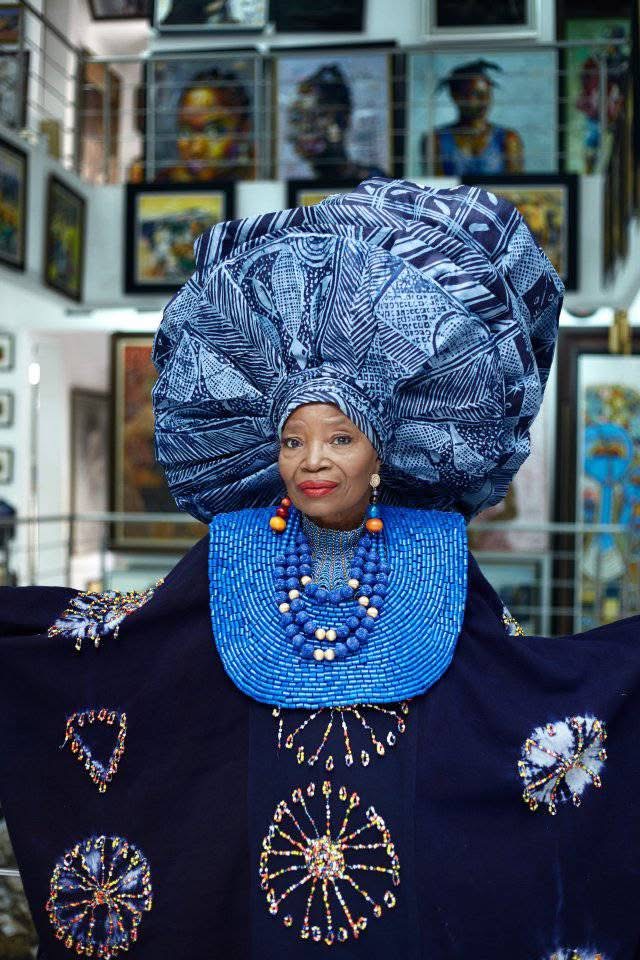
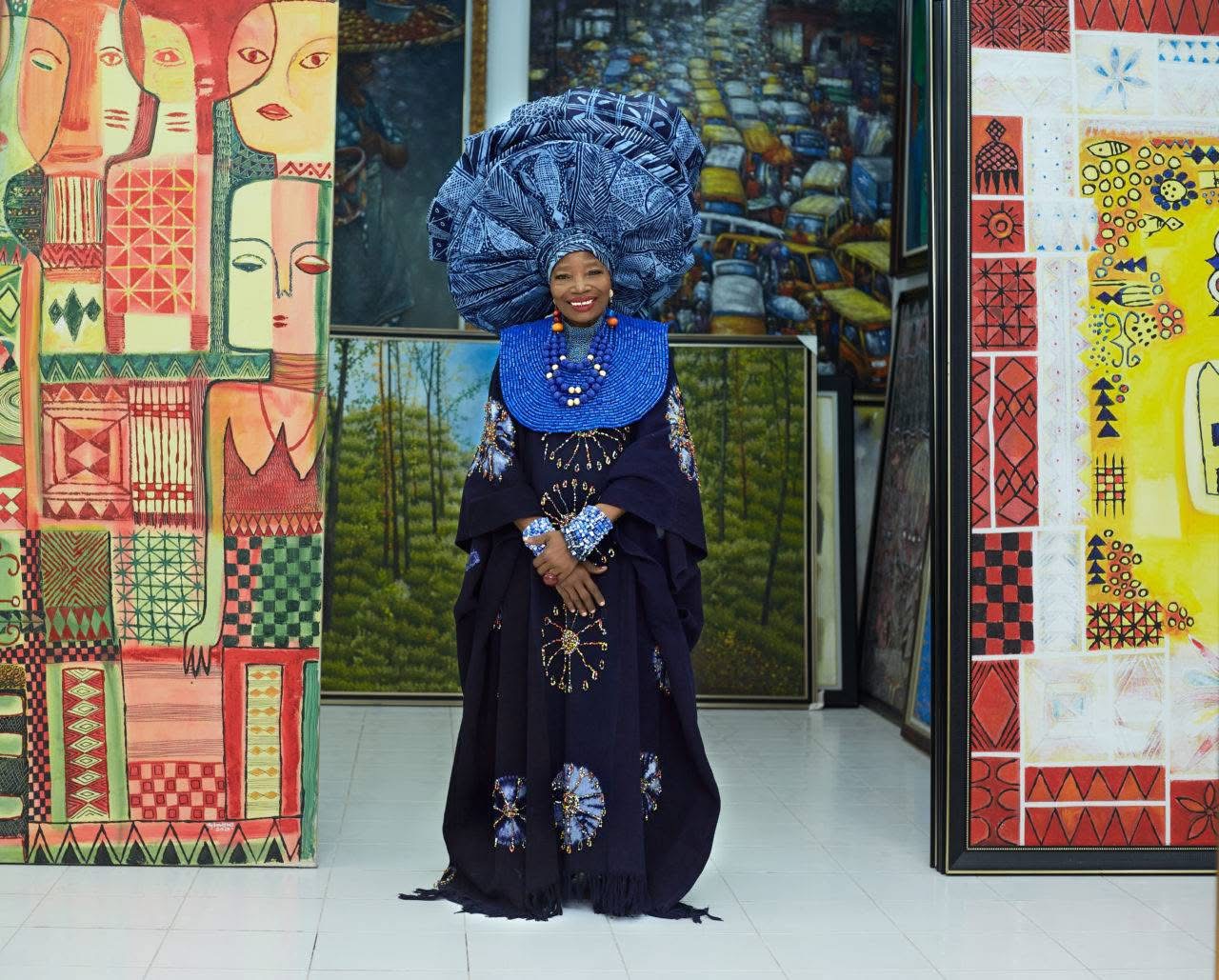
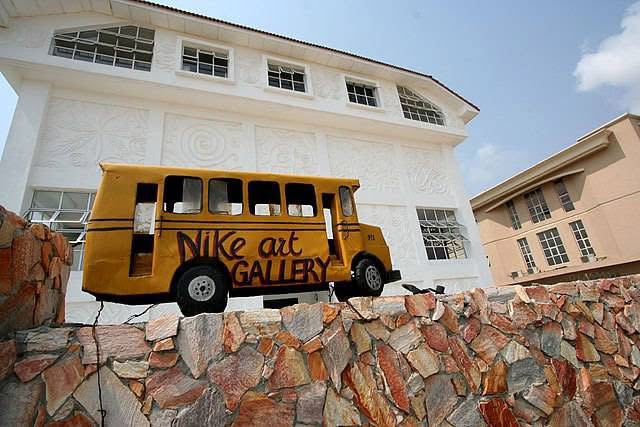
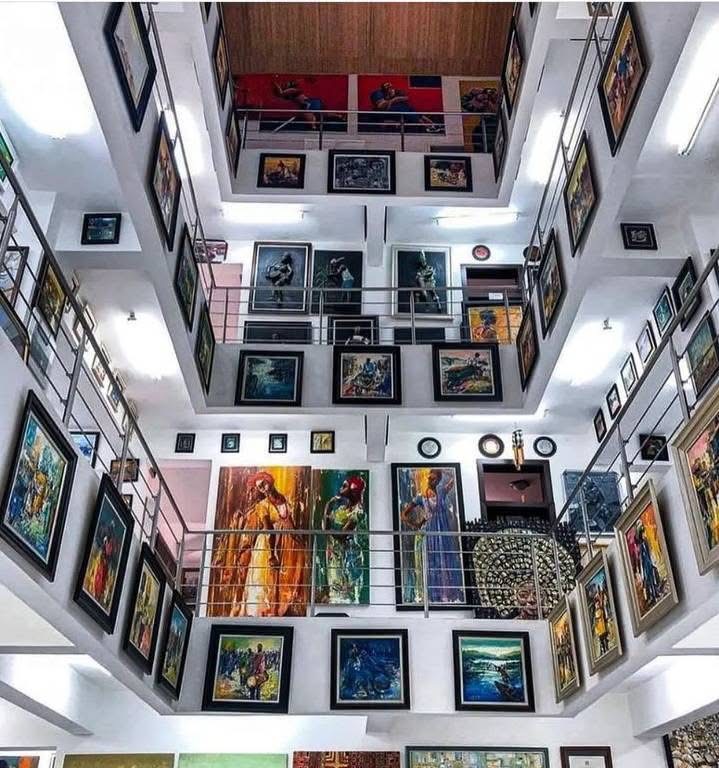
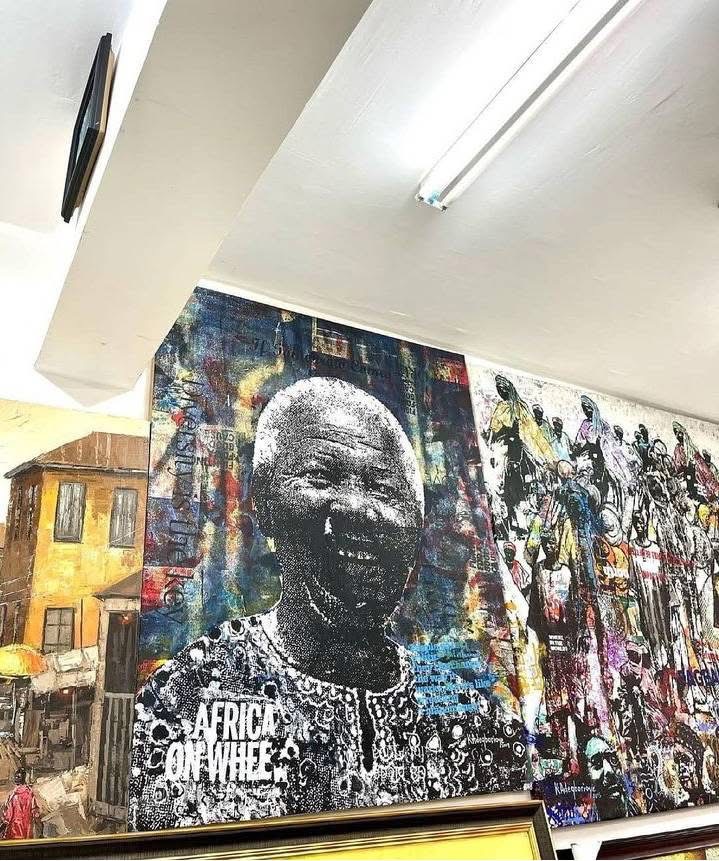
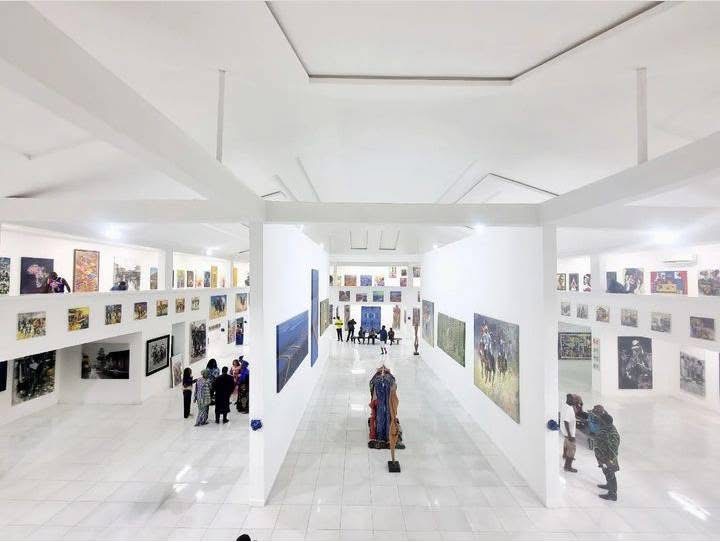
In a quiet corner of Lekki, Lagos, rises a building that feels less like a gallery and more like a living, breathing testament to the soul of a nation. Five stories high and brimming with vibrant expression, the Nike Art Gallery is not just an institution it is a movement, a cultural sanctuary, and an enduring symbol of what one woman’s vision can achieve.
But to understand the gallery, you must first understand the remarkable woman behind it: Chief Nike Davies-Okundaye.
Born in 1951 in the small village of Ogidi in Kogi State, Nike grew up surrounded by the hum of Yoruba textile traditions. In a world where resources were scarce and opportunities for women even scarcer, she found her earliest lessons not in classrooms but in the hands of her great-grandmother, who taught her the art of adire, the intricate indigo-dyed cloth that has clothed generations and whispered stories across centuries.
Where others saw fabric, Nike saw a medium to chronicle identity, resilience, and collective memory. She mastered not only adire but also batik, elevating these traditional crafts to fine art. Her patterns were never just decoration; they were declarations, bold affirmations that Nigerian heritage deserved not just preservation but celebration.
In 1983, long before cultural entrepreneurship became a buzzword, Nike formalized her mission by founding the Nike Art Foundation in Oshogbo. Her goal was deceptively simple: to empower Nigerians particularly women, by training them in traditional arts and crafts. What she offered was more than skill; she offered dignity, economic independence, and a bridge to a future where culture and prosperity walk hand in hand.
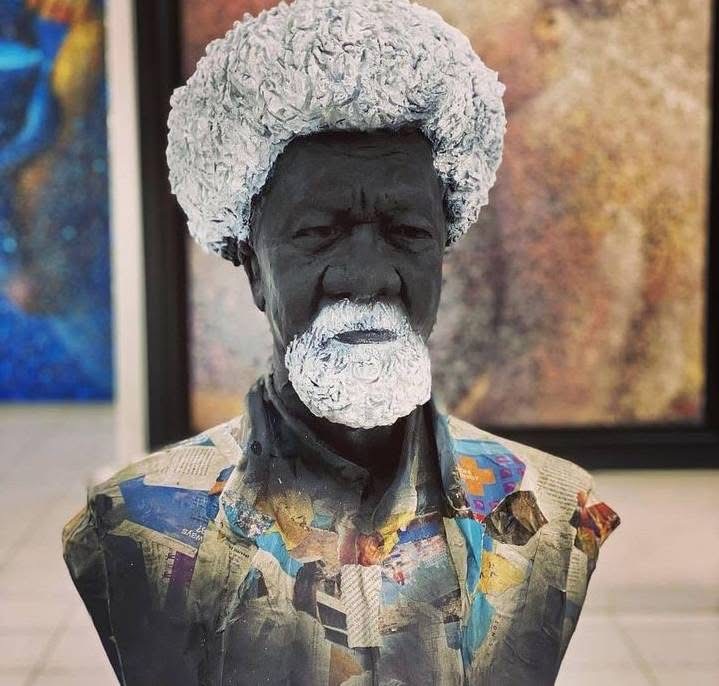
When she opened the Lagos gallery in 2009, it was the culmination of decades of purpose. Today, this soaring edifice houses over 8,000 works of art a dazzling constellation of paintings, sculptures, textiles, and mixed media that pulse with Nigeria’s creative heartbeat.
Yet what makes Nike Art Gallery so compelling is not merely its scale. It is the ethos that underpins every floor, every corridor, every work displayed: Art belongs to everyone.
From the very beginning, Nike has insisted on free entry, refusing to let barriers of class or wealth dictate who can stand before a masterpiece. She has offered free workshops and mentorship, ensuring that children from low-income backgrounds can discover their gifts. In doing so, she has democratized access to culture in a country where art patronage was once reserved for a privileged few.
This open-handed philosophy has drawn thousands of visitors; local art lovers, tourists, students, and dignitaries from across the globe. Presidents and ambassadors have walked the gallery’s halls, yet Nike remains unchanged: approachable, humble, and unwaveringly committed to her mission.
Her own artworks have found homes in the world’s most prestigious institutions the Smithsonian, the British Library, and beyond—but perhaps her most profound legacy is not what she has created with her hands. It is what she has cultivated in the hearts of countless young artists who, because of her, have been given permission to dream boldly and create fearlessly.
Nike’s influence extends far beyond Lagos. With branches in Abuja, Oshogbo, and Ogidi, she has ensured that her cultural renaissance is not confined by geography. She has woven a nationwide network where tradition meets innovation, where ancient motifs converse with contemporary forms.
Indeed, the Nike Art Gallery is more than an exhibition space. It is a living movement, a place where heritage is not a relic but a dynamic, evolving force. In every corner, you feel the quiet conviction that culture, when nurtured and shared, can transform lives.
As Nigeria continues to redefine its place on the global stage, the gallery stands as both a beacon and a blueprint. It shows what is possible when one woman dares to turn personal passion into national mission, when she dares to believe that beauty can be a catalyst for social change.
In a world often too busy to pause for art, Nike Davies-Okundaye reminds us that creativity is not a luxury. It is the very fabric of our identity, the story we pass to the next generation, and the hope that no matter how turbulent the times, the human spirit will always find a way to express itself in color, in pattern, and in purpose.
So if you ever find yourself in Lagos, step into the Nike Art Gallery. Walk its corridors. Listen to the walls. You will discover, as thousands have before you, that this is not simply a place. It is an experience, a testament to the power of culture to uplift, empower, and inspire.
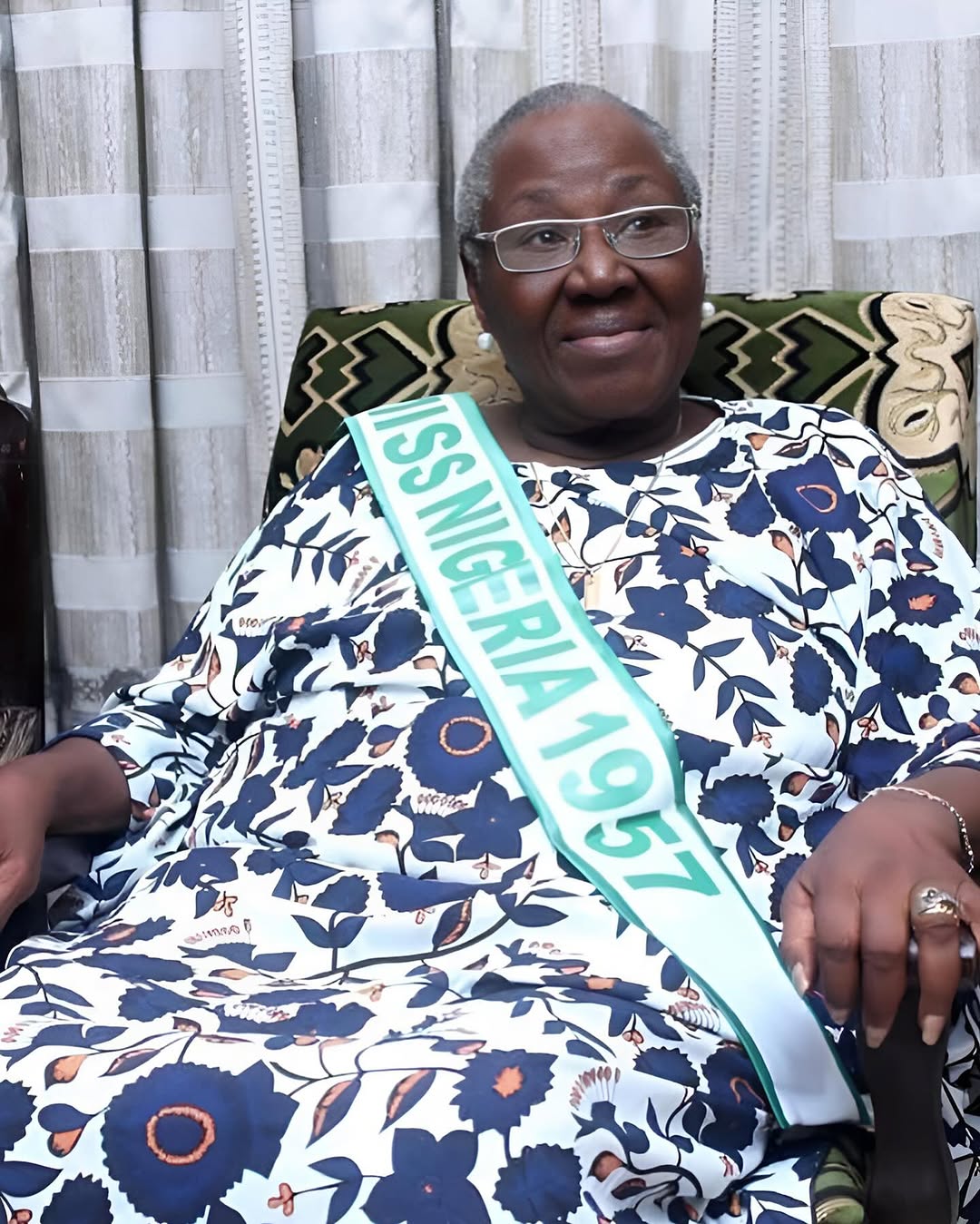
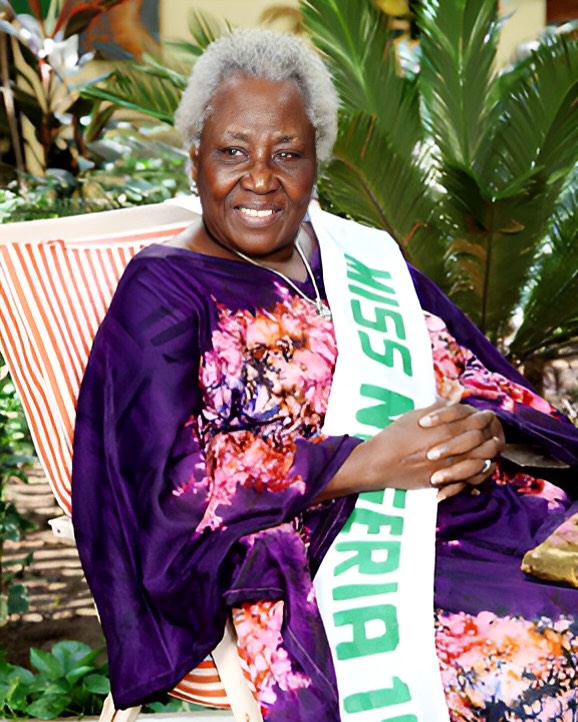
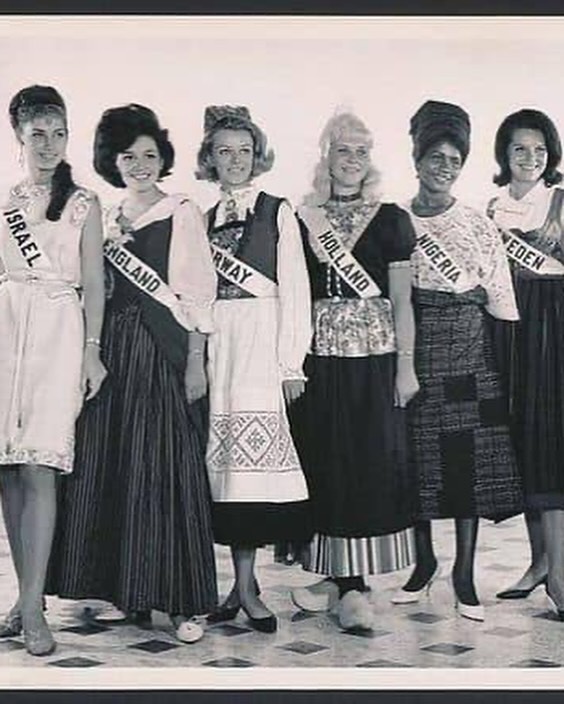
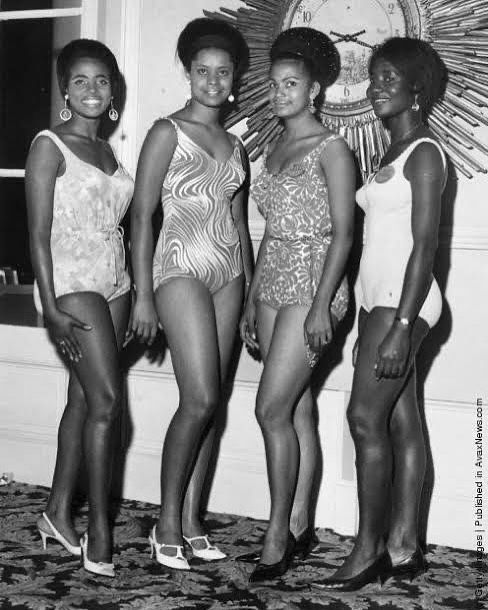
In 1957, when the world was still finding its footing after the tumults of war and colonial transitions, a young Nigerian woman stood quietly at the crossroads of tradition and modernity. Her name was Grace Atinuke Oyelude, and she would soon become a living testament to the idea that beauty is most powerful when wedded to purpose.
Grace’s journey to history began almost by chance her brother, envisioning a larger destiny for her, submitted her photograph to the Daily Times Miss Nigeria contest without her knowledge. At the time, she was working diligently at the United Africa Company in Kano, immersed in the routines of corporate life.
When Grace arrived in Lagos for the finals, she did something unexpected: she chose to wear traditional attire, a quiet act of cultural defiance that captured the imagination of the judges. It wasn’t just about looking beautiful it was about standing rooted in heritage, signaling to the nation that Nigerian identity was something to be proud of, not to be disguised.
And so, at that singular moment, Grace Atinuke Oyelude became Nigeria’s very first Miss Nigeria.
Her victory was more than a crown. It came with a £200 prize, a sum that would soon become seed capital for something far more impactful than fame. While many might have rested in the glow of celebrity, Grace charted a different course entirely. She boarded a ship bound for the United Kingdom, determined to train as a nurse.
By 1961, she had become a registered nurse, and within a year, a qualified midwife. Where others might have seen pageantry as an endpoint, Grace used it as a launchpad. She pursued additional credentials in nursing management and hospital administration, embodying a philosophy that knowledge is the true ornament of any crown.
Upon her return to Nigeria, Grace took her place on the front lines of public health. At Kaduna General Hospital, she became a linchpin of care and competence. During the Nigerian Civil War, when conflict tore through communities, she led medical teams with steady hands and an unbreakable spirit. Later, as Senior Matron at Ahmadu Bello University Teaching Hospital, she shaped a generation of health professionals, proving that leadership isn’t a title, it’s an ethic.
Grace did not stop there. She chaired the Kwara State Health Management Board and served as an external examiner, helping shape policies that would touch countless lives. In recognition of her contributions, she was awarded the Florence Nightingale Medal, the highest international distinction a nurse can receive. Chieftaincy titles followed, affirming her standing not only in professional circles but in the heart of her community.
Even as she aged gracefully into her 80s, her legacy never dimmed. In 2015, the Miss Nigeria organization honored her as the matriarch of their tradition, a living bridge between the dreams of the past and the aspirations of the present.
Today, as we reflect on Grace Atinuke Oyelude’s story, we are reminded that beauty without purpose is fleeting, but beauty rooted in service becomes a legacy. She showed us that a crown can be both a symbol and a responsibility, a reminder to elevate not only ourselves but the people around us.
At 86, she remained an icon of grace, resilience, and vision. She taught generations of Nigerian women that it is possible to cherish tradition while forging new paths and that when opportunity knocks, it is best answered with courage, intellect, and a heart committed to others.
May her story inspire you to pursue your ambitions with the same quiet conviction and to remember that true influence lies not in titles, but in the lives you touch along the way.
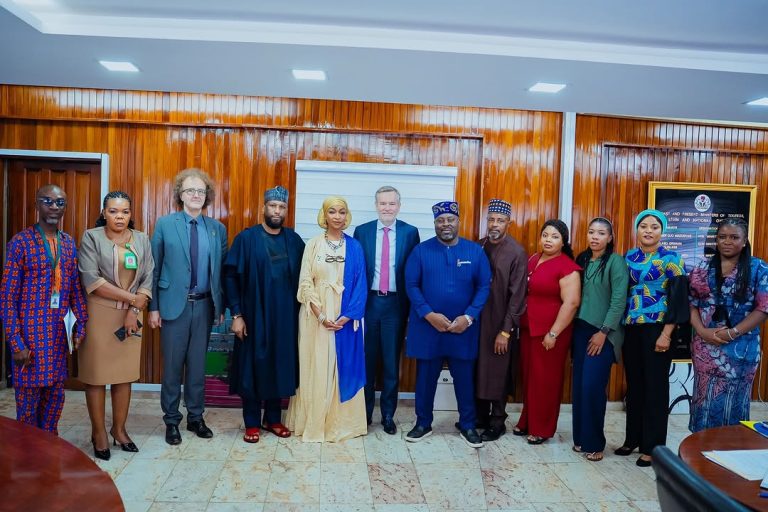
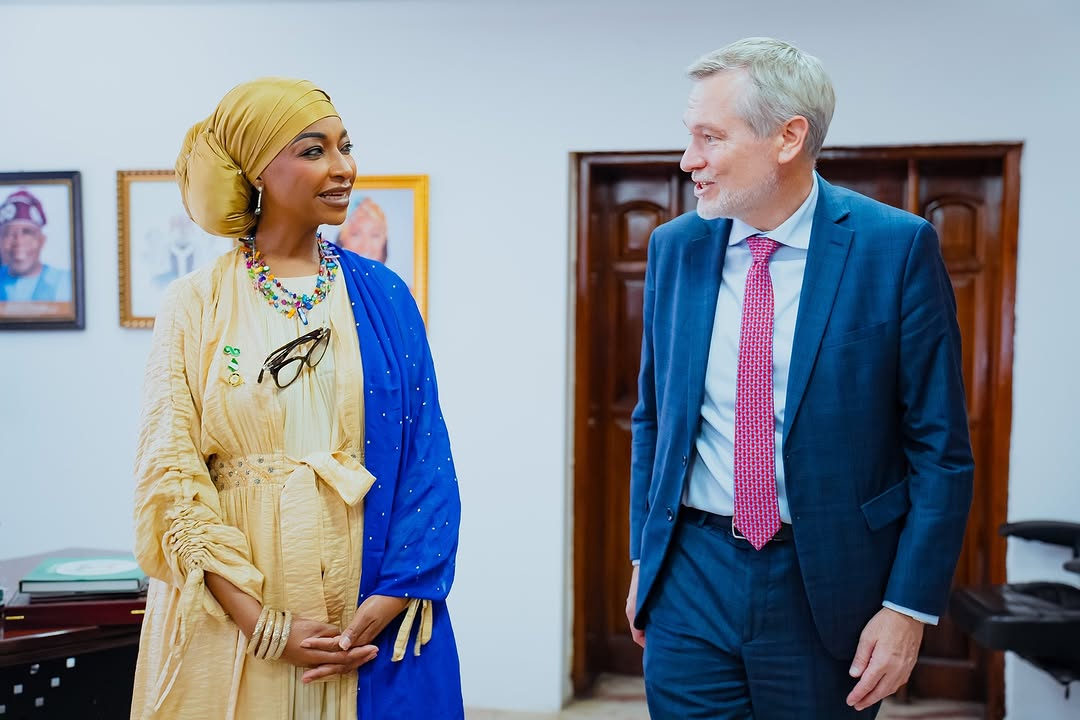
Nigeria’s Minister of Art, Culture, and the Creative Economy, Barrister Hannatu Musa Musawa, has once again demonstrated her unwavering commitment to repositioning Nigeria on the global stage — this time by hosting a high-level delegation from the European Union.
The meeting, held in Abuja, was more than a diplomatic courtesy; it was a bold step toward forging strategic cultural and creative industry collaborations between Nigeria and EU member states. Minister Musawa, known for her dynamic leadership and unrelenting work ethic, used the opportunity to spotlight the vast potential of Nigeria’s creative economy — from music, film, and fashion to cultural tourism, heritage preservation, and youth-driven innovation.
She emphasized the government’s dedication to building sustainable international partnerships that would not only open global markets for Nigerian creatives but also deepen cultural understanding and drive economic empowerment.
The EU delegation expressed admiration for the progress Nigeria has made under her leadership and reiterated its interest in supporting Nigeria’s creative sector through funding opportunities, knowledge exchange, training programs, and more.
Minister Musawa’s meeting with the EU is the latest in a series of bold moves she has made to elevate the ministry’s relevance, accessibility, and global footprint. From Cannes to Qatar, Afrobeats to high fashion, the Minister is redefining what it means to be a cultural leader in the 21st century.
Nigeria is not just participating in global conversations — under Musawa, we’re leading them.
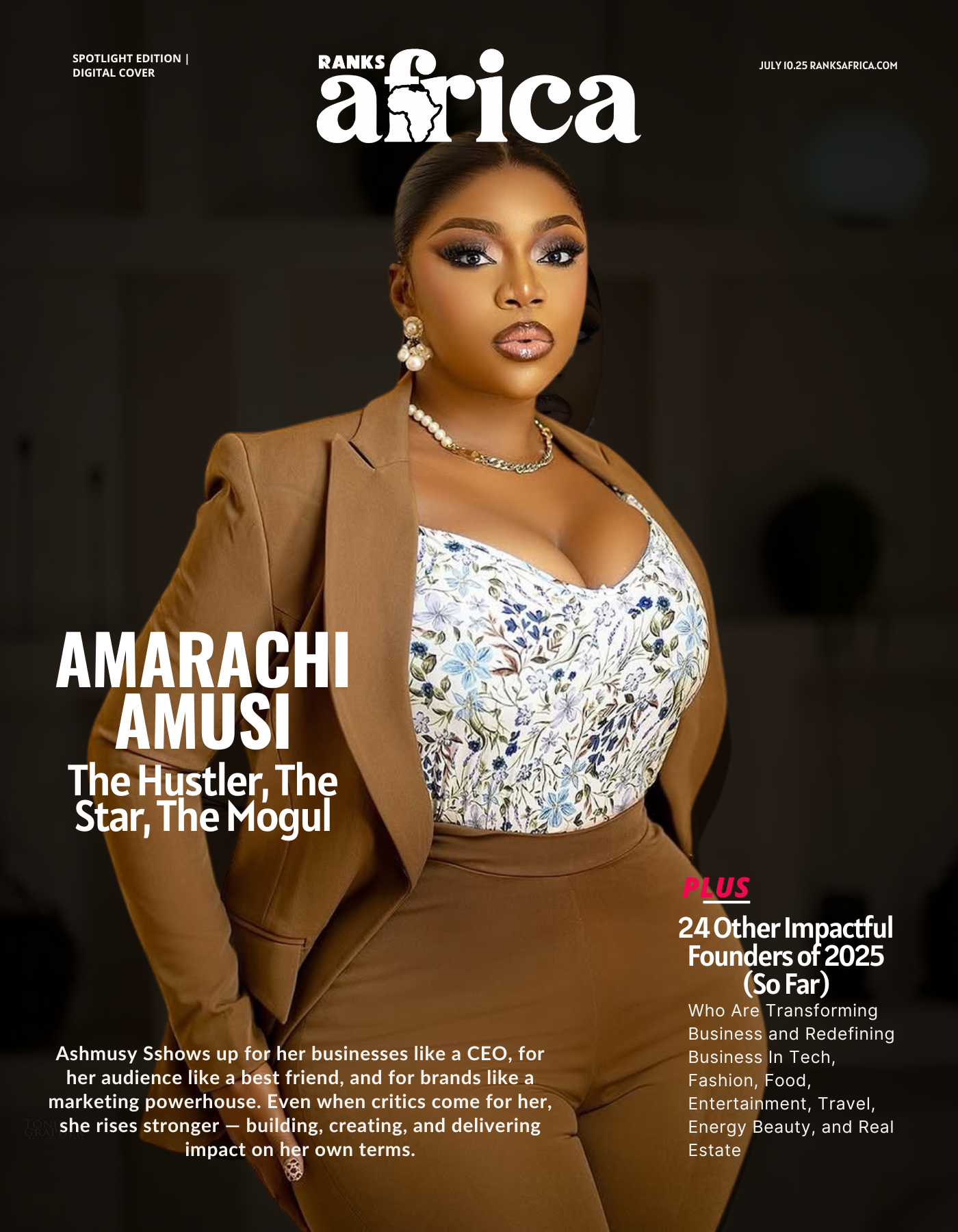
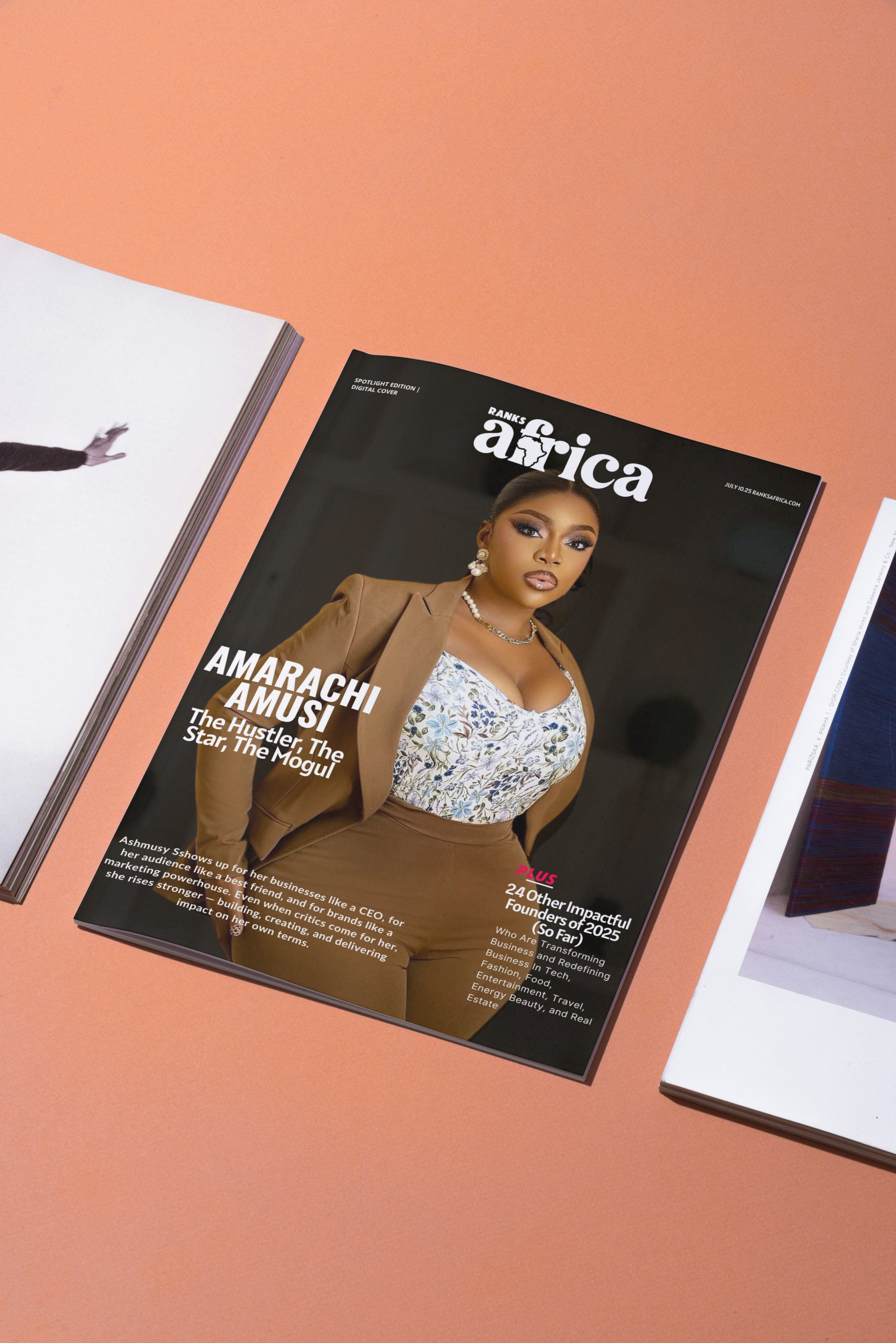
In this special edition of the Ranks Africa Spotlight Series, we shine the light on Amarachi Amusi, famously known as Ashmusy, a force of nature who continues to redefine what it means to be a modern African woman thriving in the digital and creative economy.
Ashmusy has walked the long road from Instagram skits to becoming one of Nigeria’s most bankable brand influencers, serial entrepreneurs, and entertainers. She’s not just “doing it all” she’s excelling at all.
AmarAchi Amusi: The Hustler, The Star, The Mogul
From launching successful businesses to starring in content that leaves fans in stitches, from back-to-back influencing campaigns to boss moves in acting and production, Ashmusy is consistency personified. She’s been building her empire piece by piece, brick by brick — with little noise but maximum impact.
Even in the face of negativity and online trolling designed to pull her down, Ashmusy’s glow has never dimmed. She’s constantly had to battle narratives and prove time and again that her success isn’t handed to her but earned through grit, strategy, and relentless hard work. She’s one of the few women in the space showing young African girls that “You can build it from scratch with no shortcuts.”
When it comes to brand influencing, Ashmusy is top-tier. She brings unmatched energy, storytelling, and marketing ingenuity to every campaign she touches. She doesn’t just advertise, she activates brands. Her promotional posts are thoughtful, engaging, and conversion-driven. It’s no surprise that brands trust her to move products and shape perception.
Ashmusy’s digital journey is more than numbers. It’s about consistency in creativity, a fearless work ethic, and an undeniable halo of inspiration she carries for young women watching. Every post, every skit, every promo you see work, not whispers. You see results, not rumours.
She’s not waiting for seats at the table she’s building her own, making room for others, and decorating it with excellence.
Ashmusy is more than a digital personality, she is a movement. A reminder that today’s African woman can be the CEO, the content queen, the boss babe, and the brand in one body.
Ashmusy – Preview Digital Cover
Want to know how she does it all?
We sat down with Ashmusy for an exclusive interview about her journey, the challenges, the wins, and the future.
Read the full interview below
Q1: You wear many hats content creator, actress, entrepreneur, and influencer. How do you balance it all so successfully?
It’s all about structure and delegation. I plan my day carefully and surround myself with a reliable team. I don’t have to be physically or mentally present in every corner of my business, my systems run the show when I can’t.
Of course, I’m naturally ambitious. That fire in my spirit pushes me to show up and do the work, even on the toughest days. Without proper structure, I’d burn out. But with it? I thrive, and I’m able to wear all my hats with grace.
Q2: You’re regarded as one of Nigeria’s top brand influencers. What’s the secret to maintaining such strong, long-term relationships with brands?
It starts with authenticity. When brands see that you’re genuinely committed, always growing, and putting your heart into every project, they trust you.
I bring a lot of energy and creativity to my work, that’s one of my unique edges. My mum always said, “What’s worth doing is worth doing well,” and I live by that. When you deliver with excellence, people want to keep you close. That’s why I’m here to stay.
Q3: What has been your biggest breakthrough moment, and how did it shape your journey?
My biggest breakthrough was when I blew up as an influencer. I discovered I had this unexpected talent for selling, entertaining, and connecting with audiences all at once.
At first, I was just creating content for fun. Suddenly, brands were paying millions for my campaigns. It opened my eyes to what was possible, and it made me realize I had something truly special. That season of my life transformed my confidence and career.
Q4: Where do you draw inspiration for your content and brand campaigns?
Honestly, from everywhere. Movies, music, random conversations, a funny moment on the road anything can spark an idea. My mind is always in content mode.
Sometimes I’ll see a simple object and imagine an entire storyline around it. But creativity flows best when I’m mentally free. So I create space for it by balancing my business workload. It’s a constant dance between hustle and inspiration.
Q5: You’ve built several successful businesses. What inspired you to become an entrepreneur, and what are some lessons you’ve learned?
Entrepreneurship came from necessity. I needed money, and I wasn’t afraid to work for it. My first business selling hair extensions taught me early that consistency pays off.
I made my first million in 2018, and that feeling was unforgettable. It taught me that no dream is too big if you’re determined.
Some lessons I’ve learned:
• Consistency is non-negotiable. If you’re “off and on,” you won’t see results.
• Resilience is critical. Even if you don’t sell anything for a year, you must keep going.
• Structure is everything. A business should function without you hovering over it every day.
These principles are why I started my entrepreneurship masterclass to help others find their way.
Q6: As a role model to many young women, what advice would you give those hoping to follow your path?
Be consistent and focused. Know what you want, and don’t stop until you get it. Set goals every year, and work relentlessly toward them.
There will be distractions, challenges, and moments you want to quit. But don’t. Also hold on to God. Life is unpredictable, and faith will anchor you through the storms.
Ignore the noise. Stay in your lane. Keep pushing, and remember you can’t vibe through life without a vision.
Q7: What should we expect from Ashmusy in the second half of 2025? Any exciting projects or milestones?
She laughs, her eyes gleaming with anticipation.
Oh, so much is coming. Maybe even wedding bells, you never know!
But professionally, here’s what you can expect:
• My long-awaited Bridgerton-inspired movie is dropping soon.
• The relaunch of my Social Media Masterclass, bigger and more impactful.
• A massive empowerment program for female entrepreneurs.
• The launch of my luxury perfume line and a new fashion brand.
This year is about legacy. I want to make money, yes but more importantly, I want to inspire and empower thousands of women to create their own success stories. That’s what I was born to do.
Ashmusy isn’t just a content creator, she’s a living testament that purpose, faith, and tireless effort can turn an ordinary hustle into a transformative movement.
Her journey is proof that in a world of temporary fame, consistency, heart, and vision always win.
Thank you, Ashmusy, for reminding us that it’s not enough to just exist, we must leave a legacy.


 He emphasized that Nigeria’s creative sector contributes $5.6 billion to its GDP and is the second-largest employer in the country. His delegation included representatives from 26 UK companies, many of which are leaders in fintech, sustainability, and enterprise.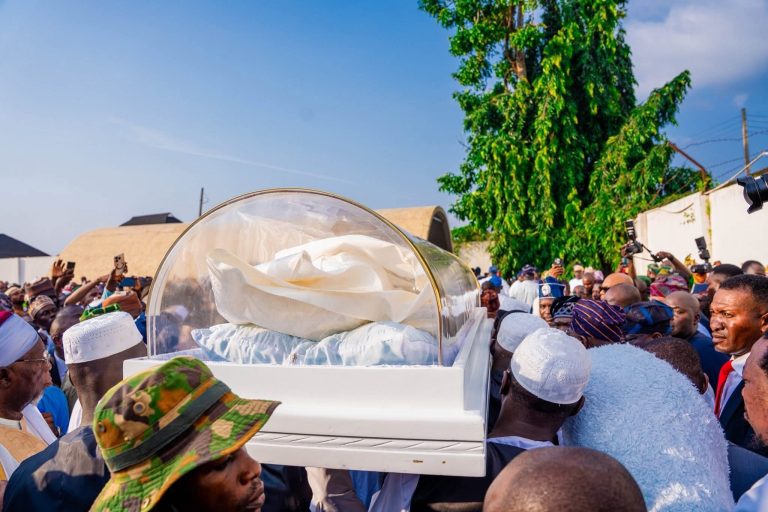

 The place where Obas (traditional kings) are buried is traditionally known in Yoruba culture as “Ile Odù” or “Igbo Orò” or “Ìgbó Olófin or Igbo Oloja” depending on the town or kingdom.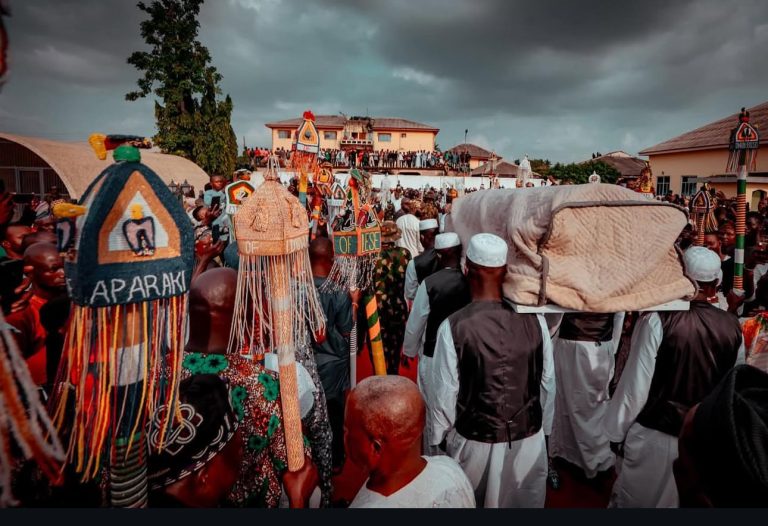


 But to understand the gallery, you must first understand the remarkable woman behind it: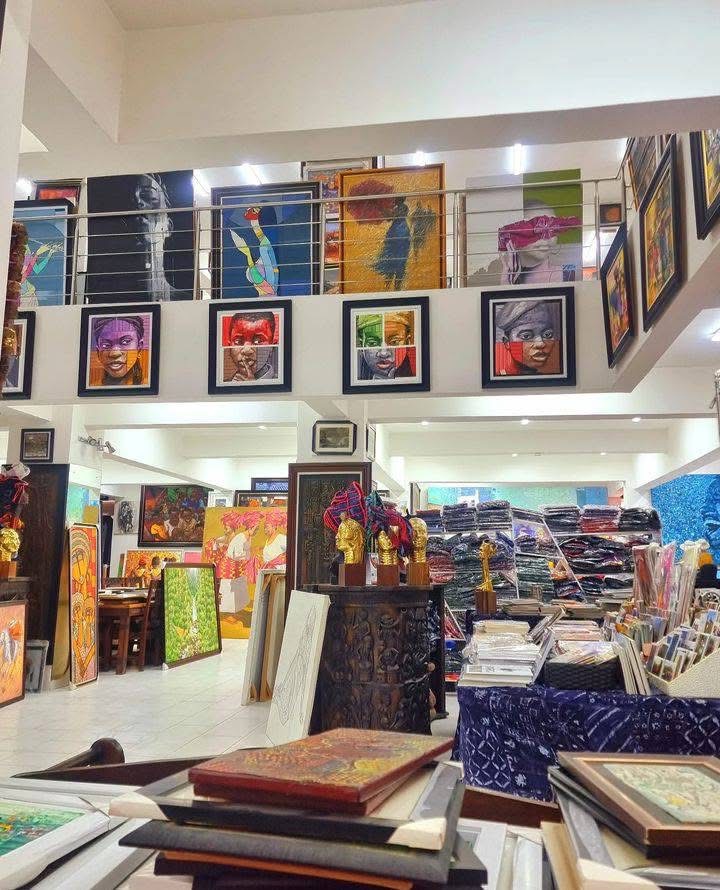

 Grace did not stop there. She chaired the