Home Blog Page 137

Jaiz Bank Unveils Omojuwa, Ahmed Musa, and Alhan Islam as Brand Ambassadors with Fresh Identity

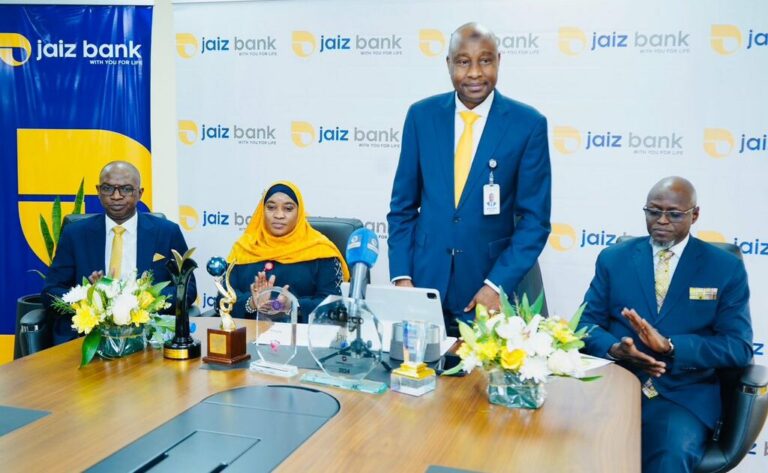
Jaiz Bank has officially unveiled a new brand identity, marking a bold step in its journey of growth and innovation. Alongside this new look, the bank announced the appointment of three influential figures as its brand ambassadors — renowned public commentator Japheth Omojuwa, Nigerian football icon Ahmed Musa, and celebrated poet Alhan Islam.

The unveiling reflects Jaiz Bank’s commitment to connecting with a wider audience and reinforcing its position as Nigeria’s pioneer non-interest bank with values rooted in trust, transparency, and impact.


View this post on Instagram


A post shared by Jaiz Bank Plc (@jaizbankplc)


View this post on Instagram


A post shared by Jaiz Bank Plc (@jaizbankplc)


View this post on Instagram


A post shared by Jaiz Bank Plc (@jaizbankplc)

According to the management, bringing Omojuwa, Musa, and Alhan Islam onboard is a strategic move to highlight the bank’s renewed vision of inspiring confidence, empowering communities, and driving financial inclusion.

This rebranding and ambassador unveiling is set to strengthen Jaiz Bank’s presence in the Nigerian financial landscape, aligning with its mission to deliver ethical and sustainable banking for all.

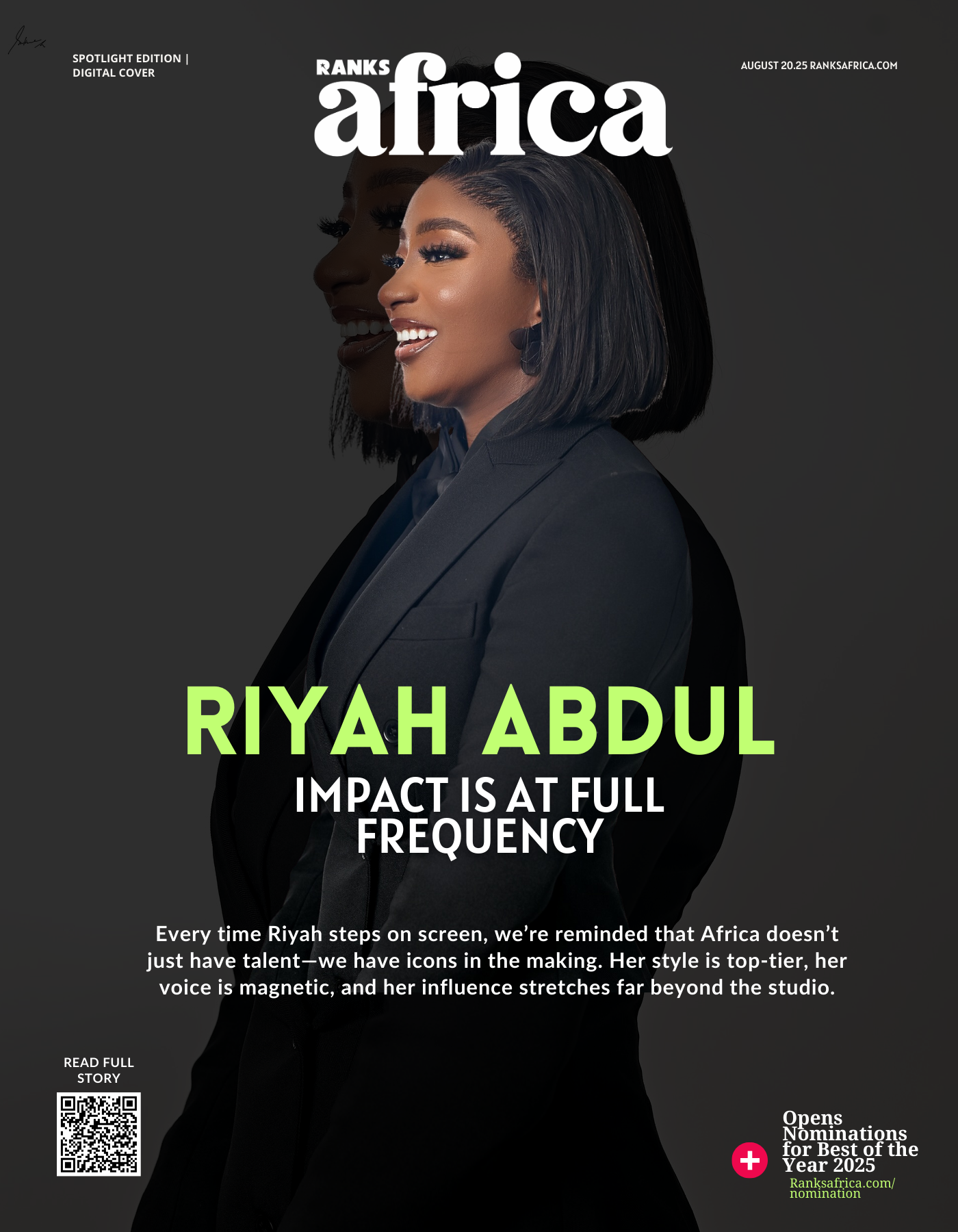
Riyah Abdul Karim’s Impact Is at Full Frequency

0

In this edition of the Ranks Africa Series, we spotlight the undeniable phenomenon that is Riyah Abdul Karim—because in 2025, her name isn’t just trending, it’s transforming. From morning glam to media mastery, Riyah is redefining what it means to be impactful, influential, and unapologetically African. Whether she’s anchoring TVC Breakfast or dazzling on red carpets, her presence commands attention and inspires admiration. She’s not just a media personality—she’s a cultural catalyst, showing millions how to rise, reign, and radiate purpose.

Cover: Riyah Abdul Karim

Every time Riyah steps on screen, we’re reminded that Africa doesn’t just have talent—we have icons in the making. Her style is top-tier, her voice is magnetic, and her influence stretches far beyond the studio. If you haven’t tuned into Riyah Abdul Karim in 2025, you’re missing the frequency Africa is vibing to right now.

Riyah Abdul Karim

She’s not just a media personality. Not just a journalist. Not just an entrepreneur. She’s a movement. A walking masterclass in elegance, intellect, and impact. Riyah doesn’t just show up—she shows out. Her morning glam? Impeccable. Her dress sense? Top-tier. Her presence? Unmatched. Honestly, someone needs to convince her to start a “How to Slay Before Sunrise” masterclass, because the way she commands mornings on TVC is nothing short of iconic.

Riyah Abdul Karim

But beyond the glam, Riyah is shifting mindsets. She’s proof that African women can be everything—smart, stylish, strategic, and soul-stirring. Whether she’s on air or off duty, she’s mentoring millions by example, reminding every girl watching that they can channel their brilliance into whatever they dream—and change lives while doing it.

Ranks Africa named her as one of the 100 Most Impactful People in Africa, and let’s be clear: this wasn’t just for her beauty (though, yes, she’s breathtaking). It was for her boldness, her voice, her vision, and the way she’s rewriting what it means to be a woman in media.

Riyah Abdul Karim

Riyah Abdul Karim is not just trending—she’s transforming. And we’re giving her flowers now, because she’s planting seeds of greatness everywhere she goes.

Nigeria to Enforce Reciprocal Visa Policy on U.S. Citizens

0

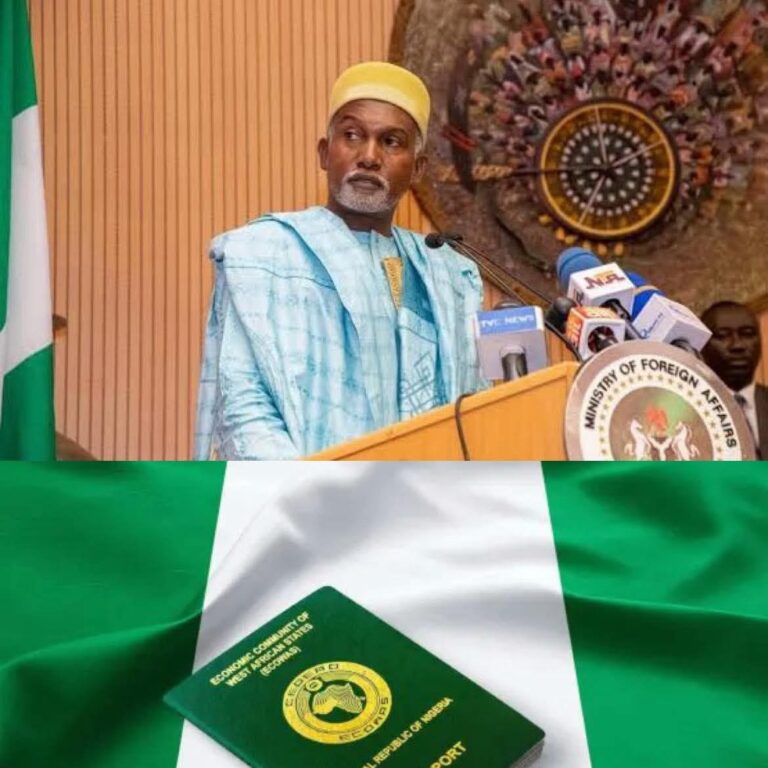
The Federal Government has announced that it will introduce a reciprocal visa policy in response to new U.S. requirements that compel Nigerian applicants to disclose their social media profiles and activities.

The U.S. Mission in Nigeria confirmed that all Nigerian visa applicants must now provide a comprehensive list of their social media handles as part of the DS-160 visa application process. The Mission also warned that failure to submit the required information could result in visa denial and possible ineligibility for future applications.

Reacting to the development on Monday, the spokesman of the Ministry of Foreign Affairs, Kimiebi Ebienfa, said the Nigerian government was formally notified of the policy before its public announcement. He stressed that the Federal Government would enforce the principle of reciprocity in its visa regime.

“Just as the United States has introduced additional requirements for Nigerian applicants, U.S. citizens seeking Nigerian visas will be subjected to the same process. This ensures balance and fairness in our diplomatic engagements,” Ebienfa stated.

The decision signals Nigeria’s firm stance on protecting the rights of its citizens in global mobility, while also emphasizing the principle of equal treatment in bilateral relations.

The new policy, once implemented, means American travelers to Nigeria will have to disclose their social media details as part of their visa application, mirroring the measures introduced by Washington.


OORE OF MOBA RESPONDS TO ALLEGATIONS REGARDING YORUBALAND CHIEFTAINCY TITLE

0

In a statement released to the media, His Royal Majesty Oba Adekunle Adeagbo, the Oore of Otun-Ekiti and paramount ruler of Mobaland, addressed recent allegations from the Alaafin’s palace concerning the conferment of the title “Okanlomo of Yorubaland.” The Oore emphasized that the Ooni of Ife, His Majesty Ooni Adeyeye Enitan Ogunwusi, has never conferred such a title, which is believed by some to be a matter of contention within the Yoruba traditional hierarchy.

The Oore’s statement clarified that the Ooni’s authority extends globally, bridging the Yoruba people with connections across Africa, including the Itsekiri in Delta State, the Benin Kingdom, the Ga tribe in Accra, Ghana, and even to the Luo tribe in Uganda. This vast influence underscores the Ooni’s status as a crucial leader not only within Yorubaland but also in the broader African context.

Addressing the media, the Oore invited those claiming that the Ooni has conferred the title of Okanlomo on anyone to present credible evidence to the public. “For the avoidance of doubt, Ooni has never conceived it, talk less of installing anybody as the Okanlomo of Yorubaland,” the statement read.

The Ooni is recognized as the Natural Father of the Yoruba race and the spiritual head of the Odùduwà race worldwide, thus possessing the authority to bestow significant titles when necessary. However, the focus of the Ooni, as articulated by the Oore, extends far beyond the confines of chieftaincy titles. His pursuits aim to unify the Yoruba people and foster development across the continent, a goal that transcends the traditional disputes over titles.

Since ascending the throne, the Ooni has only conferred three significant territorial chieftaincy titles — the Odole Oodua, Iyalaje Oodua, and Yeye Oodua – on distinguished individuals known for their contributions to the community. These titles reflect deeper spiritual and ancestral traditions rather than mere honors.

The Oore showcased the leadership initiatives undertaken by the Ooni, highlighting various projects aimed at creating employment opportunities and fostering economic growth, including the proposed Ojaja Smart City in Ibadan, which is set to provide over 20,000 jobs. Additionally, the establishment of several grand resorts, educational institutions, and industrial hubs across Nigeria demonstrates the Ooni’s commitment to elevating the socio-economic status of Yoruba youths.

In his remarks, the Oore urged a reevaluation of the ongoing disputes over chieftaincy titles, pointing to the historical precedent of past empires. He emphasized that the era of territorial conquests is long over and that contemporary leadership should prioritize unity and development over conflict. “Leadership is never by forceful enthronement nor by empty threats, but by service, wisdom, and natural acceptability,” he stated.

The Oore also called on the public to seek clarity regarding the Supreme Court judgment that has been invoked in this ongoing dispute, cautioning against misinterpretations that seek to undermine the esteem of the Ooni’s position.

As the Oore reiterated the House of Odùduwà’s commitment to peace, unity, and prosperity for the Yoruba people and beyond, his statement resonated as a rallying cry for collective progress rather than divisive quarreling over titles.

The message underscored the vision of a united Yoruba nation that transcends mere titles, focusing instead on fostering a future grounded in development, peace, and the shared heritage of the Odùduwà race.


Lagos Government Responds to TikToker Peller’s ₦36 Million Tax Claim

0

The Lagos State Government has responded to social media discussions surrounding TikTok personality Peller, who recently claimed he was served a ₦36 million tax demand notice by the Lagos Internal Revenue Service (LIRS).

Peller, known for his viral comedy and lifestyle skits, had taken to TikTok to allege that state tax authorities were demanding millions from him despite his earnings being largely from content creation. His comments quickly went viral, sparking debate over taxation, digital entrepreneurship, and the informal economy in Nigeria.

In its reaction, the Lagos State Government clarified that the LIRS does not impose arbitrary levies but assesses taxes based on income declarations, financial records, and compliance with Nigeria’s tax laws. Officials noted that all residents, including digital creators and influencers, are obligated to pay personal income tax once they earn above the taxable threshold.

While the government did not directly confirm details of Peller’s case, it stressed that Nigeria’s tax laws apply to both traditional businesses and the digital economy. The administration further explained that high-earning individuals in the entertainment and tech sectors are increasingly under review as part of efforts to broaden the state’s revenue base.

The controversy has reignited debate about taxation in Nigeria’s creative industry, where many young entrepreneurs rely on platforms like TikTok, Instagram, and YouTube for income but often operate outside formal regulatory systems. Industry observers argue that while compliance is necessary, the government must also create awareness, simplify tax processes, and provide support to digital entrepreneurs to encourage voluntary compliance.

As discussions continue, Peller’s claim has highlighted the growing intersection of social media influence, taxation, and governance in Lagos, Africa’s largest commercial hub.


Ranks Africa Unveils Official Website and Opens Nominations for Best of the Year 2025

0

Ranks Africa, a leading platform dedicated to recognizing excellence and impact across the continent, has officially unveiled its new website www.BestoftheYear.africa and opened nominations for the highly anticipated Best of the Year 2025 recognition initiative.

The Best of the Year is Ranks Africa’s flagship program that celebrates individuals, brands, and institutions whose excellence, innovation, and influence have defined the year. Spanning across People of the Year, Brands of the Year, and Governance Categories, the initiative highlights outstanding leaders, organizations, and contributors shaping Africa’s future.

Speaking on the launch, the Ranks Africa team emphasized that the initiative goes beyond recognition, aiming to inspire progress, spotlight trailblazers, and document Africa’s evolving story of excellence.

Nominations are now officially open and will close on September 10, 2025. The public, stakeholders, and industry players are encouraged to submit their nominations via www.ranksafrica.com/nomination.

The final list of honorees will be unveiled online on Oct 25, 2025, followed by the launch of a special magazine issue in December 2025. In addition, selected honorees will receive official plaques as part of Ranks Africa’s recognition series.

“This year’s Best of the Year will set a new standard of excellence across Africa. By spotlighting the most impactful individuals, brands, and institutions, we are telling Africa’s success stories to the world,” said the Ranks Africa editorial team.

For press inquiries, partnership opportunities, or further information, please contact:
📧 recognition@ranksafrica.com | 🌍 www.ranksafrica.com

Be part of this celebration of Africa’s finest.
Nominate today and let the world know who deserves to be named Best of the Year 2025!

People of the Year Categories

  • Person of the Year
  • Business Leader of the Year
  • CEO of the Year
  • Entrepreneur of the Year
  • Innovator of the Year
  • Philanthropist of the Year
  • Activist of the Year
  • Young Achiever of the Year
  • Woman of the Year
  • Man of the Year
  • Influencer of the Year
  • Content Creator of the Year
  • Athlete of the Year
  • Coach of the Year
  • Artist of the Year (Music)
  • Actor of the Year (Film)
  • Comedian of the Year
  • Writer/Author of the Year
  • Journalist of the Year
  • Media Personality of the Year
  • Fashion Icon of the Year
  • Model of the Year
  • Tech Personality of the Year
  • Educator of the Year
  • Humanitarian of the Year
  • Health Professional of the Year
  • Legal Personality of the Year

🏢 Brands of the Year Categories

  • Brand of the Year
  • Company of the Year
  • Startup of the Year
  • Bank of the Year
  • Insurance Company of the Year
  • Investment Firm of the Year
  • Fintech of the Year
  • Airline of the Year
  • Airport of the Year
  • Hotel of the Year
  • Resort of the Year
  • Travel Agency of the Year
  • Private Jet Company of the Year
  • Restaurant of the Year
  • Real Estate Company of the Year
  • Construction Company of the Year
  • Interior Design Brand of the Year
  • Property Developer of the Year
  • Manufacturing Company of the Year
  • Automobile Brand of the Year
  • Electric Vehicle Brand of the Year
  • Auto Parts Manufacturer of the Year
  • Technology Brand of the Year
  • Telecom Brand of the Year
  • Media Brand of the Year
  • Entertainment Brand of the Year
  • Record Label of the Year
  • Production Company of the Year
  • Fashion Brand of the Year
  • Beauty Brand of the Year
  • Luxury Brand of the Year
  • Clothing Brand of the Year
  • Watch Brand of the Year
  • Bag Brand of the Year
  • Shoe Brand of the Year
  • Jewelry Brand of the Yea
  • Sportswear Brand of the Year
  • Furniture Brand of the Year
  • Electronics Brand of the Year
  • Beverage Brand of the Year
  • Food Brand of the Year
  • Alcohol Brand of the Year
  • Skincare Brand of the Year
  • Haircare Brand of the Year
  • Fragrance Brand of the Year
  • Wellness Brand of the Year
  • Fitness Brand of the Year
  • Educational Institution of the Year
  • Online Learning Platform of the Year
  • NGO of the Year
  • Event of the Year
  • Musical Festival of the Year
  • Cultural Festival of the Year
  • Islamic Bank of the Year
  • Mobile Banking App of the Year
  • Digital Wallet of the Year
  • Fintech of the Year
  • Neobank of the Year
  • Logistics Company of the Year
  • Supply Chain Company of the Year
  • Energy Company of the Year
  • Oil & Gas Company of the Year
  • Renewable Energy Company of the year
  • Accounting Firm of the Year
  • Cybersecurity Brand of the Year
  • EdTech Company of the Year
  • HealthTech Company of the Year
  • AgriTech Company of the Year
  • App of the Year
  • Streaming Platform of the Year
  • AI Company of the Year
  • Blockchain Startup of the Year

Governance Categories

  • Governor of the Year
  • Minister of the Year
  • Senator of the Year
  • House of Representative Member of the Year
  • State House of Assembly Member of the Year
  • Local Government Chairman of the Year
  • First Lady of the Year

African Descendants in Guyana Celebrate Emancipation Day

0

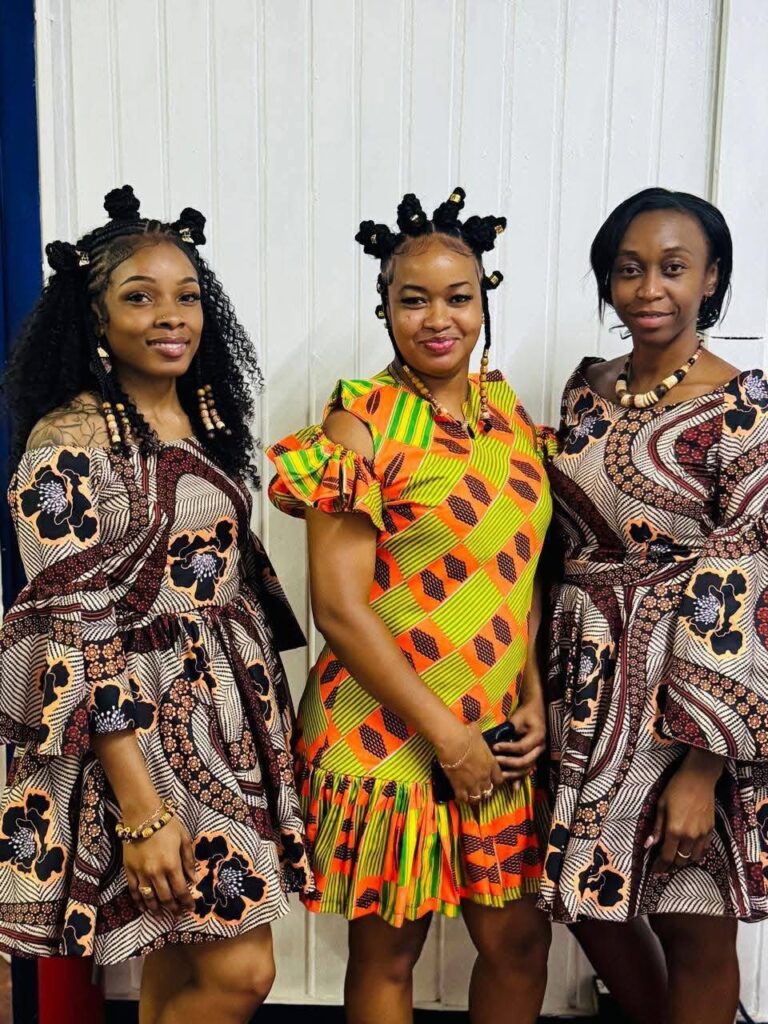
Guyanese of African descent joined in national celebrations on August 1st to mark Emancipation Day, a public holiday that commemorates the abolition of slavery across the British Empire in 1834. The day holds deep cultural and historical significance in Guyana, where many citizens trace their roots to Africans brought to the country during the transatlantic slave trade.

During Dutch and later British colonial rule, thousands of Africans were forcibly transported to Guyana to work on sugar plantations under harsh conditions. Today, their descendants, known as Afro-Guyanese, form a vibrant part of the nation’s cultural and political life. Most trace their ancestry to West Africa, reflecting the historical trade routes of the era.

According to Statistics Guyana, Afro-Guyanese people currently make up 29.2 percent of the country’s population, a slight decrease from 30.2 percent recorded in the 2002 census. The largest ethnic group in Guyana today is of East Indian descent, comprising 39.8 percent of the population. Other groups include people of European, Chinese, and Indigenous heritage, all contributing to Guyana’s diverse social fabric.

Emancipation Day celebrations across the country are marked by cultural performances, traditional African dress, music, and community gatherings. For many, the day is not only a remembrance of the struggle and resilience of enslaved Africans but also an affirmation of pride in African heritage and its continuing influence on Guyanese identity.


📸 Sourced

AfDB Warns Africa Loses $580 Billion Annually to Corruption and Illicit Capital Flight

0

The African Development Bank (AfDB) has sounded the alarm over the scale of financial leakages draining the continent, estimating that Africa loses more than $580 billion every year through corruption and illicit capital outflows. The losses, the Bank warns, continue to weaken economic progress while worsening the continent’s debt crisis.

AfDB President Akinwumi Adesina disclosed the figures in an interview with Bloomberg, stressing that the magnitude of the outflows now surpasses Africa’s own capacity to fund its infrastructure and development needs. The continent’s overall debt burden is nearing $2 trillion, raising questions about the sustainability of external borrowing in the face of such persistent financial drain.

“It doesn’t matter how much water you pour into a bucket if the bucket is leaking,” Adesina said, likening corruption and illicit transfers to a hole undermining Africa’s development efforts. “If you’re able to reduce the leakages to illicit capital, also corruption and all of these things, Africa will be able to keep a lot of these resources and meet the amount of infrastructure it needs.”

Illicit financial flows in Africa often stem from practices such as tax evasion, trade misinvoicing, money laundering, and the siphoning of public funds. Economists argue that curbing these practices would free up vast resources for roads, energy, schools, and healthcare—areas where funding gaps remain enormous.

Adesina’s warning comes at a time when many African governments are struggling under the weight of rising debt service costs, limited access to global credit markets, and depreciating local currencies. The AfDB has long advocated for stronger governance, accountability, and transparency measures to close the leakages and strengthen domestic revenue mobilization.

The figures underscore a sobering reality: without curbing corruption and illicit outflows, Africa risks undermining its own economic future, even as it seeks new partnerships and investments to fuel growth.

Do you want me to also frame this piece with comparisons to global figures (e.g., how Africa’s outflows compare to other emerging regions) to give readers a clearer perspective on the scale of the problem?

British Soldiers in Kenya Accused of Defying Ban on Sex Work, BBC Africa Report Reveals

0

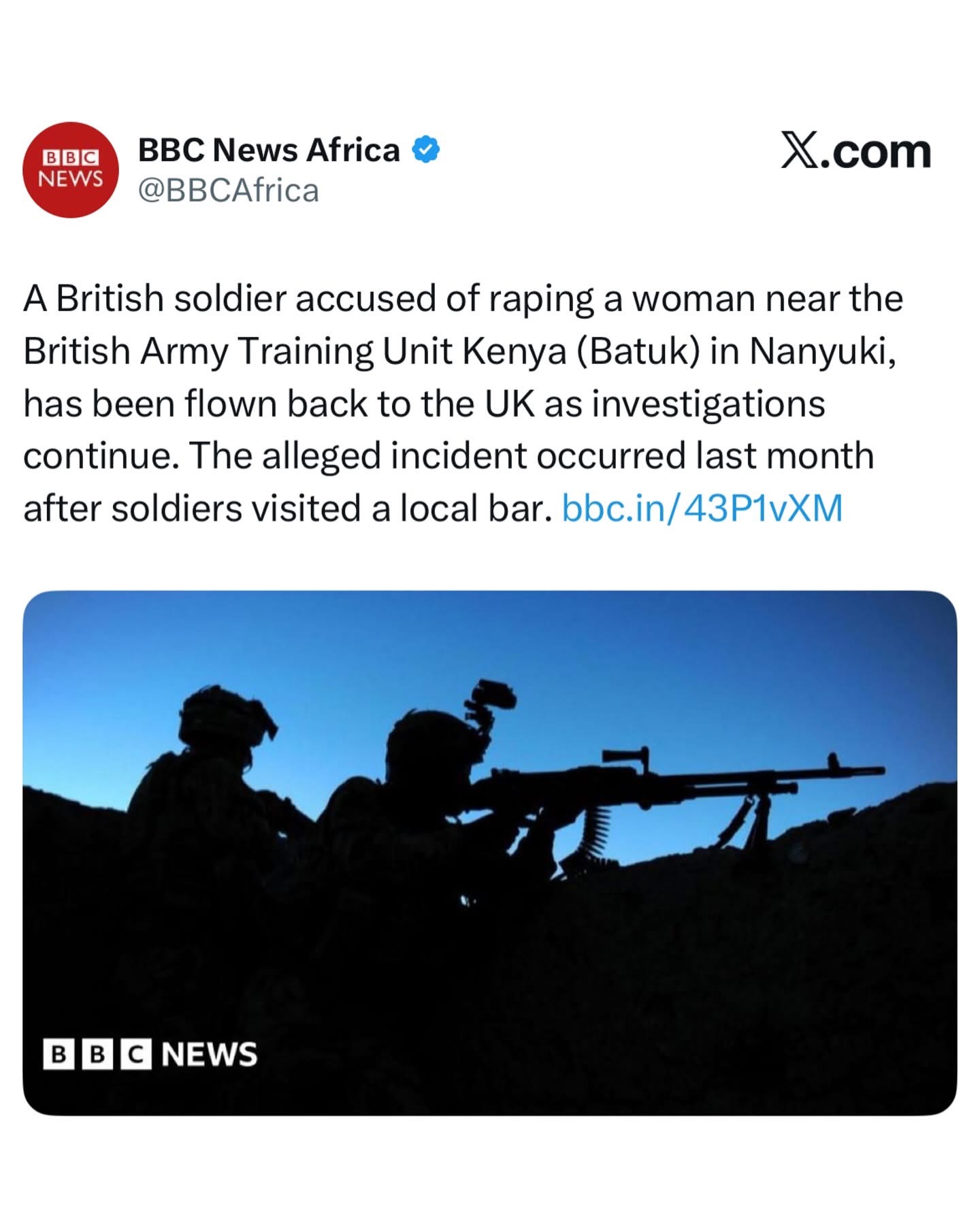
British soldiers stationed in Kenya have been implicated in fresh allegations of using sex workers despite a formal ban introduced in 2022, according to an investigative report by BBC Africa

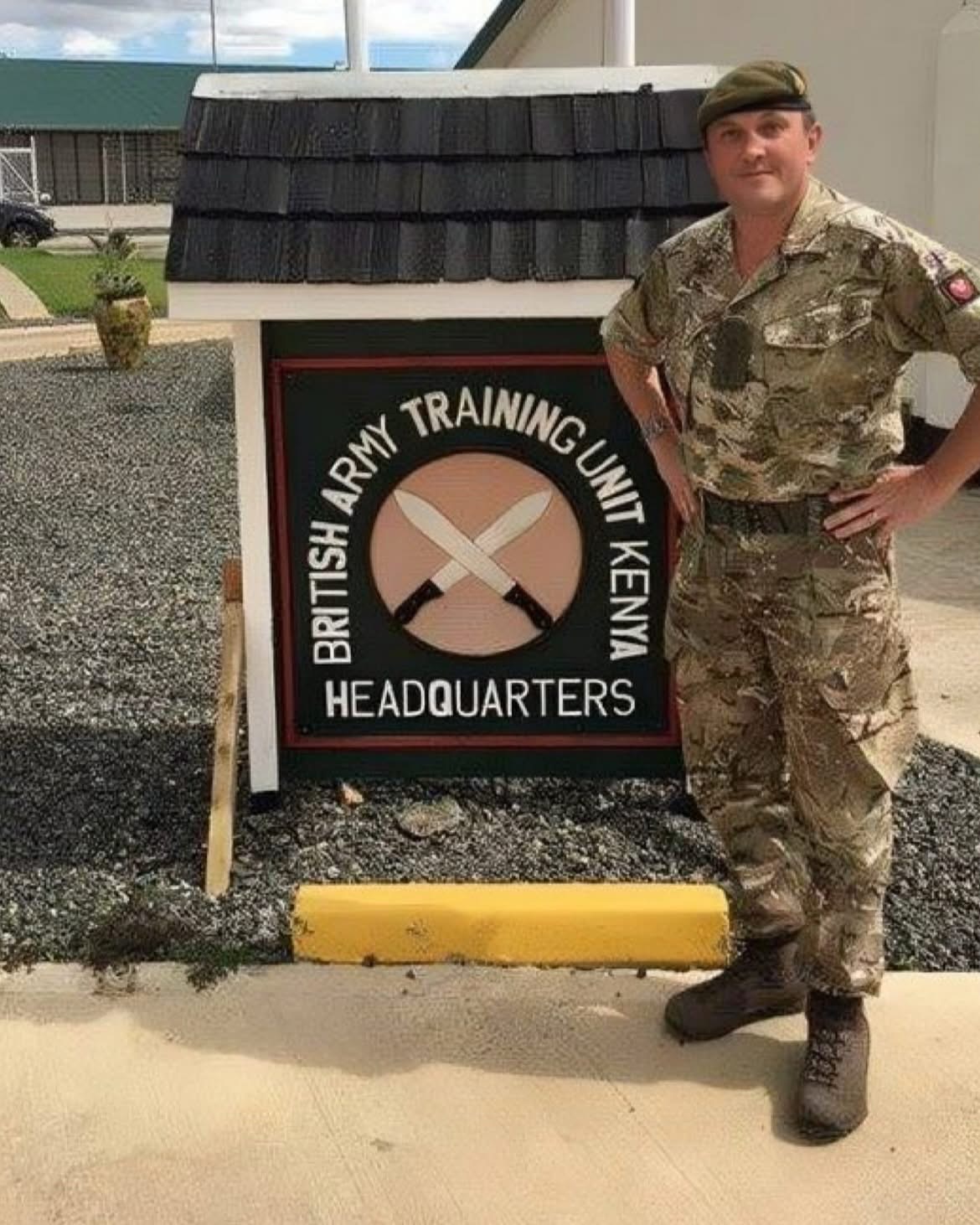
An internal inquiry uncovered 35 suspected cases of soldiers at the British Army Training Unit Kenya (BATUK) engaging in prohibited conduct. While most of the incidents occurred prior to the mandatory training on the ban in November 2022, at least nine cases took place afterwards, raising concerns about continued violations.

The British Army has acknowledged the findings, stating that evidence was weak in many of the cases but reaffirming that such behavior is “entirely at odds” with its values.

The revelations add to a history of controversy surrounding BATUK, which maintains a long-standing presence in Laikipia, central Kenya. The unit has previously faced serious scandals, including the 2012 murder of Agnes Wanjiru, a Kenyan woman whose death was linked to British soldiers, as well as persistent claims of sexual abuse, rape, and children allegedly abandoned by servicemen.

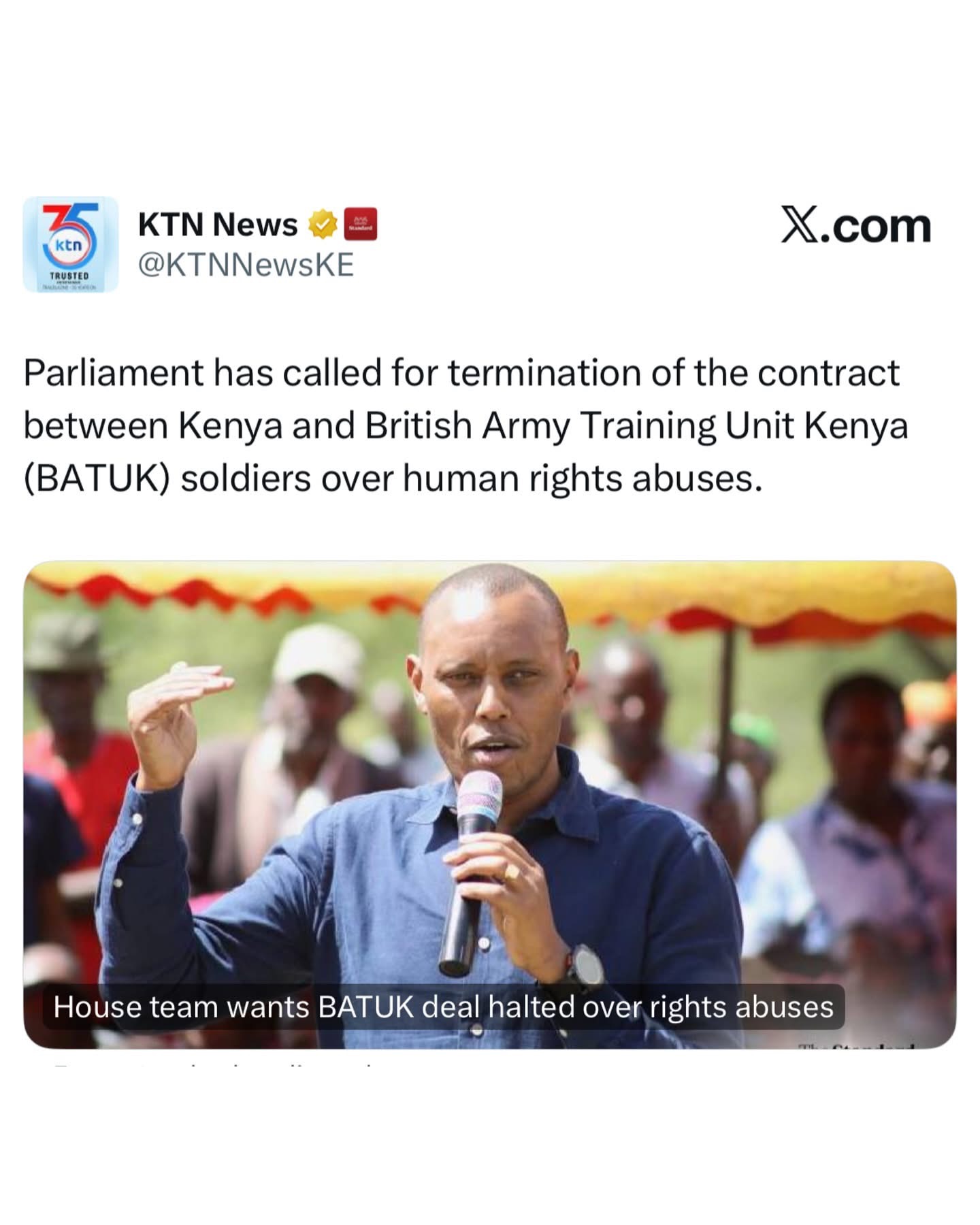
Kenyan lawmakers are now launching investigations into the latest allegations. The BBC report urges stronger disciplinary measures, tighter supervision, and increased patrols to prevent further violations.

As of August 2025, the army confirmed that fewer than five new cases remain under review, but the controversy has already reignited debate over accountability and oversight within the British military’s operations in Kenya.

Do you want me to expand this into a long-form backgrounder (detailing BATUK’s history in Kenya and past scandals) or keep it strictly as a news update for timely publication?

Nigeria Leads Africa’s Stablecoin Market with $22 Billion in Transactions

0

Nigeria has emerged as the largest stablecoin market in Africa, recording nearly $22 billion worth of transactions between July 2023 and June 2024. The data comes from a new report by Yellow Card, one of the continent’s leading stablecoin payments infrastructure providers.

The report, titled Stablecoin Adoption in Emerging Markets, was released on Tuesday and sheds light on the growing importance of digital currencies in Africa’s financial ecosystem. According to the findings, stablecoins now make up 43 percent of all cryptocurrency transaction volumes in Sub-Saharan Africa.

“Nigeria stands out as the continent’s largest stablecoin market, with nearly $22 billion in transactions between July 2023 and June 2024, followed by South Africa and other rapidly growing markets such as Kenya and Ghana,” the report stated.

Stablecoins, digital tokens pegged to traditional assets such as the US dollar, have become an attractive financial tool for many Africans. In Nigeria, where inflation and foreign exchange shortages have weakened the naira, stablecoins are increasingly being used to preserve value, facilitate cross-border trade, and process remittances.

Yellow Card’s findings suggest that Nigeria’s leadership in stablecoin adoption reflects both its large population and its tech-savvy youth demographic, who are turning to digital currencies as alternatives to traditional banking and payments. The report also points to expanding adoption in South Africa, Kenya, and Ghana, markets that are quickly catching up as businesses and individuals explore the benefits of stable digital assets.

Analysts believe this momentum could accelerate further as mobile penetration deepens and regulatory frameworks evolve. For now, Nigeria’s dominance underscores the country’s central role in shaping Africa’s digital financial future.