



Home Blog Page 136

Deyemi Okanlawon: The Actor Who Does It Better, Every Single Time

0

There are actors who come and go with the seasons, and then there are forces—waves that refuse to be stilled, tides that carry entire industries forward. Deyemi Okanlawon belongs to the latter. He is not just an actor; he is a movement within Nollywood, a wave that continues to rise and crash beyond borders, reshaping how the world receives African storytelling.

Deyemi Okanlawon is one of the very few actors in the world—not just Nigeria, not just Africa—who can boldly say, ‘Every year is my year.’ Not as a boast, but as proof. Since he became a full-time actor, he has delivered back-to-back—film after film, character after character—leaving no doubt that consistency is his language and excellence his signature.

Deyemi Okanlawon

Before the lights of Nollywood embraced him fully, Deyemi balanced the grind of a 9–5 job with the heartbeat of theatre and film. It wasn’t convenience; it was love—love for the craft, love for storytelling, love for the stage that never let him go. In his later 30s, he surrendered completely to acting, and in return, acting gave him the world. Today, with over 100 films to his name, he stands as proof that true passion never misses its calling.

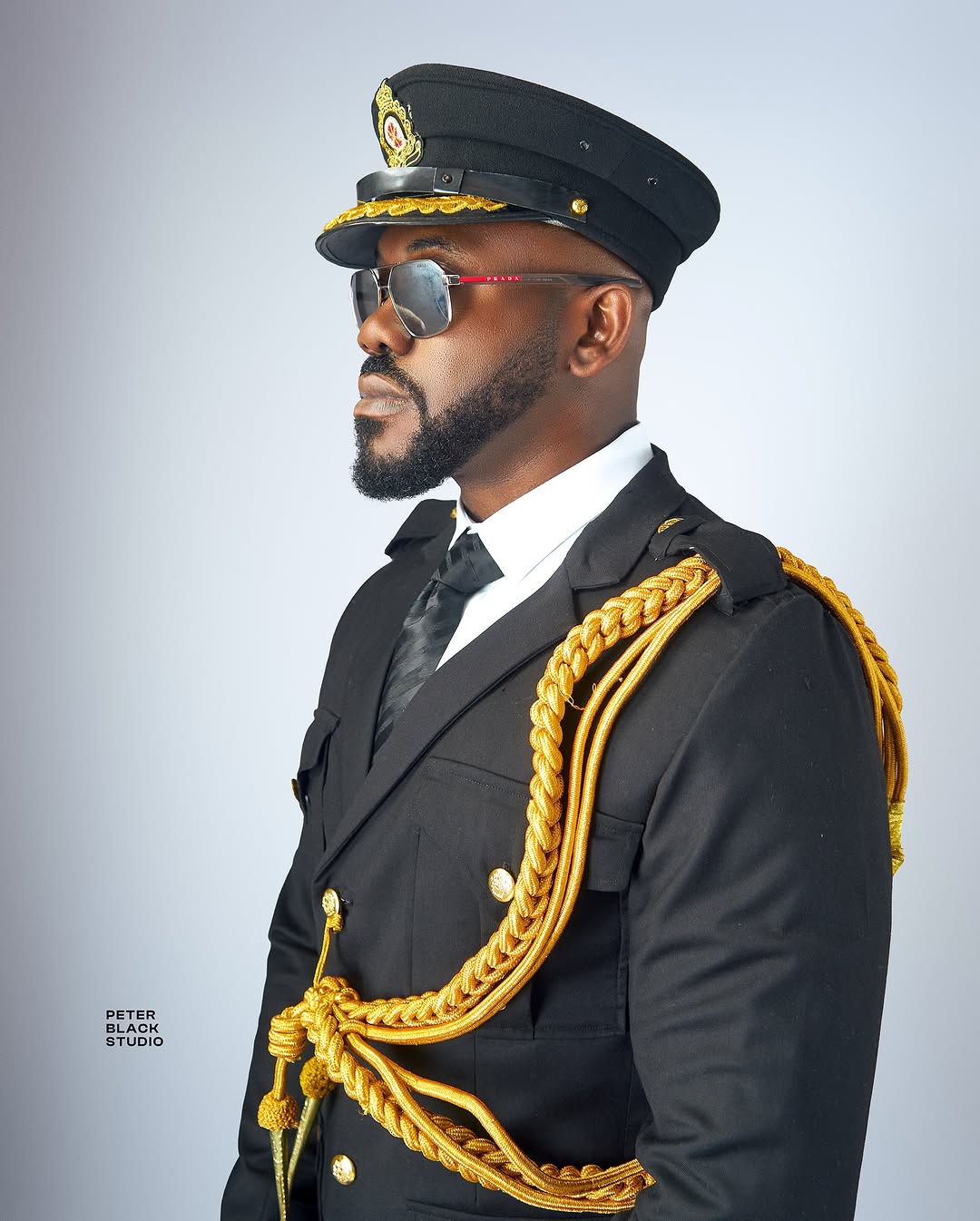
He is, in every sense, a complete actor and an intelligent one at that. He doesn’t just play roles; he transforms them into living, breathing souls. From the blockbuster Omo Ghetto: The Saga to the haunting depths of Elesin Oba: The King’s Horseman, from the intensity of Blood Sisters to the raw grit of Hakeem: Seeking Justice, Deyemi has shown range that rivals Hollywood’s finest. His screen presence commands attention; his delivery demands respect.
Deyemi Okanlawon

In Hakeem: Seeking Justice, Deyemi Okanlawon did not just act—he detonated.
He carried the film with the kind of precision, grit, and fire that reminded audiences of Denzel Washington’s unshakable calm in The Equalizer and Keanu Reeves’ relentless ferocity in John Wick. Yet, this was no imitation—this was Deyemi, bringing his own storm to the screen.

Every glare, every word, every movement in Hakeem was loaded with intensity. He was the hunter and the hunted, the broken man and the unstoppable force. In those moments, Nollywood didn’t just have a hero—it had a global action star in the making.
Deyemi Okanlawon

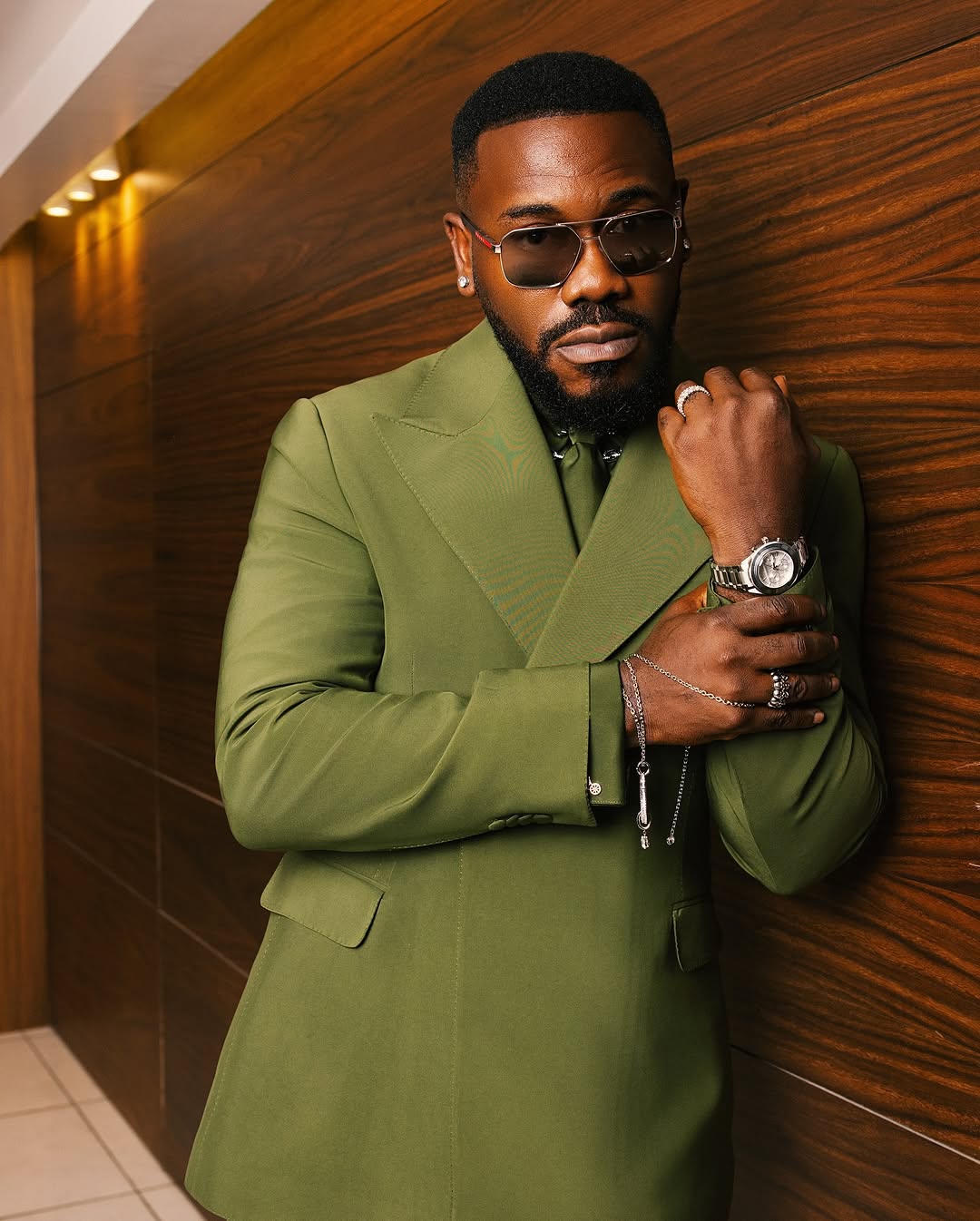
If Hollywood needed a face to step into those shadowy roles of vengeance and justice, Deyemi could take it on—and not just survive, but dominate. That’s the power of his craft: he doesn’t just fit roles; he redefines them.


View this post on Instagram


A post shared by Deyemi OKANLAWON (@deyemitheactor)

Hakeem: Seeking Justice wasn’t just a movie. It was Deyemi’s declaration that Nollywood can produce its own legends, its own franchise-worthy icons. And if the world is watching, they know now—Deyemi Okanlawon is ready to stand shoulder to shoulder with the very best.

Yet, what makes Deyemi truly remarkable is not just the breadth of his performances, but the weight of his impact. He represents the very evolution of Nollywood—an industry no longer confined to local borders, but stretching boldly into global spaces. And in that evolution, he is both anchor and sail: grounded in his craft, yet propelling the industry forward with vision.

In 2024, his move into production with All’s Fair in Love was not merely a career shift, but a declaration. The film grossed over ₦130 million at the Nigerian box office and became one of the most-watched titles on Prime Video, proving once again that Deyemi is not only part of the conversation—he is shaping it.

Behind the actor lies an advocate. He speaks for fair compensation, for structural integrity, for an industry where creativity is valued as much as it is celebrated. He is, in every way, an institution in the making.

And so, the spotlight finds him here: a man who embodies persistence, intelligence, artistry, and vision. No one does it better than Deyemi Okanlawon—a timeless force in Nollywood, a wave that will never cease to rise.
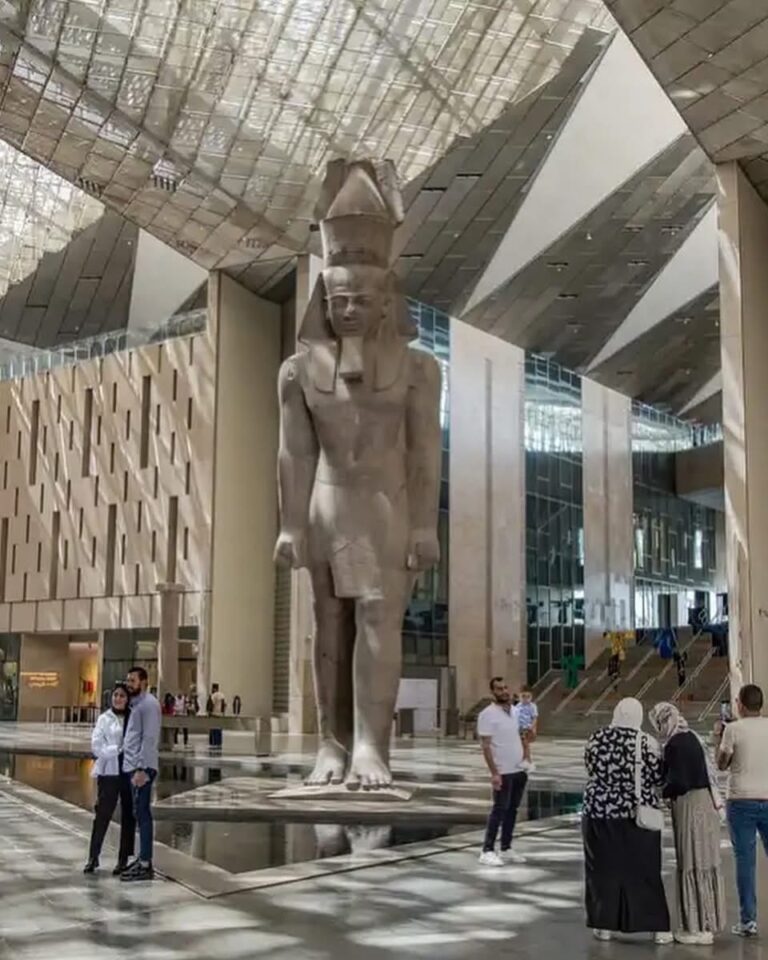
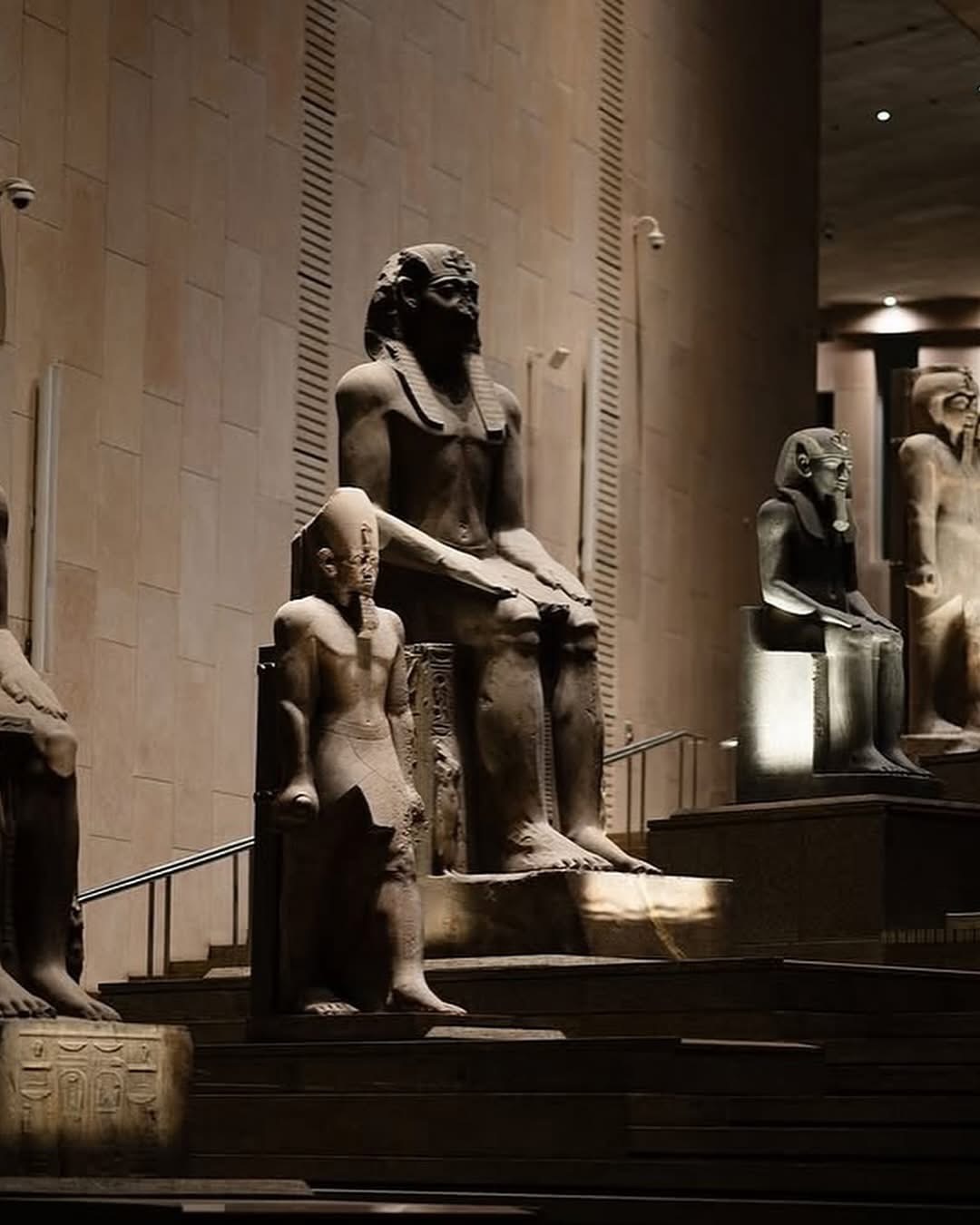
Egypt’s Grand Egyptian Museum to Open November 2025 Near Giza Pyramids

Cairo, August 2025 – After years of anticipation, Egypt has announced that the Grand Egyptian Museum (GEM) will officially open its doors on November 1, 2025. Located just outside Cairo, within sight of the iconic Giza Pyramids, the $1 billion cultural landmark will be the largest museum in the world dedicated to a single civilization.

A Monumental Space for Ancient History

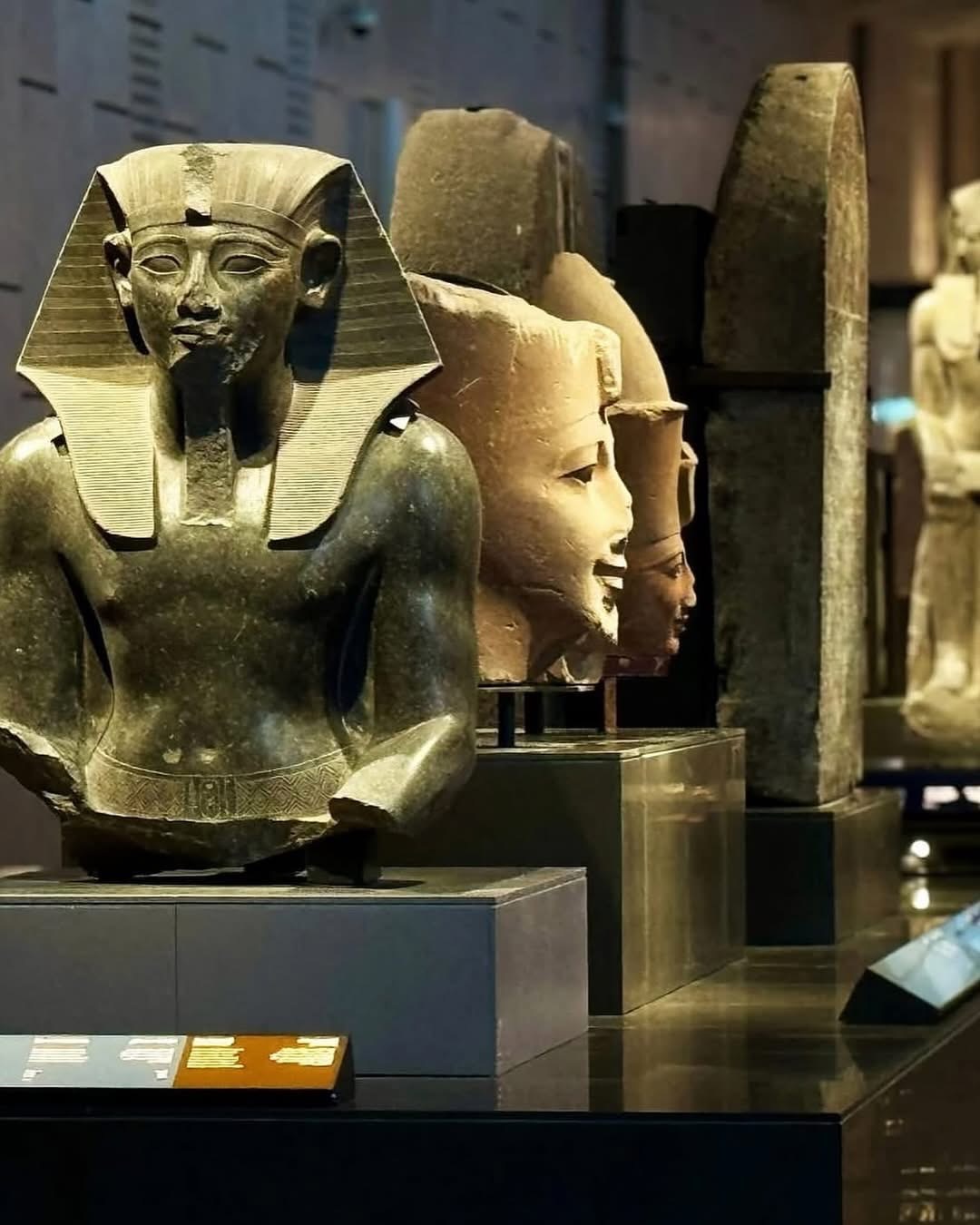
Built on a sprawling 120-acre site, GEM is designed to showcase the depth and grandeur of ancient Egypt. The museum will house more than 100,000 artifacts, offering a comprehensive narrative of the civilization that shaped world history.

Among its highlights:

•The complete treasures of King Tutankhamun, displayed together for the first time since their discovery.

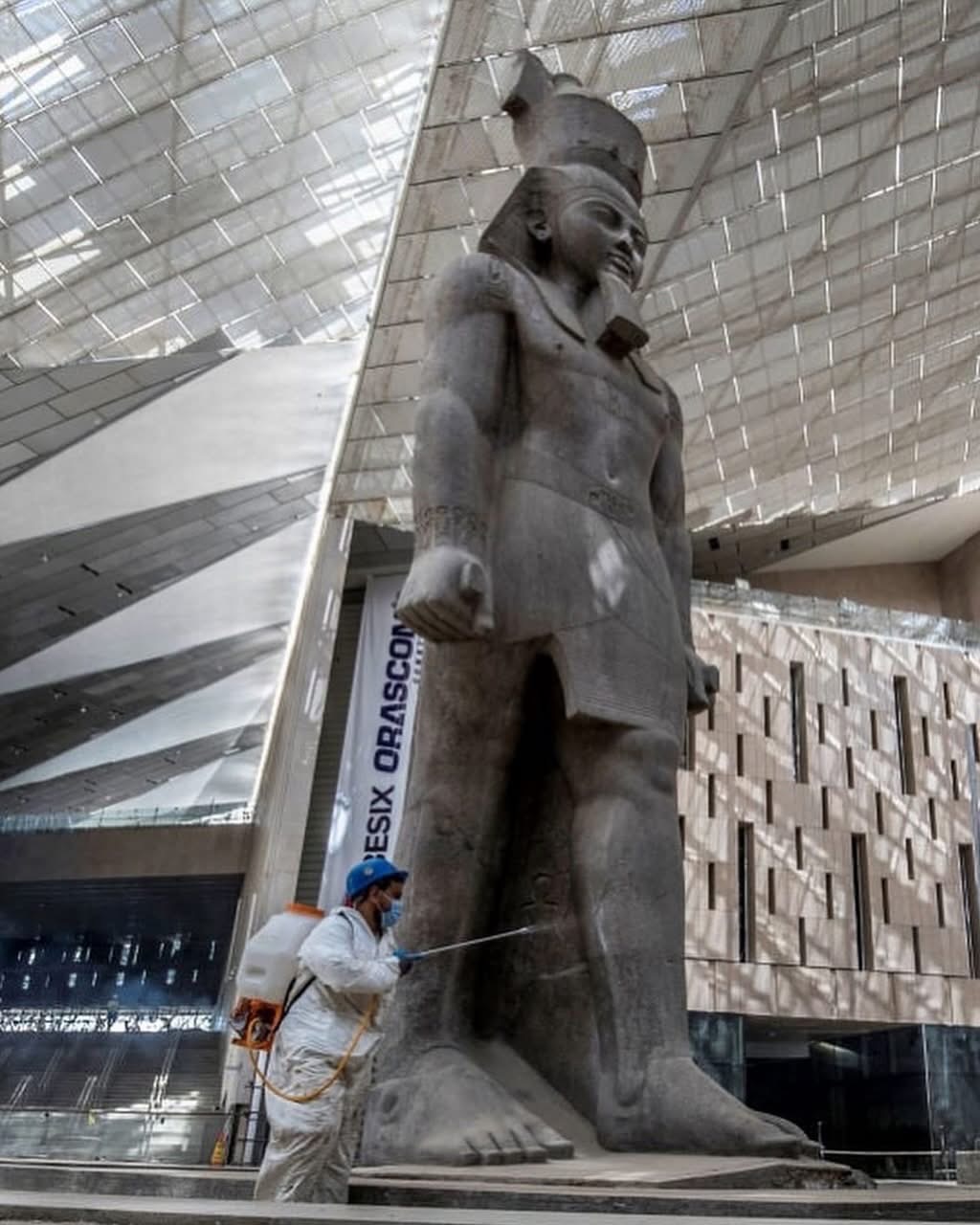
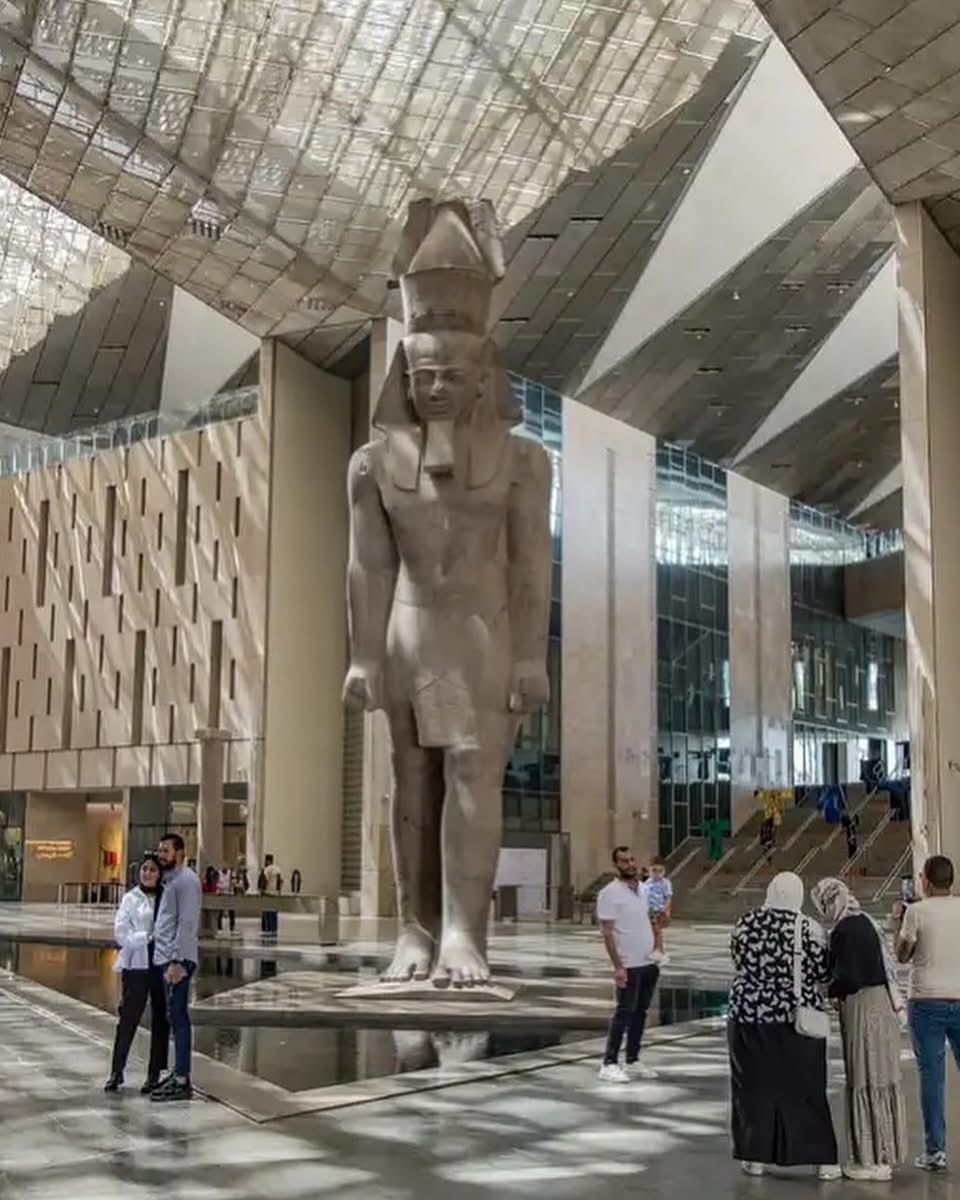
•An 83-ton statue of Ramses II, a centerpiece of the museum’s grand atrium.

•Striking panoramic views of the Giza Pyramids, connecting the ancient and modern in a single landscape.

Blending Antiquity with Modern Innovation

The museum’s architecture and facilities merge tradition with cutting-edge design. It features 12 state-of-the-art exhibition halls, immersive multimedia presentations, and some of the most advanced conservation laboratories in the world. These labs will not only safeguard Egypt’s priceless heritage but also serve as a research hub for scholars of archaeology and Egyptology.

Boosting Tourism and Global Interest
Officials estimate that GEM could attract up to five million visitors annually, positioning it as a central pillar of Egypt’s tourism economy. Its scale and ambition also aim to reinforce Egypt’s status as a global destination for cultural heritage, while providing a new, world-class platform for education and research.

A Global Hub for Egyptology

Beyond its role as a museum, GEM is expected to become an international center for Egyptology, drawing academics, students, and enthusiasts from around the world. With its unprecedented collection and modern infrastructure, it will serve as both a guardian of the past and a meeting point for future discoveries.

As the countdown to November begins, Egypt is preparing to unveil a project decades in the making—one that promises to redefine how the world experiences the legacy of the Pharaohs.

📸: @grandegyptianmuseum


Why I Didn’t Go to University — Femi Otedola

0

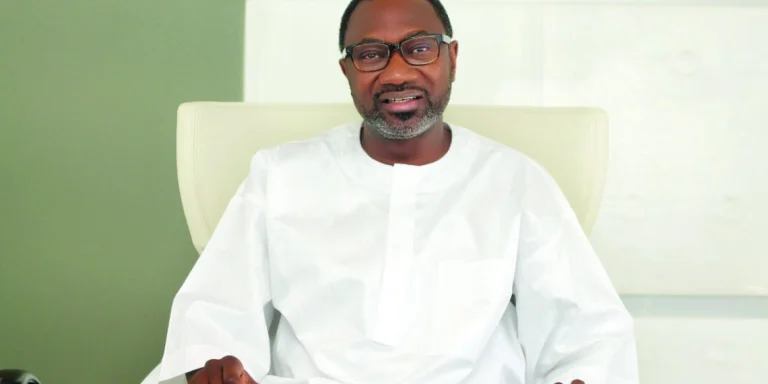
Nigerian billionaire businessman Femi Otedola has revealed why he never pursued a university degree, saying his lack of interest in academics led him to abandon school early and channel his passion into business.

Otedola, who currently serves as the Chairman of First Bank Holding, shared the story in his newly released 286-page memoir, launched on Monday.

Early Schooling Struggles

Recounting his academic journey, Otedola said he began at the University of Lagos Staff School in 1968, at the age of six. However, from the outset, he found himself ill-suited to formal learning.

“But there was something about academia and me; we were not compatible,” he wrote. “I finished primary school in 1974 because I repeated a class. Even when I was allowed to pass, I consistently anchored the bottom rungs of our end-of-term examination results. My interests were definitely not in academia.”

After secondary school, he advanced to Olivet Heights, where he started his A Levels. Yet his interest in books waned as another passion took root.

Fascination with His Father’s Business

At the same time, Otedola’s father, Sir Michael Otedola, was establishing Impact Press, a printing company in Surulere, Lagos. The young Otedola soon became captivated by the operations.

“As I rounded off the first year of my A Levels, my father was establishing his printing company, Impact Press. I grew fascinated with the machines and told myself that my future would be inextricably tied to them,” he recalled.

That fascination eventually overpowered his academic obligations.

Decision to Walk Away

Otedola explained that he managed to remain in school only until he completed his Lower Sixth examination, after which he made the bold decision to quit.

“I never returned for my Upper Sixth. All I wanted to do was get involved in business,” he wrote.

Father’s Influence

Despite leaving formal education, Otedola noted that his father never abandoned him. Instead, he kept him close, providing guidance as he gravitated toward entrepreneurship.

“My father kept watch over me and drew me close,” he wrote, stressing the pivotal role his family played in shaping his journey.

From School Dropout to Business Mogul

Today, Otedola stands as one of Nigeria’s most influential businessmen, having built successful ventures in oil, power, finance, and philanthropy. His story, as told in his memoir, reflects a path defined not by academic laurels but by determination, passion for business, and early mentorship from his father.


BREAKING: Nigerian Aviation Authorities Question Ibom Air Crew, Passenger Comfort Emmanson Over Lagos Airport Drama

0

Abuja, August 21, 2025 – The Nigeria Civil Aviation Authority (NCAA) has begun formal investigations into a disturbing incident at Murtala Muhammed International Airport involving an Ibom Air flight and passenger Comfort Emmanson, who was seen publicly stripped and physically restrained after an altercation with cabin crew.

Crew and Passenger Issued Statements Under Scrutiny

In Abuja, NCAA investigators met with Julie Edwards—a flight attendant involved in the confrontation—and other crew members on Wednesday. The authority’s relevant departments—including Aviation Security; Operations, Licensing and Training Standards; Legal; and Consumer Protection—are working together to reach a fair resolution. 

On Thursday, Emmanson was also summoned and interviewed by the NCAA, with her legal counsel present. According to a follow-up statement, the meeting has since been concluded. 

What Sparked the Controversy?

The incident unfolded on August 10, 2025, aboard an Ibom Air flight from Uyo to Lagos. Emmanson allegedly refused to switch off her mobile phone before takeoff, prompting a confrontation with a cabin crew member. The situation rapidly escalated when she allegedly slapped the already involved purser. 

After landing, confrontational video footage showed Emmanson engaged with airport officials on the tarmac and eventually being forced into a bus by security personnel. The visuals sparked widespread outrage online. 

Airline Response vs. Passenger’s Allegations

Ibom Air defended its staff, insisting that Emmanson “refused to comply with repeated instructions” and breached strict safety protocols. 

Emmanson’s legal team cast this as false. They argue she was subject to “arbitrary and degrading treatment” that violated her fundamental rights. They have threatened both civil and criminal action against those responsible. 

What Comes Next

The NCAA’s multi-departmental task force is aiming for a comprehensive review of the evidence, including testimonies from an eyewitness who sat beside Emmanson and spoke to investigators. NCAA’s public affairs director, Michael Achimugu, indicated that these accountings could shed light on the crew’s conduct and passenger handling before and after the flight. 

Why the Case Echoes Beyond the Cabin

This scandal has become a flashpoint for broader concerns. Observers—including women’s rights advocates, civil society groups, and legal experts—have called for an independent probe into Ibom Air’s handling of the situation. The disturbing visuals on public display have prompted urgent questions about the limits of passenger rights, airline accountability, and security protocols. 

Summary Table

Date Event
August 10, 2025 In-flight phone dispute; physical altercation recorded.
August 11–13 Videos and reports go viral, public outrage intensifies.
August 21, 2025 NCAA questions crew and Emmanson; investigations in progress.

Outlook: As NCAA continues to evaluate both sides of the incident, the aviation sector faces heightened scrutiny over passenger treatment, crew conduct, and appropriate enforcement of safety rules. Emmanson’s legal team is preparing further action, while civil rights groups push for transparency and reform.

Would you like an accompanying feature with expert commentary on aviation law, or a side analysis exploring implications for passenger rights and how airlines should handle conflict?

Nollywood Star Odunlade Adekola Bids Farewell to Father in Otun Ekiti

0

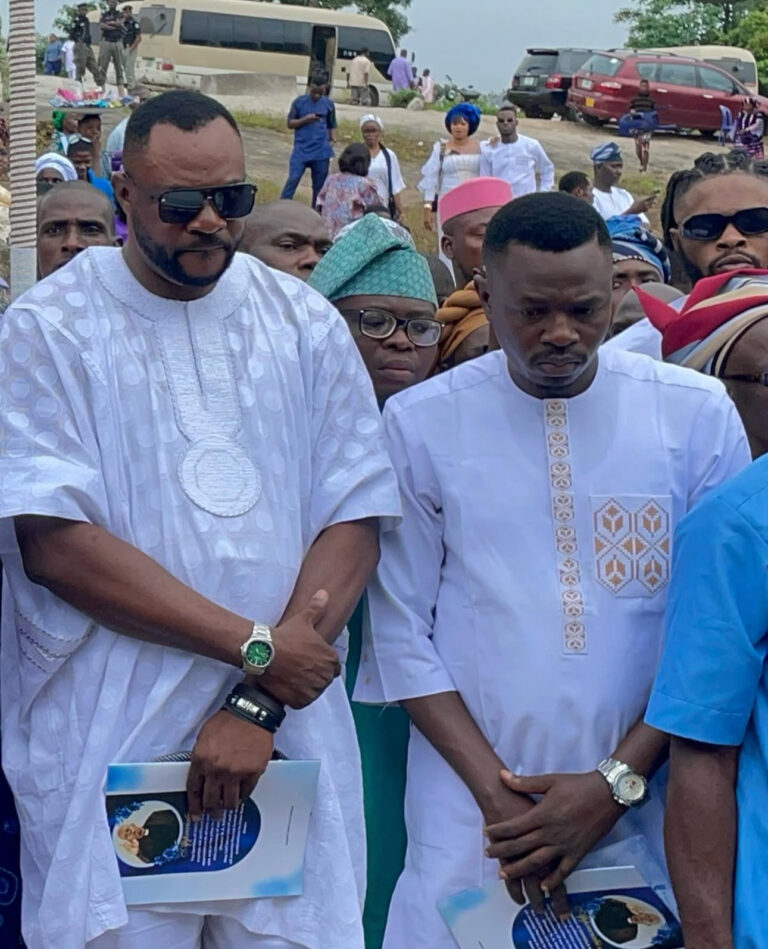
The town of Otun Ekiti in Moba Local Government Area of Ekiti State stood still as one of its most famous sons, Nollywood actor and filmmaker Odunlade Adekola, returned home to lead the final burial rites of his late father, Pastor N. A. Adekola.

A Week of Mourning and Celebration of Life

The burial programme was spread across several days and locations, reflecting the family’s ties to both Abeokuta and Otun Ekiti.

•August 18: The ceremonies opened with a Service of Songs in Abeokuta, where Pastor Adekola had lived for much of his life.

•August 20: Activities shifted to Otun Ekiti with a Christian wake-keep and lying-in-state attended by relatives, friends, church members, and townspeople.

•August 21: The interment and thanksgiving service took place in Otun Ekiti, followed by a community reception.

•August 23: Events concluded back in Abeokuta with another reception for well-wishers who could not travel to Ekiti.

A Homecoming Rooted in Tradition

Despite his upbringing in Abeokuta, Odunlade Adekola remains a proud son of Otun Ekiti. In line with tradition, he and his siblings first paid a condolence visit to the palace of the Oore of Otun Ekiti, Oba Adekunle Adeayo Adeagbo, the paramount ruler of Mobaland. The palace homage underscored the importance of custom in community life and the respect owed to the traditional institution.

A Procession that Drew Crowds

Footage from the burial showed streets lined with residents who came out to honor Pastor Adekola. Hymns, prayers, and processions filled the town as the coffin was carried for the lying-in-state. The atmosphere mixed the solemnity of mourning with the celebratory tone of a life well lived.

Nollywood Stars Stand in Solidarity

The ceremonies also became a gathering of Nollywood stars, as Odunlade’s colleagues travelled down to Ekiti to support him. Ibrahim Chatta, Eniola Ajao, Muyiwa Ademola, Lola Alao, and others were seen at the wake and interment, standing by the actor and his family. Their presence highlighted the bond within the Yoruba film industry and the respect Odunlade commands among his peers.

A Father Remembered, A Son Honored

Pastor N. A. Adekola’s passing had earlier been announced by the family, drawing condolences from across Nigeria. His son’s prominence in Nollywood meant the ceremonies were followed not only by locals but also by fans of the actor worldwide.

Odunlade Adekola, founder of Odunlade Adekola Film Production, is celebrated for his leading roles in Yoruba-language cinema and wider Nollywood productions. His return to Otun Ekiti for his father’s final rites was not only a family duty but also a symbolic reconnection with his roots.

Closing Note

The week-long burial rites of Pastor N. A. Adekola blended faith, culture, and community. For Otun Ekiti, it was a moment of history, as the town hosted one of Nigeria’s most recognizable actors in a deeply personal yet widely public farewell to his father.

BREAKING: Nigeria’s FX Reserves Hit $41 Billion, Highest in 44 Months

Abuja, August 19, 2025 – Nigeria’s foreign exchange reserves climbed to $41.00 billion on Tuesday, reaching their highest point in nearly four years, according to official data released by the Central Bank of Nigeria (CBN).

The new level represents the strongest external reserves position since December 3, 2021, when the balance stood at a comparable mark. It also underscores a consistent upward trend recorded in recent weeks, suggesting a period of renewed external accretion for Africa’s largest economy.

Sustained Growth in Reserves

The figures reflect a gradual but steady build-up that analysts attribute to a combination of factors, including stronger crude oil receipts, improved remittance inflows, and enhanced foreign exchange management policies by the CBN. The rise in reserves is seen as a critical boost for the country’s balance of payments position and a potential stabilizer for the naira.

Implications for the Economy

Foreign exchange reserves serve as a key buffer for Nigeria, allowing the central bank to manage currency volatility, support imports, and strengthen investor confidence. A higher reserve base also provides reassurance to international markets about Nigeria’s ability to meet external obligations.

With reserves now at $41 billion, policymakers have greater flexibility in navigating global financial uncertainties and domestic currency pressures. Economists suggest that if the momentum is sustained, it could provide a stronger foundation for medium-term stability in Nigeria’s external sector.

Historical Context

The last time Nigeria’s reserves reached this level was nearly four years ago, before the combined shocks of the COVID-19 pandemic, global oil market instability, and domestic economic pressures eroded external buffers. The current rebound marks a significant recovery phase, positioning reserves closer to pre-crisis levels.

Outlook

While the CBN has yet to issue a detailed commentary on the reserves performance, market observers are closely watching how this development might influence foreign exchange policy decisions in the coming months. Key questions remain on whether the reserves growth will translate into greater liquidity in the official market and how it might affect the ongoing reforms in the foreign exchange regime.

Nigeria Blocks 13.5 Million Social Media Accounts Over Offensive Content

0

Abuja, August 2025 – The Nigerian government has confirmed the blocking of about 13.5 million social media accounts for posting offensive content and violating the provisions of the 2024 Code of Practice for Online Platforms.

According to authorities, the enforcement action targeted major platforms such as TikTok, Facebook, Instagram, and X (formerly Twitter). In addition to the blocked accounts, roughly 59 million pieces of harmful content were removed during the nationwide crackdown.

Government’s Position

Officials described the move as part of a broader effort to strengthen oversight of Nigeria’s rapidly expanding digital space. While acknowledging the economic and social value of social media, regulators stressed that the platforms have also become channels for misinformation, cyberbullying, fraud, exploitation, and extremist content.

“Social media has become a vital tool for communication and commerce in Nigeria,” a government spokesperson said. “But its unchecked misuse can undermine public safety, destabilize communities, and expose citizens to harm. The Code of Practice was introduced to ensure accountability, and this action demonstrates our commitment to enforcing it.”

The Code of Practice

The 2024 Code of Practice sets mandatory standards for social media platforms operating in Nigeria. These include requirements to swiftly remove harmful posts, curb the spread of false information, provide transparent reporting of content moderation, and ensure user safety. Platforms that fail to comply risk sanctions, including fines and restrictions on their services.

Scope of the Crackdown

Authorities noted that the latest enforcement spanned several months of monitoring and collaboration with technology companies. The 13.5 million blocked accounts were identified as repeat offenders engaged in sustained violations such as hate speech, impersonation, fraudulent activities, and the distribution of exploitative content.

The removal of 59 million harmful posts covered material deemed to incite violence, promote scams, or endanger vulnerable users. Officials said many of the flagged posts had significant engagement before takedown, underscoring the scale of the challenge.

Public and Industry Reaction

The sweeping action has drawn mixed reactions. Supporters argue that stricter control is necessary to safeguard users, protect young people, and maintain social stability in an era of digital misinformation. Critics, however, warn that broad account suspensions could have implications for freedom of expression and digital rights, particularly in a country where social media has become a central space for civic engagement and political debate.

Outlook

Nigeria, home to one of Africa’s largest online populations, continues to balance the benefits of a vibrant digital economy with the risks of online harm. The government has signaled that further measures may be introduced to ensure compliance by global tech platforms, while civil society groups are calling for transparent appeal mechanisms to protect legitimate users.

With internet penetration expected to keep rising, the debate over regulation, accountability, and digital freedoms is set to remain at the center of Nigeria’s tech policy agenda.

Namibia and Botswana Seal Landmark Agreement to Build Joint Oil Refinery

0

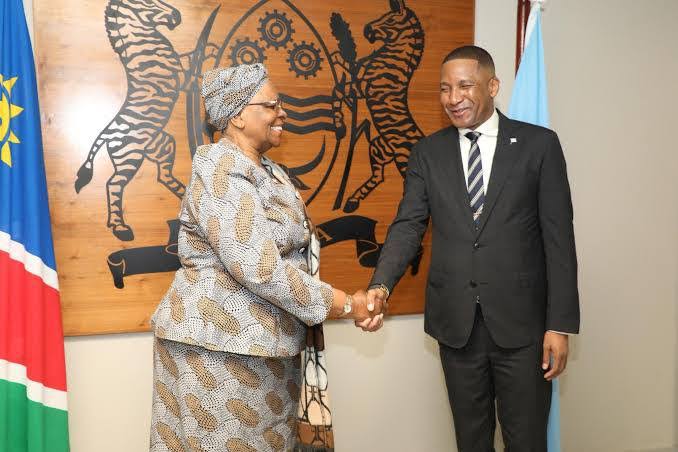
Namibia and Botswana have entered into a groundbreaking energy partnership with the signing of an agreement to jointly establish a state-owned oil refinery. The project, described by both governments as a strategic milestone, is expected to transform the region’s energy landscape by reducing dependence on imported refined petroleum products and strengthening Southern Africa’s energy security.

In a joint statement released this week, the two countries confirmed that the facility will process crude oil into a range of refined fuels, including petrol, diesel, kerosene, and jet fuel. These products are vital to sustaining industries, transportation systems, and households across both nations.

Officials emphasized that the refinery will not only address long-standing supply vulnerabilities but also generate far-reaching economic benefits. By cutting down on costly fuel imports, Namibia and Botswana aim to retain greater value within their economies, stabilize domestic fuel prices, and improve trade balances.

The project is also expected to create significant employment opportunities during both the construction and operational phases, while providing new avenues for skills development and industrial growth.

Beyond serving Namibia and Botswana, the refinery is positioned to become a key supplier for neighboring landlocked states such as Zimbabwe, Zambia, and the Democratic Republic of Congo. Energy analysts believe that a stable and regionally controlled source of refined petroleum could help ease the fuel shortages and price fluctuations that often affect these economies.

With this initiative, Namibia and Botswana have taken a decisive step toward greater energy independence and regional integration, aligning their economic ambitions with the broader vision of strengthening Africa’s industrial base

Google Executive Urges Africa to Shift From Consumption to Innovation

0

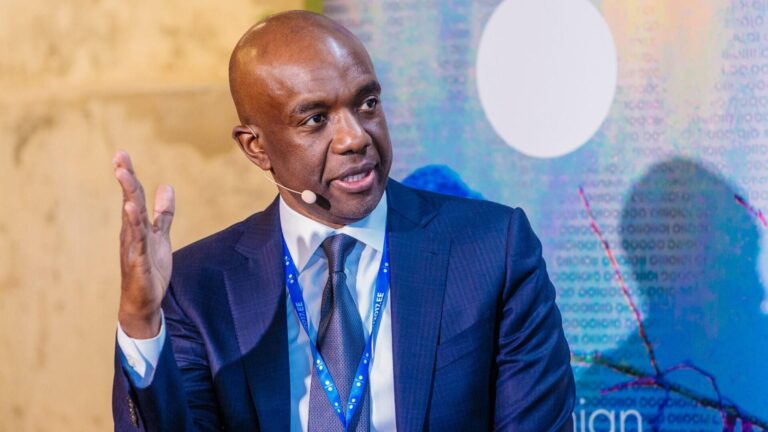
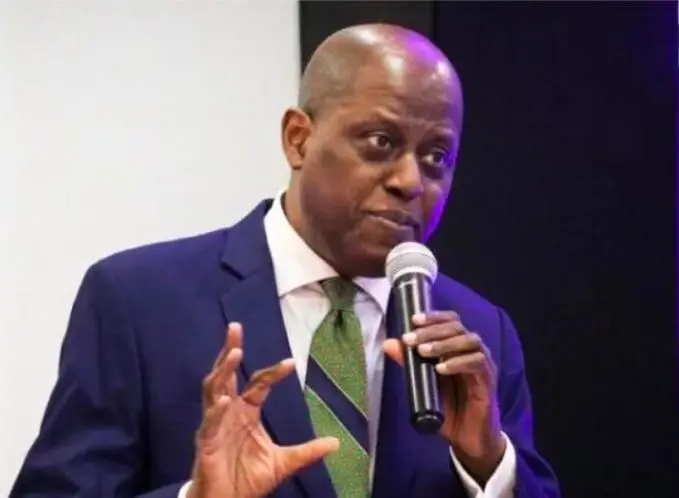
Google’s most senior African executive, James Manyika, has called on the continent to rethink its role in the global technology landscape by moving beyond consumption and becoming a driver of innovation.

Speaking in an interview with BBC News Africa, Manyika emphasized that while Africa has one of the world’s fastest-growing populations of internet users, much of the technology consumed on the continent is imported rather than developed locally. He warned that unless Africa takes active steps to build its own innovation ecosystems, it risks being left behind in the ongoing digital transformation.

“Africa cannot afford to remain a passive consumer of technology. The real opportunity lies in creating and owning the solutions that address our unique challenges,” Manyika said.

Industry experts have long argued that the continent’s youthful population, rapid digital adoption, and expanding mobile penetration place it in a strong position to leapfrog traditional development pathways. Start-ups across Nigeria, Kenya, South Africa, and Egypt have already begun to make global impacts in fintech, e-commerce, and health technology. However, Manyika noted that Africa still faces barriers such as limited access to funding, infrastructure gaps, and a shortage of advanced technical skills.

Observers believe that deeper investment in research, education, and digital infrastructure could unlock Africa’s potential to shape the next wave of technological progress. With global demand rising for solutions in artificial intelligence, renewable energy, and digital finance, Africa’s innovators have an opportunity to contribute not just to the local economy but also to the wider world.

Manyika’s remarks add to ongoing conversations about how Africa can transition from being a technology marketplace to becoming a center of creation, with the ability to export ideas and products that reflect its realities and aspirations.

Morocco Becomes Africa’s Leading Car Producer in 2024

0

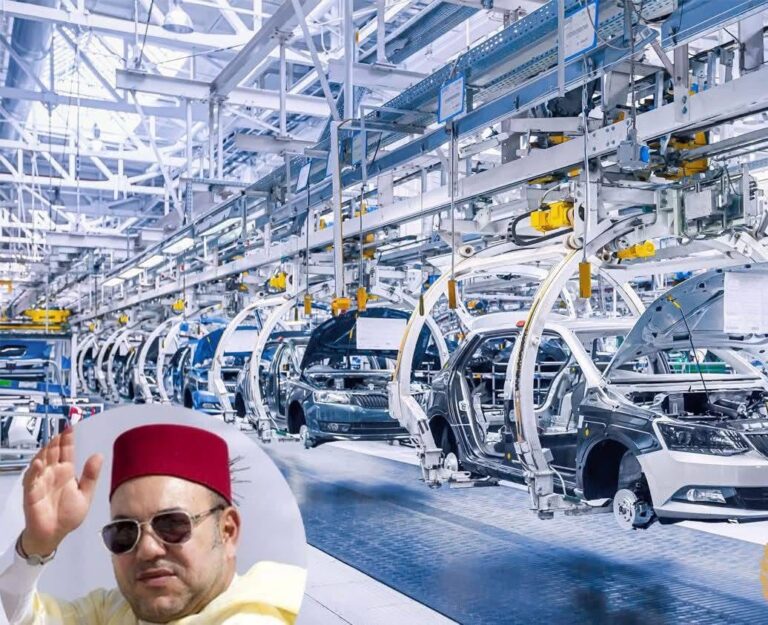
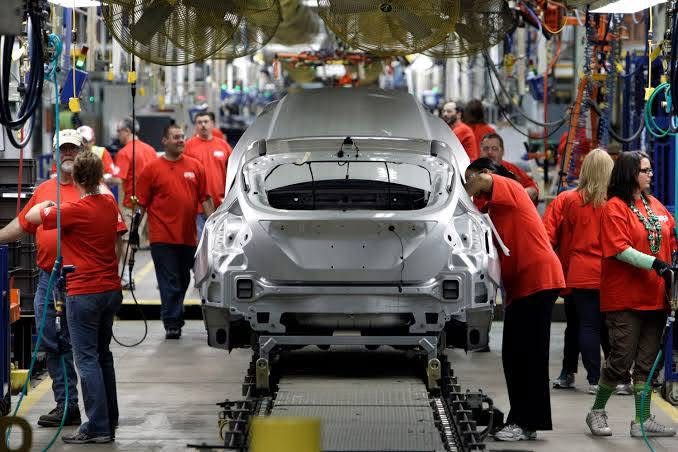
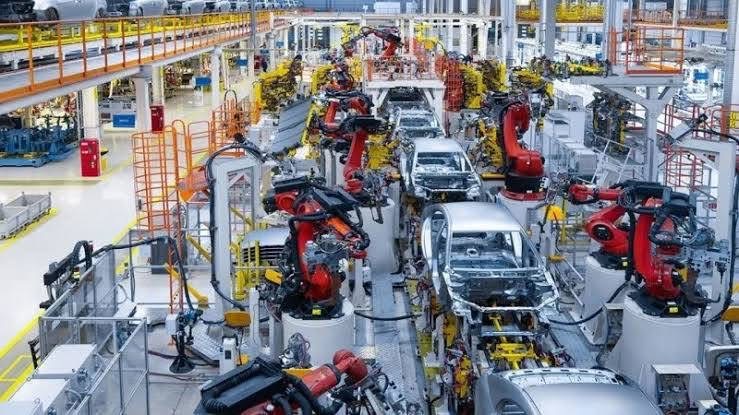
Morocco has overtaken its continental peers to become Africa’s largest producer of private vehicles, recording a total output of 524,467 cars in 2024.

According to industry data, the milestone reflects the rapid growth of Morocco’s automotive sector, which has emerged as a cornerstone of the country’s industrial strategy over the past decade. The sector has been a key driver of foreign investment, job creation, and export revenue.

Officials attribute the achievement to consistent government policies and the vision of King Mohammed VI, who has prioritized industrialization and positioned Morocco as a competitive hub for global automakers. Major manufacturers, including Renault and Stellantis, operate large assembly plants in the North African nation, supported by a growing network of local suppliers.

Industry analysts note that Morocco’s geographical proximity to Europe, coupled with modern port infrastructure in Tangier Med and Casablanca, has further boosted its appeal as a production and export base. Vehicles manufactured in Morocco are now exported to more than 70 countries worldwide.

The government has also set ambitious goals to expand into electric vehicle (EV) production, aligning with global shifts in the automotive market. Efforts are underway to attract new investments in battery production and EV assembly, reinforcing Morocco’s ambition to play a significant role in the future of sustainable mobility.

With 2024’s record output, Morocco not only leads Africa in private vehicle production but also strengthens its position as a rising player in the global automotive industry.