Home Blog Page 135

U.S. Halts Work Visas for Foreign Truck Drivers Over Safety and Employment Concerns

0

The United States government has announced an immediate suspension of work visa issuance for foreign commercial truck drivers, a decision that affects applicants from Nigeria and several other countries.

The move, disclosed on Friday, forms part of the Trump administration’s broader review of immigration and labor policies. Secretary of State Marco Rubio explained that the measure was introduced to address concerns about potential job displacement among American truck drivers as well as road safety standards.

“Protecting the integrity of our workforce and ensuring road safety remain top priorities,” Rubio stated. He noted that while the U.S. recognizes the contributions of foreign workers, the government must strike a balance between labor needs and the welfare of its citizens.

Industry analysts warn that the decision could have significant implications for the logistics and transport sector, which has faced recurring shortages of qualified drivers in recent years. Companies that rely on international recruitment to fill these gaps may now face operational strain.

For many Nigerian applicants, the development comes as a setback. Nigeria has become one of the countries with a rising number of skilled truck drivers seeking employment opportunities abroad, particularly in the United States and Canada.

The U.S. Department of Labor has been tasked with conducting a comprehensive assessment to determine long-term policies regarding foreign commercial driver employment. Until then, the visa suspension will remain in force.

Would you like me to extend this into a feature-style analysis—including expert commentary from U.S. trucking associations, Nigerian labor migration data, and policy implications—or keep it strictly as a straight news report?

Farming the Future: How Nkosana Mtambo Is Building an Agricultural Empire at 33”

0

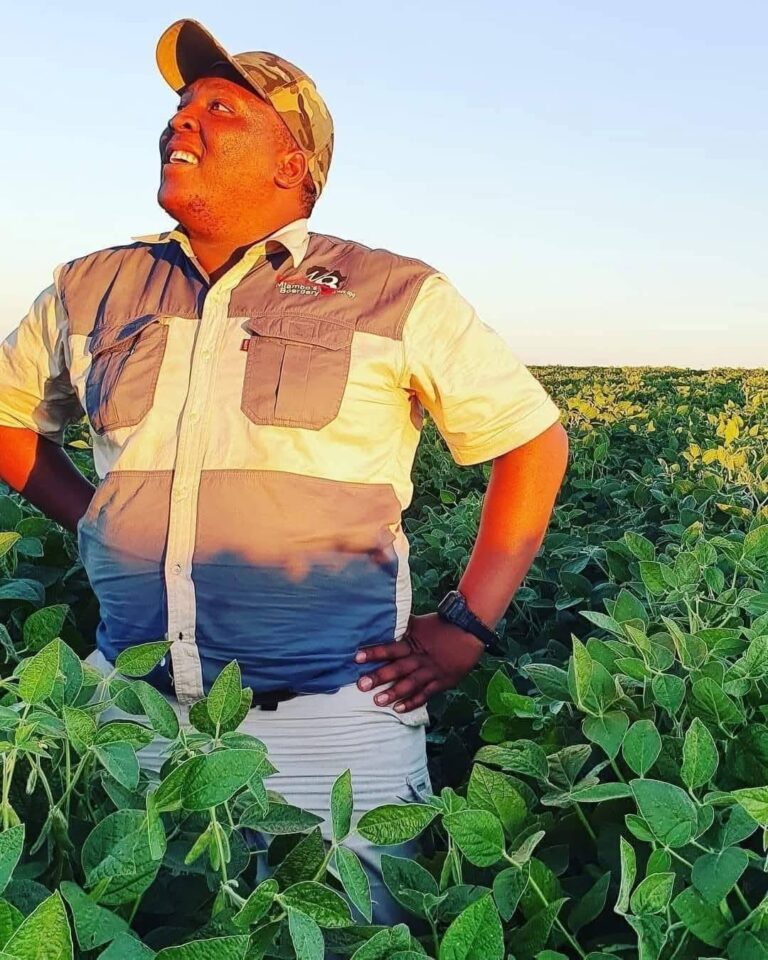
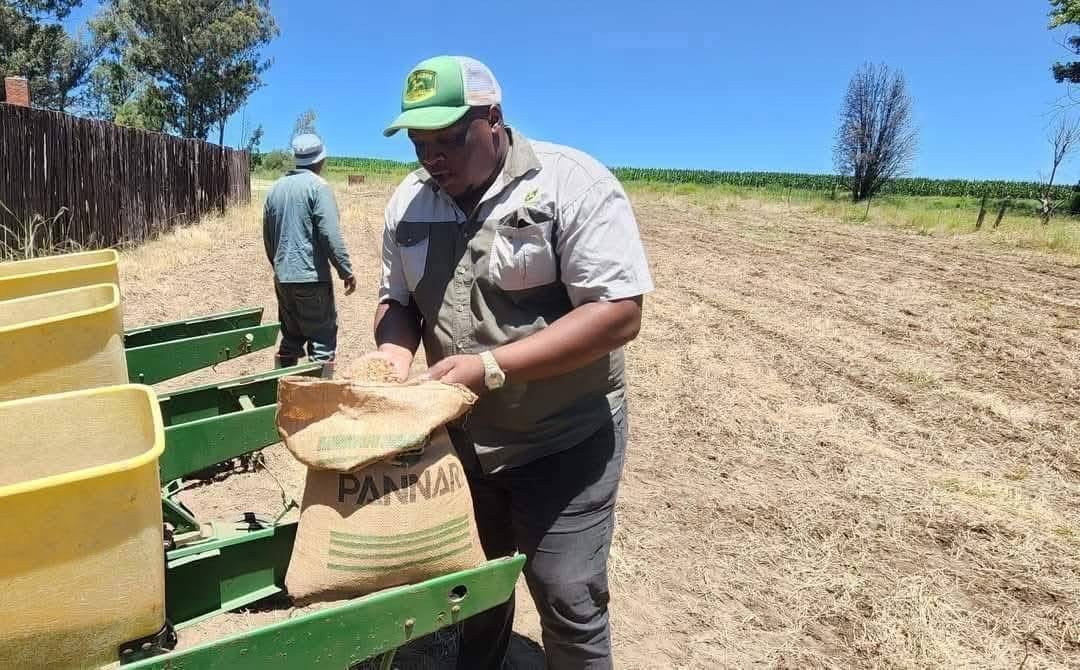
When the early morning sun rises over the Free State, its golden light falls across the wide fields and quiet rhythms of Mtambo Boerdery, a 710-hectare farmland that hums with life. Here, tractors roll across maize fields, sheep graze in the distance, and the steady presence of cattle gives the land a sense of permanence. At the center of it all is Nkosana Mtambo, a 33-year-old farmer whose journey into agriculture has made him one of South Africa’s most celebrated young farmers — often referred to as “Mzansi’s Best Farmer.”
From Modest Beginnings to Farming Giant

Mtambo’s story did not begin with inherited land or generational wealth. Like many young South Africans, he faced an uphill path marked by limited resources, skepticism, and the ever-present challenge of turning ambition into reality. Yet, what he lacked in resources, he made up for in persistence. “I wanted to create something lasting,” he recalls. “Agriculture was not just about business for me, it was about building a future where food, jobs, and dignity could come from the land.”

Through steady determination, Mtambo acquired his farmland in the Free State and began to grow what is now Mtambo Boerdery, an operation that has become a model of diversification and modern farming.
The Scale of Mtambo Boerdery

Today, Mtambo oversees a large and carefully balanced enterprise:

  • 200 Bonsmara cattle, known for their resilience and premium beef.
  • 400 Dohne Merino sheep, a breed that produces high-quality wool while also supplying meat.
  • Maize and vegetable production, providing both staple and cash crops.
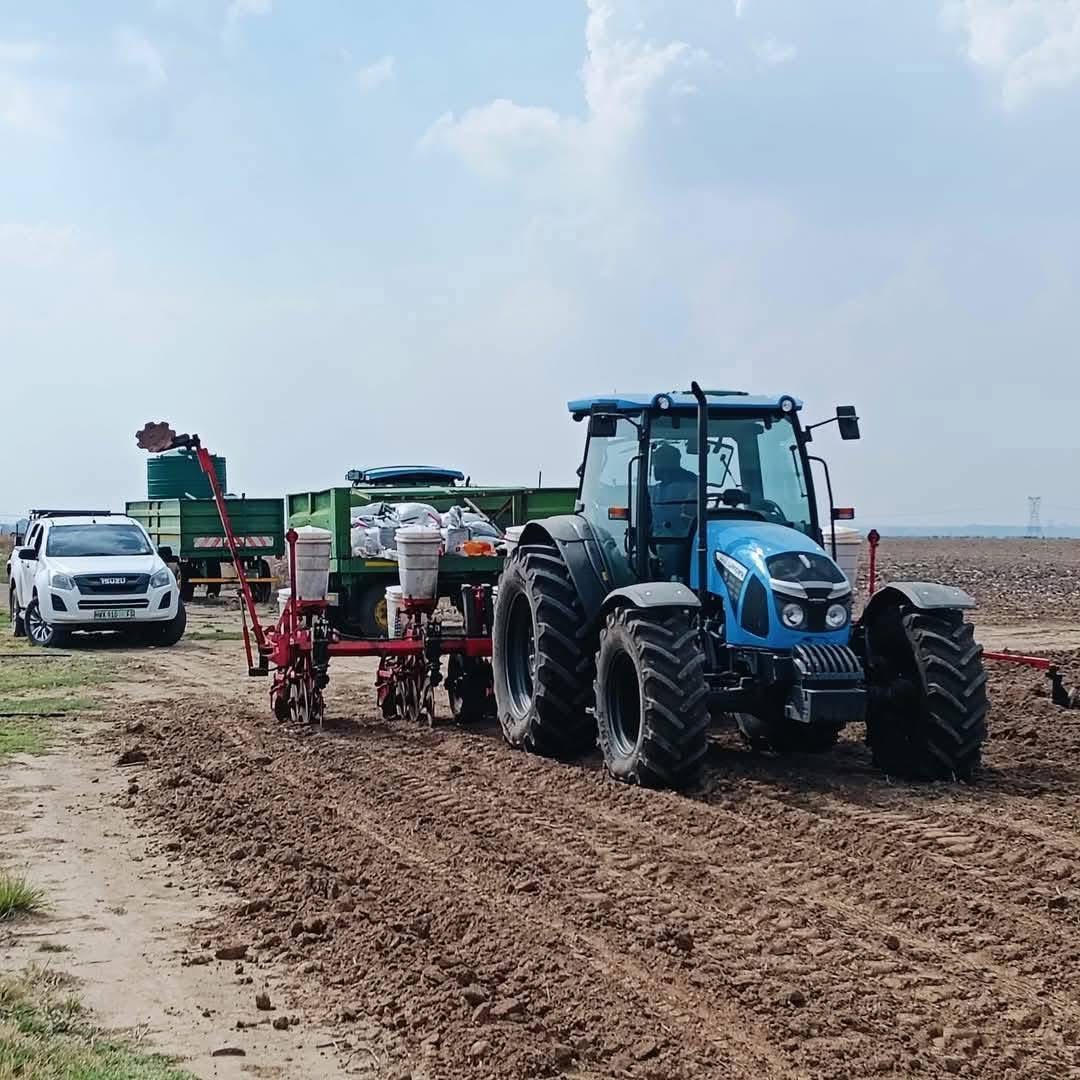
  • A fleet of tractors, trucks, and modern agricultural machinery, symbolizing his embrace of mechanization and efficiency.

This blend of crop and livestock farming ensures stability, even in years when markets fluctuate or weather patterns shift unpredictably.
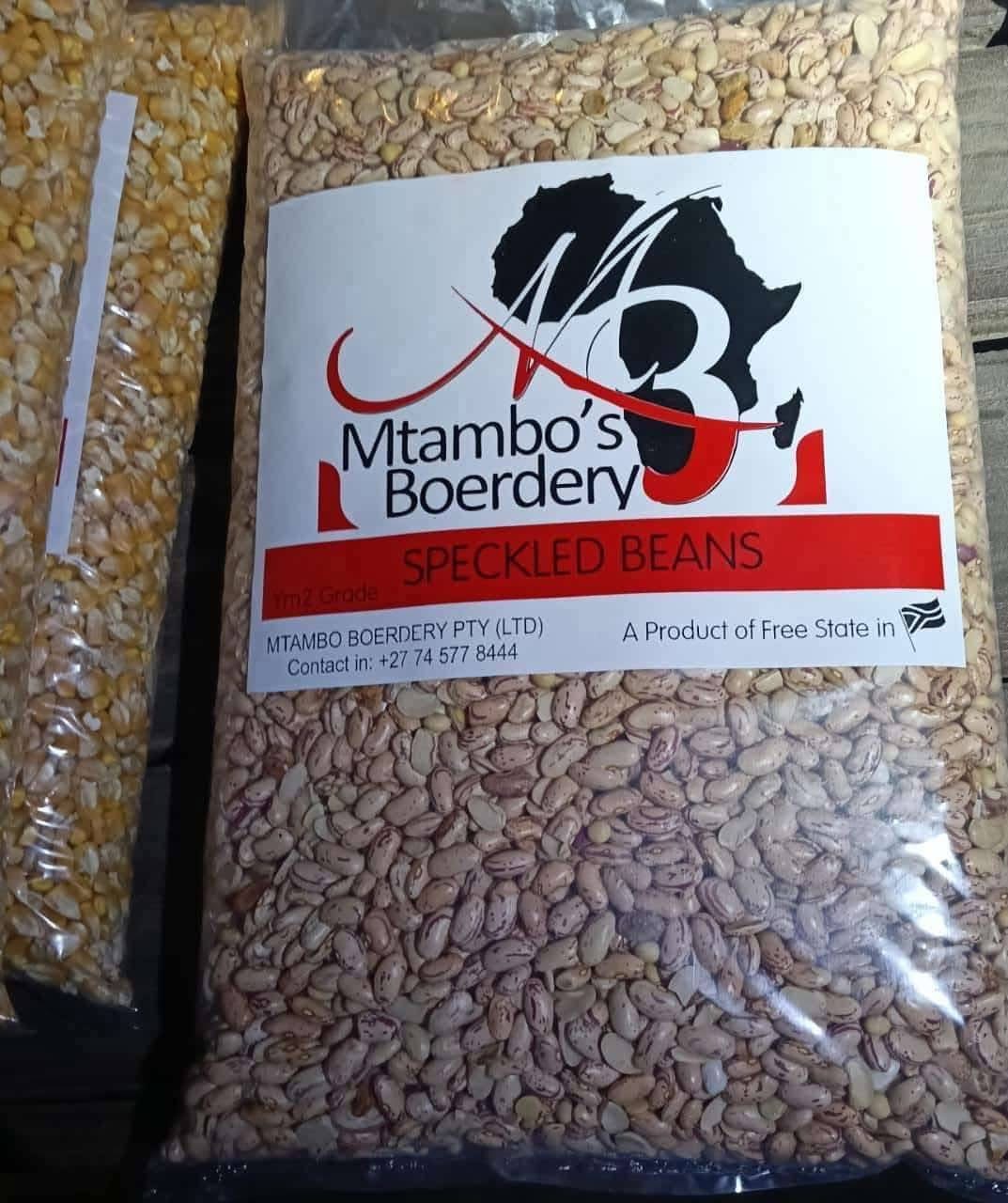
Innovation, Sustainability, and Vision

What sets Mtambo apart is not just scale, but vision. He believes that African farming must modernize while staying rooted in local realities. To that end, he has introduced sustainable farming practices, efficient irrigation systems, and rotational grazing to keep his farmland productive for future generations.

His approach has also been about people. By employing and training workers, Mtambo Boerdery has become a source of livelihood in the local community, proving that farming can be both profitable and socially transformative.
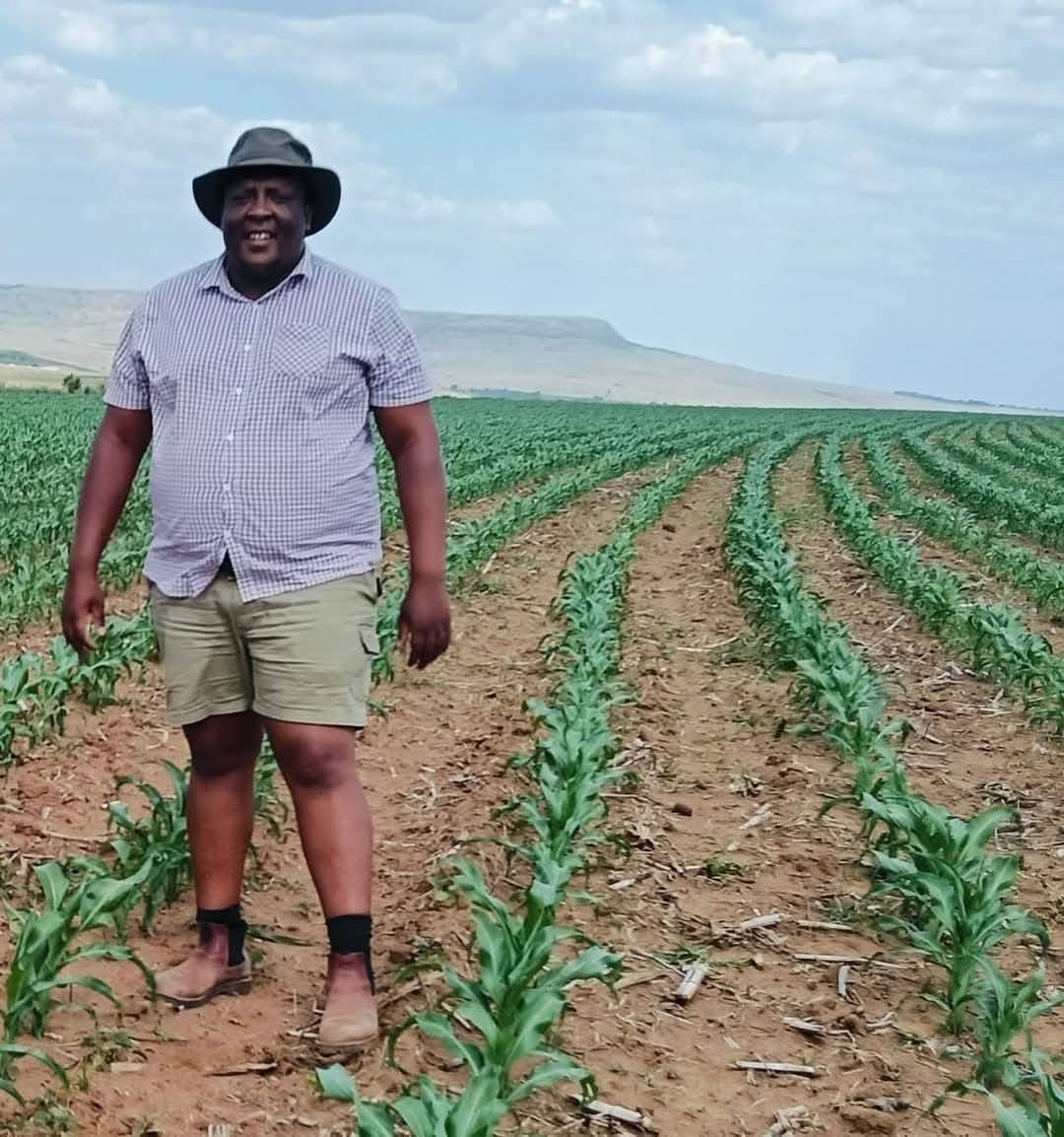
Recognition and Impact

Mtambo’s achievements have not gone unnoticed. Within farming circles, he is celebrated as part of a new generation of black farmers rewriting South Africa’s agricultural story. His nickname, “Mzansi’s Best Farmer,” reflects not only his success but also his symbolic importance in showing young people that agriculture is a path worth pursuing.

Beyond recognition, Mtambo has also become a mentor and role model. He frequently engages with youth programs and agricultural forums, encouraging young South Africans to consider farming not as a fallback option, but as a career of opportunity, growth, and national importance.

Looking Ahead

For Mtambo, the journey is far from complete. His eyes are set on expanding into agribusiness processing — adding value to the cattle, sheep, and crops he already produces. “We cannot only be suppliers of raw materials,” he explains. “We must process, brand, and sell products that are proudly South African.”

He also speaks passionately about food security, climate resilience, and the importance of ensuring that farming in South Africa keeps pace with global trends in technology and sustainability.
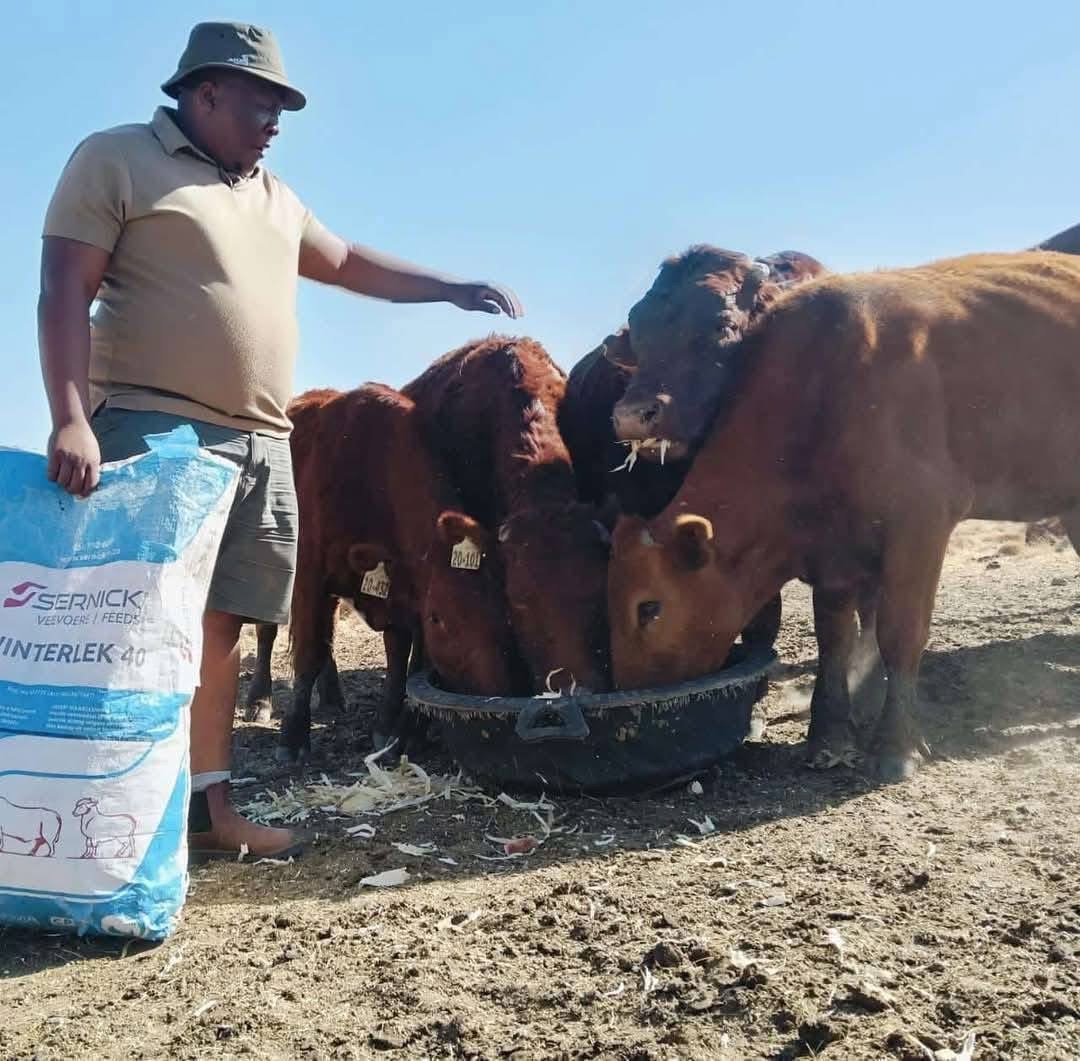
A Farmer, A Dreamer, A Builder

At 33, Nkosana Mtambo represents more than just a successful farmer. He is part of a generation reshaping South Africa’s economy from the ground up — literally. His story is proof that with vision, resilience, and innovation, agriculture can be a force for transformation, bridging the gap between rural livelihoods and national development.

On his farm in the Free State, as the sun dips and the land settles into its evening calm, one cannot help but feel that Mtambo’s story is only just beginning.


 

7,723 Kenyans Win £2.9 Million Compensation from UK Over Military Fire

0

Rift Valley, Kenya – More than four years after a devastating fire linked to a British military training exercise tore through the Lolldaiga conservancy in Kenya’s Rift Valley, 7,723 residents have secured a £2.9 million settlement from the United Kingdom.

The blaze, which broke out in March 2021, was reportedly sparked by a training activity involving British soldiers stationed at the Nyati Barracks. The fire destroyed large swathes of vegetation, disrupted local livelihoods, and left lasting environmental damage in one of the region’s most important conservancies.

Residents, supported by environmental activists and legal advocates, launched a class-action lawsuit against the UK Ministry of Defence, demanding accountability for the loss of farmland, homes, and natural resources. After years of legal proceedings, the settlement was formally reached this week, offering some relief to affected communities.

Lawyers representing the claimants described the compensation as a “hard-fought victory,” though they noted that no financial package could fully reverse the damage caused to the ecosystem and the livelihoods dependent on it. Local leaders also urged both the Kenyan and British governments to establish stricter safeguards to prevent such incidents from recurring.

The Lolldaiga conservancy, home to diverse wildlife including elephants and endangered species, remains in recovery. Environmental experts warn that full ecological restoration may take decades.

The British High Commission in Nairobi welcomed the resolution, stating that the settlement underscores the UK’s commitment to addressing the impact of its military operations abroad.

For many residents, the payout represents long-awaited recognition of their suffering, marking the end of a drawn-out legal battle that began in the aftermath of the 2021 fire.


Nigerian-British Artist Olaolu Slawn Redefines British Cultural Icons

0

London – Nigerian-British contemporary artist Olaolu Slawn is fast becoming one of the most distinctive creative voices in the United Kingdom, with his designs now attached to two of the country’s most recognisable cultural symbols.

In 2023, Slawn was commissioned to design the Britannia statuette for the Brit Awards, Britain’s most prestigious music honours. The commission placed him in the company of renowned artists and designers who have previously reimagined the iconic trophy. His version was praised for its bold and unconventional style, reflecting his flair for blending street culture with fine art sensibilities.

Building on that success, Slawn was again tapped in 2024 to design the new FA Cup trophy, a centrepiece of English football tradition. The redesign highlighted his ability to merge contemporary artistry with heritage, cementing his status as a rising cultural influencer within the UK.

Born in Nigeria and based in London, Slawn has cultivated a reputation for defying convention through graffiti-inspired works, large-scale canvases, and playful sculptural pieces. His growing portfolio underscores the contribution of African creatives to the global art landscape, while also demonstrating the growing influence of diasporan voices in shaping British cultural identity.

Observers say his trajectory signals a broader recognition of African talent on international platforms, with Slawn serving as a prominent example of how cultural exchange continues to reshape Europe’s artistic scene.


Zuma Calls for Single African Currency to Break Dollar Dependence

0

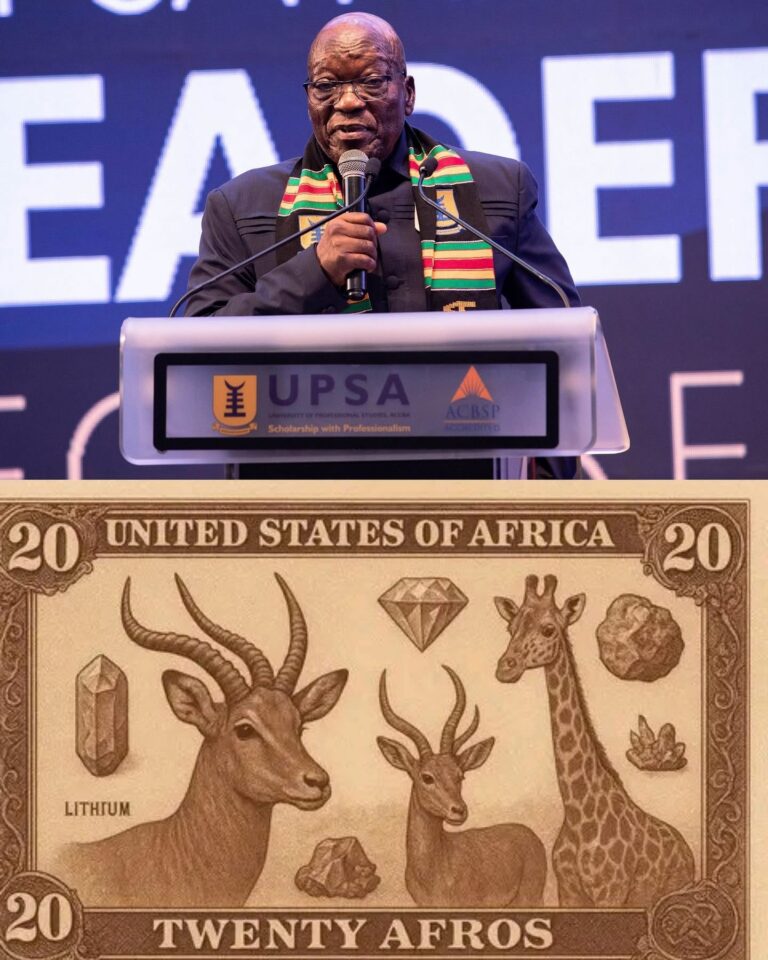
– Former South African President Jacob Zuma has renewed calls for the creation of a single African currency, arguing that the move would strengthen intra-African trade and reduce the continent’s reliance on the US dollar.

Speaking at a public forum, Zuma said that Africa’s continued dependence on foreign currencies keeps its economies tied to “colonial structures” and undermines efforts toward true independence. He stressed that a unified currency would enable the continent’s 54 nations to operate as a powerful economic bloc, better positioned to negotiate trade agreements and protect their collective interests on the global stage.

Zuma also urged African leaders to establish homegrown financial systems and digital platforms that can support cross-border trade without external interference. He noted that many African economies remain vulnerable due to overdependence on foreign aid and externally controlled financial institutions.

Citing the BRICS alliance, of which South Africa is a member, Zuma described the bloc as a “strategic counter to the dollar empire,” highlighting its push for alternative payment systems and stronger South-South cooperation.

He further challenged young Africans to play a central role in driving unity, innovation, and self-reliance across the continent. According to him, the future of Africa’s economic liberation depends on their willingness to embrace integration and resist policies that perpetuate dependency.

Analysts say Zuma’s remarks echo long-standing debates around the feasibility of a continental currency, a goal also referenced in the African Union’s Agenda 2063. While critics point to challenges such as economic disparities, political instability, and weak infrastructure, proponents believe a unified financial framework could unlock Africa’s potential as one of the fastest-growing regions in the world.

Princess Adesile Takes Yoruba Culture from Ijebu Ode to the London Runway

0

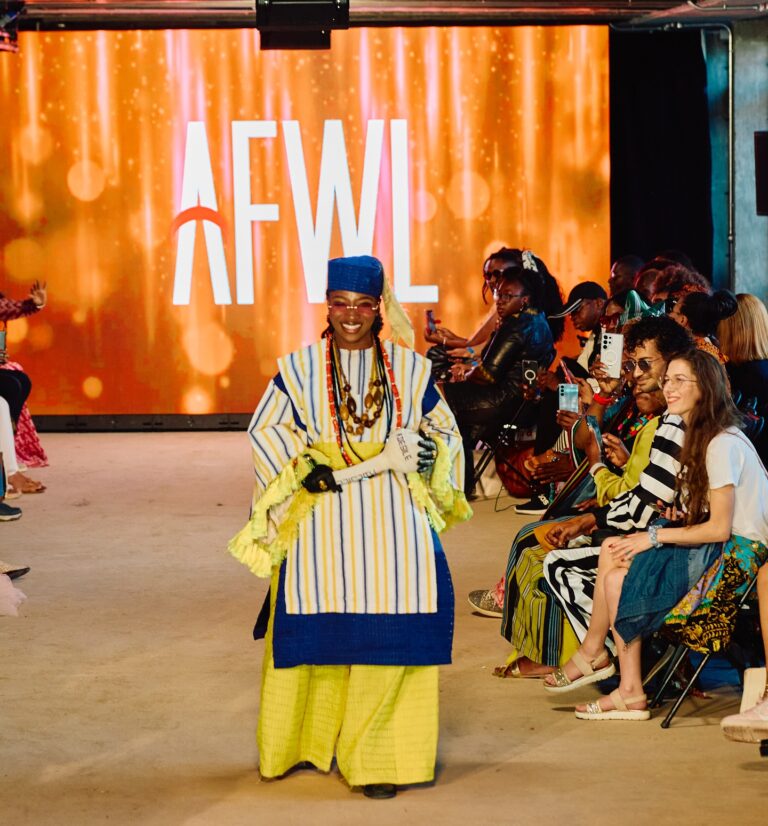
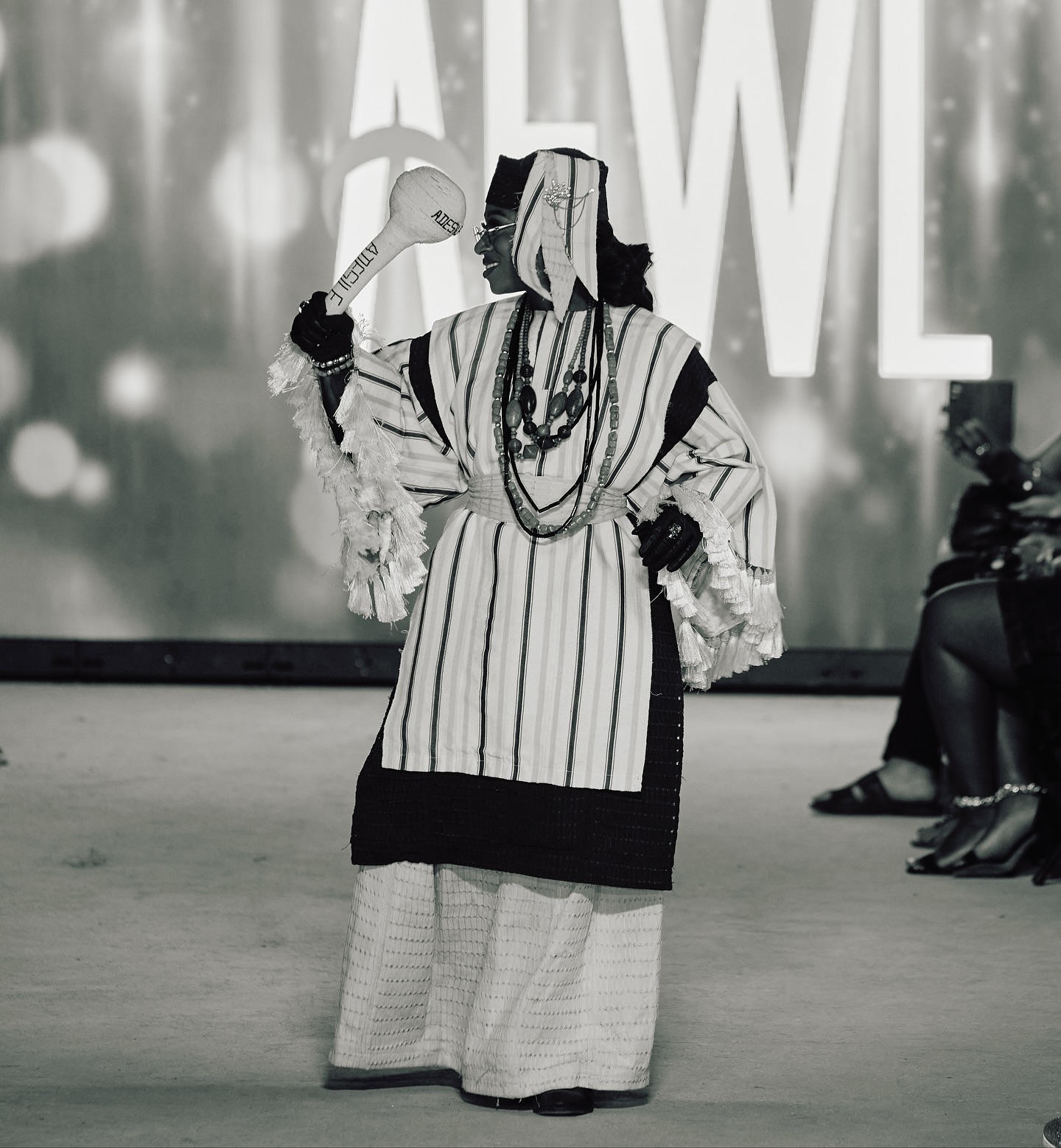
Princess Adesile has once again proven that culture, when worn with pride, can command the global stage. From the historic streets of Ijebu Ode to the vibrant catwalks of London, she brought the essence of Yoruba tradition to the Africa Fashion Week London (AFWL) 2025 runway in a moment that felt nothing short of history in the making.

Crowned as the Cultural Face of AFWL 2025, Adesile didn’t just model clothes — she embodied a statement. “Our culture is timeless, regal, and worthy of every spotlight on the global stage,” she declared, turning the runway into a celebration of heritage and identity.


View this post on Instagram


A post shared by Omooba Adesile (@princess_adesile)

Her appearance featured the splendor of Ojude Oba, curated with regberegbes and eleshins, a powerful nod to the grandeur of Yoruba pageantry. With the guidance of Queen Ronke Ademiluyi-Ogunwusi and the AFWL team, Adesile transformed the catwalk into a cultural showcase, bridging continents with elegance and pride.


View this post on Instagram


A post shared by Toms studios (@tomsweddings_)

This journey wasn’t hers alone. She paid heartfelt tribute to her backbone — her family, partner, best friend, and manager — acknowledging the support system that fuels her rise. She also extended gratitude to those who believed in her vision and celebrated her milestones.

For Adesile, this is more than fashion. It is proof that Nigerian and African culture belongs not just in local festivals but under the brightest lights of the world stage. Her story echoes a truth: when culture meets confidence, it becomes a global force.

Apex Network Expands Footprint, Targets Seamless Crypto-to-Cash Conversions Across Africa

0

Nigerian fintech company, Apex Network, says it is positioning itself to make crypto-to-cash transactions seamless across Africa as part of its next phase of growth.

Founded in 2020, Apex Network began as a platform for basic digital and financial services. By 2021, the company shifted direction after identifying a growing challenge among cryptocurrency users in Nigeria. While adoption of digital currencies was increasing, cashing out remained difficult and often exposed users to fraud and unsafe trading practices.

In response, Apex Network launched a crypto-to-cash and gift card exchange system that provided a safer alternative for Nigeria’s expanding base of early crypto adopters. The model quickly gained traction and evolved into a full-scale operation.

Today, five years after its launch, the company has grown into a pan-African fintech player with a customer base of more than 200,000 across Nigeria, Ghana, Kenya, Zambia, Cameroon, and the Central African Republic. Its services now cut across peer-to-peer exchanges, digital payments, and cross-border transactions.

According to company executives, the goal is to simplify digital asset conversion for everyday users while supporting financial inclusion in a continent where large segments of the population remain outside formal banking systems.

Industry observers note that Apex Network’s expansion comes at a time when African governments are grappling with how to regulate cryptocurrency markets, even as adoption continues to rise among young people and small businesses.

With a growing footprint and plans to scale further, Apex Network is positioning itself as one of the key players bridging the gap between digital currencies and cash liquidity in Africa’s emerging financial technology landscape.

PCN Shuts 486 Drug Outlets in Niger State Over Regulatory Breaches

0

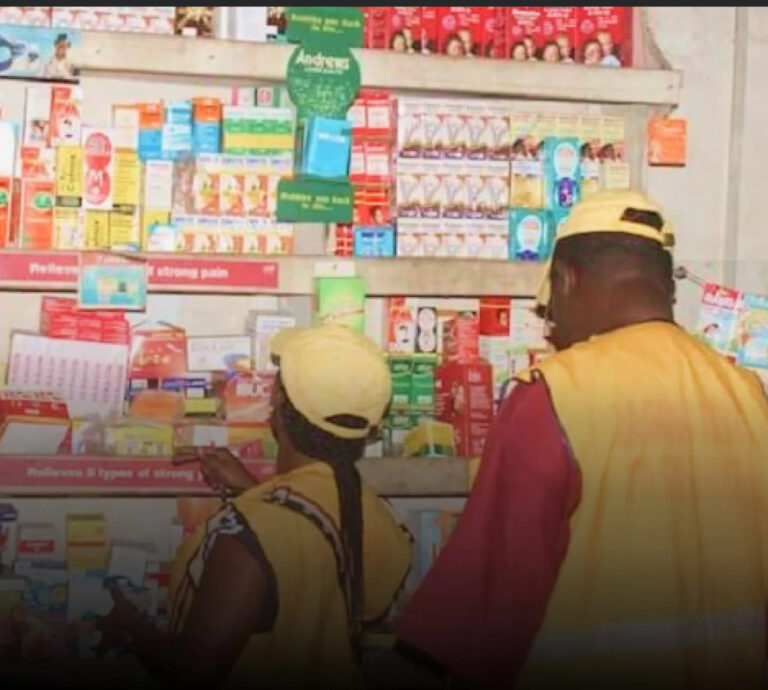
Minna – The Pharmacy Council of Nigeria (PCN) has sealed a total of 486 pharmaceutical premises in Niger State following a statewide enforcement exercise against regulatory violations.

Dr. Suleiman Ciroma, Head of Enforcement at the PCN Headquarters, disclosed the development on Friday during a press briefing at the council’s North Central Zonal Office in Minna. He explained that the action was part of the PCN’s routine monitoring to ensure compliance with professional standards in the distribution and sale of medicines.

According to him, the affected premises include 69 pharmacies, 127 patent medicine shops, and 290 unlicensed outlets. He noted that the closures were prompted by infractions such as operating without registration, poor documentation, non-compliance with storage standards, and the sale of prescription-only medicines by unauthorized persons.

Ciroma stressed that the PCN’s enforcement activities are aimed at safeguarding public health, given the risks posed by substandard and counterfeit drugs in circulation. He urged operators of pharmaceutical and patent medicine outlets to regularize their licenses and adhere strictly to regulatory requirements.

The council further assured that its inspection and enforcement operations would continue across the country to strengthen the integrity of Nigeria’s pharmaceutical sector.


FG, States, LGs Share N2.001 Trillion Revenue for July 2025

0

Abuja – The Federation Account Allocation Committee (FAAC) has announced the distribution of N2.001 trillion as revenue for the month of July 2025, shared among the Federal Government, the 36 states, and the 774 local government councils.

The figure marks one of the highest monthly allocations recorded in recent years, reflecting improved revenue inflows from oil and non-oil sources. According to a communiqué issued at the end of the FAAC meeting in Abuja on Thursday, the disbursement comprises statutory revenue, Value Added Tax (VAT), Electronic Money Transfer Levy (EMTL), and Exchange Difference gains.

Breakdown of the allocation shows that the Federal Government received the largest share, followed by the state governments and local councils, in line with the established revenue-sharing formula. Oil-producing states also received additional allocations from the 13 percent derivation fund.

Officials noted that the boost in revenue was driven by higher crude oil earnings, exchange rate adjustments, and stronger tax collections. The committee emphasized that the funds would support the three tiers of government in meeting their expenditure obligations, including infrastructure, salaries, and social services.

FAAC reiterated its call for prudent fiscal management at all levels, stressing that the increased allocation provides an opportunity to strengthen economic stability and service delivery to citizens.


Nigeria, Japan Sign $238 Million Loan Deal to Boost Power Grid at TICAD9

0

The Federal Government of Nigeria has secured a $238 million loan agreement with the Japan International Cooperation Agency (JICA) to expand and modernize the country’s national power grid. The agreement was finalized on the sidelines of the Ninth Tokyo International Conference on African Development (TICAD9) in Yokohama.

The financing is targeted at strengthening Nigeria’s electricity transmission infrastructure through the construction of high-capacity transmission lines and modern substations. According to officials, the project is designed to enhance efficiency within the national grid, reduce technical losses, and improve the reliability of power supply across key regions.

Energy sector analysts note that Nigeria’s grid has long struggled with inadequate transmission capacity, which often results in frequent power outages despite available generation. The partnership with JICA is therefore viewed as a strategic step toward stabilizing electricity delivery and supporting economic growth.

The Federal Government described the agreement as part of its broader efforts to attract foreign investment into the energy sector, while Japanese officials reaffirmed their commitment to supporting sustainable infrastructure development in Africa.

The project is expected to commence in the coming months, with a phased implementation plan that will integrate the new transmission assets into the existing grid system.