


Home Blog Page 134

Ukraine Marks Independence Day with Drone Strikes on Russia Amid Escalating Tensions

0

Ukraine marked its Independence Day on Sunday with a series of drone strikes deep inside Russian territory, intensifying hostilities as hopes for renewed peace efforts continue to diminish.

According to reports from Russian state media, one of the strikes triggered a fire at the Kursk nuclear power plant, raising fresh concerns over the safety of critical infrastructure caught in the conflict. Emergency teams were swiftly deployed, and Russian authorities insisted that radiation levels remained within safe limits.

The Ukrainian military did not officially confirm responsibility for the attacks, in line with its usual policy of strategic ambiguity. However, senior officials in Kyiv described the operations as “defensive measures” aimed at disrupting Moscow’s military capabilities.

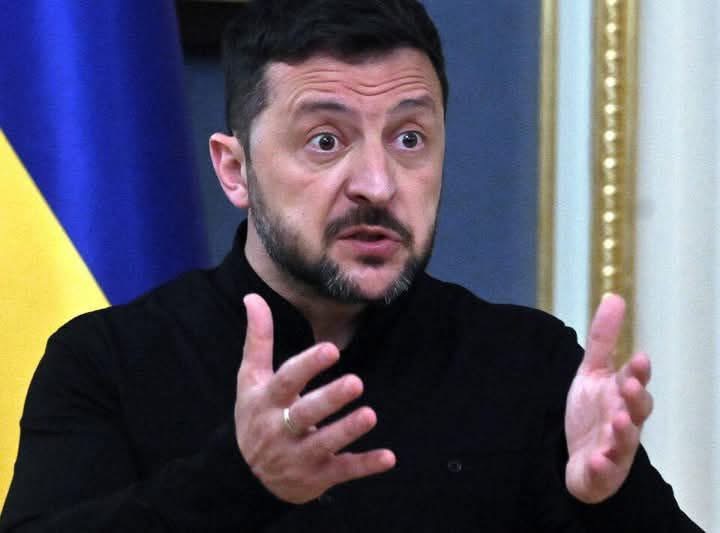
The strikes coincided with the country’s Independence Day celebrations, a symbolic date marking Ukraine’s separation from the Soviet Union in 1991. President Volodymyr Zelenskyy, in his national address, framed the escalation as part of a broader struggle for sovereignty and survival. “Our independence was not given to us — we earned it, and we continue to defend it every day,” he said.

In Moscow, the Russian Defense Ministry condemned the strikes as “terrorist acts” and vowed retaliatory measures. Kremlin spokesperson Dmitry Peskov reiterated that attacks on nuclear facilities represented a “dangerous escalation” with potential consequences beyond the battlefield.

The development comes as international mediators struggle to revive talks aimed at de-escalating the war, now in its third year. Recent diplomatic overtures, including back-channel discussions involving European and Middle Eastern states, have produced little progress.

Analysts note that Ukraine’s decision to mark its Independence Day with offensive strikes underscores Kyiv’s determination to project strength at a time when Western support shows signs of fatigue. “This is both military and symbolic — Ukraine wants to remind the world that it remains capable of striking inside Russia, even as calls for negotiations grow louder,” said one regional security expert.

The incident adds to the mounting pressure on global leaders, particularly within NATO and the United Nations, to address the risks of escalation, especially concerning nuclear safety.
 

SERAP Gives Tinubu Seven-Day Ultimatum to Halt Proposed Pay Rise for Politicians

0

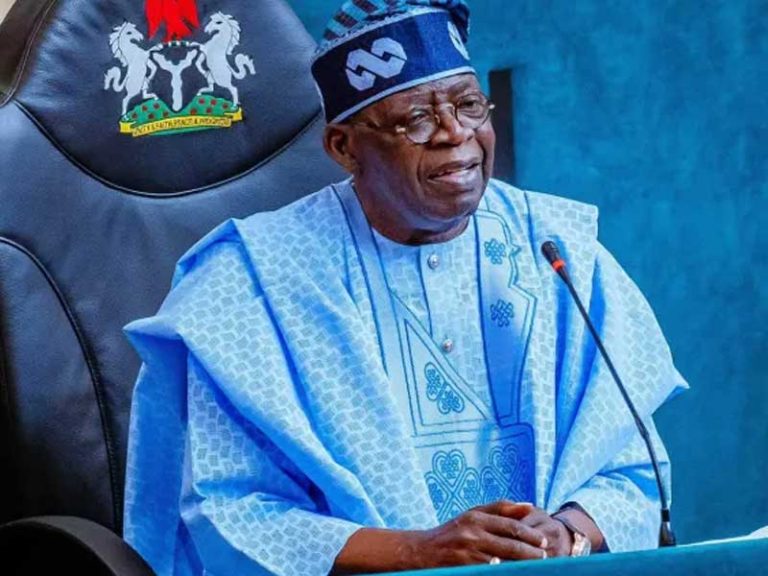
The Socio-Economic Rights and Accountability Project (SERAP) has issued a seven-day ultimatum to President Bola Ahmed Tinubu, demanding the suspension of a proposed salary increase for political office holders across the country.

The civic advocacy group, known for its anti-corruption campaigns and legal interventions, described the move to raise salaries for the president, vice president, governors, deputies, and federal lawmakers as “morally indefensible” amid Nigeria’s worsening economic crisis.

In a statement released on Saturday, SERAP said approving higher wages for public officials while millions of Nigerians struggle with inflation, unemployment, and rising poverty levels would amount to “a reckless misuse of public resources.” The organisation noted that such a policy would widen inequality and erode public trust in government institutions.

SERAP’s Deputy Director, Kolawole Oluwadare, said the group would take legal action if the Tinubu administration fails to act within the stipulated timeframe. “The government has a constitutional obligation to prioritise the welfare and security of citizens, not the enrichment of politicians. We will not hesitate to seek judicial intervention to stop this unjustifiable pay rise,” he warned.

The proposal, reportedly under review by the Revenue Mobilisation Allocation and Fiscal Commission (RMAFC), has already stirred heated debate among Nigerians. Critics argue that political leaders are already among the highest-paid in the country, while sectors such as education, healthcare, and infrastructure remain underfunded.

Civil society organisations and labour unions have also joined calls for the plan to be scrapped. The Nigeria Labour Congress (NLC) described the proposal as “tone-deaf” in light of ongoing demands for improved wages for civil servants and the removal of fuel subsidies that have worsened living conditions for ordinary citizens.

Meanwhile, the Presidency has yet to issue an official response to SERAP’s ultimatum. However, government insiders suggest that consultations with the RMAFC are ongoing.

Analysts believe the controversy could further test Tinubu’s economic reform agenda, which has faced both domestic resistance and international scrutiny since his administration took office in 2023.

With the seven-day deadline now in place, attention is likely to shift to whether the government will shelve the proposal or risk a legal showdown with one of the country’s most prominent rights groups.

Muslim Council Bans Wedding Parties in Taraba State Capital

0

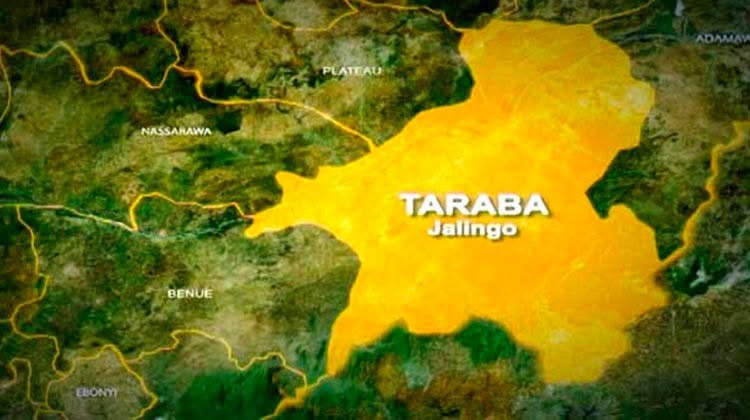
The Muslim Council of Taraba State has announced a ban on all forms of wedding parties within Jalingo, the state capital, citing growing concerns over moral conduct, excessive spending, and social unrest linked to such gatherings.

In a statement released on Friday, the council explained that the decision followed months of consultations with Islamic scholars, community leaders, and youth representatives across the state. According to the council, wedding celebrations in recent years have increasingly deviated from religious and cultural values, often marked by loud music, alcohol consumption, and what it described as “immoral behaviour” that contravenes Islamic teachings.

The Chairman of the Muslim Council in Taraba, Alhaji Ibrahim Maikudi, said the measure is intended to restore modesty and ensure that marriages are conducted in line with Islamic principles. “Islam encourages simplicity in marriage. Unfortunately, we have witnessed a trend where wedding ceremonies have become occasions of wastefulness and social vices. This directive is to protect our faith, our children, and the moral fibre of our society,” he said.

The council directed that henceforth, weddings in Jalingo should be conducted at mosques or family homes in a modest manner, without the large gatherings, entertainment, and receptions that have become popular.

Reactions to the announcement have been mixed. While some residents and religious adherents welcomed the move as a step toward preserving cultural and religious discipline, others expressed concern that it infringes on personal freedoms and social traditions. A resident, Aisha Bello, noted that wedding receptions are not only moments of celebration but also avenues for families to strengthen social ties. “Banning parties entirely may not sit well with everyone. What the council should focus on is moderation, not a total ban,” she said.

Civil society groups in the state have also weighed in, with some warning that the directive could spark tension if imposed without proper dialogue with the wider community.

It remains unclear whether the state government will formally enforce the council’s decision. However, the announcement is expected to influence how Muslim families in Taraba approach marriage ceremonies in the coming months.

Observers say the ban reflects a broader debate across northern Nigeria, where religious and community leaders have often clashed with modern social practices, particularly those involving weddings, entertainment, and public celebrations.

Dengue Fever: The Silent Threat Creeping into Nigerian Households

0

For many Nigerian families, malaria and typhoid remain the first suspects whenever fever strikes. That was the case for 22-year-old Ifeoma Adindu, a final-year Biology Education student in the South-East, when she developed a sudden high fever, body aches, and a rash in late June. Her family assumed it was one of the familiar ailments. It was not.

After several days of worsening symptoms and little improvement with malaria medication, doctors later confirmed that Ifeoma had contracted dengue fever — a mosquito-borne viral infection that is gradually spreading across parts of Nigeria, though still widely underreported and often mistaken for other tropical diseases.

Growing Concern Over Dengue in Nigeria

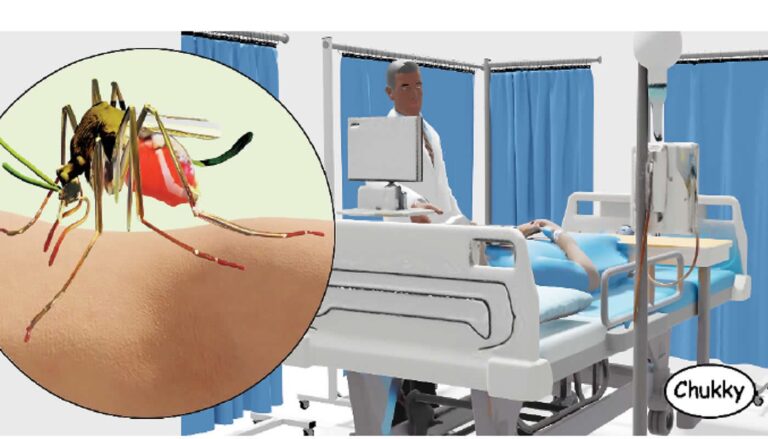
Health experts warn that dengue, long associated with Asia and South America, has begun to establish a foothold in West Africa. Transmitted by the Aedes aegypti mosquito — the same vector responsible for yellow fever and Zika virus — dengue often presents with symptoms that mimic malaria: fever, severe headaches, joint and muscle pain, nausea, and skin rashes.

Dr. Chika Nwokolo, an epidemiologist in Enugu, explained that the silent spread of the disease is particularly worrying because many cases go undiagnosed. “Patients present with malaria-like symptoms, and since malaria is endemic, doctors rarely test for dengue. This allows the virus to circulate unnoticed in communities,” she said.

A Hidden Public Health Burden

According to the World Health Organization (WHO), dengue has become one of the fastest-spreading viral infections globally, with an estimated 100–400 million infections annually. While only a fraction of those cases result in severe illness, outbreaks have strained healthcare systems in countries like Brazil, India, and the Philippines.

Nigeria, with its warm climate, poor waste management, and inadequate mosquito control, provides favorable breeding grounds for Aedes mosquitoes. Stagnant water in open drains, uncovered water storage containers, and urban overcrowding all contribute to the risk.

In Lagos, Port Harcourt, and Enugu, hospitals have quietly recorded sporadic cases, though official figures remain scarce due to poor surveillance systems. Public health advocates fear the country may be underestimating the true scale of infections.

Misdiagnosis and Its Dangers

The biggest challenge, doctors say, is misdiagnosis. “When a patient like Ifeoma walks in with a fever, malaria is almost always the default assumption. But unlike malaria, dengue has no specific treatment. What the patient needs is early supportive care to prevent complications such as dengue hemorrhagic fever, which can be fatal,” Dr. Nwokolo added.

Calls for Urgent Action

Public health groups are urging the Federal Ministry of Health to scale up awareness campaigns and integrate dengue testing into routine fever diagnosis. They also recommend improving mosquito control measures beyond malaria-focused interventions.

Residents are advised to keep their surroundings clean, eliminate stagnant water, use mosquito repellents, and install nets on doors and windows.

For families like Ifeoma’s, the experience has been a wake-up call. “We thought it was just malaria,” her mother said. “Now we know there are other diseases we need to watch out for.”

As dengue quietly spreads, health experts warn that Nigeria may be facing a looming epidemic unless swift preventive steps are taken.


Funke Akindele at 48: From Jenifa to Box Office Royalty, A Journey of Grit and Grace

0

Funke Akindele, Nigeria’s most bankable actress and filmmaker, turns 48 today. Known fondly as Jenifa by millions, Akindele’s career has been defined by her ability to transform setbacks into stepping stones, while building an empire that extends far beyond the screen.

Born in Ikorodu, Lagos State, on August 24, 1977, Akindele first captured national attention in the late 1990s through her role as Bisi in the United Nations–sponsored television series I Need to Know. But it was the 2008 release of Jenifa that became the turning point of her career. The film’s phenomenal success gave birth to a franchise that reshaped Nollywood comedies.



Her sequel project, Everybody Loves Jenifa (2011), cemented her place in the industry, expanding the character’s world and connecting more deeply with audiences across Nigeria and the diaspora. The spin-off television series Jenifa’s Diary, which followed, became a cultural phenomenon, winning multiple awards and running successfully for several seasons.

Beyond her screen work, Akindele has consistently reinvented herself. She took bold steps into filmmaking, producing and directing hits like Omo Ghetto: The Saga (2020) and Battle on Buka Street (2022), both record-breaking films that made her Nigeria’s most successful box office filmmaker. Her recent film, Finding Me, tackled themes of self-discovery and resilience, striking a chord with young audiences and reinforcing her commitment to socially relevant storytelling.

In business, Akindele has proven equally visionary. She launched Jenifa Homes, a housing estate initiative designed to provide affordable, quality living spaces for middle-income earners. The project reflects her passion for not just entertainment, but also empowerment and community development.

Her commitment to empowering others is also evident in her Jenifa Foundation programs, through which she trains and supports young Nigerians in creative arts, filmmaking, and entrepreneurship. She has also sponsored skill acquisition schemes for women, giving them opportunities in tailoring, catering, and digital skills. These programs underscore her belief in lifting others as she climbs.

Despite the challenges she has faced, from industry doubts to personal struggles, Akindele has remained resilient. She once shared: “The Jenifa story is not just mine, it is every young Nigerian’s story. You may stumble, you may be mocked, but if you persist, you will rise.”

As tributes pour in today, colleagues and fans describe her not only as Nollywood’s Box Office Queen, but also as a mentor, philanthropist, and role model who embodies determination and grace.

At 48, Funke Akindele’s story is still being written — one of creativity, courage, and contribution. And as she celebrates this milestone, her life remains a testament that dreams, no matter how unlikely, can become history-making legacies.


NDPHC Intensifies Efforts to Revive Dormant Power Plants, Says MD/CEO Chiedu Adighije

0

The Managing Director and Chief Executive Officer of the Niger Delta Power Holding Company (NDPHC), Mr. Chiedu Adighije, has reaffirmed the company’s commitment to restoring dormant power plants across the country in a bid to boost Nigeria’s electricity generation and improve national grid stability.

Adighije made this known during a stakeholders’ forum in Lagos on Thursday, where he outlined NDPHC’s current interventions in the power sector. According to him, several power plants under the National Integrated Power Projects (NIPP) have been inactive due to a combination of technical challenges, poor gas supply, and infrastructural bottlenecks.

Reviving Nigeria’s Idle Capacity

The NDPHC boss noted that reviving these plants is central to the Federal Government’s energy reform agenda. “We are working tirelessly to bring dormant facilities back into operation. Some of these plants have the potential to add over 2,000 megawatts to the national grid if optimally utilized,” Adighije said.

He added that the company has already commenced rehabilitation works in key facilities, including the Geregu, Omotosho, and Ihovbor plants, while engaging with gas suppliers to ensure a more reliable fuel supply.

Addressing Gas Constraints

One of the persistent issues affecting Nigeria’s power generation is inadequate gas infrastructure. Adighije acknowledged the challenge, stating that the NDPHC is collaborating with the Nigerian National Petroleum Company Limited (NNPC Ltd.) and other industry players to guarantee steady gas delivery to power plants.

“We cannot continue to run power plants without securing their primary fuel source. Our strategy is to create sustainable gas agreements that will prevent the kind of shutdowns we have seen in the past,” he explained.

A Push for Reliable Power Supply

Nigeria currently generates an average of 4,000 to 5,000 megawatts for a population of over 200 million, a figure experts say is grossly insufficient to drive industrialization and economic growth. Adighije assured Nigerians that the ongoing rehabilitation will not only increase capacity but also strengthen transmission and distribution channels for more reliable power delivery.

“Our ultimate goal is to make power available and affordable for households and industries. The revival of dormant power plants is only the beginning of a more sustainable energy roadmap,” he stressed.

Looking Ahead

The NDPHC chief further disclosed that the company is exploring partnerships with private investors to enhance efficiency in plant operations. He emphasized that with proper management, Nigeria’s power plants could become a cornerstone for economic transformation.

Stakeholders present at the event expressed optimism that the renewed efforts by NDPHC could mark a turning point in Nigeria’s long-standing electricity challenges, provided the government sustains its support and addresses lingering sector-wide constraints.

Yinka Alaseyori Honours Gospel Music Icons in Lagos

0

The Whitestone Event Centre in Ikeja came alive on Thursday night as renowned gospel singer, Adeyinka Alaseyori, hosted an evening of worship, reflection, and recognition in celebration of Nigeria’s gospel music legends. The event, themed “Celebrating the Legends with Adeyinka Alaseyori,” drew an impressive gathering of artistes, clerics, industry stakeholders, and devoted fans.

A Night of Tribute and Gratitude

The celebration highlighted the contributions of gospel music icons who paved the way for younger generations in Nigeria’s vibrant gospel music scene. In her opening remarks, Alaseyori expressed deep gratitude to those who have inspired her journey, describing them as “vessels through whom God has sustained the fire of worship in the land.”

According to her, the event was not only about entertainment but also about acknowledging the sacrifices and spiritual impact of gospel pioneers whose music has shaped lives and nurtured faith across the country.

Honouring the Icons

Among those honoured were veteran ministers and gospel singers who have left indelible marks through their decades of dedication to spreading the gospel through music. Awards and plaques of recognition were presented as a symbolic gesture of appreciation, while tributes poured in from fellow artistes and admirers.

The evening featured live performances of timeless gospel classics, contemporary worship songs, and collaborative renditions between Alaseyori and some of the honoured legends, creating an atmosphere of reverence and celebration.

Worship Meets Celebration

Beyond the recognition, the night was also one of deep worship. Attendees joined in heartfelt praise sessions, with many describing the experience as spiritually uplifting. Choirs, instrumentalists, and guest artistes blended traditional African rhythms with modern gospel sounds, reinforcing the role of music as a bridge across generations.

Looking Ahead

Speaking after the event, Alaseyori emphasized that Celebrating the Legends would become an annual gathering aimed at preserving the legacy of gospel pioneers while inspiring emerging artistes to pursue excellence with humility and purpose.

“We must never forget those who came before us,” she said. “Their dedication laid the foundation on which we now stand. Honouring them is not just a duty but a privilege.”

Industry observers praised the initiative, noting that it fills a gap in Nigeria’s music industry where pioneers are often overlooked despite their immense contributions.

‘It’s a Lie, Naira Marley Bullied My Son’ — Mohbad’s Father Insists

0

The father of the late Nigerian singer, Ilerioluwa Oladimeji Aloba, popularly known as Mohbad, has dismissed recent claims by music executive Naira Marley, insisting that his son was subjected to bullying during his lifetime.

In a fresh statement, Mr. Joseph Aloba maintained that contrary to Naira Marley’s account of events, Mohbad faced harassment and intimidation while under the Marlian Music record label. He stressed that the challenges his son endured were not fabricated, describing them as part of the painful reality that haunted the young artiste’s career.

“My son went through bullying. That is the truth,” Aloba said. “No matter what anyone says now, I know what he confided in me and the struggles he faced before his passing.”

The comment comes in response to Naira Marley’s recent defense in which he denied orchestrating or supporting any form of harassment against Mohbad. The controversy has continued to generate debate within Nigeria’s entertainment industry, with fans and colleagues demanding clarity on the circumstances surrounding the late singer’s experiences.

Mohbad, who died in September 2023 at the age of 27, was regarded as one of the fast-rising voices in Nigeria’s street-pop scene. His death sparked widespread protests, calls for justice, and heightened scrutiny of record label practices within the Nigerian music industry.

Observers note that the renewed exchange between Mohbad’s family and his former label boss may rekindle public calls for a thorough investigation into the late singer’s struggles, especially claims of mistreatment during his short but remarkable career.

Nigeria’s Container Trade Falls Short of Port Capacity, Says Logistics Expert

0

Nigeria currently handles about 1.6 million container movements annually, a figure logistics experts say is far below the true capacity and potential of the country’s seaports.

Speaking at a recent industry forum in Lagos, a logistics and supply chain specialist noted that despite Nigeria’s position as West Africa’s largest economy and a major import hub, container throughput remains constrained by structural inefficiencies, infrastructure gaps, and high operating costs.

According to the expert, ports in Lagos, Onne, Warri, and Calabar have the physical capacity to process significantly higher volumes if supported by modern infrastructure and streamlined clearance procedures. However, persistent challenges such as congested access roads, inadequate rail connectivity, multiple taxation, and bureaucratic bottlenecks at customs continue to undermine operational efficiency.

“The reality is that Nigeria’s ports are underutilized compared to their potential. We should be handling at least double the current container volume if trade processes were more efficient,” the expert stated.

The logistics sector has long argued that these inefficiencies not only limit Nigeria’s trade competitiveness but also increase costs for businesses and consumers. Delays at ports can extend cargo dwell time to weeks, raising demurrage charges and discouraging foreign shipping lines from making Nigerian ports their preferred hubs.

Industry observers warn that without urgent reforms, Nigeria risks losing trade opportunities to neighboring countries such as Ghana, Benin Republic, and Togo, whose ports have been modernized to attract more international cargo traffic.

The expert urged the federal government and port regulators to prioritize investments in digital trade systems, expand rail and inland dry port connections, and simplify customs procedures to unlock growth.

“Nigeria has the market, the demand, and the geographical advantage,” he added. “What we lack is the efficiency to match global standards.”

With the African Continental Free Trade Area (AfCFTA) expected to expand intra-African commerce, stakeholders say boosting container handling capacity will be critical for Nigeria to position itself as a regional trade hub.


FAAN Resumes Direct Cargo Revenue Collection at Lagos Airport After 15 Years

0

The Federal Airports Authority of Nigeria (FAAN) has taken back control of cargo revenue collection at the Murtala Muhammed International Airport (MMIA), Lagos, ending a 15-year period in which the service was outsourced.

The move, confirmed by FAAN officials on Friday, marks a significant policy shift aimed at strengthening transparency, boosting revenue generation, and ensuring that the authority captures the full economic value of air cargo operations.

For more than a decade, cargo revenue at MMIA was managed through third-party arrangements. Industry stakeholders had often raised concerns about leakages, inefficiencies, and accountability challenges under that system. With the new directive, FAAN will now directly supervise and collect charges from freight forwarders, airlines, and logistics companies operating at Nigeria’s busiest airport.

According to airport managers, the decision aligns with wider reforms by the Ministry of Aviation and Aerospace Development to optimize revenue streams across the country’s aviation sector. Cargo operations at MMIA, which account for a major share of Nigeria’s air freight traffic, are expected to generate billions of naira annually if properly managed.

The resumption of direct collection is also seen as part of FAAN’s strategy to strengthen its financial autonomy and reduce reliance on federal subventions. Officials disclosed that new monitoring systems and digital payment platforms are being introduced to eliminate revenue leakages and ensure efficiency in the process.

Aviation experts say the development could boost investor confidence and improve Nigeria’s standing in regional air cargo logistics, especially as global trade flows continue to expand. However, they caution that sustained success will depend on FAAN’s ability to enforce compliance and maintain transparency.