


Home Blog Page 14

BUSINESS CONFIDENCE SURGES: Nigeria’s BCI Climbs to 111.3 Points, Led by Manufacturing and Trade

0

Nigeria’s business climate maintained its upward trajectory in October 2025, as the NESG–Stanbic IBTC Business Confidence Monitor (BCM) reported a rise in the Business Confidence Index (BCI) to 111.3 points, up from 107.9 points in September.

This steady climb, with the Current Business Performance Index remaining firmly in the expansion zone (above 100), demonstrates renewed optimism among Nigerian firms, driven by improving perceptions of current business conditions, moderating inflationary pressures, and relative stability in the foreign exchange market.

The October reading represents a massive year-on-year surge, climbing 34.5 points from the 76.8 points recorded in the same period of 2024, confirming a significant recovery in business sentiment over the last year.


Sectoral Leaders of the Expansion

The positive momentum was broad-based, with all five major economic sectors recording expansion (above 100 points). However, the Manufacturing and Trade sectors recorded the strongest gains, reflecting improved supply dynamics and rising consumer demand.

Sector October BCI Reading Change from September Key Driver
Trade 115.4 points +7.8 points Easing inflation and greater stability in the Naira exchange rate supported trading volumes.
Non-Manufacturing 115.0 points Modest Increase Sustained activity in the construction and natural gas sub-sectors.
Agriculture 111.4 points +4.1 points Bumper harvests and government input support programmes boosted crop production.
Manufacturing 111.3 points +8.8 points Improved access to finance and relatively stable power supply lifted production.
Services 111.0 points +2.5 points Sustained growth, though at a slower pace than other expansionary sectors.

The robust rebound in Manufacturing is particularly significant, with key sub-sectors like Food, Beverage & Tobacco and Cement returning to expansion after earlier struggles.

Future Expectations Remain Upbeat

Despite the sustained positive performance, business managers remain highly optimistic about the future. The Future Business Expectation Index settled at 132.9 points for October, reflecting sustained confidence that the positive trend will continue over the next one to three months.

This optimism is largely supported by anticipated seasonal economic activity, the continuation of key policy reforms, and the belief that macroeconomic stability—particularly concerning the exchange rate and inflation—will deepen.

Lingering Constraints Dampen Full Potential

While the BCI shows strong resilience, the report warns that several structural constraints continue to temper enthusiasm and limit potential growth:

  • Financing Constraints: Limited access to affordable credit remains a major bottleneck for businesses.

  • High Operating Costs: Elevated commercial property and rental costs continue to strain profit margins.

  • Insecurity & Power: Persistent insecurity and erratic power supply remain core challenges that erode operational efficiency.

The NESG and Stanbic IBTC stress that for Nigeria to fully unlock its economic potential, policy clarity must be improved, and structural bottlenecks must be resolved to sustain the high confidence levels demonstrated in the October BCM.
Ghana’s Inflation Plunges to 6.3% in November 2025

0

Ghana’s consumer price inflation rate decelerated sharply to 6.3% year-on-year in November 2025, according to the Ghana Statistical Service.1 This marks the eleventh consecutive month of decline and represents the lowest inflation rate since the country’s rebasing exercise in 2021.

The significant drop from 8.0% in October brings Ghana’s inflation rate not only within the Bank of Ghana’s medium-term target band of 3$8\% \pm 2\%$ (6%–10%) but closer to the lower boundary, signaling a successful, broad-based economic recovery from its recent crisis.

Key Drivers Behind the Disinflation

The sustained fall in the headline inflation rate is attributed to a successful combination of tight domestic policies and favorable external market conditions.5


1. Slowdown in Food Prices

The primary factor driving the significant disinflation was a broad slowdown in food inflation.

  • Food Inflation Eased: The food and non-alcoholic beverages inflation rate eased sharply to 6.6% in November, down from 9.5% in October.

    Key Subgroups: This decline was most pronounced in categories such as vegetables, tubers, fish, and fruits, which had previously driven up household budgets.

2. Currency Strength and External Conditions

The Ghanaian cedi’s strong performance throughout 2025 played a critical role in controlling imported inflation.

  • Cedi Appreciation: A substantial rally in the cedi’s value (supported by high gold and cocoa prices) against the U.S. dollar sharply reduced the cost of imported goods, easing pressure on consumer prices.

  • Imported Inflation: As a result, inflation for imported items dropped significantly to 5.0% in November, down from 11$7.8\%$ in October.

  • Global Stability: Stabilizing external market conditions, including moderating global oil prices and improved trade terms, further supported the domestic disinflationary trend.

3. Monetary and Fiscal Discipline

The sustained decline is also a direct result of coordinated policy efforts:

  • Bank of Ghana (BoG) Policy: The Bank of Ghana’s commitment to a tight Inflation Targeting (IT) framework and multiple interest rate cuts throughout the year (as inflation moderated) helped to anchor inflation expectations.

  • Fiscal Consolidation: The government’s ongoing implementation of fiscal consolidation measures under its IMF-supported recovery program has restored investor confidence and stabilized the macroeconomic framework.

Economic Implications

The inflation figure has profound implications for the Ghanaian economy and its future policy direction:

  • Interest Rate Easing: With inflation well within the target band, the BoG is expected to have sufficient flexibility to continue easing its Monetary Policy Rate (MPR), encouraging more lending to the private sector and supporting economic growth.

  • Improved Real Returns: The disinflation trend improves the real rate of return on investments, making Ghanaian assets more attractive to both domestic and international investors.

  • Structural Stability: The slowdown is broad-based, affecting both locally produced and imported goods, suggesting that the trend is structural and sustainable, reinforcing Ghana’s path out of its severe economic crisis.


Reps Demand FG Publicly Name and Prosecute Terror, Kidnap Financiers

0

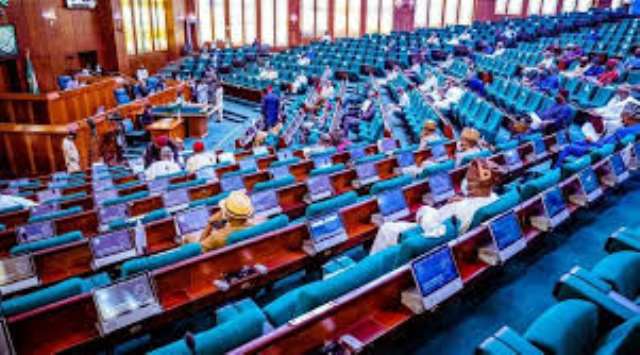
Nigeria’s House of Representatives has passed a critical resolution demanding that the Federal Government publicly identify, sanction, and prosecute all individuals and entities involved in funding terrorism, banditry, and kidnapping across the country.

The resolution, adopted during Wednesday’s plenary session, followed the comprehensive consideration of the report generated from the chamber’s three-day special security debate held last week. Lawmakers argued that shielding these financiers only emboldens criminal networks and undermines national efforts to achieve stability.

Key Mandates for Enhanced Justice and Security

The final report, which contains over 40 recommendations and will be forwarded to the Senate for concurrence before transmission to the President, security agencies, and state governments, focused heavily on strengthening both the investigative and judicial response to Nigeria’s insecurity crisis.

1. Public Naming and Prosecution of Financiers

The central demand urges the executive arm to prioritize the unmasking and prosecution of those bankrolling criminal activities. Key recommendations included:

  • Public Identification: That financiers of terrorism, banditry, and kidnapping be publicly named, sanctioned, and prosecuted.

  • Transparency: That terrorism-related prosecutions be open, expeditious, and transparent to build public confidence in the justice system.

2. Judicial and Legal Reform

Acknowledging the slow pace of current terrorism trials (often known as the Kainji Mass Trials), the House called for significant judicial reforms to ensure swifter justice:

  • Special Court: Establishment of a special court dedicated solely to terrorism, banditry, and kidnapping cases. This is intended to ensure faster, more coordinated judicial proceedings.

  • Stricter Penalties: The parliamentarians mandated that the penalties for arms trafficking and illegal possession of weapons should be strengthened and strictly enforced to stem the flow of illicit arms fueling insecurity.

3. Peace and Reconciliation

Beyond immediate prosecution, the House also recommended the establishment of a Truth, Justice, and Reconciliation Commission to address extremist, communal, and religiously motivated violence, aiming for a long-term resolution to conflict drivers.

SECURITY REFORM: NEC Approves ₦100 Billion for Total Overhaul of Police Training Facilities

0

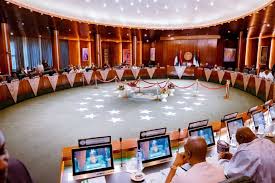
The National Economic Council (NEC) has given a major approval for security sector reforms, endorsing a significant allocation of ₦100 billion for the comprehensive overhaul of training centers belonging to the Nigeria Police Force and other security agencies nationwide.

The decision comes after a critical assessment revealed that the current facilities are in a state of severe disrepair, hindering the federal government’s efforts to strengthen the technical and operational capacity of its national security apparatus.

Massive Investment in Human Capacity

The ₦100 billion allocation is designated for the phased renovation and modernization of physical infrastructure, including hostels, classrooms, parade grounds, and firing ranges at major training academies across the country. The goal is to create world-class environments conducive to effective modern policing and security training.

In addition to the infrastructure overhaul, the NEC also endorsed a separate sum of ₦2.6 billion specifically for consultancy services. This allocation will cover project management, supervision, and expert technical advice necessary to ensure the ₦100 billion infrastructure project meets global standards for security training facilities.

NEC’s Push for Enhanced Security

The approval signals a renewed commitment by the federal government, driven by the NEC—which includes the Vice President, state governors, and key ministers—to address systemic weaknesses in national security.

Experts have long pointed out that poor training facilities contribute directly to low morale, inadequate tactical skills, and an inability to adapt to modern security challenges, such as cybercrime, insurgency, and complex urban policing.

The investment is expected to facilitate a curriculum upgrade, allowing the police and other security agencies to integrate modern technology and specialized training into their programs, ultimately leading to a more professional, effective, and community-oriented security force.

US Imposes Visa Bans on Perpetrators of Religious Persecution, Targeting Nigerian Officials

0

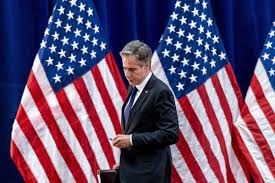
The United States Government announced on Wednesday that it will begin imposing visa restrictions on individuals deemed responsible for, or complicit in, acts of religious persecution in Nigeria and other nations globally.

The new policy was unveiled by U.S. Secretary of State Marco Rubio in a post on X, signaling Washington’s heightened response to growing international concerns over violence, attacks, and systematic discrimination against Christian communities and other religious groups worldwide.

Targeting Accountability for Religious Freedom

The State Department’s action is designed to hold individuals accountable for violating fundamental human rights guaranteed under the U.S. International Religious Freedom Act.

While the announcement did not name specific individuals, the policy memo indicates that restrictions will target officials, security forces, or private citizens who actively participate in or enable:

  • Violence against religious worshippers and leaders.

  • Arbitrary arrests, detention, or murder based on religious affiliation.

  • The systemic denial of religious registration, assembly, or property rights.

The visa restrictions—which include bars on entry to the U.S. for the targeted individuals and potentially their immediate family members—are intended to exert diplomatic pressure on governments to protect all religious groups equally.

Nigeria Under Renewed Scrutiny

The inclusion of Nigeria in the announcement reflects sustained international pressure on the Nigerian government to address rampant insecurity and violence that disproportionately affects certain religious communities in parts of the country.

Although the U.S. had previously removed Nigeria from its “Countries of Particular Concern” (CPC) list in 2021, the new visa restriction policy highlights Washington’s continued vigilance regarding the protection of religious minorities in the region.

The policy empowers the U.S. to take swift, targeted action against perpetrators regardless of whether their home country is officially designated on a watch list, providing a flexible tool for human rights enforcement.

A Signal to the Global Community

Secretary Rubio emphasized that the policy is a clear signal that the U.S. will leverage its diplomatic tools to promote freedom of conscience worldwide. The policy is expected to immediately impact officials across several continents where reports of religious discrimination and violence are chronic, serving as a powerful deterrent against impunity.

Nigeria, Bangladesh, and Pakistan Drive 30% of IDA External Debt, World Bank Reports

0

Nigeria is facing intense scrutiny regarding its external debt portfolio after the World Bank’s International Debt Report 2025 revealed that the country, along with Bangladesh and Pakistan, now collectively accounts for nearly 30 percent of the total external debt owed by nations eligible for support from the International Development Association (IDA).

The report, released on Wednesday, paints a complex picture of the shifting financial landscape for the world’s poorest countries, noting rising net debt inflows, increasing reliance on multilateral institutions like the World Bank itself, and a worrying concentration of debt among a few large borrowers.

Debt Concentration and the Unsustainability Warning

The concentration of debt among a handful of major nations has become increasingly pronounced. The report stated that just seven countries among the top ten IDA-eligible borrowers hold over half of all IDA-eligible external debt, highlighting the disproportionate risk carried by these economies.

While the World Bank did not single out Nigeria for a specific warning in the public release, the findings align with recent alarms raised by local financial experts who suggest that Nigeria’s public debt is now approaching “dangerously unsustainable levels.”

Structure of External Debt Remains Fixed

Despite the changing volume, the underlying structure of long-term external debt among IDA-eligible nations has remained remarkably stable over the past decade:

  • Public and Publicly Guaranteed (PPG) Debt: This remains the dominant component, accounting for 75 per cent of the total external debt. PPG debt includes all long-term external obligations owed by a country’s public sector, or any private-sector debt that is backed by a government guarantee.

  • Private Non-Guaranteed (PNG) Debt: This covers the remaining 25 per cent, representing long-term external obligations incurred by private companies or individuals that carry no sovereign guarantee.

The report noted that in 2024, the debt stock of PPG borrowers increased by 2.8 per cent to US$816.5 billion, whereas PNG borrowers saw a slight decline to US$241.9 billion.

Global Borrowing Snapshot

While Nigeria is highlighted for its concentration risk within the IDA category, the World Bank’s list of the top ten overall borrowers globally (excluding internal domestic debt) remains dominated by major economies, reflecting the sheer size of their national obligations:

  1. China

  2. India

  3. Brazil

  4. Mexico

  5. Türkiye

  6. Indonesia

  7. Argentina

  8. Colombia

  9. Ukraine

  10. Thailand

The International Debt Report 2025 underscores the critical challenge facing developing nations: the need to navigate global financing for infrastructure and development while mitigating escalating debt vulnerabilities.

LOCAL TECH VALIDATION: Temu Partners with Dellyman, Proving Nigeria’s Logistics Capacity Meets Global E-Commerce Standards

0

Global e-commerce behemoth Temu has made one of its most critical strategic moves in Nigeria, selecting Lagos-based logistics startup Dellyman as its core last-mile delivery partner. This partnership is a powerful endorsement of homegrown technology, signaling that Nigerian capacity can meet the stringent demands of high-volume international retail.

The decision follows a highly successful pilot phase in which Dellyman completed over 1,300 orders with an impressive 95% delivery success rate, sharply contrasting with the inconsistent performance that has historically plagued Nigeria’s complex logistics landscape. The collaboration is expected to accelerate fulfillment efficiency across the country and fundamentally strengthen consumer trust in cross-border online shopping.

The Technology Edge: Aggregation and Optimization

Dellyman’s selection was driven by its technology-first model, which addresses the root causes of Nigeria’s logistics inefficiencies: capacity shortage and poor visibility.

  1. Aggregation Model: Dellyman operates as a logistics marketplace, leveraging an “Uber-like” model to aggregate numerous third-party logistics (3PL) providers and their assets (bikes, vans, etc.) into a single platform. This instantly solves the problem of under-capacity and idle resources.

  2. Route Optimization & Visibility: The platform uses geo-fencing and real-time tracking to match customer pick-up requests with the closest available rider, reducing delivery latency. Customers benefit from transparent, live tracking, which the industry cites as a critical factor for boosting satisfaction.

By using dynamic route optimization and multi-carrier coordination, Dellyman achieved a utilization rate significantly higher than the national average, making it a highly efficient and reliable partner for Temu’s high-volume, low-cost model.

Strategic Impact: From Weeks to Days

For Temu, the partnership is crucial to accelerating market penetration in Africa’s largest digital economy. The aggressive integration of local partners allows Temu to move away from prolonged cross-border shipping cycles and adopt a hybrid fulfillment model.

Industry analysts project this operational shift will compress average delivery times for Nigerian customers from the typical 10–18 days to a competitive range of 3–7 days in major metropolitan areas like Lagos, Abuja, and Port Harcourt.

As Dare Ojo-Bello, Founder and CEO of Dellyman, noted, “This is not just about fulfilling orders; it is about reshaping perceptions of what Nigerian delivery companies can achieve. Achieving a 95% success rate during the pilot underscores our readiness to support high-volume e-commerce platforms.”

The partnership not only validates Dellyman’s operational excellence but positions the Lagos-based firm as a primary candidate for other global retailers and cross-border platforms seeking reliable, technology-driven last-mile execution across the continent.

THE $1 BILLION ANCHOR: FinTech Sector Captures 45% of African H1 Funding, Cementing Unprecedented Dominance

0

The African Financial Technology (FinTech) sector has officially cemented its dominance in the continent’s startup ecosystem, amassing over $1 billion in funding in the first half of 2025. According to the latest industry reports, the sector captured a staggering 45% of all startup capital deployed in H1, confirming its role as the most bankable vertical on the continent.

This milestone, reached weeks earlier than in 2024, signals a robust comeback from the recent funding slowdown, with investment in the sector surging by 40% year-on-year in early-stage deals. The data affirms that while global markets remain cautious, investors are concentrating capital in African FinTech’s proven ability to address fundamental financial exclusion gaps.

The Foundation: Driving a $230 Billion Market

FinTech’s supremacy is fueled by a massive and largely untapped market opportunity. An analysis by McKinsey & Co. projects that Africa’s broader financial services market could generate up to $230 billion in annual revenue by 2025, driven by increasing smartphone penetration and the shift from cash to digital transactions.

Investors are now pivoting toward companies with clear monetization pathways, moving past the previous “growth-at-all-costs” mentality. This focus on unit economics and operational efficiency is what differentiates the current funding wave, attracting both traditional venture capital and institutional debt providers.

Where the Capital is Flowing: The Sub-Sector Breakdown

The $1 billion funding haul is not monolithic; it is being deployed strategically across three critical FinTech verticals:

  1. Payments and Infrastructure: This category remains the cornerstone, capturing the largest volume of deals. Investment is focused on strengthening the transactional backbone, particularly in cross-border and B2B solutions. Notable deals, such as Stitch’s $55 million Series B in South Africa and LemFi’s $53 million raise for its remittance platform in Nigeria, highlight the demand for seamless global and pan-African payment rails.

  2. The Rise of Non-Dilutive Debt: A significant portion of the H1 funding surge was channeled through structured debt. Major deals, including Wave Money’s $137 million debt financing and MNT-Halan’s $50 million corporate bond issuance in Egypt, showcase the maturity of later-stage FinTechs. Lenders are now confident in these companies’ ability to service debt, providing founders with crucial non-dilutive capital to scale without sacrificing equity.

  3. Embedded Finance & Digital Banking: Investment continues to pour into platforms expanding financial access beyond payments, including digital lending, microfinance, and wealthtech, often leveraging established telco-owned mobile money ecosystems. This segment is central to expanding financial inclusion for the estimated 475 million mobile internet users expected by year-end.

In essence, FinTech is operating as the foundational technology that is driving innovation across the entire ecosystem, ensuring its position as the most resilient and strategic investment vertical in African tech.

INVESTMENT GRADE: Payaza’s BBB Credit Upgrade Signals Maturity in African FinTech’s Institutional Performance

0

Nigerian FinTech firm Payaza has reached a critical inflection point, achieving an upgrade in its long-term issuer credit rating from BBB to BBB by Global Credit Ratings (GCR), an affiliate of Moody’s. This advancement officially solidifies Payaza’s status as an investment-grade company and provides tangible proof that African FinTech operators are capable of combining rapid scaling with institutional financial discipline.

The landmark upgrade was overwhelmingly driven by Payaza’s demonstrated financial prudence, specifically the early and full repayment of its Commercial Paper (CP) Programme. Crucially, the funding for this repayment was sourced entirely from the company’s Internally Generated Revenue (IGR).

The Significance of a BBB Rating

The move into the ‘BBB’ category is far more than a technical adjustment; it is a seal of approval from a global credit institution.

  • Lower Cost of Capital: An investment-grade rating significantly lowers Payaza’s cost of accessing future capital, allowing it to tap into a wider pool of institutional investors such as pension funds and sovereign wealth funds who are restricted to funding only highly-rated entities.

  • Enhanced Credibility: It serves as a powerful validation of the firm’s operational stability, risk management frameworks, and liquidity, making it a more attractive partner for multinational enterprises and international financial services providers seeking reliable African partners.

Proving Sustainability via IGR

In an ecosystem often defined by the “growth-at-all-costs” mentality fueled by venture capital, Payaza’s decision to fund its debt repayment purely through IGR stands out. It shows a fundamental shift from a dependence on continuous external funding to one based on sustainable, profitable operations and cash flow generation.

This act directly addresses the global investor scepticism regarding the long-term viability of high-growth tech firms in emerging markets. By proving its capacity to service debt obligations from core business activities, Payaza has distinguished itself as a financially robust and strategically managed institution.

The upgrade signals a necessary transition for the entire African FinTech ecosystem: the movement away from speculative startups toward resilient, institutionally viable companies ready to anchor the continent’s digital economy.

BACKED BY BILLIONS: Heirs Holdings’ Redtech Unleashes RedPay to Control Africa’s Payment Backbone

0

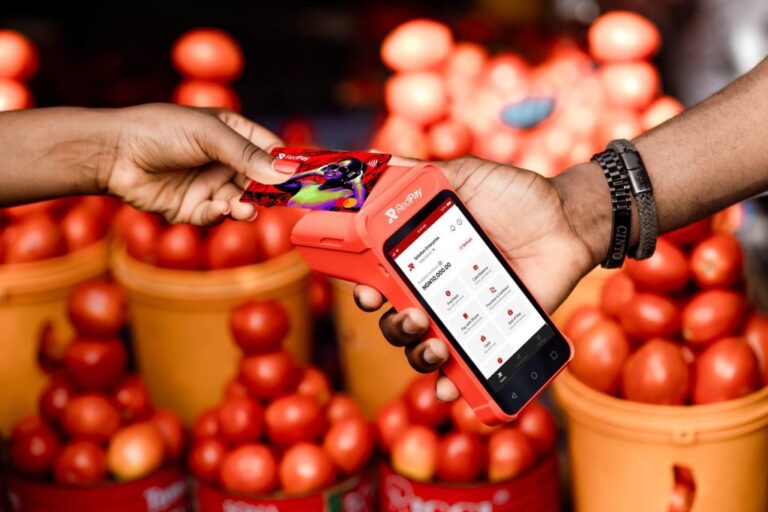
Redtech, the FinTech powerhouse founded by Tony Elumelu’s Heirs Holdings, has officially launched RedPay, an ambitious omnichannel payment platform designed to unify and dominate Africa’s digital transaction infrastructure. The launch is not merely the introduction of another payment gateway, but a strategic infrastructure play backed by one of the continent’s largest corporate conglomerates.

RedPay is designed to simplify and secure the entire merchant lifecycle, enabling businesses to collect, manage, and track all revenue streams—online, in-app, and physical point-of-sale (PoS) transactions—through a single, unified system.

The Infrastructure Ambition: PSSP and PTSP Licenses

RedPay’s positioning as a potential market leader is underpinned by its robust regulatory framework. The platform holds crucial licenses, including the Payment Solutions Service Provider (PSSP) and the Payment Terminal Service Provider (PTSP) authorizations. These licenses allow RedPay to operate at multiple levels of the payment ecosystem, from online gateway services to deploying and maintaining physical PoS terminals.

The platform’s technological foundation is built on an advanced orchestration engine that intelligently routes transactions for optimal success rates. This critical feature, combined with its specialized AI-powered fraud protection, is designed to offer the superior reliability and security demanded by major corporate clients.

The Heirs Holdings Advantage: Scale and Trust

Redtech’s competitive edge is derived directly from its parent company. Backed by the financial muscle and extensive network of Heirs Holdings and its investment portfolio (which includes Transcorp and UBA), RedPay gains immediate credibility and unparalleled access to enterprise clients across crucial sectors: power, hospitality, finance, and health.

This strategic alignment allows RedPay to offer more than just transaction processing; it positions the platform to provide integrated financial services, including potential quick-access credit solutions tailored for its merchant ecosystem—a vital added-value service in Africa’s tight liquidity environment.

The Impact on Nigerian SMEs

For the thousands of Nigerian SMEs transitioning their operations online, RedPay promises a fundamental resolution to fragmentation. By consolidating all collection points into a “single source of truth” for financial reporting, the platform allows business owners to focus on growth rather than grappling with multiple reconciliation systems.

The launch solidifies the intent of major African corporate entities to not only participate in the FinTech boom but to actively control and build the foundational digital infrastructure that will drive the continent’s next phase of economic growth.