

RANKS AFRICA SPOTLIGHT | CREATIVE INDUSTRY EDITION
There is a version of Valentine Chukwuma’s story that most filmgoers will never know. They have seen his work, responded to it, wept during it and laughed within it, but they have never known his name. That is the nature of film editing, and it is the condition that has quietly defined one of the most consequential careers in contemporary Nollywood.
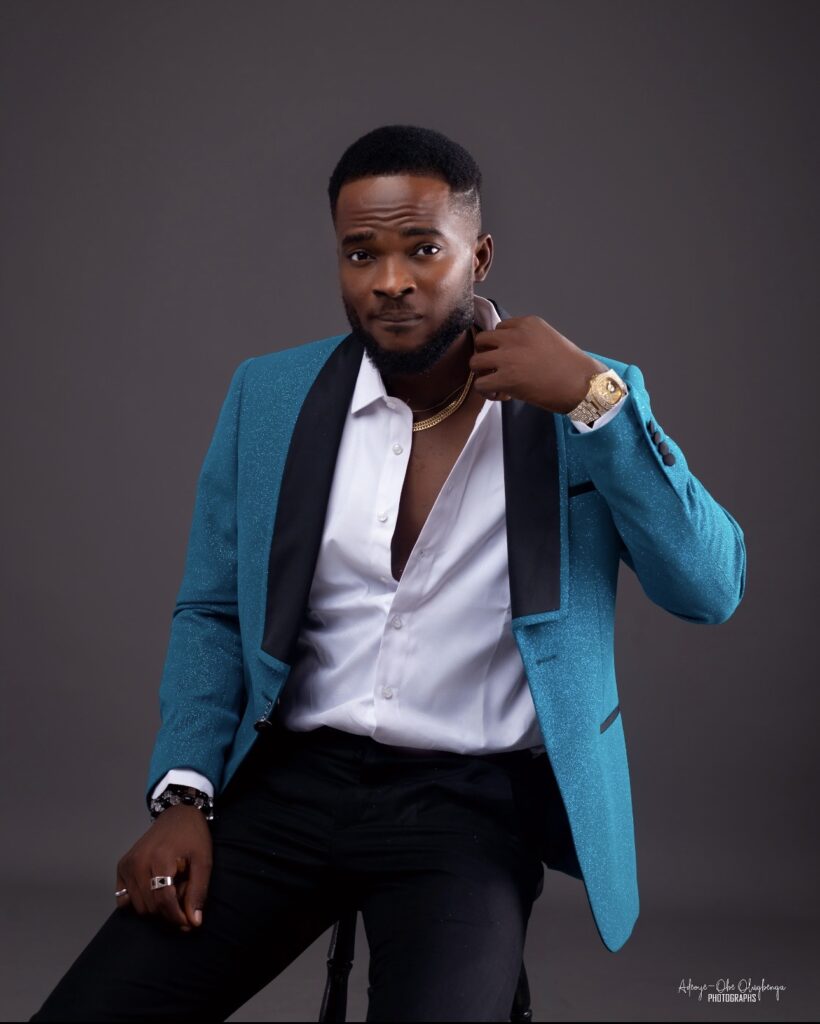
Chukwuma is a filmmaker, film editor and colourist working out of Lagos, Nigeria. He trained at Yaba College of Technology, where the foundations of his technical discipline were laid long before the industry came calling. Today, his filmography reads as a register of Nigerian cinema’s most commercially significant moments of the past half-decade, and his ascent from relative obscurity to the top of his profession is a study in what sustained craft and an unglamorous commitment to the work can actually produce.
He is, by the measure of FilmOne Distribution’s 2024 industry ranking, the highest-grossing film editor Nollywood has produced in a single calendar year. Not the loudest. Not the most visible. The highest-grossing.
The Editor’s Invisible Hand
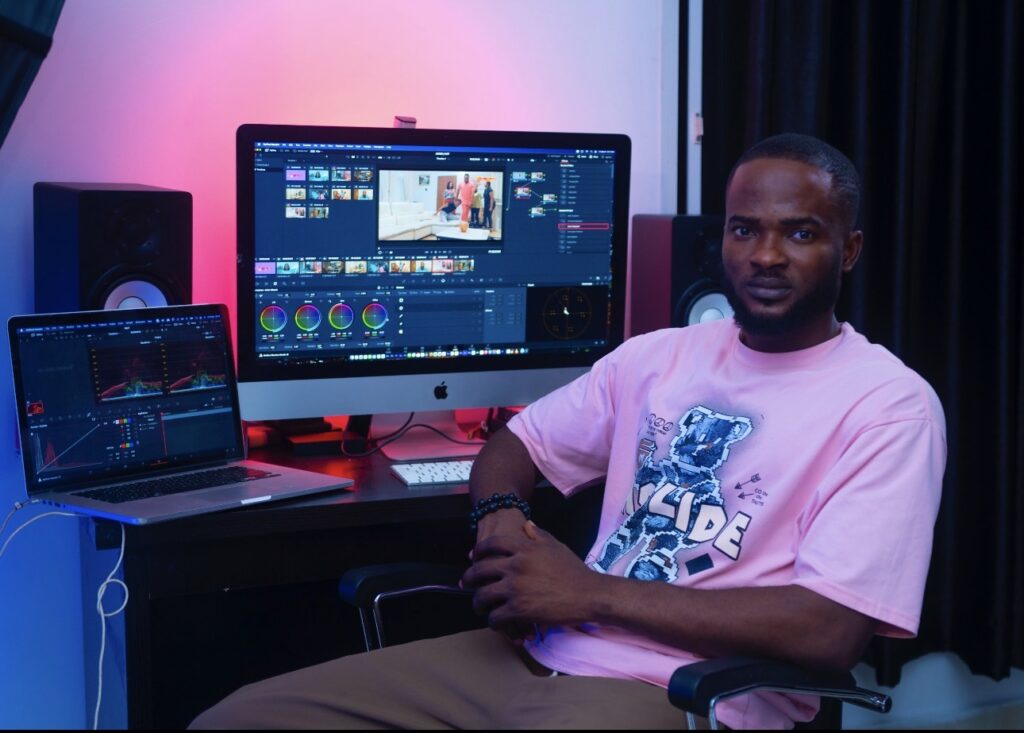
To understand what Valentine Chukwuma does is to understand what film editing actually is. It is not, as popular imagination tends to suggest, a technical support function. The editor is, in every meaningful sense, the last writer on a film. The screenplay gives a story its first shape. The director gives it a body on set. The editor gives it a life. Which shots survive. At what speed the performances breathe. Where silence is allowed to do the work that dialogue would otherwise spoil. These are the decisions that determine, in the end, whether an audience stays with a film or loses it.
Chukwuma’s editing skills bring depth, colour and seamless storytelling to films, making them resonate with audiences in ways that are felt rather than analysed. That quality, the capacity to shape an audience’s emotional experience through the invisible architecture of a cut, is what has made him indispensable to the directors and producers who return to him.
His credits tell that story plainly. Omo Ghetto: The Saga (2020). Battle on Buka Street (2022). A Tribe Called Judah (2023). Everybody Loves Jennifer (2024). Adam Bol (2024). Aso Ebi Diaries (2025). Finding Me (2025). These are not peripheral titles in Nollywood’s recent history. They are, by box office measure, its defining chapters.
Building a Record, One Frame at a Time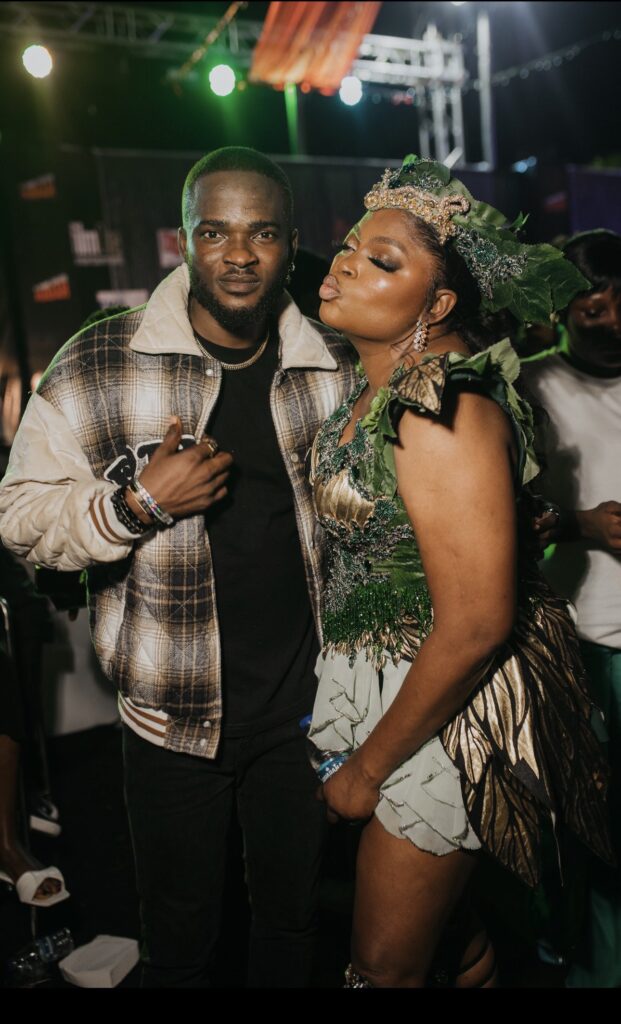
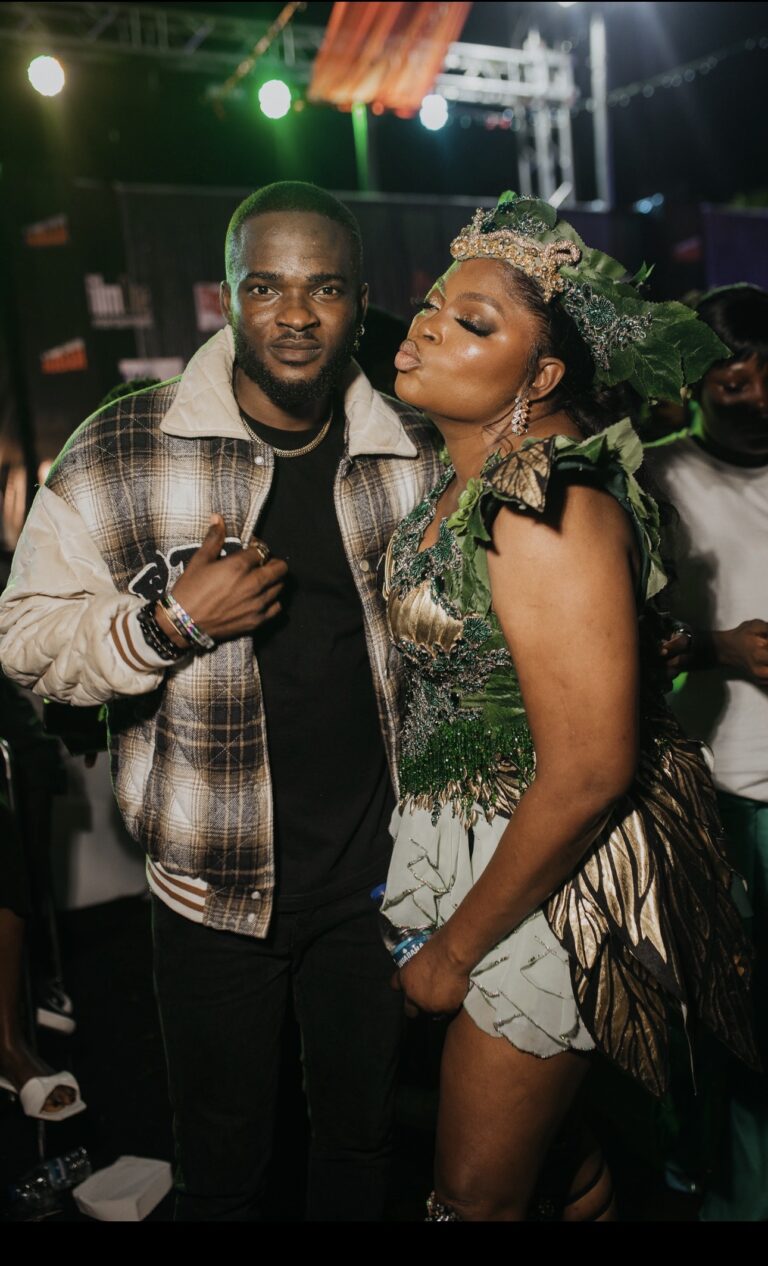
Chukwuma’s association with director and producer Funke Akindele is the most visible thread running through his professional rise. The two have collaborated on several of the most commercially successful Nigerian films of the modern era, and the results have been striking.
Omo Ghetto: The Saga, released at the tail end of 2020, earned over 636 million naira at the Nigerian box office and became one of Nollywood’s highest-grossing productions of its period. It was also the film that gave Chukwuma his first major industry recognition, earning him a nomination at the African Movie Academy Awards in 2021. Battle on Buka Street followed in 2022, pushing the record further with box office returns surpassing 668 million naira.
Then came A Tribe Called Judah in December 2023. The film, a heist-comedy built around a Lagos family, became the first Nollywood production to earn one billion naira at the Nigerian box office, displacing the record that Battle on Buka Street had only recently set. It was a cultural event as much as a commercial one, arriving at the end of a year when audiences were hungry for a story that felt both particular to Nigerian life and universally human. Chukwuma was in the cutting room for all of it.
His work on the 2024 blockbuster Everybody Loves Jennifer extended that run further still. Valentine Chukwuma emerged as the highest-grossing Nollywood film editor of 2024, alongside Israel Odunsi, for their editorial work on Everybody Loves Jennifer. The announcement was made by FilmOne, which used the occasion to recognise the craft professionals who rarely share the spotlight with the stars whose performances they shape.
Their collaborative work resulted in a box office triumph, with Everybody Loves Jennifer becoming the highest-grossing Nollywood film of that year, a film that masterfully explores themes of social media influence and entrepreneurship, blending humour with contemporary commentary.
The Colourist’s Eye
What distinguishes Chukwuma from many of his peers is that his contribution to a film does not end at the edit. He is also a colourist, responsible for the visual tone and mood that audiences absorb without registering. Colour grading is the process by which the emotional temperature of a film is set, the warm palette that makes a family scene feel safe, the cooled, desaturated grade that signals tension before the music does. It is work that operates below the threshold of conscious attention, and it is work that requires a different kind of eye than editing demands.
Chukwuma is a Nigerian filmmaker and film editor, widely recognised for a unique storytelling ability that brings ideas to life and gives colour and depth to otherwise unremarkable visual material, allowing audiences to connect with a film’s message in ways that feel deeper and more meaningful.
The combination of editing and colour work means that Chukwuma holds an unusual degree of influence over the final look and feel of the productions he is attached to. Directors and producers who trust him are, in effect, trusting him with two of the most consequential decisions in post-production.
Recognition and Awards
The industry has not been entirely blind to his contribution. He received an Africa Movie Academy Awards (AMAA) nomination in 2021, and has earned two separate AMVCA nominations for Best Picture Editor, including one in 2022. In a field where awards tend to follow actors and directors, these nominations represent a meaningful acknowledgement of technical artistry.
FilmOne’s recognition of the 2024 top-grossing editors was accompanied by a tribute to those it described as the unsung heroes who transform raw footage into cinematic masterpieces, the visionaries who shape the films audiences love, blending creativity, dedication, and brilliance. It is the kind of language that sits more comfortably in a press release than in an acceptance speech, but the underlying point is accurate: the editors are, at last, being named.
A Wider Portfolio
Beyond his work with Funke Akindele’s production house, Chukwuma has built a portfolio that spans television and commercial work. He has edited prominent series and films including Industreet, Jenifa’s Diary, My Siblings and I, and She Must Be Obeyed, while also working on commercial projects for brands including DANA Airlines, JTECH Global and Sceneone Productions.
His first and only recorded cinematography credit is on Date Night, a short film from 2021. It is a single line in a filmography otherwise defined by editorial work, but it points to a creative sensibility that is not narrowly specialised. Chukwuma appears to understand the visual grammar of a film from multiple positions, and that understanding almost certainly informs the quality of his editing.
In 2025, he was attached to Aso Ebi Diaries, which carries a notably strong audience rating on IMDB, and Finding Me, further evidence that the most ambitious productions in the industry continue to seek him out.
The Quiet Influence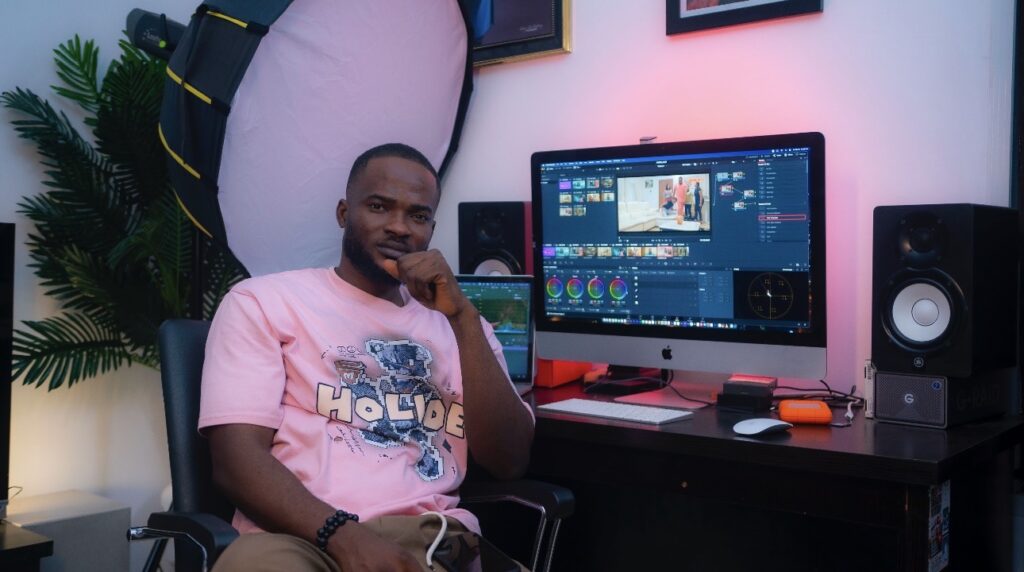
There is something worth saying about what Valentine Chukwuma represents at this particular moment in African cinema. Nollywood’s global profile has expanded considerably over the past decade, and the conversations about that expansion tend to centre on stars, directors and streaming deals. What tends to be missing from those conversations is an account of the technical class, the editors, colourists, sound designers and production managers whose work makes the ambition of the visible talent possible.
Chukwuma is not the story of an overnight discovery. He is the story of years of patient, disciplined work accumulating into something that the industry can no longer ignore. He trained in Lagos. He took his craft seriously at a time when that seriousness was not rewarded with recognition. He stayed close to the work. And the work has repaid him.
For a generation of young Nigerians considering careers in the technical crafts of filmmaking, the Valentine Chukwuma story is a useful one. Not because it promises glamour, but because it demonstrates that the edit suite is not a back room. It is, in the truest sense, where films are made.
Valentine Chukwuma is a Nigerian filmmaker, film editor and colourist based in Lagos. He is a two-time AMVCA nominee and was named Nollywood’s highest-grossing film editor of 2024 by FilmOne Distribution. His work spans feature films, television series and commercial productions.
RANKS AFRICA MAGAZINE | Spotlight Edition
Celebrating Excellence Across the African Creative Landscape
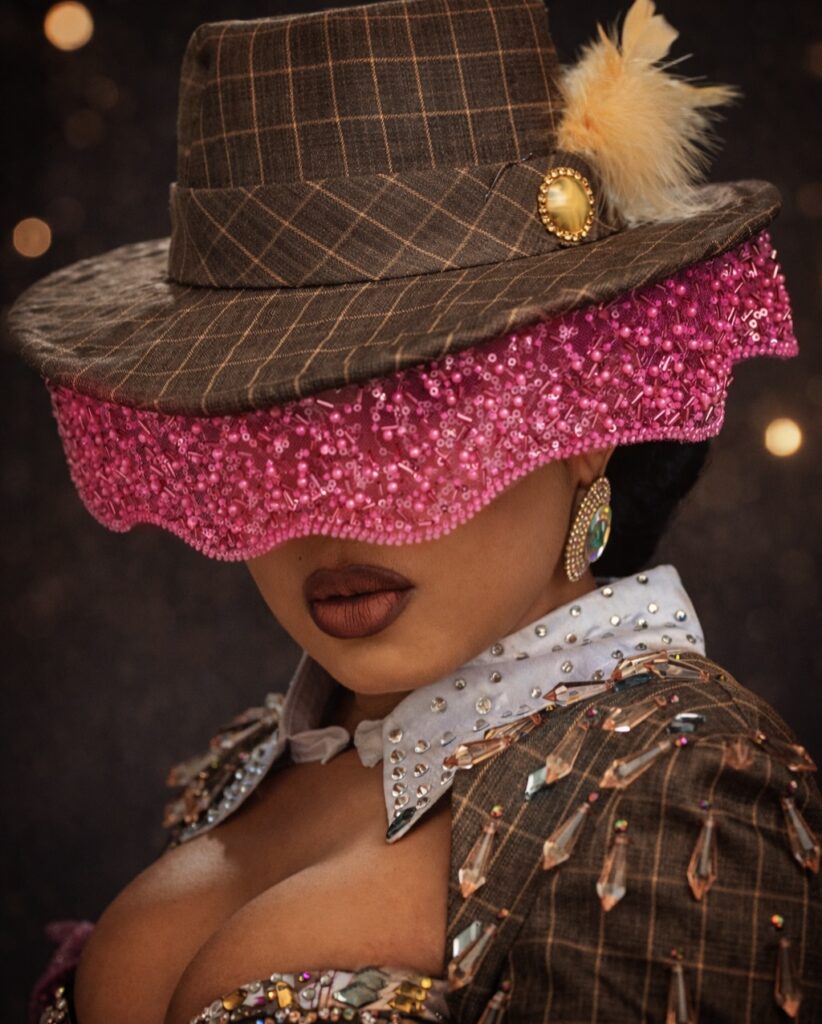
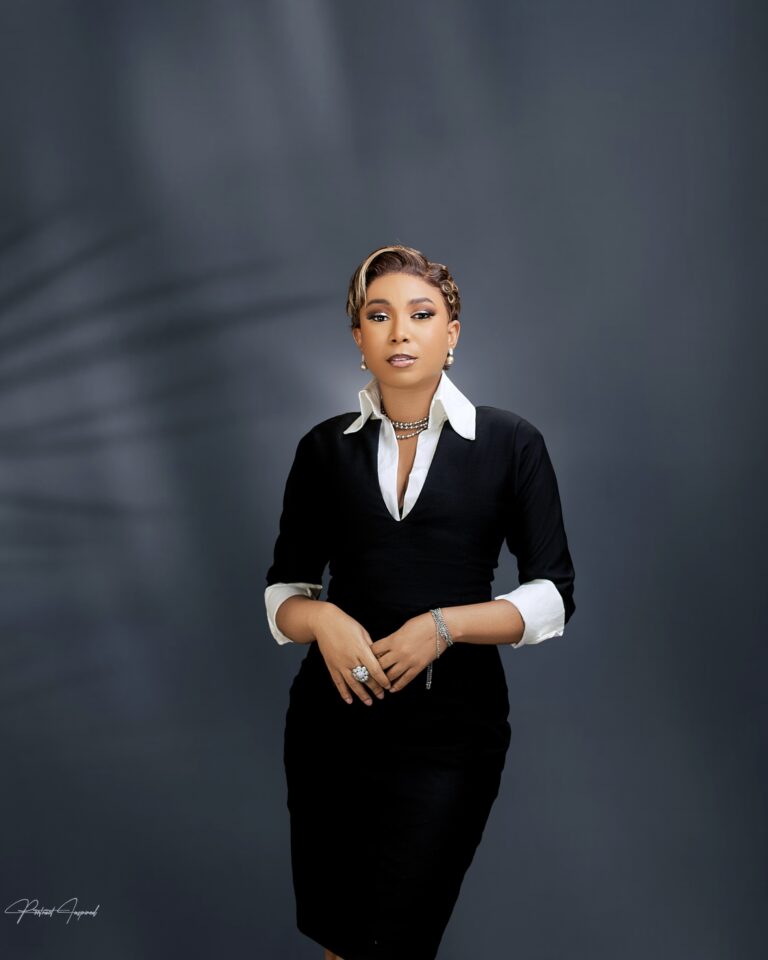
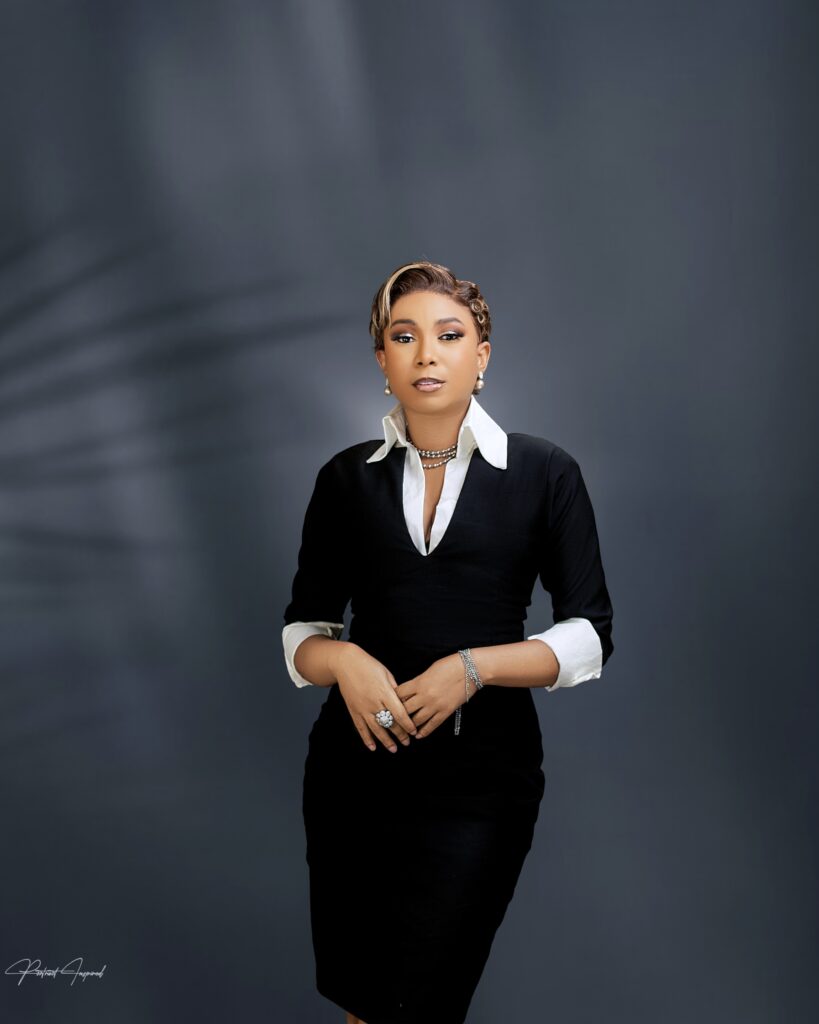
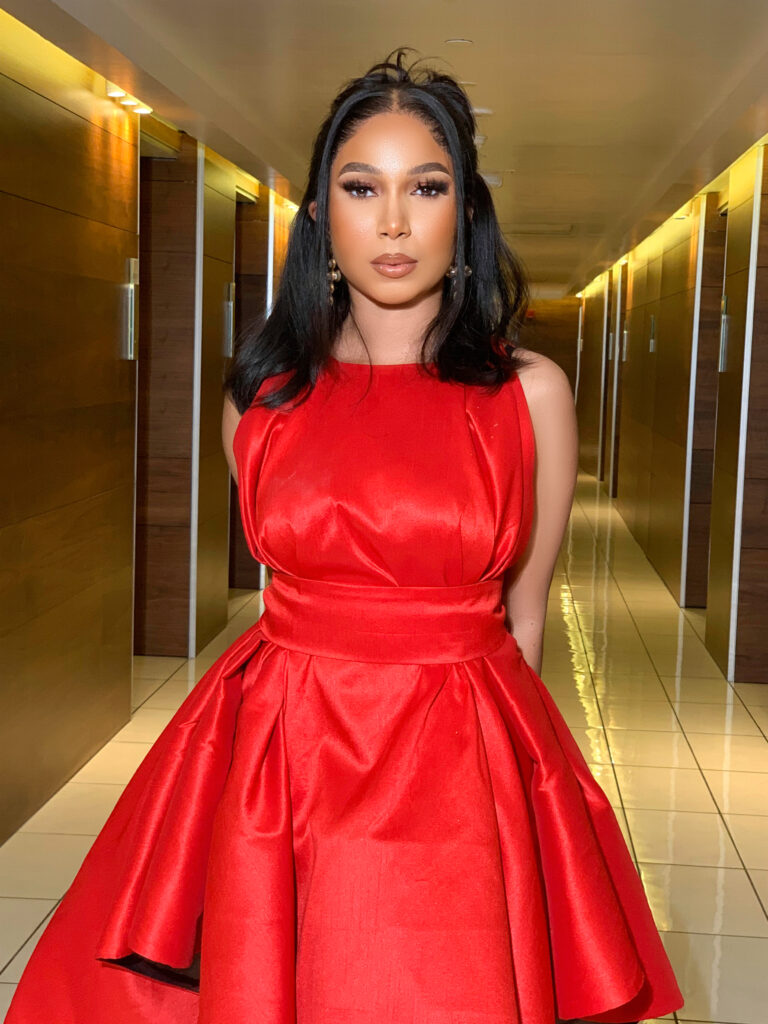


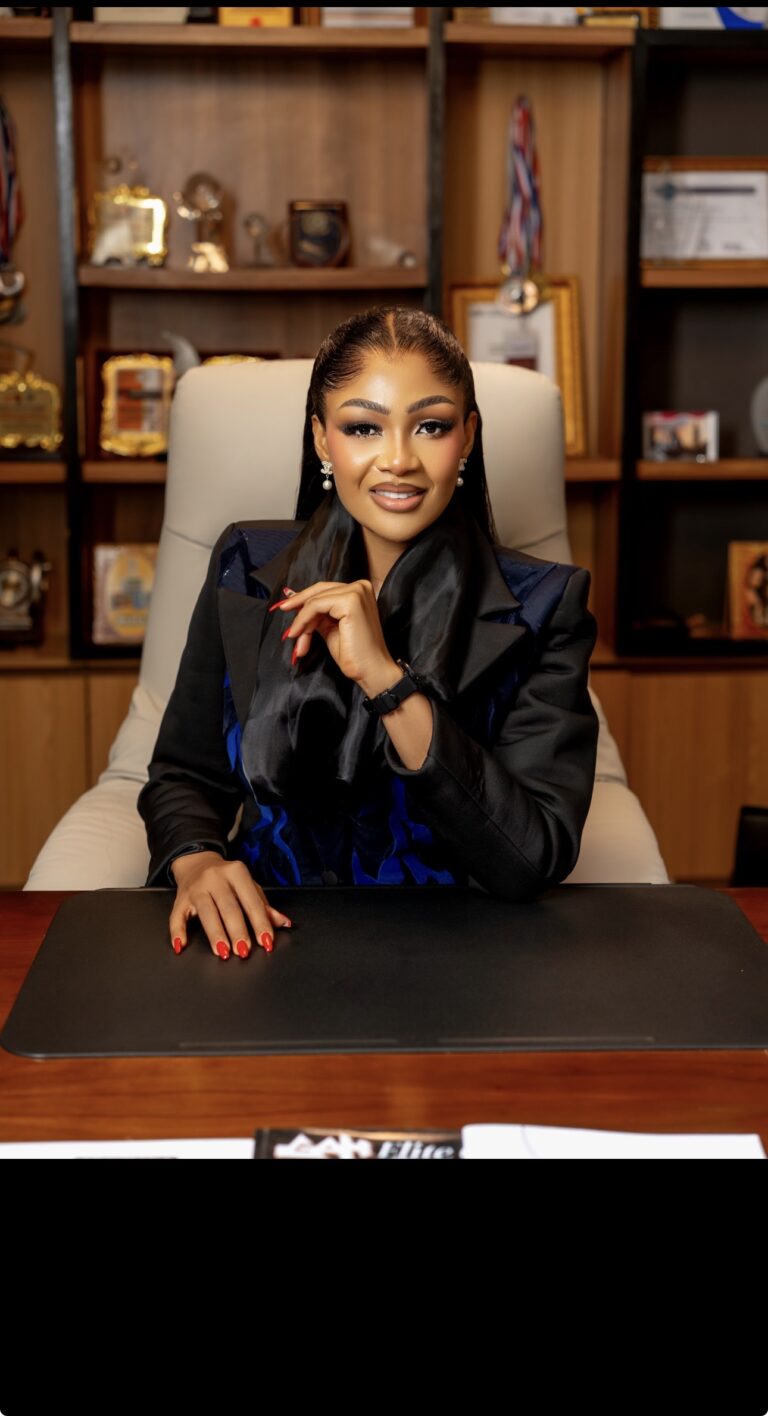
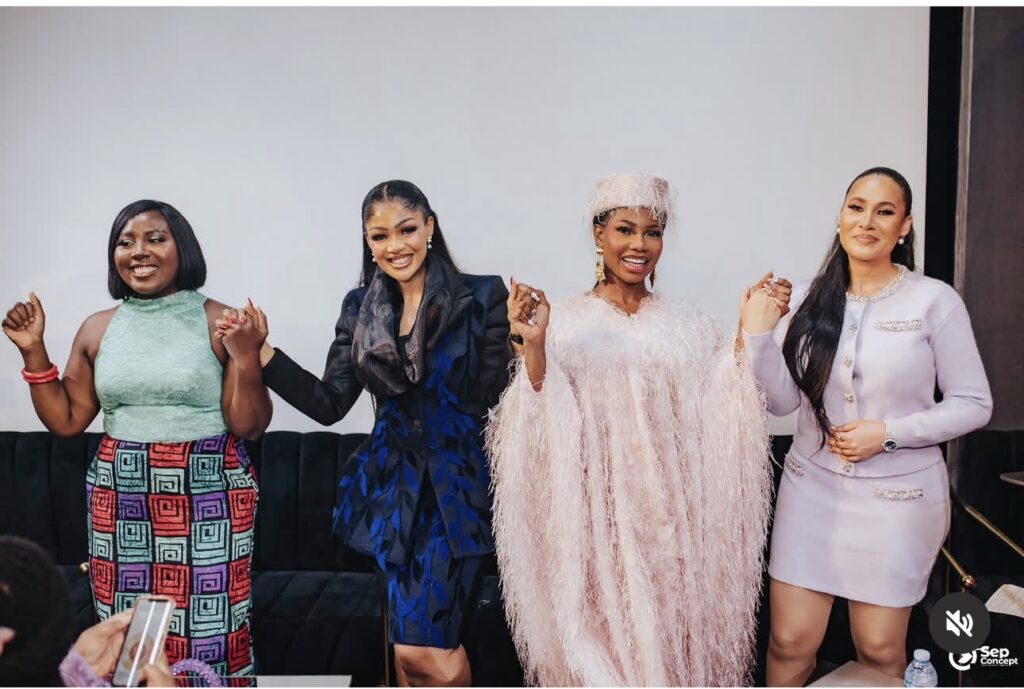 The event drew women from across industries for a panel discussion centred on the theme, The Power of Collaboration. The choice of theme was not decorative. For Dr. Oghene, collaboration is a working concept, not a rallying cry, and the conversation she facilitated reflected that distinction. Attendees were not merely inspired. They were connected, introduced, and in several cases, already talking business before the afternoon was out.

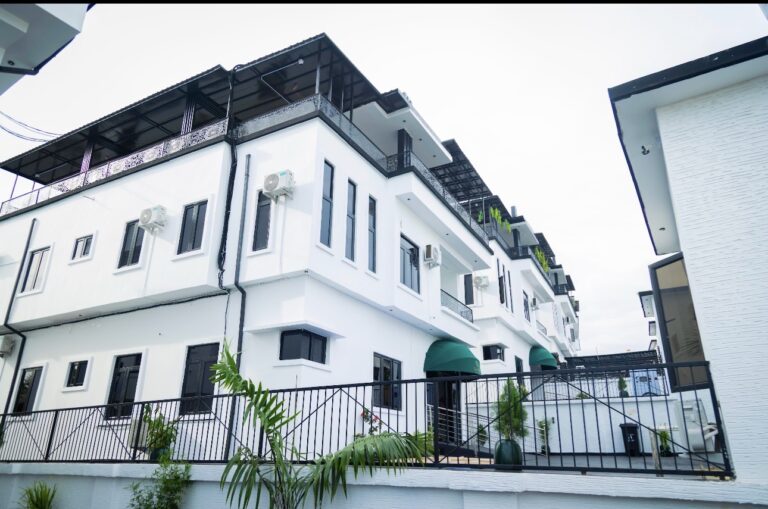










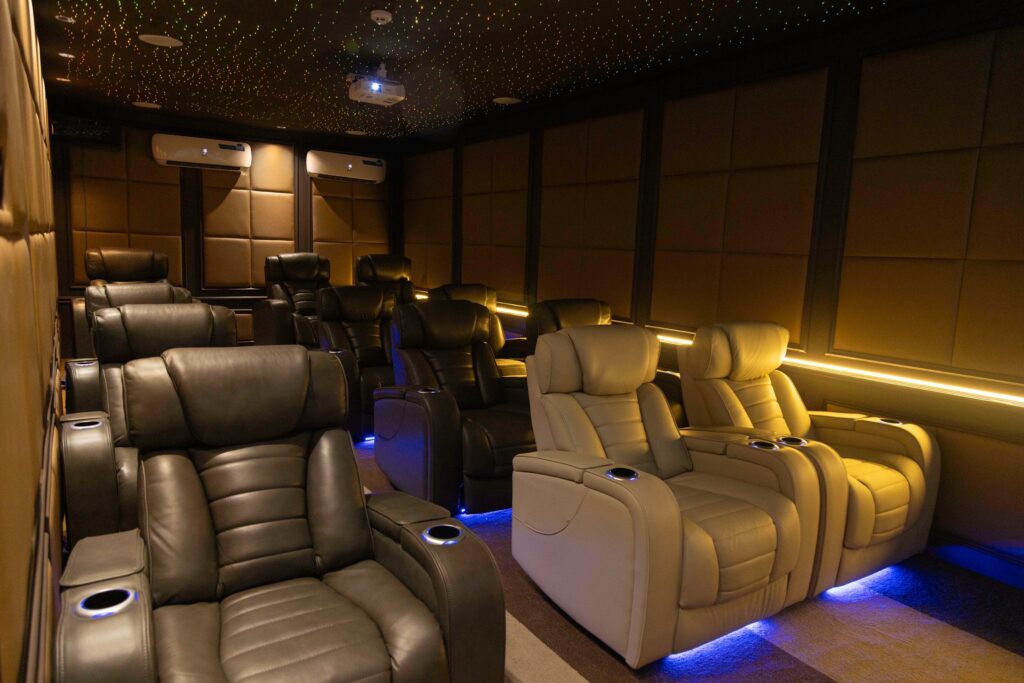
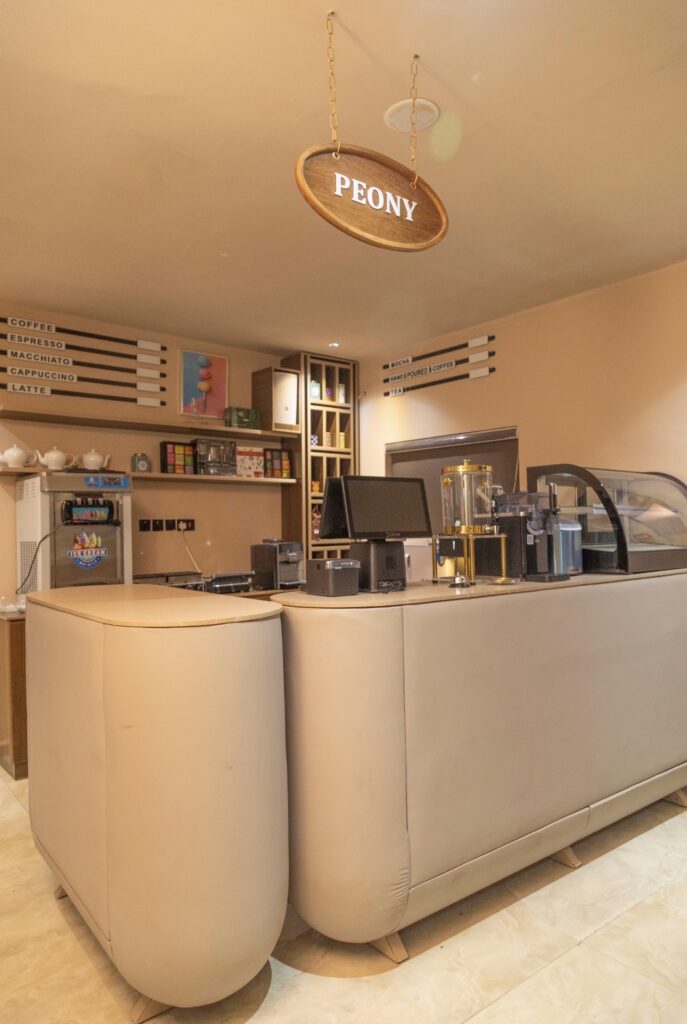
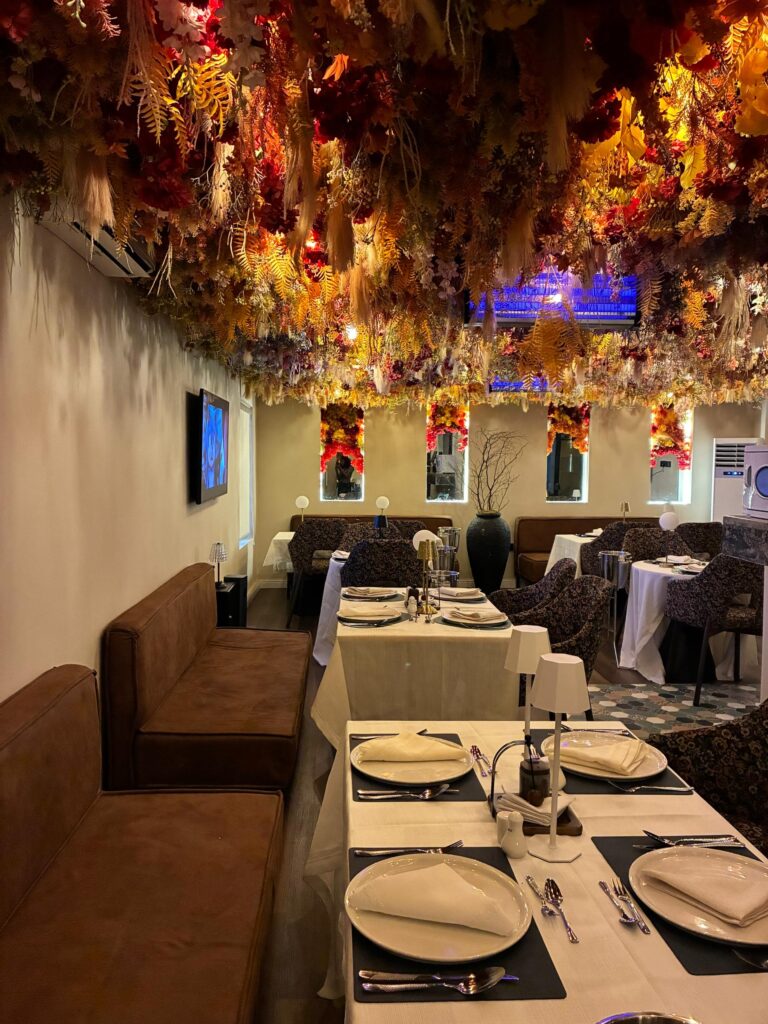

 For anyone travelling to Calabar on business, for pleasure, or for both at once, Gemba Hotel and Suites offers a considered range of rooms that scales properly from comfortable to exceptional. That is harder to achieve than it sounds, and the accommodation catalogue suggests that the people behind this property know the difference between a room that looks luxurious in a photograph and one that feels luxurious when you close the door.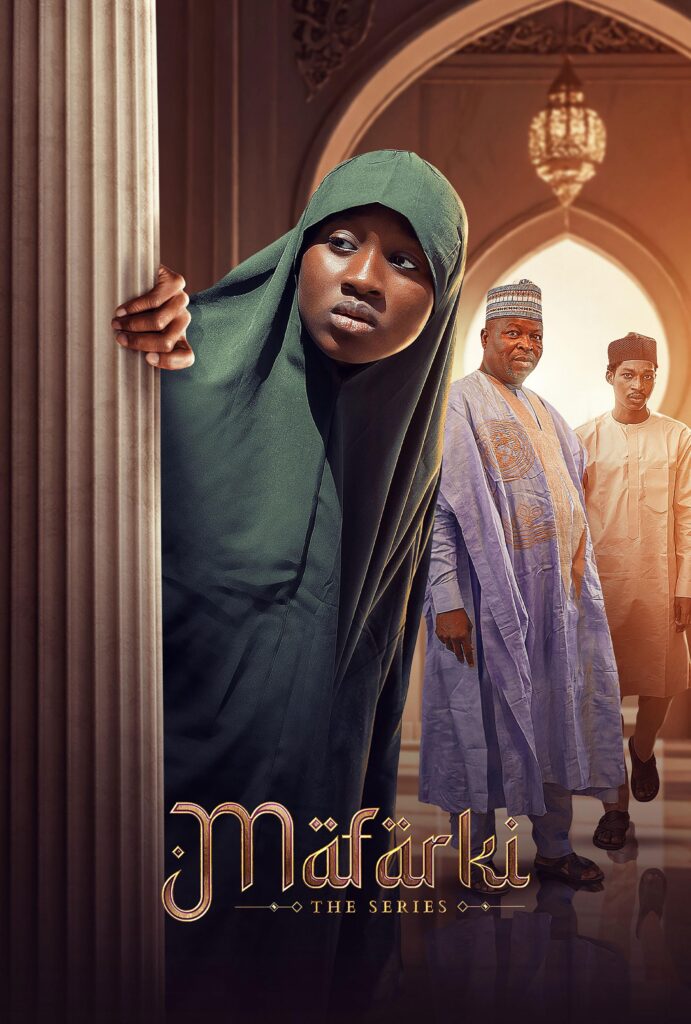
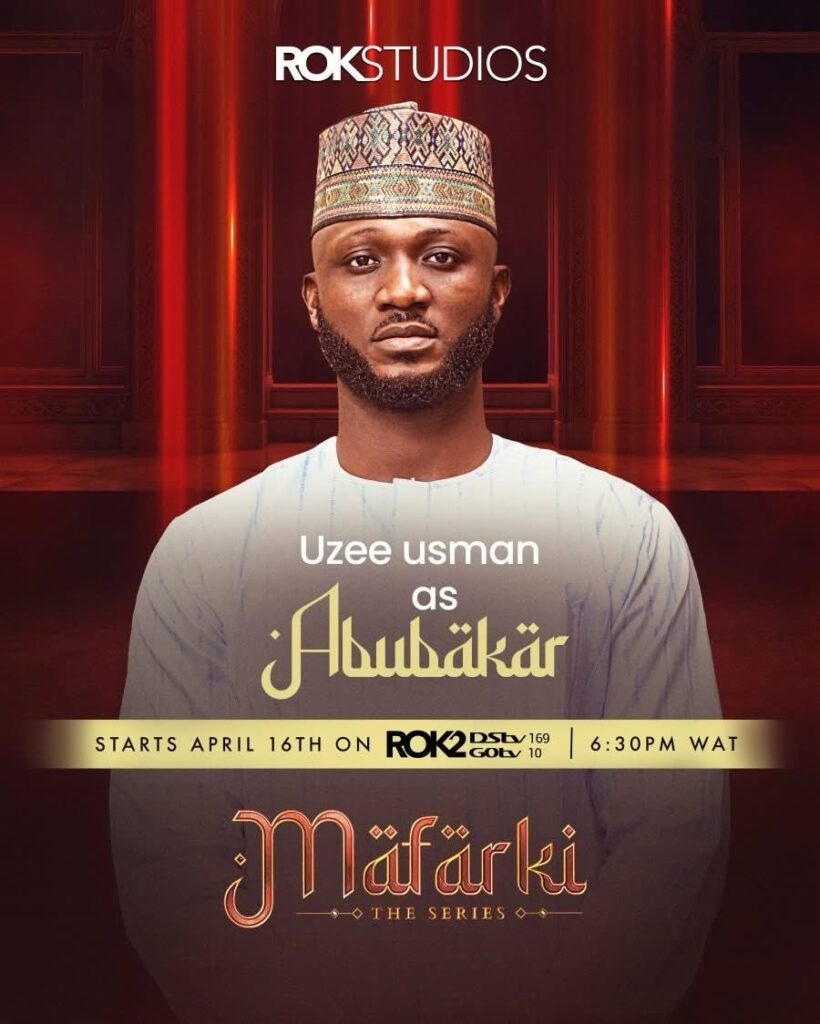 Uwani, the protagonist, is a brilliant young woman from a traditional Northern village who wants to become a medical doctor. That description, stated plainly, sounds like the premise of a dozen other stories. What MAFARKI does differently is refuse to simplify the weight of that ambition. The literacy gap, the economic barriers, the gendered expectations that operate not as villains but as the very texture of daily life, these are not obstacles inserted for dramatic convenience. They are the environment. Uwani does not fight a single antagonist. She navigates a world that was arranged, long before she arrived, to expect less of her.
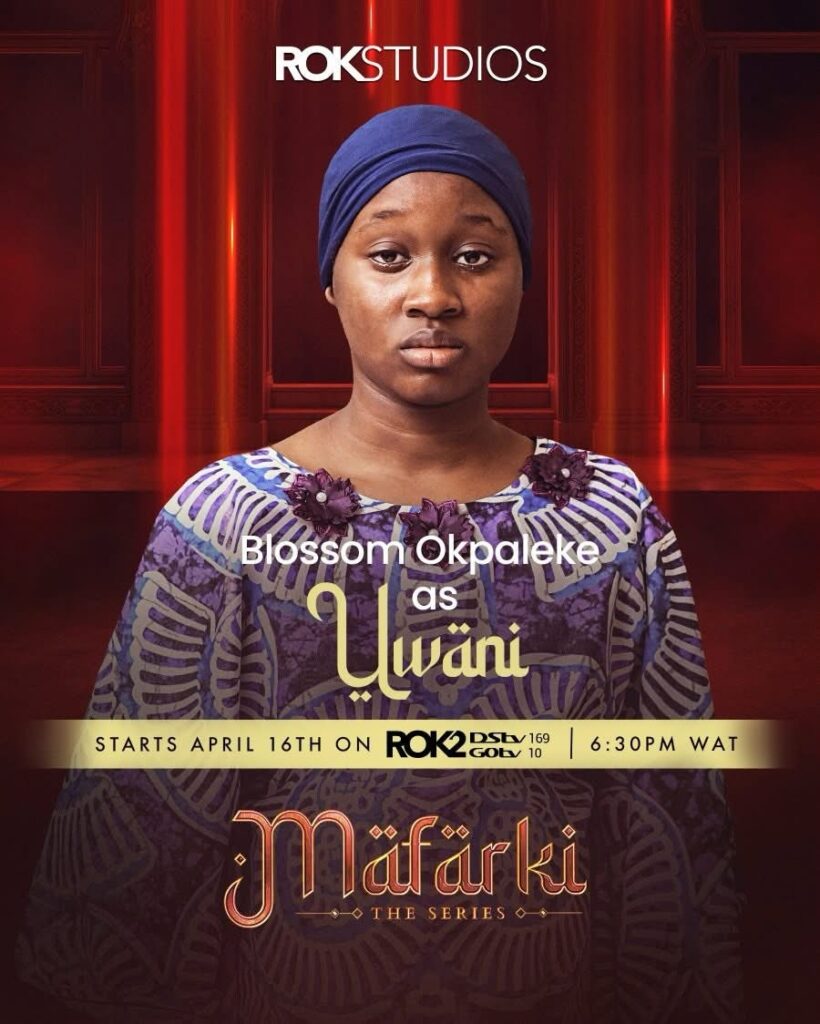 Blossom Okpaleke, a newcomer, plays Uwani. The decision to build the series around an unfamiliar face rather than a recognisable star was a deliberate risk, and it pays off completely. Okpaleke does not perform resilience. She inhabits it in a way that reads as lived rather than rehearsed. There are scenes early in the series where Uwani’s conflict is entirely interior, no confrontation, no dialogue, only the visible work of a young woman calculating the cost of her own desires. Okpaleke holds those moments without overselling them.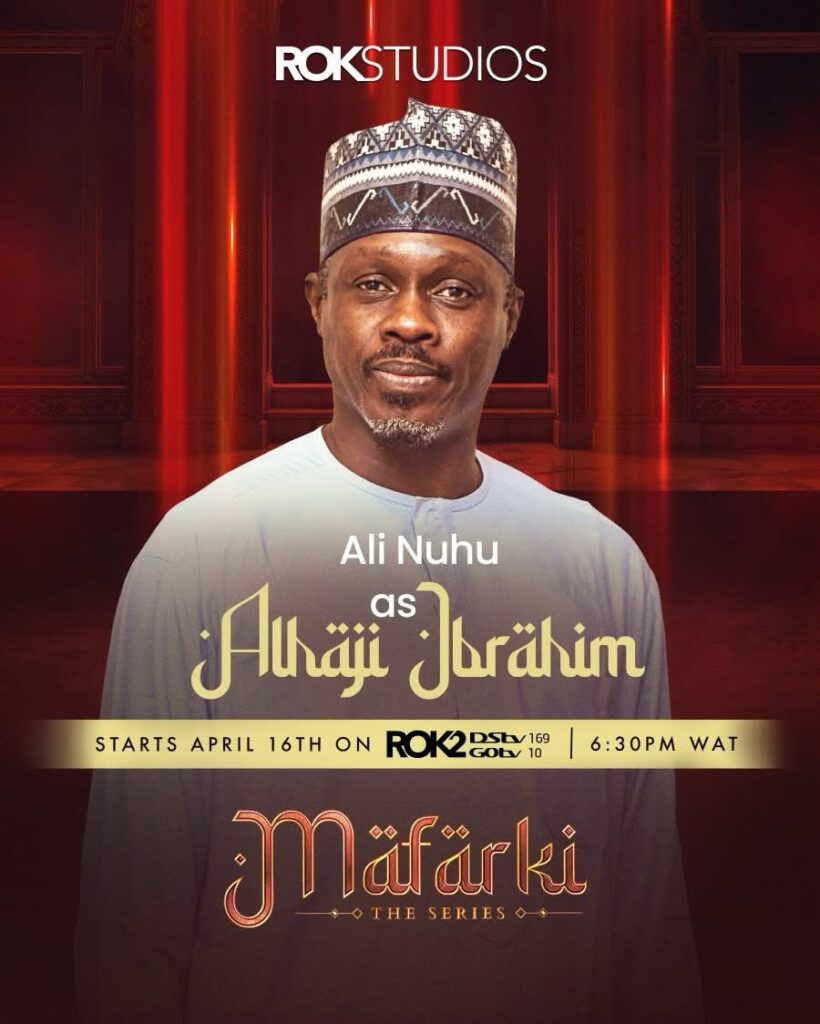
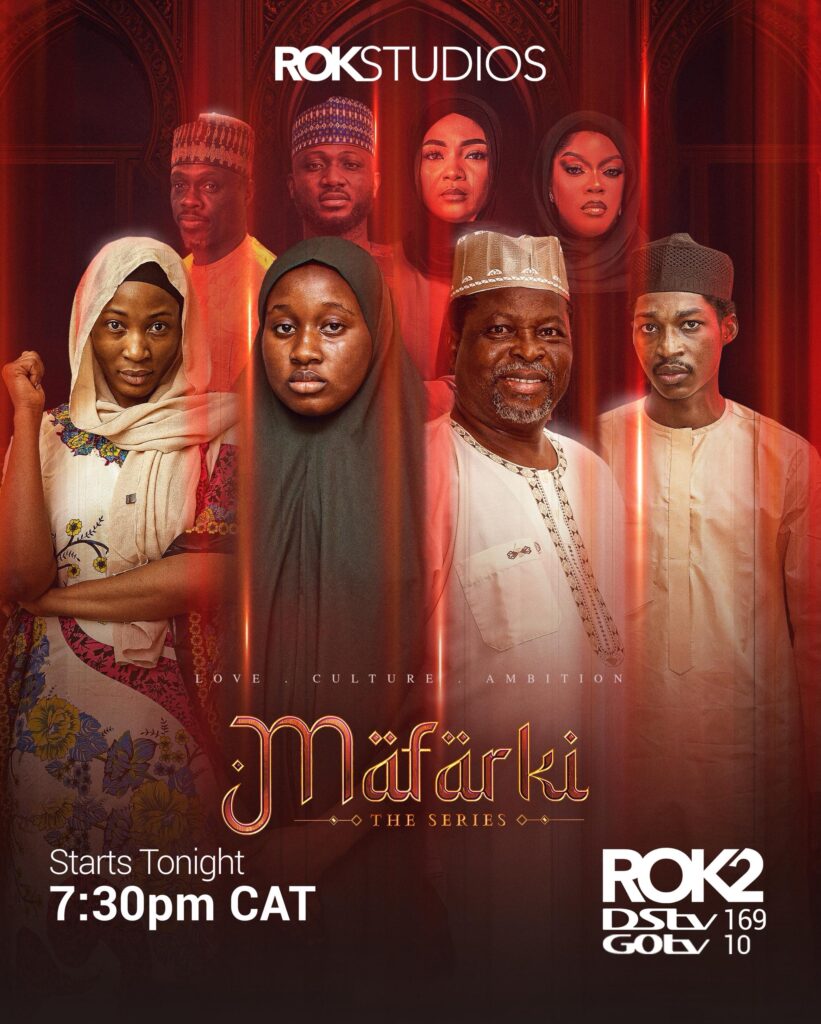 Airing on ROK2, available on DStv channel 169 and GOtv channel 10, Mondays through Thursdays at 7:30 PM West Africa Time, MAFARKI has built a consistent audience across regions and age groups. That is worth noting because the series does not chase broad appeal through compromise. It earns it by being specific. When a story is specific enough, when it is honest about the particular shape of a particular life, it tends to find people who recognise something true in it, regardless of whether they share the geography.