Home Blog Page 168

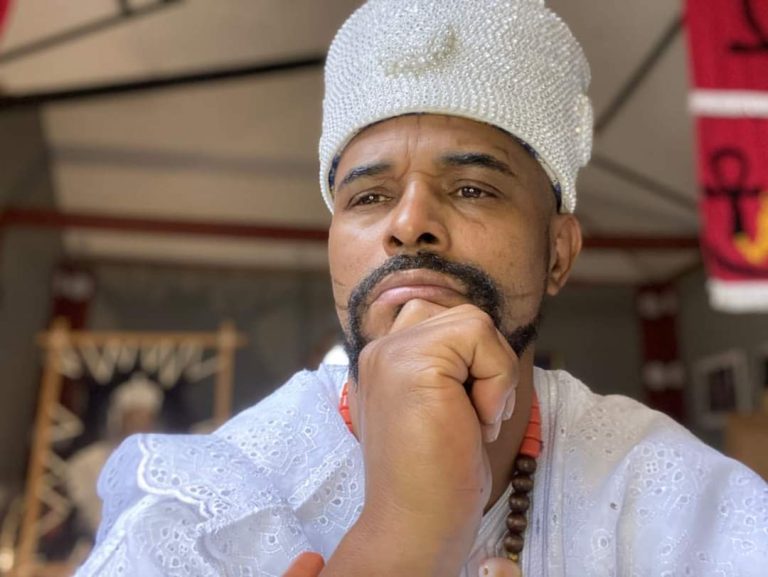
Oba Adejuyigbe Adefunmi II of Oyotunji African village in US allegedly stabbed to death by his sister

0

Oba Adejuyigbe Adefunmi II of Oyotunji African village in US allegedly stabbed to death by his sister

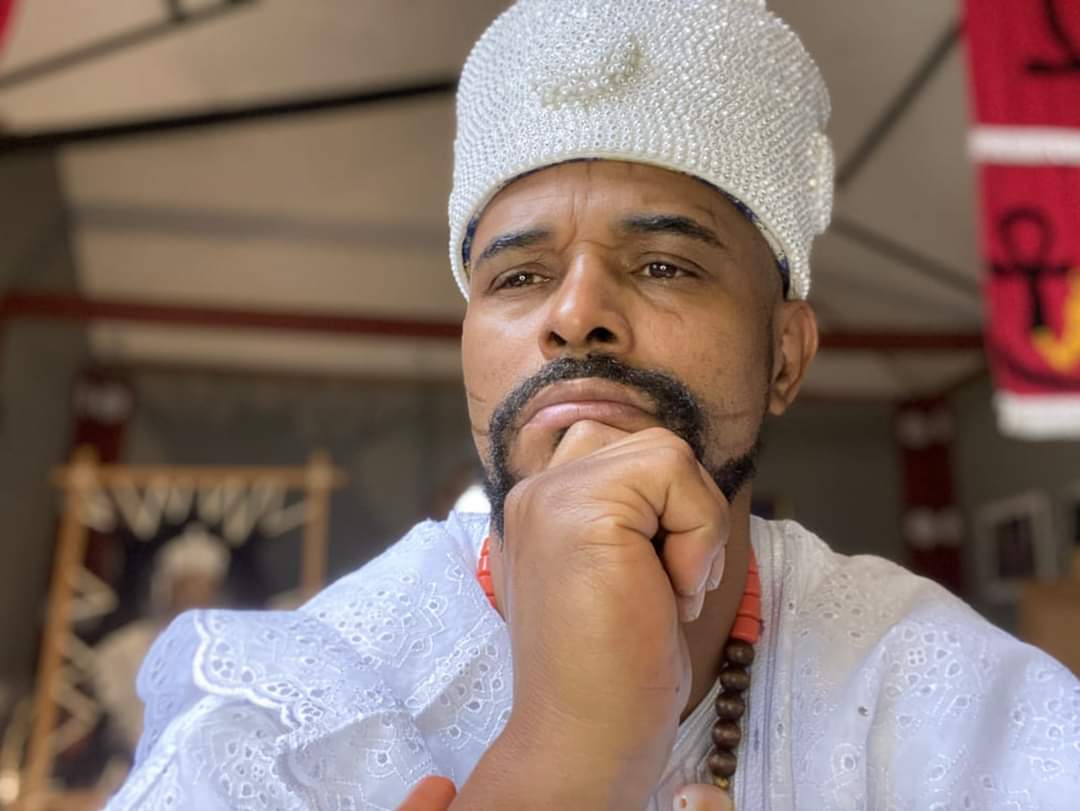
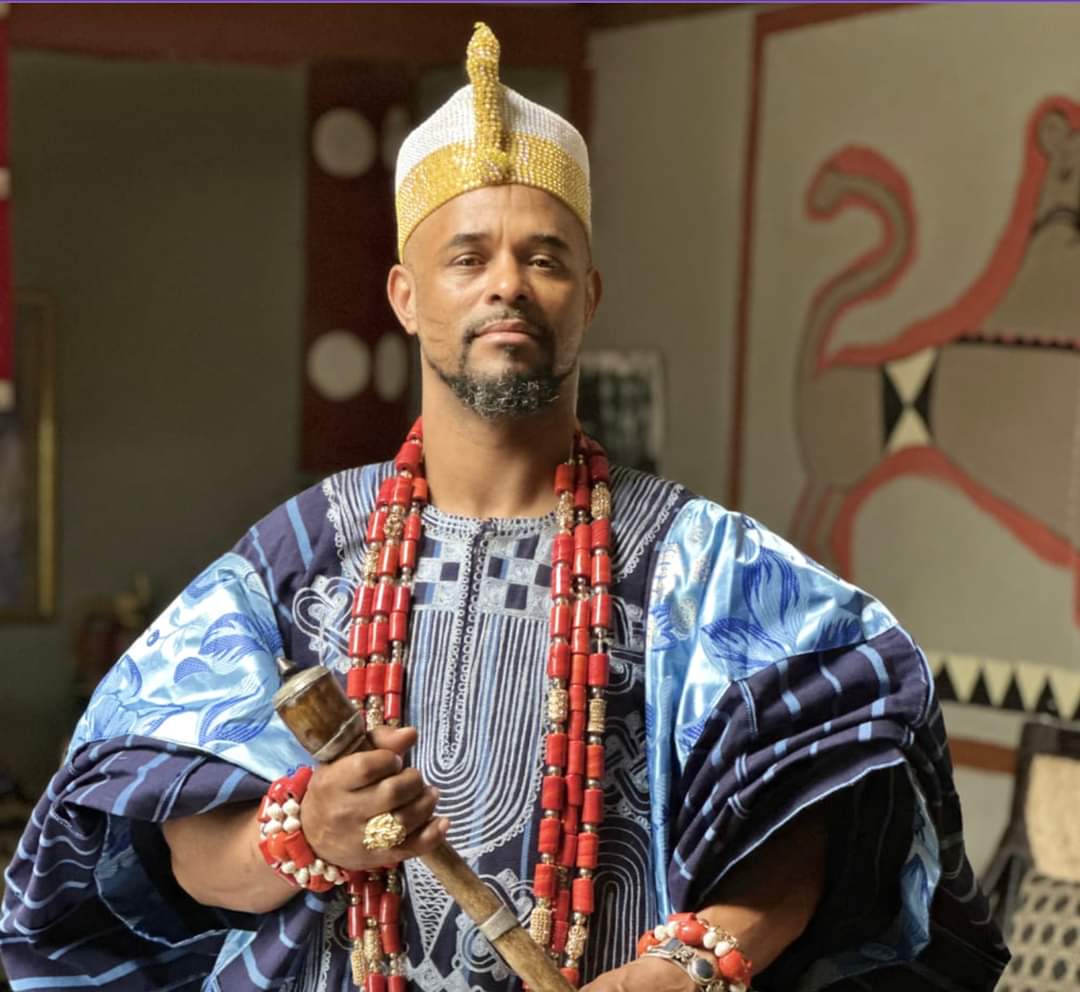
Oba Adejuyigbe Adefunmi II of Oyotunji African village in Beaufort County, Southern Carolina, United State of America, was allegedly st@bbed to d£ath by his sister during a heated argument.


Authorities say the deceased was stabbed on Monday, July 29, 2024, WJCL reported.

According to the Beaufort County Sheriff’s Office, the BCSO communications center received a report of a st@bbing around 2:45 p.m. at the village, which is located on Bryant Lane.


The victim identified as a 47-year-old man, was taken to a nearby hospital where he died from his wounds.

The suspect was identified as Akiba Kasale Meredith, 53, who had left the area on foot.


Meredith was found a short time later. She was charged with murder and taken to the Beaufort County Detention Center.


The investigation is ongoing.


Meanwhile, in an interview with Punch in 2017, the deceased revealed that he has seven wives.


“My wives are in Canada, Oyotunji, Virginia and different places,” he said.

Lagos plans N500 entertainment tax, eyes N20 billion annual revenue 

0

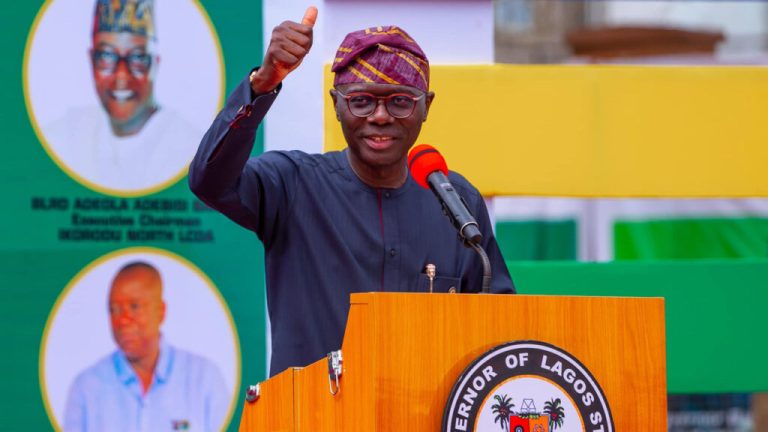
The Lagos State Government may implement a N500 entertainment tax, aiming to generate an annual revenue of up to N20 billion.


This initiative, which is part of an effort by the state to raise N5 trillion internally generated revenue (IGR), is set to be a highlight at the upcoming EKO Revenue Plus Summit, scheduled for September 25 and 26, 2024.


The summit, themed “Unlocking New Revenue Streams for Lagos State,” will delve into strategies to enhance the state’s fiscal capacity.


A synopsis document for the summit read: “Entertainment BOX in partnership with a private partner: implement N500 entertainment tax, with 2-3m subscribers, earn N10-N20B annually.”


Other key revenue initiatives

The Lagos State Government’s revenue initiatives also include Content Aggregation Platform and Gateway, Digital Schools Project, BPO and Open TechHub Project, Smart City Infrastructure and Services, and Data Center and Cloud Service.


The Content Aggregation Platform and Gateway aims to create a centralized gateway where content creators can submit their work, and users can access curated content easily. The state government plans to monetize this “platform through subscription models, advertising, sponsored content, and premium features.”


The southwest government also eyes N50 billion annually from Lagos State Government Service and Data Monetization. The document noted that this revenue source will include “Public data marketplace, Data Access licensing and data-driven products and services; Lagos DocVERIFY (Lagos State Document Validation & Verification Platform), , VerifyME (Qualification, Identity, Criminal Record, KYC, etc); Digital notary services; Lagos Credit Bureau – digitalized portal for managing credit rating and credit status; Lagos State e-Court Management System – for Affidavit, Agreement Filing, Courts Case Directory and Virtual Arbitrage and Dispute Settle Platform, plus lot more.”


There is also the Lagos State Digital Schools Project, which will provide quality digital education to students. The project is expected to serve 20,000 students, with each student paying N50,000 per semester. The projected revenue from this initiative is N1 billion.


Lagos State plans to partner with prominent organizations such as Microsoft, Huawei Technologies, Google, MainOne Cable, 21st Century Technologies, and several others.


It also plans to get investments from firms like Partech Africa, Greenhouse Capital, CardinalStone Partners, Chevron Nigeria, Sterling Bank, and others.


What you should know

Based on the budget performance report of Lagos State for the first quarter of 2024, the southwest state made N87.41 million from the entertainment and hospitality sector in Q1 2024.

This amount is 30.5% of the state’s budgetary target of N286.15 million from this sector.

Nairametrics earlier reported that the Lagos State government plans to generate N200 billion annually by expanding its income tax base to include remote workers and leveraging digital solutions for enhanced revenue collection.

The Lagos State government has set an ambitious target to significantly boost its internally generated revenue (IGR) as part of the Lagos New Money Initiatives.

The plan aims to propel the IGR to a staggering N5 trillion by unlocking an additional N2.73 trillion stream of revenue.

This initiative is designed to build upon the existing IGR framework target of N1.25 trillion, thus creating a substantial financial foundation for the state.

MultiChoice wins as Nigerian Tribunal grants lawyer’s request to withdraw GOTV, DSTV price hike case 

0

The Nigerian Competition and Consumer Protection Tribunal has granted a request from lawyer Festus Onifade to withdraw his case against MultiChoice Nigeria concerning a price hike of GOTV and DSTV subscriptions.

Initially, the tribunal had fined MultiChoice 150 million naira and mandated a one-month free subscription for violating interim orders, but MultiChoice appealed and filed for a stay of proceedings.

The tribunal rescheduled the case to November, but Onifade chose to withdraw the suit, which the tribunal approved without awarding costs.

The Competition and Consumer Protection Tribunal (CCPT) has granted the withdrawal of a subscription price hike case instituted against MultiChoice Nigeria.


The verdict was delivered by a three-member panel of the tribunal, led by Thomas Okosu, on Monday, following Barrister Festus Onifade’s oral application to withdraw his case against the Pay TV provider.


Nairametrics first reported that the tribunal, led by Thomas Okosu, had fined MultiChoice 150 million naira and ordered one month of free subscription for flouting interim orders that restrained DSTV and GOTV price hikes.


Facts of the Case

The tribunal had restrained MultiChoice from increasing its subscription rates pending the hearing and determination of a motion on notice filed by Barrister Festus Onifade. Onifade had sued MultiChoice Nigeria Ltd and the Federal Competition and Consumer Protection Commission (FCCPC) over the price hike.


A three-member tribunal chaired by Saratu Shafii had ruled in favor of Onifade by temporarily restraining MultiChoice from implementing the impending price increase scheduled to take effect on May 1, 2024, pending the hearing and determination of the motion on notice.


Conquering the clouds on a journey to Ta Xua with the team – Road Trip Vietnam Team – Nếm TV

News continues after this ad


However, MultiChoice’s lawyer, Moyosore J. Onibanjo (SAN), had filed a preliminary objection urging the court to decline jurisdiction over the suit filed by Festus Onifade and to strike it out, arguing that a similar price dispute case had previously been decided in favor of his client.


Onifade argued that the issue before the court was whether MultiChoice Nigeria provided adequate notice regarding the May 1, 2024, TV subscription price increase, not about price regulation or increase.


In its ruling, the three-member panel chaired by Justice Thomas Okosu dismissed MultiChoice’s preliminary objection for disobeying its interim orders and subsequently imposed a 150 million naira administrative penalty on MultiChoice, along with a one-month subscription order against the Pay TV provider.


News continues after this ad


MultiChoice has filed an appeal against the ruling, arguing that the tribunal erred in its decision.


The company also filed counter-affidavits dated July 12, 2024, providing reasons for its price hike and requesting that the tribunal dismiss the case.


In its affidavits, deposed by Damilola Olatunji, MultiChoice explained that to mitigate the impact of the weakening exchange rate in Nigeria, it was constrained to increase its subscription prices, though it did so to the least affordable extent possible.


The company insisted that it duly notified its customers and regulatory authorities before the increment was effected.


It was stated that the defendant had already filed a notice of appeal dated June 7, 2024, and an application for a stay of execution of the tribunal’s orders made on June 7, 2024, along with a request for all further proceedings before the tribunal to be stayed pending the determination of the appeal.


Onifade urged the court to determine his case in the interest of justice.


What Transpired in Court

At the resumed hearing on Monday, Onibanjo asked the tribunal to adjourn the matter until the Court of Appeal decided on his applications.


He explained that the law dictates that when a tribunal is aware that an application is before the Court of Appeal, it must allow the Court of Appeal to decide.


He argued that Order 6, Rule 4 of the Court of Appeal Rules states that where special circumstances make it impractical for a party to file a suspension of proceedings application at a lower court, the party can apply directly to the Appeal Court for determination.


“The heavens will not fall if the tribunal waits for the Court of Appeal to decide this matter. This tribunal is not an island; it and every court are very powerful but must abide by decided authorities.


“This matter is not personal to anyone. The duty of this tribunal is to do justice according to the law.


“If there is a defect in an appeal, the place to argue is at the Appeal Court and not at the tribunal,” he said, urging the court to adjourn the matter until the Appeal Court decides.


Onifade argued that the call for adjournment by MultiChoice over a pending appeal had been addressed on July 3, 2024, and the tribunal had ruled on it while fixing July 29 for hearing.


He submitted that the issue of indefinite adjournment had been decided by the tribunal and could not be reopened by MultiChoice.


He also argued that a stay of proceedings in his case must first be filed in the court where the decision was granted.


“It is only upon the refusal of that stay that the applicant can approach a higher court.


“Even where an applicant approaches a higher court, that higher court must make a positive pronouncement before the proceedings of a lower court can be stayed,” he said, urging the court to refuse the adjournment request.


The FCCPC lawyer, I.O. Alaba, asked the tribunal to exercise its wisdom and discretion based on the arguments of both parties.


What the Tribunal Said

Ruling on the applications, the tribunal chair, Thomas Okosu, said while MultiChoice has the right to appeal, the “proper procedures” must be followed by MultiChoice.


He said MultiChoice’s legal team had not shown the special circumstances that restrained it from seeking the tribunal’s leave to suspend its proceedings.


“Whereas we agree that MultiChoice has the right to appeal on a matter before this tribunal, the proper procedures must be followed.


“We have reviewed the positions of Order 6, Rule 4 of the Court of Appeal Rules, and did not see or find any circumstances that prevented MultiChoice from filing a stay of proceedings and execution before this tribunal.


“In the circumstances, this tribunal has nothing to stay and will therefore proceed to hear and determine this matter,” the judge said, overruling MultiChoice’s submission and stating that the mere filing of an appeal does not amount to a stay of proceedings.


MultiChoice’s lawyer then argued that, based on its rules, the tribunal ought to adjourn for vacation between July and September 2024 and can preside only over urgent matters during vacation.


“This matter is by no means urgent,” Onibanjo said, urging the tribunal to adjourn the matter until after its vacation.


But Onifade asked the tribunal to overrule Onibanjo’s fresh application, arguing that MultiChoice cannot dictate the tribunal’s schedule and decline to hear his matter as scheduled.


In a brief ruling, the judge said he could not disobey the tribunal’s own rule on vacation.


“Therefore, this matter shall be adjourned,” Okosu said, rescheduling the hearing of the case to November.


Onifade then stated that he no longer intended to proceed with the matter, insisting that MultiChoice would leverage the vacation to argue its appeal at the Court of Appeal and frustrates his case.


“I am abandoning this matter. I am withdrawing this case,” he said, explaining he filed the suit to challenge the alleged oppressive attitude of multinationals toward Nigerian consumers.


The FCCPC’s lawyer told the tribunal to allow the claimant to withdraw his matter.


Onifade then orally applied to withdraw the suit.


Onibanjo stated he had no objection to the claimant’s request to withdraw.


“The oral application of the claimant to withdraw this suit is hereby granted. No cost is awarded,” the tribunal ruled.


More Insights

MultiChoice announced new price adjustments on DStv and GOtv packages on Wednesday, April 24, 2024.


The email message to subscribers read, “On Wednesday, May 1, 2024, we will adjust our prices across all our packages on DStv and GOtv. We understand the impact this change may have on you—our valued customer—but the rise in the cost of business operations has led us to make this difficult decision. It remains our mission to provide the best entertainment and viewing experience to you, and we are committed to continuing to deliver high-quality content and unparalleled service.”


Nairametrics previously reported that the development resulted in a 25% to 26% increase across MultiChoice packages.


Despite the ongoing ruling, the popular Pay TV provider proceeded with the upward adjustment of its prices for DStv and GOtv subscribers.


The commission stated that it would review the reasons identified by MultiChoice, noting that the agency could involve regulatory bodies such as the National Broadcasting Commission (NBC).


Amid the development, the African Pay-TV operator, MultiChoice Group, attributed Nigeria’s harsh economic conditions to an 18% decline in active DStv subscribers in the country.


Follow us for Breaking News and Market Intelligence.

Why our stake in Dangote refinery is now 7.2% – NNPC reacts  

Why our stake in Dangote refinery is now 7.2% – NNPC reacts

Dangote mentioned to newsmen on Sunday that NNPC no longer holds a 20% stake in the refinery.


He explained that this change occurred because NNPCL failed to pay the balance of their share, which was due in June.


Reacting, NNPC said:


“NNPC Limited periodically assesses its investment portfolio to ensure alignment with the company’s strategic goals.


“The decision to cap its equity participation at the paid-up sum was made and communicated to Dangote Refinery several months ago,” NNPC said.


News continues after this ad


Backstory

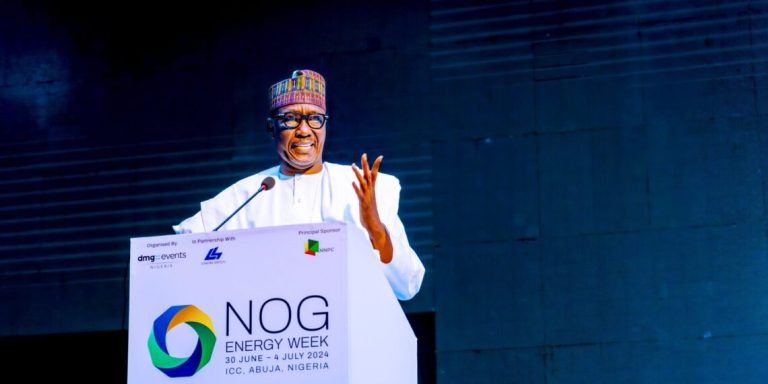
Nairametrics earlier reported that the CEO of Dangote Refinery, Aliko Dangote, announced that the Nigerian National Petroleum Corporation (NNPC) Limited no longer holds a 20% stake in the refinery.


Speaking at a media event at the refinery on Sunday, Dangote explained that the NNPC’s share has been reduced to 7.2% because the corporation failed to pay the balance of their share, which was due in June.


According to Dangote, NNPC has only paid purchase consideration for 7.2% and was expected to pay the balance in June, however, they declined to proceed beyond the 7.2% stake.


“The agreement was actually 20% which we had with NNPC and they did not pay the balance of the money up till last year then we gave them another extension up till June (2024) and they said that they would remain where they have already paid which is 7.2%. So NNPC, the government, owns only 7.2%, not 20%.” Dangote stated.


The statement is a surprise to most Nigerians who for years have been told by the government that it had a 20% stake in the refinery.


Earlier this year, Nairametrics reported that the 2022 audited financial statement of NNPC contained information which showed that it had acquired a 20% stake in the Dangote refinery for $2.76 billion through a $1.036 billion funding from Lekki Refinery Funding Limited of which $1 billion was paid to Dangote Refinery and $36 million was for transaction costs.


What you should know

The Dangote Refinery is a massive oil project located in the Lekki Free Zone, Lagos, Nigeria, boasting a capacity of 650,000 barrels per day (BPD). Owned by the Dangote Group, it aims to become Africa’s largest oil refinery and the world’s biggest single-train facility.


The refinery is expected to generate 9,500 direct jobs and an additional 25,000 indirect jobs, providing a substantial economic boost to the region.


Once fully operational, the refinery will produce approximately 50 million litres of petrol and 15 million litres of diesel daily, equating to 10.4 million tonnes of petroleum products annually.


It will also yield 4.6 million tonnes of diesel and 4 million tonnes of jet fuel per year.


MOVIE REVIEW: Bolanle Austen-Peter’s epic film ‘House of Ga’a’ is simply brilliant

MOVIE REVIEW: Bolanle Austen-Peter’s epic film ‘House of Ga’a’ is simply brilliant

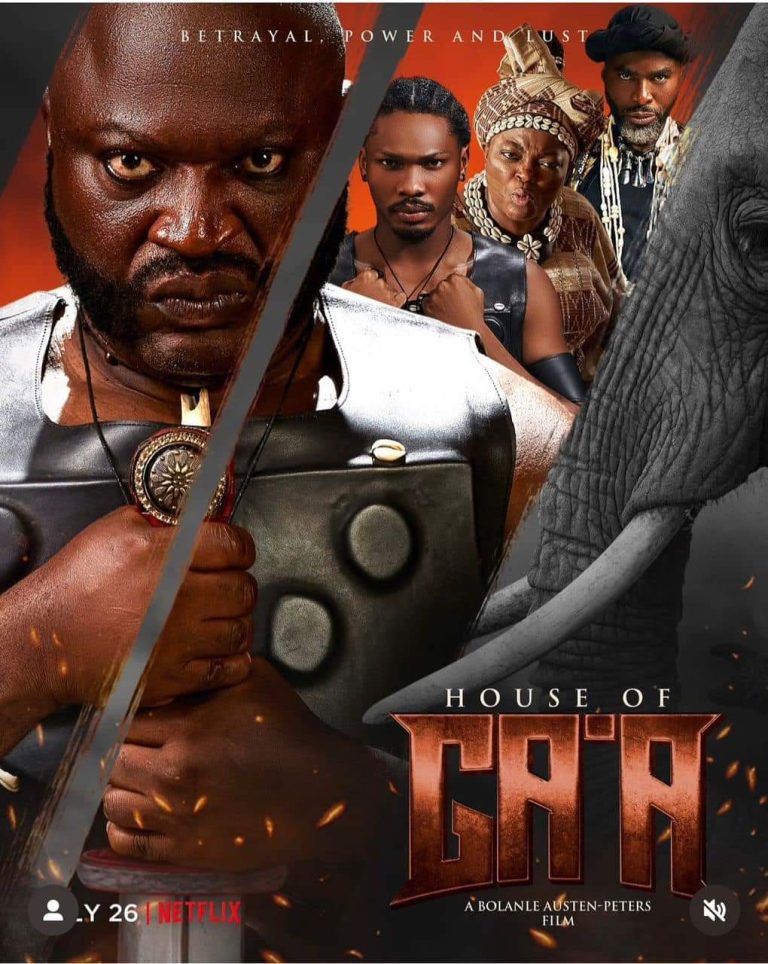
Movie title: House Of Ga’a
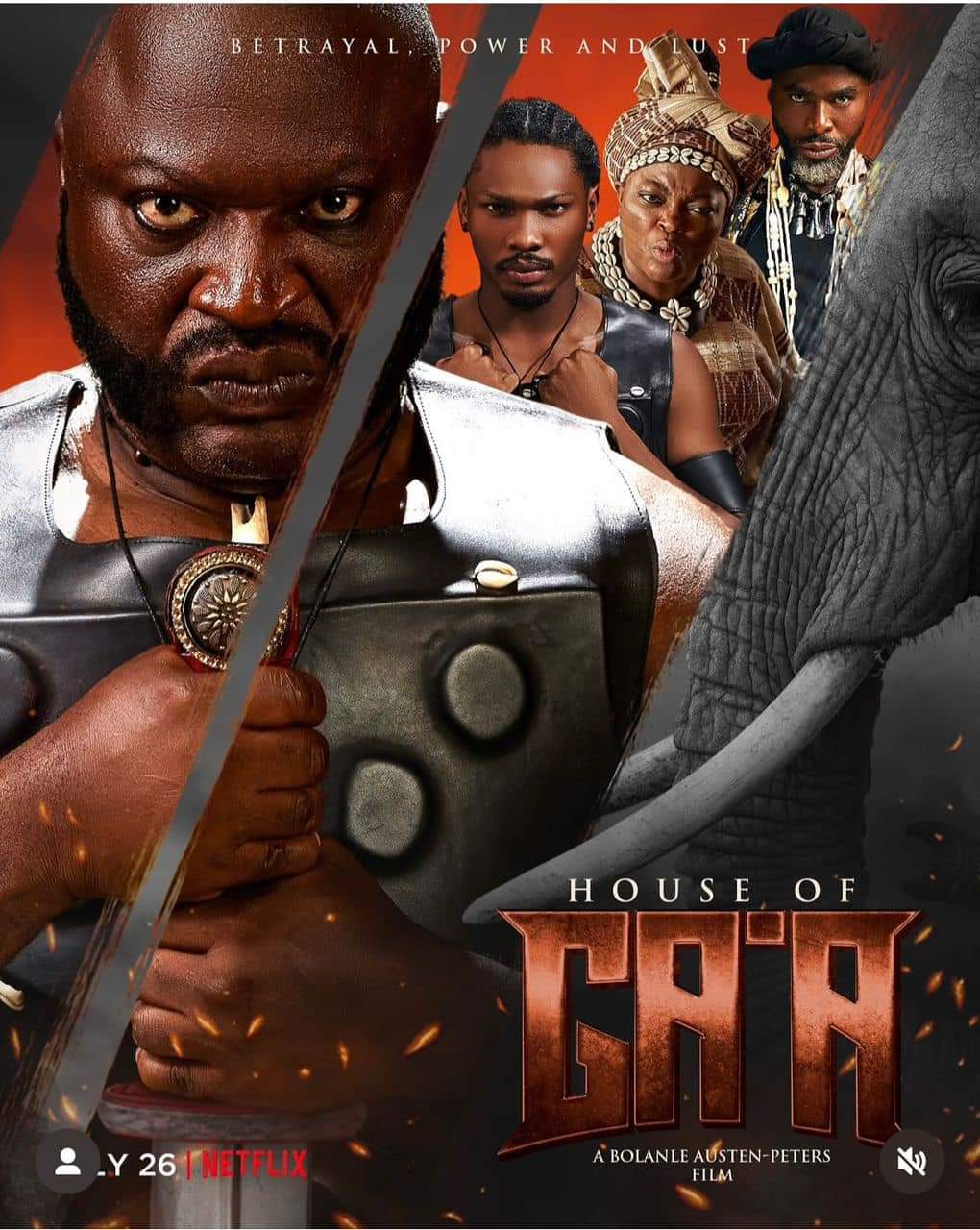
Release date: 26 July 2024

Running time: 2 hours 4 minutes

Director: Bolanle Austen-Peters


Casts: Jide ‘JBlaze’ Oyegbile, Femi Adebayo, Ibrahim Chatta, Bimbo Manuel, Lateef Adedimeji, Mike Afolarin, Tosin Adeyemi, Toyin Abraham, Adeniyi Johnson, Femi Branch, Funke Akindele,


To what lengths will a man go to get what he wants? Insatiable, right? That’s the story of the epic Netflix movie ‘House of Ga’a ‘, a title that symbolises the insatiable quest for power and the consequences it brings.


Amidst Netflix’s recent collection of Yoruba films, like ‘Ajakaju: Beast of Two Worlds‘, “House of Ga’a” is an unforgettable epic.


The story of Bashorun Ga’a is a famous Yoruba real-life story of an Oyo-Ile tyrant. Adebayo Faleti wrote the novel Basorun Gaa, which the writer adapted for the stage and performed in 2010 by students. In 2004, Faleti shot a movie based on the story.


Netflix’s House of Ga’a is a captivating tale that entertains while delivering a didactic lesson. It is worthy of emulation for its excellent delivery and brilliant storytelling.


Though rooted in Yoruba tradition, its appeal transcends cultural boundaries. Its suspenseful plot and engaging dialogue appeal to both Yoruba and non-Yoruba speakers, keeping audiences hooked from start to finish. What could this story be about?
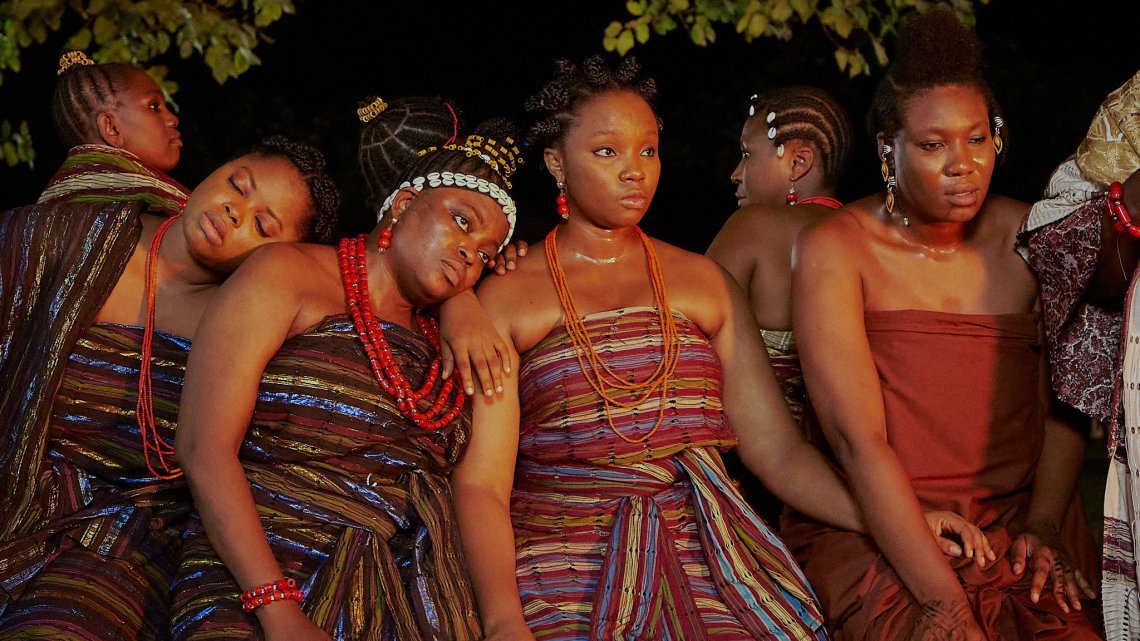
A scene from the House of Ga’a

Plot

The movie begins with a gripping war scene between the Nupe and the Yoruba kingdom. Ga’a and his sons lead the Yoruba to victory, earning Ga’a the title of Bashorun of Oyo.


After the war, Ga’a chooses a Nupe enslaved person, Zainab, as one of his servants, eventually making her his wife, which displeases his other wives. He appoints his brother Olokoye as the governor of Ibadan and his first son Olaotan as the governor of Dahomey and sends his other sons to govern Egbaland and Ilorin. However, he gives nothing to his younger brother Olubu, considering him a drunk and a family disgrace.


Audience Survey

Ga’a’s son, Oyemekun, was sent to Dahomey to be trained as a warrior. Oyemekun was in love with Princess Agbonyin, whom he had wanted to marry until his father married her off to his uncle Olokoye, the governor of Ibadan.


Meanwhile, as Bashorun, Ga’a remembers how the Alaafin, when he was a crown prince, beat his older brother Oluke to death.


Ga’a considers himself the most powerful man in the kingdom, refusing to bow even to the emperor. Fearful noblemen allowed Ga’a to select the Alaafin, ensuring a ruler who would respect him and not demand his obedience.


Ga’a’s resentment towards the Alaafin grows, leading him to conspire with the Oyomesi against any non-submissive Alaafins. This continues until Majeogbe becomes Alaafin. Majeogbe, aware of Ga’a’s tricks, protects himself with charms and is determined to end Ga’a’s authoritarian rule.


Majeogbe’s reign is marked by his efforts to stop Ga’a’s violence. At the wedding of Olokoye and Princess Agbonyin, Majeogbe proposes a one-on-one sword fight between his best warrior and Ga’a’s best warrior. Olaotan accepts the challenge, but Majeogbe insists that Oyemekun, who is less experienced, fight instead.


Majeogbe’s warrior, Idi Al-Farouk, is intimidating and skilled, but when Oyemekun struggles, Onisigun intervenes and stabs Idi, who kills Onisigun before dying. Devastated by his son’s death, Ga’a vows to destroy Majeogbe at any cost. But what could be the cost?
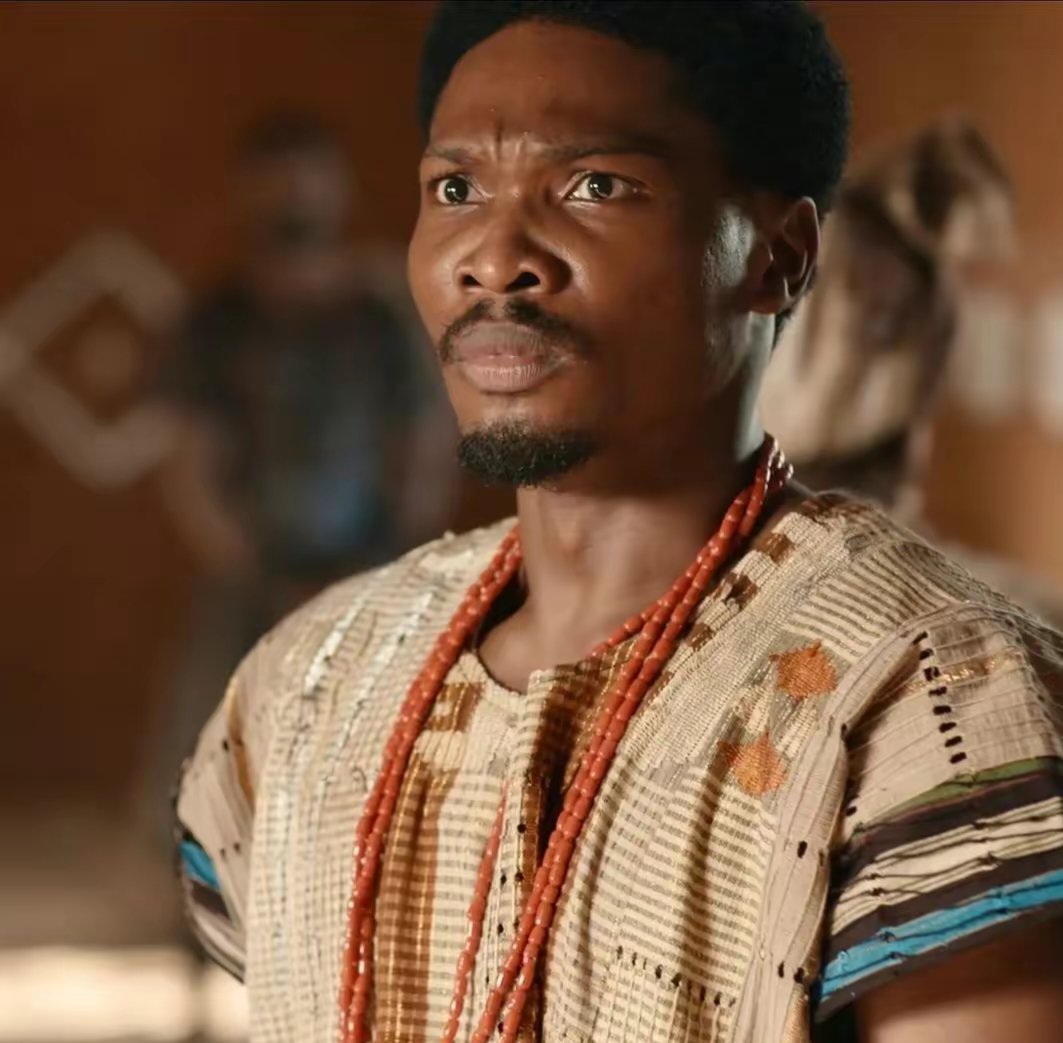
A scene from the House of Ga’a

Character Analysis

“House of Ga’a” features a star-studded cast of A-list Yoruba actors, including Jide ‘JBlaze’ Oyegbile, Tosin Adeyemi, Toyin Abraham, Bimbo Manuel, and Lateef Adedimeji.


Femi Branch, Mike Afolarin, Femi Adebayo, Ibrahim Chatta, Adeniyi Johnson, and Funke Akindele also play significant roles.


Femi Branch leads with enthusiasm and conviction as Ga’a, an actor whose onscreen presence is compelling. The film chronicles Ga’a’s rise to power and inevitable downfall, delivering a well-told tale. However, a few things could be improved in the storytelling, particularly in the pacing of certain scenes, which might test the patience of some viewers.


Branch’s unique gestural dispositions speak more than words, as his acting, portraying the character Ga’a, was apt and flawless—a proud tyrant who met his doom unprecedentedly.

A scene from the Netflix’ House of Ga’a

Remarkable performances from the ensemble cast stand out, particularly Funke Akindele and Mike Afolarin. Akindele, playing Ga’a’s first wife, provides much-needed comic relief, whether intentional or not. Despite her limited screen time, she leaves a lasting impression.


Afolarin shines as Oyemekun, Ga’a’s youngest son, shows impressive commitment to the role. The love subplot involving his character becomes the driving force of the film’s third act, adding depth to the story.
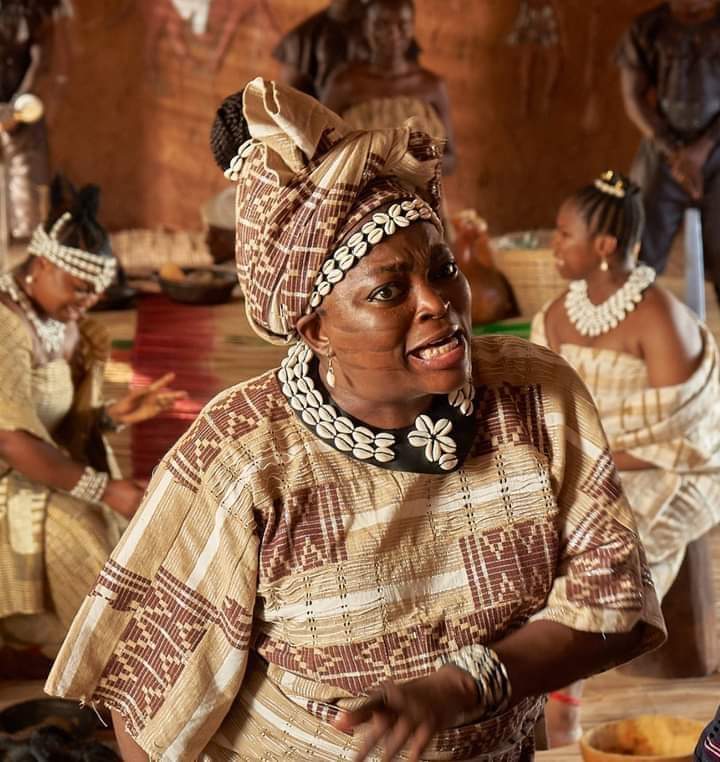
A scene from the Netflix’ House of Ga’a

Narrative technique

The dialogue of ‘House of Ga’a’ is predominantly in the Yoruba language. The story is told from the unique perspective of one of Ga’a’s sons, Oyemekun. This narrative style adds a layer of intrigue and keeps the audience engaged.


Employing an omniscient third-person narrative, the film delves into every character’s thoughts, feelings, and motivations, even those unvoiced to others. This narrative style adds depth and understanding, explaining the characters’ actions and emotions.


Third-person Omniscient means “all-knowing,” likewise, an omniscient narrator knows every character’s thoughts, feelings, and motivations.


Though part of the story, the narrator is independent of the actual story, which helps deliver the backstory and the sub-stories so that they are cohesive from the movie’s central idea.


A backstory is a literary technique used to bring to light events before the actual event.
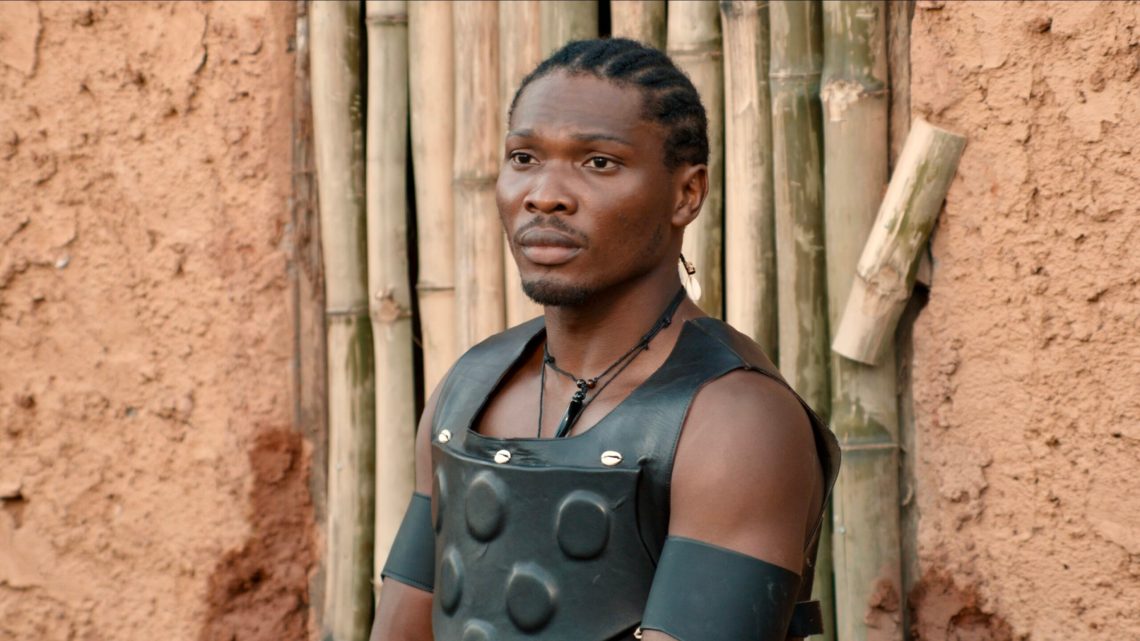
Oyemekun

Literary techniques

“House of Ga’a” employs numerous literary techniques, including flashbacks, irony, suspense, and deus ex machina. The film explores situational irony and deus ex machina, adding layers to its storytelling.

Situational irony occurs when audiences expect one outcome, but something entirely different happens. For instance, when everyone anticipated the Alaafin would reward Olubu for bringing Princess Agbonyin’s child to the palace, he was instead killed, defying expectations.


Deus ex machina, the intervention of an unexpected power or event to save a seemingly hopeless situation, is also prominently featured. Oyemekun survives against all odds despite being shot with an arrow. This unexpected turn of events adds an element of surprise and keeps viewers engaged.


Movie Analysis

‘House of Ga’a’ offers a rich and respectful exploration of Yoruba culture, encompassing language, attire, music, dance, worship, and general lifestyle. The writers deserve accolades for seamlessly combining these elements.


Initially, the storyline of ‘House of Ga’a’ seems like a typical Yoruba epic. Still, it quickly distinguishes itself by impressively using diverse literary techniques, adding intrigue and depth to the narrative.


The film excels in various aspects, including acting, production, storytelling, props, costumes, effects, and soundtrack, showcasing the growth of Nollywood over the years. The well-chosen locations, especially the mountains and horses, enhance the movie’s historical aesthetic.


Directed by Bolanle Austen-Peters, “House of Ga’a” captures viewers’ attention from the first shot to the last credit.


Austen-Peters infuses the historical epic with subtle depth, blending dramatic moments with fast-paced action. The story presents a compelling portrait of Bashorun Gaa’s complex personality, weaving a tale of ambition, power, and inevitable consequences.


The film’s authenticity and meticulous direction respect Yoruba culture and its people. From costumes and location scouting to dialogue, the movie exudes legitimacy. “House of Ga’a” is an important film striving to stay close to historical accounts, which is reflected in the performances.


“House of Ga’a” deserves commendation for delivering yet another powerful, albeit slightly flawed, Yoruba epic.


Verdict

8/10

Thousands Of Dollars Flown Out Of Nigeria Every Hour – INTERPOL

The International Police Organisation (INTERPOL), on Monday, revealed that “hundreds of thousands of dollars” are being laundered out of Nigeria to other African countries and across the world every hour.


The organisation also said money laundering across Africa and the entire world has assumed a monstrous dimension, adding that it would require a concerted efforts of every security agencies in Nigeria and other countries to address.


Garba Baba Umar, the INTERPOL Vice President for Africa, revealed this at EFCC Academy, Abuja when he declared a four-day workshop for Nigerian law enforcement agencies open.


The INTERPOL official, however, said the organisation has launched what he described as “Silver Notices Against Money Laundering”, saying it is in a bid to frontally tackle the scourge of money laundering and illicit financial flows across the world, especially Africa.


“Evidence has shown that every hour, hundreds of thousands of dollars are flowing out of Nigeria to the region and across the world, laundered before it reaches the pockets of criminals to enjoy the profits of their crimes, while the hardworking and honest Nigerians pay the price of crime.


“With every successful laundering of criminal money, our country becomes more prone to crime. More drugs, more fraud, more corruption and more violence. Every time criminal money is successfully laundered, our financial institutions take an additional blow…” Umar said.


He stressed that hard times await money launderers as the Initiative “Silver Notices” would make illicit funds more difficult to launder in any part of the world.


Speaking on the theme of the workshop: “Strengthening Capacity and Coordination against Financial Crimes” Umar noted that financial crimes had become transnational and law enforcement agencies needed regular training for their workforce to be ahead of fraudsters.


He said, “In essence, this Workshop will give us the opportunity to re-examine the challenges of fighting transnational crimes in the country, reassess our strategies, and reaffirm our determination and unity as a country to provide security to our citizens and by extension the global community.”


On his part, the Executive Chairman of the EFCC, Ola Olukoyede, harped on the need for enhanced collaboration in tackling financial crimes.


Olukoyede, who spoke through the Director, Fraud Risk Assessment and Control of the EFCC, Francis Usani, said the complex nature of corruption across the world could only be broken by the might of collaborative actions by every stakeholder.


“The daunting nature of the fight against corruption in Nigeria and the world at large deserve serious collaboration among organizations saddled with the responsibility of fighting corruption”, he said.


In his remark, Ambassador Extraordinary and Plenipotentiary of Japan to Nigeria, Mr Kazuyoshi Matsunaga, described the workshop as an important joint initiative between Japan and Nigeria to combat financial crimes.


He explained that in the contemporary globalized world, financial crimes transcended borders and required international cooperation among law enforcement agencies to combat them.


Similarly, the Director-General of the Nigerian Financial Intelligence Unit, Hafsat Bakare, spoke about the imperative of strengthening capacity and coordination against financial crimes, pointing out that “financial intelligence and financial analysis techniques are key to tackling economic crimes.”


The NFIU, she said, was sensitive to the interconnected nature of the criminal justice system, the threat of organized crime and cybercrimes being fought by law enforcement agencies.

FG suspends import duties, taxes on essential food items to address hunger

FG suspends import duties, taxes on essential food items to address hunger

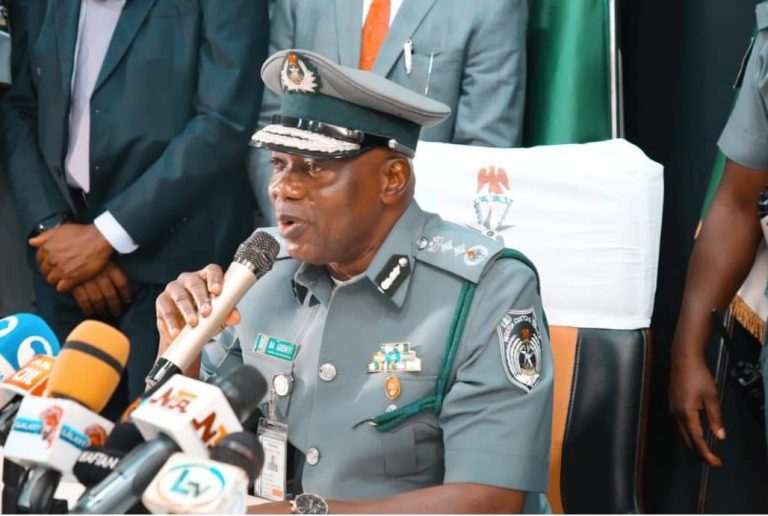
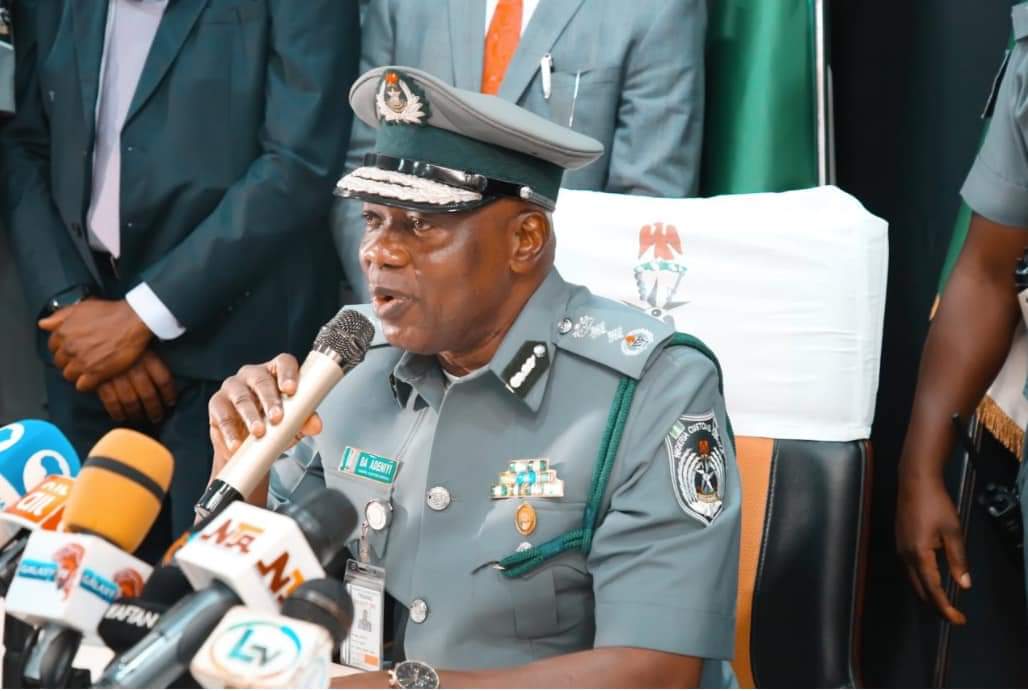
Comptroller-General of Customs, Adewale Adeniyi

The Comptroller-General of the Nigeria Customs Service (NCS), Bashir Adeniyi has announced the Federal Government’s suspension of import duties and taxes on essential food items to make basic necessities more affordable for Nigerians and address the prevalent issue of hunger in the nation.


In a public address on Monday evening, Adeniyi acknowledged the widespread economic challenges and outlined the government’s commitment to easing the financial burden on its citizens.


He acknowledged that global inflation is impacting nations worldwide, including Nigeria, noting that to address this, the federal government, through the Nigeria Customs Service, is suspending import duties and taxes on essential food items to make them more affordable.


Adeniyi also stated that the NCS has streamlined export processes to facilitate the efficient movement of Nigerian goods to international markets.


He said this initiative includes the introduction of advanced ruling systems, authorised economic operators, and a time-release study designed to enhance trade, stimulate the economy, and create new opportunities.


Adeniyi emphasised that these reforms will provide farmers, artisans, and entrepreneurs with a faster path to global markets, thereby benefiting their families and communities.


“We are committed to implementing this measure seamlessly to address the problem of hunger in our nation,” he added.


He said in addition to economic measures, the NCS is intensifying its efforts to combat the proliferation of arms and dangerous weapons through Nigeria’s land, sea, and airports.


Adeniyi stressed the importance of collective efforts and peaceful progress to strengthen the country’s borders.


He warned that the destruction of the supply chain affects foreign investment, distorts trade, promotes instability, increases scarcity, and hinders revenue collection.


“In these challenging times, let us unite in resilience and cooperation. We extend our heartfelt gratitude to those who have embraced the path of peace and dialogue,” he stated.


Adeniyi’ called for constructive engagement and cooperation from all Nigerians to overcome current challenges and build a brighter future.

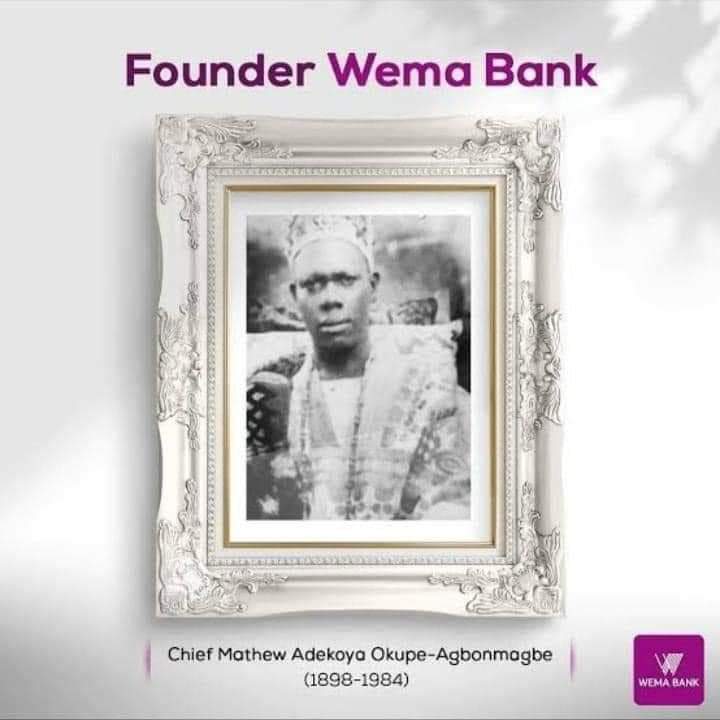
Wema Bank is the longest surviving indigenous bank in Nigeria

Wema Bank is the longest surviving indigenous bank in Nigeria

The bank was founded 77 years ago by *Late Chief Matthew Adekoya* *Agbonmagbe* *Okupe* .


It didn’t start as a bank at first, though. Chief Mathew started out as a famous government-approved money lender before he established the bank.


He started the bank in May 1945 after his business expanded beyond the status of a cottage money lender.


After obtaining a banking license, Chief Matthew registered the Wema Bank we know today, with the name “Agbonmagbe Bank”.


The word “Agbonmagbe” loosely translates as “the source that never runs dry” As the first indigenous bank in Nigeria, Agbonmagbe Bank had branches in Ebute Metta, Mushin, Ifo, Sagamu, Ago Iwoye, Ijebu Igbo and Zaria.


Agbonmagbe Bank became Wema Bank through acquisition by Wema Board in 1969. 18 years later in 1987, the bank went public as Wema Bank Plc.


Chief Matthew Agbonmagbe Okupe died on November 1, 1984 at the age of 86 years. He had 10 wives and 40 children.

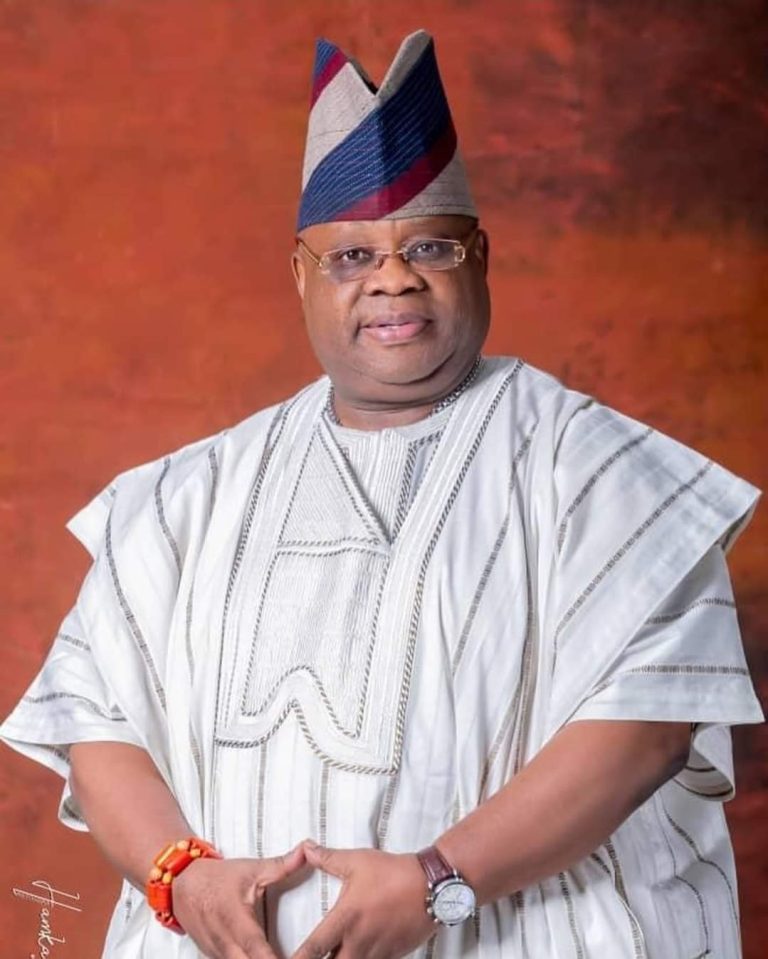
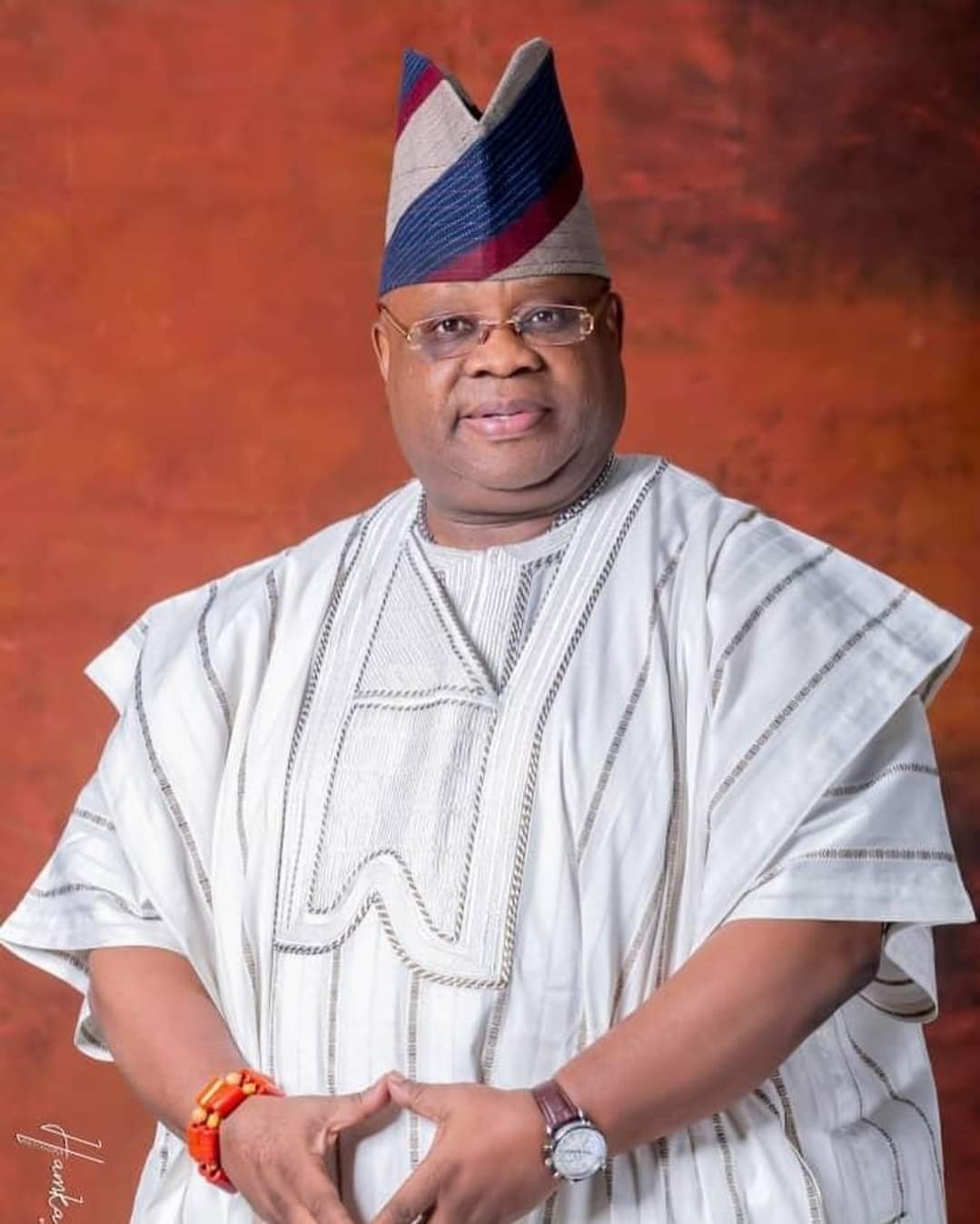
Protest: Gov Adeleke orders closure of public, private schools

0

Protest: Gov Adeleke orders closure of public, private schools

In bid to safeguard the lives and properties of its citizens during the nationwide planned protest scheduled for August 1, the Osun State Government has ordered the closure of all schools in the state.


The order which was handed down by the permanent Secretary, Ministry of Education in the state, Mr. M.A.K Jimoh on Monday evening, directed both private and public schools to proceed on the third term vacation From Wednesday 31st July, 2023.


In a public service announcement information in Osogbo, the state government informed the general public, particularly parents, guardians and heads of both public and private schools in the state to take note of the message


The permanent Secretary added that, Parents and Guardians are advised to ensure the safety of their wards during the vacation.

Everywhere people are facing challenges” Igboho says as he urges Yorubas not to join protest over hardship – Sunday Igboho

0

“Everywhere people are facing challenges” Igboho says as he urges Yorubas not to join protest over hardship

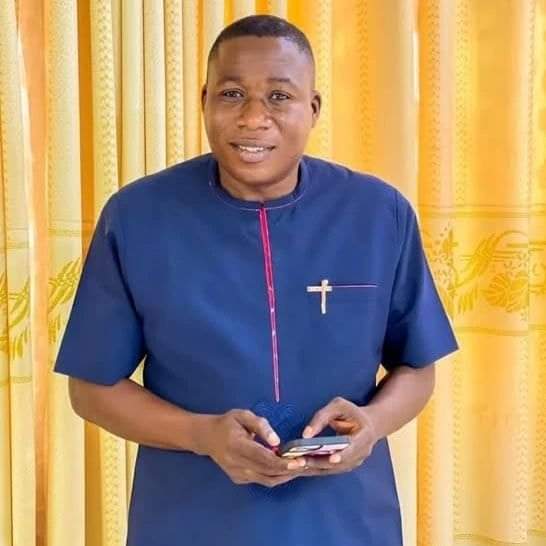
Yoruba Nation agitator, Sunday Adeyemo, popularly known as Sunday Igboho, has spoken against the nationwide protests scheduled for August 1 to 10 over the hardship in the country.


Igboho in a statement issued Monday night, July 29, said: “I, Chief Sunday Igboho, am issuing this press release in response to the planned protests by some unknown and faceless individuals, who are working to disintegrate the country.


“Since President Bola Ahmed Tinubu’s assumed office on May 29, 2023, he has implemented revolutionary policies, which his predecessors lacked the political will to pursue.


“These bold steps have, unsurprisingly, unsettled those who believe it is their birth right to rule Nigeria. And in response, there have been attempts to undermine his administration, particularly on social media, with the aim of creating discord between the government and the people.


“Recently, we have become aware of notices from unknown individuals threatening ’10 days of rage’, beginning August 1, 2024, under the slogan ‘Tinubu Must Go!’


“While the right to peaceful protest is enshrined in our constitution, it does not extend to calls for an unconstitutional regime change. It is worth noting that during President Buhari’s eight-year tenure, there were no such protests for regime change from the Southwest, even when our people faced oppression and atrocities by Fulani terrorists.


“Our protests were focused on protecting our communities, not on destabilizing the country.


“The Yoruba Nation Movement and I firmly declare that we will not participate in any protest aimed at using the Southwest as a battleground for political upheaval.


“We stand resolute in our belief that the Yoruba nation will not be a launchpad for disintegrating Nigeria. We recognize that economic hardship is a global phenomenon, not unique to Nigeria.


“Since my release from the unjust detention orchestrated by former President Buhari and his then attorney general of federation, Abubakar Malami, I have travelled extensively across Europe, the Middle East, West Africa and North America.