Home Blog Page 198

Why our stake in Dangote refinery is now 7.2% – NNPC reacts  

Why our stake in Dangote refinery is now 7.2% – NNPC reacts

Dangote mentioned to newsmen on Sunday that NNPC no longer holds a 20% stake in the refinery.


He explained that this change occurred because NNPCL failed to pay the balance of their share, which was due in June.


Reacting, NNPC said:


“NNPC Limited periodically assesses its investment portfolio to ensure alignment with the company’s strategic goals.


“The decision to cap its equity participation at the paid-up sum was made and communicated to Dangote Refinery several months ago,” NNPC said.


News continues after this ad


Backstory

Nairametrics earlier reported that the CEO of Dangote Refinery, Aliko Dangote, announced that the Nigerian National Petroleum Corporation (NNPC) Limited no longer holds a 20% stake in the refinery.


Speaking at a media event at the refinery on Sunday, Dangote explained that the NNPC’s share has been reduced to 7.2% because the corporation failed to pay the balance of their share, which was due in June.


According to Dangote, NNPC has only paid purchase consideration for 7.2% and was expected to pay the balance in June, however, they declined to proceed beyond the 7.2% stake.


“The agreement was actually 20% which we had with NNPC and they did not pay the balance of the money up till last year then we gave them another extension up till June (2024) and they said that they would remain where they have already paid which is 7.2%. So NNPC, the government, owns only 7.2%, not 20%.” Dangote stated.


The statement is a surprise to most Nigerians who for years have been told by the government that it had a 20% stake in the refinery.


Earlier this year, Nairametrics reported that the 2022 audited financial statement of NNPC contained information which showed that it had acquired a 20% stake in the Dangote refinery for $2.76 billion through a $1.036 billion funding from Lekki Refinery Funding Limited of which $1 billion was paid to Dangote Refinery and $36 million was for transaction costs.


What you should know

The Dangote Refinery is a massive oil project located in the Lekki Free Zone, Lagos, Nigeria, boasting a capacity of 650,000 barrels per day (BPD). Owned by the Dangote Group, it aims to become Africa’s largest oil refinery and the world’s biggest single-train facility.


The refinery is expected to generate 9,500 direct jobs and an additional 25,000 indirect jobs, providing a substantial economic boost to the region.


Once fully operational, the refinery will produce approximately 50 million litres of petrol and 15 million litres of diesel daily, equating to 10.4 million tonnes of petroleum products annually.


It will also yield 4.6 million tonnes of diesel and 4 million tonnes of jet fuel per year.


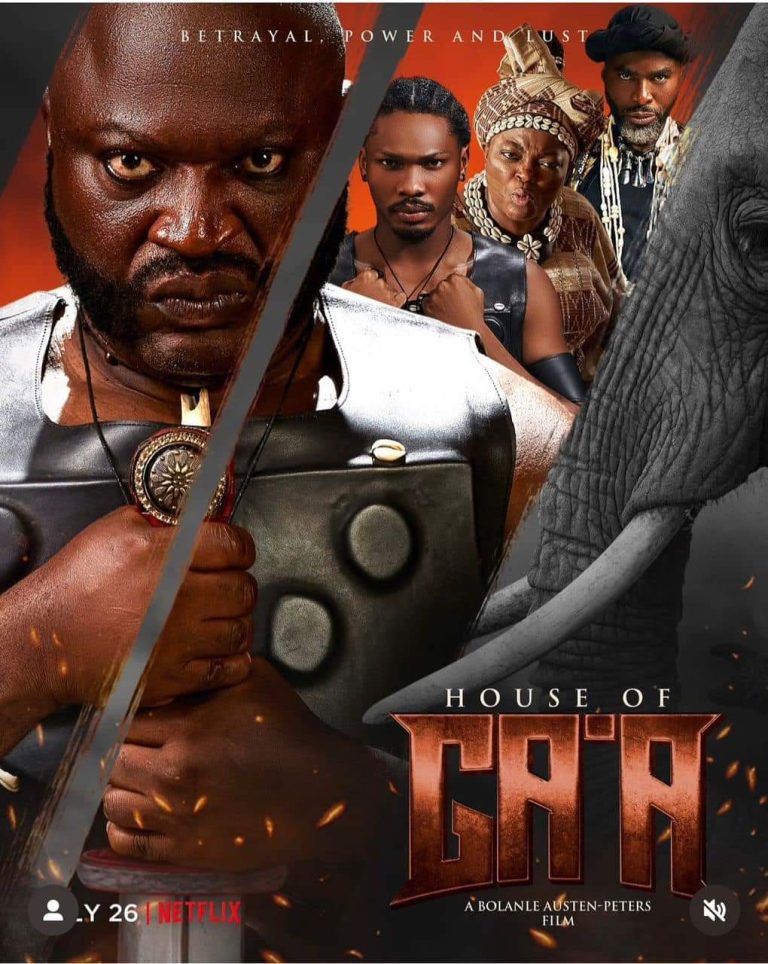
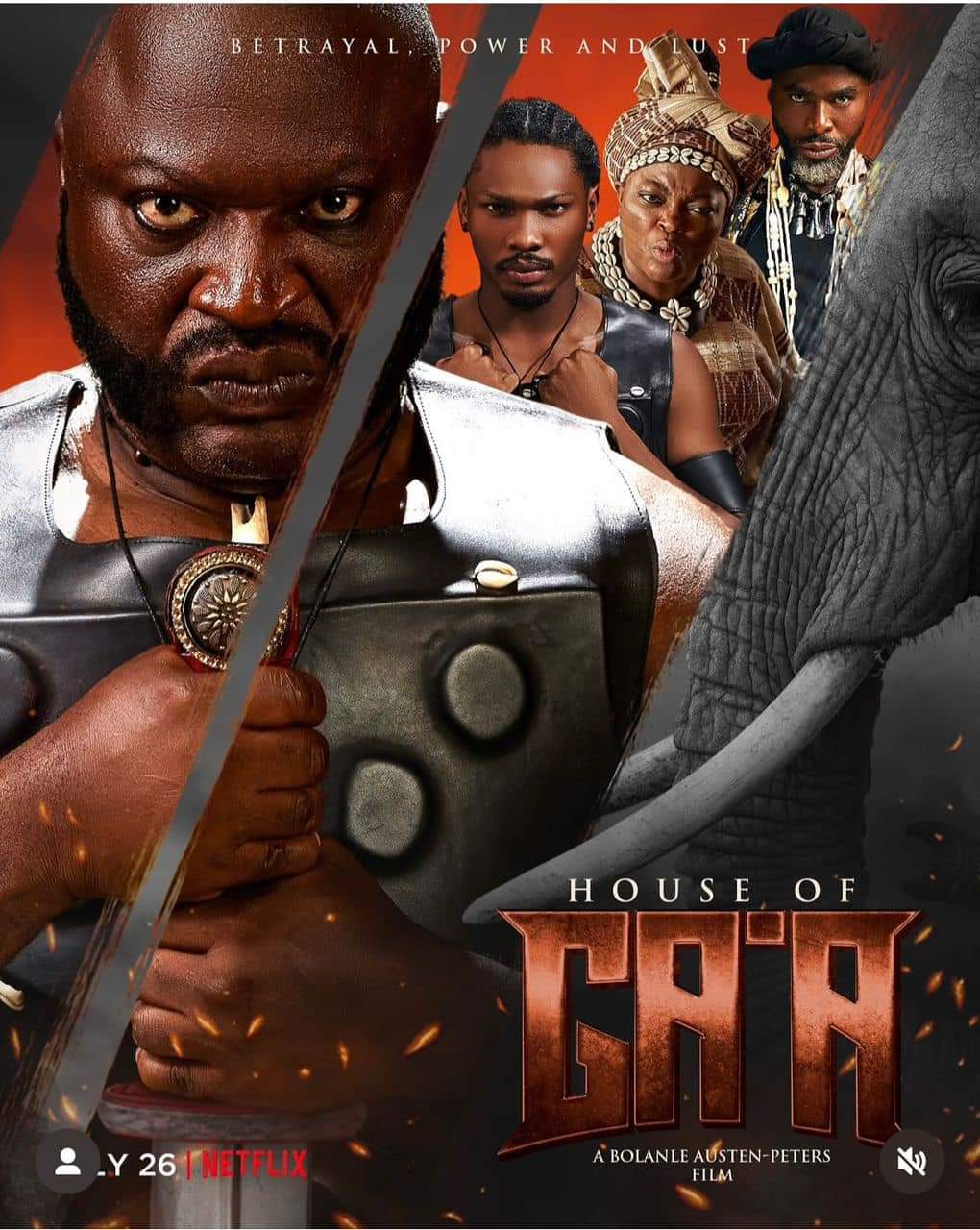
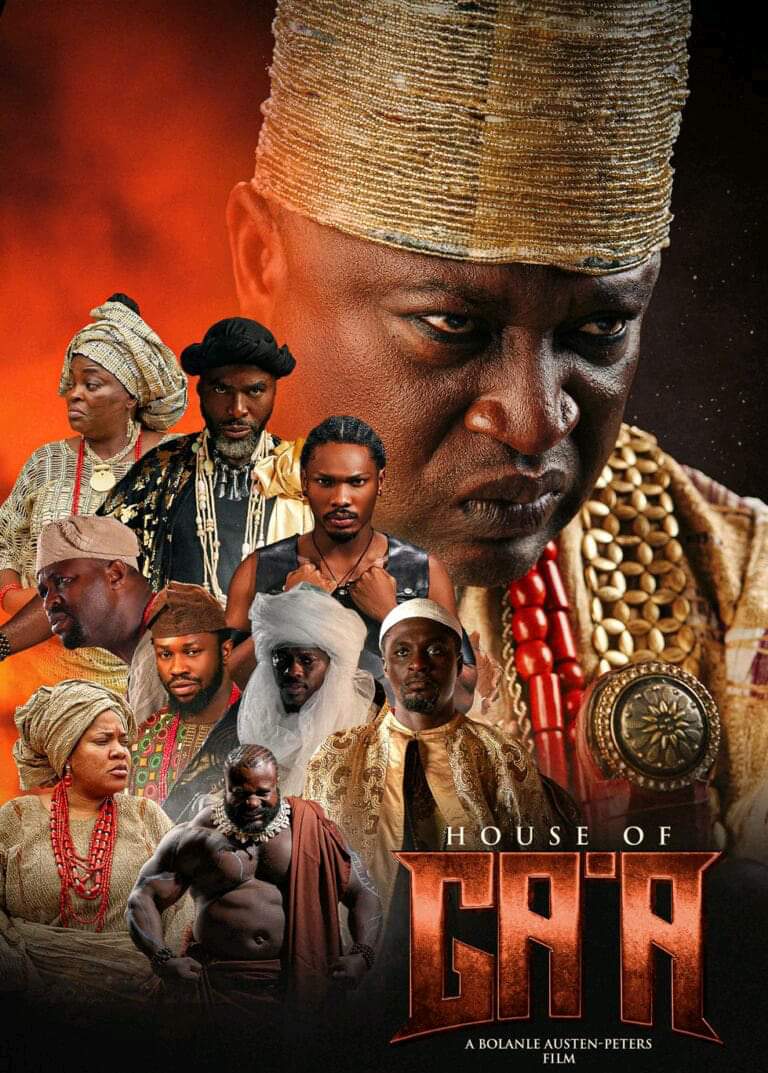
MOVIE REVIEW: Bolanle Austen-Peter’s epic film ‘House of Ga’a’ is simply brilliant

MOVIE REVIEW: Bolanle Austen-Peter’s epic film ‘House of Ga’a’ is simply brilliant

Movie title: House Of Ga’a

Release date: 26 July 2024

Running time: 2 hours 4 minutes

Director: Bolanle Austen-Peters


Casts: Jide ‘JBlaze’ Oyegbile, Femi Adebayo, Ibrahim Chatta, Bimbo Manuel, Lateef Adedimeji, Mike Afolarin, Tosin Adeyemi, Toyin Abraham, Adeniyi Johnson, Femi Branch, Funke Akindele,


To what lengths will a man go to get what he wants? Insatiable, right? That’s the story of the epic Netflix movie ‘House of Ga’a ‘, a title that symbolises the insatiable quest for power and the consequences it brings.


Amidst Netflix’s recent collection of Yoruba films, like ‘Ajakaju: Beast of Two Worlds‘, “House of Ga’a” is an unforgettable epic.


The story of Bashorun Ga’a is a famous Yoruba real-life story of an Oyo-Ile tyrant. Adebayo Faleti wrote the novel Basorun Gaa, which the writer adapted for the stage and performed in 2010 by students. In 2004, Faleti shot a movie based on the story.


Netflix’s House of Ga’a is a captivating tale that entertains while delivering a didactic lesson. It is worthy of emulation for its excellent delivery and brilliant storytelling.


Though rooted in Yoruba tradition, its appeal transcends cultural boundaries. Its suspenseful plot and engaging dialogue appeal to both Yoruba and non-Yoruba speakers, keeping audiences hooked from start to finish. What could this story be about?

A scene from the House of Ga’a

Plot

The movie begins with a gripping war scene between the Nupe and the Yoruba kingdom. Ga’a and his sons lead the Yoruba to victory, earning Ga’a the title of Bashorun of Oyo.


After the war, Ga’a chooses a Nupe enslaved person, Zainab, as one of his servants, eventually making her his wife, which displeases his other wives. He appoints his brother Olokoye as the governor of Ibadan and his first son Olaotan as the governor of Dahomey and sends his other sons to govern Egbaland and Ilorin. However, he gives nothing to his younger brother Olubu, considering him a drunk and a family disgrace.


Audience Survey

Ga’a’s son, Oyemekun, was sent to Dahomey to be trained as a warrior. Oyemekun was in love with Princess Agbonyin, whom he had wanted to marry until his father married her off to his uncle Olokoye, the governor of Ibadan.


Meanwhile, as Bashorun, Ga’a remembers how the Alaafin, when he was a crown prince, beat his older brother Oluke to death.


Ga’a considers himself the most powerful man in the kingdom, refusing to bow even to the emperor. Fearful noblemen allowed Ga’a to select the Alaafin, ensuring a ruler who would respect him and not demand his obedience.


Ga’a’s resentment towards the Alaafin grows, leading him to conspire with the Oyomesi against any non-submissive Alaafins. This continues until Majeogbe becomes Alaafin. Majeogbe, aware of Ga’a’s tricks, protects himself with charms and is determined to end Ga’a’s authoritarian rule.


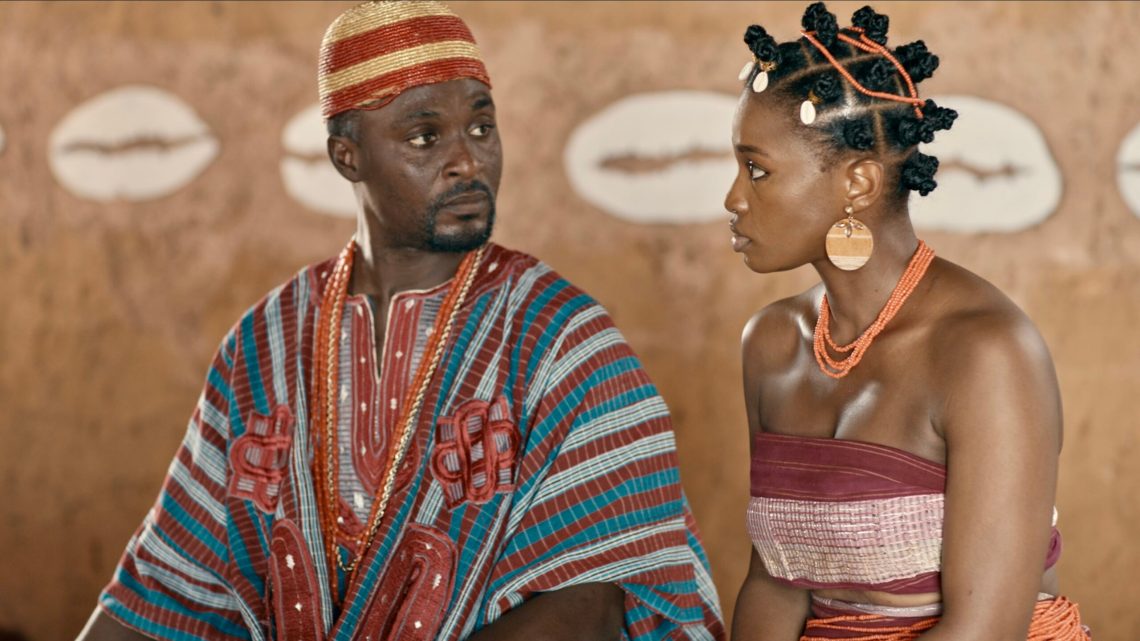
Majeogbe’s reign is marked by his efforts to stop Ga’a’s violence. At the wedding of Olokoye and Princess Agbonyin, Majeogbe proposes a one-on-one sword fight between his best warrior and Ga’a’s best warrior. Olaotan accepts the challenge, but Majeogbe insists that Oyemekun, who is less experienced, fight instead.


Majeogbe’s warrior, Idi Al-Farouk, is intimidating and skilled, but when Oyemekun struggles, Onisigun intervenes and stabs Idi, who kills Onisigun before dying. Devastated by his son’s death, Ga’a vows to destroy Majeogbe at any cost. But what could be the cost?

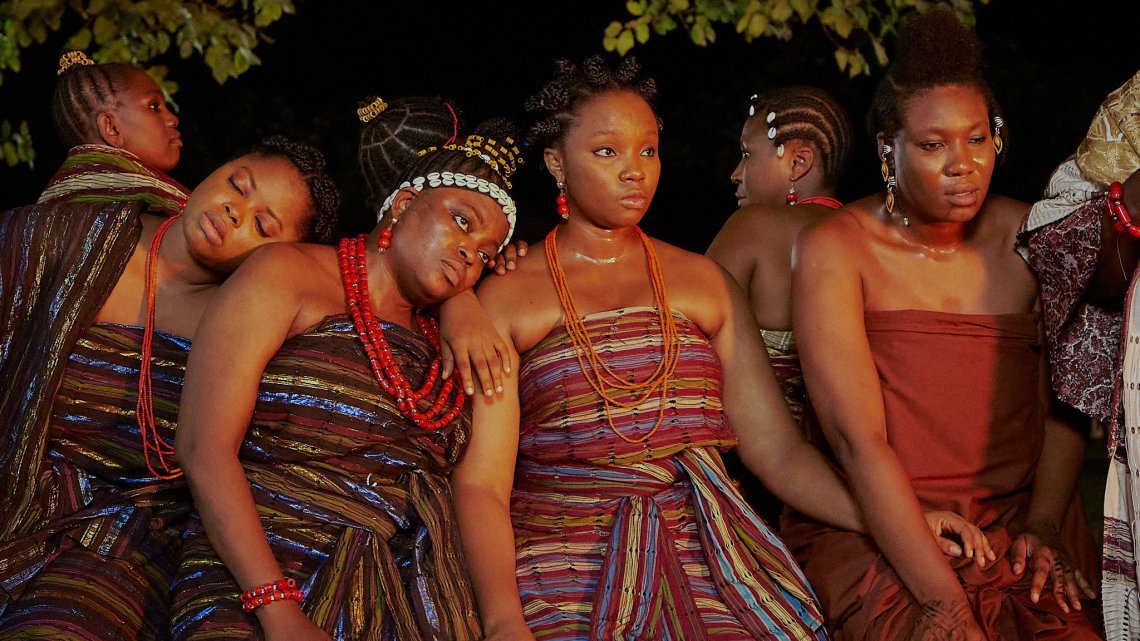
A scene from the House of Ga’a

Character Analysis

“House of Ga’a” features a star-studded cast of A-list Yoruba actors, including Jide ‘JBlaze’ Oyegbile, Tosin Adeyemi, Toyin Abraham, Bimbo Manuel, and Lateef Adedimeji.


Femi Branch, Mike Afolarin, Femi Adebayo, Ibrahim Chatta, Adeniyi Johnson, and Funke Akindele also play significant roles.


Femi Branch leads with enthusiasm and conviction as Ga’a, an actor whose onscreen presence is compelling. The film chronicles Ga’a’s rise to power and inevitable downfall, delivering a well-told tale. However, a few things could be improved in the storytelling, particularly in the pacing of certain scenes, which might test the patience of some viewers.


Branch’s unique gestural dispositions speak more than words, as his acting, portraying the character Ga’a, was apt and flawless—a proud tyrant who met his doom unprecedentedly.

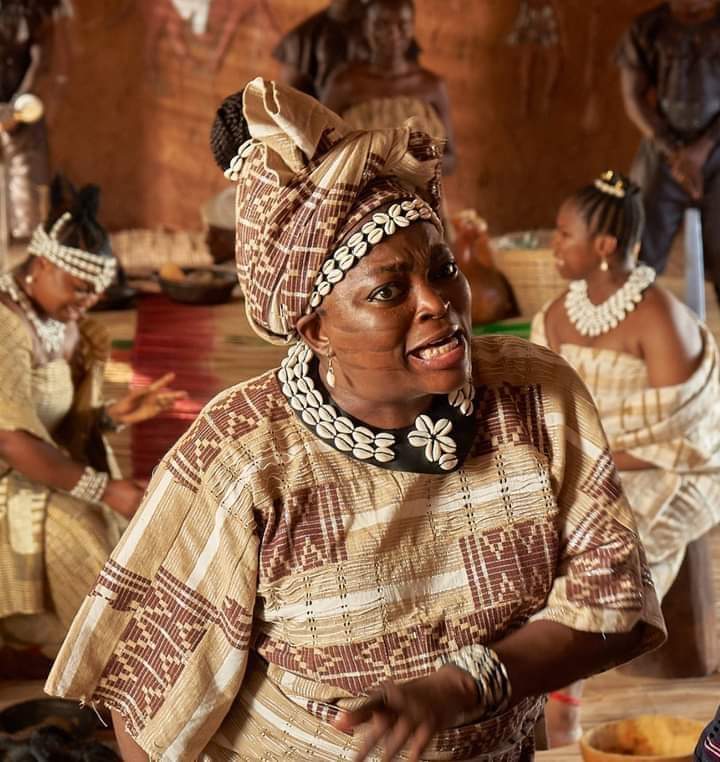
A scene from the Netflix’ House of Ga’a

Remarkable performances from the ensemble cast stand out, particularly Funke Akindele and Mike Afolarin. Akindele, playing Ga’a’s first wife, provides much-needed comic relief, whether intentional or not. Despite her limited screen time, she leaves a lasting impression.


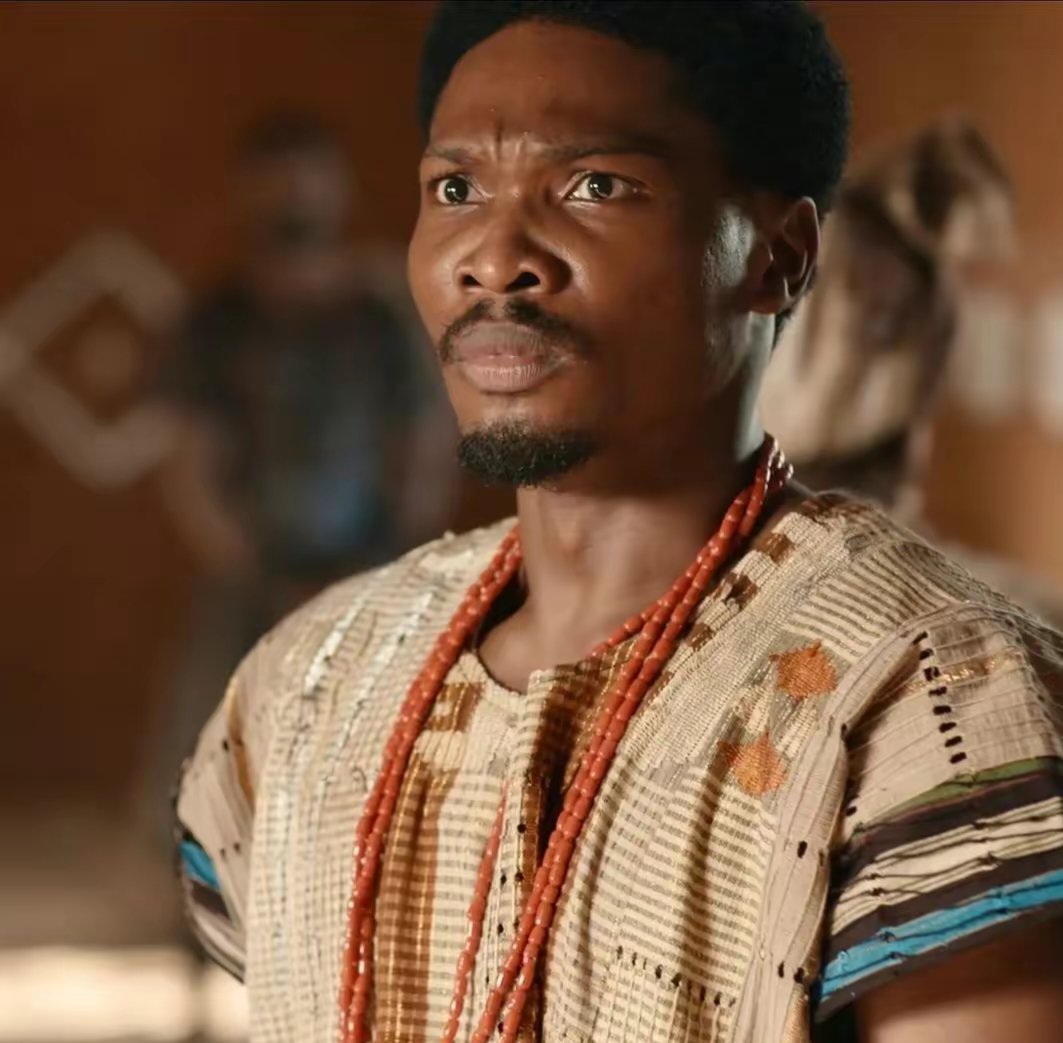
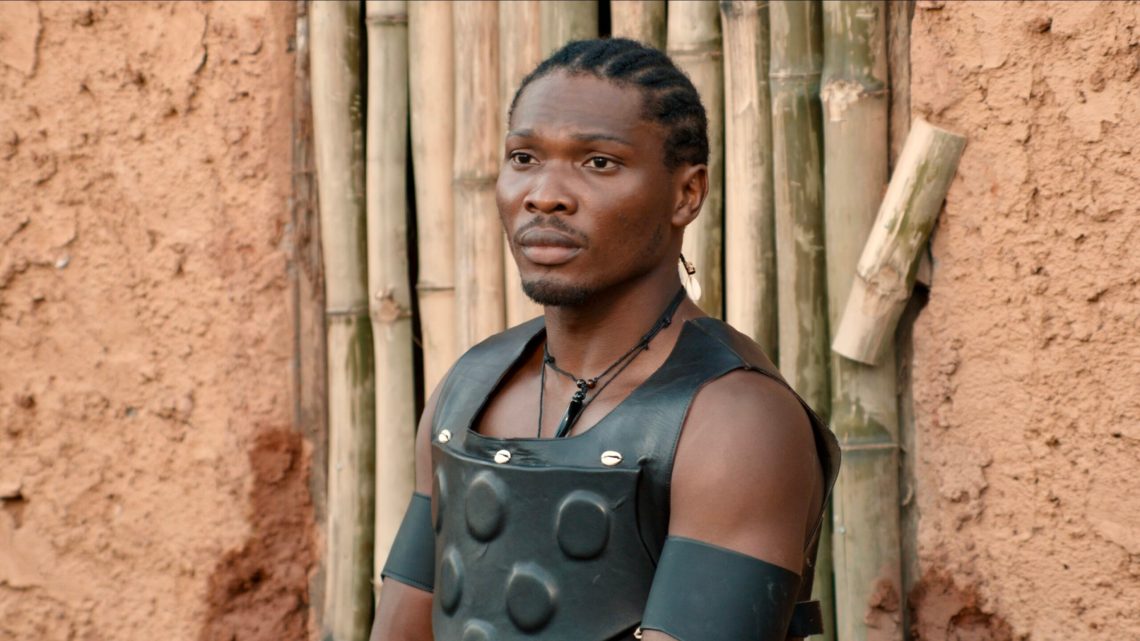
Afolarin shines as Oyemekun, Ga’a’s youngest son, shows impressive commitment to the role. The love subplot involving his character becomes the driving force of the film’s third act, adding depth to the story.

A scene from the Netflix’ House of Ga’a

Narrative technique

The dialogue of ‘House of Ga’a’ is predominantly in the Yoruba language. The story is told from the unique perspective of one of Ga’a’s sons, Oyemekun. This narrative style adds a layer of intrigue and keeps the audience engaged.


Employing an omniscient third-person narrative, the film delves into every character’s thoughts, feelings, and motivations, even those unvoiced to others. This narrative style adds depth and understanding, explaining the characters’ actions and emotions.


Third-person Omniscient means “all-knowing,” likewise, an omniscient narrator knows every character’s thoughts, feelings, and motivations.


Though part of the story, the narrator is independent of the actual story, which helps deliver the backstory and the sub-stories so that they are cohesive from the movie’s central idea.


A backstory is a literary technique used to bring to light events before the actual event.

Oyemekun

Literary techniques

“House of Ga’a” employs numerous literary techniques, including flashbacks, irony, suspense, and deus ex machina. The film explores situational irony and deus ex machina, adding layers to its storytelling.

Situational irony occurs when audiences expect one outcome, but something entirely different happens. For instance, when everyone anticipated the Alaafin would reward Olubu for bringing Princess Agbonyin’s child to the palace, he was instead killed, defying expectations.


Deus ex machina, the intervention of an unexpected power or event to save a seemingly hopeless situation, is also prominently featured. Oyemekun survives against all odds despite being shot with an arrow. This unexpected turn of events adds an element of surprise and keeps viewers engaged.


Movie Analysis

‘House of Ga’a’ offers a rich and respectful exploration of Yoruba culture, encompassing language, attire, music, dance, worship, and general lifestyle. The writers deserve accolades for seamlessly combining these elements.


Initially, the storyline of ‘House of Ga’a’ seems like a typical Yoruba epic. Still, it quickly distinguishes itself by impressively using diverse literary techniques, adding intrigue and depth to the narrative.


The film excels in various aspects, including acting, production, storytelling, props, costumes, effects, and soundtrack, showcasing the growth of Nollywood over the years. The well-chosen locations, especially the mountains and horses, enhance the movie’s historical aesthetic.


Directed by Bolanle Austen-Peters, “House of Ga’a” captures viewers’ attention from the first shot to the last credit.


Austen-Peters infuses the historical epic with subtle depth, blending dramatic moments with fast-paced action. The story presents a compelling portrait of Bashorun Gaa’s complex personality, weaving a tale of ambition, power, and inevitable consequences.


The film’s authenticity and meticulous direction respect Yoruba culture and its people. From costumes and location scouting to dialogue, the movie exudes legitimacy. “House of Ga’a” is an important film striving to stay close to historical accounts, which is reflected in the performances.


“House of Ga’a” deserves commendation for delivering yet another powerful, albeit slightly flawed, Yoruba epic.


Verdict

8/10

Thousands Of Dollars Flown Out Of Nigeria Every Hour – INTERPOL

The International Police Organisation (INTERPOL), on Monday, revealed that “hundreds of thousands of dollars” are being laundered out of Nigeria to other African countries and across the world every hour.


The organisation also said money laundering across Africa and the entire world has assumed a monstrous dimension, adding that it would require a concerted efforts of every security agencies in Nigeria and other countries to address.


Garba Baba Umar, the INTERPOL Vice President for Africa, revealed this at EFCC Academy, Abuja when he declared a four-day workshop for Nigerian law enforcement agencies open.


The INTERPOL official, however, said the organisation has launched what he described as “Silver Notices Against Money Laundering”, saying it is in a bid to frontally tackle the scourge of money laundering and illicit financial flows across the world, especially Africa.


“Evidence has shown that every hour, hundreds of thousands of dollars are flowing out of Nigeria to the region and across the world, laundered before it reaches the pockets of criminals to enjoy the profits of their crimes, while the hardworking and honest Nigerians pay the price of crime.


“With every successful laundering of criminal money, our country becomes more prone to crime. More drugs, more fraud, more corruption and more violence. Every time criminal money is successfully laundered, our financial institutions take an additional blow…” Umar said.


He stressed that hard times await money launderers as the Initiative “Silver Notices” would make illicit funds more difficult to launder in any part of the world.


Speaking on the theme of the workshop: “Strengthening Capacity and Coordination against Financial Crimes” Umar noted that financial crimes had become transnational and law enforcement agencies needed regular training for their workforce to be ahead of fraudsters.


He said, “In essence, this Workshop will give us the opportunity to re-examine the challenges of fighting transnational crimes in the country, reassess our strategies, and reaffirm our determination and unity as a country to provide security to our citizens and by extension the global community.”


On his part, the Executive Chairman of the EFCC, Ola Olukoyede, harped on the need for enhanced collaboration in tackling financial crimes.


Olukoyede, who spoke through the Director, Fraud Risk Assessment and Control of the EFCC, Francis Usani, said the complex nature of corruption across the world could only be broken by the might of collaborative actions by every stakeholder.


“The daunting nature of the fight against corruption in Nigeria and the world at large deserve serious collaboration among organizations saddled with the responsibility of fighting corruption”, he said.


In his remark, Ambassador Extraordinary and Plenipotentiary of Japan to Nigeria, Mr Kazuyoshi Matsunaga, described the workshop as an important joint initiative between Japan and Nigeria to combat financial crimes.


He explained that in the contemporary globalized world, financial crimes transcended borders and required international cooperation among law enforcement agencies to combat them.


Similarly, the Director-General of the Nigerian Financial Intelligence Unit, Hafsat Bakare, spoke about the imperative of strengthening capacity and coordination against financial crimes, pointing out that “financial intelligence and financial analysis techniques are key to tackling economic crimes.”


The NFIU, she said, was sensitive to the interconnected nature of the criminal justice system, the threat of organized crime and cybercrimes being fought by law enforcement agencies.

FG suspends import duties, taxes on essential food items to address hunger

FG suspends import duties, taxes on essential food items to address hunger

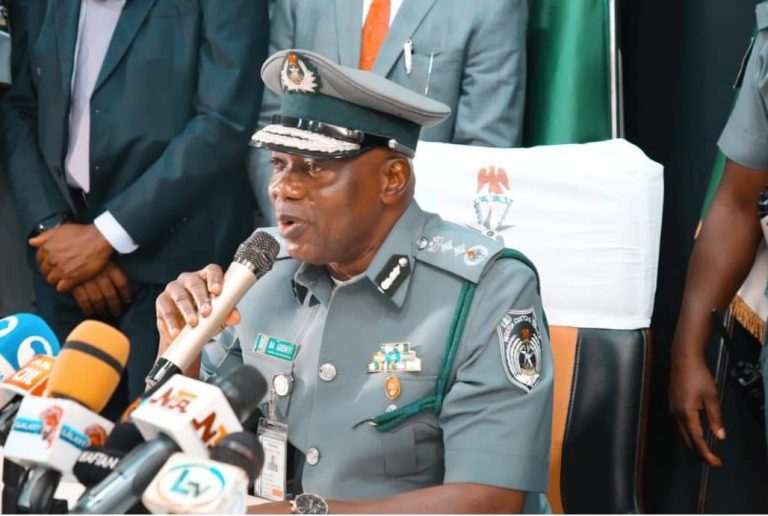
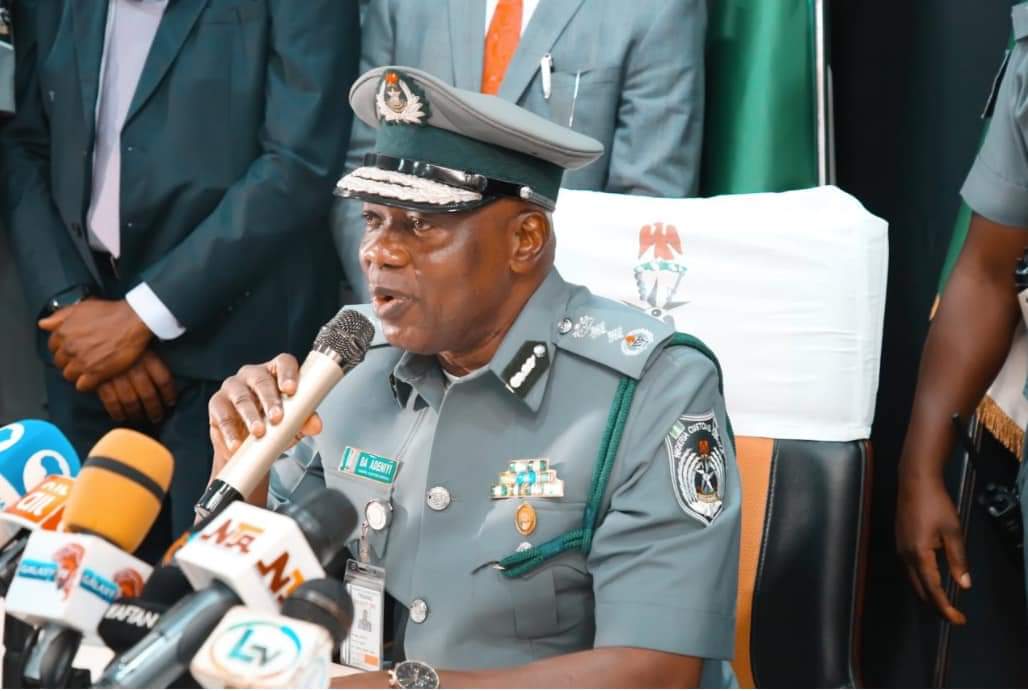
Comptroller-General of Customs, Adewale Adeniyi

The Comptroller-General of the Nigeria Customs Service (NCS), Bashir Adeniyi has announced the Federal Government’s suspension of import duties and taxes on essential food items to make basic necessities more affordable for Nigerians and address the prevalent issue of hunger in the nation.


In a public address on Monday evening, Adeniyi acknowledged the widespread economic challenges and outlined the government’s commitment to easing the financial burden on its citizens.


He acknowledged that global inflation is impacting nations worldwide, including Nigeria, noting that to address this, the federal government, through the Nigeria Customs Service, is suspending import duties and taxes on essential food items to make them more affordable.


Adeniyi also stated that the NCS has streamlined export processes to facilitate the efficient movement of Nigerian goods to international markets.


He said this initiative includes the introduction of advanced ruling systems, authorised economic operators, and a time-release study designed to enhance trade, stimulate the economy, and create new opportunities.


Adeniyi emphasised that these reforms will provide farmers, artisans, and entrepreneurs with a faster path to global markets, thereby benefiting their families and communities.


“We are committed to implementing this measure seamlessly to address the problem of hunger in our nation,” he added.


He said in addition to economic measures, the NCS is intensifying its efforts to combat the proliferation of arms and dangerous weapons through Nigeria’s land, sea, and airports.


Adeniyi stressed the importance of collective efforts and peaceful progress to strengthen the country’s borders.


He warned that the destruction of the supply chain affects foreign investment, distorts trade, promotes instability, increases scarcity, and hinders revenue collection.


“In these challenging times, let us unite in resilience and cooperation. We extend our heartfelt gratitude to those who have embraced the path of peace and dialogue,” he stated.


Adeniyi’ called for constructive engagement and cooperation from all Nigerians to overcome current challenges and build a brighter future.

Wema Bank is the longest surviving indigenous bank in Nigeria

Wema Bank is the longest surviving indigenous bank in Nigeria

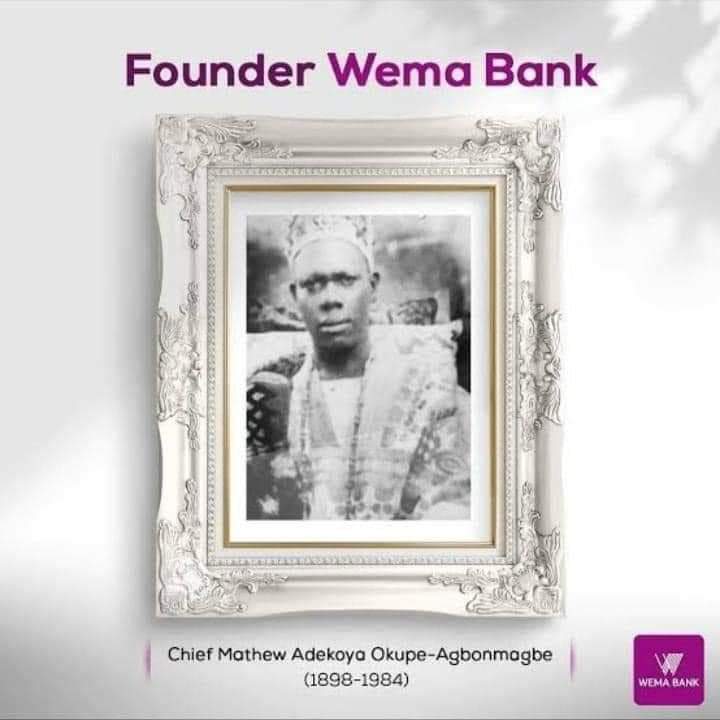
The bank was founded 77 years ago by *Late Chief Matthew Adekoya* *Agbonmagbe* *Okupe* .


It didn’t start as a bank at first, though. Chief Mathew started out as a famous government-approved money lender before he established the bank.


He started the bank in May 1945 after his business expanded beyond the status of a cottage money lender.


After obtaining a banking license, Chief Matthew registered the Wema Bank we know today, with the name “Agbonmagbe Bank”.


The word “Agbonmagbe” loosely translates as “the source that never runs dry” As the first indigenous bank in Nigeria, Agbonmagbe Bank had branches in Ebute Metta, Mushin, Ifo, Sagamu, Ago Iwoye, Ijebu Igbo and Zaria.


Agbonmagbe Bank became Wema Bank through acquisition by Wema Board in 1969. 18 years later in 1987, the bank went public as Wema Bank Plc.


Chief Matthew Agbonmagbe Okupe died on November 1, 1984 at the age of 86 years. He had 10 wives and 40 children.

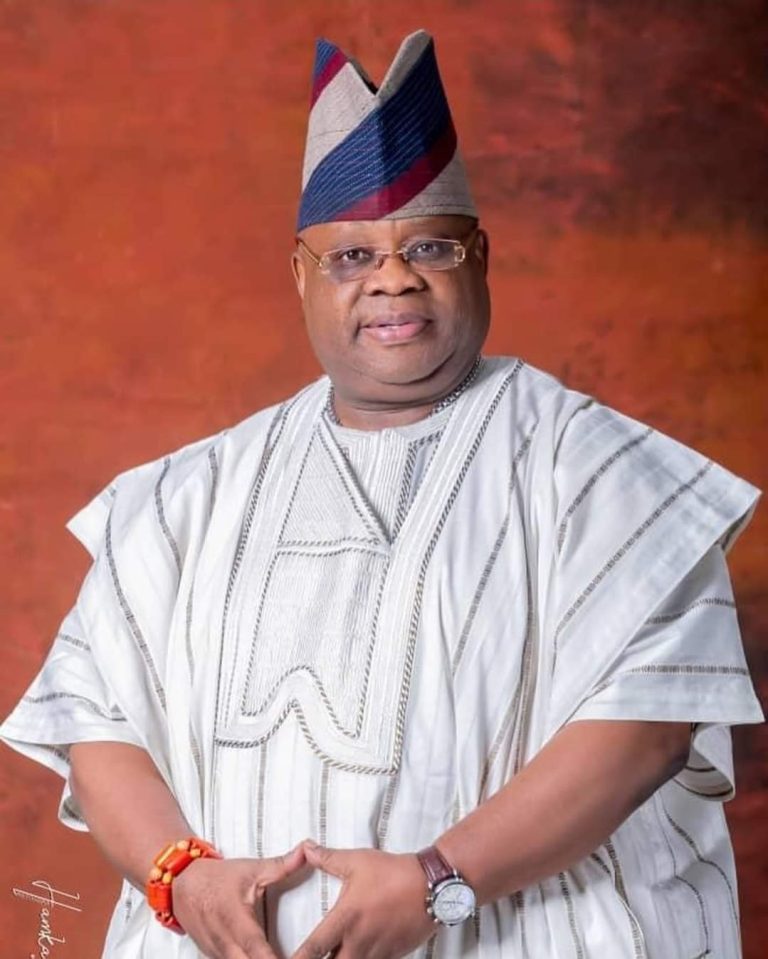
Protest: Gov Adeleke orders closure of public, private schools

0

Protest: Gov Adeleke orders closure of public, private schools

In bid to safeguard the lives and properties of its citizens during the nationwide planned protest scheduled for August 1, the Osun State Government has ordered the closure of all schools in the state.


The order which was handed down by the permanent Secretary, Ministry of Education in the state, Mr. M.A.K Jimoh on Monday evening, directed both private and public schools to proceed on the third term vacation From Wednesday 31st July, 2023.


In a public service announcement information in Osogbo, the state government informed the general public, particularly parents, guardians and heads of both public and private schools in the state to take note of the message


The permanent Secretary added that, Parents and Guardians are advised to ensure the safety of their wards during the vacation.

Everywhere people are facing challenges” Igboho says as he urges Yorubas not to join protest over hardship – Sunday Igboho

0

“Everywhere people are facing challenges” Igboho says as he urges Yorubas not to join protest over hardship

Yoruba Nation agitator, Sunday Adeyemo, popularly known as Sunday Igboho, has spoken against the nationwide protests scheduled for August 1 to 10 over the hardship in the country.


Igboho in a statement issued Monday night, July 29, said: “I, Chief Sunday Igboho, am issuing this press release in response to the planned protests by some unknown and faceless individuals, who are working to disintegrate the country.


“Since President Bola Ahmed Tinubu’s assumed office on May 29, 2023, he has implemented revolutionary policies, which his predecessors lacked the political will to pursue.


“These bold steps have, unsurprisingly, unsettled those who believe it is their birth right to rule Nigeria. And in response, there have been attempts to undermine his administration, particularly on social media, with the aim of creating discord between the government and the people.


“Recently, we have become aware of notices from unknown individuals threatening ’10 days of rage’, beginning August 1, 2024, under the slogan ‘Tinubu Must Go!’


“While the right to peaceful protest is enshrined in our constitution, it does not extend to calls for an unconstitutional regime change. It is worth noting that during President Buhari’s eight-year tenure, there were no such protests for regime change from the Southwest, even when our people faced oppression and atrocities by Fulani terrorists.


“Our protests were focused on protecting our communities, not on destabilizing the country.


“The Yoruba Nation Movement and I firmly declare that we will not participate in any protest aimed at using the Southwest as a battleground for political upheaval.


“We stand resolute in our belief that the Yoruba nation will not be a launchpad for disintegrating Nigeria. We recognize that economic hardship is a global phenomenon, not unique to Nigeria.


“Since my release from the unjust detention orchestrated by former President Buhari and his then attorney general of federation, Abubakar Malami, I have travelled extensively across Europe, the Middle East, West Africa and North America.

House of Gaa: How real Bashorun Gaa ended four Oyo kings

House of Gaa: How real Bashorun Gaa ended four Oyo kings


Ga’a was a notorious kingmaker and kingslayer in the old Oyo empire.

Bolanle Austen-Peters’ new Netflix film, House of Ga’a, has sparked interest in the real-life inspiration for the story — Ga’a, an 18th-century political figure who remote-controlled the affairs of the old Oyo empire.


As previously seen in Bashorun Ga’a, an Adebayo Faleti film about the same subject released decades ago, House of Ga’a offers a cinematic window into the life of a megalomaniac who rained terror on his enemies.


His military exploits earned him the coveted bashorun position, and he wielded its influence to become the kingmaker and kingslayer, as viewers of the Netflix film are finding out.


According to Samuel Johnson’s 1921 book, The History of the Yorubas from the Earliest Times to the Beginning of the British Protectorate, Ga’a had a reputation for mystic powers and could reportedly turn into a leopard or elephant.


“He made himself the king maker and king destroyer. He did not aspire to the throne, for that was impossible of attainment, but he demanded homage of all kings he raised to the throne,” Johnson notes.


During Ga’a’s reign of terror, five Alaafins of Oyo sat on the traditional stool. Unlike Faleti’s film which starts right at the end of the fourth king’s tenure, House of Ga’a goes further back to cover his treatment of all five kings.


Here’s how the four of them who didn’t survive ended in real life.


1. Labisi


Kunle Coker plays Labisi in ‘House of Ga’a’ [Netflix]


According to Johnson’s 1921 book, it was on the 17th day of Labisi’s installation ceremony that Ga’a became the bashorun of Oyo. His takeover of affairs was swift and he had a bone to pick with the incoming king. Ga’a did not allow Labisi to sit on the throne and also killed his supporters, according to S.A. Akintoye’s A History of the Yoruba People. He eventually committed suicide.


In House of Ga’a, Labisi (Kunle Coker) himself appoints Ga’a (Femi Branch) as bashorun after he defeats the Nupes in a battle in the film’s opening scene. But Ga’a is immediately deeply resentful of the king because they’d crossed paths in the past. Labisi is forced to commit suicide after Ga’a sends him a message to kill himself.


2. Awonbioju


Muyiwa Ademola plays Awonbioju in ‘House of Ga’a’ [Netflix]


With Labisi out of the way, Ga’a himself installed Awonbioju as the new Alaafin of Oyo. Even though the position was, and remains, one of the most treasured traditional stools in Yorubaland, Ga’a wanted the king to pay him homage, a reversal of authority. Just over four months into his reign, the kingmaker asked the king to prostrate to him. When the king refused, Johnson’s historical account reports that Ga’a murdered him.


In House of Ga’a, Awonbioju (Muyiwa Ademola) dies after he’s bitten by a snake courtesy of Ga’a’s dark powers.


3. Agboluaje


Gbenga Titiloye plays Agboluaje in ‘House of Ga’a’ [Netflix]


Johnson’s 1921 book also sheds some light on the rise and fall of Agboluaje as the Alaafin of Oyo under the cloud of Bashorun Ga’a’s brutality. He was regarded as non-confrontational but still met the same fate as those who came before him. The monarch had incurred Ga’a’s wrath because he had been outdressed at a festival. He died after he poisoned himself due to Ga’a’s declaration of war on Elewi-Odo, the king’s friend who had outdressed him.


In House of Ga’a, Agboluaje (Gbenga Titiloye) hangs himself after a strong rebuke from Ga’a.


ALSO READ: ‘Bashorun Ga’a’ highlights one key timeless lesson about power


4. Majeogbe


Dele Odule plays Majeogbe in ‘House of Ga’a’ [Netflix]


Majeogbe is regarded as one of Ga’a’s most formidable opponents. According to Johnson, he heavily fortified himself with charms to neutralise Ga’a’s stranglehold on the throne. But Ga’a still mostly controlled the empire through a network of family and friends who were administrators in major towns. Before Ga’a eventually got rid of Majeogbe, the king poisoned his tormentor, leaving him crippled in both legs.


In House of Ga’a, the kingslayer kills Majeogbe (Dele Odule) with his mystic powers before he develops troubles with his legs and becomes a cripple for a while.


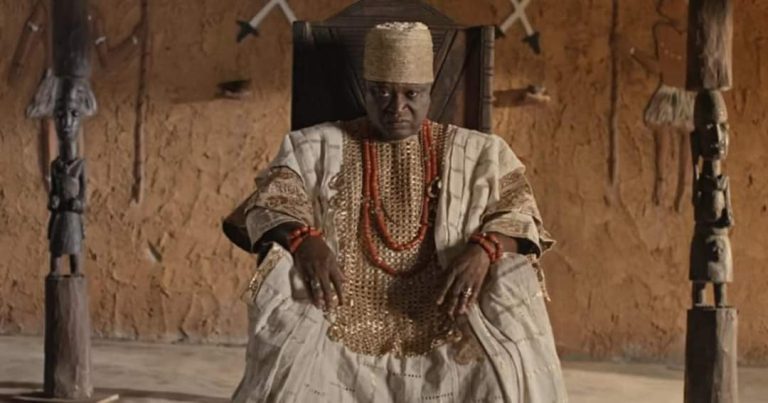
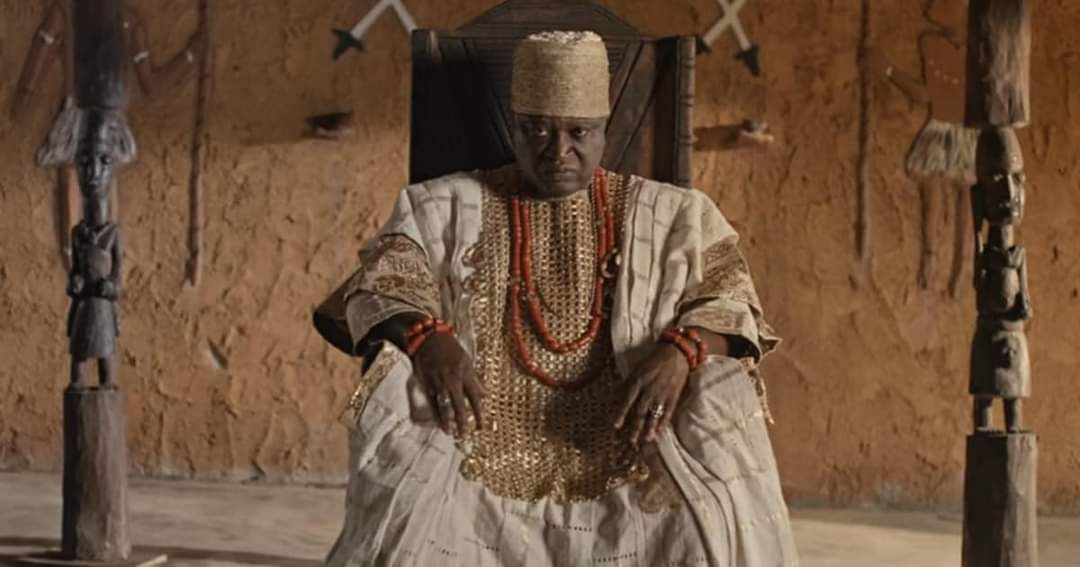
Femi Branch plays Ga’a in ‘House of Ga’a’ {Netflix]


Ga’a finally met his end during the reign of Abiodun Adegoolu who was submissive to him in the beginning. The downfall of Ga’a is also noted by Akintoye as the beginning of the fall of the old Oyo empire, as his military structure and networks were crippled and made the empire vulnerable as a result.

Bolanle Austen-Peters’ House of Ga’a enters Netflix top 10 in multiple countries

Nigeria: The film has clinched the number one spot, becoming a major hit with massive viewership and widespread acclaim.

Guadeloupe: Ranking second, the show has captivated audiences with its unique storytelling and cultural relevance.

Kenya and Martinique: Both countries have placed the show in the third position, reflecting its broad appeal across different cultures. In Dominican Republic it secured the fourth spot, for the Bahamas and Jamaica it ranked fifth. Also in Mauritius it achieved fourth place.

Overall, “House of Ga’a” holds an impressive average ranking of 6 across all listed countries, indicating its strong global presence and consistent viewer engagement.

Directed by Bolanle Austen-Peters and co-produced with Joseph Umoibom, “House of Ga’a” boasts an ensemble cast including Femi Branch, Funke Akindele, Toyin Abraham, Seun Akindele, Mike Afolarin, Jide Oyegbile, Teddy A, Bambam, Ibrahim Chatta, Adedimeji Lateef, William Benson, Femi Adebayo, Yemi Blaq, Juliana Olayode, Bimbo Manuel, Gbenga Titiloye, Kunle Coker, Dele Odule, Adeniyi Johnson, Gabriel Afolayan, and Stan Nze.


Context and Comparisons

“House of Ga’a” follows the success of other films by Bolanle Austen-Peters. Her biopic, “Funmilayo Ransom Kuti,” finished strong at the Nigerian box office with N157 million before premiering on Amazon Prime. Additionally, productions like “Jagun Jagun,” released a few months back, have received widespread acceptance and high viewing numbers.


Indigenous Nollywood films continue to thrive both in cinemas and on streaming platforms. Odunlade Adekola’s “Lakatabu” has grossed over N150 million since its debut in cinemas. Earlier this year, “Ajakaju: Beast of Two Worlds” and Kayode Kasum’s “Ajosepo” collectively grossed over N400 million at the box office.


Other movies like Ijakumo the Born-Again Stripper, Malaika, Battle on Buka Street among other Nollywood productions by box office queen, Funke Akindele and Toyin Abraham also show that the industry is on track to rake even more in revenue.


The success of “House of Ga’a” highlights the growing global influence of Nollywood and the increasing appetite for culturally rich, engaging narratives in the streaming era.


Uncovered: How desperate homes, businesses bypass meters in massive electricity theft

0

With rising electricity tariffs, households and businesses in Nigeria are increasingly turning to illicit means to manage their soaring utility bills. GODFREY GEORGE, in this investigative piece, exposes the hidden world of power theft, exploring the methods used to bypass official systems and the broader implications for Nigeria’s energy sector


Tangled wires crisscrossed haphazardly at Mrs Ufuoma Dominic’s fabric shop in the Ketu-Ikosi area of Lagos State, creating a chaotic and messy electrical setup.


The mess of cables was too visible to be ignored and resembled a macabre dance of wires across the walls.


Two junction boxes stood out; one featured a changeover handle, while the other housed a light bulb and switch.


To the untrained eye, it might seem the switch controlled the shop’s lighting, but it did not. Instead, it served as a discreet indicator that the shop was bypassing its installed prepaid electricity meter, tapping directly from the outside wooden pole.


On that Saturday afternoon in May, Ufuoma seemed agitated, scolding her workers for failing to switch over from the metered connection to the ‘direct’ (illegal) one for three days.


“Do you people want to kill me? I spend N3,000 every day on power alone. What do I have in this shop if not the sewing machines and this small fridge?” she exclaimed, gesturing towards a deep freezer quietly humming in the corner, where she stored her mop stick.


“You people know how I suffered to get this meter so I can escape this NEPA (Disco) people from disturbing me with crazy bills. Now, imagine what you have caused me. The N15,000 that I recharged and meant to manage for one month, you people have finished it in three days because I travelled.”


As our correspondent tried to calm this owner of a well-known fabric and tailoring business in the area, she retorted, “Sir, don’t mind these girls,” rolling her eyes at her employees from a distance.


“They want to kill me. You know how these Band A tariffs are, and how we now pay so much. In my house, we spend nothing less than N5000 in just two days. We are just a compound of two flats.


“My husband is based abroad. I just have two kids. The other family is a single father with his eight-year-old. We are almost never around but, somehow, we magically exhaust N5000 in two days. I had no choice but to get some help.”


Asked who helped her with the illegal connection, she said, “My brother, it was the same NEPA people, too, who did the thing (illegal connection) for us o.


“One of my friends in the area told me of one guy, who came and did the thing for his compound people. He was the one who helped me, but he warned me that if I got caught, I was on my own.


“So, we know how we run things here. Almost all of us in this area, that is how we do it o! If not, where do we have money to buy electricity in this economy?”


According to Ufuoma, not making any sales throughout the day added to her frustration.


Visibly frustrated, she said, “Is it not when someone has eaten that they would think of buying new fabrics or making new outfits? Do you think it is easy? I pay several levies here, especially those from the local government.


“My shop rent was increased from N400,000 per annum to N550,000. That is a N150,000 increment. How am I expected to cope?” she queried as she brought out some fabrics for our correspondent to select from.


On May 24, 2022, a Nairaland User, XWizard, confessed on the microblogging platform to tampering with his meter and getting caught by officials of the Ibadan Electricity Distribution Company.


He wrote, “Yesterday (May 23), I was caught for bypassing. I wasn’t at home, so before I got back, they had cut down my wire.


“My neighbour wouldn’t let them take away the meter and wire.


“As soon as they called and told me, the first thing I did was recharge the meter online, hoping I would have a chance. But when I got home, I saw they had opened the meter.


“I’m sure our people would have taken enough pictures of the tampered meter; some of them might even mix pictures as evidence.


“They left a letter for me, and on the back of the letter, my last recharge was noted as being about eight months ago, along with a phone number.


“I don’t know what to do. I haven’t made any moves yet, but I’ve corrected the bypassed meter.”


Several persons on the thread stated that it was a ‘normal thing’ and asked him to simply call the officials to ‘negotiate’.


Another user who posted anonymously claimed that he was in a similar problem but resolved it by bribing his way out.


“Bro, there is no need to fear. Just call the number behind and speak to him outside work hours. This thing na normal thing! Everybody dey do am. But, next time, try dey buy light, even if na once in three months. These guys monitor these things,” the user posted.


Another user with the name, MadamTuno, wrote, “Yes, ordinarily you’ve committed a crime under the new NERC regulations. Instead of being arraigned in court, I suggest that you visit the Disco office in your area as soon as possible.


“Present yourself, but don’t admit any wrongdoing yet. Let them confront you with the details first. Since you already acknowledged that you made a mistake, maturely ask for the way forward.


“Begin negotiations on how to officially reimburse the Disco in installments. While I personally do not condone giving or accepting bribes, if it’s an option you consider, you might want to explore it.”


Perfecting electricity theft


To understand how electricity theft worked, our correspondent spent two months with a source in his CMD home in the Kosofe Local Government Area.


The source had hinted to this reporter during an online conversation that his compound had agreed to illegally ‘tap’ power from the pole, bypassing their meters. This was after our correspondent asked how he was coping with the increase in the electricity tariff.


On the first day of the meeting, an electrician, one Moses, who claims to work with Ikeja Electric, was contacted.


On arrival, he assessed the situation and with a stern look, immediately gave an estimate of what it would cost.


“Na 50k una go pay. That is the normal money for direct light,” he blurted.


He also noted that the compound was to buy an electricity unit worth at least N35,000 to recharge their meter before the connection would be done.


As an insider, our correspondent watched from a safe distance as the electrician performed his magic.


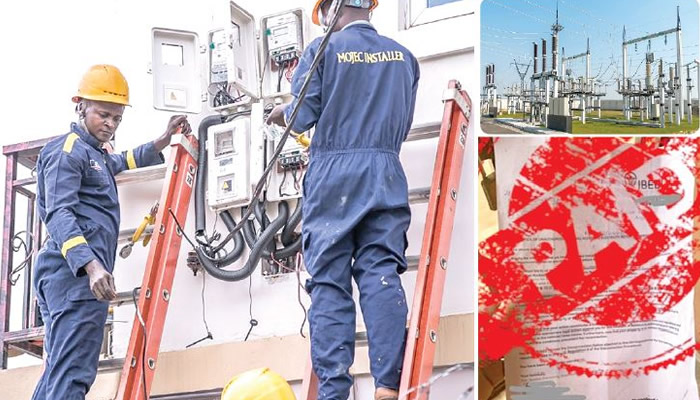
A ladder was dragged in through the black gate by a lad, as Moses, with precision, opened and tampered with the metre box.


He skillfully climbed up the pole, made some markings and work began.


Minute by minute, he tickled with the wires, squeezed their edges and bound them together with duct tapes, connecting them automatically.


The sight looked scary, as the wires were bare, but that did not seem to matter to any of the men who patiently watched.


After a few minutes, Moses asked that the light be turned off from the junction box.


He reconnected a new changeover switch, with up being ‘direct’ (illegal) and down being the metered connection.


It was meant to be a test-run, first for just a week, and our correspondent watched as the residents used electricity they were not paying for.


After a few days, on Sunday, May 16, 2024, power suddenly went off in the middle of the night.


After several hours of waiting, one of the neighbours (name withheld) posted on the WhatsApp group that it seemed the connection had an issue.


Moses was called but he did not seem to respond to the calls, according to the neighbours.


After two days without power, another neighbour, a mother of three boys, (name withheld), asked that a new electrician be brought in to run a check.


The new electrician, according to the source, found out that the connection was not properly done and that the compound had a debt of N30,000 on one of the meters used for the connection, which he advised that they pay.


“The electrician did not connect this thing well o. See as e do am na. Ko da na! (It is not good!) He is not supposed to open this box. It is the one on the pole that he is supposed to open and adjust from. He adjusted the wrong thing,” he said, asking to be ‘mobilised’ (paid) to carry out another connection.


“Na still N50,0000. That is the same money that you will pay. It is like that everywhere. I will collect N30,000 because of your previous experience.”


The compound of six flats paid N5,000 each and a new connection was done that night.


For three weeks straight as our correspondent was on and off the premises, the residents did not pay for power.


Also, officials of the Ikeja Electric did not suspect foul play when they came. As soon as they arrived, they were directed to the meter, which they opened and after inspecting, left the premises.


Speaking with a female neighbour, whose home doubles as an office, she said, “It is the same thing we did in my family house around the Egbeda area. Even my fiance’s people in Oworonshoki did the same thing. Nobody can pay this high tariff.”


On June 3, 2024, our correspondent tipped off a group of IE officers, who had come for their routine checks, of the illegal connection in that compound and they stormed the area in the morning.


Unfortunately, the residents had left the changeover in the ‘direct’ (illegal) connection.


As the officials checked the metre, there was no indication of power supply but there was light in the compound.


“What light are you using? What light am I seeing?” the official asked angrily, peeping through the closed gate leading to the compound, threatening to seize the meter as evidence.


Our correspondent, watching from a distance in the IE van, saw as one of the neighbours was served a letter and asked to visit the office at the Aladelola Close, Ketu, for questioning and clarification.


One of the officials, who did not want to be named because he was not authorised by his bosses to speak to the press, thanked our reporter, adding that the company was losing a lot of money to energy theft.


“We are tired of complaining. Many Lagosians don’t pay for the electricity consumed. They bypass their meters, sometimes, manipulating their bills. We will not stop until we clamp down on them all,” he said.


Six flats, no bill in nine months


On Tuesday, July 23, 2024, while about to carry out another round of enforcement, our correspondent was called by one of the officers to join the team in the Alapere area of Lagos State.


A troubling revelation unfurled – A compound of six flats bypassed their meter and had not been paying for power for over nine months.


“From what I can see here, the last time they bought power was around September or so last year. Up until today (Tuesday), these guys have been using free light. How will the system work?” he queried.


One of the residents, who refused to disclose his name when approached for an interview said, “I don’t know what this man is talking about. We don’t use their light. We have our own generators and we use them. We just decided that we won’t recharge their meters again. Is that a crime?”


However, another resident, who said her name was Nnenna, sang another tune, contradicting her neighbour.


She said, “This thing is not supposed to get to this level. Oga journalist, na all of us dey this Nigeria. Help us beg your people. We are together. Make we settle this thing.”


The angry officers served the compound a notice and left in their van with our correspondent.


Privatisation of power sector


The privatisation of the power sector in 2013 brought about the division of Power Holding Company of Nigeria into three, namely; the Generating Companies, Transmission Company of Nigeria and the Distribution Companies.


To understand the extent of the detrimental effect of electricity theft on the power sector, the link between the three and power efficiency must be established.


The GENCOs are responsible for transforming hydro and gas power into electricity and transmitting this electricity to the TCN; the TCN uses its transmission grid to collect bulk electricity from the GENCOs and transmit it to the Discos; and the Discos buy electricity from the TCN for onward distribution to consumers for a price (tariff).


While the GENCOs and Discos are privately owned, the TCN is owned and controlled by the Federal Government.


Privatising the power sector was premised on the need for constant and adequate power, which is a prerequisite for promoting industrialisation and economic growth.


On this basis, the expectations from privatising the power sector included increased efficiency in the generation, transmission, distribution and billing system.


Ultimately, privatisation was expected to reduce the power sector infrastructure deficit and ensure efficient distribution. However, the expected benefits of privatisation have been limited.


The GENCOs average electricity generation stands at about 3,000 to 4,5000 MW compared to Nigeria’s installed generating capacity of 10,396 MW.


Limited access to foreign exchange as well as unfavourable exchange rate, are among the major threats to power generation.


According to latest World Bank figures, Nigeria’s average electricity consumption per inhabitant is only 150 kWh per capita, which is one of the lowest in the world.


High and regular system collapses, inadequate manpower to ensure proper maintenance of transmission equipment, and the continuous vandalisation of transmission equipment have contributed to the low electricity consumption per inhabitant.


Also, the DISCOs are said to be in huge debt and are poorly funded.


This, our correspondent gathered, is due to poor revenue collection framework and inefficient supply from the national grid.


Further, the Federal Government and the National Assembly have asserted that the privatisation process has not worked as expected.


The government also agreed to the need for urgent actions in the power sector, which will involve the review of the privatisation process.


The Federal Government has undoubtedly taken vital steps in resuscitating the electricity sector – from privatisation, intervention funds, meter procurement, and investment in new power plants to mention but a few.


However, experts argue that there is still much-needed improvement in the sector.


Energy theft


As electricity tariffs surge in Nigeria, businesses and households are finding increasingly desperate ways to cut costs.


Amidst the financial strain of rising utility bills, a shadowy economy has emerged, where the quest for cheaper power drives individuals and enterprises to bypass the official channels of electricity distribution.


This underground economy, fueled by widespread power theft, involves illegal connections directly from utility poles and tampering with metering systems.


From scaling electricity poles to hacking meters, the practices not only undermine the financial stability of electricity distribution companies but also compromise the reliability of the national power grid.


While there are other challenges confronting the power sector in Nigeria, electricity theft confronting the Discos poses a much greater challenge.


A safety expert and engineer based in Benin City, Edo State, Mr Miracle Morgan, defines energy theft as the criminal act of using electricity without paying for it.


According to him, it includes but is not limited to rigging an electricity line from the power source by bypassing the meter, unlawful direct connection to the distribution source, tampering with the meter for lower readings, billing irregularities by using employees of electricity companies and unpaid bills.


“The challenge of electricity theft therefore, must be put into consideration to the needed improvements in the power sector as it will boost supply in the nation,” he said.


According to research carried out by four researchers – Augustine Osigwe, Chukwuemeka Onyimadu, Chinedu Ikpeazu, and Adaobi Ofordeme – in their work titled, ‘Electricity theft in Nigeria: How effective are the existing laws?’, there is an overwhelming concern that if electricity theft is not controlled urgently, it will contribute immensely to a continued cycle of mounting debts and inefficiencies for not just the DISCOs but also the GENCOs.


They wrote, “There is an estimated average loss of about N21 billion annually in the power sector to energy theft.”


In 2013, for instance, Sustainable Energy for All ranked Nigeria as the 165th out of 195 countries in terms of electricity supply.


Discos have argued that electricity theft is one of the leading causes of the liquidity crisis in Nigeria’s electricity supply market.


It also claimed that a relatively large number of electricity consumers do not pay for electricity used, resulting in significant financial shortfalls.


Nextier Power’s discussions with DisCos reveal that about 10 to 18 per cent of the aggregate revenue losses are attributable to power theft.


Issues on Electricity Theft in Nigeria Electricity theft is a serious problem for the entire value chain of the power sector.


A safety expert and chief electrical officer in an oil and gas servicing firm in Port Harcourt, Rivers State, Terry Promise, stated that theft of electricity increases prices for customers and reduces safety.


Speaking to our correspondent, he said, “Power or electricity theft leads to misallocation of costs among suppliers, which can distort competition and hamper the efficient functioning of the market. operators.”


The researchers – Osigwe, Onyimadu, Ikpeazu and Ofordeme – also added that, when electricity theft occurs, the cost of purchasing electricity from the GENCOs through TCN will be higher than the revenue collected from the sales of electricity to consumers.


This is so because, according to them, electricity theft allows consumers to use electricity without paying for it. Electricity theft leaves the Discos with a huge liability.


“The Discos are unable to pay for electricity transmitted from the Gencos, which makes them reject electricity while remaining indebted to the Gencos.


“In turn, this reduces revenues to the GENCOs while increasing the cost of generating electricity. The GENCOs cannot meet their obligations to gas suppliers, rendering them highly indebted with reduced effectiveness in performing their primary function.


“Electricity theft induces a cycle of indebtedness and ineffectiveness for both the DISCOs and GENCOs.


“The occurrence of electricity theft has become dire. For instance, in 2014, the Ikeja Electricity Distribution Company (now Ikeja Electric) reported that 43,000 prepaid meters out of 134,000 installed by the company had already been tampered with by their owners in five years.


“Similarly, the Port Harcourt Electricity Distribution Company in 2017 reported a loss of about 30 per cent of expected revenue to energy theft. The distribution company noted that energy theft represented a huge revenue leakage to the company.


“Also, the Enugu Electricity Distribution Company reported a loss of about 43 per cent of its expected monthly revenue to energy theft. Further, more recently, the Eko Electricity Distribution Company reported that it was losing over N1.2 billion monthly to energy theft and commercial losses in its network.”


Band-A tariff hike


Earlier in the year, Nigeria witnessed a significant adjustment in its electricity tariff, particularly affecting customers under Band A.


The Nigerian Electricity Regulatory Commission approved an increase, setting the tariff at approximately N225 per kilowatt-hour (kWh) for Band A customers, who are typically households and businesses receiving up to 20 hours of electricity per day.


This decision was part of broader regulatory measures aimed at achieving cost-reflective tariffs in the country.


The increase in tariffs was d