Home Blog Page 199

FG deducts N100 billion from May revenue as second tranche of Presidential Metering Initiative funding

The Federal Government has set aside N100 billion as the second tranche of the Presidential Metering Initiative (PMI).


According to the Federal Account Allocation Committee (FAAC) disbursement report for June 2024 by the National Bureau of Statistics (NBS), the amount is from revenue made in May and shared in June.


It means a total of N220 billion has been deducted from the federation account for this initiative.


In May this year, Adebayo Adelabu, Minister of Power, said that the government will provide an initial N75 billion as seed capital while the Nigerian Sovereign Investment Authority (NSIA) pledged to inject a minimum of N250 billion annually for the initiative’s duration.


The minister also disclosed that the initiative will leverage debt financing from diverse financial institutions to bolster the PMI’s resources.


The Managing Director of Abuja Distribution Electricity Distribution Company (AEDC), Mr. Victor Ojelabi, recently said that the PMI will unlock about N1 trillion in revenue currently tied up in the Nigerian Electricity Supply Industry (NESI) due to a large number of unmetered customers.


Under the initiative, the Nigerian Electricity Regulatory Commission (NERC) announced the approval of N21 billion for the 11 electricity Distribution Companies (DisCos) to provide meters for end-use customers at zero cost.


This information was contained in ORDER NO: NERC/2024/072 on The Operationalization of “Tranche A” of the Presidential Metering Initiative Under the Framework of Meter Acquisition Fund.


FG plans to deduct N700 billion from Federation Account

During the FAAC meeting for May 2024, Dr Ali Mohammed, Director, Home Finance Dept., Ministry of Finance, noted that the Special Assistant to President on Energy had forwarded a memo for consideration by FAAC with a request of N700 billion financing requirement for the PMI.


According to the minutes of the meeting seen by Nairametrics, he said the PMI was aimed at reducing the cost of meters to ensure that every consumer was metered for increased revenue from the electricity sector.


At the meeting, a Commissioner of Finance, in a South-South state expressed that FAAC members expected details on the implementation modalities of the proposed PMI, not a request for a N120 billion deduction from the Federation Account.

Another Commissioner of Finance in another state noted that no agreement was reached with stakeholders to warrant the current deduction and called for transparency and accountability.

A South West Commissioner of Finance questioned the use of public funds for privately owned DISCOs, citing accountability concerns.

Responding, FAAC Chairman and Minister of Finance, Wale Edun, emphasized the project’s urgency and called for understanding, noting that delaying the deduction would negatively affect implementation.


What you should know

While campaigning for the presidency, Bola Tinubu released a manifesto outlining a plan to eliminate estimated billing and ensure that all Nigerian homes and businesses are equipped with prepaid meters.


However, under his administration, the number of estimated billing customers has seen the largest growth rate both quarterly and yearly, based on data from the NBS up to 2022.

Nairametrics earlier reported that the federal government’s plan to eliminate estimated billing by the end of 2024 faces significant hurdles, as evidenced by the recent increase in the number of customers on estimated billing across Nigeria’s electricity distribution companies (DisCos).

The Nigeria Electricity Report by the National Bureau of Statistics (NBS) for the first quarter of 2024 shows a 10% quarter-on-quarter increase in estimated billing customers, as the metering gap widens.

The number of customers on estimated billing rose from 5.83 million in Q4 2023 to 6.43 million in Q1 2024, marking a notable 10% increase.

On a year-on-year basis, the rise in estimated billing customers is equally significant. From Q1 2023 to Q1 2024, the number of estimated billing customers increased by 8% from 5.96 million.

This increase occurs as the government continues to subsidize customers not on Band A, while Band A customers on estimated billing are still required to pay based on estimation.

It further highlights a persistent issue within the Nigerian electricity sector the inability to adequately meter all customers to bridge the metering gap despite various initiatives, leading to reliance on estimated billing.


Credit; Naira Metrics .

Lagos State Launches Omibus Water Transportation Pilot Operations Today

0

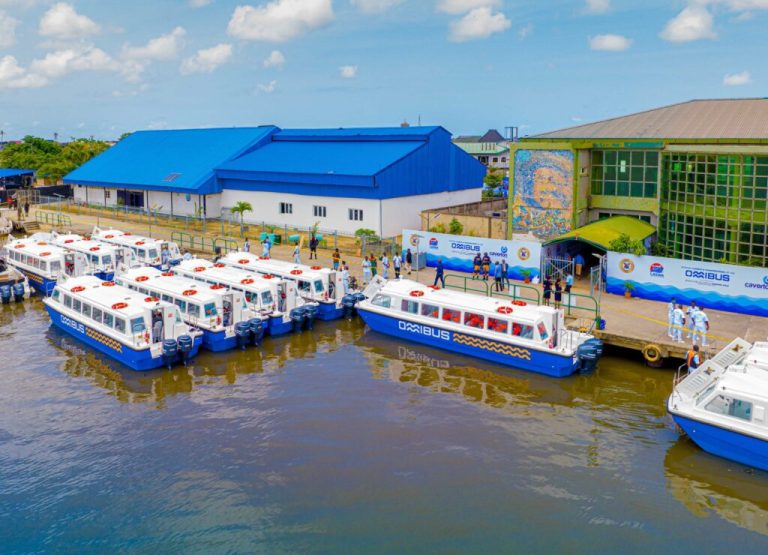
The recently commissioned Omibus, the state-of-the-art 40 passenger ferries built by Caverton Marine Limited in collaboration with the Lagos State Government, will today, kick off its pilot operations within the Lagos metropolis.


In a statement, the Ministry of Transport and the Lagos State Waterways Authority (LASWA), said the Omibus Pilot operations will focus on thorough testing of the ferries, data collection, public awareness, and operational framework refinement ahead of full deployment.


The statement added that during the two-week pilot operation period, the ferries will operate on three key routes, with one round trip per day on each route – one in the morning and one in the evening.


“The Omibus ferries have received international recognition for their safety standards from Interferry, a prestigious global ferry association, for meeting and exceeding IMO international standards. This acknowledgement underscores Caverton Marine’s commitment to safety and excellence in the design and construction of the Omibus ferries.


“Embarking on this pilot scheme will also enable the promoters of this laudable Waterways transportation initiative to collect operational data, evaluate the operational costs, passenger experience, and overall efficiency of the Omibus ferries. And finally, to raise public awareness about the benefits of waterway transportation and the features of the Omibus ferries. Upon the success of the pilot programme, the management of both Lagos State Ministry of Transport and LASWA anticipate commencing regular passenger operations, with an increased frequency of trips per day. “Omibus ferries are with international safety and standards and offer a comfortable travel experience. Join us in this transformative journey towards alleviating traffic congestion and enhancing water transportation,” it stated.

Protest: We’ll Use Eagle Square With Or Without Permission – Organisers

0

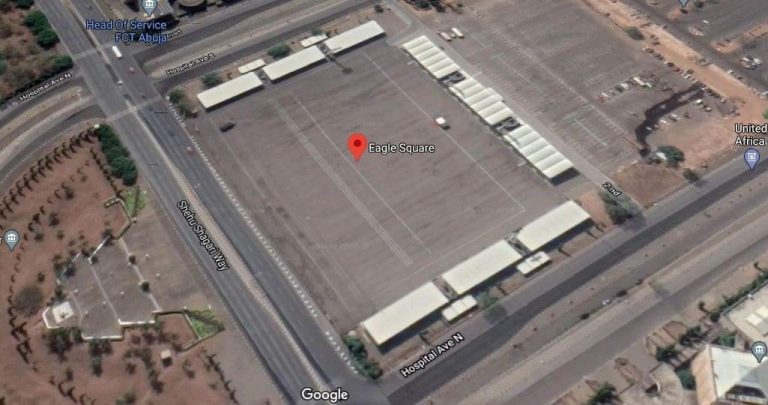
One of the organisers of the planned protest against hunger and hardship, the Take It Back Movement, has vowed to go ahead with the protest at Eagle Square in Abuja, whether or not the government approves usage of the venue.


The Mobilization Director of the organisation, Damilare Adenola, who was speaking on the Channels TV’s Sunday Politics, said the Minister of the Federal Capital Territory, Nyesom Wike, had been written to for permission.


The youth leader had signed a letter addressed to the minister, seeking use of the facility.


The letter was dated July 26, 2024, and was broadcast on social media platforms.


However, as of Saturday, the minister said he hadn’t received the letter.


“Who are these people who want to protest? They have applied to me to grant Eagle Square. Do you apply to me through social media?”


“You will write a letter to the minister. I will see you; who are you; what do you want to do? How many days do you want to spend? How much will you pay?


“You must apply properly. You must pay what we call security cost so that if there is any damage to the facility, we will take from that security cost and repair it.


“We don’t just give people because you have applied. You must fulfil the conditions. People have paid for Eagle Square, and you said you have applied to me now.


“So, I should go and cancel the other people’s own because you want to protest? It is first come, first served.


“I am not saying that people should not protest, but not protest that is aimed at destabilising the government,” he added.


However, Adenola, on Sunday, blamed the delay in the delivery of the letter on bureaucratic bottlenecks in government but said the minister would get the letter unfailingly on Monday.


“It is possible that the receipt of the letter is being delayed by most likely bureaucracy in government or the minister is likely being insincere about receiving the letter.


“If he (Wike) insists that he hasn’t received it, the alternative is that he was served by publication because many Nigerian ministries streamline what to receive or not. If he says he didn’t get it physically, then we could as well say that he was served by publication.


“The truth is that the Eagle Square is a public property. When I saw the video of the minister, I was amazed because I saw the minister asking us to pay rent, pay security fees and all that.


“My question to the minister is this: how does the minister expect a greater population of Nigerian youths who are impoverished, who have no jobs to afford what he is expecting us to pay?


“We are going to be at the Eagle Square on August 1st,” he said.


The protest against economic hardship, which is gaining traction on social media, has been scheduled to be held across all states of the Federation as well as the FCT in August.


Also speaking on the programme, Director Yiaga Africa, Samson Itodo, said: “We need to cut the protesters some slack because they have expressed their commitment to exercise this right to protest peacefully. The government should learn to talk with the youths and not talk at them”


He said the Nigerian constitution – Section 40 – doesn’t require protesters to get a permit before they carry out their protest.

Boko Haram planning to infiltrate #EndBadGovernance protest: Police

0

The police command in Yobe says the Boko Haram insurgents have planned to infiltrate the forthcoming #EndBadGovernance protest in August.


The command’s spokesman, DSP Dungus Abdulkarim, disclosed this in a statement on Saturday.


He said intelligence received by the command indicated that foreign mercenaries were engaged to destroy lives and property at the protest.


Mr Abdulkarim, therefore, called on would-be protesters to exercise caution.


“As Yobe state recovers from insurgency, the commissioner of police, CP Garba Ahmed, acknowledges citizens’ constitutional rights to peaceful assembly.


“While we alert citizens to sinister motives, even peaceful protests at this time may be ill-timed. Recent insurgency activities in Gujba LGA, including an improvised explosive device explosion, have raised concerns.


“We are unprepared to face additional security challenges,” he said and warned that criminals trying to hide under the protest to destabilise the state would face the wrath of the law.


According to Mr Abdulkarim, the protesters must indicate proposed protest routes and assembly points for a hitch-free protest.


The spokesman said they should also state the expected duration of the protest, names and contact details of leaders and organisers and measures to prevent hijacking by criminal elements.


The statement said, “By providing this information, we can deploy adequate personnel and resources, designate specific routes and areas, establish clear communication channels, and minimise the risk of violence, property damage, or criminal activity.


“We encourage protesters to cooperate with the police, obey the law, and adhere to global best practices for peaceful assembly. We are committed to working with all to promote peaceful expression and maintain public order.”


(NAN)

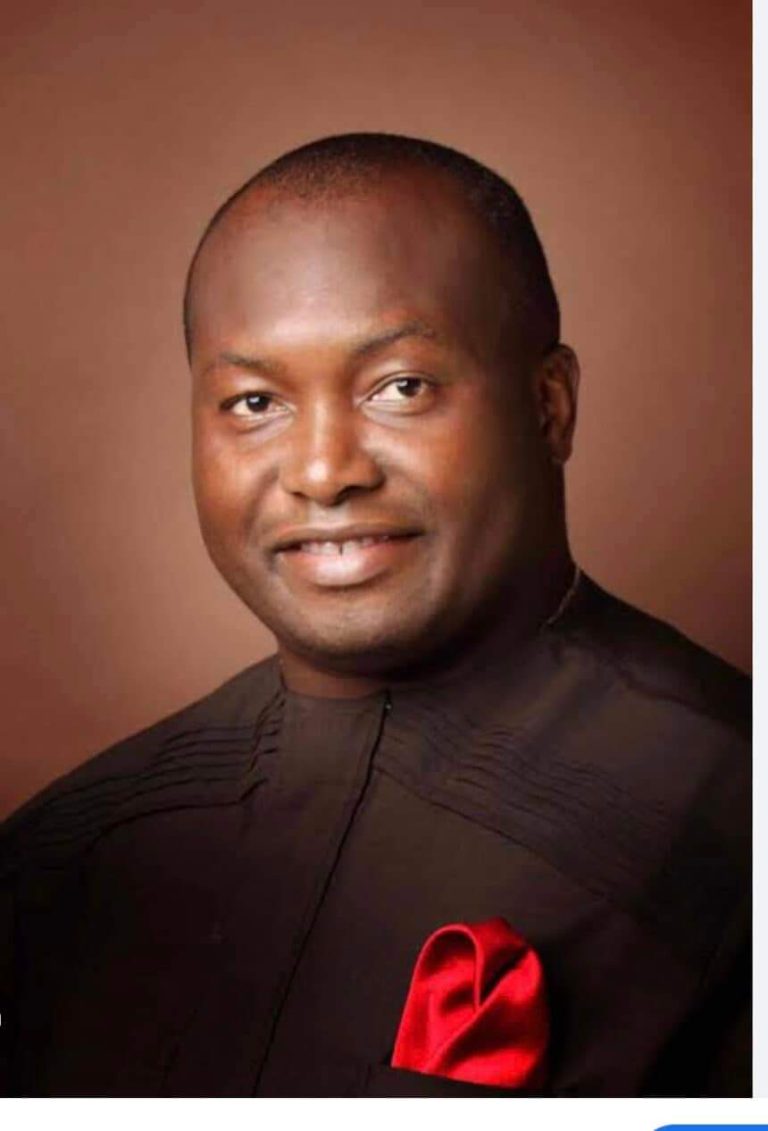
Ifeanyi Ubah: Senator who escaped death in Anambra but died in London

0

Ifeanyi Ubah: Senator who escaped death in Anambra but died in London


Anambra South Senatorial District in the Nigerian senate until his death on July 27, 2024 in London.


Below are 10 things about Ubah’s life and personality:


1. Ubah died at 52. He would have been 53 on September 3.


2. He was born as the first son of seven children to Mr. & Mrs. Alphonsus Ubah in Otolo, one of the four quarters of Nnewi in Anambra State, Nigeria. Due to the inability of his parents to cater to the educational and material needs of their children, Ubah dropped out of Premiere Academy, Lugbe, Abuja to learn trade at a young age. He has attended several local and international business courses and seminars in leadership and business management.


3. Ubah became an exporter of motor tyres and spare parts majorly in West Africa including Ghana, Sierra Leone, Liberia and DR Congo before he expanded his business ventures in some countries in Europe including Belgium and the United Kingdom.


4. He was the CEO of Capital Oil, which he founded in 2001. Capital Oil facilities and outlets are domiciled mostly in Southeast and Southwest of Nigeria with one of the largest tank farms for petroleum products storage and distribution in Lagos.


5. He was the founder of The Authority Newspaper, a Nigerian daily newspaper. Ifeanyi Ubah’s newspaper, ‘The Authority’ went daily on October 15, 2015.


6. Ubah founded the Ifeanyi Ubah F.C., a football club in the Nigeria Premier League, following its purchase as Gabros International Football Club. He also founded a foundation named after him; Ifeanyi Ubah Foundation.


7. In 2014, Ifeanyi Ubah contested the 2014 Anambra governorship election on the platform of the Labour Party but lost the race.


8. On February 24, 2019, Ifeanyi Ubah was declared the winner of the Anambra South Senatorial elections on the platform of the Young Progressive Party, but defected to Nigeria’s ruling party the All Progressive Congress.


9. Ubah was married to Uchenna Ubah, a Business Administration graduate of Ahmadu Bello University in Nigeria, with whom he had five children.


10. 2022 assassination attempt:


In September 2022, Ubah, on his way to Nnewi, was ambushed by gunmen in Enugwu-Ukwu in Anambra State – his convoy was shot at; at least five persons, including two policemen, were killed. Ubah survived the attack reportedly shielded by the bulletproof vehicle he was riding on.

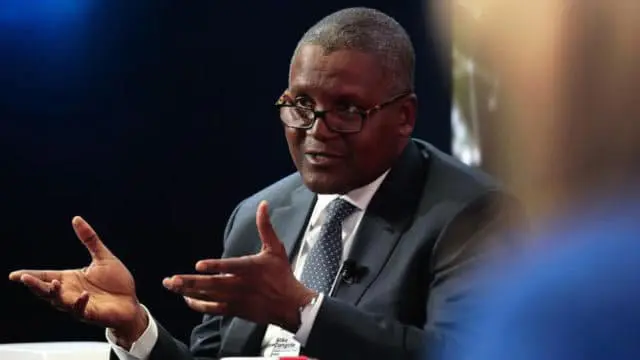
It’s game, set and match — ALIKO DANGOTE

0

The biggest issue trending for days in Nigeria is Dangote and his $20 billion refinery. A lot

of reactions and comments have trailed the recent comments on Dangote Refinery.


Trouble began when the Nigerian Midstream and Downstream Petroleum Regulatory Authority (NMDPRA), stated that the government was yet to licence the Dangote refinery to commence operations. They also said the diesel from his refinery was of inferior quality compared with the imported product.


During a visit to the Dangote refinery by members of the House of Representatives, Dangote, refuted the allegations from the country’s midstream and downstream regulator. He also frowned at being termed a monopolist.


The business mogul thought the accusations were very demoralizing and as a result, hinted that his company’s board had decided not to continue with plans to develop a new steel plant in Nigeria to stop further criticism.


In response to the saga, numerous stakeholders have thrown their weight behind Dangote, urging the federal government to support industrialists like other countries do.


Dangote is Nigeria’s titan and should be supported – Otedola

Weighing in on the matter, billionaire businessman, Femi Otedola on Tuesday advised the federal government to support local investors and visionary leaders in the business sector like Africa’s richest man, Aliko Dangote.


Otedola described Dangote as the nation’s “titan that God created especially for mankind,” saying that he “has broken every boundary in worldwide business and industry.”


According to him, “In Nigeria, we have our own titans, and it is imperative that we recognize and support them. His contributions are not just a testament to his brilliance but a beacon of what is possible when vision meets opportunity. Supporting local champions like Dangote is crucial for our national development and economic independence. Let us continue to foster and support these visionaries who drive our nation’s progress.”


“Countries in the nascent stages of industrialization require visionary leaders. This is why it’s no surprise that the United States was built by the vision and tenacity of a few remarkable individuals—Cornelius Vanderbilt, John D. Rockefeller, Andrew Carnegie, J.P. Morgan, and Henry Ford—The men who built America’s industrial landscape. These men left the world without these assets but left behind a legacy that has kept their country thriving generation after generation,” Otedola added.


FG should support, not vilify Dangote – Obi

Also throwing his weight behind Dangote refinery, the Labour Party presidential candidate in the 2023 election, Peter Obi emphasised the importance of the refinery to Nigeria’s economic stability. Obi who wrote on his X platform, urged the federal government to provide necessary support for the operation of the Dangote refinery and not to vilify it, stressing its importance to Nigeria’s economic stability.


His words, “The recent conflicts between Dangote Industries and some government agencies are deeply troubling. This issue transcends political affiliations and personal grievances. It is fundamentally about Nigeria’s economy, future, and the well-being of its citizens.


“Given Alhaji Dangote’s significant contributions to Nigeria, it is crucial that these disputes are resolved swiftly. Government agencies should be directed to offer the necessary support for the seamless launch and operation of the Dangote Refinery and its associated enterprises.” Obi further stated that the refinery, which has the potential to generate billions of dollars and create thousands of jobs, can also address Nigeria’s fuel crisis, boost foreign exchange earnings, and foster economic growth.


“The refinery is too vital to fail and must not be hindered considering its crucial role in our national welfare.”“With economic indicators like unemployment, inflation, forex scarcity, and debt worsening, every sensible and patriotic government should regard enterprises like Dangote Industries as national treasures, meriting robust support and protection,” he added.


Has Dangote refinery prevented any other company from setting up refineries? —Akinwumi

In an X post shared by Femi Otedola, President of the African Development Bank (AfDB), Akinwumi Adesina criticised the “monopoly” accusations against Aliko Dangote.


Defending Dangote, Adesina said that “Dangote refineries surely cannot be asked to compete with importers adding, “Monopoly often exists where there are high barriers to entry or high capital costs.”


He wrote, “How many individuals or companies can do railways? How many can do refineries of the scale of Dangote Refineries?


“In a nation that has been importing refined petroleum products for several decades, the abnormal simply became very normal.


“No smart investor would make a $19.5 billion investment and want it to be undermined by importers. “To manufacture is extremely expensive and risky.


This is even more so in Nigeria, given the very challenging business and economic environment, fraught with policy uncertainties and policy reversals, and where the self-defeating default mode of ‘simply import it’ is always so easily rationalized and chorused to solve any problem.


“Competition is good for everyone. But is Dangote refinery anti-competitive? What is the evidence?

“Has Dangote refineries prevented any other company from setting up refineries? Why have others not done so? How come they have not done so for several decades? Was it Dangote that held them back?

“But Dangote refineries surely cannot be asked to ‘compete’ with importers of petroleum products. That is not competition.”


“We cannot and must not undermine, disparage or kill local industries, talk less of one that is of this scale — a jewel of industrialisation in Nigeria.


“It is more than simply delivering the cheapest product to the market. It is about domestic supply security, driving (and yes, protecting) globally competitive industries, maximizing forward and backward linkages in the local economy, job creation, reducing forex expenses and shoring up the Naira.


“We must not be myopic.


“This whole disparaging of Dangote is uncalled for. It is self-defeating. And it is very bad for Nigeria. Who will want to come and invest in a country that disparages and undermines its own largest investor?


“Investing is tough. Pettiness is easy.


“It sadly sends a signal that the price for sacrificing for Nigeria is to get sacrificed.”


Govt’s action dangerous for Nigeria – Falana

While expressing worry over the dispute surrounding the Dangote refinery, human rights lawyer Femi Falana, noted that the federal government’s action sends a negative signal to investors.


Speaking on Channels TV’s programme on Tuesday, Falana stated that “The government’s actions are contradictory; seeking foreign investment while destroying local investment. This is dangerous for the country.”


“It is so embarrassing that we are telling the whole world that the government of Nigeria is incapable of managing its affairs. That one person is monopolising trade in our country.


”What is the purpose of the government? It is to checkmate any monopolistic control of any business in Nigeria. But what do you call a monopoly?


“If you have allowed your own refineries to be destroyed, what happens? Somebody now decides to have a refinery, that’s a monopoly? There is nothing you can do about it.


“You must now stop this childish, very puerile argument that someone wants a monopoly.


“Is it not the business of the government? That’s why you have the Federal Consumer Protection Commission to deal with anybody who wants to maintain a monopoly in business in the country. The government must go back to the drawing table.”


”If a factory is likely to employ 500,000 people, young people, the government must try and embrace that company and see what can be done,” he said.


Conflict between Dangote and FG troubling —Atiku Abubakar

Also on his X handle, People’s Democratic Party presidential candidate in the 2023 election, Alhaji Atiku Abubakar said that “The conflict between @AlikoDangote and @NMDPRA_Official is troubling. The Dangote Refinery, our nation’s largest private investment, is crucial for Nigeria’s energy and economic stability.


The 650,000 bpd refinery is essential for our energy needs and economic stability, and NNPCL’s investment underscores its importance. If we neglect this, we risk deterring vital foreign direct investment. No investor will trust a nation that undermines its key assets. Protecting significant investments like Dangote’s is essential to attract FDI and drive our economic growth.”


Netizens react

Netizens also took to several social media platforms especially X, to react to the ongoing dispute about the refinery.


@uchevictor2822 wrote, “Imagine the Nigerian government accusing Dangote refinery of producing bad products. This is the same Nigeria that doesn’t have a working refinery. Who do us?”


@esthermba453 reacted, “It is simple logic. They have deliberately sat on and kept down local refining in order to continue importation which is ladened with corruption and inefficiency. And that, puts big dollars in the pockets of public administrators at the helm of affairs in government and MDAs.”


@Dontbackdown wrote, “He paid $100 million to Lagos state government for land. Refinery that the Nigerian government can’t and won’t build. No encouragement.”


@Esteembehe wrote, “LOL. Everybody just dey wail for this government, including the rich…”

@dolawanle reacted , “They don’t know what they are doing. @officialABAT should intervene speedily to avoid his government collapsing. This is bad publicity for our nation. Those cabals must be silenced now.”


Dangote Refinery’s success can reduce inflation —Adebajo

Also reacting to the dispute during Arise TV programme on Wednesday, CFG Advisory Chief Executive Officer of Adetilewa Adebajo, stated that Dangote Refinery’s success can help reduce inflation as well as boost productivity in Nigeria. He emphasised that the government must tackle inflation to achieve economic growth.


“As long as the economy is experiencing runaway inflation, the economy cannot grow, and inflation erodes all our purchasing power.


“One of the biggest problems we have in Nigeria is stagflation, which is a very difficult situation to get out of – high unemployment, high inflation, and no growth,” he said.


Adebajo further stressed that effective economic management is vital, adding that the Dangote ‘Refinery’s success can help reduce inflation in Nigeria by stabilising energy supply and security’.


“I think it is important that we look at it because the economic management in this country today is very critical.


“That is why I feel that this Dangote Refinery issue (rift with regulator) is a distraction because the success of that project can help reduce inflation and stabilise supply in energy security,” he stated.


Dangote/FG feud very bad for Nigeria – Oseni

The matter was also the subject of discussion on several programmes on Arise Tv. Reacting, Rufai Oseni said, “We can’t bring in sentiments of politics or business interest; all interested parties should sit in a room with the government and look for an amicable resolution. This is in total, very bad for Nigeria. Great that he put $100 million on the ground.


In countries around the world, there are always businesses that carry countries. There are businesses that will be bigger than others.


He added, ”All these years, nobody was able to build a refinery, he did it. Why did he build the refinery?, because this same government denied him the chance to turn around Port Harcourt refinery that many years after, they cannot still run.”


And to those with ‘bad belle’ he advised, “Think about how we can amicably resolve this and move the nation forward.”


In addition to being the biggest taxpayer, Ojy Okpe said Dangote is also one of the biggest employers of labour.” According to her, a visit to the refinery revealed the large number of young people working there, noting that “it’s a huge refinery that he has set up there. Dangote refinery is here to stay.”


Midstream, Downstream regulatory authority giving Tinubu bad name —Abati

For Dr Reuben Abati, “President Tinubu must wade into the matter. The midstream and downstream regulatory authority is giving his administration a bad name and embarrassment. That’s why I said it’s an image issue for the Tinubu administration. He came to office based on progressive politics, pro-business and investment. The Dangote initiative which we have all been looking forward to and celebrating 650,000 barrels of finished product per day is the single largest train of a refinery in Africa.


And now, the same regulator that cannot do anything at the midstream and downstream called Faruk Ahmed is the one saying the Dangote refinery has not been licensed. Meanwhile, it’s in the news that the NMDP went there at the end of March or thereabout; there was a letter saying that in terms of equipment and personnel, the refinery has satisfied minimum requirements.


“The responsibility of a regulator is to nurture the business. The same people who have not been able to fix the refineries are the ones trying to block the Dangote refinery. They must make sweet crude available.


Those who say it cannot be done should stop disturbing people who have done it. All the naysayers in Nigeria will try to stop you from doing something.


This is the same story of Air Peace. All through the week, the goodwill Nigerians have demonstrated towards the Dangote Refinery has been tremendous.


On radio, television, public places, everywhere, public opinion has been on the side of Dangote. Dangote, even if he is disturbed, must be all smiles to hear the voice of the people yelling ‘ITS GAME, SET AND MATCH –

ALIKO DANGOTE – as a tennis umpire would announce a winner of a match. He is the winner in the battle with the forces against him.”

 

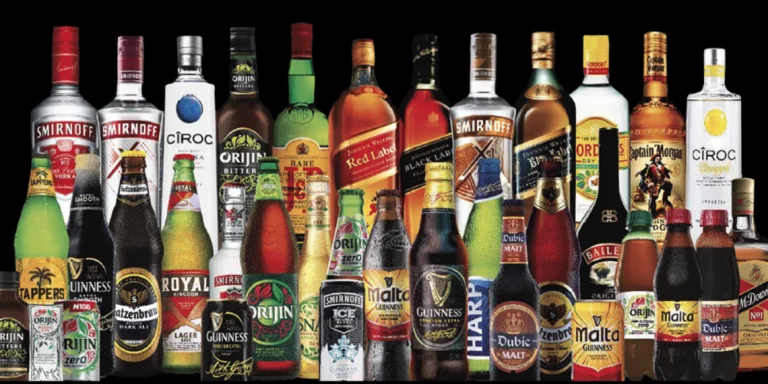
Guinness Nigeria posts N73.6 billion full-year loss amid Tolaram takeover 

Guinness Nigeria Plc has reported a pre-tax loss of N73.6 billion for the financial year ended June 30th, 2024, as forex devaluation impacted bottom lines.


The company released its full year earnings showing losses continued into its fourth quarter of the year largely due to the impact of forex depreciation on its foreign currency loans.


Guinness reports its year end every June 30th .


The brewery giant recently received a new owner as its parent company Diageo Plc sold its majority shared to Tolaram Plc.


The company’s pre-tax loss posted in FY 2024 represents a 233% decline from the N22.1 billion pre-tax loss posted in the previous financial year.


However, the company’s revenue during the financial year appreciated by 30.5% to N299.5 billion, from N229.4 billion as of FY 2023.


According to the financial statement, Guinness incurred a total FX revaluation loss of N112.3 billion during the financial year, up by 129% from the N49.1 billion loss incurred in FY 2023.


Key Highlights FY 2024 vs FY 2023


Revenue: N299.5 billion, +30% YoY

Cost of sales: N208 billion, +37% YoY

Gross profit: N91.5 billion, +17% YoY

Marketing and distribution expenses: N49.7 billion, +20% YoY

Operating profit: N25.4 billion, +9% YoY

Net finance costs: N99.1 billion, +118% YoY

Loss before income tax: -N73.7 billion, -233% YoY

Loss for the year: -N54.8 billion, -201% YoY

Total assets: N226.1 billion, -6% YoY

Cash generated from operating activities: N100.4 billion, +75% YoY

Commentary: During the financial year under review, the company’s raw materials cost increased to N149 billion, reflecting a 40% appreciation from the N106.6 billion raw materials posted in 2023.


Guinness’s trade receivables net expected credit loss for the financial year was about N12.1 billion, reflecting a 21% appreciation from the N10 billion posted in the previous fiscal year.


Relationship with Diageo International

According to the financial statement, the company has a $22.5 million outstanding loan to Diageo Plc. At the end of the financial year ending June 30, 2023, the face value of the loan was N17.9 billion.


However, at the end of 2024 financial year, the loan had a face value of N39.3 billion.

A review of the company’s loans and borrowings shows that at the end of the 2024 financial year, it had letters of credit liabilities of about N814 million to five banks.

This is a significant decline from N45.8 billion at the end of the previous financial year.

The decline in letters of credit reflects a strategy adopted by Nigerian subsidiaries of foreign-based companies in recent periods to mitigate the impact of the scarce FX on their balance sheets.

These companies increased their intercompany liabilities utilizing them to acquire raw materials or foreign exchange.

As the intercompany loans were at more favorable conditions than regular bank credits.

Recall that Guinness Nigeria’s relationship with Diageo International is set to take a new turn, as the group recently sold its majority stake in Guinness Nigeria to Tolaram.


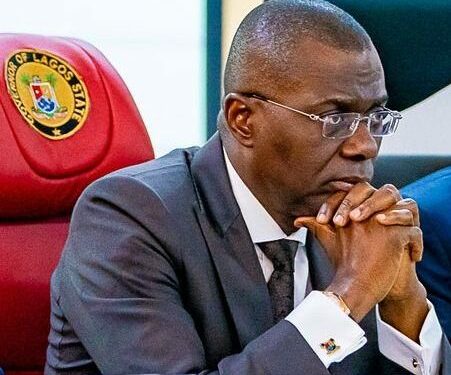
Governor Sanwo-Olu Seeks Divine Intervention for Lagos State

0

In a remarkable display of spiritual leadership, Lagos State Governor Babajide Sanwo-Olu has made a heartfelt appeal for divine intervention, urging the congregation at The Lord’s Chosen Church crusade to intensify their prayers for the state’s prosperity, harmony, and sustainable growth.


Represented by his Chief of Staff, Tayo Akinde, the Governor acknowledged the crucial role of religious bodies in connecting with the people and fostering a conducive environment for religious tolerance and harmony.


“We need your unwavering commitment and prayers now more than ever to fight for this state and the country. A gathering like this provides us with the unity and purpose to do what we pray for”, Governor Sanwo-Olu said.


With a theme of “And the Enemies Submitted,” the two-day crusade, held on Sunday, witnessed an outpouring of fervent prayers, heartfelt testimonies, and remarkable miracles, setting the tone for a renewed sense of faith and unity among the people.


Sanwo-Olu’s appeal for divine intervention comes at a critical juncture in the state’s history, as Lagos faces various challenges. The governor’s commitment to providing a conducive environment for religious tolerance and harmony has fostered a sense of unity among the people.


“The Lord’s Chosen Church is a God-answering church, and this crusade has shown me that we serve a living God”, the Governor said, thanking the church for their fervent prayers and dedication.


The event brought together millions of worshipers from across the globe, all united in their quest for divine guidance and intervention.


Pastor Lazarus Muoka, the General Overseer of The Lord’s Chosen Church, delivered a powerful message emphasizing the importance of practical Christianity, urging the congregation to repent and surrender to Jesus. “If you shall surrender to Jesus today, the abundance of life shall be your portion, for Jesus came that you may have life and have it more abundantly,” he said.


His words resonated deeply, inspiring countless testimonies of salvation, healing, and deliverance. “We serve an awesome God who will not fail us, and the challenges we face in Lagos State and Nigeria will become a thing of the past,” Governor Sanwo-Olu said, his faith strengthened by the crusade.


The crusade featured soul-stirring songs from the church choirs, including the national choir and the Duet Sisters, setting the tone for spiritual motivation and upliftment. Testimonies of God’s goodness and mercy flooded the gathering, including remarkable healings and deliverances.


The Lord’s Chosen Church crusade has sent a strong message of hope and resilience, inspiring the people to stand firm in their faith and trust in God’s abundance and mercy.


As the state moves forward, it is clear that the power of prayer and the unwavering commitment of its people will be the driving force behind its prosperity and growth.

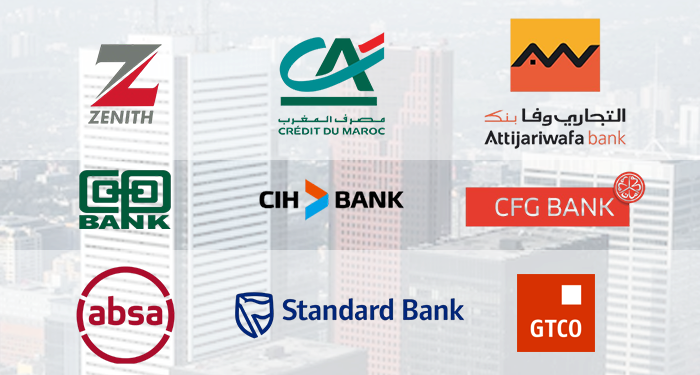
These are the largest banks in Africa based on market cap

The 50 largest banks in Africa have a total asset size of about $900 billion, with a market capitalization of about $120 billion.


On this list of largest banks in Africa, South African and Moroccan banks rank the highest, in terms of market capitalization and asset size.


This is largely linked to the size of their exchanges, with the South African and Moroccan exchanges ranking as the first and third largest exchanges in Africa.


Despite holding the title of “Africa’s largest economy” for many years, Nigerian banks do not reflect this status in terms of market capitalization. None of the country’s banks rank among the top ten largest banks in Africa.


GTCO Holdings, the largest Nigerian bank, is in 15th place with a market capitalization of $826 million.


News continues after this ad


Publicly listed Nigerian banks have a total market capitalization of about $4.2 billion, translating to about 1.7% of the country’s GDP. This contrasts starkly with South Africa where the banks’ market capitalization corresponds to about 20% of GDP.


In a bid to strengthen these banks, the CBN released a minimum capital requirement, which sought banks with international banking license to shore up their paid-up capital to N500 billion (~$333 million) and those national banking licenses to N200 billion ($133 million).


Nairametrics has tracked some of the largest banks in Africa based on market cap, and here are the 20 largest in Africa.


Largest banks in Africa based on market cap

Jump to section

20. Co-operative Bank of Kenya (Kenya) – $581.6 million


Co-operative Bank of Kenya was formed in 1966 initially as a co-operative society, however, it received a banking license a few years later.


The bank is one of the most widely spread in Kenya and it owns subsidiaries in Uganda and South Sudan.


The bank is listed on the Nairobi Securities Exchange with a market capitalization of $581.6 million and an asset size of

$5 billion.


Jump to section

Dangote Refinery Reselling Imported, Nigerian Crude Oil – Reuters

0

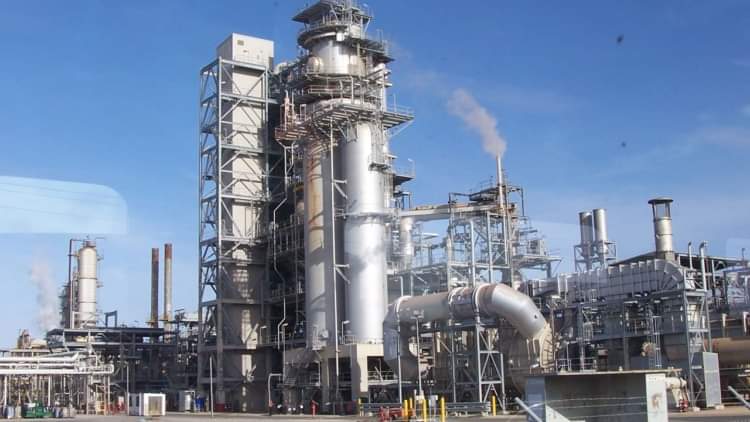
Dangote Petroleum Refinery, is reselling crude oil cargoes from both the United States and Nigeria.


Reuters sources indicate that this move, unusual for refineries, stems from technical challenges at the refinery.


A Dangote executive, asked about the offers and talk in the market that the refinery is having operational issues affecting the crude distillation unit, said the CDU is in operation.


The refinery, which began production in January 2024, aims to be the largest in Africa and Europe once fully operational. It’s designed to shift Nigeria from a fuel importer to a fuel exporter. However, recent events suggest the refinery is grappling with operational issues, specifically with its crude distillation unit (CDU). Despite these claims, a Dangote executive insists the CDU is functional.


Cargoes of Nigerian Escravos and Forcados crude were among the grades being offered, as well as U.S. WTI Midland crude, the sources told Reuters.


The plant has been importing several crude cargoes a month, traders have said.


Constructed at a cost of $20 billion by Africa’s wealthiest individual, Aliko Dangote, the 650,000-barrel-per-day facility represents a significant investment in Nigeria’s oil and gas sector. Dangote’s ambition is to eliminate Nigeria’s dependency on imported fuel, an ongoing issue despite the nation being Africa’s top oil producer.


This situation arises amid other significant moves by the Dangote Group, which plans to list its refinery and a fertiliser subsidiary on the Nigerian stock exchange by early 2025. This public listing strategy hopes to alleviate foreign exchange pressures on the Nigerian economy.


The refinery has been importing considerable volumes of U.S. crude, with more than 16 million barrels of West Texas Intermediate crude purchased in 2024 alone.


This trend is expected to continue, with increased imports slated for the coming months.


While the plan is for the refinery to meet Nigeria’s entire demand for refined petroleum products and generate a surplus for export, the current technical issues pose a significant hurdle.


The Nigerian Upstream Petroleum Regulatory Commission reached an agreement with oil producers earlier this month to supply crude oil to domestic refineries at market prices, ending a lengthy supply dispute.