Beauty Queen “Beauty Tukura” indeed looks good in just about anything. But when it comes to posing for a photoshoot, the reality star proves time and again that you can be comfortable, fun, or even tell a beautiful story without uttering words.
As conversations continue around how much filmmakers truly earn from their movies, it has become necessary to examine two parallel trends reshaping the Nigerian film industry. The first is the steady rise of actors transitioning into producers. The second is the increasing migration of filmmakers to YouTube as a primary distribution platform. Both shifts are closely tied to economics, control, and long-term sustainability.
At the center of this change is YouTube’s democratic structure. Unlike the cinema model, where filmmakers rely on third-party reporting, ticket sales, and opaque revenue sharing, YouTube offers a clearer picture of performance and earnings. Producers can estimate potential income based on measurable data rather than projections or assurances.
On YouTube, revenue is calculated using monetisable views, not total views. A monetisable view occurs only when an advertisement is actually shown to a viewer. If no ad is served, that view generates no income. This distinction explains why earnings are measured per 1,000 monetisable views rather than raw view counts. It also explains the fixation on hitting the one-million-view mark, which serves as a psychological and financial benchmark for recovery and profitability.
Film duration plays a critical role in this system. Most Nigerian films uploaded to YouTube run between one and two hours. This is not accidental. Longer videos allow YouTube to insert multiple mid-roll advertisements, while shorter videos may only attract a single ad placement. As a result, a single viewer watching a full-length movie can generate several monetisable impressions. This structure naturally favors long-form storytelling over short clips and explains why feature-length films often outperform shorter content in revenue terms.
To understand the economics more clearly, consider a practical scenario. A producer invests ₦5,000,000 to make a film and releases it on YouTube. The initial goal is usually to reach one million monetisable views.
At an RPM of $2, one million monetisable views would generate approximately $2,000. At an exchange rate of about ₦1,500 to one dollar, this equals roughly ₦3,000,000. The producer remains at a loss.
At an RPM of $5, one million monetisable views would yield about $5,000, or roughly ₦7,500,000. In this case, the producer recovers production costs and makes a modest profit.
At an RPM of $8, one million monetisable views would generate around $8,000, translating to approximately ₦12,000,000. The investment is more than doubled.
This is why RPM is more important than raw view numbers. Two films with identical view counts can earn vastly different amounts depending on RPM.
Several factors influence RPM. Viewer location is one of the most significant. Views from countries such as the United States, the United Kingdom, and Canada command higher advertising rates. Film length also matters, as longer content supports more ad placements. Audience age is another major factor. Advertisers typically pay more to reach viewers aged thirty and above, based on the assumption that this demographic has greater purchasing power. Content consumed mainly by teenagers often attracts lower ad spend. Viewer behavior also affects earnings. Longer watch times, minimal skipping, and stronger engagement tend to improve RPM.
Another frequently overlooked advantage of YouTube is longevity. A cinema release has a fixed window. Television licensing also has an expiry date. YouTube content, once monetised, can continue earning indefinitely. A film generating ₦500,000 monthly can cross ₦6,000,000 in a year without additional marketing spend. This long-term earning potential encourages patience and strategic thinking among filmmakers.
Beyond advertising revenue, YouTube also offers memberships as an additional income stream. Memberships function like subscription services, allowing viewers to pay a monthly fee in exchange for exclusive content and early access. Some Nigerian creators already operate this model successfully, building loyal communities that provide predictable monthly income.
Taken together, transparency, scalability, and long-term earning potential explain the current shift in the industry. Actors are becoming producers to gain ownership and control over their work. Filmmakers are embracing YouTube not as a fallback option, but as a viable business platform. In today’s Nigerian film economy, YouTube is no longer experimental. It is strategic.
The Recording Academy has posthumously honored Nigerian music icon Fela Anikulapo Kuti with the Grammy Lifetime Achievement Award, recognizing his enduring influence on global music, culture, and political expression. The award places Fela among a select group of artists whose contributions have reshaped the sound and direction of modern music beyond commercial success.
The Grammy Lifetime Achievement Award is reserved for performers who, during their lifetimes, made creative contributions of outstanding artistic significance. In Fela’s case, the recognition extends beyond his role as a musician to his identity as a cultural force. As the pioneer of Afrobeat, he fused traditional African rhythms with jazz, funk, and highlife, creating a sound that became both musically distinctive and politically charged.
Fela’s music was inseparable from his activism. Through albums, live performances, and his famously outspoken lyrics, he challenged military rule, colonial legacies, corruption, and social injustice in Nigeria and across Africa. Songs such as “Zombie,” “Sorrow, Tears and Blood,” and “Coffin for Head of State” positioned him as one of the most fearless protest artists of the twentieth century, often at great personal cost.
Decades after his passing, Fela’s influence remains visible. His music continues to inspire contemporary African and global artists, while Afrobeat has evolved into a dominant force in international popular culture. His legacy lives on through his recordings, his former band members, the Afrika Shrine, and the ongoing work of his family in preserving his artistic and political vision.
This Grammy recognition serves as a formal acknowledgment from the global music establishment of what audiences and scholars have long affirmed: Fela Anikulapo Kuti was not only a musician, but a movement.
“I Never Gave Up on Myself”: Bimbo Ademoye Reflects on Faith, Persistence, and Her Journey in Nollywood
Bimbo Ademoye speaks about her life and career with the calm assurance of someone who understands the value of time. In a recent interview, the actress traced her story back to her roots, her struggles, and the convictions that continue to shape her work.
“I’m from Akure, Ondo State, Nigeria,” she said. “I was born in Lagos, but my roots are deeply from Ondo. I’m a proud Yoruba girl who believes so much in God, growth, and staying true to myself.”
Her academic journey took her to Covenant University, where she studied Mass Communication. According to Ademoye, it was during that period that her passion for acting became more defined. “That was where my love for acting became stronger,” she explained. “But acting was not easy at the beginning. I was rejected many times, misunderstood many times, but I never gave up on myself.”
Like many actors navigating the early stages of Nollywood, her path was marked by uncertainty and delayed recognition. Persistence, however, became her anchor. A major shift came with her performance in Backup Wife, a project she describes as pivotal. “That film changed a lot for me,” she said. “People started noticing my talent, my expressions, and my ability to bring characters to life. From there, doors started opening little by little.”
Despite growing visibility, Ademoye has remained intentional about her private life. She made it clear that public attention does not require full personal access. “I keep my personal life private because I value peace,” she noted. “Not everything about me needs to be on social media. I believe my work should speak for me.”
Away from the spotlight, she describes a life rooted in balance and discipline. “I laugh a lot. I love deeply. I pray quietly. And I work very hard behind the scenes,” she said.
Looking ahead, the actress does not frame her journey as complete. “I am still growing, still learning, still becoming,” Ademoye reflected. For her, the broader lesson is one of endurance. “My story is proof that consistency, faith, and patience can take you far. If you’re chasing a dream and it feels slow, don’t stop. I am living evidence that God’s timing is always perfect.”
She leaves audiences with a simple, personal question, one that connects her craft directly to those who watch it. Which of her performances first made you take notice of her work?
Aníkúlápó is a movie that portrays Yorùbá culture with a high level of accuracy, and making films of this nature is no small feat. It requires extensive research and a deep commitment to ensuring that the image portrayed is correct and not misleading.
From Aníkúlápó (2022) to Aníkúlápó Season One (2024), and now Aníkúlápó Season Two, the franchise has consistently showcased the beauty of Yorùbá culture, its architecture, settings, landscapes, systems of governance, trade networks, royalty, romance, slave trade, and international relations as they truly were.
The series places strong emphasis on the politics of Yorùbá palace courts, clearly showing that Yorùbá royalty is a balanced institution. Tyranny is not encouraged, as multiple checks and balances exist. Kings are not unquestionable; they must tread carefully in decision-making, as poor judgment can backfire and plunge the land into turmoil.
To date, Aníkúlápó remains one of the few Yorùbá films that has convincingly shown the world how sophisticated the Yorùbá people were in commerce and international trade with the Portuguese. The movie even takes it a step further by introducing intermarriage between the Portuguese and the Yorùbá, and I am eager to see how this will play out in Season Three.
Like many others, I eagerly looked forward to the continuation of the character Saró, brilliantly acted by Kúnlé Rẹ̀mí, and how his story would evolve. Saró had remained remarkably lucky across the prequels, from Saró Olófì of Gbọ̀ngán, to Saró Aníkúlápó of Ìlú Ojúmọ́, and then Saró Ẹlẹ̀mu of Ìlú Ajé. I was slightly disappointed not to see my favourite character return, although his son now carries on the name Saró.
While the movie has done an excellent job portraying Yorùbá religion as it was practiced before the advent of Abrahamic religions, Season One and Season Two also did a fantastic job depicting early Islam in Ẹdẹ, which is a historical fact. Islam in Ẹdẹ, Ìwó, and Ọ̀yọ́-Ilé predates that of Ìlọrin, which is today often referred to as the home of Islam in Yorùbáland.
Season two presents a replica of the Abrahamic concept of hell, with the Baṣọ̀run escaping the afterlife and returning to Ọ̀yọ́-Ilé as an awakened, ghoul-like entity who must feed on human flesh and souls to remain stable. This leads to his confinement in the jungle, where he wreaks havoc, eventually extending his terror to the Aláàfin’s first son.
The Prince of Ọ̀yọ́, Àrẹ̀mọ Adérójú, acted by Adéolúwa Okusaga, is portrayed as young, impulsive, brave, and chivalrous. He resents how his father, the Aláàfin, allowed the people of Ẹdẹ to cart away his sister, the princess of the great Ọ̀yọ́ Empire, as though she were a mere souvenir. Acting impulsively and without proper planning, he makes a weak attempt to rescue her from the Ẹdẹ Palace, only to be captured. In a show of diplomacy, the King of Ẹdẹ acted by Antar Laniyan chooses peace and allows both the prince and princess of Ọ̀yọ́ to return home unharmed.
The Aláàfin, however, strongly believes that “bí a bá fi àgbò fún eégún, àá jọ̀wọ́ okùn rẹ̀ sílẹ̀”. He is angered by Àrẹ̀mọ Adérójú for bringing the princess back from Ẹdẹ, believing that since she had been married off, she should remain there, even after Àrẹ̀mọ Kuranga’s death. Beneath the surface, the Aláàfin’s actions stem from a desperate desire to maintain peace with Ẹdẹ, even though the people of Ẹdẹ had, over time, lost interest in keeping Princess Ọmọ́wùmí.
In a subtle yet fascinating manner, the series illustrates the mysterious and adventurous world of local hunters in Yorùbáland, from the veneration of Ògún, to melodious Ìjálá chants, and even a glimpse of the mystical Àgbọ̀nrín, an antelope capable of transforming into beautiful maidens before hunters. The portrayals by Kiki and Saga were outstanding; it felt like reading a D.O. Fágúnwà novel or watching Bikear TV on YouTube.
Arọ́lákẹ́, acted by Bimbo Ademoye, relocates to Saki with Akin, played by Gabriel Afọláyan. She is soon informed by her mother-in-law that she is three months pregnant, an illustration of the discernment and intuitive gifts often attributed to elderly Yorùbá women. While Arọ́lákẹ́ herself was unaware, her mother-in-law already knew, and such women still exist in Yorùbá society today.
At this point, a subtle but gripping question lingers in the air: who is the father of the unborn child, Akin or the Aláàfin?
Arọ́lákẹ́ and Akin welcome their son joyfully, but their fortunes decline after Arọ́lákẹ́ throws away the mysterious, never-empty cowry pouch.
While farming palm kernels, Akin sings casually yet melodiously. He is soon discovered, hailed as a musician, and persuaded by Àdùnní Olóhùn Iyọ̀ to join her travelling troupe. Arọ́lákẹ́, however, is instinctively uncomfortable with this arrangement, and her suspicions are eventually validated.
It seems Arọ́lákẹ́’s joy is always short-lived.
Àwàrún, acted by Sọlá Shóbọ̀wálé, continues her portrayal as a woman of great repute and sharp business acumen. Her involvement in the slave trade underscores how such practices, much like modern-day kidnapping for ransom, were enabled by powerful individuals of the time who actively participated in them.
Olórí Súnkànmí, acted by Aisha Lawal, and Olórí Wojúọlá, acted by Moji Afọláyan, effectively portray how people united by deceit rarely trust one another. Despite their closeness, Olórí Wojúọlá does not fully trust Olórí Súnkànmí. Their bond is fickle and insincere. Notably, Olórí Wojúọlá places greater trust in Olórí Àgbà, acted by Rónkẹ́ Oshòdì-Òkè, on serious matters, aligning with Olórí Súnkànmí only when deception is required.
Abena from Fante is portrayed as innocent, kind, and endearing, the only true friend Princess Ọmọ́wùmí has in the Ẹdẹ Palace. Saved by Prince Ashiru, Abena grows to love the Ẹdẹ royal family and finds a new home there. Her loyalty is tested when she encounters people from her homeland and considers returning to her mother. When Princess Ọmọ́wùmí disguises herself to join them and is discovered, she flees and eventually falls into the hands of slave traders. Abena abandons her journey home and rushes back to Ẹdẹ, reaffirming her loyalty to the royal family.
It was a delight to see legends such as Chief Lérè Pàímọ́, Màmá Felicia Ògúnsọlá, popularly known as Ẹfúnṣetán Aníwúrà, the late Bàbá Oyéwọlé Olówómọjúọ̀rẹ́, also known as Baba Gebu, Bàbá Túnbọ̀sún Ọdúnsì, and other rarely seen icons grace our screens once again.
Although Aníkúlápó is not based on a true story, it appears to draw inspiration from real historical events. However, I believe real names from Oyo history should not have been used, as the timelines are inconsistent. For instance, in Aníkúlápó (2022), an Oyómèsì member (acted by Olóyè Ajere) refers to the Aláàfin as Aláàfin Alówólódù, the name of Aláàfin Adéyẹmí I, who ruled during the Kiriji War (1877 – 1893)
In Season One, Episode Four, the Aláàfin refers to himself as ọmọ Agbólúajé, contradicting the earlier reference. Alówólódù does not descend from the Agbólúajé lineage but from Aláàfin Abíọ́dún Adégolú, father of Aláàfin Àtìbà, who fathered Aláàfin Adélù, the father of Aláàfin Alówólódù Adéyẹmí I.
Furthermore, in Season Two, Episode Two, a discussion between the King of Ẹdẹ, acted by Antar Láníyan, and Prince Àrẹ̀mọ Ashiru, acted by Tayo Faniran, mentions that the Fulani had already taken control of Ìlọrin. This places the timeline after the death of Ààrẹ Ọ̀nà Kakanfò Àfọ̀njá ‘láyà ‘lọ́kọ̀ and the decline of the Old Ọ̀yọ́ Empire, including the fall of its seat of power, Ọ̀yọ́-Ilé which eventually moved to Àgọ́, the location of the present Ọ̀yọ́.
The Aníkúlápó series continues, and this marks my first review of the franchise. I am not totally impressed with Season Two, as the prequels were more thrilling and captivating. While we eagerly await Season Three, I will withhold my rating for now, as I believe the next season will make many things clearer and more cohesive.
Ẹ̀gbọ́n Kúnlé Afọláyan remains a phenomenal filmmaker. He leads, while others follow.
In the early 1960s, the traditional stool of the Olu of Agboyi suffered a significant institutional setback, shaped largely by the fierce political contest of the period. At the height of the rivalry between the Action Group and the NCNC, the stool was downgraded from first-class status, known as Akarigbere, to second-class recognition. This demotion was not rooted in tradition or conduct, but in the raw politics of the era.
At the center of the controversy was the younger brother of the then Olu of Agboyi, HRH Aderemi Isa Durosimi. He was widely known in Ikeja as the late Alhaji Ganiu Seriki of Seriki Aro Street and a firm supporter of Dr. Nnamdi Azikiwe and the NCNC. Political records and oral accounts from the period suggest that the Action Group failed to secure even twenty votes on Agboyi Island, a clear indication of where local loyalty lay.
The fallout was swift and severe. In a climate where political allegiance often dictated administrative decisions, the traditional institution bore the cost. The Olu of Agboyi paid the ultimate price for this alignment, as the stool was officially demoted, altering its standing within Lagos traditional hierarchy for decades.
Today, that chapter has been decisively closed.
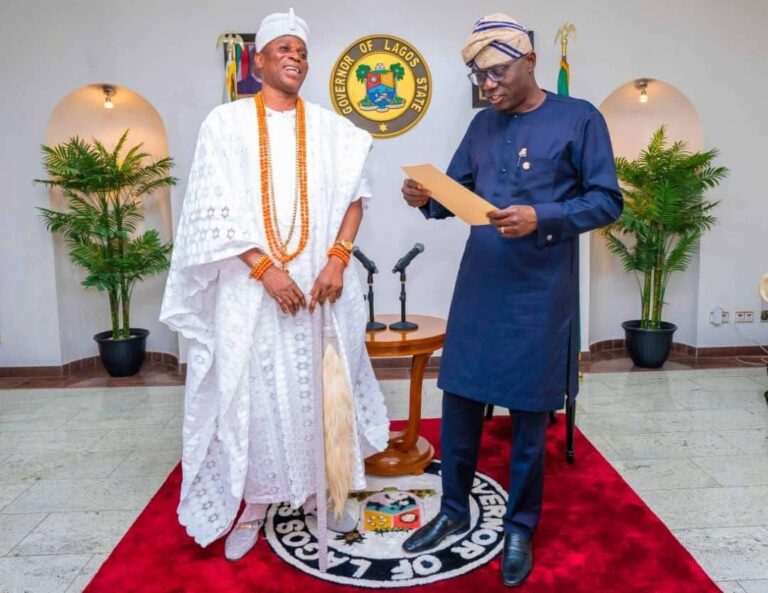
History has been corrected through executive action by His Excellency, Babajide Olusola Sanwo-Olu, who has approved the restoration of the Olu of Agboyi stool to its rightful first-class status. The decision represents more than a ceremonial upgrade. It is a symbolic acknowledgment of historical injustice and a reaffirmation of the dignity of Agboyi’s traditional institution.
The restoration crowns the reign of His Royal Majesty, Oba Mao Oladega IV, as a defining moment in the modern history of Agboyi-Ketu LCDA. It stands as a reminder that while politics may bend tradition for a time, history has a way of finding balance.
Congratulations to the monarch, the people of Agboyi, and all custodians of its heritage on this landmark restoration.
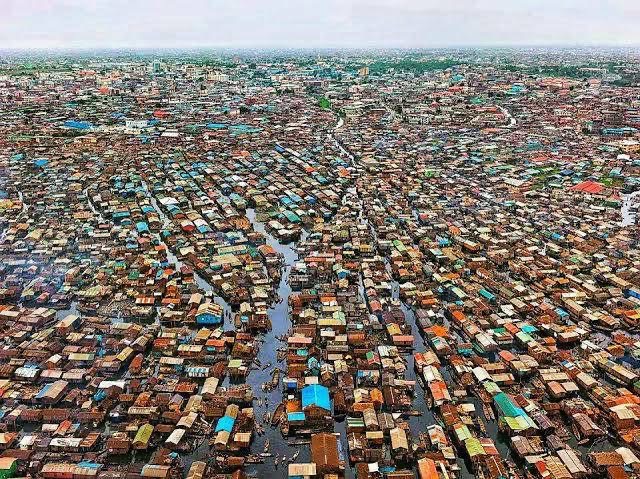
Makoko is often referred to as the “Venice of Africa”, however, lacking the infrastructure to support such density, it teeters on the brink of a significant ecological and public health crisis, between a vibrant community and catastrophe. If the government opts not to relocate residents or fails to regenerate the area, the risks become systemic for Lagos, extending beyond local concerns.
1. Public Health: An Ongoing Epidemic Threat
Makoko, largely constructed on stilts over the Lagos Lagoon, suffers from the absence of a formal sewage system. Consequently, the water beneath the homes functions as both waste disposal and, on occasion, a source of domestic water.
Waterborne Diseases: The sanitation deficiencies render the area a constant breeding ground for cholera, typhoid, and dysentery. In a densely populated city like Lagos, an outbreak originating in Makoko can propagate rapidly to the mainland via trade and human movement.
Vector Breeding: The stagnant, waste-laden waters serve as optimal breeding sites for mosquitoes, resulting in exceedingly high malaria rates and adversely affecting residents’ productivity and health.
Air Quality: Traditional fish smoking methods, which constitute the community’s primary economic activity, emit substantial particulate matter. Lacking modern ventilation systems or alternative energy solutions, residents face silent yet severe respiratory health risks.
2. Environmental Degradation
The environmental ramifications extend well beyond the community’s wooden structures.
Lagoon Pollution: Continuous discharge of solid waste and human excreta into the lagoon undermines aquatic ecosystems, creating a “dead zone” impacting the broader Gulf of Guinea environment.
Siltation and Drainage Blockages: Non-biodegradable waste, such as plastics, frequently obstruct critical drainage channels, which during rainy seasons, contribute to catastrophic flooding in regions like Yaba and Ebute Metta.
Biodiversity Loss: The nearby mangrove forests, which serve as natural buffers against storm surges and act as carbon sinks, are often cleared for fuel or to facilitate the expansion of stilts.
3. The Compounding Effects of Climate Change
Lagos ranks among the most vulnerable cities globally to rising sea levels.
Sea Level Rise: As a coastal area, Makoko is at the forefront of climate impact, where inadequate infrastructure could lead to significant loss of life during storm surges, as structures are insufficiently resilient against extreme weather events.
Music legend Fela Kuti becomes first African to get Grammys Lifetime Achievement Award
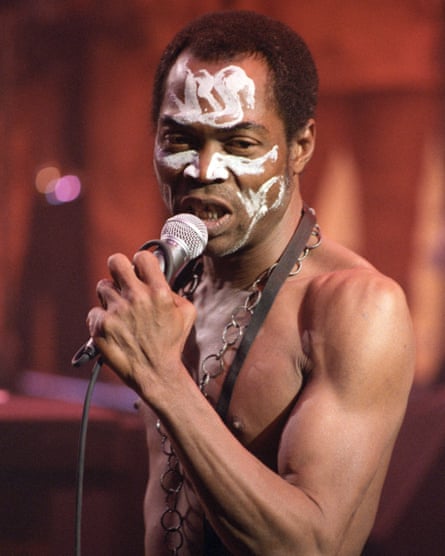
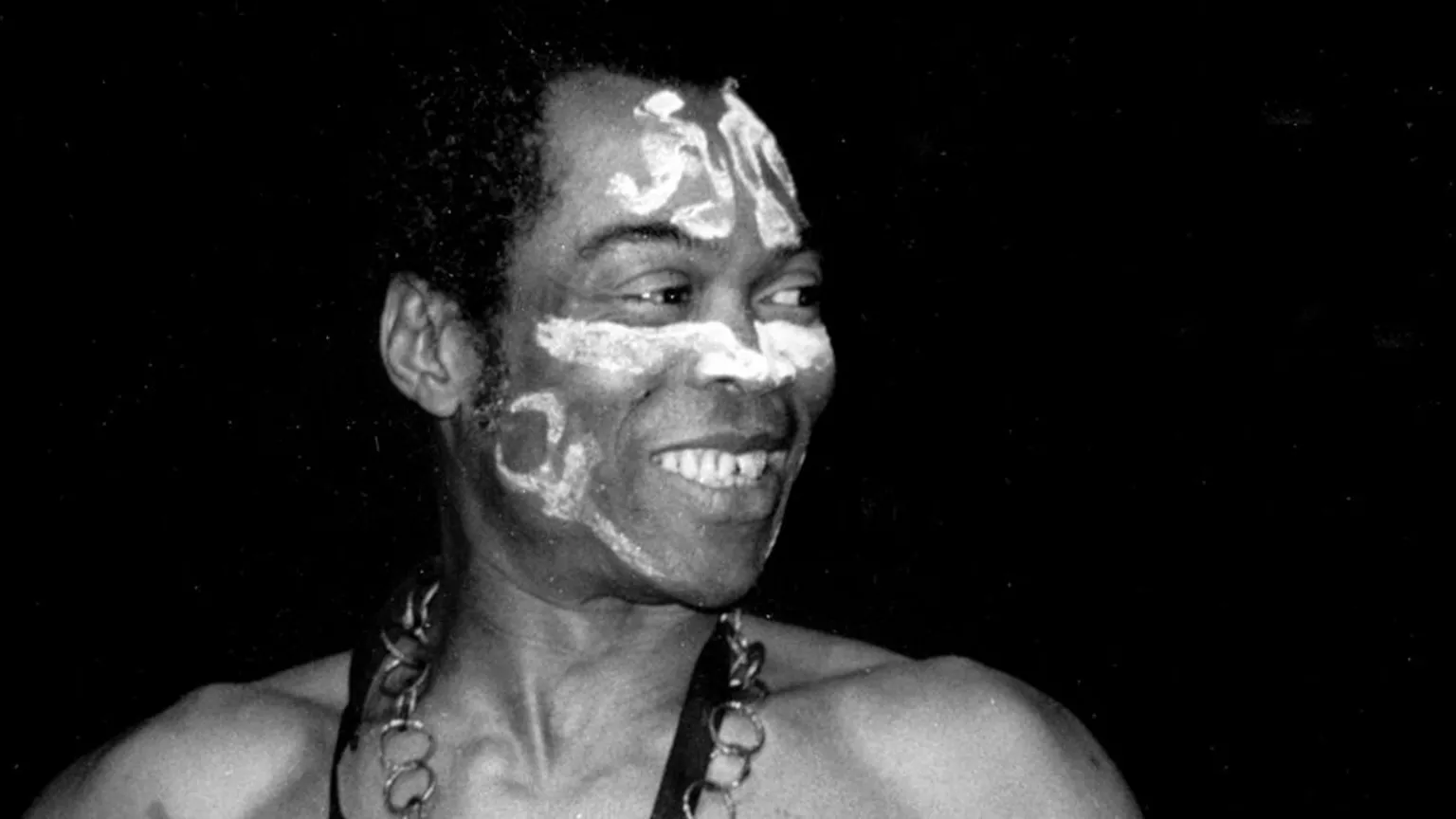
Getty Images Fela Kuti, bear-chested with white paint on his face and a large chain around his neck, on stage in Detroit, Michigan, in 1986.
Getty Images
Long crowned by his legion of fans as the king of Afrobeat, the late Fela Kuti is finally being recognised by the global music industry.
The Nigerian star will posthumously receive a Lifetime Achievement Award at the Grammys – almost three decades after his death at the age of 58.
“Fela has been in the hearts of the people for such a long time. Now the Grammys have acknowledged it, and it’s a double victory,” his musician son Seun Kuti tells the BBC.
“It’s bringing balance to a Fela story,” he adds.
Rikki Stein, a long-time friend and manager of the late musician, says the recognition by the Grammys is “better late than never”.
“Africa hasn’t in the past rated very highly in their interests. I think that’s changing quite a bit of late,” Stein tells the BBC.
Following the global success of Afrobeats, a genre inspired by Fela’s sound, the Grammys introduced the category of Best African Performance in 2024.
This year, Nigerian superstar Burna Boy also has a nomination in the Best Global Music Album category.
But Fela Kuti will be the first African to receive a Lifetime Achievement Award, albeit posthumously. The award was first presented in 1963 to American singer and actor Bing Crosby.
Other musicians who will receive the award this year include Mexican-American guitarist Carlos Santana, Chaka Khan, the American singer known as the Queen of Funk, and Paul Simon.
Fela Kuti’s family, as well friends and colleagues, will be attending the Grammys to receive his award.
“The global human tapestry needs this, not just because it’s my father,” Seun Kuti tells the BBC.
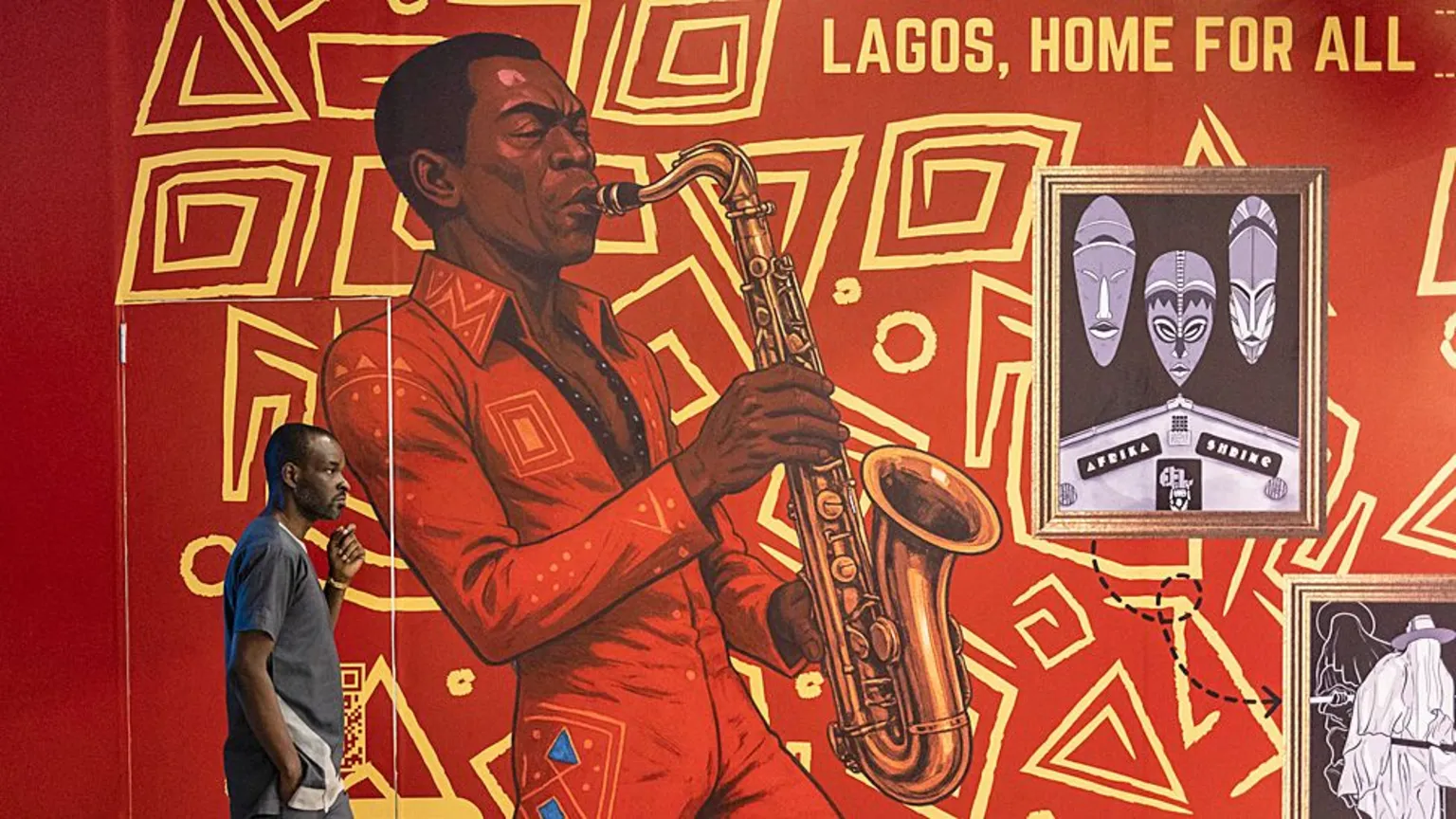
AFP/Getty Images A man walks in front of mural in Lagos of Fela Kuti in a red jumpsuit playing a saxophone, with the words ‘Lagos, Home For All’.
Fela Kuti is indelibly linked to Lagos, where his performances at the Afrika Shrine club were legendary
Stein says it is important to recognise Fela as a man who championed the cause of people who had “drawn life’s short straw”, adding that he “castigated any form of social injustice, corruption [and] mismanagement” in government.
“So it would be impossible to ignore that aspect of Fela’s legacy,” he tells the BBC.
For Fela Anikulapo Kuti was not simply a musician, but also a cultural theorist, political agitator and the undisputed architect of Afrobeat – which is distinct from, but ultimately led to, the modern sound of Afrobeats.
He pioneered the Afrobeat genre alongside drummer Tony Allen, blending West African rhythms, jazz, funk, highlife, extended improvisation, call-and-response vocals and politically charged lyricism.
Across a career spanning roughly three decades until his death in 1997, Fela Kuti released more than 50 albums and built a body of work that fused music with ideology, rhythm with resistance, and performance with protest.
His music incurred the wrath of Nigeria’s then-military regimes.
In 1977, after the release of the album Zombie, which satirised government soldiers as obedient, brainless enforcers, his compound in the main city, Lagos, was raided.
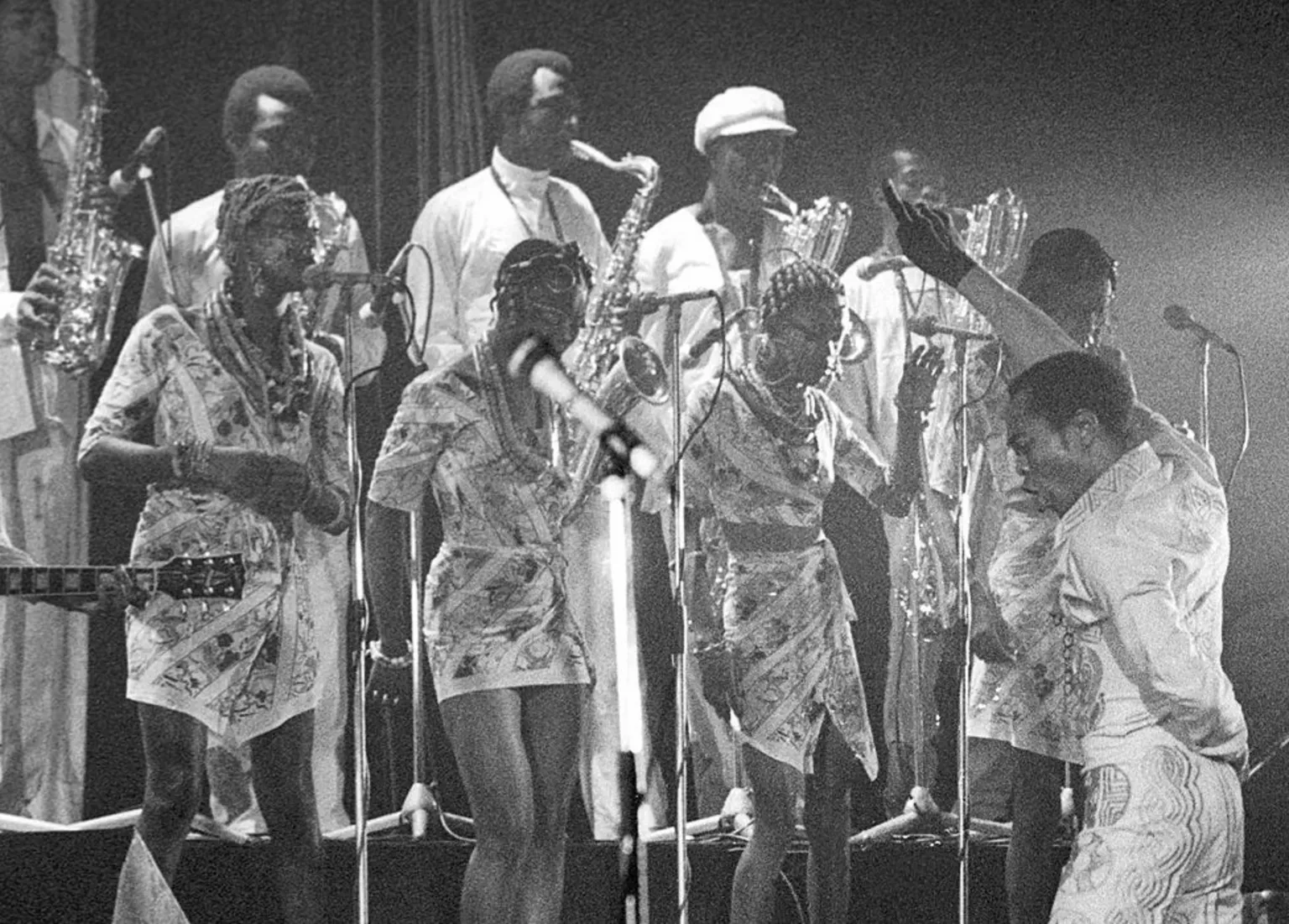
Redferns/Getty Images Black and white shot of Fela Kuti with his back to the audience and facing his back-up singers and band. He is singing with one hand up and finger pointing and the other hand behind his back in a pose like a torero.
Fela Kuti’s music resonated with people across Africa and the diaspora
Known as Kalakuta Republic, the property was burned, residents were brutalised, and his mother, Funmilayo Ransome-Kuti, later died from injuries sustained during the assault.
Rather than retreat, Fela Kuti responded through music and defiance. He took his mother’s coffin to government offices and released the song Coffin for Head of State, turning grief into protest.
The musician’s ideology was a blend of pan-Africanism, anti-imperialism, and African-rooted socialism.
Fela Kuti’s mother was hugely influential in his life, helping shape his political consciousness, while the US-born singer and activist Sandra Izsadore helped sharpen his revolutionary outlook
He was born Olufela Olusegun Oludoton Ransome-Kuti, but dropped Ransome because of its Western roots.
In 1978, he married 27 women in a highly publicised ceremony, bringing together partners, performers, organisers and co-architects of the cultural and communal vision of Kalakuta Republic.
Fela Kuti endured repeated arrests, beatings, censorship and surveillance by the security forces. Yet repression only amplified his influence.
“He wasn’t doing what he was doing to win awards. He was interested in liberation. Freeing the mind,” Stein tells the BBC.
“He was fearless. He was determined.”
Focus on Africa: ‘Better late than never’ – Rikki Stein on Fela Kuti’s award
Fela Kuti’s musical evolution was shaped not only by Nigeria but also by Ghana. During the 1950s and 1960s, highlife music, pioneered by Ghanaian musicians such as ET Mensah, Ebo Taylor and Pat Thomas, became a defining sound across West Africa.
Its melodic guitar lines, horn sections, dance rhythms, and cosmopolitan identity deeply influenced Fela Kuti’s early musical direction.
He spent time in Ghana absorbing highlife’s structure, horn phrasing, and dance-oriented arrangements before fusing it with jazz, funk, the rhythms of his own Yoruba people, and political storytelling.
The DNA of highlife can be heard in Afrobeat’s melodic sensibility and its balance between groove and sophistication.
In this sense, Afrobeat is not only Nigerian. It is West African, pan-African, and diasporic in origin, carrying Ghana’s musical imprint at its foundation.
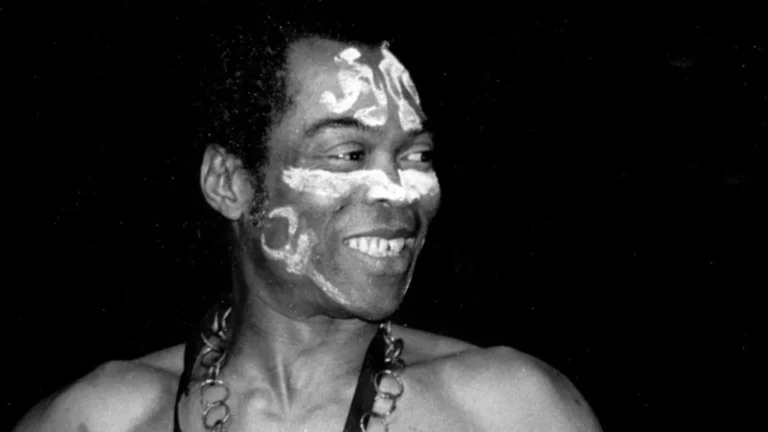
On stage, Fela Kuti cut an unmistakable figure. Often bare-chested or draped in the wax-printed fabric popular across West Africa, hair shaped into a crisp Afro, saxophone in hand, eyes alert with intensity, he commanded a large band of more than 20 musicians.
His performances at the Afrika Shrine in Lagos were legendary, part concert, part political rally, part spiritual ceremony.
Stein recalls that performances at the Shrine were immersive rather than conventional.
“When Fela played, nobody applauded,” he tells the BBC. “The audience wasn’t separate. They were part of it.”
Music was not spectacle. It was communion.
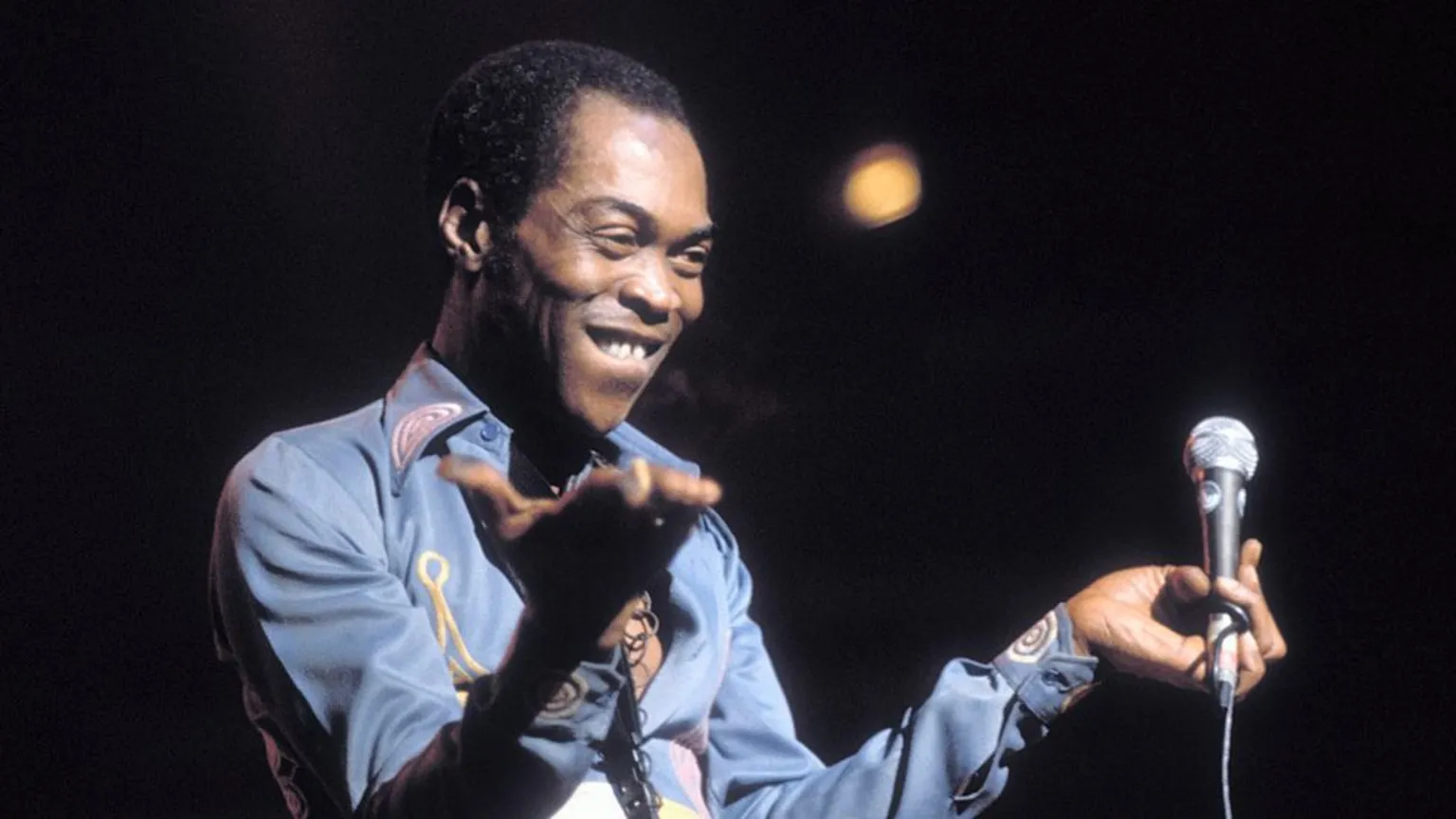
Fela Kuti will be the first African to receive the Lifetime Achievement Award
Fela Kuti’s visual identity was shaped in part by artist and designer Lemi Ghariokwu, who created 26 of his album covers between 1974 and 1993.
“Fela has been an ancestor for 28 years. His legacy is growing by the day. This is immortality,” Ghariokwu tells the BBC, welcoming the posthumous award.
Today, Fela Kuti’s music is still popular with millions around the world, and his influence is audible in modern artists such as Burna Boy, Kendrick Lamar and Sir Idris Elba.
Elba is a huge fan – the award-winning actor and DJ has curated an official vinyl box set, Fela Kuti Box Set 6, and has publicly compared him to icons such as Sade and Frank Sinatra to illustrate the point that Fela Kuti has his own unique sound.
Fela Kuti performed at major international festivals in Europe and North America, introducing global audiences to a bold and politically charged version of modern Africa.
LAGOS, NIGERIA – 2021/11/15: Musician Seun Kuti seen on the rooftop bar at the Kalakuta Museum, the former home of his father, Fela Kuti. (Photo by Sally Hayden/SOPA Images/LightRocket via Getty Images) I’m
I didn’t even realise my dad was famous. That’s credit to him. He kept me grounded”
Musician Seun Kuti
Fela Kuti’s son
Seun Kuti was just 14 when his father died.
“Fela never made me feel like I was a child,” he recalls. “He didn’t hide anything from me. He talked about everything openly.”
There was no myth-building.
“I didn’t even realise my dad was famous,” he says. “That’s credit to him. He kept me grounded.”
What stayed with him most was not spectacle, but discipline, clarity and humanity.
“The human part of him, leadership, musicianship, fatherhood, that was the epitome of who he was.”
One of Seun Kuti’s most revealing reflections speaks to independence and identity.
“Fela was our dad, but you didn’t own him. Fela belonged to himself. But we all belonged to him.”
Fela Kuti insisted on being addressed by name, not by title, even by his children. Seun recalls having his pocket money docked after calling him “Pops”, a moment that carried a lesson in respect.
“He always reminded us that he was in service to others more than himself.”
That ethic shaped Seun’s evolution from youthful ambition toward cultural responsibility.
“I used to make music to make money. But as I’ve grown, I lean more toward working for my people as well as my art.”
Fela Kuti led multiple ensembles, most famously Africa 70 and later Egypt 80, the latter now carried forward by his son.
These were not conventional backing bands. They were musical militias, trained in discipline, endurance, and ideological purpose.
Stein recalls Fela Kuti’s obsessive attention to detail.
“He tuned every instrument personally. Music wasn’t entertainment to him. It was his mission.”
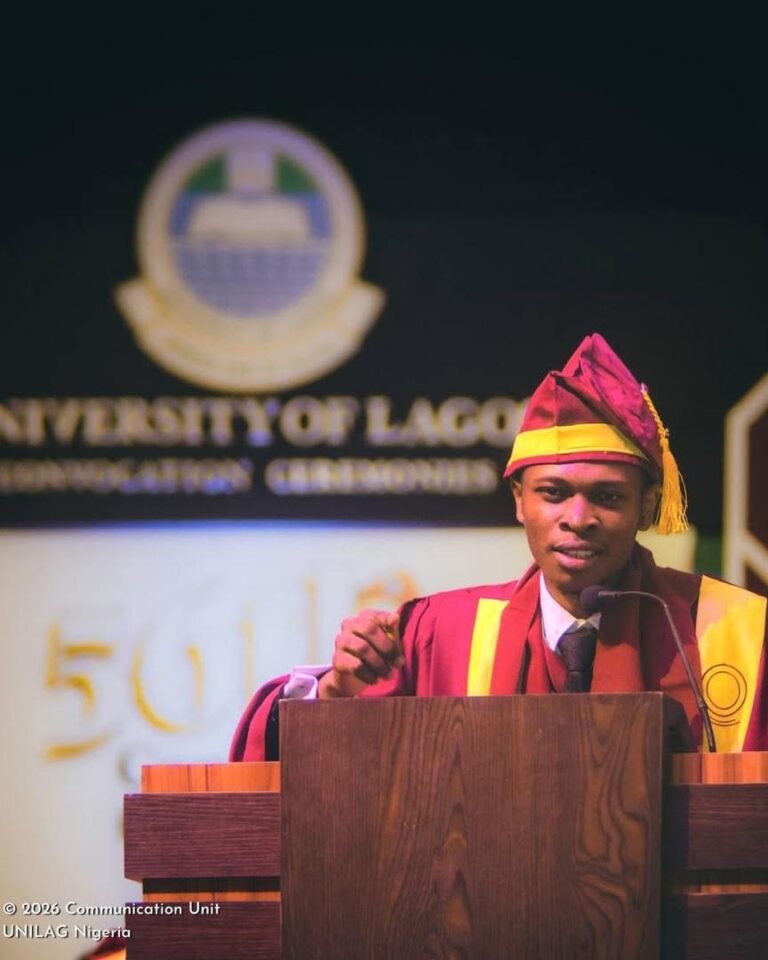
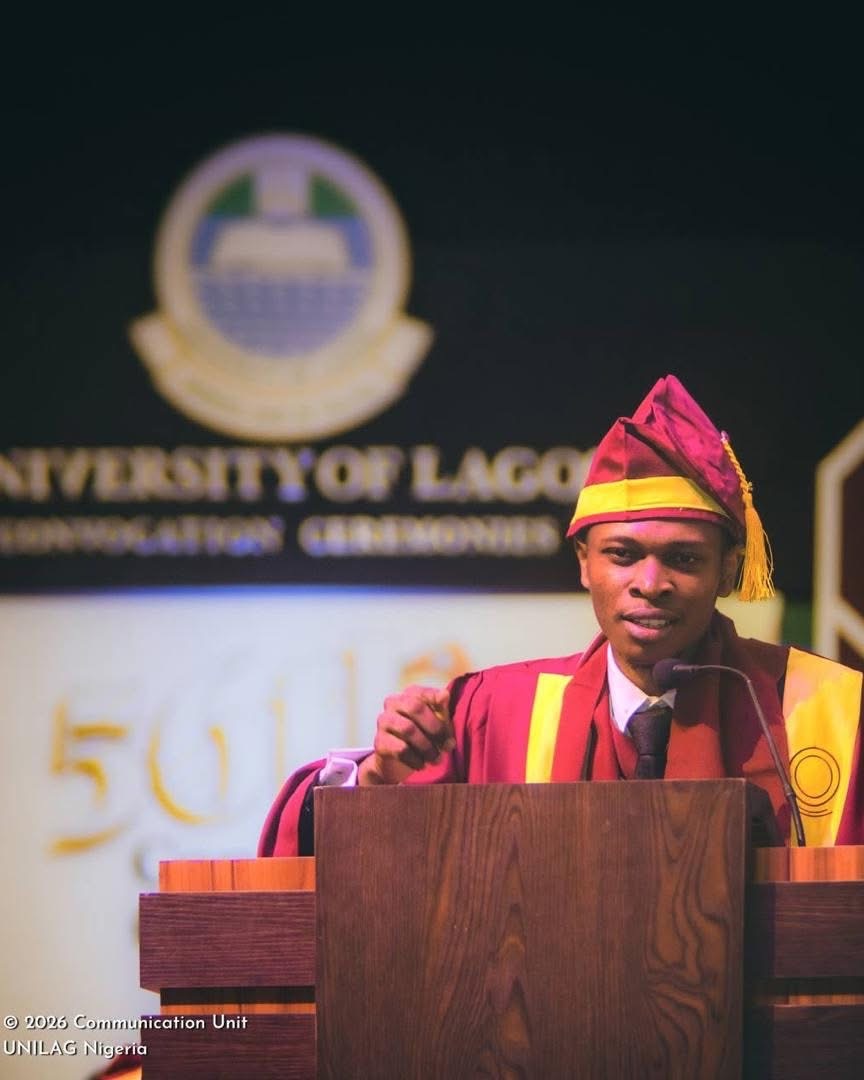
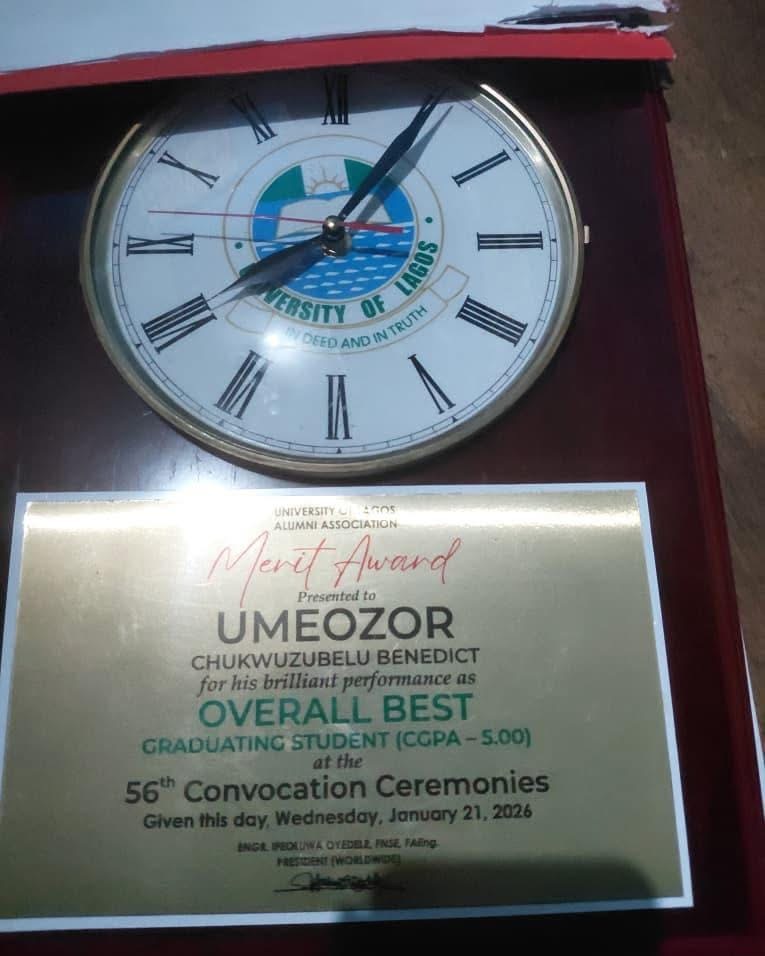
Chukwuzubelu Benedict Umeozo of the Department of Business Administration has been named the Overall Best Graduating Student of the University of Lagos for the 2025 academic session, graduating with a perfect cumulative grade point average of 5.00.
Umeozo topped a graduating class of 4,626 students, emerging as the highest-performing student across the entire university. In addition to the overall honour, he also received the Best Graduating Student awards in the Humanities category and within the Faculty of Management Sciences, further underlining the breadth and consistency of his academic excellence.
The achievement places Umeozo among a select group of graduates in the institution’s history to complete their studies without recording a single grade point loss. University officials and faculty members described the feat as a reflection of sustained discipline, intellectual rigor, and commitment to scholarship throughout his undergraduate programme.
The University of Lagos has continued to emphasise academic distinction as a core pillar of its mission, with the 2025 graduating cohort representing one of the largest and most competitive classes in recent years.
FilmOne Entertainment Launches the Seventh Edition of The Nigeria Box Office Yearbook 2025, Marking Seven Years of Industry Leadership, Data Integrity, and Market Transparency
Lagos, Nigeria – 30th January 2026. FilmOne Entertainment has officially launched the seventh edition of The Nigeria Box Office Yearbook, Nigeria’s definitive annual industry publication documenting verified theatrical box office performance across cinemas nationwide.
FilmOne Entertainment Launches the Seventh Edition of The Nigeria Box Office Yearbook 2025
First published in 2019, the Nigeria Box Office Yearbook has, over seven consecutive editions, established itself as the most credible, consistent, and authoritative record of box office activity in Nigeria. The 2025 edition continues this legacy, providing rigorously validated data across both Nollywood and Hollywood theatrical releases, alongside audience insights, cultural analysis, and market intelligence.
Compiled annually with methodological discipline and continuity, FilmOne Entertainment has been consistent in ensuring the Yearbook serves a trusted reference, enabling filmmakers, studios, distributors, exhibitors, brands, investors, media, and policymakers track performance over time, benchmark success, and make informed, data-driven decisions in a fast-evolving market.
Designed as both an industry reference book and a strategic intelligence tool, The Nigeria Box Office Yearbook 2025 captures box office performance, audience behavior, cultural moments, and key milestones shaping Nigeria’s theatrical film landscape. It reflects not only what audiences are watching, but how the market is evolving in scale, sophistication, and commercial viability across consecutive years. The publication also reinforces Nigeria’s growing influence within the Pan-African and global cinema ecosystem, positioning the country as one of the most transparent and data-led theatrical markets on the continent.
Speaking on the significance of the seventh edition, Kene Okwuosa, Group CEO, Filmhouse Group (FilmOne Entertainment, Filmhouse Cinemas, FilmOne Studios), said:
“Sustaining the Nigerian Box Office Yearbook over seven consecutive years reflects our commitment to consistency, accuracy, and transparency. This publication has become foundational to the industry, offering credible insight into how films perform, how audiences engage, and how the market is maturing. It enables filmmakers, distributors, cinema owners, media, and investors to operate with greater confidence and clarity as Nigeria’s cinema economy continues to grow.”
The Yearbook tracks performance across genres, release windows, and audience segments, while also documenting industry milestones and release patterns that shape long-term market understanding. As such, it functions not only as a historical record, but as a planning and benchmarking tool for stakeholders across the value chain.
“What gives the Nigeria Box Office Yearbook its strength is continuity. Across seven editions, it has evolved into an institutional record of how audiences engage with cinema in Nigeria. It allows producers, distributors, and exhibitors to assess performance year-on-year, compare outcomes across titles, and understand audience behavior within a consistent and reliable framework. Beyond the data, it tells the story of a theatrical market where Nigerian and international films are increasingly thriving side by side.”
Compiled by FilmOne Entertainment and powered by Filmhouse Group’s ecosystem, the Yearbook reflects a long-term commitment to industry leadership, data integrity, and sustainable market
development. It contributes meaningfully to the global conversation on Nollywood, international film performance in Africa, and the commercial future of theatrical cinema in emerging markets.
The 2025 edition of The Nigeria Box Office Yearbook is now available to press, industry stakeholders, partners, researchers, and institutions, with archived editions dating back to 2019 accessible for reference, comparative analysis, and historical insight.
Press Contact
Aramide Pearce
Public Relations & Communications Filmhouse Group apearce@filmhouseng.com
African airlines recorded one of their strongest monthly performances in recent history in December 2025, with passenger traffic rising by 10.3 percent year on year. The surge highlights a sustained recovery in the region’s aviation sector and growing demand for air travel across the continent.
The figures are contained in the 2025 full-year and December passenger market performance report released by the International Air Transport Association. According to the report, the sharp increase was driven by seasonal holiday travel, improved air connectivity, and rising interest in both domestic and regional routes within Africa.
For the full year 2025, African airlines achieved a 7.8 percent increase in passenger demand compared to 2024. Over the same period, capacity expanded by 6.5 percent, indicating that demand growth outpaced the addition of available seats. This balance contributed to a notable improvement in efficiency across the region.
The load factor, which measures the percentage of available seats filled by passengers, rose by 0.9 percentage points to 74.9 percent. While this remains the lowest load factor among global regions, it represents a record high for Africa and the strongest year-on-year improvement recorded worldwide in 2025.
December 2025 stood out as the peak month for African carriers, delivering the largest monthly growth of the year. The performance reflects strong festive travel patterns and signals that recovery momentum has extended beyond post-pandemic rebound into more stable demand growth.
According to the report, “African airlines’ annual traffic rose 7.8% in 2025 versus the prior year. Full year 2025 capacity was up 6.5% and load factor climbed 0.9 percentage points to 74.9%. This was the lowest load factor among regions, but a record high for Africa and the strongest load factor increase of any region. December 2025 traffic for African airlines rose 10.3% over December 2024.”
Globally, air travel demand reached an all-time high in 2025. Total passenger traffic increased by 5.3 percent compared to 2024, while capacity rose by 5.2 percent. This pushed the global load factor to a record 83.6 percent for the full year.
International travel led global growth, with passenger demand up 7.1 percent and capacity rising 6.8 percent. Domestic travel grew at a slower pace of 2.4 percent, while the domestic load factor slipped slightly by 0.1 percentage point to 83.7 percent.
In December 2025 alone, global passenger demand rose 5.6 percent year on year, capacity increased by 5.9 percent, and the load factor reached 83.7 percent. The data underscores a strong finish to the year for the aviation industry, with Africa emerging as one of the standout regions in terms of growth momentum.