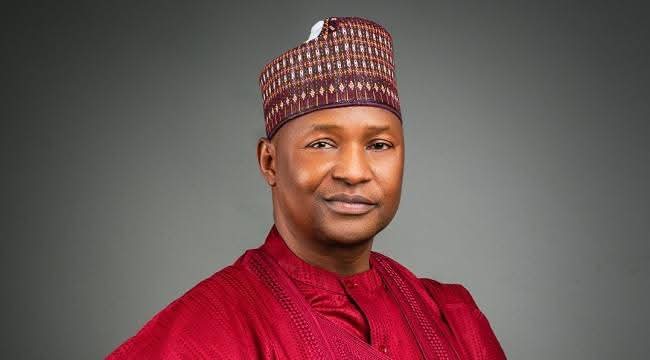
BREAKING: EFCC files a 16-count money laundering charge against former Attorney-General of the Federation, Abubakar Malami, his son, Abdulaziz Malami, and an employee of Rahamaniyya Properties Limited, Hajia Bashir Asabe.
In the charge, the first in three series, Malami was alleged to have laundered about N9 billion to buy choice houses in Abuja, Kebbi, Kano, and others. The ex-AGF is to account for how he came about 30 houses, valued at N212.8billion, which were mostly acquired during his eight years (2015-2023) in office as Attorney-General of the Federation.
The EFCC may invoke the Non-Conviction Asset Forfeiture clause of its Establishment Act to seize some of the properties. It has a 14-day window to ask anyone interested to show cause as to why the assets should not be forfeited to the federal government.
The 16 charges were revealing of how Malami engaged Metropolitan Auto Tech Limited to launder funds. The charges are as follows:
1. That you Abubakar Malami SAN, and Abubakar Abdulaziz Malami between July 2022 and June, 2025 in Abuja within the jurisdiction of this Honourable Court did procure Metropolitan Auto Tech Limited to conceal the unlawful origin of the total sum of N1, 014, 848, 500.00 (One Billion, Fourteen Million, Eight Hundred and Forty Eight Thousand, Five Hundred Naira) in the Sterling Bank Plc Account No. 0079182387 when you reasonably ought to have known that the said sum formed proceeds of unlawful activities and you thereby committed an offence contrary to Section 21(c) of the Money Laundering (Prevention and Prohibition) Act 2022 and punishable under Section 18(3) of the same Act.
2. That you Abubakar Malami SAN whilst being the Attorney-General of the Federation, and Abubakar Abdulaziz Malami between September 2020 and February, 2021in Abuja within the jurisdiction of this Honourable Court did procure Metropolitan Auto Tech Limited to conceal the unlawful origin of the total sum of N600,013,460.4 in the Sterling Bank Plc Account No. 0079182387 when you reasonably ought to have known that the said sum formed proceeds of unlawful activitiesand you thereby committed an offence contrary to Section 18(c) of the Money Laundering Prohibition Act 2011 as amended by Act No. 1 of 2012) and punishable under section 15(3) of the same Act.
3. That you Abubakar Malami SAN whilst being the Attorney-General of the Federation and Abubakar Abdulaziz Malami sometime in March, 2021 in Abuja within the jurisdiction of this Honourable Court did retain the total sum of N600,000,000.00 in Metropolitan Auto Tech Limited as cash collateral for a loan of N500,000,000.00 granted to RAYHAAN HOTELS LTD by Sterling Bank Plc when you reasonably ought to have known that the said cash collateral of N600,000,000.00 was proceed of unlawful activities and you thereby committed an offence contrary to Section 18(c) of the Money Laundering Prohibition Act 2011 as amended and punishable under section 15(3) of the same Act.
4. That you Abubakar Malami SAN whilst being the Attorney-General of the Federation, Abubakar Abdulaziz Malami, and Hajia Bashir Asabe an employee of Rahamaniyya Properties Limited sometime in November, 2022 in Abuja within the jurisdiction of this Honourable Court did indirectly disguise the unlawful origin of the aggregate sum of N500,000,000.00 paid to Efab Properties Ltd paid for purchase of property known as luxury duplex at Amazon street, Plot No. 3011 within Cadastral Zone A06 Maitama District, Abuja in favour of Abubakar Malami SAN when you reasonably ought to have known that the said N500million formed proceed of unlawful activity and you thereby committed an offence contrary to section 18(2) (a) and punishable under section 18(3) of the Money Laundering (Prevention and Prohibition) Act, 2022.
5. That you Abubakar Malami SAN, Abubakar Abdulaziz Malami, and Hajia Bashir Asabe an employee of Rahamaniyya Properties Ltd sometimes in September 2024 in Abuja within the jurisdiction of this Honourable Court conspired to disguise the unlawful origin of the aggregate sum of N1,049,173,926.13 paid through the Union Bank Plc account of Meethaq Hotels Ltd Jabi savings Account No. 0179011105 between November 2022 and September 2024 and you thereby committed an offence contrary to Section 21 of the Money Laundering (Prevention and Prohibition Act) 2022 and punishable under Section 18(2) (a) and (3) of the same Act.
6. That you Abubakar Malami SAN, and Abubakar Abdulaziz Malami between November 2022 and October, 2025 indirectly took control of the aggregate sum of N1,362,887,872.96 paid through the savings account of Meethaq Hotels Limited in Union Bank Plc when you reasonably ought to have known that the said funds formed proceeds of unlawful activity and you thereby committed an offence contrary to Section 18(2) (d) and punishable under Section 18(3) of the Money Laundering (Prevention and Prohibition) Act, 2022.
7. That you Abubakar Malami SAN whilst being the Attorney-General of the Federation and Hajia Bashir Asabe an employee of Rahamaniyya Properties Ltd sometimes between November and December, 2018 in Abuja within the jurisdiction of this Honourable Courtindirectly concealed the unlawful origin of the aggregate sum of N700,000,000.00 paid for the purchase of the property described as No. 3 Onitsha Crescent Area 11, Garki Abuja (Hamonia Hotels Ltd) in favour of Abubakar Malami SAN when you reasonably ought to have known that the said sum of N700, 000,000.00formed proceeds of unlawful activityand you thereby committed an offence contrary to section 15(2) (d) and punishable under section 15(3) of the Money Laundering (Prohibition) Act, 2011 as amended.
8. That you Abubakar Malami SAN whilst being the Attorney-General of the Federation, Abubakar Abdulaziz Malami and Hajia Bashir Asabe an employee of Rahamaniyya Properties Ltdsometimes between September 2020 and December, 2020 in Abuja within the jurisdiction of this Honourable Court, indirectly concealed the aggregate sum of N850,000,000.00 paid for the purchase of property described as Plot 683 Jabi District Cadastral Zone B04 (Meethaq Hotels Ltd, Jabi) when you reasonably ought to have known that the said sum of N850, 000, 000.00 represented proceeds of unlawful activity and you thereby committed an offence contrary to Section 15(2) (d) and punishable under Section 15(3) of the Money Laundering (Prohibition) Act, 2011 as amended.
9. That you Abubakar Malami SAN whilst being the Attorney-General of the Federation and Hajia Bashir Asabe an employee of Rahamaniyya Properties Limited on or about February, 2018 in Abuja within the jurisdiction of this Honourable Court indirectly acquired the property described as No. 3 Rhine Street Maitama, Abuja (Meethaq Hotels Ltd) for an aggregate sum of N430,000,000.00 when you reasonably ought to have known that the said sum of N430,000,000.00 formed proceeds of unlawful activity and you thereby committed an offence contrary to Section 15(2) (d) and punishable under Section 15(3) of the Money Laundering (Prohibition) Act, 2011 as amended.”
10. That you Abubakar Malami SAN whilst being the Attorney-General of the Federation and Hajia Bashir Asabe an employee of Rahamaniyya Properties Ltd sometimes on or about February, 2018 in Abuja within the jurisdiction of this Honourable Court indirectly concealed the unlawful origin of the aggregate sum of N210,000,000.00 paid for the purchaseof the property described as No. 3130 Cadastral Zone A04 Asokoro District, Abuja in favour of Abubakar Malami SAN when you reasonably ought to have known that the said sum of N210, 000, 000,000.00 represented proceeds of unlawful activity and you thereby committed an offence contrary to section 15(2) (d) and punishable under Section 15(3) of the Money Laundering ( Prohibition) Act, 2011 as amended.
11. That you Abubakar Malami SAN whilst being the Attorney-General of the Federation and Hajia Bashir Asabe an employee of Rahamaniyya Properties Ltd between March and June 2021 in Abuja within the jurisdiction of this Honourable Court indirectly concealed the unlawful origin of the aggregate sum of N325,000,000,000.00 paid for the purchase of property described as No. 1241B Asokoro District Zone (No. 11A Yakubu Gowon Crescent Asokoro) in favour of Abubakar Malami SAN when you reasonably ought to have known that the said sum of N325, 000, 000.00 represented proceed of unlawful activity and you thereby committed an offence contrary to section 15(2) (d) and punishable under section 15(3) of the Money Laundering ( Prohibition) Act, 2011 as amended.
12. That you Abubakar Malami SAN whilst being the Attorney-General of the Federation and Hajia Bashir Asabe an employee of Rahamaniyya Properties Ltd between November 2015 and January, 2016 in Abuja within the jurisdiction of this Honourable Court indirectly concealed the unlawful origin of the aggregate sum of N120,000,000,000.00 paid for the purchase of property described as No. 27 Efab Estate 5th Avenue, 59th Crescent, Gwarimpa, Abuja in favour of Abubakar Malami SAN when you reasonably ought to have known that the said sum of N120, 000, 000.00 represented proceeds of unlawful activity and you thereby committed an offence contrary to section 15(2) (d) and punishable under section 15(3) of the Money Laundering ( Prohibition) Act, 2011 as amended.
13. That you Abubakar Malami SANwhilst being the Attorney-General of the Federation, Abubakar Abdulaziz Malami, and Hajia Bashir Asabe an employee of Rahamaniyya Properties Ltd sometime in November, 2022 in Abuja within the jurisdiction of this Honourable Court did conspire amongst yourselves to conceal the unlawful origin of the funds paid for the purchase of property known as luxury duplex at Amazon street, Plot No. 3011 within Cadastral Zone A06 Maitama District, Abuja and you thereby committed an offence contrary to Section 21 of the Money Laundering (Prevention and Prohibition Act) 2022 and punishable under Section 18(2) (a) and (3) of the same Act.
14. That you Abubakar Malami SAN whilst being the Attorney-General of the Federation, Hajia Bashir Asabe whilst being an employee of Rahamaniyya Properties Ltd and other persons at large between December, 2016 and April, 2022 in Abuja within the jurisdiction of this Honourable Court conspired amongst yourselves to indirectly acquire landed properties for Abubakar Malami SAN with proceeds of unlawful activity and you thereby committed an offence contrary to section 18 of the Money Laundering (Prohibition Act) 2011 and punishable under Section 15(2) (a) and (3) of the same Act.
15. That you Abubakar Malami SAN whilst being the Attorney-General of the Federation, between June and January, 2023in Abuja within the jurisdiction of this Honourable Court indirectly concealed the unlawful origin of the aggregate sum N537,000,000.00 which you paid for the purchase of the properties namely (i) No. 26 Babbi Street, BUA Estate, Abuja, (ii) 4 bedroom Bungalow, Guesse 2 Brinin- Kebbi and (iii) No. 4 Ahmadu Bello Way, Kano, Nassarawa GRA, Kano knowing that the said sum of N537, 000,000.00formed proceeds of unlawful activity and you thereby committed an offence contrary to section 18(2) (a) and punishable under section 18(3) of the Money Laundering (Prevention and Prohibition) Act, 2022.
16. That you Abubakar Malami SAN whilst being the Attorney-General of the Federation, between October 2018 and December, 2021 in Abuja within the jurisdiction of this Honourable Court indirectly concealed the aggregate sum N415,000,000.00 which you paid for the purchase of the properties namely (i) No. 28 Bagudu Kaltio crescent Gwarimpa, Abuja (ii) Plot 13, Ipent 7 Estate Abuja and (iii) A Plaza, Commercial Toilets, Laundry and Warehouse Tanks Adjacent to Brinin Kebbi Market (iv) 100 hectares of land Along Brinin Kebbi, Jeba Road (v) Plot 157 Lamido Crescent, Nassarawa Road GRA, Kano knowing that the said sum of N415,000,000.00 formed proceeds of unlawful activity and you thereby committed an offence contrary to Section 15(2) (a) and punishable under Section 15(3) of the Money Laundering Prohibition Act, 2011 as amended.