Home Blog Page 32

Funke Akindele Sets a New Benchmark as ‘Behind The Scenes’ Surpasses ₦2 Billion in Box Office Earnings

0

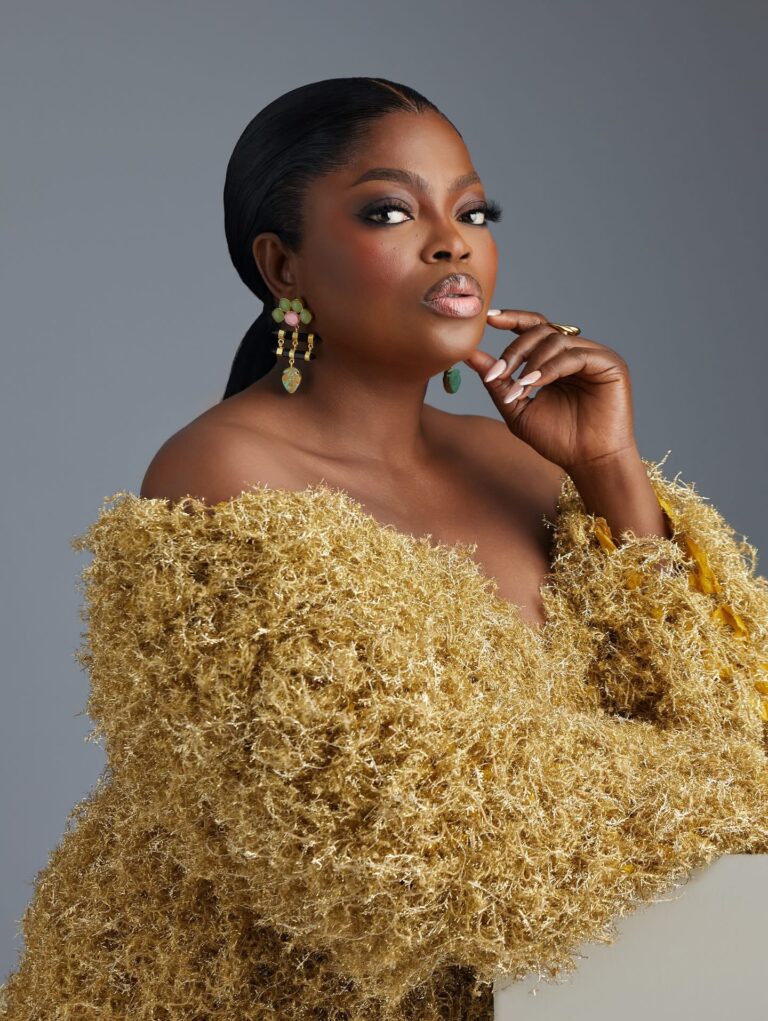
Funke Akindele has reached a landmark moment in African cinema with her latest film, Behind The Scenes, crossing the ₦2 billion revenue mark. This achievement positions her as the highest-grossing filmmaker on the continent and strengthens her reputation as one of the most consistent creative forces in Nollywood.


The film’s performance reflects a growing confidence in audience-driven storytelling and a production style that balances commercial appeal with disciplined execution. Industry observers note that the project has drawn viewers across multiple regions and demonstrated the expanding reach of Nigerian cinema within Africa’s wider cultural economy.

Akindele’s work often combines character-driven narratives with an understanding of everyday human experiences. Behind The Scenes continues in that tradition, offering a storyline that resonated with diverse audiences and sustained strong turnout weeks after its release. The film’s commercial success also highlights the increasing viability of large-scale film projects in Nigeria, supported by stronger distribution networks and rising audience engagement.


Her ascent to the top of African box office rankings carries broader significance for the industry. It signals the growing influence of female filmmakers in key creative and financial roles, and it reaffirms Nollywood’s capacity to produce record-setting titles that command continental attention.


The project’s box office performance is expected to prompt further discussion about investment, production standards, and long-term opportunities for African filmmakers as the industry continues to expand.

THE AGE OF EMPIRES IS BACK AND NIGERIA IS SLEEPING ON THE HIGHWAY.

0

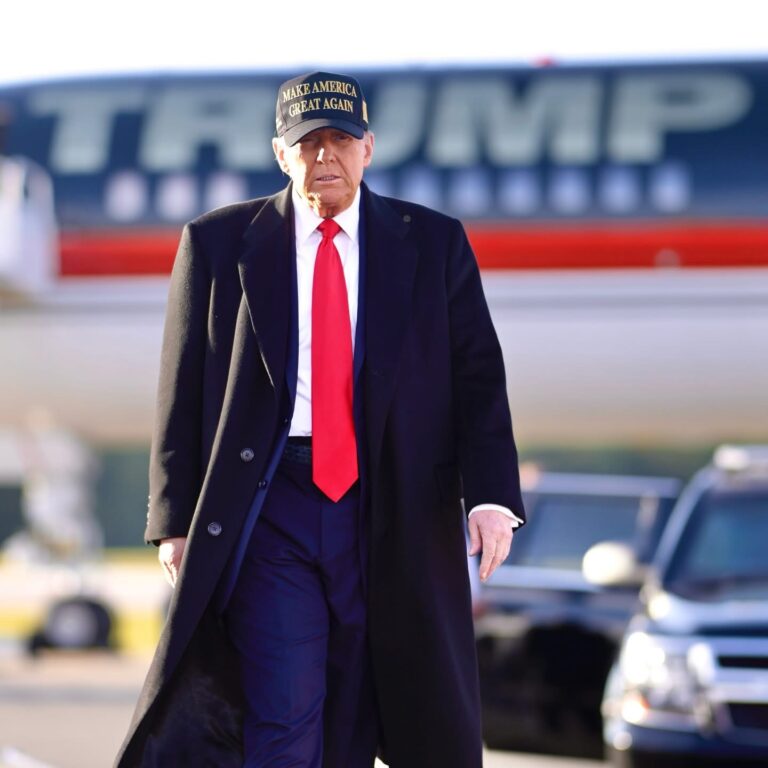
The world just changed on January seven. America did not simply withdraw from sixty six global bodies for administrative convenience. It formally declared that the liberal world order is dead and that it will not submit to any institution it does not control. That was the announcement. Quiet. Clinical. Brutal.


For eighty years the United States pretended to be the referee of the world. Now it wants to be a player again. And players do not obey referees. They break bones and chase trophies. That is why the military budget has exploded. That is why intelligence has been privatized. That is why immigration has been militarized. These are not reforms. These are war preparations.


People who keep asking if Trump will go to war do not understand. The war already started. It is a resource war, a currency war, a supply chain war, a sanctions war and a technology war. Guns come later. Drones come later. Marines come later. First you strangle. Then you isolate. Then you break the most stubborn opponent as an example. That opponent is no longer Iraq or Syria. It is Venezuela. And after Venezuela the line of sight goes to Africa.


BRICS is not a debate club. It is a survival shelter. It is a plan B for nations that refuse to be vassals in a unipolar world. China is building parallel financial rails. Russia is building parallel energy corridors. Iran is building parallel deterrence networks. Brazil is building parallel commodity alliances. India is hedging to avoid being trapped. It is the reconstruction of world order without American permission.


Now switch to Nigeria.


Nigeria still thinks the world is run by ECOWAS meetings, donor conferences, Commonwealth greetings and Western diplomatic grammar. Meanwhile the world has already entered a bunker. The main currencies are oil, gas, lithium, ports, minerals, population, and shipping lanes. Nigeria has all of them in embarrassing surplus but behaves as if it has none of them at all.


The tragedy is that Nigeria is not just unprepared. It is unguarded. Corruption at the center. State capture by oligarchs. Compromised elections. Courts that kiss power. Governors who steal. Senators who sleep. A political class that does not understand the century it is living in. A security architecture built for internal intimidation, not external deterrence. A foreign policy that has no doctrine, no direction, and no purpose beyond photo ops and begging bowls.


In this new era Nigeria is not a spectator. It is a prize.


If America believes Nigeria is drifting toward BRICS it will intervene to pull it back into orbit. That is how empire works. Not through tweets but through sanctions, intelligence operations, narrative war, currency sabotage, elite capture and controlled chaos. If China believes Nigeria is still under Western influence it will accelerate belt and road projects, mining rights and strategic port access to lock in advantage. Russia will offer security partnerships. Europe will panic over LNG and minerals and suddenly discover humanitarian language. Each will bid for influence. Not because they love Nigeria. Because Nigeria is too important to be left unclaimed.


Meanwhile the Nigerian political elite is busy with tribal banter, zoning quarrels, gossip, defections, ego, and small hustles. It is like watching a family fight over inheritance while the house is on fire and a bulldozer is already warming outside.


And here is the final provocation. The 2027 elections will not be a domestic affair. They will be the first openly geopolitical election in our history. Washington, Beijing, Moscow, Brussels, Riyadh, and even BRICS capitals will watch closely because the winner will determine whether Nigeria remains in the Western security orbit or tilts into the emerging multipolar bloc or attempts non alignment. That choice will determine currency, energy routes, military procurement, maritime rights, resource contracts, port access, surveillance grids, tech standards and the survival of the Nigerian federation itself.


If this country enters that arena with the same unseriousness of 2015 or 2023 it will not come out the same. Some countries are partitioned by war. Others are partitioned by elections they did not understand. Ask Yugoslavia. Ask Sudan. Ask Ukraine. Ask Libya. Ask Venezuela. Nothing guarantees that Nigeria must remain intact forever simply because it did yesterday. Empires do not care about history. They care about resources and alignment.


January seven was not about Trump. It was a signal that the world has entered the pre conflict stage of a global realignment. Some states are preparing. Some states are aligning. Some states are building bunkers. Nigeria is debating who insulted who on television.


There is still time. But not much.


If Africa has a frontline state in this new world it is Nigeria. But frontline states need doctrine, strategy, unity, and elite consensus. Nigeria has none of the above. And that is the most dangerous national security vulnerability of all.


By Hon. Chimazuru Nnadi-Oforgu

Duruebube Uzii na Abosi


www.oblongmedia.netn

My Son Would Be Alive Today If Not For An Incident At Euracare Hospital

0

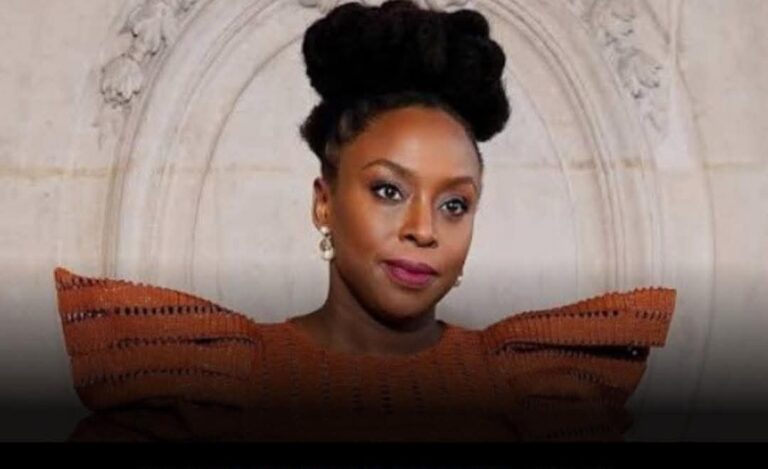
“My Son Would Be Alive Today If Not For An Incident At Euracare Hospital, Lagos, On January 6th” — Author Chimamanda Ngozi Adichie Opens Up On Her Son’s Death


Chimamanda Ngozi Adichie has spoken publicly about the d+ath of her 21-month-old son, Nkanu, stating that he would still be alive if not for an incident at Euracare Hospital on January 6. She explained that the statement was originally shared privately with family and close friends.


According to Adichie, the family was in Lagos for Christmas when Nkanu developed what initially appeared to be a cold but later became a severe infection. He was admitted to Atlantis Hospital and was scheduled to be flown to the United States the next day, accompanied by travelling doctors, with a team at Johns Hopkins Hospital waiting to receive him. Tests requested included an MRI, a lumbar puncture, and the insertion of a central line in preparation for travel. Atlantis Hospital referred them to Euracare Hospital to carry out the procedures.


On the morning of January 6, Nkanu was taken to Euracare. He was sedated with propofol to prevent movement during the MRI and central line procedure. Adichie said she noticed unusual activity when medical staff rushed into the theater. She was later informed that Nkanu had been given too much propofol, became unresponsive, and was resuscitated.


Soon after, he was placed on a ventilator, intubated, admitted to the ICU, and began experiencing seizures and c@rdiac arrest—conditions he had never previously had. He d+ed hours later.


Adichie alleged that Nkanu was never properly monitored after sedation, describing the anesthesiologist’s actions as crim+nally negligent and careless. She also claimed the same anesthesiologist had previously overdosed other children and questioned why he was allowed to continue working. She concluded by calling for accountability to prevent similar tragedies.

Nollywood’s Return to Local Cinemas and the New Path for Distribution

Nollywood’s Return to Local Cinemas and the New Path for Distribution

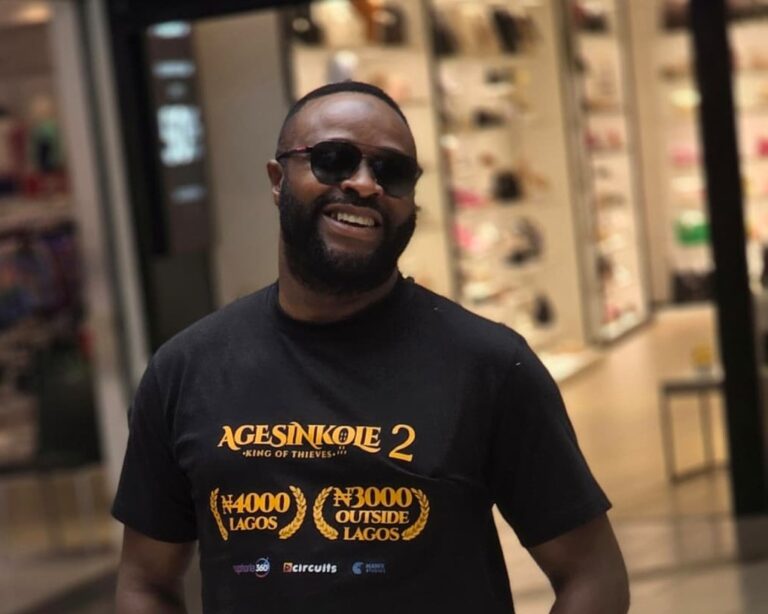
A Case Study of Femi Adebayo’s Agesinkole 2

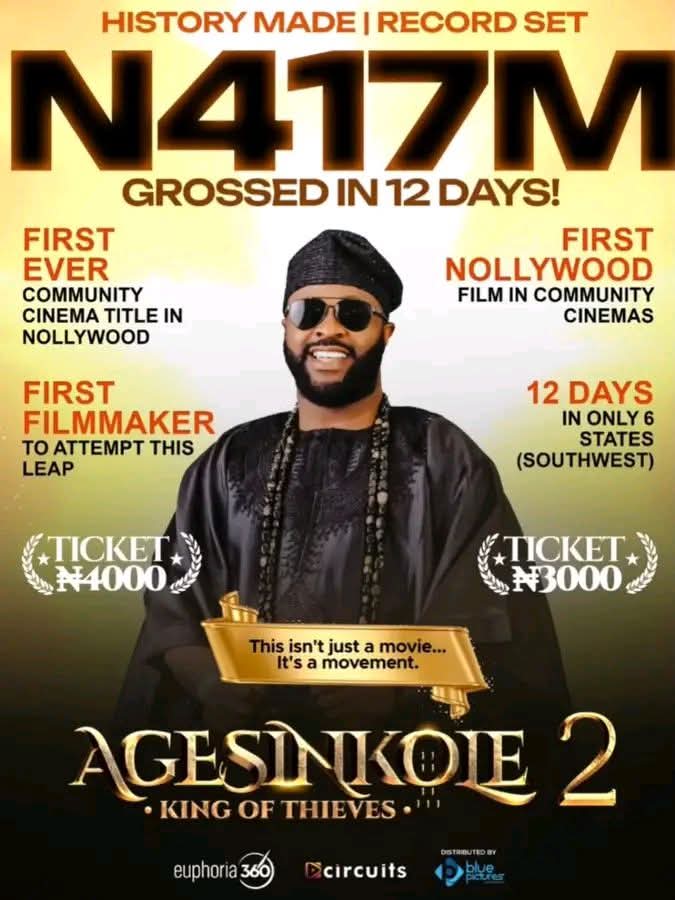
For years, the traditional cinema system in Nigeria has leaned heavily toward urban multiplexes, leaving large parts of the population outside major cities without regular access to film exhibitions. This gap shaped audience behaviour, reduced grassroots engagement, and placed a ceiling on box office earnings for many titles. Recent experiments with community-based screenings are beginning to shift this pattern, and Femi Adebayo’s Agesinkole 2 provides a clear picture of what this revival could mean for Nollywood’s distribution future.

Agesinkole 2 adopted a model that placed audiences at the centre. Instead of relying solely on upscale cinema chains, the producers worked with local exhibitors in neighbourhoods across several states. These makeshift community cinemas ranged from school halls to open-air venues. The aim was simple. Bring the film closer to the people who constitute the industry’s largest viewership base.

The outcome demonstrated how much demand exists beyond the city corridors. Over a short release window that covered the Christmas and New Year period, the film recorded remarkable patronage in environments that rarely receive first-run releases. Families and young viewers who would have needed long trips to malls had a chance to take part in the shared excitement of a new Nollywood epic. Ticket sales surged, and the film quickly established itself as one of the holiday season’s strongest commercial performers.

This model speaks to a larger opportunity. Reviving local cinema culture can broaden the distribution network in meaningful ways. Nigeria’s population centres are spread across thousands of communities. A sustainable system that supports small exhibitors, mobile screening units, and refurbished neighbourhood theatres would deepen access, increase revenue streams, and reduce the industry’s overdependence on major cities.

It also creates a healthier loop for filmmakers. Wider reach means stronger word of mouth. Higher foot traffic encourages more robust investment in production quality. Communities gain new cultural touchpoints, and distributors build fresh channels that can serve as testing grounds before titles move to streaming platforms.

Agesinkole 2 has shown that when Nollywood films reach people where they live, the response is immediate and measurable. The renewed interest in local cinema is not only about nostalgia. It is an economic strategy. A vibrant network of neighbourhood screens can help stabilise box office performance, expand audience loyalty, and give the industry the kind of wide footprint needed to compete in a fast-changing global landscape.

If the momentum continues, Nigeria Nollywood Industry could see a restoration of the cinema culture that once thrived in town halls and community centres. The success of Femi Adebayo’s Agesinkole 2 suggests that the road to stronger distribution and higher earnings begins with going back to the grassroots.

I am expecting this approach to shape the next production cycle. With the results recorded by Agesinkole 2, it is likely that more filmmakers will explore similar routes in 2026. Rising production costs and the need for a wider audience reach make the community-focused model an attractive alternative for both independent and established producers. If more titles adopt this pattern, local cinemas could re-emerge as a consistent part of Nollywood’s commercial ecosystem, creating a broader foundation for future growth.

WBY:
Adesina Kasali
Medullar Concept
© January 2026

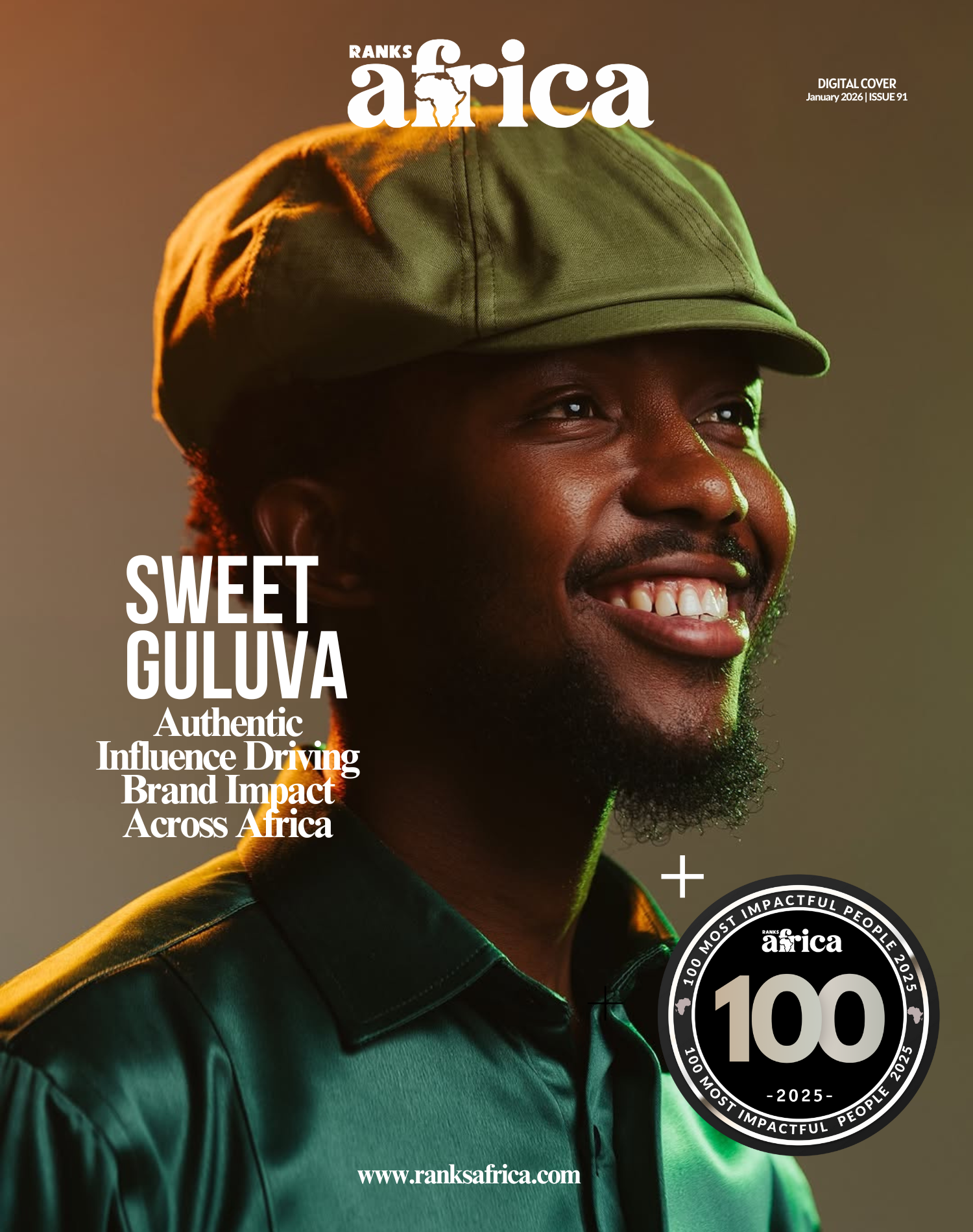
Africa100 2025: Sweet Guluva Authentic Influence Driving Brand Impact Across Africa

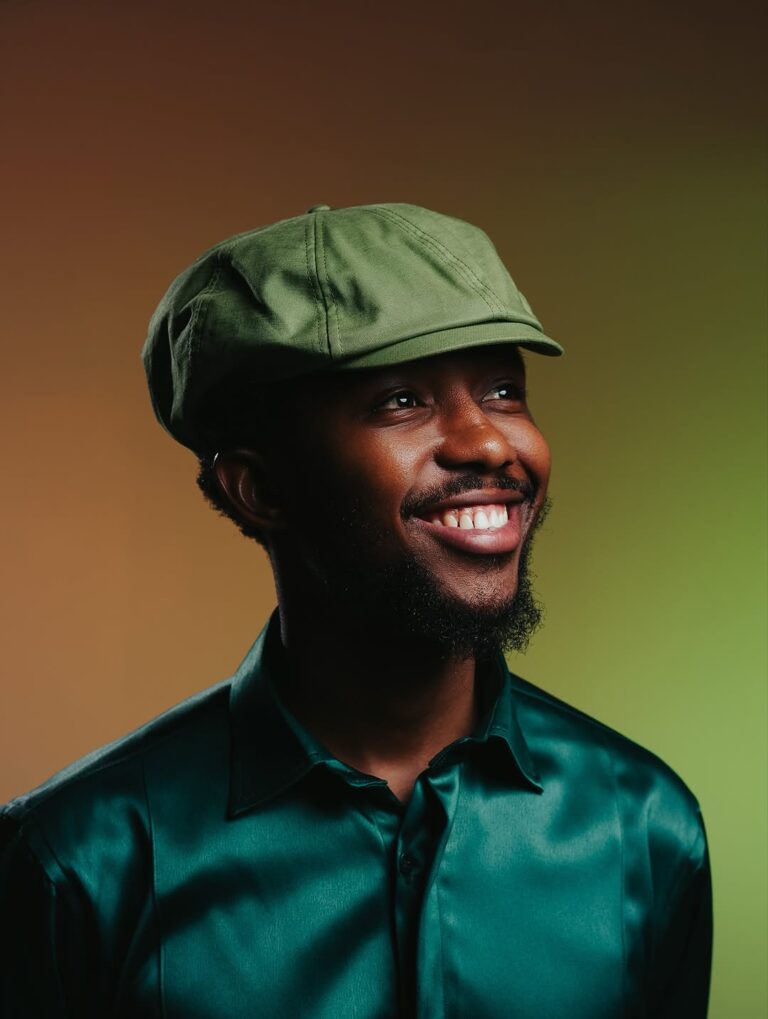
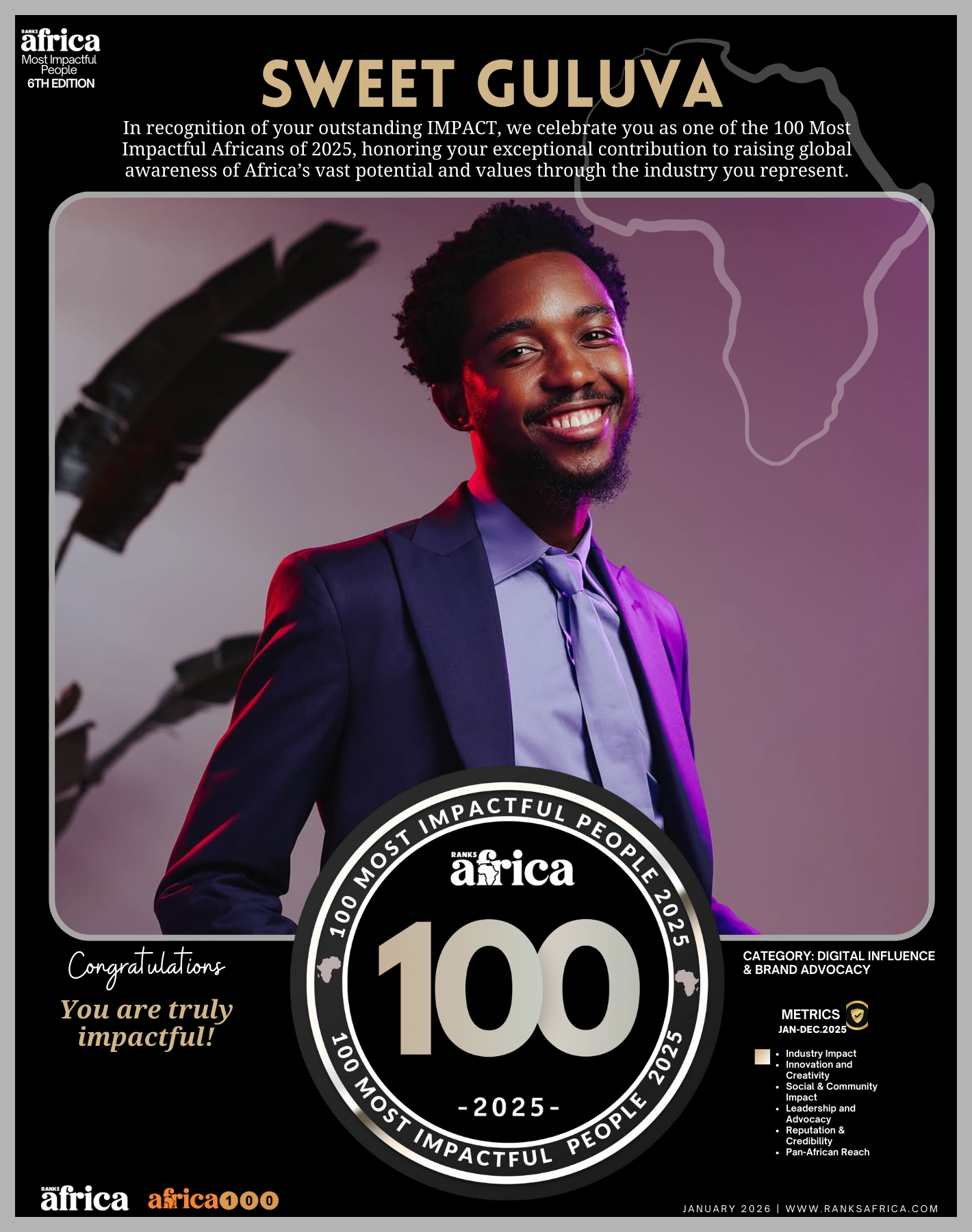
Sweet Guluva stands out as one of Africa’s 100 Most Impactful People 2025, recognized for redefining brand influence through authenticity, credibility, and trust. In an era where visibility is common but genuine impact is rare, he has built a reputation rooted not in hype, but in real connection and responsible advocacy.

Through his digital presence, Sweet Guluva has shown that influence carries responsibility. He promotes only brands he genuinely uses and believes in, earning the confidence of both audiences and industry leaders. This principled approach has positioned him as a trusted voice in brand influence and advocacy across Africa.

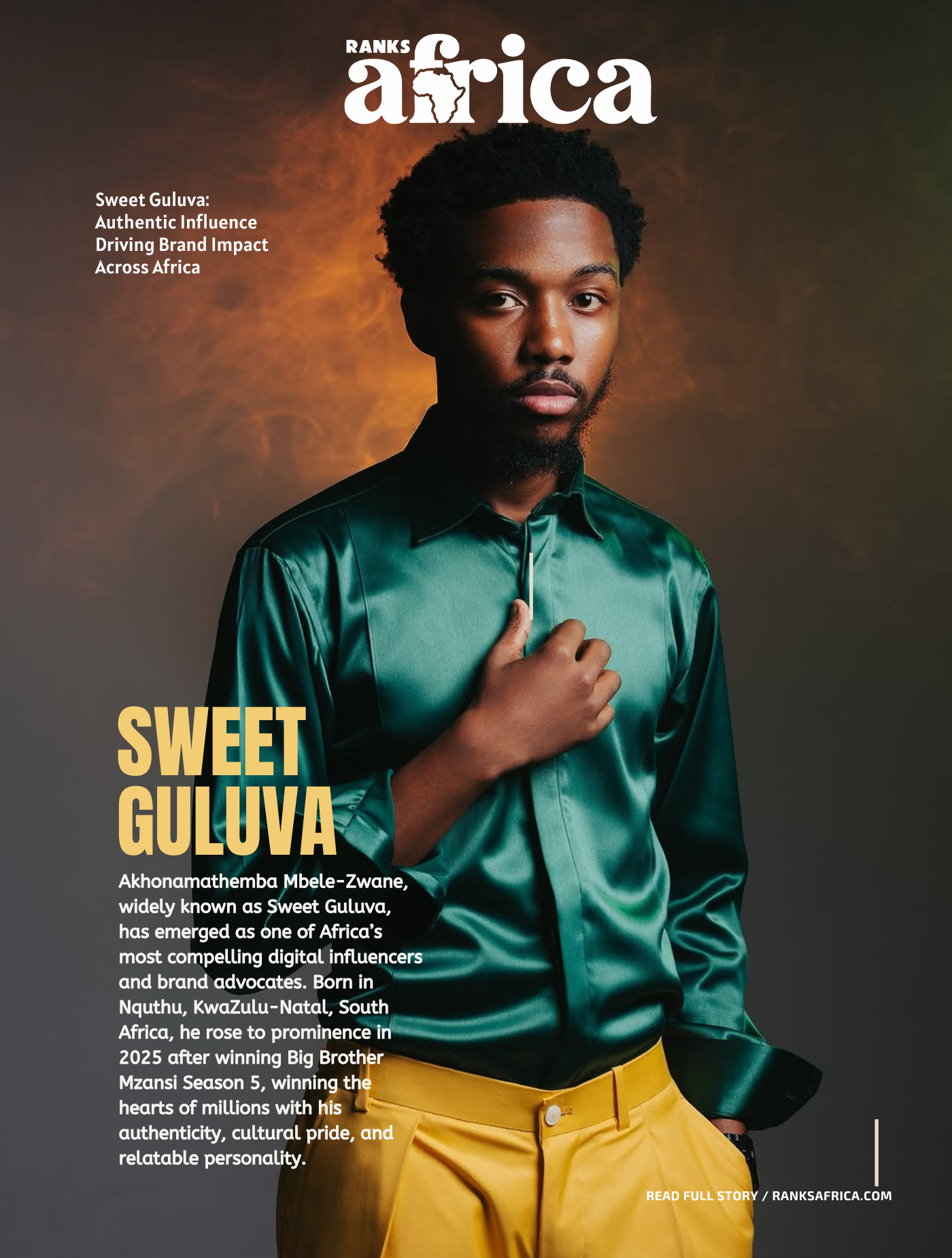
Akhonamathemba Mbele-Zwane, widely known as Sweet Guluva, has emerged as one of Africa’s most compelling digital influencers and brand advocates. Born in Nquthu, KwaZulu-Natal, South Africa, he rose to prominence in 2025 after winning Big Brother Mzansi Season 5, winning the hearts of millions with his authenticity, cultural pride, and relatable personality.

From the moment he stepped into the public spotlight, Sweet Guluva distinguished himself by staying true to who he is. He communicates openly in isiZulu, embraces his roots, and connects with his audience in a way that feels genuine and unforced. This authenticity has been the foundation of his rapid rise as one of the most trusted digital voices among young Africans.

Beyond reality television, Sweet Guluva has become a powerful force in brand influence and brand advocacy. He has partnered with several major brands across media, telecommunications, fashion, lifestyle, and consumer goods. What sets him apart in the influencer space is his personal rule of never promoting what he does not personally use or believe in. This approach has strengthened trust with his audience and delivered strong value to the brands he represents.

Sweet Guluva’s brand influence is rooted in alignment rather than visibility. He chooses partnerships that reflect his values, lifestyle, and lived experiences, making his endorsements feel natural and credible. His audience responds not just to his popularity, but to the honesty and consistency behind every collaboration.

In addition to commercial influence, he uses his platform to inspire young people across Africa. Through community engagements, youth-focused campaigns, and public appearances, he encourages self-belief, discipline, and authenticity. His story serves as proof that staying true to oneself can open doors to global opportunities.

Expanding beyond influencing, Sweet Guluva has also ventured into music and acting, further strengthening his cultural relevance and creative reach. His growing presence across entertainment platforms reinforces his position as a multidimensional African talent with lasting influence.

Sweet Guluva represents a new generation of African brand influencers, one defined by integrity, cultural pride, and meaningful impact. His digital presence, strategic partnerships, and commitment to authenticity make him a deserving honoree in the Brand Influence and Brand Advocacy category of Africa’s 100 Most Impactful People 2025.

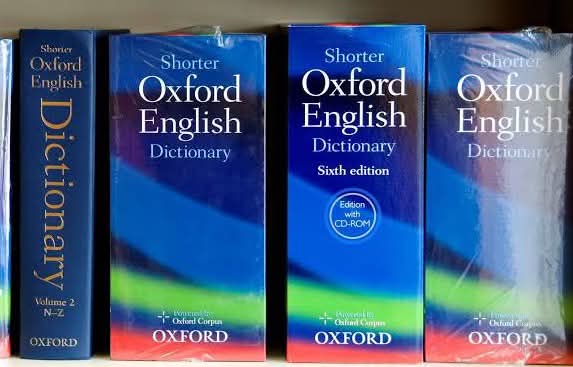
Oxford English Dictionary Adds 22 New West African Expressions in 2026 Update, Strengthening Global Recognition of Regional Culture

0

The Oxford English Dictionary has unveiled its 2026 update, confirming the inclusion of 279 new words and expressions. Among these are 22 drawn from Nigeria and several West African countries, marking one of the most culturally diverse updates the dictionary has published in recent years. The announcement was made through the OED’s official X account, where the editors highlighted the influence of West African culture on global language use.


The new entries reflect linguistic contributions from Nigeria, Ghana, Ivory Coast, Sierra Leone, Senegal and Togo. Many of the selected words have grown beyond local usage, gaining recognition through music, film, diaspora communities, social media and international reporting. According to the editors, the decision to include these expressions followed years of documented appearance in global English contexts.


Nigeria accounts for a significant share of the additions. Words such as abeg and biko, long used in everyday communication, were recognised for their role in shaping contemporary informal English across West African communities. Cultural expressions including Ghana Must Go, a familiar term tied to a popular woven bag, and Mammy Market, associated with informal commercial spaces near military and public institutions, were also added due to their presence in media and public life.


Food-related entries such as Amala and Moi Moi reflect the increasing visibility of Nigerian cuisine. These dishes now appear frequently in international food writing, culinary tourism and diaspora restaurants, making their inclusion a natural step for the editors. The addition of nyash, a colloquial term rooted in Pidgin and Nigerian popular culture, indicates a growing acceptance of regional slang within formal linguistic records.


One of the most notable entries is Afrobeats. The term has become central to global music culture, tied to an industry that now produces some of the world’s most streamed and toured artistes. Its inclusion in the OED confirms its position as a recognised global genre, no longer confined to African or diaspora audiences.


Ghana also received strong representation. Kpanlogo, a traditional dance and musical style, and dishes like Light Soup and Ampesi were included for their cultural and culinary significance. Abrokyire, a Ghanaian term used to describe the overseas diaspora experience, reflects language shaped by migration and global mobility.


The OED editors stated that their goal is to document how English evolves across regions, communities and generations. As West African media, cuisine and music continue to expand internationally, the language tied to them naturally finds its way into global English. This update demonstrates the growing impact of West African culture on the world stage and the dynamic way language adapts to reflect lived experience.

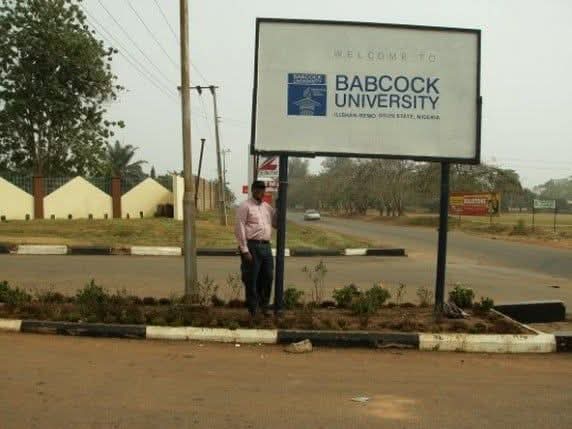
Babcock University Introduces New Grooming Rules Ahead of Examinations

0

Babcock University has released a new set of grooming standards for students, with particular focus on haircuts and personal appearance. The announcement was issued ahead of the institution’s upcoming examination period.


The directive, signed by Olanivi Arije, Vice President of Student Development, stated that all previously issued hair passes have been cancelled. The university explained that enforcement of the updated guidelines will begin immediately and will apply to every student entering examination halls.


Under the revised policy, male students are prohibited from keeping dreadlocks, long hair or beards. The university noted that all hairstyles must align with what it described as a clean and modest appearance suitable for an academic environment. Female students were also reminded to maintain simple and coordinated grooming in accordance with the institution’s existing rules.


The administration said the updates are part of its effort to maintain discipline and preserve the institution’s identity. The notice added that compliance will be checked at all examination entry points and that students who fail to meet the grooming requirements may be denied access.


The announcement has generated discussion among students and parents, with some describing the changes as restrictive while others see them as a continuation of the school’s long-standing code of conduct. The university is expected to issue further clarification as examinations draw closer.

U.S. Military Intervention in Venezuela Revives a Long History of Global Force and Exposes Gaps in International Accountability

0

U.S. Military Intervention in Venezuela Revives a Long History of Global Force and Exposes Gaps in International AccountabilityThe January operation in Venezuela, which ended with the capture of President Nicolás Maduro and his wife, has become one of the most consequential episodes in modern hemispheric politics. It has also reopened an older debate about the global role of the United States, a country whose military footprint has touched nearly every continent over the past century.


The strike on Caracas and surrounding regions signaled a direct use of force, followed by the removal of a sitting head of state without international authorization. The United Nations Human Rights Office described the action as a breach of the UN Charter, which prohibits the use of force against the territorial integrity or political independence of another state. The United States, for its part, justified the intervention by pointing to criminal indictments against Maduro and by presenting the operation as a continuation of anti-narcotics and national security efforts. The legal dispute that followed reflected a familiar divide between Washington’s interpretation of self-interest and the international community’s reliance on consensus-driven rules.


The reactions were immediate and broad. Governments across Africa, Asia, Europe and the Americas issued statements of concern. Diplomats at the UN Security Council warned that unilateral military action, especially when directed at a head of state, undermines the stability of global norms. Venezuelan representatives described the event as an armed attack rather than a lawful enforcement action, while civil society groups across Latin America argued that the intervention revived memories of earlier U.S. involvement in regional affairs.


To understand why this episode has drawn such intense scrutiny, it helps to place it within the larger pattern of U.S. military engagement around the world. Over the last century, the United States has carried out interventions in Central America, the Caribbean, the Middle East, Southeast Asia, North Africa and beyond. Although the circumstances differ, the interventions often shared certain features. They were undertaken without explicit authorization from multilateral bodies, justified by national security concerns, and followed by long debates over legality and legitimacy.


In Latin America alone, the early twentieth century saw repeated deployments in Haiti, Cuba, the Dominican Republic and Nicaragua. During the Cold War, the United States supported or carried out actions in Guatemala, Chile, Grenada and Panama. In each instance, Washington cited threats to regional order or ideological conflict, while critics pointed to sovereignty violations and the long-term consequences for local political systems.


Beyond the region, the pattern continued. The Vietnam War, the invasion of Iraq, the intervention in Libya and numerous smaller operations in Asia and Africa shaped global perceptions of U.S. foreign policy. Supporters argued that these actions countered security threats, upheld alliances or prevented humanitarian disasters. Opponents maintained that they disrupted political structures, deepened instability and often bypassed international law.


The Venezuelan operation stands out not only for its direct removal of a head of state but also for the conditions surrounding it. Months of military pressure preceded the strike, including a naval build-up, targeted strikes on suspected trafficking sites and economic measures against the country’s energy sector. These actions formed a campaign that went beyond diplomatic or economic influence and edged into continuous coercive force.


Analysts have noted that the international system faces challenges when powerful states act without collective approval. The UN Charter outlines clear limits on the use of force, yet enforcement depends on the very states whose conduct is regulated by those rules. Security Council veto powers further complicate matters, as major nations can shield their own actions from institutional oversight. The result is a framework in which the principle of sovereignty is widely endorsed but unevenly applied.


The consequences of the Venezuelan intervention will continue to unfold. The legal process in the United States, the political aftermath in Venezuela and the diplomatic responses across the world will shape how this event is remembered. What remains certain is that the operation revived fundamental questions about the balance between national power and international law. For some, it reinforced concerns about a global order unable to restrain unilateral action. For others, it illustrated the difficulties of addressing complex transnational threats within a legal system created in a different era.


As the international community examines the implications, the Venezuelan case may become a reference point for future debates about sovereignty, intervention and the boundaries of state conduct. It may also prompt renewed discussion about reforming global institutions to respond more consistently to the use of force, regardless of the country involved.

‘Pastor Chris Okafor Raped, Impregnated Me At 15, Then S*xually Assaulted Our Child Years Later’: Ex-Church Member Accuses Lagos-Based Cleric

0

In a harrowing interview, a 36-year-old former church member, who identified herself as Ama, accused the flamboyant televangelist of raping her when she was a 15-year-old choir girl, fathering a child he abandoned, and years later, sexually assaulting that same daughter.


According to Ama, her ordeal began in late 2004 at Okafor’s residence on Bashiru Street, Ojodu-Berger, Lagos. After delivering snails there as an offering from her mother, she was summoned back days later.


“He said he was done with the snails and asked me to come see him,” Ama recounted.


“He said he was done with the snails and asked me to come see him. I finished quickly and went to the lounge. He then came out and asked me to come inside his room,” she said.


“It was his bedroom. There was a bed and a table in front. He asked me to sit. He thanked me for washing the snails and appreciated my mother.”


What followed, she said, was a violent assault. “Suddenly, he touched me inappropriately. I asked, ‘What is this?’ He then locked the door. I was scared and said, ‘Please, I have not done this before.’


“He told me to calm down and said he liked me. I told him to leave me alone.


“He pushed me on the bed. I could not overpower him. Before I knew what was happening, I went blank. When I recovered, I was on the floor, bleeding. I cried, asking what I had done to deserve this.”


‘He Claimed The Holy Spirit Said I Was His Wife’


In the traumatic aftermath, Ama alleged that Okafor immediately used his religious authority to confuse and control her.


She said, “He asked me to clean myself. While I was crying, he brought out a jotter. On the back was something written in pencil. He held my shoulder and asked me to look. He verbally told me that the Holy Spirit said I was his wife.


“I did not know what to say or do. I dropped the jotter on the bed. When he left, I looked again and read the pencil: ‘Amarachi, you are my wife, says the Holy Spirit.’ He told me to go to the restroom and clean up. I did. I left, crying.”


The pastor allegedly warned her that he was a prophet and nobody should speak against him.


“He said if I told anyone, something bad would happen. He warned me never to mention what happened to anybody,” she said.


Confusion, Fear, and Silence


Ama described the fear that engulfed her.


“The fear I had in me was overwhelming because I was young. I didn’t know what to do. I couldn’t tell my left from my right. I was confused and disoriented, but I managed to get home that way,” she said.


By the second month, Ama noticed changes in her body. She said she confided in a trusted relative.


She said, “I called her and said I didn’t know what would happen to me, but I needed to say it. I told her what happened when I went to my pastor’s house. She screamed. She told me to wait and said she would come. When she arrived, she said she was in a hurry and asked how we could maintain my mother’s peace. That was always my biggest concern-my mother.”


Ama further alleged that the pastor tried to force her to have an abortion, saying, “He gave me money and told me to go to a hospital to terminate the pregnancy. I refused. I told him I couldn’t do it. My exams were coming up in two days.


“He begged me. He reminded me that he was a pastor and a prophet. He said the pregnancy must not stay. I told him I couldn’t do it. At that time, there were many rumours of people dying from abortions. Even on my street, people talked about it a lot. I was scared.


“He told me not to forget that he was a prophet and that he would pray for me so that nothing would happen. He said I should forget everything and trust him. I left in fear.”


My Daughter Said Her Daddy Assaulted Her Too’


Years later, under family pressure, Ama allowed Precious to live with Okafor. The arrangement quickly broke down, with access denied and the child reporting neglect.


Despite her resistance, Ama said family pressure, based on his wealth and claims of responsibility, led her to allow the child stay with him temporarily, on the condition that she could visit freely.


“There were times he pressured me heavily. I told my mother what he was saying. Some family members felt that since he had money and claimed he wanted to take responsibility, I should allow the child go to him, considering how much we had struggled. Eventually, under pressure, I took her there,” she said.


For a short period, this arrangement worked, but access to her daughter was soon restricted. Ama said she was repeatedly denied visits, sometimes begging security guards for a glimpse just to briefly see the child.


She alleged the child was deliberately hidden to avoid suspicion.


The situation reached a catastrophic point when Precious confided in her mother.


She said, “Later, my daughter called me, crying, saying something was wrong and that she needed to see me before she left the house. I finished what I was doing and left immediately.


“When my daughter was finally with me, she opened up fully. She told me how she was treated differently, how she was denied food, how she was constantly told to leave the house, and how she never felt like she belonged. She said there were no pictures of her among the family photos, and it made her feel unwanted.


“I reassured her that she would not return there, that she was safe now, and that everything would be okay.”


“She later opened up to me how her father had been sexually assaulting her (Pastor Chris) too in multiple instances during all her stays with him,” she said.


The alleged assaults occurred when Precious was about 14 years old.


“He assaulted her around 2019 and early 2020 when she was barely 14 years old,” Ama stated.


Traumatized, Ama focused on her daughter’s safety.


“It was a very traumatic news for all of us then, this is because the assault happened almost around the same age that I was raped by this same man. We had the option of raising alarm then. But she didn’t want anything that could affect the child emotionally or psychologically,” she said.


“Hence, we opted to quietly take the child away per the child’s request and her safety. The child was about to take her WAEC exam (West African Senior School Certificate Examination – WASSCE), and the situation was very similar to my experience. These were what formed our decision to take the child away from his house immediately so she could continue her school.”


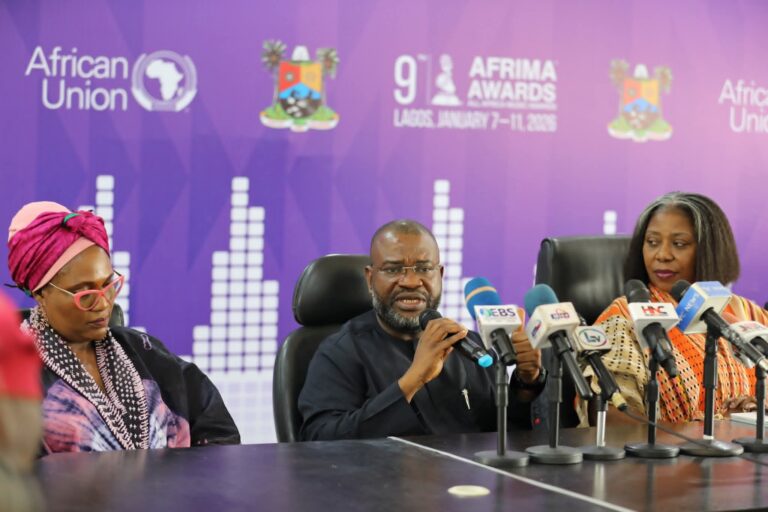
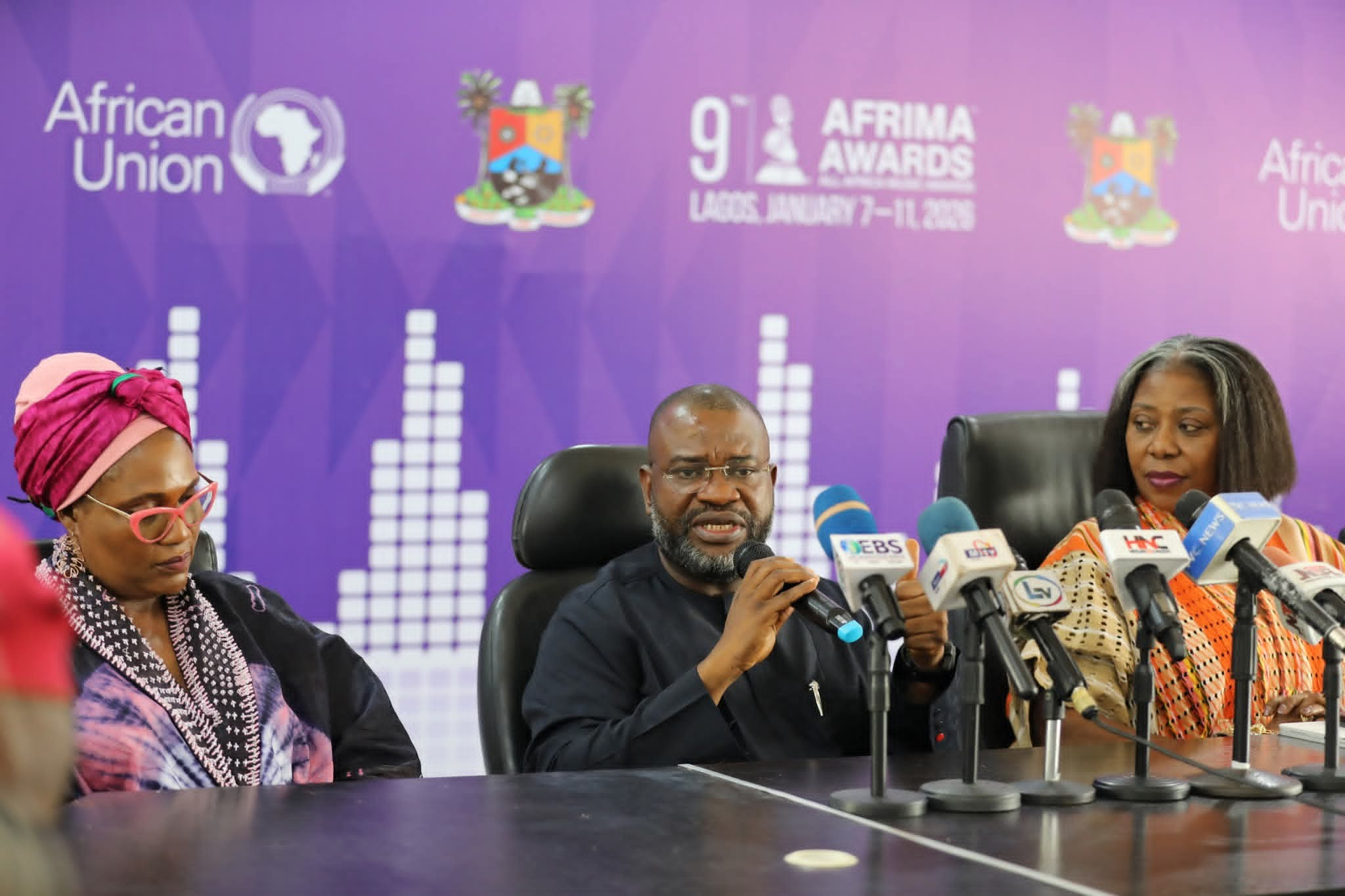
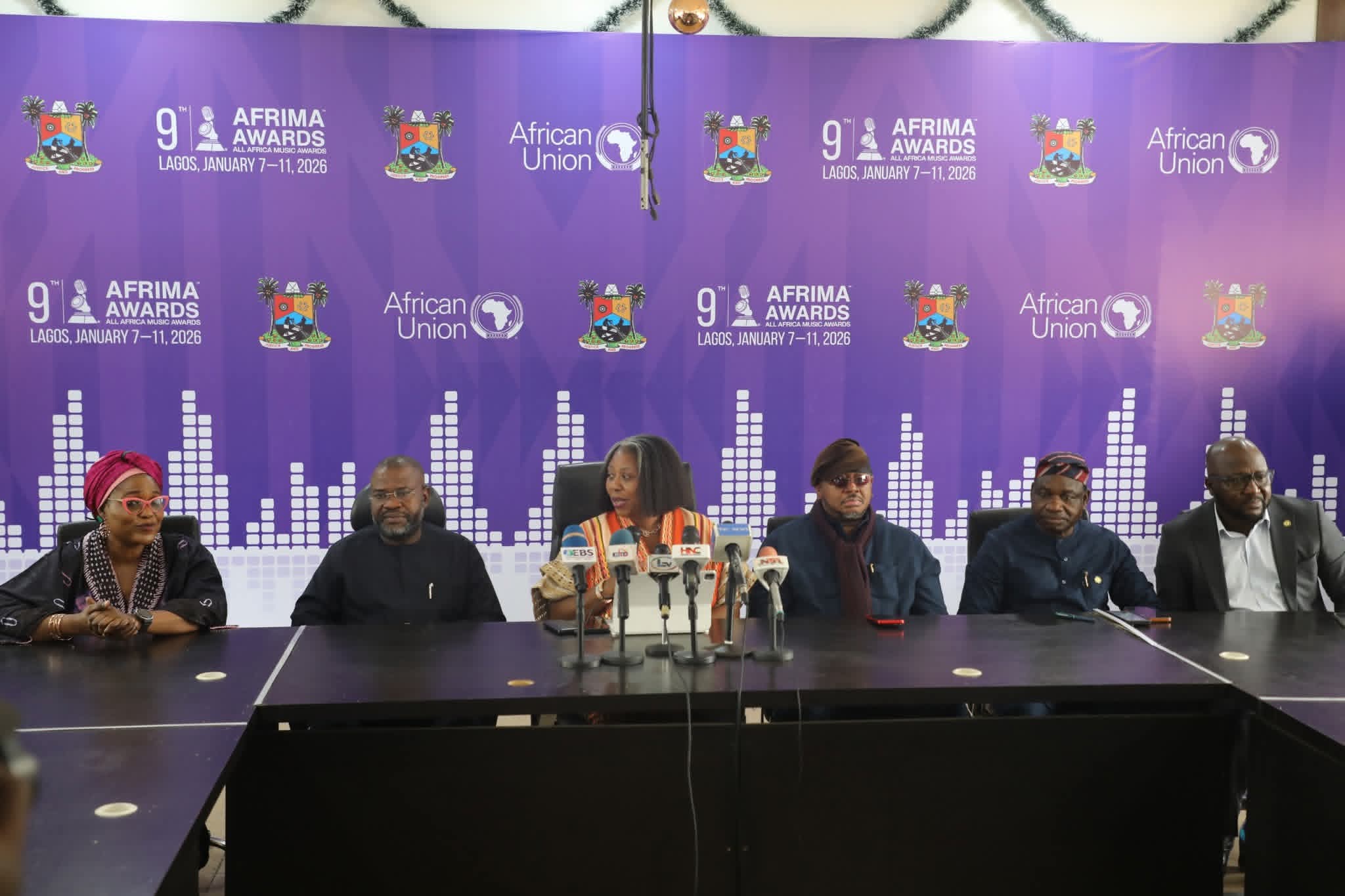
AFRIMA: We’re expecting over 418 artistes, delegates in Lagos for 9th edition

0

Lagos is set to welcome the African music community as the host city for the 9th edition of the All Africa Music Awards (AFRIMA).


The event’s organisers announced on Wednesday that over 418 artistes and delegates from across the continent are expected to converge on the metropolis for the six-day celebration of African music and culture.

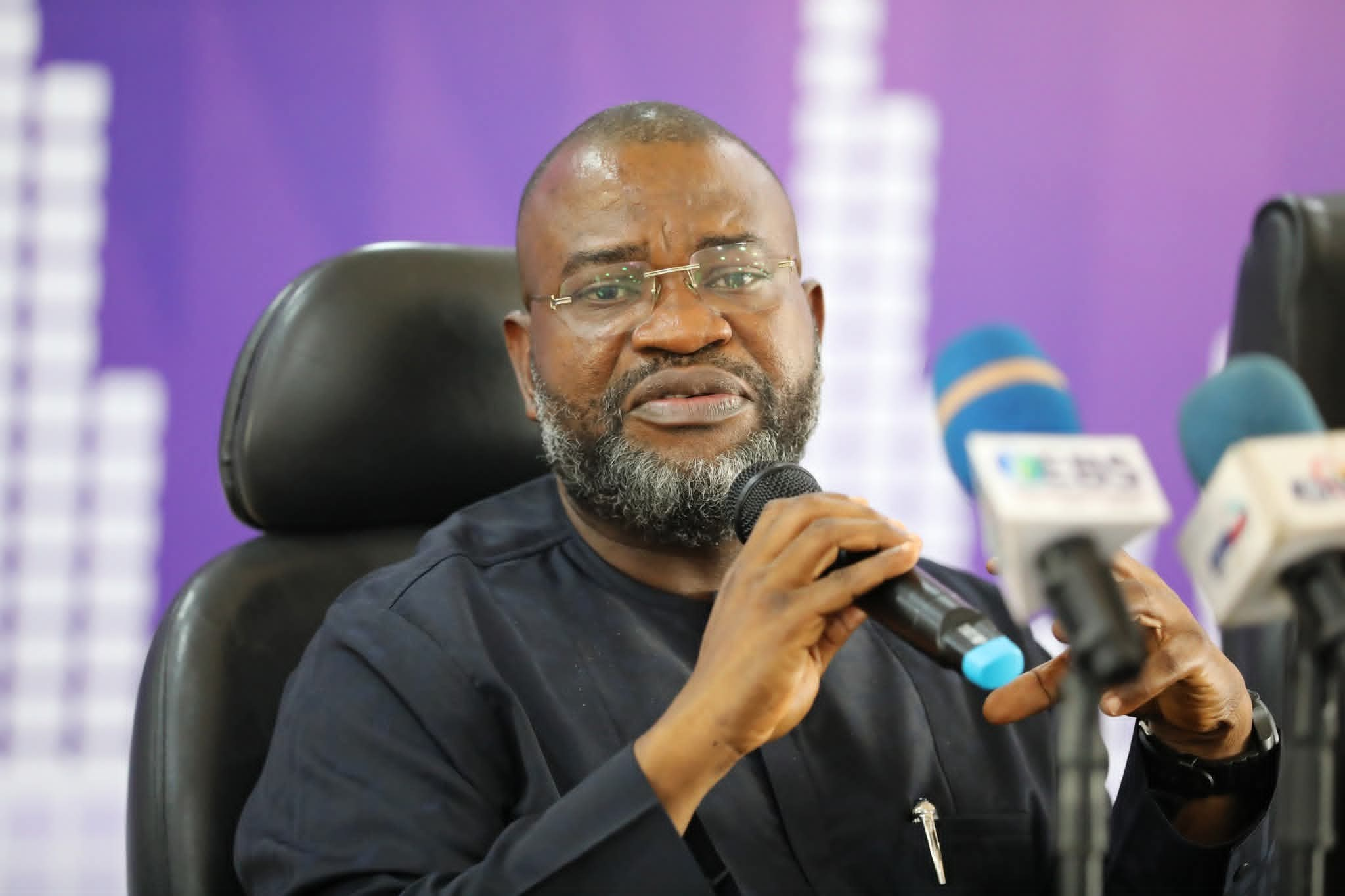
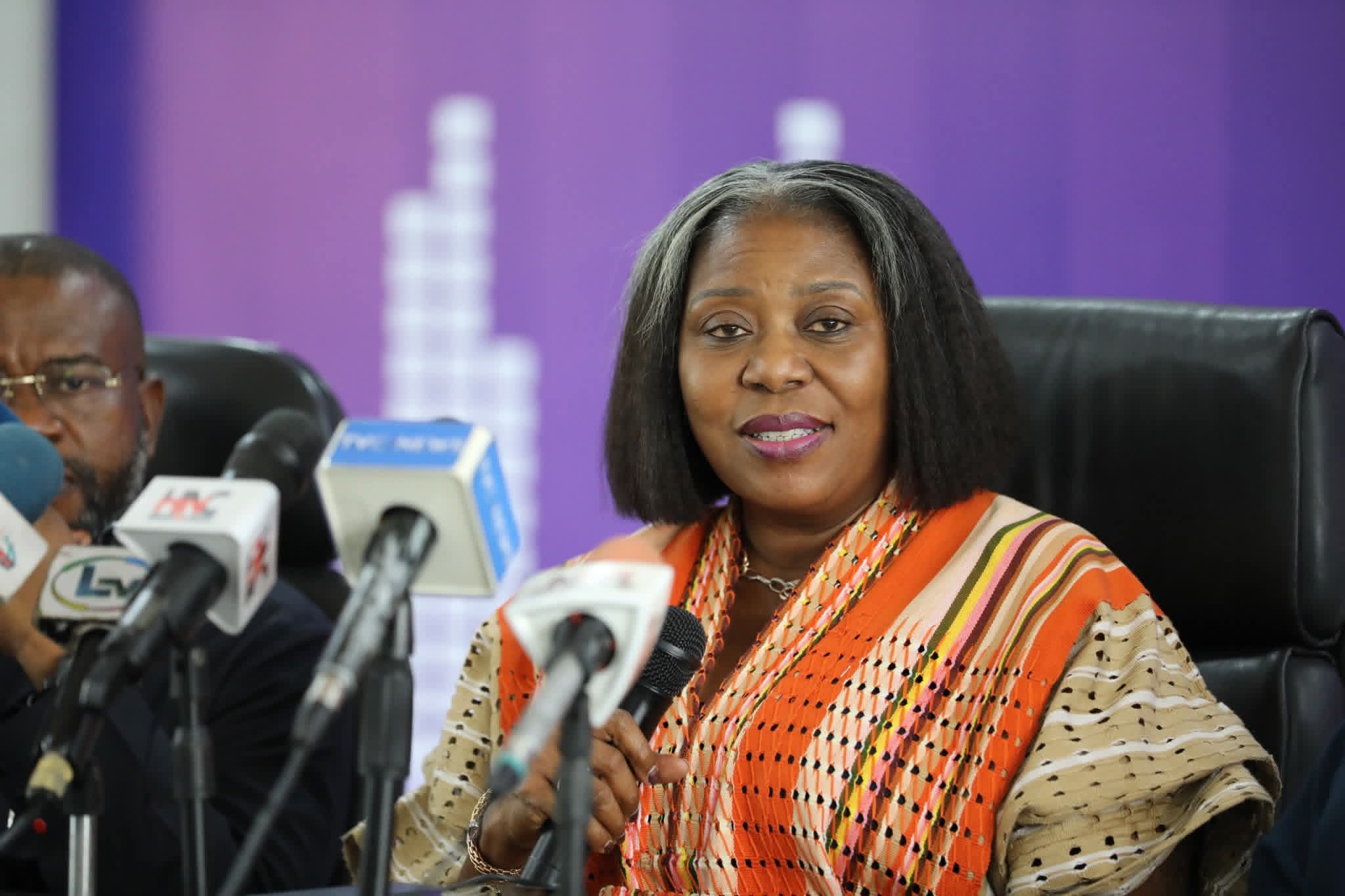
Speaking at a press briefing in Lagos, the Producer of AFRIMA, Mike Dada, emphasized the continental scale and vision of the awards.


“We would be streaming the award event across 84 countries. We would also be having over 418 come into Lagos for the award event,” he said.

AFRIMA is organised in partnership with the African Union and the Lagos state government. The award ceremony is designed not only to celebrate artistic excellence but also to spotlight and stimulate the continent’s music economy.

“We would be having other key events including Africa Music Business Summit(AMBS), Music Village which would be headlined by Femi Kuti, and a lot more,” Dada added.


“As an award body, we have honoured artistes from over 40 African countries since our inception. We also have 40 categories in both regional and continental including special recognition for music and legends whose careers shaped African Music.”


Echoing the spirit of partnership, Toke Benson-Awoyinka, Lagos state commissioner for tourism, arts & culture, expressed the state’s enthusiasm for hosting the event.


“Lagos is a centre for entertainment, and culture. Everyone is excited to host Afrima this year because it makes us shine even brighter as the destination of arts and culture in the world,” she said.


#9thAFRIMA