

Home Blog Page 382

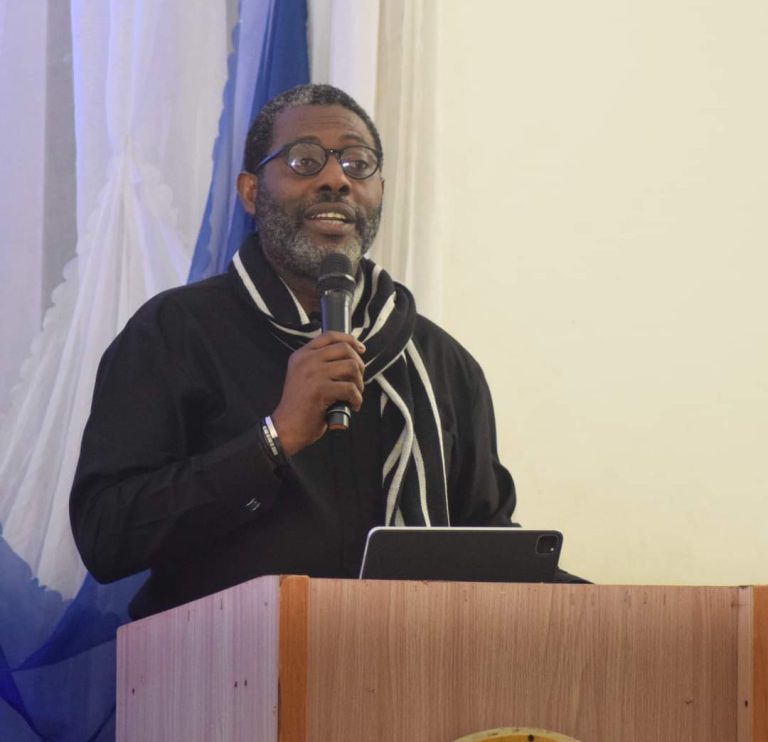
Filmmaker Femi Odugbemi, winner of LSA Distinguished Personality Award and Keynote Speaker of LSA 2023, gave the Keynote Address at the “Colloquium on Media Convergence” held at Dominican University in Ibadan last Friday.

Filmmaker Femi Odugbemi, winner of LSA Distinguished Personality Award and Keynote Speaker of LSA 2023, gave the Keynote Address at the “Colloquium on Media Convergence” held at Dominican University in Ibadan last Friday.


Here is the text of the lecture:

Colloquium on Media Convergence at Dominican University Ibadan.

MEDIA CONVERGENCE: CONNECTIONS AND DISCONNECTIONS.

VIRTUAL KEYNOTE ADDRESS BY THE FOUNDER/CEO OF ZURI24 MEDIA FEMI ODUGBEMI, AT THE ONE DAY COLLOQUIUM ON MEDIA CONVERGENCE IN POSTCOLONIAL LOCATIONS HELD AT DOMINICAN UNIVERSITY, IBADAN ON 11TH AUGUST 2023.

Distinguished Ladies and gentlemen,

Let me begin with thanks to the esteemed Vice-Chancellor of Dominican University, Prof. Hyginus Ekwuazi, and to Prof. Tony Adah for the privilege to participate in this conference.

I am indeed very excited by the focus of the colloquium because of how media convergence resonates across all aspects of our lives, intertwining technology, communication, and society in ways that challenge our perceptions and enrich our experiences. And as we navigate its ever-expanding landscape, we find ourselves constantly at the crossroads of innovation and a new era of possibilities.

The big question that constantly confronts us is, are we ready for the next iteration of the digital future?

Media convergence has shaped the economic dominance of world powers in the 21st century. The United States of America has companies like Microsoft, Apple, Google, Facebook, Twitter, YouTube, Amazon and legions of tech start-ups piggy backing these big global gorillas. They have transformed governance, entertainment, communication, and commerce. In the United Kingdom, London has become the biggest multi-cultural hub in Europe for digital startups and creative entrepreneurs designing smart solutions for every conceivable demand of contemporary living. Mumbai in India mirrors London exactly in this regard. Japan’s early adoption of mobile internet and digital technologies positioned it as a global leader in media convergence. The country’s mobile culture gave rise to services like mobile payments, QR codes, and multimedia messaging, which have since influenced trends worldwide. South Korea has seamlessly integrated media technologies. It boasts one of the fastest and most widespread internet connections in the world, fostering innovative services and platforms, from online gaming to video streaming in a robust digital economy. Sweden’s successful adoption of digital media propelled it onto global tech presence with companies like Spotify, Skype, and Minecraft showcasing the country’s ability to harness media convergence for both cultural and economic impact. In China platforms like WeChat and TikTok and others offer a digital ecosystem that combines messaging, social networking, mobile payments, and more, reflecting the country’s integration of various media technologies.

Africa, despite our many challenges, have also made quantum leaps in development in the last 30years from the benefits of convergence. Kenya’s M-Pesa, a mobile money transfer service, is a prime example of how media convergence has transformed financial services, enabling rural and urban people to transfer money, pay bills, and access financial services through their mobile phones. The entire region of east Africa have achieved a high digital penetration and financial inclusion because of M-Pesa. With a more developed technological infrastructure compared to some other African countries, South Africa has advanced the growth of e-commerce, digital media consumption, and online education. Rwanda’s government invested heavily in digital infrastructure to digitize public services and promote e-governance through its “Smart Rwanda” initiative. And despite the proud incoherence of our economic planning, Nigeria has seen advancements in different sectors of our economy because of entrepreneurial opportunities and commercial possibilities of media convergence. It certainly has had a profound impact on how our businesses do business. You just need to see the number of daily transactions of goods and services that are done on Instagram alone. A whole new tribe of entrepreneurs have virtual storefronts on different social media apps, and conclude huge cash transactions via online financial portals like O’Pay. Even the recently incarcerated King of Instagram himself, Mr. Hush Puppy thrived in his nefarious trade on the wings of convergence.

But surely, no sector in Nigeria has been more served by media convergence as Nollywood, especially in how it has significantly influenced a reimagination of its possibilities from creation to distribution. It is well-told history that Nollywood’s beginnings was born of digitalization and media convergence. Fueled by the accessibility and affordability of consumer video technology filmmakers and storytellers were able to create movies with modest budgets, using their ingenuity and resourcefulness. This organic, self- trained film culture has steadily expanded in lock-step with media technology. Convergence gave Nollywood access and today Nollywood has experienced unprecedented growth and creative success. Let me count the ways:

1. Increased Accessibility and Distribution: The proliferation of digital platforms, streaming services, and social media has made it easier for Nollywood films to reach a global audience. Through platforms like Netflix, Amazon Prime, Iroko and YouTube, Nollywood movies have gained exposure far beyond our domestic market, contributing to increased revenues and international recognition.

2. Enhanced Production and Storytelling: Media convergence has allowed Nollywood filmmakers to access cutting-edge technologies, improving production quality and storytelling techniques. High- definition cameras, sophisticated editing software, and visual effects tools have enabled Nollywood to compete with international film industries, resulting in higher production values and more engaging narratives.

3. Globalization of Nigerian Culture: With media convergence, Nollywood has become a powerful voice in post-colonial media narratives showcasing Africa’s unique stories and worldview. Themes, traditions, and stories unique to Nigeria are now accessible to global audiences, fostering cultural exchange and understanding.

4. Diverse Revenue Streams: The old Nollywood revenue model or ‘Nollywood market’ has evolved radically. Media convergence has opened up opportunities for revenue generation through theatre releases, broadcast licensing, video-on-demand services, international subscription platforms, international language dubbing

distributors, and collaborations with global brands for product placements. Through social media platforms a Nollywood star-system has also emerged with many Nollywood stars earning big as influencers and brand ambassadors.

5. Innovation in Marketing and Promotion: Social media platforms and digital marketing strategies have transformed the way Nollywood movies are promoted. Filmmakers can now engage directly with their audience, build anticipation, and create viral campaigns that drive interest in their productions.

6. Talent Exposure and Networking: Media convergence has facilitated networking opportunities for Nollywood professionals. Through online platforms, actors, directors, and other creatives can connect with their counterparts globally, leading to potential collaborations and skill-sharing.

7. Data-Driven Decision Making: Digital platforms provide valuable data insights into audience preferences, viewing patterns, and engagement levels. Nollywood filmmakers can analyze this data to tailor their content, ensuring it resonates with their target audience and improves future productions. The DSTV/Multichoice channels have smart decoders from which real-time data of viewing patterns and audience ratings are harvested and used to design the narrative arch of their premium programmes. The mobile app DSTV Now is the best example of how convergence has personalized programming to the viewing habits of every individual subscriber across the continent.

8. Crowdfunding and Independent Filmmaking: Convergence has paved the way for crowdfunding platforms, allowing independent filmmakers to secure funds for their projects directly from interested institutions and individuals. This democratization of financing has given rise to a new wave of innovative and diverse storytelling in Nollywood.

And that is the best part, that Convergence is inspiring the creation of diverse content and genre to cater to different audience preferences, expanding the storytelling capacities of our industry’s generation-next. Nollywood today is working harder to broaden its genre and to produce films that resonate the best of Africa’s heritage, history and heroes. And that is incredibly valuable because it will platform African films to challenge stereotypes and present a more authentic post-colonial understanding of the continent to the world.

I do not know too much about the educational sector in Nigeria but from my little stints facilitating at a couple of our universities, I am aware that many forward-looking tertiary institutions like Dominican University are enabled because of media convergence to integrate interdisciplinary programs, foster digital literacy, and collaborate with industry professionals just as we are doing virtually right now. Media convergence is impacting scholarship today by requiring a more holistic understanding of various media forms, encouraging cross-disciplinary research, and enabling innovative teaching methods that incorporate multimedia elements. This prepares students for the evolving media landscape and equips scholars to explore complex topics from multiple angles. Naturally the impact extends in this regard to book publishing, academic papers, and publications. It has led to the rise of digital publishing platforms and e-books. Authors can now self-publish or collaborate with publishers to release their work in digital formats, reaching a global audience more quickly and affordably. And enabling the integration of multimedia elements such as videos, images, and interactive graphics into digital publications.

That media convergence has been a blessing is a self-evident fact.

It has played a pivotal role in modern civilization, offering a tapestry of advantages and value that resound across every facet of our existence. It has influenced individuals and societies to expand their horizons and catalyze innovation. From news dissemination to

entertainment, education to communication, media convergence seamlessly integrates diverse platforms and technologies, enhancing accessibility and interactivity. This convergence not only deepens our understanding of the world but also propels us to imagine, to create, and innovate beyond conventional boundaries. Its capacity to connect, educate, and inspire is boundless, underpinning the very essence of progress. The challenges, or ‘disconnections’of media convergence though, are what I also hope will be confronted with some vigour as well in this conference, because they are real, formidable, and just as impacting globally in the most pernicious dimensions. Whilst convergence has reshaped the way we access important information, it has also brought to light the fragility of truth in the digital age. In a time where information is abundant, the veracity of facts has become elusive, and truth has become its biggest casualty. While media convergence has expanded access to information, there are complexities and concerns related to intellectual property rights and copyright infringement as content is shared and repurposed across various platforms. Clear attribution and usage rights are not always guaranteed. Convergent media also often involve the collection and sharing of user data, raising concerns about privacy and data security.

But the real motherlode is the proliferation of the dark arts of misinformation and fake news. The blurring lines between traditional journalism, social media, and user-generated content have made it challenging, even impossible these days to discern credible sources from unreliable ones. It has created a profound erosion of trust in the media. Our recent national election campaigns stand tall as a case-study. Many times an idiotic post on a random unverified Twitter account created sensational debates which morphs into headline news in the newspapers and soon enough there are pundits on television debating, and no one knows exactly how it began. Misinformation spreads faster and wider than accurate information due to its sensational or emotionally charged nature. And this makes it difficult for credible sources to regain control of the narrative. And the race for clicks, views, and engagement has created an environment where sensationalism often takes precedence over accuracy. Too many News outlets are driven by the need to capture attention in an overcrowded digital space, often leading to the distortion of facts for the sake of generating headlines. In this race, truth is the casualty, overshadowed by the pursuit of virality.

The echo chambers created by personalized algorithms exacerbate the problem. People are often exposed to content that aligns only with their existing beliefs, reinforcing biases and limiting exposure to diverse perspectives. This also hinders constructive dialogue and critical thinking. And the results of this we see every day online – a growing global tribe of sophisticatedly ignorant digital nomads.

Dark forces are taking control of the viral opportunities of convergence for nefarious purposes. Intentional misinformation and misrepresentation especially of history has become a legitimate weapon of choice in governance, business and even the arts. Trolling, hate, lies and bigotry are big business, powered by shady fifth columnists from everywhere and anywhere, protected by the anonymity of computer keyboards. And the personality cult of ‘influencers’ have spawned a cult of ‘followers’ who seem happy enough to outsource thinking to their digital devices. It is interesting to recognize that the great symbol of the power of media convergence today is the smartphone. These devices have seamlessly integrated various forms of media—text, images, videos, audio, and internet access—into a single device. And 40% of Africa’s urban elite, our best minds so to say, have one or more. It is the port of entry into their consciousness. And for the most part it is exclusively how they communicate, consume content, and access information, showcasing the profound transformation, impact…AND the clear and present danger that convergence represents to human civilization. All at once.

To counter these challenges, a multi-pronged approach is necessary. We must collectively prioritize media literacy and critical consumption of information. There has to be a way to hold social media platforms accountable without necessarily abridging the freedom of speech. Teaching our young people especially, how to discern reliable sources, fact-check claims, and think critically about the content they encounter is essential in the digital age. Additionally, I think the major media organizations in Nigeria must recommit to journalistic integrity, upholding the principles of accuracy, fairness, and transparency. As consumers of information, all of us must embrace our responsibility to seek out multiple perspectives and encourage debate and discourse. Maybe in doing these, we can counteract the echo chambers and contribute to a more informed and enlightened virtual space. Truth simply cannot be compromised for convenience. It is the foundation upon which a just and equitable world is built.

Technology must advance the cause of truth, not abridge it.

This is especially important because the world stands at the precipice of a technological revolution that is blurring the lines between the real and the digital, transforming the way we interact, learn, and create. Artificial intelligence, virtual reality, and augmented reality are no longer distant dreams but imminent realities that will redefine how we live and how we work. As a progression of media convergence, artificial intelligence will become our compass, guiding us through an ocean of data. It will empower us to personalize content, delivering exactly what we need, when we need it. AI’s ability to analyze vast amounts of data will provide us unprecedented insights, revolutionizing content creation and distribution. And as AI understands our preferences, it will curate our news, entertainment, and information, enhancing our experiences in ways we could have never imagined. Virtual reality and augmented reality are our bridges between worlds, offering immersive experiences that transport us beyond the confines of our physical reality.

With VR, we can step into historical events, explore far-off galaxies, or collaborate with colleagues around the world in virtual offices. AR overlays digital information onto our real world, enhancing everything from education to shopping. Imagine trying on clothes virtually or learning complex subjects through interactive holograms. The impact on how we live and work will be profound. Education will become personalized and globally accessible through AI-driven platforms, VR classrooms, and AR-enhanced textbooks. Healthcare professionals will utilize AR to visualize patient data during surgeries, while AI will aid in drug discovery and diagnostics. Manufacturing will see a revolution with AI-powered automation and virtual simulations improving product design and production processes. With these emerging technologies what is clear is that the world is transiting from an industrial economy driven by mechanical machines and human labour to algorithms, applications and artificial intelligence to create what will be an imagination economy. Everything is possible at the size, and depth of your imagination. Are we ready for the future?

To realize these promises fully, Nigeria must prioritize investments in digital infrastructure, expand internet access, and address affordability concerns. Our vast potential in this ever-evolving technology landscape confronts our diminishing economic fortunes with the receding revenue from oil. I believe with our vast consumer base, demand for digital content, innovative spirit, cultural diversity, and more, Nigeria can and should become a key player in the global digital landscape. The demand for digital content, entertainment, and communication services is high in Nigeria. With the right infrastructure we can create new revenue streams in our economy.

Our diverse culture and languages offer opportunities for localized content, apps, and services that offer solutions to local needs. Convergence will drive more economic empowerment and financial inclusion by providing access to information, education, and services to our underserved communities. Successful integration will inspire an even more dynamic digital economy. And in this economy, consumers are active participants, seeking out and consuming content that resonates with their interests and desires. Virtual and augmented reality technologies will further enhance these experiences, blurring the line between the real and the imagined. The new imagination economy will be about collaborations and cross- pollination of ideas and it will drive an even richer and more diverse innovation ecosystem. It also will demand vigilance and oversight. Governments, industries, and academia must come together to set standards, ensure inclusivity, ethics, and innovation. The future of media convergence is a landscape of infinite possibilities, and emerging immersive technologies will redefine not only how we consume media, but how we perceive reality itself.

Thank you.

###
 

JAGUN JAGUN:THE MODERN DAY SATIRE

1

JAGUN JAGUN:THE MODERN DAY SATIRE

Written by: Awoko Emmanuel Iyanuluoluwa


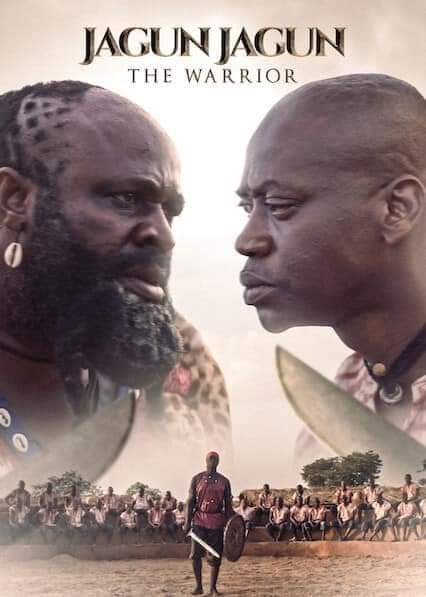
Recently, a Nollywood movie titled Jagun jagun was produced by a veteran Nigerian actor known as Femi Adebayo. The movie trends based on the general perception that Yoruba movies are coming up. However, from my own perspective, Jagun Jagun is a current-day satire. The movie communicates a heavy approach to politics, power, subjectivity, societal influence, egocentrism, and all other salient issues that Nigeria is battling with.


In case you don’t have the full knowledge of what satire means, this is a short hint about it. According to Advanced English Dictionary, satire is the use of witty language in order to convey insult or scorn. Furthermore, literature emphatically broadens that satire uses irony in order to correct the ills in the society. While satire comes with the intent to correct, sarcasm shows itself with the intent to mock/ridicule the situation. Justifiably, Femi Adebayo uses Lateef Adedimeji to communicate the burden of the play at the resolution scene while along the line, other burdens were picked from some roles and scenes.


Typically and beyond the screen view, Ogundiji is a symbolic character and likewise, the rulers who roamed the surface of the villages. Also, Gbotija who later emerges as the hero in the play as well exhibits a great role. However, taking about each deed and role, Gbogunmi and Kitan are also depicted as victims of their society while Ogundiji joyously glorifies himself when he sees them fall.


To begin the analysis of each satire in the play in relation to Nigeria, I will be starting with the rulers in the play. About two or more characters are accused of illegally occupying a position/throne that they don’t deserve, however, through cheating, they have emerged as the “sitters” of these thrones. Also, about 80% of the rulers emit attributes that cannot be modeled after. All these notable actions are significant in Nigeria and they can be best related to Nigeria’s politics. Many of the controlling leaders of today are engrossedly satisfied with having power even when they don’t deserve the position. Particularly, it is satirical because Nigeria kept on being in the same shoe over the years, yet names and political parties are changing. The play, therefore, is perceived to be using the set of rulers depicted in satirizing a better political scene in our dear country because, in the play, each of these rulers failed in the system.


Another satire to examine is power. Ogundiji is alone best fit to examine the concept of manipulated power and in the cause of this, he influenced the lives of some characters negatively in the play. However, power can also be viewed from a good perspective in the life of Gbotija and Gbogunmi. Although, these characters at some point in time also misbehaved but despite their misbehaviors, both will be preferred because of their knowledge of considering humanity before taking decisions. To this, power at different central positions has always been getting manipulated. Related situations of excessive use of power in Nigeria can be seen in the way in which the masses are being treated. For example, the rise in school fees and the increase in the cost of daily living can be viewed as an act of abuse of power in Nigeria. In a country with an elected ruler, the expectation of the citizens is vested in him/her and if non-correlative result is seen, and negligence is in view, this calls for a check, right? Yeah. That is, only manipulated power can be checked when wrongly used.


Also, a dominant satirical effect in the play is subjectivity. In the movie Jagun Jagun , a large number of villages, kings, and youths are subjected to the threat of Ogunjimi. This scenario tackles the principle of godfatherism in Nigeria. In years past, every generation of rulers will always have someone whom they are subjected to. In the subjections to these so-called godfathers, every other of their arrangements always get disorganized and the noble cause of their service is always overturned. Repeatedly, citizens of Nigeria always appear as victims of the fast-growing and widely spread ailment.


Furthermore, societal influence is a lead satirical effect in the play. One of the soldiers was enrolled in an institute in order to get fully trained so as to deliver his society. However, the reverse is the case cause the society in which he found himself claimed his life along the line. Regarding Nigeria, the primary aim of our dear parents for sending us to school is so as to liberate them from the shackles of poverty but, much of the reward for their effort is not always realized. The failed system is depicted in a satire at this point. Besides a recent post have it said that corpers will be recruited into the army in order for graduates to run outside the box of their passion. This is evidently abnormal! The family, society, and personality all have a purpose, however, the environment hijacks their purpose and remodeled them to its satisfaction. Cases of such again are also visible during elections when politicians mobilize youths to cause havoc while they sit at home and enjoy.


Also, egocentrism can also be identified in the life of Ogunjimi. Egocentrism is also known as self-centredness and the character to this prime attribute is him. He uses others at the of preserving his name, throne, fame, son, and family. While he does this, living outside the circle is always irrelevant. This principle of self-centredness is tagged “my family and I” principle. However, this has continued the ravage the landmass of our beautiful country over time. The society, therefore, wants a leader that is not self-centered and with the emergence of Gbogunmi, he became a threat to the throne and his life was being sought to be killed. Egocentrism is a weakness in many of Nigerian leaders. The first primary aim of a leader is not to run after his pocket but to cater to the need of his subject and society. This is another satire.


Following the precept, another point in time arise as a satire in the play and this is the energetic awareness in the resolution part of the play. This could best be simply related to ENDSARS PROTEST OF 2020. After many days and years of toiling to survive in the movie, the immediate quickening for freedom was largely supported and at the end of it, the game turns out to be a win.


A slightly related satire to the latter part of the energetic awareness is war. War is defined as a state of unrest. That is, the tension all throughout the play was filled with unrest. Every character is always prepared for battle. However, as we all know, the state of unrest in Nigeria is not a physical battle, rather, it entails contention with oneself out of hardship. The hike in the price of everything has led to unrest and lives and property getting lost daily.


The chain of the satirical effects in the movie is interconnected and traceable to a source. And to this, another satire is identified in the love life of Kitan and Gbotija. The satire here is love and deceit. Many a time, we are always being used and particularly in disguise of love. However, we are later hunted in the end. Kitan who also acted as Agemo was deeply in love to the point that she hid the secret of her multifaceted evil identity from her lover boy. She knew the truth from the onset yet she never opened up and in the proceeding, she turned out to be an instrument of death for the one whom she loves. This is to say, the love shown during election propaganda oftentimes is only to play humans into its doom. This is a common satire whenever an election draws near. Series of gifts becomes the order of the day and this in turn claims the cherished votes of the naive ones who don’t know the power of their voice.


Lastly, death is also a satire visible in the play. Femi Adebayo establishes a critical didactic discussion in the play that no matter the level of wickedness done by any man, in turn, death will be the end. He further uses the narration to criticize the leaders who only they are superior without considering the aftermath of every man’s sojourn.


In conclusion, it is further important to stress the fact that the Jagun Jagun uses the element of satire, symbolism, imagery, metaphor, and anthropomorphism to convey its message. The script was solely written for entertainment but beyond the merriment that lies in it are important critiques to examine. In this were critics of power, societal influence, egocentrism, and many other underlying stances.


I just hope you will read this🤕

Teenage Actor Joshua Jinad: Rising Star in the Making

0

Teenage Actor Joshua Jinad: Rising Star in the Making

In the ever-evolving world of entertainment, new talents emerge every day, captivating audiences with their skills and charisma. One such rising star is Joshua Jinad, a teenage actor who is making waves in the industry. Born to renowned actress Habibat Jinad, Joshua has inherited his mother’s passion for the arts and is quickly carving out his own path to success.

Joshua Jinad was born to a family deeply rooted in the entertainment industry. His mother, Habibat Jinad, is a celebrated actress known for her versatile performances on stage and screen. Growing up in a household immersed in the arts, Joshua developed a keen interest in acting from a young age. His exposure to his mother’s work and the world of theater and film ignited a spark within him, setting him on a path to pursue his own acting career.

At the tender age, Joshua made his acting debut in a local theater production. His natural talent and ability to captivate audiences were evident from the start, earning him praise and recognition. Encouraged by his early success, Joshua began auditioning for various television and film roles, determined to prove himself as a serious actor.

Joshua’s breakthrough came when he landed a supporting role in a popular television series. His portrayal of a troubled teenager struck a chord with viewers, showcasing his ability to bring depth and authenticity to his characters. This role catapulted Joshua into the spotlight, earning him critical acclaim and a growing fan base.

What sets Joshua apart is his versatility as an actor. He effortlessly transitions between genres, showcasing his ability to portray a wide range of characters. Whether it’s a comedic role that leaves audiences in stitches or a dramatic performance that tugs at their heartstrings, Joshua’s talent shines through in every project he takes on. His dedication to honing his craft is apparent, and he continues to push boundaries and explore new artistic challenges.


Beyond his acting skills, Joshua Jinad is also becoming a role model for aspiring young actors. His dedication, professionalism, and humility have earned him admiration from industry veterans and fellow actors alike. Joshua understands the responsibility that comes with his growing fame and actively uses his platform to inspire and motivate others to pursue their dreams.
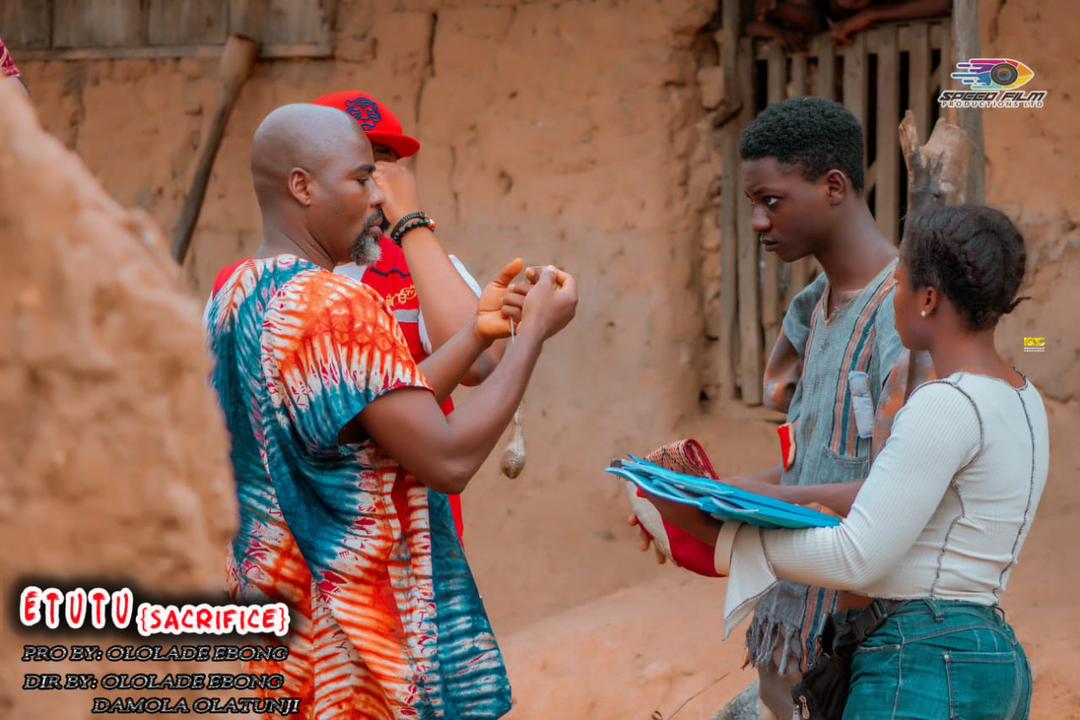
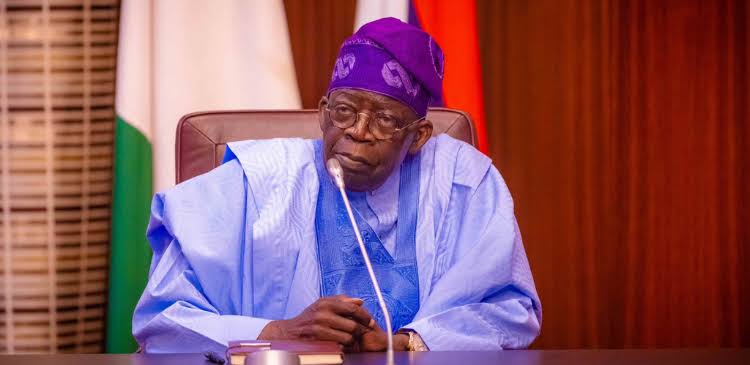
As Joshua Jinad’s star continues to rise, the future looks incredibly promising for this talented young actor. With several upcoming projects in the pipeline, including lead roles in both film and television, Joshua is poised to make an even greater impact on the entertainment industry. His determination, passion, and innate talent are sure to lead him to new heights of success.


Comprehensive compilation of ministers along with their specific responsibilities and positions.

0

On Wednesday, the Presidency officially announced the team of ministers who will collaborate with President Bola Tinubu. The complete list of ministers and their respective roles is provided below:

– Minister Of Communications, Innovation And Digital Economy: Bosun Tijani
– Minister Of State, Environment And Ecological Management: Ishak Salako
– Minister Of Finance And Coordinating Minister Of The Economy: Wale Edun
– Minister Of Marine And Blue Economy: Bunmi Tunji-Ojo
– Minister Of Power: Adebayo Adelabu
– Minister Of State, Health And Social Welfare: Tunji Alausa
– Minister Of Solid Minerals Development: Dele Alake
– Minister Of Tourism: Lola Ade-John
– Minister Of Transportation: Adegboyega Oyetola
– Minister of Industry, Trade and Investment: Doris Anite
– Minister of Innovation Science and Technology: Uche Nnaji
– Minister of State, Labour and Employment: Nkiruka Onyejeocha
– Minister of Women Affairs: Uju Kennedy
– Minister of Works: David Umahi
– Minister of Aviation and Aerospace Development: Festus Keyamo
– Minister of Youth: Abubakar Momoh
– Minister of Humanitarian Affairs and Poverty Alleviation: Betta Edu
– Minister of State, Gas Resources: Ekperikpe Ekpo
– Minister of State, Petroleum Resources: Heineken Lokpobiri
– Minister of Sports Development: John Enoh
– Minister of Federal Capital Territory: Nyesom Wike
– Minister of State, Housing and Urban Development: Abdullahi Gwarzo
– Minister of Budget and Economic Planning: Atiku Bagudu
– Minister of State, FCT: Mariga Mahmoud
– Minister of State, Water Resources and Sanitation: Bello Goronyo
– Minister of Agriculture: Abubakar Kyari
– Minister of Education: Tahir Mamman
– Minister of Police Affairs: Ibrahim Geidam
– Minister of Foreign Affairs: Yusuf Tuggar
– Minister of Interior: Saidu Alkali
– Coordinating Minister of Health and Social Welfare: Ali Pate
– Minister of State, Steel and Development: Maigari Ahmadu
– Minister of Steel and Development: Shuaibu Audu
– Minister of Information and National Orientation: Muhammed Idris
– Attorney General of the Federation and Minister of Justice: Lateef Fagbemi
– Minister of Labour and Employment: Simon Lalong
– Minister of State, Police Affairs: Inman Suleiman
– Minister of Special Duties: Zephaniah Jisalo
– Minister of Water Resources and Sanitation: Joseph Utsev
– Minister of State, Agriculture and Food Security: Aliyu Abdullahi
– Minister of Arts, Culture and Creative Economy: Hannatu Musawa
– Minister of Defence: Muhammed Badaru
– Minister of State for Defence: Bello Matawalle
– Minister of State, Education: Tanko Sununu
– Minister of Housing and Urban Development: Ahmed Dangiwa

This comprehensive list showcases the various ministers and their responsibilities as they contribute to President Bola Tinubu’s administration.

UNICAL initiates investigation into allegations of sexual harassment against a lecturer.

0

The University of Calabar’s administration has initiated an inquiry into an accusation of sexual misconduct directed at Prof. Cyril Ndifon, the Dean of the Faculty of Law.

The allegation surfaced on Monday when students from the institution posted a viral video on social media, accusing Ndifon of engaging in sexual harassment and assault.

In the video, the students, holding placards with statements like “Ndifon must go for our sanity,” “We are tired of buying law journals,” “We are tired of lecturers not attending classes,” and “Law girls are not your bonanza; Prof. Ndifon should stop grabbing us and others,” are observed protesting outside the office of the Vice-Chancellor, Prof. Florence Obi.

Ndifon, as reported by the online outlet CrossRiverWatch, vehemently refuted the allegations, attributing the protests to individuals harboring resentment within the faculty.

Ndifon stated, “For Christ’s sake, I don’t teach Year 2 B or Year one students, so I don’t know why they have chosen to drag my name into the mud.

This was why I said earlier that the allegations were lies, cooked from the pit of hell, just to destroy a reputation that I had spent decades building.”

University spokesperson Eyo Bassey confirmed that the school administration has convened with the aggrieved parties to address their concerns.

Bassey assured that a comprehensive statement would be issued by the end of Tuesday, clarifying the course of action.

He explained that the students and the Faculty of Law’s staff were invited to share their grievances with management, encompassing issues beyond the sexual allegations.

In acknowledging the broader concerns raised by the students, Bassey remarked, “It is not even just about sexual allegations.

There are all kinds of other issues they raised and management commended them for bringing the issues to their attention.”

“Obaseki Asserts: ‘Emilokan’ Stands No Chance of Winning Edo State Election”

0

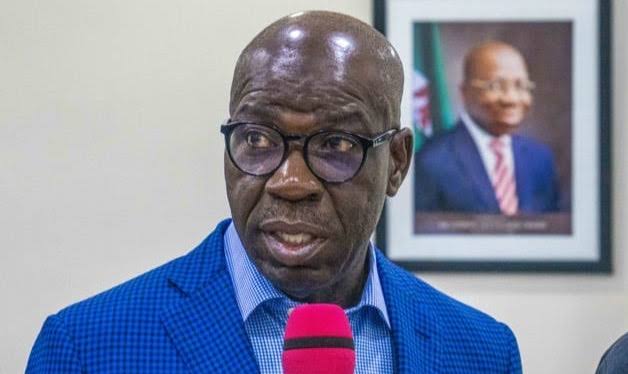
Edo State Governor, Godwin Obaseki, has firmly expressed his opinion that the ‘Emilokan’ slogan will not find success during the ongoing election campaign in the state.

Obaseki articulated this perspective while hosting the leaders of Edo South Senatorial District at the Government House, pointing out that the approach is unfamiliar and unconventional for the people of the state.

The term ‘Emilokan’ gained prominence during President Bola Tinubu’s presidential election campaign.

Obaseki, however, underscored, “Edo residents are unlikely to embrace ‘Emilokan’ as a viable governmental strategy, as it doesn’t align with our known values.

The ultimate decision rests with the people.”

Obaseki further emphasized that recent events have been unexpected, and the current juncture is not suitable for ambitious undertakings.

He highlighted the importance of maintaining stability within the government rather than causing disruption, especially considering that the election timetable has not yet been released.

“I believed that we joined forces and will exit as a unified front, allowing the people to determine our performance.

They should be the ones to proclaim whether we continue regardless of challenges.

Presenting a mixed message to the world while pursuing conflicting actions erodes credibility. Loyalty to your leader and simultaneously engaging in legal battles against them contradicts the principles of proper conduct.

While ambition is a natural right, the appropriate path must be followed.”

Obaseki’s remarks seemed to allude to Philip Shaibu, his deputy, who has expressed interest in the state’s top leadership role.

“The ten priciest football transfers in the Saudi Pro League.”

0

The Saudi Professional League has emerged as a focal point in the world of football, attracting an array of top-tier players.

From those who have triumphed in the Champions League to World Cup victors, the SPL has experienced the influx of accomplished players carrying a wealth of expertise garnered from some of the most prominent clubs in European football.

The Saudi Public Investment Fund has injected substantial funds into the league to entice some of the globe’s premier athletes to the affluent oil-rich nation.

Among these notable figures stands Portuguese captain Cristiano Ronaldo, who made his move to Al-Nassr in the latter part of the previous December, departing his former team, Manchester United, on a free transfer after his return for a second tenure.

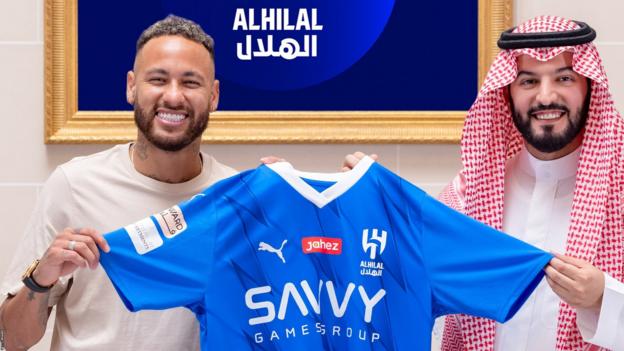
Notably, the most significant transfer within the league features Neymar, the 31-year-old forward hailing from the illustrious French giant PSG.

Having secured a treble victory with Barcelona and sharing the title of Brazil’s highest goal scorer with Pele, Neymar encountered both peaks and valleys during his tenure with PSG, grappling with injuries and match fitness concerns.

In the following list, we delve into the top 10 priciest football transfers in the SPL:

1. Neymar: €90m – PSG to Al-Hilal.
2. Malcom: €60m – Zenit to Al-Hilal.
3. Ruben Neves: €55m – Wolverhampton Wanderers to Al-Ittihad.
4. Fabinho: €46.7m – Liverpool to Al-Ittihad.
5. Sergej Milinkovic-Savic: €42m – Lazio to Al-Hilal.
6. Riyad Mahrez: €35m – Manchester City to Al-Ahli.
7. Sadio Mane: €30m – Bayern to Al-Nassr.
8. Jota: €29.1m – Celtic to Al-Ittihad.
9. Roger Ibanez: €28.5m – Roma to Al-Ahli.
10. Allan Saint-Maximin: €27.2m – Newcastle to Al-Ahli.

England emerged victorious in the Women’s World Cup by defeating the host country Australia, setting the stage for an exciting finals match against Spain.

0

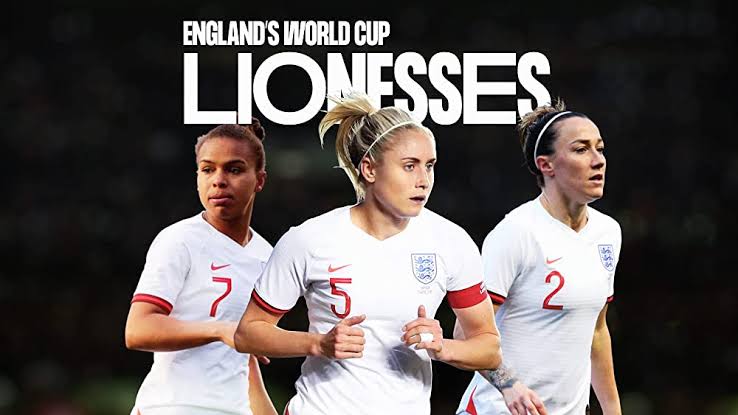
England’s Lioness secured a remarkable victory over the Women’s World Cup host, Australia, with a 3-1 triumph in the semi-finals held on Wednesday, propelling them into a significant and historic final.

Following their 2-1 victory against Sweden on Tuesday, England is now poised to face Spain in the finals.

Mark your calendars for the climactic showdown, as the grand finale is scheduled to take place on Sunday, August 20.

Stay tuned for further updates and details as they unfold.

“Continuing its streak, Nigerian Eurobonds dominate emerging market losses for a second day.”

0

Nigeria’s eurobonds experienced a second consecutive day of poor performance in the emerging-market credit landscape on Wednesday.

This decline was prompted by the government’s announcement that it would halt increases in gasoline prices, despite the backdrop of rising crude oil prices.

Among Bloomberg’s EM Sovereign Total Return Index, eight Nigerian bonds were among the 20 worst performers globally as of 9:45 a.m. in London.

Bonds due in September 2033 dropped by 1.1 cents to 75.19 cents on the dollar, marking their lowest point since June.

These bonds have seen value losses for 10 out of the past 13 days.

Furthermore, a $1 billion tranche of notes set to mature in January 2031 witnessed a decline of 1.09 cents to 84.79 cents, marking a continued decrease from the previous day’s drop, which was the largest since March.

This bond has been on a four-day losing streak, its longest decline since April. Prices for bonds due in 2032, 2033, and 2051 also experienced declines of at least 1 cent in early morning trade on Wednesday.

Nigeria’s bonds had enjoyed a strong run in June following the election of President Bola Tinubu, whose early actions were well-received by investors, boosting confidence in the nation’s economic prospects.

These actions included the removal of the costly fuel subsidy, the replacement of the central bank governor, and an overhaul of the complex multi-rate exchange regime.

However, the recent situation paints a different picture.

Patrick Curran, a senior economist at Tellimer Ltd. in London, noted that after the initial rally based on Tinubu’s ambitious reform agenda, the challenges of the next phase of reforms have become apparent.

An overly loose monetary policy stance, continued monetization of the budget deficit, and the re-emergence of a large parallel-market premium have posed obstacles.

Despite the positive impact on Nigerian stocks and bonds, the sharp increase in the cost of living due to inflation sparked protests from labor unions.

President Tinubu responded by announcing the suspension of gasoline price hikes in an effort to curb the 24.1% inflation rate recorded in July.

Many analysts now speculate that Tinubu may not have fully considered the implications of his pursuit of a deregulated foreign exchange regime.

This move could potentially lead to repercussions that the market might penalize.

Rating agencies are likely to view Tinubu’s policy shifts unfavorably, and speculators may target the local currency further.

Amidst the backdrop of rising crude oil costs and the depreciation of the naira by about 40% against the dollar since mid-June, independent petroleum marketers have been advocating for further gasoline price increases.

The government’s decision to freeze gas prices is seen as a temporary measure for price stabilization, rather than a complete reversal of subsidy reforms.

However, should this freeze become a permanent reversal of fuel-subsidy reforms, it would be seen as a negative for credit, as Nigeria’s financial capacity to sustain the subsidy is limited.

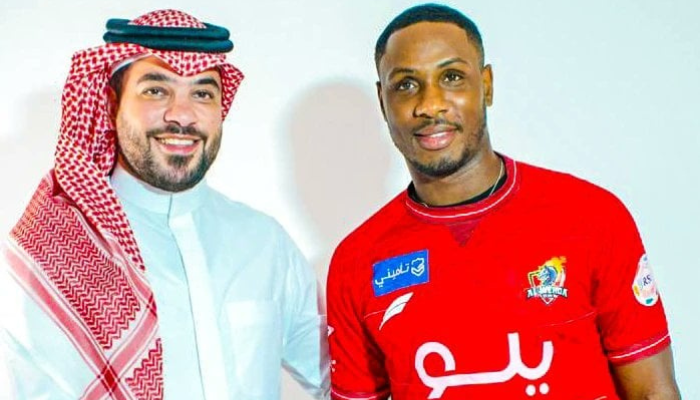
Ighalo joins the ranks of Al-Wehda.

0

Ighalo was officially introduced by the Mecca-based organization last Tuesday.

The 34-year-old made the move following the conclusion of his contract with Al Hilal, the reigning champion of the Saudi Arabia Professional League, in June.

Prior to this, the striker had stints at Al Shabab, Watford, and Manchester United.

His exceptional performance two seasons ago saw him emerge as the top scorer in the Saudi League with an impressive tally of 20 goals.

During his time with Al Hilal, he achieved victory in both the Kings Cup and the league championship.