


Home Blog Page 391

NECA expresses concern over increasing closure of businesses and divestment.

0

The Nigeria Employers’ Consultative Association has expressed deep concern regarding the escalating trend of business divestment, capital flight, and business closures within the country.

In an official statement, NECA emphasized that in numerous developing economies worldwide, private enterprises contribute to more than 93 percent of total employment, encompassing both formal and informal job sectors.

The private sector remains a pivotal force for fostering economic growth, playing a vital role in national income generation and ensuring the efficient flow of capital, NECA highlighted.

Adewale-Smatt Oyerinde, the Director-General of NECA, lamented the regrettable recent surge in business relocations and divestments.

He remarked, “Throughout the past decade, the private sector has borne the brunt of unfavorable government policies.

Many of these policies lacked pro-growth orientation, were poorly timed, or failed to align with the economic realities of the country.”

“In more intricate cases, we witnessed clashes and inconsistencies among policies, along with excessive regulatory and legislative constraints on businesses, resulting in a lack of clear direction for planning and decision-making.

Operating costs have skyrocketed, exacerbating the challenges faced by numerous companies.”

The director-general underscored that the repercussions of these years of misguided policy decisions were predictable.

He pointed out, “It is no surprise that divestment, capital flight, and outright closures have become the ‘new normal’ in the business community.”

According to him, this phenomenon significantly contributes to the perpetual surge in unemployment rates, leading to a corresponding increase in crime and other security concerns.

When businesses halt operations, divest, or relocate to more favorable environments, a substantial number of Nigerians are left jobless, leading to a decline in tax revenue and hindrance to social investments, consequently deepening poverty.

Oyerinde emphasized, “It is crucial for the government to urgently address this predicament. While we recognize and commend the current administration’s efforts in addressing private sector concerns and providing relief to specific sectors of the economy, more comprehensive measures are needed.”
“Customs and Agents in Dispute Regarding Vehicle Clearance System”

0

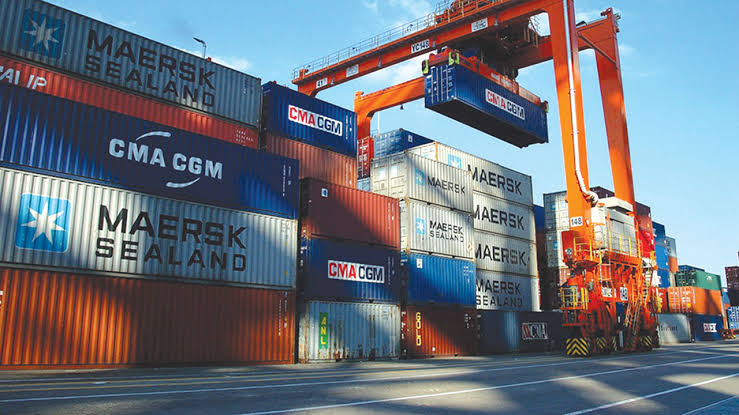
Customs agents with licenses have expressed their opposition to the recently introduced system by the Nigeria Customs Service for processing vehicle clearances with nonstandard Vehicle Identification Numbers (VINs).

The Ports & Terminal Multipurpose Limited (PTML) Command of the NCS recently unveiled an electronic platform to handle the clearance of used vehicles (tokunbo) that were not covered by the VIN valuation system.

According to a memo from the PTML Command’s Public Relations Officer, Mohammed Yakubu, the electronic platform for processing 846 vehicles with nonstandard VINs will begin operation on August 7, 2023. The memo indicated that manual applications would no longer be accepted for this process.

However, some customs agents, such as former PTML Chapter Chairman of the Nigerian Association of Government Approved Freight Forwarders, Mr. George Okafor, noted that the platform is experiencing delays and has not been fully implemented, especially for trucks.

Mr. Thomas Alor, the PTML Chapter Chairman of NAGAFF, also highlighted that the new platform has led to delays in clearing imported vehicles, extending the clearance time beyond what was previously required.

In response to these complaints, a former Public Relations Officer of the Association of Nigerian Licensed Customs Agents, Mr. Adeola Sulieman, acknowledged that minor delays are common when implementing new platforms and expressed hope that the issues would be resolved over time.

Contrarily, the Customs PRO countered the claims of delays, stating that the platform operates smoothly and efficiently without any delays. He suggested that some individuals may resist the automation and prefer the traditional manual application process.

The new platform has sparked controversy among customs agents, with differing opinions on its effectiveness and impact on the clearance process for imported vehicles.

“Concerns arise over potential departure of additional companies from Nigeria, including GSK.”

0

Operators are concerned about a potential exodus of foreign companies from the country following GlaxoSmithKline Consumer Nigeria Plc’s recent decision to close its operations in Nigeria.

Other multinational corporations are turning to local resources as they navigate strategies to stay afloat.

GSK, known for its innovative pharmaceuticals, vaccines, and consumer healthcare products, cited its parent company’s intention to halt the commercialization of its medicines and vaccines through its Nigerian subsidiary.

Earlier, Unilever Nigeria announced a shift in focus due to currency devaluation, and the naira’s value against the dollar has been steadily declining since the Central Bank’s exchange rate changes in June.

The inability to repatriate funds and GSK’s departure have raised concerns among multinationals and the Association of Community Pharmacists of Nigeria.

ACPN’s National Chairman, Adewale Oladigbolu, warned of potential exits by other multinational firms.

Economist Sheriffdeen Tella attributed exits to high interest rates, energy costs, and exchange rate volatility.

Wale Oyerinde from the Nigeria Employers Consultative Association noted the challenging business environment and numerous shutdowns.

The Lagos Chamber of Commerce and Industry expressed alarm at GSK’s decision, highlighting the impact of rising costs, unreliable power supply, and weak infrastructure on the economy.

LCCI urged the government to review the business environment to foster competitiveness and growth.

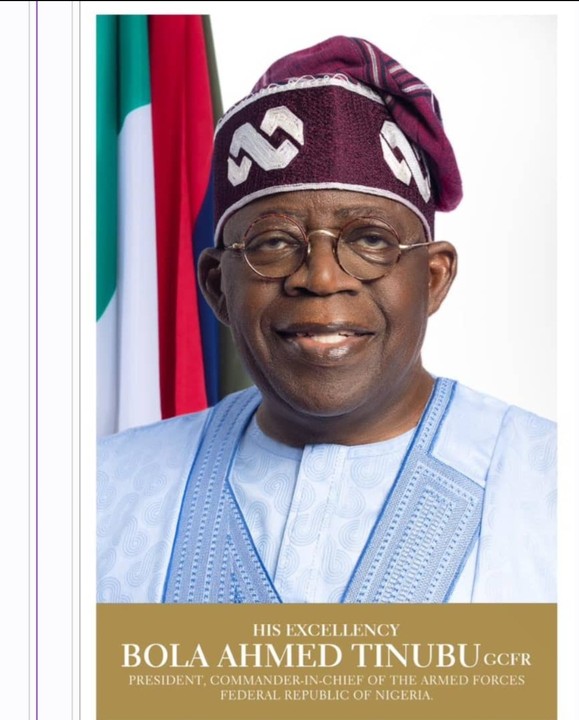
“Tinubu Holds Discussions with Wike and El-Rufai at Aso Villa”

0

President Bola Tinubu is presently engaged in a meeting with former Kaduna State Governor, Nasir El-Rufai, and Rivers State Governor, Nyesom Wike.

The ex-governors arrived separately at the State House.

At around 1:40 p.m., Nyesom Wike entered the presidential wing of Aso Rock, followed by Nasir El-Rufai around 2 p.m.

These two individuals have been nominated for ministerial positions and have already undergone Senate screenings.

While Wike’s nomination has been confirmed, El-Rufai’s confirmation is currently on hold due to an alleged security report.

More details will be provided at a later time.

The Reason Behind the Launch of My Skincare Products – Bisola Aiyeola

0

Actress, singer, and TV host Bisola Aiyeola has introduced her cosmetic skincare brand named “Brown Girls Magic” along with the inauguration of a new store.

During a recent event organized by her management, The Temple Company, in Lekki, Lagos, Aiyeola unveiled four innovative products.

Her mission is to instill a sense of pride in individuals of color.

Expressing her motivation, Aiyeola shared, “Crafted with love and manufactured in South Korea, these products are designed for those with brown skin of African descent as well as individuals of all backgrounds.

The label ‘Brown Girls Magic’ signifies the inherent magic within each of us.

My aim is for everyone to embrace their inner magic and take pride in their beautiful brown skin.”

Recalling her inspiration for entering this venture, she explained, “In 2018, I realized the scarcity of skincare products containing sun protection for our specific needs.

Recognizing this gap, we were determined to develop a solution and provide accessible skincare options.”

Distinguished guests at the event included Abimbola Fashola, former First Lady of Lagos State; Idris Olorunnimbe, Group Chief Executive Officer of The Temple Company; esteemed actresses such as Sharon Ooja, Bimbo Ademoye, Adesua Etomi, Omowunmi Dada, and Ini Dima-Okojie; as well as notable personalities like Banky W and Dorathy Bachor.


” How I Transitioned into Becoming a Taxi Driver in the US: Insights from Actor Joseph Benjamin”

0

Nollywood luminary Joseph Benjamin has revealed the narrative behind his unforeseen stint as a taxi driver in the United States.

Making the move to America in 2016 with ambitious aspirations of securing acting opportunities, Benjamin encountered an abrupt shift in his plans.

In his appearance on the Teju Babyface Deep Dive podcast, he disclosed that upon arrival, the anticipated ventures he had counted on didn’t materialize, leaving him in a precarious financial situation.

Under mounting pressure, he found himself in a lavishly furnished house burdened by rent payments equivalent to a year’s rent back in Nigeria.

Faced with limited choices, Benjamin embarked on a journey marked by unwavering determination, adopting roles as an Uber and Lyft driver, as well as taking on the role of an Amazon delivery person, all in a bid to fulfill his financial responsibilities.

During this trying period, Benjamin encountered fellow Nigerians in his vehicle, fostering connections and even receiving encouragement from passengers who recognized his celebrity status.

Despite this unforeseen detour, his steadfast resolve and commitment shone through as he skillfully navigated his path towards a more promising future.

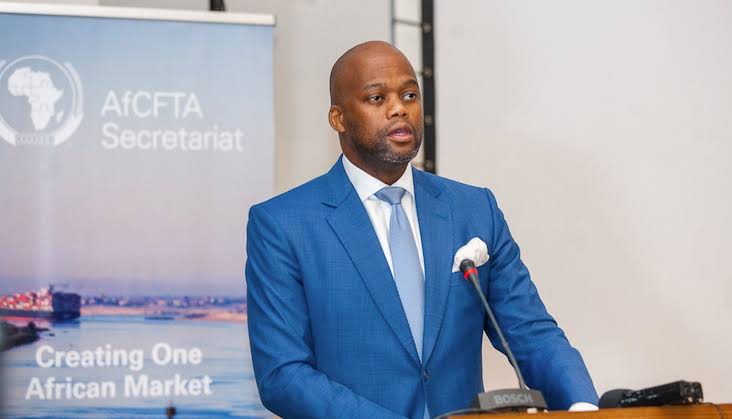
Strategies to diminish Africa’s dependence on Europe, according to the Secretary-General of AfCFTA.

0

Wamkele Mene, the Secretary General of AfCFTA, emphasized that African nations are aiming to reduce their dependence on Western countries by bolstering intra-Africa trade. He conveyed this message during his keynote speech at the 2023 Zenith Bank International Trade Seminar on Non-Oil Export, focusing on the theme “Nigerian Non-Oil Export Industry: The Present, The Future.” Mene highlighted the need for economic diversification as a central goal for enhancing Africa’s intra-trade efforts and their contribution to the global GDP.

Addressing the significant trade imbalance between Africa and the rest of the world, Mene stated, “Africa’s primary objective should be economic diversification to lessen the reliance on natural resources as the main source of export revenue for governments.” He pointed out that while 55 African countries collectively contribute only 3.1% to global GDP and 2.2% to global trading output, a single nation like Singapore contributes over 6% to both global trade and output.

Mene underscored that the trade deficit presents an opportunity for Africa to accelerate national development, enhance global competitiveness, and generate employment opportunities. In terms of food security, Mene emphasized that intra-African trade could help reduce Africa’s vulnerability to external geopolitical and economic shocks.

He referred to the current situation, stating, “The lack of economic diversification often exposes Africa to external shocks, undermining its long-term economic growth prospects.” He attributed up to 35% inflationary pressures on food prices in Africa to the ongoing geopolitical tensions between Russia and Ukraine, which have had an adverse impact on food security.

Mene recounted President Kagame’s observation that a European country with a population of 43 million is providing food for a continent of 1.3 billion people, highlighting the need to reverse Africa’s dependency on others for food security and public health.

Mene argued that outdated trade rules and patterns have hindered intra-trade activities within Africa. He noted that countries such as Zimbabwe, Ethiopia, and Uganda have the capacity to contribute to the continent’s food security.

The fundamental objective of AfCFTA, according to Mene, is to eliminate barriers to intra-African trade and enable the continent to meet its own needs. He also highlighted the progress made by AfCFTA, in collaboration with AU and Afreximbank, in introducing a Pan African Payment & Settlement System, aiming to facilitate intra-African trade by using local currencies instead of the US Dollar, thereby reducing trade costs.

Additionally, Mene praised Zenith Bank for its commitment to digitizing trade in Africa. AfCFTA signed a Memorandum of Understanding with Zenith Bank to develop a smart trade portal for the continent, with Zenith Bank contributing $1 million towards the project. Mene expressed his appreciation for Zenith Bank’s initiative and funding, noting that it was the first time he had been offered a million dollars for such a purpose. He emphasized that the portal’s creation was driven by Zenith Bank’s determination to advance trade digitization in Africa.

FG allocates a substantial sum of N15 billion to support the Safe Schools Initiative, aimed at providing funding for students in areas affected by conflicts.”

0

The Nigerian Government has allocated N15 billion for the implementation of the Financing Safe Schools initiative in 2023. The Ministry of Information and the Federal Ministry of Finance, Budget, and National Planning announced this in a statement. The initiative, spearheaded by Halima Illiya Ibrahim, seeks to provide uninterrupted education for children affected by conflicts and insecurity.

Halima Illiya Ibrahim, the National Coordinator of the Safe Schools Initiative, disclosed that the funds are intended for the implementation of Financing Safe Schools for 2023. The primary objective is to ensure that children facing challenges due to conflicts and insecurity can continue their education without hindrance, while also addressing attacks on education.

The statement outlines the formation of a Technical Committee involving critical agencies such as the Ministry of Education, Nigerian Governor’s Forum (NGF), Nigeria Police Force (NPF), Nigeria Security and Civil Defence Corps (NSCDC), Department of State Security Service (DSS), and Defense Headquarters. This committee was responsible for developing a National Plan for Financing Safe Schools, launched in December 2022, with a total investment of N144.86 billion for the period 2023-2026.

Funding for the initiative will come from various sources, including annual budgetary provisions from federal, state, and local governments, government interventionists, foreign and multilateral institutions, businesses, philanthropists, donor partners, and others. The plan targets covering 50% of the most high-risk public schools over the medium term (2023-2026), initially focusing on 18 high-risk states and 48 schools, with plans for expansion to other states by 2024.

The initiative’s core objectives include building security-resilient host communities, strengthening the capabilities of security agents, equipping school security and response centers, and engaging with the Nigerian public and government officials to advocate for policy implementation.


Federal Government pleads with Resident Doctors to halt their strike.

0

The Nigerian Government has made an appeal to the National Association of Resident Doctors (NARD) to halt their ongoing indefinite strike, which commenced last month.

During a conference led by the Permanent Secretary of the Federal Ministry of Labour and Employment, Kachollom Daju, it was stressed that the striking doctors should take into account the lives of numerous Nigerians at risk and bring the strike to an end.

The Permanent Secretary acknowledged the diligent efforts of the new administration and other pertinent agencies to address the contentious issues and meet the doctors’ demands.

She expressed, “We are using this platform to earnestly plead with NARD. The truth is that countless Nigerians are losing their lives.

The healthcare sector holds immense significance.

While all sectors are valuable, we understand the crucial role medical doctors play. Imagine falling ill and not having access to medical care. People are perishing, unable to tend to their health.

Thus, I implore them and echo the sentiments of various government representatives, urging them to terminate their strike and resume their duties.

I am aware that your parent ministry, in conjunction with other government bodies, is tirelessly working to resolve this matter

Regarding responsibility, she emphasized that the Federal Government anticipated that NARD would understand their standpoint conscientiously. She mentioned that there might have been an assumption by the doctors that their requests would be immediately fulfilled between May 29 and the present, but certain issues have already been addressed by the government.

She highlighted that since the commencement of the Tinubu administration, the Federal Government and the National Assembly have been making coordinated efforts to tackle the concerns. She pointed out that the primary contentious matters are the 2023 Medical Residency Training Fund payment and the placement of exited doctors.

She expressed optimism about the future, assuring that the government is actively working to appoint ministers and empathizes with the doctors’ situation.

Despite their pleas, the NARD initiated an indefinite strike on July 26, 2023, due to the government’s failure to meet their demands.

The NARD’s key demands encompass the prompt disbursement of the 2023 Medical Residency Training Fund, issuance of the circular for one-for-one replacement, clearance of skipping arrears, and revising CONMESS to restore salaries to their 2014 levels.

They stressed that their concerns include the unreleased 2023 Medical Residency Training Fund, a desire for a complete restoration of salaries to 2014 values, and the erosion of salary value due to factors like inflation, exchange rate fluctuations, and fuel price increases.


As per the survey, OPEC-13’s crude production in July 2023 hit its lowest point since August 2021.

0

A recent survey conducted by S&P Global Commodity Insights revealed that the production of crude oil by OPEC-13 reached its lowest point since August 2021 last month.

The survey indicated that OPEC-13’s crude production in July 2023 experienced a significant decline, primarily due to Saudi Arabia’s substantial voluntary production cut taking effect. This reduction, combined with disruptions in Kazakhstan and Nigeria, outweighed the increases seen in Iran and Iraq, leading to a nearly 1 million barrel per day (bpd) decrease in overall OPEC+ output compared to the previous month.

Notably, Saudi Arabia decided to extend its crude oil production cut, which began in July, until the end of September 2023, as reported by Nairametrics last week.

The survey also highlighted that OPEC’s 13 members pumped a total of 27.34 million bpd, while Russia and eight other allies contributed an additional 13.06 million bpd, resulting in a combined output of 40.40 million bpd. This marked the group’s lowest production level since August 2021 when significant cuts were being reversed following the COVID-19 pandemic.

During the period covered by the survey, Saudi Arabia lowered its production to 9.05 million bpd, representing its lowest output since June 2021. It’s important to note that although the decline was notable, it didn’t match the extent of the pledged cut, with production falling by 940,000 bpd compared to June volumes.

Furthermore, the survey disclosed that Nigeria experienced a reduction of 100,000 bpd, reaching 1.32 million bpd, attributed to an outage at the Forcados terminal due to the discovery of a sheen at the facility in early July 2023.

S&P Global Commodity Insights also pointed out that despite the impact of Saudi Arabia’s cuts on OPEC-13 crude production, both Iran and Venezuela saw increases. Iranian production reached its highest level since December 2018, at 2.76 million bpd, while Venezuela’s crude production hit its highest level since February 2019, reaching 810,000 bpd. These rises were seen as potential indications of the United States relaxing sanctions enforcement, possibly in response to heightened pressure on Russia due to the Ukraine situation. Additionally, Venezuela benefited from looser US sanctions, leading to increased imports of diluent and subsequently boosting its heavy oil output.

It’s important to be aware that the quotas mentioned in the survey encompass voluntary extra cuts initiated by several countries, including Saudi Arabia, Russia, Algeria, Gabon, Iraq, Kazakhstan, Kuwait, Oman, and the UAE. On the other hand, OPEC members Iran, Libya, and Venezuela are exempt from these quotas.

As of Wednesday at 9:24 AM (GMT+1), the Brent crude price stood at $86.34 per barrel.