


Home Blog Page 418

Oloture’ Returns – Sequel Series In The Works

0

Oloture, the 2019 Nollywood crime drama adapted from an investigative report on human trafficking, is set to return to Netflix as a series. Sharon Ooja, the lead actress in the original film, made the announcement on Tuesday, August 15, 2023, via her Instagram page.

The upcoming series will delve into the journey of the main character, Oloture, after she crosses the Benin border and is trafficked abroad as an undercover journalist posing as a prostitute.


Released in 2019, the movie Oloture provided a glimpse into the life of the titular character, an undercover journalist who infiltrates a human trafficking ring and is subsequently transported to Italy as a worker.


The talented cast of the series includes Sharon Ooja, Omoni Oboli, Beverly Osu, Ikechukwu Onunaku, Stan Nze, Amarachukwu Onoh, Bukola Oladipupo, Daniel Etim Effiong, and Patrick Doyle.


The news of the series has generated mixed reactions from fans. While many are eager to discover what happens to Oloture after the heart-wrenching cliffhanger that concluded the movie, some question the necessity of turning it into a series.


One individual from the crowd expressed their skepticism, stating, “Lol, is there a point to making Oloture a series? I suppose we need to understand why Sharon’s character followed them all the way across the border…” On the other hand, there are those who are ecstatic about the return of Oloture, exclaiming, “Oloture is coming back as a series! Let’s go!” and “Oloture is coming back, OMG!” among other enthusiastic responses.


Shortly after its release in 2019, Oloture quickly climbed the ranks to become one of the top 10 most-watched movies worldwide on Netflix. The film succeeded in raising awareness and sparking conversations about the grave issue of human trafficking.

LASTMA and the Nigerian Army have reached an agreement to further enhance their collaboration in improving traffic management within Lagos.

0

Mr. Bolaji Oregba, the General Manager of LASTMA, announced on Tuesday via a press release that a collaborative partnership between the Lagos State Traffic Management Authority and the Nigerian Army has been established for traffic management in Lagos.

Oregba made this announcement during a productive meeting at the LASTMA Headquarters in Oshodi, where officials from the 9 Brigade Command of the Nigerian Army, led by Brigadier General Adegoke Moses Adetuyi, were present.

Addressing the recent unfortunate incident involving a confrontation between a LASTMA officer and a soldier, Oregba emphasized the strong bond between the two sister agencies.

He confirmed that Lastma personnel will continue to receive unwavering support from the Nigerian Army and other state agencies.

Highlighting the significance of the relationship, Mr. Oregba stated, “We will uphold the integrity of this partnership and cherish the mutual respect and camaraderie that exists between Lastma and the Army.”

Furthermore, Oregba assured that measures are being taken to prevent any similar altercations between Nigerian Army personnel and LASTMA officials.

He revealed plans to maintain existing communication channels and explore new hotlines to promptly address any future issues that may arise.

Brigadier Adetuyi echoed the sentiment of collaboration, emphasizing that a unified front among security agencies is vital to curb the influence of negative elements.

He stressed the importance of enhanced cooperation among all government entities, including Lastma, for a more effective and harmonious operational environment.

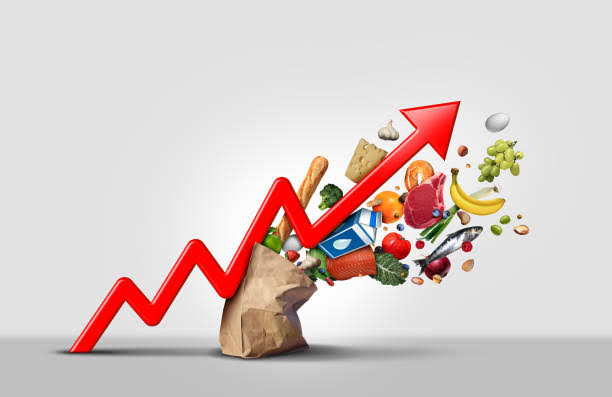
Nigeria witnesses a substantial surge in its inflation rate, reaching 24.08% in July 2023, driven by the impactful removal of subsidies.

0

Nigeria witnessed a remarkable surge in inflation, reaching 24.08% in July 2023, marking a 129 basis-point increase compared to the previous month’s 22.79%.

This surge marks the sixth consecutive increase in the headline index for this year, as reported by the National Bureau of Statistics (NBS) in its recently released Consumer Price Index (CPI) report.

This substantial increase can be attributed to the complete removal of petrol subsidies and the unification/devaluation of the official exchange rate.

Notably, the month-on-month headline inflation rate for July stood at 2.89%, which was 0.76% higher than the rate recorded in June 2023 (2.13%).

The driving factors behind the year-on-year inflation were Food and non-alcoholic beverages (12.47%), housing water, electricity, gas, and other fuel (4.03%), and clothing and footwear (1.84%).

Food inflation experienced a significant rise, reaching 26.98% in July 2023, marking a 1.73% point increase from the previous month and a 4.97% point increase from the same period in 2022.

On a month-on-month basis, the Food inflation rate for July 2023 was 3.45%, 1.06% higher compared to June 2023 (2.4%).

The Core inflation rate, excluding volatile agricultural produce, stood at 20.47% in July 2023 on a year-on-year basis, reflecting a 4.41% increase from July 2022 (16.06%).

On a month-on-month basis, the Core inflation rate increased from 1.77% in June 2023 to 2.11% in July 2023.

In terms of regional variation, Kogi (28.45%), Lagos (27.30%), and Ondo (26.83%) experienced the highest year-on-year inflation rates, while Borno (20.71%), Jigawa (20.85%), and Sokoto (20.92%) recorded the slowest rises. Kogi State also recorded the highest food inflation at 34.53% in July, followed by Lagos (32.52%), and Bayelsa (31.31%).

The removal of fuel subsidies and exchange rate unification have had a substantial impact on inflation, resulting in an escalation of food, energy, and transport costs.

Transportation expenses saw a nationwide spike, largely attributed to the significant rise in petrol prices and the unification and devaluation of the official exchange rate.

The Nigerian Naira’s exchange rate surpassed N740 per US Dollar, reflecting a substantial devaluation from the previous average of N460 per US Dollar.

This data showcases a clear reflection of the ongoing economic trends and challenges in the country.

“What prompted my unannounced visits to hospitals on Lagos Island – Sanwo-Olu explains”

0

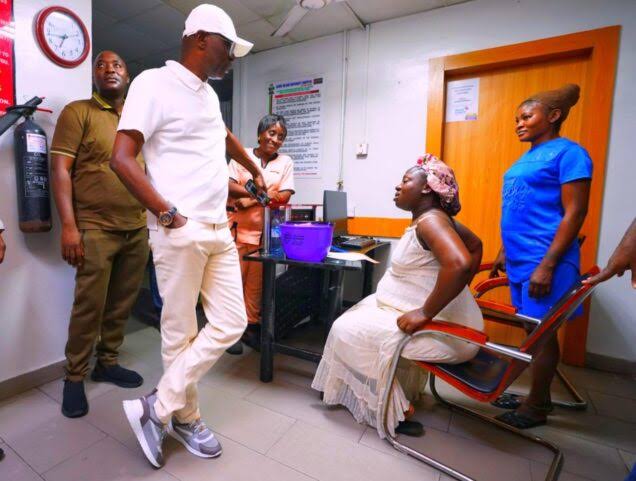
Lagos State Governor, Mr. Babajide Sanwo-Olu, has clarified the reason behind his surprise visits to Island Maternity Hospital and Lagos Island Hospital, catching the medical staff off-guard. In a statement from his Chief Press Secretary, Mr. Gboyega Akosile, on Monday, Sanwo-Olu explained that his impromptu visits were motivated by his desire to witness the situation firsthand and ensure that the healthcare staff were adhering to the health palliative scheme.

This scheme covers the expenses for normal pregnancy delivery, Caesarean sections, and antenatal care provided in state-owned hospitals.

The governor expressed that he needed to assess the effectiveness of the intervention and determine areas requiring specific and general assistance.

According to the statement, Governor Sanwo-Olu arrived unannounced at the hospital at exactly 6:35 pm.

He proceeded to the maternity ward, where he encountered two expectant mothers receiving medical attention.

One of the women, Odeyemi Omowunmi, who is heavily pregnant but not yet due for delivery, had been admitted ahead of her scheduled delivery due to unstable blood pressure.

This measure was taken to safeguard her pregnancy after experiencing two previous miscarriages.

Odeyemi expressed her gratitude for the cost-free care provided under the health palliative scheme, which covers all medical expenses.

Since the inception of the free medical services on August 1st, numerous pregnant women have benefitted from the program, receiving free deliveries and antenatal care across various Lagos-owned hospitals.

Governor Sanwo-Olu was guided through the maternity ward by Chief Matron Akinsola Dorcas, and he further inspected facilities at Lagos Island Hospital.

This included an audit of the 10-storey Doctors’ Quarters, where a house officer tragically lost their life in an elevator accident.

The governor personally assessed apartments, storage areas, and power supply systems during the inspection, led by Dr. Segun Ogunlana, a representative of the House Officers.

“Federal Government’s Gas Expansion Projects Set to Absorb Annual Investment of $20 Billion”

0

On Monday, the Federal Government revealed that an annual investment of approximately $20 billion will be essential to realize the envisioned expansion of gas projects in Nigeria, fostering a deeper utilization of gas across the nation.

This announcement was made during the Decade of Gas Action Plan Dialogue, hosted by the African Initiative for Transparency, Accountability, and Responsible Leadership in Abuja, as conveyed by the Nigeria Extractive Industries Transparency Initiative (NEITI).

Ogbonnaya Orji, the Executive Secretary of NEITI, emphasized that the successful execution of the government’s gas utilization policy hinges on a strategic and ambitious commitment to invest in gas infrastructure.

He emphasized that such investment must encompass enhancing connectivity from upstream facilities through processing, power generation plants, and various end uses.

Orji highlighted the importance of allocating around $20 billion annually to bridge Nigeria’s gas infrastructure, acknowledging the need for clarity in prioritizing specific aspects of this substantial investment amidst the evolving landscape of fossil fuel funding.

He underlined the significance of aligning Nigeria’s gas utilization policy with the country’s energy transition plan, and underscored Nigeria’s position as possessing Africa’s largest gas reserves, ranking ninth globally.

NEITI’s reports confirmed that Nigeria’s gas reserves exceed 200 trillion cubic feet, a fact consistent with the provisions outlined in the Petroleum Industry Act of 2021.

The Act marked a pivotal advancement in the governance and fiscal frameworks governing the growth of the gas sector.

Orji urged the government to promptly formulate a comprehensive national gas utilization policy, one that precisely outlines the responsibilities of industry stakeholders, government entities, and investors involved in the plan’s implementation.

He further recommended developing a market-driven gas utilization plan that can effectively translate gas-related strategies into sustainable economic development.

Louis Ogbeifun, the Executive Director of the African Initiative for Transparency, Accountability, and Responsible Leadership, pointed out that while many countries are gradually moving away from fossil fuels, Nigeria’s focus on leveraging its abundant natural gas reserves remains integral to its energy landscape.

Recognizing the substantial financial outlay required for this endeavor, Ogbeifun expressed concern over funding gas projects in a cost-efficient manner, especially considering the challenges posed by asset loss, crude theft, currency depreciation, and the capital-intensive nature of sustainable energy alternatives.

In the short term, Ogbeifun suggested that the Federal Government should consider increasing crude oil production to generate revenue, which could then be channeled towards diversification and investment in alternative energy sources.

Despite the ongoing transition away from fossil fuels, he noted that natural gas, while still part of the fossil fuel family, offers a comparatively cleaner energy source than coal or petroleum.

Ogbeifun concluded by emphasizing the importance of carefully strategizing Nigeria’s gas projects and funding mechanisms to achieve long-term sustainable energy goals.

“Institute Raises Concerns About Accountants’ Over-Reliance on AI, Highlighting Potential Dangers”

0

The Audit Committee Institute has issued a cautionary advisory to auditors and accountants regarding the adoption and reliance on Artificial Intelligence as a tool in business and audit processes.

The institute’s Chairman, Chris Ekeigwe, stressed this message in a release titled ‘Audit Perspective on Artificial Intelligence – transitioning from trust but verify to verify and verify.’

Ekeigwe underscored the potential risks of auditors and accountants placing complete trust in AI during the audit process, believing it capable of producing flawless financial reports.

He emphasized that such blind faith could have detrimental consequences for the corporate world.

Drawing a historical parallel, Ekeigwe recalled the early days of personal computers when professionals were misled into thinking computers were infallible.

This misplaced belief led to overconfidence and a heavy reliance on computer-generated reports, resulting in auditors failing to detect errors and fraud promptly.

This, in turn, contributed to the collapse of several companies between the 1980s and 2000s, including Barings Bank, Bank of Credit and Commerce International, Wells Fargo, Enron, and WorldCom.

Ekeigwe cautioned against repeating such a scenario, especially given the substantial power of AI today.

He warned that reverting to this mindset could have even more catastrophic consequences.

In light of this, Ekeigwe urged accountants and auditors to exercise caution when encountering persuasive claims from the tech industry about AI’s infallibility and the need for trust.

He noted that modern society tends to excessively prioritize technology at the expense of critical thinking, attributing undue authority to it.

Ekeigwe stated, “I observe this trend happening again today with the tech industry’s enthusiastic messaging that we should place our trust in AI, despite mounting evidence that AI lacks the necessary reliability to warrant unquestioning faith.”

Recognizing the potential dangers associated with AI, Ekeigwe emphasized that the principle of “verify and verify” carries profound significance in an AI environment.

He asserted that this approach has a direct impact on the future effectiveness of controls, audit outcomes, and the overall stability of an entity’s operations.

Ekeigwe advocated for a shift in the audit paradigm from “trust but verify” to “verify and verify,” reflecting the necessity of thorough and continuous scrutiny in an AI-driven landscape.

Banks might reassess customer loans due to the decline in the value of the naira.

0

The recent easing of foreign exchange regulations is expected to have a moderate effect on banks’ Lending to Deposit Ratio, as per a report from Cordros Securities.

The report, titled ‘Impact of CBN’s Strategy to Reinforce LDR in Tier 1 Banks,’ suggests that banks might need to reassess their foreign currency loans and deposits due to the current sharp depreciation of FX.


Cordros highlights that the Central Bank of Nigeria conveyed its commitment to maintaining the minimum LDR at 65%, and plans to enforce this directive again from July 31, 2023.

Non-compliant Deposit Money Banks could face an additional Cash Reserve Requirement of around 50% on the lending shortfall based on the target LDR.

The circular also indicates that this policy aims to regulate excess liquidity in the financial system and support the real sector in Nigeria.

Cordros’ analysis shows that all the banks covered in their report have consistently fallen short of complying with the 65% minimum LDR directive, with tier 1 banks averaging a 50% LDR over the past three years, compared to the industry average of 65.9%. Preliminary figures for 2023 further underscore this trend.

Diesel price soars to N950 per litre, prompting manufacturers to worry about potential shutdowns and job cuts.

0

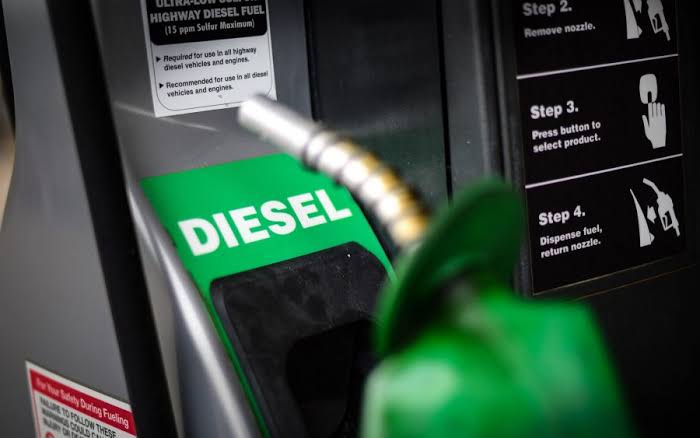
Oil marketers have revealed that a combination of the foreign exchange crisis in Nigeria and the recent enforcement of a 7.5% Value Added Tax (VAT) on Automotive Gas Oil (diesel) has resulted in a significant rise in the cost of diesel, reaching between N900 and N950 per liter in many states.

This increase has prompted concerns from local manufacturers, who fear that it could lead to the closure of factories and loss of jobs.

Representatives from the Natural Oil and Gas Suppliers Association of Nigeria (NOGASA) explained during a press briefing in Abuja that their inability to access United States dollars has hindered their ability to import diesel.

Prior to the introduction of the 7.5% VAT, the cost of diesel was around N650 per liter.

The President of NOGASA, Benneth Korie, emphasized that the surge in diesel prices is also linked to a scarcity of dollars.

He urged government intervention and stressed the need for a collaborative effort among financial institutions and authorities to address the dollar shortage issue.

Furthermore, Korie called on President Bola Tinubu to focus on revitalizing Nigeria’s refineries, as this could alleviate the pressure on foreign currency and reduce the reliance on imported petroleum products.

The dire state of Nigerian roads was another issue raised by Korie.

He cited an example of the Port Harcourt-Warri road, where approximately 500 tankers were stranded due to the poor condition of the road.

Korie warned that if road infrastructure is not improved, the supply of petroleum products to various locations in the country could be disrupted.

In response to the situation, Hamma Kwajaffa, the Director-General of the Nigerian Textile Manufacturers Association, expressed concern that rising energy costs, driven by increased diesel prices, may force textile manufacturers to consider shutting down operations.

George Onafowokan, CEO of Coleman Technical Industries Limited, emphasized that the escalating diesel costs would lead to higher production expenses for his company and other businesses.

He urged the government to find sustainable solutions to address the ongoing rise in diesel prices, which is affecting various sectors of the economy.

WEMA and Mastercard collaborate to offer specialized training to empower 10,000 women in small and medium enterprises (SMEs).

0

WEMA Bank has announced plans to empower 10,000 young women by providing them with support and training in various businesses and vocations.

This initiative is a collaboration between WEMA Bank, the Entrepreneurial Development Centre of Pan-Atlantic University, and Mastercard.

During a press briefing in Lagos, Tunde Mabawonku, the Executive Director for Retail and Digital Business at Wema Bank, emphasized that this partnership aims not only to promote inclusivity and align with Sustainable Development Goals, but also to create genuine job opportunities for young people.

The goal is to bring about positive transformations for individuals, businesses, and families nationwide.

Ayodele Olojede, the Divisional Head of Retail and Small and Medium Enterprise at Wema Bank, highlighted that this collaboration will empower female customers by enhancing their skills and unlocking their potential.

Through the alliance, 10,000 female business owners who are valued customers of Wema Bank will receive comprehensive training from experienced professionals at Pan-Atlantic University’s Entrepreneurial Development Centre.

Additionally, 50 individuals will have the chance to become certified Business Development Support Providers through SMEDAN.

Furthermore, select entrepreneurs will receive grants and seed funding of up to N500,000 each to help turn their learning into tangible business success.

Nneka Okekerau, Director at EDC, emphasized that the training encompasses entrepreneurs in various sectors, including creative, digital, and agribusiness.

She emphasized the need to shift mindsets in order to achieve positive outcomes.

As pioneers of this transformative capacity-building initiative, the partners expressed their enthusiasm for the positive changes that will emerge from the program and extended their gratitude to all participants.

Nigeria experiences a surge in inflation to 24.08% during July, as reported by the NBS.

0

Nigeria experienced a significant surge in headline inflation in July 2023, reaching 24.08%, according to the National Bureau of Statistics.

This marks the most substantial increase throughout the entire year.

Comparatively, the inflation rate was 22.79% in June, indicating a rise of 1.29 percentage points.

The NBS elaborated that the July 2023 headline inflation rate rose by 1.29%, when compared to the rate in June 2023.

Moreover, on a year-on-year basis, the July 2023 headline inflation rate was 4.44% points higher than that of July 2022, which stood at 19.64%.

This underscores a clear escalation in the headline inflation rate in July 2023 compared to the same month the prior year.