Home Blog Page 450

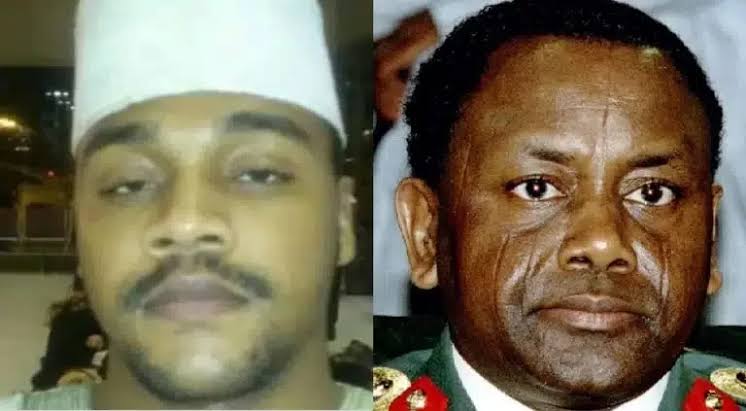
Abacha’s son, Abdullahi, is dead

0

Abdullahi, the son of late former head of state, Sani Abacha, has died.

This was disclosed by his sister, Gumsu Abacha, in a tweet on Saturday.

According to the post, Abdullahi died in the early hours of the day.

“Innalillahi wa inna ilaihi raji’un. I lost my younger brother Abdullahi Sani Abacha,” she wrote.

Gumi said her younger brother died in his sleep. She asked the public to include him in prayers.

“May Allah forgive his shortcomings and grant him jannatul firdous, Ameen. Please include him in your prayers,” she added.

Abdullahi’s remains will be buried at Gudu Cemetery later today after a prayer at the Central Mosque in Abuja, she adds.


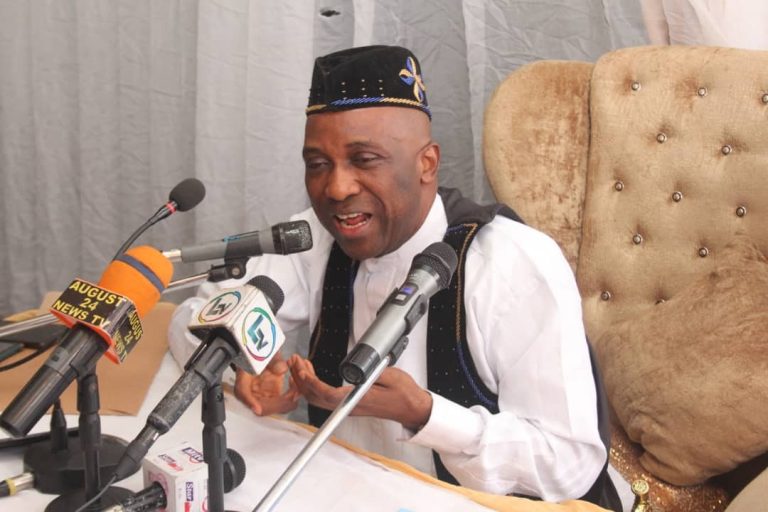
God against Tinubu’s victory, prepare for hardship, his govt’ll fail – Primate Ayodele to Nigerians

0

The leader Of INRI Evangelical Spiritual Church, Primate Elijah Ayodele, on Friday reacted to the victory of Nigeria’s President-elect, Bola Tinubu at the just concluded presidential election.

Primate Ayodele revealed that God is against Tinubu’s victory, adding that the incoming government will be filled with sorrow, hardship, failure and economic disappointment.

In a statement by his media aide, Osho Oluwatosin, he made it known that the incoming government will not be any better than the outgoing one because the will of the people was stolen.

He explained that it is not part of God’s plans that Christians will not be part of leadership in Nigeria and that the APC wants to stir a confusion in the religious sector.

According to Ayodele: ‘’I am seeing a new government of sorrow, hardship, failure, economic disappointment, there will be more hardship because God never approved another APC government for Nigerians.

“Under this new government, Nigeria will not be regarded internationally, this government will not make it better than what we experienced in the outgoing government.

“This is not the government God approved for us. God has not approved Nigeria to be an Islamic republic, he has not said Christians will not be part of the government but these people have berated God, they want to stir confusion in the religious sector but God has rejected them.

Rema is my “brother in Christ” – Ayra Starr

0

Bloody Samaritan’ crooner, Oyinkansola Sarah Aderigbigbe has shut down rumours of a love affair between her and colleague, Divine Ikubor, known professionally as Rema.

Starr revealed this during a recent interview with Kenya’s Kiss FM.

“I don’t know. I haven’t heard that before,” she said, when being questioned about the alleged relationship.

Ayra Starr added, “That’s my brother in Christ o.”

https://twitter.com/KeepItKiss/status/1631626435604410370/mediaviewer

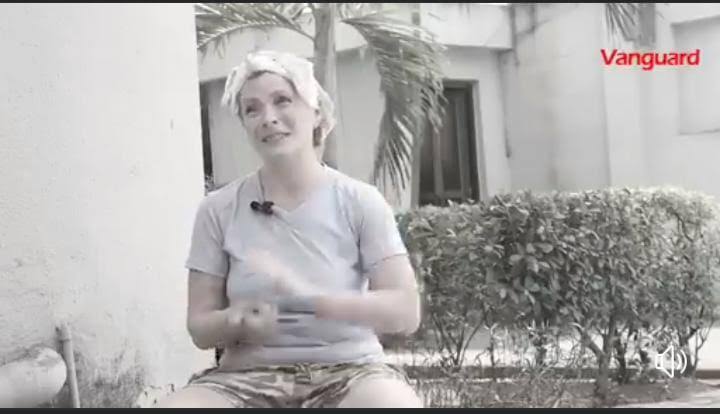
I wanted to go across Africa, but I fell in love with Nigeria. It was a Russian woman driving a Keke.

0

A Russian woman, Kate has spoken about her experience being a tricycle rider in Nigeria.

In an exclusive video with Vanguard, Kate narrated how she came over from Russia and settled down in Nigeria, adding she is in love with the country.


Summary of the Naira note, Supreme Court Reform Order Decisions:

0

The Defendants ought not to be heard when it has refused to obey the orders of this Honourable Court. The disobedience of the orders of the Court is a sign of the failure of rule of law. This suit has merits.

Reliefs granted in favour of the Plaintiffs:

1. The demonetisation policy is inconsistent with the CBN Act.

2. A declaration that the President cannot make a unilateral policy without carrying the Plaintiffs along.

3. In issuing the policy, the president is under an obligation to carry the national council of states along.

4. The policy has impeded the functions of state governments.

5. The directive of the president is illegal.

6. Old version of the naira notes shall continue to be legal tender with the new naira notes until 23rd December, 2023.

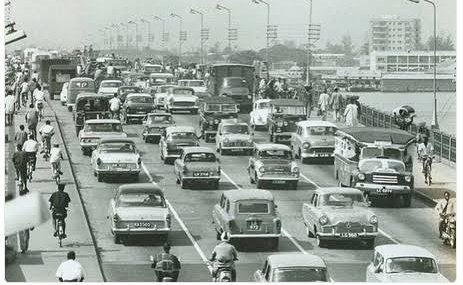
“Lagos Is No Man’s Land ‘, A Loud Ignorance

0

“Edo or Benin own Lagos”

This is Totally false, infact Edo or Benin doesn’t own any parcel of land in Lagos. If you want to go into History, make sure your history isn’t base on emotion. Just to make it clear again, The History of Lagos (Eko) is Different from the History of Lagos State.

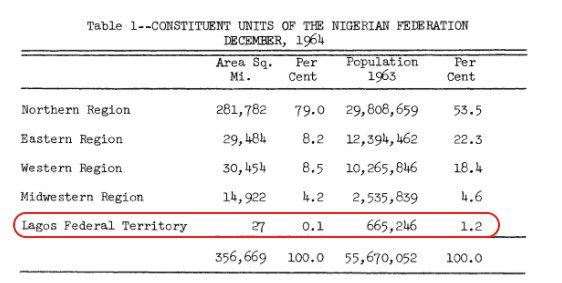
Lagos which was the first capital of Nigeria was only 27 square miles out of the 1381 square mile landmass of Lagos state today. The first capital of Nigeria, “Lagos” consist of Lagos Island, Marina, Ebute meta, Yaba, ikoyi, surulere, Apapa. Other part of Lagos State was carved out of the Old Western Region, these people share direct Ancestry with people currently living in Ogun State.

Places like: badagry, epe, Ikeja, Alimosho, Agege etc. For Example, Alimosho is a major Awori and Egbado settlement – They share direct Ancestry with people living in Ogun State. The History of Edo or Benin in Lagos “Not Lagos State” was a colonial mission which some people refer to as “Show of Power”


The phrase ‘belongs to or owned by’ is antithetical to the actual relationship between the indigenous people of Lagos and the Bini warriors sometime around the 18th Century.


From historical account, as summarised by the evidence before the court in Onisiwo v. Attorney General and Amodu Tijani v, the Secretary for Southern Nigeria, the original settlers of Lagos were the Awori, the descendants of Olofin. Olofin had settled around the Iddo area around the 16th century as the first settler.


He was later joined there by Ogunfunminire, a Yoruba prince from Ile-Ife, who had his base in Isheri about 20km from Iddo. From Iddo, they began to establish settlements all over the nearby island of Eko and the mainland of Ebute Metta.


Subsequently, Olofin parcelled out the island and part of the adjoining mainland among some 16 subordinate chiefs known as the ‘white-cap chiefs’ in recognition of their dominion over portions parcelled out to them.


The contact with the Bini, which is of great significance to the throne of the Oba of Lagos today, occurred in the 18th Century with the conquest of the Iddo – the first settlement of the Olofin, by the Bini warriors and the appointment of a regent known as the Eleko by the then Oba of Benin as the ruler of the island.


The first and successive Elekos became the Oba of Lagos, acknowledging the suzerainty and sovereignty of the Oba of Benin and paying tribute to him until sometime in 1850 when payment of tribute was stopped and the Oba of Lagos asserted his independence.


A more detailed historical account of the Awori’s interface with the Bini is contained in the work of an eminent Lagosian, Chief Musliu Anibaba, titled ‘The Lagosian of the 20th Century’.


In the book, the learned author refers to the regent of the Oba of Benin after the Iddo conquest as ‘Ashipa’ who died before he was installed as Oba. He claims that his son, Ado, was subsequently crowned formally as the Oba of Lagos with all the paraphernalia of that office; that Oba Ado established a meeting place on a pepper farm said to belong to Chief Aromire –a white-cap chief, which he donated to the Oba.


The meeting place, according to the author, later became the Oba’s palace in Lagos, now known as the Iga Idunganran. Idunganran, according to the author, was formed from Idun (farm) and Iganran (pepper). Oba Ado, according to him,was succeeded by two sons, Oba Gabaro and Oba Akinsemoyin, and a daughter, Erelu Kuti – all of Bini royalty. It is worthy of note that all the Obas who reigned in Lagos, including the late Oba Adeyinka Oyekan, were all descendants of Erelu Kuti of the Bini royalty.


Thus, it is therefore established from the historical accounts that I have just given, that while the royalty in Lagos has Edo (the Bini) origin, the white-cap chiefs of Lagos, who are landowners (or landlords of the royal houses of Lagos) are the descendants of Olofin of Awori origin. Since the late 18th Century when the Oba of Lagos stopped paying tribute to the Oba of Benin, the independence of Oba of Lagos from any external control or influence came to an end.


We all need to understand that paying tribute doesn’t equal owning a place, even fon people of Benin Republic paid tribute to Oyo at some point, Having Ancestry from another place doesn’t either, Awori People claimed they Originated from Ile ife yet People from Ile ife don’t claim ownership of Lagos.


History is not about emotion. There is an understanding between the royalty in Lagos and the landowners regarding existing arrangements and there is no argument as to the status.


Credence is given to the view that the Awori ‘own land’ in Lagos by the popular protests of the white-cap chiefs following the Treaty of Cession in 1861 under which Oba Dosunmu (the descendant of Ado through Erelu Kuti) purportedly ceded land in Lagos to the British Crown on the grounds that he, Dosunmu, could not have given away what did not belong to him or to the throne,which fact was endorsed by subsequent judicial interpretations of the effect of the Treaty of Cession.


These also played a huge role when the Oluwa of Lagos – Chief Amodu Tijani Took Britain to Court in 1921 for Stealing His Land and Won £22,500,39. Infact, When the freed slaves with yoruba Origin from Sierra Leon, Brazil and other part of the world were coming back into Yorubaland, The Yorubas who couldn’t trace their family tree in other Yoruba communities were given lands and resettled within Lagos “Not Lagos State”.


Fela’s Great Grandfather was one of those people who easily traced his root to Abeokuta and infact he had to walk from Sierra Leon to Abeokuta.


And Yes, It is important to know who the original owners of Lagos are, we must collectively say No to Ignorance, the idea and concept that Lagos is No man’s land is loud ignorance.


Source:

Yorubaness

The President of Eko Foundation, Prof. Imran Smith (SAN)

Bayo Akinloye – Punch Newspaper


Six states have petitioned the Supreme Court to invalidate the presidential election.

0

Adamawa, Akwa-Ibom, Bayelsa, Delta, Edo and Sokoto states have dragged the Federal Government before the Supreme Court over the conduct of the February 25, 2023 presidential and National Assembly elections.

The suit filed by the Attorneys General of the six states has the Attorney General of the Federation as sole respondent.

The plaintiffs on February 28 predicated their case on the grounds that, “The collation of the national election results from the 36 states of the Federation, and that of the Federal Capital Territory, for the said 2023 presidential and National Assembly elections have not been carried out in compliance with the mandatory provisions of relevant sections of the Electoral Act, 2022; the INEC Regulations and Guidelines for the Conduct of Elections, 2022, made pursuant to the provisions of the Electoral Act, 2022; and the INEC Manual for Election Officials, 2023.”

In the suit filed by their lawyer, Mike Ozekhome, SAN, the states said the agents and officials of the Federal Government and INEC failed to transmit the collated result as prescribed by the provisions of the Electoral Act, 2022; the INEC Regulations and Guidelines for the Conduct of Elections 2022; and the INEC Manual for Election Officials requiring transmission of the results by the use of Bimodal Voter Accreditation System in flagrant breach of the relevant provisions of the Electoral Act, 2022; the INEC Regulations and Guidelines for the Conduct of Elections, 2022; and the INEC Manual for Election Officials, 2023.

They stated that, “non-compliance with the due process of law has led to a widespread agitation, violent protests, displeasure, and disapproval from a wide spectrum of the Nigerian populace, including international observers, political parties, well-meaning Nigerians and former Head of States of the Federal Republic of Nigeria”.

The plaintiffs argued that the federal government through INEC, “is empowered by law to correct the elections due to technical glitches and errors arising from the conduct of the elections with substantial effect on the electoral process in line with the provisions of Section 47 (3) of the Electoral Act, 2022; and other relevant sections thereof.
Whilst queries were being raised as to the failure or deliberate refusal of INEC to transmit the results electronically, INEC suddenly pulled down its portal harbouring the Regulations and Guidelines, thus leaving the plaintiffs in the dark

Most Nigerians, including the governments and peoples of Adamawa State, Akwa Ibom State, Bayelsa State, Delta State, Edo State, and Sokoto State, are entitled to a proper and electoral lawful process and procedure that guarantees a free, fair, transparent and credible election”.

Amongst the issues raised for determination by the apex court were: Whether having regard to the provisions of the Electoral Act, 2022, governing the 2023 nationwide general elections, particularly paragraphs 38 of the INEC Regulations and Guidelines for the Conduct of Elections, 2022; and paragraphs 2.8.4; 2.9.0; and 2.9.1 of the INEC Manual for Election Officials, 2023 thereof, the electronic transmission of votes collated at polling units and the use of the Bimodal Voter Accreditation System (BVAS) in the transmission of collated result is made mandatory.

“Whether the Federal Government of Nigeria through presiding officers of its executive body, Independent National Electoral Commission was bound to electronically transmit or transfer Polling Unit Results in Form EC8A using BVAS by uploading Scanned Copy of the said Unit Results to the Independent National Electoral Commission Result Viewing Portal (IReV) in the course of the General Elections held on the 25th of February, 2023 throughout the Federation.

“Whether the Federal Government of Nigeria in the recently held Presidential and National Assembly elections conducted nationwide on 25th February, 2023 through INEC, complied with the mandatory provisions of extant laws, INEC Regulations and Guidelines for the Conduct of Presidential Elections, 2022″.

“Whether the failure of the Federal Government of Nigeria through the Defendant and INEC to electronically transmit or transfer Polling Unit Results in Form EC8A using BVAS by uploading Scanned Copy of the said Unit Result to the Independent National Electoral Commission Result Viewing Portal (IReV) after the counting and announcement of the Polling Units results on 25th of February, 2023, violates the provisions of Sections 25; 47(2); 60 (1), (2), (4) & (5); 62; 64(4)(a) & (b); 70; and 148 of the Electoral Act, 2022, governing the 2023 nationwide general elections, particularly paragraphs 38 of the INEC Regulations and Guidelines for the Conduct of Elections, 2022; and paragraphs 2.8.4; 2.9.0; and 2.9.1 of the INEC Manual for Election Officials, 2023, for the conduct of the presidential election.

“Whether the failure of the Federal Republic of Nigeria through INEC to comply with the provisions of Section 60 of the Electoral Act, 2022 and the Regulations and Guidelines for Conduct of Elections, 2022 made pursuant to the Electoral Act and the Constitution of the FRN, 1999, as amended, in collating and announcing the results of the Presidential and National Assembly Elections render the already announced results and the elections conducted as a whole a nullity”.

“Whether the entire results of the presidential election conducted on the 25th of February, 2023, as announced by the Chairman of INEC at the National Collation Centre, Abuja in flagrant provision of Sections 25; 47(2); 60 (1), (2), (4) & (5); 62; 64(4)(a) & (b); 70; and 148 of the Electoral Act, 2022, governing the 2023 nationwide general elections, particularly paragraphs 38 of the INEC Regulations and Guidelines for the Conduct of Elections, 2022; and paragraphs 2.8.4; 2.9.0; and 2.9.1 of the INEC Manual for Election Officials, 2023, for the conduct of the Presidential Election, were valid.”

The plaintiffs urged the apex court to declare, “that the Federal Government of Nigeria, through INEC was bound to electronically transmit or transfer Polling Unit Results in Form EC8A using BVAS by uploading Scanned Copy of the said Unit Result to the Independent National Electoral Commission Result Viewing Portal (IReV) in the course of the General Elections held on the 25th of February, 2023 throughout the Federation in compliance with the provision of Sections 25; 47(2); 60 (1), (2), (4) & (5); 62; 64(4)(a) & (b); 70; and 148 of the Electoral Act, 2022, governing the 2023 nationwide general elections, particularly paragraphs 38 of the INEC Regulations and Guidelines for the Conduct of Elections, 2022; and paragraphs 2.8.4; 2.9.0; and 2.9.1 of the INEC Manual for Election Officials, 2023, for the conduct of the presidential election.”

They are seeking “A declaration that the entire results of the Presidential Election conducted on the 25th of February, 2023 announced by the Chairman of INEC at the National Collation Centre, Abuja, in flagrant violation of the provisions of Sections 25 of the Electoral Act, 2022, governing the 2023 nationwide general elections, particularly paragraphs 38 of the INEC Regulations and Guidelines for the Conduct of Elections, 2022; and paragraphs 2.8.4; 2.9.0; and 2.9.1 of the INEC Manual for Election Officials, 2023, for the conduct of the Presidential Election, were invalid, null and void, and of no effect whatsoever.

“A declaration that the fundamentally flawed electoral process through the non-uploading of the results of each of the 176,974 Polling Units nationwide, in respect of the presidential election and National Assembly Elections held on Saturday, 25th February 2023 were not in accordance with the provisions of Sections 25; 47(2); 60 (1), (2), (4) & (5); 62; 64(4)(a) & (b); 70; and 148 of the Electoral Act, 2022, governing the 2023 nationwide general elections, particularly paragraphs 38 of the INEC Regulations and Guidelines for the Conduct of Elections, 2022; and paragraphs 2.8.4; 2.9.0; and 2.9.1 of the INEC Manual for Election Officials, 2023, for the conduct of the presidential election.

“The plaintiffs also brought an application praying the apex court for an order directing a departure from the rules of the apex court in the interest of justice by directing for accelerated hearing of the substantive suit. Besides, plaintiffs also filed another application seeking for an order for abridging time for parties to file and serve responses for and against the suit. No date has been fixed for hearing.




Lagos State’s Secret , She Leads By Leading

0

It is all too common for critics of Lagos State to attribute the developmental strides experienced by the mega city to its high population and high revenue that is being generated within the state

The natural consequence of this, they argue, is that anyone, no matter how incompetent and ill equipped for leadership, can govern Lagos state. This kind of thought does not only defy common sense, it is also antithetical to every principle of corporate governance and leadership known to man.

In recent times, supporters of political neophytes, Olajide Adediran, popularly known as Jandor and Chinedu Rhodes-Vivour both of the Peoples Democratic Party (PDP) and Labour Party respectively, have trumpeted these views in one form or the other. These views, in its entirety, are simply spurious politicking that are concocted to dismiss Lagosians’ laser focus abilities to choose their representatives.

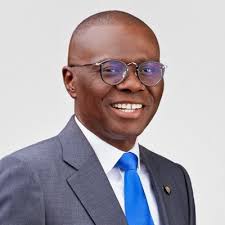
In reality, the choice of progressive, experienced and qualified leaders like Tinubu, Fashola, Ambode and the current governor, Babajide Sanwo-Olu by Lagosians have been the real coup de maître.

Statistically and historically, no city flourishes just because a lot of people accidentally converge in one place. If anything, a high population like the one we have in Lagos State can be a serious disadvantage in the absence of strategic leadership.

This is because untapped, explosive population growth places a heavy burden on social infrastructure and could overrun the healthcare systems, deteriorate public education, cause shortage of housing, water supply, sanitation, power, roads, etc. Many states and even countries would break from pressure if faced with one tenth of the enormous population challenges Lagos State has had to deal with, revenues or not.

Additionally, while it is true that there is strength in numbers, Lagos still plays host and caters to the health, security, and wellbeing of citizens who are not captured within the tax net. To assume that every Lagosian and visitor contributes to the revenue of Lagos State is simply incorrect.

Furthermore, it is imperative to note that until 2016, Lagos State was not regarded as an oil producer and compared to PDP states like Rivers, Delta, Akwa-Ibom, Bayelsa etc. Its revenues from oil are minimal.

These traditional oil states despite huge revenues cannot boast of corresponding infrastructural development. At least the kind Lagos State is reputed for. One can only imagine what would be the expectations from Lagos if she had that massive advantage.

Hence, it is indeed a lazy man’s analysis to point at the revenues generated in Lagos State without first taking into account the enormous work done to create and sustain them. The forward leaps in terms of revenues have only happened because of the economic masterful strategy, vision and continuous strive for excellence by her leaders.

In summary, what has worked for Lagos has been the “can do”, undaunted spirit of Lagos leaders. They have accepted that this city, home of over 25 million people, one of the choicest travel destinations in the world and 5th largest economy in Africa is not a state of mediocrity and should not be led as such.

Take the first democratic governor, Bola Ahmed Tinubu for instance. He met Lagos at a meager 600 million Naira monthly Internally Generated Revenues, IGRs, in 1999.

On top of that, he was faced with the draconian and spiteful PDP-led Federal government of Olusegun Obasanjo. Obasanjo, president for eight years in the new dispensation, maliciously withheld Lagos funds for years.

However, Tinubu, who was the only governor who survived the political tsunami engineered by the then ruling party had to strategize like a sovereign state. Strengthened by sufficient state political backing , he established a technocratic enclave within the state bureaucracy that helped to professionalize the administration of business tax collection and bring both the formal and informal sectors into the tax net.

Not only did Lagos State rise above this grave period, the government funded her children’s education, improved on public healthcare, built roads and did not owe her workers. All done with income generated within the state.

In fact, the tax mobilization formula and other policies deployed by Tinubu as a governor are what the Federal Government and many states have adopted in its efforts to revamp the states and national economy.

Thankfully, all Tinubu’s successors have not rested on the laurels of their former boss. From Babajide Fashola to Babajide Sanwo-Olu, they have gone ahead to enlarge Lagos’ largess.

These leaders, especially the current governor, through his formidable leadership skills and policies continue to make Lagos the goto place for matchless economic opportunities, human development and the destination to grow wealth.

So, no. Lagos’ achievements are not by accident.

We must refuse any narrative that projects us as a thoughtless, anywhere belle face people.

Leadership is Lagos State’s magic wane. Over the years, we have chosen the bests and that is why her true people can not afford to be derailed to vote for an untested mediocre. Vote Sanwo-Olu


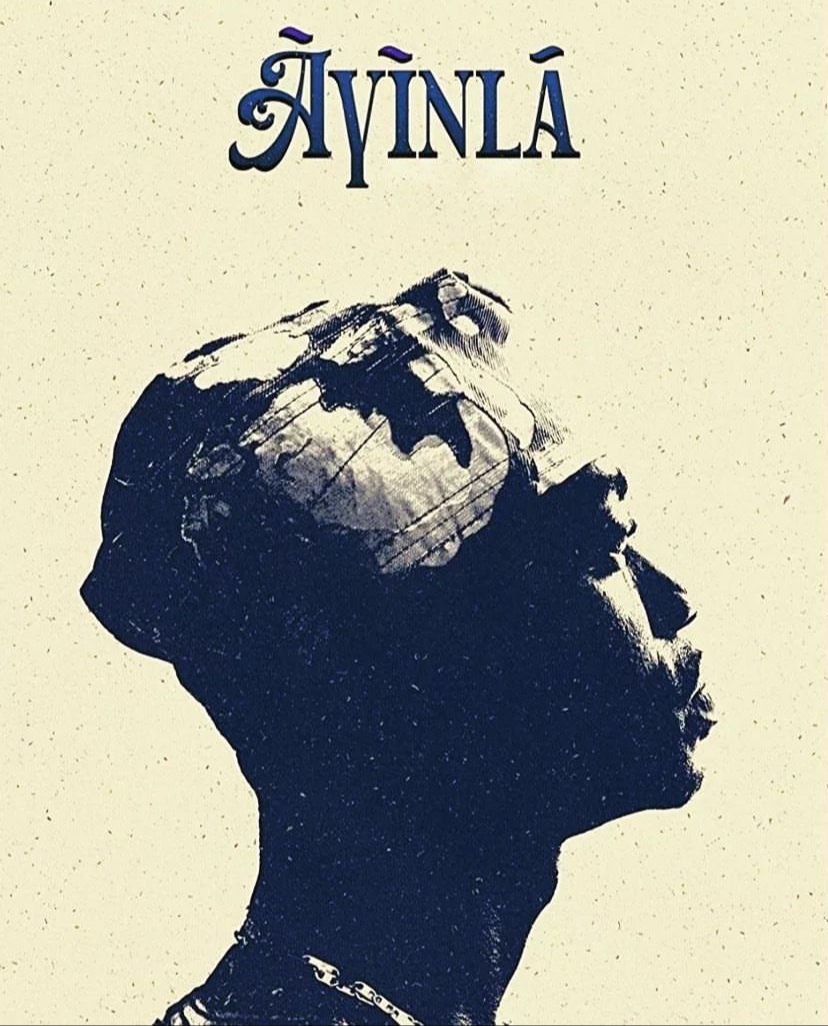
TUNDE KELANI’S AYINLA WINS ISAAC OLUWOLE DELANO PRICE FOR YORUBA STUDIES IN THE CREATIVE AND PERFORMANCE CATEGORY

0

TUNDE KELANI’S AYINLA WINS ISAAC OLUWOLE DELANO PRICE FOR YORUBA STUDIES IN THE CREATIVE AND PERFORMANCE CATEGORY

The Supervisory Board and Distinguished Jury for the Isaac Oluwole Delano Prize for Yoruba Studies 2022 are delighted to announce two winners in two categories for the Prize this year.

The winning entries are Akin Ogundiran’s The Yoruba: A New History (Indiana University Press, 2020), in the book category, and Tunde Kelani’s Ayinla (Mainframe, 2021) in the creative and performance category.

The prize includes a citation, a certificate, $1,000 to be shared equally among both awardees, and public acknowledgment at the annual Convocation Ceremony at Babcock University.

Tunde Kelani, Ayinla (Mainframe, 2021)

Making a blockbuster movie is no mean feat. The arduous production process, the continuous refining of creative representations to ensure they project the finest of details, and the place of good storytelling, continuity, and the ability to connect with and sustain the audience’s attention cannot be overstated.

Thus, when we consider Ayinla, the latest of Tunde Kelani’s movies, as a blockbuster, we should not only consider it as one of the top five highest-grossing movies in the Nollywood industry but also as a masterpiece that has registered its place as the defining point for biographical adaptations in the Nigerian entertainment industry.

Another factor that lends awe to Ayinla’s widespread success is that it is dominantly presented in the Yoruba language. Despite this, the movie found widespread acceptance among viewers. It was a hit in cinemas and has been among the top 10 trending movies on Netflix for weeks, further testifying to the strength of the movie’s broad appeal and how quickly it gained popularity among Africans and other lovers of good productions.

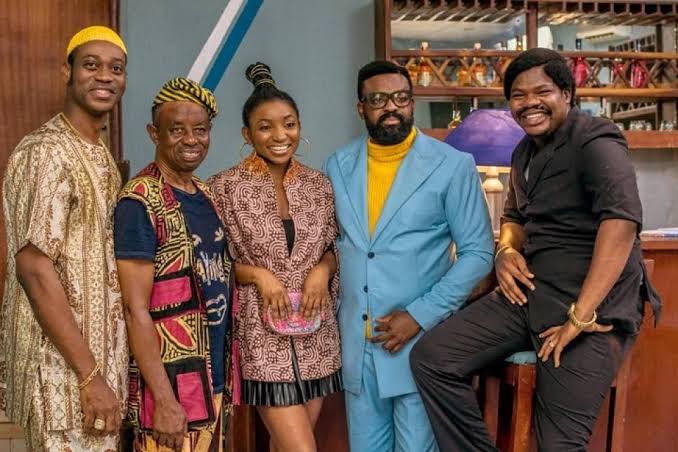
The things that make Ayinla deserving of praise pale compared to the movie’s awesomeness as a work of art. The movie demonstrates the artistic and creative ingenuity of the cast and crew, especially the producer and the writer, for an apt summation of the life of Ayinla, the musician, in such a eulogizing way, and the director, for the intricate selection of the cast.

Autopsy Confirms Chrisland Student Was Electrocuted – Lagos’ Mother

0

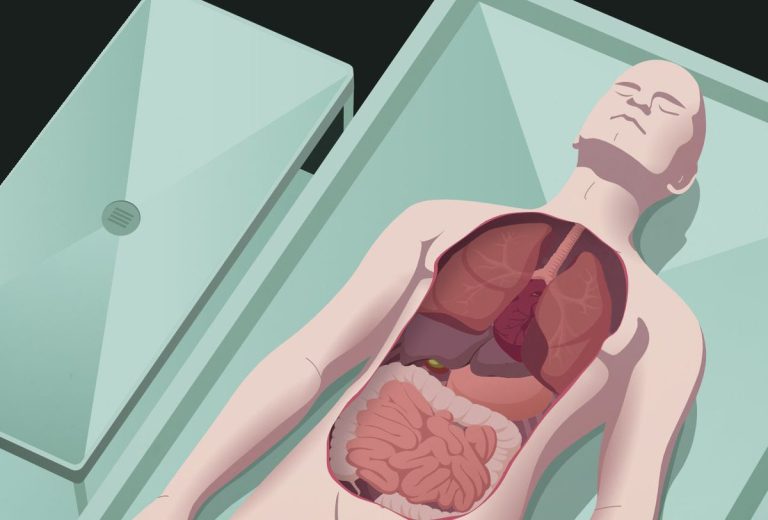
Aggrieved parents of the 12-year-old pupil of Chrisland International School, Whitney Adeniran, who recently died in strange circumstances during the school’s inter-house sports activities at the Agege Stadium, Lagos State, have said the result of the autopsy on their daughter revealed that she died of electrocution.

Whitney’s mother, Blessing, in a live broadcast on Instagram on Wednesday, confirmed the development.

She said, “The autopsy result is out and Desola was electrocuted. My daughter died of electrocution. I have been subjected to trauma for the past two weeks.

Tomorrow will make it three weeks since my baby died. The school made me think I was crazy. They started pushing the narrative of she was sick; she was sickly. They sent letters and publications out.

“People insulted me and my family. My child was electrocuted to death. I told the school I don’t want trouble. All I want is answers. They came to my house and knelt down.”

Also, the deceased father, Michael, in a text message sent to our correspondent on Thursday, said he confirmed the report of the autopsy from the officer-in-charge of the State Criminal Investigation Department, Panti, Yaba, noting that the Deputy Commissioner of Police, Panti, told him Whitney was killed by 600 volts of electricity.

The text read, “The autopsy is out. I just finished speaking to the DCP, Panti. He assured me that they have received the result. The pathology department has confirmed it. My daughter was electrocuted with 600 volts of electricity.

However, the state Police Public Relations Officer, SP Benjamin Hundeyin, when contacted to authenticate the claim of the family on the result of the autopsy, said the result of the autopsy was yet to be out.

Hundeyin said the command was in constant communication with the state pathologists and criminal investigation department, who confirmed that the report of the autopsy was not out.

He said, “I just confirmed that the autopsy report is not out. We have been in touch with the pathologists and I can confirm to you that the report is not out.”

Meanwhile, in a statement on Thursday, the Director of Public Affairs, Ministry of Justice, Alo Grace, said the post-mortem report revealed Whitney’s cause of death to be Asphyxia and electrocution.
The statement indicated further that the Directorate of Public Prosecutions had been instructed by the AG to issue legal advice on the matter with immediate effect.

“The Lagos State Government has received the post-mortem report dated March 1, 2023, issued by the Lagos State University Teaching Hospital, in respect of Adeniran Omodesola Whitney, who was until her demise, a student of Chrisland School, Opebi, Lagos.

“The statement from the office of the Attorney General and Commissioner for Justice, Moyosore Onigbanjo (SAN), states that the post-mortem report revealed the cause of death to be Asphyxia and Electrocution.

The Lagos State Government commiserates with the deceased family while reassuring Lagosians that anybody found culpable would immediately be charged to court”, the statement added.

Meanwhile, no magistrate had been named nor date fixed to conduct the coroner inquest into the cause of death of Whitney whose remains were reportedly laid to rest on Thursday.