


Home Blog Page 51

Federal Government Approves $1 Billion for Modernisation of Apapa and TinCan Island Ports

0

The Federal Government of Nigeria has approved a $1 billion (₦1.4 trillion) investment for the comprehensive modernisation of the Apapa and TinCan Island ports in Lagos, marking one of the country’s most ambitious port infrastructure upgrades in decades.

The Minister of Marine and Blue Economy, Adegboyega Oyetola, announced the approval on Thursday, stating that the project is designed to transform the two busiest ports in Nigeria into paperless, technology-driven logistics hubs. According to him, the modernisation initiative will enhance cargo handling efficiency, reduce vessel turnaround time, and boost Nigeria’s competitiveness in global maritime trade.

“The goal is to build a smart, efficient, and sustainable port system that meets international standards,” Oyetola said. “We are committed to deploying technology and automation to eliminate bottlenecks, improve transparency, and make our ports globally competitive.”

The project falls under the framework of the Federal Ministry of Marine and Blue Economy’s 10-year strategic plan, which aims to reposition Nigeria’s maritime sector as a major driver of economic growth and diversification. The strategy focuses on infrastructure renewal, digitalisation, environmental sustainability, and regional trade facilitation.

Oyetola revealed that the modernisation effort will include the reconstruction of key port facilities, the installation of smart cargo handling systems, the digital integration of customs and clearance operations, and the development of intermodal transport links to ease congestion and improve cargo evacuation.

The minister also confirmed that similar upgrades would be extended to other major ports across the country, including Port Harcourt, Onne, Warri, and Calabar, in subsequent phases of the national maritime reform plan.

Industry experts have welcomed the move as a timely intervention to address decades of infrastructural decay and operational inefficiencies at Nigerian ports, which have long hindered trade and increased logistics costs.

Analysts believe that successful implementation of the Lagos port modernisation could unlock billions in trade revenue, attract foreign investment, and significantly reduce Nigeria’s dependence on neighbouring ports in Ghana, Togo, and Benin for transshipment activities.

The Apapa and TinCan Island modernisation project is expected to commence in 2026, pending the completion of procurement and environmental assessment processes.

Would you like me to prepare a press-ready PDF version of this report for publication or media distribution?

TETFund to Launch Electric Campus Transportation Scheme in 12 Tertiary Institutions by November 2025

0

The Tertiary Education Trust Fund (TETFund) has announced plans to roll out an electric campus transportation scheme across 12 pilot tertiary institutions in Nigeria by November 2025, marking a significant step toward sustainable and student-friendly mobility within higher education campuses.

The initiative was disclosed by TETFund’s Executive Secretary, Sonny Echono, on Wednesday in Abuja during a courtesy visit by a delegation of the National Association of Nigerian Students (NANS), led by its National Secretary, Comrade Shedrack Anzaku, according to the News Agency of Nigeria (NAN).

Echono explained that the electric transport project is designed to address mobility challenges faced by students and staff across tertiary institutions, while also promoting environmentally sustainable transportation solutions. He added that the initiative aligns with President Bola Ahmed Tinubu’s directive to improve student welfare and learning conditions through innovation, inclusivity, and infrastructure modernization.

“We are introducing an electric mobility scheme to make movement within campuses easier, safer, and more sustainable,” Echono said. “This is part of a broader strategy to enhance the quality of life in our tertiary institutions while supporting the global transition to clean energy.”

The electric campus buses will serve as a pilot project across select universities, polytechnics, and colleges of education, with the goal of scaling up the program nationwide after its initial evaluation. TETFund officials are also working with relevant ministries, energy providers, and local manufacturers to ensure that the vehicles and charging infrastructure are both cost-effective and locally adaptable.

Echono further emphasized that the initiative complements the government’s broader agenda of advancing green innovation within the education sector and fostering collaboration between academia and industry.

NANS representatives commended TETFund for the initiative, describing it as a progressive intervention that would reduce students’ daily commuting stress, particularly in large campuses where transportation remains a major concern.

The electric campus transportation scheme is expected to be officially unveiled in November 2025, following the completion of feasibility studies, procurement processes, and installation of supporting infrastructure in the selected institutions.

Federal House of Representatives Proposes 20% Cap on Rent Increases Nationwide

0

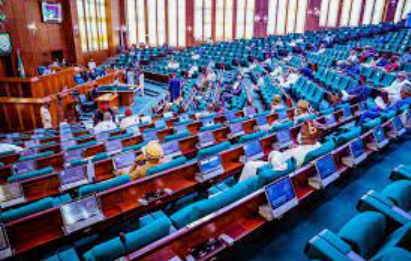
The House of Representatives has proposed a legislative measure to cap rent increases across Nigeria at no more than 20% of the existing rent, in a move aimed at curbing arbitrary rent hikes and addressing the country’s deepening housing affordability crisis.

The resolution, adopted during plenary on Wednesday in Abuja, followed a motion raised by lawmakers who expressed concern over the rising cost of accommodation, particularly in urban centres such as Lagos, Abuja, and Port Harcourt. They warned that the unchecked escalation of rent prices was worsening the plight of low- and middle-income earners already grappling with inflation and stagnant wages.

According to the motion, landlords and property managers have frequently imposed steep and unjustified rent increases, forcing many Nigerians into overcrowded or substandard housing conditions. Lawmakers argued that the proposed 20% ceiling would create a fairer and more predictable rental market, while giving tenants some measure of financial stability.

“The right to decent housing should not be treated as a privilege,” one lawmaker stated during the debate. “Capping rent increases is a necessary intervention to protect citizens from exploitation and to promote social equity.”

The House also urged the Federal Government to invest more heavily in affordable housing schemes, emphasizing the need for strategic partnerships with the private sector, state governments, and mortgage institutions to increase housing supply and reduce demand pressures in the rental market.

Lawmakers further called on the Federal Ministry of Housing and Urban Development to develop a comprehensive national housing policy that ensures access to affordable homes, particularly for young people, civil servants, and low-income families.

In a separate resolution, the House directed the Inspector General of Police (IGP) and the Commandant-General of the Nigeria Security and Civil Defence Corps (NSCDC) to enforce uniform and identification standards for officers at checkpoints nationwide.

The directive mandates that all personnel stationed at roadblocks and inspection points must wear full uniforms and display valid identification cards to promote accountability, reduce cases of misconduct, and align with international policing standards.

Lawmakers noted that the measure was necessary to curb abuses, extortion, and security lapses linked to unauthorized or improperly identified officers, which have undermined public confidence in law enforcement operations.

The House Committees on Housing and Police Affairs have been tasked with monitoring the implementation of both resolutions and reporting back within a specified timeframe.

Guinness Nigeria Reports ₦15.8 Billion Pretax Profit for Q3 2025, Up 315% Year-on-Year

0

Guinness Nigeria Plc has announced a significant turnaround in its financial performance, reporting a pretax profit of ₦15.8 billion for the quarter ended September 30, 2025, representing a 315.49% increase compared to ₦3.8 billion recorded in the same period of 2023.

The performance, detailed in the company’s unaudited financial statements, underscores a strong rebound for the brewer following a turbulent year marked by operational headwinds and currency fluctuations. The result also lifts Guinness Nigeria’s 15-month pretax profit to ₦43.7 billion, a remarkable recovery from a ₦73.6 billion loss posted in the previous comparable period.

According to the report, the company’s strong comeback was driven by robust revenue growth, improved operational efficiency, and strategic cost management initiatives implemented over the past year.

Revenue for the three-month period stood at ₦98.06 billion, reflecting a 64.72% year-on-year increase, while total turnover for the 15-month period reached ₦594.6 billion, highlighting a sustained recovery in sales volumes across key product categories.

Industry analysts attribute the company’s improved performance to growing consumer demand, price adjustments, and enhanced distribution efficiency, particularly in its core beer and spirits segments. The brewer has also benefited from improved supply chain stability and easing input cost pressures following currency reforms and energy sector adjustments.

Guinness Nigeria’s management said the results demonstrate the company’s resilience and adaptability amid Nigeria’s challenging macroeconomic environment.

“Our strategic focus on cost optimization, innovation, and market expansion continues to yield positive results,” the company stated. “We remain committed to strengthening our brands, driving sustainable growth, and delivering value to our shareholders.”

The report also noted that the company is continuing its business transformation programme aimed at achieving long-term profitability, including investments in digital distribution, sustainable packaging, and energy-efficient production systems.

Guinness Nigeria Plc, a subsidiary of Diageo Plc, remains one of the leading players in Nigeria’s beverage industry, with a diverse portfolio that includes Guinness Stout, Malta Guinness, Smirnoff Ice, Orijin, and Harp Lager.

The company’s latest results are expected to boost investor confidence as it consolidates its recovery trajectory heading into the final quarter of its extended financial year.

U.S. President Donald Trump Grants Pardon to Changpeng Zhao Following Money-Laundering Conviction

0

WASHINGTON — In a high-profile move that has rippled through both the cryptocurrency world and Washington’s corridors of power, President Donald Trump has issued a full, unconditional pardon to Changpeng “CZ” Zhao, founder of the global crypto exchange Binance. The announcement, made on October 23 2025, marks a dramatic turnaround in the case of one of the most prominent figures in digital assets. 

Zhao had previously pleaded guilty in late 2023 to a violation of U.S. anti-money laundering laws — specifically failing to maintain an effective anti-money laundering (AML) programme at Binance.  Under the terms of the plea, the company reached a settlement of US $4.3 billion with the U.S. Department of Justice and other regulators, and Zhao himself was sentenced to four months in federal prison in 2024. 

In the White House statement, Press Secretary Karoline Leavitt said Trump exercised his constitutional authority by granting the pardon, arguing that Zhao had been “prosecuted by the Biden administration in their war on cryptocurrency.”  Trump, in his remarks, noted that he did not believe he had ever personally met Zhao, but said the pardon was prompted by “a lot of very good people” who believed Zhao’s case was wrongly pursued. 

Zhao responded on social media platform X stating he was “deeply grateful” to President Trump for upholding “America’s commitment to fairness, innovation, and justice,” and pledged to “help make America the Capital of Crypto and advance Web3 worldwide.” 

Analysts say the pardon not only provides relief to Zhao personally, but may have broader implications for Binance and the cryptocurrency industry in the United States — potentially easing regulatory pressure and opening the door to renewed U.S. operations for the exchange. 

The case had also attracted scrutiny due to connections between Binance and the Trump family’s crypto venture, World Liberty Financial. Reports indicate that Binance accepted a US$2 billion investment from an Emirati fund via the stablecoin operated by that venture. 

Critics, including U.S. Senator Elizabeth Warren, have voiced concern that the pardon may undermine enforcement against crypto platforms that facilitated illicit activities — including transactions linked to sanctioned entities, child-sex-abuse websites and terrorist organisations. 

Whether the pardon will affect Zhao’s personal obligations — including fines or future restrictions on his involvement in Binance — remains unclear. Observers will be watching closely for regulatory and legal developments, including how Binance adjusts under the shifted regulatory climate.

As this story continues to develop, it underscores the evolving relationship between the U.S. government, high-stakes crypto platforms, and the broader financial system.

Mike Adenuga Is Not In Competition With Anyone

0

Mike Adenuga Is Not In Competition With Anyone

By Olabode Opeseitan

In the high-octane world of billionaire rankings and corporate chest-thumping, one man continues to defy the script. He does not chase headlines. He does not court applause. He simply moves—quietly, decisively, and with a generosity that rewrites destinies.

Mike Adenuga is not in competition with anyone. Because he’s not playing the same game.

Per Second Billing, Per Second Impact
Just as he made per second billing possible—when the industry insisted it was impossible, Adenuga has quietly touched the lives of many who thought hope was lost, on a per second basis. Just as he disrupted a market and democratized access, he has democratized giving.

Today, the per second spirit animates his philanthropy. Lives are touched, tears are wiped, futures are rebuilt. And it all happens quietly, without fanfare.

The Envelope Arrives. And So Does the Car. And the Miracle.
He may not show up at your event, but the envelope arrives. And sometimes, it’s more than an envelope. It’s a car. It’s a scholarship. It’s a lifeline.

He once read a newspaper story about a woman near the Seme border whose only source of livelihood—her market stall—had been destroyed. No fanfare. No press release. Just a quiet dispatch: find her, restore her, bless her. He dropped millions. Her tears were replaced with testimony.

From flood victims to students, from hospitals to cultural centers, his giving is strategic, soulful, and often anonymous. He has paid medical bills for strangers, funded education for thousands, and built opportunities and restored dignity for friends, associates, and complete strangers. The scale is vast. The style is silent. The pocket is deep.

The Billionaire Who Opted Out
He once asked to be removed from a global billionaire list. Not because he lacked wealth—but because he lacked interest. For him, wealth is not a scoreboard. It is a stewardship.

Global Echoes of Quiet Generosity
His style finds echoes in the lives of two other billionaires who redefined wealth through silence and service.

This is not a comparison of amounts or methods. It is a portrait of a man who gives generously and prefers to disappear from the wealth conversation.

Chuck Feeney, co-founder of Duty Free Shoppers, gave away over $8 billion during his lifetime, often anonymously. He wore a $15 watch, flew economy, and lived in a rented apartment. His “Giving While Living” philosophy inspired a generation of philanthropists.

Yvon Chouinard, founder of Patagonia, stunned the business world by donating his billion-dollar company to a trust dedicated to environmental causes. He didn’t sell. He didn’t cash out. He simply gave it away—because impact mattered more than ownership.

Like Adenuga, these men understood that true wealth is not measured in rankings, but in reach. His joy is not in being the richest. It is in spreading joy—quietly, consistently, and on a scale you don’t often see.

A Building for the Lord
During his mother’s burial in Ijebu-Igbo, he built a beautiful edifice to host guests. The moment the ceremony ended, he handed the building over to the church—for the Lord’s work. The gesture speaks volumes about how his mind works: build, bless, move on.

Legacy Without Noise
He has redefined what it means to be powerful. Not by dominating headlines, but by dominating hearts. His companies have created over 100,000 jobs. His fiber-optic investments have given Africa digital independence. His philanthropy has restored dignity to the forgotten.

Yet he remains rarely seen, hardly heard—but always felt.

Mike Adenuga is not in competition with anyone. Because impact, for him, is not a race. It is a rhythm. And it plays, quietly, in the background of lives transformed.

By Olabode Opeseitan | Editorial Architect

Davido Meets French President Emmanuel Macron, Brings Entire Crew to France

0

Nigerian music superstar Davido has once again made headlines — not just for his music, but for his strategic influence on the global stage. The singer recently traveled to France with his entire team to meet French President Emmanuel Macron, engaging in discussions that highlight his growing international footprint.

Fans and observers have praised Davido’s approach, noting that his moves are calculated and impactful, reflecting both his business acumen and global vision. From collaborations with international artists to strategic partnerships and now diplomatic-level engagements, the Afrobeats icon continues to expand his influence beyond the music industry.

“Davido is really out here meeting world leaders and making moves that are strategic for himself and for African music and culture,” a fan tweeted. “Every single move deserves applause.” 👏

This visit underscores a new era for African artists, where cultural influence meets international diplomacy and business strategy. Davido’s presence at such a high-profile meeting sends a clear message: African talent is not only recognized but also respected at the highest levels of global leadership.

As he continues to bridge entertainment, business, and international relations, Davido remains a role model for emerging African artists, proving that music can open doors to platforms that influence global conversations.


Nigeria’s Federal Revenue Jumps 68% to ₦20.98 Trillion in 2024, Driven by Non-Oil Earnings — Budget Office

0

Nigeria’s federal revenue surged by 68% in 2024 to ₦20.98 trillion, according to the latest Budget Implementation Report released by the Budget Office of the Federation, signaling one of the strongest fiscal performances in recent years.

The report attributed the impressive growth primarily to a sharp increase in non-oil revenue, which rose to ₦16.09 trillion — a significant leap reflecting the government’s ongoing efforts to diversify its income base away from oil dependence.

According to the document, the rise in non-oil revenue was fueled by robust collections from Company Income Tax (CIT), Value Added Tax (VAT), Customs and Excise Duties, and the Electronic Money Transfer Levy (EMTL). Analysts say this indicates improved tax compliance, better enforcement, and digitalization of revenue systems across key government agencies.

Despite the overall improvement, oil revenue continued to underperform, falling short of its target by ₦4.93 trillion. The shortfall, the report noted, was due to production constraints, crude theft, and fluctuating international oil prices, which continue to weigh on Nigeria’s fiscal outlook.

“The decline in oil revenue remains a major concern, underscoring the need for accelerated reforms in the petroleum sector,” the report stated.

In a related development, the Budget Office also highlighted steady growth in external trade, with Nigeria’s total trade volume reaching ₦36.6 trillion in the fourth quarter of 2024. The figure represents a moderate rise in export activity amid global economic uncertainties and tighter international financing conditions.

Experts say the data reflects Nigeria’s gradual economic recovery, buoyed by improved tax administration and non-oil sector resilience, but warn that the government must sustain its diversification drive to reduce vulnerability to oil market volatility.

Fiscal analysts have also urged authorities to channel the increased revenue toward infrastructure, social welfare, and debt reduction, noting that sustained growth in non-oil sectors could strengthen Nigeria’s medium-term fiscal stability.

The Budget Office’s report forms part of the federal government’s quarterly monitoring framework, designed to assess revenue performance, expenditure efficiency, and progress toward macroeconomic targets under the 2024 fiscal plan.

Angola to Launch First Major Copper Mine as Tetelo Project Begins Production

0

Angola is set to begin production at its first major copper mine, the Tetelo project, marking a significant step in the country’s push to diversify its economy and reduce long-standing dependence on oil exports.

The Minister of Mineral Resources, Petroleum, and Gas, Diamantino Azevedo, announced the development on Thursday, describing the project as a cornerstone in Angola’s broader strategy to strengthen its mining industry and attract foreign investment into non-oil sectors.

Valued at $250 million, the Tetelo Copper Mine is owned and operated by China’s Shining Star Icarus, and will begin production with an estimated annual output of 25,000 metric tons of copper concentrate during its first two years of operation.

Located in central Angola, the mine will initially operate as an open-pit site, with plans to transition into underground mining by the second half of 2026 as exploration and infrastructure development advance.

“This project represents a key milestone for Angola’s mining sector,” Minister Azevedo said. “It reinforces our vision to position the country as a leading mineral producer in Africa and to create sustainable jobs for our citizens.”

The Tetelo project is part of Angola’s broader initiative to expand its mineral portfolio, which includes iron ore, rare earths, gold, and lithium, alongside the continued modernization of its regulatory framework to attract more private sector participation.

Analysts note that global demand for copper—widely used in renewable energy systems, electric vehicles, and electronics—has created new economic opportunities for resource-rich African nations seeking to reposition themselves in global supply chains.

By launching the Tetelo mine, Angola joins other regional producers like Zambia and the Democratic Republic of Congo, aiming to leverage copper exports as a sustainable revenue source amid the global transition to green energy.

Minister Azevedo added that the government would continue to support infrastructure development, local content participation, and environmental safeguards to ensure responsible mining practices under the project.

With Tetelo’s commencement, Angola is poised to strengthen its position in the global minerals market while advancing its long-term goal of economic diversification and industrial transformation beyond oil.


Federal Government Reaffirms Commitment to Financial Inclusion Through Digital Identity and Smart Regulation

0

The Federal Government of Nigeria has reiterated its commitment to accelerating financial inclusion through the adoption of digital identity systems, technology-driven innovation, and enabling regulatory frameworks.

Speaking at Semafor’s Next 3 Billion Tour held in Abuja, the Minister of State for Finance, Dr. Doris Uzoka-Anite, said the government remains focused on reforms designed to integrate more Nigerians into the formal financial system under President Bola Tinubu’s Renewed Hope Agenda.

Dr. Uzoka-Anite noted that digital identity will serve as a foundation for inclusive growth, facilitating access to banking, credit, and other essential financial services for millions of citizens currently excluded from the formal economy.

“Trusted digital identity is the backbone of inclusive finance. It enables transparency, supports innovation, and builds the confidence required for individuals and businesses to participate in the economy,” she said.

The minister further emphasized that fintech innovation and smart, adaptive regulation will play central roles in expanding access to affordable financial services, empowering micro, small, and medium-sized enterprises (MSMEs), and driving sustainable economic development.

She added that the government is working with key stakeholders — including the Central Bank of Nigeria (CBN), the National Identity Management Commission (NIMC), and development partners — to streamline policies that promote interoperability, data protection, and consumer trust within Nigeria’s financial ecosystem.

According to Uzoka-Anite, the Renewed Hope Agenda prioritizes digital transformation, financial access, and entrepreneurship as critical levers for inclusive growth, especially in rural and underserved communities.

Nigeria’s financial inclusion drive has recorded progress in recent years, with millions of citizens gaining access to digital wallets, mobile banking, and electronic payment systems. However, experts note that closing the remaining inclusion gap will require coordinated efforts across identity, infrastructure, and education.

The Abuja event, part of Semafor’s Next 3 Billion Tour series, brought together policymakers, business leaders, and innovators to discuss strategies for expanding digital and financial access to the world’s next three billion connected individuals.