Home Blog Page 58

Sir Kesington Adebutu Donates ₦3 Billion to Boost Development in Ogun Communities

0

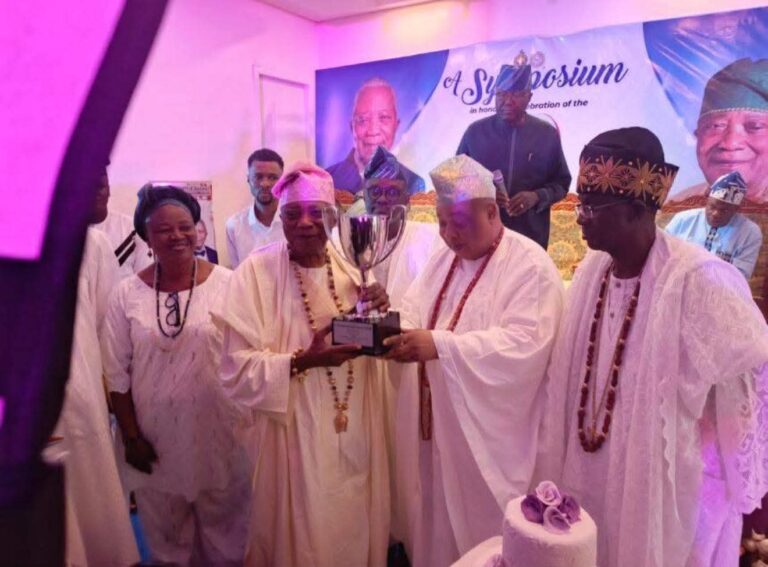
Billionaire businessman and philanthropist, Sir Kesington Adebukunola Adebutu, has announced a monumental donation of ₦3 billion to drive socio-economic and community development across key areas of Ogun State.


The revered lotto magnate made the announcement on Friday, pledging ₦1 billion each to Sagamu, Ikenne, and his hometown, Iperu-Remo. The funds, he stated, will be channelled toward infrastructural projects, education, healthcare, and youth empowerment initiatives aimed at improving the quality of life in the three local government areas.


Speaking during the presentation, Sir Adebutu reaffirmed his lifelong commitment to the upliftment of his community and the broader development of Ogun State. He emphasized that true wealth lies in the ability to give back and contribute meaningfully to society.


> “This gesture is a token of my gratitude to the people who shaped my journey. My vision is to see these communities thrive, with better schools, hospitals, and opportunities for our youth,” Adebutu said.


The philanthropist, popularly known as “Baba Ijebu,” has a long history of charitable giving and investment in public welfare. His foundation, the Kesington Adebukunola Adebutu Foundation (KAAF), has over the years supported education, healthcare, and poverty alleviation programmes across Nigeria.


Community leaders and government representatives lauded the donation, describing it as a timely intervention that would accelerate development and inspire other well-meaning Nigerians to invest in their communities.


The ₦3 billion commitment marks one of the largest individual community donations in recent years, reinforcing Sir Adebutu’s legacy as both a successful entrepreneur and a champion of grassroots development.


Filmmaker Femi Adebayo Meets Student Filmmaker Oyindamola Ojo, Who Used His Movie Seven Doors for Final-Year Project

0

Renowned Nigerian filmmaker and actor Femi Adebayo Salami recently met with Oyindamola Ojo, a promising young filmmaker who used his award-winning film Seven Doors as the focus of her final-year research project.

The meeting, which took place earlier this week, was filled with warmth and mutual admiration. Oyindamola, a graduating student of Theatre and Media Arts, expressed her gratitude to Adebayo for creating a film that deeply inspired her academic work and creative journey.


In her project, Oyindamola explored Seven Doors as a case study in storytelling, character development, and cultural representation in modern Nigerian cinema. She praised Adebayo for his attention to detail, emotional depth, and ability to blend traditional themes with contemporary narratives.


Femi Adebayo, known for blockbusters such as King of Thieves (Agesinkole) and Jagun Jagun, commended the young scholar for her passion and dedication. He noted that it was gratifying to see his work contributing to academic discourse and inspiring the next generation of filmmakers.


Speaking after the meeting, Adebayo said, “It’s always fulfilling to know that our films are not just entertaining people but also serving as learning tools for young creatives. Oyindamola’s effort shows the bright future ahead for Nollywood.”


The encounter has since generated excitement among fans and film enthusiasts, highlighting the growing influence of Nollywood films in both entertainment and education.


Oyindamola expressed her joy on social media, describing the meeting as a “dream come true” and thanking Femi Adebayo for his humility and encouragement.


The inspiring exchange underscores the power of Nigerian cinema to educate, inspire, and connect generations through storytelling.


South Africa Presses Ahead with Genocide Case Against Israel Despite Gaza Ceasefire

0

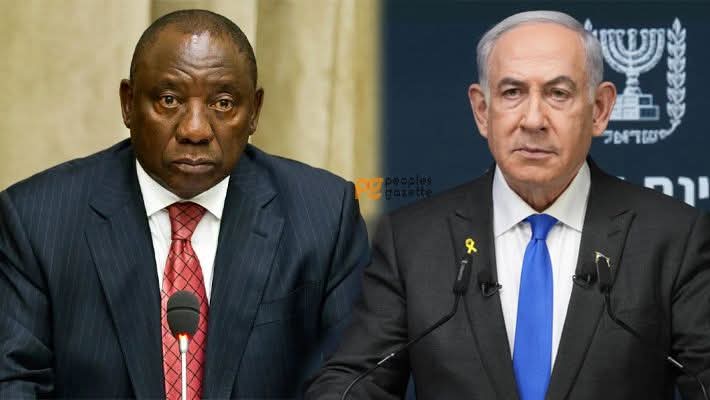
Pretoria, South Africa — The South African government has reaffirmed its commitment to pursuing genocide charges against Israel at the International Court of Justice (ICJ), emphasizing that the recently declared Gaza ceasefire will not affect its ongoing legal action.


Officials in Pretoria stated that the case is not solely focused on temporary truces or pauses in hostilities, but on addressing and preventing what South Africa alleges are systematic violations of international law committed during Israel’s military operations in Gaza.


“Ceasefires are not solutions; they are moments of relief,” a government spokesperson said. “Our duty is to ensure accountability and long-term justice for the victims of oppression and violence.”


South Africa’s position reflects its enduring foreign policy stance rooted in its own struggle against apartheid. The country has consistently positioned itself as a defender of human rights and an advocate for marginalized and occupied populations across the globe. This moral and historical perspective continues to shape its engagement in international disputes, including its vocal support for the Palestinian cause.


The ICJ case, filed earlier this year, accuses Israel of violating the 1948 Genocide Convention through its military actions in Gaza, which South Africa claims amount to acts intended to destroy, in whole or in part, the Palestinian population. Israel has denied the allegations, describing them as “baseless” and politically motivated.


Meanwhile, South Africa is contending with growing economic pressures at home. The United States recently imposed tariffs on some South African exports, raising concerns about potential impacts on trade, jobs, and foreign investment. Economic analysts warn that the strain could complicate Pretoria’s broader foreign policy objectives, as the government seeks to balance its moral stance on global issues with the need to protect domestic economic interests.


Despite these challenges, officials maintain that South Africa’s pursuit of justice at the ICJ represents a principled stand — one that underscores its belief in a rules-based international order and its continued commitment to global human rights advocacy.


Army Colonel Michael Randrianirina Sworn In as Madagascar’s New President Following Military Takeover

0
Army Colonel Michael Randrianirina Sworn In as Madagascar’s New President Following Military Takeover

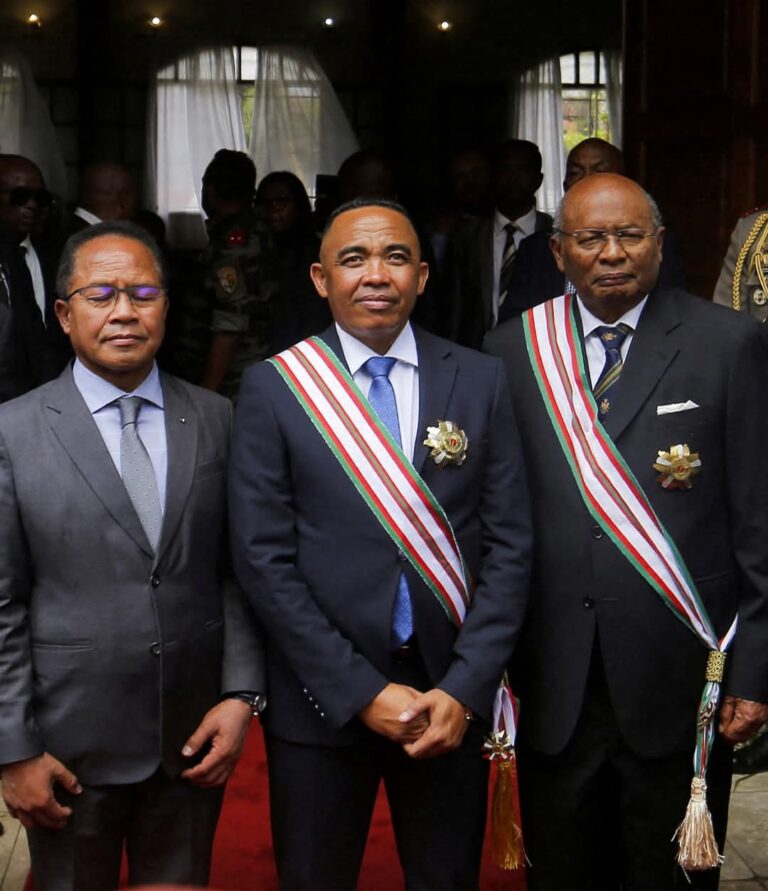
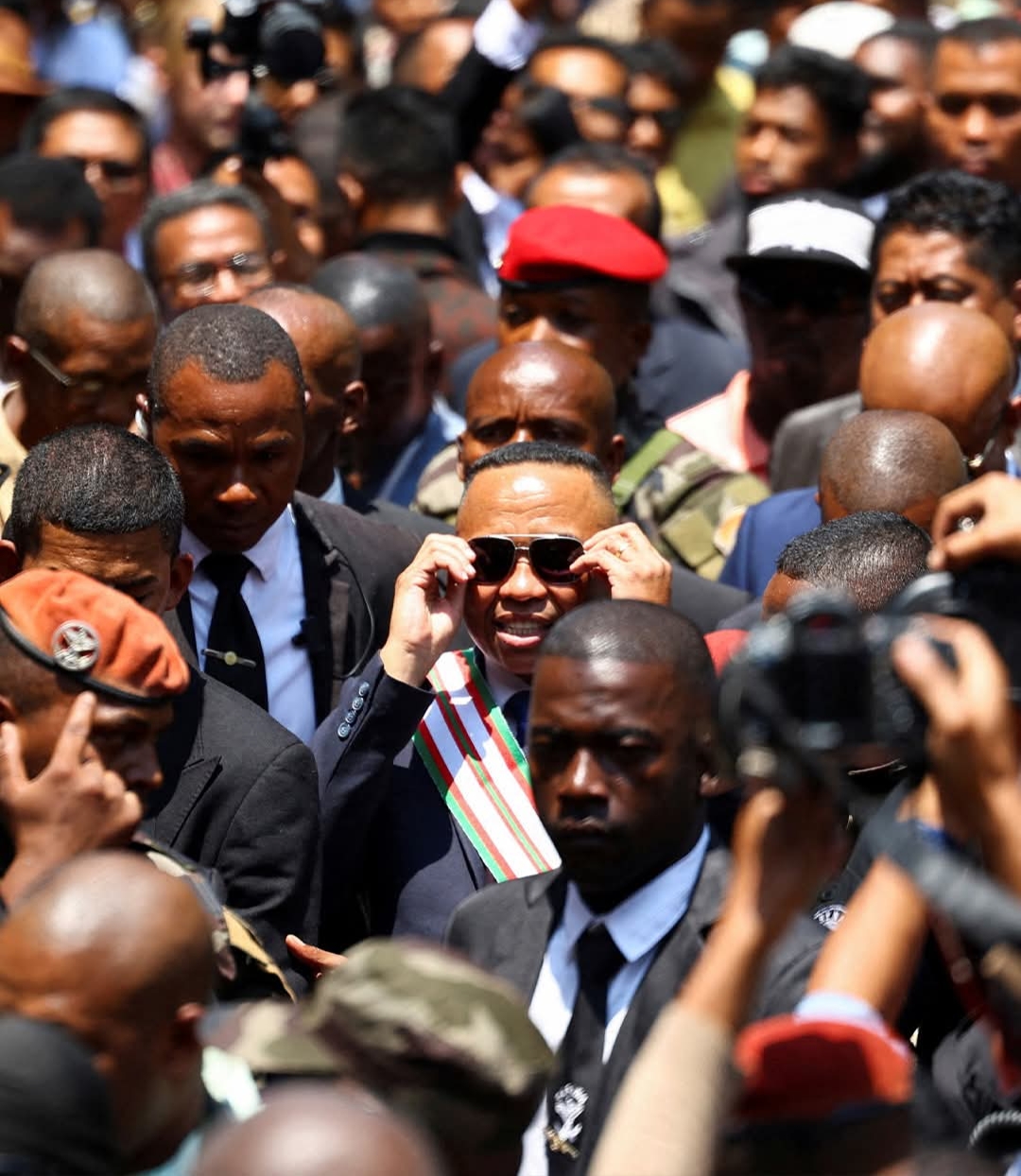
Army Colonel Michael Randrianirina has officially been sworn in as the new President of Madagascar, marking a dramatic turn in the nation’s political landscape just days after a military power takeover forced former President Andry Rajoelina to flee the country.

The swearing-in ceremony took place on Friday at the Constitutional Court in the capital city, Antananarivo, where Randrianirina took the presidential oath before the head of the Constitutional Court. The event was attended by top military officials, political figures, and key representatives of the Gen Z-led protest movement that played a central role in recent demonstrations against Rajoelina’s government.


Foreign delegations from the United States, the European Union, France, and Russia were also present, signaling the international community’s cautious interest in Madagascar’s unfolding transition.


Colonel Randrianirina, who commanded the elite CAPSAT (Corps des personnels et des services administratifs et techniques) unit, emerged as a key figure in the recent mutiny. His troops defected from the government forces over the weekend, aligning themselves with civilian protesters demanding political change and greater transparency.


The rapid sequence of events has left the island nation on edge, as observers express concern over the stability of its democratic institutions. The Constitutional Court’s endorsement of Randrianirina’s presidency appears to formalize the military’s control, though the new leader has yet to outline a clear roadmap for governance or elections.


As Madagascar enters this new phase, the eyes of the world remain fixed on Antananarivo, where both domestic and international actors are calling for a peaceful transition and the restoration of democratic order.


Dr. Raphael Sofoluke: Building the Strongest Bridge for Black Entrepreneurship in the UK and Beyond

0

In this edition of the Engine Room Series by Ranks Africa, we are spotlighting Dr. Raphael Sofoluke: Building the Strongest Bridge for Black Entrepreneurship in the UK and Beyond. A visionary leader, author, and advocate for inclusive business growth, Dr. Sofoluke has redefined what it means to create impact through enterprise. From humble beginnings to becoming the driving force behind the UK Black Business Show and UK Black Business Week, his journey reflects resilience, innovation, and an unyielding commitment to empowering others. Today, he stands not only as a successful entrepreneur but as a catalyst building pathways for thousands of others to thrive — shaping the future of entrepreneurship with purpose and progress.
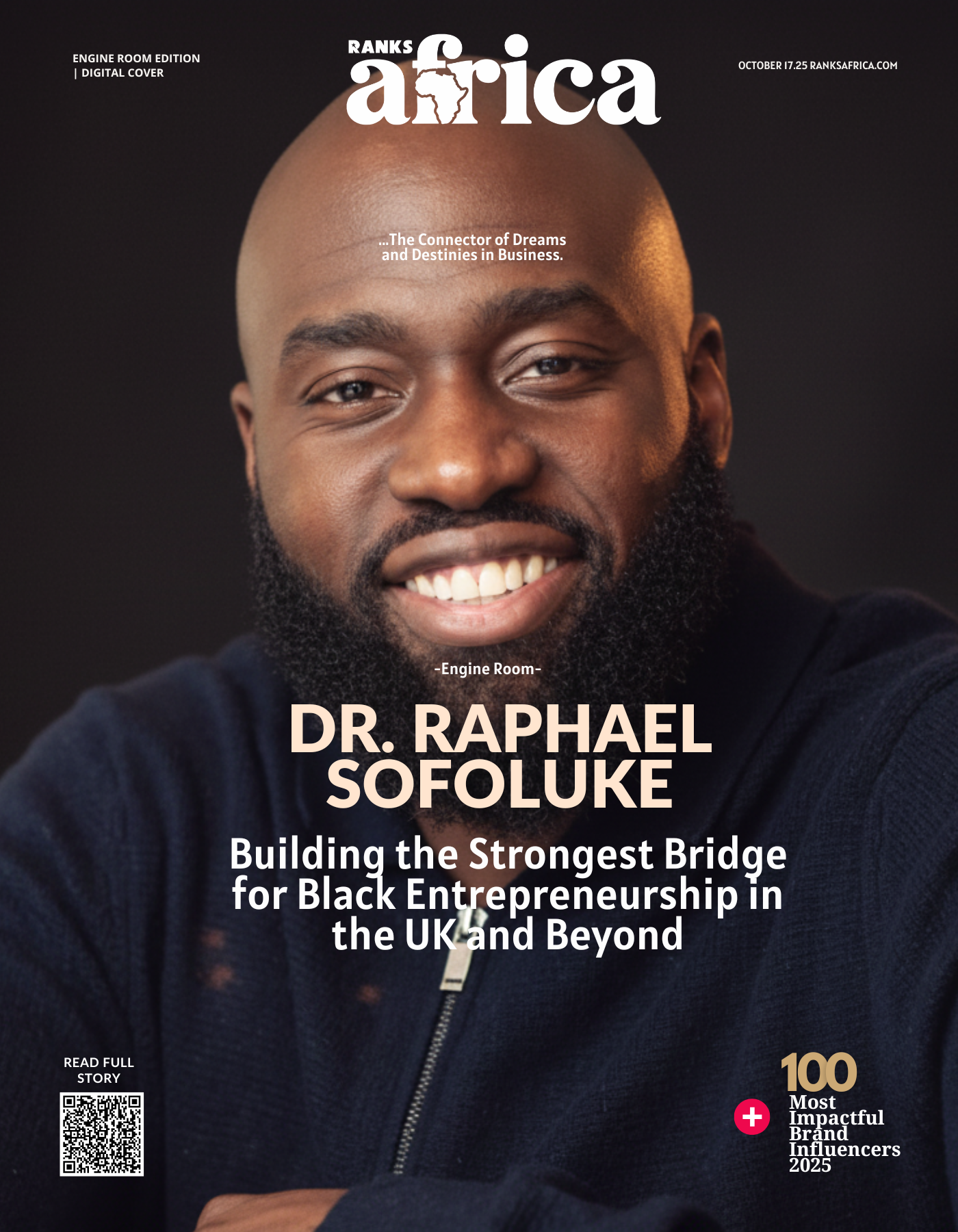
In an era where access often dictates destiny, Dr. Raphael Sofoluke emerges as the unequivocal architect of opportunity—a beacon whose trajectory from grassroots grit to global influence redefines not just success, but its profound ripple effects. As the founder of the UK’s premier Black entrepreneurship ecosystem, Raphael’s odyssey transcends personal triumph; it is a meticulously crafted manifesto for equity, where every milestone illuminates pathways for countless others. In a landscape fraught with barriers, he stands as the unyielding proof that vision, fortified by resilience and purpose, can rewire industries and rewrite legacies.

Raphael’s narrative begins not in privilege, but in the forge of adversity—a crucible that honed his understanding of entrepreneurship’s raw underbelly. Long before accolades adorned his path, he navigated the labyrinth of business and leadership sans safety nets, emerging with a profound axiom: true achievement is measured not by solitary summits, but by the elevation of those who follow. This ethos, born from bootstrapped beginnings, propelled him to pioneer the UK Black Business Show in 2018—a singular spark that has since blossomed into an unassailable empire of empowerment.

Today, the UK Black Business Show is no mere event; it is the continent-spanning heartbeat of Black innovation, the largest platform of its kind in the United Kingdom. Evolving into a multifaceted movement, it encompasses UK Black Business Week—a week-long odyssey of summits and showcases; the Birmingham Black Business Show, igniting Midlands’ entrepreneurial fire; and the prestigious Black Tech Achievement Awards, honoring digital trailblazers who code the future. Collectively, these pillars have woven a tapestry of transformation, linking over 10,000 Black entrepreneurs, creators, and professionals to invaluable networks of investors, mentors, and collaborators. In an ecosystem where visibility is victory, Raphael’s platforms have democratized doors long bolted shut, fostering deals worth millions and stories that echo across borders.

Yet Raphael’s alchemy extends far beyond orchestration. As an acclaimed author, his collaboration with his wife, Olu, birthed Twice as Hard—a bestselling chronicle of Black resilience that dissects the double burdens of excellence in corporate coliseums, from Wall Street to Westminster. More than prose, it’s a rallying cry, arming readers with the tools to dismantle systemic ceilings. Through his vanguard company, Soar, Raphael engineers sustainable scaffolds for growth: bespoke mentorships, funding pipelines, and scaling strategies that ensure fledgling ventures don’t just launch—they soar. His mentorship, often likened to a masterclass in audacious ambition, has catapulted startups from obscurity to unicorn contention, embodying his creed: “Empowerment isn’t bestowed; it’s engineered.”

Dr. Raphael Sofoluke is no peripheral player—he is the pivot upon which Black enterprise turns. A catalyst who converts conversations into coalitions, a champion whose equity ethos challenges the status quo, and a builder whose blueprints endure across generations. In him, we witness the zenith of Africapitalism: a leader who proves that when you architect for the collective, the ascent is infinite.

Stay tuned for Ranks Africa’s full spotlight on the UK’s Black Business Renaissance—where visionaries like Dr. Sofoluke are just the vanguard.


Tony Elumelu’s Oslo Manifesto: Africa Needs Partners, Not Charity – A Call for Investment Over Aid

0

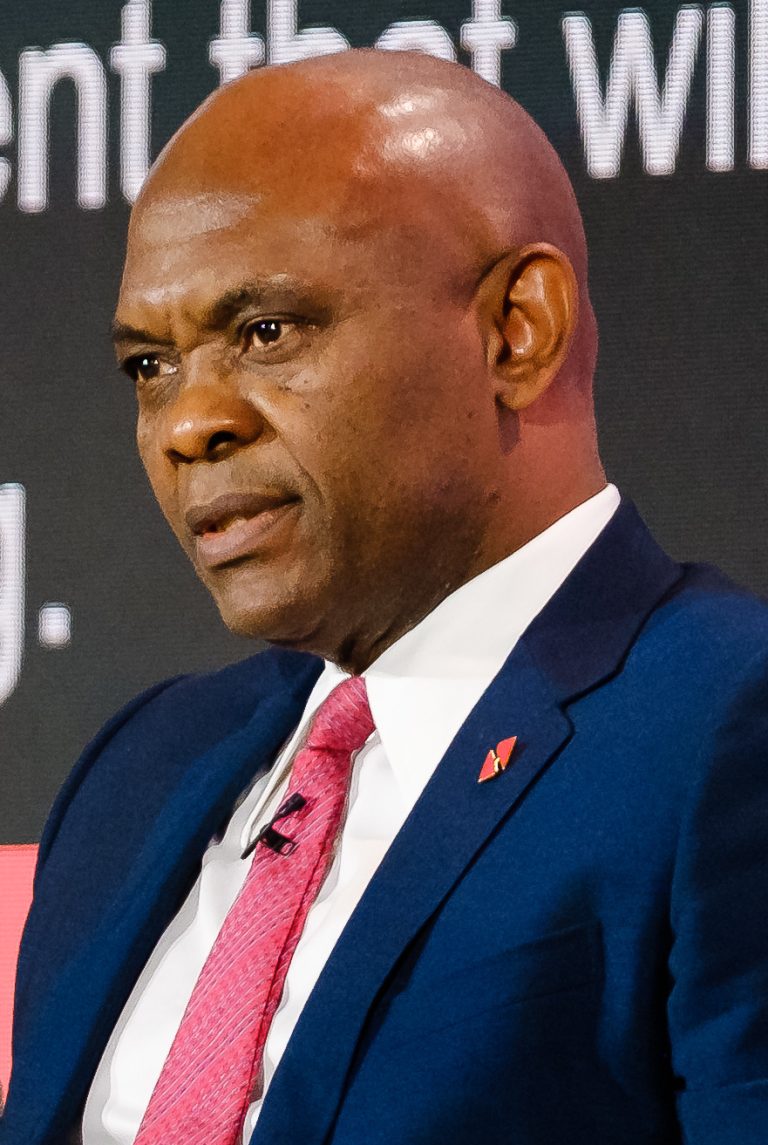
Renowned Nigerian entrepreneur and philanthropist Tony O. Elumelu, CFR, delivered a clarion call for Africa’s economic self-determination at the 14th Nordic-African Business Summit, urging global partners to shift from paternalistic aid to equitable investment and entrepreneurship. Speaking on October 9 at the Grand Hotel in Oslo, Elumelu—founder of the Tony Elumelu Foundation and Heirs Holdings—challenged the status quo: “Africa’s future will not be built by aid, but by investment, partnership, and entrepreneurship.”

The summit, organized by the Norwegian-African Business Association (NABA) in collaboration with Norfund, the Africa Finance Corporation, and the Norwegian Ministry of Foreign Affairs, convened Nordic investors, policymakers, and African business leaders under the theme of navigating global economic shifts toward sustainable growth. Elumelu’s keynote, shared widely on X, resonated as a blueprint for reimagining Africa-Europe ties, emphasizing the continent’s youthful demographic, untapped resources, and burgeoning innovation ecosystem as gateways to mutual prosperity.

“Africa needs partners, not charity,” Elumelu posted on X, encapsulating his message to an audience including Norwegian ministers and African CEOs. He advocated for empowering small and medium enterprises (SMEs) and young innovators, arguing that true development blooms from homegrown ventures, not handouts. “You make your money in Africa; invest in Africa. Create jobs on the continent. Help to provide the infrastructure that we need,” he urged, drawing applause for his unapologetic Africapitalism philosophy—the belief that Africans must drive their own economic destiny.

The address aligns with Elumelu’s legacy through the Tony Elumelu Foundation, which has seeded over 20,000 entrepreneurs across 54 countries with $100 million in non-debt financing since 2015, fostering 400,000 jobs and a $2.5 billion economic impact. At the summit, discussions veered toward clean energy transitions, trade under AfCFTA, and Nordic investments in African fintech and renewables—echoing Elumelu’s vision for a partnership model that yields sustainable returns for all.

Elumelu’s words landed amid heightened global focus on Africa, with Norway’s $1.5 billion annual aid to the continent increasingly pivoting toward impact investments. “This is a pivotal moment for Africa-Europe relations,” noted NABA Chair Kari Nordheim-Larsen, praising Elumelu’s “refreshing candor.” On X, reactions poured in, with users amplifying his message: “Elumelu dropping gems—aid keeps us dependent; investment sets us free. #Africapitalism.”

Experts, Officials Advocate Healthy Diets and Sustainable Food Systems to Strengthen Nigeria’s Food Security

0

Abuja, Nigeria — Agricultural experts, nutritionists, and government officials have emphasized the need to promote healthy diets and sustainable food systems as central strategies for achieving long-term food security in Nigeria.

The call was made during a recent stakeholders’ forum on food systems transformation, where participants highlighted the growing challenges of malnutrition, rising food prices, and unsustainable agricultural practices that continue to threaten national food stability.

Experts noted that while Nigeria has vast agricultural potential, poor dietary habits and inadequate investment in sustainable production and distribution systems have limited progress in ensuring access to nutritious and affordable food for all citizens.

Speaking at the event, a senior official from the Federal Ministry of Agriculture and Food Security stressed that improving the nutritional quality of local diets must go hand in hand with policies that encourage environmentally friendly farming and equitable food distribution.

“Food security is not only about producing enough to eat—it’s about producing the right kinds of food in ways that preserve our environment and promote public health,” the official said.

Nutrition advocates also urged state governments and development partners to invest in nutrition education, food fortification, and smallholder farmer support, emphasizing that these measures are vital to combating hunger and improving overall wellbeing.

The forum concluded with a joint commitment to strengthen collaboration among government agencies, private sector players, and research institutions to design inclusive food policies that prioritize both sustainability and nutrition.

Stakeholders agreed that achieving food security in Nigeria requires a shift from quantity-focused agriculture to a holistic, health-driven, and environmentally responsible food system that benefits present and future generations.

Lagos Named the World’s Fastest-Growing Emerging Tech Ecosystem in 2025

0

Lagos, Nigeria’s bustling commercial capital, has been ranked the world’s fastest-growing emerging tech ecosystem for 2025, according to new data released by Dealroom, as published by TheCable Index.

The ranking places Lagos ahead of major cities such as Istanbul (Turkey), Pune (India), Belo Horizonte (Brazil), and Mumbai (India), underscoring the city’s rapid evolution into a global innovation hub.

Analysts attribute Lagos’ rise to a combination of strong startup activity, expanding digital infrastructure, and a wave of investor confidence in Africa’s largest economy. The city has become the heartbeat of West Africa’s technology landscape, hosting hundreds of startups in fintech, logistics, edtech, and entertainment technology.

A Continental Leader

Lagos leads not only in Nigeria but across the African continent, outperforming Johannesburg (ranked 8th) and Kampala (20th). Its dominance reflects the impact of local success stories such as Flutterwave, Paystack, Moniepoint, and PiggyVest—companies that have drawn international investment and global recognition.

Global Momentum

The top five cities in the Dealroom ranking are:

  1. Lagos, Nigeria
  2. Istanbul, Turkey
  3. Pune, India
  4. Belo Horizonte, Brazil
  5. Mumbai, India

Other cities that made the top twenty include Riyadh (Saudi Arabia), Ho Chi Minh City (Vietnam), Kyiv (Ukraine), and Dhaka (Bangladesh), indicating a growing balance of innovation between emerging markets and established global centers.

Africa’s Digital Future

Industry observers say Lagos’ ranking is a testament to Africa’s expanding role in the global digital economy. The city’s ecosystem benefits from a youthful, tech-savvy population, improved broadband access, and a growing community of venture capital firms and accelerators.

According to Dealroom’s findings, emerging ecosystems like Lagos represent the next frontier of global innovation, with rising startup valuations, increasing exits, and deeper integration into the international venture capital network.

As Nigeria continues to refine its policies on digital trade, startup regulation, and data protection, experts believe Lagos could consolidate its position as a continental leader and a top global contender in the decade ahead.

Source: Dealroom via TheCable Index

Nigeria Wins Two Global Awards for Excellence in Digital Governance at OGP Summit in Spain

0

Madrid, Spain — Nigeria has earned international acclaim for its advancements in digital governance, clinching two major awards at the 2025 Open Government Partnership (OGP) Global Summit held in Spain.

The country received the Overall Global Award in the Digital Governance category, emerging first among 160 commitments from 42 participating countries. Nigeria also won the Regional Award for Africa and the Middle East, recognizing its leadership in promoting open digital governance, transparency, and citizen engagement across the public sector.

The double recognition highlights Nigeria’s growing reputation as a leader in digital policy innovation and open government reforms within the Global South.


According to the OGP Secretariat, Nigeria’s winning entry was selected based on its measurable progress in implementing open data systems, strengthening public accountability, and expanding citizen access to government services through technology.


The achievement was made possible through the collaborative efforts of the National Information Technology Development Agency (NITDA) and Dataphyte, a civic technology and data analytics organization. Their joint initiatives demonstrated how digital tools can be used to improve transparency in governance and empower citizens to participate more actively in decision-making processes.


“This recognition reflects Nigeria’s commitment to harnessing technology for governance reform and ensuring citizens are at the center of public accountability,” said NITDA Director-General, Kashifu Inuwa Abdullahi.


He noted that the awards would further motivate the government and its partners to strengthen ongoing efforts in digital transformation, open data access, and inclusive service delivery across ministries and agencies.


The Open Government Partnership (OGP) is a global platform that brings together reformers from government and civil society to make governance more open, transparent, participatory, and accountable.


Nigeria’s latest feat underscores its growing influence in the global digital governance space and reaffirms the country’s commitment to building a transparent, technology-driven public administration.


Cross River Assembly Moves to Ban Housing Agents Over Soaring Rent Prices

0

The Cross River State House of Assembly has taken decisive action against the escalating cost of housing in the state, announcing plans to ban housing agents accused of arbitrarily inflating rent prices across Calabar and other major towns.

The move follows growing public outrage over exploitative practices by property agents and landlords, with lawmakers citing instances where residents are charged as high as ₦2 million for small, poorly maintained apartments in the state capital.

Presenting the motion during plenary, members of the Assembly decried what they described as a rising housing crisis that is pushing low- and middle-income earners into financial distress. Legislators expressed concern that the actions of some agents were not only unethical but also contributing to homelessness and urban poverty.

In his remarks, Speaker of the House, Rt. Hon. Elvert Ayambem, described the resolution as both “timely and people-centred,” emphasizing the Assembly’s responsibility to protect citizens from unfair market practices.

“This intervention is about fairness, affordability, and the dignity of our people. The Assembly will not allow exploitation in the housing sector to continue unchecked,” Ayambem stated.

The Speaker further noted that the House intends to work with relevant ministries and housing regulators to develop a transparent rent control framework and establish clear guidelines for property transactions in the state.

Lawmakers also urged the state government to strengthen oversight mechanisms within the Ministry of Lands and Housing, and to introduce a digital registry of verified property agents to curb fraudulent activities.

Residents and civil society groups have welcomed the move, describing it as a bold step toward addressing one of Calabar’s most pressing socio-economic challenges.

The Assembly’s intervention signals a broader commitment by the Cross River State Government to ensure affordable housing, fair market regulation, and protection of tenants’ rights in an increasingly competitive real estate landscape.