

Home Blog Page 62

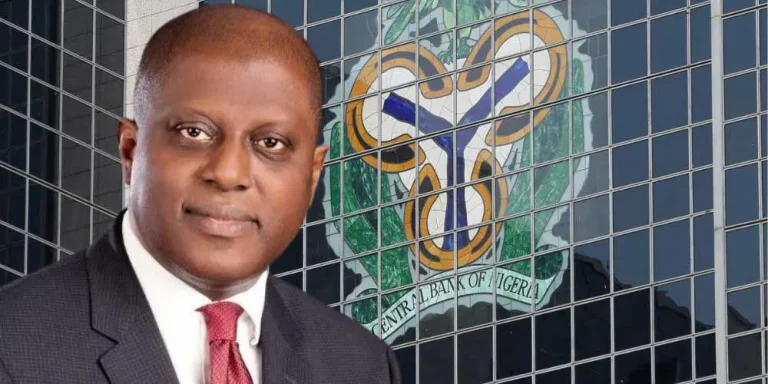
CBN Adopts Artificial Intelligence in Monetary Policy, Says Governor Yemi Cardoso

0

The Governor of the Central Bank of Nigeria (CBN), Dr. Yemi Cardoso, has announced that the apex bank has begun adopting Artificial Intelligence (AI) in its monetary policy framework, particularly in economic forecasting and decision-making processes.

Cardoso disclosed this during a fireside chat at the London Business School, moderated by Professor Hélène Rey, the Lord Bagri Professor of Economics. He highlighted that integrating AI tools into policy formulation marks a significant step toward enhancing the CBN’s data-driven approach to monetary management in an increasingly digital world.

“AI has been adopted in monetary policy, particularly with forecasting,” Cardoso stated, emphasizing the bank’s commitment to leveraging advanced technologies to strengthen economic modeling, inflation targeting, and risk assessment mechanisms.

Speaking further, the CBN Governor addressed questions surrounding cryptocurrency regulation in Nigeria, acknowledging the growing interest of young Nigerians in digital assets. He assured that the CBN recognizes its importance and will soon issue a formal statement clarifying the bank’s updated position on the sector.

On interest rates, Cardoso admitted that current rates remain high but explained that as the economy stabilizes, market forces will lead to gradual adjustments. He noted that the disappearance of arbitrage opportunities in the foreign exchange market would refocus banks’ attention on real sector activities and business generation rather than speculative trading.

Discussing the ongoing bank recapitalization exercise, the CBN Governor reiterated that financial institutions unable to meet the new capital requirements have options — including downgrading their licenses or merging with other banks. He emphasized that the CBN had provided sufficient time for compliance and dismissed any speculation of an extension.

“There is no reason for panic. The process is clear, and the timeline remains as communicated,” Cardoso affirmed.

The session at the London Business School drew global economists, finance students, and investors who discussed the intersection of technology, monetary policy, and financial system resilience.

Cardoso’s remarks underscore Nigeria’s ongoing effort to modernize its monetary operations through innovation and digital intelligence, signaling a new era for the Central Bank’s policy framework amid rapid technological transformation in global finance.
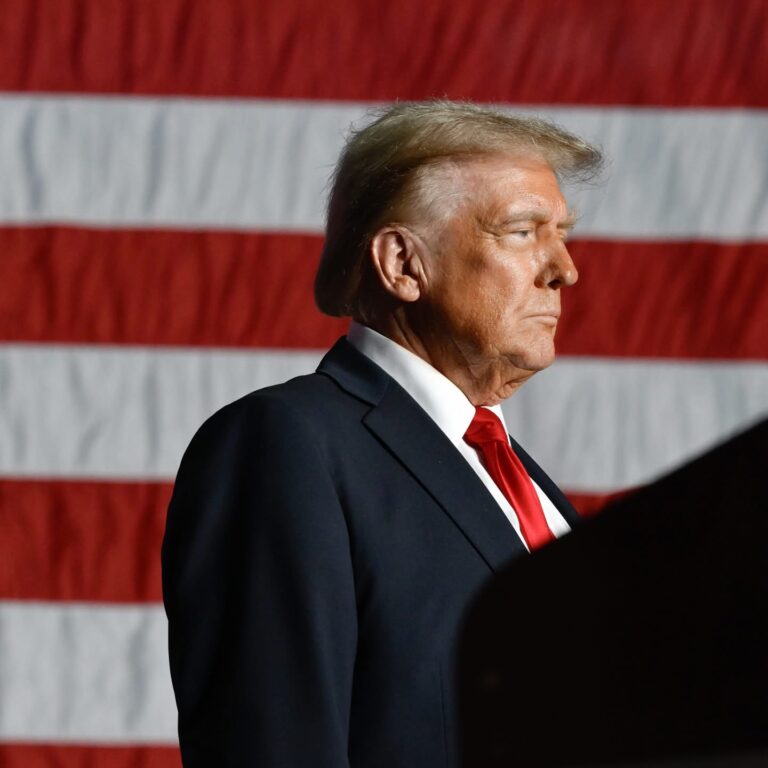
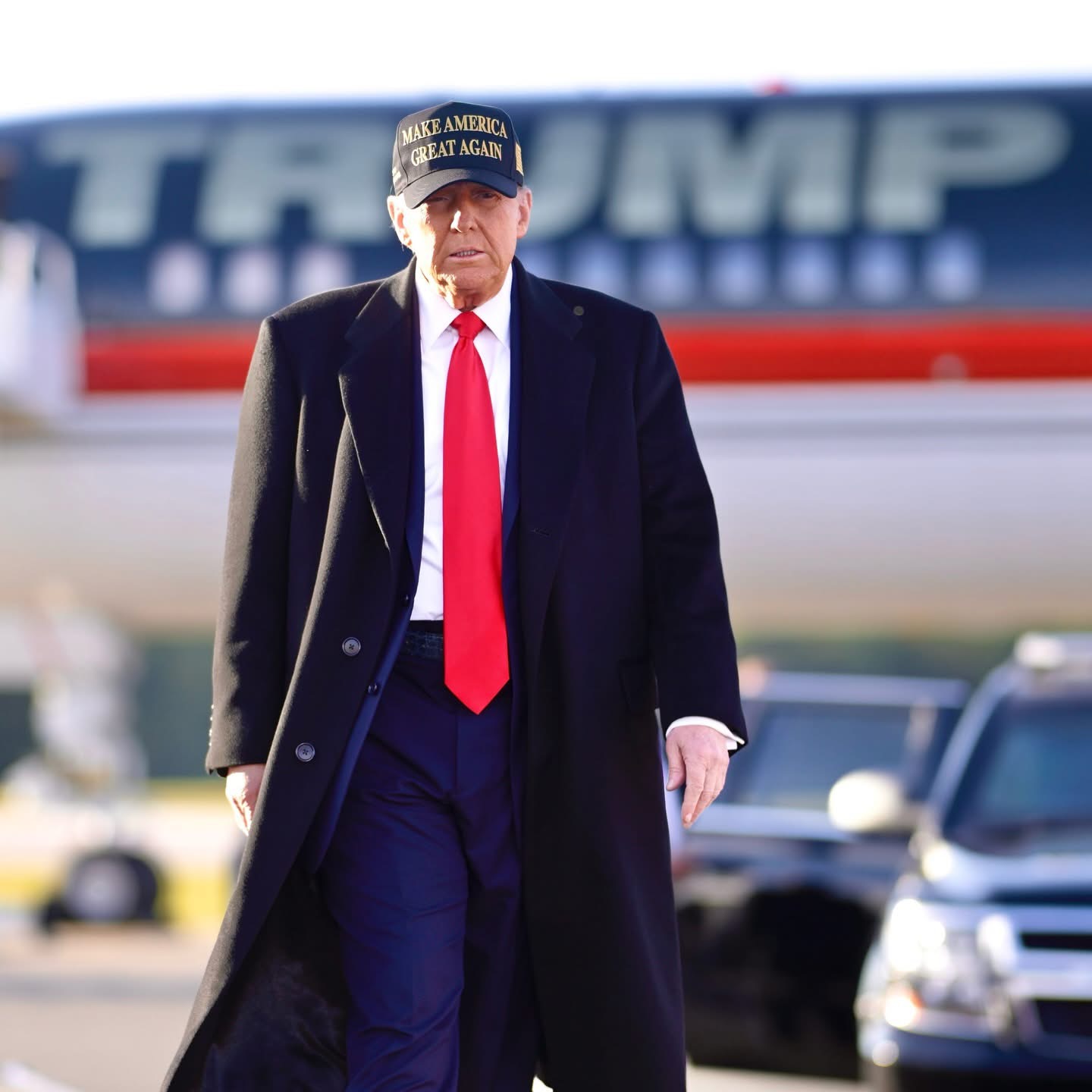
 

Trump Announces 100% Tariff on Chinese Goods Amid Escalating U.S.–China Trade Tensions

0

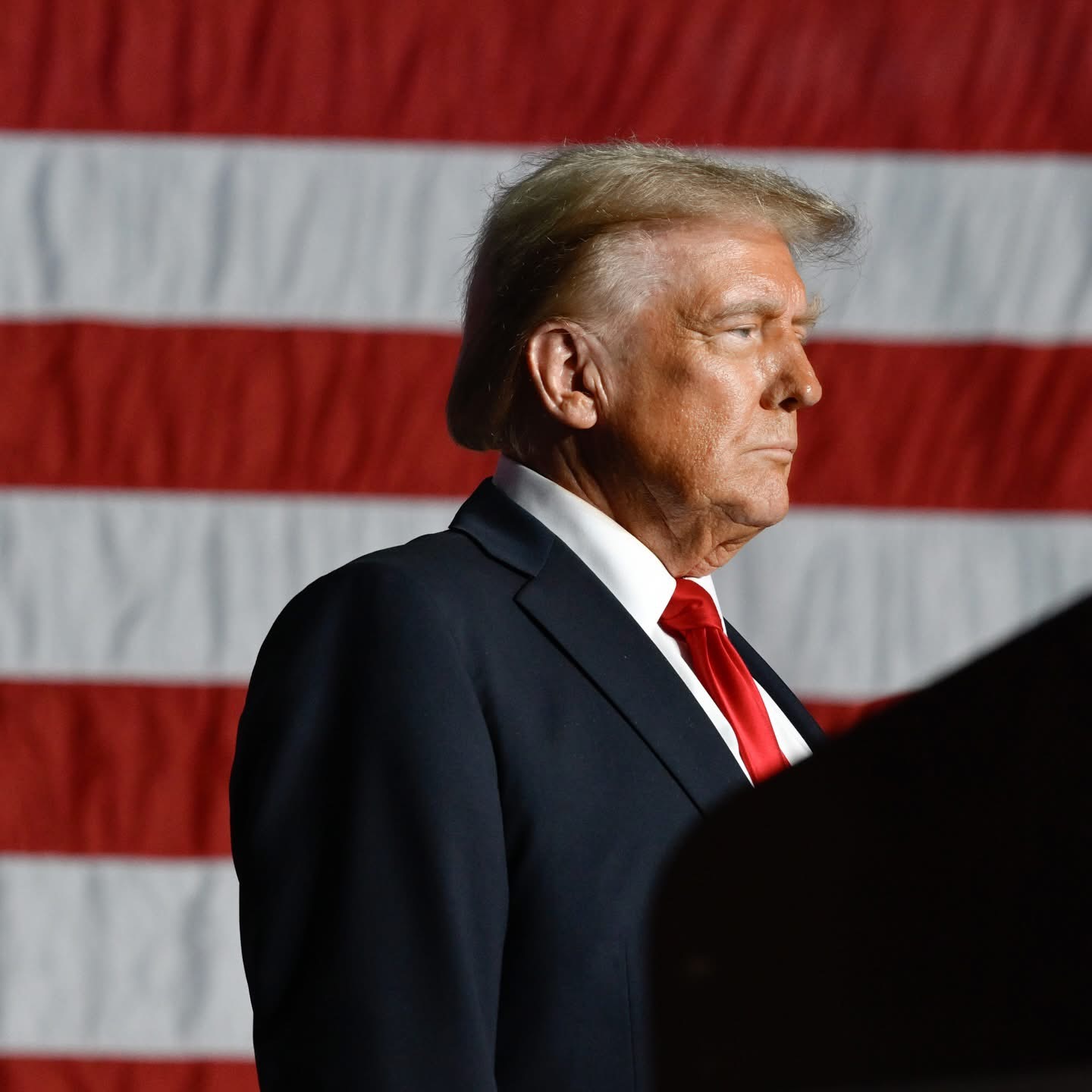
U.S. President Donald Trump has announced plans to impose a sweeping 100% tariff and expanded export controls on a wide range of Chinese goods, intensifying trade hostilities between Washington and Beijing.

The new measures, set to take effect by November 1 or earlier, mark one of the most aggressive U.S. trade actions against China in recent years. President Trump accused Beijing of adopting what he described as an “aggressive position on trade,” warning that the United States would no longer tolerate what he called unfair economic practices and strategic manipulation.

“China has continued to take an aggressive position on trade, using state power to disadvantage American industries,” Trump said during a White House press briefing. “We’re responding strongly and decisively to protect American jobs, innovation, and national interests.”

The announcement comes in direct response to China’s recent export restrictions on rare earth minerals, critical materials used in manufacturing semiconductors, electric vehicles, and advanced defense technologies. Analysts say the move by Beijing — viewed as a countermeasure to U.S. sanctions on Chinese tech firms — has reignited fears of a renewed trade war between the world’s two largest economies.

The proposed U.S. tariffs are expected to target key sectors, including electronics, machinery, steel, and consumer goods, potentially impacting global supply chains and increasing costs for American importers and consumers. In addition to tariffs, Washington plans to implement stricter export controls to limit the transfer of advanced technologies and sensitive components to Chinese companies.
Economists warn that the escalating tensions could further strain global markets, disrupt trade flows, and undermine fragile economic recovery efforts.

In Beijing, Chinese officials have yet to issue an official response, though state media outlets have condemned what they called “U.S. economic coercion” and vowed that China would “take necessary countermeasures” to defend its national interests.

The development adds new uncertainty to an already volatile U.S.–China relationship, which has been marked by disputes over technology access, intellectual property, national security, and currency policy.

If implemented, the 100% tariff could signal the start of a new phase of economic confrontation, with wide-ranging consequences for global trade, investment flows, and international diplomacy.

Botswana Introduces 24% Local Ownership Requirement for All New Mining Deals

0

The Government of Botswana has announced a new policy mandating that at least 24% of ownership in all future mining projects be held by local citizens or companies, in a move aimed at deepening domestic participation in the nation’s lucrative mineral sector.

The announcement was made this week by the Minister of Minerals and Energy, who said the new rule is part of government efforts to ensure greater economic inclusion, value retention, and sustainable development from Botswana’s natural resources.

Under the new framework, all new mining licenses — including those for diamonds, copper, coal, and emerging critical minerals such as lithium and rare earths — will require that a minimum of 24% equity be held by Botswana nationals or locally owned entities before final approval.

“This policy ensures that Batswana have a tangible stake in the wealth generated from our natural resources,” the minister stated. “It is a key step toward transforming Botswana from a resource-dependent economy to one that is inclusive, diversified, and citizen-driven.”

Botswana, one of Africa’s most stable democracies and a leading diamond producer, has long partnered with global mining giants such as De Beers through its joint venture Debswana. However, officials say the new rule is designed to expand opportunities for local investors, communities, and entrepreneurs, particularly in upcoming exploration and mid-tier mining ventures.

Analysts view the move as part of a broader strategy to align the mining sector with Botswana’s Vision 2036 — a national plan to achieve high-income status through inclusive growth and sustainable resource management.

The policy also signals Botswana’s intent to retain more value locally, encouraging mining firms to invest in beneficiation, processing, and downstream industries within the country.

Industry stakeholders have welcomed the government’s clarity on the new rule, though some international investors are expected to seek further details on implementation timelines, equity valuation, and compliance mechanisms.

With this development, Botswana joins a growing list of African countries — including Tanzania, Namibia, and Zimbabwe — pursuing local ownership and resource nationalism policies to strengthen domestic control over mineral wealth.

Nigeria Spends ₦1.7 Trillion on Domestic Debt Servicing in Q2 2025 — DMO Report

0

Nigeria’s total domestic debt servicing rose to ₦1.707 trillion in the second quarter of 2025 (April–June), according to the latest data released by the Debt Management Office (DMO).

The official figures, published on the DMO’s website, reveal that the Federal Government spent ₦1.686 trillion on interest payments across several debt instruments and ₦20.14 billion on principal repayments, bringing the total domestic debt service to ₦1,707,087,151,475.90 for the three-month period.

A closer look at the breakdown shows that the Federal Government of Nigeria (FGN) Bonds and Nigerian Treasury Bills (NTBs) accounted for the largest share of the debt servicing costs. This underscores the government’s heavy dependence on domestic borrowing to bridge budget deficits amid fiscal pressures and declining oil revenues.

The DMO report highlights that the steady rise in domestic debt servicing reflects both higher interest rate environments and the government’s increased issuance of bonds and treasury instruments to fund public expenditure and infrastructure projects.

Economists note that the ₦1.7 trillion figure represents a significant fiscal burden, consuming a large share of federal revenue and limiting fiscal flexibility for developmental spending.

Nigeria’s total public debt, which includes both domestic and external obligations, has continued to expand as the government seeks to balance short-term financing needs with long-term fiscal sustainability. The DMO has consistently maintained that while borrowing remains necessary, it must be matched with robust revenue generation and prudent expenditure management to ensure debt sustainability.

The Q2 2025 figures come at a time when the Nigerian government is exploring tax reforms, subsidy rationalization, and public-private partnerships (PPPs) to diversify its income base and reduce its reliance on debt.

As of June 2025, Nigeria’s total public debt stock — comprising federal and subnational borrowings — is expected to rise further when external debt data for the same period are released.

Naira Hits Strongest Level Since 2024, Closes Week at ₦1,458/$1 as CBN Tightens FX Reforms

0

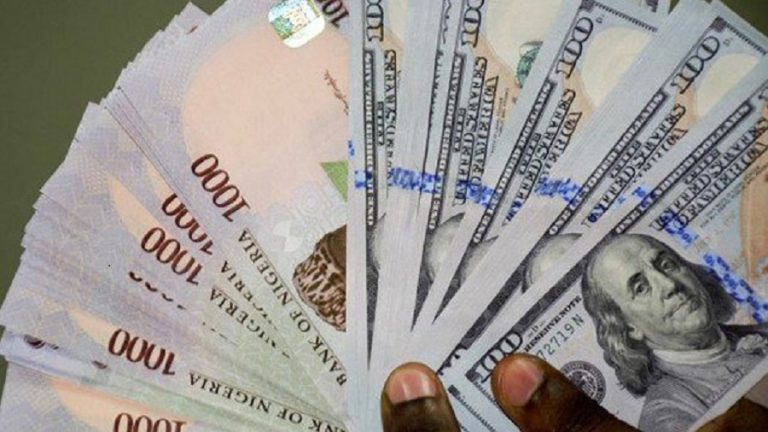
The Naira recorded its strongest performance since 2024, closing the week at ₦1,458 per US dollar on Friday, as the Central Bank of Nigeria (CBN) intensified measures to stabilize the foreign exchange (FX) market and consolidate recent monetary policy gains.

According to official data published on the CBN’s website, the domestic currency opened the week at ₦1,464/$1 on Monday, before slipping slightly to ₦1,472/$1 on Tuesday. The Naira, however, regained momentum midweek, appreciating to ₦1,469/$1 on Wednesday and ₦1,464/$1 on Thursday, before strengthening further to ₦1,458/$1 on Friday — marking its best level in nearly a year.

At the parallel market, the Naira traded within the range of ₦1,495 to ₦1,505 per dollar, reflecting a narrow premium over the official rate. The minimal spread between both markets signals a significant reduction in arbitrage opportunities, a key objective of the CBN’s ongoing FX market reforms.

Currency analysts attribute the Naira’s rally to the CBN’s tightening monetary stance, improved FX liquidity, and enhanced confidence among investors and market participants. The apex bank’s recent policies — including increased dollar inflows through official channels, greater transparency in FX reporting, and a clampdown on speculative trading — have all contributed to restoring relative market stability.

A senior currency dealer in Lagos noted that the sustained appreciation reflects “renewed discipline and consistent intervention” by the CBN, alongside improved supply from exporters and remittance channels.

The stronger Naira also comes as inflationary pressures show early signs of moderation, with investors expressing cautious optimism that the CBN’s policy reforms are beginning to yield tangible results.

The CBN has reiterated its commitment to maintaining a unified, transparent FX regime while supporting measures that enhance dollar inflows, encourage local production, and rebuild market confidence.

With the Naira’s latest performance, financial analysts say the currency could be entering a new phase of relative stability, provided that fiscal and monetary authorities sustain reform momentum and guard against renewed speculative pressure.

:

NELFUND Reopens Student Loan Application Portal, Sets 48-Hour Submission Window

0

The Nigerian Education Loan Fund (NELFUND) has announced the reopening of its student loan application portal, offering a 48-hour submission window for eligible students to apply for financial support under the federal government’s tertiary education loan scheme.

In a statement released on Friday, NELFUND said the reopening is aimed at accommodating students who were unable to complete their applications during the initial registration phase. The organization emphasized that the limited reopening period will enable it to process pending applications and prepare for the next academic cycle.

“This 48-hour window is to ensure that all eligible applicants who missed the earlier deadline have another opportunity to complete their applications,” the statement read.

The student loan program, a key initiative of President Bola Ahmed Tinubu’s administration, was designed to improve access to higher education for Nigerian students by providing interest-free loans to those enrolled in public tertiary institutions across the country.

According to NELFUND, the online portal — accessible via www.nelf.gov.ng — will remain open for two days only, after which the window will automatically close. Applicants are advised to upload accurate documentation, including institutional admission details, guarantor information, and verified bank data, to ensure their applications are successfully processed.

The fund reiterated its commitment to transparency, accountability, and efficiency in the disbursement process, noting that loan approvals and disbursements will be handled digitally to minimize delays and human interference.

Since its initial rollout earlier in 2025, the NELFUND scheme has attracted thousands of applications nationwide, reflecting widespread demand among students seeking financial assistance to cover tuition, accommodation, and educational expenses.

Stakeholders in the education sector have commended the move, describing it as a vital step toward reducing financial barriers to tertiary education and promoting human capital development in line with the federal government’s youth empowerment agenda.

From Skits to Saskatchewan: How Frank Donga Turned Laughter into a Global Career in Agriculture

0

From Agricultural Science to Skit Stardom — and Back to Agriculture: The Remarkable Journey of Frank Donga

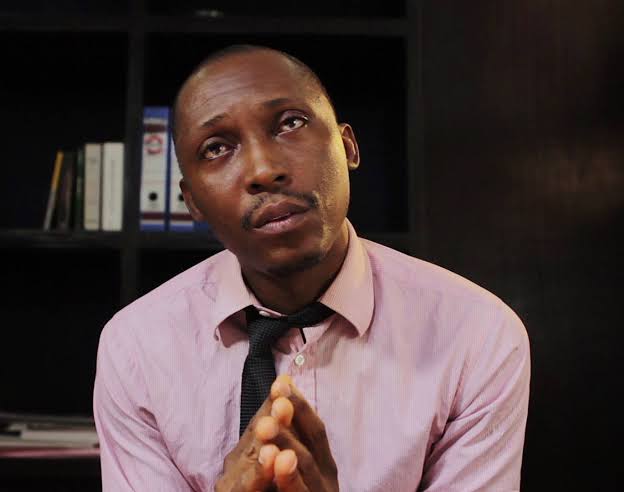
In a world where reinvention is the only constant, few stories capture resilience and versatility like that of Nigerian entertainer and professional communicator, Frank Donga;  born Kunle Idowu.

Before the fame, the laughs, and the viral skits, Frank Donga was a scholar deeply rooted in the sciences. He earned his Bachelor’s degree in Agricultural Science, and later pursued a Master’s degree in Animal Genetics from the prestigious University of Ibadan. His early academic path was clear: a future in agricultural research and animal breeding. But the unpredictable Nigerian economy had other plans.

As job opportunities grew scarce and frustration mounted, Idowu turned to his other passion storytelling and satire. With a keen sense of humor and a sharp understanding of everyday struggles, he created the fictional character Frank Donga, an awkward job seeker navigating the absurdities of life in Nigeria.

The character struck a national chord. His sketches on the “The Interview” series quickly went viral, turning him into one of Nigeria’s most recognizable comedy faces during the early wave of online skit-making. Through humor, he mirrored the social and economic realities faced by millions of Nigerian youths unemployment, bureaucracy, and the quest for a better life.

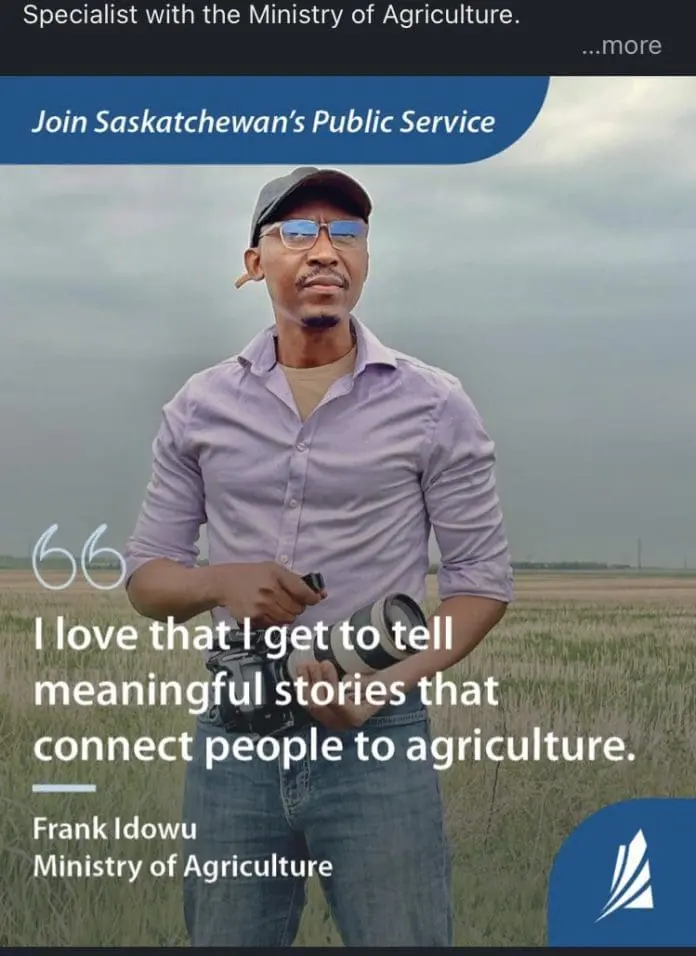
Yet, even as his popularity soared, Idowu never abandoned his intellectual roots. His career has now come full circle, blending communication and agriculture in a new environment. Having relocated to Canada, a move popularly described in Nigerian slang as “japa” Frank Donga now works as a Multimedia Communications Specialist at the Ministry of Agriculture in Saskatchewan, Canada.

There, he channels his creative and scientific expertise into public engagement, digital storytelling, and agricultural communication; a perfect fusion of his two worlds.

Frank Donga’s story is more than a tale of migration or career shifts; it’s a testament to adaptability. From the farms and laboratories of Ibadan to the digital screens of Nigeria and now the policy corridors of Canada, he has shown that knowledge, creativity, and courage can coexist and evolve.

It’s a reminder that no skill or experience is ever wasted. Sometimes, life simply rewrites the script and we must be ready to play every role.

Written by Adesina Kasali

April Chidinma Obichie: Ranks Africa’s Culture Shaper, Class of 2025

0

In the ever-evolving world of Nollywood, where fame flickers and destinies shift like the pulse of Lagos, April Chidinma Obichie stands apart — luminous, unshakable, and rewriting the narrative of modern African cinema. A distinguished honoree in Ranks Africa’s Culture Shapers: The Class of 2025, April represents the perfect fusion of artistry and purpose — a visionary whose grace and grit fuel a mission to tell stories that echo far beyond the screen, touching hearts, shaping minds, and redefining what it means to lead with impact.

Her ascent is nothing short of cinematic poetry. From the tender revelations of 13 Letters — her electrifying breakout — to the visceral depth she infused into The Waiter, April commands the frame with an authenticity that lingers. Her riveting turn as Segilola in The Waiter clinched a Best Supporting Actress nomination at the Toronto International Nollywood Film Festival (TINFF), a laurel that not only spotlights her emotive range but signals her inexorable rise among the industry’s elite.

Yet April’s canvas extends far beyond performance; she wields the director’s chair with the same unyielding vision. Her audacious short film debut, PREYE, confronts the shadows of Female Genital Mutilation (FGM) with unflinching grace, weaving advocacy into every frame. The result? A cascade of TINFF nods, including Best Short Film – Nollywood and Best Film by a Female Filmmaker (Africa) — testaments to her ability to transmute trauma into transformative art.

As CEO of April Studios, she orchestrates more than productions; she architects ecosystems. From pioneering equipment rentals that democratize access for emerging filmmakers to tailored mentorship programs that nurture raw talent, April is forging a legacy of inclusion. Her humanitarian arm, April Cares, further illuminates her ethos — over 200 lives uplifted through essential school supplies, groceries, and healthcare aid, proving that true stardom serves as a scaffold for societal ascent.

April’s tapestry of triumphs gleams with honors that span beauty, culture, and impact: Face of Unity (2015), Miss Nwada Anioma (2012), and a Top 15 finalist spot in Most Beautiful Girl in Nigeria (2015). These are not mere titles but milestones in a journey of unapologetic excellence.

April Chidinma Obichie is no fleeting meteor — she is the dawn of a bolder Nollywood era: a storyteller who amplifies the silenced, a changemaker who ignites progress, and a culture shaper whose light refracts across the continent. In The Class of 2025, she stands as a beacon of African ingenuity, reminding us that the future of film isn’t scripted — it’s seized.

Watch out for the full list of Film Industry Culture Shapers 2025 — where visionaries like April are just the beginning.

Nigeria Custom Seme Command Seizes ₦1.99 Billion Contraband, Hands Over Suspects to NDLEA

0

The Nigeria Customs Service (NCS), Seme Area Command, has intercepted smuggled goods valued at ₦1.99 billion during an intensive anti-smuggling operation conducted along the Lagos–Abidjan Corridor.

According to the Customs Area Controller, Comptroller Wale Adenuga, the operation, which took place between September 1 and October 9, led to the confiscation of several prohibited items, including 10,000 bags of expired flour imported from Egypt, as well as illicit drugs such as cannabis and tramadol.

Adenuga disclosed that the command also arrested suspects linked to the smuggling of the seized substances, who have since been handed over to the National Drug Law Enforcement Agency (NDLEA) for further investigation and prosecution.

He explained that the interception underscores the command’s commitment to safeguarding public health, curbing illegal trade, and promoting legitimate cross-border commerce in line with the Service’s renewed operational strategy.

“The Seme Area Command remains resolute in its duty to protect Nigeria’s economic and security interests by preventing the inflow of harmful and prohibited goods through our borders,” Adenuga said.

The Seme border, which serves as one of the busiest gateways for trade between Nigeria and West Africa, has witnessed increased enforcement operations in recent months as part of ongoing efforts to strengthen revenue generation and regional trade compliance.

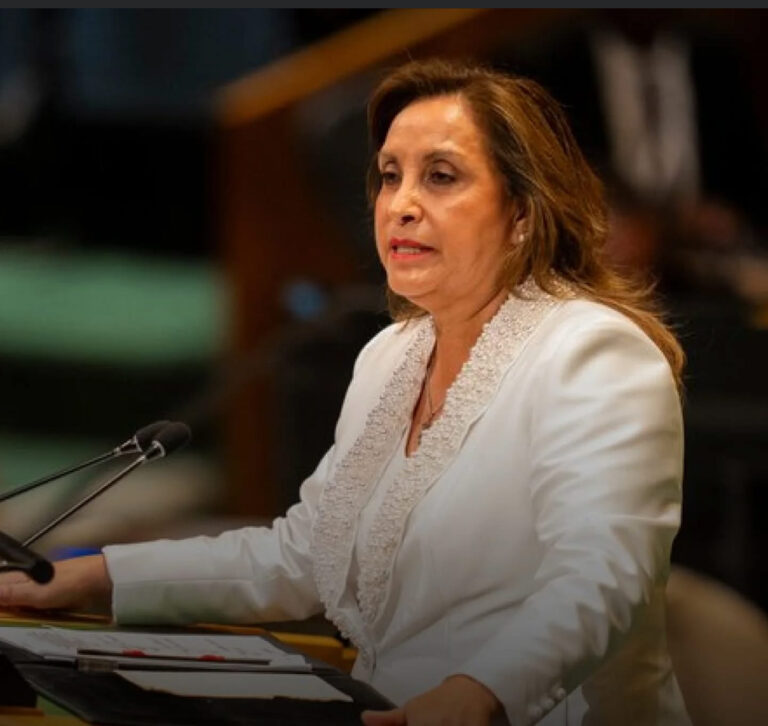
Peru’s Congress Ousts President Dina Boluarte Over ‘Moral Incapacity’ Amid Worsening Crime Crisis

0

Peru’s political landscape shifted dramatically on Friday as lawmakers voted unanimously to impeach President Dina Boluarte, citing “permanent moral incapacity” following mounting criticism over her government’s failure to address rising crime and insecurity.

The vote, held in the early hours of Friday, saw all 118 members of Congress support Boluarte’s removal, marking one of the rare instances of complete legislative consensus in the country’s turbulent political history.

The decision came after weeks of public outrage and escalating violence across major cities. A deadly shooting at a popular cumbia concert earlier this week, which left several people injured, became a flashpoint for widespread anger over the government’s inability to maintain law and order.

Boluarte, who took office in December 2022 following the ouster of former President Pedro Castillo, had faced persistent political scandals, corruption allegations, and steadily declining approval ratings. Opinion polls in recent months placed her among the least popular presidents in Peru’s modern democratic era.

As news of her impeachment broke, crowds gathered outside the National Congress in Lima, waving Peruvian flags and chanting in celebration of the lawmakers’ decision. Inside the chamber, the atmosphere was similarly charged, with legislators applauding as the final votes were counted.

Following Boluarte’s removal, Congress President José Jerí is expected to be sworn in as interim leader. He will oversee the government’s transition ahead of the next general elections, scheduled for April 12, 2026, unless Congress elects a new president from within its ranks before that date.

Analysts say Boluarte’s ouster reflects deep public frustration over Peru’s ongoing political instability and the government’s struggle to restore security and trust in public institutions.