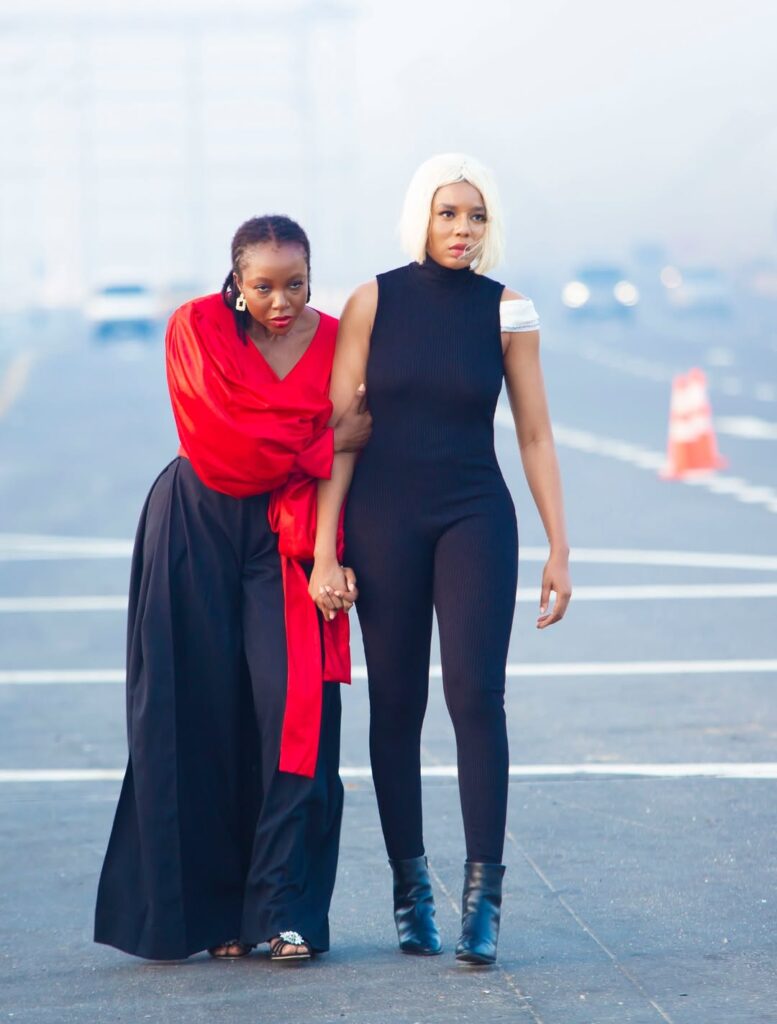
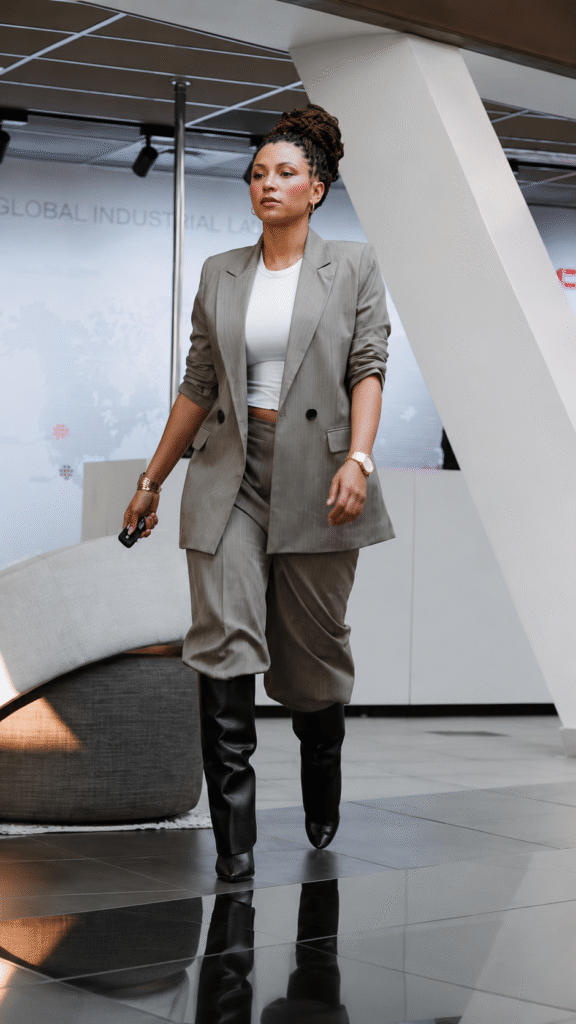
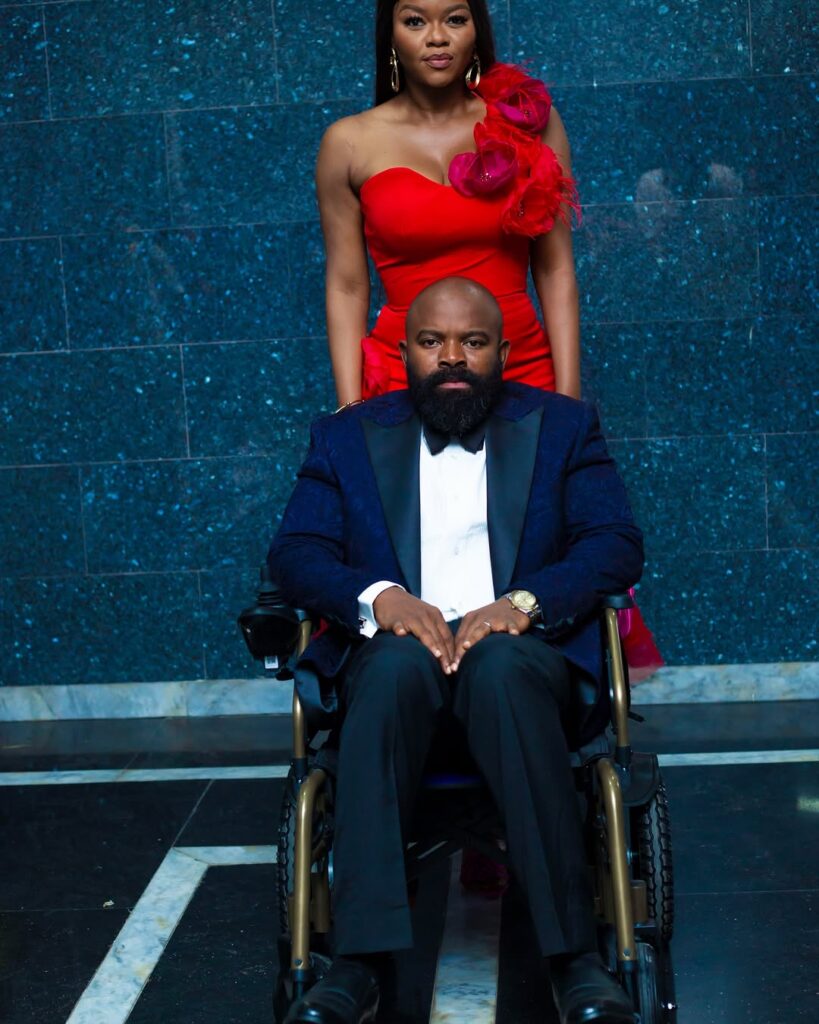
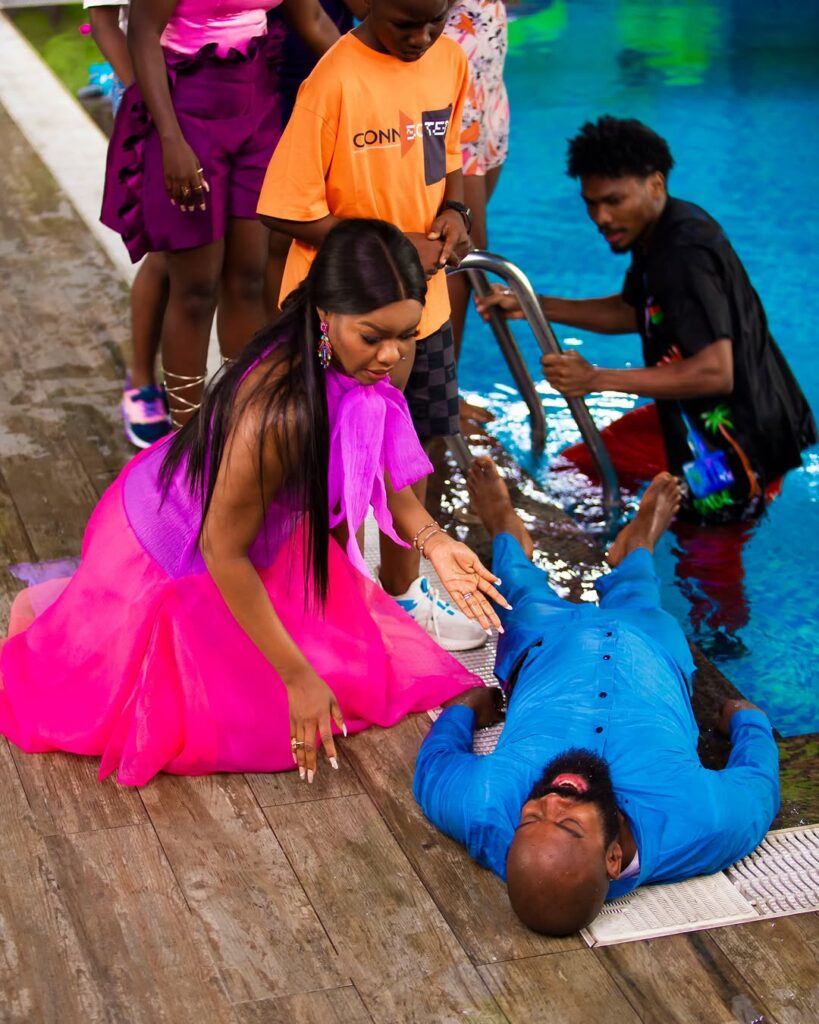
Beauty Queen “Beauty Tukura” indeed looks good in just about anything. But when it comes to posing for a photoshoot, the reality star proves time and again that you can be comfortable, fun, or even tell a beautiful story without uttering words.
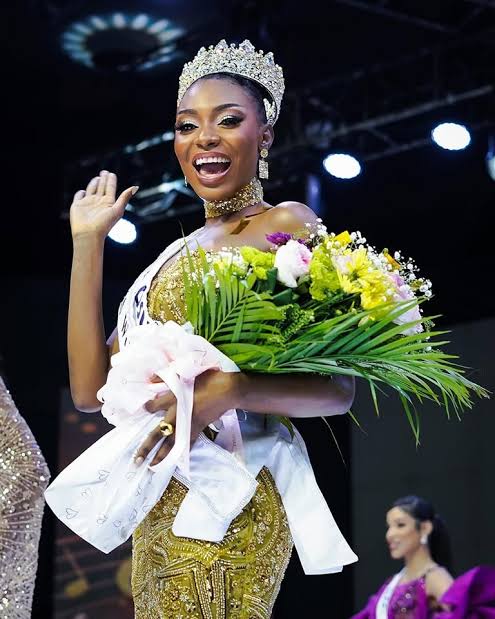
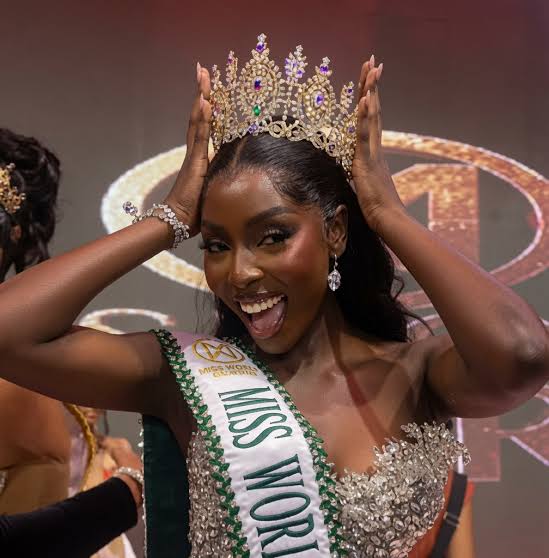
Tamunosoye Karibi-George, the reigning Miss Bayelsa, has emerged as Miss World Nigeria 2026 following a highly competitive grand finale held at the prestigious Federal Palace Hotel, Victoria Island, Lagos.
Tamunosoye Karibi-George
The event brought together 37 outstanding contestants representing states and regions across the country, all competing for the opportunity to wear the coveted crown and represent Nigeria on one of the world’s most respected beauty and humanitarian platforms.
After several rounds of competition, the field was narrowed to ten finalists, each demonstrating poise, intelligence, leadership qualities, and a commitment to social impact. The competition reached its climax with Tamunosoye standing out among an exceptional group of finalists, including representatives from Edo, Anambra, Rivers State, and the Federal Capital Territory, Abuja.
Beyond beauty and stage presence, contestants participated in an intensive week-long camp designed to assess their leadership potential, communication skills, community service initiatives, and understanding of social issues. The camp featured leadership development sessions, mentorship programmes, and community engagement activities, all of which contributed significantly to the final judging process.
Tamunosoye’s performance throughout the competition impressed judges and audiences alike, earning her the title of Miss World Nigeria 2026 and positioning her as Nigeria’s next ambassador on the international pageant stage.
With her victory, she succeeds Joy Raimi, who represented Nigeria during the previous Miss World cycle. Tamunosoye will now carry the nation’s hopes to the 73rd Miss World pageant scheduled to take place in Ho Chi Minh City, Vietnam, from August to September 2026.
The global event is expected to attract contestants from approximately 140 countries and territories, making it one of the largest international beauty competitions in the world. Beyond the glamour, the Miss World platform remains widely recognized for its emphasis on humanitarian projects, cultural exchange, advocacy, and women’s empowerment.
As preparations begin for the international competition, many Nigerians will be looking forward to seeing Tamunosoye Karibi-George showcase the country’s rich culture, resilience, creativity, and excellence before a global audience.
Her emergence marks another significant milestone in Nigeria’s long-standing participation in the Miss World franchise and reinforces the growing influence of young Nigerian women in leadership, advocacy, and international representation.
Gabriel Afolayan has once again reminded audiences why he remains one of Nollywood’s most respected actors.
Gabriel Afolayan is what the industry calls an actor’s actor. The kind of performer whose work is studied by fellow actors, respected by directors, and appreciated by audiences who understand great storytelling. In Blood Sisters 2, he does not rely on theatrics or excessive drama. Instead, he delivers a performance built on precision, emotional intelligence, restraint, and authenticity. This is the type of acting that cannot be taught through hype. It comes from years of mastering the craft. As Femi, Gabriel reminds us that some actors perform roles, while others become the standard. This was not just a performance; it was a masterclass from someone who has dedicated his life to the art of acting.
Although Gabriel has been a consistent force in the industry for years, he continues to perform with the hunger, discipline, and commitment of an actor determined to prove himself. That passion is evident throughout the series. He approaches Femi with depth, vulnerability, and precision, creating a character that feels real, flawed, and deeply human.
The reaction online has been overwhelmingly positive. Viewers have praised his performance, with many highlighting the emotional weight he brought to the role and the chemistry he shared with Kehinde Bankole.
Comments from audiences include:
“Gabriel Afolayan and Kehinde Bankole are absolutely fantastic.”
“The way Femi carried that pain was exceptional.”
“Gabriel conveyed so much emotion through the smallest expressions.”
Many viewers have described his portrayal as layered, heartbreaking, and one of the standout performances of the season. His scenes with Kehinde Bankole, particularly the emotionally charged moments, have generated significant conversation among audiences.
This is what happens when a seasoned actor remains fully committed to his craft. No shortcuts, no complacency, just exceptional storytelling through performance. Gabriel Afolayan transforms Femi into a character that feels authentic, relatable, and unforgettable.
Ranks Africa Verdict
Based on performance metrics including character interpretation, emotional delivery, screen presence, authenticity, audience engagement, and overall impact on the story, Gabriel Afolayan earns a clear:
⭐⭐⭐⭐⭐ 5-Star Performance Rating
His portrayal of Femi Ademola in Blood Sisters 2 is compelling, emotionally rich, and executed with remarkable precision. It is yet another reminder of why Gabriel Afolayan remains one of the finest actors of his generation.
Every once in a while, an actor delivers a performance that changes how audiences see them. A performance so powerful, so convincing, and so emotionally charged that it opens an entirely new chapter in their career.
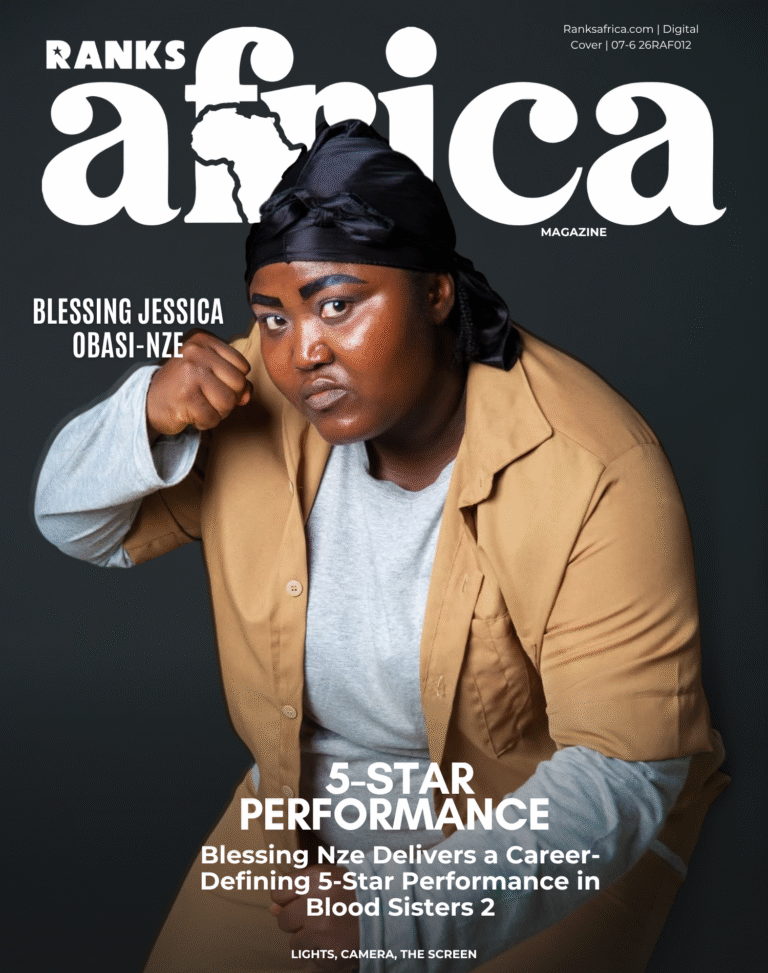
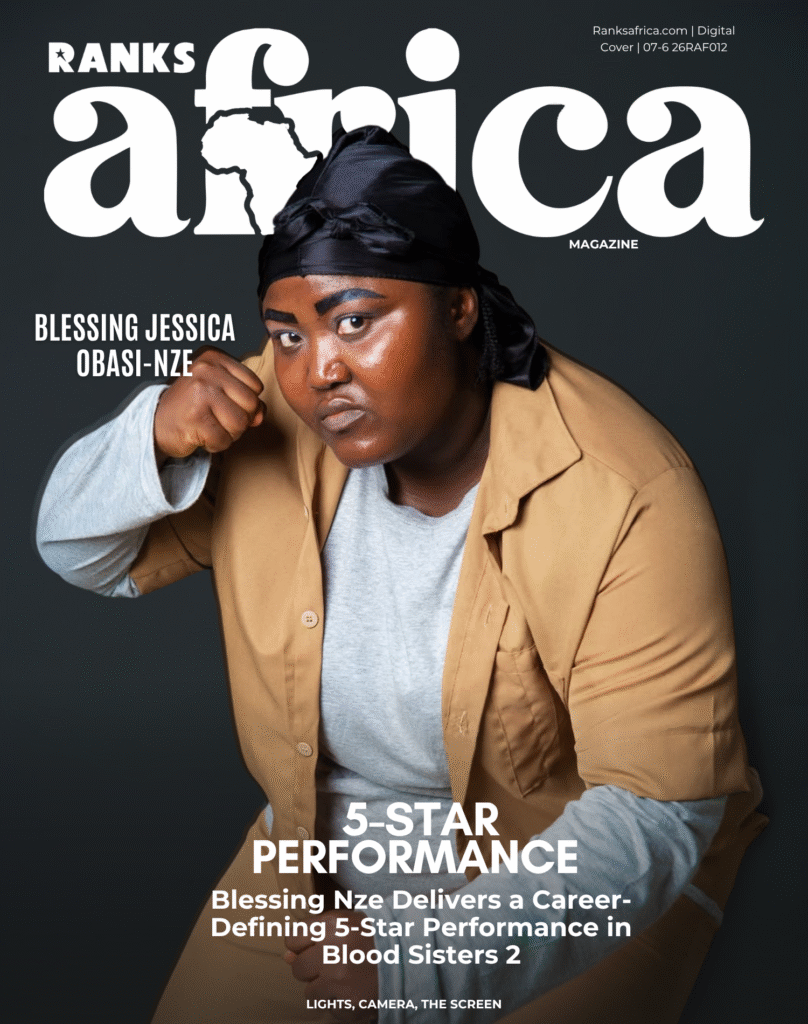
For Blessing Jessica Obasi-Nze, that moment has arrived with Blood Sisters 2.
In a series filled with strong performances, established stars, and intense storytelling, Blessing Jessica Obasi-Nze found a way to stand out. She did not simply play a role. She transformed into it. Every scene felt authentic, every emotion felt earned, and every appearance left a lasting impression.
This is the kind of performance that reminds audiences why acting is one of the most difficult crafts in entertainment. It requires vulnerability, discipline, emotional intelligence, and complete commitment. Blessing Nze brought all of that and more.
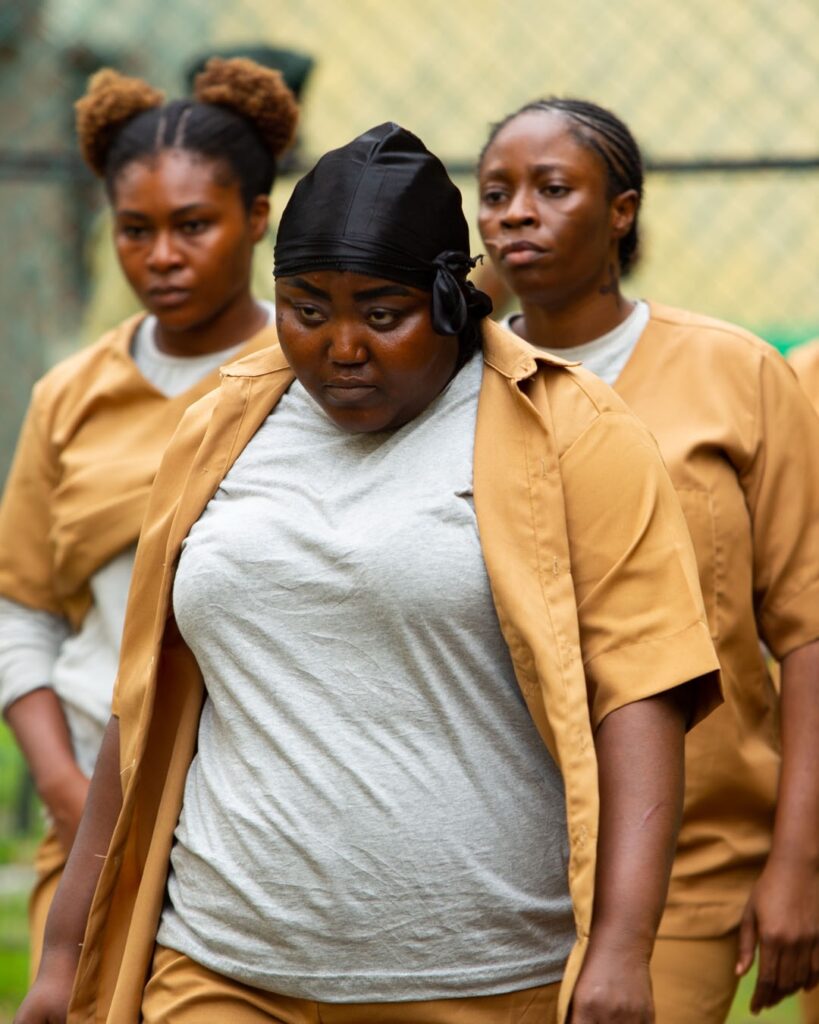
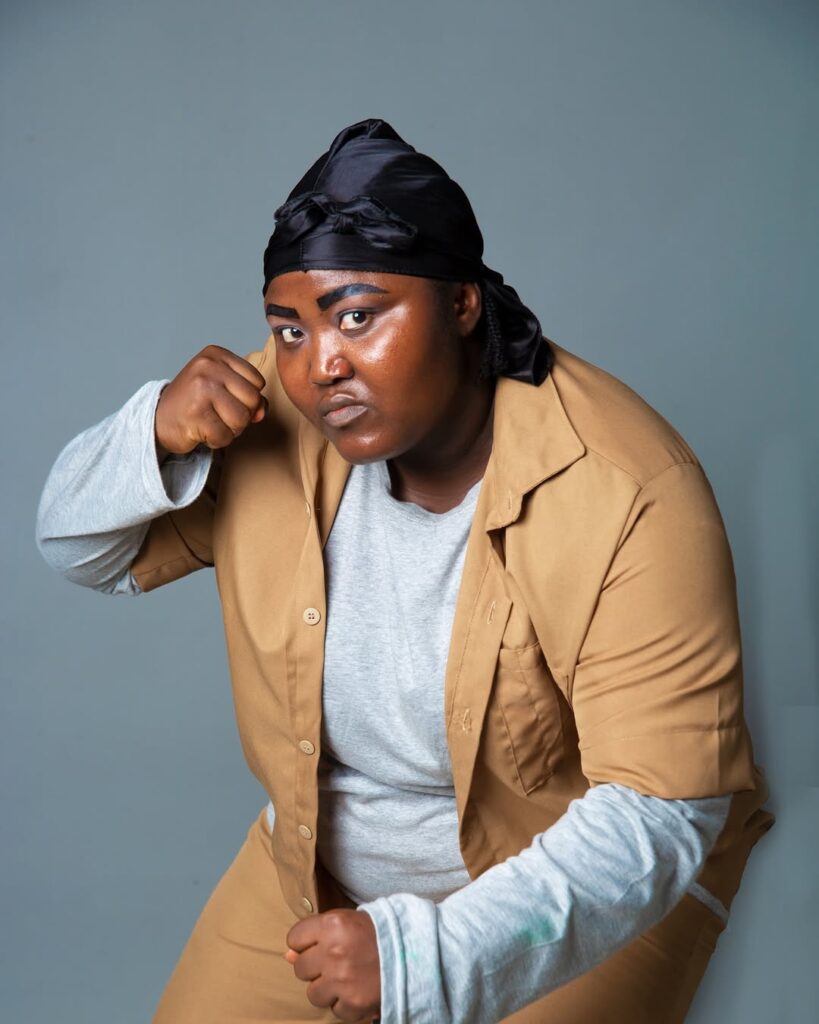
From the moment Mimi appears, she changes the energy of the story.
Strong, intimidating, intelligent, unpredictable, and layered, Mimi is the kind of character that could easily fall into stereotypes. Instead, Blessing Jessica Obasi-Nze brings remarkable depth and humanity to the role.
One of the biggest takeaways from Blood Sisters 2 is the incredible versatility she displayed throughout the series.
Audiences have always known Blessing Nze as a talented actress, but this role revealed another dimension of her ability. She navigated emotional highs and lows with confidence, delivering moments of tension, vulnerability, strength, and intensity with remarkable ease.
There was never a moment where she looked out of place. Instead, she elevated every scene she appeared in and proved she can hold her own alongside some of Nollywood’s biggest names.
Performances like this separate good actors from exceptional ones.
What makes Blessing Nze’s performance even more impressive is how naturally she commands attention.
She does not rely on exaggerated reactions or unnecessary drama. Instead, she allows the character’s emotions to speak through subtle expressions, controlled delivery, and genuine presence.
That level of control is a sign of an actor who understands her craft.
Whether in emotionally charged scenes or quieter moments, she maintained a consistency that kept viewers invested throughout the series.
Blood Sisters 2 may well become the project that redefines how many people view Blessing Nze’s acting range.
This is the type of role that expands opportunities, attracts bigger projects, and places an actor in conversations they may not have previously occupied. It is a performance that demonstrates readiness for larger platforms, bigger responsibilities, and even more complex characters.
Most importantly, it proves that she possesses the versatility and screen presence required to thrive at the highest level.
Ranks Africa Verdict:
Based on performance metrics including character interpretation, emotional delivery, screen presence, authenticity, audience engagement, and overall impact on the story, Blessing Nze earns a clear:
⭐⭐⭐⭐⭐ 5-Star Performance Rating
Her work in Blood Sisters 2 is powerful, memorable, and delivered with remarkable confidence.
This is not just another good performance.
This is a statement.
And if Blood Sisters 2 is any indication, Blessing Nze is only getting started.
Heirs Energies Limited, Africa’s leading indigenous-owned integrated energy company, has been recognised on the global stage after its landmark US$750 million dual-tranche Senior Secured Reserve-Based Lending (RBL) facility was named Best Oil & Gas Deal of the Year at the EMEA Finance Project Finance Awards 2026.
The award was presented on 3 June 2026 in London and recognises one of the largest financings secured by an indigenous African energy company. The transaction reflects the vision of Heirs Energies’ Chairman, Tony O. Elumelu, CFR, that African institutions and African-led businesses can successfully mobilise capital to unlock the continent’s resources, advance energy security, and create long-term economic value.
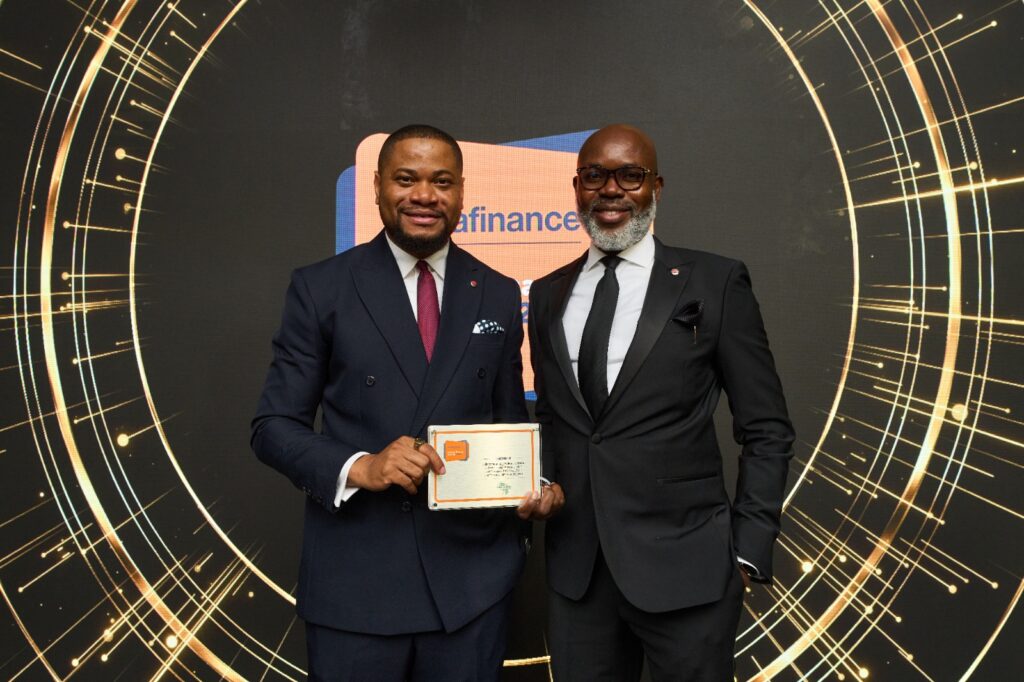
L-R: Nnamdi Azubuike, AVP, Corporate Finance & Commercial Operations, and Pascal Eva, VP, Finance, Heirs Energies, at the EMEA Finance Project Finance Awards 2026 in London, where the company’s landmark US$750 million financing transaction was recognised as Best Oil & Gas Deal of the Year.
Executed with the African Export-Import Bank (Afreximbank), the US$750 million financing was structured to accelerate field development, optimise production, and support Heirs Energies’ long-term growth ambitions, while maintaining disciplined capital management.
Commenting on the recognition, Osa Igiehon, Chief Executive Officer of Heirs Energies, said:
“This recognition reflects the confidence that African and international financial institutions continue to place in Heirs Energies, our strategy, and our long-term vision.
The transaction demonstrates that indigenous African energy companies can successfully structure and execute world-class financing solutions that support investment, growth, and value creation. We are proud to receive this award and grateful to our financing partners, advisers, and stakeholders whose support made it possible.”
Mr. Haytham ElMaayergi, Executive Vice President, Global Trade Bank at Afreximbank, said: “We are truly honoured that the US$750 million dual-tranche Senior Secured Reserve-Based Lending facility for Heirs Energies has been recognised as Best Oil & Gas Deal of the Year by the EMEA Finance Project Finance Awards.
This recognition underscores the importance of well-structured, Africa-focused financing in supporting indigenous energy companies with strong governance, high-quality assets and clear long-term growth plans. Afreximbank was proud to support this landmark transaction, which demonstrates how African financial institutions can help mobilise capital for strategic businesses that advance energy security, production capacity and sustainable value creation across the continent.
We congratulate Heirs Energies and all the partners involved in the transaction and are pleased to see this important financing recognised on such a respected international platform.”
Samuel Nwanze, Executive Director and Chief Financial Officer of Heirs Energies, added:
“This award validates the strength of the transaction and the confidence our financing partners placed in Heirs Energies.
The facility was designed to support our long-term growth strategy, enabling continued investment in field development, production optimisation, and sustainable value creation. We are pleased to see the transaction recognised on such a respected global platform.”
The financing represented a major milestone in Heirs Energies’ evolution from acquisition-led financing to a capital structure aligned with the long-term development profile of its reserves. It further reinforced the Company’s position as a leading indigenous energy producer and demonstrated the ability of African institutions to finance transformational African businesses.
The EMEA Finance Project Finance Awards recognise outstanding transactions across Europe, the Middle East, and Africa, celebrating excellence, innovation, and impact in project and structured finance.
ABOUT HEIRS ENERGIES
Heirs Energies Limited is Africa’s leading indigenous-owned integrated energy company and operator of OML 17. Since assuming operatorship in 2021, the Company has more than doubled oil production to over 50,000 barrels per day and tripled gas production to over 135 million standard cubic feet per day. Heirs Energies contributes approximately 5% of Nigeria’s oil production and 5% of domestic gas supply, helping to advance energy security, economic growth and sustainable development across Africa.
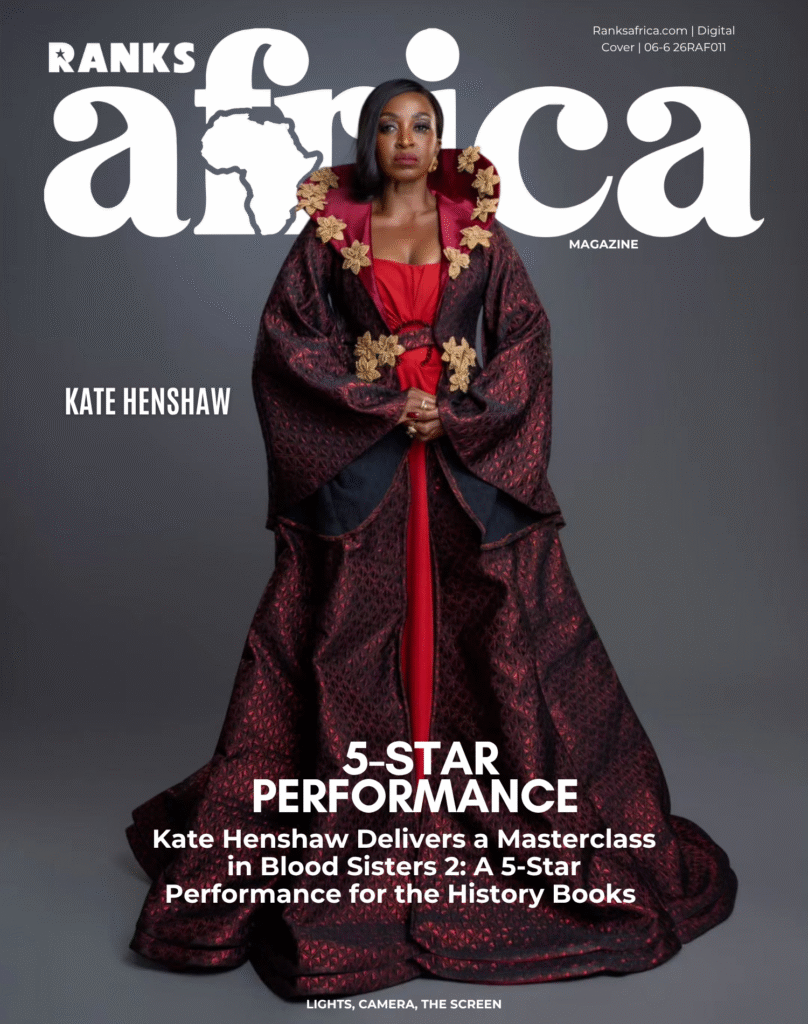
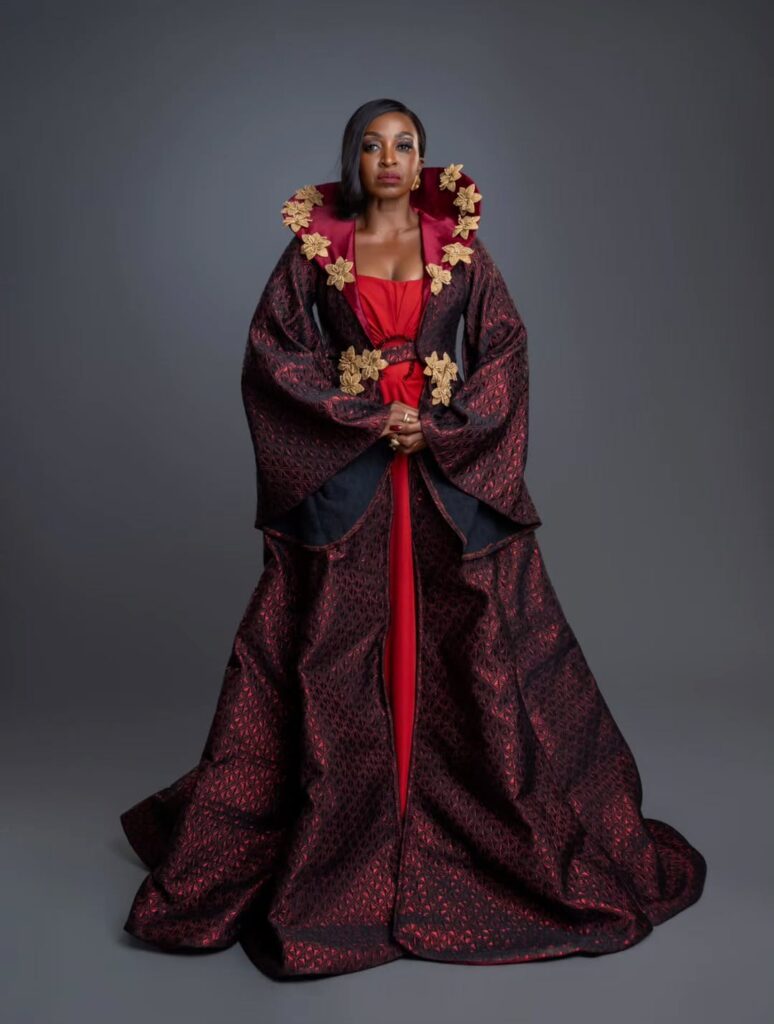
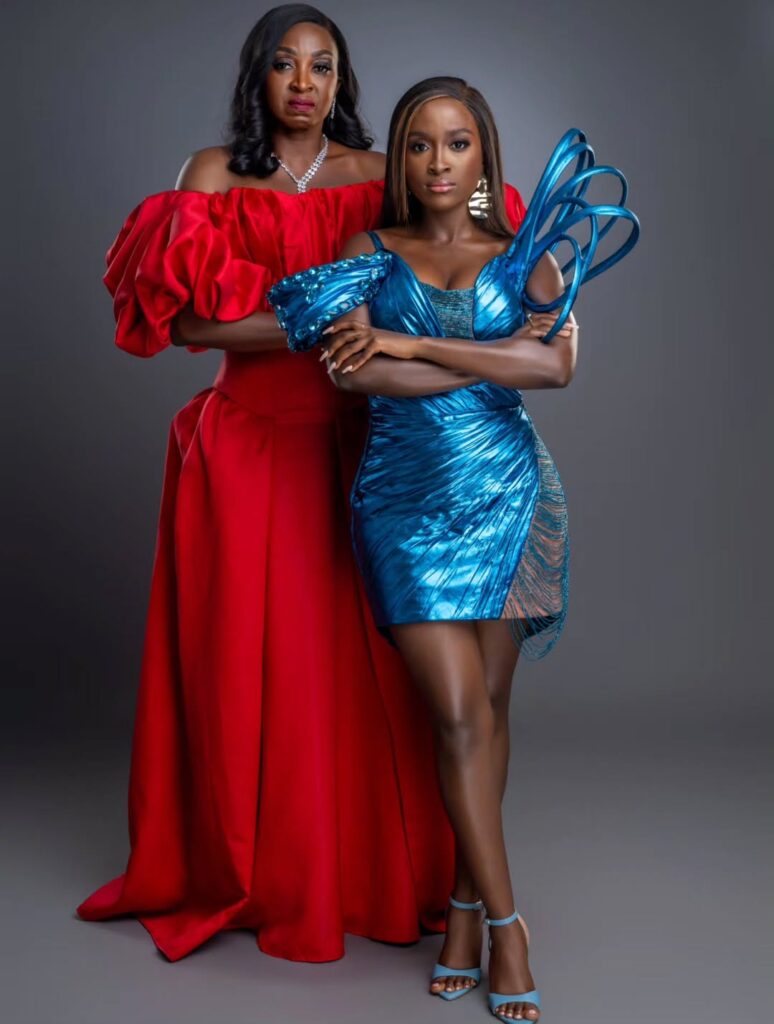
Kate Henshaw did not just act in Blood Sisters 2. She completely immersed herself in the role and delivered a performance that will be remembered for years to come.
In what can only be described as one of the finest performances of her career, Kate Henshaw delivered a masterclass in screen acting. This is the kind of performance that deserves to be studied, celebrated, and remembered. Every scene, every expression, and every emotional shift reflected the skill of an actress operating at the highest level of her craft.
After more than 30 years at the top of Nollywood, Kate Henshaw continues to perform with the same hunger, discipline, and passion that defined the early years of her career. That commitment to excellence is what separates her from the rest. While many actors rely on reputation, Kate continues to raise the bar and remind audiences why she remains one of Africa’s most respected screen talents.
In Blood Sisters 2, she did more than show up. She elevated the entire production. Her portrayal was layered, nuanced, and executed with remarkable precision. Every scene she appeared in carried greater emotional weight and deeper meaning because of her presence.
She brought strength, vulnerability, authority, and authenticity to the role, creating a character that felt powerful and unforgettable. Her performance added depth to the story and reinforced why she is regarded as one of Nollywood’s greatest actors.
This is not ordinary acting. This is the kind of work that defines careers and inspires future generations of performers.
Kate Henshaw has once again proven that true greatness does not fade. It evolves, deepens, and becomes even more impactful with time.
Ranks Africa Verdict:
Based on performance metrics including character interpretation, emotional delivery, screen presence, authenticity, audience engagement, and overall contribution to the story, Kate Henshaw earns a clear:
⭐⭐⭐⭐⭐ 5-Star Performance Rating
Her performance in Blood Sisters 2 is a powerful reminder of why she remains one of the most accomplished and respected actresses in African cinema.
Queen Kate, thank you for the masterclass. This is a performance that deserves its place among the finest in Nollywood history.
There is a particular quality to Calabar in December that no travel brochure has ever quite captured. It is not merely the lights strung along Marina Road, nor the procession of masquerades that fills the streets during carnival season. It is something older and less easily named. The city has a way of receiving people, of folding visitors into its rhythm before they have fully unpacked. For those who grew up here, or whose families trace their roots here, returning in December feels less like tourism and more like a return to familiarity.
That quality has become an economic force in its own right. For those arriving in Calabar seeking the finest expression of the city’s hospitality, one destination increasingly stands at the centre of that experience.
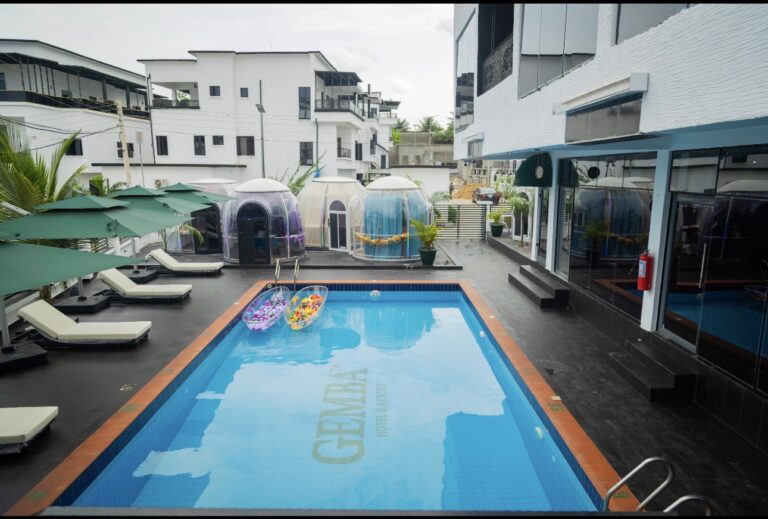
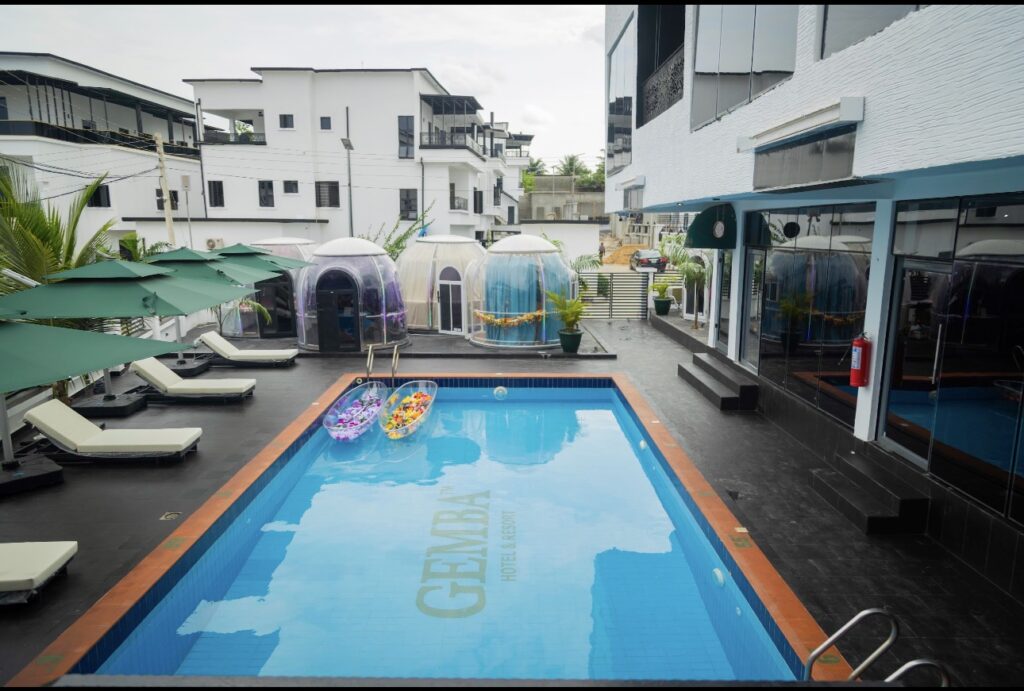
Gemba Hotel and Resort
Gemba Hotel and Resort.
Founded by Dr. Joe Enobong Essiet, Gemba has emerged as one of Calabar’s leading destinations for tourism and hospitality. Not simply a place to stay, but a property shaped by a clear vision of what modern hospitality in Cross River State can represent. Its distinctive forest green and gold identity reflects both the richness of the region’s natural environment and the confidence of a destination designed to meet international expectations.
The story of Gemba is inseparable from the story of Nigeria’s December economy.
What began as a seasonal return home by Nigerians in the diaspora has evolved into one of Africa’s most significant cultural and economic movements. Every year, thousands travel from London, Toronto, Houston, Atlanta, Johannesburg, and beyond to reconnect with family, culture, and community. Popular culture may call it “Detty December,” but the phenomenon represents something much deeper: a powerful intersection of nostalgia, identity, spending power, and national pride.
Few cities benefit from this convergence as naturally as Calabar.
For more than two decades, the Calabar Carnival has established itself as one of Africa’s most celebrated cultural festivals. Beyond its spectacular costumes and performances, the carnival has become an important part of Nigeria’s global cultural identity. Its reputation extends far beyond Cross River State, attracting visitors from across Nigeria and around the world.
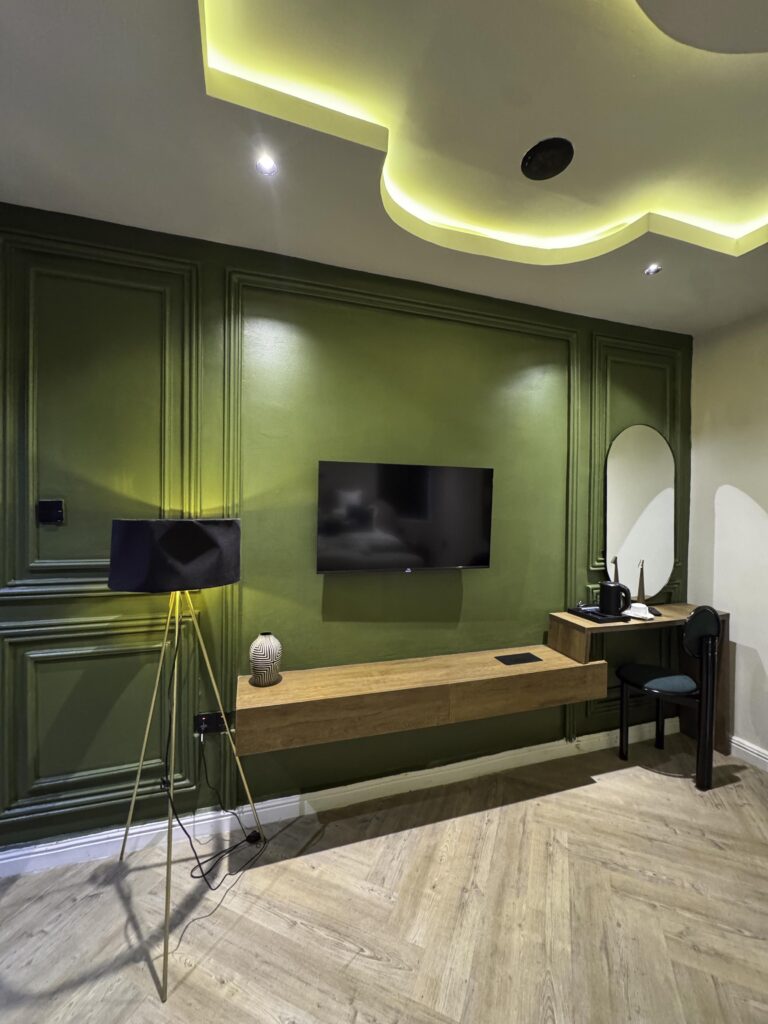
Gemba Luxury Room
For many of those visitors, Gemba is where the experience begins.
The modern traveller arrives with expectations shaped by experiences in cities across the globe. Comfort, service, ambience, security, dining, and convenience are no longer luxuries. They are requirements. Visitors want a destination that reflects the quality of the journey they have made and the significance of the occasion that brought them home.
Gemba responds to those expectations with confidence.
Its hospitality experience is designed around more than accommodation. It is built around the understanding that guests are often seeking something emotional as much as functional. They are reconnecting with memories, traditions, and experiences that cannot be replicated elsewhere.
This understanding is reflected in every aspect of the guest experience, including its culinary offering. For many returning Nigerians, food serves as one of the strongest links to home. The flavours, aromas, and familiarity of traditional dishes become part of the larger experience of reconnecting with place and identity. Hospitality that understands this creates something deeper than comfort. It creates belonging.
Beyond carnival season, Calabar’s appeal continues to broaden. The city’s reputation for orderliness, hospitality, scenic beauty, and relaxed atmosphere attracts a growing range of visitors. Corporate retreats, family gatherings, destination celebrations, leisure travel, and business engagements continue to contribute to the city’s expanding tourism economy.
As one of Calabar’s foremost hospitality destinations, Gemba has become a natural choice for many of these visitors.
Its significance also extends beyond its immediate commercial success.
For years, one of the challenges facing Nigerian tourism was the gap between the country’s cultural appeal and the quality of supporting hospitality infrastructure. Nigeria could capture global attention through its culture, entertainment, and festivals, but often struggled to provide accommodation experiences that matched international expectations.
That gap is steadily narrowing.
Across the country, a new generation of hospitality investments is redefining standards, viewing accommodation not simply as a necessity but as an essential part of the overall travel experience.
In Calabar, Gemba stands among the properties helping to drive that transformation.
December in the city will continue to grow. The carnival’s influence extends across continents, and the demand for authentic, high-quality homecoming experiences continues to increase with every passing year. Meeting that demand requires more than additional rooms. It requires destinations that understand the emotional journey behind every booking, that recognise the difference between a visitor and a returning son or daughter of the soil, and that create experiences worthy of both.
As Calabar continues to strengthen its position as one of Africa’s most distinctive tourism destinations, Gemba Hotel and Resort remains at the forefront of that story.
Not merely as a participant in the city’s hospitality growth, but as one of its defining expressions.
Gemba Hotel and Resort, Calabar, Cross River State.
A Premier Destination for Tourism and Hospitality.
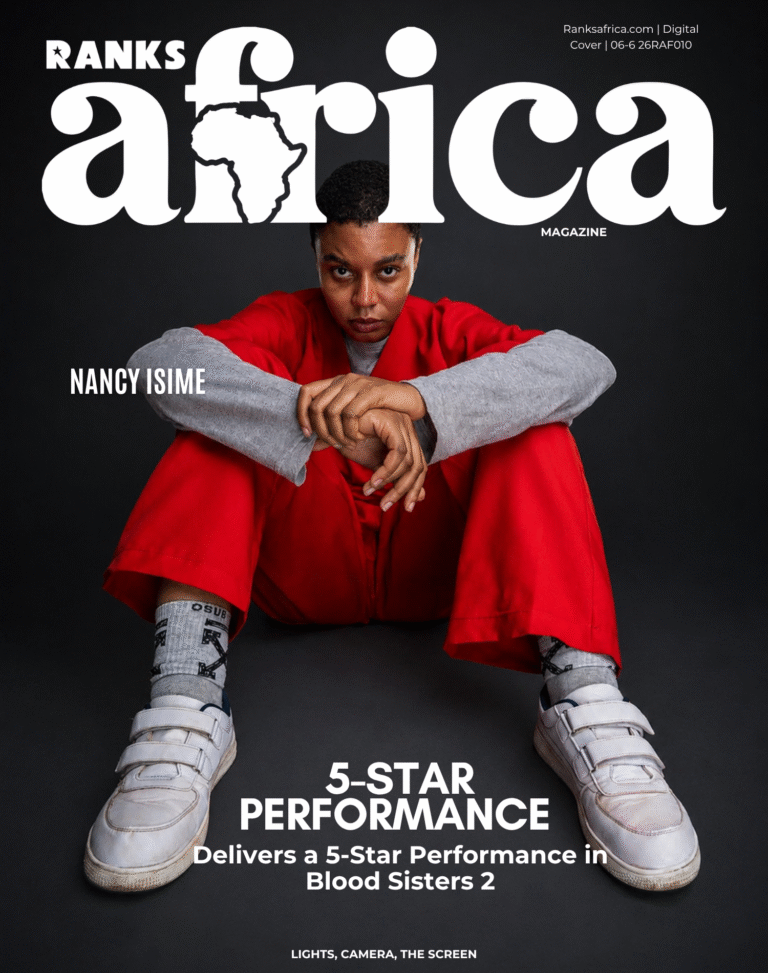
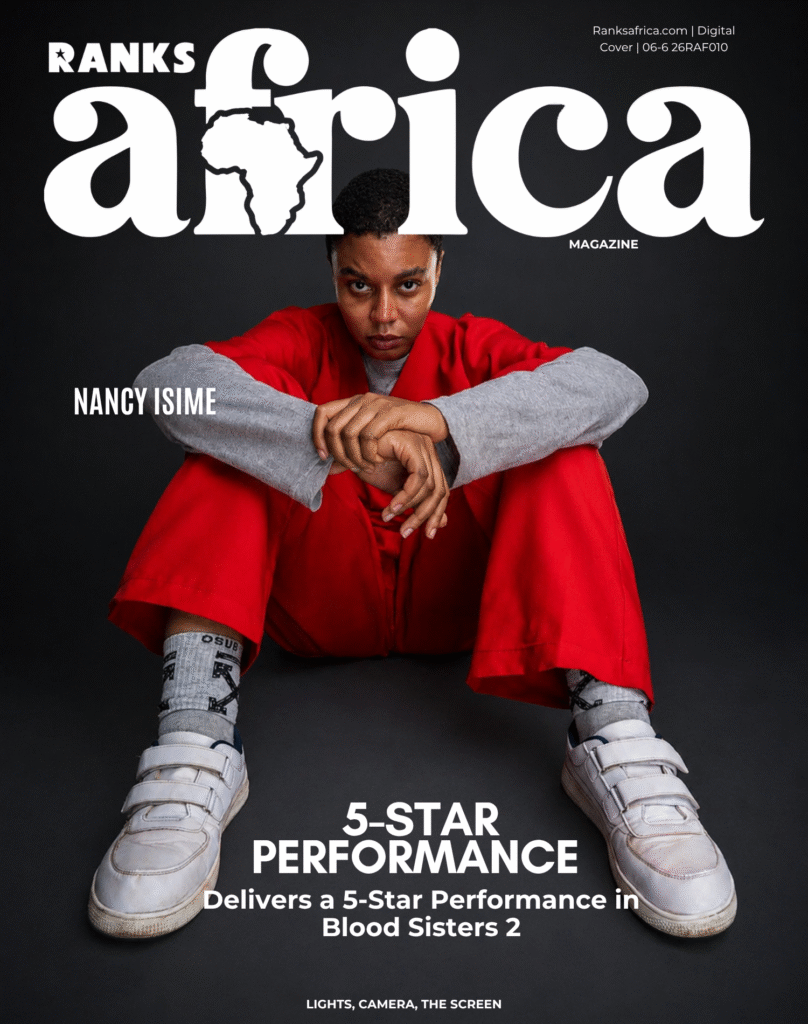
Nancy Isime has once again reminded audiences why she remains one of the most exciting talents in Nollywood today.There are performances that entertain, and then there are performances that elevate an entire production.
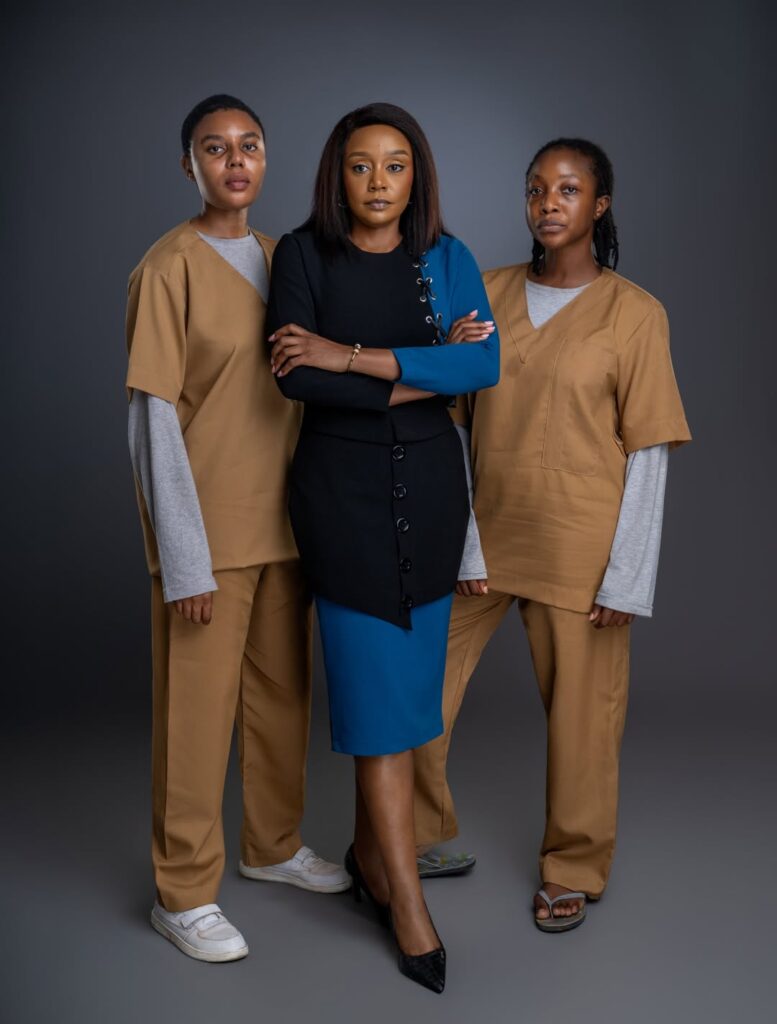
In Blood Sisters 2, Nancy Isime delivers exactly that. Returning as Kemi Sanya, she brings depth, emotion, resilience, and commanding screen presence to one of the series’ most compelling characters. From moments of vulnerability to scenes filled with tension and determination, Nancy proves once again why she remains one of Nollywood’s most dependable and versatile talents.
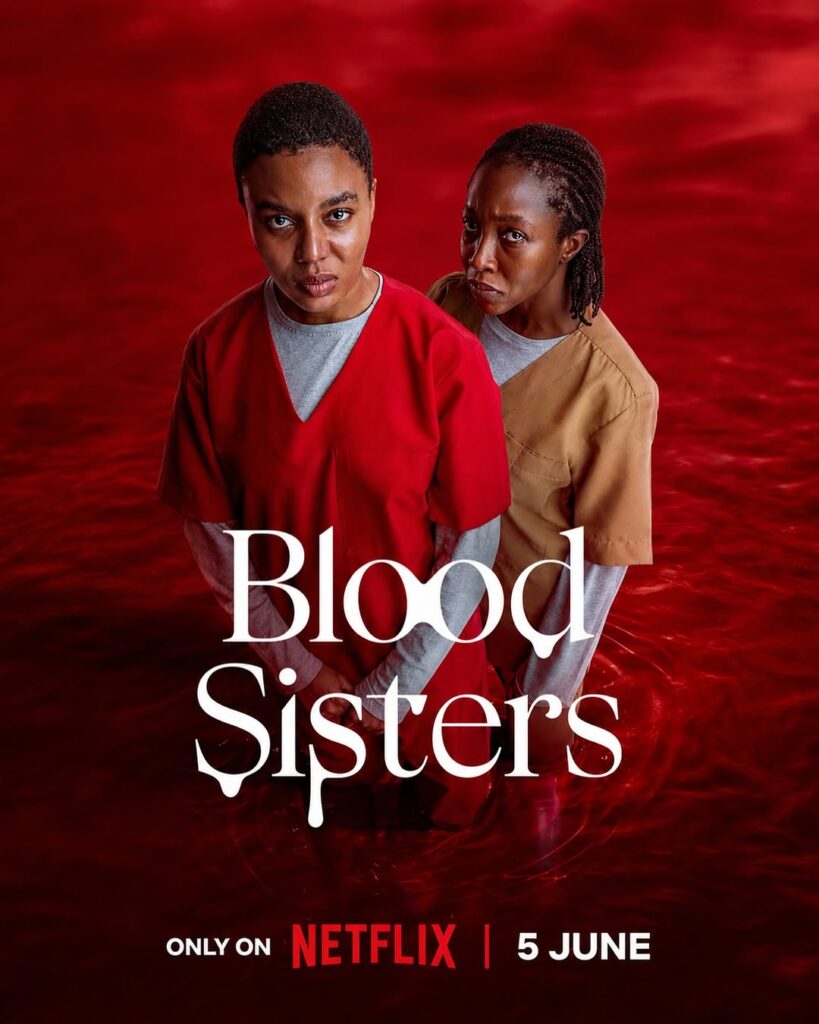
In Blood Sisters 2, released on Netflix on June 5, 2026, Nancy returns as Kemi Sanya and takes her performance to another level. If she impressed viewers in the first season, she raises the bar even higher this time. She does not simply play Kemi, she fully brings the character to life.
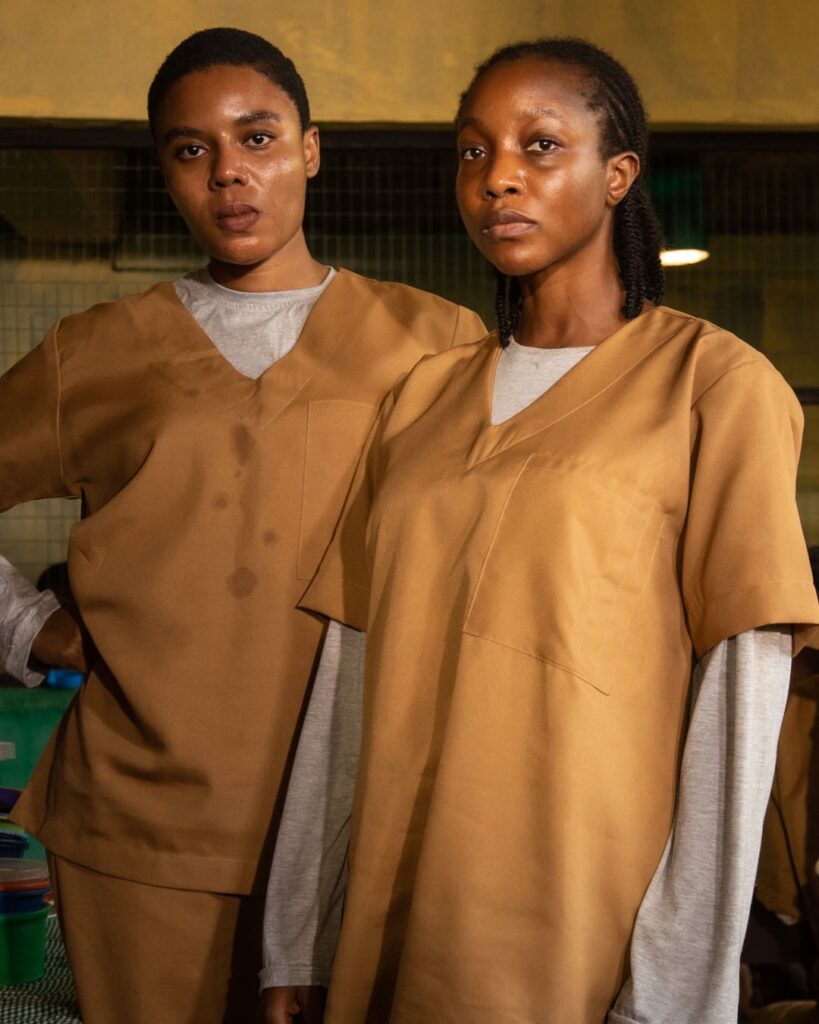
From the raw vulnerability displayed in the prison scenes to the fierce determination that defines her character, Nancy delivers a layered and compelling performance. Every emotion feels authentic, from fear and loyalty to anger, resilience, and unwavering friendship. Her relationship with Sarah, played by Ini Dima-Okojie, remains one of the emotional anchors of the series, while Kemi’s growth and resilience become central to the story.
Her portrayal of Kemi is not simply a continuation of a beloved character; it is an evolution. With maturity, emotional intelligence, and remarkable authenticity, Nancy takes Kemi’s journey to another level, making her one of the standout highlights of the new season. It is a performance that captures attention, resonates with audiences, and reinforces her place among the leading actresses shaping modern African cinema.
Nancy transitions effortlessly between intense dramatic moments and quieter, reflective scenes. Whether sharing the screen with seasoned actors or carrying emotionally demanding sequences, she performs with confidence, depth, and remarkable screen presence.
What stands out most is how human she makes Kemi feel. Rather than portraying a stereotypical strong female lead, Nancy presents a woman facing extraordinary circumstances while navigating fear, loyalty, vulnerability, and determination. The result is a character that feels real, relatable, and deeply engaging.
For viewers yet to watch Blood Sisters 2, Nancy Isime’s performance is one of the season’s standout highlights. She continues to prove that she is not only a charismatic screen presence but also an actress with impressive range and the ability to carry emotionally complex stories.
Nancy Isime delivers a memorable performance as Kemi, further solidifying her place among Nollywood’s leading talents.
Ranks Africa Verdict
Based on Ranks Africa’s performance evaluation metrics, including character interpretation, emotional delivery, screen presence, audience engagement, and overall contribution to the story, Nancy Isime earns a well-deserved:
⭐⭐⭐⭐⭐ 5-Star Performance Rating
Her portrayal of Kemi Sanya in Blood Sisters 2 showcases exceptional range, emotional depth, and commanding screen presence, further cementing her status as one of Nollywood’s leading actresses and one of the standout performers of the series.
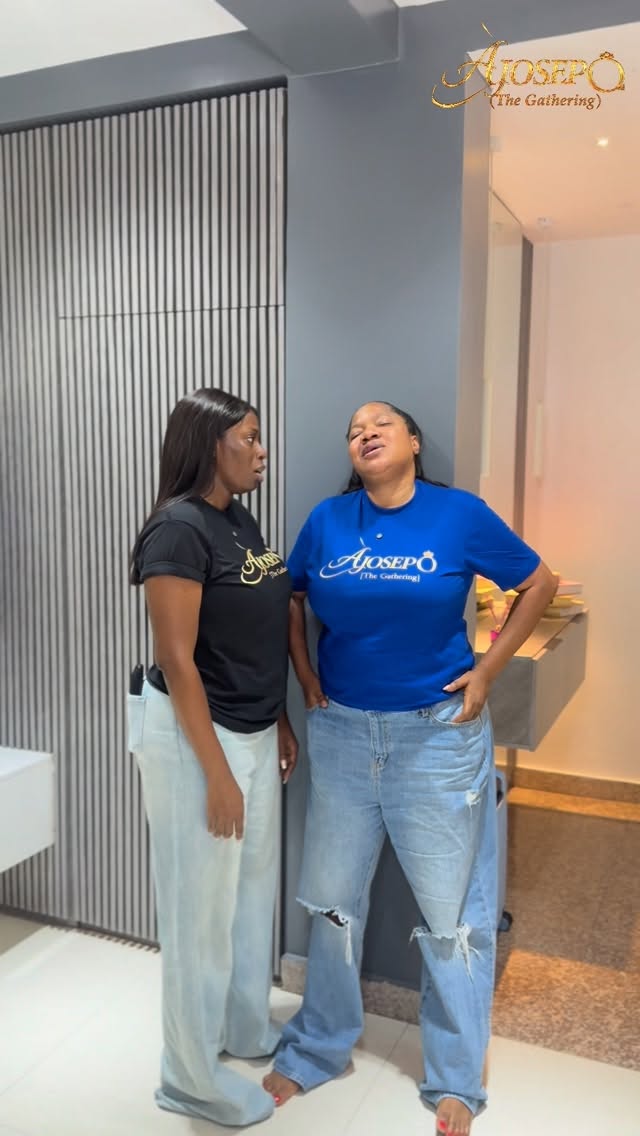
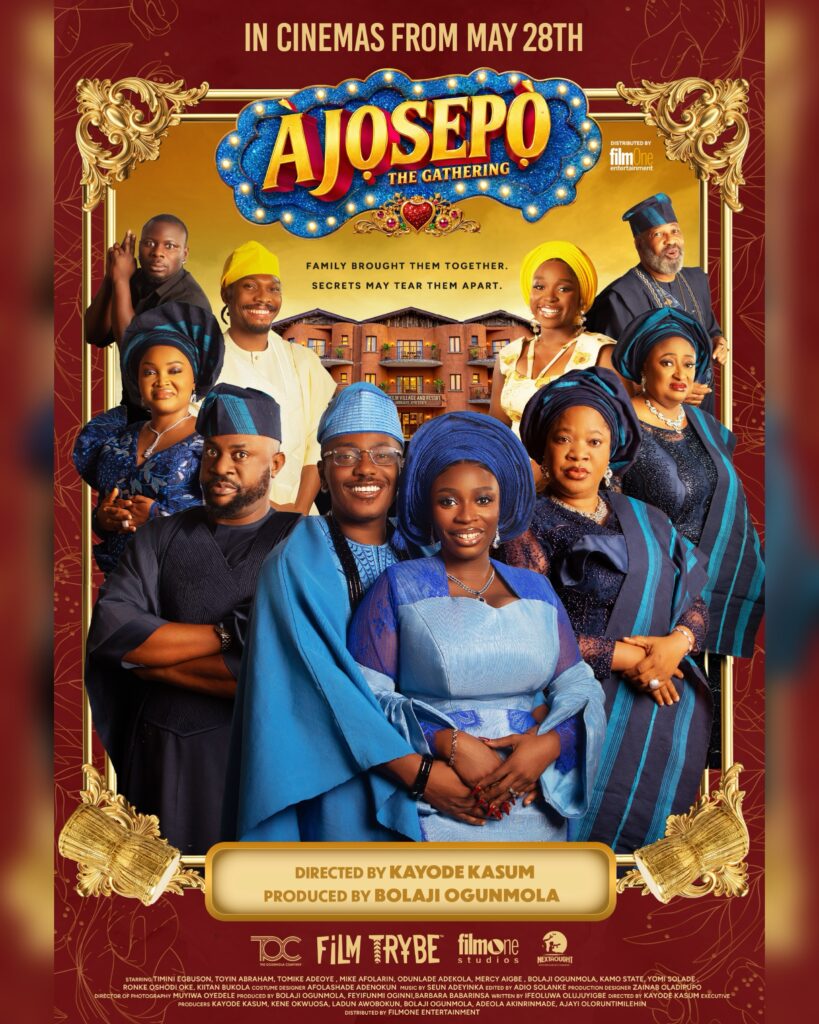
One of the most beautiful things about Nollywood is seeing established stars genuinely support the projects of their colleagues, and Toyin Abraham’s energy towards Ajosepo: The Gathering is a perfect example of that.
From promotional skits and social media posts to her enthusiastic appearances at the premiere, Toyin didn’t just show up as a cast member — she showed up as a passionate supporter of Bolaji Ogunmola’s vision. In the weeks leading up to the film’s release, she consistently used her platform to encourage audiences to watch the movie and celebrate the hard work behind it.
What stands out most is that Toyin herself is one of Nollywood’s biggest box-office forces. Having built successful cinema brands and blockbuster films of her own, she understands the challenges of producing, marketing, and distributing a movie. That experience makes her support even more meaningful. Instead of viewing the success of another producer as competition, she embraced it and amplified it.
Her excitement throughout the Ajosepo: The Gathering campaign reflected a culture of collaboration that Nollywood needs more of. Every interview, social media appearance, and promotional moment helped generate additional visibility for the project and reminded audiences that cinema success is often a collective effort.
For upcoming producers and filmmakers, there is a lesson here. Great industries grow when successful people use their influence to elevate others. Toyin Abraham’s support for Bolaji Ogunmola and Ajosepo: The Gathering demonstrates professionalism, confidence, and a genuine commitment to the growth of Nollywood.
In an industry where support can sometimes be scarce, Toyin Abraham showed that championing another person’s project does not diminish your own shine. If anything, it makes your impact even greater.
Beyond promoting the Chery CSH, South African reality TV personality and brand ambassador Ashley Ogle also caught attention with her clean and stylish fashion moments during the latest Chery Automobile campaign activation.
Ashley brought a relaxed yet premium lifestyle aesthetic to the campaign, perfectly matching the youthful and energetic vibe surrounding Chery Day celebrations.
From the coordinated styling to the confident presentation and natural camera presence, the look reflected the modern influencer-driven approach brands now use to connect with younger audiences. 👏🔥
Her effortless fashion sense, calm confidence, and ability to blend lifestyle content with brand storytelling continue to make her a strong fit for ambassadorial campaigns within the automotive and lifestyle space.
Fans online also praised how naturally she carried the campaign visuals, with many highlighting her style, aura, and overall presentation throughout the activation
Kenyan actress and media personality Catherine Kamau, who was recently recognized as a Certified Brand Influencer by Ranks Africa, has officially announced a major new partnership, unveiling herself as the official spokesperson and double brand ambassador for MyGIRL Kenya and Kiss Kids Kenya.
Sharing the exciting news with fans, Catherine expressed pride in partnering with brands focused on affordability without compromising quality, safety, and trust.
In her announcement, she stated:
“I am proud to be associated with a brand that refuses to compromise on quality, proving that affordable can still mean high-quality, safe, and trustworthy.”
Beyond the commercial partnership, Catherine also revealed that the collaboration will support empowerment initiatives through the Auntie Kate Foundation, with a focus on mentoring young mothers and girls while helping provide sanitary products and diapers to communities in need.
According to the actress, the partnership is about more than products:
“We are building futures with every pad distributed and every diaper provided.”
The announcement has been warmly received online, with many applauding Catherine Kamau for aligning with purpose-driven brands while continuing to use her platform for social impact and community support.
The deal further strengthens her position as one of East Africa’s most trusted personalities in the lifestyle, family, and brand influence space, further validating her recognition as one of the certified brand influencers shaping consumer culture across Africa.




 Beyond beauty and stage presence, contestants participated in an intensive week-long camp designed to assess their leadership potential, communication skills, community service initiatives, and understanding of social issues. The camp featured leadership development sessions, mentorship programmes, and community engagement activities, all of which contributed significantly to the final judging process.
 With her victory, she succeeds Joy Raimi, who represented Nigeria during the previous Miss World cycle. Tamunosoye will now carry the nation’s hopes to the 73rd Miss World pageant scheduled to take place in Ho Chi Minh City, Vietnam, from August to September 2026.




 This understanding is reflected in every aspect of the guest experience, including its culinary offering. For many returning Nigerians, food serves as one of the strongest links to home. The flavours, aromas, and familiarity of traditional dishes become part of the larger experience of reconnecting with place and identity. Hospitality that understands this creates something deeper than comfort. It creates belonging.
 That gap is steadily narrowing.