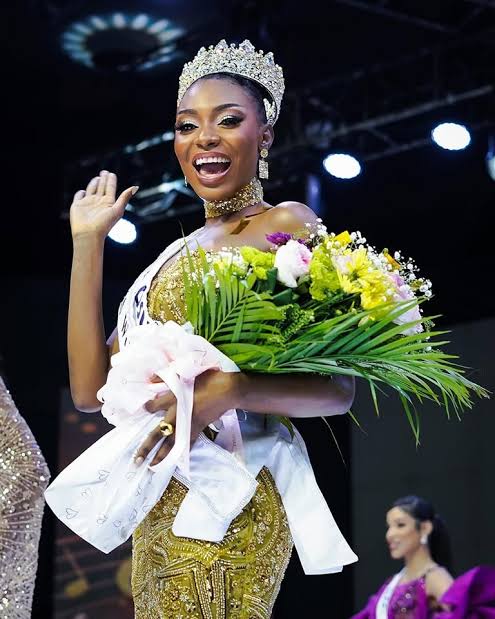
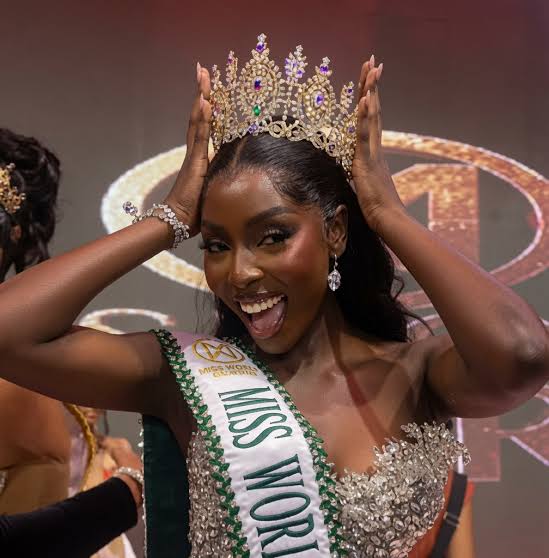
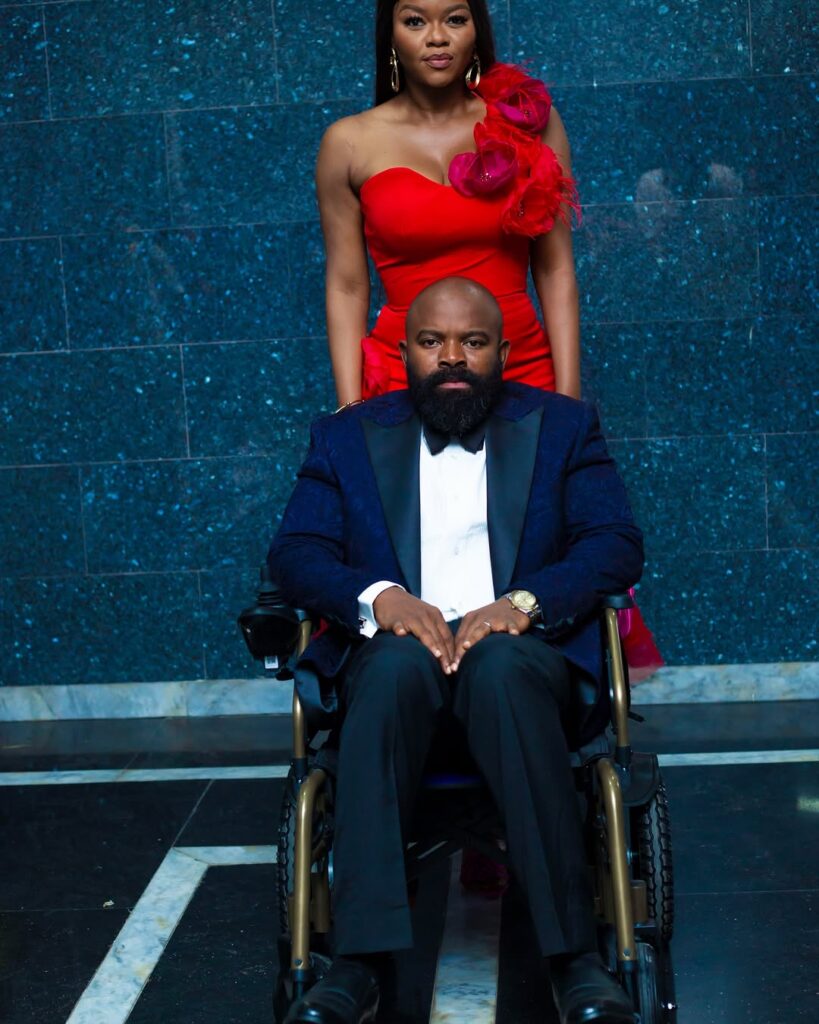
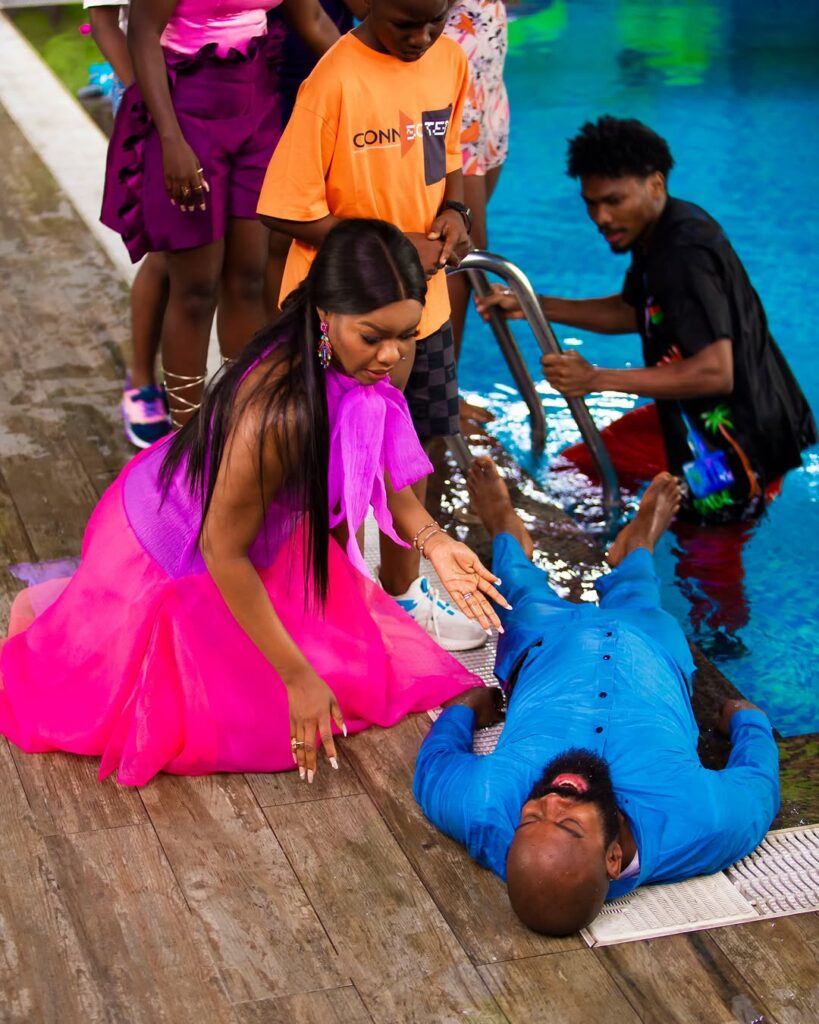
Beauty Queen “Beauty Tukura” indeed looks good in just about anything. But when it comes to posing for a photoshoot, the reality star proves time and again that you can be comfortable, fun, or even tell a beautiful story without uttering words.
The First NollyHood Hangout at the Aba Blues premiere was a vibe!
On Sunday, 15th March, the Aba Blues premiere wasn’t just about the film; it was a full-on link-up. The First NollyHood Hangout by Filmhouse Cinemas happened right there, bringing together people who already share a love for Nollywood, just now in the same space.
Nothing forced, just good energy all around. Real conversations, easy laughter, and those moments that remind you why these stories matter in the first place. From quick chats with the cast to random interactions that just clicked, it all felt natural.
And just in case you’re wondering, what exactly is NollyHood? It’s the first NollyHood club in Nigeria, a space for fans, films, and everything that makes our cinema culture special. And to make it even better, there’s a Referral Program, so you can bring your people into it too. Ten referrals get you a free Nollywood movie ticket with concessions; twenty get you two. All they need to do is mention your name when signing up. Period!!!!!
It’s simple. Good films, good people, and a space to enjoy both.
So click here to sign up, we’d be waiting for you!!
Dr. Sarah Ogoke has formally announced her retirement from international basketball, bringing an end to a distinguished career defined by leadership, consistency, and historic achievement with Nigeria’s women’s national team, D’Tigress.
A central figure in the team’s modern success, Ogoke served as captain during a period widely regarded as the most dominant era in African women’s basketball. Her influence on and off the court helped shape a squad that redefined standards of performance and cohesion at the continental level.
Across her international career, she played a key role in Nigeria’s unprecedented run of five consecutive FIBA Women’s AfroBasket titles in 2017, 2019, 2021, 2023, and 2025. This sustained success firmly established D’Tigress as the leading force in African women’s basketball, with Ogoke at the core of that transformation.
Beyond her athletic contributions, Ogoke’s profile stands out for its breadth. A trained medical doctor and a mother, she maintained a demanding balance between professional sport, academics, and family life. This dual commitment elevated her status beyond sport, positioning her as a model of discipline and long-term focus for aspiring athletes across Nigeria and the wider continent.
Her tenure with the national team reflects more than medal success. It represents a leadership standard that influenced team culture, inspired younger players, and contributed to the emergence of a golden generation in Nigerian basketball.
With her retirement, Nigeria closes a significant chapter in its sporting history. Dr. Sarah Ogoke’s legacy remains embedded in the rise of D’Tigress and will continue to inform the future direction of women’s basketball in the country.
In a historic moment at the Academy Awards, Michael B. Jordan has become the sixth Black actor in history to win the Oscar for Best Actor. The recognition places him among a very small group of performers whose work has broken one of the most difficult barriers in Hollywood’s acting categories.
The Best Actor award is widely regarded as one of the most competitive honours presented by Academy of Motion Picture Arts and Sciences. Over the decades, Black actors have delivered numerous acclaimed performances, yet only a handful have received the award. Jordan’s win therefore represents both a personal milestone and a significant moment in the continuing evolution of representation within the global film industry.
Before Jordan’s achievement, only five Black actors had won the Best Actor Oscar. The first was Sidney Poitier, who made history in 1964 for his performance in the film Lilies of the Field. Poitier’s victory marked a breakthrough moment during a period when opportunities for Black actors in Hollywood were extremely limited.
Decades later, Denzel Washington joined that list after winning Best Actor for his powerful performance in Training Day. Washington’s win further cemented his reputation as one of the most influential actors of his generation.
In 2005, Jamie Foxx received the award for portraying legendary musician Ray Charles in the biographical film Ray. His performance was widely praised for its depth and emotional intensity.
Another landmark moment came when Forest Whitaker won Best Actor for his portrayal of Ugandan leader Idi Amin in the film The Last King of Scotland. Whitaker’s transformative performance earned widespread critical acclaim.
More recently, Will Smith joined the list with his award-winning role as Richard Williams in the sports drama King Richard, a performance that highlighted the determination behind the rise of tennis champions Venus and Serena Williams.
With his Oscar victory, Michael B. Jordan now joins this distinguished group of actors who have shaped cinematic history. Known for standout roles in films such as Fruitvale Station, Creed, and Black Panther, Jordan’s career has been marked by performances that combine emotional intensity with strong screen presence.
His win not only celebrates his individual talent but also adds another chapter to the ongoing story of Black excellence in global cinema.
Media entrepreneur and filmmaker Mo Abudu has unveiled additional cast members for the highly anticipated film adaptation of The Secret Lives of Baba Segi’s Wives, further building momentum for the project ahead of its global theatrical release scheduled for December 2026.
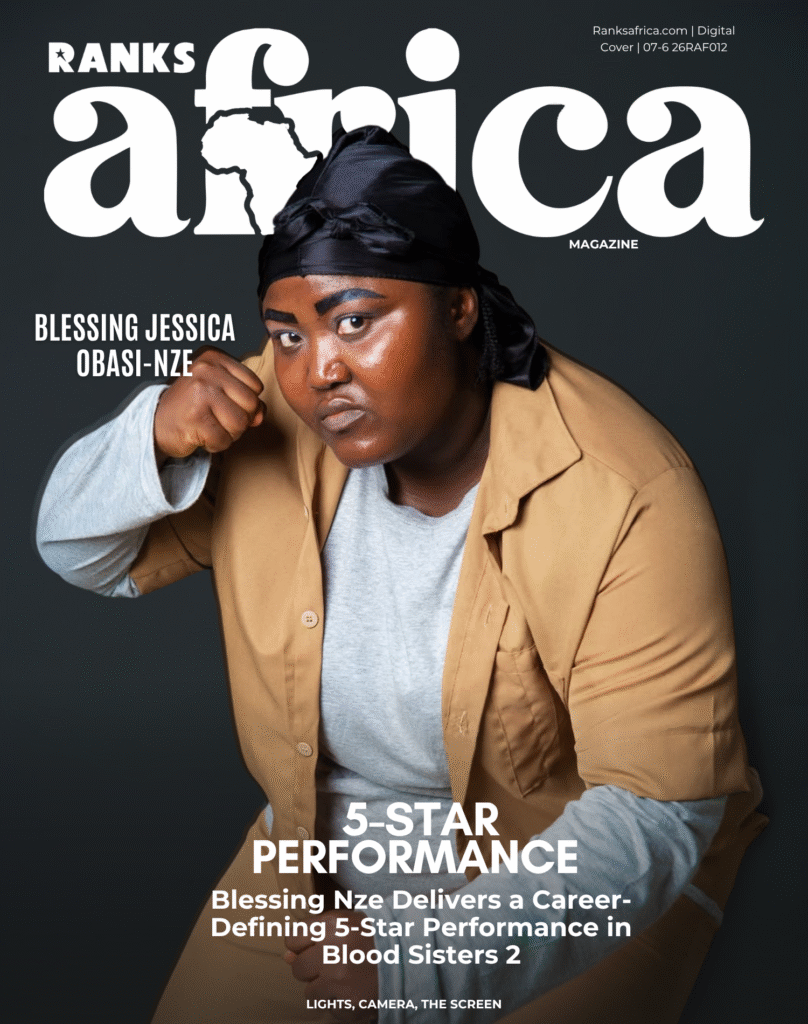
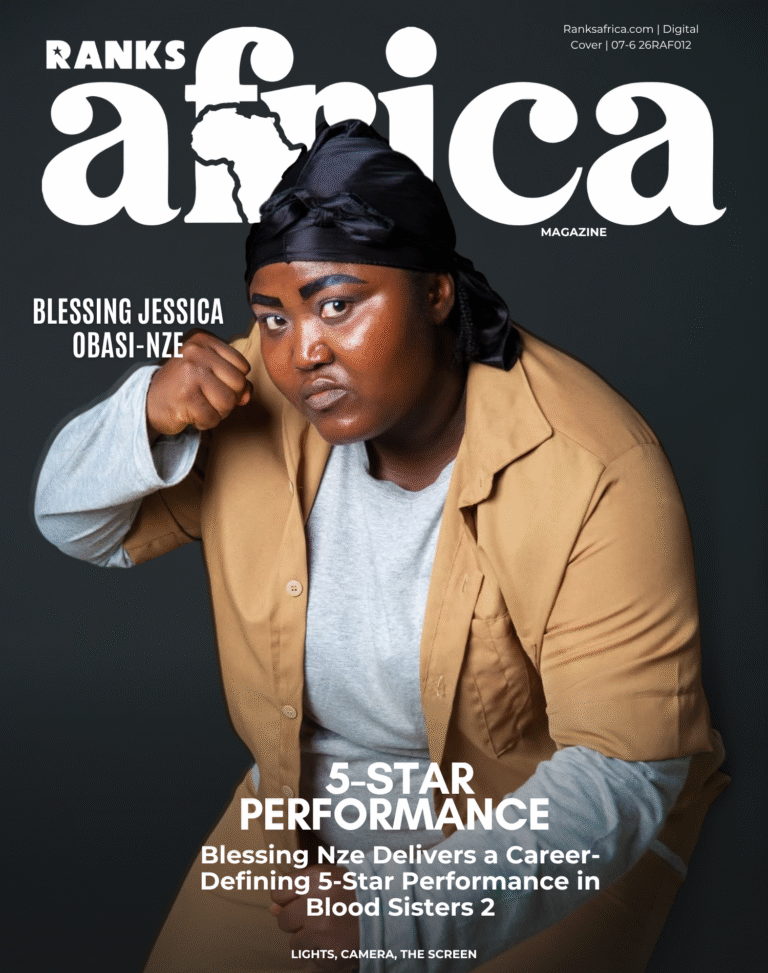
The new cast announcement introduces a strong lineup of Nollywood talents who will help bring the acclaimed novel to the big screen. Actors joining the production include Damilola Adegbite, Nancy Isime, Uzor Arukwe, Fathia Balogun, Mike Ezuruonye, Blessing Nze, Nkechi Blessing Sunday, Maleek Sanni and Mallum Arik.
The film is produced by EbonyLife Studios and forms part of a strategic industry collaboration involving Genesis Cinemas, Nile Entertainment and Silverbird Group. The partnership signals an ambitious distribution plan designed to position the film for both local and international audiences.
Originally written by Nigerian author Lola Shoneyin, The Secret Lives of Baba Segi’s Wives is widely regarded as one of the most compelling contemporary African novels. The story explores themes of family power dynamics, secrecy, gender roles, and the complexities of polygamous marriage within a traditional household. Its layered characters and sharp social commentary have made it a celebrated work in African literature and theatre.
With a cast that blends established screen figures and emerging performers, the film adaptation is expected to deliver a rich dramatic interpretation of the beloved story. Industry observers note that the scale of the collaboration and the depth of the cast signal EbonyLife’s continued ambition to expand African storytelling on the global stage.
The production is scheduled for a worldwide cinema rollout in December 2026, positioning the film as one of the major Nollywood releases to close the year. For audiences familiar with the novel and newcomers alike, the project promises a cinematic retelling of a story that has captivated readers for over a decade.
The 98th edition of the Academy Awards has officially concluded, closing another significant chapter in the global film calendar. As always, the ceremony brought together some of the most celebrated names in the film industry to honour outstanding achievements in filmmaking. This year’s awards night delivered a mix of strong victories, unexpected results, and a few notable disappointments for films that entered the ceremony with high expectations.
Among the biggest stories of the night was the remarkable performance of One Battle After Another. The film emerged as the most successful production of the evening, securing six major Academy Awards from thirteen nominations. Its wins included the highly coveted Best Picture award, alongside Best Directing, Best Supporting Actor, Best Adapted Screenplay, Best Film Editing, and Best Casting. Notably, the casting award marked the first time the category had been introduced at the Oscars, making the film the inaugural winner in that newly established field. With six wins and seven losses, the film achieved a win rate of just over forty-six percent, cementing its position as the dominant title of the ceremony.
Another film that drew significant attention during the awards season was Sinners. The production received sixteen nominations, placing it among the most recognised films of the year. However, its final outcome reflected the unpredictable nature of the Academy Awards. The film secured four wins, including Best Actor in a Leading Role, Best Original Screenplay, Best Cinematography, and Best Original Score. Despite these important victories, it fell short in twelve other categories, recording a seventy-five percent loss rate from its nominations.
The film Frankenstein also recorded a mixed performance. From nine nominations, it won three awards while losing six categories. Its victories came in technical and craft areas that highlighted the film’s strong visual design. These included Best Production Design, Best Costume Design, and Best Makeup and Hairstyling. The film’s success in these areas reinforced its reputation for impressive world-building and aesthetic detail.
Meanwhile, Sentimental Value experienced a far more difficult outcome. Despite receiving nine nominations going into the ceremony, the film secured only one win and lost in eight other categories, resulting in one of the highest loss ratios among the night’s major contenders.
In contrast, one of the most efficient performances of the evening came from the animated production K‑Pop Demon Hunters. The film was nominated in two categories and successfully won both awards, achieving a perfect record. Its victories came in Best Animated Feature Film and Best Original Song, demonstrating that smaller productions can still leave a strong mark on the Academy Awards when they compete in focused categories.
Overall, the 98th Oscars reflected the competitive and diverse nature of modern cinema. From dominant winners like One Battle After Another to mixed results for heavily nominated films such as Sinners and Frankenstein, and a perfect two-for-two performance by K-Pop Demon Hunters, the ceremony once again illustrated how unpredictable the race for Hollywood’s most prestigious awards can be.
In a moment that drew quiet admiration from everyone present, Ranks Africa presented its Cultural Legacy Honor to one of Nollywood’s most enduring and widely respected figures, Dr. Omotola Jalade-Ekeinde, during the private screening of her new film, Mothers Love, held on Saturday, 13th March 2026 at the Ebony Life Cinema in Lagos.
The evening, organised in collaboration with Slum2School Africa, brought together a carefully selected audience for what was already a significant cultural occasion. The screening itself carried weight well before the formal proceedings began. Mothers Love, inspired by true events and brought to life with the support of African families from MaKoko, Lagos, speaks directly to the experience of motherhood in ways that resonate far beyond the screen. That Ranks Africa chose this setting to confer its highest editorial recognition was not accidental.
The Cultural Legacy Honor was presented by Adesina Kasali, Lead Consultant and Content Head of Ranks Africa Magazine, who delivered the award with the kind of deliberate warmth that the occasion called for. Standing before the projection screen bearing her own name, Dr. Omotola received the framed citation and held it alongside Kasali as the room acknowledged the moment.
Adesina Kasali Presenting The Award of Honors To Dr. Omotola Jalade-Ekehinde
The citation reads in part: “In recognition of over three decades of excellence in African cinema, cultural influence, and global representation of Nollywood. Your work has inspired generations and elevated African storytelling on the world stage.”
The words are measured, but the record behind them is substantial. Since her debut in the early 1990s, Omotola Jalade-Ekeinde has worked with a consistency that few in the industry have matched. She has appeared in well over three hundred films, earned a place on TIME Magazine’s list of the hundred most influential people in the world, and carried Nollywood’s name into conversations that once barely acknowledged African cinema at all. She has done this not through periodic bursts of visibility but through sustained, often quiet dedication to the craft and to the continent it represents.
Omotola Jalade-Ekeinde Commits 100% of Mother’s Love Cinema Proceeds to Slum2School Africa in Landmark Move for Nigerian Film Industry
Her work as an actress has been accompanied by an equally serious commitment to advocacy. As a United Nations Millennium Development Goals Ambassador and a voice for food security, poverty reduction and youth empowerment across Africa, she has built a public life that does not separate artistic achievement from social responsibility. The Cultural Legacy Honor, in that respect, recognises not one dimension of a career but the full breadth of it.
Ranks Africa, through its editorial platform, has consistently documented the figures shaping African culture, enterprise and public life. The Cultural Legacy Honor sits at the top of that recognition framework, reserved for individuals whose contributions carry across generations and whose influence extends beyond the industry in which they first made their name.
Slum2School Africa’s involvement in the evening added further resonance. The organisation, known for reaching underserved children in difficult environments and connecting them to educational opportunity, shares with Dr. Omotola a fundamental belief in the dignity and potential of ordinary Africans. That two such bodies chose to share the same evening is, in itself, a statement about the kind of legacy the award is meant to celebrate.
By the time the film screened and the applause settled, what remained was a clear and unhurried picture of a career that has meant something real to African audiences for more than thirty years. Ranks Africa, through this recognition, has simply put a name to what many already knew.
The Cultural Legacy Honor is presented by Ranks Africa Magazine to individuals whose body of work reflects lasting cultural contribution to Africa and its global representation.
Public reactions have continued to trail the recent interview involving veteran actor Richard Abiodun Ayoyinka, widely known for his portrayal of the character Papa Ajasco. While the discussion has generated strong emotions across social media, some observers are urging the public to take a more measured approach and allow Wale Adenuga Productions the opportunity to respond to the claims raised in the interview.
One of the central issues in the conversation concerns the ownership and usage rights attached to the name and character “Papa Ajasco.” According to industry observers, the character itself is not the personal property of any individual actor. Rather, it is a franchise character created and owned by Wale Adenuga Productions as part of the long running comedy brand that began decades ago.
Historical records of the production show that Richard Abiodun Ayoyinka was not the first actor to portray Papa Ajasco. The earliest known portrayal of the character was by veteran actor Peter Fatomilola in an early film version. When the television series Papa Ajasco & Company later launched in the 1990s, Ayoyinka assumed the role and went on to become the most recognized face associated with the character. His performance helped cement the show’s popularity and made the character a household name across Nigeria and beyond.
Over time, the role has been portrayed by more than one actor. At a point when Ayoyinka stepped away from the series, actor Femi Ogunrombi took over the role of Papa Ajasco, continuing the franchise within the same creative framework. This pattern reflects the structure of many long running entertainment properties where characters exist as intellectual property owned by a production company rather than by the performers who portray them.
In that sense, legal restrictions around the use of the character’s name are generally tied to intellectual property rights rather than personal disputes. Comparisons have been drawn with other global entertainment franchises where characters remain the property of their creators or estates. For example, the character James Bond belongs to the Ian Fleming estate, even though numerous actors have played the role over the decades.
Another aspect of the discussion relates to the issue of compensation during the early years of the series. While figures mentioned in the interview have sparked debate online, some commentators note that it is difficult to assess the situation without full knowledge of the contracts and agreements that governed the production at the time. In the entertainment industry, payment structures are often tied to episode counts, seasonal agreements, and broader contractual arrangements that may not be publicly known.
Observers also point out that economic realities in the late 1990s were different from those of today. The value of money has changed significantly over the decades, making it challenging to interpret historical payments using present day economic standards. Compensation that may appear modest by current measures could have held a different value at the time it was paid.
For many industry stakeholders, the key issue remains the need for balance in public discourse. As reactions continue to unfold, some voices within the creative community believe it would be fair to allow Wale Adenuga Productions the opportunity to present its position before public judgment is firmly formed.
Until a formal response is issued by the production company, commentators are urging the public to approach the matter with caution, emphasizing the importance of hearing all sides of the story before drawing conclusions about a legacy production that has played a significant role in the history of Nigerian television comedy.
An Evening of Purpose, Cinema, and Community at EbonyLifeCinemas, Lagos
On the evening of March 13, 2026, EbonyLife Cinemas in Lagos became the setting for something rarely witnessed in the history of African film. What began as a private screening of Mother’s Love organized in barely 48 hours became a moment that those present will not soon forget.
Over 200 guests filled the room: government officials, diplomats, business leaders, development partners, members of the press, and approximately 50 members of the Makoko community itself, including the traditional rulers whose waterfront settlement inspired the film. For the children and community leaders from Makoko who attended, the evening meant something beyond cinema. It meant being seen.
The guest list reflected the breadth of the occasion. Among those present were Zakari Momodu of the Dangote Foundation; IfuekoOmoigui-Okauro, Board Member of MTN and Nigerian Breweries; Alero Ayida-Otobo, CEO of the School of Politics and Government and Board Chair of Slum2School Africa; Ambassador Nimi Akinkugbe, former Nigerian Ambassador to Greece; AdeolaAzeez, founder of WIMBIZ; Rabi Isma, Chairperson of ActionAidNigeria; Jummai Musa, Country Director of Street Child International; Dr. Victoria Ekhomu, actor in the film and Chairman of Transworld Security Systems; Omolara Cookey, CEO of NojiArts; Ayodele Alabi of Nigerian Breweries; and Patrick McMicheals, CEO of The Fat Butcher. Seated among them, representing the Makoko community, were Baale Alashe Francis Agoyon, Chief Kpanke Victor Usa, and Chief Shemede Emmanue;traditional rulers whose quiet presence carried a weight no formal title could fully describe.
Then came the announcement.
Dr. Omotola Jalade-Ekeinde Commits 100% of Mother’s Love Cinema Proceeds to Slum2School Africa in Landmark Move for Nigerian Film Industry
Dr Omotola Jalade-Ekeinde Nollywood legend, TIME 100 honoree, UN World Food Programme Ambassador, and now, in her 30th year in the industry, a first-time director, stood before her guests and declared that 100 percent of all proceeds accruing to her and her production company RedHot Concepts from the Nigerian theatrical run of Mother’s Love would be donated in full to Slum2School Africa, to support the education of children in underserved communities, beginning with Makoko.
The room responded with sustained applause. Several guests pledged additional contributions on the spot.
According to research by Black Film Wire, the leading Pan-African film trade publication, this places Mother’s Love among only 4 films in global cinema history to have committed 100 percent of theatrical proceeds not profits, but proceeds to a charitable cause. It is the first time any film on the African continent has done so.
“A few days ago, I experienced what I can only describe as a moment of moral clarity. A thought came to me with unusual force: align your debut with your passion. My passion has always been rooted in advocating for vulnerable communities, particularly children whose potential is limited not by ability, but by circumstance. Tonight, Mother’s Love becomes more than a film. It becomes a bridge between storytelling and social transformation; a promise to use our voices, our stories, and our influence to expand possibility where it is needed most.”
— OmotolaJalade-Ekeinde, Mother’s Love Announcement Event, Lagos, March 13, 2026
The partnership between RedHot Concepts and Slum2School Africa runs deeper than the announcement. Long before the theatrical release, Slum2School Africa opened its classrooms, innovation labs, and office spaces in Lekki as filming locationsfree of charge because they recognized in the film’s story something intimately familiar. The central character, Obaro, a young man from Makoko whose potential is overlooked until it cannot be ignored, mirrors the story of thousands of children Slum2School has served over 14 years.
Otto Orondaam, Founder & Executive Director, Slum2School Africa
“The storyline mirrored what 100 percent of our learners experience: being judged before they are seen. There was nothing planned. Nothing expected. Nothing anticipated.”
— Otto Orondaam, Founder & Executive Director, Slum2School Africa
Screenshot
The donation will be executed with full institutional accountability. Proceeds will be transferred directly by distribution partner Nile Entertainment to Slum2School Africa, with an independent auditor appointed to verify and report on all funds disbursed. Slum2School Africa has committed to publishing a comprehensive public report on the outcomes achieved.
The Makoko Baales
For those who were in the room on the evening of March 13, the significance of the moment was not lost. The Baales of Makoko sat alongside board members of multinationals, ambassadors, and NGO directors. A filmmaker who has spent 30 years in front of the camera chose her first film behind it to make a gift, not to an awards body, not to a festival, but to the children whose world she had spent years telling the world about.
That, perhaps, is the simplest way to describe what happened at EbonyLife Cinemas that night. A story became a promise.
About Mother’s Love
Mother’s Love is produced by RedHot Concepts and distributed in Nigeria by Nile Entertainment. It marks the directorial debut of Omotola Jalade-Ekeinde in her 30th year in the Nigerian film industry. The film was produced in partnership with Slum2School Africa and has screened at SVAFF, the Toronto International Film Festival (TIFF), the Dubai International Film Festival, and the Pan African Film Festival (PAFF). At its inaugural festival appearance in June 2025, Omotola Jalade-Ekeinde was awarded a Certificate of Excellence in the category of Debut Filmmaker. The film will embark on a global theatrical tour timed for Mother’s Day 2026.
About Slum2School Africa
Slum2School Africa is a Nigerian NGO with over 14 years of operation providing education, scholarships, STEM learning, and community development for children in underserved communities across Nigeria. slum2school.org
About RedHot Concepts
Screenshot
RedHot Concepts is a Nigerian film production company with operations in Lagos and Los Angeles. redhotconcepts.com
I decided to put this up because the Yoruba almost innately understand this but a virulent form of extremism is rising in the land which we must resist. This question is a reflection on faith, theology, and the limits of human language. To those who think without swallowing whatever they are told, it forces us to examine our deepest assumptions. After many years of thinking about theology and the study of religions, I have come to see that this question quietly challenges the foundations of how we understand God.
Let us begin with the basic purpose of religion. Religion is humanity’s way of reaching beyond itself. It is the set of structures we build to understand, approach, and live in relationship with what we believe to be the ultimate reality. Religion consists of rituals, scriptures, prayers, doctrines, pilgrimages, moral codes, and priesthoods. All of these exist because human beings are finite; we forget, we doubt, and we search for direction. In that sense, religion is a map. It helps orient us toward something greater than ourselves. But a map is useful only to someone who does not already stand at the destination. If God is truly the source and ground of all being, all-knowing and self-sufficient, then God would not need such a map. The divine does not need a path to itself. So in the strictest sense, religion is something creatures need, not the Creator.
The picture becomes more complicated when we look at the Abrahamic traditions: Judaism, Christianity, and Islam. These faiths do not describe religion simply as humanity searching for God. They also speak of revelation, the idea that God has spoken to humanity and revealed guidance. In that view, religion is not merely a human construction, it is also a response to divine communication. Even within these traditions, the most careful theologians insisted that what we receive from God is always filtered through human language and history. The medieval Jewish thinker Maimonides warned against imagining God in human terms. Our descriptions of divine will or law are attempts to translate something infinite into the vocabulary of finite minds. St. Thomas Aquinas made a similar point in Christian theology. Our ideas about God are analogies, they gesture towards divine reality but never fully capture it. In Islam, a comparable tension exists. The Qur’an is believed to be the eternal word of God, yet it was revealed within a specific historical moment, in Arabic, through the life of the Prophet. The divine message enters human history, and the religion that forms around it becomes both revelation and human response.
Then, there are the mystics, those restless spirits who often unsettled the religious establishments of their time. Across many traditions, mystics have said something remarkable: the closer one draws to God, the less rigid the structures of religion seem. Christian mystics like Meister Eckhart spoke of a reality beyond even the familiar language of God found in scripture. In Islamic thought, Ibn Arabi described the divine as exceeding every category we place upon it. Jewish mystics in the Kabbalistic tradition expressed a similar sense of transcendence. In Hindu philosophy, this insight appears in the phrase Neti, neti – “not this, not this.” Every description we give God eventually proves inadequate. From this perspective, religion can be described as scaffolding. It is essential, especially at the beginning. It guides, disciplines, and shapes spiritual life. But the divine reality it points toward ultimately exceeds the structures built to approach it.
Philosophy sharpens the point even further. If God is understood as the necessary being, the one reality that exists by its own nature and depends on nothing outside itself, then God requires no interpretive framework to understand existence. Religion is an interpretive framework for us. It helps human beings locate themselves within the universe, but the ultimate reality does not need orientation. We must not forget that religion also includes obligation. Commandments, moral laws, rituals, and duties exist because human beings require guidance and formation. They shape our conduct and remind us of higher ideals. God, however, cannot be subject to obligations imposed from outside. The source of moral law cannot itself be bound by the same structure that binds human beings. For that reason, God cannot meaningfully be described as following a religion.
What then becomes of religion? Perhaps the most compelling answer is that religion is humanity’s attempt to respond to something real. If God is the ultimate ground of goodness, justice, and love, then religions are the different ways human cultures have tried to orient themselves toward that reality. The ethical teachings, the prayers, the rituals are attempts to align human life with a deeper truth about the nature of existence. In that sense, religions do not contain God, they point towards God. Instead of asking whether God belongs to a religion, we might ask whether our religions successfully open us to the divine. My own conclusion is fairly simple. God does not have a religion. God is not a practitioner of rituals, nor a follower of doctrines. The divine is not confined within the boundaries of any one tradition. Religions exist because human beings believe they have encountered something sacred. Across centuries and civilizations, people have tried to articulate that encounter in the language available to them. At best, religions are humanity reaching toward the horizon of the divine, and NONE captures it completely. Yet each, in its own way, reflects a longing that seems woven into the human soul. The God who would need a religion would be too small to be God. But the human search for God, expressed through religion, remains one of the most enduring stories of our civilization.
Do not fight for religion, Romans 12:18 (NIV): “If it is possible, as far as it depends on you, live at peace with everyone.”
Celebrating a Timeless Icon in Ranks Africa Women of Impact 2026
In the story of African cinema, certain names do not simply appear in history. They define it. Omotola Jalade-Ekeinde is one of those names.
As Ranks Africa unveils the 6th Edition of its Women of Impact list, recognizing 11 extraordinary women shaping Africa’s cultural and creative future, Omotola Jalade-Ekeinde stands proudly among them. Not just as a Nollywood legend, but as a cultural force whose influence has shaped the identity of African cinema for more than three decades.
Omotola Jalade-Ekeinde
There are stars. There are icons. And then there is Omotola.
No one is quite like her. No one has quite walked the same path.
For over 30 years, Omotola Jalade-Ekeinde has remained one of the most recognizable and influential figures in African entertainment. At a time when Nollywood was still defining itself, she emerged as a powerful presence on screen, bringing charisma, emotional depth, and undeniable star power to the industry.
Her rise coincided with Nollywood’s own transformation. As the industry expanded from a local storytelling movement into a global cultural force, Omotola became one of its most visible ambassadors.
Omotola Jalade-Ekeinde
Her filmography spans hundreds of films, each contributing to the emotional, cultural, and commercial evolution of Nollywood.
But what truly separates Omotola from the rest is not simply the number of films she has appeared in. It is the enduring weight of her presence. For decades she has maintained a rare balance of talent, influence, discipline, and cultural relevance.
Quite simply, she is the one and only.
Throughout her career, Omotola has represented more than entertainment. She has embodied excellence, grace, discipline, and cultural pride. From blockbuster films to global recognition, she has carried the identity of Nollywood with a responsibility that continues to inspire younger generations of actors and filmmakers.
Omotola Jalade-Ekeinde
In recent years, she has expanded her creative reach beyond acting. She has stepped deeper into filmmaking, storytelling leadership, and creative development.
And this year, she has been more active than ever.
Turning three decades in the industry into renewed creative momentum, Omotola stepped fully into powerhouse mode, producing, directing, starring in, and delivering Mother’s Love, a film that marks another defining chapter in her remarkable journey.
Mother’s Love represents far more than a film release. It is a deeply emotional exploration of family, sacrifice, resilience, and the unbreakable bond between mothers and their children. The story resonates across generations, speaking to universal truths that connect audiences far beyond borders.
Simply put, Mother’s Love is a must watch.
The film premiered in grand style in Lagos on March 1, 2026, drawing prominent figures including former President Olusegun Obasanjo. The evening blended elegance with emotion, highlighted by a powerful family moment as Omotola’s daughter Meraiah made her on-screen debut, marking the beginning of a new generational chapter.
The film also screened internationally at TIFF (Toronto International Film Festival) and the Pan African Film Festival, further reinforcing Nollywood’s growing presence on global cinematic platforms.
When the film opened in cinemas nationwide on March 6, 2026, it delivered an impressive ₦24.1 million opening weekend across West Africa, once again demonstrating Omotola’s enduring audience appeal and influence.
The project carries the emotional intensity and narrative strength that have defined Omotola’s career, while also showcasing her continued evolution as a storyteller and creative visionary.
Few creatives possess the rare ability to command attention across multiple cultural spaces. Omotola Jalade-Ekeinde does.
She can step onto a Hollywood panel, an international film festival stage, an African storytelling summit, or a global streaming conversation, and command the room with confidence and authority.
Her consistency, cultural impact, humanitarian advocacy, and unmistakable star power make her one of the most respected figures in African entertainment.
This is why this recognition matters.
Omotola Jalade-Ekeinde & Daughter
The Ranks Africa Women of Impact list celebrates women whose work transcends headlines and leaves a lasting imprint on society. Omotola Jalade-Ekeinde embodies that very mission.
She is not merely a symbol of Nollywood’s past success. She is a living bridge between the industry’s foundation and its future.
For over three decades, she has carried the industry with elegance, resilience, and unmatched presence. Today she continues to inspire creatives across Africa and the diaspora.
Ranks Africa proudly celebrates Omotola Jalade-Ekeinde as one of the 11 Amazons of Women of Impact 2026.
To the woman who helped show the world that African cinema belongs on the global stage, and to the icon who continues to redefine excellence:
Thank you for the legacy.
Thank you for the inspiration.
Thank you for the stories.