



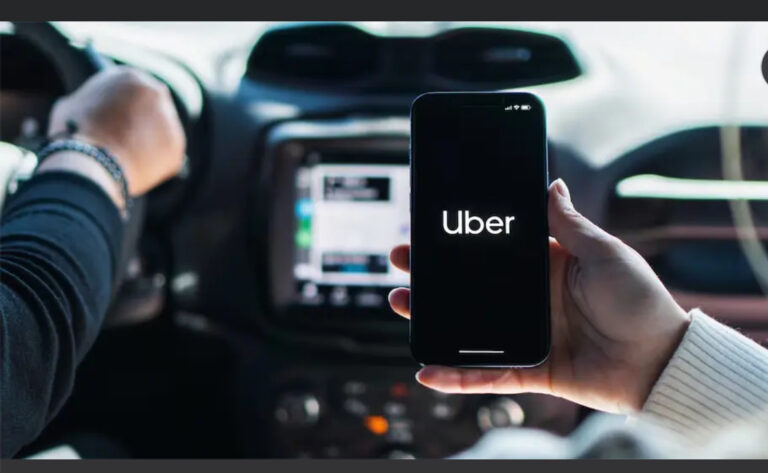
Ride-hailing giant Uber says it has contributed more than ₦34 billion to Nigeria’s economy over the past year through its operations, partnerships, and the activities of drivers using its platform.
The figure was disclosed in Uber’s latest economic impact report, released on Tuesday, which assessed the company’s role in supporting mobility, job creation, and income generation in Nigeria’s fast-growing digital economy. According to the report, the platform has become a major enabler for thousands of drivers and delivery partners who rely on the service for their livelihoods.
The study highlighted that Uber’s presence has helped expand transport access across major Nigerian cities, offering affordable alternatives to traditional taxis while also boosting the informal economy. Beyond driver earnings, the ₦34 billion contribution includes spending linked to fuel, vehicle maintenance, insurance, and other business-related activities spurred by Uber’s operations.
Speaking on the findings, Tope Akinwumi, Uber’s Country Manager for Nigeria, said the results underscore the company’s growing importance to urban mobility and economic development. “Uber is not just transforming the way people move around cities; we are also providing earning opportunities and contributing directly to Nigeria’s GDP. Our focus remains on building technology-driven solutions that make transport safer, more reliable, and more inclusive,” he said.
Analysts say the platform’s role in driving employment is especially significant, given the country’s rising youth unemployment. Many drivers view Uber as either a full-time job or a critical source of supplementary income. The report also noted that flexible working conditions make it easier for individuals to balance other commitments while earning on the platform.
However, challenges remain. Industry observers point to regulatory disputes, high fuel costs, and inflationary pressures that affect drivers’ profitability. Some drivers’ unions have in recent months called for better fare structures and reduced commission rates. Uber acknowledged these concerns, stating that it continues to engage with stakeholders to find sustainable solutions.
The company reaffirmed its commitment to Nigeria, noting plans to expand services and deepen partnerships in the years ahead. With urban populations growing rapidly and demand for reliable transportation increasing, Uber believes its operations will remain an important part of the country’s economic and social fabric.






 The French winger edged out Barcelona’s teenage sensation Lamine Yamal to claim the honor, which was presented on Monday night at the Théâtre du Châtelet in Paris. The accolade marks the first time Dembélé has lifted the Ballon d’Or, placing his name among the elite players who have defined the sport.
 The 28-year-old’s journey to the Ballon d’Or has been defined by resilience. Once considered one of football’s most talented yet injury-prone players, Dembélé has reinvented himself in recent years, showing consistency, maturity, and leadership on and off the pitch.
 With this victory, Dembélé becomes only the second PSG player to win the Ballon d’Or, following Lionel Messi’s triumph in 2021 during his time at the French club. The award is expected to further elevate his status as one of the defining players of his generation.