


Home Blog Page 82

Nigeria Removed from FATF Grey List After Two Years of Monitoring

0

Nigeria has officially been removed from the Financial Action Task Force (FATF) grey list, marking a significant milestone in the country’s financial governance and anti-money laundering reforms.

The announcement was made following the FATF’s October 2025 plenary session held in Paris, where the global financial watchdog confirmed that Nigeria had successfully completed its prescribed action plan and strengthened its institutional frameworks to combat money laundering, terrorist financing, and other illicit financial flows.

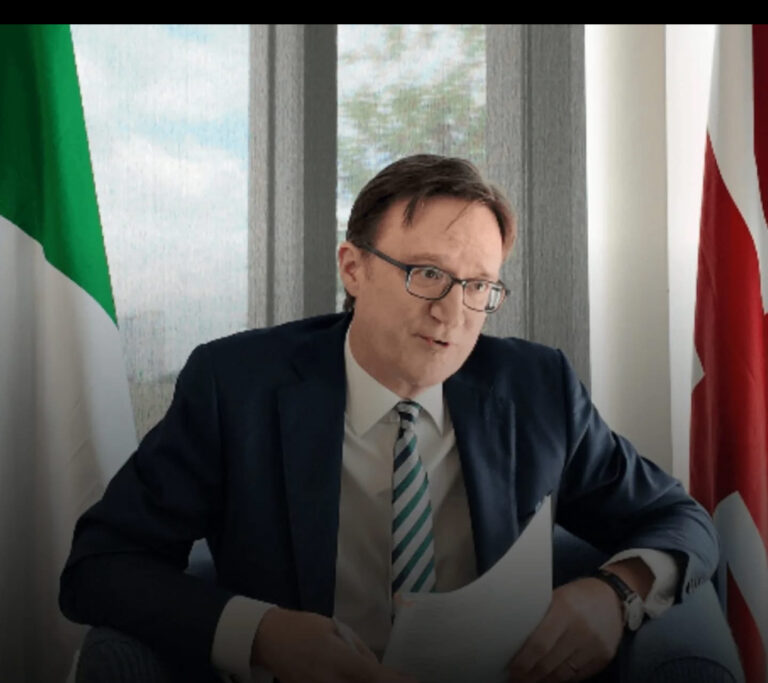
Reacting to the development, the British High Commissioner to Nigeria, Richard Montgomery, described the delisting as “brilliant news,” commending the Nigerian government for its sustained commitment to implementing critical reforms.

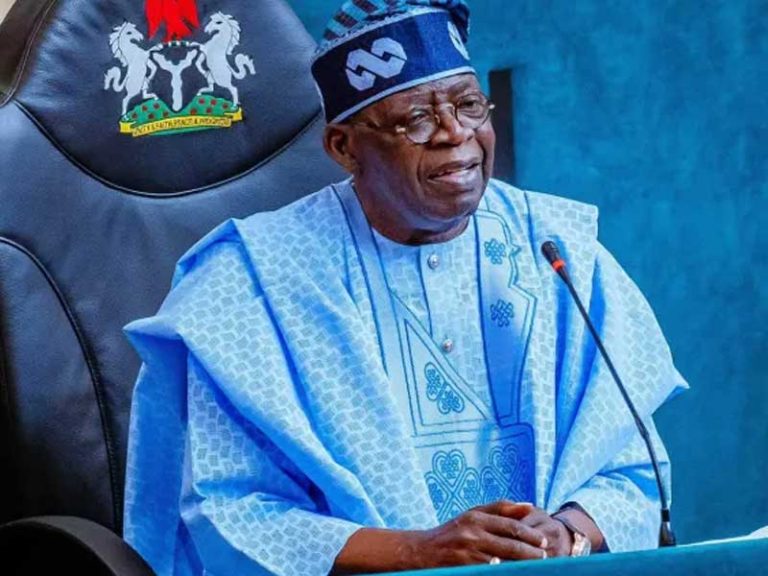
“This is a major achievement that reflects the progress made by the Tinubu administration in improving financial transparency, regulatory oversight, and compliance with international standards,” Montgomery stated.

The FATF grey list comprises countries under increased monitoring due to strategic deficiencies in their anti-money laundering and counter-terrorist financing (AML/CFT) regimes. Nigeria was placed on the list in 2023 but has since implemented measures to address all identified weaknesses, including enhanced supervision of financial institutions, improved inter-agency coordination, and stricter enforcement of compliance laws.

Government officials and financial experts have hailed the development as a confidence booster for Nigeria’s investment climate, with expectations that the delisting will attract greater foreign investment and ease international banking relations.

The removal from the FATF grey list positions Nigeria as a compliant and trusted member of the global financial community — a positive signal for its ongoing economic reforms and international partnerships.
Outrage in Guinea as Electoral Body Imposes $100,000 Fee for Presidential Candidates

0

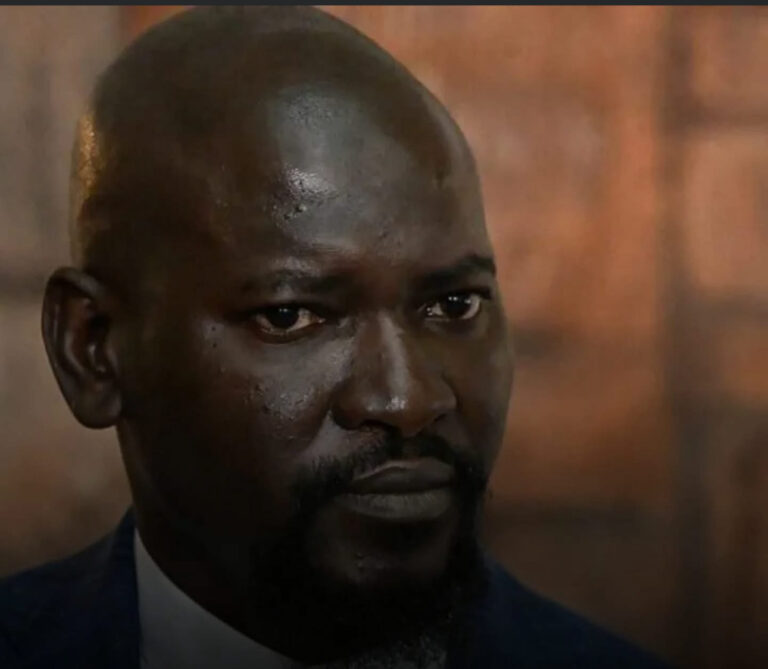
A wave of public criticism has followed the decision by Guinea’s electoral commission to impose a $100,000 (approximately 875 million Guinean francs) fee for individuals seeking to contest in the country’s upcoming December presidential election.

The National Independent Electoral Commission (CENI) announced the new requirement earlier this week, stating that the measure is intended to ensure that only “serious and credible contenders” participate in the election. According to the commission, the financial deposit would help streamline the process and prevent frivolous candidacies that could complicate election logistics.

However, the decision has triggered widespread outrage across the country, with many Guineans describing the fee as excessive and undemocratic. Political observers and opposition figures argue that the policy effectively shuts out less wealthy candidates and undermines equal political participation.

“This is an elitist policy designed to exclude ordinary citizens from leadership,” said an opposition activist in Conakry. “How can a teacher, civil servant, or grassroots leader raise $100,000 just to contest? It’s a barrier to democracy.”

Civil society organizations and political analysts have also warned that the move could deepen public distrust in Guinea’s democratic institutions, particularly at a time when the country is still recovering from years of political instability and military rule.

Meanwhile, government officials have defended the policy, insisting that it is in line with international best practices and intended to promote fiscal responsibility among candidates.

The announcement comes as Guinea prepares for a crucial election that will test the country’s return to civilian governance following the 2021 military coup. With tensions already high, critics fear that the steep financial barrier could further polarize the political landscape ahead of the December polls.

The Federal Government Releases ₦5.81 Trillion for Capital Projects in 2024, Records 81.9% Utilisation — Budget Office

0

The Federal Government of Nigeria disbursed a total of ₦5.81 trillion to its Ministries, Departments, and Agencies (MDAs) for the execution of capital projects in 2024, according to a new report from the Budget Office of the Federation.

The report, which reviewed the implementation of the 2024 budget, revealed that the funds achieved an 81.9% utilisation rate, indicating significant progress in the execution of government-funded infrastructure and development projects across the country.

Despite persistent fiscal pressures, including revenue shortfalls and increased expenditure demands, the Budget Office noted that the government maintained a strong commitment to capital spending, particularly in sectors such as transportation, power, education, health, and works.

The report further highlighted improvements in non-oil revenue performance, citing better tax collection, enhanced compliance measures, and ongoing reforms in public finance management as key drivers of the positive trend.

“The performance reflects the administration’s resolve to prioritise infrastructure development and sustain economic growth, even amid constrained fiscal space,” the Budget Office stated.

Analysts have welcomed the development as a sign of improved budget discipline and transparency, though they stress the need for stronger project monitoring to ensure value for money and timely completion of infrastructure projects.

The 2024 fiscal year marked one of the government’s most ambitious capital expenditure drives in recent years, aligning with President Bola Tinubu’s Renewed Hope Agenda to stimulate growth through public investment and structural reforms.

Dangote Opens Door for NNPC to Raise Stake as Refinery Eyes Public Listing

0

Africa’s richest man, Aliko Dangote, has indicated that the Nigerian National Petroleum Company Limited (NNPC Ltd) may have the opportunity to increase its 7.2% stake in the Dangote Refinery, but only after the facility’s next phase of expansion fully demonstrates its operational potential.

Speaking in an interview with S&P Global, Dangote revealed that the refinery is preparing for a partial public listing on the Nigerian Stock Exchange (NGX) within the next 12 months. He noted that between 5% and 10% of the refinery’s shares would be offered to the public, marking a strategic shift toward broader investor participation in one of Africa’s most significant industrial projects.

The NNPC, which initially held a 20% equity stake in the refinery, reduced its shareholding to 7.2% earlier this year to redirect funds toward Compressed Natural Gas (CNG) infrastructure and other clean energy initiatives. Despite the reduction, the company has expressed interest in raising its stake once the refinery reaches optimal production capacity.

Dangote emphasized that the next phase of the refinery’s operations will focus on refining efficiency, export capacity, and the completion of key downstream linkages, including petrochemical and fertilizer integrations.

“The refinery is performing well, but we want to see it reach full operational capacity before expanding ownership,” Dangote told S&P Global. “Once that happens, we’ll be open to the NNPC and other institutional investors increasing their stakes.”

Located in the Lekki Free Trade Zone, Lagos, the $20 billion Dangote Refinery — Africa’s largest single-train refining facility — is expected to meet Nigeria’s domestic fuel demand and transform the country from a major importer to a net exporter of refined petroleum products.

Industry analysts say the planned public listing could inject new liquidity into the Nigerian capital market while strengthening investor confidence in large-scale local industrial ventures.

MultiChoice to Delist from Johannesburg Stock Exchange as Canal+ Takeover Reaches Completion

0

The MultiChoice Group, Africa’s largest pay-TV operator, is set to delist from the Johannesburg Stock Exchange (JSE) on December 10, 2025, following Canal+’s successful acquisition of more than 90% of the company’s shares — a move that effectively completes the French media giant’s takeover.

In a notice to shareholders issued on Friday, MultiChoice confirmed that the trading of its shares on both the JSE and A2X will be suspended from Monday, October 27, 2025, ahead of the formal delisting.

The group explained that the final delisting date remains subject to regulatory approvals from the JSE, A2X, and the Financial Surveillance Department of the South African Reserve Bank. Once completed, MultiChoice will officially transition into a privately held subsidiary of Canal+, which is owned by France’s Vivendi Group.

The development marks a significant turning point for Africa’s media landscape, ending MultiChoice’s three-decade presence on the JSE since its listing in 2019. The acquisition gives Canal+ full control of a vast network of television operations across Nigeria, South Africa, Kenya, Ghana, and 40 other African markets, consolidating its dominance in the continent’s pay-TV sector.

Industry analysts say the delisting underscores a growing trend of global media consolidation, as international firms seek to tap into Africa’s expanding digital and entertainment markets.

Canal+ has pledged to maintain MultiChoice’s African operations, invest in local content production, and accelerate the rollout of its streaming and on-demand services across the continent.

With the merger now nearing completion, MultiChoice’s transformation from a publicly traded African giant to a key player in a global media powerhouse is set to redefine the continent’s broadcasting future.

Maj. Gen. Waidi Shaibu Appointed Nigeria’s New Chief of Army Staff

0

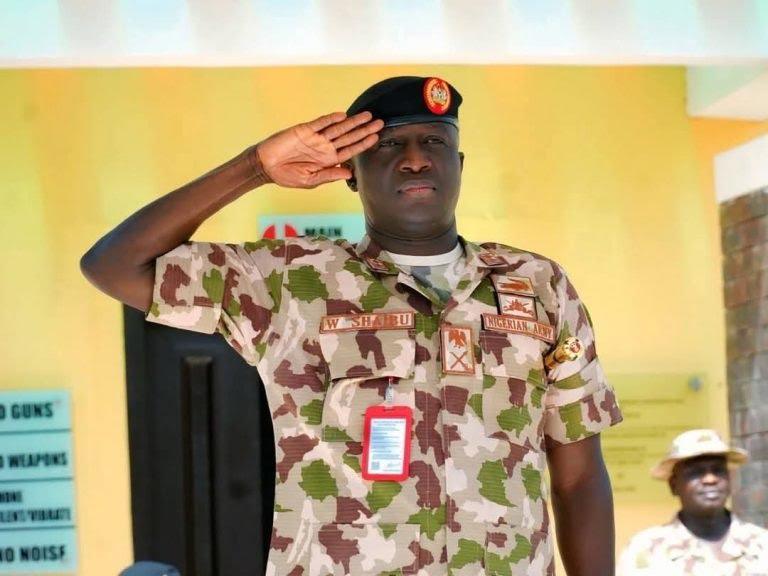
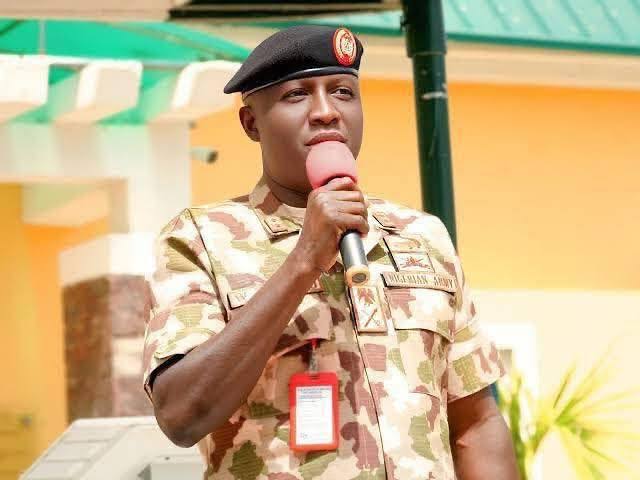
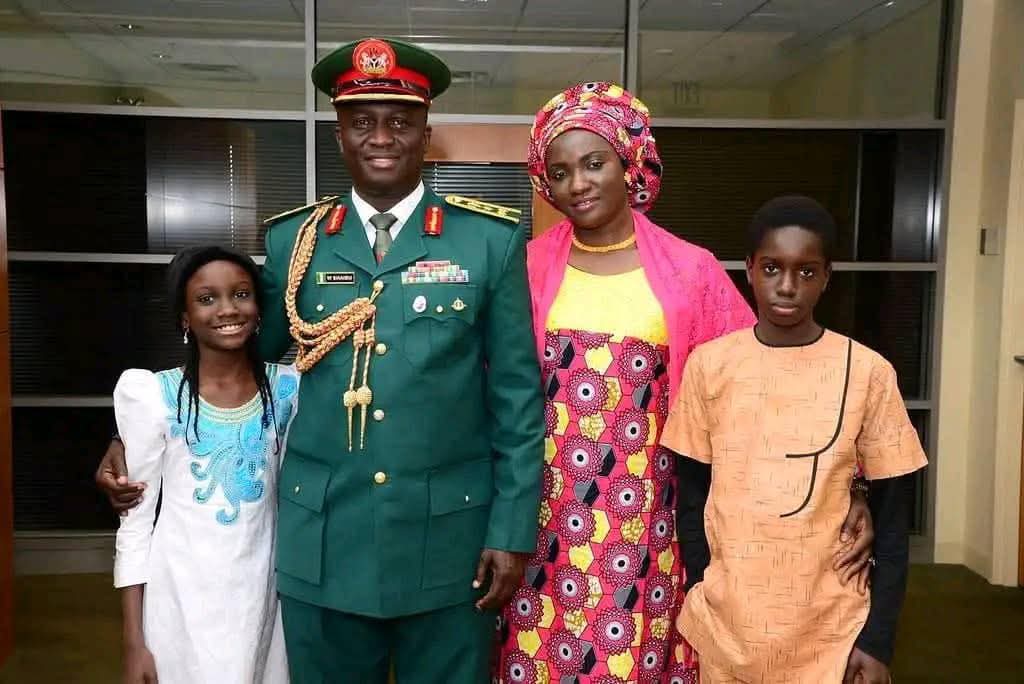
President Bola Ahmed Tinubu has appointed Major General Waidi Shaibu as Nigeria’s new Chief of Army Staff (COAS) following the dismissal of the nation’s top military chiefs on Friday, October 24, 2025. The appointment marks a major shake-up within the Armed Forces as the administration moves to strengthen national security and operational efficiency.

Before his elevation, Maj. Gen. Shaibu served as the Theatre Commander of the Joint Task Force, Operation Hadin Kai (OPHK) — the military’s flagship counterinsurgency operation in Nigeria’s North-East. In that role, he oversaw critical campaigns against insurgent groups and was widely commended for his strategic leadership and results-driven approach.

Born on December 18, 1971, in Olamaboro Local Government Area of Kogi State, Shaibu began his military career when he was admitted into the Nigerian Defence Academy (NDA) in 1989 as part of the 41st Regular Course. He was commissioned into the Armour Corps in 1994, beginning a career that has spanned more than three decades of service to the Nigerian Army.

Throughout his career, Maj. Gen. Shaibu has held several key command and staff positions, contributing to operations that strengthened Nigeria’s internal security and regional stability. His leadership at Operation Hadin Kai was particularly noted for enhancing coordination between ground and air forces and for prioritizing the welfare of frontline troops.

As Chief of Army Staff, Shaibu is expected to focus on modernizing the Army, enhancing counterterrorism capabilities, and strengthening civil-military relations.

His appointment comes at a time when Nigeria faces multiple security challenges, including insurgency, banditry, and emerging regional threats — issues that will test his experience and resolve in the months ahead.

Fintech Driving Trust and Transparency in Africa’s Rental Market — Virety CEO Speaks on Tech’s Growing Role in Real Estate

0

As Africa’s real estate sector continues its digital transformation, fintech and digital payment platforms are emerging as critical enablers of trust, accountability, and transparency in the rental economy.

Despite rapid urbanization and the growth of online property platforms, many housing transactions across the continent still rely on manual, cash-based systems — a process often plagued by fraud, delays, and disputes between tenants and property owners.

To tackle these challenges, emerging proptech firms are adopting fintech-driven escrow payment systems, which hold tenant funds securely until landlords or agents deliver on their commitments. This model not only ensures service integrity but also builds long-term confidence in digital housing transactions.

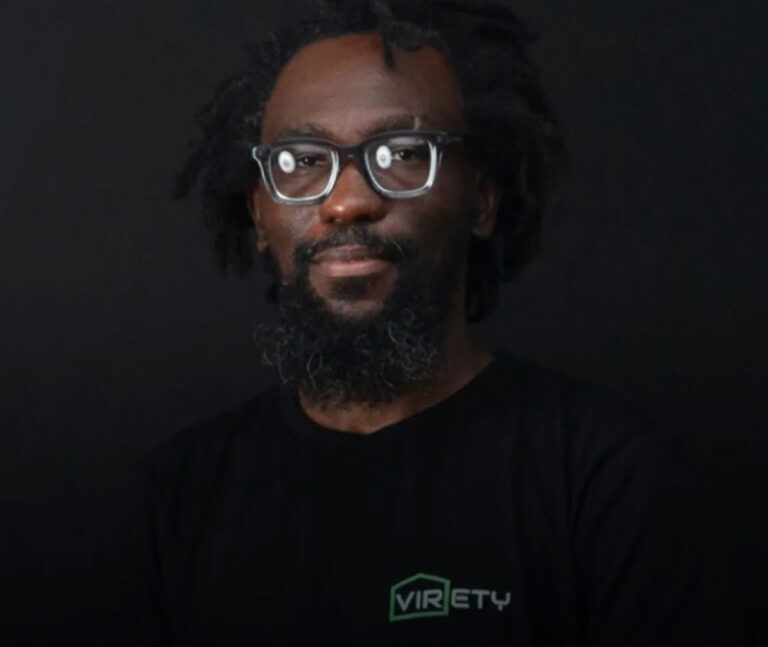
One of the innovators driving this change is Virety, a property technology company that integrates verified property listings with geospatial intelligence to improve data accuracy and transaction safety. In an exclusive interview with Nairametrics, Olayinka Olamilehin, Founder and CEO of Virety, discussed how technology is reshaping Africa’s property market — from digital payments to data-driven decision-making.

Olamilehin explained: “Fintech solutions are not just simplifying payments; they are redefining trust in the property ecosystem. By using escrow systems, we ensure both tenants and property owners are protected — payments are released only when obligations are met.”

Beyond payments, Olamilehin emphasized the growing role of geospatial intelligence and data analytics in enhancing precision, reducing logistical costs, and enabling smarter investment decisions.

“Technology helps investors and home seekers make informed choices based on verified location data, proximity to key infrastructure, and historical property trends,” he noted.

However, he acknowledged that structural barriers such as fragmented property databases, lack of unified regulation, and limited digital verification systems continue to hinder the creation of a continent-wide, verifiable property marketplace.

As Africa’s digital economy matures, stakeholders say fintech integration will be essential not only for improving transparency but also for unlocking billions in untapped real estate value across emerging urban centers.

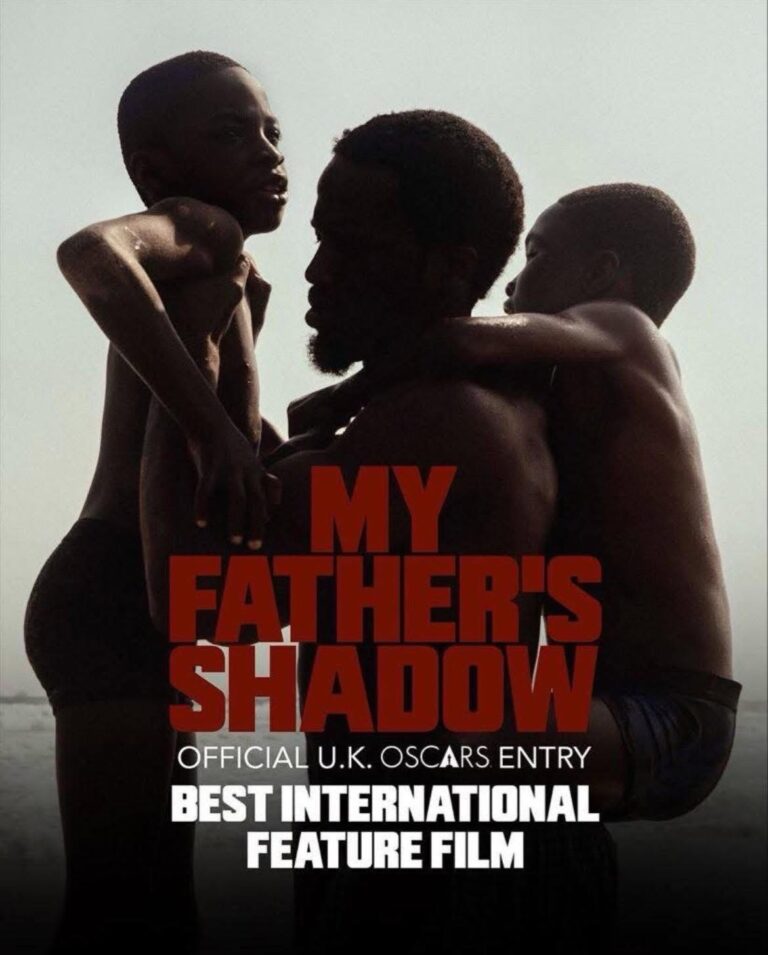
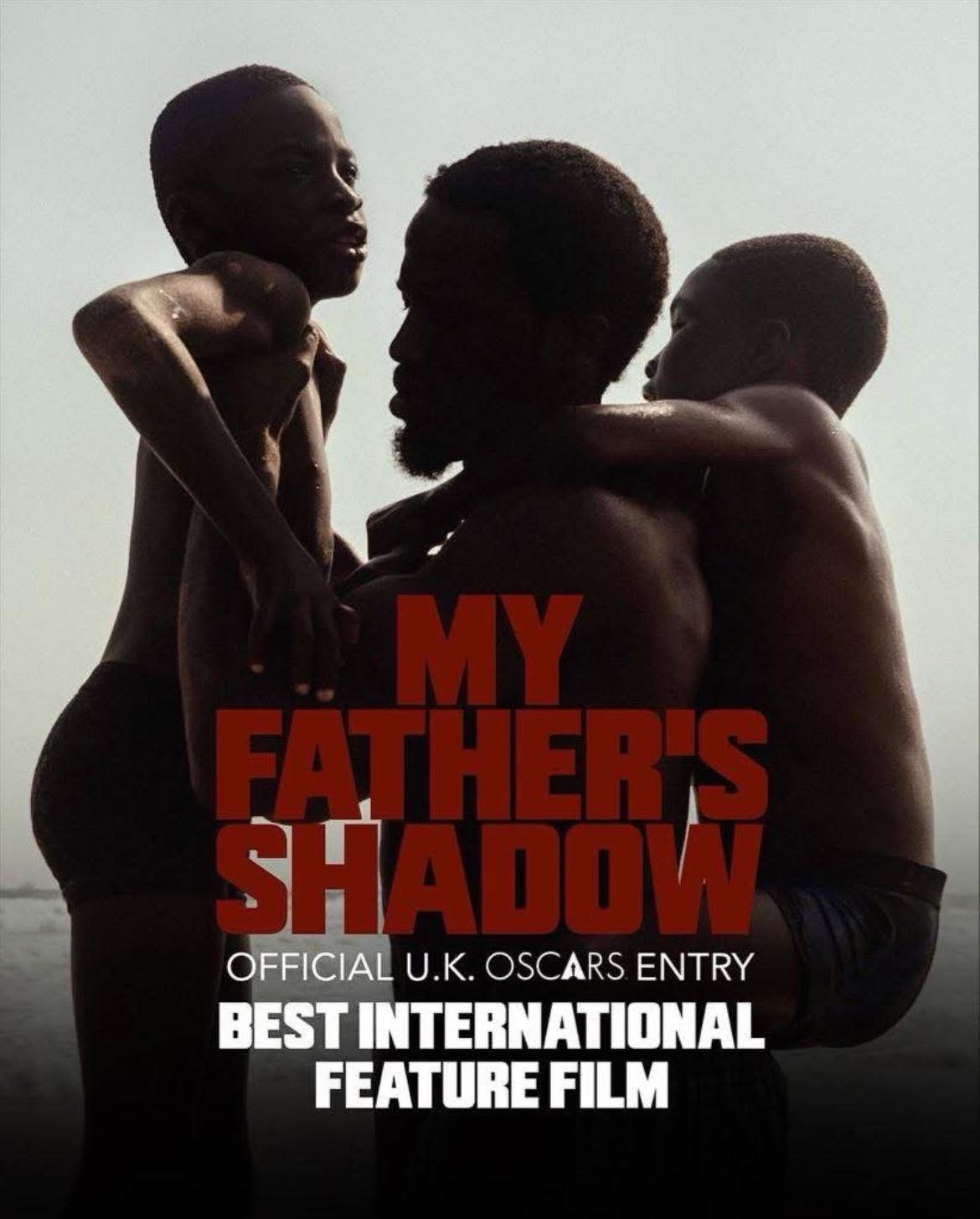
How Nigeria Lost Its Own Story: The “My Father’s Shadow” Oscars Controversy – Adesina Kasali

0

LLet’s take a step back and revisit the question that’s been stirring conversations across Nigeria’s creative and film circles:

“Why was a Nigerian story written, directed, and produced by a Nigerian submitted for the Oscars as a British film instead of a Nigerian one?”

Earlier this year, My Father’s Shadow, a poignant and beautifully crafted drama by a Nigerian filmmaker, made history when it premiered at the Cannes Film Festival in Paris the first Nigerian film ever to make the festival’s Official Selection.

So when the United Kingdom later submitted the same film as its entry for the Academy Awards (Oscars), the announcement left many Nigerians stunned and confused. How could a film so deeply rooted in Nigerian culture, language, and experience suddenly become a British project?

The Funding Twist

The answer, as it turns out, lies in the fine print of film financing. My Father’s Shadow was co-funded by BBC Film and the British Film Institute (BFI), two major UK film bodies. Their involvement, though supportive, gave the United Kingdom partial ownership of the project and by Oscar rules, that makes the UK eligible to claim it as their national submission.

In short: the money trail decides the flag.

The Language Rule Problem

Yet, the real heartbreak doesn’t end with funding. The larger obstacle lies in the Oscars’ “International Feature Film” submission rules, the same issue that disqualified Genevieve Nnaji’s Lionheart in 2019.

To qualify as a Nigerian entry, the majority of a film’s dialogue must be in an indigenous Nigerian language.

My Father’s Shadow mixes Yoruba, Nigerian Pidgin, and English, but over 51% of its dialogue is in English. That automatically disqualifies it as Nigeria’s submission, even though it’s set in Lagos, features Nigerian actors, and tells a Nigerian story.

Ironically, the United Kingdom can submit it because English is their indigenous language.

A Story Lost in Translation

This technicality has left many in the Nigerian creative community disillusioned. A film that mirrors the nation’s identity, culture, and struggles is now building Britain’s Oscar portfolio, not Nigeria’s.

It’s more than a bureaucratic oversight, it’s a symbolic loss. A Nigerian story, born from Nigerian soil, is now flying a foreign flag.

As one filmmaker put it, “It feels like our story was taken not maliciously, but by the rules of a system that doesn’t understand us.”

The Irony of Global Appeal

What makes this even more ironic is that Nigerian filmmakers often choose English precisely to reach global audiences to be understood, appreciated, and distributed internationally. But in doing so, they unwittingly exclude themselves from representing their own country at the Oscars.

It’s a cruel paradox: the world says, “Speak our language to reach us,” yet the same world later says, “You’re not eligible because you didn’t speak your own.”

The Bigger Question

The My Father’s Shadow case is more than just a one-off Oscar submission issue, it’s a wake-up call for Nigeria’s film industry, policymakers, and cultural custodians.

How do we define a Nigerian film in a globalized world? By its funding, its language, or its soul?

Because if it’s by spirit and storytelling, My Father’s Shadow is as Nigerian as they come even if it’s now wearing a British badge.


Written By Adesina Kasali

(Medullar Concept)


Galatasaray Set to Generate €21.5 Million from “Solo Il Gala Osimhen Box” — A Collector’s Tribute to Victor Osimhen’s Historic Signing

0

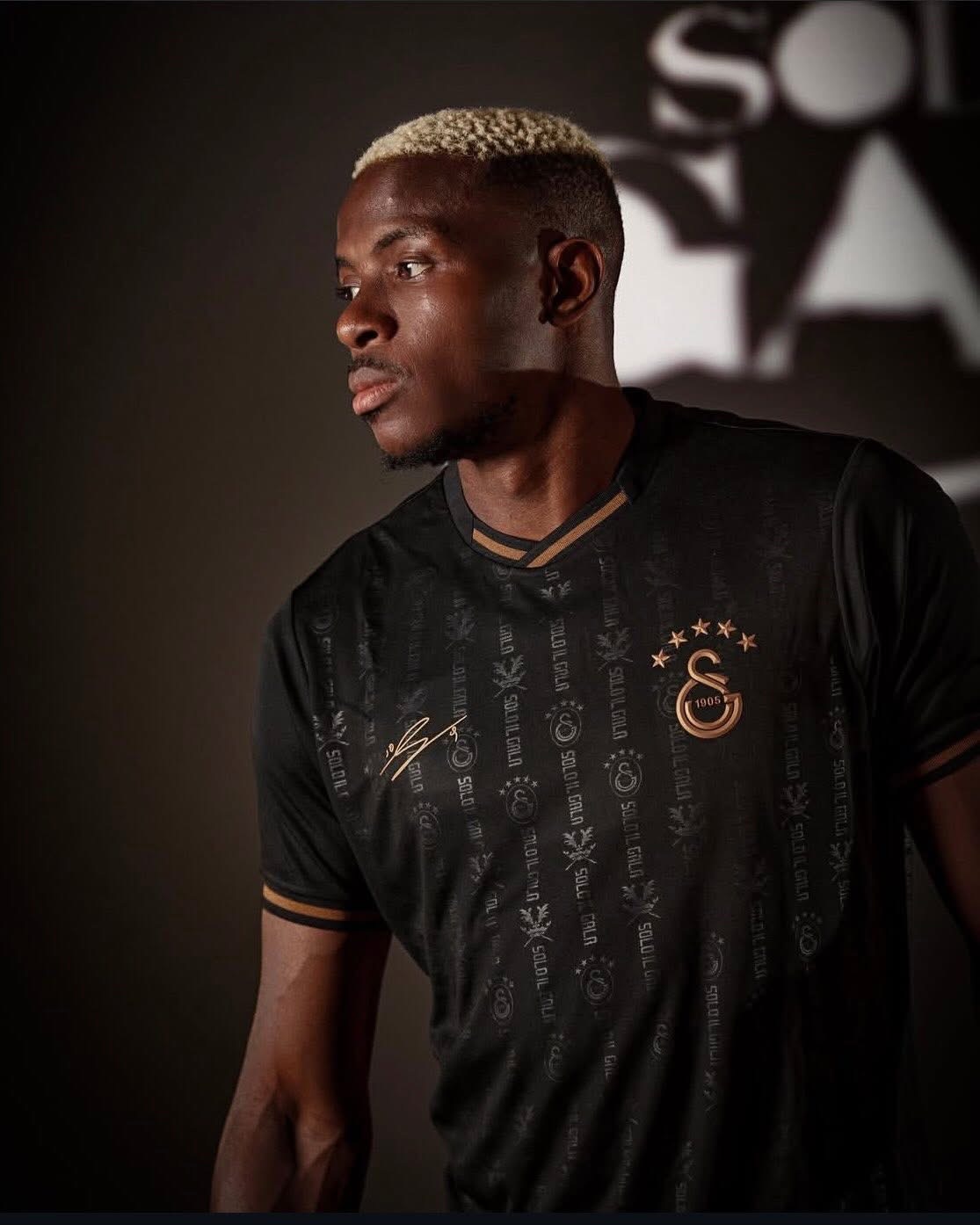
Turkish football powerhouse Galatasaray SK is expected to generate approximately €21.5 million from sales of the “Solo Il Gala Osimhen Box”, a limited-edition collector’s package launched to celebrate the club’s record-breaking signing of Nigerian striker Victor Osimhen in 2025.

The phrase “Solo Il Gala”, which translates to “Only Galatasaray” in Italian, embodies the club’s pride and identity while commemorating the arrival of one of Africa’s biggest football stars to Istanbul.

A Collector’s Dream: What’s Inside the Box

The Solo Il Gala Osimhen Box offers fans a blend of exclusivity, heritage, and innovation. Each box contains:

  • Special Design Jersey:
    A uniquely numbered, limited-edition jersey created exclusively for the collection. Every shirt features a QR code on its label that unlocks exclusive digital content and multimedia experiences.
  • Osimhen Mask:
    A specially crafted protective mask, made from premium elastomer material and adorned with Galatasaray’s iconic five stars, paying tribute to Osimhen’s trademark on-field accessory.
  • “Solo Il Gala” Scarf:
    A signature scarf designed with the Solo Il Gala inscription — symbolizing the unity of fans under the club’s banner.
  • Exclusive Digital Access:
    Each box’s QR code gives owners access to personal messages from Osimhen, behind-the-scenes content, and exclusive details about the Nigerian striker’s historic transfer to Galatasaray.

Pricing, Sales, and Revenue Projections

The limited-edition box launched at a price of ₺9,999 (approximately €215) and quickly became a hit among fans and collectors.

With an initial print run of 100,000 units, Galatasaray aims to generate a total of €21.5 million if all boxes are sold.

As of the latest update, sales have already surpassed 30,000 units, signaling overwhelming demand for the commemorative product and strong commercial returns for the club.

A Symbol of Pride and Partnership

Beyond the financial success, the Solo Il Gala Osimhen Box marks a new chapter in Galatasaray’s brand strategy — merging sports, culture, and digital innovation to deepen fan engagement.

For Osimhen, the initiative represents both a celebration of his Nigerian heritage and his new identity as part of one of Europe’s most passionate football families.

The project also reinforces Galatasaray’s commercial influence, showing how modern football clubs are increasingly blending sport with collectible culture, technology, and storytelling to drive global revenue.

A Record Transfer, A Global Icon

Osimhen’s transfer to Galatasaray in 2025 remains one of the most talked-about moves in European football — not only for its record fee but also for its cultural impact. The Nigerian forward’s arrival is seen as a strategic boost to Galatasaray’s ambition to dominate both on the pitch and in global market appeal.

As Solo Il Gala continues to trend across social media, fans and analysts alike agree: this is more than merchandise — it’s a statement of legacy, loyalty, and the power of football as art.

President Tinubu Confers GCON on Sir Kessington Adebutu at 90th Birthday Thanksgiving in Lagos

0

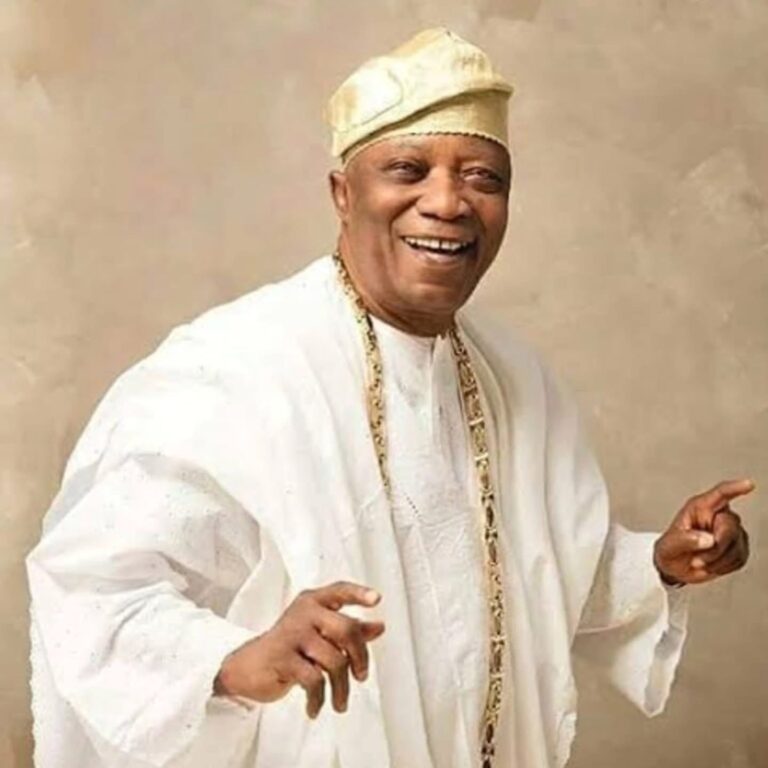
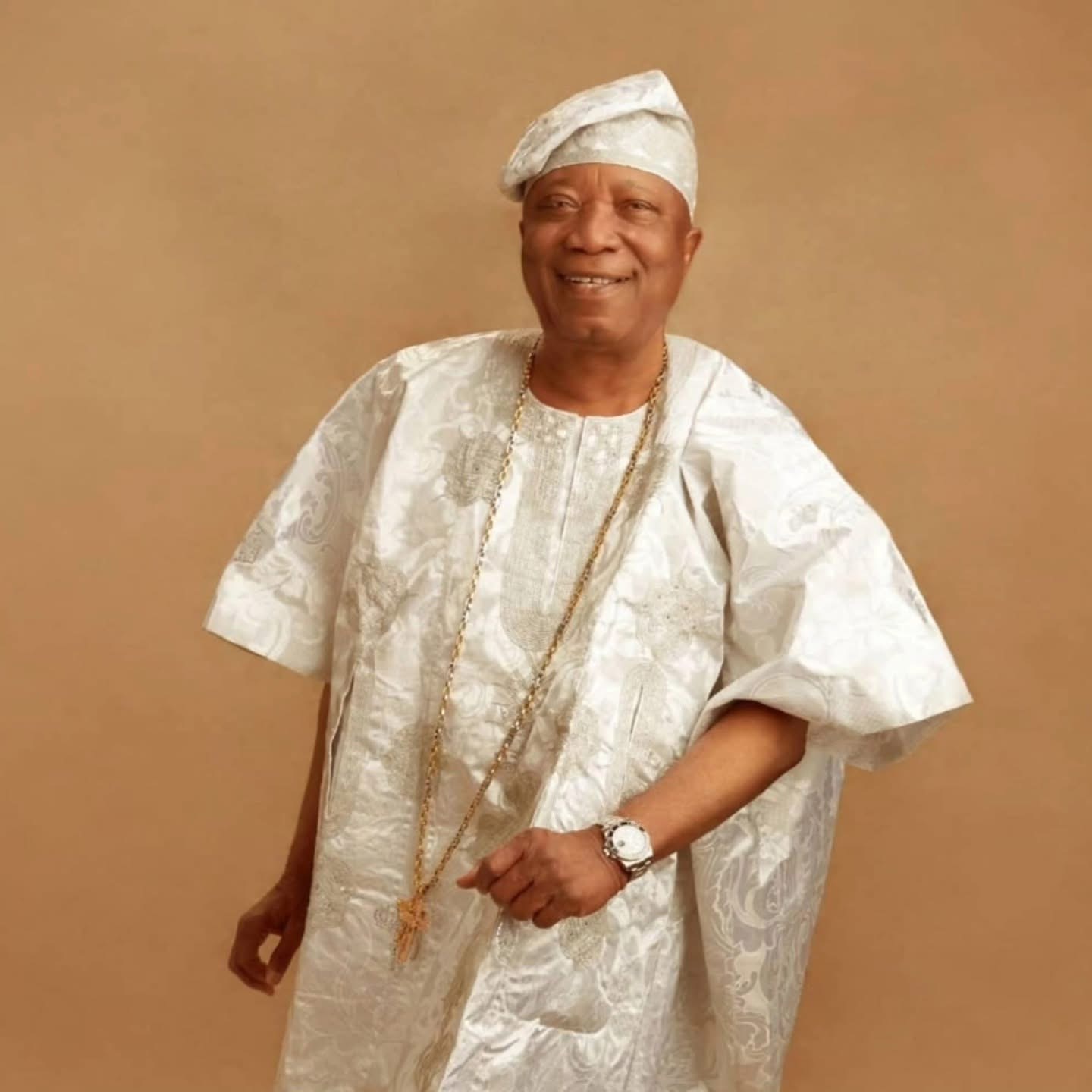
In what many have described as a perfectly timed and deeply emotional moment, President Bola Ahmed Tinubu on Sunday conferred the prestigious Grand Commander of the Order of the Niger (GCON) on renowned businessman and philanthropist Sir Kessington Adebutu, popularly known as Baba Ijebu, during his 90th birthday thanksgiving service held at the Eko Hotel and Suites, Victoria Island, Lagos.

The announcement  made by the Chief of Staff to the President, Honourable Femi Gbajabiamila, took everyone by surprise, transforming what was already a grand celebration into a historic national moment.

Though Gbajabiamila appeared in a sharp black suit, in contrast to the traditional Yoruba attires worn by other dignitaries, his formal look soon made sense. He was not merely in attendance; he was on official duty, carrying out a presidential assignment that would mark the highlight of the occasion.

The thanksgiving service drew an impressive array of Nigeria’s most distinguished figures, including Governor Babajide Sanwo-Olu of Lagos State, the Ooni of Ife, the Alaafin of Oyo, the Soun of Ogbomoso, former Governor Gbenga Daniel, and former President Olusegun Obasanjo, among others — all elegantly adorned in Yoruba traditional attire.

When Gbajabiamila ascended the podium to deliver President Tinubu’s goodwill message, few could have anticipated the magnitude of the announcement that followed. On behalf of the President, he revealed that Sir Kessington Adebutu had been conferred with one of Nigeria’s highest national honours, the GCON, in recognition of his decades of philanthropy, entrepreneurship, and service to humanity.

The announcement drew a standing ovation from the audience. The celebrant, visibly moved, rose to his feet in gratitude, his eyes brimming with tears as he received a thunderous applause from family, friends, and dignitaries.

“It was a moment of honour signed, sealed, and delivered,” one attendee remarked, describing the timing and setting as “a masterstroke worthy of the President’s trademark precision.”

In his goodwill message, President Tinubu lauded Adebutu’s remarkable journey of faith, success, and generosity, noting that the nonagenarian had been “exceptionally blessed in health, wealth, and length of days.” The President prayed that the years ahead would be so rich that “they would make the best of his past seem poor.”

Observers have since described the moment as a fitting tribute to a man whose life has been defined by resilience, community impact, and an enduring commitment to Nigeria’s socio-economic growth.

As the festivities continued, the symbolic honour stood out as a reminder that timing, indeed, is everything and in the words of many present, President Tinubu once again proved to be “a master of timing.”