Home Blog Page 83

NIS Launches Centralised Passport Centre with Daily Capacity of 5,000

0

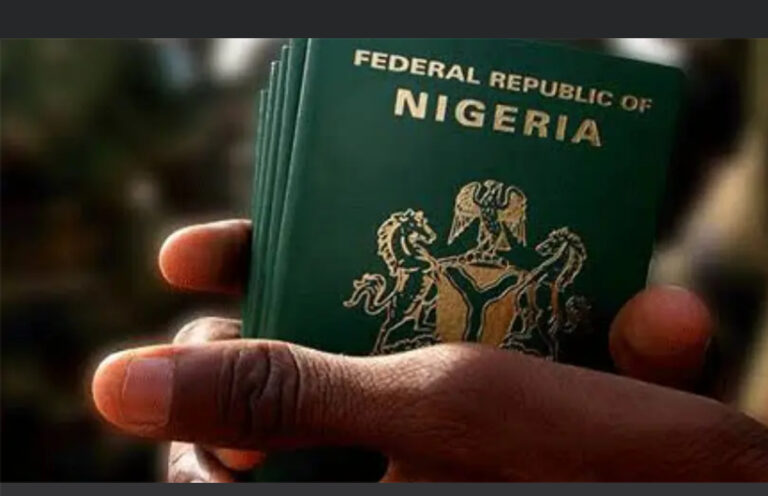
The Nigeria Immigration Service (NIS) has unveiled a new centralised passport production centre designed to significantly improve service delivery and reduce delays in passport issuance across the country.

The facility, which was formally inaugurated in Abuja on Tuesday, has the capacity to process and produce up to 5,000 passports daily. According to the NIS, the initiative is part of a wider reform agenda aimed at modernising passport administration and addressing the backlog that has frustrated applicants in recent years.

Comptroller General of Immigration, Kemi Nandap, said the new centre represents a milestone in the Service’s efforts to leverage technology and centralised operations to ensure efficiency, transparency, and improved customer experience.

“This development will not only boost productivity but also strengthen the integrity of the passport issuance process. With the centre, applicants can expect faster processing times and reduced cases of delay or duplication,” Nandap stated.

The centralised facility will also serve as a hub for enhanced monitoring and security, ensuring stricter compliance with international standards. Officials noted that the move aligns with the Federal Government’s broader digital reform agenda and commitment to improving citizens’ access to essential travel documents.

Stakeholders have welcomed the initiative, describing it as a step toward resolving the long-standing challenges of inadequate passport production capacity and rising demand, both within Nigeria and among Nigerians in the diaspora.


Beyond Borders: Meet the Cultural Icons Carrying Ghana’s Flag to the

0

Accra, Ghana — In a landmark gesture of cultural recognition, the Government of Ghana has awarded diplomatic passports to five celebrated figures whose work has placed Ghana and Africa firmly on the global map. The recipients — Wode Maya, Rocky Dawuni, Anita Erskine, Ibrahim Mahama, and Dentaa Amoateng MBE — have each, in their unique ways, championed African identity, creativity, and innovation to audiences across the world.

The move highlights Ghana’s strategy of elevating its cultural ambassadors as instruments of diplomacy and national branding, underscoring the role of arts, media, and digital storytelling in shaping international perceptions of Africa.

Wode Maya: The Digital Storyteller Bridging Africa to the World

Wode Maya, born Berthold Kobby Winkler Ackon, has risen to prominence as Ghana’s leading YouTuber. A trained aeronautical engineer, he swapped cockpits for cameras, building one of the continent’s most influential digital platforms.

Through his engaging travel documentaries and interviews, Maya has spotlighted African entrepreneurs, tourism gems, and cultural icons, amassing millions of followers globally. His mission has been clear: to tell authentic African stories that counter negative stereotypes.

From bustling cityscapes to rural innovation hubs, his channel has become a digital gateway through which global audiences connect with Africa’s vibrancy. By documenting local success stories and pan-African collaborations, he has positioned himself as a powerful advocate for intra-African tourism and investment.

Rocky Dawuni: The Global Musician and Humanitarian
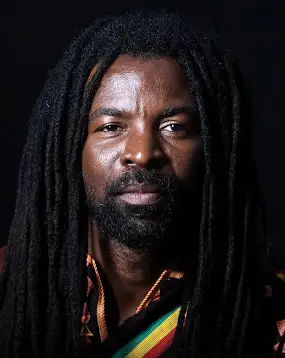
Three-time Grammy-nominated Afro Roots musician Rocky Dawuni has long embodied Ghana’s artistic spirit on the world stage. Blending reggae, highlife, and soul with deeply conscious lyrics, Dawuni has used his music as a platform for advocacy, championing environmental protection, social justice, and African unity.

Beyond his artistic accomplishments, Dawuni serves as a United Nations Goodwill Ambassador for Environment for Africa, where he mobilizes communities on issues of climate change and sustainability. His voice, both musical and humanitarian, continues to amplify Ghana’s message of resilience and creativity worldwide.

Anita Erskine: The Voice of Empowerment

Anita Erskine, a respected broadcaster, entrepreneur, and public speaker, has built a reputation as one of Africa’s leading media personalities. Known for her eloquence and commanding presence, she has hosted flagship television and radio programs while also spearheading initiatives that promote women in leadership, entrepreneurship, and education.

Her show, Sheroes of Our Time, has given a platform to powerful African women shaping politics, business, and culture, further cementing her role as a cultural influencer and advocate for gender equality. For many young Africans, Erskine represents both a mentor and a trailblazer.

Ibrahim Mahama: The Visionary Artist

Internationally acclaimed visual artist Ibrahim Mahama has redefined contemporary art in Ghana. Known for his monumental installations made from everyday materials such as jute sacks and reclaimed wood, Mahama’s work explores themes of history, labor, migration, and collective memory.

Exhibited in prestigious institutions from Venice to New York, Mahama’s art not only challenges global audiences to rethink Africa’s place in modern narratives but also nurtures local creative communities. Through projects like the Savannah Centre for Contemporary Art (SCCA) in Tamale, he has invested in empowering young Ghanaian artists and expanding the reach of African creativity.

Dentaa Amoateng MBE: The Diaspora Connector

Dentaa Amoateng, entrepreneur, philanthropist, and founder of the GUBA (Grow, Unite, Build Africa) Awards, has become a vital bridge between Ghana, Africa, and its global diaspora. Her recognition by the British monarchy with an MBE reflects her role in fostering stronger links through business, culture, and advocacy.

Through GUBA, she has celebrated African excellence, connected diaspora communities to their heritage, and facilitated opportunities for collaboration across continents. Dentaa’s work embodies Ghana’s soft power, positioning the nation as a beacon for the African diaspora.

A Symbolic Gesture with Global Implications

By granting diplomatic passports to these five figures, Ghana has not only recognized their individual achievements but also signaled the value it places on soft power diplomacy. Officials say the gesture will enable the honourees to travel more freely in their capacity as cultural ambassadors, further promoting Ghana and Africa abroad.

Analysts note that the recognition reflects a growing global trend where nations harness the influence of artists, digital creators, and cultural leaders to project national identity, attract investment, and strengthen ties with diaspora communities.

As Ghana continues to assert itself as a hub for culture, creativity, and heritage in Africa, the honourees are expected to deepen their roles as storytellers, advocates, and connectors on the international stage.


 

NDPC Issues Security Advisory on Google Chrome Vulnerabilities

0

Abuja, Nigeria — The Nigeria Data Protection Commission (NDPC) has issued a public security advisory warning internet users about multiple vulnerabilities recently discovered in Google Chrome, one of the world’s most widely used web browsers.

In a statement released on the Commission’s official X (formerly Twitter) handle, the NDPC cautioned that the flaws, if exploited, could expose users to severe cyber threats, including the possibility of remote code execution on their systems.

“Multiple vulnerabilities have been discovered in Google Chrome. The most severe of these could allow an attacker to execute arbitrary code on a user’s system,” the Commission noted.

The advisory explained that such vulnerabilities could give cybercriminals unauthorized access to personal information, compromise device security, and potentially be used to deploy malicious software.

To mitigate risks, the NDPC urged users to immediately update their Google Chrome browsers to the latest version, enable automatic updates, and adopt safe browsing practices. Organizations were also advised to alert their IT teams and ensure systems within corporate environments are promptly patched.

Cybersecurity analysts say the NDPC’s intervention is timely, as browser-based vulnerabilities remain a common entry point for hackers worldwide. Chrome, with billions of active users, has been a frequent target due to its global reach and integration across multiple platforms.

The Commission reiterated its commitment to safeguarding digital ecosystems in Nigeria and encouraged citizens to remain vigilant against emerging cyber threats.


Bank of Agriculture Secures $1 Billion to Boost Smallholder Farming in Nigeria

0

Abuja, Nigeria — The Bank of Agriculture (BOA) has secured a $1 billion facility aimed at strengthening support for smallholder farmers and enhancing food production across Nigeria.

The funding, announced on Wednesday, is part of a broader strategy to modernize the country’s agricultural sector, reduce food imports, and promote food security. According to BOA officials, the facility will be deployed to expand access to affordable credit for small-scale farmers, who make up the backbone of Nigeria’s agricultural workforce.

The initiative will prioritize financing for critical value chains, including rice, maize, cassava, and livestock, while also supporting mechanization, irrigation, and storage infrastructure.

“This facility represents a major step toward empowering our smallholder farmers with the resources they need to increase productivity and competitiveness,” a BOA spokesperson said. “It will help close the gap in agricultural financing, which has long been a challenge in Nigeria’s rural economy.”

Analysts say the $1 billion boost could provide a lifeline for millions of farmers struggling with rising input costs, climate-related challenges, and limited access to financing. The Bank of Agriculture is expected to work with state governments, cooperatives, and farmer associations to ensure broad coverage and effective deployment of the funds.

The development aligns with the Federal Government’s renewed focus on agriculture as a key driver of economic diversification, job creation, and rural development.

Industry experts note that if effectively implemented, the intervention could reduce Nigeria’s dependence on imported food, improve rural livelihoods, and contribute significantly to GDP growth.


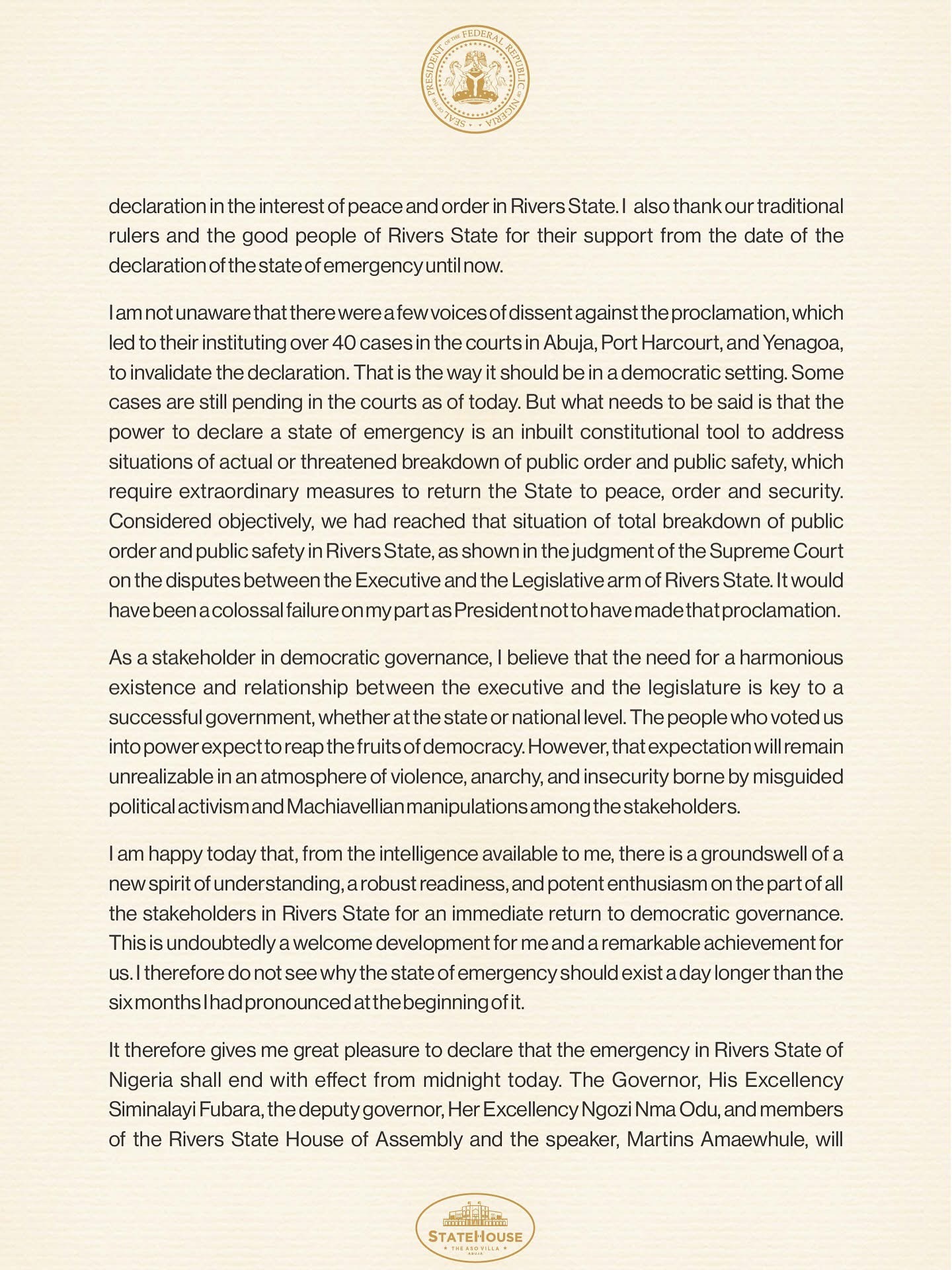
President Tinubu Lifts State of Emergency in Rivers State

0

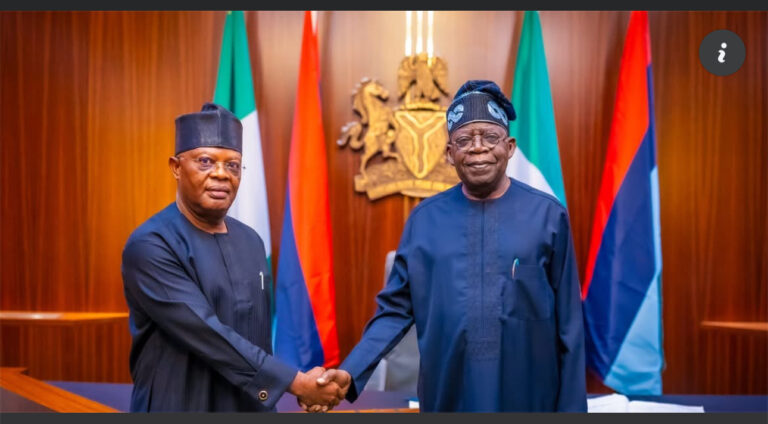
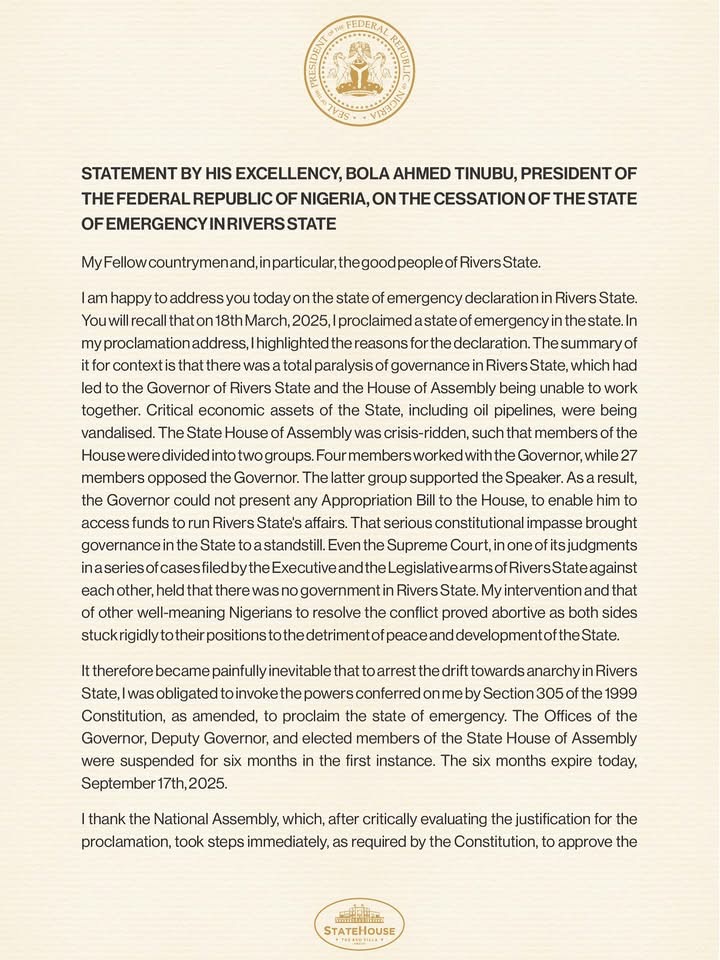
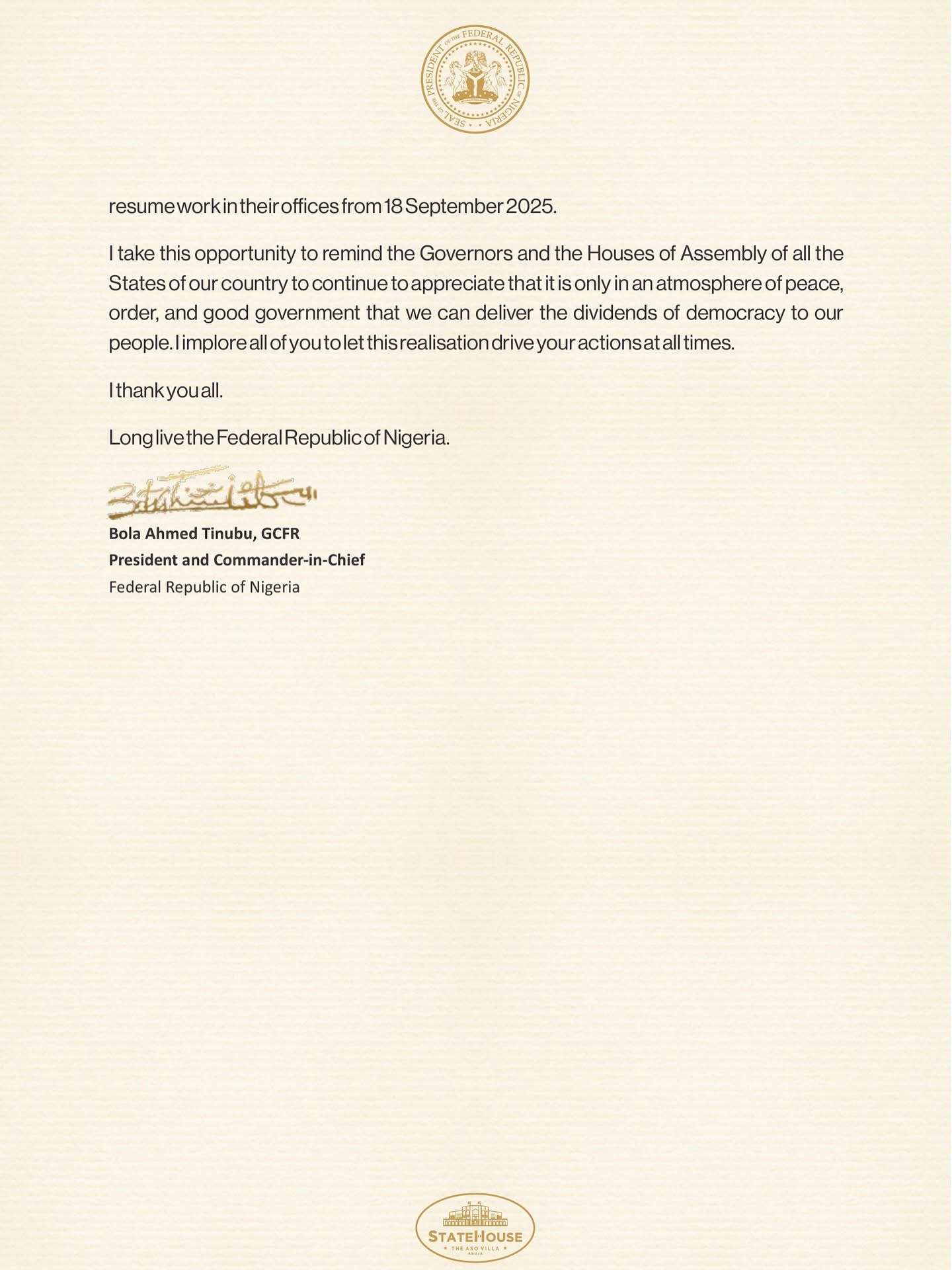
Abuja, Nigeria — President Bola Ahmed Tinubu has officially lifted the state of emergency in Rivers State, bringing an end to months of heightened security measures in the oil-rich South-South region.

President Tinubu Lifts State of Emergency in Rivers State

The decision, announced on Wednesday, followed a review of the security situation and consultations with federal and state authorities. According to the Presidency, the move reflects improved stability and a significant reduction in the threats that prompted the emergency declaration.

The state of emergency, imposed earlier this year, was aimed at curbing escalating violence, political unrest, and disruptions in oil-producing communities. During the period, federal security agencies were deployed in greater numbers to restore order, safeguard critical infrastructure, and protect civilians.

In a statement, the Presidency said the lifting of the emergency would allow governance, commerce, and social life in Rivers to return fully to normal. “The Federal Government remains committed to maintaining peace and security in Rivers State and across the federation,” the statement added.

Reactions have been mixed. Supporters of the move welcomed it as a step toward restoring democratic governance and encouraging economic activity, while some stakeholders urged caution, warning that underlying grievances in the state must still be addressed to avoid a relapse into unrest.
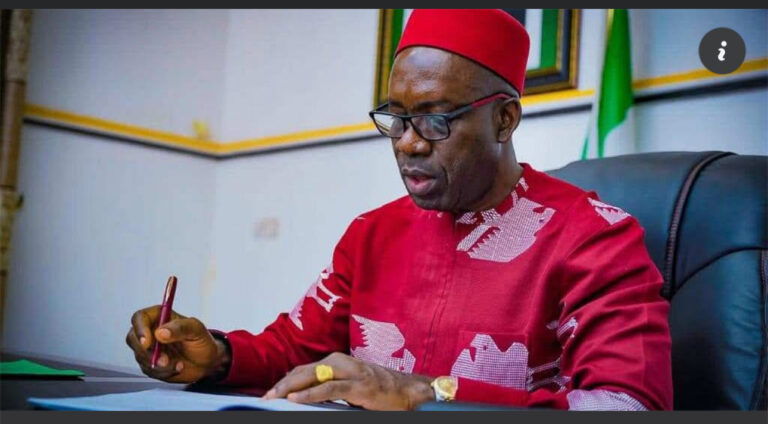
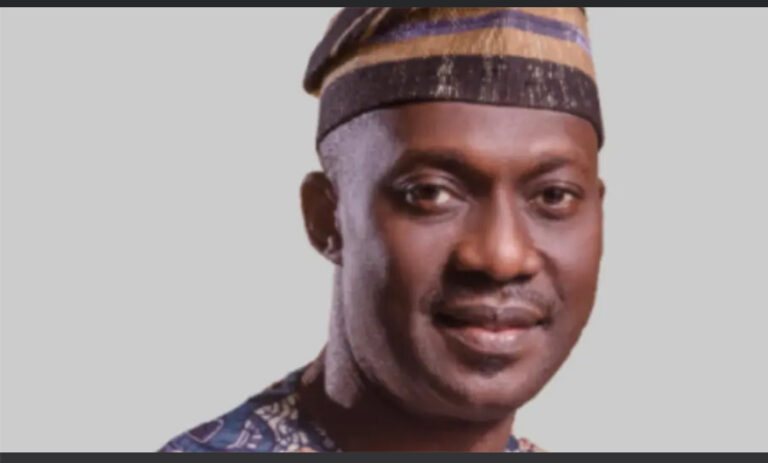
Rivers State, one of Nigeria’s top oil-producing regions, plays a crucial role in the country’s revenue base. Analysts say the end of emergency rule could help boost investor confidence and improve relations between federal and state authorities.

Security agencies, however, have assured residents that operations to maintain law and order will continue even after the withdrawal of emergency powers.


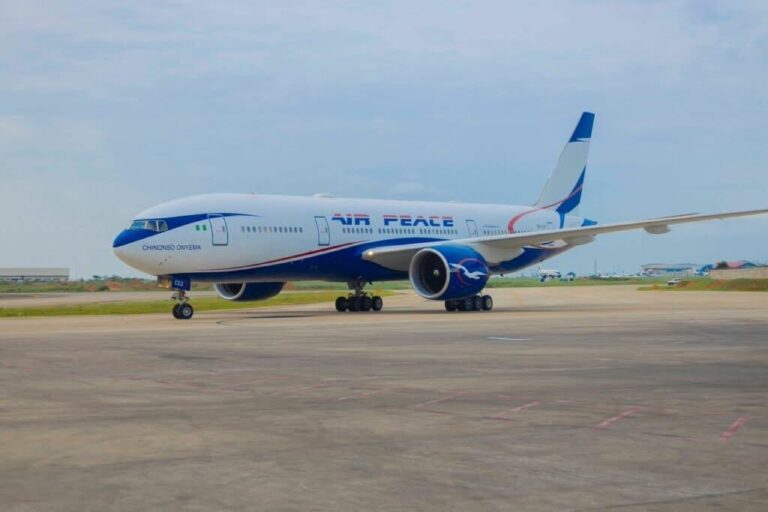
Air Peace to Employ 1,000 Fresh Graduates Through 2025/2026 Trainee Programme

0

Lagos, Nigeria — Air Peace, Nigeria’s largest carrier, has unveiled plans to recruit 1,000 fresh graduates under its 2025/2026 Graduate Trainee Programme, in a move expected to boost youth employment and expand the airline’s talent pipeline.

The company made the announcement on Wednesday, describing the initiative as part of its long-term strategy to build a skilled workforce that can support its growing domestic and international operations.

According to Air Peace management, the programme will provide selected graduates with hands-on training across various departments, including flight operations, engineering, customer service, ground handling, and corporate management.

A statement from the airline noted that successful candidates will undergo intensive professional development designed to equip them with the technical expertise, leadership capacity, and industry knowledge required to thrive in aviation.

“Air Peace remains committed to creating opportunities for young Nigerians. This programme is not just about jobs; it is about building careers and empowering the next generation of aviation professionals,” the statement read.

Industry experts say the move is timely, as Nigeria’s aviation sector is witnessing increased passenger traffic and fleet expansion, creating demand for well-trained personnel. Air Peace, which already employs thousands of Nigerians, has been at the forefront of fleet modernization and recently expanded its international routes.

The recruitment drive is also expected to contribute to national efforts to tackle unemployment, particularly among university graduates, who account for a significant portion of the country’s job-seeking population.

Applications for the graduate trainee programme will open later this month, with the selection process focusing on merit, aptitude, and passion for aviation.


Anambra Government Awards N37.95 Billion Ekwulobia–Ufuma Road Dualisation, Bridge Project

0

Awka, Nigeria — The Anambra State Government has approved the award of a major infrastructure project involving the dualisation of the Ekwulobia–Ufuma Road and the construction of a new bridge, valued at N37.95 billion.

The project, announced by state officials on Tuesday, is part of Governor Charles Soludo’s broader development agenda aimed at improving road connectivity, easing traffic congestion, and boosting economic activities in Anambra’s agrarian and commercial zones.

According to the government, the dualisation will cover several kilometres of the busy Ekwulobia–Ufuma corridor, a key route linking communities in Aguata, Orumba North, and surrounding local government areas. The addition of a modern bridge is expected to address long-standing transportation bottlenecks, particularly during the rainy season when the area often becomes impassable.

Commissioner for Works, Ifeanyi Okoma, who disclosed details of the project after an executive council meeting, said the contract was awarded to a reputable construction firm with a track record of delivering large-scale road projects. He added that the state government had made provisions to ensure strict monitoring and timely completion.

“This project is not just about infrastructure; it is about opening up opportunities for trade, agriculture, and investment in our rural and urban communities. The governor is determined to deliver roads and bridges that meet modern engineering standards,” Okoma stated.

Local residents and transport unions welcomed the news, describing the project as long overdue. Many noted that the current road has been in a dilapidated state for years, causing hardship for commuters and hindering the movement of farm produce to major markets.

The N37.95 billion investment is one of the largest road infrastructure contracts awarded under the Soludo administration so far. Government officials say it reflects the state’s commitment to delivering high-impact projects that directly improve the lives of citizens.

The project is expected to generate hundreds of jobs during construction and further stimulate commerce once completed.


Suspension of 4% Import Levy Saves Nigeria from Price Surge — MAN

0

Lagos, Nigeria — The Manufacturers Association of Nigeria (MAN) has commended the suspension of the proposed 4 percent import levy, saying the decision has spared the country from a sharp increase in the cost of goods.

In a statement released on Tuesday, MAN noted that the levy, if implemented, would have raised production costs, triggered inflation, and worsened the operating environment for manufacturers already grappling with high energy expenses and foreign exchange challenges.

The association explained that the suspension provided critical relief for businesses and consumers alike, as import-dependent industries would have faced higher costs that would inevitably be passed down to end users.

“By halting the implementation of this levy, the government has averted a situation that could have led to widespread price hikes across essential commodities,” MAN stated. “This decision protects both industrial competitiveness and consumer purchasing power at a difficult time for the economy.”

The association further urged the government to prioritize policies that encourage local production rather than impose additional financial burdens on manufacturers. It highlighted that the manufacturing sector, which contributes significantly to Nigeria’s GDP and employment, requires supportive measures to remain sustainable.

Economic analysts also welcomed the suspension, noting that with inflation already at record highs, the introduction of a fresh levy on imports would have compounded the strain on households and businesses.

While MAN praised the move, it called for long-term reforms in customs administration, infrastructure, and access to affordable credit to strengthen the manufacturing ecosystem.

The federal government had earlier proposed the 4 percent levy as part of broader revenue-generation measures. However, following consultations with stakeholders, the policy was put on hold.

Industry watchers say the suspension signals a willingness by the government to balance revenue needs with the realities faced by businesses and consumers, an approach they believe is vital to sustaining Nigeria’s fragile economic recovery.

MTN in Advanced Talks with U.S., European Firms to Build AI Data Centers Across Africa

0

Johannesburg, South Africa — Africa’s largest telecom operator, MTN Group, has entered advanced discussions with U.S. and European companies to develop a network of data centers across the continent to support artificial intelligence (AI) services.

The initiative, disclosed by MTN Group Chief Executive Officer Ralph Mupita in an interview with Bloomberg, forms part of the company’s long-term strategy to address Africa’s widening AI infrastructure gap and to create new revenue streams in the digital economy.

Mupita explained that MTN plans to directly fund part of the data center rollout while working with a consortium of global partners, including co-investors, AI infrastructure firms, and major cloud service providers such as Microsoft.

“AI will be central to Africa’s digital transformation, but the continent cannot fully benefit without significant investment in local infrastructure,” Mupita said. “By partnering with global technology leaders, we aim to deliver scalable and sustainable AI data centers that will serve businesses, governments, and individuals.”

The project comes at a time when demand for AI-powered services — ranging from fintech and e-commerce to health care and education — is surging across African markets. However, limited infrastructure and high operating costs have slowed adoption, leaving Africa heavily dependent on offshore data facilities.

Industry analysts believe MTN’s move could reshape the continent’s digital landscape by reducing latency, improving data sovereignty, and making AI solutions more affordable and accessible. The company already operates one of Africa’s largest telecom networks, spanning 19 countries, giving it a strong platform to drive adoption at scale.

The planned investment also reflects a broader push by African firms to participate in the global AI race. With tech giants increasingly eyeing Africa’s fast-growing digital economy, MTN’s partnership model could set the stage for further collaboration between local operators and international players.

While no financial details or timelines were disclosed, Mupita emphasized that the project would roll out in phases, prioritizing high-growth markets where digital infrastructure gaps are most pronounced.

Observers say the development could accelerate Africa’s integration into the global AI ecosystem and provide critical support for startups, enterprises, and governments seeking to leverage AI for economic growth.