

Home Blog Page 84

Kaduna State Signs $120 Million MOU to Boost Irrigation and Agricultural Development

0

Kaduna, Nigeria — The Kaduna State Government has formalized a $120 million Memorandum of Understanding (MOU) to transform irrigation farming and expand agricultural projects across the state.


Governor Uba Sani disclosed the development on Tuesday through his official Facebook page, describing it as a major step toward unlocking Kaduna’s vast agricultural potential and driving rural economic growth.

According to the governor, the agreement was reached during his recent official working visit to Bucharest, Romania, where discussions with international partners focused on strategic investments in modern farming techniques, irrigation infrastructure, and value-chain development.

“This MOU marks a significant milestone in our administration’s determination to reposition agriculture as the backbone of Kaduna’s economy. With irrigation farming at the center of this initiative, we are ensuring that our farmers can produce all year round, thereby boosting food security and export capacity,” Governor Sani stated.

Agriculture remains a key sector in Kaduna, with large portions of the state’s population relying on farming for livelihood. However, challenges such as limited irrigation, outdated practices, and inadequate processing facilities have constrained productivity. The new investment is expected to address these gaps, providing farmers with access to modern technology, training, and infrastructure support.

State officials noted that beyond irrigation, the agreement would also cover allied projects in mechanization, agro-processing, and market access, ensuring that farmers benefit from higher yields and better returns.

Local farming associations welcomed the initiative, saying it could change the face of agriculture in Kaduna if implemented effectively. “Irrigation has been a long-standing need for our communities. With this investment, farmers can cultivate crops in both rainy and dry seasons,” one community leader remarked.

Observers say the $120 million partnership highlights growing international interest in Nigeria’s agricultural sector and could serve as a model for other states seeking to attract foreign investment into farming and agribusiness.

The Kaduna State Government has pledged transparency and accountability in executing the project, assuring residents that the benefits will extend to smallholder farmers as well as commercial operators.


Fitch Warns Ghanaian Banks to Reduce Non-Performing Loans Before 2026

0

Accra, Ghana — International credit rating agency Fitch Ratings has cautioned Ghanaian banks to take urgent steps in reducing non-performing loans (NPLs) ahead of 2026, warning that failure to act could undermine financial stability and limit credit growth in the economy.

In its latest sector outlook report released this week, Fitch noted that while Ghana’s banking industry has shown resilience following recent economic shocks, the rising stock of bad loans remains a critical vulnerability. The agency emphasized that banks must improve asset quality and strengthen capital buffers to withstand future risks.

According to the report, high levels of NPLs, driven by loan defaults in sectors such as trade, construction, and manufacturing, continue to weigh heavily on profitability. Fitch added that unless addressed promptly, this could reduce investor confidence and restrict banks’ ability to extend credit to households and businesses.

“Ghanaian banks have weathered difficult macroeconomic conditions, but the challenge of non-performing loans must be addressed decisively before 2026,” the agency said. “Sustained asset quality improvement will be vital for restoring sector confidence and supporting economic recovery.”

The warning comes as Ghana implements reforms under its International Monetary Fund (IMF) support program, aimed at stabilizing the economy after a period of high inflation, debt restructuring, and currency depreciation. Fitch acknowledged these reforms as positive but stressed that banks need to complement government measures with stricter loan recovery processes and better risk management practices.

Financial analysts in Accra say the warning underscores the urgency for banks to strengthen credit appraisal systems and reduce exposure to vulnerable borrowers. They also note that resolving the NPL challenge will be essential for banks to finance key sectors such as agriculture, industry, and infrastructure.

The Bank of Ghana has in recent months introduced measures to enforce stricter capital adequacy requirements and encourage mergers among smaller lenders to build stronger institutions. However, experts caution that without tackling the root causes of loan defaults, systemic risks may persist.

With Fitch’s warning, Ghanaian banks are under increasing pressure to clean up their balance sheets ahead of 2026, a timeline analysts view as critical for restoring confidence in the financial sector and ensuring long-term growth.

Airtel Chairman Sunil Bharti Mittal, Director Appointed to BT Group Board

0

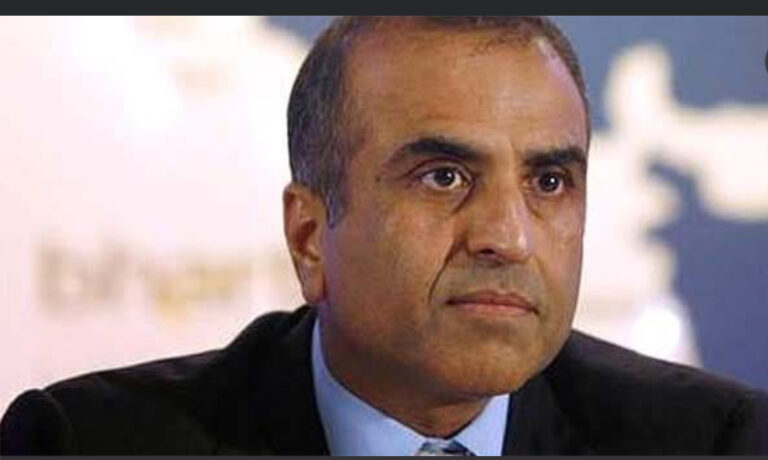
London, United Kingdom — BT Group, one of the world’s leading telecommunications companies, has announced the appointment of Sunil Bharti Mittal, Chairman of Airtel, and another director to its board, strengthening ties between the two telecom giants.

Mittal, founder and chairman of Bharti Enterprises, is widely regarded as one of the most influential figures in global telecommunications. Under his leadership, Airtel has grown into one of the largest mobile operators in Africa and Asia, serving over 500 million customers across multiple markets.

BT Group confirmed that Mittal and a second Airtel representative will take up board positions as part of its strategic partnership with Bharti Airtel. The move is expected to deepen collaboration between the two companies in areas such as mobile services, enterprise solutions, digital infrastructure, and technology innovation.

In a statement, BT Group said the appointments reflect the growing importance of emerging markets to its global strategy. “Sunil Bharti Mittal brings decades of experience in building and scaling telecom operations across diverse geographies. His insight will be invaluable to the board as BT continues to expand its global footprint,” the company noted.

Industry analysts say the development underscores Airtel’s increasing influence on the global stage and highlights the long-standing cooperation between Airtel and BT, particularly in enterprise services and technology sharing.

Mittal, commenting on the appointment, said he was honoured to join the BT Group board and looked forward to contributing to its growth strategy. “Telecommunications is at the heart of digital transformation worldwide. Together, BT and Airtel are well-positioned to shape the future of connectivity across both developed and emerging markets,” he said.

The appointments are expected to strengthen BT’s governance structure with diverse perspectives while giving Airtel greater visibility in the global telecom ecosystem.

Malala Fund Reaches 26 Million Students in 2024/2025 Fiscal Year

0

London, United Kingdom — The Malala Fund, the international non-profit organisation founded by Nobel laureate Malala Yousafzai, has announced that it reached 26 million students worldwide during the 2024/2025 fiscal year, marking one of its largest impacts to date.

In its annual report released this week, the organisation highlighted its efforts in advancing girls’ education across low- and middle-income countries, particularly in regions where conflict, poverty, and social barriers continue to limit access to schooling.

According to the report, the Fund’s programs supported education initiatives in over a dozen countries, including Nigeria, Pakistan, Ethiopia, India, and Brazil. These efforts ranged from direct funding of grassroots organisations to policy advocacy, teacher training, and digital learning initiatives.

Malala Yousafzai, co-founder of the Fund, said the milestone reflects both progress and the urgent need to sustain global investment in education. “Reaching 26 million students in one year is a powerful reminder of what is possible when we prioritise education. But millions of girls are still out of school. We must continue to push governments and partners to invest in their future,” she stated.

The Fund reported that its support enabled local partners to expand safe learning spaces, provide scholarships, and address systemic issues such as child marriage and gender-based violence, which often prevent girls from completing their education.

Education advocates praised the Fund’s impact, noting that reaching such a large number of students in one fiscal year demonstrates the effectiveness of community-driven models combined with international advocacy.

Analysts, however, caution that global education gaps remain significant. According to UNESCO, over 120 million school-age children worldwide remain out of school, with girls disproportionately affected.

The Malala Fund has pledged to continue scaling its programs in the coming year, with a focus on strengthening digital learning infrastructure, influencing education policy, and supporting female leadership in education advocacy.


Dangote Refinery Exports First Petrol Shipment to United States

0

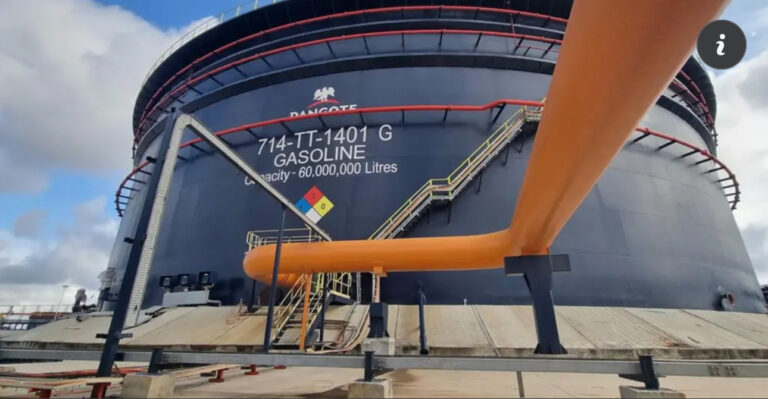
Lagos, Nigeria — The Dangote Petroleum Refinery has exported its first shipment of petrol to the United States, achieving a landmark moment for the 650,000-barrel-per-day facility and for Nigeria’s oil industry.

According to a Reuters report on Tuesday, the cargo was transported aboard the tanker Gemini Pearl, signaling that the refinery’s output has successfully met the stringent quality requirements of the U.S. motor fuel market.

This development positions the refinery not only as a strategic supplier for Nigeria and the wider African continent but also as a competitive player in the global petroleum market. Analysts say it reflects the plant’s capacity to deliver refined products that comply with international specifications, a long-standing challenge for African refineries.

Industry experts note that the successful export underscores the potential of the Dangote Refinery to transform Nigeria from a heavy importer of refined petroleum products into a significant exporter. The refinery, which is considered the world’s largest single-train facility, is expected to produce petrol, diesel, aviation fuel, and other refined products for both domestic consumption and international markets.

The U.S. shipment marks a significant confidence boost for the facility, which only recently began phased operations. Energy observers believe it will help strengthen Nigeria’s foreign exchange earnings, reduce dependence on imported refined products, and enhance the country’s role in global energy trade.

While the milestone has been widely celebrated, questions remain over how quickly the refinery’s output will translate into lower fuel costs for Nigerian consumers. Local marketers have urged the government and refinery management to prioritize domestic supply before focusing on exports.

Still, the shipment to the United States is being viewed as a clear sign of the refinery’s operational readiness and its ability to meet both local and global demand.


Private Depots in Lagos Deserted as Dangote Refinery Begins Direct Petrol Supply

0

Lagos, Nigeria — Private petroleum depots in Lagos and surrounding areas were largely deserted yesterday following the rollout of direct petrol supplies by the Dangote Petroleum Refinery, a move that marks a significant shift in Nigeria’s downstream oil market.

The refinery, which began releasing Premium Motor Spirit (PMS) directly to marketers, has disrupted the long-standing practice where independent marketers and retailers relied heavily on private depots for fuel distribution. By bypassing intermediaries, the new system is expected to lower costs and improve efficiency across the supply chain.

Industry sources confirmed that several depots in Apapa and other key distribution hubs recorded minimal activity, with tanker drivers and marketers heading directly to the Dangote facility to secure products at more competitive prices.

Depot operators expressed concern that the refinery’s direct-to-market model could erode their relevance in the sector. “Our facilities are empty because everyone is going straight to Dangote. If this continues, private depots may not survive,” one depot manager told reporters on condition of anonymity.

Union groups have also voiced apprehension, warning that the development could trigger job losses among depot workers and tanker associations. They cautioned against what they described as potential “monopolistic control” of the supply chain.

However, industry analysts argue that the shift could bring long-term benefits, including reduced pump prices for consumers, improved product availability, and less dependency on foreign imports. The Dangote Refinery, with a capacity of 650,000 barrels per day, is positioned as the largest single-train refinery in the world and is central to Nigeria’s ambition to achieve fuel self-sufficiency.

A senior official of the refinery, responding to concerns, stated that the new supply framework was not designed to eliminate depots but to ensure stability in the market. “Our objective is to make petrol affordable and accessible. The distribution strategy is in the interest of the Nigerian economy,” the official said.

With the direct supply system now in motion, industry observers say the coming weeks will determine how private depots adapt to the new realities of a downstream sector increasingly shaped by the Dangote Refinery’s operations.


Hotel Restaurants in Africa Struggle with Profitability Amid Hospitality Sector Growth

0

Despite steady growth in Africa’s hospitality and tourism sector, hotel restaurants across the continent are struggling to achieve strong profitability. Industry analysts point to rising operational costs, shifts in consumer spending, and management practices as the main factors hindering faster financial growth.

While hotels in major cities continue to attract international visitors and business travelers, many of their in-house restaurants are finding it difficult to sustain profit margins. A key challenge lies in high operating expenses. In countries such as Nigeria, energy costs remain a major burden, with frequent power shortages forcing hotels and restaurants to rely on expensive alternative sources such as diesel generators.

Consumer behavior also plays a role. Many local patrons prefer standalone restaurants, street food outlets, or fast-casual dining options, which are often more affordable than hotel-based dining. This limits the customer base for hotel restaurants, making them more dependent on hotel guests rather than the wider public.

Experts further note that management approaches within the sector often fail to adapt to evolving market trends. Issues such as outdated menu planning, limited use of local ingredients, and rigid pricing models reduce competitiveness in a market where diners seek both value and variety.

Hospitality consultants suggest that hotel restaurants could improve performance by adopting more flexible strategies, such as creating partnerships with local suppliers to cut costs, tailoring menus to regional tastes, and designing promotions that attract non-hotel guests.

While the broader hospitality industry in Africa is on an upward trajectory, with new hotel developments and international chains entering the market, the profitability of their food and beverage outlets remains under pressure. Industry watchers say addressing these operational and structural issues will be critical if hotel restaurants are to benefit fully from the continent’s growing tourism and business travel sectors.


Dangote Dismisses Fears of Job Losses Over Refinery’s New Distribution Plan

0

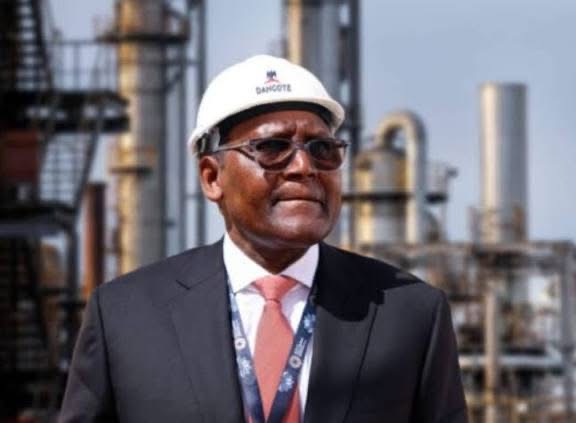
Africa’s richest man, Aliko Dangote, has dismissed concerns raised by union groups that the new distribution strategy of the Dangote Petroleum Refinery would lead to widespread job losses in the oil and gas sector.

The refinery, which recently began phased operations, plans to deploy 4,000 Compressed Natural Gas (CNG)-powered trucks across Nigeria and other markets. According to Dangote, the move is designed to boost efficiency, reduce distribution costs, and lessen the country’s reliance on imported diesel for long-haul transport.

Union representatives had expressed fears that the plan could disrupt the existing petroleum supply chain and possibly foster monopolistic practices. Some groups argued that smaller transport operators and independent marketers might be sidelined once the Dangote fleet becomes fully operational.

Addressing these concerns, Dangote stressed that rather than eliminating jobs, the new system would create significant employment opportunities. He revealed that the refinery’s distribution project is expected to generate 24,000 new jobs, with competitive salaries, health insurance, and other benefits for workers.

“Our vision is to strengthen Nigeria’s energy security while also creating well-paid jobs for thousands of people,” Dangote said. “The introduction of CNG trucks is not just about efficiency, it is about sustainability, cost savings, and building a stronger economy for everyone.”

Industry observers note that the refinery’s decision to invest in CNG-powered trucks aligns with global trends toward cleaner energy solutions. By adopting natural gas as a fuel source for heavy transport, the refinery aims to reduce carbon emissions while also cutting operating costs.

The Dangote Refinery, located in Lagos State, is one of the largest single-train refineries in the world, with a production capacity of 650,000 barrels per day. Its full-scale operations are expected to significantly reduce Nigeria’s dependence on imported refined petroleum products.

While skepticism remains within certain labour unions, analysts say the refinery’s scale of investment and job creation potential could transform both the petroleum downstream sector and the country’s logistics industry in the coming years.


Nollywood YouTube Economy: The Crew vs. the Cast, Who Truly Carries the Weight of a Film?

0

In Nollywood today, the spotlight burns brighter than ever. With streaming platforms like Netflix, Prime Video, and Showmax pouring into Nigeria, and YouTube emerging as a powerful stage for indie creators, the question of who truly carries a film has become unavoidable.

The credits at the end of every movie stretch on for minutes, a silent reminder that filmmaking is never a solo act. Yet, when money enters the conversation, the discourse almost always tilts toward actors. Their faces dominate posters, their interviews sell premieres, and their fame secures sponsorships. But beneath the glitter lies a more complex truth: the crew, invisible to the audience, shoulders the real machinery of production.

The Unseen Backbone of Nollywood

Behind every Nollywood film, whether a high-budget Netflix release or a grassroots YouTube hit, is a crew whose labor is constant and consuming.

  • Director of Photography (DoP): Crafts the visual language, from lighting to camera movement.
  • Sound Team: Records, filters, and monitors every word, every rustle, every silence.
  • Production Managers: Balance chaotic schedules, fix sudden breakdowns, and keep the set alive.
  • Makeup, Costume, and Continuity Teams: Maintain character consistency across endless shooting days.
  • Editors and Colorists: Shape raw footage into a story, unseen yet indispensable.

Unlike actors, who may film intermittently across days or weeks, the crew works start-to-finish. They are the first on set and the last to leave, their energy tethered to every shot.

The Logic of Day Rates

In Nollywood, crew members are typically paid per day. This structure reflects both the intensity and the constancy of their work. An actor may feature in just 40 percent of scenes, but the gaffer, sound recordist, and production designer are locked in for 100 percent.

This reality challenges the narrative around pay disparity. It is not about who is more “important,” but about who sustains the production across its entire lifespan. Crew members are not interchangeable accessories, they are the operating system of the film.

The Glamour Divide

Still, the imbalance persists because of visibility. Actors occupy the posters, red carpets, and billboards. Their influence attracts sponsors and secures box office numbers. Producers, often under pressure to maximize returns, pour disproportionate funds into star fees, while crew budgets shrink.

This visibility-driven economics has birthed what Nollywood insiders now call “the glamour divide” a structural inequity where the audience-facing cast thrives while the backbone of production bends under neglect.

The Risk of Collapse

The consequences are already visible. In some mid-tier Nollywood projects, star actors consume up to 60% of the production budget. The remainder is left to cover crew salaries, equipment rentals, locations, post-production, and marketing.

The result? Downgraded cameras, overworked editors, poor sound design, and rushed shoots. Ironically, films with A-list casts often fail online not because of acting but because of poor technical execution. On YouTube, where audiences have infinite alternatives and low tolerance for weak quality, such lapses can be fatal.

The Case for Balance

The argument is not to devalue actors. Their craft, charisma, and fanbase are essential. But sustainable growth demands balance. Crew members must be respected and compensated as indispensable professionals, not hidden labor.

As Nollywood shifts further into global streaming and monetized YouTube releases, the films that endure will not simply be those with star faces but those with technical depth — crisp sound, consistent continuity, and visual polish.

For the industry to mature, producers must adopt a new mantra: the actor is the face, but the crew is the spine. One dazzles; the other endures. Both must be invested in.


Written By Adesina Kasali

Fidson vs. May & Baker: Which Stock Offers Better Value for Investors?

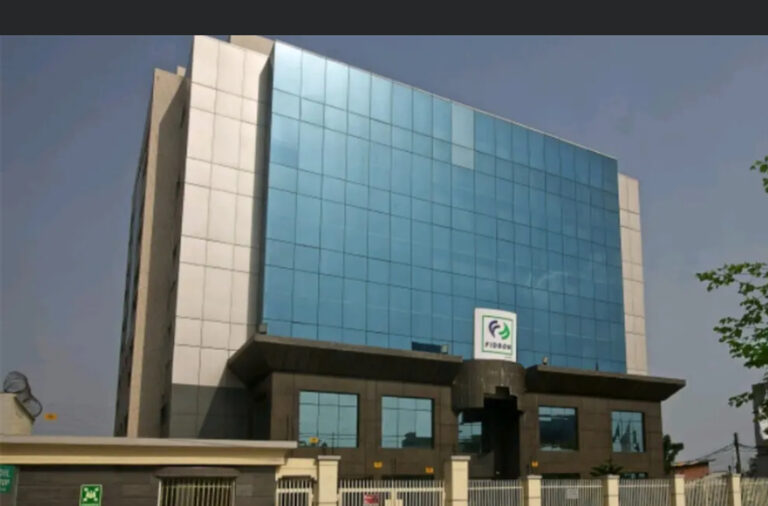
Investors in Nigeria’s pharmaceutical sector are closely watching the performance of Fidson Healthcare Plc and May & Baker Nigeria Plc, as both companies position themselves to capture a larger share of the country’s growing drug and healthcare market.

With increased demand for locally manufactured medicines following supply chain disruptions, currency volatility, and government emphasis on self-reliance, both firms have shown resilience. However, analysts say the question for investors is which of the two represents the better buy at the moment.

Fidson Healthcare Plc

Fidson has established itself as one of Nigeria’s leading pharmaceutical manufacturers, with a wide product portfolio that includes antibiotics, antimalarials, multivitamins, and over-the-counter medications. The company has continued to expand its production capacity, supported by investments in a World Health Organization (WHO)-certified facility.

Its revenue growth has been driven by strong domestic demand, though margins remain pressured by rising input costs and foreign exchange challenges. Analysts note that Fidson’s emphasis on innovation and brand loyalty provides a competitive edge, while its dividend history remains attractive to income-focused investors.

May & Baker Nigeria Plc

Founded in 1944, May & Baker is one of Nigeria’s oldest pharmaceutical companies, with a legacy in prescription drugs, vaccines, and consumer healthcare products. The company has benefited from strategic collaborations, including past partnerships with global institutions in vaccine production.

Recent financial results have shown improvements in profitability, partly due to operational efficiencies and cost-cutting measures. May & Baker’s long-standing reputation and distribution network are seen as strengths, though concerns persist over its relatively slower pace of product diversification compared to newer rivals.

Analysts’ Verdict

Market watchers say Fidson currently holds an edge in terms of growth potential, given its aggressive expansion and stronger product pipeline. However, May & Baker remains a solid long-term player, appealing to investors seeking stability and consistent returns.

Both stocks are considered undervalued in comparison to global pharmaceutical peers, making the sector attractive for medium- to long-term investors. Ultimately, analysts recommend that investors weigh their risk appetite: Fidson for growth and expansion, May & Baker for stability and heritage.