



Home Blog Page 87

Creativity Not Enough to Build a Career in Film Industry – Filmmaker Laju Iren

0

Nigerian filmmaker and storyteller, Laju Iren, has emphasized that creativity alone is not sufficient to build a successful and sustainable career in the film industry. She made this known while speaking on the realities of filmmaking in Nigeria, stressing that aspiring filmmakers must combine talent with strong business sense, discipline, and continuous learning.

According to Iren, many young creatives often assume that passion and artistic vision are all it takes to succeed in the industry. However, she pointed out that the film business demands more — including strategic planning, networking, marketing skills, and a clear understanding of audience preferences.

“Creativity is important, but it’s only one part of the puzzle,” she explained. “Filmmaking is not just about telling stories — it’s also about managing budgets, leading teams, promoting your work, and understanding the market. You need to treat your creativity like a business if you want longevity.”

Iren, who is known for her inspirational films and storytelling workshops, advised upcoming filmmakers to invest in professional development and stay open to collaboration. She noted that the evolving digital landscape has created more opportunities for storytellers, but also raised the level of competition.

“The world is watching African stories now, and that’s exciting,” she said. “But it also means we must raise our standards. You can’t rely solely on raw talent — you must refine it, learn the craft, and understand the business side of things.”

Laju Iren’s remarks reflect a growing conversation within Nollywood about the need for professionalism, financial literacy, and sustainability in the creative industry. As streaming platforms and international collaborations expand the reach of Nigerian films, her message serves as a timely reminder that passion must go hand in hand with purpose and planning.
Boma Akpore and Wale Ojo Unveil Teaser for “This Is Not A Nollywood Movie” at FilmOne Showcase

0

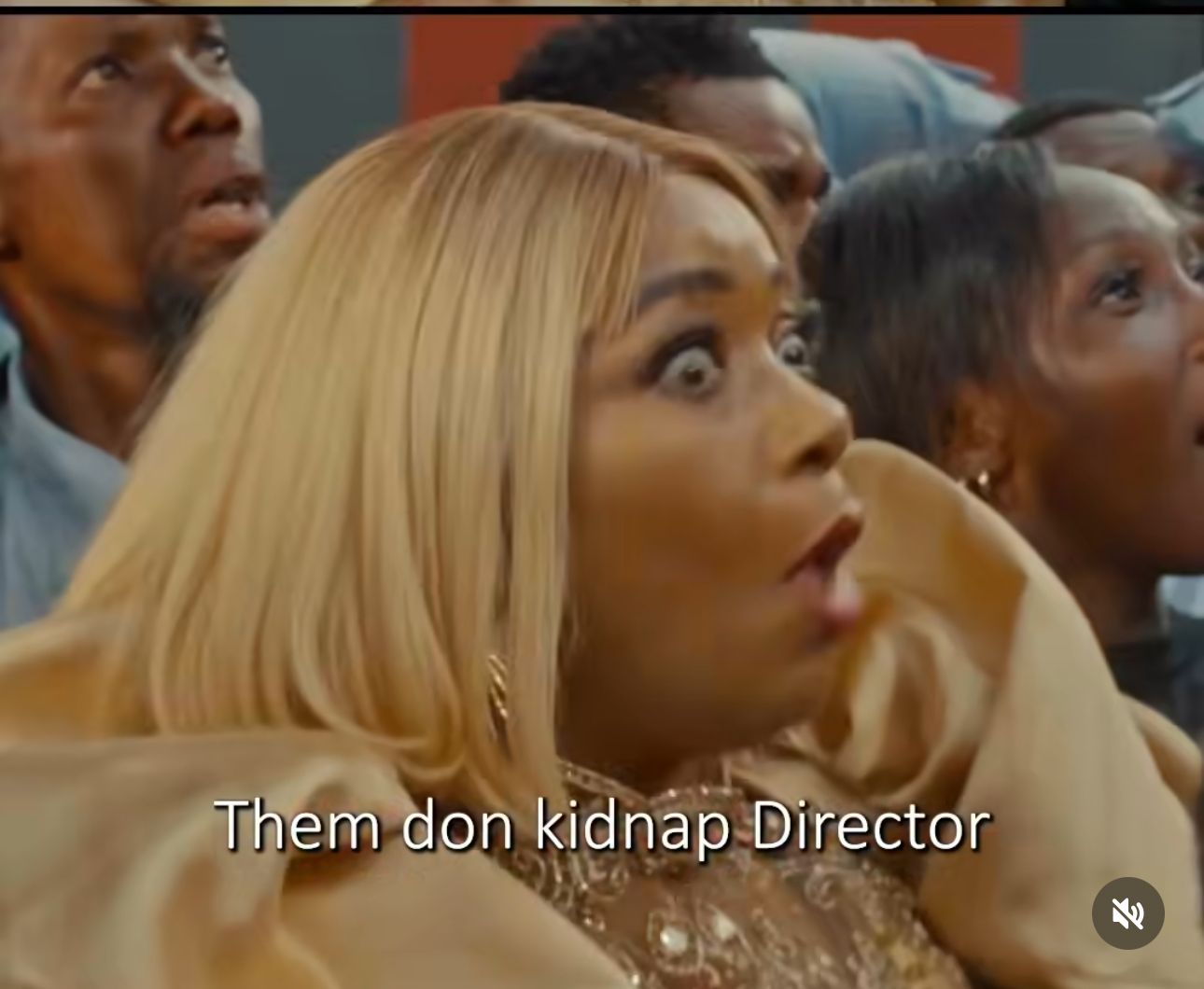
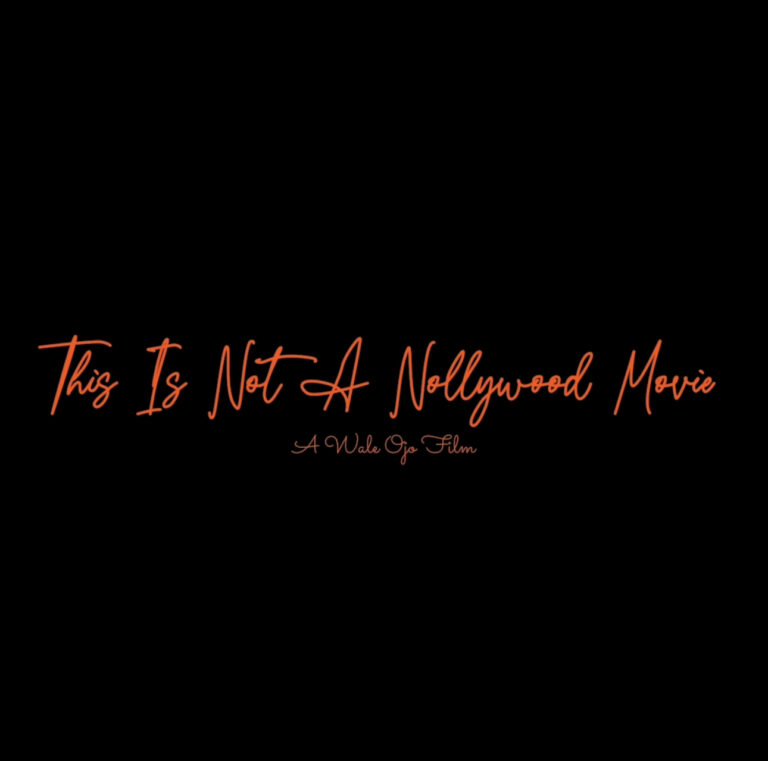
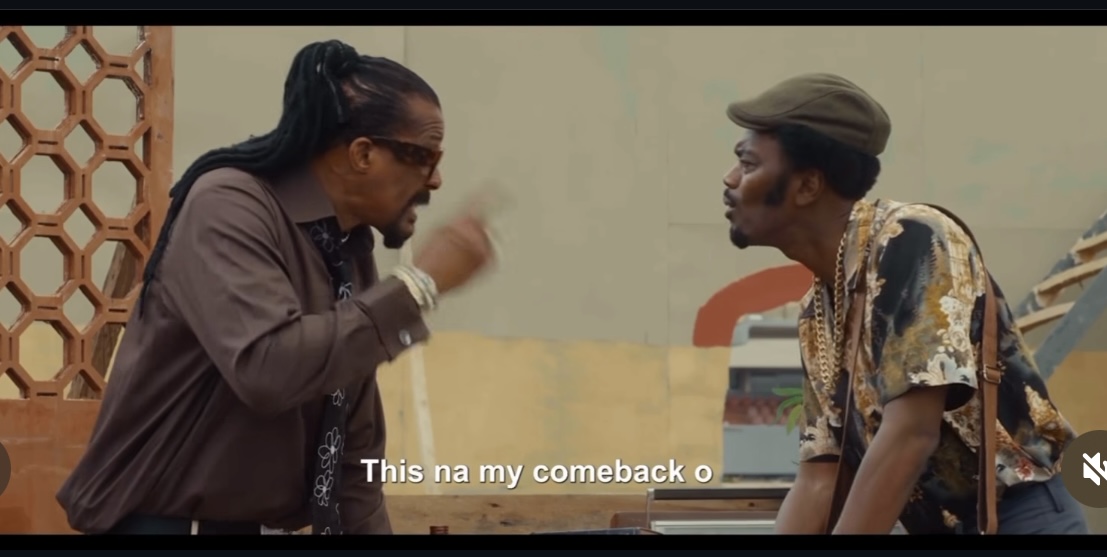
One of the biggest highlights at the FilmOne Film Showcase Exhibition 2025 was the unveiling of the teaser for “This Is Not A Nollywood Movie,” an upcoming action-comedy film produced by Boma Akpore and directed by Wale Ojo.

Screenshot

Described as a “mad and zany” cinematic experience, the film promises a refreshing blend of veteran Nollywood legends and Gen Z stars, merging the old and new generations of the Nigerian film industry in one entertaining production.

Speaking at the event, Wale Ojo, the film’s director and one of its lead actors, expressed excitement about the project, describing it as a unique experiment that bridges eras of Nigerian cinema.

“The only way I can describe this mad and zany action comedy is that we have gone to great lengths to put together the OGs of Nollywood — Hank Anuku, Julius Agwu, Blossom Chukwujekwu, Chidi Mokeme, and Bimbo Akintola — with the Gen Zs of the new Nollywood to create an enriching and madly funny film,” Ojo said.

Screenshot

He also revealed that behind-the-scenes clips, photos, and exclusive videos will be released in the coming weeks to build anticipation ahead of its nationwide cinema debut.

“This Is Not A Nollywood Movie” features an impressive cast lineup that includes Boma Akpore, Broda Shaggi, Olumide Oworu, Hank Anuku, Blossom Chukwujekwu, Bimbo Akintola, Julius Agwu, Chidi Mokeme, Michael Sunny B, Shatta Bandle, and Ify Onyeka.

The much-anticipated film is slated for nationwide theatrical release on December 5, 2025, and is expected to deliver a bold mix of humor, nostalgia, and social commentary — a testament to the evolving creativity of Nollywood’s new era.

“It’s an understatement to say you don’t want to miss it,” Ojo added enthusiastically.

FG Spent ₦12.36 Trillion on Debt Servicing in 2024 — 52.7% Above Budget Allocation

0

The Federal Government of Nigeria spent a total of ₦12.36 trillion on debt servicing in 2024, marking a 52.7% increase above the initially approved allocation of ₦8.27 trillion, according to the Budget Office’s Fourth Quarter Report.

The expenditure accounted for 35.26% of the total ₦35.05 trillion national budget, underscoring the growing pressure of debt obligations on the country’s fiscal sustainability.

The report also revealed that Nigeria’s total public debt-to-GDP ratio climbed to 61.22% by the end of 2024 — a figure that exceeds both domestic and international prudential limits. This rise reflects the combined impact of increased borrowing and a weakening revenue base.

According to the Budget Office, the Federal Government recorded a fiscal deficit of ₦13.51 trillion during the year, driven primarily by higher debt service costs, elevated recurrent expenditure, and underperformance in oil revenue.

Analysts say the figures highlight Nigeria’s deepening fiscal challenges, as debt servicing continues to consume a significant portion of national resources, leaving limited fiscal space for infrastructure and social investments.

Nigeria’s growing debt burden has been a key concern for policymakers and economists, who warn that without stronger revenue mobilization and better expenditure management, the country risks facing mounting fiscal vulnerabilities in the years ahead.

Lagos Government Warns of Revocation of Housing Allocations Over Non-Compliance

0

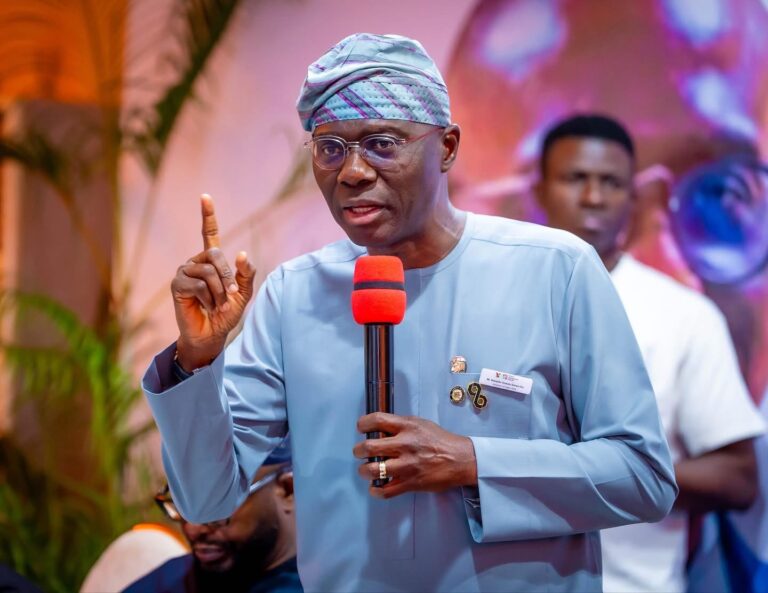
The Lagos State Government has reiterated its commitment to enforcing compliance within its housing estates, warning that it will revoke allocations of allottees who fail to adhere to the rules and regulations guiding government-owned estates across the state.

The measure, according to the government, is aimed at promoting the well-being of residents and ensuring that the infrastructure and facilities within the estates are properly maintained.

The warning was issued by the Commissioner for Housing, Moruf Akinderu-Fatai, during the monthly stakeholders’ forum and public enlightenment meeting organized for residents of state government housing estates in the Epe Division. The event was held at the Sir Michael Otedola Housing Estate, Epe.

Represented by the Permanent Secretary of the Ministry of Housing, Engr. Abdulhafiz Toriola, Akinderu-Fatai stressed the importance of strict compliance with the operational guidelines of the estates. He particularly highlighted the payment of facility maintenance fees and insurance premiums as non-negotiable obligations for all allottees.

“It is crucial that residents and homeowners fulfill their responsibilities by adhering to the rules set to sustain the standards, aesthetics, and structural integrity of our housing estates,” Akinderu-Fatai stated.

He explained that the government’s housing projects are designed not just to provide shelter, but to create well-planned communities with functional infrastructure that must be preserved through collective responsibility.

The commissioner also reaffirmed the state’s zero-tolerance stance on the misuse or neglect of public assets, warning that the Ministry of Housing will not hesitate to revoke allocations from defaulters who disregard the established guidelines.

The stakeholders’ forum provided an avenue for residents to engage with government officials on challenges facing their estates, including maintenance, security, and service delivery.

Akinderu-Fatai urged residents to continue supporting the government’s vision of sustainable housing development through responsible ownership and community cooperation.

FCMB Group Unveils ₦160 Billion Public Offer to Meet CBN’s Recapitalisation Requirement

0

First City Monument Bank (FCMB) Group Plc has announced details of its planned ₦160 billion public offer at the Nigerian Exchange Group (NGX) as part of its ongoing efforts to meet the Central Bank of Nigeria’s (CBN) new minimum capital requirement of ₦500 billion for international commercial banks.

The move is a major step in the bank’s recapitalisation strategy, designed to strengthen its financial position, enhance resilience, and sustain long-term growth amid Nigeria’s evolving banking reforms.

Speaking during the announcement, Group Chief Executive Officer, Ladi Balogun, said the public offer reflects the Group’s commitment to maintaining a strong capital base and improving shareholder returns.

“This public offer is a critical step in reinforcing FCMB’s capital adequacy and positioning the Group to continue delivering sustainable value to our customers, shareholders, and stakeholders,” Balogun stated.

He noted that FCMB has raised approximately $863 million through the Nigerian capital market over the years, largely supported by domestic investors, which underscores confidence in the bank’s performance and growth prospects.

The planned ₦160 billion offer will provide the institution with additional funding to support expansion, digital transformation, and customer-focused initiatives, while ensuring full compliance with the CBN’s recapitalisation directive announced earlier in 2024.

Balogun added that the Group’s strong corporate governance, diversified business model, and consistent earnings performance give it a solid foundation for the next phase of growth.

With this development, FCMB joins other major financial institutions in the Nigerian banking sector embarking on large-scale capital raising exercises to meet the CBN’s recapitalisation threshold before the 2026 deadline — a policy aimed at strengthening the resilience and global competitiveness of Nigerian banks.

NNPCL Posts ₦4.27 Trillion Revenue, ₦216 Billion Profit in September 2025

The Nigerian National Petroleum Company Limited (NNPCL) has announced a total revenue of ₦4.269 trillion for September 2025, along with a profit after tax (PAT) of ₦216 billion, reflecting the company’s strengthened financial performance and operational efficiency during the period.

According to the company’s latest financial and operational report, NNPCL also remitted ₦10.073 trillion to the Federation Account between January and August 2025, further underlining its crucial role in sustaining government revenue and national economic stability.

The report attributed the strong financial showing to improved crude oil production, enhanced refining operations, and increased gas sales, as well as strategic cost management and investment in value-driven projects.

In a related development, NNPCL confirmed that work on the Ajaokuta–Kaduna–Kano (AKK) Gas Pipeline Project has reached 88% completion, marking a major milestone in Nigeria’s gas infrastructure expansion agenda.

The AKK Gas Pipeline, one of the country’s most significant energy projects, is designed to transport natural gas from the southern region to central and northern Nigeria, supporting industrial growth, power generation, and economic diversification.

NNPCL emphasized that the near-completion of the AKK project aligns with the Federal Government’s Decade of Gas initiative, aimed at positioning natural gas as a key driver of national development and cleaner energy transition.

“The AKK Gas Pipeline is central to our commitment to expanding gas utilization across Nigeria,” the company stated. “At 88% completion, we are closer than ever to achieving a major leap in domestic gas infrastructure that will power industries and improve livelihoods.”

The company reaffirmed its dedication to transparency, operational efficiency, and value creation for Nigerians, adding that ongoing reforms and strategic partnerships will further enhance profitability and long-term growth in the coming quarters.

Reps Launch Probe Into $4.6 Billion Global Fund, USAID Grants to Nigeria

0

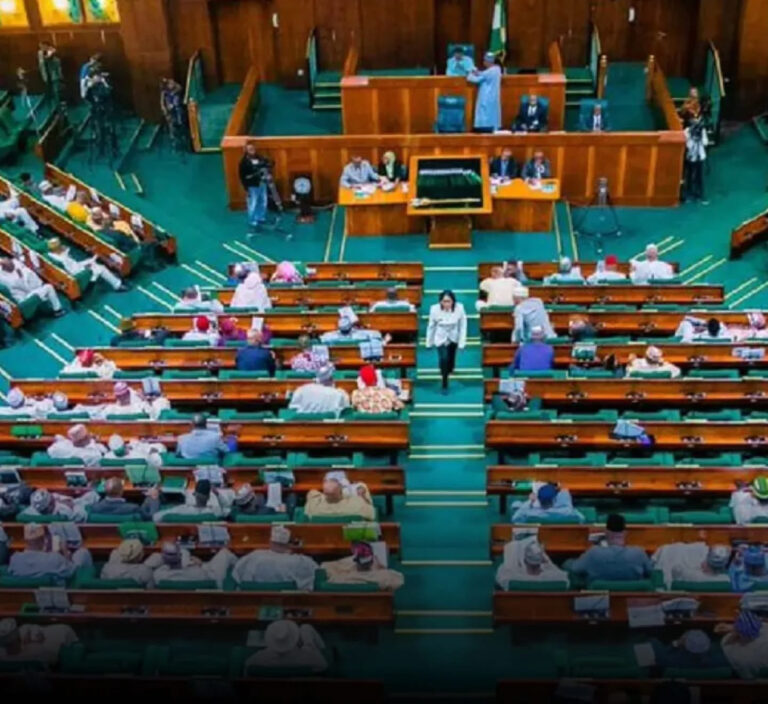
The House of Representatives has commenced an investigation into the management of over $4.6 billion in grants received by Nigeria from the Global Fund and the United States Agency for International Development (USAID) between 2021 and 2025.

The funds were provided to support Nigeria’s response to HIV/AIDS, tuberculosis, and malaria, as well as to strengthen resilient and sustainable health systems (RSSH) across the country.

The investigation, initiated by the House Committee on Aids, Tuberculosis and Malaria Control, seeks to ensure transparency, accountability, and effective utilization of international health funds disbursed to various government agencies and implementing partners.

Lawmakers noted that while Nigeria remains one of the largest recipients of Global Fund and USAID health grants in Africa, there have been growing concerns about mismanagement, duplication of efforts, and inadequate oversight in how these funds are spent.

During the committee’s inaugural briefing, the Chairman emphasized that the probe is not intended to witch-hunt any institution, but to guarantee that donor funds achieve their intended purpose — saving lives and strengthening the nation’s health infrastructure.

“These grants are meant to improve access to healthcare, reduce disease burden, and enhance public health outcomes,” the committee stated. “We must ensure that every dollar received is properly accounted for and delivers real impact.”

The investigation will cover financial disbursements, project implementation, and monitoring processes under the grants, including programs run by the National Agency for the Control of AIDS (NACA), the National Malaria Elimination Programme (NMEP), and the National Tuberculosis and Leprosy Control Programme (NTBLCP).

The House also reaffirmed its commitment to working with donor partners and civil society groups to promote fiscal responsibility and transparency within Nigeria’s health sector, ensuring that future international aid contributes effectively to national development goals.

Shell Energy Nigeria Calls for Sustained Investment Reforms in Gas Sector

0

Leaders of Shell Energy Nigeria have called on the Federal Government and other key stakeholders in the energy industry to implement consistent and coordinated measures aimed at attracting and retaining long-term investments in Nigeria’s gas sector.

Speaking at the 3rd Gas Investment Forum held in Lagos, Markus Hector, General Manager of Shell Energy Nigeria, and Ralph Gbobo, Managing Director of Shell Nigeria Gas, emphasized that natural gas remains central to Nigeria’s economic growth, industrialisation, and energy transition agenda.

Hector noted that while Nigeria holds one of the largest proven gas reserves in the world, the full potential of the sector can only be realized through stable policies, reliable infrastructure, and investor-friendly frameworks that encourage both local and international participation.

“Gas is not just a transition fuel for Nigeria — it is the foundation for sustainable industrial growth, power generation, and cleaner energy development,” Hector stated. “To unlock its value, we must ensure consistent policies that give investors confidence in long-term returns.”

In his remarks, Gbobo highlighted Shell’s continued commitment to Nigeria’s domestic gas development, citing the company’s ongoing investments in pipeline expansion, gas processing, and distribution networks that serve key industrial hubs across the country.

“At Shell Nigeria Gas, we see firsthand how reliable access to gas transforms industries, creates jobs, and drives innovation,” Gbobo said. “However, achieving scale requires partnership — between government, private operators, and financiers — to address infrastructure gaps and pricing challenges.”

The forum brought together senior government officials, industry leaders, and energy experts to discuss strategies for boosting gas supply, financing major projects like the Ajaokuta–Kaduna–Kano (AKK) pipeline, and positioning Nigeria as a competitive hub in the global gas market.

Both Shell executives reaffirmed that a stable regulatory environment, coupled with infrastructure development and local content growth, will be critical in making Nigeria’s gas sector a cornerstone of its economic diversification and energy security efforts.

Julius Agwu Reveals How Wale Ojo Recruited Him for “This Is Not A Nollywood Movie” at FilmOne Showcase

0

Veteran Nigerian comedian and actor, Julius Agwu, has shared how he was invited by filmmaker Wale Ojo to join the star-studded cast of the upcoming action-comedy, “This Is Not A Nollywood Movie.”

Screenshot

Speaking during the FilmOne Film Exhibition Showcase 2025, where the film’s teaser was officially unveiled, Agwu expressed his excitement about returning to the big screen alongside some of Nollywood’s finest veterans and a vibrant lineup of Gen Z stars.

According to him, the call from Wale Ojo came as both a surprise and a delight, reigniting his passion for acting after taking a break from the spotlight.

Screenshot

“When Wale Ojo called me about this project, I thought he was joking,” Agwu recounted with a smile. “But after he explained the concept and I read the script, I knew it was something special. It’s not your regular Nollywood movie — it’s wild, funny, and refreshingly different.”

The celebrated comedian, known for his witty performances and long-standing contribution to Nigeria’s entertainment industry, praised Ojo’s creativity and vision for bringing together different generations of actors in one film.

“What Wale has done here is brilliant — combining the OGs like myself, Hank Anuku, Chidi Mokeme, and Bimbo Akintola with today’s younger stars like Broda Shaggi and Olumide Oworu. It’s a mix that shows how far Nollywood has come,” he said.

Produced by Boma Akpore and directed by Wale Ojo, “This Is Not A Nollywood Movie” is set for nationwide release on December 5, 2025. The movie promises high-energy comedy, thrilling action, and a nostalgic celebration of Nollywood’s evolution.

The cast also features Blossom Chukwujekwu, Boma Akpore, Michael Sunny B, Shatta Bandle, and Ify Onyeka, among others.