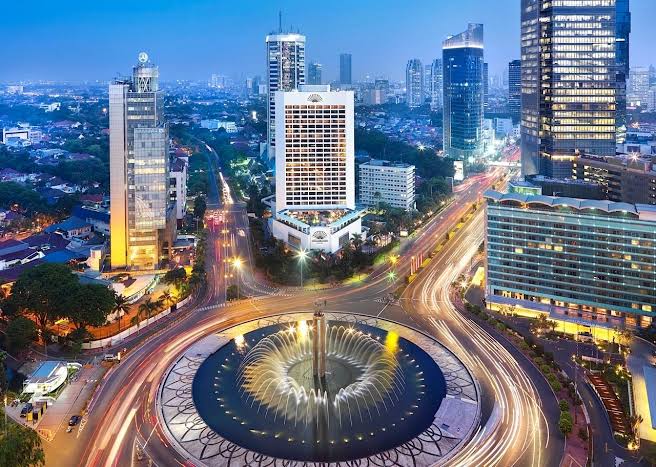
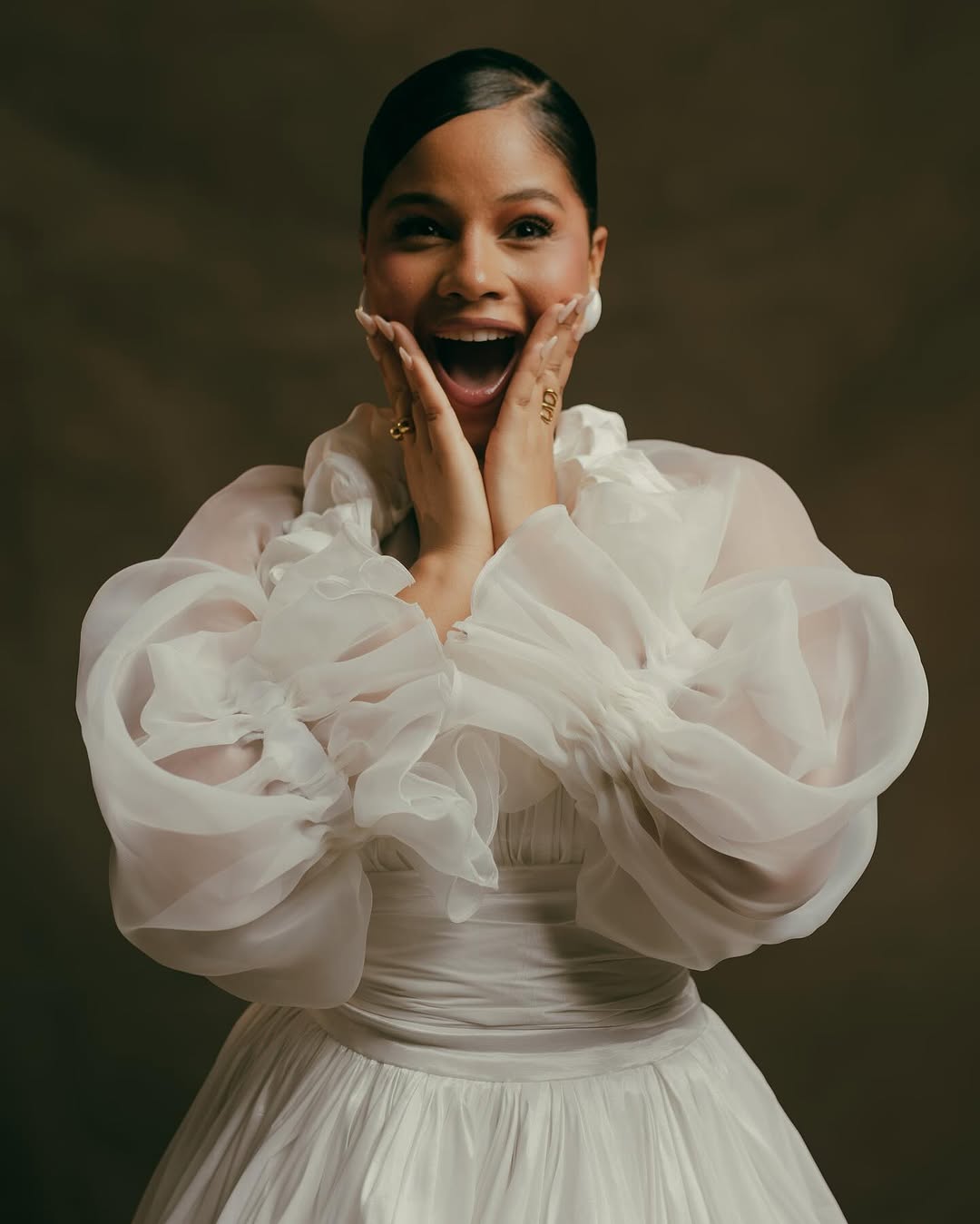
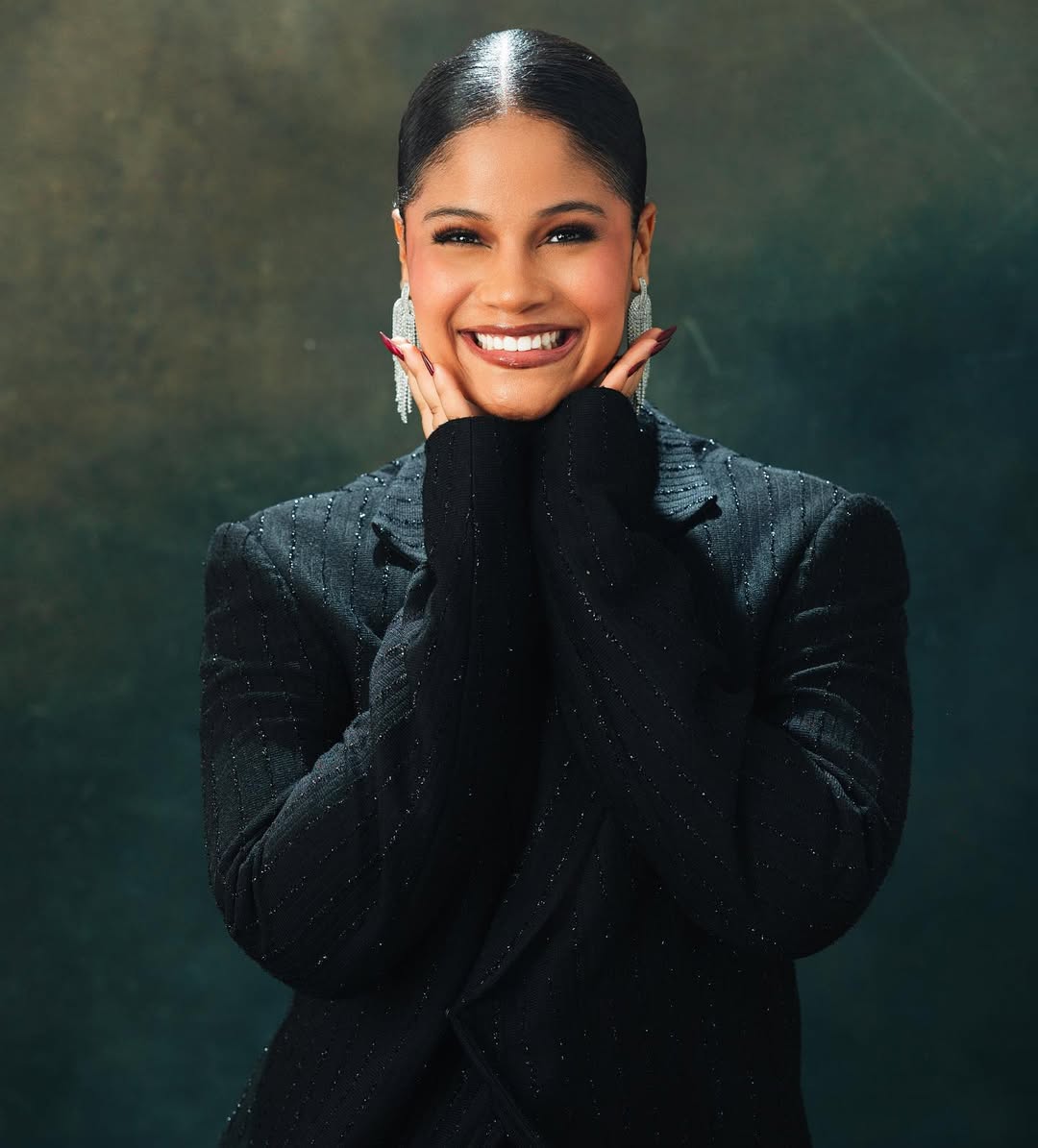
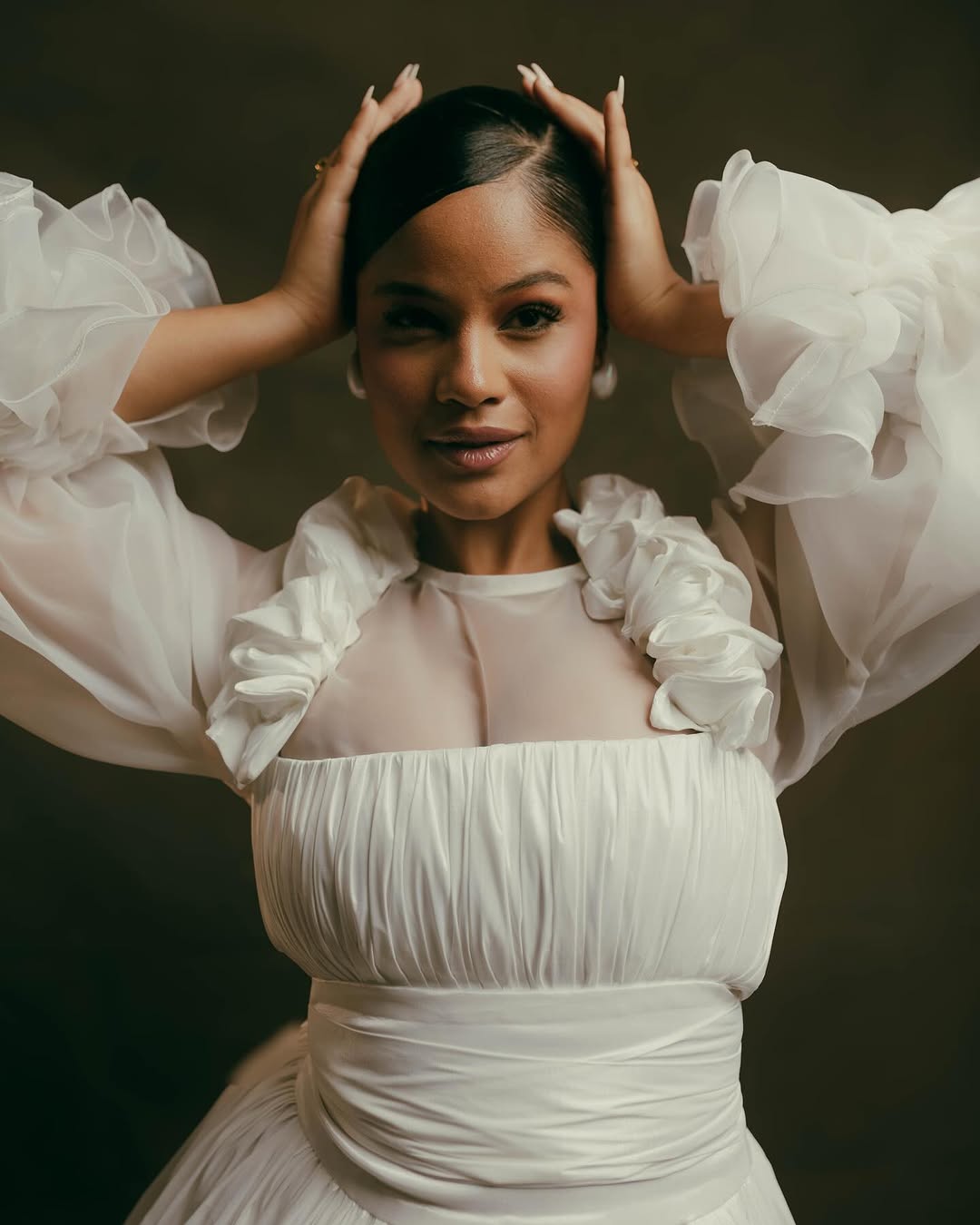
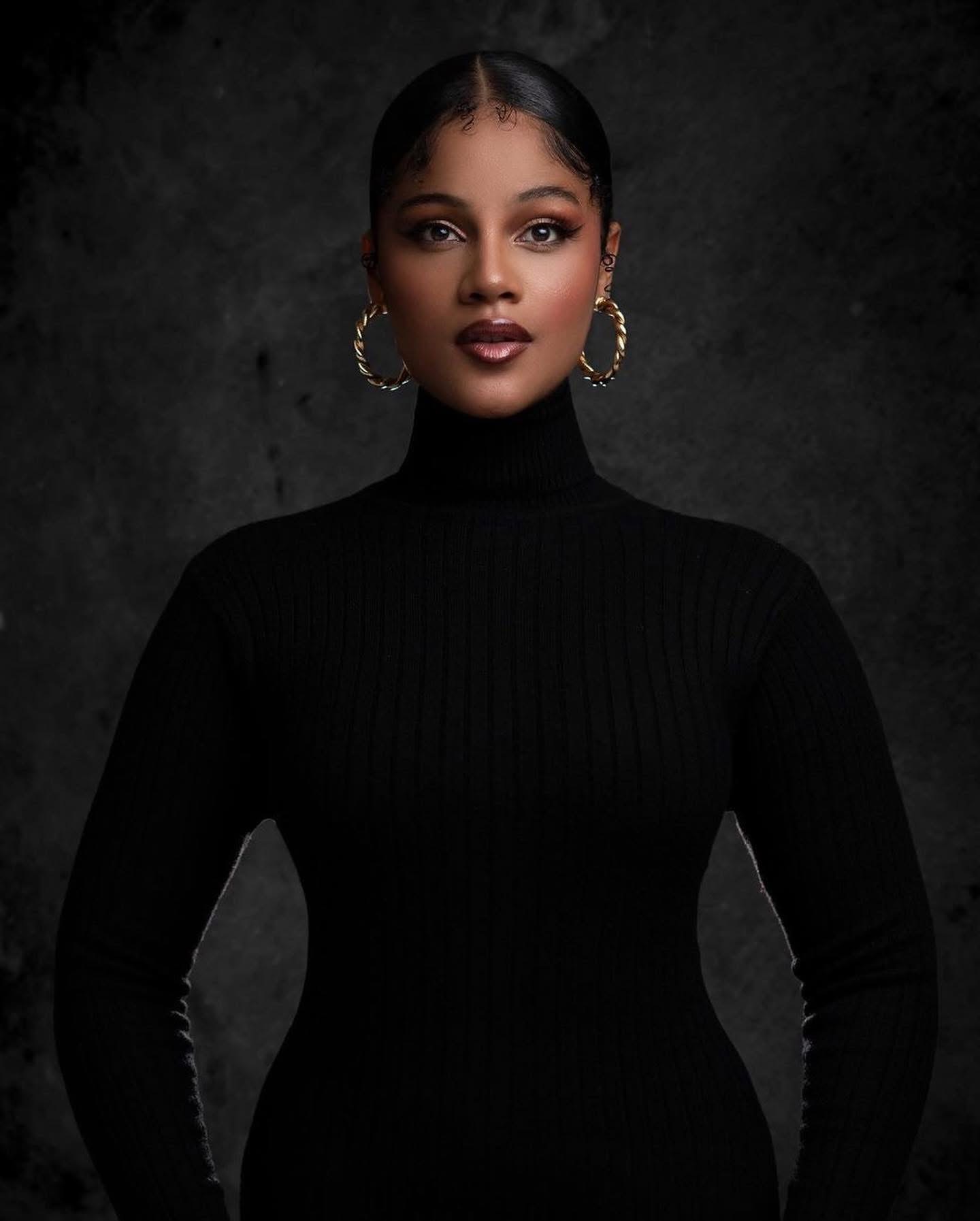
Beauty Queen “Beauty Tukura” indeed looks good in just about anything. But when it comes to posing for a photoshoot, the reality star proves time and again that you can be comfortable, fun, or even tell a beautiful story without uttering words.
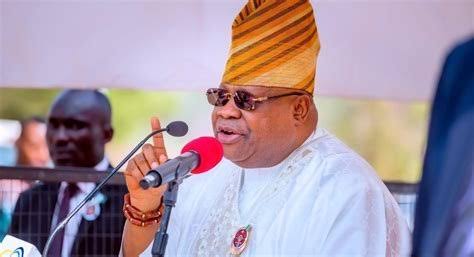
Osun State Governor Ademola Adeleke has delivered a clear message to the Ibadan Electricity Distribution Company (IBEDC): prepare for a new era of accountability. As the Osun Electricity Market Regulatory Bill advances toward becoming law—with the accompanying establishment of an Electricity Regulatory Commission—Adeleke cautioned that unsatisfactory service and consumer exploitation will no longer be tolerated.
Describing epilepsy in power supply across Osun as “unacceptable,” Adeleke emphasized that the state—home to Nigeria’s National Transmission Control Centre—should not suffer consistent service failures while still paying for electricity. He criticized practices such as inflated billing, forced transformer purchases, and lack of functional prepaid metering systems, warning that such infractions will be addressed by the newly empowered state regulator.
The upcoming regulatory agency is designed to oversee licensed power generators and distribution operators within Osun, investigate service complaints, and open the sector to off-grid and renewable energy investments. Adeleke pledged that IBEDC must “sit tight” in anticipation of enforcement measures once the commission becomes operational.
The governor has framed the regulatory reform as both economic lifeline and quality-of-life intervention—calling the law “a major tool to deepen and boost the economy” by protecting businesses and households from power disruption and revenue diversion. He praised the collaboration between the state House of Assembly, Ministry of Energy, and stakeholders whose input shaped the bill.
This move builds on earlier engagements: in April 2025, Adeleke personally met with IBEDC’s Managing Director in Ibadan, reiterating that Osun’s chronic power crisis is untenable and that state efforts to diversify energy sources—including renewable microgrids—must now be respected by operators.
A committee under the Governor’s office—comprised of key commissioners and a private-sector energy analyst—has been tasked with accelerating bill passage, tackling debt owed by communities, and devising methods to secure distribution infrastructure. Adeleke insisted that all communities within IBEDC’s franchise area be properly served under new statutory oversight.
In sum, Adeleke’s warning sets the tone for power-sector transformation in Osun State. IBEDC is entering a regulatory environment it can no longer dominate unchecked. With consumer protections enshrined in law and oversight mechanisms in place, the state’s residents expect tangible improvement—and Adeleke has made clear that failure to deliver will carry consequences once his electricity regulator is in place.
On July 30, 2025, the National Association of Nigeria Nurses and Midwives (NANNM), representing federal health institution staff, began a seven-day nationwide warning strike starting at 12:01 a.m. This follows a failed 15-day ultimatum that expired on July 29 after talks with the federal government collapsed. Nurses have opted for a full withdrawal of services—rejecting even skeletal operations in teaching hospitals and Federal Medical Centres across Nigeria.
Negotiations with the Federal Government, led by the Labour Ministry and attended by entities like the Ministry of Health and the Budget Office, ended without resolution due to absence of key officials, including the Health Minister and Head of the Civil Service. That vacuum stalled progress on critical issues like pay disparity, staffing shortages, and improved hazard allowances.
NANNM’s demands are extensive. They include the formal gazetting of the 2016 Nurses Scheme of Service, implementation of a 2012 court judgment on service conditions, equitable shift and specialist allowances, adequate staffing, creation of a nursing department within the Federal Ministry of Health, inclusion in key decision-making bodies, and centralized postings for graduate nurses.
Union leaders—especially National Chairman Morakinyo Rilwan and National Secretary Enya Agatha Osinachi—expressed frustration over the government’s inaction, noting that nurses have patiently endured poor conditions for over four decades and would no longer be ignored. They insist this strike was initiated by union members, not leadership.
Health sector experts warn the strike may jeopardize emergency care, maternity services, surgeries, and chronic disease treatment. With nurses comprising about 60% of Nigeria’s healthcare workforce—one that has already seen over 75,000 emigrate—this industrial action could precipitate a public health crisis if protracted.
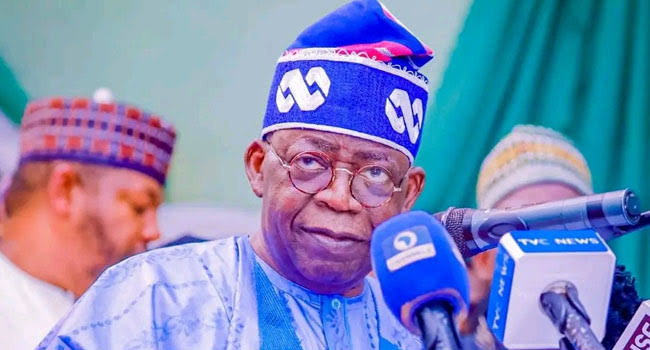
Northern political and traditional leaders recently convened in Kaduna under the Sir Ahmadu Bello Memorial Foundation to rigorously evaluate President Bola Tinubu’s performance as his second year in office concludes. The forum, themed “Assessing Electoral Promises: Fostering Government-Citizen Engagement for National Unity,” sought to determine whether Tinubu has upheld commitments made to the region, especially given that the North delivered approximately 60% of the votes that secured his victory in 2023.
Some attendees, including the Northern Governors’ Forum chair, highlighted tangible progress—such as completion of the Abuja–Kaduna–Kano expressway, steps to revive the Kaduna refinery, development of the Kano–Katsina–Maradi rail corridor, and oil drilling at Kolmani fields. Enhanced security efforts include elimination of over 300 bandit and terrorist commanders, and the establishment of a Ministry of Livestock Development targeting long-standing pastoral crises. While acknowledging hardship from fuel subsidy removal and naira reforms, participants described these policies as necessary steps toward fiscal stabilization.
Nevertheless, discontent remains widespread. Critics argue Tinubu has disproportionately allocated appointments, projects, and policy support to the South West, his geopolitical base, undermining the federal character principle. Senator Ali Ndume and lawmakers from the North East have publicly complained about exclusion from agricultural initiatives and ministerial positions—charging that this imbalance betrays the North’s electoral support and stifles regional advancement.
The debate over a 2027 power shift has further intensified. Simon Lalong and other northern APC governors in 2022 supported rotation before Tinubu’s ascension, emphasizing national stability rather than personal loyalty. But now, as 2027 approaches, northern elites appear deeply divided: some favor a return of power to the North, while others advocate performance-based decision-making over regional entitlement.
The Arewa Consultative Forum (ACF) reflects this split. While it officially remains nonpartisan, some voices within—such as its spokesman—have openly criticized Tinubu’s record as “abysmal” and “disastrous,” questioning whether the momentum of delivering a second term should hinge on geography rather than competence. He insisted: “Governance should be about delivery, not geography.” Others, including the Northern Elders Forum, advise transcending regional politics in favor of merit-based leadership.
In response, supporters within the region—such as Arewa Think Tank and segments of the Northern Governors’ Forum—have reaffirmed backing for Tinubu, celebrating his efforts on security, infrastructure, and economic reforms. They argue that his administration merits continued trust, even amid policy backlash on tax reforms and fiscal hardship.
The contentious VAT reform bill exemplifies the regional friction: proposed changes favor tax-contributing southern states at the expense of scheduling based on population—damaging to more populous but economically weaker northern regions. Northern lawmakers have delayed the bill in protest, framing it as evidence of policy bias and poor consultation.
Amid escalating rural violence—particularly the killing of more than 150 people in north-central Nigeria and large-scale displacement—the region remains deeply frustrated. While Tinubu has pledged action and convened security task forces, critics blame lack of implementation and slow response for the crisis’s persistence.
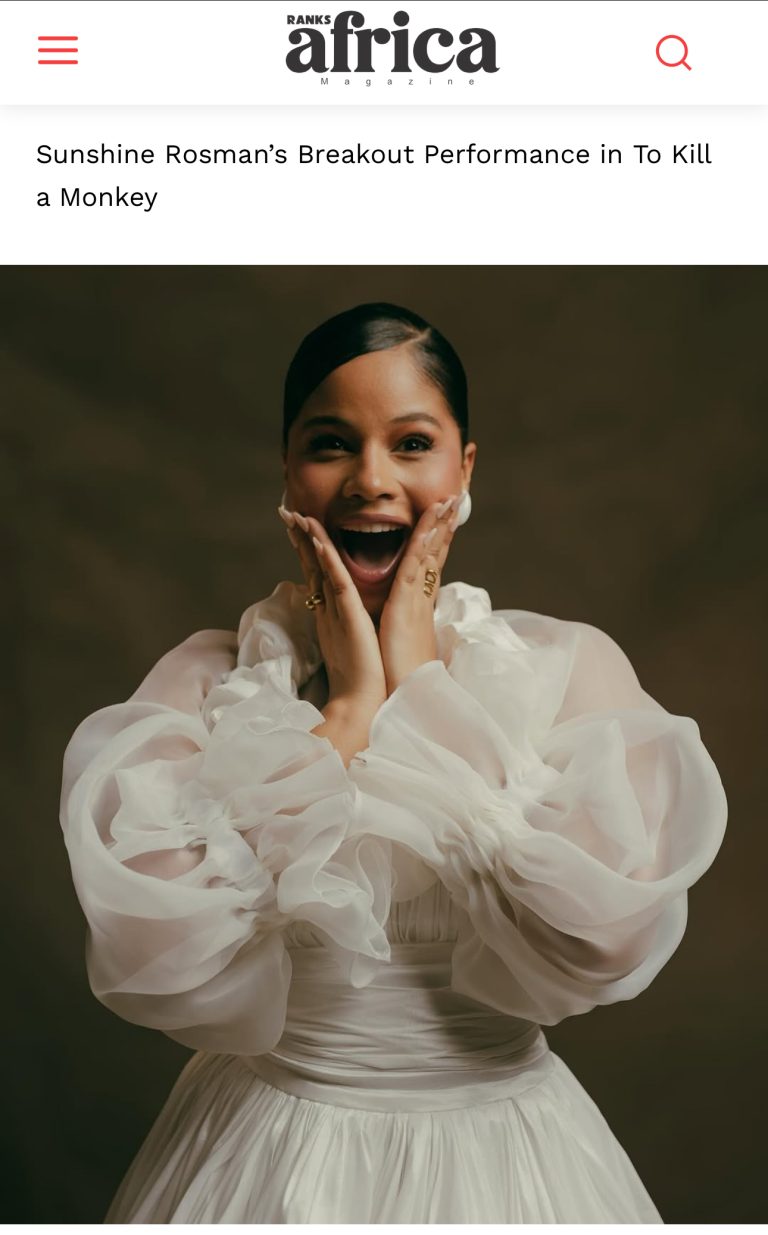
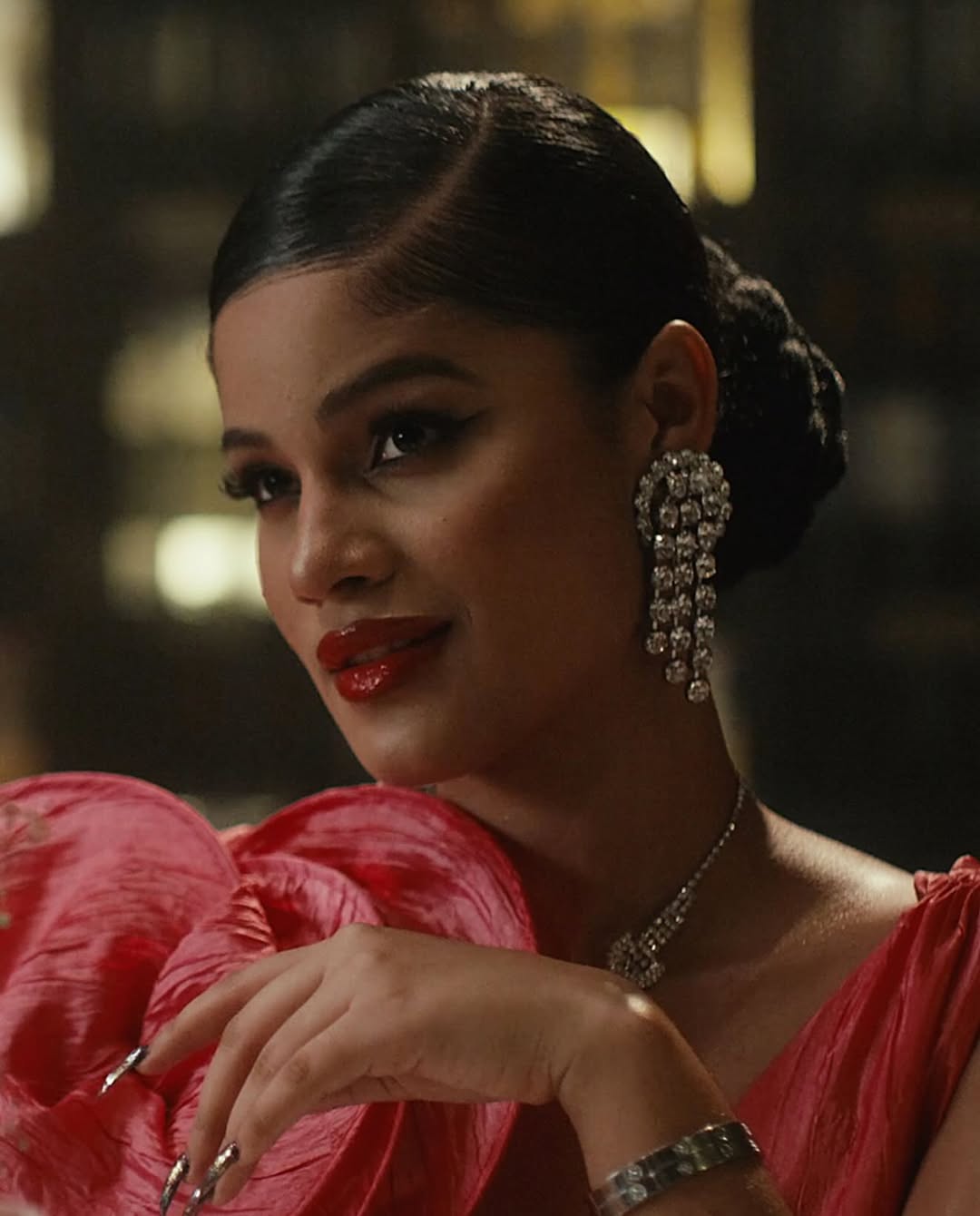
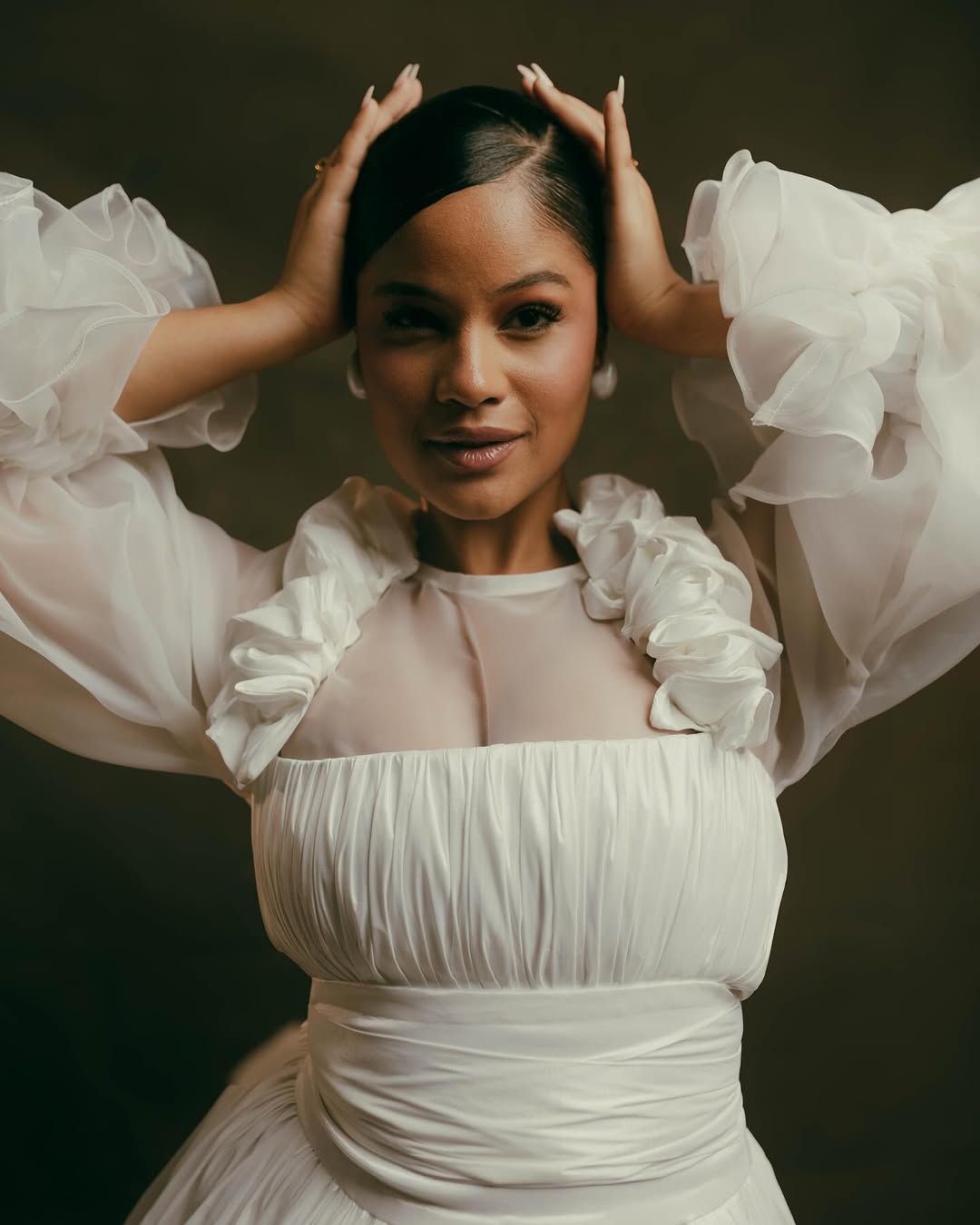
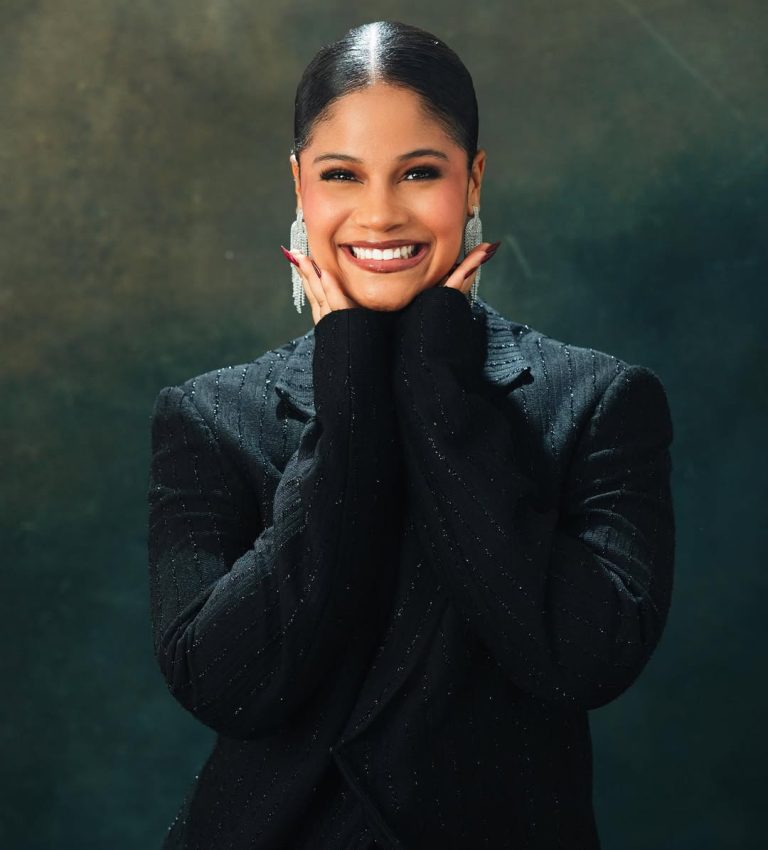
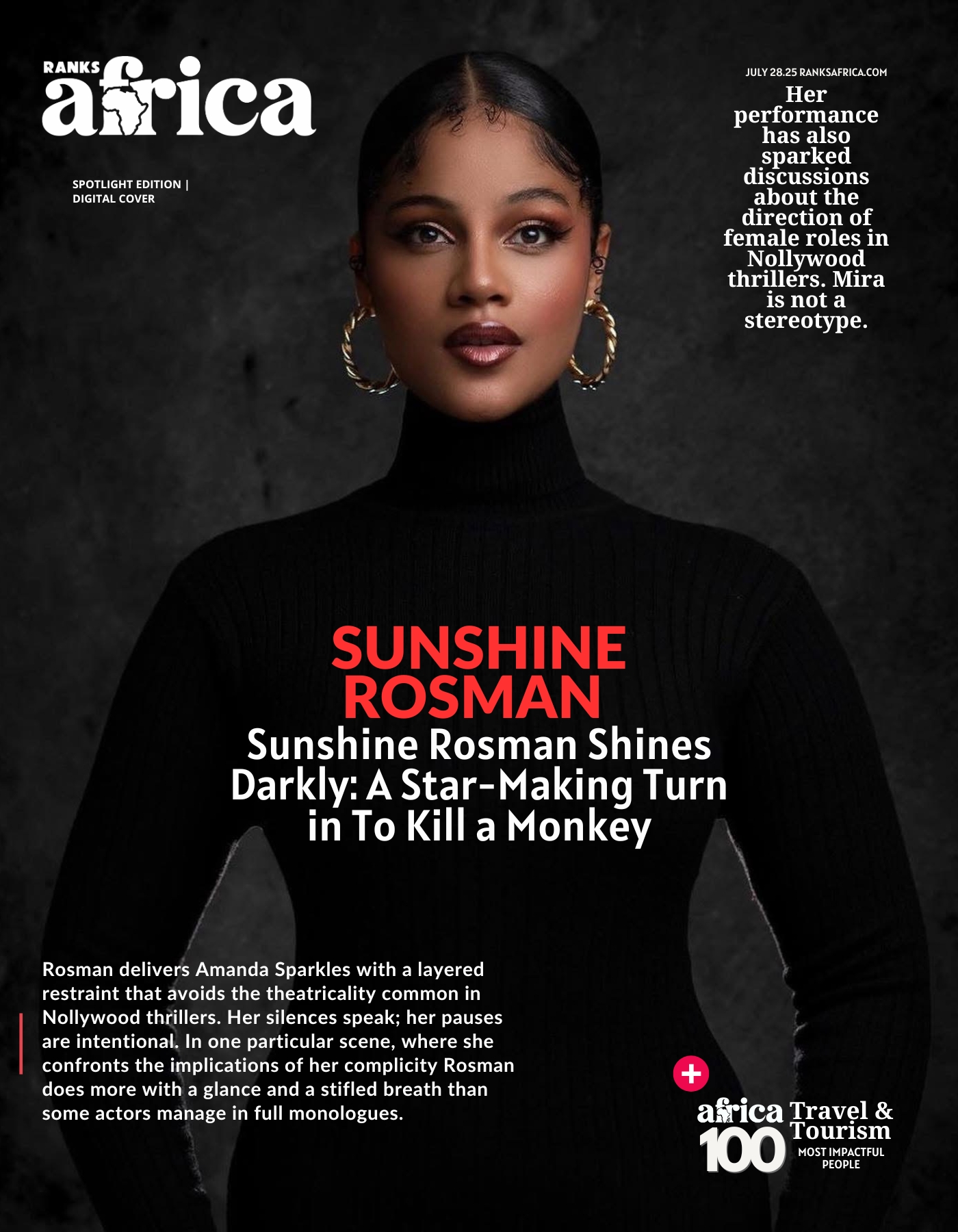
In a film industry brimming with charisma and competition, few performances this year have struck a chord quite like Sunshine Rosman’s haunting turn in To Kill a Monkey. Directed by Kemi Adetiba, the psychological thriller offered a sharp, stylized look at corruption and conscience. But beneath the bold camera work and layered plotting, it was Rosman’s quiet intensity that lingered.
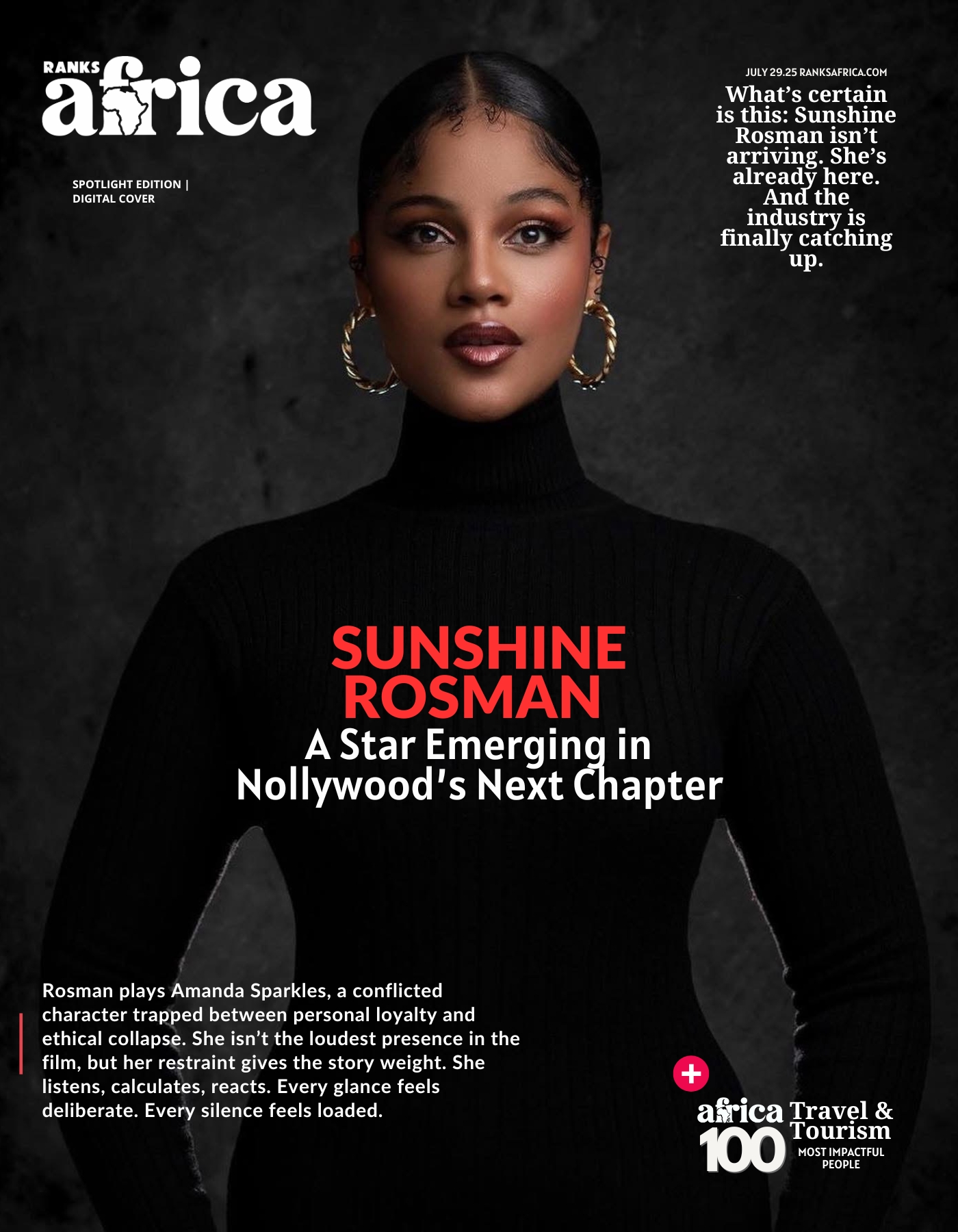
Rosman plays Amanda Sparkles, a conflicted character trapped between personal loyalty and ethical collapse. She isn’t the loudest presence in the film, but her restraint gives the story weight. She listens, calculates, reacts. Every glance feels deliberate. Every silence feels loaded.
This role marks a turning point in Rosman’s journey—from commercial-friendly supporting roles to complex, emotionally charged leads. While she’s been building her career steadily, To Kill a Monkeyreveals a depth not previously given room to unfold on screen. Amanda Sparkles is a role that could easily have been overlooked in the wrong hands. With Rosman, the character becomes a moral anchor in a story built on deception.
Precision Over Performance
What makes Rosman stand out isn’t theatrics. It’s control. She approaches scenes with the kind of discipline often reserved for seasoned character actors. Whether facing off against William Chinoyenem’s volatile Efe or navigating the tension-laced silence of Adetiba’s long takes, Rosman never overreaches. She trusts the material and lets the moment speak.
Her ability to carry emotional complexity without dialogue without needing to explain, is what turns her from a promising talent into a serious contender for long-term impact in Nollywood.
The Rise of a Serious Actor
In a time when popularity often overshadows craft, Rosman represents something different. She’s not trying to dominate headlines. She’s trying to build a body of work. And that difference shows. Her choices speak of long-game thinking—of roles selected for their depth, not just visibility.
Directors have taken note. So have viewers. So have critics, many of whom have cited her performance as one of the year’s most emotionally grounded in a major Nigerian release.
What’s Next for Rosman?
If there’s a roadmap to lasting relevance in Nollywood, Rosman seems to be following it with quiet precision. A few more roles and she won’t just be the breakout of this year—she’ll be a fixture.
What’s certain is this: Sunshine Rosman isn’t arriving. She’s already here. And the industry is finally catching up.
In a crowded field, she’s choosing silence over spectacle, depth over drama—and that may be her greatest strength yet.
Sunshine Rosman’s Breakout Performance in To Kill a Monkey
In To Kill a Monkey, Kemi Adetiba’s high-stakes psychological thriller, a new cinematic force emerges with quiet intensity and undeniable presence Sunshine Rosman. Best known until now for supporting roles and commercial appearances, Rosman’s performance in this film signals a pivotal shift not just in her career trajectory but in the landscape of contemporary Nigerian acting. Her portrayal of Amanda Sparkles, a character balancing vulnerability with veiled menace, holds the film’s emotional gravity in ways that linger long after the credits roll.
The Role: Amanda Sparkles, the Moral Dilemma Personified
Amanda Sparkles is not a lead in the traditional sense, she is neither the loudest voice in the room nor the most visible agent of chaos. But she is its moral hinge. Cast as a seemingly peripheral figure in a story thick with deceit, power, and psychological warfare, Mira emerges as the conscience of the plot. It’s in this paradox her stillness amidst narrative chaos—that Sunshine Rosman thrives.
Rosman delivers Amanda with a layered restraint that avoids the theatricality common in Nollywood thrillers. Her silences speak; her pauses are intentional. In one particular scene, where Amanda Sparkles confronts the implications of her complicity Rosman does more with a glance and a stifled breath than some actors manage in full monologues. It’s a performance grounded in emotional intelligence rather than spectacle.
Craftsmanship and Physicality
Rosman’s physical choices throughout the film are notably precise. She walks as though carrying weight, and her eyes often search for exits emotional, moral, literal. This subtle physical coding reflects a character who is present yet always preparing to leave. Director Kemi Adetiba allows the camera to linger on Rosman during these moments, offering viewers the chance to read her internal script. It’s in these long, unspoken stretches that Rosman reveals the full scale of Amanda’s torment and ethical uncertainty.
The tension between her loyalty and fear, her agency and entrapment, is something Rosman communicates through tightly controlled gestures. She shifts from soft defiance to silent surrender with eerie grace, keeping the audience unsure whether she will break or break out.
Chemistry and Character Dynamics
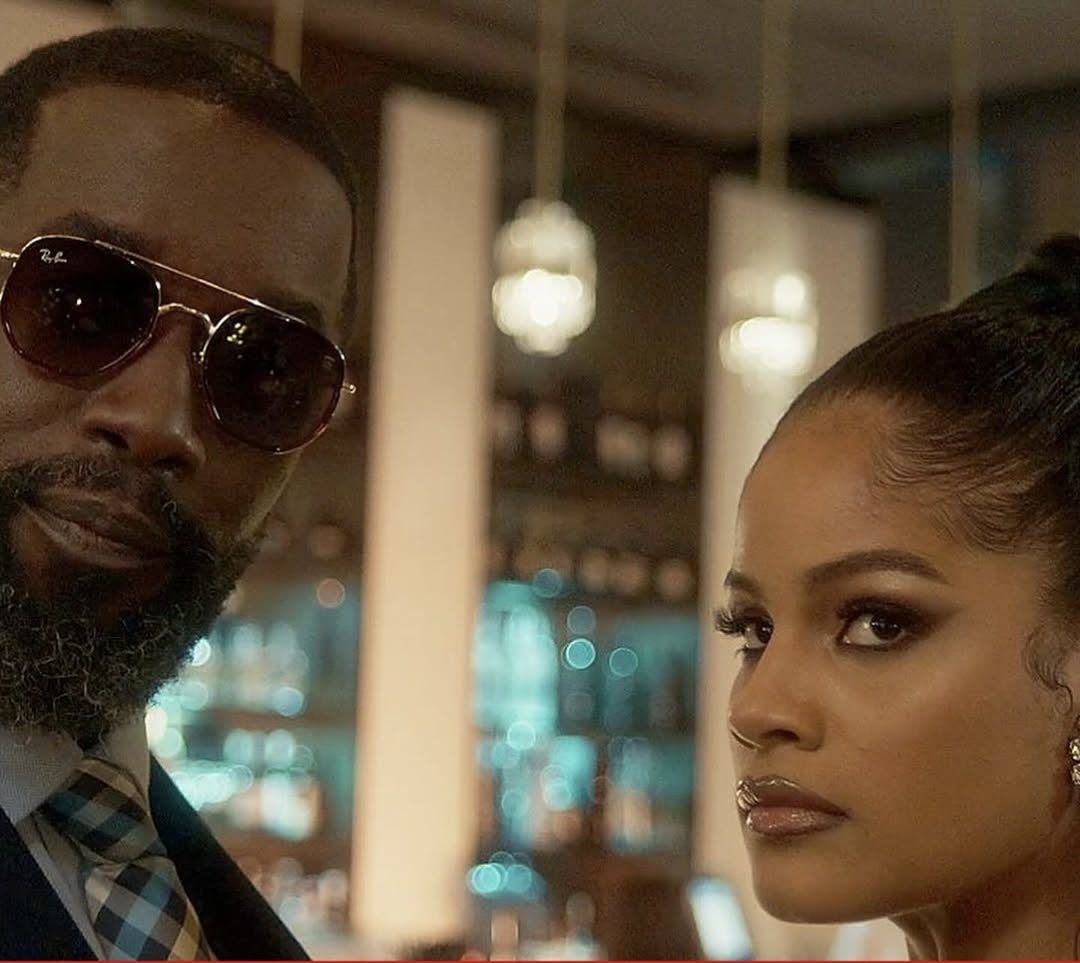
Rosman’s scenes opposite William Chinoyenem (who plays Efe) are particularly charged. The dynamic between them veers from co-conspiratorial to emotionally antagonistic. Rather than falling into romantic tension or sibling-style banter, their chemistry pulls in a third direction power balance.
Rosman’s she often meets Chinoyenem’s intensity with stillness, creating a mirror that reflects and distorts his choices. In doing so, she elevates not only her own character but the performances around her. It is a quiet mastery: she makes her scene partners better by giving them space to burn while she smolders.
Directorial Collaboration
Kemi Adetiba, known for pushing her actors to dig deeper, clearly trusted Rosman to build Amanda Sparkles from the inside out. In interviews, Adetiba described casting Amanda Sparkles as “the most delicate choice in the entire production.” That delicacy is preserved in the final cut.
Rosman’s performance suggests a strong collaborative process behind the scenes. Adetiba’s signature style long takes, minimal cuts, and layered dialogue demands precision and patience. Rosman meets the challenge with a composure that suggests not just talent, but deep preparation. She is neither over-directed nor indulgent. She strikes the balance that keeps Amanda Sparkles real.
Impact and Critical Reception
Critics have described Rosman’s performance as “a revelation,” with The Lagos Review calling her “the film’s quiet storm.” On social media, viewers praised her ability to “haunt a scene without speaking a word.” For an actress still regarded as an emerging talent, such acclaim is rare and deserved.
Her performance has also sparked discussions about the direction of female roles in Nollywood thrillers. Amanda Sparkles is not a stereotype. She is not a femme fatale, a damsel, or a sacrificial lamb. She is something else entirely flawed, reactive, calculating, and caught. Rosman makes her real, and in doing so, makes the genre richer.
What This Means for Rosman
To Kill a Monkey is more than a breakout role, it’s a pivot. Sunshine Rosman has moved from the margins to the center of serious conversation about the next generation of Nigerian screen talent. She has demonstrated the kind of range, discipline, and interpretive skill that opens doors across genres and industries.
Producers and casting directors would do well to recognize that Rosman is not merely a capable actress—she is a craftsman. She builds character the way a sculptor works with marble: slowly, intentionally, leaving no motion unmeasured.
Final Thought
In an era where spectacle often overshadows sincerity in performance, Sunshine Rosman’s portrayal of Amanda Sparkles reminds us that acting is still, at its best, a study in truth. Whether To Kill a Monkey earns cult status or fades into the stream of seasonal hits, Rosman’s performance will remain one of its lasting achievements.
This is not a star emerging. This is a serious artist arriving.
The wait is finally over! Big Brother Naija Season 10 has now completed its housemate lineup with the unveiling of the male housemates during Sunday night’s live show.
The wait is finally over! Big Brother Naija Season 10 has now completed its housemate lineup with the unveiling of the male housemates during Sunday night’s live show.
Just a day after 15 female housemates were introduced, the guys made their grand entrance—bringing with them confidence, charm, and plenty of personality. From their walk-ins to their eye-catching outfits, the energy was electric as fans got their first glimpse of what promises to be an intense and unpredictable season.
With a mix of bold ambition and unique vibes, the full house is now set—and the real game begins. Let the drama, strategy, and entertainment roll!
1. Koyin is Ogun State’s sweetest vibe
Koyin, 21, from Ogun State is a Leo with vibes and 10/10 energy. Model, party monster, and snub King. Two girls fighting for him? Let’s go! Ambitious, salty, but ready to glow up. Wild that girls confuse him sometimes.
This model and singer is serving fashion, charm, and honeyed energy all season long. Single and ready to mingle, Koyin won’t be caught fighting or causing drama in the house. But if you lie or disrespect him, expect your name on his nomination list.
2. Danboskid is a 10 across the board
Danboskid, 25, Aries from Ekiti. Mr Ideal Nigeria 2024. From mixing cement to flexing on international stages. Gym freak on a mission, love on pause, grind on full volume.
From Ekiti State, this actor and model is ready to bring his real self to the House. Single and open to a connection if the vibes match, Daboskid won’t be caught having sex in the house, but he’s here to keep things spicy and entertaining.
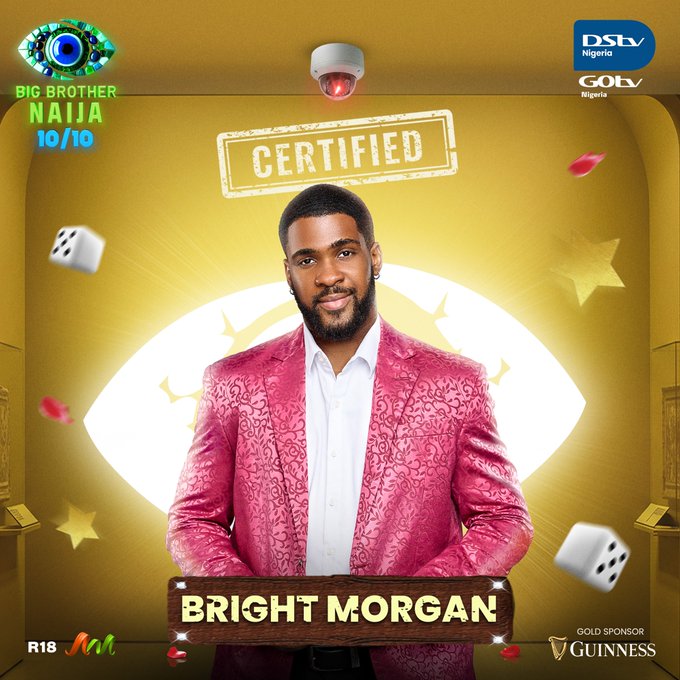
3. Bright Morgan’s got humour, heart and hustle
Bright Morgan, a 27-year old actor, cook, gym rat and reader from Imo State, is ready to shake the TL and, btw, JBOL in serious situations.
Bright is calm, collected and always cracking a joke. A proud athlete who’s ready to dominate the games and own the dance floor. He’s a lover at heart, but steal something? That’s the quickest way onto his nomination list.
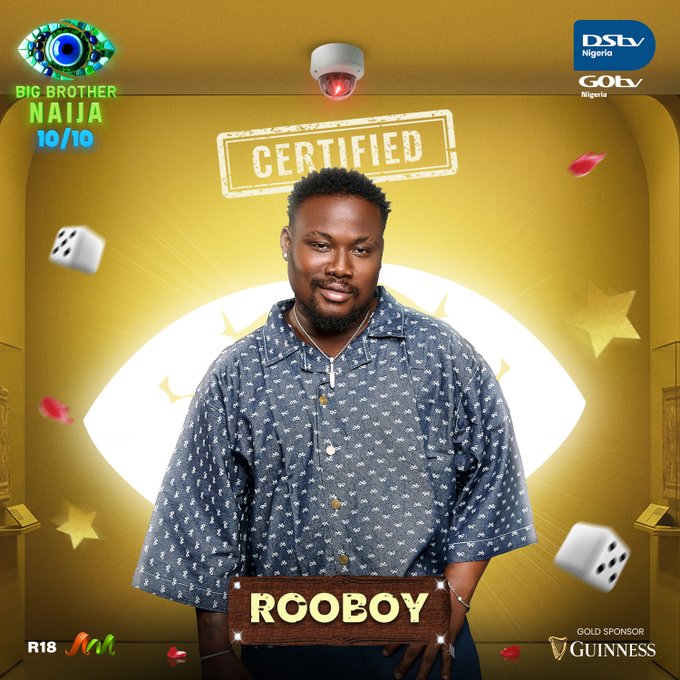
4. Meet Rooboy, the hypeman with energy and style
Rooboy, 29, Cancer from Ogun State, is loud for a living, and real by default. The blunt boss is a hypeman and a performer with unfiltered bars in his toolkit. Keep it real or keep it on the playground!
This TV personality and hypeman knows how to keep the energy right. Single and focused, Rooboy won’t be caught chasing girls or causing drama. He’s here to mind his business and bring good vibes only.
5. Faith is the doctor who’s diagnosing the drama
Doctor by day, flirt by energy. Faith (25) from Osun is bringing brains, gbas gbos, and maybe a little polyamorous mischief.
This empathic doctor is ready to keep the house healthy, both emotionally and strategically. He protects the underdogs and fights bullies, but he’s not here to play soft. You won’t catch him being boring, but weak players? He’ll nominate them fast.
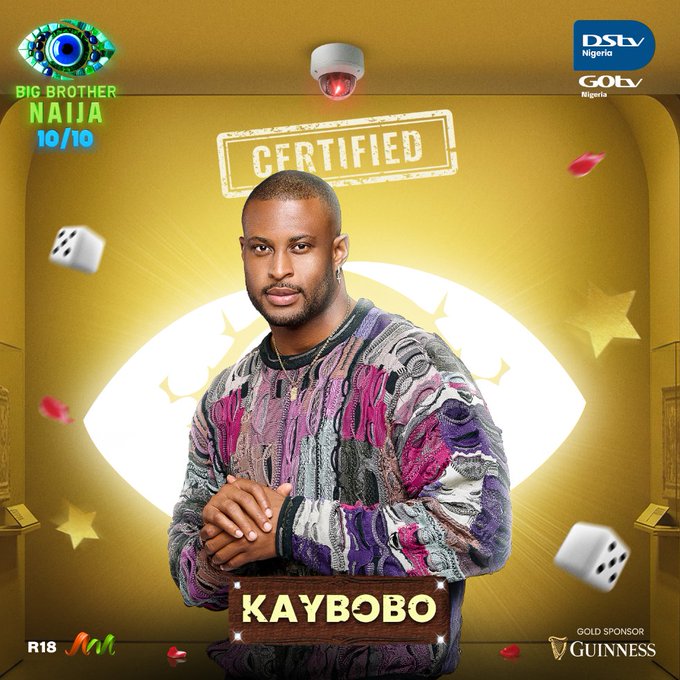
6. Kaybobo is bold, brainy, and built for this
10s only and it shows! Biggie just imported a whole NFL-grade fine boy Meet Kaybobo, 26, repping Ekiti and making global tackles. The league is: Pro American footballer, poet, and a real-life green flag. Top scores in the pitch, and 10/10 in the house.
He’s not here to fake friendships or chase clout – he’s bringing real strategy, clean energy and community spirit. Betrayal is a no. Dishonesty? That’s a 0-10 switch.
7. Chef Otega is serving more than just good food
A tech bro turned chef with a heartbreak hangover? We are sat. Otega, Delta’s 32-year-old Aries, is deep, layered, and lowkey dramatic. Expect food crash outs and midnight therapy sessions.
This 33-year-old Delta State chef is here to spice things up with authentic vibes and real culinary skill. You won’t catch him fornicating in Biggie’s House or faking a ship for clout – but if you’re boring or dishonest? He’s putting you on that nomination list.
8. Denari is chill, chatty, and ready to make a splash
Denari, 27 from Anambra, is funny, unfiltered and finally getting his shot. He mimics accents like a pro and lives for food, football, and flexing his zero-commitment energy. Biggie’s house won’t know peace with this one.
Hailing from Anambra State, Denari’s chill, creative and always ready to talk about everything under the sun. He wants to be caught doing everything in the house: no slacking here! But lazy feet and slow movers? They’ll feel his nomination heat.
9. Kola is sharp, his game even sharper
Kola is 28 years old from Ekiti. Quality Analyst by day, content creator by hustle.
Here to flip the script, bring subtle spice and authentic aura in Biggie’s house. Calm but unforgettable. Soft era, but don’t test him.
Chill, stylish, and sophisticated, Kola’s clean-boy aesthetic speaks for itself. You won’t catch him arguing or caught up in drama — but disrespect or bad vibes? That’s a nomination waiting to happen.
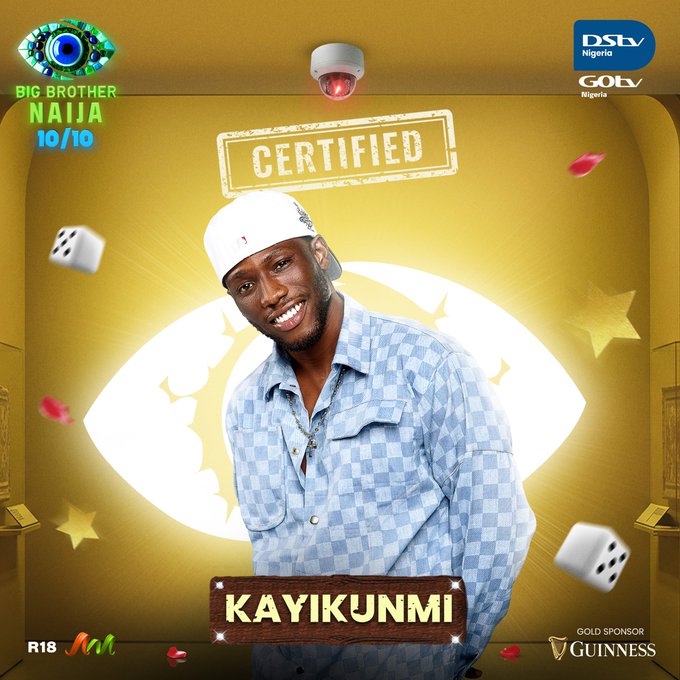
10. Kayikunmi’s the fashion-forward mischief maker
Loud. Funny. Unbothered. Kayikunmi, 25, from Ekiti State, is that soft life guy with wild stories and a wild heart. He plays polo by day, causes small-small trouble by night. And yes, he loves love. Biggie, are you SURE your house is ready?
With a body built in the gym and a brand built from scratch, this fine boy came to entertain. He’s single, stylish, flirty and ready to connect. But move sneaky, and your days are numbered.
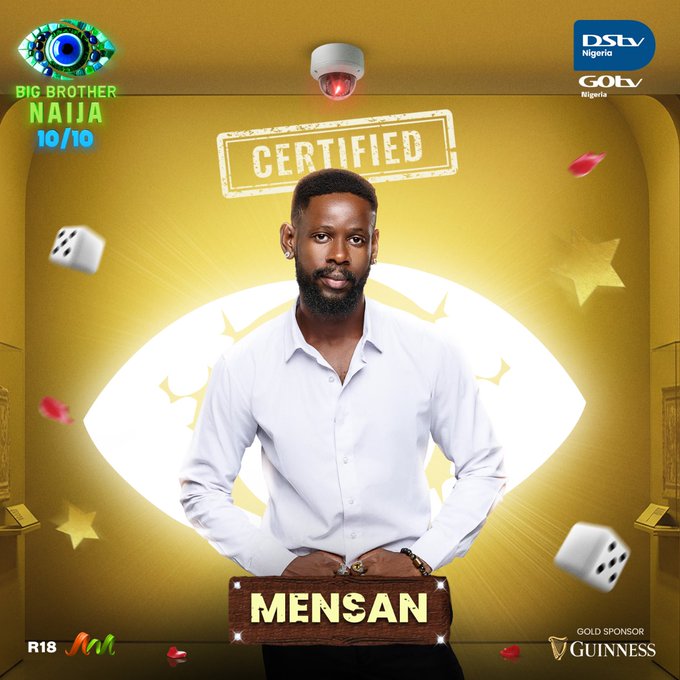
11. Kaybobo is bold, brainy, and built for this
Meet Mensan, 29, repping Rivers with swagger, ginger, and mic-drops that will keep you tuned in like a light. He clocks game, and is on his journey to becoming a lawyer. He’s also the “sweet bad guy” you can’t wait to hang with.
He’s not here to fake friendships or chase clout – he’s bringing real strategy, clean energy and community spirit. Betrayal is a no. Dishonesty? That’s a 0-10 switch.
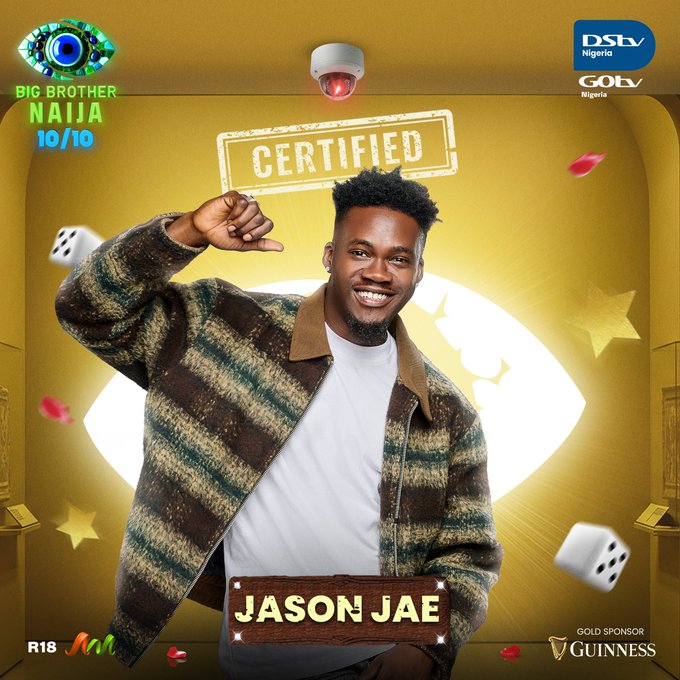
12. You can’t ignore Jason Jae’s electric energy
Exotic dancing, sensual massages, and chaotic love triangles? Jason Jae (29) from Ondo is teasing Magic Mike + lover boy energy.
He’s flirty, he’s vibey, and he might be too hot to handle.
Creative, high-energy, and always on the move, Jason Jae refuses to bring boring to Biggie’s House. You won’t catch him sleeping, faking feelings or playing characters. If you do, you’re on his nominations radar.
You can’t ignore Jason Jae’s electric energy
Who will steer the R55bn MultiChoice and Canal+ marriage?
There’s a new power couple in African media. After nearly five years of courting, Canal+ has finally put a ring on MultiChoice to form a pan-African content colossus with global ambitions.
French media titan Canal+ has secured the final go-ahead to acquire MultiChoice in a landmark R55-billion deal. After years of quiet manoeuvring and regulatory hurdles, the merger is now a question of who controls what.
The Competition Tribunal’s conditional approval, granted late last week, closes the chapter on a five-year “creeping takeover” and opens a new era in African broadcasting.
advertisement
Don’t want to see this? Remove ads
Now it’s a balancing act weighing foreign capital with national sovereignty on a digital scale with local content.
Enter the media monarchy
In return for its princely sum, Canal+, owned by the French conglomerate Vivendi, gets access to MultiChoice’s 14.5 million Anglophone and Lusophone subscribers, the DStv powerhouse, sports juggernaut SuperSport, and a foothold in streaming via Showmax.
MultiChoice, facing rising costs and subscriber declines, finds itself rescued by a suitor with deep pockets and pan-African ambition. Combined, the merged entity will serve more than 24 million subscribers across 50 countries — instantly becoming the largest pay-TV and streaming provider on the continent.
However, if Canal+ was hoping for free access, South African regulators had other plans. The deal’s approval came wrapped in layers of red tape — not as a deterrent, but as a deliberate design feature.
Transformation goals
Central to the regulatory conditions is the creation of LicenceCo, an independent company that will hold MultiChoice South Africa’s broadcast licence. It will be majority-owned and controlled by historically disadvantaged South Africans and employees. Crucially, Canal+ has no control and no board seats.
This structural firewall protects South Africa’s legal requirements around media ownership, ensures transformation goals are met and serves as a template for foreign investment in other sensitive sectors.
Phuthuma Nathi, the B-BBEE shareholder darling, increases its economic interest in LicenceCo to 27%, with a new employee trust added. The licence, and the local airwaves it governs, stay South African.
The R30bn lobola
The Competition Tribunal didn’t just demand structural separation; it also extracted a commitment package valued at more than R30-billion.
This includes:
A three-year moratorium on retrenchments linked to the merger;
Significant investment in local content production, sports broadcasting, SMME procurement and Corporate Social Investment programmes;
Ongoing free-to-air broadcast access for key sporting events, safeguarding the public’s ability to view major matches without a subscription; and
Local skills development through Canal+’s “University Programme”, to train historically disadvantaged individuals in broadcasting and production.
In a media environment where Netflix and Amazon Prime are increasingly dominant, this local-first approach is designed to future-proof South African media.
Showmax, SuperSport and scale
Behind the regulatory muscle lies a clear commercial imperative. MultiChoice has struggled in recent years, shedding 2.8 million linear subscribers and burning cash to prop up Showmax 2.0, its streaming reboot built on Comcast tech and bolstered by NBC Universal’s 30% equity stake.
advertisement
Don’t want to see this? Remove ads
Canal+ brings financial stability and scale. It also inherits Irdeto, MultiChoice’s profitable cybersecurity unit, and Showmax’s potential to become Africa’s answer to global streamers.
Vivendi, Canal+’s parent company, views this merger as critical to its own transformation and part of a plan to split into three listed entities, with Canal+ as its global growth engine. Listing Canal+ on the JSE within nine months of deal completion is a further nod to local inclusion, visibility, and capital market confidence.
The shiny ring can’t cover controversial holes
While South Africa celebrates a structurally sound deal with tangible local benefits, not all observers are convinced.
Critics warn that Canal+’s track record and the Bolloré Group’s 30.4% stake in it come with baggage. Vivendi’s past includes one of the largest corporate losses in history and regulatory infractions that still cast a shadow.
Vincent Bolloré, the billionaire behind the curtain, faces corruption charges in France and has been accused of turning Canal+’s French media outlets into right-wing political mouthpieces.
With Canal+ now embedded in South Africa’s broadcasting ecosystem, some fear creeping influence over editorial independence, particularly if there are future attempts to deepen ownership or control beyond the current firewall.
advertisement
Don’t want to see this? Remove ads
Marriage isn’t buying a horse
Mergers are easy to announce but hard to manage. However, the competition bodies have played their hand cleverly — extracting commitments, safeguarding jobs and setting a precedent for how global capital must behave when it enters South Africa’s strategic sectors.
The long-term test lies ahead. Can Showmax truly compete with Netflix? Can SuperSport keep its sports crown as global streamers outbid for rights? Will LicenceCo be a transformative force or a regulatory box-ticker? Will Canal+ respect the firewall, or try to chip away at it over time?
The merged entity is now king of the hill in African broadcasting, but it’s a kingdom that won’t run on size alone. Trust, execution and transformation will be the currencies of success. DM
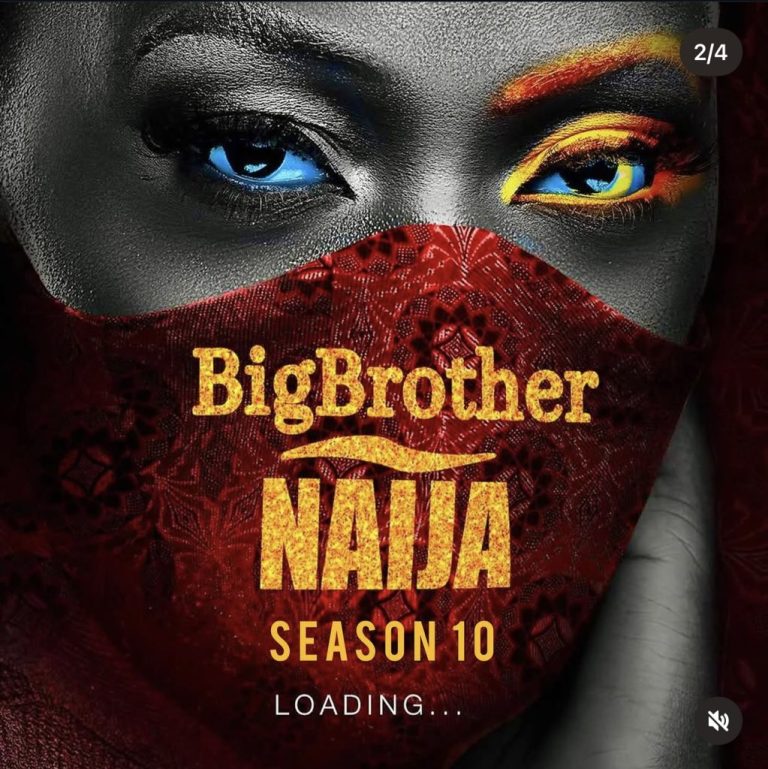
The much-anticipated Big Brother Naija Season 10, aptly themed Double ‘10/10’, has officially kicked off with a dazzling two-day premiere that aired on July 26th and 27th, 2025.
With viewers across Africa already hooked, the stage is set for 10 electrifying weeks of drama, strategy, alliances, and jaw-dropping twists. The excitement hit a high during Saturday’s live launch, where the first set of housemates made their grand entrance into the stunningly revamped Big Brother house.
From bold personalities to intriguing backstories, this season promises to deliver a cast like never before—each housemate bringing something unique to the table.
So, who are these fresh faces ready to shake the house and steal the spotlight?
Let’s meet the housemates of BBNaija Season 10: ‘10/10’.
Meet Zita, the queen of keeping it real
Zita is a 33-year-old actress from Imo State who’s walking into the Big Brother Naija house with confidence and chaos in perfect balance. Whether she’s flipping mid-air or flipping a script, she always stands her ground. Strong-willed, dramatic, and deeply self-aware, Zita is ready to show Nigeria exactly who she is.
She’s a 10 both inside and out: smart, stunning, and self-made. Zita is a model, brand owner and content queen who’s never been in a relationship, thanks to chaotic love interests and high standards. She won’t fake it for the camera, and she’s definitely not the one to take advantage of.
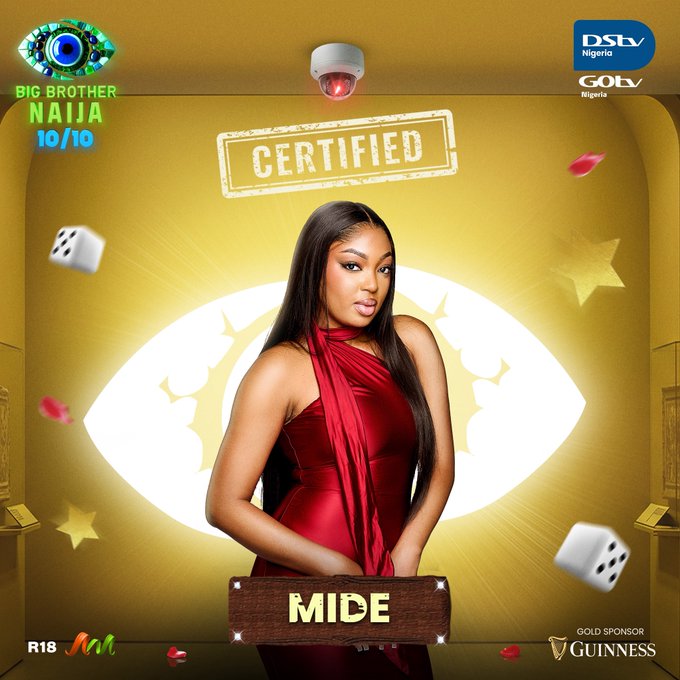
Lagos-bred Mide’s not just a pretty face
Mide is a 23-year-old entrepreneur from Ondo State with big dreams of launching an acting career. She’s fun, flirty, and always watching. Known for her bold personality and trust issues that come from lived experience, she is here to stir things up and maybe catch feelings. Or not.
Single, smart, and not here to nap her way through the game, mixologist Mide’s ready to get the whole House turned up. Describing herself as smart, caring, and funny times two, Mide reckons she’s the one to watch this season.
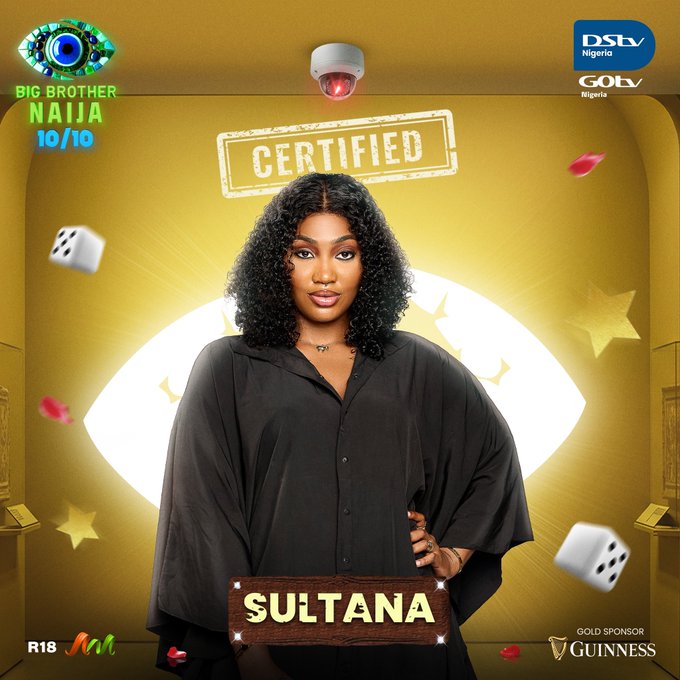
Sultana is playful, pretty and poised
Sultana is plus-size model, pretty and bouncing with personality. The 25-year-old from Adamawa State is not your regular girl. She’s unpredictable, unbothered and coming for the crown, curves in tow. Say “Hi” to a Gemini with spice, sauce and serious side-eye.
This beautician is ready to serve mischievous energy with a side of class. She’s not interested in gossip and is, instead, set on winning and making a name for herself! Nothing flips her switch like a false accusation – so play nice, or get nominated.
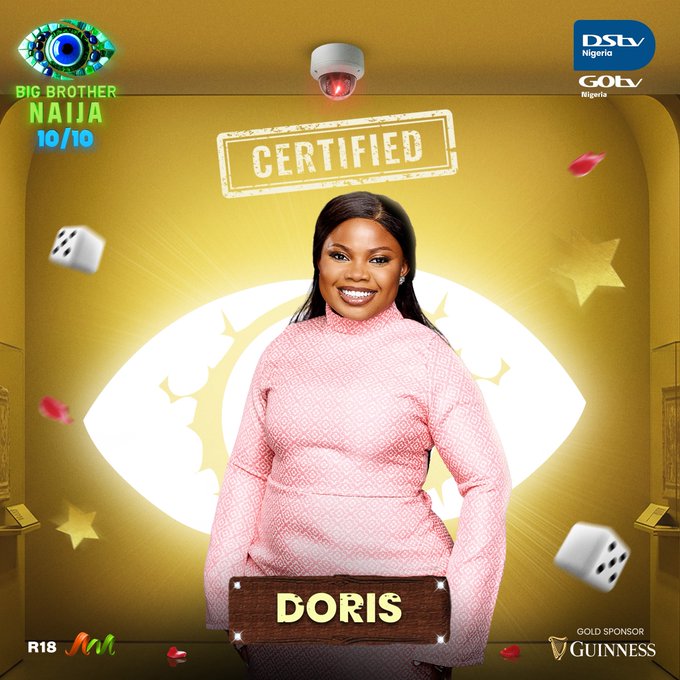
Doris is the new face of sexy-smart
This one? Main character, no extras. While Doris is “intensely single”, she’s clued up on the tea. From Ogun State, the 24-year-old Aries diva is a content creator ready for cry angles on the left, and vibes on the right.
Describing herself as a 10 over 10, Doris says she brings vibes, laughter and emotions into whichever room she enters. Although she’s feisty, she knows when it’s time to keep it serious and put in the work.
Adding super to the star that is Big Soso!
Chef. Lawyer. Big Soso with the sauce o! Kaduna’s 5-Spice Queen brings a mission to rep the North, and make it delicious. “I want young girls to see that you can be a boss and still hold it down at home.”
Chef, lawyer and philanthropist Big Soso says she’s a superstar in waiting. She’s kind, intelligent, and smells like success – and you’ll never catch her stealing or borrowing. As a first-time auditionee, Big Soso is looking forward to showcasing that she is a ‘real one’ – and will out unkindness in a heartbeat.
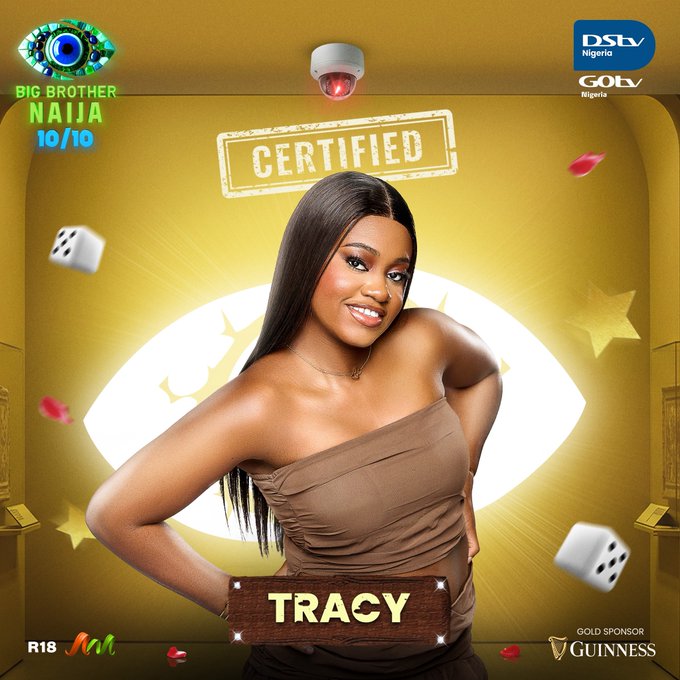
Tracy’s sweet, but don’t ever try to play her
Tracy is a 27-year-old Graduate Trainee from Anambra who’s choosing to hit pause on the pressure, and hit play on living. After years of chasing goals, battling comparisons, and being misunderstood, she’s ready to break free, let loose, and have real fun. Loyal in love despite believing “relationships are shams”, loud in emotion, and quietly chaotic, she is walking into Biggie’s house to shake things up with honesty, humour and heart.
This Chemical Engineering graduate is not to be played with, unless you want all the smoke. Tracy describes herself as a beautiful, unique, mischievous cry-baby that loves to play with beards. You won’t ever catch her fighting over a man, and if you try to play her, she will enter the ring and come out on top.
Ivatar’s quirky, tatted-up and 100 percent real
At 37, Ivatar is not just here to compete, she’s here to remind y’all who set the standard. The Anambra main character is a media mogul, mum, and a mood. Notice an OG soft life slayer?
This TV presenter and deejay reckons she is a 10 because she keeps it real, leads with heart, and knows that branding is everything. Inspired by a family member to audition for Big Brother Naija season 10, Ivatar looks forward to bringing a fresh aesthetic to the house.
All eyes on covergirl Sabrina
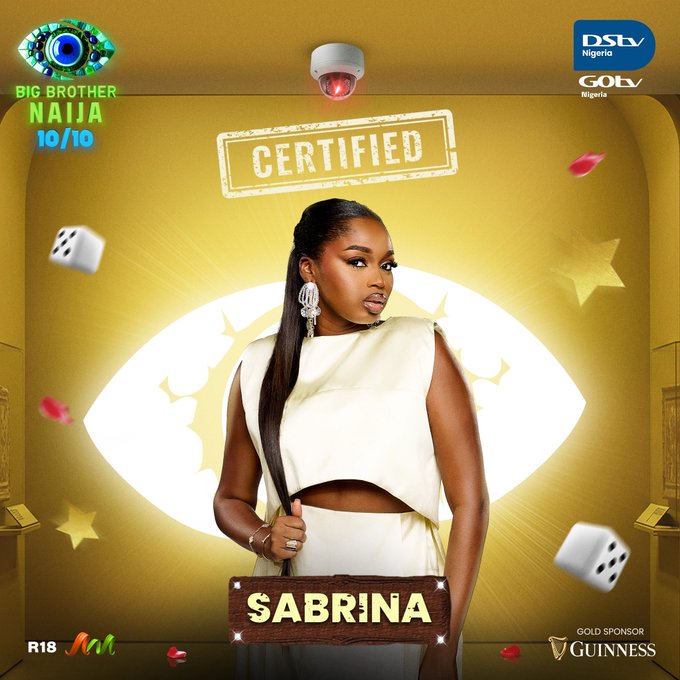
Meet Sabrina, a 32-year-old powerhouse from Edo State. She’s a princess by birth, and a boss by mindset. With a Master’s Degree from the London School of Economics, and a passion for storytelling, our schooled diva is here to represent every multifaceted woman who’s ever been told she’s “too much.”
Sabrina’s not just a 10, she’s the full scoreboard. Magnetic, authentic and unapologetically real, she’s the politician-turned-reality star who came to keep it cute, and very confrontational if you take it there. You’ll never catch her in a ship, and if you’re messy? You’ve got to go!
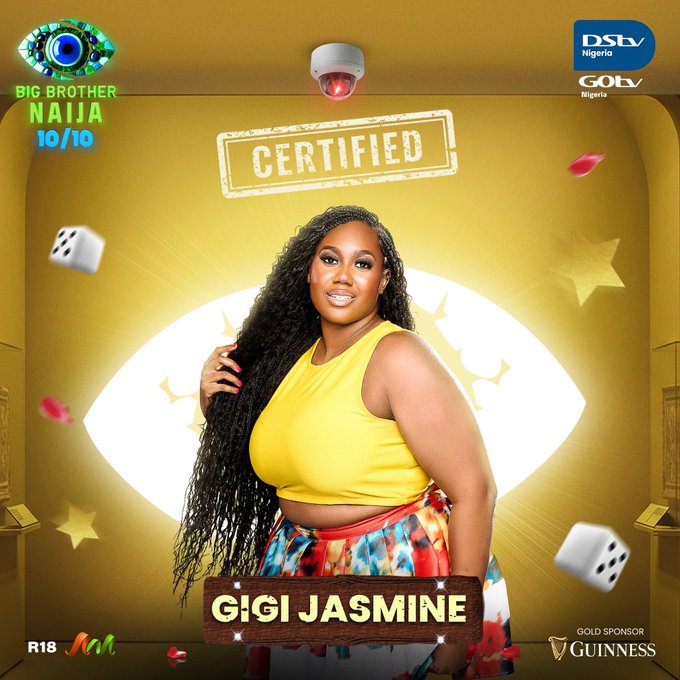
Gigi Jasmine is a 10 with no filte
She’s not always the loudest, but she’s just always the realest. Gigi Jasmine is 25, Lagos-raised, and built different. A deep thinker with big smoke for the fakes, she’s here to prove: Quiet girls can cause loud chaos.
This Abuja-based deejay describes herself as gorgeous, witty, loud and… kinda trustworthy. You’ll never find her nude on the internet, or catch her in a Big Brother romance. Gigi Jasmine’s ready to set the Biggieverse alight with her energy and honesty – and if you can’t own your actions, she’s putting your name on the nominations list.
Thelma Lawson keeps ‘Boss’ mode activated
Thelma Lawson owns the room and the routine. She calls a thing, a thing. And she slays a face card! PH’s boldest skincare boss is 26 years old, loyal and launching her soft life era. What notes? 10s across the board.
Queen of balancing business with pleasure Thelma Lawson, slays the game with her poise and her smarts. Although single, you won’t catch her in a ship in the BBNaija house – and if you’re tacky, trust you’ll always earn a one-way ticket to nomination.
Imisi is ready to win at all costs
Narrator. No filter. Big presence. Imisi from Oyo is 23 and fully locked in for the chaos and the connections. Fashion girlie with sharp takes and sharper comebacks. She says what you’re thinking, just louder.
23-year-old actress Imisi is not here for the gossip or the gimmicks, she’s here to win while serving style, vulnerability, and a little “it is what it is” energy. Although she’s a fierce competitor, Imisi is the first to admit she’s a 10 that “wakes up late.”
Ibifubara is giving the best of both worlds
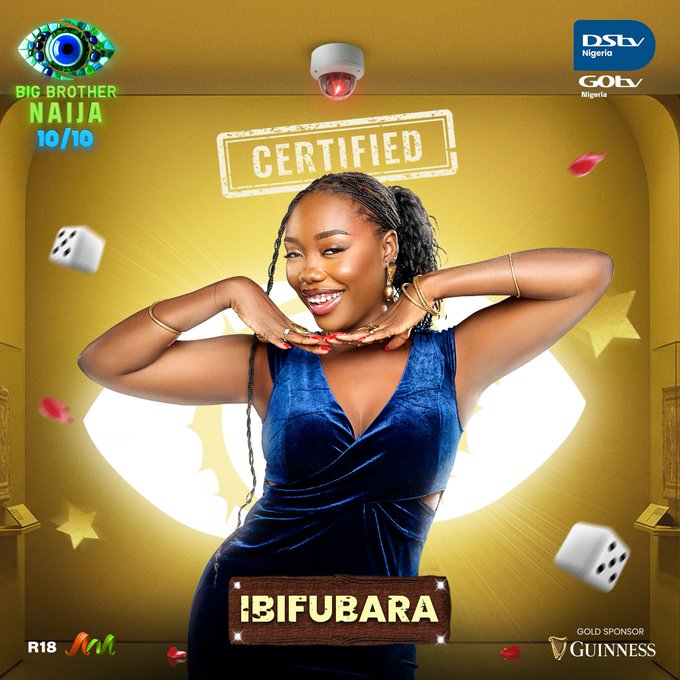
Psychologist-turned-techie-turned-salad snob, Ibifubara is serving brains, beauty, and chaos in perfect proportions. The 28-year-old from Lagos is free-flowing and funny. If that’s not therapy to the ears!
Yup, she’s got the range! Ibifubara’s not just a psychologist; she reckons she’s also your next fave party ringleader. She plans to bring light, laughter and zero boredom to the House – but push her with unnecessary drama, and you’ll be on the chopping block.
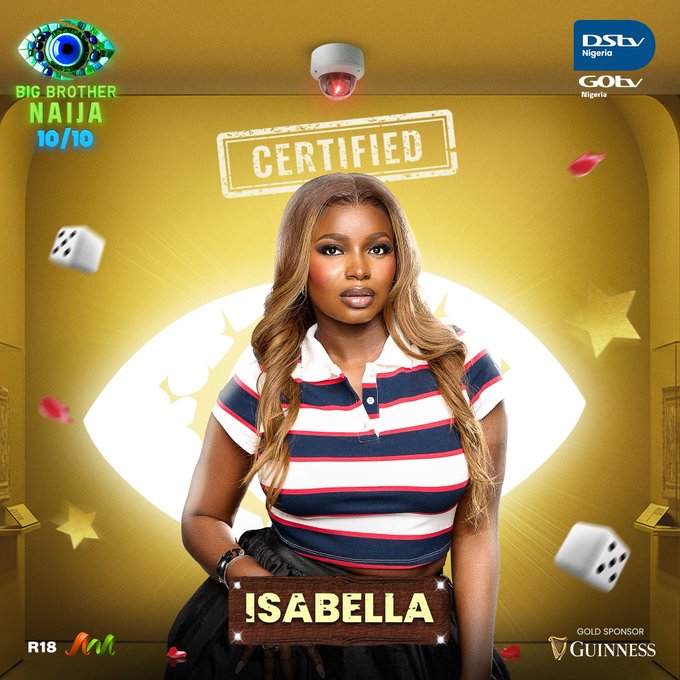
Pool Party? Count Isabella in!
You are looking at TV material with a soft heart and a sharper tongue. Isabella isn’t just that girl on IG, she’s bringing heat, heart and herbal tea to the #BBNaijahouse.The Pisces main character is “single by choice”, and as deep as a midnight VN.
Operator, call the match-maker! Isabella says she’s very recently single after a bad break up, so she’s looking for her perfect match as she steps into Biggie’s house. She’s in it for the money and can’t wait for her moment to make the world go round.
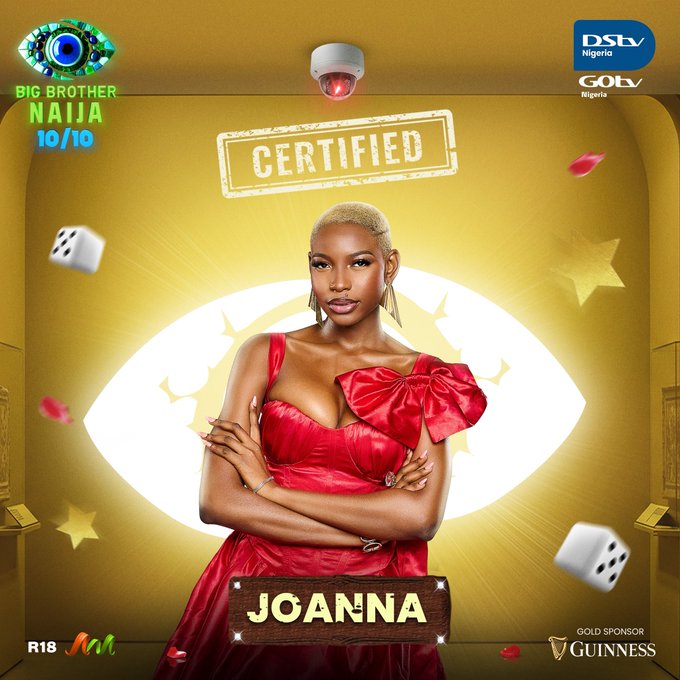
Meet sexy, spicy, slightly chaotic Joanna
Kizomba, salsa slides and savage truths! Joanna is stepping into the house with dance, depth and that quiet storm energy. The 21-year-old Benue native is single, and does not play about two things: her solitude and punctuality!
This model came to serve lewks, stir the pot and chase the bag. She’s put together but unpredictable, and she’s standing on business every day. Just don’t test her respect levels – unless you want to see her go from 0 to 10 real quick.
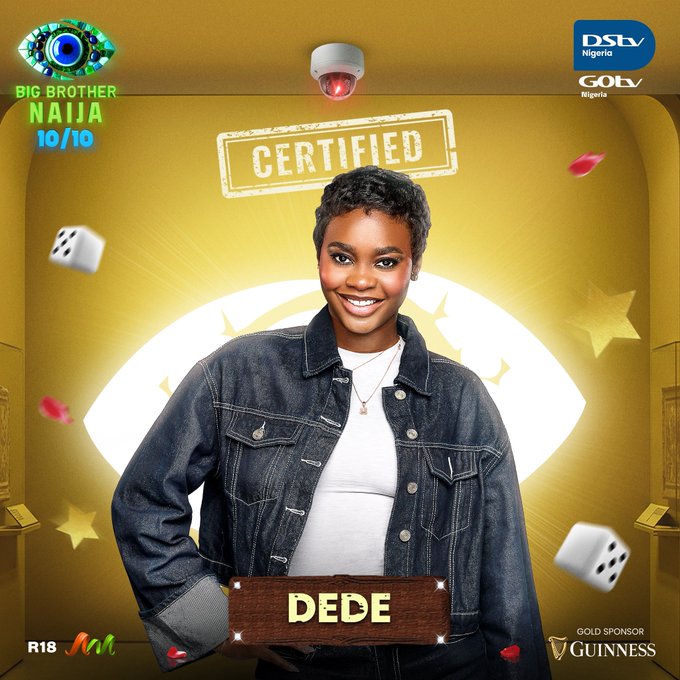
You’ll never catch Dede slipping
She’s giving soft face, hard truth. Delta’s nonchalant princess is chasing the bag and the spotlight. All that with zero apologies? A total 10/10, zero notes and no minus.
From her ‘fits to her energy, Dede stays on point 24/7 – and she’s ready to serve the same vibes in the BBNaija house. Although sweet, Dede stands 10 toes down and is not here to be bossed around or played with.
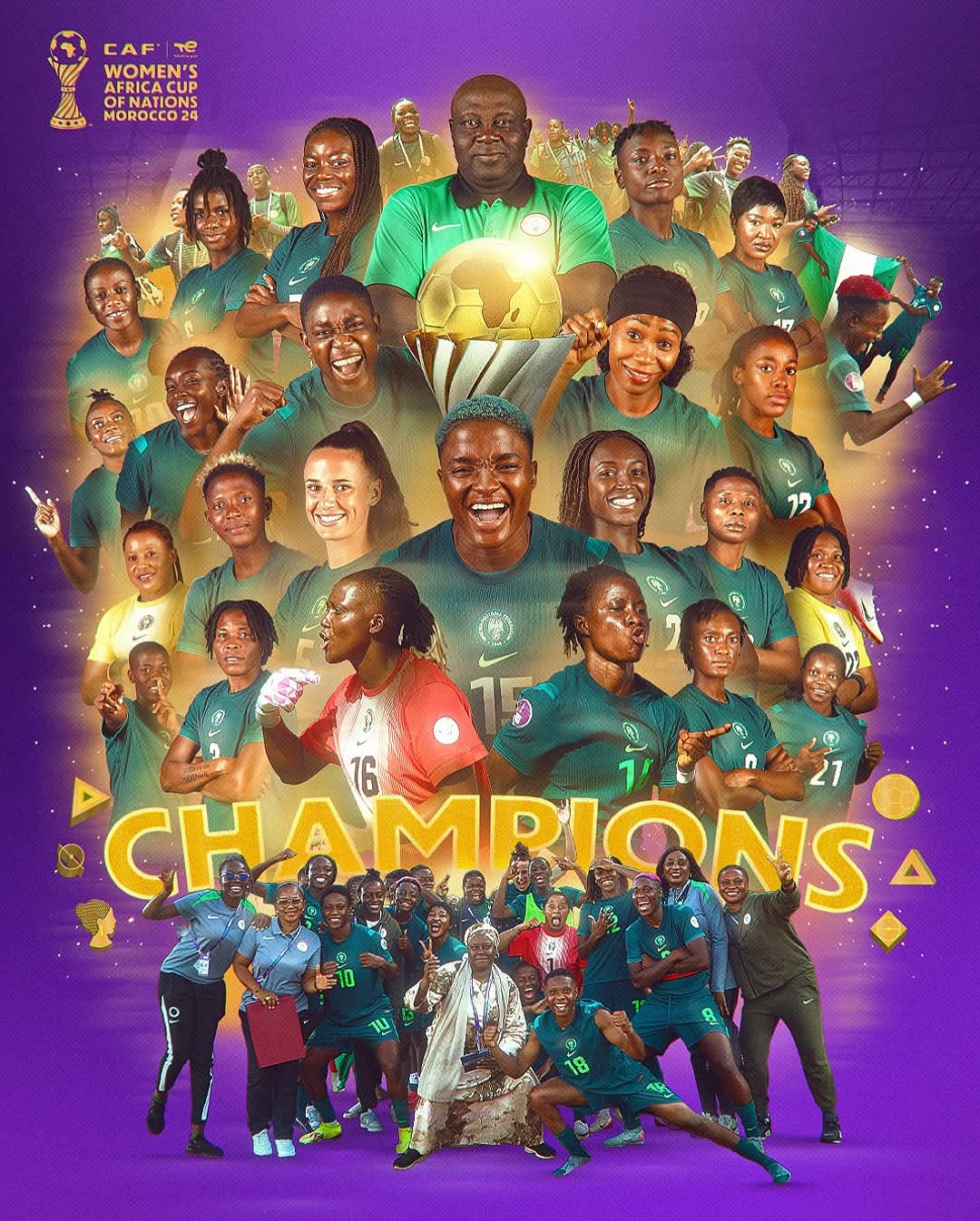
In a night that will go down in African football folklore, Nigeria’s Super Falcons mounted a breathtaking second-half comeback to defeat host nation Morocco 3-2, clinching a record-extending 10th Women’s Africa Cup of Nations (WAFCON) title.
Super Falcon Wafcon Champion
The final, played in front of a stunned crowd at the 21,000-capacity Olympic Stadium in Rabat, saw the home side, Atlas Lionesses, surge ahead with a dominant first-half display. Ghizlane Chebbak opened the scoring with a sublime curling strike, before Sanaa Mssoudy doubled the lead with a scrappy effort, giving Morocco a commanding 2-0 advantage at halftime.
But Nigeria returned from the break with renewed intensity and purpose. Esther Okoronkwo sparked the comeback, confidently converting a 64th-minute penalty after Nouhaila Benzina was penalized for handling a dangerous cross from Folamide Ijamilusi.
Momentum firmly swung Nigeria’s way as Okoronkwo drove into the Moroccan box just nine minutes later, squaring the ball for Ijamilusi to calmly slot home the equalizer. With the clock ticking down, substitute Jennifer Echegini delivered the final blow—burying a late winner in the 88th minute to complete one of the most dramatic turnarounds in WAFCON history.
The final whistle triggered scenes of euphoria as the Super Falcons collapsed in emotional celebration, having snatched victory from the jaws of defeat in what was dubbed “Mission X”—their ambitious bid to reclaim continental supremacy.
With this triumph, Nigeria not only reasserted its dominance in African women’s football, reclaiming a title last won in 2018, but also preserved its flawless record in WAFCON finals.
A victory for the ages. A mission accomplished. A legacy reinforced.
Clowd9, the UK-based cloud-native payments platform, is emerging as a serious force in African fintech by powering fast, reliable infrastructure for cross-border remittances and banking services—especially along the Lagos‑London corridor.
Founded in London in 2022, Clowd9 offers the world’s first cloud-native, decentralized issuer-processing architecture. Designed for flexibility and scalability, its microservices-based platform is hosted across AWS, Google Cloud, and Microsoft Azure, allowing seamless global transaction routing based on regional demand. As a B-Corp certified company, the firm emphasizes sustainable innovation in payments technology.
In July 2025, Clowd9 partnered with Moniepoint GB during the Mayor of London’s landmark fintech trade mission to Nigeria. The collaboration enables MonieWorld—Moniepoint’s remittance service—to leverage Clowd9’s scalable infrastructure and deliver faster, more efficient cross-border transfers between London and Lagos. This alignment enhances financial access for diaspora users, strengthens remittance corridors, and supports household and FX liquidity needs.
Clowd9’s cloud-native processing capabilities make it attractive not only to remittance networks but also to core banking innovators. A strategic deal with SaaScada, a cloud-native core banking platform, offers African banks end-to-end solutions—from account services to issuer processing—all designed to cut deployment time and reduce overhead for financial institutions serving underserved and remote markets.
Beyond Africa, Clowd9 has secured other strategic partnerships and certifications. Its certification with Discover Global Network gives fintech platforms access to both virtual and physical card issuance through a global payments network. It has also partnered with open banking trailblazer Ozone API to offer compliant, monetizable API solutions for banks and neobanks expanding into open finance.
Clowd9’s technology is increasingly embraced by startups, too. In mid‑2024, London’s fintech ZORRZ selected Clowd9 to power the AI-enabled BlueAccess credit card—designed to serve immigrants, students, and users with limited credit history by offering inclusive financial access alongside BNPL tools and educational assistance.
Through sustained investment in cloud-native infrastructure, global certification, and strategic partnerships, Clowd9 is fast becoming a go-to partner for African financial innovators—from Lagos fintechs to London-based corridor remittance providers. Its growing footprint signals a shift in fintech dynamics: instead of building brittle, regionally siloed systems, African innovators now have access to global-scale payment rails. Clowd9’s emergence as a backbone of this infrastructure underscores its ambition to redefine how fintechs connect African markets to global capital, commerce, and diaspora communities alike.





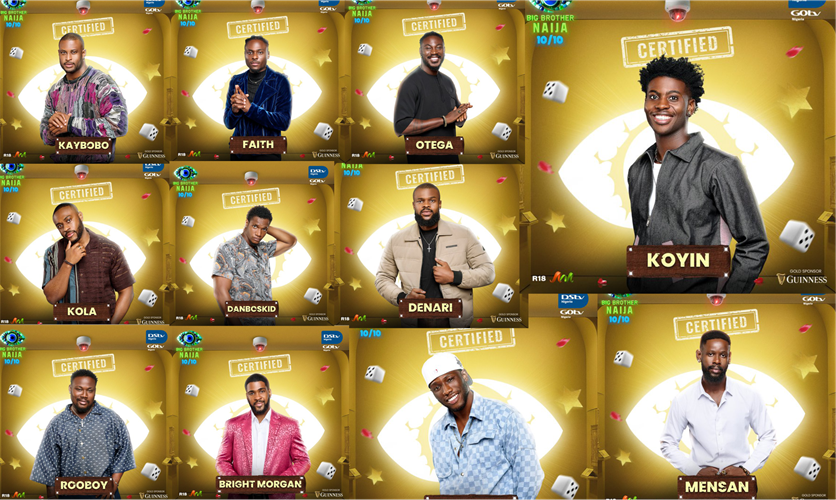 The wait is finally over! Big Brother Naija Season 10 has now completed its housemate lineup with the unveiling of the male housemates during Sunday night’s live show.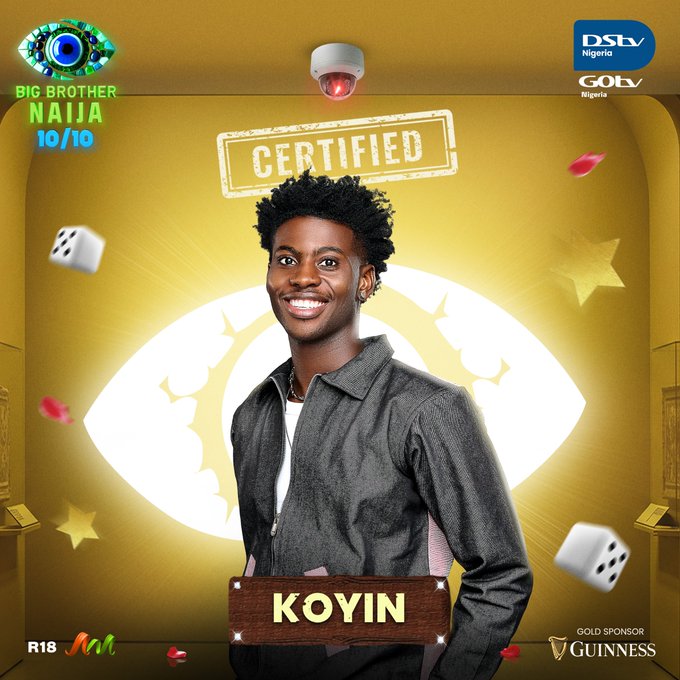






 The much-anticipated Big Brother Naija Season 10, aptly themed Double ‘10/10’, has officially kicked off with a dazzling two-day premiere that aired on July 26th and 27th, 2025.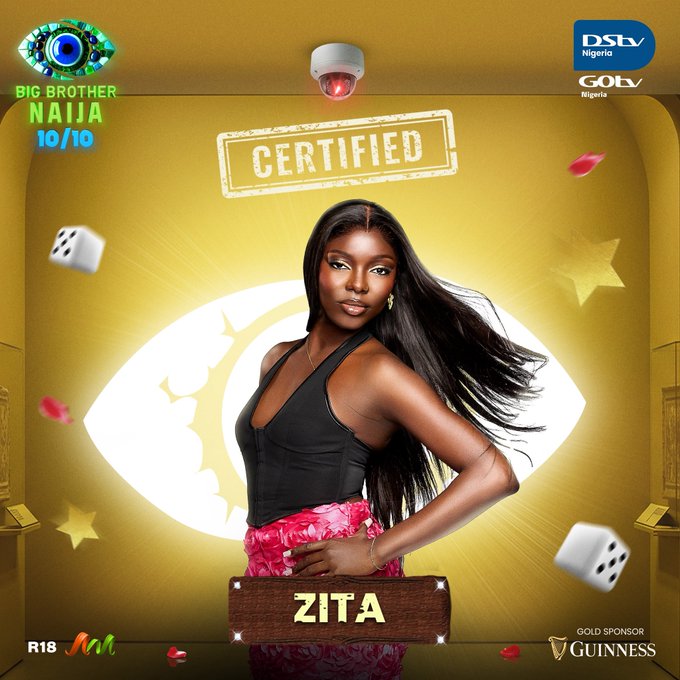


 She’s not always the loudest, but she’s just always the realest. Gigi Jasmine is 25, Lagos-raised, and built different. A deep thinker with big smoke for the fakes, she’s here to prove: Quiet girls can cause loud chaos.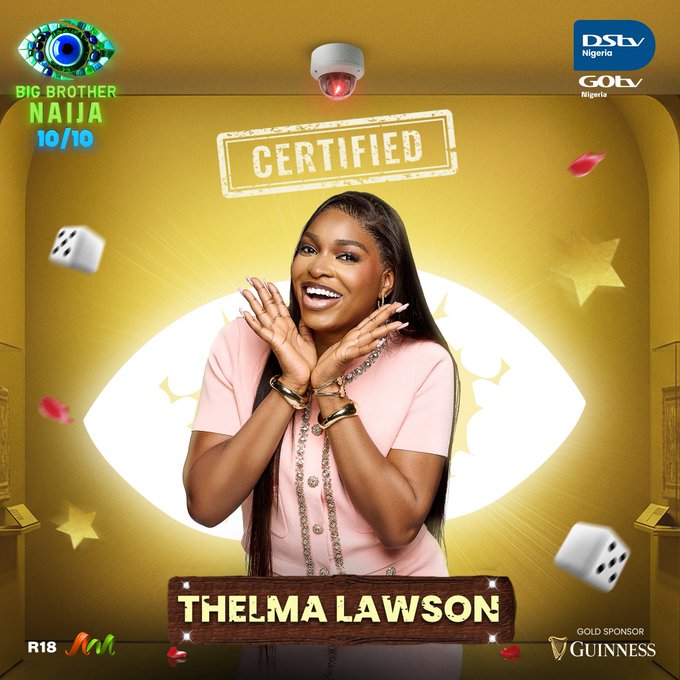


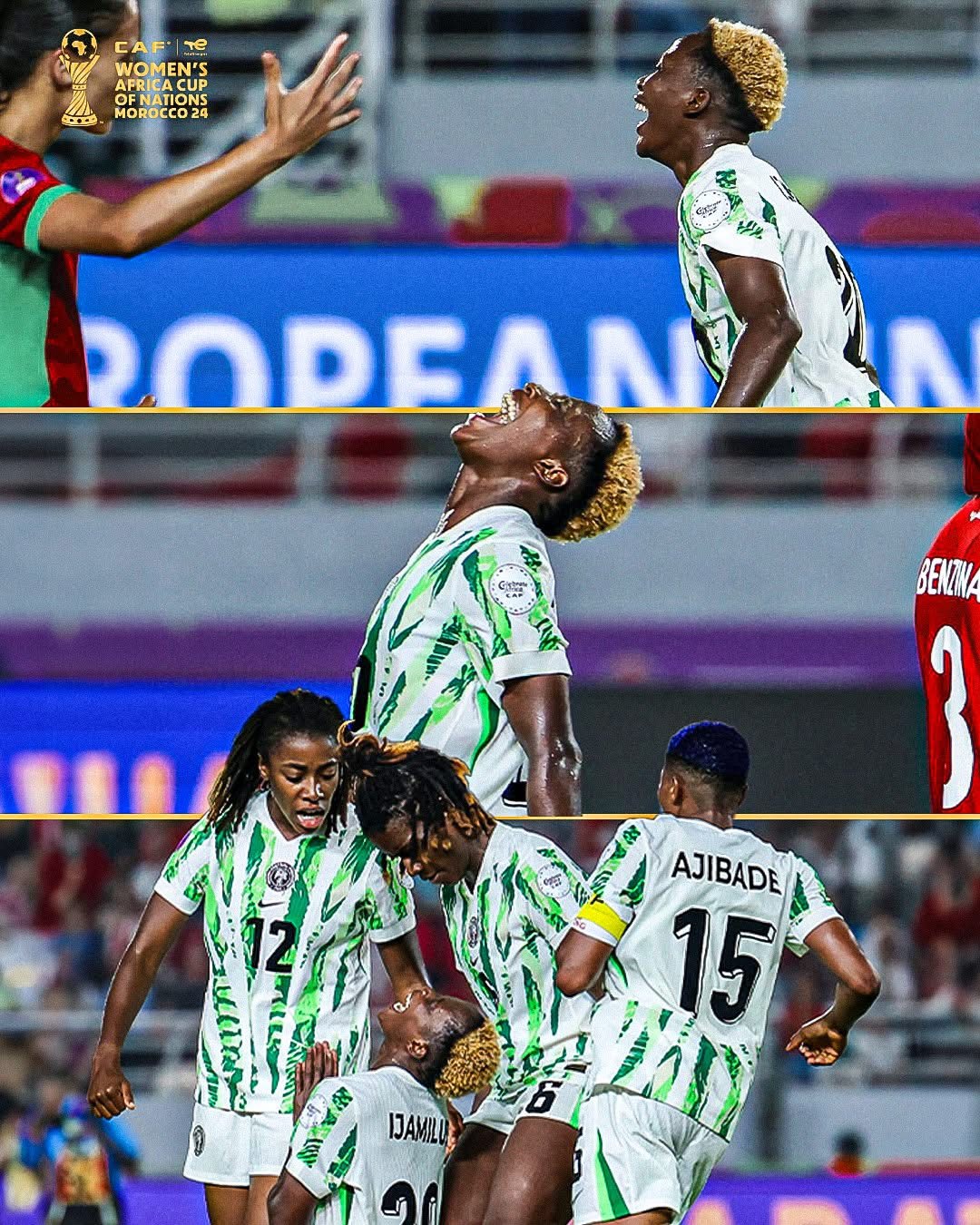 But Nigeria returned from the break with renewed intensity and purpose. Esther Okoronkwo sparked the comeback, confidently converting a 64th-minute penalty after Nouhaila Benzina was penalized for handling a dangerous cross from Folamide Ijamilusi.
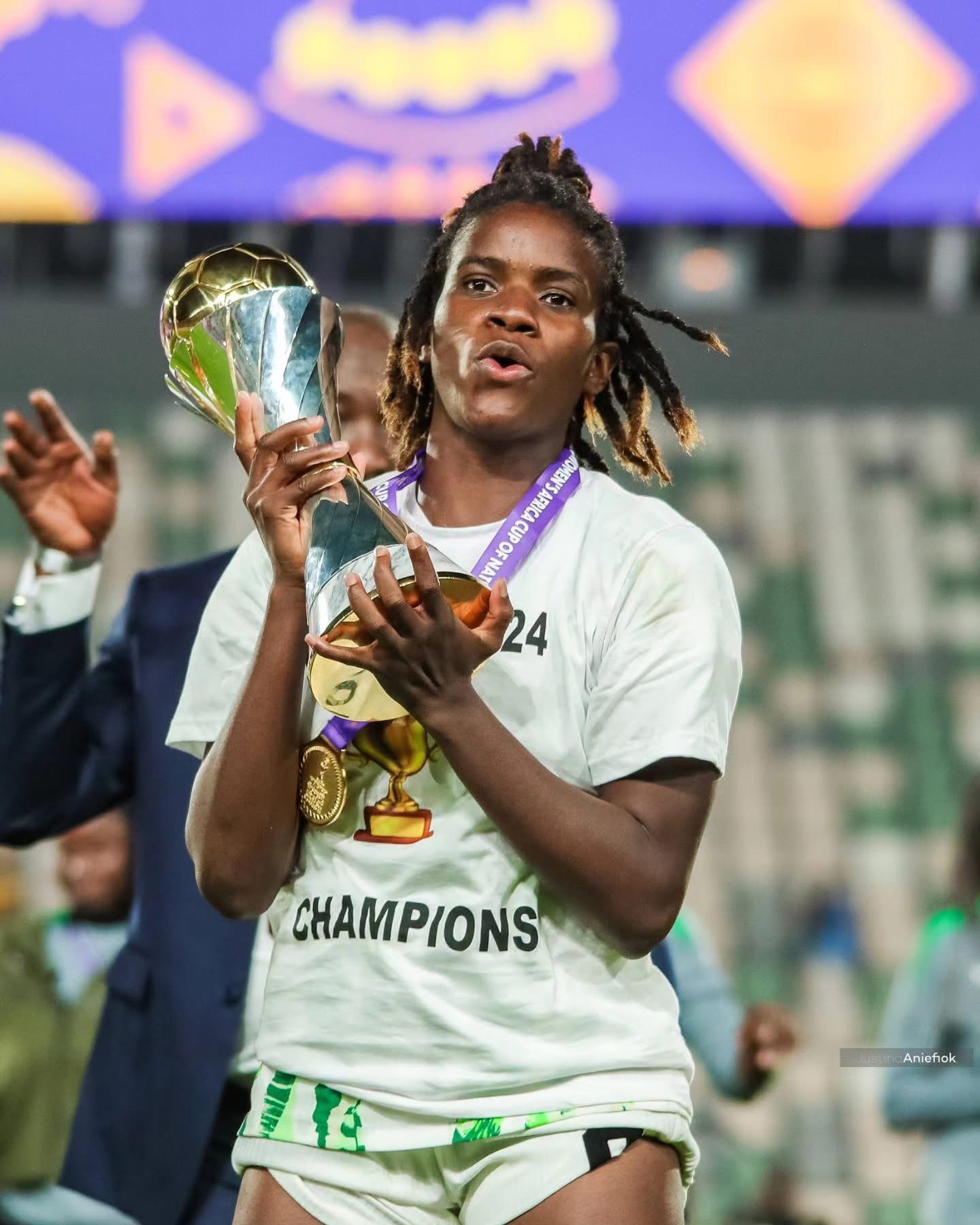 Momentum firmly swung Nigeria’s way as Okoronkwo drove into the Moroccan box just nine minutes later, squaring the ball for Ijamilusi to calmly slot home the equalizer. With the clock ticking down, substitute Jennifer Echegini delivered the final blow—burying a late winner in the 88th minute to complete one of the most dramatic turnarounds in WAFCON history.
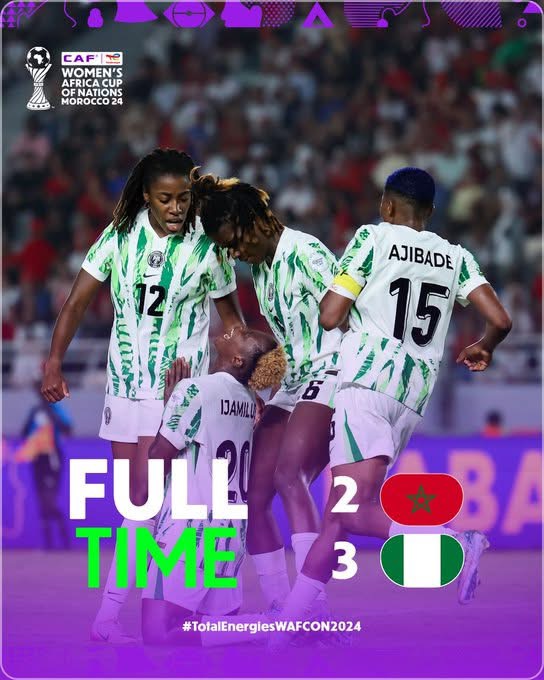 The final whistle triggered scenes of euphoria as the Super Falcons collapsed in emotional celebration, having snatched victory from the jaws of defeat in what was dubbed “Mission X”—their ambitious bid to reclaim continental supremacy.
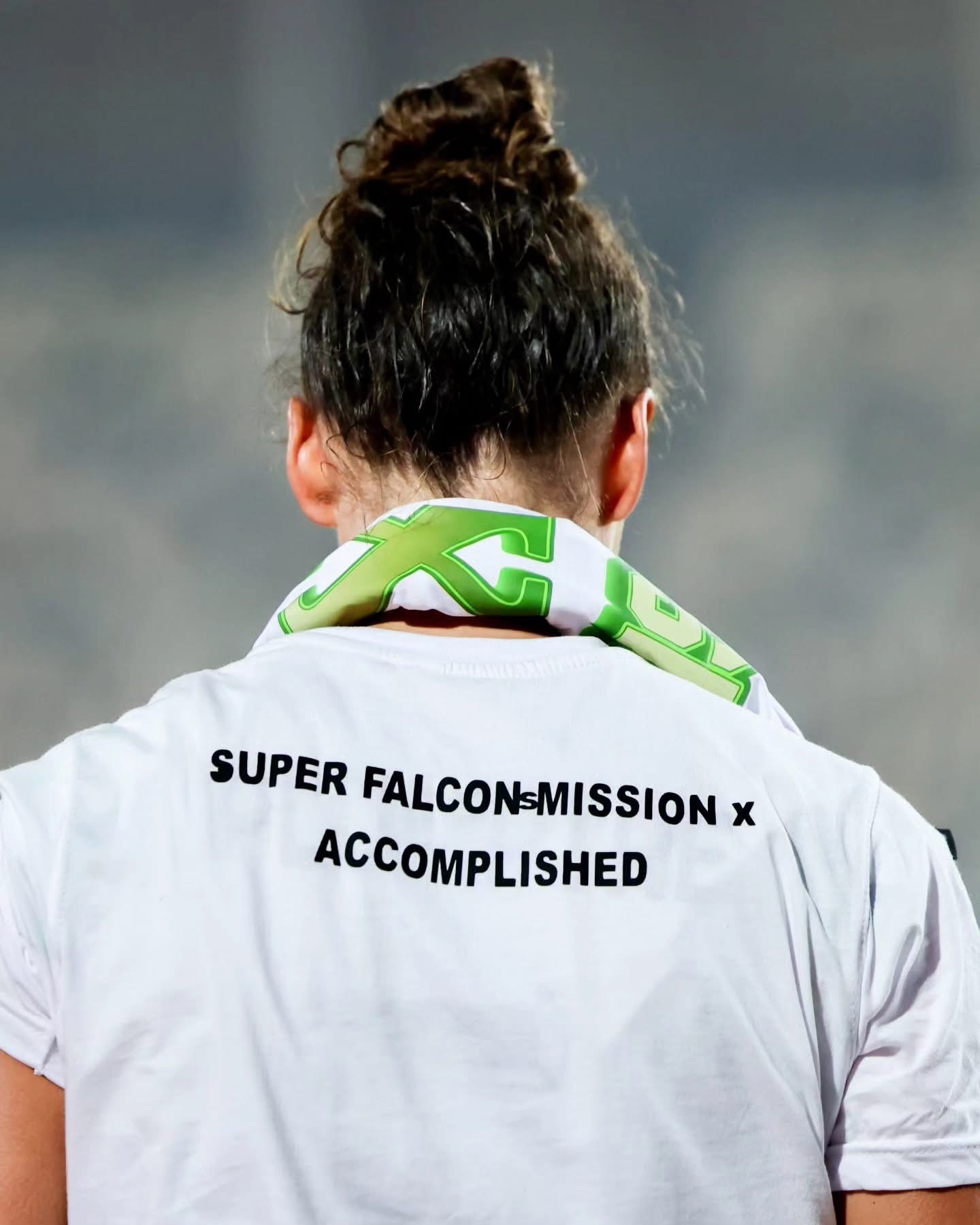 With this triumph, Nigeria not only reasserted its dominance in African women’s football, reclaiming a title last won in 2018, but also preserved its flawless record in WAFCON finals.
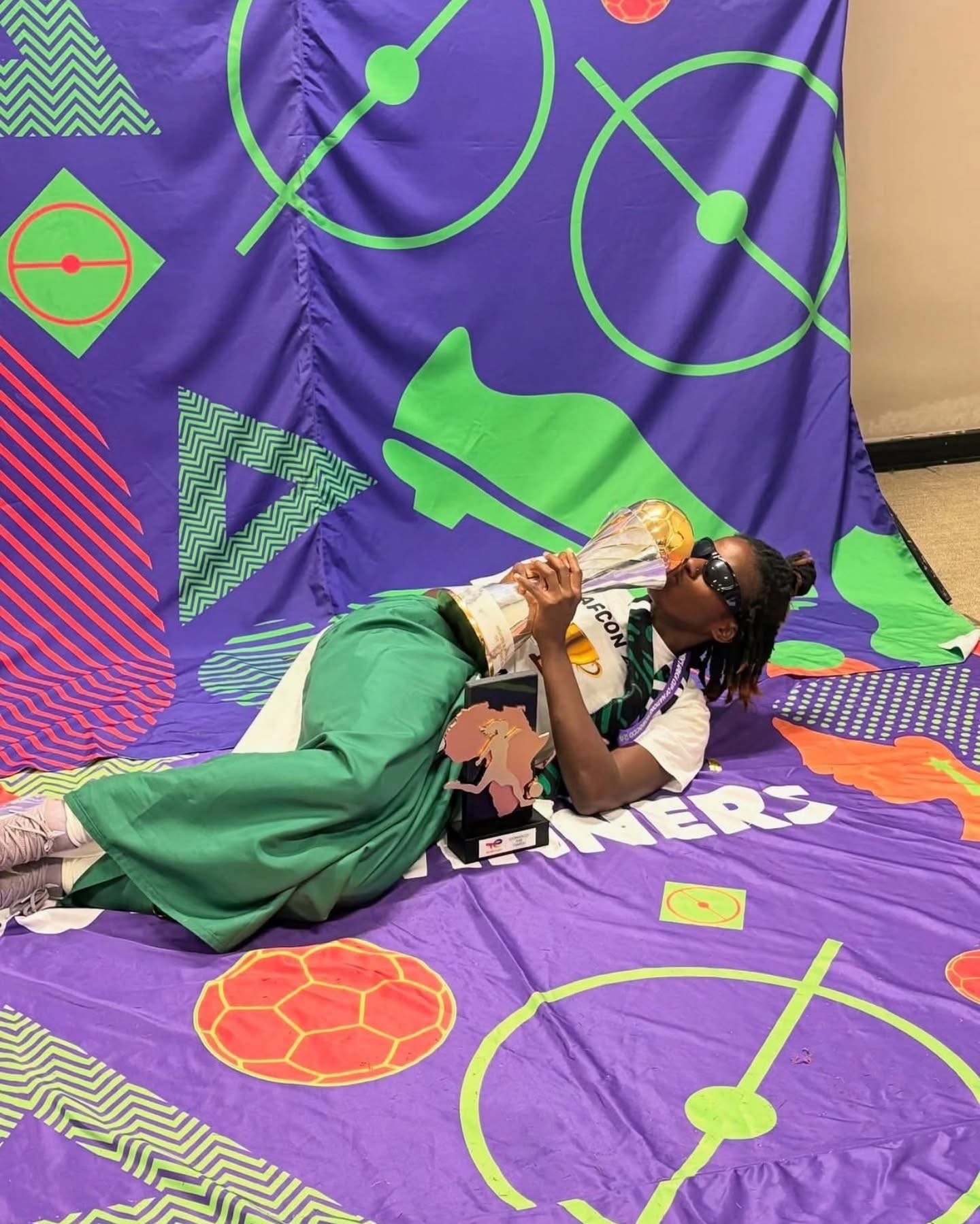 A victory for the ages. A mission accomplished. A legacy reinforced.