

Home Blog Page 197

30 govs spent N968.64bn on refreshments, others in three months – Report

0

No fewer than 30 state governments of the federation spent N986.64bn on recurrent expenditures, including refreshments, sitting allowances, travelling, utilities, etc., in the first three months of 2024, The PUNCH reports.


The states’ budget implementation reports, which were obtained from Open Nigerian States, a website supported by BudgIT that acts as a repository for public budget data, were analysed.


For the first three quarters of the year, our correspondent examined budget implementation data from thirty states; data for six states was not available.


Benue, Imo, Niger, Rivers, Sokoto and Yobe States were the ones without Q 1, 2024 data.


A breakdown showed that the 30-state government spent N5.1bn on refreshments for guests, N4.67bn on sitting allowances to government officials, N34.63bn on local and foreign travel expenses, and N5.64bn on utility bills, amounting to N50.02bn in the first three months of 2024.


The general utilities include electricity, internet, telephone charges, water rates, and sewerage charges, among others.


The sub-nationals also paid N405.77bn as salaries to their workers.


Other recurrent spending items covered in the report included the amount spent on foreign and domestic travel, Internet access fees, entertainment, foodstuff, honorarium/sitting allowance, wardrobe allowances, telephone bills, electricity charges, stationery, anniversaries/special days, welfare, aircraft maintenance, and more.


In the first three months of 2024, Abia State spent N10.92bn on its recurrent expenditures, including N165.38m on refreshments and feeding, N39.26m on utilities, N214.57m on sitting allowances, N127.1m on local and foreign travels, among miscellaneous expenses.


During this period, Adamawa State expended N23.7bn on recurrent expenditures with N287.61m spent on refreshments and feeding, N109.62m on utilities, N79.57m on sitting allowances, N768.77m on local and foreign travels.


For Akwa Ibom State, recurrent expenditure gulped N46.85bn, which included N4.46m on refreshments and feeding, N223.32m on utilities, N6m on sitting allowances, N214.61m on local and foreign travel.


Anambra State disbursed N9.91bn for recurring expenses with N78.18m on refreshments and feeding, N32.52m on utilities, N42.09m on sitting allowances, N188.39m on local and foreign travel.


Also, recurrent expenditures cost Bauchi State Government N35.75bn with N397.58m going to utilities, N50.8m on refreshments, N287.11m on allowances, and N413.56m on trips.


Bayelsa State spent N35.1bn on recurrent expenditures, comprising N28.4m on utilities, N156.14m on refreshments and N279.99m on trips.


Adamawa plans N55.5bn supplementary budget

Similarly, Lagos State disbursed N189.62bn for recurrent expenditures, including N1.21m for refreshments, N383.12m for utilities, sitting allowances costing N52.79m and N633.37m on travels.


Borno spent N18.79bn, Cross Rivers (N17.44bn), Delta (N68.68bn), Ebonyi (N14.95bn), Edo (N32.32bn), Ekiti (N32.8bn), Enugu (N7.51bn) and Gombe with N20.89bn.


Within the same period, Jigawa State spent N15.52bn on the recurrent expenditures, Kaduna expended N34.69bn, Kano (N34.41bn), Katsina (N21.87bn), Kebbi (N11.67bn), Kogi (N37.4bn), Kwara (N24.34bn), Nasarawa (N18.61bn), Ogun (N47.12bn), Ondo (N31.12bn), Osun (N24.39bn), Oyo (N40.12bn), Plateau (N24.70bn), Zamfara (N13.46bn), and Taraba (N20.93bn).


Government spending has come under increased scrutiny in recent times, particularly in light of the country’s worsening economic challenges.


At different fora, financial experts have also raised concerns about states’ spending on recurrent expenditure, highlighting the need to embrace financial innovations.


A development economist, Aliyu Ilias, said many states had yet to fully develop themselves as industrialised and marketable to attract investors.


Ilias urged governors to develop an area of strength they could leverage to attract foreign investments.


He said, “Going forward, what they could do is identify one area of strength. For instance, Bayelsa has oil and should be able to attract investments. I think it is about policy. They should give the policy a chance that would allow people to come and invest. They should also create an attraction and develop an economic summit that will make sure they showcase and attract investors.”


An economist and former Vice-Chancellor of the University of Uyo, Prof. Akpan Ekpo, urged the states to increase their revenue by improving service delivery.


On his part, a Professor of Economics at Babcock University, Segun Ajibola, stated that the enduring problem of high governance expenses had persisted at the state level, with inadequate oversight and accountability resulting in minimal economic benefits for grassroots citizens.


The former president of the Chartered Institute of Bankers lamented that state assemblies had also abandoned their oversight duties, leaving the state governors to operate with no iota of transparency and accountability.


He said, “The first issue is the perennial complaint about the high cost of governance in Nigeria and at all levels. When you look at these issues, attention is often concentrated on the Federal Government, so the searchlight is always more on the central government. Most often, nobody cares about what is happening in the states and local government, and that is where the problem is.


“There are so many institutional frameworks in place to look at what is happening at the federal level but who cares about the states? The cost of governance in relative terms is even much higher in states than the federal and that is why you hardly feel the impact of governance in most states.


“Only a few states can boost a significant presence in the lives of their people in our states. The state assemblies are expected to conduct oversight functions on the activities of the executives in their respective states, but in reality, how many states are doing that, leaving the executives to be all in all in incurring high costs.”
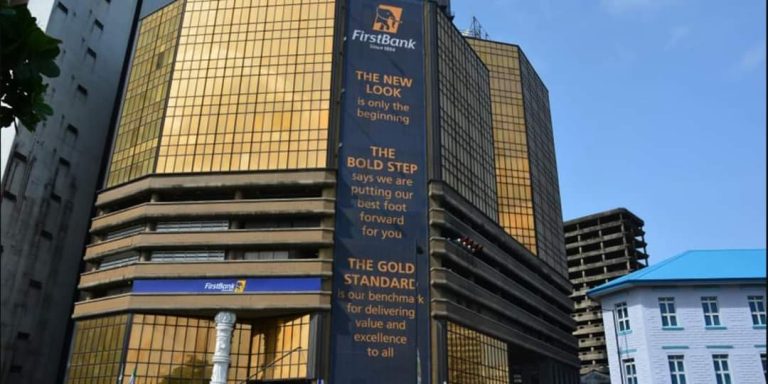
First Bank recovers N456 Billion loan from Heritage Bank before license revocation

0

First Bank recovers N456 Billion loan from Heritage Bank before license revocation


Nairametrics can confirm that First Bank has received the full repayment of a “N456 billion loan” extended to Heritage Bank.


This recovery is part of a “bailout loan” arranged during the tenure of former Central Bank of Nigeria (CBN) Governor Godwin Emefiele.


According to top sources from First Bank, the CBN credited the tier-one bank prior to its decision to revoke Heritage Bank’s license, thus averting what could have been a significant impairment charge for First Bank.


On Monday, the CBN announced the revocation of Heritage Bank’s license, stating that “the bank has continued to suffer and has no reasonable prospects of recovery,” which led to the bank’s eventual collapse.


Details of the Payment


Verified information from Nairametrics indicates that the actual amount received by First Bank was N456 billion, concluding a seven-year wait since First Bank supported Heritage Bank in clearing.


First Bank’s financial statements reveal that the bank held balances with other banks amounting to N688 billion as of the first quarter ending March 2024, down from N735 billion in December 2023.


According to First Bank, these balances include clearing balances with other deposit money banks. First Bank provides clearing services for some banks in Nigeria, and the current balances within Nigeria include clearing exposures to banks as of December 31, 2023.


Push for Recovery: Efforts to recover the N456 billion loan intensified as Heritage Bank’s situation worsened over the years. However, a resolution was not reached until a new board and management took over the holding company of the bank earlier this year.


The amount was eventually credited to First Bank ahead of the official announcement of Heritage Bank’s license revocation, ending the seven-year wait.


This payment is expected to be reflected in FBN Holdings’ half-year financial statements, bolstering its cash positions and preventing the bank from incurring a write-off for the loans.


FBN Holdings reported a pre-tax profit of N358.8 billion in the first quarter of 2024, alongside an impairment provision of N227.4 billion.


Heritage Bank’s financial distress


Heritage Bank’s troubles began in 2019 when it faced severe distress and appeared on the verge of collapse. However, under Godwin Emefiele, the CBN pursued a policy of not allowing banks to fail, supporting Heritage Bank through various measures.


First Bank was given the green light by the CBN to backstop Heritage Bank’s clearing obligations.


Clearing in Nigerian banks refers to the process of settling financial transactions between banks, ensuring the correct transfer of funds from one account to another.


This process is vital for maintaining the banking system’s integrity and efficiency, involving several steps and mechanisms to facilitate the smooth exchange of financial instruments such as checks and electronic funds transfers.


Banks excluded from the clearing process are technically insolvent, indicating distress and preventing further exposure by other banks.


However, under Emefiele’s policy, the CBN supported Heritage Bank through First Bank, issuing a “Letter of Comfort” to the tier-one bank. This guarantee ensured that First Bank did not have to make significant provisions for the loan.


Auditors had often requested a provision for the loan, but this request was repeatedly dropped due to the CBN’s letter guaranteeing loan repayment.


This successful loan recovery is a significant financial maneuver for First Bank, reflecting strategic financial management and timely intervention by regulatory authorities to maintain stability within Nigeria’s banking sector.


Credit: NairaMetrics

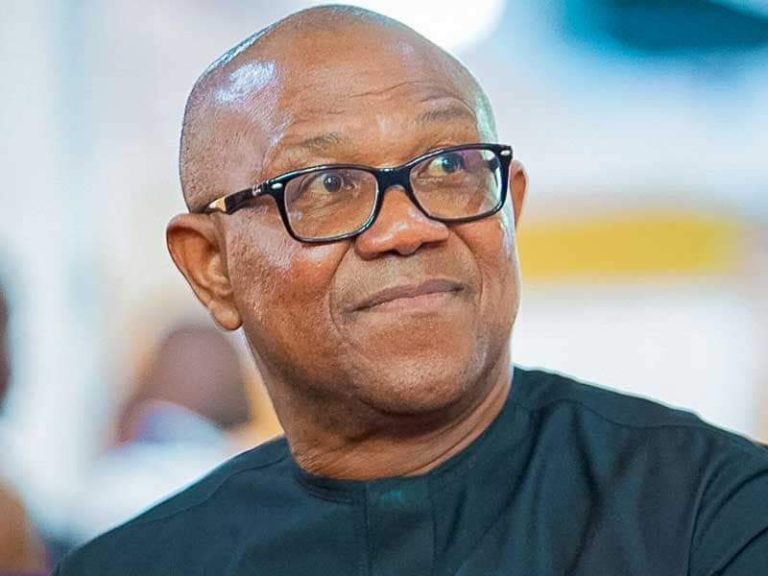
Revocation of Heritage Bank’s Licence Will Hurt Confidence in Banking System – Peter OBI

0

Former Anambra Governor and the presidential candidate of the Labour Party in the last general election, Peter Obi, yesterday, said that the Central Bank of Nigeria’s (CBN) revocation of Heritage Bank’s operating licence, has a far-reaching impact on the bank’s depositors given the current hardship in the country.


Obi, who stated this via his official X handle, urged the government to immediately pay depositors of the bank to avoid unnecessary hardship.


He called on both the CBN and the NDIC to ensure that all customers of the bank are paid their money.


According to the former governor of Anambra State, “Given the harsh economic realities in the country now, I will urge the federal government via NDIC to ensure immediate payment of all depositors in Heritage Bank in full to help alleviate the prevailing hardship the people are going through in the country.


“Many individual savers and SMEs are already groaning under severe negative effects of the economy and already living in abject poverty. These depositors depend on the savings they have in the now-liquidated bank to survive.


“Any attempt to deny or delay payment to these depositors would worsen their economic woes and could lead to a crisis of confidence in the banking system.


“Anything short of immediate and full payment can create panic in the banking sector which our already fragile economy cannot afford.


“On no account should the actions of the government through the CBN destabilise the financial system or shake public confidence in the integrity of the system.”

FIFA has ruled that Equatorial Guinea captain Emilio Nsue

0

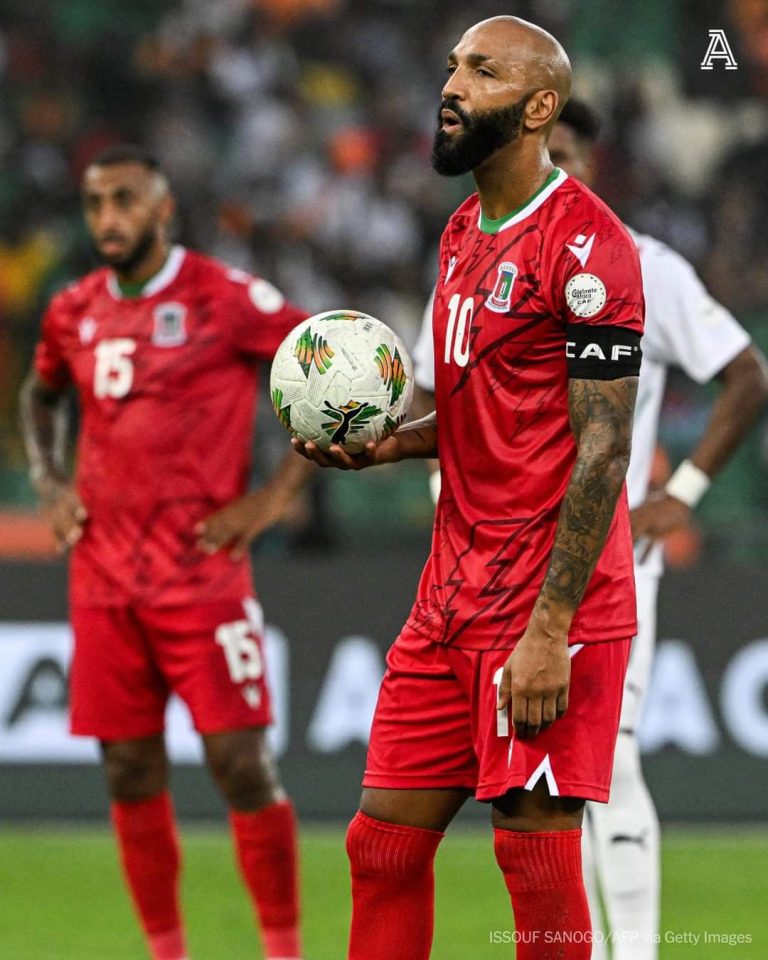
FIFA has ruled that Equatorial Guinea captain Emilio Nsue was never eligible to represent the African nation throughout his 11-year international career.


Nsue won the Golden Boot as top goalscorer at the Africa Cup of Nations earlier this year with five goals in four appearances.


In December 2013, FIFA ruled that Nsue was not eligible to play for Equatorial Guinea — following several appearances for Spain’s youth teams — but he continued to represent them regardless. FIFA opened a new investigation into Nsue’s eligibility in March with the 34-year-old given a six-day deadline to respond, but world football’s governing body said no response arrived.


FIFA published its judgement in a 15-page ruling on Monday, with Equatorial Guinea stripped of their World Cup 2026 qualification victories against Namibia and Liberia — which they both won 1-0 thanks to Nsue goals — with their opponents awarded a three-goal victory.


FIFA has ruled that former Nsue has been banned from all international football for six months, while the Equatoguinean federation (Feguifut) was fined 150,000 Swiss francs ($164,000, £129,000).

The Neglect of Storytelling in Nigerian Cinema: A Recipe for Box Office Failure

In the Nigerian film industry, there is a recurring trend of movies failing to resonate with audiences, despite impressive cinematography and production quality. The culprit, in my opinion, is the prioritization of “film academic exercises” over entertaining storytelling. Many emerging and established filmmakers approach storytelling with a Western mindset, neglecting the cultural nuances that shape our unique African experiences.


Cinema may have a universal language, but story is culturally specific. What constitutes tragedy for Africans may not be the same for Western audiences. For instance, childbearing is highly valued in African cultures, whereas adoption is more accepted in Western societies. These cultural differences significantly impact storytelling.


While fantastic cinematography is important, it is not enough to guarantee success. Audiences rarely discuss camera angles or picture quality after leaving the cinema; they discuss the story. Story is king, and neglecting it can lead to failure. To achieve success, filmmakers must spend time developing a compelling story, casting suitable actors, and selecting a director with a clear vision.


Marketing also plays a crucial role, accounting for 20% of a film’s success. However, relying on gimmicks to compensate for a weak story will not yield desired results. It is time for Nigerian filmmakers to prioritize storytelling and cultural relevance to create films that truly resonate with their audience.


In conclusion, the neglect of storytelling in Nigerian cinema is a recipe for box office failure. By focusing on developing strong stories that reflect our unique cultural experiences, we can create films that captivate audiences and propel the industry forward.


Written by Adesina Kasali

‘I was told playing talking drum might prevent me from having kids’ – Ara The Drummer

‘I was told playing talking drum might prevent me from having kids’ – Ara The Drummer


Famous talking drummer and the cultural ambassador of the Ooni of Ife, Aralola Olamuyiwa, simply known as Ara, has recalled how people tried to discourage her from playing the talking drum.


Ara, who is Africa’s first female talking drummer, disclosed that she was told that playing the talking drum might prevent her from having children but she broke the jinx.


She featured on the latest episode of the ‘Terms And Conditions’ podcast.


She said, “There are some drums females cannot play. I started with the traditional drums. But I evolved over the years. I played different instruments like bass guitar, keyboard, and set drums.


“But I wanted something different, so I started learning how to play the talking drum. People I asked to teach me were skeptical about teaching me because I am a woman. So I am self-taught.


“Although at some point, I was afraid. I was like, ‘what could happen to me?’ They were like, ‘you might not be able to have kids.’ It’s a traditional thing but I broke that jinx.”

Ara has a son with her estranged husband, Prince Nurudeen Olalekan Saliu.


#thenationshub #news #nigeria #drum @everyone

Afolarin Jamiu Olawale: A Content Creator Preserving Culture Through Entertainment

Afolarin Jamiu Olawale, popularly known as JACE, is the creative force behind Jayboi Art Century Entertainment. In an exclusive interview with Ranks Africa Magazine, he delved into his journey of entertainment.

From a young age, JACE was drawn to the world of entertainment. This passion led to his involvement in drama and cultural activities throughout his primary and secondary education. His dedication to the craft saw him studying acting at a theatre school and featuring in home-video movies as a child. By 2017, JACE began sharing his content online, including the popular and educational “Right and Wrong” episodes.

Below are some of the key points from his interview with our correspondence.


Embracing Indigenous Language


Inspiration and Significance; JACE’s content creation is deeply inspired. From the beginning, he has crafted his works in both English and various dialects of Yoruba. The Yoruba language holds a special place for him due to its profound meanings and his native connection to it.

Yoruba is a language rich in depth and wisdom, making it a natural medium for a native speaker like JACE. The frequent use of proverbs, idioms, and metaphors allows him to express his innermost thoughts and feelings, leaving his audience entertained and amused. For example, a playful Yoruba phrase JACE uses is, “Kemi ni sin ti o to wo telly mi, se emina le wo telly re?” which translates to, “Kemi, now that you’ve viewed my television, can I also view yours?” This humorous line is used to woo a lady.


JACE seamlessly blends cultural authenticity with modern storytelling techniques. His understanding of the Yoruba cultural setting and storytelling techniques makes plotting stories straightforward once inspiration strikes.

Moreover, one of the main advantages of being a native Yoruba speaker is the fluent expression of thoughts, ideas, and feelings. Creating content in an indigenous language also involves using appropriate costumes and locations, which JACE finds comes naturally, despite the occasional challenges.


Resonating with the Audience, he revealed that he ensures that the themes of his scripts resonate with his audience’s everyday lives, making his content relatable and engaging.


While promoting Indigenous Languages, he believes that video content creators play a crucial role in preserving and promoting indigenous languages and cultures. The more content created in indigenous languages, the more viewers learn about cultural heritage and how to speak these languages fluently.


Meanwhile, when handling complex issues, he often adopts a fictional writing style with the intended topic or theme as the backdrop, ensuring cultural sensitivity and appropriate representation.


He also discussed that during his creative process; When conceptualizing and producing content, he begins with inspiration, jotting down ideas in his notepad. He then seeks suitable cast members and proceeds to shoot the script. This process allows him to incorporate metaphors and idioms effectively into his work.

Furthermore, his Message and Vision; Through his content, he aims to convey humor, cultural knowledge, and the expressive use of the Yoruba language. He envisions his work contributing significantly to the preservation of indigenous languages and cultures, offering audiences both entertainment and a deeper understanding of cultural heritage.


Afolarin Jamiu Olawale, through Jayboi Art Century Entertainment, continues to thrive by showcasing the beauty of the Yoruba language and culture. His dedication to creating engaging and relatable content remains unwavering, promising a bright future for the preservation and celebration of indigenous languages.

The Legendary Chief Commander Ebenezer Obey: A Life of Music and Spirituality

0

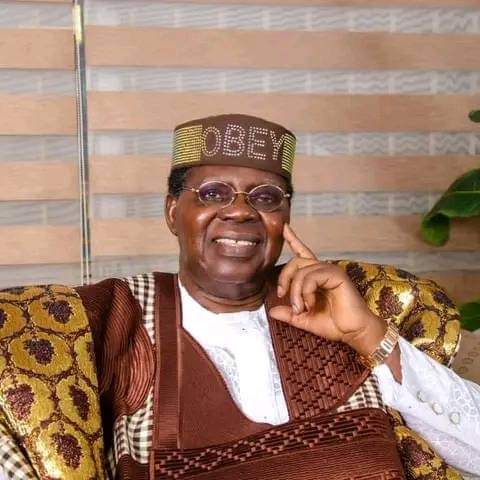
Born on April 3, 1942, in Idogo, Ogun State, Nigeria, Ebenezer Remilekun Aremu Olasupo Fabiyi, popularly known as Chief Commander Ebenezer Obey, is a renowned musician and gospel minister. From his early days in Lagos to his rise as a juju music icon, Obey’s career spans over six decades.


Obey’s musical journey began in the mid-1950s under the tutelage of Fatai Rolling-Dollar’s band. He later formed The International Brothers in 1964, which evolved into Inter-Reformers in the 1970s. His music seamlessly blended Yoruba percussion styles with highlife-jùjú fusion, creating a unique sound that captivated audiences.


As a praise singer, Obey’s music often honored Nigerian socialites and business tycoons. However, he also explored Christian spiritual themes, eventually transitioning to gospel music in the 1990s. Notably, he performed alongside Pastor Kunle Ajayi during his 30-year on-stage concert in Lagos.


Throughout his illustrious career, Obey has released numerous albums, including “Ewa Wo Ohun Ojuri” (1964), “Aiye Gba Jeje” (1965), and “The Only Condition to Save Nigeria” (1984). His music has been a testament to his artistic versatility and dedication to his craft.


Obey’s personal life is marked by his marriage to Juliana Olaide Olufade in 1963, with whom he had several children and grandchildren. His wife, Lady Evangelist Juliana Obey-Fabiyi, passed away in 2011.


Today, Chief Commander Ebenezer Obey remains a celebrated figure in Nigerian music, a true legend whose contributions continue to inspire generations of musicians and fans alike.

CBN revokes Heritage Bank’s licence due to poor financial performance 

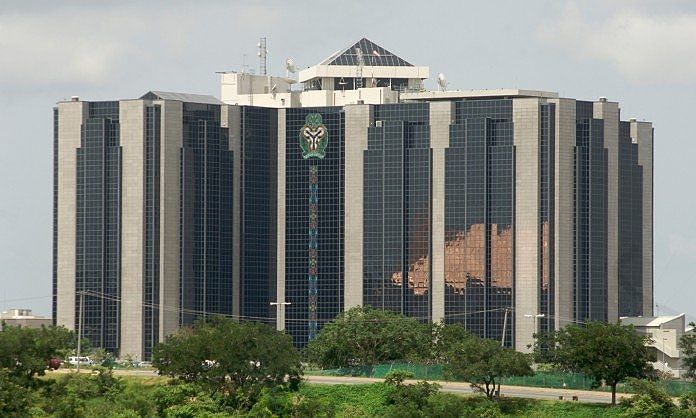
The Central Bank of Nigeria (CBN) has revoked the banking licence of Heritage Bank Plc with immediate effect, citing the bank’s persistent financial instability and breach of regulatory requirements.


The decision is part of the CBN’s mandate to maintain a sound financial system in Nigeria, as outlined under Section 12 of the Banks and Other Financial Institutions Act (BOFIA) 2020.


Heritage Bank’s poor performance threatened Nigeria’s banking sector

In a press release on Monday, the CBN disclosed that Heritage Bank had failed to adhere to Section 12 (1) of BOFIA 2020, which necessitated regulatory intervention.


Despite multiple supervisory measures prescribed by the CBN to mitigate the bank’s declining financial performance, Heritage Bank has been unable to improve its financial health.


The bank’s continuous underperformance poses a significant threat to financial stability, compelling the CBN to revoke its licence.


The statement read: “The Central Bank of Nigeria (CBN), in accordance with its mandate to promote a sound financial system in Nigeria and in the exercise of its powers under Section 12 of the Banks and Other Financial Act (BOFIA) 2020, hereby revokes the licence of Heritage Bank Plc with immediate effect.


“This action has become necessary due to the bank’s breach of Section 12 (1) of BOFIA, 2020. The Board and Management of the bank have not been able to improve the bank’s financial performance, a situation which constitutes a threat to financial stability. This follows a period during which the CBN engaged with the bank and prescribed various supervisory steps intended to stem the decline. Regrettably, the bank has continued to suffer and has no reasonable prospects of recovery, thereby making the revocation of the license the next necessary step.”


The CBN emphasized that the action is crucial to reinforce public confidence in the Nigerian banking sector and to ensure the integrity and soundness of the financial system.


NDIC to liquidate the bank

The Nigeria Deposit Insurance Corporation (NDIC) has been appointed as the liquidator of Heritage Bank, in line with Section 12 (2) of BOFIA 2020.


Based on the recently adjusted maximum deposit insurance coverage levels across various banks, customers of the bank may get up to N5,000,000 payment from the NDIC, depending on the total deposits the customer has with the bank.


More Insights

Heritage Bank Plc began its operations in Nigeria as a regional bank on March 14, 2013. It acquired the license and structure of the old Societe Generale Bank of Nigeria which was closed down by the CBN for failing to meet the capital requirements of N25 billion or $155 million for a national bank in January 2006.

In October 2014, the Assets Management Corporation of Nigeria (AMCON) announced that Heritage Bank had emerged winner of the bid for the acquisition of the defunct Enterprise Bank. Heritage Bank had successfully met all the terms and conditions set by the CBN and AMCON towards owning 100% shares in Enterprise Bank. It inherited over 160 branches, over 177 ATMs, and 2000 POS terminals spread across major markets and commercial centres in the country. This move automatically transformed Heritage Bank from a regional bank to a national bank.

Medical tourism worth $7.69 billion: Top 10 Indian hospitals visited by Nigerians

0

Indian hospitals offer cheaper medical procedures than Nigeria and Western countries, attracting many Nigerian patients.

Hospitals like Apollo and Fortis are known for their advanced facilities and skilled professionals, providing specialised treatments.

Nigerian patients often have positive experiences in Indian hospitals, benefiting from advanced care despite occasional language barriers.

Medical tourism refers to the practice of traveling to another country for medical care. This phenomenon has gained significant traction worldwide, with millions of patients seeking healthcare services abroad annually.


For Nigerians, medical tourism has become an essential alternative due to various challenges faced within the domestic healthcare system.


These challenges include inadequate medical infrastructure, limited availability of specialised treatments, long wait times, and a shortage of qualified medical professionals.


Consequently, many Nigerians opt to travel abroad to access high-quality medical care, advanced treatments, and specialised surgeries.


Why India?

India has emerged as a preferred destination for medical tourists from Nigeria, and for good reason. This Indian medical tourism industry is valued at $7.69 billion in 2024 and is set to reach $14.31 billion by 2029. One of the primary factors driving this choice is the cost of medical treatment.


In India, medical procedures can be significantly cheaper compared to Nigeria and other Western countries, without compromising on the quality of care.

Additionally, Indian hospitals are renowned for their state-of-the-art facilities, cutting-edge technology, and highly skilled medical professionals who are often trained in prestigious institutions worldwide.

The availability of advanced medical treatments is another crucial factor. Indian hospitals offer a wide range of specialised services, including complex surgeries, oncology treatments, organ transplants, bone marrow transplants, and cardiac care, which are often not readily accessible in Nigeria.

Moreover, the efficiency and patient-centric approach of Indian healthcare institutions, coupled with shorter waiting times, make India an attractive option for Nigerians seeking timely and effective medical interventions.

Methodology

Nairametrics reports that the data on the top 10 Indian hospitals has been meticulously curated from leading medical tourism destinations across India. In addition to rigorous selection criteria, Nairametrics conducted interviews and surveys with Nigerian students, interns in India, and a Nigerian hospital agent to gather comprehensive insights into the quality of care and services offered by these hospitals.


Top 10 Indian hospitals transforming Nigerian medical tourism

Nairametrics has compiled a list of the top 10 Indian hospitals visited by Nigerians for medical tourism, along with their locations, specialties, and accreditation in no particular order.


Apollo Hospitals

Location: 25 cities across India including Delhi, Mumbai, Chennai


Specialties: Cardiology, Oncology, Orthopaedics, Transplants, Neurology, Gastroenterology, Urology, Robotic Surgery


Accreditations: Joint Commission International (JCI), National Accreditation Board for Hospitals & Healthcare Providers (NABH)


Fortis Healthcare

Location: 13 cities across India including Bangalore, Delhi, Mumbai


Specialties: Cardiac Surgery, Neurosurgery, Organ Transplants, Orthopaedics, Oncology, Gastroenterology, Paediatrics, Pulmonology.


Accreditations: JCI, NABH


Manipal Hospitals

Location: 12 cities across India including Bangalore, Delhi, Jaipur, and other cities


Specialties: Oncology, Neurosurgery, Cardiology, Organ Transplants, Urology, Gastroenterology, Paediatrics, Critical Care


Accreditations: NABH, ISO 9001:2008


Max Healthcare

Location: Delhi, Gurgaon, Noida


Specialties: Oncology, Cardiology, Neurosciences, Organ Transplants, Orthopaedics, Bariatric Surgery, Endocrinology, Rheumatology


Accreditations: JCI, NABH


BLK Super Speciality Hospital

Location: Delhi


Specialties: Bone Marrow Transplant, Cancer Treatment, Cardiac Care, Neurosurgery, Orthopedics, Gastroenterology, Renal Sciences, Liver Transplants


Accreditations: JCI, NABH


Medanta – The Medicity

Location: Gurgaon


Specialties: Cardiology, Neurology, Orthopaedics, Organ Transplants, Gastroenterology, Oncology, Urology, Robotics Surgery


Accreditations: JCI, NABH


Artemis Hospital

Location: Gurgaon


Specialties: Cardiac Surgery, Oncology, Organ Transplants, Neurosciences, Orthopaedics, Gastroenterology, Nephrology, Critical Care


Accreditations: JCI, NABH


Artemis Hospital is known for its advanced medical care and personalised patient services, making it a preferred destination for medical tourists.


Narayana Health

Location:Bangalore, Kolkata, Jaipur, and 17 cities across India.


Specialties: Cardiology, Oncology, Transplants, Neurosciences, Orthopaedics, Gastroenterology, Paediatrics, Endocrinology


Accreditations: JCI, NABH


Narayana Health is recognised for its affordable and high-quality cardiac care and complex surgical procedures, catering to international patients from across the globe.


Aster Medcity

Location: Kochi


Specialties: Cardiology, Neurology, Oncology, Orthopaedics, Organ Transplants, Gastroenterology, Nephrology, Critical Care


Accreditations: JCI, NABH


Aster Medcity in Kochi is known for its advanced medical technology and comprehensive range of specialties, making it a popular choice for international patients seeking high-quality care.


Sri Ramachandra Medical Centre

Location: Chennai


Specialties: Cardiology, Neurosurgery, Orthopaedics, Gastroenterology, Oncology, Nephrology, Paediatrics, Urology


Accreditations: JCI, NABH


Treatment costs

Nairametrics reports that the cost of consultations at the top 10 hospitals in India varies based on the specialty and the doctor’s expertise. Here is a breakdown of the consultation fees:


General Practitioners and Paediatricians: The consultation fees range from 500 to 600 rupees, which is approximately N8,840.25 to N10,608.30.

Specialist Doctors (e.g., Haematologists, Oncologists, Orthopedists): The fees for consultations range from 700 to 2000 rupees, equivalent to N12,376.35 to N35,360.99.

In comparison, the cost of consultations in Nigerian hospitals is generally higher:


Private Hospitals in Nigeria:

General Practitioners: The consultation fees range from N10,000 to N20,000.

Specialists: The consultation fees range from N30,000 to N60,000.

Teaching Hospitals in Nigeria: The consultation fees range from N800 to N3,000 depending on the location and specialty.

The average flight costs from Lagos, Nigeria, to major Indian cities like Delhi, Mumbai, Bangalore, and Chennai vary depending on the airline and booking platform.


For instance, flights to Delhi can cost an average of N992,586, while flights to Mumbai might be approximately N850,000.

The top hospitals in India, like Apollo Hospitals and Fortis Healthcare, are renowned for their adherence to international standards, patient-centric care, and advanced medical technologies.

Accredited by organisations like the Joint Commission International and equipped with cutting-edge tools such as robotic surgical systems and advanced imaging technologies, these hospitals offer world-class medical expertise and personalised treatment plans.

Impact on Nigerian healthcare

Brain drain


Medical tourism has a significant impact on the Nigerian healthcare system, particularly concerning the brain drain of medical professionals.


The migration of highly skilled doctors and nurses to countries with better facilities and higher salaries has created a talent gap within Nigeria.

According to a study by the Blavatnik school of government, University of Oxford, Nigeria has one of the highest rates of emigration of medical professionals.

This exodus is driven by several factors, including better career opportunities, higher wages, and improved working conditions abroad.

The loss of skilled healthcare workers exacerbates the challenges faced by the Nigerian healthcare system.


It leads to a shortage of experienced professionals, an increased workload on the remaining staff, and ultimately, a decline in the quality of healthcare services available to the population.


This shortage also means longer wait times for patients, limited access to specialised care, and overall lower health outcomes.


Opportunities for improvement

To reduce the need for medical tourism and mitigate the brain drain, Nigeria can implement several strategies to improve its healthcare system.


Modernising hospitals with state-of-the-art equipment and facilities can improve the quality of care. This includes investing in advanced diagnostic tools, surgical equipment, and robust IT systems for patient management.

Increasing the number of well-equipped hospitals in both urban and rural areas can help meet the healthcare needs of the population.

Expanding and improving medical education programs to train more healthcare professionals can help address the talent gap. This includes providing scholarships and incentives for students to enter the medical field.

Providing competitive salaries and benefits can help retain medical professionals. This includes offering financial incentives, healthcare benefits, and opportunities for career advancement.

Improving the work environment by reducing the workload, ensuring a safe and supportive workplace, and providing the necessary resources for healthcare workers to perform their duties effectively.

Ensuring strong government support and commitment to healthcare reforms can help drive improvements in the sector.

This includes increasing budget allocations for health and implementing policies that promote access to quality healthcare for all.

Encouraging collaborations between the government and private sector can enhance healthcare delivery and infrastructure development.

Private investments can complement public resources, leading to better healthcare outcomes.