


Home Blog Page 198

Medical tourism worth $7.69 billion: Top 10 Indian hospitals visited by Nigerians

0

Indian hospitals offer cheaper medical procedures than Nigeria and Western countries, attracting many Nigerian patients.

Hospitals like Apollo and Fortis are known for their advanced facilities and skilled professionals, providing specialised treatments.

Nigerian patients often have positive experiences in Indian hospitals, benefiting from advanced care despite occasional language barriers.

Medical tourism refers to the practice of traveling to another country for medical care. This phenomenon has gained significant traction worldwide, with millions of patients seeking healthcare services abroad annually.


For Nigerians, medical tourism has become an essential alternative due to various challenges faced within the domestic healthcare system.


These challenges include inadequate medical infrastructure, limited availability of specialised treatments, long wait times, and a shortage of qualified medical professionals.


Consequently, many Nigerians opt to travel abroad to access high-quality medical care, advanced treatments, and specialised surgeries.


Why India?

India has emerged as a preferred destination for medical tourists from Nigeria, and for good reason. This Indian medical tourism industry is valued at $7.69 billion in 2024 and is set to reach $14.31 billion by 2029. One of the primary factors driving this choice is the cost of medical treatment.


In India, medical procedures can be significantly cheaper compared to Nigeria and other Western countries, without compromising on the quality of care.

Additionally, Indian hospitals are renowned for their state-of-the-art facilities, cutting-edge technology, and highly skilled medical professionals who are often trained in prestigious institutions worldwide.

The availability of advanced medical treatments is another crucial factor. Indian hospitals offer a wide range of specialised services, including complex surgeries, oncology treatments, organ transplants, bone marrow transplants, and cardiac care, which are often not readily accessible in Nigeria.

Moreover, the efficiency and patient-centric approach of Indian healthcare institutions, coupled with shorter waiting times, make India an attractive option for Nigerians seeking timely and effective medical interventions.

Methodology

Nairametrics reports that the data on the top 10 Indian hospitals has been meticulously curated from leading medical tourism destinations across India. In addition to rigorous selection criteria, Nairametrics conducted interviews and surveys with Nigerian students, interns in India, and a Nigerian hospital agent to gather comprehensive insights into the quality of care and services offered by these hospitals.


Top 10 Indian hospitals transforming Nigerian medical tourism

Nairametrics has compiled a list of the top 10 Indian hospitals visited by Nigerians for medical tourism, along with their locations, specialties, and accreditation in no particular order.


Apollo Hospitals

Location: 25 cities across India including Delhi, Mumbai, Chennai


Specialties: Cardiology, Oncology, Orthopaedics, Transplants, Neurology, Gastroenterology, Urology, Robotic Surgery


Accreditations: Joint Commission International (JCI), National Accreditation Board for Hospitals & Healthcare Providers (NABH)


Fortis Healthcare

Location: 13 cities across India including Bangalore, Delhi, Mumbai


Specialties: Cardiac Surgery, Neurosurgery, Organ Transplants, Orthopaedics, Oncology, Gastroenterology, Paediatrics, Pulmonology.


Accreditations: JCI, NABH


Manipal Hospitals

Location: 12 cities across India including Bangalore, Delhi, Jaipur, and other cities


Specialties: Oncology, Neurosurgery, Cardiology, Organ Transplants, Urology, Gastroenterology, Paediatrics, Critical Care


Accreditations: NABH, ISO 9001:2008


Max Healthcare

Location: Delhi, Gurgaon, Noida


Specialties: Oncology, Cardiology, Neurosciences, Organ Transplants, Orthopaedics, Bariatric Surgery, Endocrinology, Rheumatology


Accreditations: JCI, NABH


BLK Super Speciality Hospital

Location: Delhi


Specialties: Bone Marrow Transplant, Cancer Treatment, Cardiac Care, Neurosurgery, Orthopedics, Gastroenterology, Renal Sciences, Liver Transplants


Accreditations: JCI, NABH


Medanta – The Medicity

Location: Gurgaon


Specialties: Cardiology, Neurology, Orthopaedics, Organ Transplants, Gastroenterology, Oncology, Urology, Robotics Surgery


Accreditations: JCI, NABH


Artemis Hospital

Location: Gurgaon


Specialties: Cardiac Surgery, Oncology, Organ Transplants, Neurosciences, Orthopaedics, Gastroenterology, Nephrology, Critical Care


Accreditations: JCI, NABH


Artemis Hospital is known for its advanced medical care and personalised patient services, making it a preferred destination for medical tourists.


Narayana Health

Location:Bangalore, Kolkata, Jaipur, and 17 cities across India.


Specialties: Cardiology, Oncology, Transplants, Neurosciences, Orthopaedics, Gastroenterology, Paediatrics, Endocrinology


Accreditations: JCI, NABH


Narayana Health is recognised for its affordable and high-quality cardiac care and complex surgical procedures, catering to international patients from across the globe.


Aster Medcity

Location: Kochi


Specialties: Cardiology, Neurology, Oncology, Orthopaedics, Organ Transplants, Gastroenterology, Nephrology, Critical Care


Accreditations: JCI, NABH


Aster Medcity in Kochi is known for its advanced medical technology and comprehensive range of specialties, making it a popular choice for international patients seeking high-quality care.


Sri Ramachandra Medical Centre

Location: Chennai


Specialties: Cardiology, Neurosurgery, Orthopaedics, Gastroenterology, Oncology, Nephrology, Paediatrics, Urology


Accreditations: JCI, NABH


Treatment costs

Nairametrics reports that the cost of consultations at the top 10 hospitals in India varies based on the specialty and the doctor’s expertise. Here is a breakdown of the consultation fees:


General Practitioners and Paediatricians: The consultation fees range from 500 to 600 rupees, which is approximately N8,840.25 to N10,608.30.

Specialist Doctors (e.g., Haematologists, Oncologists, Orthopedists): The fees for consultations range from 700 to 2000 rupees, equivalent to N12,376.35 to N35,360.99.

In comparison, the cost of consultations in Nigerian hospitals is generally higher:


Private Hospitals in Nigeria:

General Practitioners: The consultation fees range from N10,000 to N20,000.

Specialists: The consultation fees range from N30,000 to N60,000.

Teaching Hospitals in Nigeria: The consultation fees range from N800 to N3,000 depending on the location and specialty.

The average flight costs from Lagos, Nigeria, to major Indian cities like Delhi, Mumbai, Bangalore, and Chennai vary depending on the airline and booking platform.


For instance, flights to Delhi can cost an average of N992,586, while flights to Mumbai might be approximately N850,000.

The top hospitals in India, like Apollo Hospitals and Fortis Healthcare, are renowned for their adherence to international standards, patient-centric care, and advanced medical technologies.

Accredited by organisations like the Joint Commission International and equipped with cutting-edge tools such as robotic surgical systems and advanced imaging technologies, these hospitals offer world-class medical expertise and personalised treatment plans.

Impact on Nigerian healthcare

Brain drain


Medical tourism has a significant impact on the Nigerian healthcare system, particularly concerning the brain drain of medical professionals.


The migration of highly skilled doctors and nurses to countries with better facilities and higher salaries has created a talent gap within Nigeria.

According to a study by the Blavatnik school of government, University of Oxford, Nigeria has one of the highest rates of emigration of medical professionals.

This exodus is driven by several factors, including better career opportunities, higher wages, and improved working conditions abroad.

The loss of skilled healthcare workers exacerbates the challenges faced by the Nigerian healthcare system.


It leads to a shortage of experienced professionals, an increased workload on the remaining staff, and ultimately, a decline in the quality of healthcare services available to the population.


This shortage also means longer wait times for patients, limited access to specialised care, and overall lower health outcomes.


Opportunities for improvement

To reduce the need for medical tourism and mitigate the brain drain, Nigeria can implement several strategies to improve its healthcare system.


Modernising hospitals with state-of-the-art equipment and facilities can improve the quality of care. This includes investing in advanced diagnostic tools, surgical equipment, and robust IT systems for patient management.

Increasing the number of well-equipped hospitals in both urban and rural areas can help meet the healthcare needs of the population.

Expanding and improving medical education programs to train more healthcare professionals can help address the talent gap. This includes providing scholarships and incentives for students to enter the medical field.

Providing competitive salaries and benefits can help retain medical professionals. This includes offering financial incentives, healthcare benefits, and opportunities for career advancement.

Improving the work environment by reducing the workload, ensuring a safe and supportive workplace, and providing the necessary resources for healthcare workers to perform their duties effectively.

Ensuring strong government support and commitment to healthcare reforms can help drive improvements in the sector.

This includes increasing budget allocations for health and implementing policies that promote access to quality healthcare for all.

Encouraging collaborations between the government and private sector can enhance healthcare delivery and infrastructure development.

Private investments can complement public resources, leading to better healthcare outcomes.
West Power and Gas, looking to sell stake in Eko DisCo for $350 million 

West Power and Gas Ltd (WPG), the core investor in Eko Distribution Company, is considering selling its stake to raise $350 million and has engaged advisers to expedite the process.

Eko Disco, serving Lagos South and 8 million people, is a top performer in the power sector with a 10.22% loss rate in Q4 2023 and $177.5 billion revenue in 2023, making it an attractive investment opportunity.

The potential equity sale aims to recapitalize Eko Disco ahead of sector reforms, drawing interest from renewable energy players and GENCOs seeking synergies, which experts believe could enhance the company’s financial and operational efficiency.

West Power and Gas Ltd, the core investor in Eko Distribution Company, is exploring a potential equity sale of its stake in the power distribution company.


Nairametrics exclusively obtained information confirming that the company is considering a capital raise and has engaged advisers and fundraisers to expedite the sale.


Sources suggest the company is looking to raise $350 million through an equity sale.


WPG reportedly paid $135 million to acquire 60% of the core assets of the distribution company from the government during the privatization of the electricity sector in 2013.


The government owns the balance of 40% of the equity in the distribution company.


Eko Disco, one of the eleven distribution companies licensed by the federal government, operates in the Lagos South franchise area, serving up to 8 million people.


The power distribution company has been one of the better performers in the sector, leading in terms of remittances to the market and loss reduction.


The company recently recorded an all-time low aggregate technical commercial and collection loss of about 10.22% in the fourth quarter of 2023, one of the lowest in the industry.


According to data from the National Bureau of Statistics, the company reported a revenue collected of N177.5 billion in 2023 and billed 3,448GWh of energy. Eko Disco collects about 85% of its billed revenue per regulatory data.


What they are saying

According to our sources, the planned equity sale is part of the company’s strategy to recapitalize ahead of a slew of ongoing reforms in the sector that many believe could shape the industry in years to come.


“They are planning to sell about 60% of the company to investors for about $350 million as part of the strategy to expand the firm and improve its liquidity,” one source said.


Nairametrics reached out to WPG for comments about the sale but the firm neither confirmed nor denied. However, in a note to Nairametrics, the company stated that it is consistently exploring strategic investments in upgrading its network to ensure a reliable power supply for customers.


“The Board and Management of WPG are continually evaluating potential investors and strategic partnerships that align with our vision for EKEDC’s long-term growth and sustainability. We are committed to pursuing initiatives that generate positive returns for our investors, EKEDC employees, and the communities it serves,” the statement read in part.


However, another senior source in the company who chose to speak on the condition of anonymity as they were not authorized to speak directly to the media confirmed that the company is actively seeking investors interested in actualizing their vision for Eko Disco.


“Yes, we are looking for investors in our stake in Eko DisCo and we are currently speaking to several interested parties. Despite the challenges in the distribution end of the sector, Eko DisCo is one of the leading performers in the sector and has always met its remittance obligations.”


Possible Buyers and Investors

Another source with knowledge of the deal disclosed to Nairametrics that there is strong interest from local players, particularly in the renewable energy space, who might see this as an opportunity to gain entry into a vital value chain and increase their reach and influence in the sector.


Eko DisCo’s distribution franchise area is considered prime for renewable energy stakeholders due to a spate of commercial and residential property developments that have sprung up in recent years.


There is also potential interest from power generation companies (GENCOs) who view this as an opportunity for synergy in a value chain that is closer to customers, providing them with a clear line of sight into cash collection. GENCOs are generally in a stronger financial position than DisCos.


“The likely investors are the players in GENCOs, given their substantial financial resources and profound understanding of the market,” said the source, highlighting the strategic fit between the potential acquirers and the target company’s industry focus.


Transcorp Power executed a similar transaction with the Abuja Electricity Distribution Company (AEDC), acquiring a 60% equity interest in one of Nigeria’s 11 electricity distribution companies.


There are also other owners of cheaper hydropower-generating companies that have made inroads into the power distribution space, leveraging the eligibility provisions that allow generating companies to sell directly to large manufacturing maximum-demand customers. Sources suggest they are also actively looking for potential acquisitions in the sector.


New reforms driving the need for capital raise

In the eyes of stakeholders and energy experts, the anticipated shakeup in the energy sector highlights the pressing need for increased capital investment to drive growth.


Ayodele Oni, a legal expert and energy analyst, shares this sentiment. He suggests that should the acquisition speculation materialize; it could yield positive results for the sector.


Oni specifically foresees an enhancement in the financial performance of the company as a potential outcome.


“It is important to have good corporate governance structures, more operational efficiencies and financing to function properly as a DisCo. Hence, where the sale of the interest would improve the performance and financial capacity of the DisCo, it can yield positive results for the sector,” Oni said.


On her part, the CEO of Clean Energy Technology, Ifeoma Malo, sees the potential acquisition as a signal for improved efficiency in DisCos.


She notes that historically, these companies have not been efficiently managed, whether under government or private ownership.


Malo suggests that recapitalization to enhance financial capacity for the DisCo could lead to extended lifespan and operational efficiency, which she welcomes.


“At every point in time, energy companies are looking for more and more investment. Most of them are recapitalized to attract more financial flows to extend their operations and lifespan. Almost every DisCo I know is looking for new investors.


“Power and electricity are the most fundamental things holding back Nigeria’s development, and I think it’s an attractive point of investment for anybody who is looking to invest in a country like Nigeria. The potential for return eventually is great.


“The only thing is that we need patient capital. It’s not an investment that you will get a yield in five or seven years. We are looking at people who can do at least ten to fifteen years. That is the kind of investment we are talking about,” Malo added.


At $350 million, Eko Disco will be valued at around $583 million or N875 billion. The only two listed companies on the Nigerian Exchange, Geregu Power and Transcorp Power have market valuations of N1 trillion and N400 billion respectively.


MOVIE REVIEW: ‘Funmilayo Ransome-Kuti’ sets new standard for Nollywood biopics

MOVIE REVIEW: ‘Funmilayo Ransome-Kuti’ sets new standard for Nollywood biopics

Movie Title: Funmilayo Ransome-Kuti

Date Release: 17 May 2024


Running Time: 91 Minutes


Director: Tunde Babalola


Cast: Joke Silva, Kehinde Bankole, Ibrahim Suleiman, Jide Kosoko, Dele Odule, Adebayo Salami, Keppy Ekpeyoung, Adunni Ade, Omowunmi Dada, Patrick Diabuah and many others


What makes a biopic stand out? Is it because it is the story of people we already know, or because it focuses on their heroic experiences in life, making them the superman or superwoman everyone wants to watch?


A biopic, short for “biographical picture,” is a film that dramatises the life of a natural person or a group of people.


But beyond telling true stories, biopics blend storytelling that educates and engages, offering insights into the lives of influential and extraordinary people. ‘Funmilayo Ransome-Kuti’ is an example.


However, making a biopic can be delicate. Overloading the narrative with too many details can make it manageable, focused, and, in the worst case, boring when it focuses on an already well-known fact about the person.


That is why, despite the numerous Nigerian heroes and heroines, there are only a few biopics on them, maybe because filmmakers have yet to find that intriguing niche in their stories.


‘Funmilayo Ransome-Kuti’’s biopic doesn’t just focus on her being the mother of legendary Afrobeat singer Fela Kuti or the first Nigerian woman to drive a car. It reveals so much more about her life.


Tunde Babalola, the director of Funmilayo Ransome-Kuti, avoids this pitfall by focusing on one significant aspect of her life and weaving other minor details around it.


The film focuses on the lesser-known women’s revolt of 1947. As leader of the Abeokuta Women’s Union, Funmilayo Ransome-Kuti, along with Eniola Soyinka (Wole Soyinka’s mother), led the Ẹ̀gbá women to protest high taxes and gender marginalisation. Their protest led to the abdication of the Aláké of Ẹ̀gbá Land, ended taxation on women, and secured seats for women on the local council. Funmilayo’s actions earned her the title “The Lioness of Lisabi.”


Her heroics in the struggle for women’s rights are the focal point of the biopic, supplemented by other pivotal moments, like being the first female student of Abeokuta Grammar School and promoting education for women and children. This comprehensive approach ensures her inspiring character isn’t reduced to a single narrative.


Plot

The film introduces Funmilayo Ransome-Kuti at three stages in her life: As a little girl (portrayed by Iyimide Ayo-Olumoko), a young woman (portrayed by Kehinde Bankole), and an older woman (portrayed by Joke Silva).


The story begins dramatically with the 1977 invasion of Fela Kuti’s home, the Kalakuta Republic, by Nigerian police. They throw the elderly Funmilayo, played by Joke Silva, from a balcony, an injury that would eventually lead to her death a year later.


The narrative then seamlessly intertwines her life events, showing her journey from childhood to adulthood.


As a young girl named Francis Thomas, inspired by her father, Chief Daniel Olumeyuwa Thomas (Patrick Dibuah), the son of a returnee enslaved person from Sierra Leone with roots in Egba land, she developed resilience and determination.

Dele Odule, Oga Bello and Jide Kosoko

Her father encouraged her to cross boundaries, leading her to become the first female student at Abeokuta Grammar School despite the teasing and bullying from her peers. Her friendship with Israel Ransome-Kuti (Iremide Adeoye) began here, eventually blossoming into genuine love.


Israel went to Sierra Leone for further education, while Francis went to London, where she adopted her Yoruba name, Funmilayo. They continued their relationship through letters.


Israel (Ibrahim Suleiman) returned to Nigeria as a clergyman and principal of their alma mater, and upon Funmilayo’s return (Kehinde Bankole), they married and started a family.


Despite being part of the elite, Funmilayo was passionate about educating children rather than in school. Her life changed when she met a market woman, Iya Supo, whose son had stopped attending school. At the market, Funmilayo confronted the tax collectors, the Parakoyi, challenging their excessive taxes. This act earned her the praise of the market women.


However, the Alake and his tax collectors persisted in their oppressive practices. Funmilayo’s efforts to address the issue through formal channels were fruitless, leading her to form the Abeokuta Women’s Club, which later evolved into the Abeokuta Women’s Union. By uniting elite women with market women, they collectively fought against unjust taxation.


How far can Funmilayo and her union go in battling powerful authorities? Can they genuinely stand against the throne and colonial masters?


Character Analysis

The film’s exceptional cast, featuring luminaries like Joke Silva, Kehinde Bankole, Ibrahim Suleiman, Jide Kosoko, Dele Odule, Adebayo Salami, and many others, delivers groundbreaking performances that captivate the audience from start to finish.


A particular highlight is the inclusion of Funmilayo Ransome-Kuti’s grandchildren, Dotun Ransome-Kuti and Kunle Ransome-Kuti, who portray their fathers, Olikoye Ransome-Kuti and Fela Kuti, respectively, adding depth and authenticity to the narrative.


The portrayal of Funmilayo Ransome-Kuti by three actresses—Iyimide Ayo-Olumoko, Kehinde Bankole, and Joke Silva—closely reflects her real-life personality. Each actress effectively captures the character’s essence during different life stages.


For Iyimide Ayo-Olumoko, as a vibrant and fearless teenager, Iyimide brings youthful energy and determination to the role, embodying the early signs of Funmilayo’s indomitable spirit.


Then, Kehinde Bankole shines as the young adult Funmilayo. Kehinde captures her transformation into the formidable “Lioness of Lisabi,” reflecting her growing political activism and leadership.


Joke Silva, as the older and more serene Funmilayo and the story’s narrator, beautifully portrays the wisdom and resilience of a woman who has endured and achieved so much.


However, while the main character is given a rich, multifaceted portrayal, most secondary characters receive a more mundane depiction. At times, they appear almost detached from the action, possibly an intentional choice to keep the focus firmly on Funmilayo. This approach ensures that the main character’s narrative remains central but limits the depth of the supporting cast’s performances.


Despite the limited scope for the secondary cast, actors like Jide Kosoko, Dele Odule, Adebayo Salami, Keppy Ekpeyoung, Adunni Ade, and Omowunmi Dada add layers to the story, enriching the film’s historical and cultural context.


Overall, the film’s cast, especially the actresses playing Funmilayo Ransome-Kuti, delivers compelling performances that bring to life the inspiring journey of a remarkable woman. Including her real-life grandchildren adds an extra layer of authenticity, making the biopic a profoundly engaging and memorable cinematic experience.


Movie Analysis

Indeed, when history and storytelling meet, magic is made on screen.


“Funmilayo Ransome-Kuti,” directed by Bolanle Austen-Peters, is a masterpiece that brings the remarkable life of Funmilayo Ransome-Kuti to the silver screen with brilliant storytelling, unique characters, and impeccable craftsmanship.


The film elegantly chronicles the life of Funmilayo Ransome-Kuti, portrayed brilliantly by Kehinde Bankole and Joke Silva. From her pioneering days as the first female student at Abeokuta Grammar School to her marriage to Israel Ransome-Kuti, played by Ibrahim Suleiman, the movie vividly depicts her tireless activism against oppression.


Funmilayo Ransome-Kuti was a trailblazer in many aspects, and the film does justice to her legacy. Its costumes beautifully recreate the era, transporting the audience back to when these events unfolded.


Using both Yoruba and English languages adds depth to the storytelling, capturing Abeokuta’s cultural and historical nuances at that time.


One of the film’s standout achievements is its depiction of female power and feminism as underlying themes. It showcases the strength that arises when women unite to fight injustice, emphasising the power of unity among women. Moreover, it portrays women as powerful beings capable of achieving incredible feats when they set their minds to it—much like Funmilayo Ransome-Kuti herself.


The movie also shows the influence of colonial powers and corruption within traditional rule during that era. Funmilayo Ransome-Kuti and her women challenge both the chiefs and the government, highlighting the systematic pauperisation of the masses.


The cinematography effectively complements the movie, enhancing the storytelling by visually conveying the characters’ emotions, struggles, and triumphs.


Attention was paid to historical accuracy in recreating the visual aesthetics of the period. The movie’s costumes, set design, and overall visual style transport viewers to the early 20th century, providing a sense of authenticity that adds depth to the storytelling.


We should also applaud the director’s vision and aptness, saved for it; there are many ways that Funmilayo Ransome-Kuti could have gone south very quickly. If Austen-Peters had allowed the movie to cover a broader scope of Ransome-Kuti’s life as an educator or mother, perhaps the story would have been crushed under its weight.


This movie undoubtedly alters the narrative and guarantees that people view her as more than the tired and outdated narratives that have the threatened to erode her legacy.


“Funmilayo Ransome-Kuti” sets an example for other subsequent biopics to build on.


Verdict


8/10


Funmilayo Ransome Kuti is currently streaming in cinema nationwide.

Credit: Adesina Kasali

The Plague of Mediocrity in Nollywood: A Call for Collaboration and Excellence

0

As a self-proclaimed movie enthusiast, I’m often disheartened by the plethora of subpar films that flood our cinemas and streaming platforms. A significant culprit in this trend is the tendency of some producers, particularly in the Yoruba film industry, to take on multiple roles simultaneously – writing, producing, directing, and even starring in their own movies. This lack of collaboration and refusal to delegate tasks to capable professionals results in a final product that is, more often than not, substandard.


Building a house is a fitting analogy for filmmaking. Just as a house requires a team of skilled professionals – architects, engineers, electricians, and carpenters – working together to create a sturdy and beautiful structure, a movie requires a collaborative effort from experts in various fields to produce a high-quality film. By shouldering too much responsibility, these producers-turned-actors neglect the importance of teamwork and expertise, ultimately compromising the quality of their movies.


It’s time for Nollywood to embrace the value of collaboration and specialization. By working together with seasoned professionals and allowing each person to focus on their area of expertise, we can elevate the standard of our films and create movies that truly captivate and inspire audiences. Only then can we build a cinematic landscape that is both meaningful and memorable.

The Rise of Explicit Content in Nollywood: Sparking Reactions or Crossing Boundaries?

Nollywood, Nigeria’s vibrant film industry, has long been known for its captivating storylines and talented actors. However, a recent trend has raised eyebrows: the increased use of explicit sexual content and nude scenes in movies. This shift has sparked intense debate among audiences, critics, and industry professionals, begging the question: is this new direction intended to promote films or push artistic boundaries?


On one hand, proponents argue that explicit content adds realism and depth to storylines, making movies more relatable and engaging. They cite the need to tackle mature themes and showcase authentic human experiences. Some filmmakers believe that nudity and sex scenes are essential to conveying the gravity of certain situations, like sexual violence or exploitation.


On the other hand, critics contend that explicit content is often gratuitous and exploited for sensationalism, objectifying actors and perpetuating harmful attitudes toward sex and relationships. They worry that this trend undermines Nollywood’s family-friendly reputation and may attract unwanted censorship or legal issues.


While some movies may genuinely aim to explore complex themes, others seem to prioritize shock value and box office success. The line between artistic expression and exploitation can be blurry, leaving audiences to question the true purpose behind this explicit content.


As Nollywood continues to evolve, it’s crucial for filmmakers to consider the impact of their creative choices. While pushing boundaries can be necessary for growth, it’s equally important to respect actors’ agency, audience sensitivities, and the industry’s reputation.


Ultimately, the inclusion of explicit content should serve a greater artistic purpose, rather than mere promotion or sensationalism. By striking a balance between creative expression and responsibility, Nollywood can continue to thrive while maintaining its values and respect for its audience.


Written by Adesina Kasali

PRESIDENT TINUBU’S STATEMENT ON THE KILLING OF SOLDIERS IN ABA 

0

PRESIDENT TINUBU’S STATEMENT ON THE KILLING OF SOLDIERS IN ABA


I have received yet another disheartening news of the killing of five  soldiers by suspected militants of the proscribed terrorist organization, IPOB.


The slain soldiers were on peacekeeping duty in Aba, Abia State on Thursday when they were murdered, just two months after a similar tragic incident happened in Okuama in Delta state.


These unwarranted barbaric and evil acts stand condemned and should never be condoned and tolerated in our country.


Our soldiers and the police have the onerous duty to protect all of us from aggressors and non state actors. Hundreds of them  have paid the ultimate price in fulfilment of their duty, while some have experienced the indignity of being manhandled by the people they protect.


They surely do not deserve the mindless attacks by unruly elements in our society.


The federal government will come down heavily against those who have made it a habit to needlessly attack the officers and men of our armed forces.


On no account should anyone, under any guise, have the audacity to kill agents of state.


I want to make it clear that the government of the Federal Republic of Nigeria and the armed forces have the capacity to crush violent non-state actors, making our communities unsafe.


I urge security agencies not only to fish out the masterminds and perpetrators of the Aba attack, but also those calling on people to stay at home. Their action is nothing but a treasonable offence.


The fact that the security forces are exercising necessary restraints should not be mistaken for weakness.


We are working to build a peaceful and harmonious society, but nobody should be under any illusion that the government will not act appropriately when the lives of our officers and men are wantonly taken.


While my condolences go to the families of the five slain soldiers, their colleagues and the leadership of our armed forces, I urge other men and women on peacekeeping duty not to  be discouraged by the unfortunate incident in Aba.


Bola Ahmed Tinubu

President and Commander-in-Chief, Federal Republic of Nigeria


June 1, 2024

Dangote Refinery begins exportation of first jet fuel to Europe – Report  

Dangote Refinery begins exportation of first jet fuel to Europe – Report

The shipment includes 45,000 metric tons of jet fuel, which was allocated to BP as part of a tender for 120,000 metric tons issued by the refinery.


Spanish refiner Cepsa also won part of this tender and is anticipated to deliver jet fuel to the continent shortly.


Traveling across Quang Binh to stunning cinematic locations

News continues after this ad


The recent shipment of jet fuel to Europe is one of several accomplishments in recent months. To date, Dangote has exported six cargoes of jet fuel/kerosene, all of which were delivered to Senegal, Togo, or Ghana.


S&P reports that the company is projecting the commencement of its first petrol supplies this month, with ultra-low sulphur diesel anticipated to qualify for export to Europe by the third quarter.


So far, Dangote has shipped naphtha, fuel oil, and gasoil to markets across Europe, Africa, and Asia.


News continues after this ad


What Dangote said

In a recent statement in May, the CEO of Dangote Refinery, Aliko Dangote said the refinery will supply its refined products such as petrol, diesel and aviation fuel not only to the Nigerian market but also export to other African countries once the refinery reaches full operation.


Africa’s richest man said that the refinery will have sufficient supplies of gasoline, diesel, and aviation fuel to meet the needs of the African continent and also to export to Brazil.


“We started producing jet fuel, we are producing diesel, by next month, we’ll be producing gasoline. What that will do, is it will be able to take most African crudes.


“Our capacity is too big for Nigeria. It will be able to supply West Africa, Central Africa and also Southern Africa,” Dangote said.


According to him, the next phase of the refinery will start early next year.


What you should know

The Dangote refinery was completed by Africa’s wealthiest individual, Aliko Dangote, with an investment of $20 billion.


The refinery, with a processing potential of 650,000 barrels per day, is the biggest in both Africa and Europe upon achieving full operational status, which is expected either this year or next.


The Dangote refinery is expected to significantly reduce Nigeria’s dependence on imported petroleum products.


Nigeria, despite being the most populous country in Africa and its top oil producer, ironically imports almost all of its fuel.


Primarily, this is attributed to the nation’s lack of sufficient refining infrastructure, a gap that the new refinery seeks to fill.


The refinery began operation last month as it sold its first batch of aviation jet fuel and diesel to local marketers in the country.


Follow us for Breaking News and Market Intelligence.


UEFA Champions League: Real are favourites, but who gets best farewell between Kroos, Reus?

0

UEFA Champions League: Real are favourites, but who gets best farewell between Kroos, Reus?


The 2023/24 UEFA Champions League final, featuring Real Madrid and Borussia Dortmund, will be held at Wembley Stadium on Saturday, 1st June.


While Real Madrid, led by Carlo Ancelotti, enter as the favourites because of their unbeaten run in this season’s tournament and their pedigree as 14-time champions, Dortmund has defied expectations and reached their third final through surprising performances.


Football, however, is known for its unpredictability. Matches are not always determined by dominant performances, as seen in the 2012 Champions League final, where Bayern Munich outplayed Chelsea. The Bavarians had 23 goal attempts, while Chelsea had just six. Bayern scored what they thought was the winning goal in the 83rd minute, but Chelsea equalised two minutes to the end. Bayern had a penalty in extra time which former Chelsea forward Arjen Robben missed, and then lost in the penalty shoot-out.


This serves as a reminder that the underdogs, Borussia Dortmund, can still triumph against the odds in the upcoming final.


Real Madrid’s squad is valued at over $1 billion, while their German opponents come in at just over $500 million. Players like Vinicius Junior, and Jude Bellingham, are mentioned as future Ballon d’Or winners in a team that is being built to dominate in the coming years. But Dortmund, in exceeding many people’s expectations, have some match-winners in their fold. Jadon Sancho has rebuilt his reputation, while Niclas Füllkrug has scored some crucial goals.


Wins over PSG and Atletico Madrid showed Edin Terzić’s nous as a coach who can devise strategies to limit better opponents.


Dortmund have become a club of near misses in recent years. They lost the 2022/23 Bundesliga season on the last day, though they have become a more resilient bunch as the 2023/24 season has worn on. The UEFA website describes them thus: “Against Paris, they showed that they have grown into a close-knit unit throughout the season–a unit that doesn’t need many chances to make their mark.”


Both German players have been cultured footballers, but while Kroos has won everything there is to win, Reus has won just the DFB Pokal and the DFL Supercup. He was in the Dortmund squad that lost that 2013 Champions League final to Bayern Munich and what better way to sign off from his club of 13 years than helping his side to a famous win over the 14-time champions?


For Kross, leaving the game at 34, at the very pinnacle, says a lot about the kind of football player he has been since he signed his first professional contract with Bayern Munich in 2008.


A player of a determined mind, Kroos has always planned his destiny. His trophies read like a museum.


Bundesliga titles with Bayern in 2008, 2013, and 2014; three DFB-Pokal titles, the DFL-Supercup in 2012, UEFA Champions League in 2013; the 2013 UEFA Super Cup, and the 2013 FIFA Club World Cup.


After transferring to Real Madrid in 2014, he won La Liga in 2017, 2020, 2022, and this season. There is one Copa del Rey title in 2023; four Supercopa de Espana titles, and the biggest club accolade, the UEFA Champions League, four times, with a possibility of a fifth at Wembley on 1 June.


He has also won the UEFA Super Cup three times and another five FIFA Club World Cup titles. He was the midfield maestro that helped Germany win the 2014 FIFA World Cup.


The stage is set, but which player will get the better send-forth? The match kicks off at 8 p.m


Via Premium Times

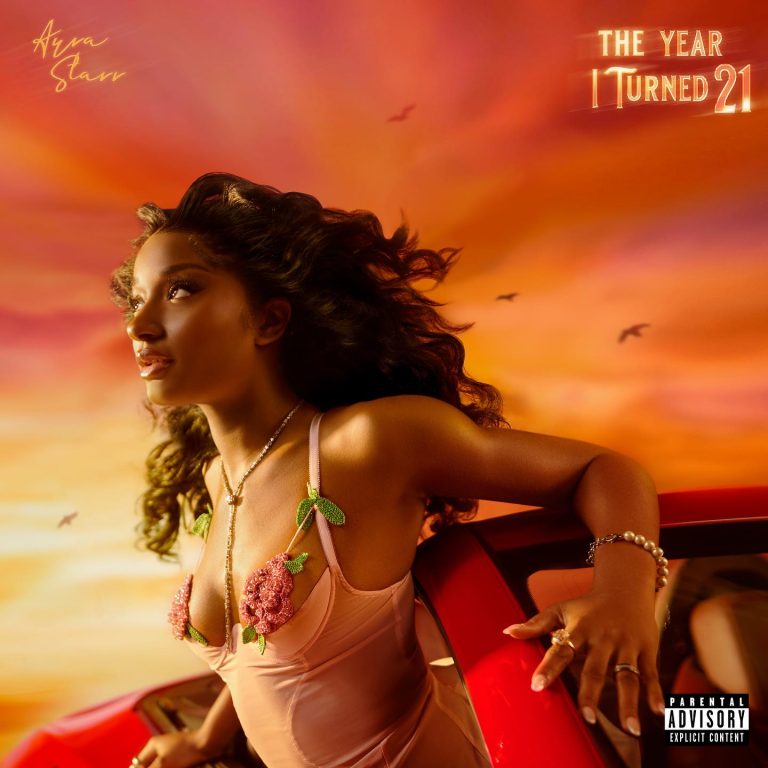
Ayra Starr has firmly established her global status with her album, “The Year I Turned 21.”

Ayra Starr, the Nigerian Afrobeats sensation, has firmly established her global status with the release of her sophomore album, “The Year I Turned 21.” This album, released on May 31, 2024, has been eagerly anticipated by fans and marks a significant milestone in her career, following her debut album “19 & Dangerous.”

“The Year I Turned 21” features 14 tracks and includes high-profile collaborations with artists such as Asake, Anitta, Coco Jones, Giveon, Seyi Vibez, and her brother Milar. These collaborations showcase Ayra Starr’s versatility and her ability to blend different musical styles, including Afrobeats, R&B, and pop​

The album documents Ayra Starr’s journey and growth as an artist, with each track offering a glimpse into her personal experiences and musical evolution. Notable tracks include “Woman Commando” featuring Anitta and Coco Jones, and “Last Heartbreak Song” featuring Giveon. The album also includes previously released singles like “Commas” and “Rhythm & Blues”​

One of the standout aspects of “The Year I Turned 21” is its collaborative nature. Ayra Starr worked with several prominent producers and artists, enhancing the album’s appeal and diversity. These collaborations have brought different musical influences into the mix, enriching the overall sound and helping her reach a broader audience.

Ayra Starr’s rise to fame began with her breakout hit “Rush” from her debut album, which earned her a Grammy nomination for Best African Music Performance. Her new album continues to build on this success, with its innovative sound and autobiographical storytelling, further solidifying her position as a global music icon​

In promoting the album, Ayra Starr emphasized its uniqueness and her sonic evolution, aiming to present an “excellent, sonically amazing” version of herself to her audience. This commitment to growth and excellence has resonated with fans worldwide, making “The Year I Turned 21” a pivotal release in her burgeoning career

Ayra Starr’s “The Year I Turned 21” is more than just an album; it’s a declaration of her arrival on the global music stage. It showcases her talent, versatility, and potential for future success. Her journey serves as a powerful example of how dedication and creativity can propel artists to international acclaim.

Best performing banks in Q1 2024 based on pre-tax profit  

0

Nigerian banks recorded a combined pre-tax profit of N1.58 trillion in Q1 2024, marking a 263% year-on-year increase compared to N436 billion in Q1 2023, with GTCO posting the highest profit in banking history for the quarter.

The banking sector’s performance was driven by significant increases in net interest income and fair value gains on financial instruments, influenced by rising interest rates and Naira fluctuations, contributing to record-breaking profits for several banks.

Top performers in Q1 2024 included Zenith Bank (N320.2 billion pre-tax profit), FBN Holdings (N238.5 billion), Access Holdings (N202.7 billion), and UBA (N156.3 billion), showcasing the sector’s profitability and growth despite economic challenges.

After an impressive financial performance in 2023, banks have continued to record impressive figures in the first quarter of the year.


For example, GTCO posted the highest profit in banking history in the first quarter of 2024.


Eleven of the 12 listed banking stocks have announced their quarterly financial results, collectively reporting a pre-tax profit of N1.58 trillion.


This marks a 263% year-on-year increase compared to the N436 billion pre-tax profit recorded in the same quarter last year.


Here are the best-performing banking groups in Q1 2024 based on pre-tax profit.


News continues after this ad


Sterling Holdco – N8.1 billion

Sterling Holdco posted an 84% year-on-year growth in pre-tax profit, as it hit a profit before tax of N8.1 billion in Q1 2024, from N4.4 billion as of Q1 2023.


The group posted gross earnings of N71 billion during the quarter, representing a 53.5% YoY growth from the N46.3 billion posted in Q1 2023.

The bank’s gross earnings were driven by a N55.3 billion income.

However, the group posted a net interest income of N27.2 billion, representing a 23% YoY increase from the N22.1 billion posted in Q1 2023.

Wema Bank – N9.7 billion

Despite an impressive 80% increase in pre-tax profit, Wema Bank posted a relatively smaller year-over-year profit growth than most banks in the first quarter of 2024, highlighting the sector’s performance during this period.


The bank posted a pre-tax profit of N9.7 billion, up from N5.4 billion as of Q1 2023.

Wema posted a net interest income of N26.1 billion during the quarter and a net fee and commission income of N10.9 billion, resulting in an operating income of N36.8 billion.

FCMB Group – N31.3 billion

FCMB Group posted a profit before tax of N31.3 billion, representing a 193% YoY growth from the N10.7 billion pre-tax posted in Q1 2023.


The group posted a net interest income of N55.4 billion and a net fee and commission income of N11.9 billion during the quarter.

FCMB recorded a net income of N28.8 billion, marking a 210% increase from the N9.3 billion net income posted in Q1 2023.

Fidelity Bank – N39.5 billion

Fidelity Bank Plc posted a pre-tax profit of N39.5 billion, marking a 120% growth from the N17.9 billion pre-tax profit recorded in Q1 2023.


During the quarter, the bank posted a net interest income of N99.6 billion, marking a 90% YoY growth from Q1 2023.

Fidelity Bank posted gross earnings of N192.1 billion during the quarter, as it also recorded a net income of N31.4 billion, up by 101% YoY from N15.7 billion as of Q1 2023.

Stanbic IBTC – N62.7 billion

Stanbic IBTC Holdings posted a pre-tax profit of N62.7 billion during the quarter under review, marking a 73% YoY growth from the N36.3 billion posted in Q1 2023.


Stanbic IBTC Bank, the banking division of the group, reported a pre-tax profit of N48.2 billion, marking a 102% year-over-year increase from the N23.8 billion pre-tax profit recorded in Q1 2023.

The bank contributed significantly to the group’s total income, generating N106.3 billion, which accounts for 77% of the group’s overall income.

UBA – N156.3 billion

Among the top-tier banks, UBA generated the least profit during the quarter under review. UBA Plc generated a pre-tax profit of N156.3 billion, marking a 155% increase from the N61.4 billion posted in Q1 2023.


During the quarter, the bank posted a net interest income of N300.7 billion, representing a 151% YoY increase from the N119.6 billion posted in Q1 2023.

The group reported a net operating income of N375.3 billion.

However, operating expenses surged by 104% year-over-year, rising to N219 billion from N107.3 billion in Q1 2023.

Access Holdings – N202.7 billion

Access Holdings posted a pre-tax profit of N202.7 billion during the quarter under review, marking a 148% YoY increase from the N81.7 billion posted in Q1 2023.


During the quarter, the group recorded a net interest income of N275.7 billion, representing 189% YoY growth from the N95.3 billion posted in Q1 2023.

During the period, the group’s assets increased to N32.5 billion, from N26.7 billion as of FYE 2023.

FBN Holdings – N238.5 billion

FBN Holdings, the parent group of First Bank of Nigeria Limited posted a pre-tax profit of N238.5 billion in the first quarter of 2024. This marks a 325% increase from the N56.1 billion posted in Q1 2023.


During the quarter, the group posted a net interest income of N228.6 billion, marking a 104% YoY increase from the N111.8 billion posted in Q1 2023. However, the group’s operating income was driven by a N288.9 billion net gain on financial instruments at fair value.


Zenith Bank – N320.2 billion

After posting an unprecedented return in FY 2023, Zenith Bank continued in Q1 2024, posting a pre-tax profit of N320.2 billion.


This marks a 270% YoY growth from the N86.6 billion posted in Q1 2023.

The bank, the top profit earner in FY 2023, was the second highest in Q1 2024. It posted a net interest income of N306.5 billion for Q1 2024, the largest in the country.

In Q1 2023, Zenith Bank also posted the largest net interest income, with N120.8 billion.

Zenith Bank posted a whopping N210.7 billion net trading income in Q1 2023.

GTCO – N509.3 billion

GTCO made history by posting the highest ever quarterly pre-tax profit in their history.


The group recorded a pre-tax profit of N509.3 billion, representing a 587.5% YoY increase from the N74.1 billion posted in Q1 2023.

Throughout FY 2023, GTCO posted a pre-tax profit of N609.3 billion.

The group posted a net interest income of N227.3 billion, representing a 177% YoY growth from the N82.2 billion recorded in Q1 2023.

However, the group posted a fair value gain of N331.6 billion, despite posting an FX revaluation loss of N12.7 billion.

What you should know

Jaiz Bank, the only national non-interest bank in Nigeria posted a pre-tax profit of N6 billion, marking a 278% YoY growth from the N1.59 billion posted in Q1 2023.


The bank recorded a net income of N16.4 billion, including a N910 million writeback.

Ecobank Nigeria, part of the Ecobank Transnational Incorporated posted a pre-tax profit of $4 million, representing a 48% decline from the $7 million posted in Q1 2023.

However, in Naira terms, the group’s pre-tax profit grew by 55% year-on-year.

An analysis of bank balance sheets in Q1 2024 shows that substantial profits, while partly driven by rising interest rates, were also bolstered by fair value gains on financial instruments held by the banks.

Given that these banks hold dollar-denominated financial instruments, the significant fluctuation of the Naira in Q1 has played a crucial role in generating gains.