Home Blog Page 199

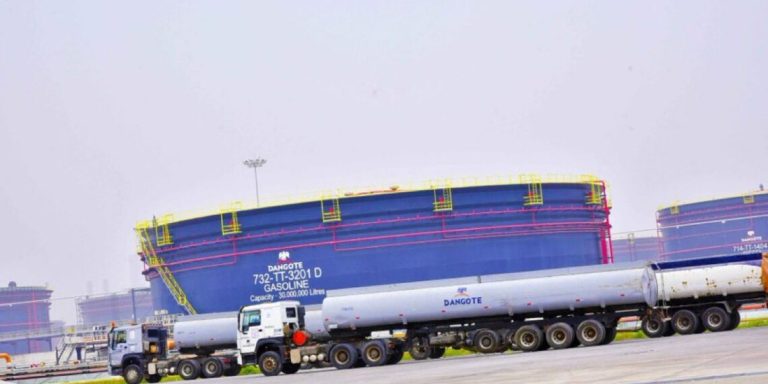
Dangote Refinery begins exportation of first jet fuel to Europe – Report  

Dangote Refinery begins exportation of first jet fuel to Europe – Report

The shipment includes 45,000 metric tons of jet fuel, which was allocated to BP as part of a tender for 120,000 metric tons issued by the refinery.


Spanish refiner Cepsa also won part of this tender and is anticipated to deliver jet fuel to the continent shortly.


Traveling across Quang Binh to stunning cinematic locations

News continues after this ad


The recent shipment of jet fuel to Europe is one of several accomplishments in recent months. To date, Dangote has exported six cargoes of jet fuel/kerosene, all of which were delivered to Senegal, Togo, or Ghana.


S&P reports that the company is projecting the commencement of its first petrol supplies this month, with ultra-low sulphur diesel anticipated to qualify for export to Europe by the third quarter.


So far, Dangote has shipped naphtha, fuel oil, and gasoil to markets across Europe, Africa, and Asia.


News continues after this ad


What Dangote said

In a recent statement in May, the CEO of Dangote Refinery, Aliko Dangote said the refinery will supply its refined products such as petrol, diesel and aviation fuel not only to the Nigerian market but also export to other African countries once the refinery reaches full operation.


Africa’s richest man said that the refinery will have sufficient supplies of gasoline, diesel, and aviation fuel to meet the needs of the African continent and also to export to Brazil.


“We started producing jet fuel, we are producing diesel, by next month, we’ll be producing gasoline. What that will do, is it will be able to take most African crudes.


“Our capacity is too big for Nigeria. It will be able to supply West Africa, Central Africa and also Southern Africa,” Dangote said.


According to him, the next phase of the refinery will start early next year.


What you should know

The Dangote refinery was completed by Africa’s wealthiest individual, Aliko Dangote, with an investment of $20 billion.


The refinery, with a processing potential of 650,000 barrels per day, is the biggest in both Africa and Europe upon achieving full operational status, which is expected either this year or next.


The Dangote refinery is expected to significantly reduce Nigeria’s dependence on imported petroleum products.


Nigeria, despite being the most populous country in Africa and its top oil producer, ironically imports almost all of its fuel.


Primarily, this is attributed to the nation’s lack of sufficient refining infrastructure, a gap that the new refinery seeks to fill.


The refinery began operation last month as it sold its first batch of aviation jet fuel and diesel to local marketers in the country.


Follow us for Breaking News and Market Intelligence.


UEFA Champions League: Real are favourites, but who gets best farewell between Kroos, Reus?

0

UEFA Champions League: Real are favourites, but who gets best farewell between Kroos, Reus?


The 2023/24 UEFA Champions League final, featuring Real Madrid and Borussia Dortmund, will be held at Wembley Stadium on Saturday, 1st June.


While Real Madrid, led by Carlo Ancelotti, enter as the favourites because of their unbeaten run in this season’s tournament and their pedigree as 14-time champions, Dortmund has defied expectations and reached their third final through surprising performances.


Football, however, is known for its unpredictability. Matches are not always determined by dominant performances, as seen in the 2012 Champions League final, where Bayern Munich outplayed Chelsea. The Bavarians had 23 goal attempts, while Chelsea had just six. Bayern scored what they thought was the winning goal in the 83rd minute, but Chelsea equalised two minutes to the end. Bayern had a penalty in extra time which former Chelsea forward Arjen Robben missed, and then lost in the penalty shoot-out.


This serves as a reminder that the underdogs, Borussia Dortmund, can still triumph against the odds in the upcoming final.


Real Madrid’s squad is valued at over $1 billion, while their German opponents come in at just over $500 million. Players like Vinicius Junior, and Jude Bellingham, are mentioned as future Ballon d’Or winners in a team that is being built to dominate in the coming years. But Dortmund, in exceeding many people’s expectations, have some match-winners in their fold. Jadon Sancho has rebuilt his reputation, while Niclas Füllkrug has scored some crucial goals.


Wins over PSG and Atletico Madrid showed Edin Terzić’s nous as a coach who can devise strategies to limit better opponents.


Dortmund have become a club of near misses in recent years. They lost the 2022/23 Bundesliga season on the last day, though they have become a more resilient bunch as the 2023/24 season has worn on. The UEFA website describes them thus: “Against Paris, they showed that they have grown into a close-knit unit throughout the season–a unit that doesn’t need many chances to make their mark.”


Both German players have been cultured footballers, but while Kroos has won everything there is to win, Reus has won just the DFB Pokal and the DFL Supercup. He was in the Dortmund squad that lost that 2013 Champions League final to Bayern Munich and what better way to sign off from his club of 13 years than helping his side to a famous win over the 14-time champions?


For Kross, leaving the game at 34, at the very pinnacle, says a lot about the kind of football player he has been since he signed his first professional contract with Bayern Munich in 2008.


A player of a determined mind, Kroos has always planned his destiny. His trophies read like a museum.


Bundesliga titles with Bayern in 2008, 2013, and 2014; three DFB-Pokal titles, the DFL-Supercup in 2012, UEFA Champions League in 2013; the 2013 UEFA Super Cup, and the 2013 FIFA Club World Cup.


After transferring to Real Madrid in 2014, he won La Liga in 2017, 2020, 2022, and this season. There is one Copa del Rey title in 2023; four Supercopa de Espana titles, and the biggest club accolade, the UEFA Champions League, four times, with a possibility of a fifth at Wembley on 1 June.


He has also won the UEFA Super Cup three times and another five FIFA Club World Cup titles. He was the midfield maestro that helped Germany win the 2014 FIFA World Cup.


The stage is set, but which player will get the better send-forth? The match kicks off at 8 p.m


Via Premium Times

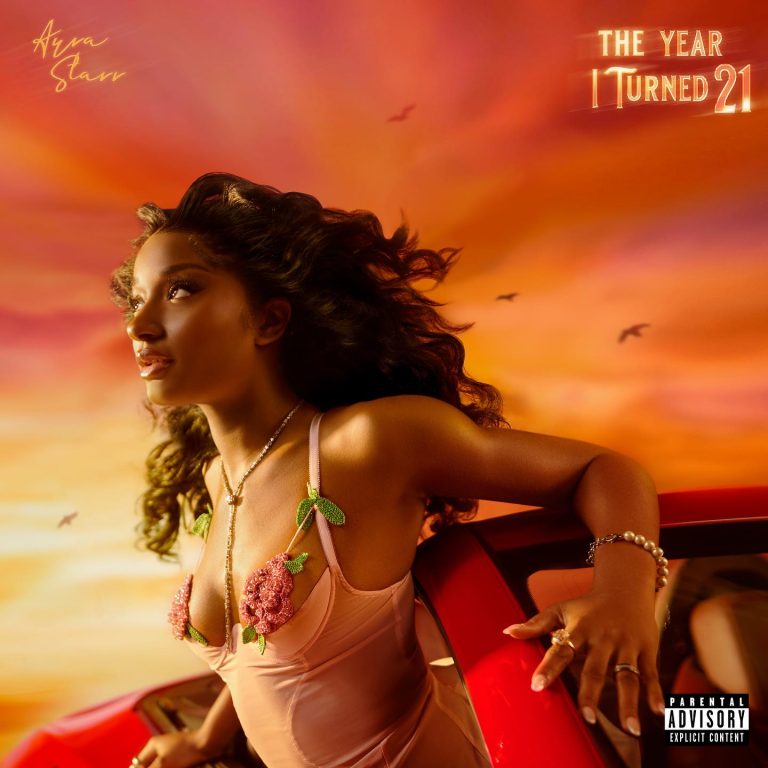
Ayra Starr has firmly established her global status with her album, “The Year I Turned 21.”

Ayra Starr, the Nigerian Afrobeats sensation, has firmly established her global status with the release of her sophomore album, “The Year I Turned 21.” This album, released on May 31, 2024, has been eagerly anticipated by fans and marks a significant milestone in her career, following her debut album “19 & Dangerous.”

“The Year I Turned 21” features 14 tracks and includes high-profile collaborations with artists such as Asake, Anitta, Coco Jones, Giveon, Seyi Vibez, and her brother Milar. These collaborations showcase Ayra Starr’s versatility and her ability to blend different musical styles, including Afrobeats, R&B, and pop​

The album documents Ayra Starr’s journey and growth as an artist, with each track offering a glimpse into her personal experiences and musical evolution. Notable tracks include “Woman Commando” featuring Anitta and Coco Jones, and “Last Heartbreak Song” featuring Giveon. The album also includes previously released singles like “Commas” and “Rhythm & Blues”​

One of the standout aspects of “The Year I Turned 21” is its collaborative nature. Ayra Starr worked with several prominent producers and artists, enhancing the album’s appeal and diversity. These collaborations have brought different musical influences into the mix, enriching the overall sound and helping her reach a broader audience.

Ayra Starr’s rise to fame began with her breakout hit “Rush” from her debut album, which earned her a Grammy nomination for Best African Music Performance. Her new album continues to build on this success, with its innovative sound and autobiographical storytelling, further solidifying her position as a global music icon​

In promoting the album, Ayra Starr emphasized its uniqueness and her sonic evolution, aiming to present an “excellent, sonically amazing” version of herself to her audience. This commitment to growth and excellence has resonated with fans worldwide, making “The Year I Turned 21” a pivotal release in her burgeoning career

Ayra Starr’s “The Year I Turned 21” is more than just an album; it’s a declaration of her arrival on the global music stage. It showcases her talent, versatility, and potential for future success. Her journey serves as a powerful example of how dedication and creativity can propel artists to international acclaim.

Best performing banks in Q1 2024 based on pre-tax profit  

0

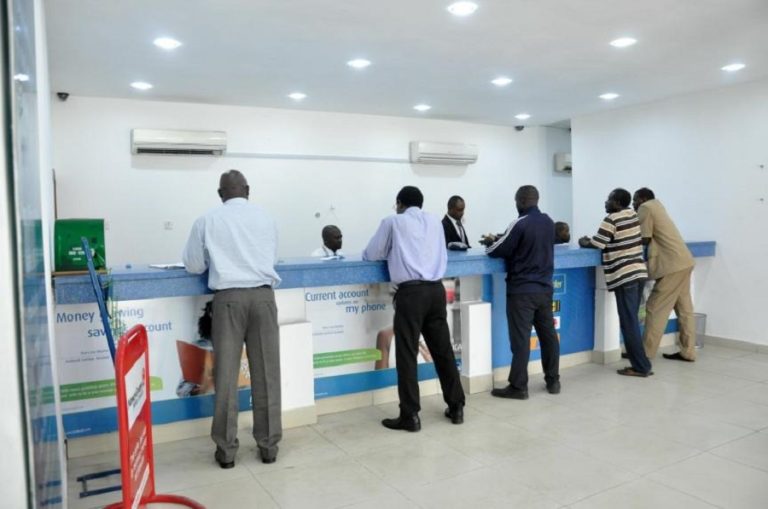
Nigerian banks recorded a combined pre-tax profit of N1.58 trillion in Q1 2024, marking a 263% year-on-year increase compared to N436 billion in Q1 2023, with GTCO posting the highest profit in banking history for the quarter.

The banking sector’s performance was driven by significant increases in net interest income and fair value gains on financial instruments, influenced by rising interest rates and Naira fluctuations, contributing to record-breaking profits for several banks.

Top performers in Q1 2024 included Zenith Bank (N320.2 billion pre-tax profit), FBN Holdings (N238.5 billion), Access Holdings (N202.7 billion), and UBA (N156.3 billion), showcasing the sector’s profitability and growth despite economic challenges.

After an impressive financial performance in 2023, banks have continued to record impressive figures in the first quarter of the year.


For example, GTCO posted the highest profit in banking history in the first quarter of 2024.


Eleven of the 12 listed banking stocks have announced their quarterly financial results, collectively reporting a pre-tax profit of N1.58 trillion.


This marks a 263% year-on-year increase compared to the N436 billion pre-tax profit recorded in the same quarter last year.


Here are the best-performing banking groups in Q1 2024 based on pre-tax profit.


News continues after this ad


Sterling Holdco – N8.1 billion

Sterling Holdco posted an 84% year-on-year growth in pre-tax profit, as it hit a profit before tax of N8.1 billion in Q1 2024, from N4.4 billion as of Q1 2023.


The group posted gross earnings of N71 billion during the quarter, representing a 53.5% YoY growth from the N46.3 billion posted in Q1 2023.

The bank’s gross earnings were driven by a N55.3 billion income.

However, the group posted a net interest income of N27.2 billion, representing a 23% YoY increase from the N22.1 billion posted in Q1 2023.

Wema Bank – N9.7 billion

Despite an impressive 80% increase in pre-tax profit, Wema Bank posted a relatively smaller year-over-year profit growth than most banks in the first quarter of 2024, highlighting the sector’s performance during this period.


The bank posted a pre-tax profit of N9.7 billion, up from N5.4 billion as of Q1 2023.

Wema posted a net interest income of N26.1 billion during the quarter and a net fee and commission income of N10.9 billion, resulting in an operating income of N36.8 billion.

FCMB Group – N31.3 billion

FCMB Group posted a profit before tax of N31.3 billion, representing a 193% YoY growth from the N10.7 billion pre-tax posted in Q1 2023.


The group posted a net interest income of N55.4 billion and a net fee and commission income of N11.9 billion during the quarter.

FCMB recorded a net income of N28.8 billion, marking a 210% increase from the N9.3 billion net income posted in Q1 2023.

Fidelity Bank – N39.5 billion

Fidelity Bank Plc posted a pre-tax profit of N39.5 billion, marking a 120% growth from the N17.9 billion pre-tax profit recorded in Q1 2023.


During the quarter, the bank posted a net interest income of N99.6 billion, marking a 90% YoY growth from Q1 2023.

Fidelity Bank posted gross earnings of N192.1 billion during the quarter, as it also recorded a net income of N31.4 billion, up by 101% YoY from N15.7 billion as of Q1 2023.

Stanbic IBTC – N62.7 billion

Stanbic IBTC Holdings posted a pre-tax profit of N62.7 billion during the quarter under review, marking a 73% YoY growth from the N36.3 billion posted in Q1 2023.


Stanbic IBTC Bank, the banking division of the group, reported a pre-tax profit of N48.2 billion, marking a 102% year-over-year increase from the N23.8 billion pre-tax profit recorded in Q1 2023.

The bank contributed significantly to the group’s total income, generating N106.3 billion, which accounts for 77% of the group’s overall income.

UBA – N156.3 billion

Among the top-tier banks, UBA generated the least profit during the quarter under review. UBA Plc generated a pre-tax profit of N156.3 billion, marking a 155% increase from the N61.4 billion posted in Q1 2023.


During the quarter, the bank posted a net interest income of N300.7 billion, representing a 151% YoY increase from the N119.6 billion posted in Q1 2023.

The group reported a net operating income of N375.3 billion.

However, operating expenses surged by 104% year-over-year, rising to N219 billion from N107.3 billion in Q1 2023.

Access Holdings – N202.7 billion

Access Holdings posted a pre-tax profit of N202.7 billion during the quarter under review, marking a 148% YoY increase from the N81.7 billion posted in Q1 2023.


During the quarter, the group recorded a net interest income of N275.7 billion, representing 189% YoY growth from the N95.3 billion posted in Q1 2023.

During the period, the group’s assets increased to N32.5 billion, from N26.7 billion as of FYE 2023.

FBN Holdings – N238.5 billion

FBN Holdings, the parent group of First Bank of Nigeria Limited posted a pre-tax profit of N238.5 billion in the first quarter of 2024. This marks a 325% increase from the N56.1 billion posted in Q1 2023.


During the quarter, the group posted a net interest income of N228.6 billion, marking a 104% YoY increase from the N111.8 billion posted in Q1 2023. However, the group’s operating income was driven by a N288.9 billion net gain on financial instruments at fair value.


Zenith Bank – N320.2 billion

After posting an unprecedented return in FY 2023, Zenith Bank continued in Q1 2024, posting a pre-tax profit of N320.2 billion.


This marks a 270% YoY growth from the N86.6 billion posted in Q1 2023.

The bank, the top profit earner in FY 2023, was the second highest in Q1 2024. It posted a net interest income of N306.5 billion for Q1 2024, the largest in the country.

In Q1 2023, Zenith Bank also posted the largest net interest income, with N120.8 billion.

Zenith Bank posted a whopping N210.7 billion net trading income in Q1 2023.

GTCO – N509.3 billion

GTCO made history by posting the highest ever quarterly pre-tax profit in their history.


The group recorded a pre-tax profit of N509.3 billion, representing a 587.5% YoY increase from the N74.1 billion posted in Q1 2023.

Throughout FY 2023, GTCO posted a pre-tax profit of N609.3 billion.

The group posted a net interest income of N227.3 billion, representing a 177% YoY growth from the N82.2 billion recorded in Q1 2023.

However, the group posted a fair value gain of N331.6 billion, despite posting an FX revaluation loss of N12.7 billion.

What you should know

Jaiz Bank, the only national non-interest bank in Nigeria posted a pre-tax profit of N6 billion, marking a 278% YoY growth from the N1.59 billion posted in Q1 2023.


The bank recorded a net income of N16.4 billion, including a N910 million writeback.

Ecobank Nigeria, part of the Ecobank Transnational Incorporated posted a pre-tax profit of $4 million, representing a 48% decline from the $7 million posted in Q1 2023.

However, in Naira terms, the group’s pre-tax profit grew by 55% year-on-year.

An analysis of bank balance sheets in Q1 2024 shows that substantial profits, while partly driven by rising interest rates, were also bolstered by fair value gains on financial instruments held by the banks.

Given that these banks hold dollar-denominated financial instruments, the significant fluctuation of the Naira in Q1 has played a crucial role in generating gains.

Banks staff experience 44.3% increase in salaries as banks incur N800 billion in 2023 

Commercial banks in Nigeria spent N799.8 billion on staff salaries in 2023, a 44.3% increase from the previous year’s N554.2 billion, despite only a 5.1% increase in staff strength to 56,226 employees.

The banks’ personnel expenses totalled N919.1 billion, with 87% allocated to salaries and the remaining 13% to other benefits such as pensions, reflecting the industry’s recognition of the importance of competitive salaries to attract and retain top talent.

The ten banks analyzed posted a combined net profit of N3.15 trillion in 2023, more than triple the previous year’s N1.04 trillion, highlighting the sector’s profitability and the essential role of high-performing staff in driving innovation and maintaining customer satisfaction.

Commercial banks spent a total of N799.8 billion on staff salaries in 2023, representing a 44.3% increase when compared to the N554.2 billion spent in the previous year.


This is as the banks collectively increased their staff strength marginally by 5.1% to 56,226.


This is according to an analysis by Nairalytics, the research arm of Nairametrics.


According to the data, which was culled from the audited results of the banks, the ten banks incurred N919.1 billion as personnel expenses, an increase of 46.6% compared to N627.1 billion in the previous year.


This means that the banks allocated an average of 87% of their personnel expenses to staff salaries, leaving the remaining 13% to other employee benefits, such as pension contribution plans.


The Nigerian banking industry is one of the major drivers of the local economy and is perceived as one of the most profitable sectors.


Notably, the ten banks under consideration posted a combined net profit of N3.15 trillion in the review year, more than triple the N1.04 trillion recorded in the preceding year.


Given the competitive nature of the Nigerian banking industry, attracting and retaining top talent is essential. Therefore, offering competitive salaries is a key strategy for banks to differentiate themselves and secure the best employees.


High-performing staff are crucial for maintaining bank profitability, driving innovation, and ensuring customer satisfaction. Hence, the significant increase in salaries reflects the industry’s recognition of the value of its workforce in sustaining growth and competitiveness.


Recall that banks announced staff salary increases across the board in 2023 ranging from 25% to 50%, on the back of high inflationary pressure emanating from the removal of the petrol subsidy.


Nairalytics analysed banks’ salaries per staff for the 2023 financial year. This is calculated by dividing total salary expenses by staff strength, giving an indicative annual average salary per staff for the year.


Below is an analysis of highest highest-paying banks based on salary per staff:


#5: FBN Holdings – N15.49 million


FBN Holdings, the group company of First Bank saw its personnel cost jump by 52.6% year-on-year in 2023 to N179.1 billion, compared to N117.4 billion in 2022. From this total, 76% (N135.9 billion) was spent on wages and salaries, while the rest was spread across pension contributions, post-employment and other staff benefits.


In terms of staff strength, the firm increased its number of employees by 10% to 8,771, indicating an annual average salary per staff of N15.49 million in 2023. Compared to the previous year’s N12.24 million, it increased by 26.6%.


Salary categorization shows that most of the employees fell into the bracket of higher earners, as 83.6% of the staff received salaries within the range of N5.5 million and above, while almost half of the staff received salaries above N9 million for the year.


#4: Fidelity Bank – salary average is N16.41 million


Fidelity Bank spent 96% of its personnel expenses on wages and salaries, which gulped about N50.3 billion, representing an increase of 92.7% compared to N26.1 billion recorded in the preceding year.

A breakdown of the bank’s staff cost shows that N1.82 billion was spent as the end of a year bonus, while N555 million was allocated to pension contributions.

Similarly, the number of employees increased slightly by 0.8% to 3,063. Hence, salary per staff surged by 91.2% to N16.41 million as against the N8.58 million recorded in 2022.

Further analysis reveals interesting insights as 44% of the employees belonged in the highest categories based on salary structure, earning above N10 million annually.


#3: UBA – salary average N17.35 million


UBA increased its personnel expenses by 60.4% year over year to N182.8 billion in 2023 compared to N113.9 billion recorded in the previous year.


Meanwhile, N173.6 billion was spent on wages and salaries, accounting for 95% of the total employee cost.


In addition, the number of employees increased by 4.3% to 10,007, which makes the group the highest employer of labour compared to the other banks. This may be attributed to its spread across several other countries within and outside Africa.

Considering the salaries and staff strength, salary per staff stood at 17.35 million on average for 2023, surpassing the previous year by 55.5%.

The compensation breakdown shows that 27% of the employees earned between N300,000 and N2 million annually.

Also, 22% received within the range of N4 million to N5.5 million in 2023, while about 19% of the workforce received above N9 million in the review year.

#2: Stanbic IBTC – salary average is N20.45 million


Stanbic IBTC incurred N65.76 billion as personnel expenses in the review year, a 29% increase from the N50.99 billion recorded in the previous year.


Staff salaries accounted for 95% of the total personnel cost, gulping a total of N62.49 billion, while the remaining was spent on cash settlement to staff linked with equity transactions.

Meanwhile, staff strength increased marginally by 1.6% to 3,056 from 3,008 people. As a result, salary per staff rose by 25.1% to N20.45 million compared to N16.35 million in 2022.

The salary breakdown as presented by the firm, shows limited salary categories between N1 million and 6 million. However, 75% of the employees received over N6 million annual salary.

#1: Access Holdings – Salary average is N21.85 million


Access Holdings Plc, the parent company of Access Bank recorded N167.9 billion as personnel expenses in 2023, a remarkable increase from the N116.6 billion incurred in the previous year.


A further breakdown shows that N160.25 billion was spent on wages and salaries, while others were allocated to pension contributions and restricted share performance plans.

The Group also increased its employee force from 6,824 in 2022 to 7,334. This brings the average salary per staff for the year to N21.85 million, in contrast to N15.48 million in the previous year.

Despite the remarkable increase, which placed the firm as the highest salary-paying bank based on average, a significant proportion of the employees earned between N4 million and N18 million, accounting for about 73% of the workforce, which indicates a rather symmetric distribution where most of the employees earned in the middle classification.

I Was Prevented From Performing in Nigeria Due to Indecent Dressing – Tiwa Savage

0

Tiwa Savage, a popular musician, revealed that when she returned to Nigeria from the United Kingdom to pursue her musical career, she was barred from playing at concerts because her attire were deemed “too risqué.”


She said that several of her previous music videos were not shown owing to being judged immoral.


The ‘Koroba’ hitmaker revealed this in a recent BET interview.


Savage said, “When I first moved back, I would turn up at a show and they would say I can’t perform because my outfit was too risqué.


“It was a cultural issue. Even some of my first music videos were not played on the television because they were considered indecent. I wasn’t even wearing bikinis.


“Despite the setbacks, I was still stubborn. My dresses were getting more revealing. It was just getting worse. They were bashing me online.


“It was funny because the females were secretly falling in love with me and my style. They couldn’t deny it. My fanbase, my followers, was growing. So they had to put me on shows and play my music because there was a demand for it.”


Tiwa Salvage recently revealed the inspiration behind her newly unveiled movie, “Water & Garri”.


Salvage said she got the movie idea while she was drunk.


She stated this during the pre-launch press conference at Livespot Entertainment.


The award-winning Afrobeat superstar Tiwa Savage said, “I said this before, this is an idea I had in my head when I was drunk in my room and when I brought the idea to my amazing team, they didn’t make me feel stupid. They just said this is a brilliant idea.”

Africa needs $402.2 billion annually by 2030 for structural transformation – AfDB President 

0

Africa needs $402.2 billion annually by 2030 for structural transformation – AfDB President

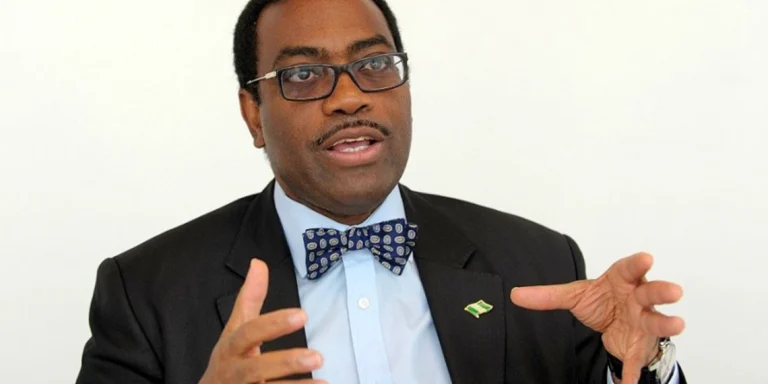
“The report highlights the glaring inadequacies of the current global financial system in closing Africa’s financing gap for structural transformation, estimated at 402.2 billion dollars annually between now and 2030.


“To rectify these disparities, the report proposes a bold agenda for reforming the global financial architecture, including in the five following key areas,’’ Adesina said.


He emphasized the necessity of giving Africa a greater voice in Multilateral Development Banks (MDBs) and International Financial Institutions (IFIs) to reflect its growing global GDP share and rich natural resources.

Adesina argued that transforming the global financial architecture would allow Africa a fair share of resources to capitalize on its vast economic opportunities.

The AfDB President emphasized that the African Economic Outlook advocates for increased private sector participation to complement public investments, particularly in areas with high social returns like climate action and human capital development.

More insights

Furthermore, Adesina urged Multilateral Development Banks (MDBs) to revise their business models to provide long-term concessional financing at scale to developing countries, thereby bolstering their capital positions.


He also recommended channelling a portion of the International Monetary Fund’s (IMF) Special Drawing Rights (SDRs) to MDBs and ensuring a healthy replenishment of the concessional windows of the African Development Bank (AfDB), the World Bank, the African Development Fund (ADF), and the International Development Association (IDA).


Recognizing the inefficiencies of existing debt resolution mechanisms, the AfDB President revealed that the African Economic Outlook (AEO) advocates for reforms to expedite debt workouts.


Adesina highlighted the need for sustainable debt management, including innovative market-based solutions like “Brady bonds,” debt relief for climate purposes, and sovereign debt authority systems.


He noted that the AEO report also stressed the importance of strengthening domestic revenue mobilization through improved tax policies and enhanced government revenue collection and utilization efficiency.


Adesina reiterated the significance of combating illicit financial flows, tax avoidance, and leveraging Africa’s abundant natural resources.


He emphasized that while domestic resource mobilization is crucial, the prudent use of such resources is equally important.


Therefore, countries should strengthen their capacity to improve public finance management.


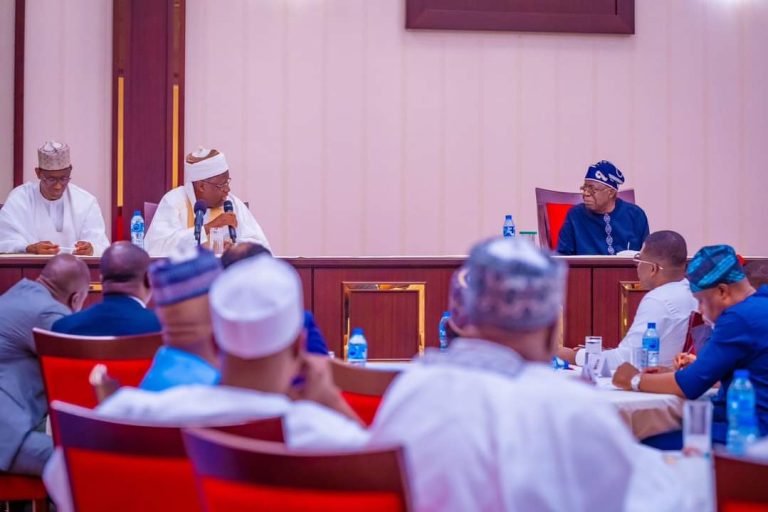
President Tinubu to Arewa Consultative Forum: Summon the governors to allow the 774 councils function

0

President Tinubu to Arewa Consultative Forum: Summon the governors to allow the 774 councils function


“We are running a constitutional democracy. I will appeal to you to summon the governors. I am doing my very best to enhance the revenue base of the country. They must equally be sympathetic, and they must urgently consider the needs of the local people.


“People reside in the local communities. That is where they work, farm, and live. If the local governments are not effective in delivering services; as leaders, we must not hang on to the numbers. We have 774 local government areas, but are they truly effective? Do they solve problems for Nigerians? Do they coordinate development programming with the state and federal governments?


“Who is being held accountable for the performance of the 774 local governments? Maybe we should look at recalibrating. What was good four years ago may not be good today. When we want the votes, we go to the locals; when we get the votes, we move to and focus on Abuja.


“The question of out-of-school children is unacceptable. Education is a tool against poverty, and that is what brought many of us here. We must use our education to serve the people and improve their conditions. We must develop the backbone of Nigeria’s economy, which is the education system. We will collaborate with you on this intensively.


“We are still building Nigeria, and I am glad that you have emphasized the need for development. The infrastructure decay is unacceptable, and the level of poverty in the north is unacceptable. We must eliminate the source of these trends.


“Everybody wants to be secure, and we need to invest more in technology. We will do it, I promise you. We will put our heart and soul into ensuring that Nigeria is secure and its citizens are protected.


“The AKK project, the dredging of the River Niger, and improving port access and infrastructure nationwide, in order to shorten travel time, will make us more prosperous as a nation. We have to fight insecurity so that people can make a decent living anywhere they live.


“Animal husbandry has been a huge problem for Nigeria. Dairy farms can grow our economy significantly.


“Talk to the governors and tell them to make more land available. Talk to herders to collaborate with the states. The lands are with the states. We are ready to put funds in place to help the herders. We can do it, and we will be able to do it. If the Brazilians and the Dutch are doing it, we can also do it.


“As long as we are together, and we have to be together, there is strength in our diversity. Our strength and opportunity are built into our population. I thank the cabinet members for their efforts, but I will relieve any of them of their duties anytime I feel that they are failing Nigerians.”


The President directed the establishment of a committee to follow up on the issues raised at the meeting and assigned the Secretary to the Government of the Federation, Senator George Akume, to lead the follow-up efforts.


“We must tick the boxes on all that we must quickly do,” President Tinubu said.

Yusuf Olatunji: The Legendary Sakara Drum Player Who Popularized Yoruba Music

0

Yusuf Olatunji, fondly known as Baba Legba or Baba L’Egba, was a Nigerian Sakara drum player who revolutionized the sakara music style. Born in 1908 in the village of Begbinlawo Gbagura, Abeokuta, Ogun State, southwestern Nigeria, Olatunji began his music career at the tender age of 8 as a drummer in his village.


Olatunji’s passion for music led him to join a sakara music group led by Shaki without his parents’ consent. He drew inspiration from his role models, including his cousin Aminu Yusuf, Shaki, Suura Dan Busari, and Habib Ayinde Oluwa. His talent as a lyricist and composer earned him recognition, and he formed a team of music composers led by Lagos prince Taslim Ayinde Sonibare and Salawa Abeni.


Olatunji’s band members were considered the best in sakara music, including lead drummer Pa Kasumu Isola Sanni, Olomele Shitta Bankole, Rahman Akanbi, and Onigba Sanusi Popoola Olosunde. His mid-life conversion to Islam significantly boosted his career in Yoruba music. He started his recording career in 1937 and joined Abibu Oluwa’s band in 1927.


Throughout his career, Olatunji sang praise songs for many prominent social clubs in southwestern Nigeria and befriended notable figures like Lamidi Durowoju, Jimoh Ishola, Raji Orire, and Badejo Okunsanya. His music legacy continues to inspire generations of musicians and music enthusiasts.


Olatunji passed away on December 15, 1978, at the age of 74, leaving behind four children and three wives: Mama Sabitiu Abake, Alhaja Fatima Yusuf, and Alhaja Kuburatu Abike Adebisi, also known as Cash Madam in Abeokuta, who sponsored his trip abroad. Although he died seven years later, his impact on Yoruba music remains indelible.

Yoruba Party Arrives in Ibadan July 7, Promises Unique Cultural Experience

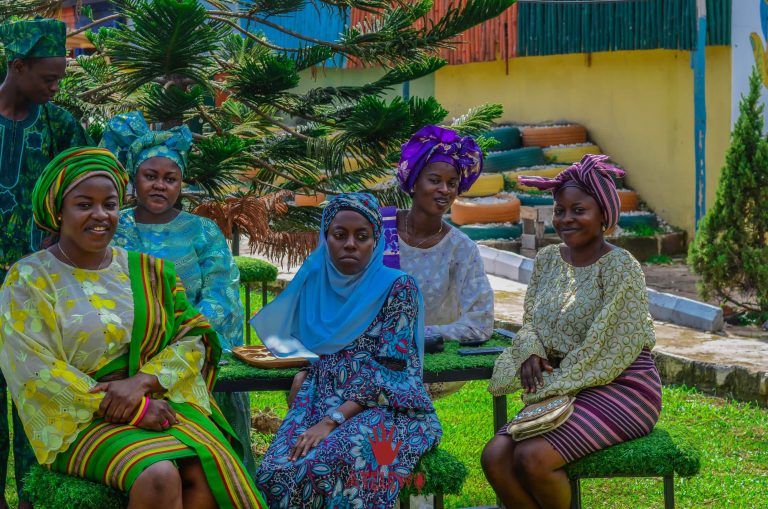
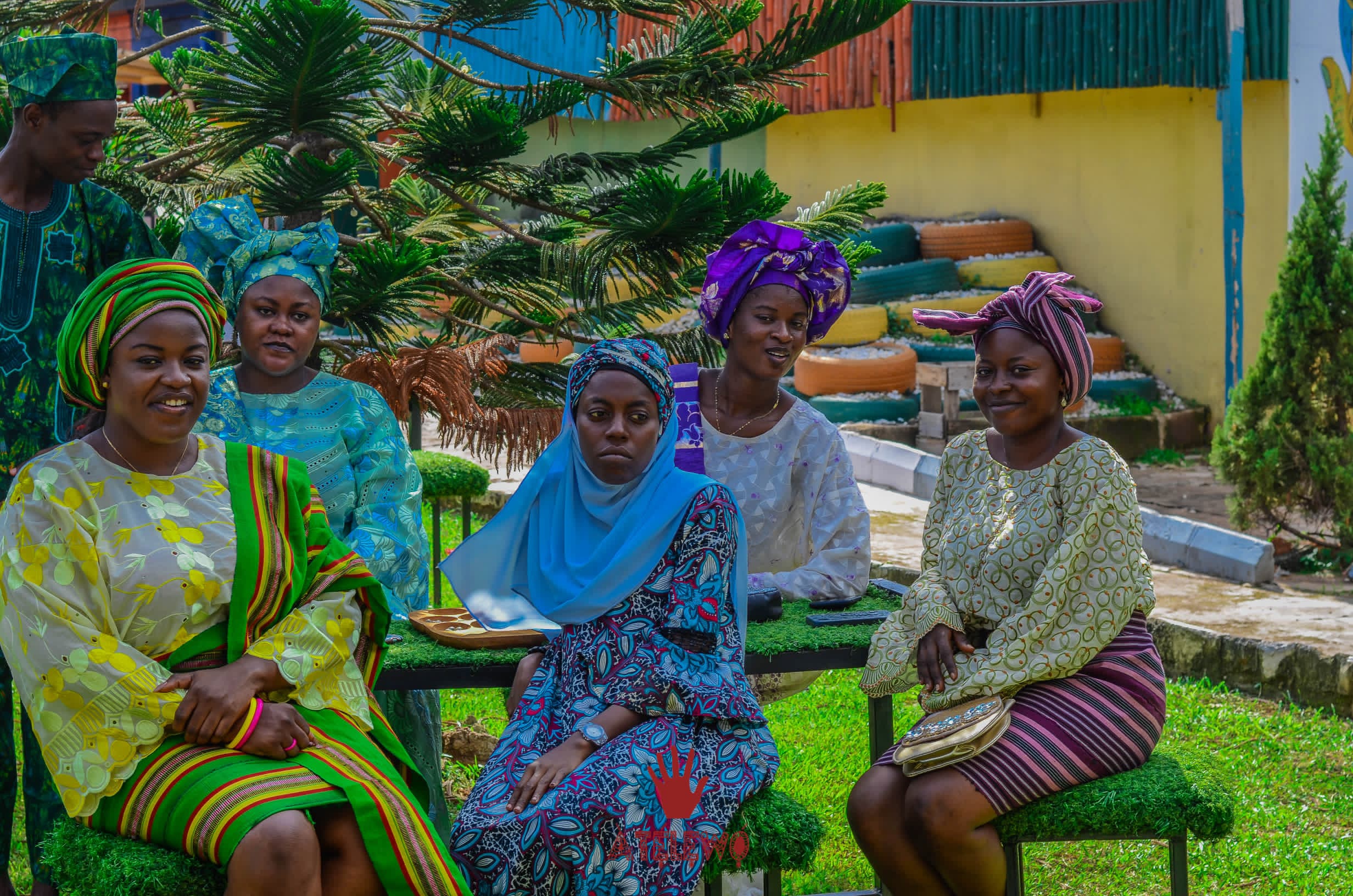
ATELEWO Cultural Initiative has announced the organization of a Yoruba Party in celebration of the Yoruba New Year. This grand event is scheduled to take place on July 7, 2024, at the Racecourse, Adamasingba in Ibadan. The festival promises an unforgettable experience filled with traditional Yoruba music, fashion, food, and engaging cultural activities.

The Yoruba Party will offer a unique opportunity to immerse in the rich heritage and dynamic traditions of the Yoruba people. Attendees can look forward to a day of joyous celebration, featuring competitions and quizzes that test participants’ understanding of Yoruba culture and history. The event will be Yoruba cultural dress-themed, encouraging all participants to don both old and new styles of Yoruba outfits, showcasing the evolution of Yoruba fashion.

“The Yoruba Party is not just a celebration; it is a crucial step towards the growth and sustenance of Yoruba culture,” said Rasaq Malik Gbolahan, one of the founders of the Initiative. “By bringing people together to celebrate and learn about Yoruba traditions, we are fostering a deeper appreciation and understanding of our rich cultural heritage.”

“This event is open to everyone whether you are Yoruba or not,” added Ayo Adams, the co-convener. “We invite all to join us in experiencing the beauty of Yoruba culture, from its music and dance to its fashion and food. It’s a fantastic opportunity to engage with and celebrate the Yoruba New Year in a lively, communal setting.”

The ATELEWO Cultural Initiative has long been dedicated to the revival and promotion of Yoruba culture and language. This event is part of their ongoing efforts to preserve and enhance the cultural legacy of the Yoruba people. The Yoruba Party aims to attract Millennials and Gen Zs, who, despite being disadvantaged as recipients of cultural legacies and traditions, are increasingly interested in exploring their cultural roots.

The Yoruba Party is expected to attract a diverse audience eager to immerse themselves in the traditions of the Yoruba people. The event promises an exciting blend of traditional entertainment and cultural education, ensuring a memorable experience for all who attend. And more information about participation can be seen on www.yorubaparty.com.