

Home Blog Page 200

FG unveils 5.2 mmscfd of CNG plant in Lagos, plans six new stations nationwide

0

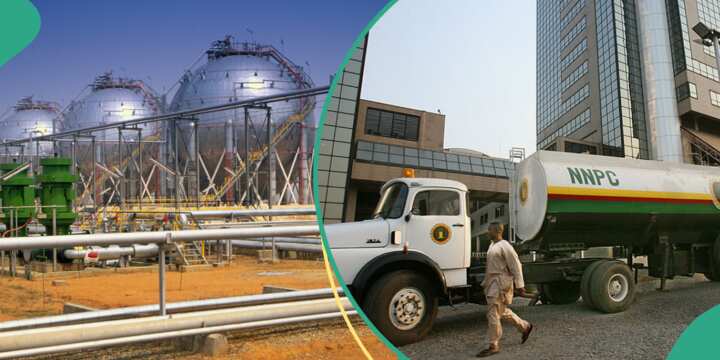
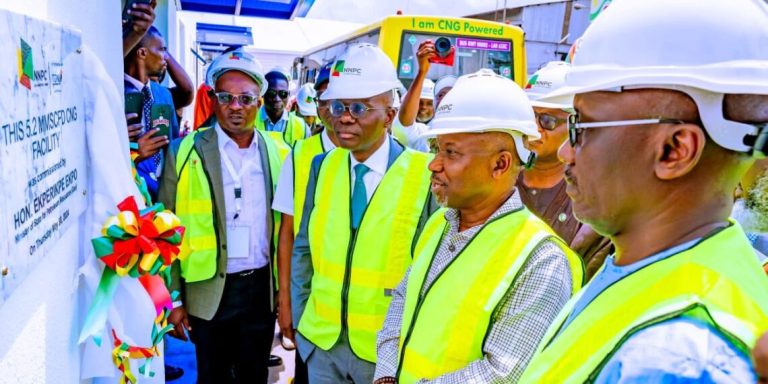
The Federal Government has inaugurated a 5.2 million standard cubic feet per day (mmscfd) Compressed Natural Gas (CNG) plant in Lagos in an attempt to offer alternative fuel sources and mitigate the effects of petrol subsidy removal.


This is contained in a statement by the spokesperson of the Nigeria National Petroleum Corporation Limited (NNPCL), Olufemi Soneye, on Thursday in Abuja.


Soneye said that the NNPCL is planning to introduce six new plants across the country to alleviate the energy costs associated with the removal of the fuel subsidy.


The Minister of State for Petroleum Resources (Gas), Ekperikpe Ekpo, inaugurated the plant in the Isolo Industrial Area, Ilasamaja, Lagos, on Thursday.


He stated that the event themed, “From Gas to Prosperity: CNG for All,” marks a pivotal moment in the advancement of affordable, sustainable, and secure energy sources in the country.


What the minister is saying

“Although the elimination of the Premium Motor Spirit (PMS) subsidy has brought difficulties, it has also given us a once-in-a-lifetime chance to invent and adopt more economical, efficient, and sustainable energy alternatives.


“CNG as a transport fuel is a mature technology used globally, as it is the cleanest burning fuel in terms of Nitro-oxide and soot emissions.


“While it can be employed to power passenger cars and city buses, CNG passenger vehicles emit 5-10% less CO2 than comparable gasoline-powered passenger vehicles,” Ekpo said.


More Insights

In his remarks, the GCEO of NNPC Limited, Mallam Mele Kyari, announced that to ensure energy security and increase access to CNG for Nigerians, NNPCL has finalized an investment decision with Axxela Limited.


According to Kyari, this partnership will establish six CNG mother and service station plants, each with a capacity of 5.2 mmscfd, strategically located across the six geopolitical zones, including the Federal Capital Territory (FCT), to facilitate easier access to bulk CNG.


He added that this initiative complements NNPCL retail’s gradual introduction of CNG in over 100 stations nationwide, along with other Joint Venture collaborations focusing on CNG.


He said the Petroleum Industry Act (PIA) explicitly mandates NNPCL to promote domestic gas utilisation, thereby strengthening the company’s resolve to deploy critical gas infrastructure projects across the country.


“NNPC will continue to deliver more strategic projects for the benefit of our country. We shall utilise our gas resources for industrialisation, power generation and economic prosperity for all,” Kyari added.


Backstory

Following the removal of the fuel subsidy on May 29, 2023, President Bola Ahmed Tinubu inaugurated the Presidential CNG Initiative in October of the same year to provide more affordable, safer, and environmentally friendly energy.


This initiative focuses on supplying compressed natural gas primarily for mass transit.


To alleviate the burden of rising fuel prices on the public, the Federal Government allocated N100 billion from the N500 billion palliative budget to buy 5,500 CNG vehicles (buses and tricycles), 100 electric buses, and over 20,000 CNG conversion kits.


This funding also encourages the development of CNG refilling and electric charging stations, he said.


Furthermore, the private sector backed the initiative with more than $50 million in real investments towards refuelling stations, conversion centres, and mother stations.


DisCos face billions in losses as manufacturers insist on paying old tariffs

0

Following the surge in electricity tariffs for Band A customers in the nation from N66/kWh to N208/kWh, the Manufacturers Association of Nigeria (MAN) lodged a petition with NERC, urging a reversal of the new electricity rates for its members.

Citing numerous economic challenges confronting manufacturers and business owners in the country, the association argued that the escalated electricity tariffs would further exacerbate the hardships of conducting business in the nation.

Meanwhile, Power Distribution Companies (Discos) are reportedly contemplating widespread disconnections of several companies and factories, fearing substantial losses estimated in billions of naira.

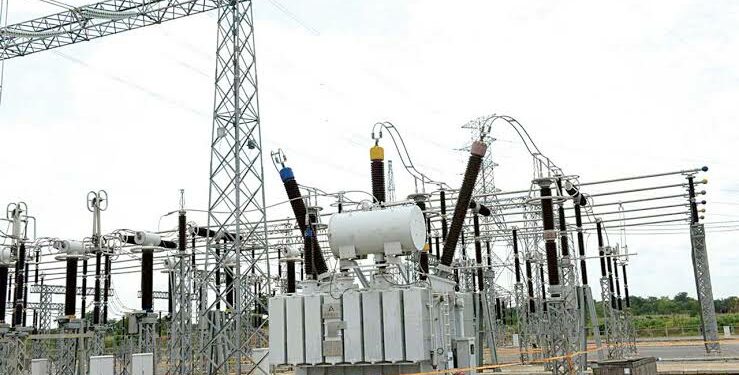
Power distribution companies (DisCos) in Nigeria face billions in collection losses as manufacturers decide to pay the old tariff rates instead of the new rates approved by industry regulators.


The Manufacturers Association of Nigeria (MAN) has instructed its members across the country to persist in paying the previous rate of N66/kWh to the distribution companies (DISCOs) pending a resolution of the petition filed by the association to the National Electricity Regulatory Commission (NERC)


NERC approved the new tariff due to financial illiquidity and mounting losses incurred by the DisCos stemming from the lack of a cost-reflective tariff within the power sector.


The Minister of Power, Adebayo Adelabu, had earlier said that the federal government was subsidizing about 67% of the power sector, expected to amount to N2.9 trillion by the end of 2024.


The report also showed that about 52% of electricity costs would not be subsidized monthly as the government has halted a significant portion of the electricity subsidy.


With the refusal of MAN to pay the tariff, Discos is expected to bear more losses in the coming months.


According to the latest report by NERC, DisCos, revenue collections stood at N294.95 billion out of the N399.69 billion billed to customers in the fourth quarter of 2023, indicating a N105.1 billion loss in total.


MAN Accuses NERC of Being Singled Out for Tariff Hikes

Nairametrics has learned that manufacturers believe they are being unfairly targeted with high electricity tariffs.


This appears to be part of a government strategy to shift the burden of electricity cross-subsidies onto them, a responsibility previously borne by the government before it ceased subsidizing the sector.


The aim is to impose cost-reflective rates on these companies.


Electricity cross-subsidy is a process where tariffs are adjusted so that customers with high demand and more reliable power supply pay higher rates.


This is done to compensate for customers who receive limited power and face affordability challenges.


In a letter dated May 9, 2024, and addressed to its members, MAN instructed them to adhere to the previous tariff rates and urged them not to be deterred by NERC’s actions, emphasizing the association’s commitment to escalating discussions with the DisCos and the federal government.


“In the face of this stark reality and in order to ensure that members’ businesses are not disrupted and the DisCos are not starved of needed revenue, you are advised to pay the old rate on account, whilst we intensify our engagement with NERC/DisCos with a view to ensuring that due process is followed in tariff setting and that our members are only required to pay a fair price for power supplied.


“We have since instructed our Expert/Solicitor to stand ready to take further necessary action to ensure that our members are not intimidated or compelled to pay the rate in dispute,” the letter read in part.


DisCos threaten widespread disconnection

To secure payment of the revised tariff, sources said DisCos are threatening widespread disconnection targeted at companies and factories that have refused to pay the new rate implemented by NERC.


An official who chose to remain anonymous told Nairametrics that the power distribution companies would have no choice but to disconnect some of these companies from their services as the old rate remains unstainable for the electricity providers.


“I think DisCos have no choice but to embark on widespread disconnection to avoid carrying over these losses.


“Meanwhile, we also understand some of the companies are seeking alternatives such as gas and ‘eligible’ customers to reduce their electricity cost,” the source said.


Furthermore, Mr. Ajayi Kadiri, the Director-General of MAN, stated in his correspondence that members have received bills indicating the tariff hike, with some being notified of impending electricity supply disconnections to their factories.


“Our members have been served bills reflecting the increase and some have been informed that electricity supply to their factories will be cut off.


This is rather unfortunate and does not demonstrate the willingness to engage manufacturers with a view to arriving at a mutually beneficial outcome,” Kadri said.


Ongoing Petition with NERC

Last Thursday, a panel of NERC adjourned its verdict on the petition by the Manufacturers Association of Nigeria, MAN, indefinitely.


The Vice Chairman of NERC, who doubles as chairman of the panel, Dr Musiliu Oseni, said that the commission would take some time to review the petition and come up with a fair verdict.


On their part, however, the counsel to MAN, Tola Oshodi, urged the electricity regulator to reverse the recently hiked tariff for Band A consumers, as it was inimical to the manufacturing sector.


“We are here to appeal. MAN was not given an opportunity to make representation before the new tariff was fixed.


“MAN is recognized in the guidelines as a stakeholder that must be engaged before such decisions, but it never happened. The provision for stakeholders’ engagement was not complied with.


“We appeal that the new tariff should be suspended as we go through the process of engagement,” he said.


Memory Lane: The Man Roy Chicago

0

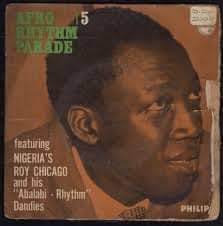
Roy Chicago: John Akintola Ademuwagun, better known as Roy Chicago, was a prominent highlife musician in the 1960s. He began his professional music career in the 1950s, performing at the Central Hotel on Adamasingba Street in Ibadan before relocating to Lagos. However, his musical journey started much earlier, during his elementary school days in Sapele in the 1940s. Siaka Momoh, writing for ‘Showtime’ in Vanguard, interviewed him in April 1985, four years before his death, where Roy reminisced about his early days in music.


The interview took place at the Chicago Club on Modeke Street, off Ojuelegba Road in Surulere, Lagos. At that time, Roy was 50 years old and had transitioned from being a highlife star to a committed beer seller, performing various bartending tasks.


Learning Curve

Roy Chicago’s association with music began in elementary school, where he led the school band in Sapele. This role allowed him to master several instruments, particularly the trumpet. After finishing school in 1946, he became a teacher and continued to nurture school bands in Sapele and what is now Ondo State. His professional music career started after he left teaching and joined Hubert Ogunde’s band in 1959. He later played with Bobby Benson’s Jam Session Orchestra, formed the Green Springers for Green Spring Hotel in Ibadan, and eventually started his own band, reflecting a challenging yet enriching learning curve.


Roy’s Music

After Nigeria’s independence in 1960, Roy Chicago gained widespread success with hits like “Iyawo Pankeke,” “Are Owo Ni Esa Yoyo Gbe,” and “Keregbe Emu.” He and Victor Olaiya, both alumni of the Bobby Benson Orchestra, led two of Nigeria’s foremost highlife bands, with Roy being credited for introducing the talking drum into highlife.


Roy Chicago combined the trumpet and saxophone with vocals, performing various music styles, including ballroom dance, highlife, fox trot, tango, waltz, quick step, jive, and Latin American music. His notable sidemen included tenor sax player Etim Udo and trumpeter Marco Bazz. Roy’s highlife style was heavily rhythm-focused, incorporating Nigerian folksongs and showcasing blue notes in his saxophone parts, aligning more closely with traditional Yoruba music than conventional highlife.


Fall of Highlife

The Nigerian Civil War (1967–1970) contributed to highlife’s decline as many of the top bands were run by Igbos from the breakaway eastern regions. This shift allowed Yoruba-derived Jùjú music, led by artists like Ebenezer Obey and King Sunny Ade, to dominate. Jùjú music, characterized by guitar melodies and rooted in Yoruba traditions, evolved significantly from the 1930s to the 1980s, seeing a resurgence with Shina Peter’s “Ace” album.


During a low point in Roy Chicago’s career in the 1970s, Bobby Benson supported him by providing musical equipment. Roy, an indigene of Ikare-Akoko in Ondo State, had two children, Bolajoko and Kayode Akintola. Unlike Victor Olaiya, who drew from Ghanaian melodies, Roy’s music was deeply rooted in Nigerian indigenous themes and folklore.


Legacy

Roy Chicago’s band was a training ground for notable musicians, including trumpeter/vocalist Cardinal Rex Jim Lawson and tenor sax player Peter King. Jimi Solanke, the playwright and folk singer, also performed with his band, and guitarist Alaba Pedro played with Roy until the band disbanded in 1969 due to the civil war. Alaba Pedro praised the band for its discipline and versatility, emphasizing its specialty in highlife music infused with Nigerian rhythms. Roy Chicago’s influence persisted as his former band members continued to shape Nigeria’s music scene.

Chinese Government Ban Excessive Display Of Wealth On Social Media

0

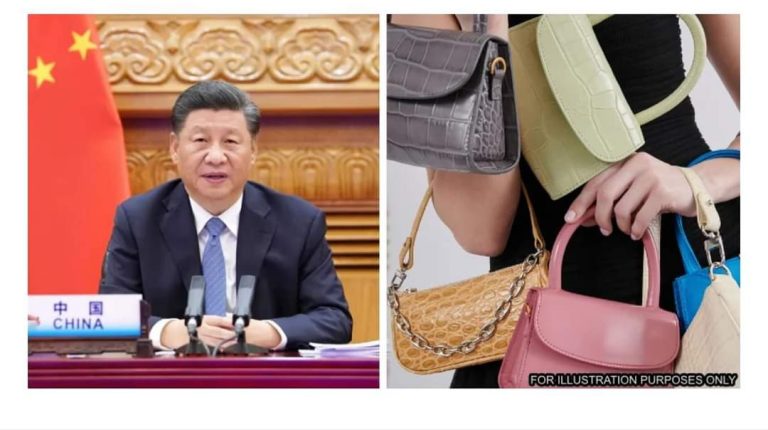
Chinese authorities have started taking online influencers known for their luxurious lifestyles off Chinese social media platforms amid a government crackdown on conspicuous displays of wealth.


China’s Cyberspace Administration, the national internet regulator, announced a campaign last month against influencers who “create a ‘wealth-flaunting’ persona, deliberately showcasing a luxurious life built on money, in order to attract followers and traffic.”


One influencer, Wang Hongquan, known for flaunting his luxurious lifestyle online had his account on Douyin, the Chinese version of TikTok banned.


Searches returned an error message saying it had been blocked “due to violations of Douyin’s community guidelines.”


The Douyin accounts of other online influencers who posted similar content, such as Bo Gongzi (Young Wealthy Lord Bai), with 2.9 million followers, and Baoyu Jiajie (Abalone Sister), with 2.3 million followers, were also blocked.


China is currently experiencing an economic slowdown that has reportedly hit the middle class especially hard.


“When most people are unhappy with their own lives, they see all this online content that’s so disconnected from reality — seeing all these people who seem so happy and wealthy, it creates a pretty warped psychology,” Lyla Lai, a former beauty influencer who had over a million followers on Douyin, said in a voice message.


Lai, who left Douyin amid criticism from other users over her sales tactics and lifestyle, said there were “concerns about young people today seeing too much of this stuff and not focusing on their studies anymore, getting caught up in this excessive, greedy materialism.”


“In the long run, that’s definitely not good for development, so this cleanup is really necessary,” said Lai, who now lives in Australia.


“But at the root of it, we also need to see the economy being able to develop more, so people can have a greater sense of fulfillment and happiness in their lives, rather than just seeking psychological comfort through the internet.”

PRESIDENT TINUBU: COMMUTERS TO ENJOY FREE TRAIN RIDES ON ABUJA METRO LINE UNTIL YEAR-END

0

STATE HOUSE PRESS RELEASE


PRESIDENT TINUBU: COMMUTERS TO ENJOY FREE TRAIN RIDES ON ABUJA METRO LINE UNTIL YEAR-END

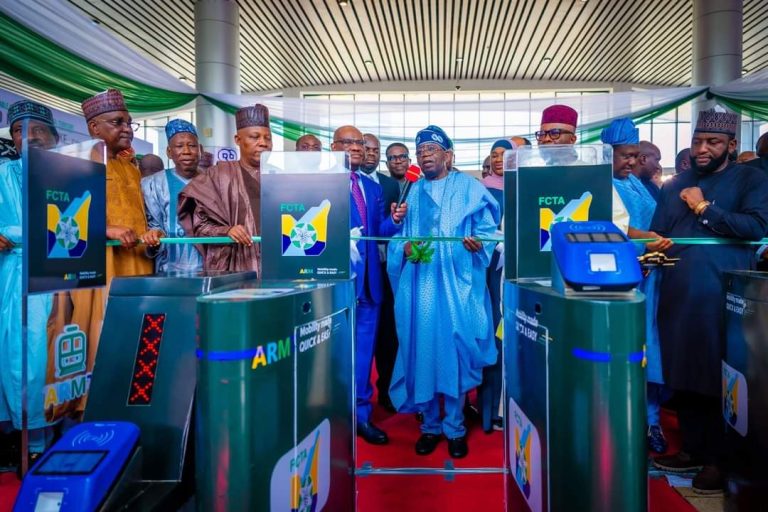
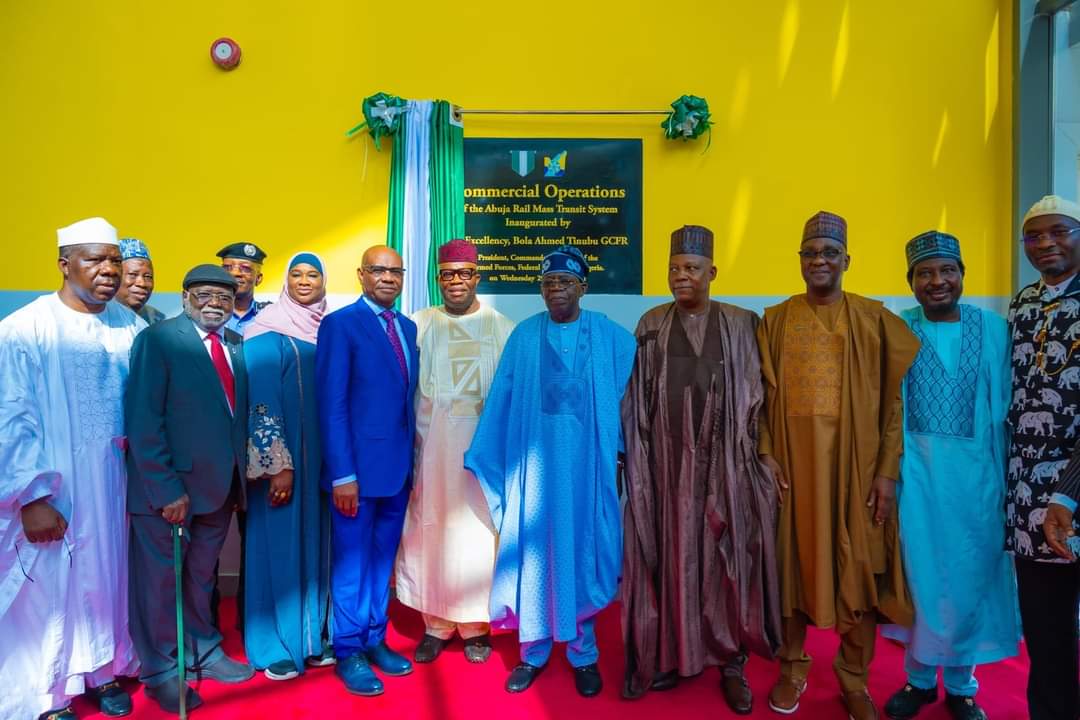
President Bola Tinubu, on Wednesday, announced that Nigerians and other commuters would enjoy free train rides on the Abuja Metro Line until the end of the year.


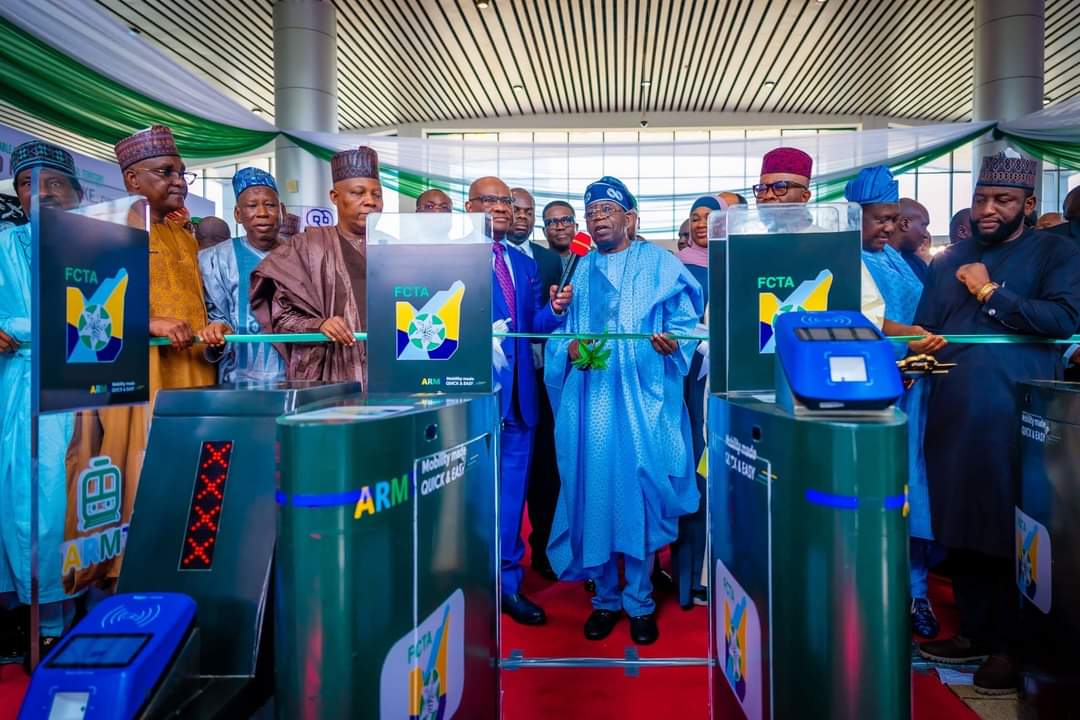
The President made this declaration while flagging off the re-launch of commercial operations on the Abuja Light Rail.


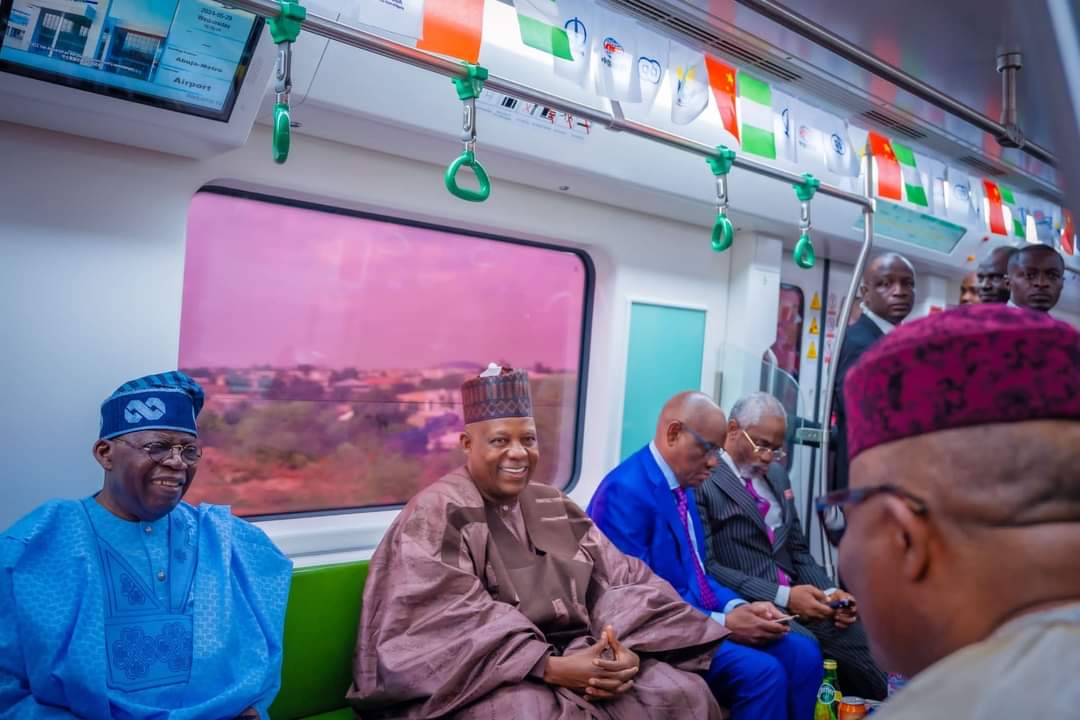
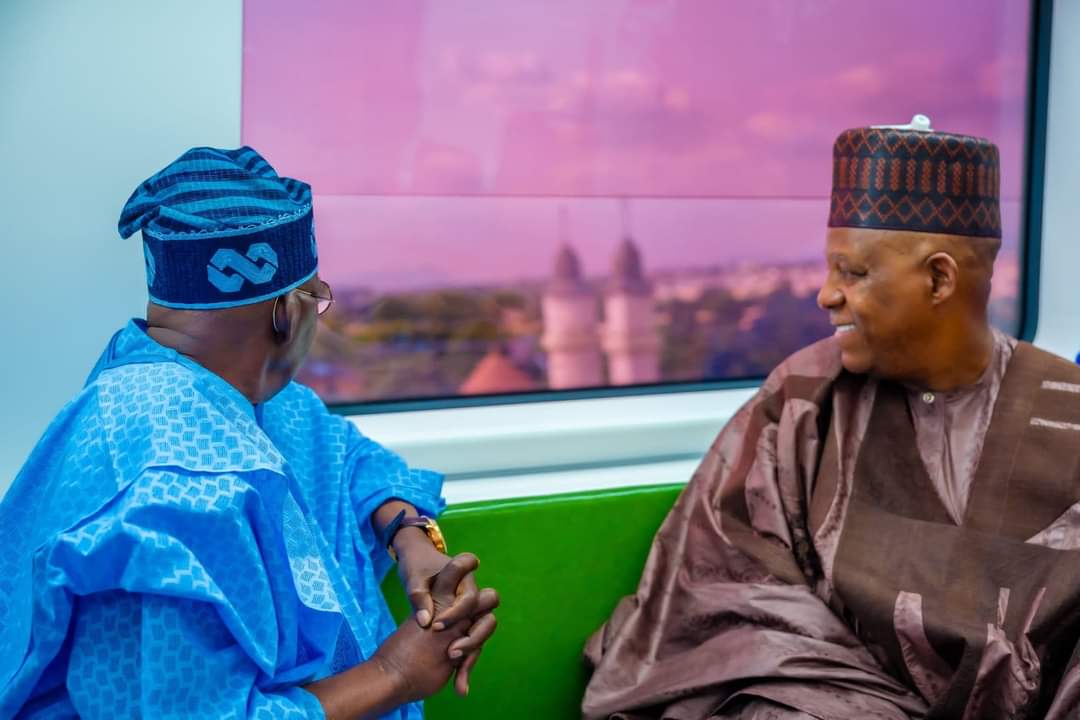
“Our dear Landlord, the Minister of the Federal Capital Territory (FCT), I have heard you say there will be free train rides for two months. I want to appeal to you to make it until the end of the year. Let us give the people reasons to celebrate,’’ the President said before taking a 40-minute ride from the metro station to the airport station.

He described the operations on the Abuja Metro Line as a symbolic milestone of enduring progress as a country and in the FCT.


“As we gather to commemorate the first anniversary of my administration, we are also celebrating the fruits of collaboration, dedication, progress, and foresightedness.

“The Abuja Metro was inherited by my administration from my predecessor. It was first commissioned in 2018 for public use, but this was not to be. COVID-19 struck. The train service was abandoned, vandalized, disused, and abused.


“When we came into office, as part of my desire to have a functional and flourishing FCT with efficient public infrastructure and transportation systems that will serve the people who live and work within the city and the surrounding communities, I made a public request and a challenge to the Minister, Nyesom Wike.

“Then, I did not know that he would be able to deliver this project on time. I said, ‘Do not give me land, Mr. Landlord’. He gave me the assurance that I will be able to ride on the metro line, and I am very proud that today you delivered on that promise,” the President said.


President Tinubu highlighted the significance of transportation in providing hope to the people and commended the completion of access roads to the various train stations.


“Transportation gives hope and access to various individuals and organizations. The access roads to the various stations have been done, and today, we are proud to say that you are truly serving the nation,” the President said.


President Tinubu, who described service to the nation as a critical element of the ‘new national anthem’ adopted and signed into law earlier on Wednesday, urged Nigerians to remain dedicated to the service of the nation.


Referring to the Abuja Metro Line as a symbol of unity and enhanced accessibility, President Tinubu reiterated his administration’s commitment to delivering on its promises.


“What we have in the FCT is another piece of evidence that we are a government that delivers on promises,” the President affirmed.In his remarks, the Minister of the FCT recounted how the President’s directive at a public event in September 2023 spurred the FCT administration into action.


He noted that while the metro line was initially inaugurated in 2018, it lacked essential access roads and remained non-functional.


He said the project was actualized within nine months under President Tinubu’s administration.


He, however, disclosed that with the intervention of the President, the Central Bank of Nigeria, in collaboration with the Coordinating Minister of the Economy and Minister of Finance, and the Accountant General of the Federation, facilitated the payment of the contract sum of $30 million, which was previously unpaid, to China Civil Engineering Construction Corporation (CCECC), the contractors.


Barrister Wike also revealed that the construction of access roads cost N21.4 billion.


The Minister emphasized that the successful operationalization of the metro line is a testament to the reality and great possibilities of the Renewed Hope Agenda.


“We have given back renewed hope to the people. The Renewed Hope Agenda is real, working, and practical. This station stands as a promise made and a promise kept,” the Minister said.


In an overview of the project, the FCT Mandate Secretary for Transportation, Chinedu Elechi stated that the Abuja Metro Line has 12 trains with each having the capacity of carrying at least 700 passengers while making 14 trips per day.


He said Lot 1 and 2 of the metro line would run two trips simultaneously every day, thereby having a cumulative capacity of transporting 980,000 passengers monthly in the Federal Capital Territory.


“All the ancillary roads to the four train stations and car parks have been constructed and delivered, thereby making today’s launch of commercial operations of the metro line possible,” the Mandate Secretary stated.


Vice President Kashim Shettima; Senate President Godswill Akpabio; Speaker of the House of Representatives, Tajudeen Abbas; the Chief Justice of Nigeria (CJN), Justice Olukayode Ariwoola; members of the Federal Executive Council and other dignitaries accompanied the President on the train ride.


Chief Ajuri Ngelale


Special Adviser to the President


(Media & Publicity)


May 29, 2024

New National Anthem: Has Tinubu started restructuring?

0

It will take me a while to decide whether to finally memorise our new national anthem.


However, I want to point out that even though national anthem is not Nigeria’s biggest problem at the moment deciding to revert to the old national anthem DOES NOT prevent other serious problems facing us from being tackled by the government at all levels. These things can happen SIMULTANEOUSLY. So, critics should find another line of criticism.


On the merits of changing the National anthem, persons in my generation may not feel deep connection to the old national anthem because I grew up learning the new national anthem “Arise O Compatriots”.


However, I cannot say that the lyrics of the old national anthem (Nigeria we hail thee) is not rich in content. It was our national anthem from independence up till 1978 when the military under Gen. Olusegun Obasanjo decided to change it.


Upon closer analysis, I think I can understand why the delegates at the 2014 Confab UNANIMOUSLY recommended that we should revert back to the old national anthem. “Arise O Compatriots” has some military connotations and was probably composed with the ghost of the Nigerian civil war in mind by Pa Ben Odiase, who is a Police officer.


The 2014 Confab delegates probably wanted a civilian-sounding national anthem. Their objective for the recommendation was “to reinforce national consciousness”.


It is not different from the cry of some people who feel that the 1999 constitution was bequeathed to us by the military and are advocating for a new ‘constitution of the people by the people’ (whatever that means) to be created to replace the 1999 constitution.


President Bola Ahmed Tinubu simply decided to implement the recommendation of the 2014 Confab Report. But remember that the national assembly (made up of APC, PDP, LP, NNPP, SDP and APGA members) first UNANIMOUSLY passed the bill before President Tinubu signed it into law.


Personally, I am looking at this National Anthem change from a different perspective. President Tinubu is actually warming up to RESTRUCTURE this country but a lot of people are not seeing it yet! In fact, he has started with the Electricity Act 2024 that unbundled and decentralised the powers to regulate generation, transmission and distribution of electricity. You can see states now requesting NERC to transfer regulatory powers to their newly created state electricity regulatory commissions.


Also, recall that Tinubu himself has endorsed STATE POLICE (another recommendation of the 2014 Confab). His Attorney-General has also sued the 36 States at the Supreme on issue of Local Government autonomy.


He is even recommending a constitutional amendment that either scraps state electoral commissions (SIECs) and gives INEC power to conduct LGA elections as at when due, to stop the coronation in the LGAs by the governors OR convert Nigeria into TWO federating units only (ie, Federal and State). The states would then have the freedom to do whatever they want to do with the LGA, either create as many LGAs as they want or scrap them entirely. This is restructuring.


Tinubu is also coming for some things still in the EXCLUSIVE list of the 1999 constitution.


Remember his presidential Fiscal and Tax Reforms Committee led by Taiwo Oyedele has made landmark recommendations that must require constitutional amendments. If care is not taken VAT will be returned 100% to the states (already Tinubu is comfortable with reducing FG’s share of VAT, which was a product of military decree).


I will advise people to watch out for more seismic restructuring moves from Tinubu. He’s bold, audacious and not afraid to take the decisions others are scared of taking.


If you watch carefully, he has been METHODICALLY implementing his manifesto and his longstanding ideological positions one after the other. The man is not thinking about the next election.


Changing the national anthem is just a PREAMBLE. Only those with deeper analytical eyes will acknowledge this.


Meanwhile, Nigeria we hail thee!i


Credit Michael Chibuzor

Fans Set for Magical Night with Heineken as Dortmund Dare Madrid 

0

Fans Set for Magical Night with Heineken as Dortmund Dare Madrid


Borussia Dortmund and Real Madrid are set to lock horns in the 2024 UEFA Champions League final at the iconic Wembley Stadium on Saturday, June 1 2024.


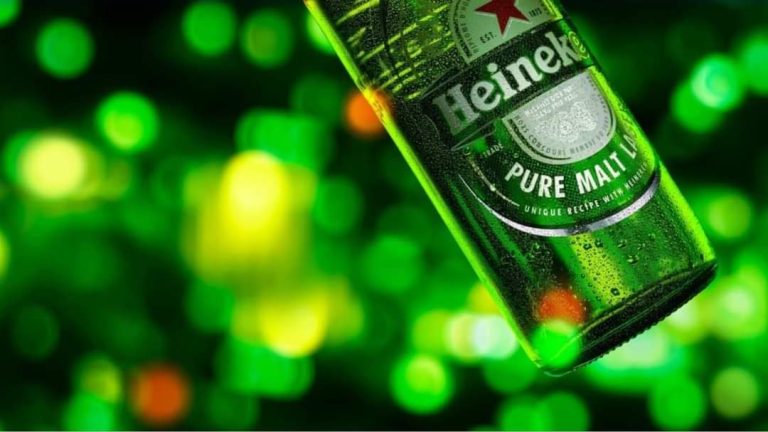
As a proud sponsor of the Champions League for over two decades, Heineken has promised to elevate the viewing experience of fans for this epic showdown.


Portfolio Manager of Premium Drinks at Nigerian Breweries Plc., Maria Shadeko, perfectly captures this essence yesterday.


“We want to give our loyal consumers and football fans a unique viewing experience to cap off a remarkable football season. We understand that not everyone can make it to Wembley, but that doesn’t mean they can’t experience the magic of the final. Heineken wants to create an atmosphere replicating the stadium’s electrifying energy, right here in Nigeria,” she noted with excitement.


Having successfully championed the “Cheers to the Real Hardcore Fans” campaign, Heineken has carefully curated a nationwide network of exclusive venues to transform the Champions League final viewing experience for everyone nationwide.


In Lagos, the centre of attraction will be at the Jewel Aeida on Lekki while others can also join the passionate crowd at Lagos Terraform or team alongside fellow hardcore fans at the Green House on Oba Adeyinka Oyekan Ave, Ikoyi.


Fans and loyal consumers in the Centre of Excellence can also witness the magic unfold at Stalad Gardens in Abule Egba.


According to the Shadeko, Abuja residents can raise a toast to the champions at Papiee’s Meatro on Ahmadu Bello Way, or experience the match in luxurious comfort at the Transcorp Hilton on Aguyi Ironsi Street.


Those in the ancient city of Ibadan are not left out, they can celebrate with fellow fans at Ori Oke Clustered Market in Mokola. In Benin City, fans can catch the action at the trendy 130 Degree Lounge.


Fans heading east can cheer their team alongside fellow football fanatics at Chilis Bar and Grill in Owerri, or celebrate at New Berries on Abakaliki Road, Enugu. For those in Awka, IBIZA on Abakaliki Street is the place to be.


Down south, Port Harcourt fans can experience the final at Oak Park and Gardens or 15 on Hebert.


This year’s final promises to be a thrilling encounter. Borussia Dortmund, a young and vibrant team will be looking to conquer Europe for the first time since 1997. Standing in their way is the mighty Real Madrid, boasting a squad brimming with experience and a hunger for their 15th Champions League title.


Maria Shadeko elaborates on the significance of the match: “This final is a clash of styles. Dortmund’s attacking prowess is undeniable, while Real Madrid are known for their tactical brilliance and experience in high-pressure situations. It’s a match that should offer us goals, drama, and everything that makes Champions League football so special.”

Nigeria Federal Government blames tomato scarcity, price increases across Nigeria on farm infestation

0

The Minister of Agriculture, Senator Abubakar Kyari, has said that a severe infestation of the tomato crop is the reason for the scarcity and elevated prices of the essential commodity in the country.


In a statement on Monday via his official X (formerly Twitter) account, Kyari referred to the infestation causing tomato scarcity as “Tomato Ebola” or “Tomato Leaf Miner.”


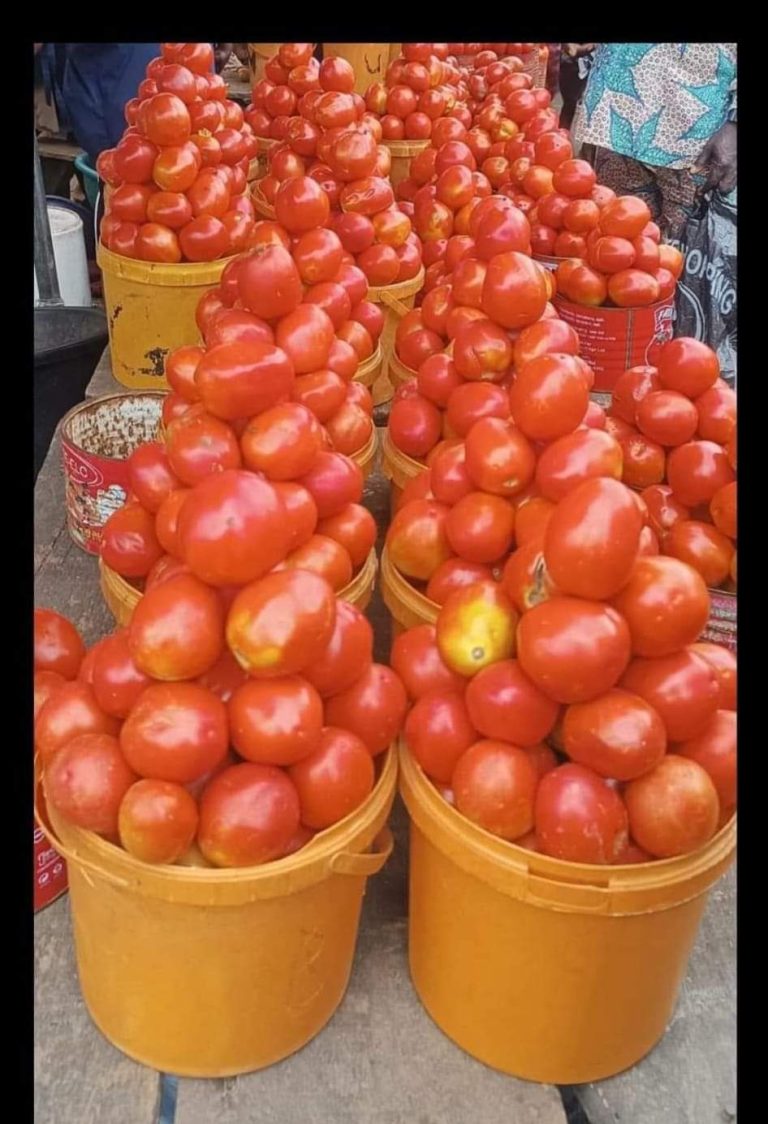
Recall that it was reported on Sunday that a basket of tomatoes was selling for as high as N150,000 in some parts of the country, according to a market survey conducted by Nairametrics.


Meanwhile, the minister noted that the Federal Government has sent experts to the affected regions to control and eradicate the infestation.


What Kyari said

The Minister explained,


Dinosaurs Spine at Hang Dong, Ta Xua, Son La seen from above

News continues after this ad


“A significant number of our tomato farms have been affected by a severe infestation known as Tomato Ebola or Tomato Leaf Miner. This has drastically reduced the availability of tomatoes and contributed to rising costs.


“Our ministry is taking immediate action to combat this issue. We are deploying agricultural experts to affected areas to contain and eliminate the infestation.


“Additionally, we are supporting our farmers with the necessary resources and guidance to recover their crops as quickly as possible, just as we instituted the Ginger Blight Control Taskforce.


News continues after this ad


“We understand the impact this has on your daily lives and are working tirelessly to resolve the situation and restore the supply of affordable tomatoes,


Backstory

Earlier on Sunday, Nairametrics reported that the price of tomatoes skyrocketed in May in Nigeria’s markets as traders in Lagos, Abuja, and other places sell the food item for as high as N140,000 and N150,000 per basket.


According to the report, traders attributed the spike to regular seasonal fluctuations in the quantity of tomatoes produced.


They said the harvest period for the current species of tomatoes being sold is almost over with the coming of the wet season across the country.


Nairametrics observed that as of April 2024, the price of similar food products was sold between N50,000 to N100,000, indicating over 100% increase in less than a month.


What you should know

According to the latest Food Price Watch report for April from the National Bureau of Statistics (NBS), there has been a significant increase in tomato prices over the past year.


The data reveals that the price for 1kg of tomatoes has escalated by 131.58% from April 2023 to April 2024. This marks a substantial year-on-year rise in cost.

In addition, the report highlights a sharp increase in tomato prices in the short term as well.

Between March and April 2024, the average price for 1kg of tomatoes rose by 17.06%.

This increase shows a continuing upward trend in the price of this essential commodity

Similarly, a recent analysis by SBM Intelligence, known as the Jollof Rice Index, has tracked the cost of cooking Jollof rice across major cities in Nigeria.

The index shows that the average cost of preparing this popular dish has surged.

This rise represents a significant increase in the cost of ingredients essential to this staple dish, impacting households across the nation.


Follow

us for Breaking News and Market Intelligence.

The Dangote refinery is targeting a production capacity of 500,000 barrels by July.

0

The Dangote refinery is targeting a production capacity of 500,000 barrels by July.


Subject to any unexpected alterations in the current plan, it is anticipated that the Dangote Oil Refinery, valued at $20 billion, will be publicly traded on the Nigerian Stock Exchange by December 2024.


Aliko Dangote, the Chairman of the Dangote Group, expressed his desire to welcome Nigerian, African, and other investors to become shareholders in the refinery. He emphasized his intention to invite them to join in what he described as a monumental endeavor.


He said, “The listing, most likely, I won’t be surprised if we list (on the Nigerian Stock Exchange) by the end of this year. We will do that. You know it is new and I think we would like to allow Nigerians, Africans, and other investors to join in making this historic move”


“We have tendered to buy some WTI oil from the US because the size of our refinery is very big and we have to make sure that we secure the raw materials for our production. If we have 100 per cent Nigerian crude, fine, but we can’t wait because sometimes the production is up and down.


“But I think it makes economic sense for us to include the WTI in the basket of crudes that we are buying. And that is the reason why we went out on a tender


“As you know, we are ramping up and I think by July or thereabouts, we will be talking of about over 500,000 barrels per day refining capacity, which is huge. And then, by sometime towards the end of the year, we believe that we will hit our capacity of 650,000 barrels per day. So, it is a very huge capacity.


“The US one (crude oil) is not something that will come and take over Nigeria something. It is not very small. When we say 24 million barrels, it sounds huge, but it is not huge. It is roughly about two cargoes in a month, which is about 10 per cent of our demand at full capacity.”

Bank of Industry extends application for RAPID funding for MSMEs to June 12

0

The Bank of Industry (BOI) has announced the extension of the application for the Rural Area Program for Investment and Development (RAPID) for Micro Small and Medium Enterprises (MSMEs) and Community groups in rural areas to June 12.


This was disclosed in a post on the official X handle of the bank where it explained that the extension of the deadline was to allow entrepreneurs the opportunity to apply for the loan.


It states, “The application deadline for the RAPID initiative has been extended to June 12, 2024, allowing all interested entrepreneurs the opportunity to participate.”


The RAPID funding program aims to provide loans of up to N10 million to MSMEs in rural areas at a 5% interest rate for a tenure of 3 years. The bank noted that interested applicants visit its website to apply.


Objectives of the RAPID program

The objective of the program is to assist communities in rural and economically disadvantaged areas in utilizing available resources to develop enterprises.


These enterprises aim to provide employment, improve the standard of living, contribute to national growth, and address insecurity stemming from youth restiveness.


The Bank of Industry (BOI) earlier in May launched the RAPID program in Lagos with the target of empowering 10 beneficiaries per state and the Federal Capital Territory (FCT) totalling 370 beneficiaries.


In case you missed it

Following the removal of fuel subsidy, the federal government announced various grants and loan programs aimed at alleviating the impact of the subsidy removal on their businesses.


News continues after this ad


The programs include; the N75 billion single-digit loan to manufacturers and the N50,000 grant to nano businesses across the 744 local government areas of the country. There is also a N200 billion grant to Small and Medium Scale Enterprises (SMEs) all over the country.


The Federal Government’s Presidential Conditional Grant Scheme (PCGS), offers non-repayable financial grants to eligible small business owners in various sectors, including trading, food services, ICT, transportation, creative industries, and artisans.


The PCGS plans to allocate 70% of the grants to women and youths, 10% to individuals with disabilities, and 5% to senior citizens, with the remaining 15% designated for other demographics.


The Bank of Industry (BOI) is also partnering with the federal government in the distribution of the N200 billion loan to manufacturers and SMEs across the country which has already been launched.


According to the Minister of Industry, Trade and Investment, Dr. Doris Uzoka Anitie, under the program, N75 billion will be distributed to MSMEs while another N75 billion will be distributed to the manufacturing industry under the Presidential Intervention Fund.