


Home Blog Page 207

Nigerian bags life jail in UK for killing wife

0

Nigerian bags life jail in UK for killing wife


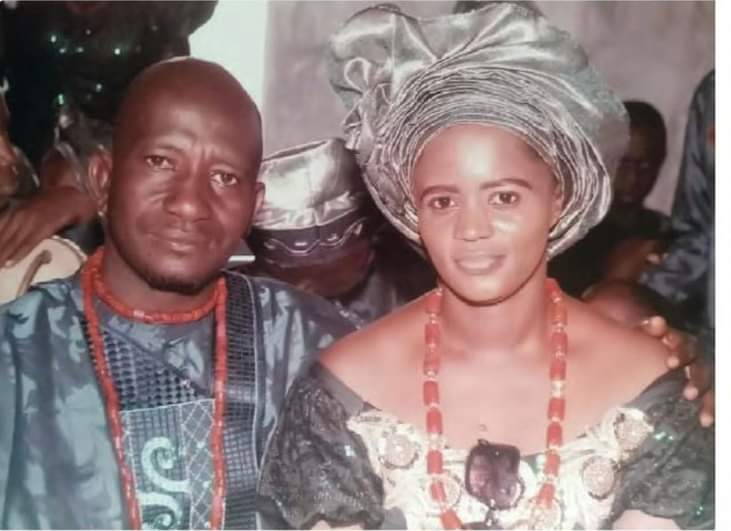
In a heart-wrenching twist of fate, 48-years-old Olubunmi Abodunde, a resident of Newmarket, Suffolk, United Kingdom, has been sentenced to a lifetime behind bars for the killing of his 41years-old wife, Taiwo. The incident saw him bludgeon his wife to death with his son’s skateboard on November 28, 2023, shattering the hopes of a brighter future the couple sought when they relocated abroad a few years ago. London Bureau Chief OLATUNDE KAZEEM reports the chilling turn of events.


In a tragic turn of events, Olubunmi Abodunde, 48, hailing from Newmarket, Suffolk, United Kingdom, has received a life sentence for the brutal killing of his 41-year-old wife, Taiwo Owoeye Abodunde, on November 28, 2023.


The tragic incident saw him bludgeon his wife to death with his son’s skateboard, which was discovered stained with blood, some fragments lodged in Taiwo’s head, resulting in severe neck, head and brain injuries. Presiding over the case, Judge Martyn Levett of the Ipswich Crown Court delivered the somber verdict, marking a tragic conclusion to a family’s strife-ridden tale. With a minimum of 17 years before parole consideration, Abodunde’s jealousy and financial disputes with his wife were cited by prosecuting attorney Stephen Spence as contributing factors to the heinous crime, underscoring the corrosive impact of domestic discord.


Detective Inspector Dan Connick prosecuting said after the hearing: “This was an awful attack on a woman that has had a lasting impact on the community and most importantly on the victim’s family” and “we are pleased that Taiwo’s family will no longer have to go through the pain of a trial. Our thoughts remain with Taiwo’s family and friends and hope this result will bring some small comfort to them.”


Nneka Akudolu KC, in her defense, asserted that the level of violence displayed by her client was entirely uncharacteristic and potentially influenced by medication he may have been taking. However, she acknowledged that no medical evidence was provided to substantiate this claim. Olubunmi, who changed his plea to guilty before sentencing, reacted with shock, clasping his hand over his face, speechless, realising the stark reality that less than two years after arriving to join his wife in the UK, he would now spend his days in the desolate confines of a prison.


The absence of family banter, where children joyfully play and parents smile in contentment, now looms over his life. In a poignant victim impact statement, Kehinde Owoeye, the late Taiwo’s brother, expressed the profound and enduring trauma inflicted upon the children, who may struggle to reconcile the fact that their father is responsible for their mother’s death.


Seeking solace in justice, the family implored that the law be upheld, offering a semblance of relief amid their grief. Furthermore, they requested that certain family members be permitted to visit the children, facilitating their healing process and honouring their late mother’s desire for familial support.


They emphasised the importance of migration to be with their extended family, providing a nurturing environment for the children’s emotional recovery and ensuring continuity in their education, a value cherished deeply by the family. This migration, they asserted, would be instrumental in fulfilling their sister’s wish for her children’s well-being and academic advancement.


Taiwo Abodunde was a dedicated employee at Cambridge Manor care home, renowned for her compassionate care towards residents, especially those requiring dementia, residential and respite care. TLC Care, the owner of the facility, expressed profound sorrow and shock at Taiwo’s tragic death, describing her as a cherished member of their community. Their spokesperson conveyed heartfelt condolences to her family, emphasising Taiwo’s legacy of kindness and compassion, which touched the lives of both staff and residents alike.


In contrast, Olubunmi, lacking stable employment, relied on sporadic shifts at Tesco and Wickes. In a statement to the police, he claimed self-defense, alleging years of physical abuse inflicted by his wife. However, the sequence of events paints a different picture.


On November 27th, 2023, Taiwo contacted Suffolk Police, reporting an assault by Olubunmi, adding to a series of previous assault reports dating back to August 15th, 2023. Subsequently, Olubunmi was arrested on suspicion of these assaults, leading to his temporary release from police custody later that day, albeit with stringent bail conditions. The imposed bail conditions prohibited Olubunmi from returning to their shared residence and from contacting Taiwo directly or indirectly, save for arranging child contact via a third party.


The bail condition, erroneously stating 239 Exning Road, Newmarket, should have been recorded as 259 Exning Road, Newmarket. However, when Suffolk Police visited Taiwo’s residence on Tuesday, November 28th, for a scheduled meeting to gather evidence regarding the assault allegations made against Olubunmi Abodunde on November 27th, they heard disturbing noises emanating from within the house. Upon entering the residence approximately 25 minutes later, they made a chilling discovery: Taiwo, a mother of three, lifeless on the floor of her living room. The police speculated that the fatal assault likely occurred between 9:12 am and 9:20 am.


According to the police report, officers arrived at 259 Exning Road, Newmarket, Taiwo’s home address, at 9:55 am on Tuesday, November 28, 2023. Inside, they found Taiwo unresponsive on the living room floor. Despite immediate medical attention, paramedics pronounced Taiwo dead at the scene. Olubunmi, Taiwo’s husband, was discovered within the residence and promptly arrested on suspicion of her murder. He was subsequently transported to Martlesham Police Investigation Centre for interrogation and later appeared at both Ipswich Crown Court and Suffolk Magistrates’ Court for a preliminary hearing. Olubunmi asserted that on November 28th, an argument escalated, during which Taiwo allegedly brandished a knife, leading to him defending himself by grabbing the knife, resulting in an injury to his hand. However, the court was informed that although he sustained a hand injury, no knife was found near Taiwo’s body.


Prosecutor Simon Spence KC grimly informed the court that the banging heard by officers was likely the sound of Abodunde persisting in his assault on his wife, even after she had become unconscious or deceased. Following his arrest for the murder, Abodunde was taken to the hospital due to what appeared to be a mental episode. A neighbour residing near the couple’s unfortunate home in Newmarket recalled her observations, stating: “I arrived home to find the entire street swarmed with police and ambulances. Just two days prior, there were police present. I knew it was something truly terrible given the number of police and their reluctance to share information. Normally, they would provide some details, but they were exceptionally tight-lipped.”


Another neighbor added: “It’s simply dreadful; everyone is in shock. I used to see some young boys playing in their garden.”


The three children have been placed in foster homes in Norwich, UK, and they are set to be reunited with their uncle and aunt next month when two family members will meet with them. Kehinde Owoeye, twin brother to the late Taiwo, expressed gratitude for being granted visas by the British Consulate in Lagos to visit and assess the children’s situation.


Kehinde disclosed: “I will be accompanied by my sibling, Alaba Owoeye, next month. The plan is to check on the welfare of the children, bond with them and proceed accordingly.


However, Kehinde lamented the lack of support from the Nigerian Government, stating: “Nobody reached out to check on us; we had to handle everything ourselves with the assistance of the British Police, social services and the government in general.”


Adekunle Owoeye’s social media post delivered a poignant message to their extended family, urging composure amid the anguish. Expressing gratitude to the UK Government, detectives, private investigators and the Nigerian Embassy in London for their unwavering support, Adekunle also thanked the Igogo-Ekiti community, friends and well-wishers for their solidarity and comfort during this challenging period. Addressing their mother, he acknowledged the irreplaceable loss and emphasised the need for divine solace.


Reflecting on the past 18 years as a “living nightmare” for his late sister, Adekunle recounted her journey, underscoring her aspirations for independence and academic achievement. He revealed the husband’s attempt to hinder her financial independence by withholding her academic certifications for a decade out of envy. Despite the challenges, Adekunle remained resolute in seeking justice and closure for his sister’s untimely demise.


Elder Ayo Abodunde, the husband’s uncle, expressed profound sadness for the Owoeye family in light of the tragic events. Despite his attempts to extend condolences via phone calls, he noted their decline, understanding their emotional turmoil.


Seeking intervention from Oba Oladipupo Kolade, the Olupoti of Ipoti Ekiti, Elder Abodunde, emphasised the imperative of addressing previous issues of domestic violence and counseling for the husband. He stressed the importance of patience and understanding in marital relationships, urging conflict avoidance given the legal and familial consequences.


The late Taiwo hailed from Igogo Ekiti, while Olubunmi was from Ipoti Ekiti. Their paths crossed in 2004 during a Seventh Day Adventist Church social-religious camp in Otun Ekiti. Despite initial reluctance, Taiwo eventually acquiesced to Olubunmi’s persistent pursuit, leading to their marriage. However, their 17-year union, fraught with challenges including controlling behaviour, domestic violence, infidelity allegations and distrust, ultimately deteriorated. Kehinde Owoeye, Taiwo’s brother, recounted the escalating verbal and physical abuse inflicted by Olubunmi, underscoring the profound strain on their marriage.


The tragic events surrounding the couple’s relationship sent shockwaves through the neighboring towns of Igogo and Ekiti, where conversations about the case permeated both the airwaves and street corners following Taiwo’s passing. Kehinde Owoeye, speaking on behalf of Taiwo’s family, recounted a distressing incident from years earlier in Igogo Ekiti, where Bunmi and Taiwo engaged in a heated altercation during an event over sleeping arrangements. Reports indicated that Bunmi resorted to physical violence, even striking Taiwo and her protesting mother-in-law.


The conflict was eventually mediated by the respective monarchs of the towns, namely, the Onigogo of Igogo Ekiti, HRM Oba Sunday Adewunmi, Okinbaloye I, and the Olupoti of Ipoti Ekiti, HRM Oba Sunday Adewunmi, Okinbaloye I. Expressing deep sorrow, HRM Oba Sunday Adewunmi, Okinbaloye I, conveyed his dismay at the untimely demise of Taiwo, lamenting the efforts invested by the royal house to foster reconciliation within the marriage. He underscored the guidance provided to Taiwo in their shared pursuit of a better life overseas, emphasising the heartbreaking outcome in light of their collective aspirations.

More landlords may become renters as 80% Ibeju Lekki buildings unapproved

0

Many more people who today pride themselves as landlords in Lagos, particularly those who have built their homes in the Ibeju-Lekki and Epe areas of the state, risk becoming tenants as the state government has said that about 80 percent of buildings in that corridor are unapproved.


Since Oluyinka Olumide, the Lagos State Commissioner for Physical Planning and Urban Development, made this revelation in a chat with newsmen, apprehension and fear of the unknown have become the order of the day among those who own those unapproved buildings.


The fear and apprehension stem from the spate of buildings demolition sweeping through the state for reasons, the government says, borders on lack of building approvals or buildings erected in government-acquired locations. These buildings could be demolished any day and the owners thrown back to the rental market where they started out.


“Just last week Thursday and Friday, myself and the team were in the Ibeju Lekki and Epe axis and you would agree with me that anybody passing through that corridor would see a lot of estates marked. We went there, and I can tell you that from what we saw, over 80 percent of them do not have approval.


“The procedure to get approval is first to get the planning information, as to what those areas have been zoned for. In this case, what we have is agricultural land, and people now go to their families to buy agricultural land. Of course, those lands would be sold because those families do not know the use such land would be put to,” the commissioner said.


Continuing, he said, “The next thing to do is the fence permit. If you missed the earlier information on not knowing the area’s zoning, at the point of getting the fence permit, you would be able to detect what the area is zoned for.”


Though the commissioner did not state it explicitly, the expectation is that many of these buildings, like those in other parts of the states, will be reduced to rubbles by the angry teeth of the state’s rampaging bulldozers.


The state government under Governor Babajide Sanwo-Olu’s watch has, in the last couple of months, gone on building demolition in a manner that has defied understanding of the real intent and goal in a city where many find homes under the bridge and other odd places.


A priest at the Celestial Life Ministry has described the state government’s demolition binge as a genocide against non-indigenes from a certain part of the country. The priest, in a trending video, reasoned that the demolition is targeted at these people because they did not vote for the state governor in the last election.


To some housing stakeholders and close watchers of developments in the state’s housing sector, the commissioner’s statement on the unapproved buildings comes as a surprise given that the same Lekki is adjudged the fastest developing real estate corridor in West Africa.


“If this part of the state that is just developing does not have building approval, then there is something quite worrying about planning regulation and monitoring in a state that calls itself centre of excellence,” Emmauel Ibeneme, a property consultant, told our reporter Tuesday morning.


Though the government explains that all the buildings demolished so far, which run into hundreds of thousands, have no approval from its authorities, Ibeneme notes that “demolition has been so frenetic that it has no respect for locations. It happens everywhere and anywhere and so, affects everybody and anybody.”


As good and justified as the government’s explanations seem, the demolition of buildings is seen as a needless and avoidable waste that hurts not just the lives and livelihood of the owners, but also the economy of the state in particular and Nigeria at large.


“Buildings demolition is good, more so if such buildings contravene physical planning and approval laws. But it would have been better if such houses were not allowed to be built at all. Government needs to be proactive and not reactive by preventing such buildings from being built,” Hakeem Oguniran, CEO, Eximia Realty, noted.


Samuel Ukpong, former chairman of Nigerian Institution of Estate Surveyors and Valers (NIESV), Lagos Chapter, agrees, stressing that “no state or country that demolishes people’s houses, almost willfully as we have seen in Lagos, prospers because buildings are symptoms of prosperity.”


Ukpong wondered where the government agency and its officials responsible for giving planning approval for houses had been when the builders started, continued, completed and packed into the buildings, after which they come out with their bulldozer to demolish people’s sweat and lives saving.


Before now, Lagos had carried out demolition in the highbrow Banana Island, Ajao Estate, Ikota in Lekki area of the state, and Abule-Ado, Oriade Local Council Development Area (LCDA) where many residents of King’s Royal Estate, 91 Road, Festac Phase 2, were rendered homeless.


Recently, the state with its angry bulldozers moved to other parts of the state with a huge dent on many private estates including Mende Estate at Kosofe Local Government Area of the state where the state Commissioner for Environment and Water Resources, Tokunbo Wahab, was angry with home owners who condemned the demolition of their buildings.


“The developer who is sponsoring many of you knew what he was doing. He encroached on the part for which he was not approved. If you build beyond the approved plan, you have violated the conditions of approval, and your approval becomes entirely invalid. As they say, ‘The wheel of justice may be slow, but one day, it will grind to a halt,” the commissioner said.


Why Nigeria needs digital content moderation -NITDA

0

The National Information Technology Development Agency (NITDA) has said there is a need for content moderation in the digital space in line with global practices to ensure the safety of users.


Director-General of NITDA, Kashifu Inuwa, stated this on Monday when a team from TikTok, a social media platform, visited him in Abuja.


Inuwa said it is important for stakeholders to collaborate in advancing the Nigerian digital space as activities online generate human and Artificial Intelligence (AI) compendium, accessible to the rest of the world.


He called for the implementation of content moderation strategies that would address online issues such as hate speech, misinformation and cyberbullying, in relation to the protection of minors across the country.


Internet Code

NITDA, which introduced a Code of Practice to guide the operations of Twitter, Facebook, WhatsApp, Instagram, Google, TikTok, and other social media platforms in the country in 2022, said Nigeria will be leveraging the code and partnership with stakeholders to achieve digital content moderation.


News continues after this ad


“With the Code Practice for Interactive Computer Service Platforms/Internet Intermediaries in place, this will help in ensuring digital safety in accordance with global best practice and content moderation to enhance security.


“No organization can operate in silos. We need each other for the actualization of our goals and objectives towards services delivery and for the advancement of the nation,’’ the DG said.


Highlighting some critical areas, the NITDA DG said that leveraging an interactive computer service platform would advance the country through its Digital Literacy 4 All (DL4ALL) program.


According to him, it will ensure capacity building, knowledge sharing, training, curbing of misinformation, and digital safety to create a safer cyberspace and empower the online environment for Nigerian users.


“The platform also allows for creative expression through filters, stickers, and editing tools, entertainment, and comedy which are dominant themes.


“Other features are informational videos on various topics that are gaining traction, which has become a launchpad for influencers and trends that can go viral,’’ he said.


Inuwa said that NITDA’s Strategic Roadmap and Action Plan 2.0 (SRAP 2024-2027) was structured around eight pillars, part of which provided avenues to safeguard the digital space.


News continues after this ad


TikTok in Nigeria

Earlier, Mrs Tokunbo Ibrahim, Head of Government Regulation and Public Policy, TikTok Nigeria and West Africa, commended NITDA as, according to him, the agency’s policies align with the vision of TikTok.


“Apart from leveraging the social media platform to market products and service, it had enabled some projects, and programs in collaboration with Africa Creator Hub.


“The Africa Creation hub has encouraged users to do campaigns for tech creation, support, empower, and educate them on content creation while exploring other sections of TikTok to change the narrative.


“TikTok platform considers online safety as one of its critical areas to secure the cyberspace by providing an avenue for users to thrive and be productive in their various activities,” she said.


What you should know

NITDA in 2022 introduced the ‘Code of Practice for Interactive Computer Service Platforms/Internet Intermediaries and Conditions for Operating in Nigeria’ to drive the moderation of all digital content in the country.


Although this was heavily criticized by many Nigerians, the Code remains. However, it is unclear if this is being enforced yet.


Part of the Code dictates that internet platforms including social media must:


Act expeditiously upon receiving a notice from a user, or an authorised government agency of the presence of unlawful content on its p A platform must acknowledge the receipt of the complaint and take down the content within 24 hours.

Act expeditiously to remove, disable, or block access to non-consensual content that exposes a person’s private areas, full or partial nudity, sexual act, deepfake, or revenge porn, where such content is targeted to harass, disrepute, or intimidate an individual. A Platform must acknowledge the receipt of the complaint and take down the content within 24 hours

Fuji music in Nigeria: new documentary shines light on a popular African culture

0

Nigerian singer Síkírù Àyìndé Barrister (1948-2010) pioneered fújì, a Yorùbá genre of popular dance music. In February 2024, historian Saheed Aderinto’s documentary on the musician’s life and times premiered. The Conversation Africa’s Wale Fatade asked Aderinto about the film and the music it brings to our attention.


What is fújì music?


Fújì fuses Islamic philosophy and wordsmithing with Yoruba poetry and meaning-making to create sound, idioms and recreational habits. It does this across social classes, from the wealthy in the corridors of political power to the poor at the fringe. Its messages, politics, performance styles, space and sophistication reflect a wide range of realities.


However, fújì did not begin as a secular and commercial sound. Its musical ancestor, wéré, was a seasonal Islamic performance during Ramadan. Wéré’s origin dates to the 19th century or earlier when Islam established firm roots among the Yoruba. The Yoruba are one of the numerous ethnic groups in Nigeria.


From the early 1970s, Ayinde Barrister began to expand the domain of wéré’s performance. He turned it into an all-year-round commercial secular music drawing from established secular forms. By the mid-1970s, fújì emerged as a distinct genre through his pioneering efforts. He combined numerous elements of existing music, such as sakara, apala, juju and Afrobeat, to create a hybrid sound that also borrowed from Yoruba aesthetics of praise singing.


By the mid-1980s, fújì was a staple in the Nigerian soundscape. As the 20th century eclipsed, it was one of the most dominant popular music styles across the African diaspora.


Today, fújì exhibits all the conventional elements of global entertainment music. Its beat-making, computer-based production technology, new electronic and digital circulations, and eclectic performativity all align with similar global forms such as Afrobeats. And fújì is not immune to common criticisms of popular music: sexualising women, portraying unrealistic notions of socio-economic mobility, and promoting obnoxious ideals of self-making.


How does it live on in Nigeria today?


Today, fújì is the most dominant of the Yoruba musical traditions. A large number of professional singers self-identify as fújì artists and perform the genre in its identifiable form. It has overtaken all other Yoruba forms and even influenced contemporary Afrobeats. For example, Afrobeats artist Olamide’s song Omo Anifowose is deeply influenced by K1 de Ultimate’s song of the same name.


From big parties in African diaspora communities in Europe and North America to obscure events in the inner city of Ibadan, fújì is a central musical form.


Musicians range from the sophistication of Kollington Ayinla, K1 de Ultimate and Sefiu Alao Adekunle (Baba Oko), among others, to aspiring artists like Muta Jero of Bodija in Ibadan. Fújì draws fans and practitioners not only because of its flexible playing styles, but also because the sound, message and performance connect with people’s everyday realities.


Fújì is how people remember their family stories.


The global audience of the documentary can easily connect with issues that cross cultures, such as the religious origins of the music, the grass-to-grace stories of superstars, love, gender and erotic passion. Similarly, trials, triumphs and tribulations, forgiveness and reconciliation, public politics and protest art, creativity, global travels, fandom and stardom, self-making and identity construction, sickness, death and immortality. It is fújì’s transculturality, which doesn’t lose sight of specific historical and cultural contexts, that fascinates me.


Why did you choose the story of Sikiru Ayinde Barrister?


He pioneered the genre. It’s logical for the first episode of The Fuji Documentary to focus on him.


He dominated and defined fújì sound and performance. Even his politics was the most sophisticated.


This changed from preaching against bad democratic leadership in 1983, to supporting the military incursion into Nigerian politics in 1984, to protesting against military dictatorship in the 1990s, and extolling democratic principles in the first decade of the 21st century.


His albums such as Nigeria (1983); Military (1984); Current Affairs (1989); The Truth (1994); Precaution (1995); Adieu MKO Abiola (1998); and Democracy (1999) combine all the elements of political theorisations that we find in some of the best works on African politics.


Unlike other musicians who mostly commented on public politics, Ayinde Barrister turned fújì into a political ideology. He did this by creatively tapping into indigenous perspectives on politics to speak to the 20th century crisis of political leadership in Nigeria.


What do you want viewers to take from the documentary?


Fújì is more than sound. It’s a way of life for millions of Yoruba people. It’s how they see the world around them.


The first episode preserves the legacies of Barrister through the medium of a film. It connects the public with university-level research or allows academic research to serve public interest. It creates knowledge in new ways and shapes how people remember the past. The Fújì Documentary takes the name of fújì into academic domains where it didn’t exist until now.


To shoot the documentary in public libraries, cultural centres, galleries, art theatres, museums and facilities on university campuses, I wrote formal letters and lobbied to convince people that the story is a collective story that everyone should own. Allowing people to own a narrative doesn’t necessarily mean they are familiar with the narrative — it’s connecting that narrative to what they are familiar with.


When I look at the array of people involved in this first episode, I come to realise that what makes a history public history is not just telling a story that the public can relate to in an accessible manner, but also getting the public to be part of the creation and to own the process.


And the public in this sense is not just one public, but multiple publics who don’t necessarily share the same perspectives about anything. Bringing these multiple publics together to create a single public for the documentary is an unending process.


Credit: The Conversatimon, Saheed Aderinto, Florida International University

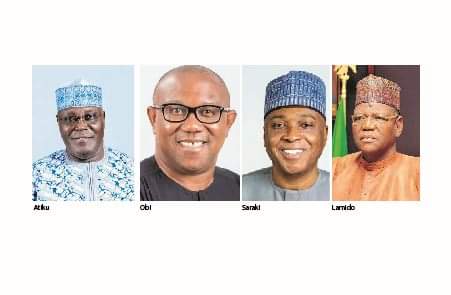
2027: Atiku, Obi, Saraki, Lamido Begin Alliance Talks

0

Ahead of the 2027 election, moves towards a political alliance between former Vice President Atiku Abubakar and former Labour Party presidential candidate, Peter Obi, came to the fore yesterday.


This followed Obi’s surprise visit to Atiku, who the 2023 presidential candidate of the Peoples Democratic Party (PDP).


Besides Atiku, Obi also met two other PDP leaders, namely former Senate President Abubakar Bukola Saraki and a founding father of PDP and former Jigawa State governor, Sule Lamido.


Obi met the PDP leaders at their Abuja residences.


Although details of what was discussed during the visits are still shrouded in secrecy, Atiku, on his X handle said, “It was my honour and privilege to host @PeterObi today. -AA”


A source within Atiku’s camp confided in LEADERSHIP that a line of communication had been established between Atiku and Obi through their emissaries.


The source added that yesterday’s public meeting was a culmination of talks between both camps which had started even when the former vice president was out of the country.


The source added, “This meeting today (yesterday) has been long in coming. Atiku and Obi have been interfacing leading up to this meeting. “


The insider further disclosed that, although not finalised yet, the talks between the camps of the two political leaders centre around an alliance ahead of 2027.


“They are in discussion about forming an alliance ahead of 2027 election, more like a repeat of their alliance in the 2019 election.”


The source said the political platform on which such alliance will take place is also part of the discussion.


he source said, “The infiltration of PDP by external influence is a huge concern at the moment. But there is no definite position yet on which platform to use yet. The issue at the moment is that both of them are fixated on forming the alliance in the interest of Nigeria.”


The source, however, didn’t give details on when the alliance will be concretised.


Atiku and Obi had run as PDP presidential candidate and running mate in 2019.


But Atiku and Obi could not repeat their alliance in 2023 after the latter left PDP for Labour Party to pursue his presidential bid.


Atiku and Obi lost the 2023 election to President Bola Tinubu, coming in, in second and third places respectively.


Since losing the 2023 presidential election, Atiku has repeatedly called for an alliance of opposition platforms to defeat the incumbent All Progressives Congress (APC).


Obi, on his part, has been broadening his political reach especially in the North.


During Ramadan, Peter Obi, the Labour Party’s presidential candidate in the 2023 general elections, visited communities in Northern Nigeria, broke fast with them, and provided basic amenities they lacked, including water boreholes, which attracted mixed reactions.


However, speaking on Obi’s visit to Atiku, Saraki and Lamido, Obi’s spokesman, Dr Yunusa Tanko, said it was in continuation of his commitment to the peace and progress of the nation.


“His abiding devotion is to the emergence of a Nigeria that works for all its peoples and where the people are quickly pulled out of poverty.


“Worried about the state of the nation and the increasing uncertainty in the living conditions of the poor and underprivileged, Obi in Abuja on Monday visited some top Nigerians, among whom are former vice president and PDP presidential candidate in the 2023 election, Atiku Abubakar, former Senate President Senator Bukola Saraki and the former governor of Jigawa state, Alhaji Sule Lamido.


“At the centre of discussion during each of these visits was the state of the nation and how to reduce the suffering of all Nigerians irrespective of class and location.


“In particular, the desperate condition of the downtrodden in our midst was highlighted. Of particular interest and emphasis in these discussions was the worrisome situation in the Northern parts of the country,” Yunusa said.


On his part, a former chairman of National Electricity Regulatory Commission (NERC), Dr Sam Amadi, on his X handle said: “I was in Atiku’s house when @PeterObi came to tell him he would pick the form for primary in 2023. I know there’s so much respect and concord between them. @atiku won’t mind Obi being president vice versa.


“It was political aides who spoiled the game by displacing Obi with…”


Barely days before Obi’s visit to the PDP leaders, Atiku’s spokesperson, Paul Ibe, disclosed in an interview that the minister of the Federal Capital Territory, FCT, Nyesom Wike, was instrumental in the exit of Peter Obi from PDP.


He also stated that Atiku was ready to zone the PDP presidential ticket to the Southeast.


He stated this during an appearance on Seun Okinbaloye’s Mic-On podcast released on Saturday.


“Atiku did not force Peter Obi out of the party; Wike was instrumental to the exit of Obi because Wike had promoted the zoning of the presidency to the south.


“Atiku Abubakar had said that he was prepared to get himself off the ticket if the party zoned the ticket to the Southeast.


“Wike frustrated that effort because he believed that if it was zoned to the south, not the southeast, he would be in the best position to be able to get the ticket.”


Efforts to get the national chairman of the Labour Party, Barr Julius Abure to respond to the development didn’t yield results as he wasn’t taking his calls.


Similarly, the national publicity secretary of the party, Obiora Ifoh, did not answer his phone.


However, Mr. Lamidi Apapa, the factional chairman of the Labour Party, spoke to LEADERSHIP last night, saying that although Peter Obi was free to hold merger talks with like minds, he would ultimately require the party leadership’s approval to seal any deal.


“Yes, our presidential candidate has the right to discuss with people. But his discussion must be approved by the party. And for now, there is no such approval,” Apapa said.


Meanwhile, a member of the National Working Committee (NWC) of the All Progressives Congress (APC), who didn’t want his name in print, said the party would respond at the appropriate time.

Outrage as Korra Obidi plans Hawaii vacation after $50K legal fee donation

0

Popular dancer and content creator, Anita Chukwumfumnaya Obidi, aka Korra Obidi, is facing backlash as she declares plans to vacation in Hawaii following a $50K donation from fans.


Recall that the emabttled mother of two had previously appealed to her fans for financial assistance to respond to her husband’s legal actions regarding her use of their children in social media content.


“As a mother, it’s time to fight for myself and my kids,” Obidi declared, while also disclosing her GoFundMe account information, appealing for support from fans and friends.


However, following a donation of $50K from her fans, Korra Obidi declared during a live session on Facebook on Sunday, about her plans to vacation in Hawaii.


Her decision has triggered widespread anger among her followers, with many claiming that the GoFundMe campaign was not genuinely aimed at seeking legal redress against her husband, but rather to fund her extravagant lifestyle.


Some also berated the fans for donating to her.


A Facebook user, Karen Lenea wrote: “Your father should be a shame of you for BEGGING for money to fly around the world I bet you didn’t even get a lawyer. I feel sorry for the people that give you money. WAKE UP PEOPLE…”


A user, Jennifer Lynn Russell opined, “Mad that she can’t post pictures because without posting pictures she can’t make money.She needs to post pictures of her kids to make money.But she would rather go to Hawaii than see.Her children sickening and people gave her $.Or whatever was on that go find me.People needs to report the go fund me everybody needs to report to get their money back.”


“There’s no way in hell that I would be off flying to Hawaii on Mother’s Day when I could be with my kids . You talk a good game,but your morals are so wrong. This is a very special day for mothers and you don’t even have your children when you can have your children yet you too running around all the spending the day with them,” a user Robyn White Best.


Brandy Marie Caudillo, “Actions speak louder than words Period. You are going on a trip But it’s your day to spend time with the kids. Spending that go fund me money well. 🤣🤣🤣 your kids deserve better. Shame on you.”


Mamaluv Love said, “Lol emotional blackmail and people fell for it🤣enjoy free money travelling the world and blocking people that contributed as well..smh”


An X user, @Anitarose122 wrote, Korra Obidi is going on vacation in Hawaii and some of her fans are crying that they raised money for her to fight her ex husband in court case, only for her to be going on vacation. Go flex your life. Them must get sense by force $54,000 no be beans. Tour the world my dear.”


Another user, @the_beardedsina said, “You won’t donate money to legit gofund me of people that need surgery, have chronic diseases or cancers But you will carry money to support Korra Obidi that wants to go for vacation. Now you’re shouting that you were used. Make it make sense.”


@Tunsti wrote, “There are real courses to donate to but you let Korra Obidi finesse you to give her your hard earned money. She lied that she needs the money to pay a lawyer to fight her ex-husband in court but her true intention was to spend the money on a vacation to Hawaii. Next time, be wise.”

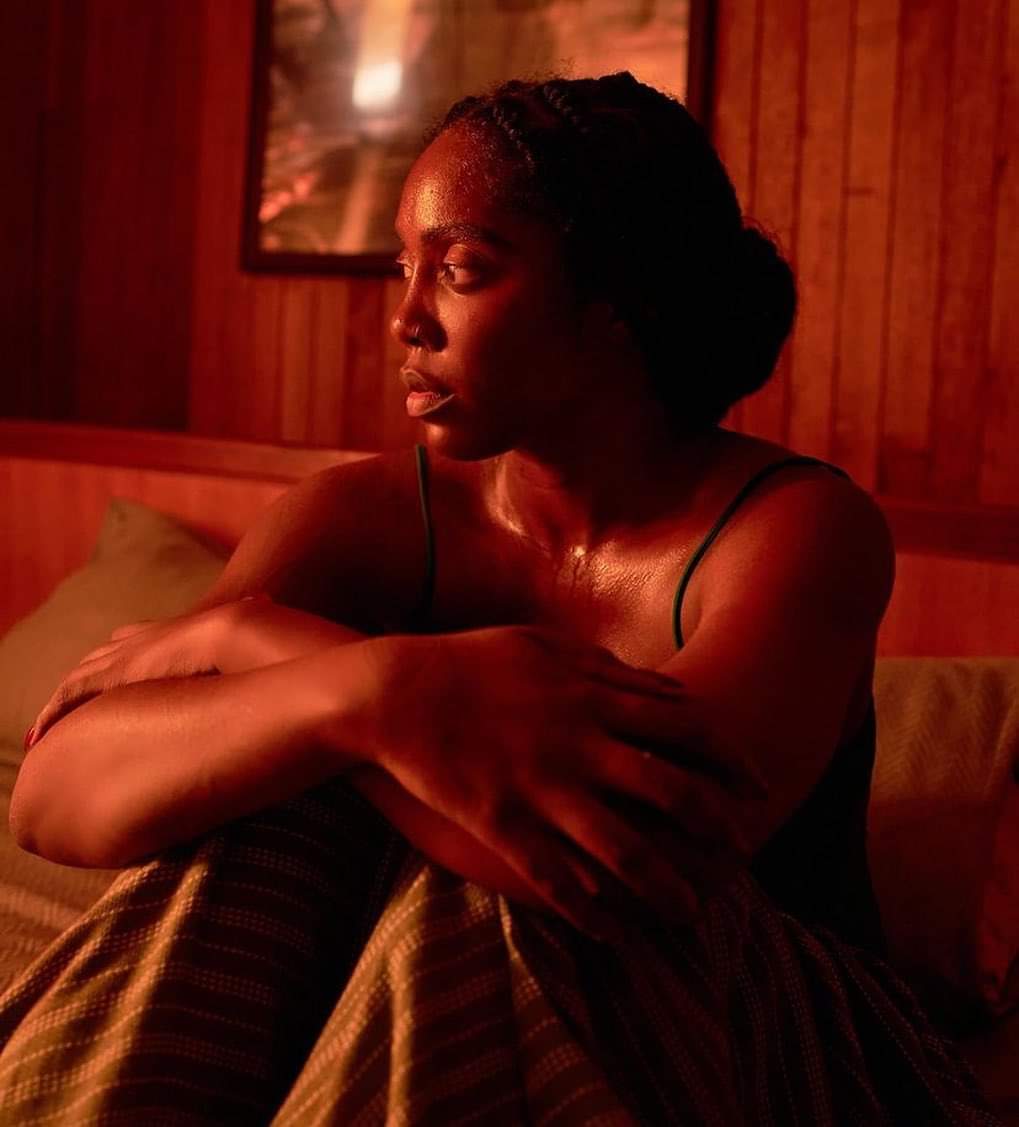
MOVIE REVIEW: Tiwa Savage’s Water & Garri movie lacks ‘sugar’

MOVIE REVIEW: Tiwa Savage’s Water & Garri movie lacks ‘sugar’

Movie Title: Water and Garri

Tiwa Savage set to make her acting and co-directing debut with “Water & Garri” movie.

Date of Release: 10 May 2024


Director: Meiji Alabi

Cast: Tiwa Savage, Mike Afolarin, Andrew Bunting, and Jemima Osunde


The movie “Water & Garri,” inspired by Tiwa Savage’s 2021 EP of the same name, falls short of delivering the ‘sweetness’ audiences anticipated.


While the EP itself and the subsequent album were a musical masterpiece, the same cannot be said about the movie, as it fails to capture the essence that made it special.


At the core of any successful film lies its story, and unfortunately, this is where “Water and Garri” falters.


Despite the promising premise, the movie struggles to translate the EP’s brilliance onto the screen. It lacks the narrative depth and emotional resonance needed to captivate viewers truly.


As a result, what could have been a compelling screen experience ultimately feels lacking in substance.


While Tiwa’s musical prowess is unquestionable, her venture into filmmaking with “Water & Garri” leaves much to be desired, leaving audiences craving the sweetness promised but never entirely delivered.

Water & Garri narrates the story of Ashia, a young girl on a path to finding her destiny in life. The movie opens with a scene where a young man is being chased around in the night in a slummy area, and after running in through the nooks and crannies of the streets, he ends up being shot. The narrator, Ashia, tells us not to pity him because he has met his karma for killing her brother.


Ashia had a successful career as a fashion designer in Los Angeles, but she received a sceptical call from her cousin, Stephannie, who broke the news that she lost her brother Niyi.


Three months later, Ashia had to return to the Eastside, where she was raised by her grandmother, Yemi, alongside her brother, Ayomide. Returning to Eastside wasn’t easy for Ashia, as almost everything seems to have changed since she departed ten years ago.


Upon returning to Eastside with all her childhood memories: the loss of her grandmother, the childhood of growing up with her brother Mide, and her love journey with Kay as a teenage girl.


She reunites with Kay, her teenage lover, who is now the head of the gang terrorising the entire Eastside. Their love sparkles again, and he shows her the whole city, riding her downtown on his bike.


Unfortunately, their supposed reunion flickers as Kay encounters and challenges a young man whom he perceives to be an opposition or a threat. The night did not end well for the lovebird. But as she grapples with her love affair with Kay, would her return to Eastside make any difference in her life?


Character Analysis

“Water & Garri” features Tiwa in the lead role as Aisha, a thriving fashion designer, supported by actors such as Mike Afolarin from “Far From Home,” Andrew Bunting of “Dynamite” fame, and Jemima Osunde, known for her role in “New Money.”


Directed by Meji Alabi, the film boasts a soundtrack enriched by the musical talents of Ayra Starr, Black Sherif, Olamide, and Young Jonn.


Tiwa’s talent is undeniable, and her voice captivates hearts worldwide. However, her foray into acting in “Water & Garri” left much to be desired. While her inherent charm is evident in music, it didn’t quite hit the mark in acting. Despite her lovable charm, her portrayal of Aisha lacked the depth and finesse the character demanded.


On the other hand, Andrew Bunty’s performance didn’t favour the film. He stumbled over his lines and couldn’t quite muster the charisma needed for his character, Kay, leaving his acting flat.


Bunty’s performance felt stagnant, failing to inject the necessary energy and charisma into his role. Consequently, the overall impact of his acting left viewers wanting, unable to engage with the character’s journey fully.


Movie Analysis

Tiwa embarked on producing the movie to unveil the inspiration behind her album title, “Water & Garri.” However, after 80 minutes of vivid visuals, lacklustre storytelling, a predictable soundtrack, and flat acting, I scratched my head, unable to grasp the movie’s essence.


The very first scene of Kay running from an unseen chaser, but later being shot, had some intrigues that could keep the audience longing for more, but five minutes into the movie or less, the audience loses appetite in the movie because the film lacks the necessary element to keep anyone spell bent.


While Water & Garri may be a generic phrase in Nigeria, the movie’s concept, theme, and values seem far-fetched.


Although there are no laid down rules to filmmaking, there are sins to filmmaking, and the cardinal sin is for a film to be boring; in this movie, Garri and Water, as generic as it may be, loses its taste.


The movie suffered several unforgivable sins; for instance, there is no connection between the first scene and the last scene, despite both scenes narrating the same thing.


In the first scene, we get the idea that Kay was chased and after so much hide and seek, he was later shot. But in the last scene, he had just ridden down from his bike when he was unprecedentedly shot.


Despite the intentions behind the consistent flashbacks to enhance narrative clarity, they inadvertently disrupted the movie’s flow, causing a discordance in its sequence. Rather than offering answers, they left viewers with more questions, ultimately muddling the storytelling experience.


The premises for Aisha’s return to Eastsicentredered around her cousin Stephanie’s loss of her brother Niyi lacked substantial depth. Additionally, the narrative discrepancy regarding Kay’s role in Niyi’s death, coupled with Aisha’s initial conviction that Kay deserved punishment, only to reveal her ignorance about Kay’s involvement later, created a sense of confusion.


Furthermore, the rationale behind Kay’s demise felt disjointed and inconsistent with the plot.


The director can also not be spared for his lack of directorial vision in the movie. Although Mr Alabi, the movie director, has worked more on music video directing, his efforts in Water & Garri’ could more or less be described as amateur and without needed depth.


However, if one thing truly shines in this film, it would be the cinematography.


The movie, set against the backdrop of Ghana’s Cape Coast, was a visual treat. With its cinematic flair, it captured the essence of the location impeccably.


Despite much of the action in the slums, the imagery was vibrant, boasting a rich palette that beautifully showcased the communities portrayed in the movie.


One could aptly interpret the movie “Water & Garri” in Nigerian colloquial terms as ‘Water don pass Garri’, signifying the disappointing outcome when a weak script collides with mediocre acting.


Verdict:


4/10


Water & Garri is currently streaming on Amazon Prime Video


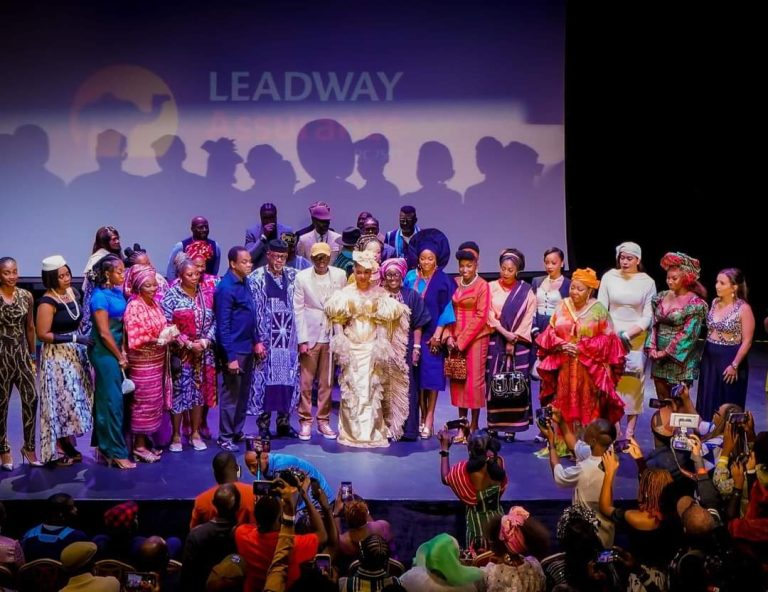
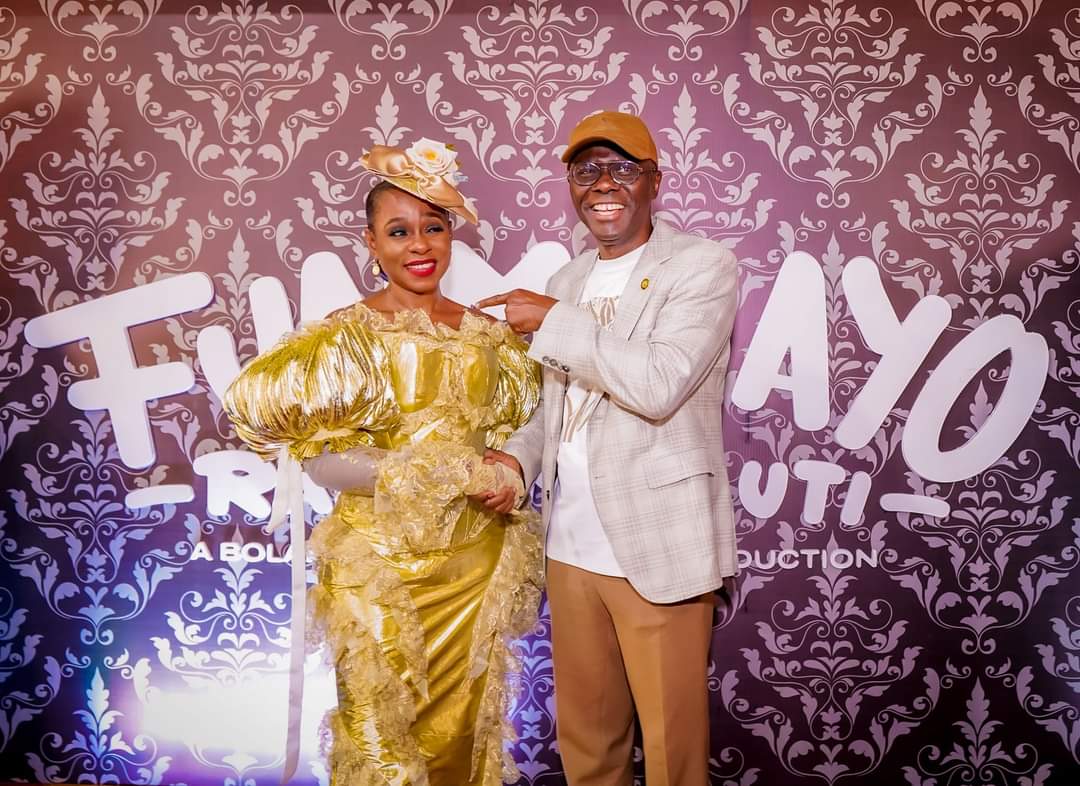
Funmilayo Ransome-Kuti Biopic Premieres in Lagos, Inspires Call to Action for Equality and Education

Funmilayo Ransome-Kuti Biopic Premieres in Lagos, Inspires Call to Action for Equality and Education”

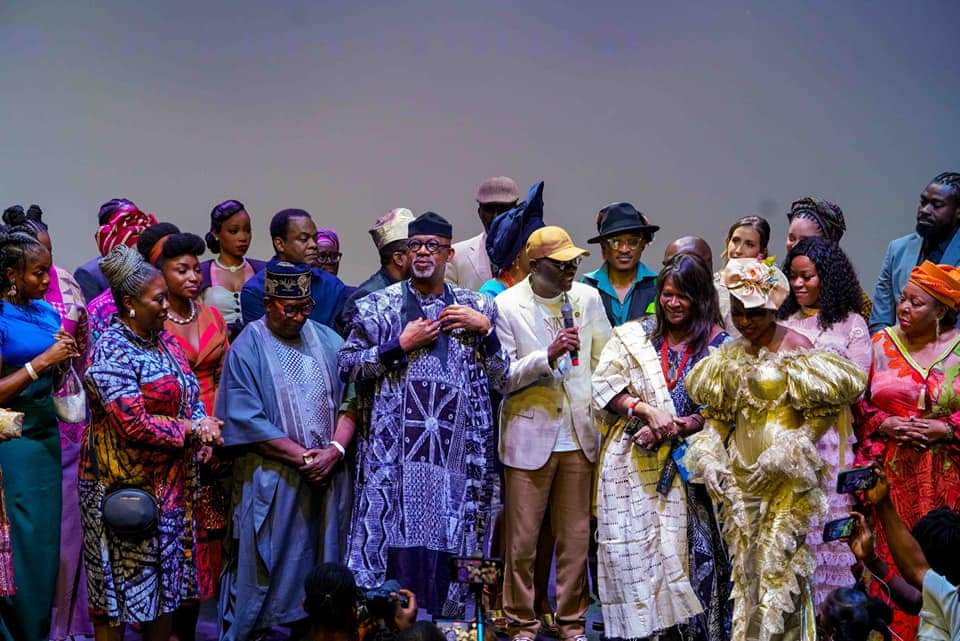
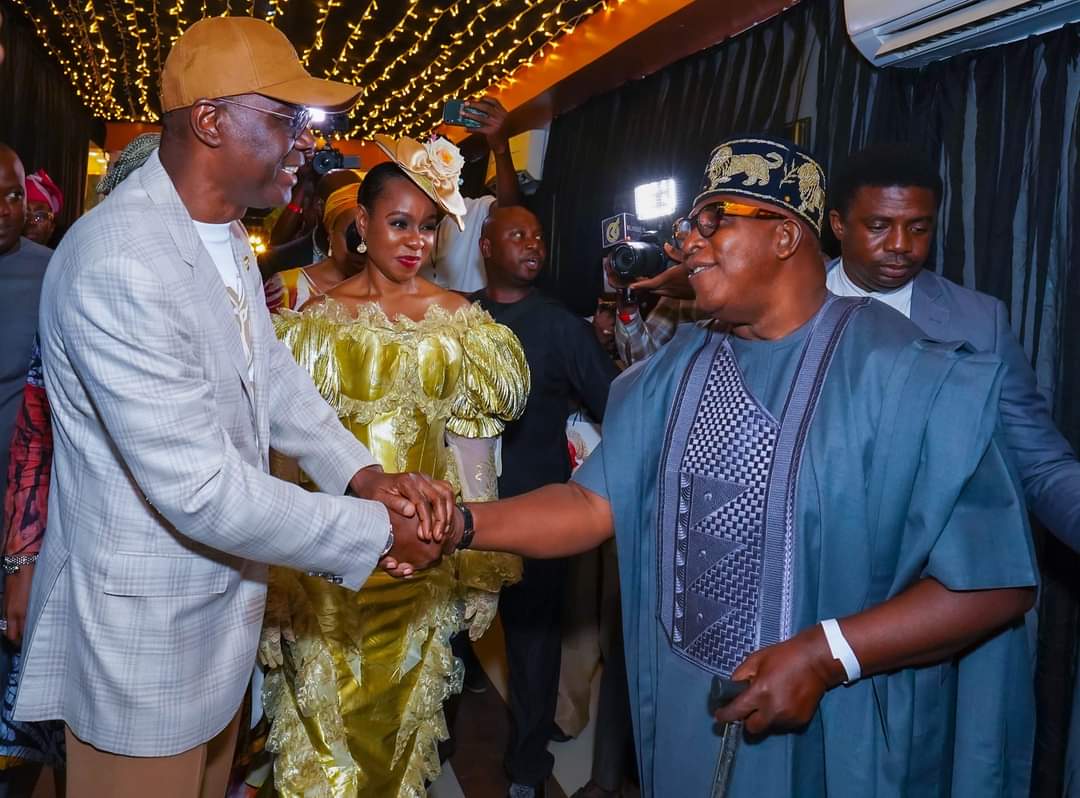
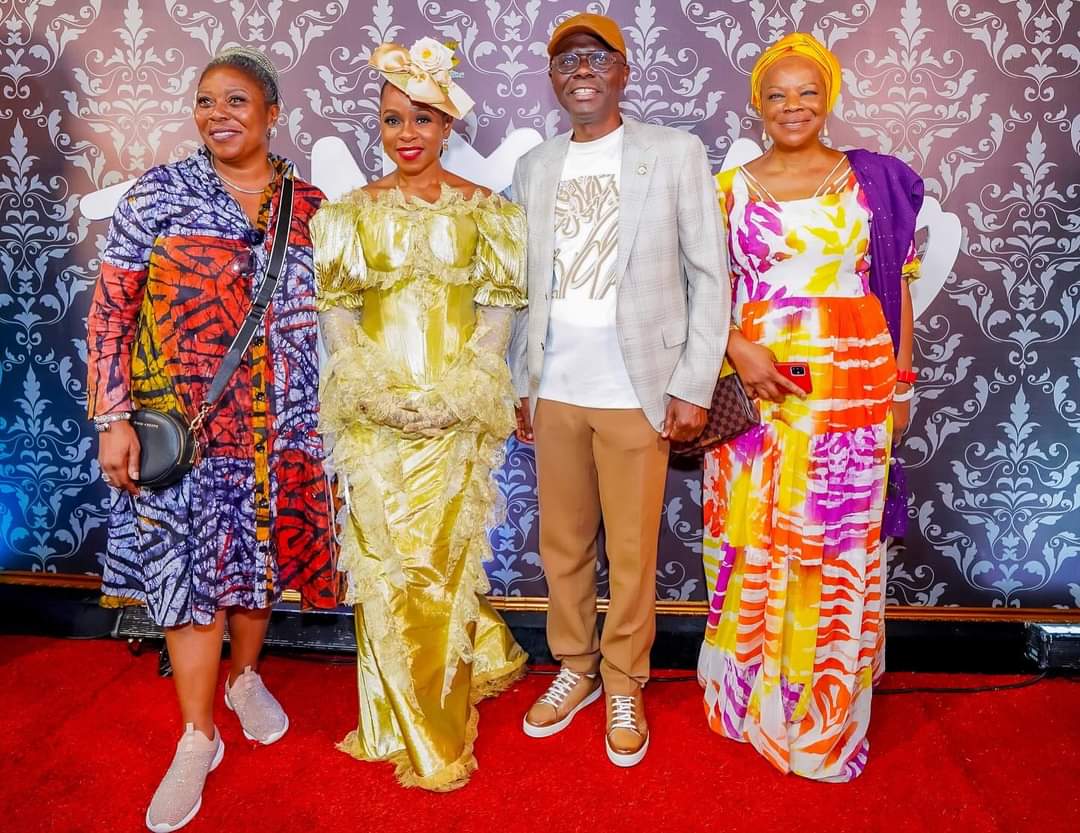
The highly anticipated biopic “Funmilayo Ransome-Kuti” premiered at Terra Kulture in Lagos last night, to a packed audience of film enthusiasts, dignitaries, and fans of the legendary Fela Kuti. The powerful film, directed by Bolanle Austen-Peters, brings to life the remarkable story of Funmilayo Ransome-Kuti, a trailblazing advocate for justice and mother to the iconic afrobeat musician.

The biopic vividly captures Funmilayo’s unwavering dedication to fighting for equality and education for all, inspiring a new generation to continue her legacy. The film’s premiere marks an important milestone in celebrating Funmilayo’s contributions to Nigerian history and serves as a call to action to champion the rights of women and the underprivileged in Lagos and beyond.

Attendees praised the film for its powerful storytelling, exceptional acting, and historical significance. The premiere was a fitting tribute to Funmilayo’s enduring impact, and the film is sure to resonate with audiences nationwide.

NASS to receive Tinubu’s tax reforms committee report September 

0

The Presidential Fiscal Policy and Tax Reforms Committee says it will transmit its policy recommendations to the National Assembly by the end of Q3 2024.


These include new National Tax and Borrowing Policies to be implemented in September and new proposals to amend the Constitution, which would take effect from 2025.


The committee led by Taiwo Oyedele announced that his team had closed its proposal phase and is now “consulting with the private sector” for the rest of May.


The Committee expects to secure internal approvals from the Federal Executive Council, National Economic Council and other organs of government “up until the end of June.”


He explained, “We envisage by the Quarter Three, our documents will be ready to go to the National Assembly and by the end of that Q3.


“We should have them enacted into law so we can give reasonable notice to the public, businesses and individuals before commencement for many of them kick off in 2025. But where we have executive orders and directive regulations that don’t require enactment into law, we just need the ministers to sign.


“For instance, we have a new withholding tax regulation where small businesses will be exempt from having to deduct withholding tax. So it’s ready; we’re waiting for the final signature.”


The tax reforms chief hinted about a new National Tax Policy and a Spending Policy that would dictate government spending as well as a Borrowing Policy “so that the social contract with the people is delivered to them in a meaningful way.”


“So, all of that will happen before the end of the year. But where we are enacting the law and proposals to amend the Constitution, that will happen in 2025 and, maybe, 2026 because I think the timeline that the National Assembly has is about two years,” he explained.


Oyedele argued that these processes are necessary to ensure that the “reforms can be enduring and sustained,” adding, “We don’t want this whole effort to go down the drain, after one or two years if somebody comes with a different idea and introduces new taxes. We have to fix this problem once and for all.”


Fielding questions on the foreseeable tax threshold for small businesses, he said after the deploying considering its data, the Committee has agreed that “if you earn N25m a year or less, you don’t have to pay company income tax, you don’t have to worry about VAT.”


He said, “The informal sector is people who are trying to earn a legitimate living”; therefore, “we should allow them to be and support them to grow to a point where they can then have the ability to pay taxes.”


Consequently, “We think that 95 per cent of the informal sector should be legally exempted from all taxes; withholding tax, company income tax, even payee on their staff. Let them be.


“We can then focus our attention on the top 5 per cent of that sector and, of course, the middle class and the elites. We think the days of being above the law in paying taxes are over.


“This is the same thing we’re saying to our leaders, whether elected or appointed; we think they have to lead by example by showing that they have paid the taxes, not only on time but correctly to the lawful authorities as contained in the various laws.”


The Oyedele-led Committee said it is “very convinced” that the government needs to increase the exemption threshold for small businesses such as for low-income earners, because “if you can’t make ends meet, the last thing you want is someone asking you to pay tax and we don’t think that is right.”


On the policy flaws entrenched in the controversial Cybersecurity Levy, Oyedele called for patience from the Nigerians battling multiple taxations, saying, These problems will not disappear overnight. It’s a work in progress.”


He stated, “As we progress from ideation, proposal to implementation, you’ll see less and less of those issues.”

NIGERIA FEDERAL GOVERNMENT TO PARTNER SAUDI ARABIA TO INCREASE FOOD PRODUCTION, OTHERS

In a bid to improve the bi-lateral relationship between both countries, the Honourable Minister of Agriculture and Food Security, Senator Abubakar Kyari, CON, has expressed the Ministry’s readiness to partner with the Kingdom of Saudi Arabia to increase food production, others.


The Minister disclosed this on the occasion of the visit by his Excellency, the Minister of Environment, Water and Agriculture, Engr. Abdulrahman Abdulmohsen Alfadley and his delegation to his office in Abuja recently.


He pointed out that Food Security as well as Agriculture is a priority item on the agenda of the incumbent administration of President Bola Ahmed Tinubu, GCFR, noting that “We have watched with keen interest the widely applauded reforms being undertaken by His Royal Highness, King Salman bin Abdulaziz Al Saud, ably assisted by the Crown Prince Mohammed bin Salman Al Saud. The social and economic dimensions of these far-reaching reforms are truly pleasing to the friends of the kingdom across the globe”.


Sen. Kyari noted that the two countries have very strong and healthy bilateral relationships that date back several centuries on account of the common ties between our people, particularly in culture and religion.


He recalled that six months ago, on the 11th of November 2023 “Your Excellency hosted a Nigerian delegation comprising my humble self, my counterpart in the Ministry of Budget, Planning and Economic Development and their Excellences, the Executive Governors of Bauchi Katsina and Niger States.

“Let me thank you once again for the hospitality extended to us on that very occasion and more particularly to appreciate the candour and earnestness in discussing the broad issues of mutual interest and potential avenues for cooperation and investment in irrigation, livestock, farmland development and value addition”, the Minister added.


Speaking further, the Minister stated that in prioritizing Agriculture and Food Security, President Bola Ahmed Tinubu, has left no one in doubt as to his willingness and readiness to accommodate a range of ideas that can sustainably develop and encourage investments in the sector.


In his remarks, the Minister of Environment, Water and Agriculture, Saudi Arabia, Engr. Abdulrahman Abdulmoshen stated that his country would invest in the sector and target Nigerian market, adding that both countries’ private sector would explore further opportunities.


He stated that ‘’ we do believe that Nigeria has some comparative advantages and the need to invest wisely in the agriculture, food sector, whereby we will be targeting the Nigerian market’’.