Home Blog Page 211

Politics of Media attacks on Lagos – Calabar Coastal Road

0

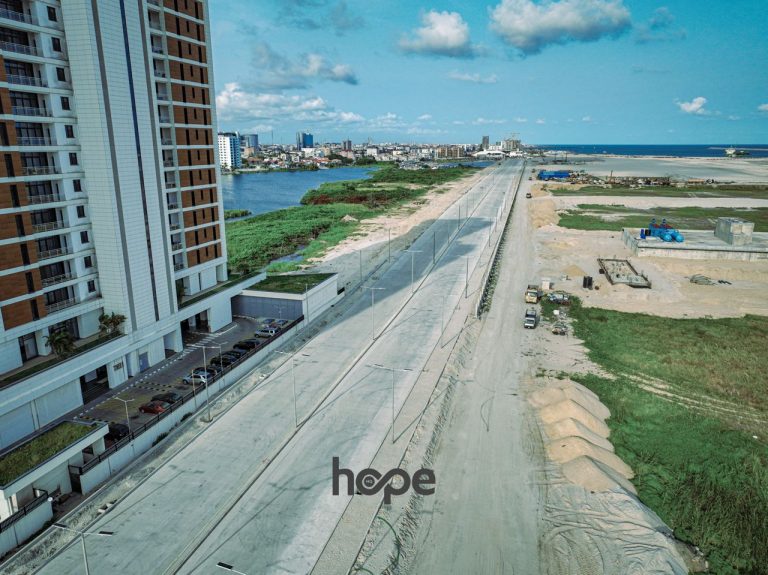
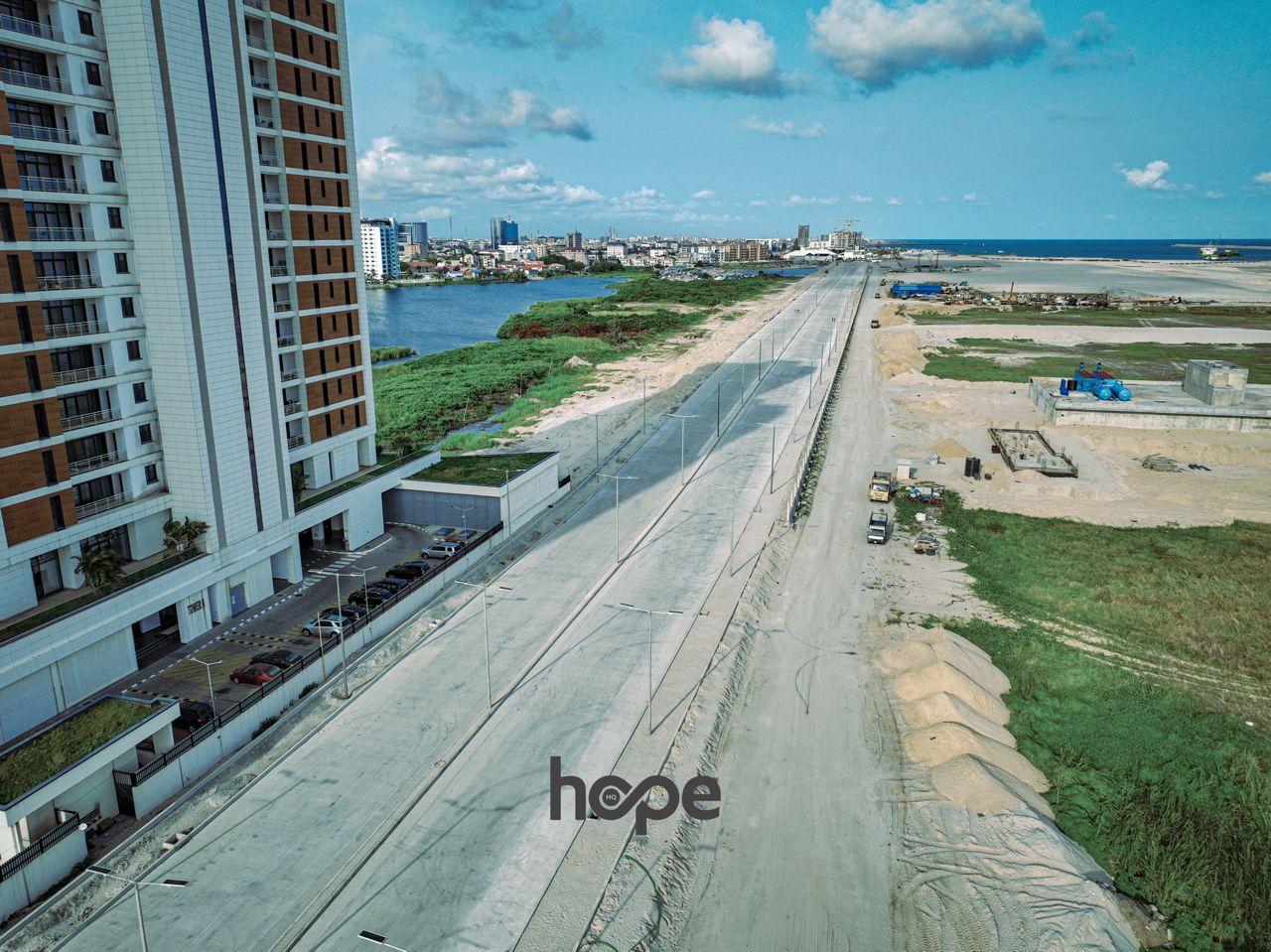
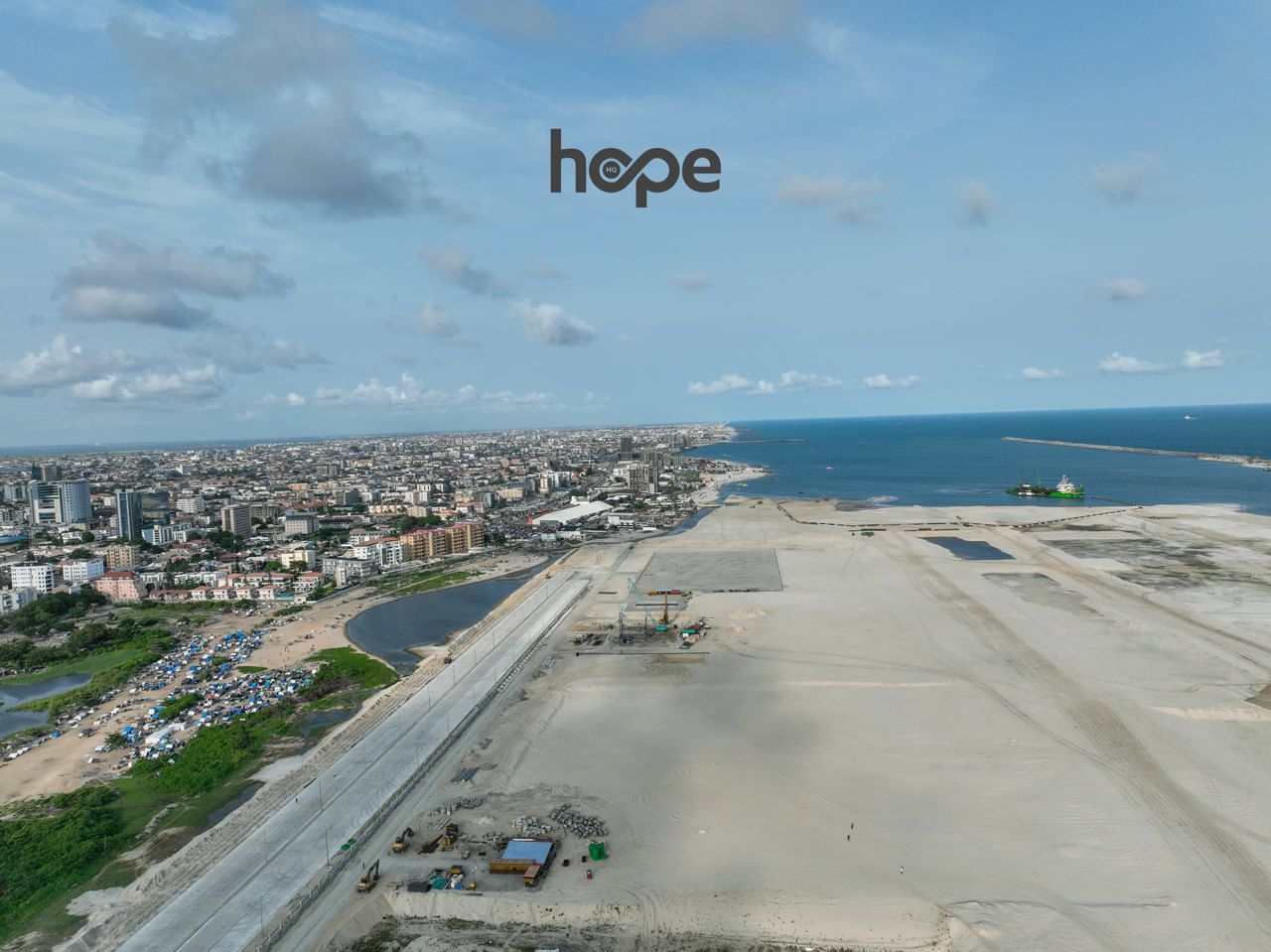
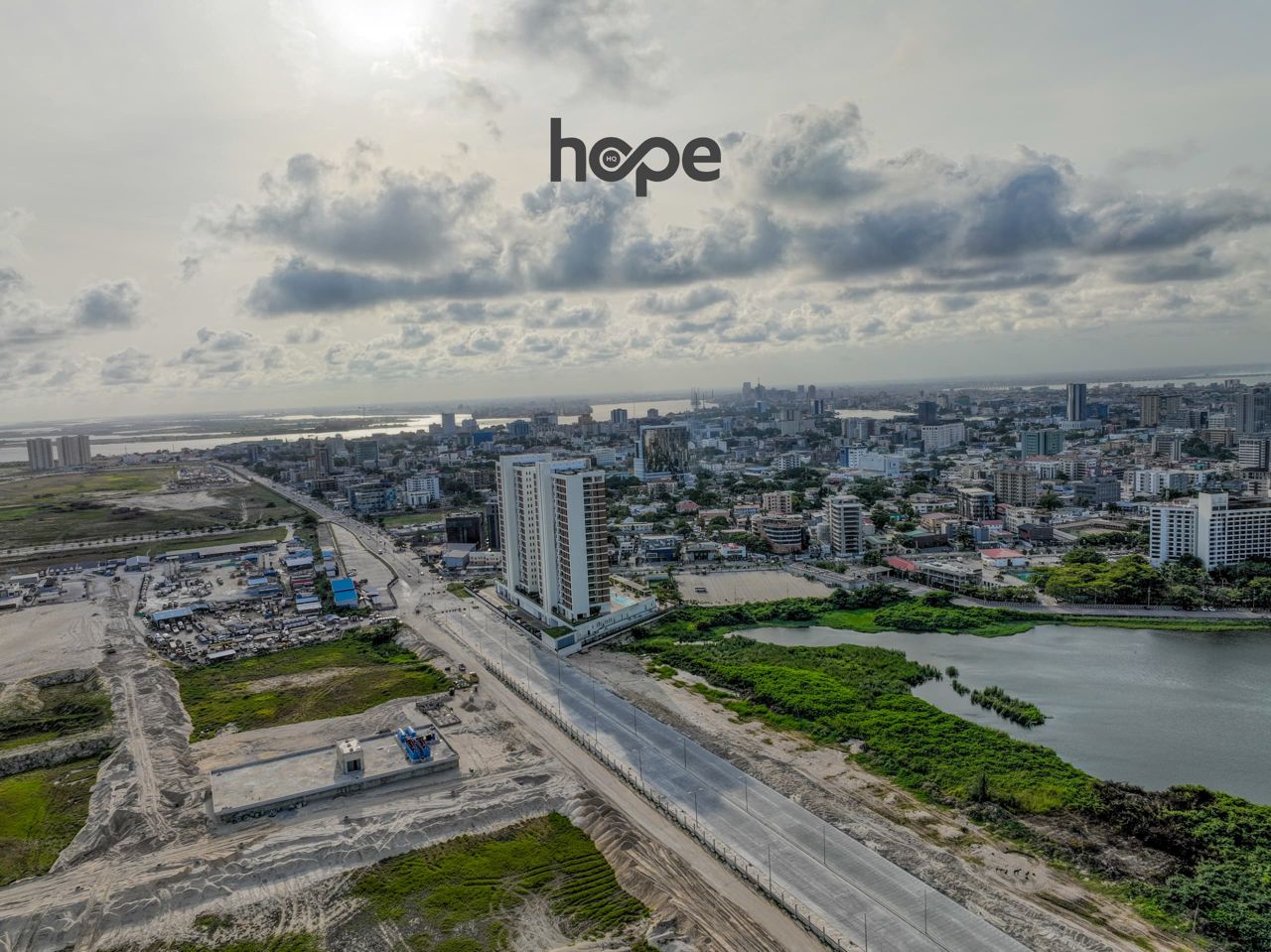
– 100 yrs ago, the entire place was land owned by the Oniru family.


– ⁠Over a century, the beach was lost to the ocean till the erosion started threatening Victoria Island till the early 2000s

– ⁠2003 – BAT engaged Hitech to build the “Wall of Lagos”, reclaim the land, and build Eko Atlantic. Reached an agreement with Oniru before the project on ownership of the land to be reclaimed.


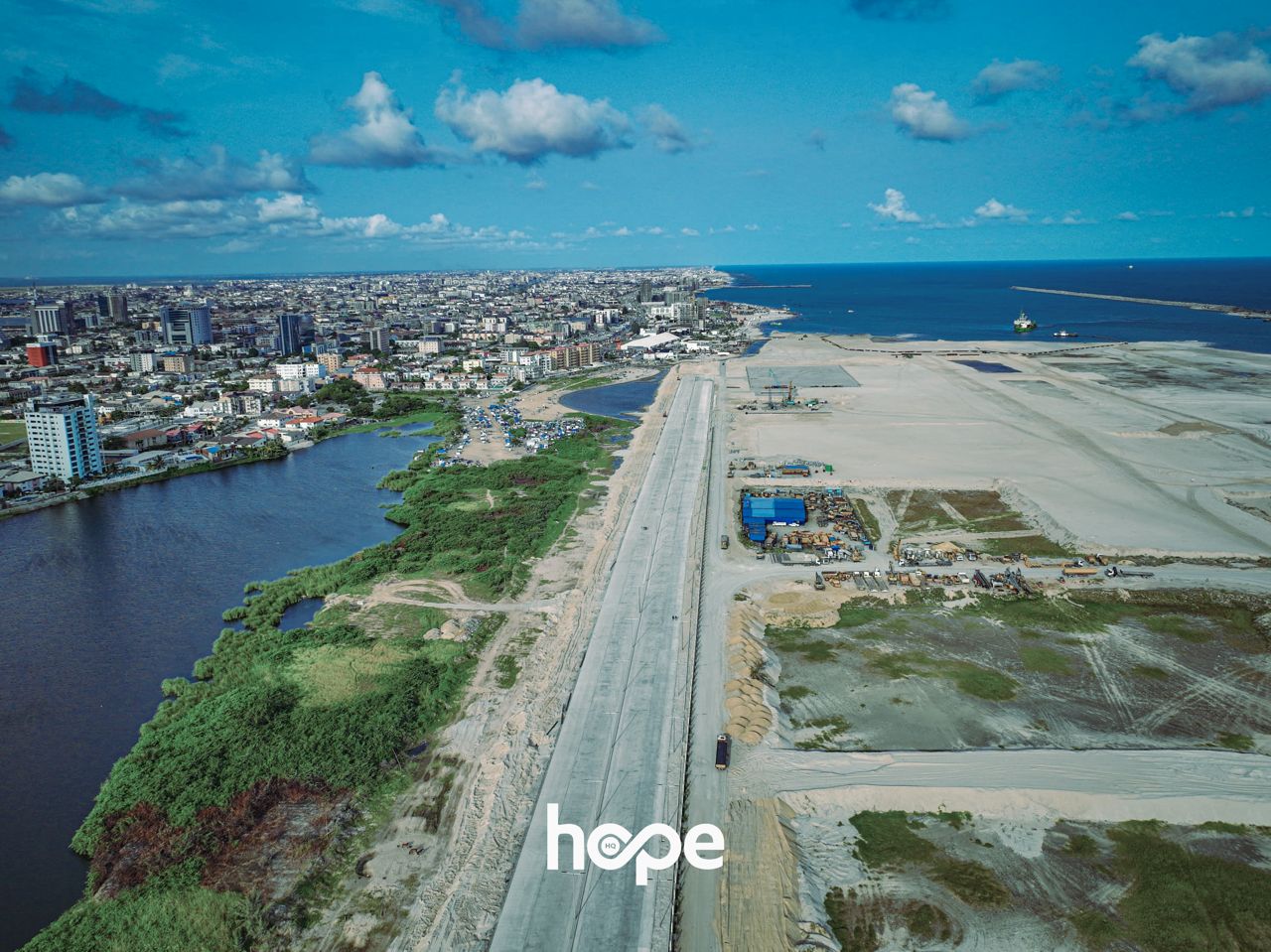
– ⁠2007 – the idea of the coastal road was birthed to start from Eko Atlantic.


– ⁠2007 – Landmark bought property backing the “ocean” which is e basically land that is based on plan will be reclaimed. A clearly marked fence that ends just before the water that is based on a plan will be reclaimed.

– ⁠2017 – Landmark went to his “backyard and created a football pitch” on a land that he didn’t buy and was collecting money.


– ⁠2018 – Landmark continued expanding on land that they didn’t buy, building shanties and charging money.

– ⁠2019-20 – Landmark grew bolder and was selling shops space on the beach to businesses. I have to emphasize, on the beach front, that he did not buy.


– ⁠Around 2019/20, Oniru beach also opened up.

– ⁠Around 2021, LaCampagne also joined them.


– ⁠2023 – Lekki Deep seaport was completed, opening up additional economic activity on the coastal line.

– ⁠2023 – BAT was elected. Coastal Hitech revisited their old friend and proposed to start phase 1 that links Eko Atlantic to Deep Seaport.


– ⁠2024 – Project started. Road is supposed to pass through Landmark’s “backyard that they didn’t buy.


– ⁠FG gave notice to everyone, including Onirus (that owned the land before it was lost to the sea) and LaCampagne.


– ⁠Everybody knew this day would come, so everybody Jejely vacated land that they knew they did not buy. Landmark said lailai and started media rounds.


– ⁠2024 – Landmark claimed they have a $200m investment on the beach.


– ⁠Umahi visited and conceded that rather than have 100m corridor, the one at his side will be 50 meters, and gave Landmark engineering tips to retain the tourism.


– ⁠Landmark said the coastal road should pass in front of the property, not the back. The front is a 2 lane road. The coastal road is supposed to be 10 lanes. With 100 meters corridor. Landmark’s proposal will actually affect the land he bought, if accepted.


– ⁠Last weekend, Umahi carried on as planned. Destroyed the shanties on the beach worth “$200m”.


NDIC raises deposit insurance coverage for bank customers in Nigeria to N5 million

The Nigeria Deposit Insurance Corporation (NDIC) has announced a substantial increase in the maximum deposit insurance coverage levels across various banks.


Effective immediately, the new coverage adjustments were revealed during a press conference held by the NDIC’s MD/CEO, Mr. Bello Hassan, on May 2, 2024.


Recommended reading: NDIC to EFCC: Return recoveries made on our behalf for disbursements to depositors in Nigeria

Key details of revised insurance coverage:

Deposit Money Banks (DMBs): The maximum deposit insurance coverage has been elevated from N500,000 to N5,000,000. This change will now fully cover 98.98% of depositors, significantly up from the current 89.20%.

Microfinance Banks (MFBs): Coverage for MFBs has risen from N200,000 to N2,000,000, aiming to protect 99.27% of depositors, compared to 98.76% under the previous limits.

Primary Mortgage Banks (PMBs): The coverage has been increased from N500,000 to N2,000,000, ensuring 99.34% of depositors are fully covered, up from 97.98%.

Payment Service Banks (PSBs): Coverage has been adjusted from N500,000 to N2,000,000, covering nearly all depositors at 99.99%.

Mobile Money Operators (MMOs): The pass-through deposit insurance for MMO subscribers has jumped to N5,000,000 per subscriber.

The NDIC MD stated:


“Based on these considerations, and in line with our commitment to enhancing depositors’ protection, public confidence, financial inclusion, and stability of the financial system, I am pleased to announce that the NDIC’s Interim Management Committee (IMC), during its 18th meeting held on April 24th and 25th, approved a 3 increase in the maximum deposit insurance coverage levels for all licensed deposit-taking financial institutions with immediate effect.


The adjustments are as follows:

i. Deposit Money Banks (DMBs): The maximum deposit insurance coverage has been increased from N500,000 to N5,000,000, providing full coverage to 98.98% of total depositors compared to the current coverage of 89.20%. In terms of the value of deposits covered, the revised coverage would increase to 25.37% compared to the current 6.31% of the total value of deposits.


ii. Microfinance Banks (MFBs): The maximum deposit insurance coverage has been increased from N200,000 to N2,000,000, providing full coverage to 99.27% of total depositors compared to the current level of 98.76%. This would increase the value of deposits covered by deposit insurance to 34.43% compared to the current 14.38% of the total value of deposits.


iii. Primary Mortgage Banks (PMBs): The maximum deposit insurance coverage has been increased from N500,000 to N2,000,000, providing full coverage to 99.34% of total depositors compared to the current 97.98%. This would increase the value of deposits covered by deposit insurance to 21.04% compared to the current 10.77% of the total value of deposits.


iv. Payment Service Banks (PSBs): The maximum deposit insurance coverage has been increased from N500,000 to N2,000,000, providing full coverage to 99.99% of the total number of depositors. This would increase the value of deposits covered by deposit insurance to 43.10% of the total value of deposits from the current coverage of 40.60%.


v. Subscribers of Mobile Money Operators: The maximum pass-through deposit insurance coverage has been increased from N500,000 to N5,000,000 per subscriber per MMO as the applicable coverage level for depositors of DMBs.”


Reason for upward review

In his address, Mr. Hassan outlined the journey and rationale behind the adjustments in insurance coverage. Initially set at N50,000 in 1989 to cover 85% of depositors, the coverage was progressively increased to N200,000 in 2006, and later to N500,000 in 2011 for Deposit Money Banks (DMBs), with similar adjustments made for other financial institutions over the years. The latest study in 2023 underscored the need for a further increase due to high percentages of depositors being fully insured but still a considerable value of deposits remaining uncovered, which posed risks like potential bank runs.


Mr. Hassan emphasized that the revised coverage is a strategic balance between protecting depositors and ensuring the stability of the financial system. The changes aim to extend protection to a larger percentage of the population, enhance financial inclusion, and mitigate the potentially destabilizing effects of bank runs.


Mr. Hassan emphasized that these changes are supported by solid financial backing from the NDIC’s Deposit Insurance Funds (DIFs), anticipated premium collections, and robust supervision and bank resolution frameworks outlined in the NDIC Act No. 33 of 2023. This strategic enhancement aims to balance the protection of depositors with the need to encourage market discipline among banks, thereby preventing unnecessary risk-taking and the destabilizing potential of bank runs.


What does this mean for Nigerian bank customers?

In the event of a financial institution’s failure and the revocation of its license by the Central Bank of Nigeria (CBN), the NDIC will reimburse eligible depositors up to the maximum insured amount of N5 million in Deposit Money Banks (DMBs) and N2 million in Microfinance Banks (MfBs) and Primary Mortgage Banks (PMBs).

The Corporation sells the assets of failed banks and collects debts owed to them so that depositors whose claims exceed the maximum insured sums can receive liquidation dividends on a pro-rata basis.

The liquidation dividend is the amount paid to depositors by the NDIC after a bank is liquidated if the depositor’s amount exceeds the insured amounts. Payments to creditors and shareholders are made from the proceeds after all depositors have been repaid from the assets of closed financial institutions.

With the maximum insurance coverage raised substantially—for example, from N500,000 to N5 million for depositors in DMBs—customers can feel more secure about the safety of their deposits. This higher coverage ensures that a larger portion of their money is protected in the event of a bank failure, thereby boosting depositor confidence in the banking system.

The new coverage levels are designed to fully insure a higher percentage of depositors. For instance, the coverage for DMBs now fully protects 98.98% of depositors, up from 89.20%. This change means that almost all depositors are completely covered by the NDIC’s insurance, reducing their risk significantly in case their bank collapses.

With increased deposit insurance, individuals and businesses might be more inclined to save their money in banks, contributing to higher levels of financial inclusion. Knowing that their deposits are secure, even those who previously underutilized banking services due to fear of potential bank failures might now be more likely to engage with the banking system.

Overall, these changes are expected to bolster the resilience of Nigeria’s banking sector, enhance depositor protection, and contribute to a more stable financial environment, benefiting both individual bank customers and the broader economy.

Peter Obi fires back at Umahi for accusing him of inciting Igbos against FG

0

Peter Obi, the presidential candidate of the Labour Party in the 2023 presidential election has fired back at David Umahi, the Minister of Works over the allegations of incitement leveled against him.


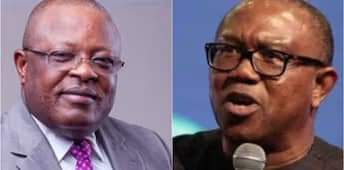
While speaking in Lagos on Wednesday, May 1, 2024, during a stakeholders’ meeting on the controversial Lagos-Calabar road project, Umahi accused Obi of inciting the people of the south-east against the Federal Government.


Obi had earlier criticised the project describing it as a misplaced priority. The ex-governor of Anambra State also condemned the demolition of properties for the project, saying it is ‘insensitive.’


Responding to this during his meeting with stakeholders in Lagos, Umahi slammed Obi for his comments about the project.


He said when Obi was governor of Anambra State, he supported the demolition of buildings for road projects.


“When you condemn people you bring judgment upon yourself and that is what he has done,” Umahi said.


The minister further accused Obi of inciting uninformed Nigerians from the southeast region against the Federal Government.


He said, “I think he is inciting some of the south-east people that are not well informed.”


However, in a series of tweets on Thursday, May 2, 2024, Obi replied Umahi, describing his claims against him as ‘baseless distractions.’


Obi dismisses Umahi’s claim about incitement

In his tweets, Obi said Umahi’s allegations were aimed at destroying his character.


The former governor of Anambra State said he refused to partake in divisive politics, adding that his political aspiration is not based on any ethnic interest.


He said, “Regarding allegations of incitement against the government, I firmly reject these unfounded accusations aimed at tarnishing my character.


“My focus is on fostering constructive dialogue and inclusivity, rather than engaging in divisive politics. Claims of incitement are baseless distractions. I have always advocated for unity and advancement, refusing to partake in reactionary divisive politics.


“I refuse to be reduced to the level of those who wallow in ethnic politics. Worse still, I have never and can never descend so low as to base my political aspirations on any sectional or ethnic interest.”


Obi also refutes demolition allegation by Umahi

Obi said when he served as governor of Anambra State, he only demolished structures “obstructing existing roads and lacking approval.”


Citing an example, he said he demolished the Onitsha North local government headquarters because it was situated on the only existing stadium in the area.


He said after the demolition of the structure, he built another structure for the local government office away from the stadium.


“My actions were strategic, aiming to prioritize the repair and maintenance of existing infrastructure over projects that risked disruption and destruction. This approach aimed to safeguard the livelihoods of Nigerians and ensure the efficient use of resources,” he said.


Drawing a comparison between his action and the demolition of Landmark beach and other properties on the right of way of the Lagos-Calabar coastal road project, Obi said he only removed obstructions on existing roads to enhance accessibility and safety for all, saying the road project in Lagos sharply contrasts with his administration’s efforts.


Obi said, “I focused on removing obstructions on existing roads to enhance accessibility and safety for all. The ongoing destruction and disruption of jobs and livelihoods associated with the Lagos-Calabar coastal road construction sharply contrasts with my administration’s efforts to improve infrastructure while minimizing adverse impacts on communities.”


He said he’ll continue to advocate for the rights and well-being of all Nigerians to ensure that development initiatives prioritise the needs of the people.

Mediafuse-Dentsu Nigeria Promotes Employees

In recognition of the extraordinary contributions of its employees, a leading integrated marketing and communications agency, MediaFuse-Dentsu Nigeria, has announced significant promotions for a staggering number of its workforce.


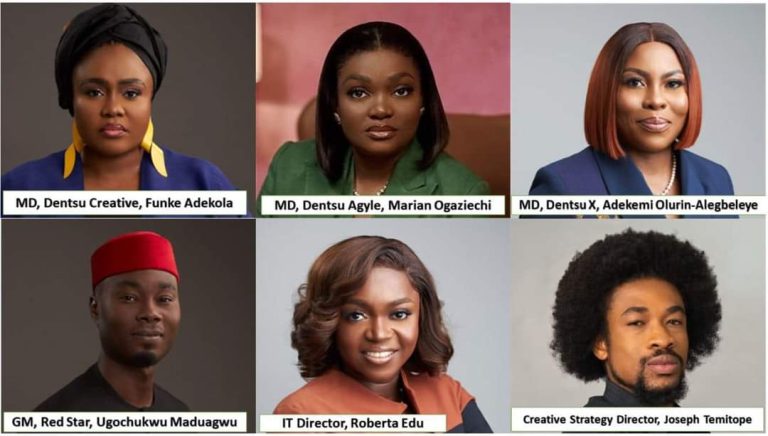
The promotion exercise saw the General Manager/Chief Operating Officer of Dentsu Creative, Funke Adekola; the General Manager/Chief Operating Officer of Dentsu Agyle Nigeria, Marian Ogaziechi; and the General Manager/Chief Operating Officer of dentsu X Nigeria, Adekemi Olurin-Alegbeleye, being promoted to Managing Director.


While Red Star Nigeria’s Media Director, Ugochukwu Maduagwu, was promoted to General Manager, the company’s Information Technology Associate Director, Roberta Edu; and Associate Director, Creative Strategy, Joseph Temitope, were elevated to Director.


Golden Penny Chicken Flavour 300 x 290

The promotion coincided with Nigeria’s 2024 Workers’ Day celebration, a national holiday honouring the country’s labour force, according to a press statement by MediaFuse-Dentsu Nigeria’s Senior Manager, Corporate Communications, Sodiq Oyeleke, arpa.


“Our employees are the heart and soul of our agency’s success. Their dedication, creativity, and hard work are what drive our results and allow us to deliver exceptional value to our clients. We are thrilled to celebrate their achievements with these well-deserved promotions,” the Group Chief Executive Officer of MediaFuse-Dentsu Nigeria, Emeka Okeke, said.


In addition to the widespread promotions, MediaFuse-Dentsu Nigeria also announced a company-wide salary increase to compensate the members of staff for their dedication and cushion the effect of the economic hardship in the country.


The GCEO noted that this move underscored the agency’s commitment to investing in its employees and ensuring they are competitively compensated.


“We understand the importance of financial security and rewarding our employees for their hard work,” Emeka Okeke added.


MediaFuse-Dentsu Nigeria’s Senior Manager, Human Resources, Mustapha Kelani, acipm said the salary reviews reflected the company’s commitment to its employees’ well-being and their continued growth.


“MediaFuse-Dentsu Nigeria’s commitment to its employees extends beyond just promotions and salaries. We foster a positive and supportive work environment that values professional development and personal growth. We also offer a comprehensive benefits package, including healthcare, bonuses, and training opportunities,” he added.

Music Star Dbanj set to mark twenty years on stage

Nigerian music icon, Oladapo Oyebanji, popularly known as D’banj, has revealed plans to drop a new single titled ‘Since 04,’ to celebrate the start of his career 20 years ago.

Describing his upcoming single, scheduled for release on May 3, 2024, as one of his favourites, D’banj highlighted its significance as it coincides with 2004, marking his debut into the music scene.


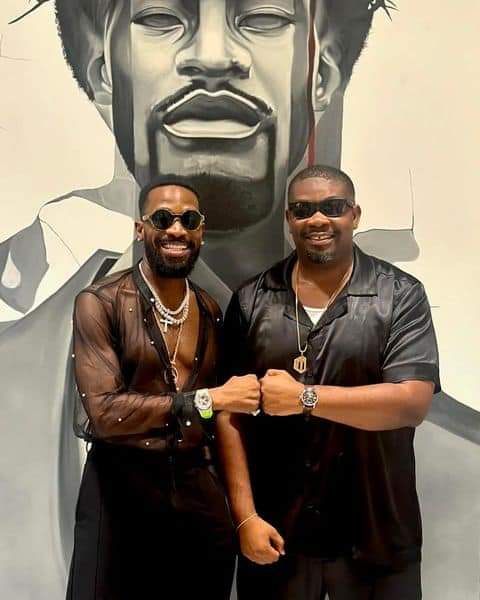
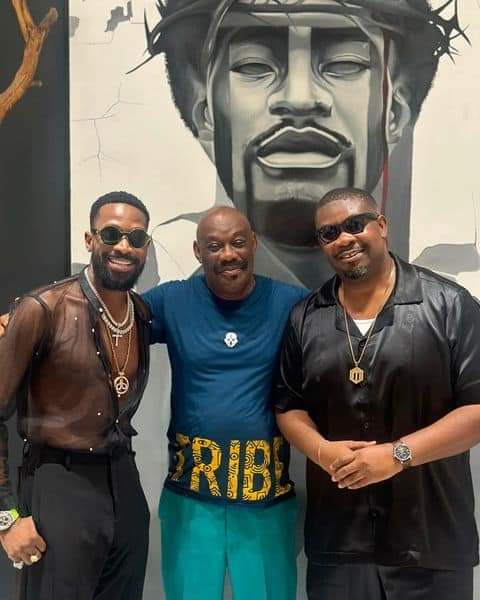
He posted pictures of himself on Instagram with the renowned producer, Michael Enebeli, popularly known as Don Jazzy.


He wrote: “Brothers for life, It’s @donjazzy again 💥Bad Boys Since 04 💯. I must greet @mavingrandpa specially! Thanks for all the prayers and support since ‘04!


“Since ‘04 drops tomorrow, Ooossshhee 💥”

Nigerians pay N350,000 for braces in public hospitals, N750,000 in private clinics

0

Amid the vibrant hustle at Iwo Road, Ibadan, 25-year-old Temi Okeowo paused at the entrance of a dental clinic, her heart beating with a mix of nervousness and excitement.


Yesterday marked the beginning of her journey towards a smile she had long dreamed of, one that would be shaped with the help of braces.


Temi’s decision was spurred by the growing trend of orthodontic treatments in Nigeria, with braces becoming increasingly popular among individuals of all ages seeking to improve their dental health and aesthetics.


As awareness grows about the importance of proper dental care and the availability of new orthodontic technologies, more Nigerians are considering braces as a viable option for correcting their misaligned teeth.


The dental landscape in Nigeria

In Nigeria, access to dental health services, including orthodontic treatments, is a challenge due to the often inadequate and overstretched public facilities and costly private facilities, particularly in urban areas.


Oral health providers typically share space with other medical services within public hospitals, reflecting a focus on more centralised care. In contrast, private dental facilities usually operate independently, offering a different kind of patient experience.


For public-owned facilities, orthodontic treatments are predominantly conducted in general and teaching hospitals and not in primary healthcare centers.

While private clinics outnumber public ones, the latter often see higher patient volumes due to the lower cost of treatments, even though their services are less accessible, especially in rural settings.

The cost of braces, a crucial component of orthodontic care, varies significantly based on factors such as the type of braces selected, the complexity of the patient’s dental issues, and the expertise of the orthodontist.

This featured article explores the varied options and associated costs of braces in Nigeria as of 2024, providing essential insights for those considering this dental treatment.


Braces available in Nigeria

As orthodontic technology advances, Nigerians now have access to a variety of braces options, each tailored to different needs, preferences, and budgets. The different types of braces available in Nigeria include:


Traditional metal braces: The most common and cost-effective option, traditional metal braces, are made of high-grade stainless steel and remain a popular choice due to their reliability in treating various dental misalignments. However, their visible nature can be a drawback for those concerned about appearance.

Ceramic braces: These braces are similar in shape and size to metal braces but are crafted from ceramic materials that blend more naturally with the teeth, making them less noticeable. While they offer aesthetic advantages, ceramic braces can be more fragile and slightly costlier than their metal counterparts.

Lingual braces: Positioned on the back of the teeth, lingual braces are virtually invisible from the outside. They are custom-made to fit each tooth. This type of brace is ideal for those who prioritise aesthetics and are willing to invest more. However, they can be more challenging to clean and may initially cause discomfort to the tongue.

Clear Aligners: An increasingly popular choice, clear aligners such as Invisalign are nearly invisible trays that gradually shift teeth into position. They can be removed for eating and brushing, offering a significant advantage in terms of convenience and oral hygiene. While they are generally more expensive and may not be suitable for correcting severe malocclusions, their discreet nature makes them highly appealing to adults and teens alike.

Each type of brace has its own set of pros and cons, and the right choice largely depends on individual needs, financial considerations, and the specific recommendations of an orthodontist.


Average cost comparison between public hospitals and private dental clinics


Metal braces are primary options at public hospitals in Nigeria due to the expense of ceramic braces, lingual braces, and clear aligners. Since public hospitals receive funding from the Federal Government, these cost-effective metal braces are the most accessible choice.


Public hospitals charge N350,000 at the minimum for services related to braces and N500,000 at the maximum.


Private hospitals, however, pay higher, ranging from N750,000 to N3.5 million.


Factors affecting costs of braces in Nigeria

Geographical location

The cost of braces often varies from one region to another within Nigeria. Urban centers like Lagos, Abuja, and Port Harcourt typically have higher pricing due to higher operational costs and the availability of more experienced orthodontists. In contrast, costs might be lower in smaller cities and rural areas, though options for advanced orthodontic care can be more limited.


Type of hospital/clinics

Private dental facilities in Nigeria typically command higher fees compared to public hospitals. This price disparity stems from the fact that private clinics offer a diverse range of braces, in contrast to public hospitals which primarily utilise metal braces funded by the government. Moreover, private hospitals boast advanced equipment, further justifying their higher costs.


Complexity and length of treatment

Patients facing complex dental issues often incur expenses surpassing the average cost. This is due to the additional treatment required to address these complexities, which not only influences the duration of treatment but also contributes to the overall expenses incurred by the patient.


Braces type

As stated, the type of braces chosen affects the cost. Metal braces are generally the least expensive, while options like lingual braces and clear aligners tend to be pricier due to their aesthetic advantages and advanced manufacturing processes.


Financing options and expert opinions

Financing orthodontic treatments like braces can be a significant concern for many in Nigeria, where Nairametrics reports that the majority of patients pay out of pocket. To better understand the financial landscape and options available, Nairametrics consulted with several dental experts.


According to an orthodontist, who asked not to be named, “Health insurance typically doesn’t cover the costs of braces. Many people lack health insurance, and those who have it often find that dental care isn’t included. Some premium plans might cover part of the costs, but rarely the full amount. It’s crucial for patients to review their insurance benefits or directly contact their providers.”

Many dental clinics across Nigeria offer flexible payment options to make treatments more accessible.


“Here, you can pay in instalments. As you come for your appointments, you can make partial payments until you complete your treatment,” explained a dental nurse from a teaching hospital.


An orthodontist from a private clinic added, “We require 50% of the payment upfront, with the balance spread over the course of the treatment.”

Terms can vary significantly between clinics, so patients are advised to shop around and compare these options.

Dental clinics in Nigeria occasionally offer discounts, particularly during special events like Dental Health Month.


“Our clinic sometimes runs discounts. Currently, we are offering a 10% discount to any patient who pays in full,” shared a representative from one clinic.


Prospective patients should inquire about any ongoing discounts which could make their treatment more financially feasible.

Patient experiences

Insights from patients also shed light on the realities of obtaining braces in Nigeria.


One patient shared, “I opted for a teaching hospital as it was more affordable compared to private clinics. However, my treatment extended beyond the expected timeframe due to occasional equipment shortages.”

Another patient preferred the private clinic route, stating, “I chose a private clinic to avoid the long waits typical at public hospitals. It was a stress-free experience, from consultation to

getting my braces.”
The biggest mess created for 2023 was actually the devaluation of the naira from N460 to N1,400. – Dangote

The biggest mess created for 2023 was actually the devaluation of the naira from N460 to N1,400. – Dangote


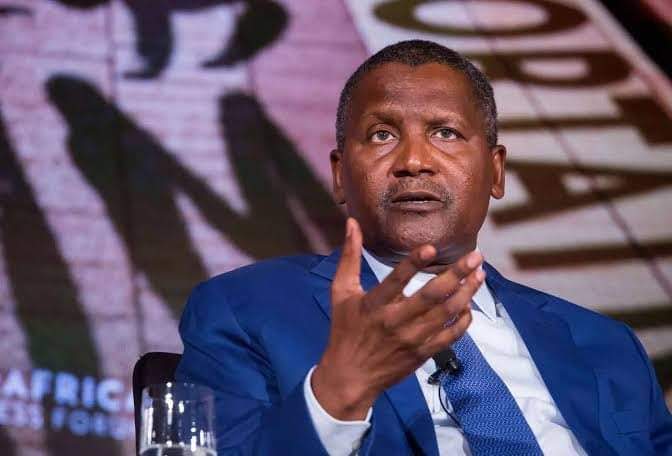
Aliko Dangote, the chairman of Dangote Industries Limited, expressed that the naira devaluation had a significant negative impact on the company in the year 2023.


Dangote addressed attendees on Tuesday at the yearly general assembly of Dangote Sugar Refinery Plc.


Dangote has conveyed that the company is diligently working towards delivering dividends this year.


He mentioned that numerous companies, particularly those in the food and beverages sector, have also been impacted and may face challenges in distributing dividends.


“We are doing whatever it takes to make sure that at the end of the day, we will be paying dividends because if you look at our dividends last year, it was almost 50 percent more so we will try and get out of the mess,”


“The biggest mess created was actually the devaluation of the naira from N460 to N1,400.


“You can see almost 97 percent of the companies, especially in food and beverages businesses, none of them will pay dividends this year for sure but, we will try and get out of it as soon as possible.


“We want to see that at the end of the day, no matter how small, we will be able to pay some dividends, especially if there is a rebound of the naira.”

Major consumer goods companies record N839.2 billion forex losses in 2023

In 2023, major consumer goods companies listed on the Nigerian Stock Exchange (NGX) recorded FX losses amounting to N839.24 billion in the 2023 financial year.


This is according to a review of the 2023 full-year financial statements of 10 major consumer goods firms in Nigeria.


According to the report, Dangote Sugar Plc recorded the highest FX loss in the past year totalling N201.67 billion, which is around 45.3% of the company’s revenue over the period. On the other hand, Unilever recorded the lowest FX losses among the companies featured in the report at N4.58 billion. This was followed by soap maker, PZ Cussons, which saw FX losses of N4.95 billion.


In total, FX losses by consumer goods companies featured in this report represent around 18.06% of the N4.64 trillion revenue generated over the period.


Cadbury recorded an FX loss of N36.93 billion in the year under review.


The food and beverage section of the consumer goods industry was severely affected with BUA Foods seeing an N100.68 billion FX loss and Nestle Plc recording a N195.07 billion loss. Nigerian Breweries, Guinness Nigeria, and International Breweries posted N153.33 billion, N49.09 billion, and N70.37 billion respectively in foreign exchange losses for the year.


Also, Nestle Plc emerged as the second biggest loser in foreign exchange losses with N195.07 billion for the year.


It is important to note that some of the losses were unrealised for debt obligations that are not yet due.


Reason for the FX losses

The significant escalation in foreign exchange losses among consumer goods companies stems from the policies of the Central Bank of Nigeria (CBN) with respect to the unification of the foreign exchange market and the devaluation of the naira during the year.


In June 2023, the CBN confirmed the unification of the multiple foreign exchange market- a move which saw the naira depreciate by over 40% from N471.67/$1 to over N600 to the USD immediately after the introduction of the policy


The naira continued its downward slide over the USD in the second half of 2023 and crossed the N1000 mark during the year- a record depreciation.


The impact of the unanticipated drop in the value of the naira on companies’ balance sheets was severe as shareholders’ funds were totally wiped out for some companies.


A market analyst, Ike Ibeabuchi, explained that the losses were inevitable given the naira’s steep depreciation in 2023. He noted that the CBN’s efforts to stabilize the local currency could have a positive impact on firms’ balance sheets in 2024.


“The CBN is already working to stabilize the foreign exchange market. That could help to reduce FX losses borne by firms in 2024 and 2025. My advice always to Nigerian firms is to seek local alternatives to foreign contracts to reduce their FX exposure,” he said.

May Day: Tinubu promises better working conditions, fair wages for workers

0

President Bola Tinubu on Wednesday pledged better living and working conditions for all Nigerians of working age, saying the “custodians of the nation’s machinery deserve a fair wage and enhanced welfare.”


Tinubu made this pledge in his maiden May Day message dedicated to workers nationwide.


The President’s Special Adviser on Media and Publicity, Mr Ajuri Ngelale, conveyed the President’s remarks in a statement he signed Wednesday titled ‘President Tinubu salutes Nigerian workers on May Day.’


According to Ngelale, the President affirmed that his administration remains committed to improving the welfare of all workers, noting the various relief programmes, including the wage award and the imminent minimum wage review.


“President Tinubu strongly believes that the custodians of the nation’s machinery deserve a fair wage and enhanced welfare and that a labourer is deserving of not just any reward but fair and commensurate wages.


“The President assures Nigerian workers of his dedication to not only improving their welfare but also enhancing their working conditions and providing the necessary tools for them to succeed,” the statement read.


His remarks come amid a cost of living crisis believed to be the aftermath of hardline economic reforms pursued by his administration.


When he assumed office on May 29, 2023, Tinubu implemented the discontinuance of subsidies on petrol as approved by the immediate past administration of Muhammadu Buhari.


The move, he posited, would save the government money for massive infrastructural expansion.


Tinubu also unified the foreign exchange rates to, among other things, curb currency arbitrage and other forms of forex malpractices.


However, these steps sparked collateral instability in the value of the Naira and heaped hardship on Nigerians as food prices soared.


While speaking at a high-level panel session at the World Economic Forum Special Meeting in Saudi Arabia on Sunday, April 28, Tinubu defended the removal of the petrol subsidy as a “necessary action for my country not to go bankrupt” and to “reset the economy towards growth.”


On May Day, President Tinubu saluted Nigerian workers for their “fidelity to the peace, progress, and development of the nation evident in their tireless efforts and patriotic zeal to keep the national engine running.”


He commended the workers across all spheres, from the clerical officer who ensures the proper documentation and distribution of correspondence; the security officer who remains ever dutiful through all seasons; and the teacher who secures the future of our nation by imparting knowledge to the next generation; the doctor who works relentlessly to save precious lives; and all Nigerian workers who keep the candle aflame.


“The President wishes Nigerian workers Happy May Day celebrations,” the statement concluded.


Workers’ Day celebration in Nigeria owes its origins to the People’s Redemption Party government in Kaduna and Kano, which in 1980 adopted May 1 as a public holiday for the commemoration of International Workers Day.


In 1981, the Federal Government under Shehu Shagari, declared May 1 as a national holiday to celebrate International Workers’ Day.

Meet Adetomiwa Edun, Nigerian-British actor and son of Nigeria’s finance minister

Babatunde Adetomiwa Stafford “Tomiwa” Edun, professionally known as Adetomiwa Edun, is an actor of Nigerian descent based in the United Kingdom.


Edun was born on March 4, 1984, in Lagos, Nigeria, to Adebayo Olawale Edun, Nigeria’s current Minister of Finance and Amy Adwoa Edun, daughter of Ghanaian statesman, Joa Appiah.


In 1996, he moved to the United Kingdom with his family at the age of 11 where his passion for acting and theatre grew.


Educational and career pursuit

Edun attended Eton College, a boarding school in England, and later pursued a degree in Classics at Christ’s College, a constituent of the University of Cambridge. In his final year at Christ’s College, he won the dissertation prize for his thesis on Homer’s Odyssey.


Edun initially considered a career in banking like his father, following an internship with Citi Group but chose to pursue acting.


His father co-founded Investment Banking & Trust Company Limited, now Stanbic IBTC, one of Nigeria’s biggest investment banking franchises.


Edun attended the Royal Academy of Dramatic Art (RADA) in 2008 which served as a platform for his acting career.


A drama king

Edun began acting professionally in 2000 after appearing at the Edinburgh Fringe Festival show Kassandra, where he played the character of Clifford. He has taken on main character roles in several other theatre productions including Lionboy, Romeo and Juliet, and Translations.


He also played Macbeth in a production of the play by the National Theatre, earning praise for being “charismatic” and a “fine verse speaker.”


In television, Edun has left his footprint on the set of some widely renowned television series including Merlin where he played the role of Sir Elyan, and has made appearances in Lucifer, The Fixer, and Law & Order: UK, as a soldier returning from the war in Afghanistan,


He also played a war criminal in an episode of ‘Elementary’ and was featured in a ‘Doctor Who Christmas Special’ as the character of Mr. Brocks.


Edun could also be spotted on the big screen in movies like ‘A Serial Killer’s Guide to Life’, ‘What Happened to Monday’, ‘Cinderella’, and ‘In the Cloud’.


The 40-year-old has also connected with his Nigerian roots having starred in Nollywood films including Banana Island Ghost and From Lagos with Love, a 2018 film where he played the character of Paul de Sande.


Edun’s versatility extended to motion capture when he offered his voice and appearance to FIFA for the character of Alex Hunter, the main protagonist of football story mode The Journey which featured in FIFA 17, FIFA 18, and FIFA 19.