Home Blog Page 219

Lagos State Government plans centralised generator for Lagos market

0

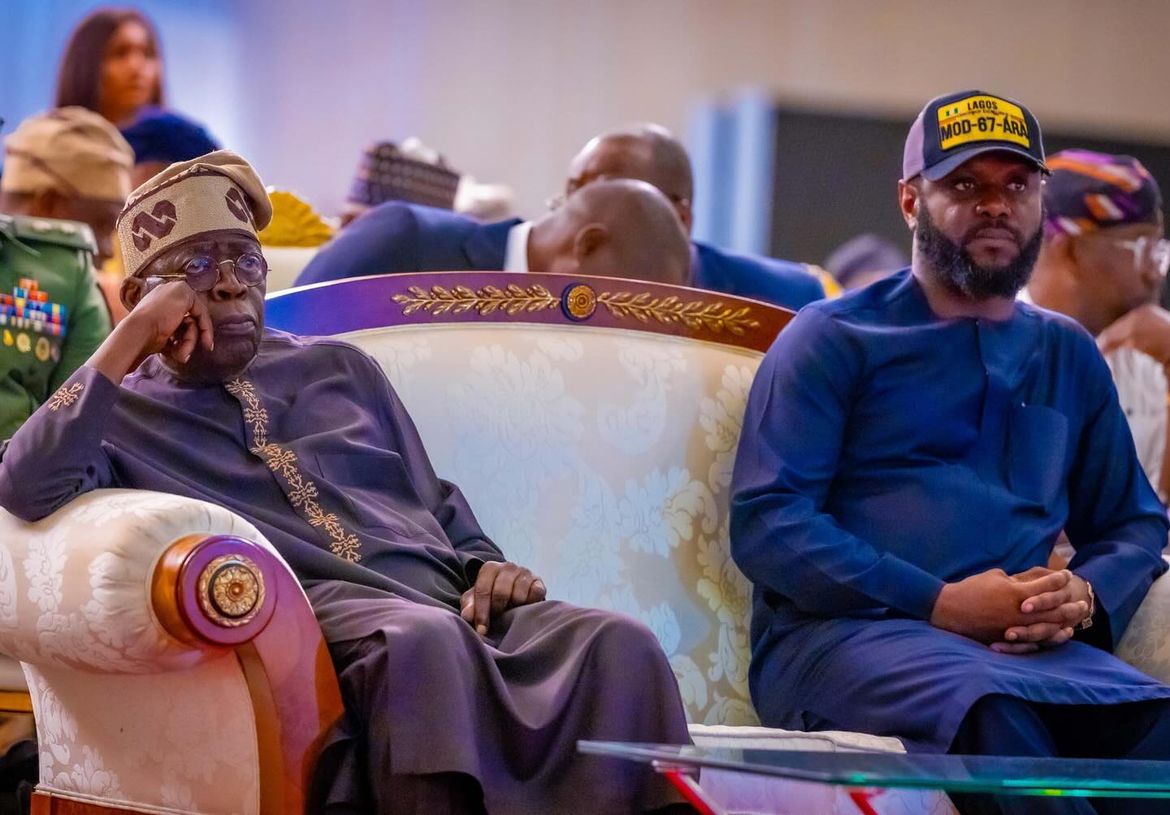
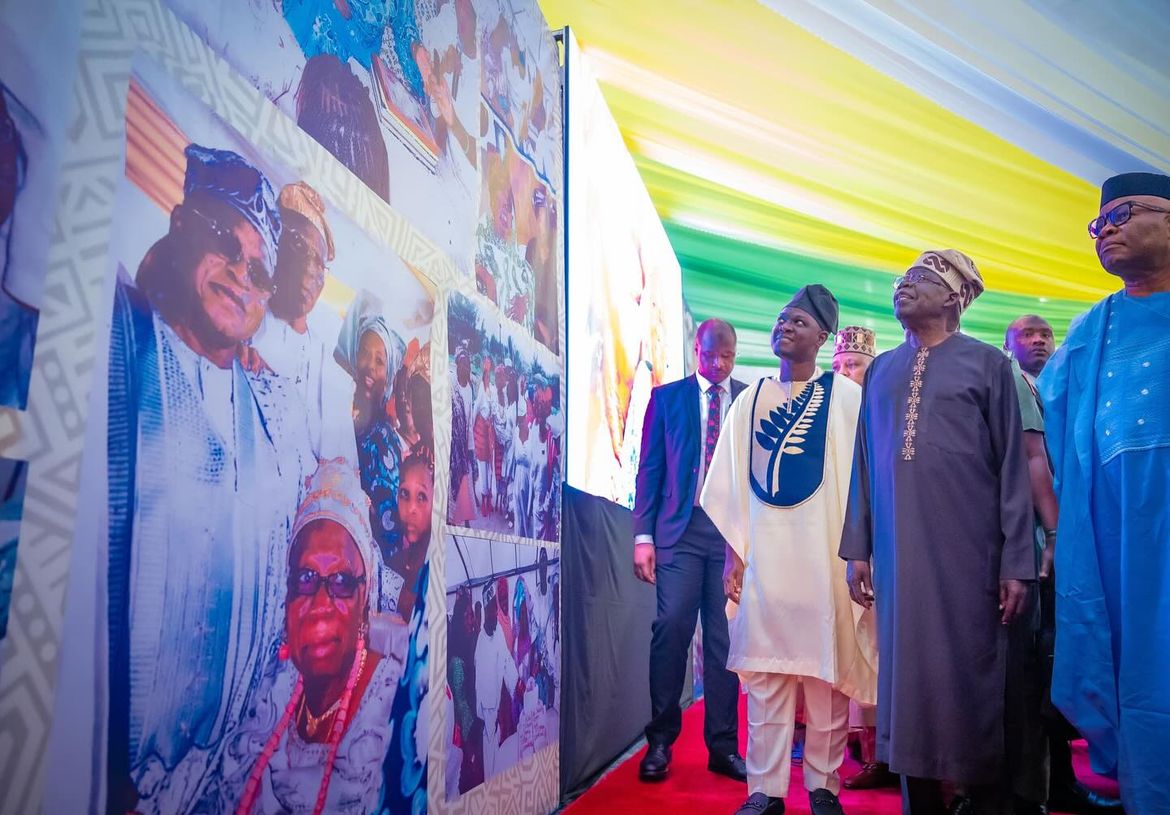
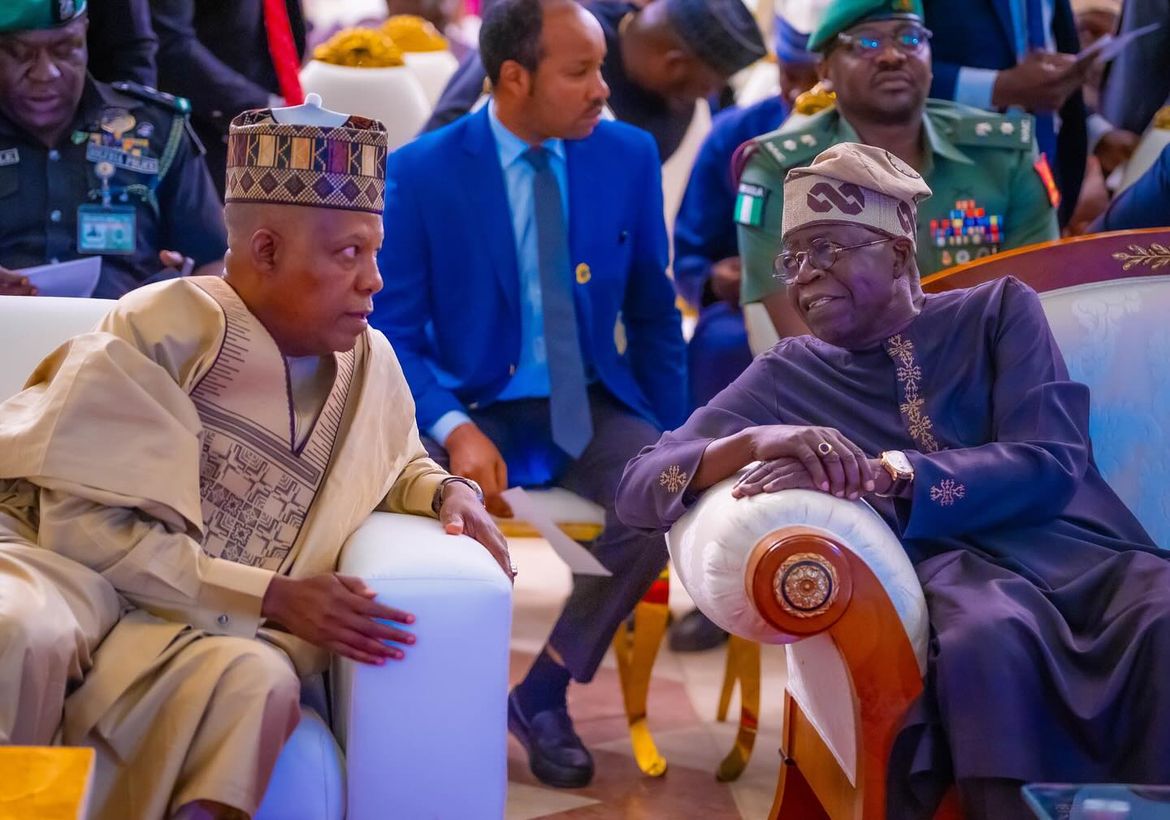
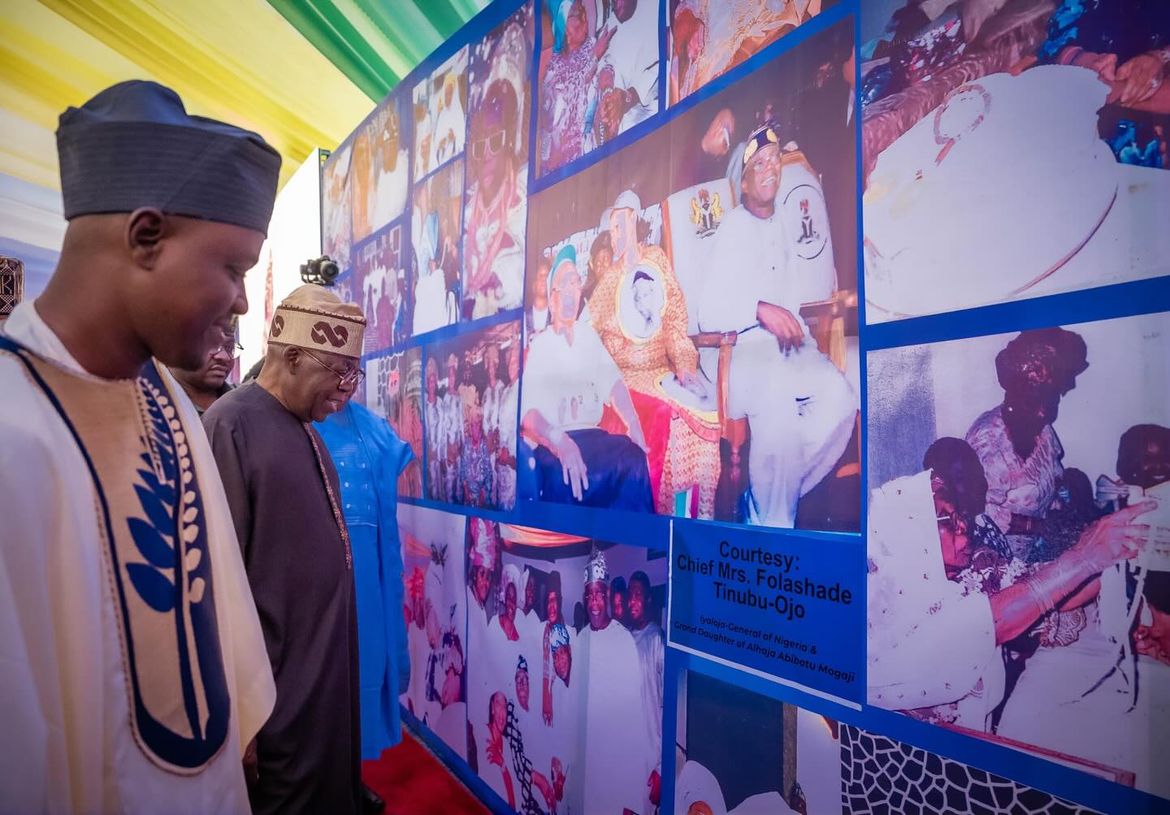
The Lagos State Fire and Rescue Services has said plans are underway to install a centralised generator in the Lagos Island market to curb incessant market fire.


This is as the Lagos State Governor, Babajide Sanwo-Olu, emphasised the importance of collective responsibility in preventing fire disasters.


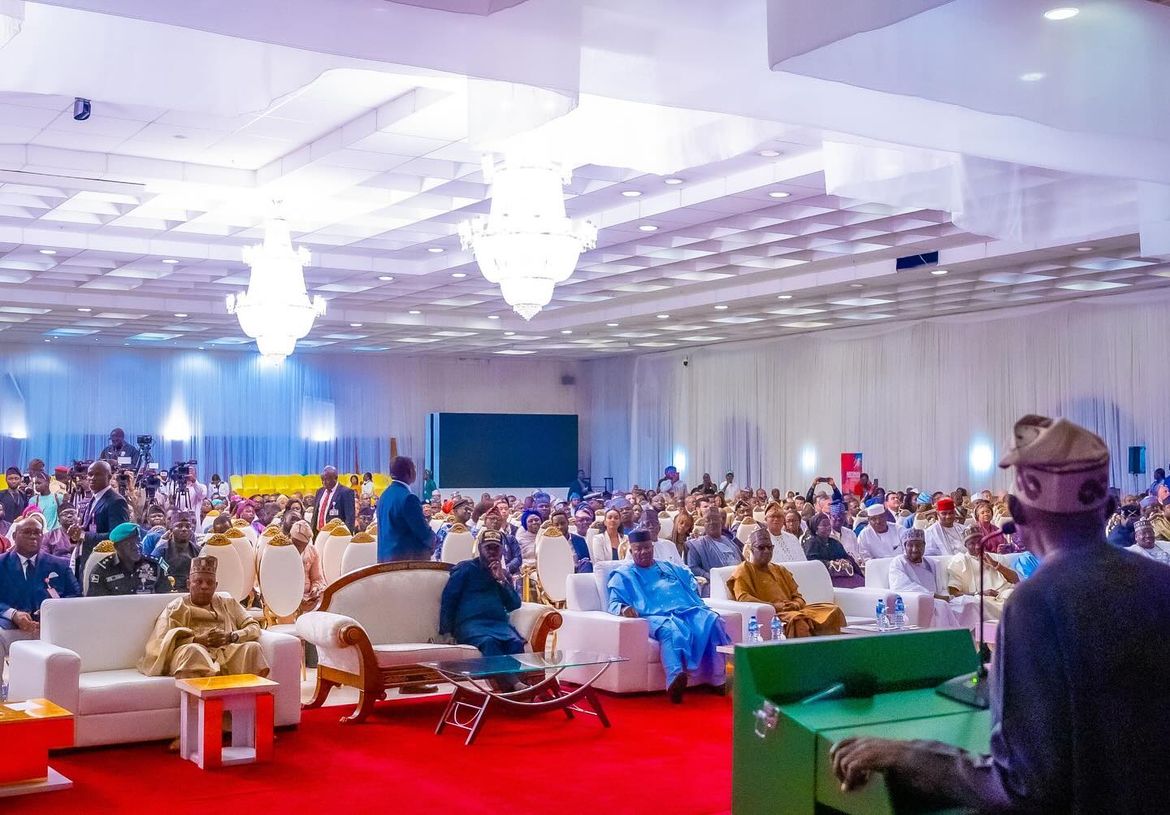
Speaking at the Lagos International Fire Safety Conference organised by the LSFRS held in the state on Tuesday, the governor noted that fire incidents in the state were often caused by careless behaviour and urged market traders to take responsibility for their actions.


Sanwo-Olu, who spoke on the theme, “Stakeholders collaboration: A panacea to incessant fire disasters in Lagos,” however, called on market leaders to take responsibility for mitigating cases of fire incidents in their domain.


He said, “Fire incidents in the state are largely due to irresponsible behaviour or carelessness. And because people don’t raise the alarm early enough, this government has built fire stations in five years.


“We have brought 64 fire engines. We have increased the capacity by recruiting over a thousand new fire service men. If it is about providing what is required, the government will actually do that, but it is about everybody understanding that we have a role to play.


“To the market, men and women, the responsibility lies with you. We have had a series of market fire incidents. People store petrol in the market and also place generators on the rooftops, and you keep looking at them.


Related News

“They will refuel a generator while it is working and complain that it is their village people. You saw what happened at Dosunmu and Mandilas. The latest one happened in a church. That is why you all need to caution those who are found culpable. Fire is a respecter of no one. Let us call ourselves to order and join hands to put a stop to this.”


On her part, the Director of LSFRS, Margaret Adeseye, attributed fire incidents in the state to negligence and carelessness while stressing the need for stakeholders to come together to find lasting solutions to the problem of fire incidents in the state.


In addressing market fires in the Lagos Island market, Adeseye disclosed that the government planned to introduce a centralised generator to eliminate the need for individual generators.


She said, “Lagosians should come together as a stakeholder because fire prevention and safety is everybody’s business. We are all here to strategise and look at it holistically so that we have lasting solutions to fire incidents. It is no longer a one-man show and not the agency’s duty alone. The stakeholders will come with their diverse knowledge and experience, and we reason together.


“By the end of the three-day conference, we will be able to find a lasting solution to cases of fire incidents. The government had set up a committee to ensure we reposition the Lagos Island market. The committee members are working seriously and at the end of the day, all the individual generators will be curbed. We are going to have a recommended centralised generator so that cases of individuals running the generator will be corrected.”


The state Commissioner for Special Duties and Intergovernmental Relations, Olugbenga Oyerinde, in his keynote address, said the administration would continue to create an enabling environment for collaboration and partnerships with relevant organisations, corporate bodies, individuals, and experts that have attained greatness in emergency management and fire disaster prevention, using the global technological approach.

NSIA shortlists 26 startups for accelerator phase of its $220,000 innovation prize

0

The Nigeria Sovereign Investment Authority (NSIA) has announced the shortlisting of 26 Nigerian startups to participate in the accelerator stage (physical bootcamp) of its Prize for Innovation program.

According to a statement from the NSIA, 100 startups were first selected out of over 7,000 early-stage businesses that registered for the competition.

Another round of selection brought the number down to the 26 that will participate in the two-part accelerator phase.

The NSIA Prize for Innovation is designed to empower early-stage tech ventures with the potential to drive economic growth, create jobs, and enhance Nigeria’s productive capacity.

For this year’s edition, NSIA said the startups would receive up to US$220,000 in cash and equity investment, including a life-changing five-week, all-expense paid training program at Draper University, Silicon Valley USA.

The selected startups

According to the NSIA, the startups were selected from multiple sectors of the economy and they include Magic Carpet, Materials Pro, Jump n Pass, Awacash, VPay, Betalife, Centio Healthcare, Yalo, Pocket Lawyers, Doktorconnect and Trashcoin.

Others are One Health, Redease, VPD, Kunda Kids, Agroxchange Technology, Sycamore, Passcoder, Earlybean, Powerfull, Adashe, Cash Africa, TownHall, Sakula, Pave, Tribapay.

While at the physical bootcamp, the NSIA said the businesses would be exposed to interactive training sessions, networking opportunities with other innovators and tailored workshops.

The week-long physical bootcamp is expected to culminate in a mini demo day where the startups would pitch their solutions before a panel of judges drawn from the technology and business ecosystem, for a chance to proceed to the Demo Day and vie for the total combined prize value of US$220,000.

Propelling economic development

Commenting on the development, the Managing Director & Chief Executive Officer, Aminu Umar-Sadiq, said:

“The Authority remains focused on leveraging the NSIA Prize for Innovation to propel socio-economic development especially by catalyzing the technology ecosystem, encouraging youth entrepreneurship, advancing innovative solutions to everyday challenges, and positioning Nigerian tech talents for global relevance.”

“The NSIA Prize for Innovation is the Authority’s multi-year commitment to identify and nurture early-stage businesses with potential for transformative impact in Nigeria,” he added.

What you should know

The Nigeria Sovereign Investment Authority is a Nigerian government investment institution established by the Nigeria Sovereign Wealth Act (2011), to manage and invest in a diversified portfolio of medium and long-term funds.

Its mission is to play a leading role in driving sustained economic development for the benefit of all Nigerians through building a savings base for the Nigerian people, enhancing the development of Nigeria’s infrastructure, and providing stabilization support in times of economic stress.

The NSIA operates three distinct funds, the Stabilization Fund, the Future Generations Fund, and the Nigeria Infrastructure Fund.

Nigerian Box Office set to hit N10 billion revenue in FY2024

0

The Nigerian box office is expected to reach N10 billion in revenue from cinema ticket sales and movie releases by the end of 2024.


This projection is driven by a strong lineup of new titles from both Hollywood and Nollywood, promising increased content and cinema admissions.


Key factors contributing to the N10 billion target include new cinema openings, higher ticket prices, foreign investment in local productions, a growing middle class, and the availability of premium formats – according to a report by Filmone Entertainment, a leading West African movie distribution company.


The 2024’s projected revenue is a 42% increase up from N7.4 billion in 2023, with an admission rate of 3 million.


Already, Nollywood is set for a profitable year, with high-profile releases from Box Office Queen Funke Akindele (“Finding Me”), Toyin Abraham, Odunlade Adekola, and various production studios driving significant interest.


Hollywood also contributes to the lineup, with major titles such as “The Beekeeper,” “Dune 2,” “Kung Fu Panda 4,” and others already grossing.


New releases like “Inside Out 2,” the upcoming “Mufasa,” and “The Lord of the Rings” are set to boost admissions further, adding to the anticipation for a record-breaking year.


“We are projecting a strong finish to the year and estimating a box office for the year of N10 billion and 2.6 million admissions for the territory,” the report stated based on ticket prices at an average of N4,000.


Backstory

In 2023, the top-performing Nollywood films driving revenue included “A Tribe Called Judah,” “Malaika,” “Orisa,” and “Ada Omo Daddy.”


Hollywood titles also performed strongly, with “John Wick: Chapter 4,” “Fast X,” “Aquaman and the Lost King,” “Mission Impossible,” “Barbie,” “Avatar: The Way of Water,” “Creed III,” “The Little Mermaid,” “Ant-Man and the Wasp,” and “The Equalizer” leading the box office.


December 2023 recorded the highest Gross Box Office (GBO) of N1.6 billion, with admissions rising to 467,985, compared to 384,435 in December 2022. “A Tribe Called Judah” became the highest-grossing film of all time in Nigeria.


What you should know

The Nigerian cinema industry generated N2.25 billion in ticket sales in the first quarter of 2024, according to Nairametrics.


This marks a significant improvement over the N1.5 billion recorded in Q1 2023, representing a 46% year-on-year increase.

Notable films contributing to this surge include the Nollywood biopic “Funmilayo Ransom Kuti,” which earned N131.4 million after four weeks in theatres, and “Furiosa: A Mad Max Saga,” which grossed N105.9 million after three weeks.

Additionally, the Nollywood crime thriller “Criminal” secured fourth place at the box office, with a total gross of N32.3 million, including N8.9 million in the past week, reflecting its steady performance since its release.

The comedy-drama “Ajosepo” has also shown resilience, consistently ranking within the top 10 at the box office. Initially released from April 10 to April 14, “Ajosepo” accumulated N50.4 million in its first five days.

Currently, it holds the eighth spot with a weekly gross of N2.4 million, bringing its total earnings to N251.4 million.


EXPOSED: El-Rufai, Tinubu’s Minister, Labour Leader, Atiku’s 23-Year-Old Daughter, Other ‘Owners’ Of N1.49trn Properties In Dubai

0

Within four years, politically exposed personalities (PEPs) in Nigeria have doubled their investment in the real estate sector of Dubai, United Arab Emirates, according to an investigation on Business Day.


The newspaper reports that the investigation is part of ‘Dubai Unlocked,’ a six-month probe of UAE’s booming and secretive property market led by the Organized Crime and Corruption Reporting Project (OCCRP) together with more than 70 media partners.


Economy Post is said to be the only Nigerian firm which participated in the project.


The newspaper reported that as of 2020, 800 houses were traced to Nigerian PEPs, but four years later, the number had reached 1,600.


In terms of value, the report said as of 2020, 800 properties valued at $400 million were traced to Nigerian PEPs in UAE’s commercial capital, but it has now increased to nearly $1 billion and 1,600 properties.


Quoting Dubai Land Department, the report listed Nigerians as the second highest foreign purchasers of Dubai properties after India.


“BusinessDay’s data analysis showed that aside from PEPs, top security agents, civil servants and people connected in government with their family members own 88 percent of properties ascribed to Nigerians in Dubai.”


“The locations are mostly posh areas, including Burj Khalifa, the world’s tallest building; Marsa Dubai, Al Merkadh, Palm Jumeirah, Wadi Al Safa, Madinat Al Mataar, and Nad Al Shiba First, among others.


“Findings showed that some Nigerian male property registrants identified as females while females registered as the opposite sex,” the report read.


The newspaper clarified that the report is not an indictment on the names listed, as there is no evidence that the individuals acquired the properties with stolen or public funds.


Below is the list:


ATIKU ABUBAKAR

A three-bedroom flat estimated at $1.23 million at Palm Tower in Dubai.


ATIKU’S 23-YEAR-OLD DAUGHTER

A one-bedroom flat at Trade Centre Second, valued at $104,135. She also owns another two-bedroom flat at Hadaeq Sheikh Mohammed Bin Rashid estimated at $289,305.75.


LATEEF FAGBEMI

Nigeria’s chief attorney and justice minister owns an $85,846 property at Al Hebiah Third.


NASIR EL-RUFAI

A four-bedroom flat valued at $193,084 at Al Hebiah Third was traced to the former Kaduna Governor.


YUSUF DATTI BABA-AHMED

Eight properties valued at $2.28 million were traced to the running mate to Peter Obi, Labour Party’s Presidential Candidate in the 2023 elections. The properties are located in choice locations such as Burj Khalifa, Al Yelayiss, Al Barsha South Fourth, and Town Square Safi 2.


IFEANYI UBA

A property valued valued at $1.13 million. While eight properties were linked to Uchenna Uba, his wife. The values were not inserted in the files, but one property (a villa) at Wadi Al Safa 7 costs about $1.13 million, while two others are valued at $294, 516 each.


ATTAHIRU BAFARAWA

7 properties valued at $1.48 million, while another real estate asset, located at Palm Jumeirah and valued at $750,112, belongs to his wife.


AHMED MARKAFI

A property at Burj Khalifa valued at $$822,016 was traced to the former Kaduna governor


TAFA BALOGUN

The former Inspector-General of Police, who is now late, was linked with five properties in various locations, including Marsa Dubai. The properties cost more than $1 million.


MBU JOSEPH


A property was traced to the former Assistant Inspector-General of Police (AIG).


AHMADU ALI

A property whose value was not stated was traced to the former Peoples Democratic Party (PDP) chairman, while one valued at $422,887 was traced to his daughter, Khadijah Nneamaka Ali.


MAINA AJI LAWAN

11 properties were traced to the former Borno State governor and senator.


ASHE AHMADU MUAZU

Wife of a former PDP chairman, owns a property located at Hadaeq Sheikh Mohammed Bin Rashid, valued at $1.16 million.


CHRISTABEL BENTU

A former special assistant to the one-time governor of Plateau State, Joshua Dariye, owns a property.


ISA MAHMOUD NUHU

Two properties were traced to this Nigeria Customs Service (NIS) senior official. One property is estimated at $553,802.


SALISU ABDULLAHI YUSHAU

Two properties were traced to this former senior officer of the Nigerian Air Force.


MOHAMMED SIDI SANI

A flat at Marsa Dubai, valued at $590,807, was traced to the former director-general of the National Emergency Management Agency (NEMA), who was sacked in April 2023 with seven of the agency’s directors. The property is valued at $590,807.


HADIZA ALI SHERIFF

A Marsa Dubai property valued at $3.093 million was linked to the wife of the former Borno State governor.


NENADI USMAN

One real estate was linked to Nigeria’s former finance minister.


BOBBOI KAIGAMA

A property was traced to this Labour leader who was Trade Union Congress (TUC) president.


JIMOH IBRAHIM


7 properties were linked to the senator representing Ondo South.


IKE EKWEREMADU

Five properties were traced to Ike Ekweremadu, former deputy Senate president, who is serving a jail term in the United Kingdom.


ORJI UZOR KALU

One property was traced to the former Abia State governor who is now a senator.


JEREMIAH USENI

One property was traced to the former military governor of old Bendel State.


OSITA CHIDOKA


A real estate estimated at $101,793.37 at Jabal Ali First was traced to this former aviation minister.


OLISA METUH

Another real estate asset was linked to Olisa Metuh, the former PDP spokesman.


ABDULSALAMI ABUBAKAR

A property at Marsa Dubai is said to be owned by Nigeria’s former head of state.


HASSAN ARDO TUKUR

A property valued at $1.025 million is reportedly owned by a former principal secretary to ex-President Goodluck Jonathan.


ADEYEMI IKUFORIJI

A property at Marsa Dubai was traced to this former speaker of the Lagos State House of Assembly.


DAN ETETE

Another property is said to be owned by Dan Etete (Dauzia Loya Etete), Nigeria’s former petroleum minister.

Guinness Nigeria remains firmly rooted in Nigeria, no plans to exit

Guinness Nigeria remains firmly rooted in Nigeria, no plans to exit


Guinness Nigeria Plc wishes to correct the recent speculations and false/malicious misinformation alleging a plan to exit from the Nigerian market. Contrary to rumors being peddled on various media platforms, Guinness Nigeria remains firmly committed to its operations in Nigeria and is poised for a new phase of growth and innovation.


Since commencing operations in April 1950, Guinness Nigeria boasts of a proud and eventful 74-year legacy intricately woven into Nigeria’s cultural and economic fabric. Our unwavering commitment to Nigeria is evident in the substantial investments in infrastructure, employment, backward integration and our community development and social responsibility initiatives. The recent announcement of the partnership between Diageo and Tolaram Group further reinforces unequivocally that Guinness Nigeria remains committed to Nigeria and has no intention of exiting the dynamic Nigerian market. Our business will continue strongly, and no jobs or factories will be adversely affected as a result of this new partnership.


Under the partnership announced, Tolaram Group will acquire a 58.02% majority stake in Guinness Nigeria, enabling us to harness and leverage Tolaram Group’s extensive expertise in manufacturing and distribution. Importantly, Guinness Nigeria will retain its status as a listed company on the Nigerian Stock Exchange, maintaining its prime status in the Nigerian beverage industry. Diageo’s establishment of a wholly-owned international premium spirits company in Nigeria is also a noteworthy demonstration of its continuing dedication to sustaining its operations across West and Central Africa, with Nigeria as a pivotal operational hub.


Under a long-term license and royalty arrangement, Guinness Nigeria will continue to produce and sell all our iconic brands including Guinness FES and Smooth, Smirnoff Ice, Orijin Bitters, and Malta Guinness as well as Diageo MSS brands like Smirnoff X1, Gordon’s Moringa and Captain Morgan Gold Rum, ensuring our esteemed consumers nationwide continue to enjoy their favorite beverages.


We are excited to embark on this new chapter of growth and development in Nigeria.

Nigeria to become green reference point for African market – Ngelale

0

The Special Presidential Envoy on Climate Action, SPEC, Chief Ajuri Ngelale, has expressed optimism that Nigeria has the potential to become a green reference point for large markets in Africa.


The Presidential Special Envoy disclosed this after a follow-up meeting with the leadership of the Infrastructure Corporation of Nigeria, InfraCorp, at the weekend in Abuja where the progress of the Evergreen City project was discussed.


He expressed confidence over the international interest and time-bound deliverables, adding that the Evergreen City development is aimed at showcasing Nigerian ingenuity and talent, positioning the country as a manufacturing hub.


According to the SPEC in brief made available to journalists at the State House, Abuja, the Friday meeting demonstrated the government’s commitment to executing well-laid plans, harnessing national talent, and driving success in the landmark project.


As Nigeria strives to become a leader in green development, the Evergreen City is framed to set a new standard for sustainability and innovation on the continent


Post-holiday follow-up meeting with the leadership of the Infrastructure Corporation of Nigeria (InfraCorp) on the development of Evergreen City was held on Friday evening.


“With time-bound deliverables and immense international interest in the landmark development, we are more confident than ever that with the diligent execution of well-laid plans, Nigeria will be the green reference point for large markets becoming large producers in Africa.


“Our bet is on Nigerians and national ingenuity, and we believe we have a talented population of creators who will drive this manufacturing hub to success,” Ngelale said.


Funmilayo Ransom Kuti’ exits cinemas with N157M, premieres on Prime Video 

0

Nollywood biopic “Funmilayo Ransom Kuti” has concluded its five-week exclusive run in Nigerian cinemas, grossing a total of N156.6 million.


Checks by Nairametrics confirm that the movie is no longer available in theatres.


Now, the film has premiered on Prime Video as of Saturday, June 21, 2024, and it has continued to receive laudable comments and reviews, especially for Kehinde Bankole’s performance as the lead actress.


Bankole’s portrayal of Funmilayo Ransome-Kuti has been widely acclaimed, she also won the Best Actress award at the recently concluded Africa Magic Viewers’ Choice Awards for her role in “Adire.” Her performance in “Funmilayo Ransom Kuti” has been a significant factor in the film’s success.


The biopic made a strong debut, grossing N32 million in its opening weekend after its release on Friday, May 17, 2024.


It continued to perform well, surpassing the N100 million milestone in just three weeks. As of June 5, the Nigerian Box Office (NBO) reported that the film had accumulated N108 million in ticket sales across various cinema viewing centres nationwide, cementing its status as the highest-grossing film in West Africa for 2024 so far.


Directed by Bolanle Austen-Peters, one of Nigeria’s most influential female figures in the Nollywood industry, “Funmilayo Ransom Kuti” tells the compelling life story of the late Funmilayo Ransome-Kuti.


A renowned Nigerian educator, political reformer, women’s rights activist, and mother of Afrobeat legend Fela Anikulapo-Kuti, Funmilayo Ransome-Kuti’s legacy is celebrated in this cinematic portrayal.


What you should know

The film’s commercial success can be attributed to its compelling narrative and stellar ensemble cast. Alongside Kehinde Bankole, the cast includes veteran actors such as Ajoke Silva, Adebayo Salami, Omowunmi Dada, Adunni Ade, Jide Kosoko, Dele Odule, Ibrahim Suleiman, Bikiya Graham-Douglas, Yewande Osamein, and Iyimide Ayo-Olumoko. Their performances have added depth and richness to the story, engaging audiences and critics alike.


“Funmilayo Ransom Kuti” joins the ranks of 2024’s high-grossing movies, such as “All’s Fair in Love,” which grossed N130 million in February. In March, the indigenous film “Ajakaju: Beast of Two Worlds” grossed N250 million, tying with Kayode Kasum’s “Ajosepo,” which also grossed N250 million. Despite the stiff competition, Bolanle Austen-Peters’ film is projected to conclude its run with an estimated N200 million in total earnings.


Other notable films include “Furiosa: A Mad Max Saga,” which debuted with N53.3 million in its first week. Additionally, Funke Akindele, one of Nigeria’s highest-grossing actresses, has announced plans for a new movie, “Finding Me.” Odunlade Adekola’s Lakabutu has also just arrived in cinemas.


Overall, the success of “Funmilayo Ransom Kuti” points to the power of well-crafted storytelling and the increasing prominence of Nollywood on the global stage.


As the film finds new audiences on Prime Video, its impact is set to grow even further.


Sabotage! Dangote Accuses IOCs of Plot to Sink His Refinery

Sabotage! Dangote Accuses IOCs of Plot to Sink His Refinery


In a tale that reads like a high-stakes thriller, the Vice President of Dangote Group, Devakumar Edwin, has sounded the alarm on a sinister plot orchestrated by International Oil Companies (IOCs) to sabotage the monumental refinery project.


This unfolding drama, steeped in intrigue and economic warfare, threatens not just a corporate venture but the very future of Nigeria’s economic sovereignty and public health.


Amid the clamor of Nigeria’s bustling oil sector, a dark conspiracy has come to light. Aliko Dangote’s state-of-the-art refinery stands on the brink of a precipice, besieged by International Oil Companies intent on seeing it fail. The implications of this are profound, with the potential to undermine Nigeria’s quest for industrial independence and leave its citizens grappling with the fallout.


Crude Conspiracy: IOCs vs. Dangote Refinery


Devakumar Edwin, the Vice President of Oil and Gas at Dangote Industries Limited (DIL), has exposed a calculated scheme by IOCs to cripple the Dangote refinery’s operations.


Addressing Energy Editors, Edwin revealed that these international behemoths are inflating crude prices and engineering artificial shortages to force the refinery to import crude from the United States, driving up costs astronomically. “This is not just business rivalry; it’s economic sabotage,” Edwin declared, his voice tinged with frustration. The IOCs’ tactics have pushed the refinery to its financial limits, threatening its very existence.


Toxic Trade: NMDPRA’s Dubious Licenses


Compounding the refinery’s woes is the Nigerian Midstream and Downstream Petroleum Regulatory Authority (NMDPRA), which has recklessly issued licenses for importing banned, dirty diesel and jet fuel. Despite Dangote refinery’s capacity to produce high-quality, ECOWAS-compliant diesel, the market is flooded with substandard, high-sulfur fuels. Edwin lamented, “It’s disheartening to see our own regulatory body undermining our efforts by allowing toxic fuels to saturate the market.”


Edwin lamented the NMDPRA’s granting licences indiscriminately to marketers to import dirty refined products into the country. He said, “the Federal Government issued 25 licences to build refinery and we are the only one that delivered on promise. In effect, we deserve every support from the Government. It is good to note that from the start of production, more than 3.5 billion litres, which represents 90 per cent of our production, have been exported. We are calling on the Federal Government and regulators to give us the necessary support in order to create jobs and prosperity for the nation.”


Economic Sabotage: The Bigger Picture


This clash transcends corporate conflict; it represents a strategic assault on Nigeria’s economic autonomy. By keeping Nigeria reliant on imported refined products and exporting raw crude to their home countries, IOCs perpetuate a cycle of dependency. This neo-colonial strategy enriches foreign economies while Nigeria grapples with unemployment and economic stagnation. Edwin’s voice echoed with urgency as he warned, “This is exploitation at its most insidious. We must break free from these chains.”


Dirty Fuel: A Public Health Crisis


The importation of high-sulfur diesel, deemed carcinogenic and banned in Europe, poses a severe public health crisis for Nigeria. European nations like Belgium and the Netherlands have prohibited such exports, yet Nigeria continues to allow them. This regulatory failure endangers millions, compromising air quality and public health. Edwin painted a grim picture, “Every breath taken by a Nigerian in cities where this fuel is used is a silent, slow death sentence.”


Government’s Role: Protecting National Interests


The Nigerian government must decisively shield local industrialists like Dangote from predatory practices. Pundits and stakeholders within the oil sector assert that enforcing Domestic Crude Supply Obligations (DCSO) is crucial to ensure local refineries receive priority access to domestic crude at fair prices. Moreover, banning the importation of dirty diesel and aviation fuel would align Nigeria with ECOWAS regulations, prioritizing public health over short-term gains. Strengthening regulatory oversight by reforming the NMDPRA is essential to prevent the indiscriminate issuance of import licenses and enforce stricter quality controls.


Enemies of the State: IOCs and Economic Colonialism


The actions of the IOCs can be viewed as a form of economic colonialism, aiming to keep Nigeria in a perpetual state of dependency. By undermining local industries, they target Dangote and strike at the heart of the Nigerian state. This strategy mirrors historical exploitation, with multinationals reaping profits while local populations suffer. “These practices are an affront to our national dignity and sovereignty,” Edwin passionately stated.


A Call to Action


Aliko Dangote’s plight is a stark reminder of the challenges facing Nigeria’s industrial sector. It is imperative for the government to heed this call and take decisive action. Protecting local industries from external sabotage is not just about safeguarding investments but also securing Nigeria’s economic future and public health. The time to act is now, for the consequences of inaction will be dire. Nigeria stands at a crossroads, and the decisions made today will shape its destiny for generations to come.


Credit: thecapital.ng

Cancer changed my view about life, says man who stole show at Ojude Oba festival

0

The Managing Director of NG Clearing and former Member of the Derivatives Product Advisory Committee of the Nigerian Stock Exchange, Farooq Oreagba, has revealed that being diagnosed with cancer was the best thing that happened to him as it changed his priorities in life.


Speaking on the Morning Show on Arise TV on Sunday, Oreagba, who stole the show at the 2024 Ijude Oba, an annual celebration by the Ijebu people in Ogun State, mentioned that although he is battling an incurable form of cancer, multiple myeloma, he is passionate about giving hope to other cancer patients.


Oreagba said, “I’ve always been a bit of a controversial person, but we’ll not go into that. I think from the moment I was diagnosed with cancer in February 2014—it’s an incurable form of cancer—priorities changed.


“I’ll say this to somebody, and it’s going to sound ridiculous. I’m 58, and if I could live another 20 years, I’ll say being diagnosed with cancer is the best thing that ever happened to me. It changes my perspective on life. What I’m there for. I’m there for it.


“Counselling cancer patients, trying to improve access to better healthcare, I’ll do that all day long.”


He also mentioned that he runs marathons to raise money for cancer charities, just to give people hope.


“I got hope from places I least expected, and from some of those I expected, I got nothing. That’s life, and you learn your lessons,” he said.


Oreagba further spoke about how he has been able to find fulfilment and stay happy despite his health status.


He added, “You don’t know how much time you’ve got; you line up your priorities. For me, it is family first because I don’t know how long I’m going to be around, but by God’s grace, I’m 10 years and counting, and since I’ve been crowned ‘king of steeze’, I’m not about to just go like that anytime soon.


“I’ve been counselling cancer patients for a while. I was diagnosed in February 2014. I had a bone marrow transplant in August 2014. I did chemotherapy every day, 21 days a month, for eight years.


“I don’t do chemotherapy anymore; I’m living my best life; I’m back working. That gives me a sense of fulfilment because people ask me why I am so happy. ‘I’m alive!’ And as long as you’re in the game, you can win the game; each day is a blessing.”


Oreagba also explained how being diagnosed with cancer reduced the number of friends he had.


He said, “One thing I realised is that when I was a senior executive at the exchange in the early 2000, let’s say I had five million friends.


“When I left the exchange in 2010, my five million friends went down to one million. When I was diagnosed with cancer in 2014, my one million went down to a hundred. That was a very important lesson; it’s important that you hold your friends close, keep your 10 toes down all the time, and be yourself.”


Speaking about his tattoos, he stated that they held significant meaning to him and that he had had them for years; hence, they were not curated for the Ojude Oba event.


“People talk about my tattoos; I’ve had tats for years, and I’m very particular about them. I try to make sure that I don’t have a tattoo on my face and that my sleeves are down when I’m in corporate mode.


“Here’s the famous tattoo,” he said, showing his arm, “it says, ‘I live each day as if it were my last. So don’t judge me.’ That says, ‘Only God can judge me,’ he said.


He further explained that he has other tattoos for his kids, some indicating the moment when he had lots of friends. “I’ve got ‘Ride or die.’ These were not curated; they’ve been there for years.”


Discussing the importance of the Ojude Oba, Oreagba described it as a family tradition spanning generations that showcases their heritage and identity.


“Ojude Oba has evolved over the years; I’ve been doing it for 15 years. Within my family, the Oreagba family, my grandfather was the main rider going back to the 1960s; he died in 1967, so we only had one rider. My uncle took over, and he was the main rider from ’67 to ’84.


“It’s a family affair; it’s not about one individual, and it’s a very expensive venture,” he said.


He noted that he sees it as a unifying activity that brings families together, adding that preparations have begun for next year’s edition of the event.


He explained, “It also brings families together because you could have one cousin who wants to ride but can’t afford a horse, and you are all going to wear the same outfit. You have to be considerate of other people, or you must support them.


“But for me, it’s just an expression of who I am. I didn’t choose the clothes; the family did. They’ve started arranging clothes now for what we will wear next year.”


At the event, different groups of people wore matching attire, showcasing that they belonged to the same association. However, Oreagba stated that he doesn’t belong to any group and that the only association he belongs to pertaining to the festivity is the one created by the paramount ruler and the Awujale of Ijebuland.


He said, “The only group that I’m a member of is called the Heritage Group, and it’s a group that was formed by Kabiyesi Awujale.


“I’m not a member of any ‘Egbe’; it is a heavy thing; you have to be back in Ijebu every weekend for meetings; and I have a primary job, which is important to me because that allows me to afford the medication that I have been using.”


He also gave credit to the photographers for how his pictures from the event went viral, stating that it wasn’t planned that way.


“This is a total shock to me. I didn’t nail it; the cameraman nailed it,” he said.


Oreagba added, “The only thing that was curated is that it used to be two men at the front, and this time it was three. I was at the front.


“The outfits are chosen by family members. The entrance: I am one of my grandfather’s oldest grandchildren, and if you look closely, I’m one of the two light-skinned guys as well, but I look exactly like my grandfather. When we leave the palace, we go around town. It’s usually a great feeling when people see me they don’t know who I am, but by looking at me, they just know that I’m an Oreagba.


“My cousins and nephews want to throw horses up and down, but I’m too old for that; if I fall off, my cancer is bone cancer, and if I break a bone, it will never set properly.”


During the interview, he also described his unconventional living arrangement on the beach in Lagos for four years, highlighting his commitment to living life to the fullest despite challenges.


“What I did in my spare time up until last year was that I lived on the beach for four years. I lived in Lagos, on a beach, as my primary home for four years. I did not have a home in Lagos at all. I did not worry about security; I just lived my life,” he added.

Steeze aside, what do you really know about Ojude Oba 

Steeze aside, what do you really know about Ojude Oba

The Ojude Oba festival is a vibrant cultural celebration held annually by the Ijebu people in Nigeria.


Known for its grandeur, Ojude Oba is one of the most glamorous cultural events in Ijebuland and all of Ogun State.

The festival stands out for its lively colours and festive atmosphere, showcasing the rich heritage, unity, and cultural pride of the Ijebu community.

Ojude Oba translates to “The King’s Court” or “The King’s Gathering.” The festival takes place in Ijebu Ode, the historic capital of the Ijebu Kingdom.


It is a time when different age groups, known as regberegbes come together to pay homage to the Awujale, the paramount ruler of Ijebuland.

The Festival is over a century old when the first Muslim converts visited the Awujale, the paramount ruler of Ijebuland, to express their gratitude for his support.

During this visit, they would pray for the king’s long life, good health, and the prosperity of Ijebuland and Nigeria.

Following the prayers, “regberegbe,” comprising influential members of the community, perform dances in front of the king, each dressed in the latest fashion.

It has evolved over the years, with the present ruler, Oba Sikiru Adetona, Ogbagba II, revitalizing it into a globally recognized event.

Today, the festival brings together Ijebu indigenes, their friends, and associates from all over the world.

The festival is celebrated on the third day after Eid al-Kabir (Eid-el-Adha), a major religious festival. This timing emphasizes the strong religious and cultural influences in the region.


Ojude Oba fosters unity and community spirit among the Ijebu people promoting solidarity and cultural pride.

The festival has gained national and international recognition for its cultural significance and the grandeur of its celebrations


Participants and Activities


Ojude Oba Festival is attended by the regberegbes, which are organized age groups within the Ijebu community, each with distinct names such as Obafuwaji, Bobagbimo, Bobakeye, Gbobaniyi, and Gbobalaye.

The Awujale created these age groups a long time ago, as far back as the 18th century. Currently, there are about fifty-seven (57) regberegbes in Ijebu Ode


These groups, comprised of both male and female members born within a three-year period, dress in elaborate costumes and parade before the king. For example, Bobagbimo is for Ijebu men born between January 1, 1953, and December 31, 1955, and ‘Obasete’ are men born between 1986-1988.

One of the festival’s highlights is the parade of the Baloguns and Eleshins, who are descendants of war heroes. They display their horse-riding skills in a mock battle show, paying homage to the king amidst jubilant music and festivities.


The event attracts over a million spectators, including tourists, government officials, business leaders, and traditional title holders.


Tourism

The festival attracts tourists from Nigeria and beyond, boosting local businesses and promoting cultural tourism in Ogun State.


The vibrant displays and activities create a lively atmosphere that draws visitors and contributes to the local economy.


Recently the Federal Government has announced plans to list the annual Ojude Oba Festival as one of those approved and supported by the United Nations Educational, Scientific and Cultural Organisation.


Preserving Tradition and Celebrating Heritage

The festival plays a crucial role in preserving Ijebu culture in a changing world. The Awujale, Oba Sikiru Kayode Adetona, has described Ojude Oba as the “Ijebu national day,” a time for the Ijebu people to celebrate their heritage, achievements, and spiritual values, ensuring that their traditions remain strong for future generations.

The event also encourages a healthy rivalry among the Regberegbe groups, each striving to make meaningful contributions to the development of Ijebuland.


The Ojude Oba festival is not just a cultural event but a powerful expression of the Ijebu people’s identity, unity, and pride in their rich history.