Home Blog Page 25

Italian PM Urges Nigeria to Crack Down on Attacks Against Christian Communities

0

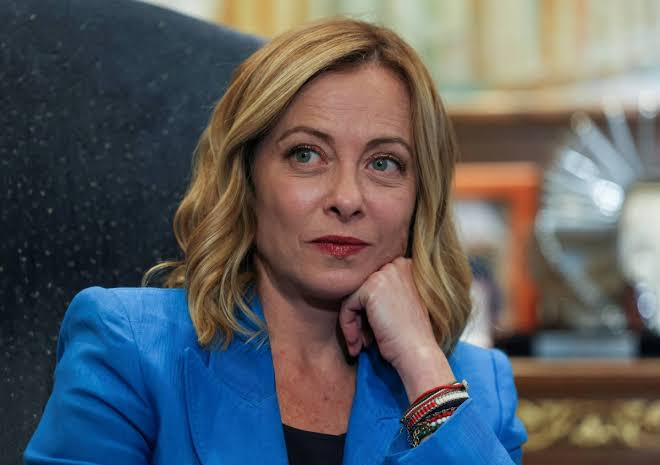
Rome – Italian Prime Minister Giorgia Meloni has called on the Nigerian government to take decisive action against perpetrators of recent attacks on Christian communities and to strengthen security measures nationwide.

The appeal comes in response to renewed violence across Nigeria, including the killing and abduction of worshippers in Kwara State and the kidnapping of schoolgirls in Kebbi State.

In her statement, Meloni stressed the importance of prosecuting those responsible for such attacks to ensure justice for victims and to restore public confidence in Nigeria’s security apparatus. She emphasized that safeguarding vulnerable communities is essential for peace and stability in the region.

The renewed international attention follows a series of high-profile incidents that have highlighted ongoing security challenges in Nigeria, prompting calls for both national reforms and broader cooperation with global partners to protect civilians.

I can also merge this with the earlier Washington meeting story to create a comprehensive report on international pressure over attacks on Christians in Nigeria if you want. Do you want me to do that?

Controversy Surrounds ‘The Herd’ as Arewa Community Calls for Film’s Cancellation

0

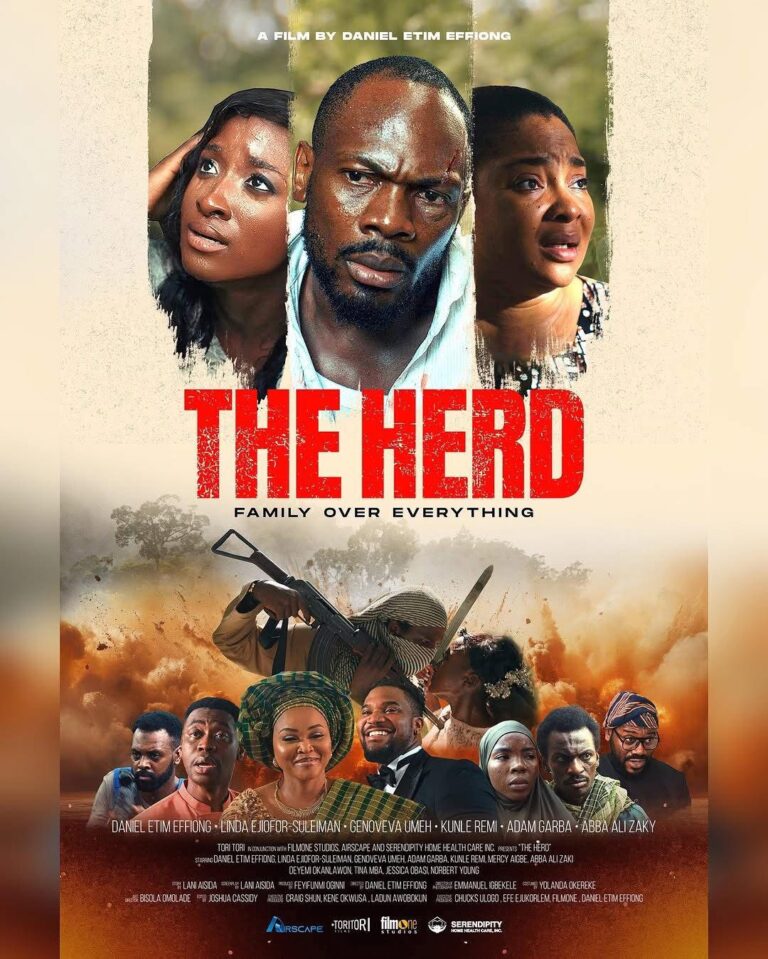
Lagos – The upcoming Nigerian film The Herd has sparked controversy, with members of the Arewa community calling for its cancellation over claims that it portrays their people as violent. The film, which depicts Fulani herders committing crimes such as armed robbery and kidnappings, has drawn sharp criticism even before its release.

Bashir Ahmed, former spokesperson to President Mohammed Buhari, addressed the controversy, clarifying that the anger is not about denying the reality of banditry in Nigeria. Rather, he said the concern lies in “profiling an entire ethnic group and region that has already suffered immensely from years of insecurity.”

Ahmed specifically pointed to the film’s teaser, which shows Fulani herders crossing a road with cattle before suddenly pulling out guns, shooting, and kidnapping travelers. He described the scene as “facile and dangerously inaccurate,” warning that such portrayals could reinforce harmful stereotypes, increase suspicion, and even incite violence against innocent people.

He further called on Ali Nuhu Mohammed, Director General of the Nigerian Film Corporation, to intervene.

However, critics argue that calls for censorship reflect a double standard in Nigerian cinema. They note that films depicting Igbo characters involved in crime or ritual practices rarely attract similar outcry. Supporters of The Herd maintain that the film reflects real security challenges facing Nigeria today and that art has historically served to provoke thought and confront uncomfortable truths.

While the Arewa community’s reaction has brought national attention to the film, some commentators see the controversy as beneficial publicity, arguing that censoring the movie could set a dangerous precedent and limit bold storytelling in Nigerian cinema.

“The Herd is a necessary film,” Ahmed’s critics argue. “It tells a story millions of Nigerians face daily. It deserves to be seen and discussed, not silenced.”

The debate highlights ongoing tensions over representation, ethnicity, and creative freedom in Nigeria’s growing film industry.

Peter Obi Warns Kanu’s Conviction Could Heighten National Tensions

0

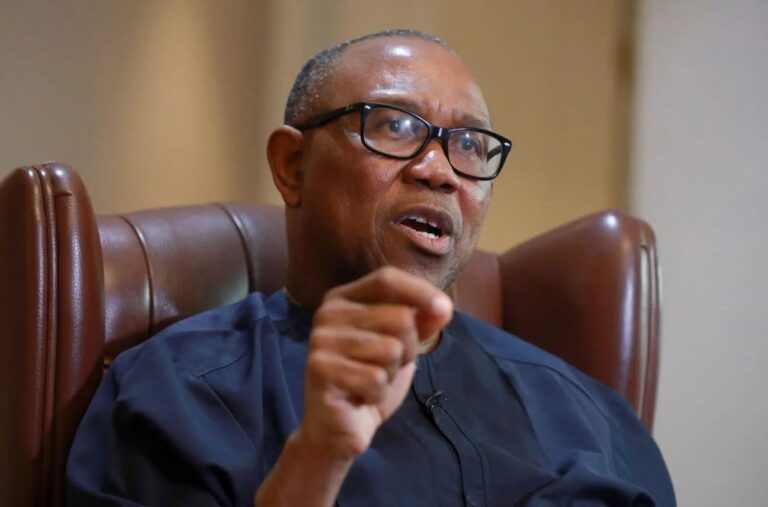
A former Governor of Anambra State and the Presidential candidate of the Labour Party in the 2023 general election, Peter Obi, has cautioned that the conviction of Nnamdi Kanu may deepen existing tensions across the country. Obi issued the warning in a statement shared on his official X account on Saturday, shortly after the Federal High Court in Abuja delivered its judgment against the leader of the proscribed Indigenous People of Biafra.

The court’s decision, which includes both conviction and sentencing, has drawn wide public attention, with renewed debate over the broader implications for national unity and security. In his reaction, Obi argued that the government’s handling of the case failed to address underlying grievances that have fueled agitation in the South-East and beyond. He maintained that a more deliberate effort at dialogue could have helped ease tensions and foster understanding.

Obi described Kanu’s arrest, long detention and eventual conviction as a missed opportunity to engage with concerns he believes should have been examined through constructive negotiation. He noted that the country is already grappling with serious pressures, including economic hardship, insecurity and declining public confidence in institutions, and cautioned that the latest development risks compounding these challenges.

In his statement, Obi urged Nigerians to reflect carefully on the wider context of the judgment. He reiterated his long-standing position that Kanu’s arrest and the actions that followed were ill-advised and represented a breakdown in leadership at a time when the nation required a more measured approach.

Obi called for renewed commitment to national cohesion, insisting that engagement, inclusion and open dialogue remain the most effective pathways to reduce tension and strengthen stability.

AFD Moves Toward New Financing Round for Maryland Interchange, LAMATA Confirms

0

The Lagos Metropolitan Area Transport Authority has announced that the Agence Française de Développement is preparing a new phase of financing for the Maryland Interchange, a major project within Lagos State’s long-term urban mobility programme. The update was shared in a statement issued on LAMATA’s official X account following an inspection visit by a delegation from the development agency.

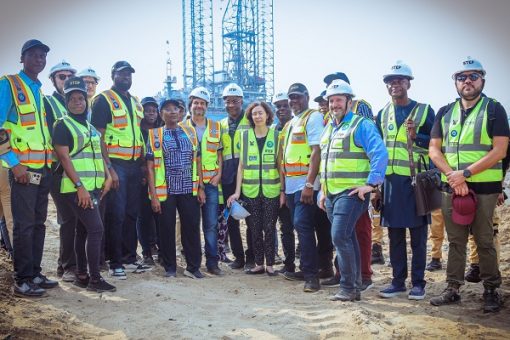
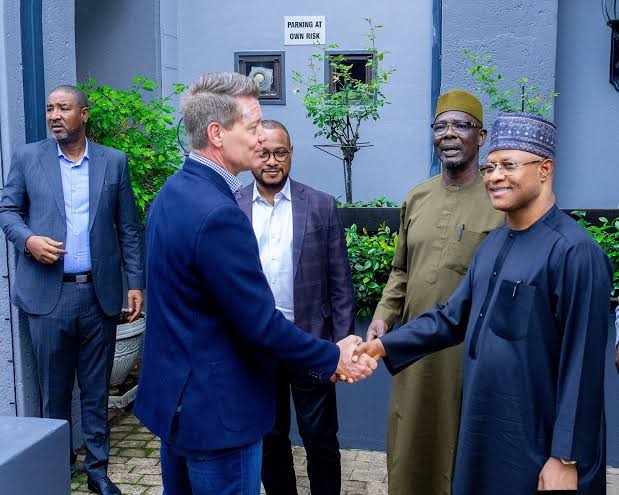
LAMATA explained that the AFD team was in Lagos to review the status of ongoing mobility projects and to examine the proposed site of the Maryland Interchange. The planned funding package is expected to support the next stage of the state’s urban transport expansion, which seeks to improve traffic flow, reduce congestion and reinforce connections across the metropolis.

During the inspection, AFD’s Deputy Country Director, Mahamadou Diarra, expressed satisfaction with LAMATA’s management of current projects and confirmed that work on the financing arrangements for the Maryland component was progressing. He added that the visit was intended to complete key steps toward finalising the new funding round.

The statement noted that the Maryland Interchange is viewed as an essential element of Lagos’ wider transport master plan and that cooperation between AFD and LAMATA has remained steady across several development cycles. According to the authority, the forthcoming financing will help advance a project regarded as central to future mobility improvements in the state.

LAMATA reaffirmed its commitment to strengthening the transport network and stated that further details will be provided as preparations for the new funding package continue.

Kaduna Secures Investment Proposal for Precious-Metals Processing Centre

0

Kaduna State has received a significant investment proposal from Precious Metals Tswane of South Africa for the development of a modern precious-metals aggregation and processing centre in collaboration with the Kaduna Mining Development Company. The proposal was formally presented during the G20 Summit in Johannesburg, where Kaduna officials outlined the state’s plans to expand its mineral economy through partnerships that emphasise efficiency and responsible production.

According to the proposal, the planned facility will include a technology-transfer component designed to introduce advanced processing methods to local operators. It also sets out a training programme for artisanal miners to improve safety standards, raise productivity and align local practices with international requirements. The proponents describe the project as an ESG-focused model that seeks to balance commercial output with environmental protection and better community engagement.

If completed, the centre would position Kaduna as a strong regional hub for precious-metals processing, with the capacity to serve both domestic and West African markets. State officials view the proposal as an opportunity to build a more structured and transparent minerals sector and to attract new investment into the broader mining value chain.

Legacy Debts, Contract Uncertainty Hindering Financing of New Grid-Connected Power Projects, Lenders Warn

0

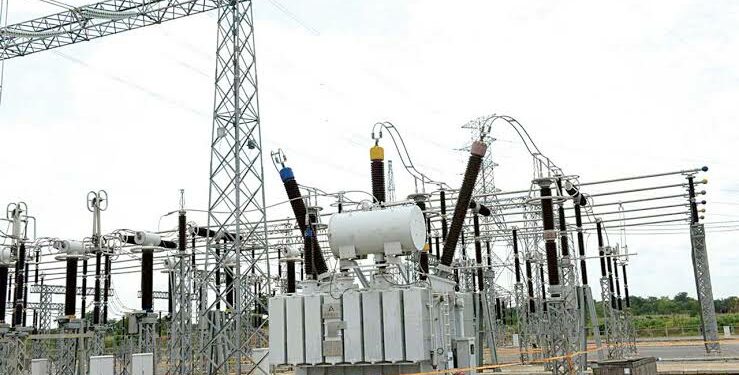
Lenders and senior industry figures have cautioned that the high-risk financial position of Nigeria’s Distribution Companies and continued ambiguity in regulatory and contractual arrangements are major obstacles to securing funding for new grid-connected power projects. The concerns were raised during panel discussions at the Lagos Chamber of Commerce and Industry Power Conference held in Lagos.

Speaking at the session, the Senior Vice President at the Stanbic IBTC Infrastructure Fund, Jumoke Ayo-Famisa, outlined the careful scrutiny that lenders apply when reviewing embedded or grid-scale project proposals. She explained that the first issue financiers examine is the identity and reliability of the off-taker, along with the nature of the contract governing power supply.

She noted that in a state such as Lagos, where distribution is shared between Eko Electricity and Excel Distribution Company Limited, the clarity of the contracting party is essential for assessing risk. According to her, the type of agreement also carries weight. Lenders want to know whether the developer is handling only the generation component or whether the agreement covers distribution and revenue collection as well.

Ayo-Famisa stressed that the collection process is a central concern. She said financiers must determine whether project revenues would be mixed with the broader cash flows of the distribution company or whether they would be protected through ring-fenced arrangements. The structure of the cash flow waterfall is a critical point in this review.

The most significant barrier, she said, remains the heavy indebtedness of the legacy DisCos. Their high leverage raises doubts among financiers about payment security and creates hesitation about linking new projects to entities already burdened by unresolved liabilities. For lenders, confidence in the project’s cash flow remains paramount.

Ayo-Famisa also pointed to tariff uncertainty as an ongoing challenge. She observed that some states have issued clear guidance indicating the absence of subsidy, while others are still considering approaches for lower-income consumers. This leaves questions about who bears responsibility for tariffs and whether project sponsors will have the ability to adjust rates in line with rising costs or will be subject to regulatory delays.

She noted that such uncertainties contrast with more predictable frameworks found in other markets, where tariff structures and adjustment mechanisms are clearly defined. She emphasised that these issues must be resolved to unlock sustainable investment in Nigeria’s power sector.

US Defense Secretary Hosts Nigerian Delegation Amid Christian Persecution Concerns

0

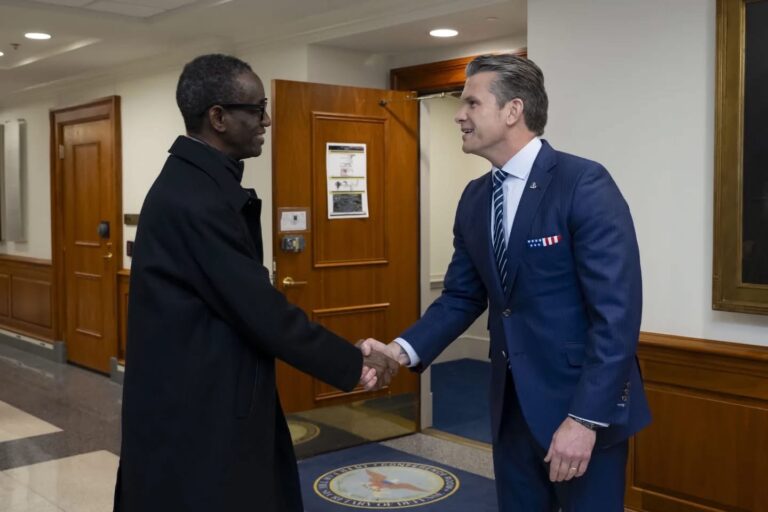
Washington, D.C. – United States Secretary of Defense Pete Hegseth hosted Nigeria’s National Security Advisor, Major General (retd.) Nuhu Ribadu, alongside other senior Nigerian officials, in Washington this week to discuss reports of persecution against Christian communities in Nigeria.

The high-level meeting focused on the security challenges facing religious minorities in the country, with both sides exploring avenues for collaboration on intelligence sharing, protection strategies, and policy interventions.

In a statement following the meeting, Hegseth reaffirmed the United States’ commitment to supporting Nigeria in addressing security threats while safeguarding religious freedoms. The discussions come amid growing international concern over targeted attacks against Christian communities in several Nigerian states.

Ribadu briefed US officials on Nigeria’s ongoing security initiatives and outlined the government’s strategies to curb insurgency, communal violence, and religiously-motivated attacks. The delegation also explored potential partnerships aimed at enhancing regional security and protecting vulnerable populations.

The meeting underscores the increasing attention of global actors on Nigeria’s internal security situation and the role of international cooperation in addressing both humanitarian and strategic challenges.


FilmOne Entertainment Hosts Press Junket for Newly Released Comedy Blockbuster – Grandpa Must Obey

0

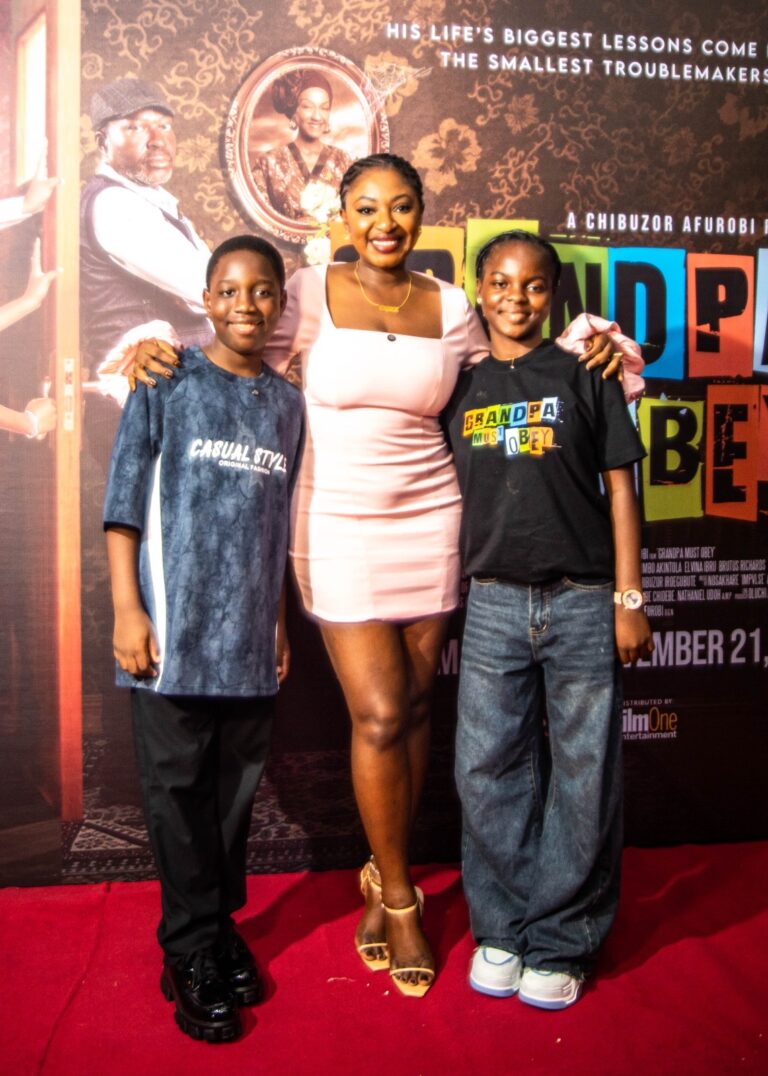
Lagos, Nigeria — November 21, 2025: FilmOne Entertainment hosted an exclusive press junket for the highly anticipated family comedy Grandpa Must Obey on November 19, 2025 in Lagos. The session brought together key cast members, the director, media platforms, entertainment journalists, and influencers for a full-day conversation on the film’s themes, production journey, and unique comedic vision.

The junket served as a strategic pre-launch engagement, building momentum and fan anticipation ahead of the film’s official opening weekend today, November 21, 2025, across Filmhouse Cinemas nationwide and other participating theatres.

Speaking during the session, the cast and director shared personal insights about the making of the film, the cultural relevance of its storyline, and what audiences should expect. The film explores family dynamics, generational clashes, and the humorous chaos that unfolds when a grandfather finds himself navigating changing times—and an even more stubborn family.

Journalists and media attendees enjoyed exclusive access to behind-the-scenes conversations, character breakdowns, and comedic moments from the casts. The junket also featured curated interview blocks, photo moments, and early content capture for broadcast, print, and digital amplification.

“The energy in the room was incredible. Grandpa Must Obey is a story that blends nostalgia, humour, and heart in a way the entire family can enjoy,” said Simisola Korede, an attendee at the event. “This junket allowed us to experience first-hand how special this film is before it hits cinemas.”

Grandpa Must Obey opens nationwide today, at cinemas nationwide, delivering a fun, lighthearted, and laughter-filled cinematic experience just in time for the weekend rush.

Olivia Yacé Places Fourth at Miss Universe 2025, Leading Africa Into the Top Five

0

Olivia Yacé delivered a commanding performance at the Miss Universe 2025 pageant, earning a fourth place finish after a closely contested final round. Her placement, just short of the podium, marked a significant achievement for Côte d’Ivoire and positioned her as the highest-ranking African contestant in this year’s competition.

Her showing combined assurance, poise, and a clear sense of purpose, which drew strong attention throughout the event. Observers noted her steady composure on stage and her ability to project both elegance and confidence under the scrutiny of a global audience.

Yacé’s Top 5 finish was widely welcomed at home, where it was seen as a milestone moment for Ivorian representation in international pageantry. Her performance also strengthened Africa’s presence at the competition, placing her among the most distinguished contestants of the night.

Her result stands as a reminder of her growing influence and the rising profile of West African delegates on the world stage.

Bola TINUBU — THE MAN OF PARTICULAR CONCERN-Why Trump’s Warning Has Become Tinubu’s Validation

0

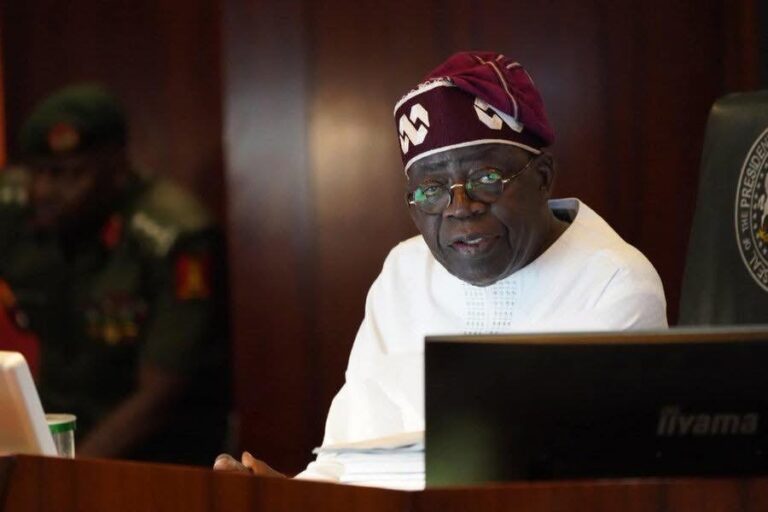
When Donald Trump placed Nigeria on the list of “Countries of Particular Concern,” it sent shockwaves through diplomatic circles. Many Nigerians felt embarrassed; many critics seized it as ammunition; and the global community interpreted it as a sign that Africa’s largest nation was spiralling into dysfunction. But history often wears an ironic smile. At the very moment Trump issued his declaration, Nigeria had already found a leader who understood the depth of the problem and had begun the process of national reconstruction.

Trump raised the alarm — but it is President Bola Ahmed Tinubu who is providing the cure.

That is the paradox the world must understand: the “concern” America expressed has become the stage on which Tinubu is proving the resilience, potential, and emerging strength of the Nigerian state. In many ways, Trump’s declaration only highlighted what Tinubu had already diagnosed and started fixing long before Washington noticed.

Tinubu inherited a nation weighed down by decades of neglect — a subsidy system draining billions, a forex regime built on arbitrage, an economy choking under structural distortions, and a federation battling imbalance across regions. And crucially, he inherited a security landscape fractured by years of terror attacks, banditry, mass kidnappings, and the gruesome killing of Christians and other innocent citizens — the very crisis Trump referenced in his warning. Instead of pretending the problems were small or temporary, Tinubu did something unfamiliar in Nigerian politics: he confronted them head-on. That is what makes him the man of particular concern — not because he triggered the crisis, but because he is the first leader in a long time courageous enough to dismantle it.

One of Tinubu’s earliest and boldest moves was to overhaul the nation’s security architecture. He dissolved the old security hierarchy, appointed new service chiefs with proven field experience, restructured the Defence Headquarters, and insisted on accountability and measurable results. Under his directives, joint task forces were revived, air-ground synergy improved, and intelligence collaboration tightened. In just months, thousands of terrorists, kidnappers, and insurgents were neutralised or captured. And unlike in years past, security operations have been paired with infrastructure and economic revitalisation in vulnerable communities — breaking the cycle of violence at the root, not just the surface.

From the moment he assumed office, Tinubu made it clear that he was not interested in cosmetic leadership. Subsidy removal was not a political decision; it was a patriotic one. A country cannot move forward while financing a multi-billion-dollar black hole that empowered cartels and impoverished citizens. Tinubu took the risk. He chose truth over comfort. He knew the backlash would come, but he also knew Nigeria could no longer afford to live on economic lies. Today, the fiscal space created by that bold step is what states are using to pay salaries, fund projects, and revive governance.

And when he unified the exchange rate — shutting down the loopholes that had turned a few privileged actors into overnight billionaires — Tinubu was not trying to impress Trump or any foreign power. He was trying to restore sanity to the Nigerian economy. Trump’s designation did not provoke this reform; Tinubu had already started the process because he understood that Nigeria’s economy needed honesty before it could attract genuine investment. The turbulence was inevitable, but credibility requires transparency, and Tinubu restored that transparency.

But perhaps Tinubu’s most visionary step — the one even Trump’s analysts did not anticipate — was the structural balancing of Nigeria through the creation and expansion of regional development commissions. For the first time in Nigeria’s history, every geopolitical zone now has a dedicated development engine. This was not demanded by the United States. It was not suggested by international agencies. It was Tinubu’s understanding that for Nigeria to grow, equity must be institutional, not rhetorical. He rebuilt fairness into the architecture of governance.

And then came the infrastructure renaissance — not just isolated projects, but generational undertakings that signal a president thinking 30 years ahead. The ambitious 700-kilometre Lagos–Calabar Coastal Highway, now under construction, is set to connect states, open up maritime corridors, and stimulate multi-billion-dollar investments along the Atlantic coast. The Sokoto-Badagry Super Highway, linking the far North to the South-West, promises to become one of Africa’s greatest economic arteries. Rail revival is back on track. Power reforms are accelerating. Housing estates are rising nationwide. Ports are being modernised to attract global shipping giants. And across the country, federal roads once abandoned have returned to life under Tinubu’s Renewed Hope infrastructure drive.

International confidence is returning as well. Tinubu has aggressively courted global investors, securing commitments from the UAE, Germany, Saudi Arabia, the U.S., and major multinational corporations. His administration attracted over $30 billion in investment pledges within its first year — not by chance, but through deliberate diplomacy and structural reforms that signal seriousness.

And at the heart of this renewed economic direction is tax reform. Tinubu’s new tax administration roadmap aims to eliminate multiple taxation, curb corporate leakages, block illegal business practices, and raise Nigeria’s tax-to-GDP ratio from an abysmal 6% toward global averages. For the first time in years, Nigeria is building a clean, modern, transparent tax system capable of funding real development.

While Trump was highlighting Nigeria’s troubles, Tinubu was already laying the foundation for Nigeria’s transformation. You cannot call a man “particular concern” when he is the one turning concern into opportunity.

This is the irony the world must acknowledge: Trump’s declaration may have tagged Nigeria as a concern, but Tinubu’s leadership is turning Nigeria into a country of particular interest — a country the world must watch, understand, and finally respect. Because what Trump intended as a warning has become Tinubu’s opportunity to showcase Nigeria’s resilience under real reforms.

Tinubu is cherished today not because he makes easy decisions, but because he makes necessary ones. He is a president who chooses responsibility over populism, honesty over deception, and long-term stability over short-term applause. Nigeria needed painful surgery; Tinubu did not shy away from the operating room. And that includes the security theatre — where he boldly dismantled lethargy, empowered the military with new equipment, restored morale, and demanded measurable victories against terrorists and criminals. And in the economic theatre, where he is redefining Nigeria’s investment climate. And in the national theatre, where he is stitching together a stronger, more united, more equitable republic.

Trump issued the alarm.
Tinubu is delivering the solution.

And in the grand irony of global politics, the label that once signaled weakness is now the stage upon which Nigeria’s strength is emerging.

This is why Tinubu is the man of particular concern — the leader bold enough to take Nigeria from warning to awakening, from discomfort to direction, and from concern to confidence.

© Osigwe Omo-Ikirodah — Principal & CEO, Bush Radio Academy. All Intellectual Property Rights Reserved.