Home Blog Page 267

Zookeeper loses life attempting to save woman from lion, says NASU chair

0

The Obafemi Awolowo University, Ile-Ife, Osun State, has closed its zoological garden on campus after a tragic incident where a nine-year-old lion killed Mr. Olabode Olawuyi, a veterinary technologist.

According to Mr. Wole Odewumi, the Chairman of the National Association of Non-Academic Staff of Universities at OAU, the lion initially attacked a woman working at the zoo, prompting Olawuyi’s intervention.

Unfortunately, the lion turned on him, resulting in his tragic death. The university has locked the zoo, conducted a mourning procession, and engaged with Olawuyi’s family.

The management assured necessary actions would be taken, and a committee, including Olawuyi’s union representative, will address raised concerns. The lion was later shot by a security operative.


The Senate will investigate the Buhari administration and Emefiele regarding CBN loans totaling N30 trillion

0

On Tuesday, the Senate decided to investigate the acquisition and utilization of the N30 trillion Ways and Means loans by the Central Bank of Nigeria during the tenure of former President Muhammadu Buhari.

Ways and Means is a loan tool employed by the CBN to address government budget shortfalls.

The Senate attributes the current food and security crises to the extravagant spending of the overdraft received under Godwin Emefiele’s leadership.

A special committee will be formed to scrutinize the N30 trillion overdraft, the N10 trillion spent on the Anchor Borrowers Scheme, the $2.4 billion forex transaction, and other intervention programs.

This move follows persistent economic challenges and criticisms of President Tinubu’s policies.

The Senate’s investigation aims to unveil the alleged mismanagement of resources during Buhari’s administration, particularly focusing on the Ways and Means loan. In January 2023, Buhari sought to convert the N22.7 trillion loan to a 40-year bond, later increased to N30 trillion.

The House of Representatives approved this conversion, but the 9th Senate faced internal disagreements when some lawmakers demanded details before endorsing the loan.

The current Senate’s probe, prompted by the challenging economic conditions, will delve into the spending patterns, especially the substantial direct lending by the CBN, contributing to rising inflation and a weakened naira. The investigation will extend to other economic aspects, including the Anchor Borrowers Programme.

The Joint Senate Committee emphasizes the urgent need to address inflation, enhance food production, and stabilize the economy through coordinated fiscal and monetary policies.

The report underscores the impact of the N30 trillion Ways and Means on inflation, money supply, and the depreciation of the naira. The probe panel is set to summon key figures from the previous administration.


The People’s Democratic Party welcomes the investigation, attributing current hardships to Buhari’s actions. The Labour Party views the probe positively but questions the Senate’s commitment.


Both parties express skepticism about the Senate’s impartiality, given its perceived alignment with the ruling party. Former Minister Lai Mohammed and CBN’s Emefiele’s counsel, Matthew Bukka, remain unavailable for comments.

FG plans to implement biometric gates at international airports in March

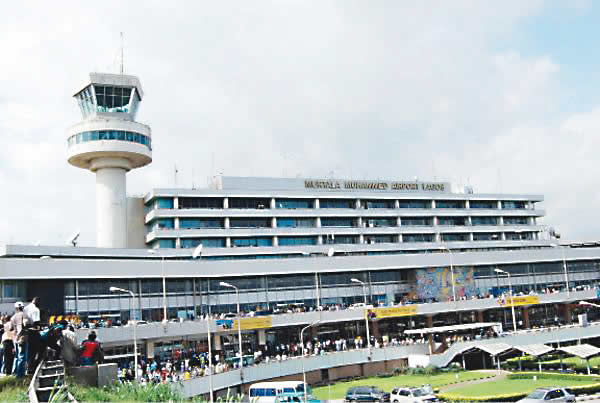
The Nigerian Federal Government has finalized arrangements to implement biometric clearance gates for the Nigeria Immigration Service across the country’s international airports.

These gates are set to be operational at major airports, including Murtala Muhammed International Airport in Lagos, Nnamdi Azikiwe International Airport in Abuja, Mallam Aminu Kano International Airport, Port Harcourt International Airport, and Akanu Ibiam International Airport in Enugu by March 2024.


The Minister of Interior, Olubunmi Tunji-Ojo, expressed optimism during an inspection visit, emphasizing that the installation of 17 gates in Lagos, 10 in Abuja, five each in Port Harcourt and Kano, and four in Enugu will significantly enhance the efficiency of international passenger clearance.

This strategic move aims to streamline processes, reduce delays, and contribute to national security, aligning with global best practices and President Bola Tinubu’s Renewed Hope Agenda.


SSANU issues a protest threat following the federal government’s release of withheld salaries to ASUU

0

The Senior Staff Association of Nigerian Universities has declared its intention to disrupt university activities nationwide if the withheld salaries of its members remain unpaid.

This follows the exclusion of SSANU members from the salary release by the Federal Government, which started with the Academic Staff Union of Universities on Monday.

ASUU Chairperson at the Federal University of Technology, Minna, Prof. Gbolahan Bolarin, confirmed the development, stating, “Yes, it is true. Payment has started rolling in.”

The salary withholdings occurred during the ‘No Work, No Pay policy’ invoked by the former President Muhammadu Buhari’s administration against ASUU and SSANU during an eight-month strike in 2022.

In October 2023, President Bola Tinubu approved the release of four months’ withheld salaries for ASUU.


However, SSANU’s National President, Mr. Mohammed Ibrahim, expressed discontent with their exclusion, emphasizing that while they aren’t against ASUU receiving payment, it’s unjust not to include SSANU.

Ibrahim decried the situation, stating, “This is just terrible; we found out that only ASUU’s payment was approved.

As it is, there is tension on all the campuses.


We are not angry that they are paying ASUU, but they should know that it is not only ASUU that went on strike.

Why should our case be different?” He highlighted that SSANU members would convene to decide on their course of action.

National Vice-President of SSANU, Abdussobur Salaam, warned that the Joint Action Committee of NASU and SSANU should not be blamed if administrative and corporate governance grind to a halt due to the government’s inaction.


Meanwhile, ASUU, Abuja zone, lamented the death of some members, attributing it to the harsh economic conditions, poor remuneration, and unfavorable working conditions.


The union reported the loss of 46 academics in universities under the Abuja zone and emphasized the need for improved healthcare access.

Nigerians criticize Seyi Tinubu for advocating endurance amid economic challenges

0

Mr. Seyi Tinubu, the eldest son of President Bola Tinubu, urged Nigerians to be patient with his father’s administration amid challenging economic times, following protests in Ibadan and a lone protest in Uyo.


Despite criticism of President Tinubu’s economic reforms causing instability,

Seyi reiterated his father’s call for endurance and expressed confidence that the current generation would reap benefits from the hardships.

However, his message faced backlash, with some questioning his opulent lifestyle while advocating sacrifice.

Former Vice President Atiku Abubakar also criticized Tinubu’s economic policies, advocating for a managed-floating system instead of a rapid exchange rate unification.

The Presidency, in response, disagreed with Atiku’s proposal, citing past issues with a similar approach.

A lion fatally injures a veterinary worker at OAU while being fed

The head of the Zoological Garden at Obafemi Awolowo University, Ile-Ife, Osun State, Mr. Olabode Olawuyi, met a tragic end as he was fatally attacked by a lion while feeding the animals in their enclosure.

The university’s management, led by Vice Chancellor Prof. Simeon Bamire, promptly halted their meeting to assess the situation.

Despite efforts from staff to rescue Olawuyi, the lion inflicted severe injuries, leading to his untimely death.


The university, deeply saddened by the incident, has euthanized the aggressive lion.


An investigation has been initiated, and condolences have been extended to the bereaved family.

The Federal Government initiates disbursement of salaries previously withheld from ASUU

0

The Federal Government has initiated the disbursement of previously withheld salaries for academics affiliated with the Academic Staff Union of Universities,

Multiple credible sources within the academic sector in Abuja confirmed this development on Monday.

Prof. Gbolahan Bolarin, the ASUU chairperson at the Federal University of Technology, Minna, verified the information, stating, “Yes, it is true. Payment has started rolling in.”

In October 2023, President Bola Tinubu approved the release of four out of eight months’ worth of ASUU withheld salaries.

These salaries were held back during the tenure of former President Muhammadu Buhari, who implemented a ‘No Work, No Pay policy’ in response to a prolonged strike by certain university-based unions in 2022.

Highlighting recent developments, Minister of Education Tahir Mamman disclosed that the government has increased university workers’ salaries by 35 percent.

Furthermore, autonomy has been granted to universities by removing them from the Integrated Payment and Payroll Information System.

Minister Mamman emphasized that universities no longer require a waiver for recruitment and filling vacancies.

These decisions resulted from informal consultations with tertiary institution unions.

Further details will be provided later.

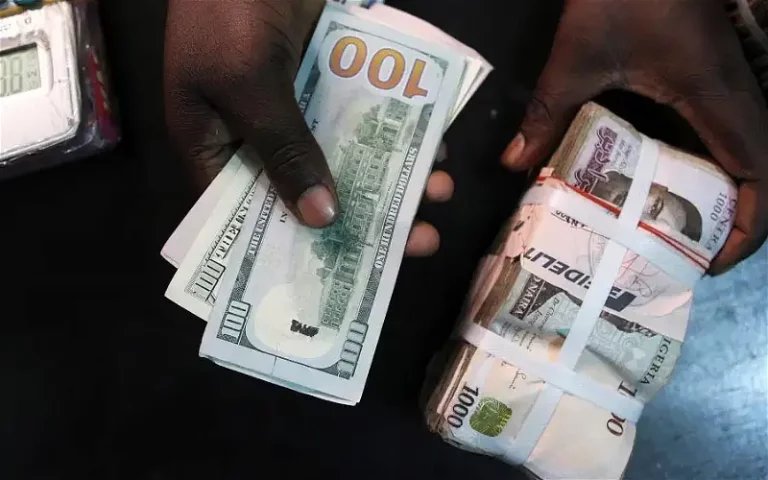
The exchange rate at the parallel market sees the Naira declining to N2,000 per 1£

Nigeria’s local currency is presently surpassing the 2,000 naira mark against the Great Britain Pound in the parallel market, as confirmed by Malam Ibrahim, a Bureau de Change operator at Wuse Zone 4. He acknowledged the trend, stating,

“Yes, it is true; we are currently selling above N2,000 for the pounds, and this is primarily due to the robust and consistent demand for these currencies.”

Notably, this new exchange rate marks an increase from the N1,930 recorded on Saturday, representing the lowest point in the historical performance of the naira.

Simultaneously, the naira experienced depreciation against the dollar in the parallel forex market, where it unofficially traded at N1,673 compared to N1,670/$ on Friday.

These financial developments persist despite the Central Bank of Nigeria’s implementation of various policies aimed at reinforcing the foreign exchange supply.

One recent policy involves halting international oil companies in Nigeria from immediately remitting 100 per cent of their forex proceeds to their parent companies abroad.

Market analysts attribute this recent decline to a consistent surge in demand for dollars, evident since the beginning of January.

The heightened demand is primarily driven by businesses actively restocking goods or acquiring raw materials, leading to an increased need for foreign exchange.

Further details will follow.

Oyo’s young residents rally against the exorbitant cost of living

0

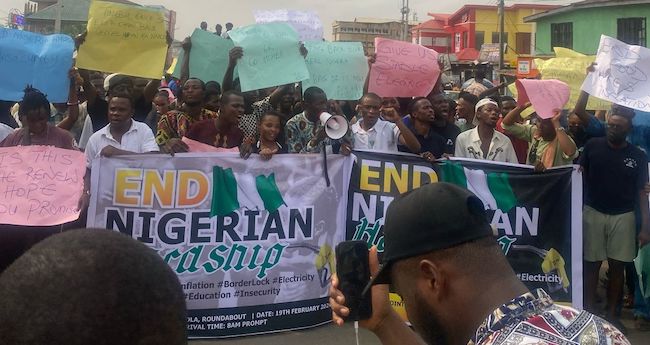
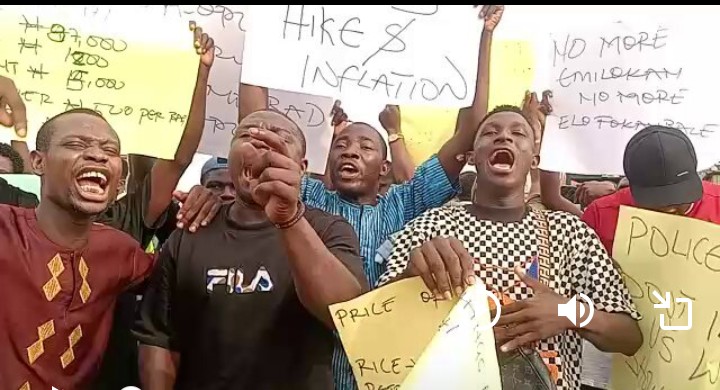
In Ibadan, the capital of Oyo State, young protesters took to the streets on Monday, expressing their discontent with the soaring food prices and the overall economic conditions.

Gathered around the Mokola area, they brandished placards with messages like ‘End food hike and inflation,’ ‘The poor are starving,’ and ‘Tinubu, don’t forget your promises.’

Chanting grievances through songs, the demonstrators were met by armed policemen.

An anonymous protester emphasized the widespread impact, stating, “This problem affects everyone, and every Nigerian must stand for their right to collectively combat the high cost of living. We can’t afford three square meals.

Sections 39 and 40 of the country’s constitution empower every Nigerian to organize peaceful assemblies and address economic hardships.

Expect protests from various angles; it’s not just about me but all Nigerians. We must unite to restore normalcy.”

Another protester, Barakat, expressed the escalating hunger, saying, “Everything is spiraling out of control.

We can’t even manage two square meals.

We voted for Tinubu to correct Buhari’s mistakes, but the problem has escalated beyond control now.”

In Niger State, both youths and women took to the streets, blocking the Minna-Bida Road at Kpakungu Roundabout to protest the perceived hardship under the Bola Tinubu government.

The economic strain intensified after President Tinubu removed the fuel subsidy on May 29, 2023.

The influx of foreign capital into the banking industry experiences a decline, reaching $832 million, as per the report

0

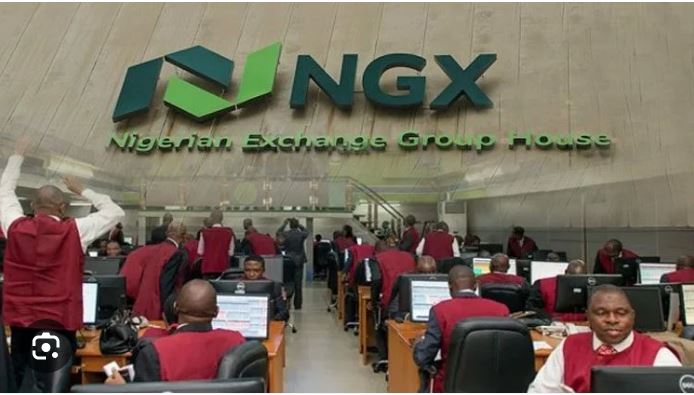
In 2023, Nigeria’s banking sector experienced a notable decline in foreign capital inflow, receiving approximately $832.64 million, marking a 60 percent decrease from the previous year.

The National Bureau of Statistics’ latest capital importation report reveals a detailed analysis, highlighting the first quarter as the peak period with an influx of $304.56 million, followed by the fourth quarter contributing $283.30 million, representing 26.03 percent of the total capital importation for that period.

Quarterly breakdown shows the second quarter receiving $194.58 million, while the third quarter underperformed with only $50.20 million in foreign capital.

CitiBank Nigeria Limited led in attracting foreign capital throughout the year, amassing over $1.03 billion, with the highest inflow occurring in the first quarter ($424.13 million).

Stanbic IBTC Bank followed closely with $919.32 million, reaching its peak in the fourth quarter, and First Bank of Nigeria secured $447.69 million, achieving its highest inflow in the second quarter.

Despite the banking sector’s diminished performance in 2023 compared to the previous year, it remained a significant recipient of foreign capital.

Oluseye Olusoga, CEO of Parthian Partners, emphasized the pivotal role of financial services in the economy, stating that the inflow signifies the potential for the banking sector to provide essential liquidity.

Looking optimistically, he anticipates the flow of foreign funds to eventually reach the manufacturing sector.

For the fourth quarter, total capital importation into Nigeria reached $1.09 billion, a 2.62 percent increase from Q4 2022.

Other investments, including trade credits, loans, currency deposits, and claims, dominated with 54.64 percent ($594 million), followed by portfolio investment at 28.46 percent ($309 million) and foreign direct investment at 16.90 percent ($183.97 million).

The production/manufacturing sector emerged as the leading recipient of foreign capital in Q4 2023, securing $450.11 million, constituting 41.35 percent of the total capital imported.

The banking sector followed at $283.30 million (26.03 percent), and financing at $135 million (12.46 percent).

The majority of capital inflows originated from the United Kingdom, Mauritius, and the Netherlands.

In terms of destination, Lagos State retained its position as the top choice in Q4 2023, attracting $771 million, followed by Abuja and Rivers State.