



Home Blog Page 30

FAROUK AHMED AND HIS 5 MILLION DOLLARS TUITION FOR HIS CHILDREN 

0

FAROUK AHMED AND HIS 5 MILLION DOLLARS TUITION FOR HIS CHILDREN

Onwuasoanya FCC Jones, PhD.


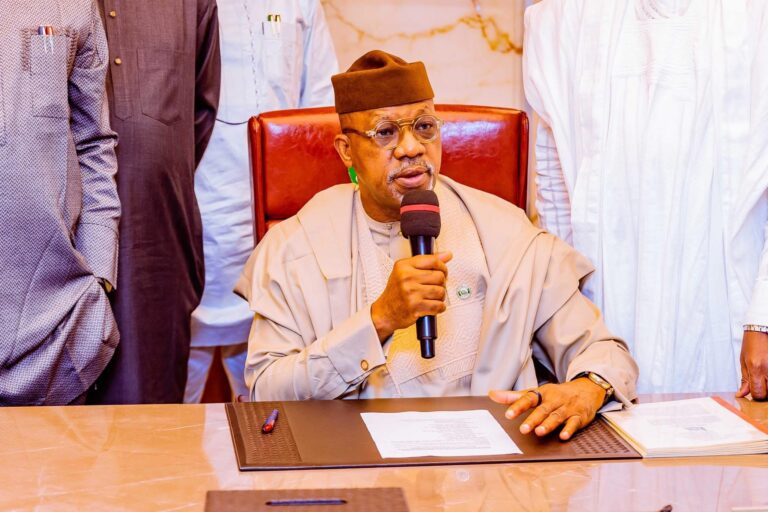
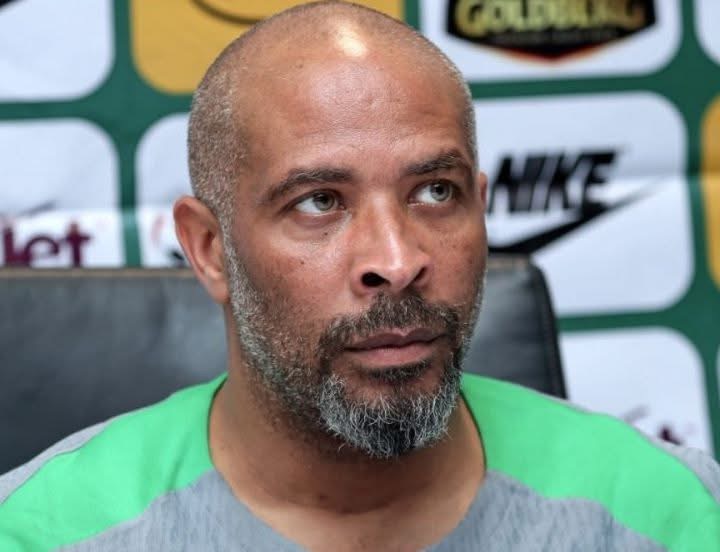
President of the Dangote Group, Alhaji Aliko Dangote has accused the Chief Executive Officer of the Nigerian Midstream and Downstream Petroleum Regulatory Authority, Engineer Farouk Ahmed of economic sabotage and living way above his verifiable and legitimate earnings.


Dangote who made the allegations during a press conference at the corporate headquarters of his Dangote Refinery in Lagos expressed frustration with the activities of supposed industry regulators who, instead of implementing policies and ideas that would benefit ordinary Nigerians, rather work to protect their personal interests without regard to the plight of ordinary Nigerians.


He accused the NMDPRA boss of paying approximately 7.5 Billion Naira in years tuition fees for four of his children studying in Switzerland, wondering if his earnings at NMDPRA or any other legitimate income of his could afford such exorbitant and unnecessary school expenses for his children in Secondary, arguing that his (Dangote) own children went to secondary schools in Nigeria, even though he could comfortably afford to send them to any school in the world from his legitimate earnings.


The NMDPRA and other petroleum industry regulators are accused of trying to frustrate the effective stabilisation of Nigeria’s local refining capacity by continuing to grant import licences to marketers to bring in “low quality blended PMS into Nigeria”, at exorbitant prices, thereby making it difficult for local refiners to break even in their business operations.


I do not have any doubts that Alhaji Aliko Dangote got his facts right, before coming to the public with these hefty allegations of traitorous behaviour by the NMDPRA helmsman, even as the richest man in Africa had challenged the man at the centre of the storm to disprove his allegations, as well declaring his readiness to publish the details of these fees payment and also exploiting legal options to compel the schools in Switzerland to disclose these payments to the world.


Beyond the obvious economic sabotage in the actions of Engineer Farouk Ahmed and his cohorts in the dangerous mafia trying to frustrate Nigeria’s economic stability, one Dan also the animalistic wickedness of many in Nigeria’s ruling class; they do not only frustrate Nigeria’s economic and social development, they also make desperate efforts to shield their children from the damage they wrought on the country. Individuals like Farouk Ahmed do not believe in Nigeria and would auction the country to any willing buyer, if they have the opportunity, and as long as they are guaranteed of their children’s immunity from the consequences of such evil trade.


Many of these traitors are those who have always had an easy life. They are the spoilt brats of Nigeria who don’t know the value of work and the slightest decency, but would steal everything that comes their way, in the selfish drive to continue to be powerful and to prepare their children for a life of ease and comfort, even if it means that the rest of Nigeria perishes.


Listening to Dangote speak about this ongoing sabotage in the petroleum sector and how it impacts the ordinary Nigerian, you would not help but recognise and appreciate his unmistakable patriotism and empathy – more than you can see in any or most Nigerian politicians. Dangote, if he wanted to be selfish, would not care about Nigerians, because he does not have or doesn’t seem to be interested in seeking the votes of Nigerians for anything, but he cares and works harder than those who have our votes for the interest of ordinary Nigerians.


An individual like Engineer Farouk Ahmed should not have any business continuing in his position as the Chief Regulating Authority in Nigeria’s petroleum sector. The expositions against him by Dangote, should be enough, not only to drag him out of that office in handcuffs, but also to ensure that he does not see the skies for a very long time, or until he is able to prove himself innocent of these heavy allegations against him. His alleged actions are at direct variance to the President’s stated vision for Nigeria’s petroleum industry, and it would make no sense to condone him for a day longer after these allegations have been made.


May Nigeria Prevail!


…these are your Nigeria Big Men; they steal and steal some more, using grand deceptions with the cover of religion!

Dangote Accuses NMDPRA of Issuing ‘Reckless’ Import Licences for Petroleum Products from Russia

0

Aliko Dangote, chairman of Dangote Industries Limited, has accused the Nigerian Midstream and Downstream Petroleum Regulatory Authority of issuing what he described as reckless licences for the importation of petroleum products from Russia, a practice he claims is undermining Nigeria’s downstream petroleum sector.


Dangote made the remarks during a media engagement at the Dangote Refinery on Sunday, where he spoke extensively on the state of the downstream industry and broader challenges facing the sector. In his comments, he alleged that the continued approval of import licences runs counter to national economic interests, particularly at a time when Nigeria is seeking to strengthen domestic refining capacity.


According to Dangote, the leadership of the NMDPRA has persisted in granting import approvals despite the availability of locally refined products. He argued that this approach weakens investment confidence in local refining and discourages efforts aimed at achieving energy self-sufficiency. He further alleged that officials within the regulatory authority are working in concert with international traders and petroleum importers to sustain fuel imports at the expense of domestic producers.


The industrialist also made direct allegations of corruption against Farouk Ahmed, the chief executive officer of the NMDPRA. Dangote claimed that the actions of the authority’s leadership have created structural obstacles for local refiners, including his own refinery, which he said has made deliberate efforts to supply petroleum products at competitive prices.


He warned that the continued issuance of import licences, particularly for products sourced from Russia, could have damaging consequences for the Nigerian economy. According to him, such practices negate the benefits of massive private investment in refining infrastructure and expose the country to unnecessary external dependence.


Dangote maintained that local refining should be prioritised as a matter of policy, not only to stabilise fuel supply and pricing but also to protect jobs, conserve foreign exchange, and support long-term economic growth. He described the current licensing regime as inconsistent with these objectives and called for greater transparency and accountability in regulatory decisions affecting the downstream sector.


As of the time of reporting, the NMDPRA has not publicly responded to Dangote’s allegations. The claims, however, have intensified debate around fuel importation, regulatory oversight, and the future direction of Nigeria’s downstream petroleum industry, particularly as the country seeks to transition toward greater domestic production and reduced reliance on imports.

“Japa Is Extremely Hard”: Tayo Aina Opens Up on the Realities of Relocating to Portugal

0

Popular YouTuber and filmmaker Tayo Aina has spoken candidly about the emotional and practical challenges of relocating from Nigeria to Portugal, offering a rare, unfiltered look at what life abroad can feel like beyond the surface appeal.


Reflecting on his decision to leave Nigeria, Tayo described the experience as far more difficult than many people anticipate. According to him, the hardest part of “japa” is not the relocation itself, but the emotional weight of leaving behind everything familiar. He explained that moving to Portugal presented an even steeper challenge because it is not a common destination for Nigerians. The language barrier and the limited Nigerian population have made settling in especially isolating. He noted that the Nigerian community in Portugal is relatively small, estimated at about 5,000 people, and widely dispersed across the country.


This lack of a close-knit community, Tayo said, has made integration significantly harder. Building new relationships as an adult comes with its own difficulties, as most people are already deeply engaged with their routines and responsibilities. Without a strong support system, the process of forming new connections becomes slow and emotionally demanding. He admitted that this sense of isolation often fuels his desire to return to Nigeria, even if briefly, simply to be around people who look like him, speak the same language, and share similar cultural references. For him, that sense of belonging is not a luxury but a necessity.


Despite these challenges, Tayo acknowledged that life in Portugal does offer certain advantages. He pointed to improved internet reliability, easier access to travel within Europe, and a generally calmer social environment as positive aspects of his new life. These benefits, he suggested, contribute to a more relaxed pace of living compared to what he was accustomed to in Nigeria.


However, he was equally clear about the limitations he has encountered. Tayo described Portugal as one of the Western European countries with fewer economic and creative opportunities, particularly for newcomers trying to integrate into the local ecosystem. As a result, his lifestyle there feels somewhat disconnected. He explained that his engagement with Portugal is largely confined to his personal living space, while most of his professional interactions and opportunities take place elsewhere through travel.


Tayo Aina’s reflections shed light on the layered reality of relocating abroad. His experience highlights that while migration can offer stability, comfort, and access to better infrastructure, it often comes with loneliness, cultural distance, and reduced opportunities, especially in less diverse environments. His story serves as a reminder that “japa” is not a single narrative of success or struggle, but a complex journey shaped by personal circumstances, community, and the ability to adapt in unfamiliar spaces.

Naija Flavour 2025: A Cultural Experience That Celebrated Nigeria in Its Full Expression

0

Naija Flavour 2025 offered more than entertainment. It delivered a powerful reminder of who Nigerians are and what binds the country together. Through food, music, fashion, storytelling, and performance, the event reflected a living culture rooted in shared history and creative energy.

Hosted at Monoliza Park in Abuja, Naija Flavour Destination December unfolded as an immersive cultural experience rather than a conventional festival. From the moment guests arrived, the atmosphere signaled intention and depth. The scent of local cuisines filled the air, live performances set the rhythm, fashion displays added colour and identity, while theatre and storytelling created moments of reflection and connection. Each element worked in harmony, presenting Nigeria not as an idea, but as a lived experience.

9ice Alapomeji Performing On Stage

The event drew together creatives, entrepreneurs, performers, and audiences from different backgrounds, reinforcing the idea that culture thrives most when it is shared. Vendors showcased indigenous flavours and modern interpretations of Nigerian cuisine. Artists and performers brought energy and emotion to the stage, while designers and creatives used fashion and visual expression to tell stories of heritage and innovation.

Director General of the Nigerian Tourism Development Authority, Dr. Olayiwola Awakan

Speaking at the event, the Director General of the Nigerian Tourism Development Authority, Dr. Olayiwola Awakan, described Naija Flavour as a deliberate platform created to showcase Nigeria’s cultural richness and strengthen the creative economy. He highlighted its role in supporting creative businesses, promoting tourism, and presenting the Nigerian story in a form that global audiences can understand and appreciate. His remarks reinforced the importance of culture as both an economic driver and a tool for national storytelling.


Smokey Jollof Rice

Naija Flavour 2025 demonstrated how culture, creativity, and tourism can intersect to create opportunity and pride. It amplified local talent, encouraged collaboration across creative sectors, and showed the potential of cultural experiences to leave lasting impact beyond a single event. More importantly, it created a space where Nigerians could see themselves reflected with dignity and confidence.

Echoes Of The Drums Play Performance

Looking ahead, Naija Flavour is positioned as a travelling cultural platform, set to move across different regions of Nigeria. Each destination will offer its own stories, flavours, and expressions, ensuring that the richness of the country’s diversity is shared nationally and beyond. This expansion marks the beginning of a broader cultural journey, one that places Nigerian identity at the centre of tourism and creative development.

The DG with a Guest

This edition stands as a testament to collective effort. Every performer, vendor, creative, partner, and guest played a role in shaping an experience that will be remembered for its authenticity and energy. Naija Flavour 2025 was not just an event where Nigeria showed up. It was a statement of confidence in who we are and where our stories can go next.

Ignored or Out of Step? The Reality Behind Nollywood’s Veteran Actor Debate

0

Recently, a number of veteran Nollywood actors have publicly claimed they are being sidelined, ignored, or denied roles in the industry they helped build. The statements tug at the conscience: after decades of contribution, should they not still be celebrated and engaged? Yet, a closer look reveals that the conversation is not about neglect, it is often about relevance.


The truth is stark. Nollywood today demands more than reputation. Productions have grown technically sophisticated, scripts more intricate, and audiences far more discerning. Acting that was celebrated 30 or 40 years ago may no longer meet the expectations of modern storytelling. Legacy does not automatically guarantee opportunity.

Contrast this with those who have maintained visibility and influence. Baba Wande, Adebayo Salami, Jide Kosoko, Yinka Quadri, Dele Odule, Lanre Hassan, Samson Eluwole, Mama Rainbow, Madam Saje, Lola Idijie, Jibola Dabo, Ogogo, Saka, Aderupoko and host of others continue to command roles across films and series. Their approach is simple yet effective: adapt, refine skills, respect the craft, and align with the demands of contemporary production. They do not rely on nostalgia; they meet today’s standards head-on.


An important aspect of this adaptation is collaboration beyond traditional film roles. Several older actors have positioned themselves strategically by working with digital skit makers, comedians, and content creators on platforms like Instagram, TikTok, and YouTube. This has injected new energy into their careers, exposing them to younger audiences and reminding the industry of their versatility. Collaborations with viral skit makers have not only expanded their reach but also created new streams of opportunity, proving that relevance is as much about visibility and adaptability as it is about past achievements.


Meanwhile, some veterans like Ojoge, Otolo, Yemi Mylover and few others have watched their viral interviews have approached the discussion differently. Interviews with them reveal a tone of entitlement and a tendency to overshare personal grievances. This approach can alienate producers who must make pragmatic casting decisions. Complaining about being overlooked, without demonstrating updated skills or willingness to evolve, risks sending the message that one is out of touch rather than unjustly ignored.


It is important to acknowledge systemic challenges: typecasting, fewer roles for older actors, and a youth-driven commercial industry are real. Yet, the success of peers proves that opportunities exist for those who actively maintain relevance. Professionalism, preparation, and awareness of market demands remain critical.


Ultimately, Nollywood owes no one automatic roles. The industry rewards adaptability, discipline, and talent that meets current expectations. Complaints of neglect, unaccompanied by effort to evolve, appear less like advocacy and more like resistance to change. In the harsh but vibrant reality of Nollywood, legacy opens doors but only relevance keeps them open.


Why Awujale Nomination Meeting Was Postponed — Ruling House

0

Fresh details have emerged on why the nomination meeting to select candidates for the vacant stool of the Awujale and Paramount Ruler of Ijebuland was suspended by the Fusengbuwa Ruling House.


It was gathered that no fewer than 60 princes are currently vying to succeed the late Awujale.


Following the death of Oba Sikiru Adetona in July 2025 at the age of 91, the Fusengbuwa Ruling House—next in line to produce the Awujale—had last Thursday announced that its nomination meeting would hold on Monday.


The announcement was contained in a letter dated December 11, 2025, and signed by the family spokesperson, Abiodun Ogidan. The meeting was scheduled to take place at Bisrod Hall, GRA, Ijebu-Ode, Ogun State.


According to the ruling house, strict guidelines were put in place for the exercise. Only accredited family members were to be granted access, while each aspiring candidate was to be represented by two family members—one to nominate and the other to second the nomination. The candidates themselves were barred from attending the meeting.


Family members and accredited representatives were also urged to maintain peace, decorum and orderliness throughout the process, in line with the sacred nature of the exercise.


However, in a statement issued on Friday by the Nomination Committee, the ruling house announced that the meeting had been postponed.


The statement, titled *“To All Members of Fusengbuwa Ruling House, Ijebu-Ode,”* stated that the postponement was due to circumstances beyond the family’s control, adding that a new date would be communicated later.


Speaking exclusively with our correspondent on Sunday, the Chairman of the Fusengbuwa Ruling House and former National President of the Institute of Chartered Accountants of Nigeria, Otunba Abdulateef Owoyemi, explained that the postponement followed an intervention by the Ogun State Government aimed at preventing procedural lapses that could lead to litigation.


Owoyemi disclosed that the ruling house had been invited to a meeting with the state government on Tuesday to review the steps taken so far and ensure strict compliance with existing laws.


He dismissed speculations linking the postponement to the reported disqualification of Fuji musician, Alhaji Wasiu Ayinde (KWAM1), whom the ruling house had allegedly declared unqualified to contest.


“The postponement has nothing to do with any individual,” Owoyemi said. “We were invited by the state government to ensure that the process is properly conducted and does not become a breeding ground for legal disputes. It is simply about aligning procedures and ensuring everything is done correctly.”


Also speaking on the development, the Vice Chairman of the ruling house, Prof. Fassy Yusuf, confirmed that the ruling house, the kingmakers and the Awujale Interregnum Committee had been invited to a meeting with the government on Tuesday.


Prof. Yusuf, a Professor of Mass Communication at the University of Lagos, disclosed that not fewer than 60 princes are contesting for the throne.


“There are certain processes yet to be concluded, hence the government’s intervention,” he said. “The meeting will determine when the nomination exercise will resume. Any claim that the postponement is targeted at any individual is false and misleading.”


Efforts to appoint a successor to the late Oba Sikiru Adetona, who reigned for 65 years before his passing in July 2025, intensified after the local government reportedly gave the ruling house a 14-day ultimatum to present candidates for the revered throne.

NORTHERN ELDERS DEMAND END TO FIRS–FRANCE TAX DATA MoU

0

NORTHERN ELDERS DEMAND END TO FIRS–FRANCE TAX DATA MoU

-Said Nigeria must not replace colonialism with ‘digital


The Northern Elders Forum (NEF) has called for the immediate termination of the Memorandum of Understanding (MoU) signed between the Federal Inland Revenue Service (FIRS) and the French tax authority, Direction Générale des Finances Publiques (DGFiP).


The forum warned that the agreement poses a grave threat to Nigeria’s economic sovereignty and national security.


In an open letter addressed to the Federal Government, the Senate and the House of Representatives, the Forum described the MoU as a “dangerous tax data agreement” that could expose Nigeria’s most sensitive economic information to foreign control.


The letter, signed by NEF spokesperson, Prof. Abubakar Jika Jiddere, said that the agreement goes beyond technical cooperation and represents what the group termed “an unprotected gateway into the heart of Nigeria’s tax infrastructure.”


The letter read, “The Northern Elders Forum writes today with grave concern and an overwhelming sense of patriotic duty. Nigeria stands at a crossroads, one that threatens the very pillars of our economic sovereignty, national security, and collective dignity as an independent African nation.


“Yesterday’s signing of a Memorandum of Understanding (MoU) between the Federal Inland Revenue Service (FIRS) and the French tax authority, Direction Générale des Finances Publiques (DGFiP), is not a harmless technical collaboration.


“It is a direct, unprotected gateway into the heart of Nigeria’s tax infrastructure, placing our most sensitive economic data into the hands of a foreign power whose engagements across Africa have historically led to economic manipulation, political pressure, and strategic domination.”


The NEF said that granting a foreign government access to Nigeria’s tax data undermines the country’s economic independence and places its fiscal future at risk.


The elders warned that France’s historical engagements in Africa have often resulted in economic manipulation, political pressure and long-term dependency, urging Nigeria not to repeat what they described as past mistakes made by other African nations.


As part of its demands, the NEF urged the Federal Government and the National Assembly to immediately terminate the FIRS–France MoU; ensure Nigeria’s tax data remains 100 per cent in Nigerian hands; contract only Nigerian-owned technology companies to build and manage tax infrastructure; reintroduce and pass all data-sovereignty amendments before the Nigeria Revenue Service begins operations in January 2026; and prohibit any foreign entity from processing or storing Nigeria’s tax data.


Jiddere added, “Wherever its influence has settled, African countries have fought for decades to reclaim economic independence.


Several nations, after long periods of economic sabotage, extractive policies, and political interference, pushed France out of their internal systems because they realised too late the price of dependency.


“Nigeria must not walk into the same trap with open eyes. With insecurity ravaging our communities, with the naira under pressure, with unemployment high, and with foreign interests circling Nigeria’s digital infrastructure, this is not the time to mortgage our national pride or hand over our economic soul to any foreign state.


“The FIRS–France deal is not aid. It is an entry. Entry into our economic bloodstream. Dr Segun Adebayo, a respected national voice on data protection and fiscal independence, warned the nation months ago, clearly and publicly in his keynote address, ‘Protecting Our Tax Sovereignty’, and subsequent engagements at the National Assembly.


“Taxpayer data is national power. Allowing foreign control over this data is a threat to national security.”


According to the Forum, surrendering control of tax data exposes the country to economic espionage, mass surveillance and potential geopolitical blackmail, as foreign actors could gain insight into Nigeria’s strategic sectors, revenue flows and investment patterns, adding that, “No serious country hands such power to another state.”


The Forum also criticised what it described as a failure to protect Nigeria’s local technology ecosystem, noting that Nigerian-owned companies have built globally respected fintech and digital payment platforms.


The elders further blamed the development on what they called legislative lapses, arguing that proposed data-sovereignty amendments to existing laws could have prevented the MoU without parliamentary scrutiny.


Issuing what it described as a final warning, the Forum said Nigeria must not replace colonialism with “digital colonialism” or economic occupation disguised as cooperation.

Why Ageshinkole 2 Is a Win for the Industry: Expanding Local Audiences Without Competing With Existing Platforms

Femi Adebayo’s forthcoming release, Ageshinkole 2, is being positioned as more than a sequel. It is emerging as a deliberate attempt to revive local cinema distribution in Nigeria, at a time when film exhibition has become increasingly centralized around premium multiplexes and digital platforms.

The film is scheduled for a nationwide rollout in 2025, with screenings planned to begin in phases across different states rather than through a limited, big-city opening. This staggered release model is designed to accommodate community cinemas and independent exhibition spaces that are often excluded from mainstream distribution plans. By doing so, the project seeks to reestablish a cinema-going culture that once thrived at the neighborhood level.


A key feature of the Ageshinkole 2 release strategy is pricing. Ticket costs have been set within an accessible range, reportedly between ₦3,000 and ₦4,000, depending on location. This pricing reflects a clear effort to reduce the financial barrier that has kept many viewers away from cinemas in recent years. In contrast to the rising costs associated with luxury cinema experiences, the film’s approach prioritizes volume, reach, and inclusivity.

Exhibition locations are expected to span a mix of local and regional cinemas across the Southwest and other parts of the country, including community theaters in cities and towns such as Ibadan, Akure, Abeokuta, Osogbo, Ilorin, Ilesa, and select locations in Lagos beyond the usual high-end districts. Discussions have also extended to cinemas in parts of the North Central and South South, signaling an ambition to reconnect with audiences often overlooked by conventional release patterns.


Beyond access and pricing, the initiative carries important implications for industry stakeholders. Rather than viewing this model as competitive to existing cinema chains or digital platforms, it should be understood as complementary. Local distribution expands the overall market by reaching audiences who are currently outside the cinema ecosystem altogether. These are viewers who, due to cost, distance, or cultural disconnect, do not regularly patronize premium cinemas or subscription platforms.


By bringing films to community spaces, the model widens the audience base rather than redistributing the same viewers across different channels. This creates new revenue streams without cannibalizing existing ones. For producers, it offers an additional window for earnings. For exhibitors, particularly smaller cinema operators, it provides consistent content that can sustain operations. For distributors, it opens up untapped territories with strong demand for culturally resonant stories.


There is also a long-term strategic benefit. A broader exhibition network strengthens the entire value chain by building audience habits around cinema-going again. As more people reengage with films in physical spaces, overall demand for theatrical content grows, benefiting both mainstream and alternative releases. In this sense, local distribution functions as market expansion, not market disruption.


This approach also encourages collaboration across the industry. Filmmakers, cinema owners, marketers, and regional partners are compelled to work together in ways that centralized distribution often bypasses. Such cooperation can lead to better data on audience behavior, improved regional marketing strategies, and more informed production decisions in the future.


Importantly, the initiative is not rooted in nostalgia. It is a practical response to structural gaps in the current exhibition system. By testing an affordable, proximity-based model, Ageshinkole 2 provides a working case study that others can refine and scale. If supported, it could stimulate renewed investment in local cinema infrastructure and talent development at the regional level.


In repositioning community cinemas as viable again, Femi Adebayo is making a broader statement about industry growth. Progress does not depend solely on premium experiences or global platforms. It also depends on rebuilding access, trust, and participation at the local level. Seen from this perspective, the Ageshinkole 2 distribution strategy is a clear win for the industry as a whole, one that expands reach, diversifies earnings, and reconnects Nigerian cinema with the audiences that form its foundation.


Written by Adesina Kasali (Medullar Concept)

Ageshinkole 2 and the Return of Community Cinemas: How Femi Adebayo Is Reviving Local Film Distribution in Nigeria

0

Femi Adebayo’s forthcoming release, Ageshinkole 2, is being positioned as more than a sequel. It is emerging as a deliberate attempt to revive local cinema distribution in Nigeria, at a time when film exhibition has become increasingly centralized around premium multiplexes and digital platforms.


The film is scheduled for a nationwide rollout in 2025, with screenings planned to begin in phases across different states rather than through a limited, big-city opening. This staggered release model is designed to accommodate community cinemas and independent exhibition spaces that are often excluded from mainstream distribution plans. By doing so, the project seeks to reestablish a cinema-going culture that once thrived at the neighborhood level.

A key feature of the Ageshinkole 2 release strategy is pricing. Ticket costs have been set within an accessible range, reportedly between ₦3,000 and ₦4,000, depending on location. This pricing reflects a clear effort to reduce the financial barrier that has kept many viewers away from cinemas in recent years. In contrast to the rising costs associated with luxury cinema experiences, the film’s approach prioritizes volume, reach, and inclusivity.


Exhibition locations are expected to span a mix of local and regional cinemas across the Southwest and other parts of the country, including community theaters in cities and towns such as Ibadan, Akure, Abeokuta, Osogbo, Ilorin, Ilesa, and select locations in Lagos beyond the usual high-end districts. Discussions have also extended to cinemas in parts of the North Central and South South, signaling an ambition to reconnect with audiences often overlooked by conventional release patterns.


This distribution strategy recalls an earlier era when local cinemas served as cultural hubs, offering affordable entertainment and fostering a shared viewing experience rooted in language, tradition, and everyday life. Over time, the decline of these spaces weakened the bond between locally produced films and their core audiences. Ageshinkole 2 aims to reverse that trend by meeting viewers where they are, rather than confining access to a narrow segment of the market.

Watch here:

https://www.instagram.com/reel/DR99lqqCJ6L/?igsh=ZWF4NnFwa3IxZzQ1

Importantly, this effort is not framed as nostalgia. It is a practical intervention that addresses real gaps in the current exhibition system. By testing an alternative model built on affordability, proximity, and scale, the project offers a working example that other filmmakers and distributors can study and adapt.


If the release of Ageshinkole 2 proves commercially viable under this structure, it could reopen a sustainable path for grassroots film exhibition and encourage renewed investment in local cinema infrastructure. Beyond the film itself, the broader implication is clear. The future growth of the Nigerian film industry may depend not only on global platforms and premium screens, but also on rebuilding local access and restoring cinema as a shared, community-based experience.


Compiled By: Adesina Kasali (Medullar Concept)

Dayo Amusa Elected Actors Guild of Nigeria National Vice President, Southwest

0

Dayo Amusa Elected Actors Guild of Nigeria National Vice President, Southwes


Nollywood actress Dayo Amusa has been elected as the new National Vice President, Southwest, of the Actors Guild of Nigeria, AGN.


The election, which was conducted as part of the guild’s leadership process, places Amusa in a key executive role representing the Southwest zone. Her emergence reflects the confidence of guild members in her experience and long-standing involvement within the Nigerian film industry.


Amusa is widely known for her work across Yoruba and mainstream Nollywood productions, as well as her contributions to the growth of the industry over the years. In her new capacity, she is expected to support policy direction, advocate for actors’ welfare, and strengthen professional standards within the zone.


The Actors Guild of Nigeria remains one of the most influential bodies in the country’s creative sector, and the Southwest zone is among its most active regions. Amusa’s election adds a familiar and respected voice to the guild’s national leadership.